

Mallory Johnson for Amy Parry Projects (APP) + Mike Black (MB)
Lively, creative energy permeates the studio of Atlanta artist Mike Black. We sat down to discuss some of the projects he’s working on, his background, his technique and much more. At the same time, following in their father’s footsteps, his kids used nontraditional materials to create their very own works of art. In this case, transforming sticks into samurai swords with painted designs.


APP: That’s such a smart idea to use foam, because you’d never know but it still achieves the same effect.

APP: It seems like the Black Lives Matter movement has a real place within your work.

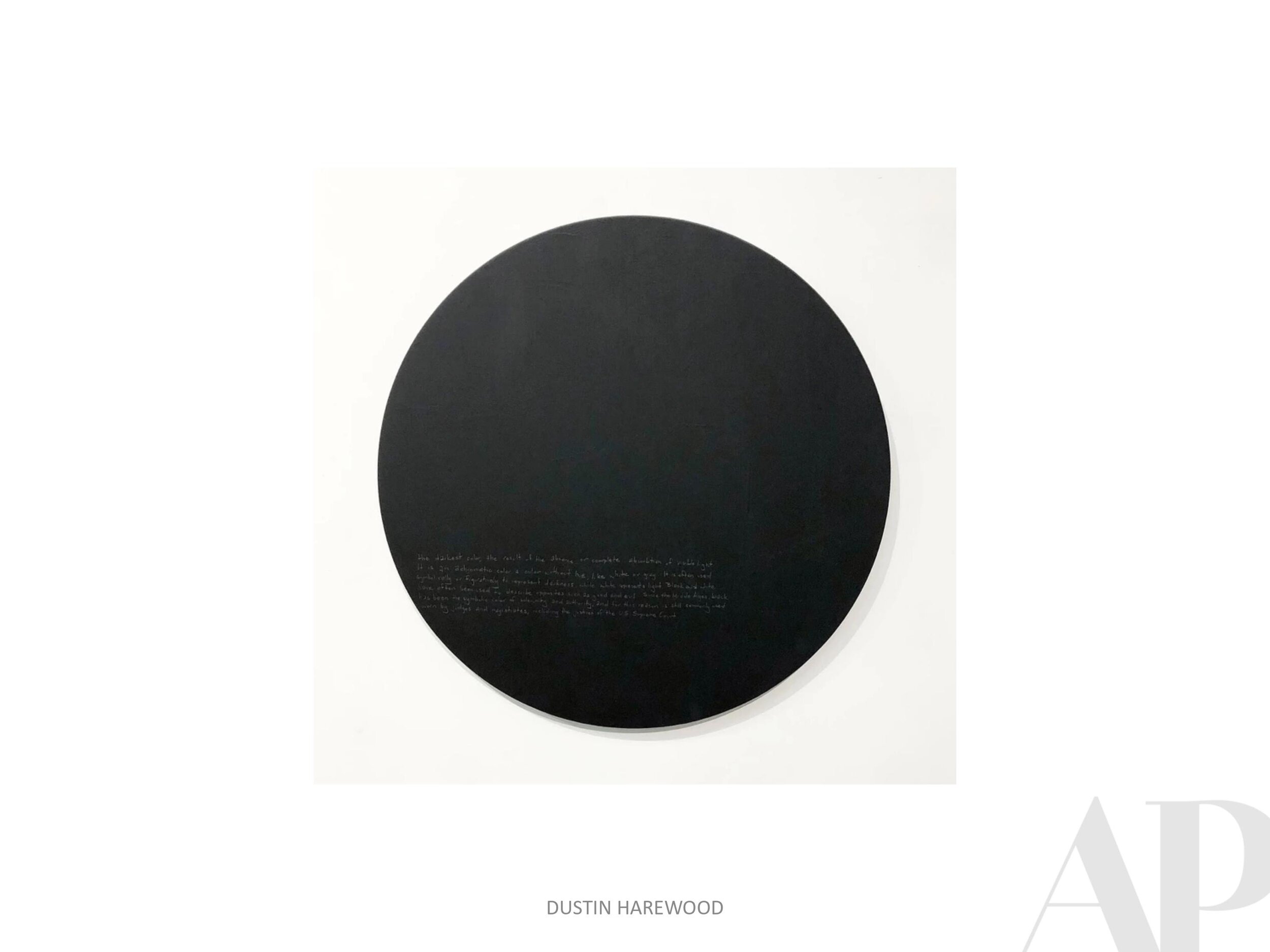
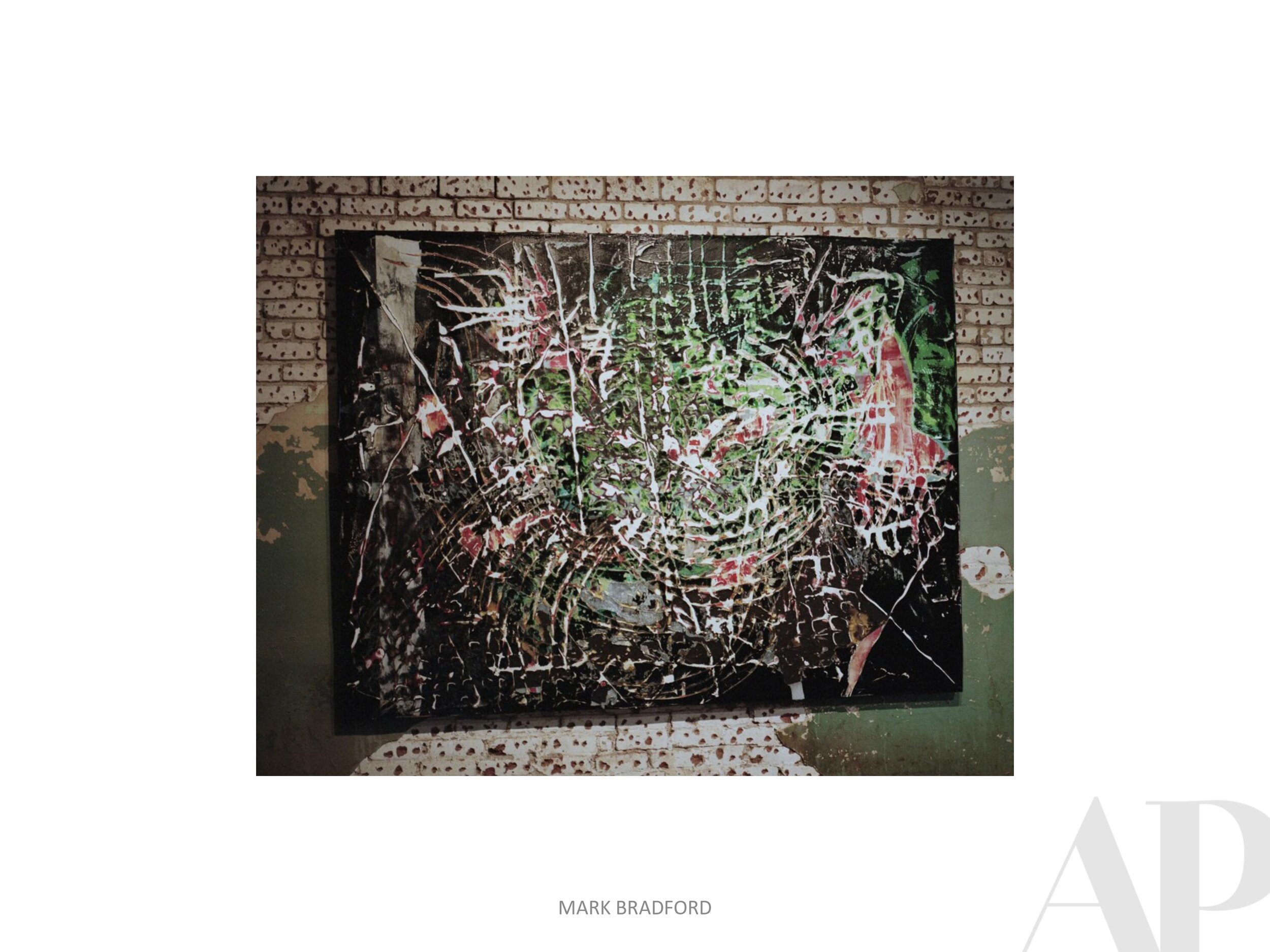
If you look at this one (above), you can see what it was underneath. I didn’t feel all bright and happy and the world wasn’t all bright and happy, so I just said “fuck it” and painted all of my shit black. Black is beautiful, there are lots of different layers to it. I ended up with like every different type of black paint. I got that black pigment paint you can buy now that’s like the blackest of the blacks. I went to every spray paint supply place and got textured paint, flat, glossy, semi-gloss just any kind of black I could get my hands on. It was actually pretty fun, a whole new adventure in my art making practice.


APP: Lastly, we were excited when we saw your digitally created mural, do you have something like that in the works for a real building?
Words with Friends | Shira Barzilay
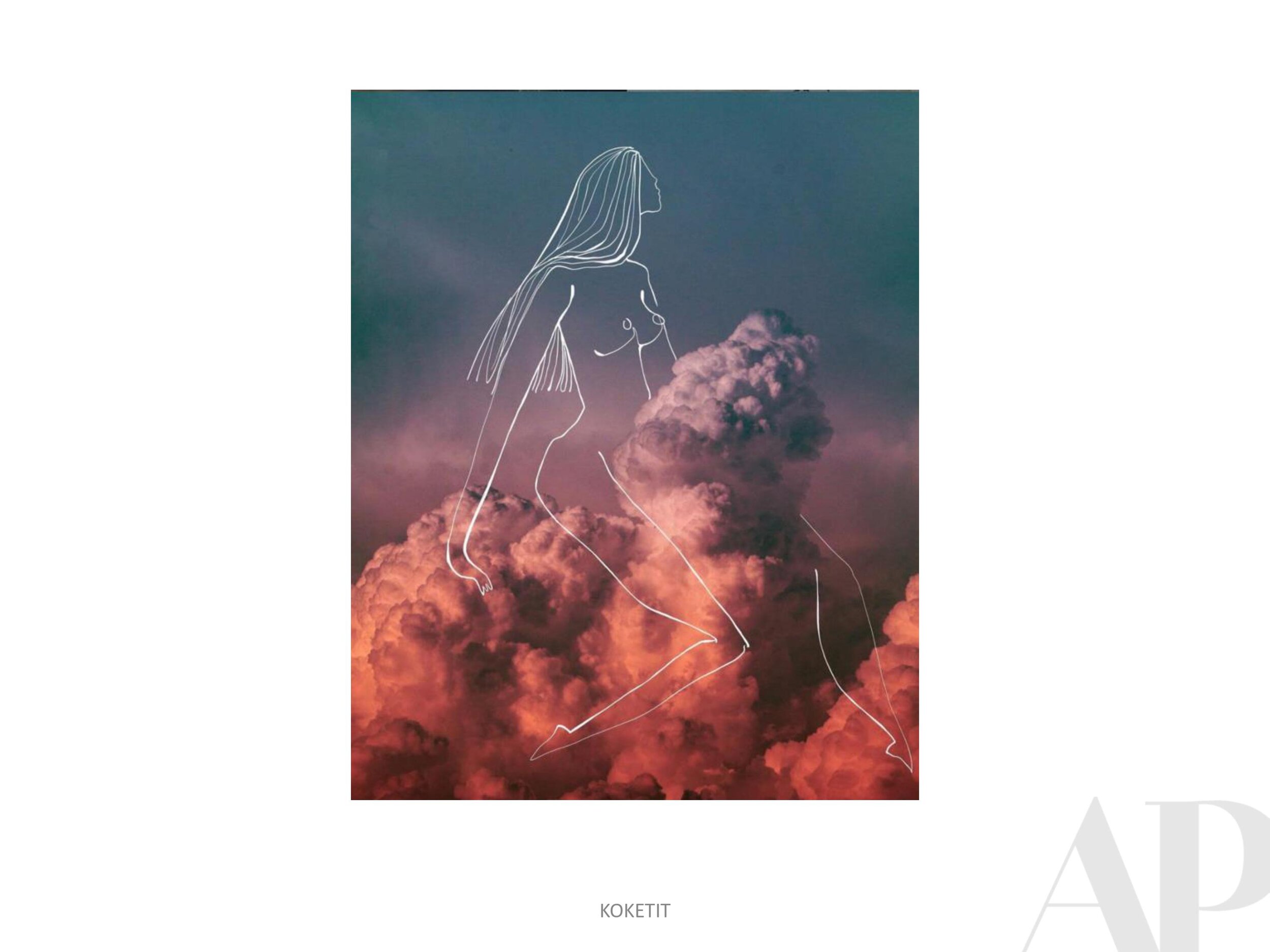
A conversation between Mallory Johnson (MJ), Amy Parry (AP) and Shira Barzilay (SB), the brilliant and original mind behind the brand KOKETIT

MJ: What prompted you to start combining female figures with these images from nature?
SB: Everything fell together when I was drawing on images and drawing female figures. I started realizing that by combining these drawings on photographs I was able to tell different stories in a way that was exciting for me. Here, the images would serve as a canvas that already had a story. The more I practiced minimalism and abstract art rather than figurative fashion drawings, the more sophisticated the narrative became. There was such dissonance between how little of a change I would make and how much the story would completely shift. I always admired the aesthetic of minimalism. With minimalism I realized I would have to aspire to do that; I would have to bring myself one day to think like that, but it was always on my mind.

AP: Your work reminds me of Henri Matisse. His style was maximalist in his younger years but transitioned to those cut outs in his later years. His later works could not have been as impactful without that earlier life experience.
SB: Same for Picasso as well! He had a realistic figurative style in his early years. People dropped that classic mentality to figure out the way to express who they were. That’s where things become interesting - when artists stopped going after the herd and started listening to their inner selves. Everybody has that, people are just too scared to embark on that journey. It set them free and that is why I’m inspired by them, not because of their style or aesthetic. I’m more interested in the story behind the work than the presentation because it’s like a well of knowledge that I can become inspired by. That is going to enrich me a lot more than if I respond to a line or a color.
AP: There couldn't be you without Picasso.
SB: I believe every artist in the 21st century has been inspired by Picasso. I feel like he is the father of where art is today. He freed the art world to me and gave people the key to explore differently.

MJ: You mentioned that you are able to tell a story within each piece. Do you see them as their own separate stories or is there an intention to connect them and make one larger story?
SB: Both. Every post is very unique to my experience and emotional journey. A lot of the time I create out of my own experience; it's kind of autobiographical. You can look through my feed that day and understand what I was going through, and what was on my mind. In that way they're all very individualistic but they are part of a series and that series is “The World is My Canvas.” The conceptual meaning of it is to free the mind of limitations. Through digital work I get to draw on a screen. I don’t have to climb a mountain and use crazy techniques to express myself, I can do it on a screen with a pen and convey the same idea. The idea is to really let the world be a blank canvas. Through my motifs which are the faces or the female body or some sort of female expression- because it's me obviously- I am able to explore that relationship between nature and the female form. The reason I use nature a lot is because nature is so objective and pure, and it relays a lot of emotion to me. The mountains to me symbolize my tribulations and obstacles and wanting to achieve my own limitations. Nature serves as a good canvas, but I hate sticking to one thing so if you look at my [Instagram] feed there are always going to be different elements that I try to play with because I don’t want to get stuck in one place.
MJ: It seems to me that there would be some catharsis in having a bad day, sitting down and working that out on the page and then having other people relate with what you’re feeling at that time.
SB: It’s so funny because this became very apparent to me more over the pandemic when I was stuck at home. I discovered what a satisfying role my own creativity serves in my life and how important it is to my well-being and my confidence. No matter what I'm going through, I always know that somehow, I can convert that to something positive. I know it sounds a little bit cliché but every time it’s satisfying. I cannot imagine myself doing anything else. Art makes me happy. It makes me really excited about what’s to come next.
MJ: Do you have anything in mind that you’re looking forward to doing in the future - collaborations or different subject matter that you've been thinking of incorporating?
SB: I’m really bad about planning for the future. Every time I plan something, something completely different ends up happening. Like with my art, I start drawing something and it becomes something else. I don't plan ahead on subjects; I just meditate on my intention. I have a vision even if it’s very abstract. Thinking about what I want to be doing, how I wanna be feeling, what material I want to be touching. So, I can’t see it but I can sense it and it’s kind of like an intuitive situation.
MJ: That’s interesting that you say it’s really intuitive, are you someone who uses this as a kind of spiritual outlet for yourself?
SB: Yeah for sure. I meditate every single morning, I started last year. I had intentions of meditating for five years, it was on my to do list. When the pandemic arrived, I thought ooh la la this is the perfect opportunity to sit my ass down and do it, so I did! I have been embarking on a spiritual journey and meditation is so unbelievably helpful and it's so approachable! I downloaded an app called Calm and I do it every day for like 12 mins and it's been amazing and now I advocate it.

MJ: We talked a little about your influences, do you have any creatives that you follow right now who spark something for you?
SB: I’ve always said that at dinner I’d love to sit down with Chopin and Picasso, those are my two biggest influences. I feel like an old lady, but Chopin is my go to guy when I wanna get serious work done. In terms of current amazing people, I am very inspired by the Spanish artist/actress Miranda Makaroff. I met her 2 or 3 years ago at an event in Barcelona for influencers. I’ve been following her art and her life ever since and she’s a huge inspiration because I love her art, and the way she approaches social media. She doesn’t take herself too seriously. She’s fun and she’s a complete original which is so hard to find these days. It seems like lately everyone is a copy of everyone else. I suffer from a lot of rip-offs. I have two people ripping off other things so when I see her work it’s like a breath of fresh air. She’s amazing.
AP: I am curious about your branding and about how making your art has become a career. Are you a full-time working artist?
SB: KOKETIT, my brand, has been around for about 6-7 years. It started as a temporary tattoo line, then I opened up the online shop for my business and it kind of grew from there. I used to be a graphic editor for a magazine and that was a full-time job, so I slowly built my brand on the side. Slowly but surely the brand got so much bigger than the full-time job that last year I quit and became a full-time artist. It was a dream come true because I always wanted to be my own brand and be my own boss. I used to draw portraits of people at events. Then all of a sudden, I was out of a job and the one thing that I had to rely on was the one thing I was scared to rely on the most - that was me as an artist selling my own drawings as is. No shticks, no gimmicks, no commercial aspects, no nothing, just my art and people would either wanna buy it or not. Covid kind of put that mirror in my face and I had to deal with it. I’m so grateful it did because now I get to live off of my purest craft which is actually making art.
People always ask me how can you make money from being an artist? Well, first of all I say I have an art business. I am a businesswoman and I handle my own affairs. It’s incredibly rewarding even when you have to do the gray tasks like accounting and not the creative stuff. It's all worth it because it's my business and I love it. It took me a long time to get there, but it’s the best place I could have wanted to be.
I really want to pursue more than digital work. I started doing canvas work, taking commissions, working with art dealers and really getting inside the art world. I’ve always been really scared of the art world because it’s scary! I don't come from that world; I come from Israel, a place where art is still standoffish and I feel like my approach is different and it creates something new. Covid really was the time for me to make that change and it’s all happening now.

AP: I think that’s the cool thing about the digital age of artwork is that we all have been brought together and there is room for everybody. It can’t just be the galleries anymore. We’re all allowed to see it, we all have access to it now which is a major change from how the art world used to be. Then with Covid too, we’re not going to events, so art has to come to us. Covid rocked your world in a great way.
SB: I also listened to a lot of marketing podcasts because with lockdown there was nothing else to do besides jog and walk, so I studied what it means to do art marketing in the Covid era. It was really interesting to see how Covid changed the art world; how people are at home staring at blank walls wanting to fill them with art and how online shopping has tripled in this quarter. Before I landed where I am now, I did so many different things, moving from one thing to the next and never sticking on one thing. I wouldn't give it the love and time that it needed, and I feel like right now the art world is changing so fast that we either change with it or get left behind.

View Shira’s complete website here: www.koketit.com
Currently Inspired By...
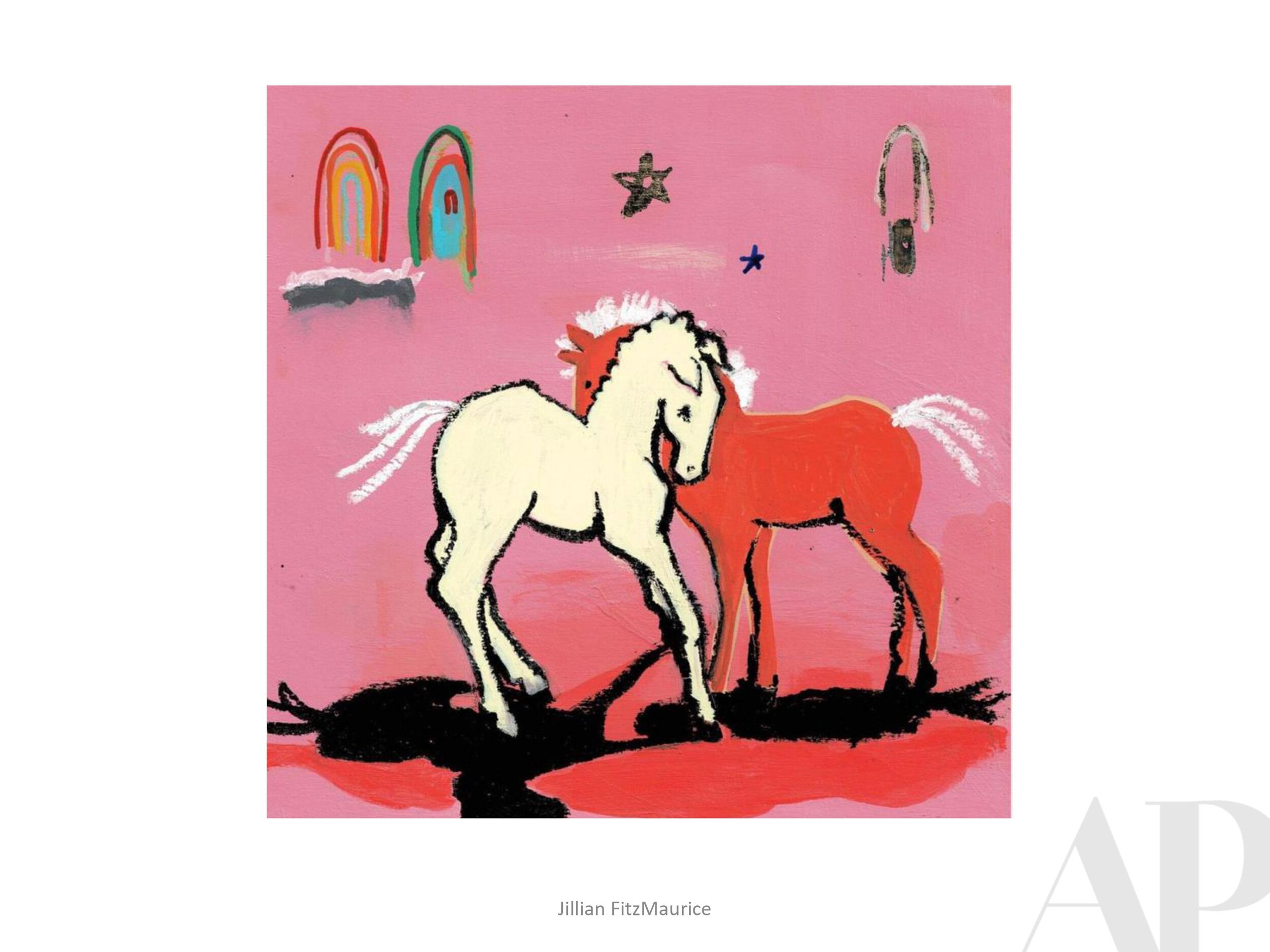
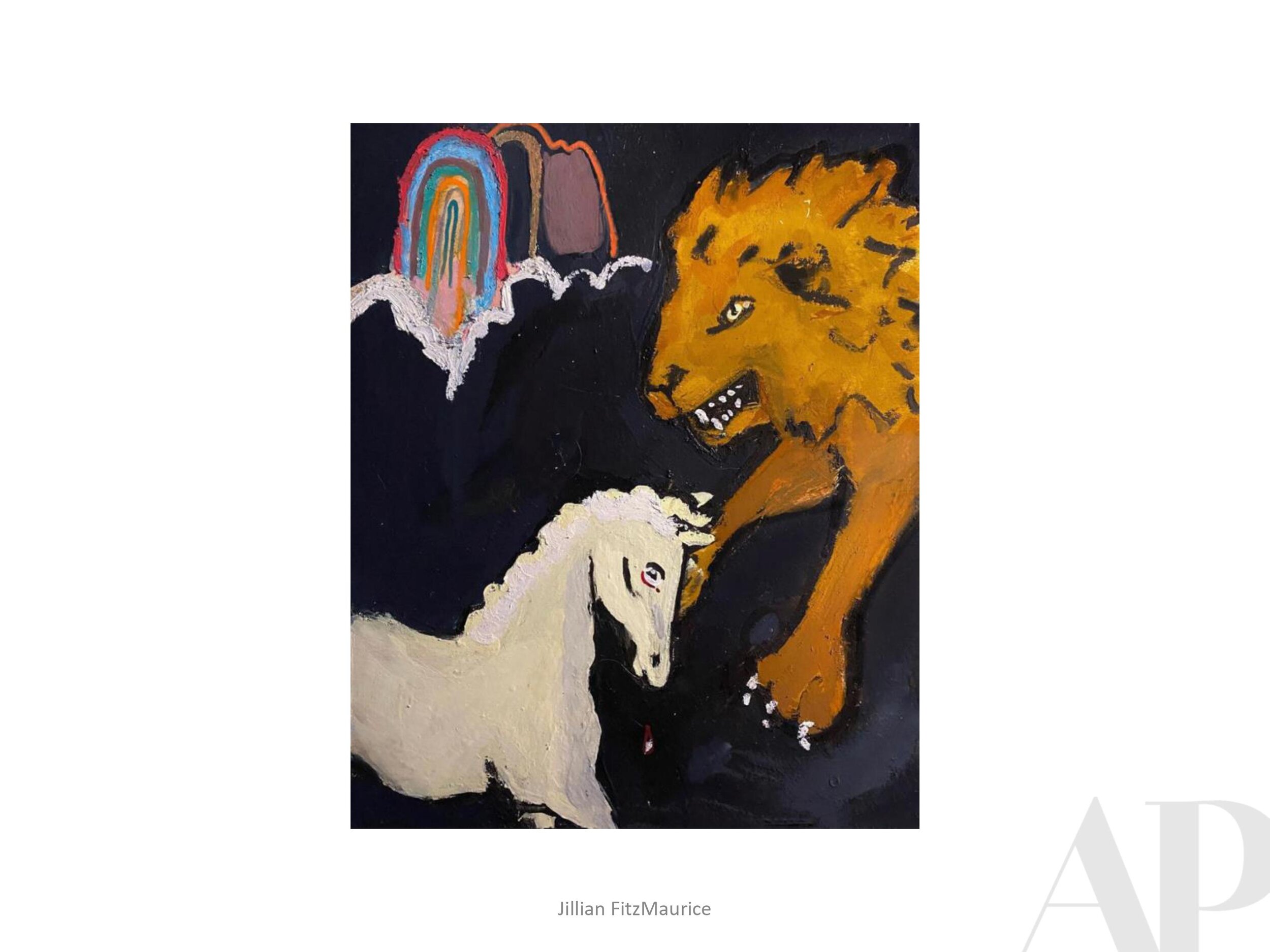
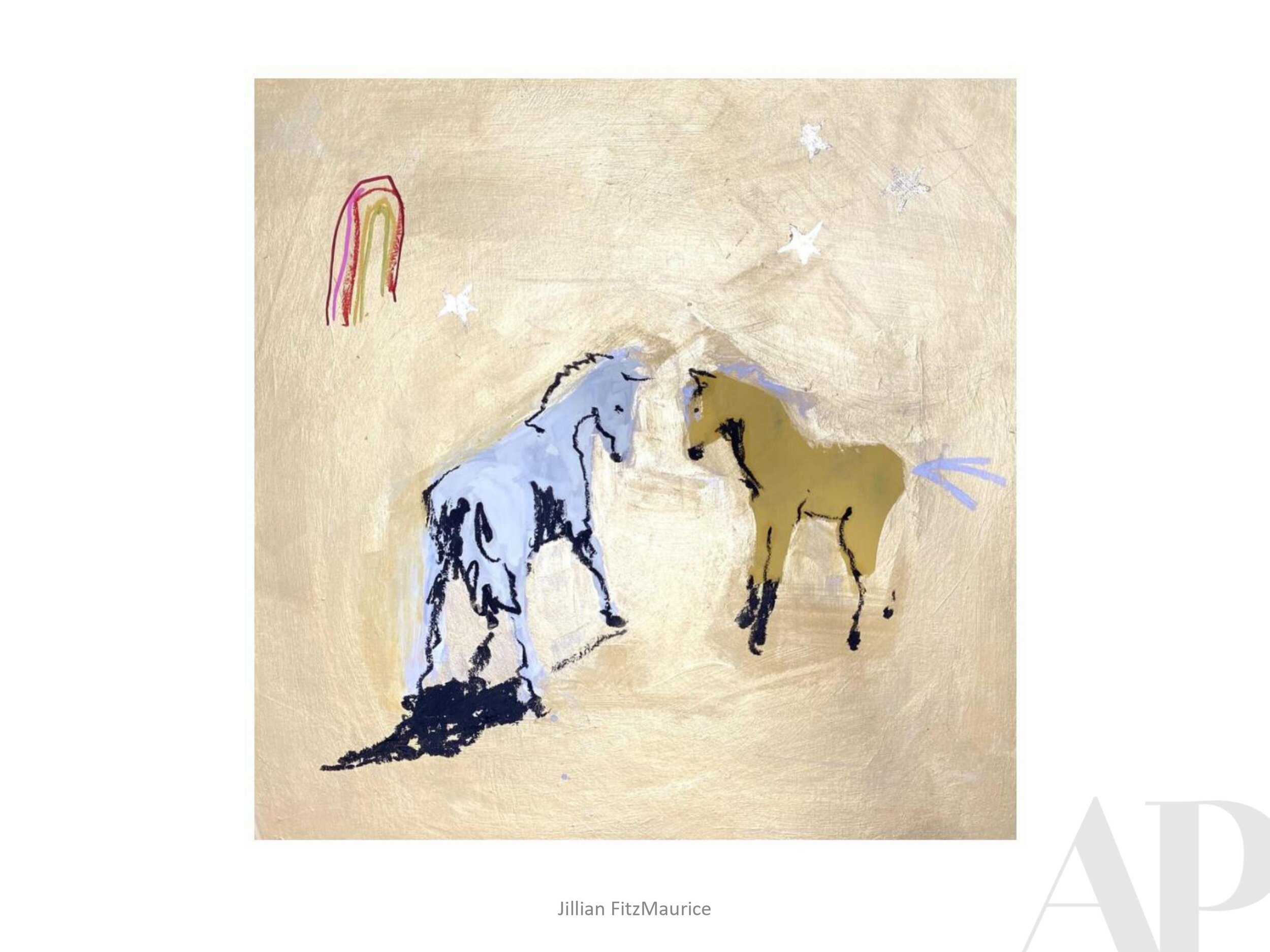
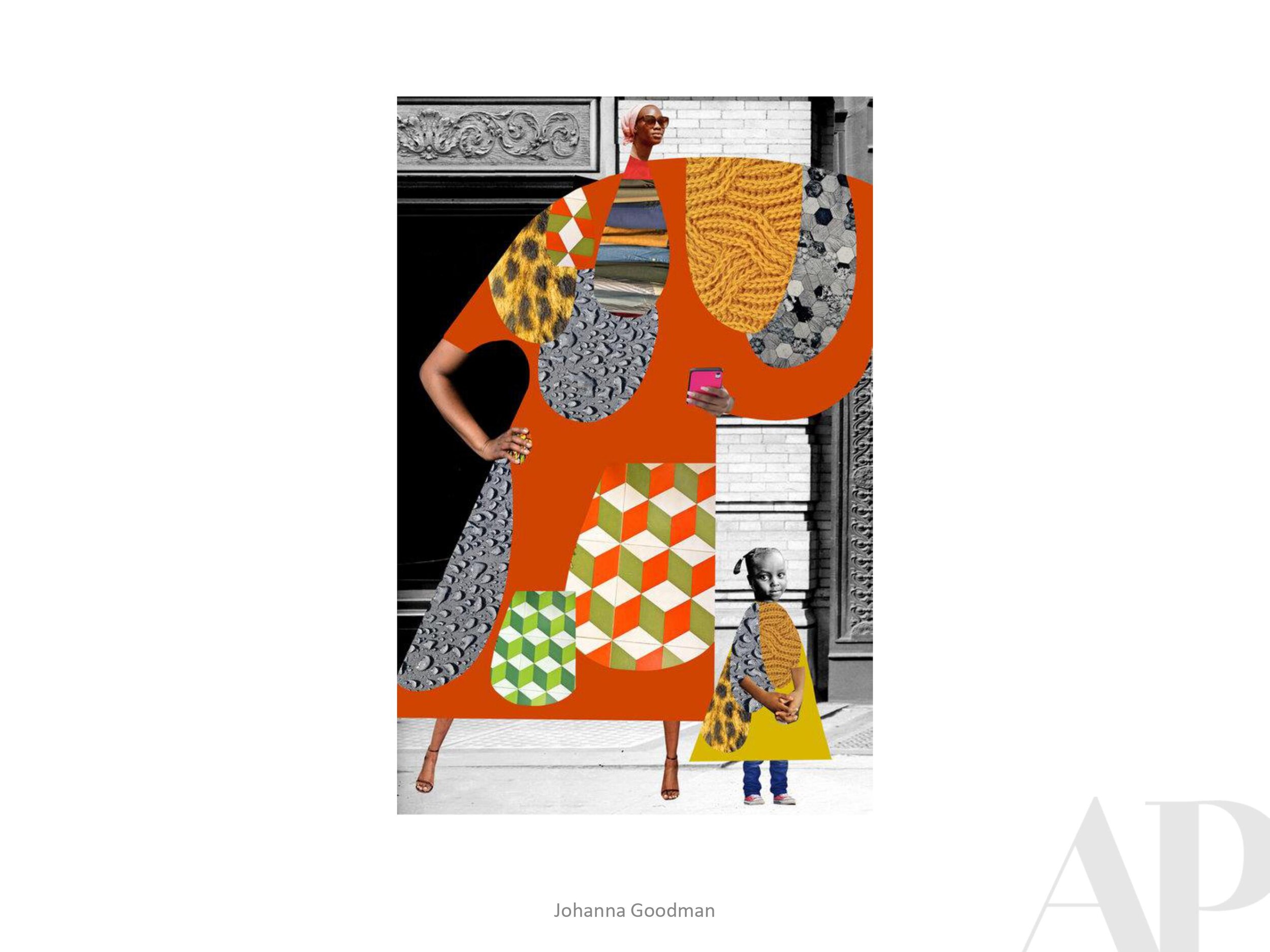
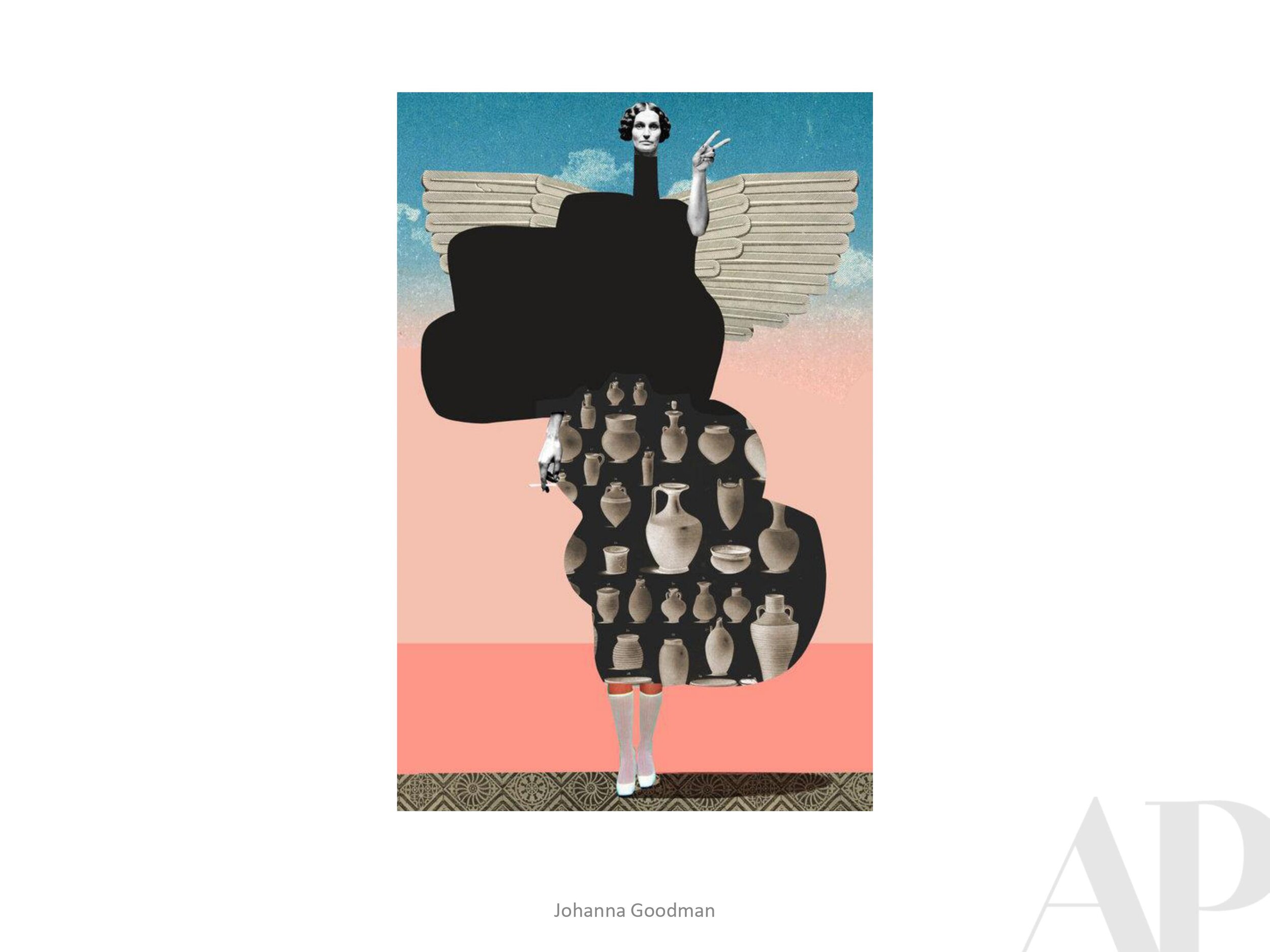
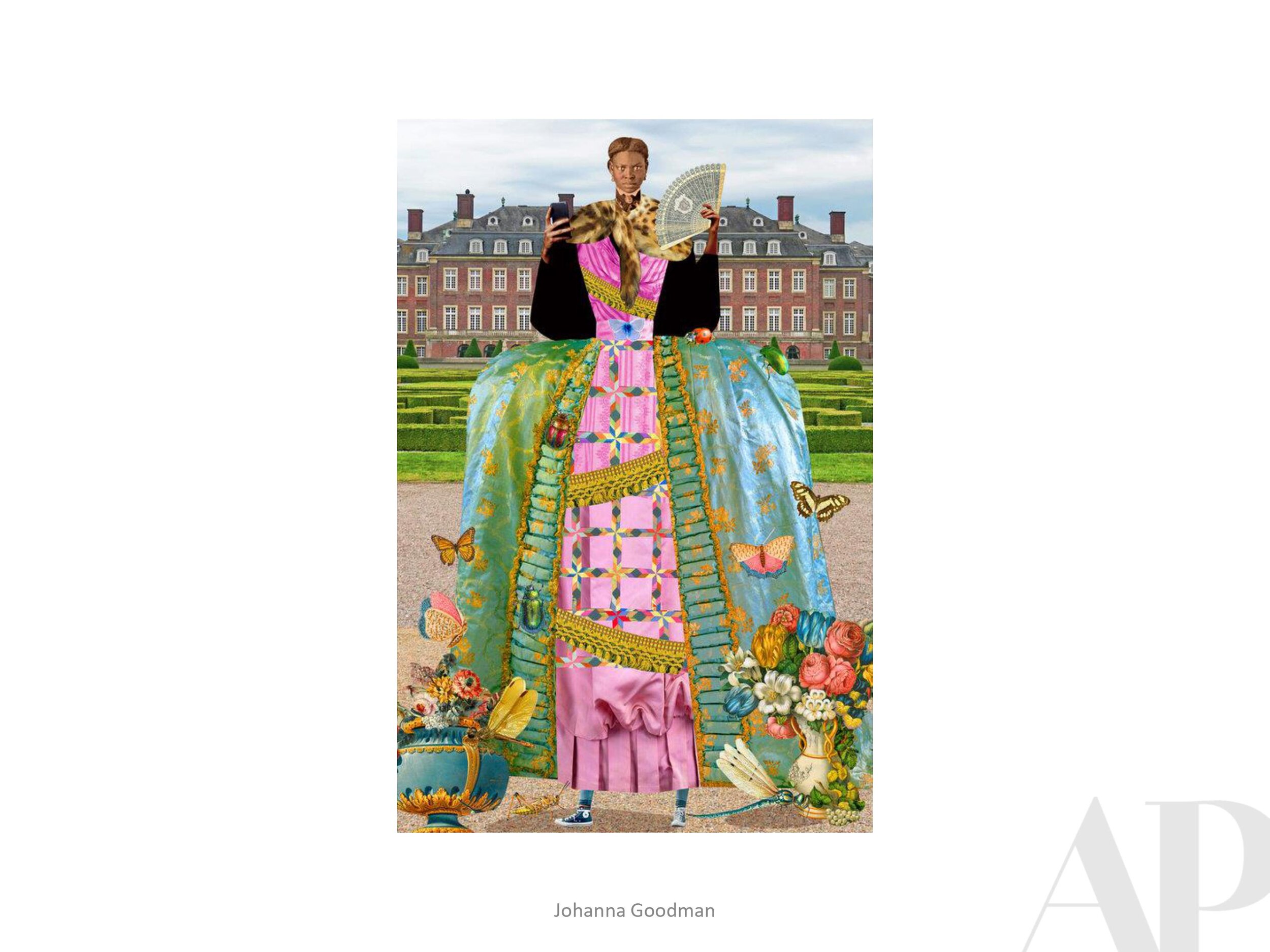
Coming up on the vernal equinox, it’s time again to spread some seeds of inspiration. Please enjoy this Spring Inspiration Board, put together by our Visual Design Director, Sarah Knight Davis, and let us know if we can show you more work by any of these great artists.
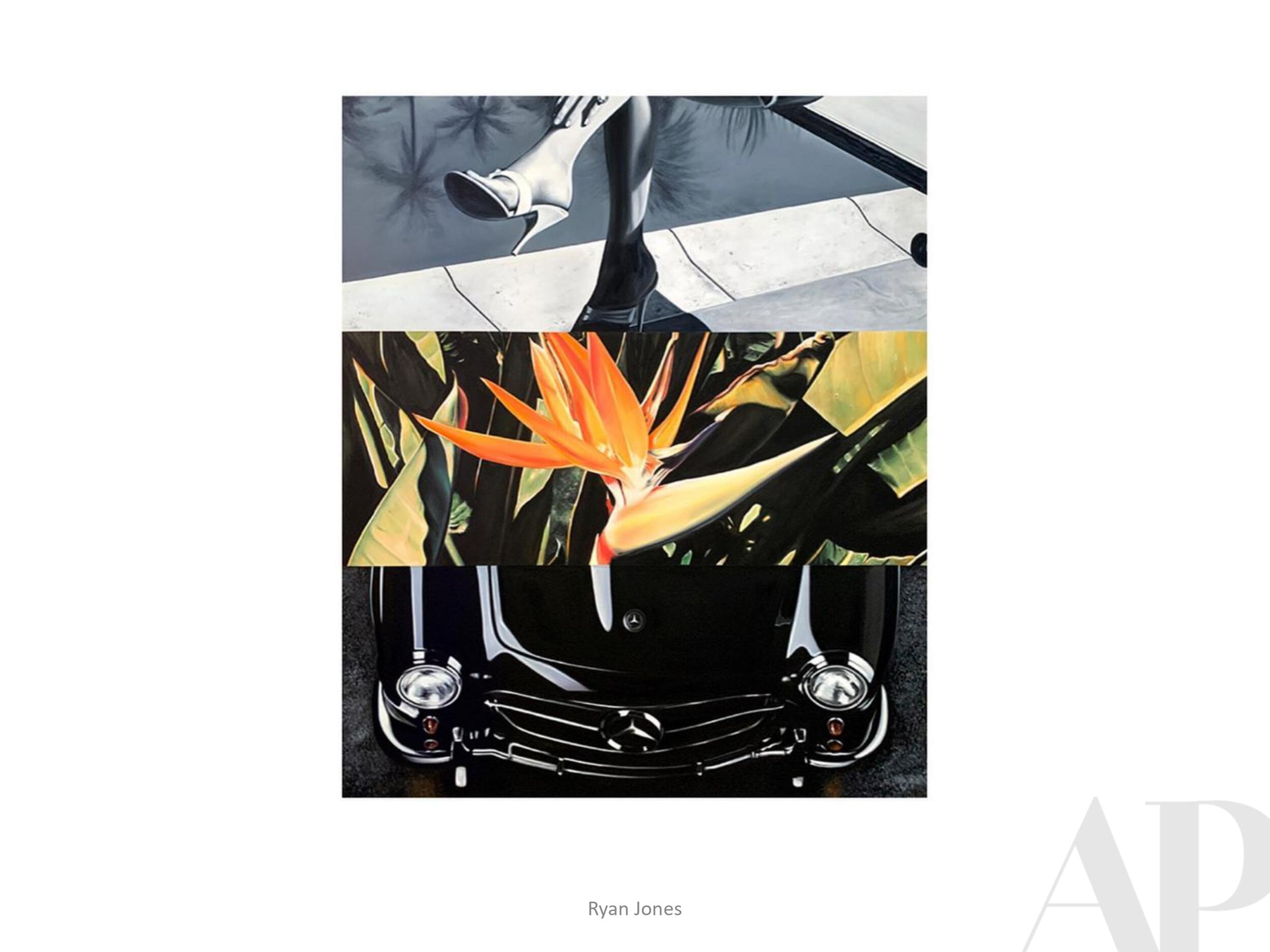
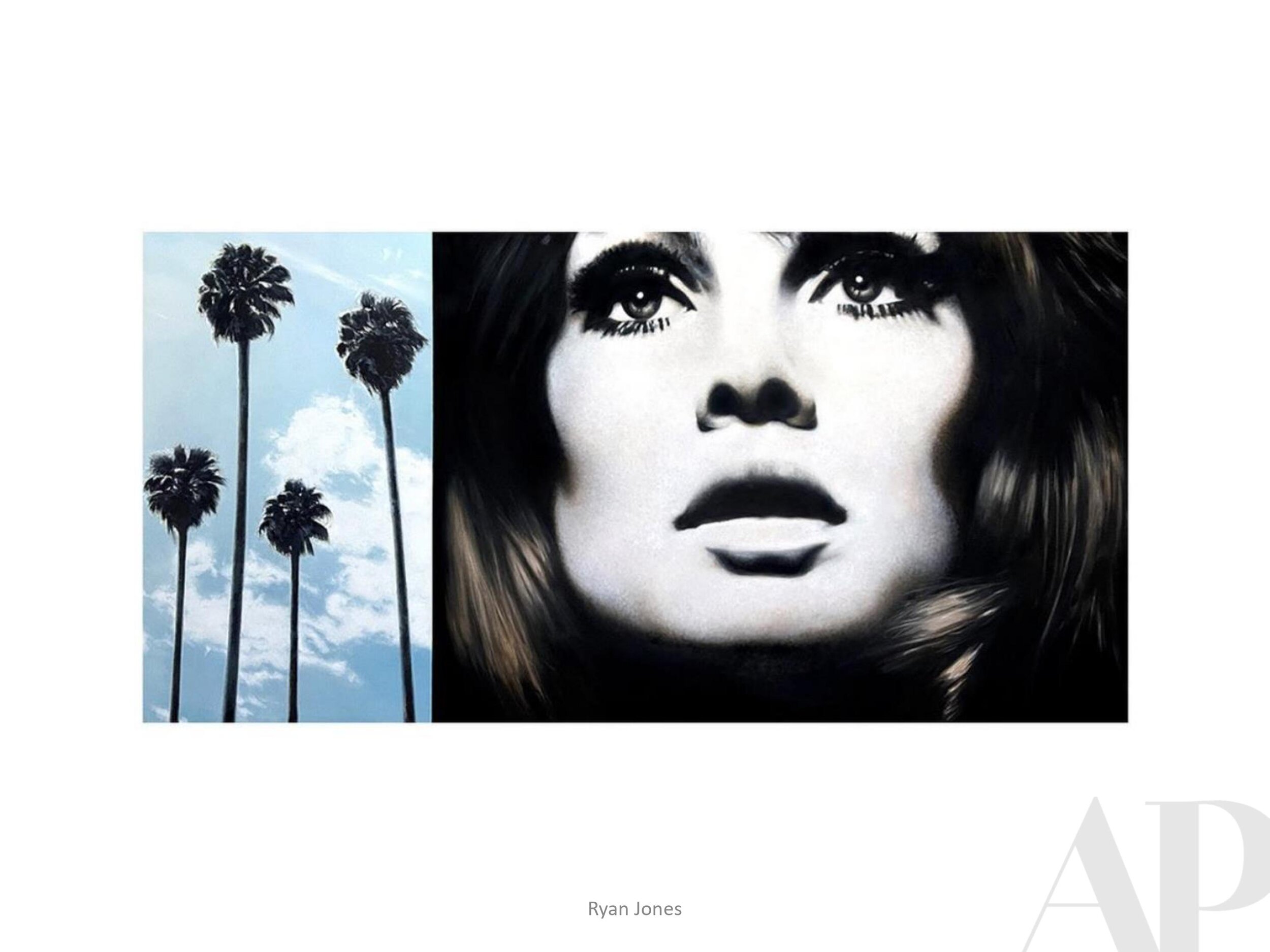
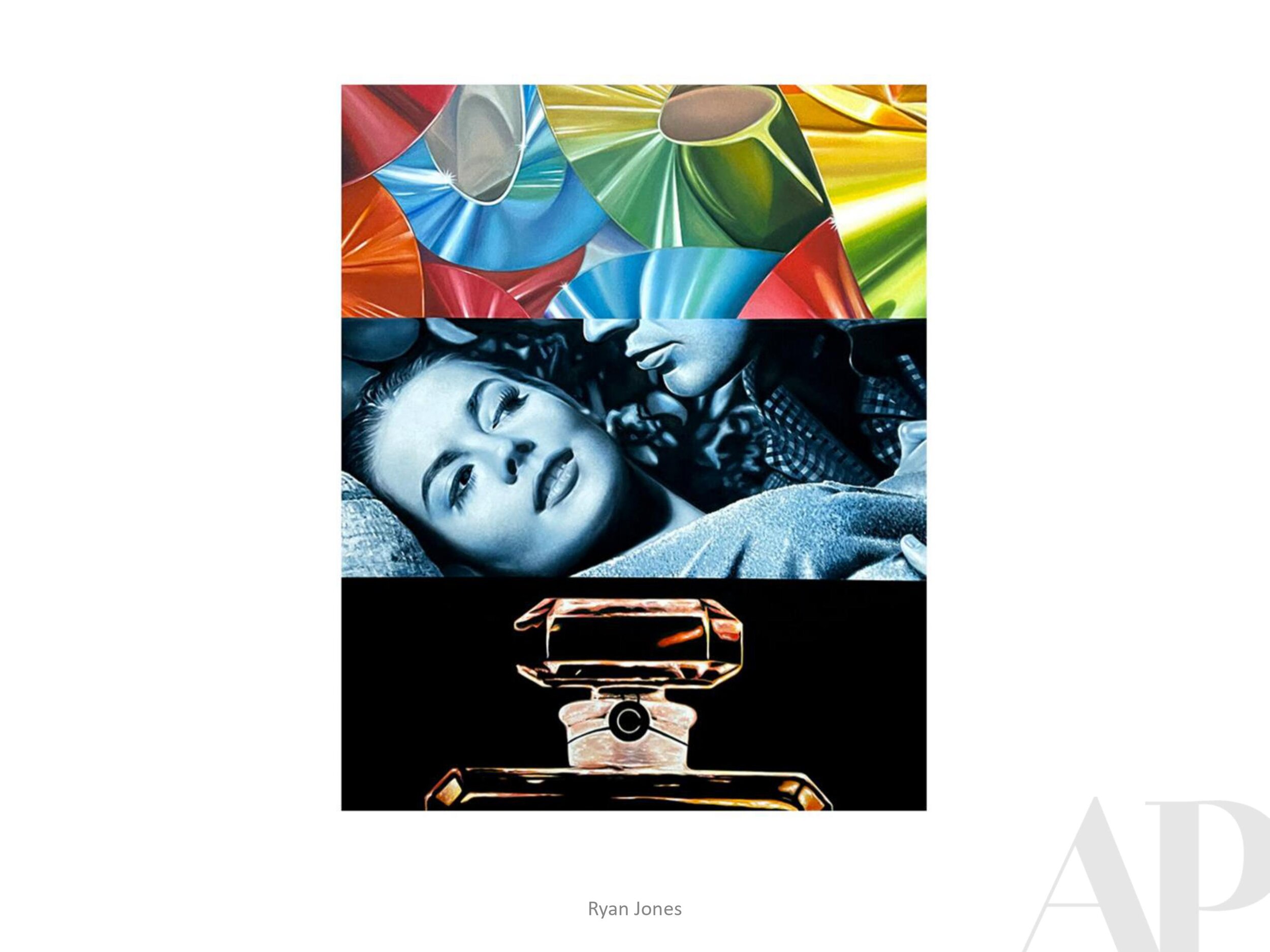

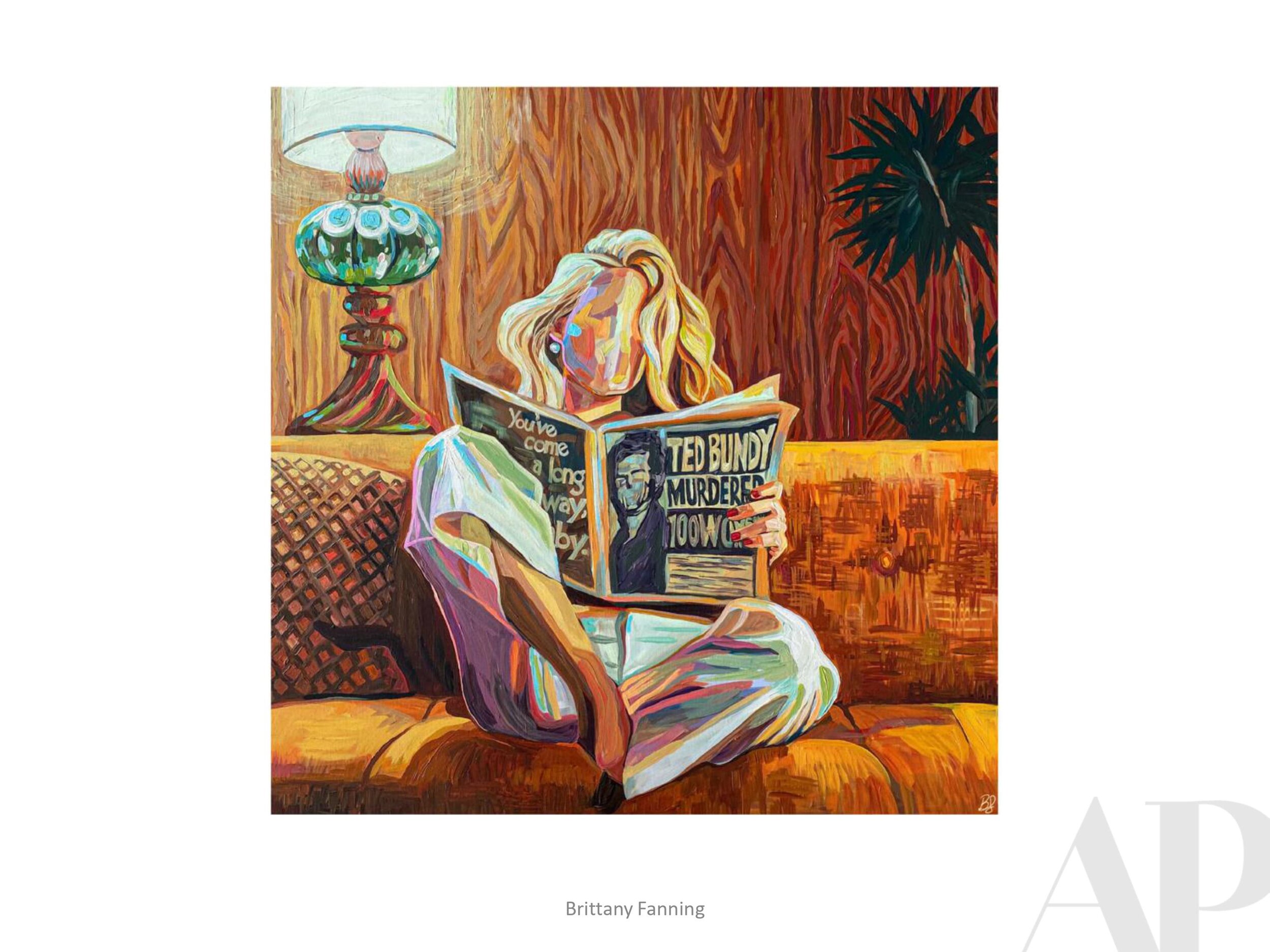
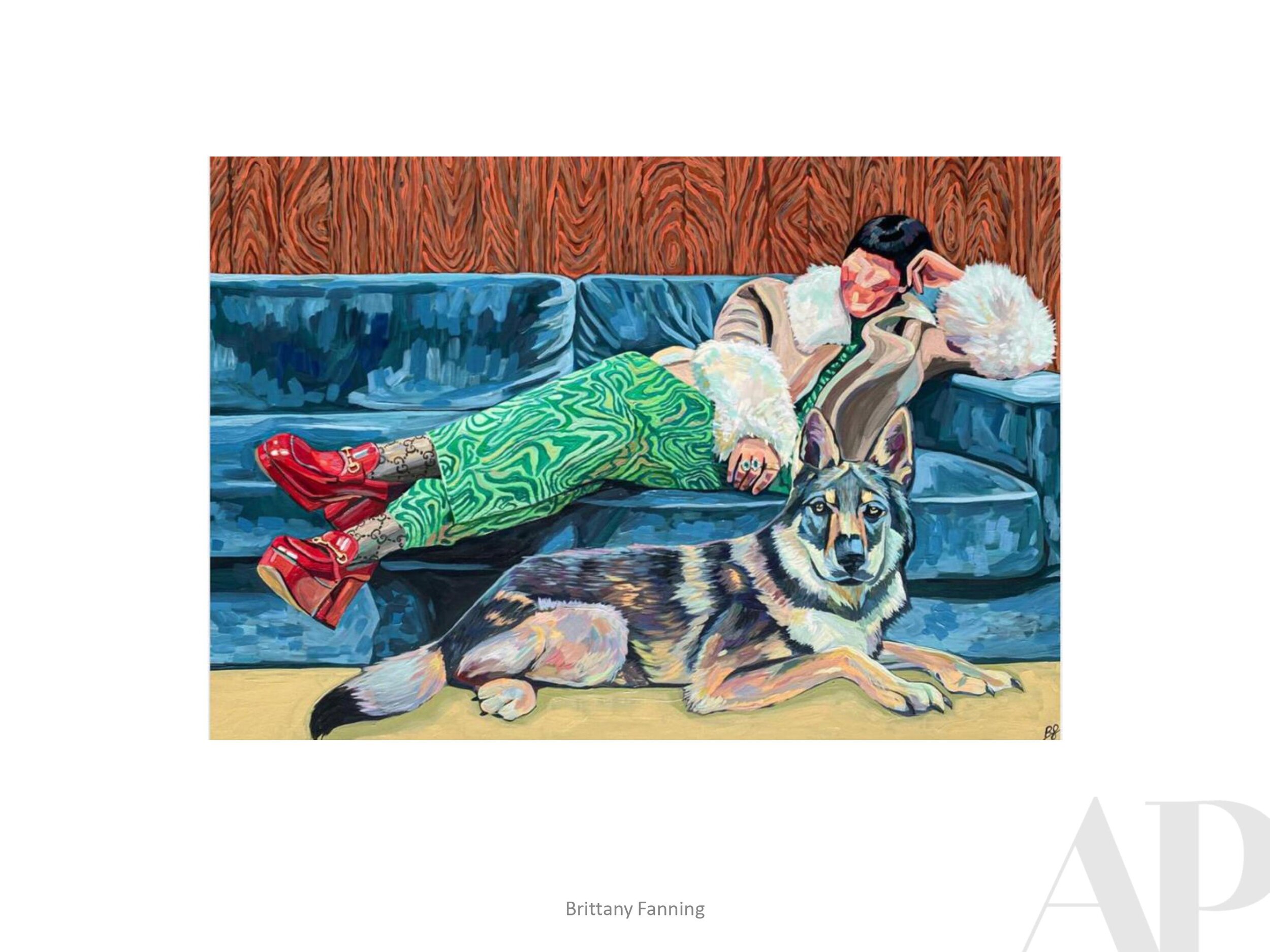

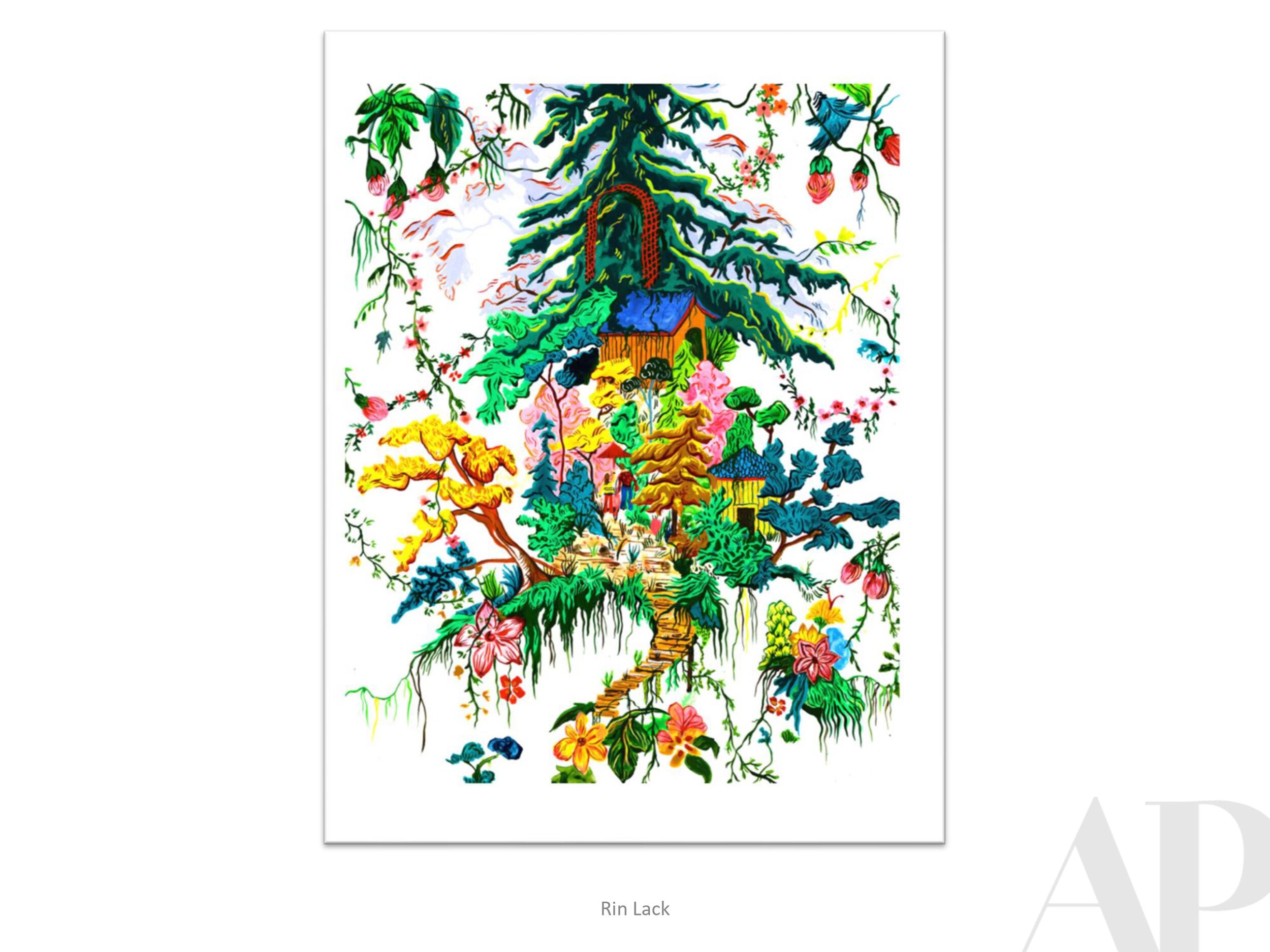
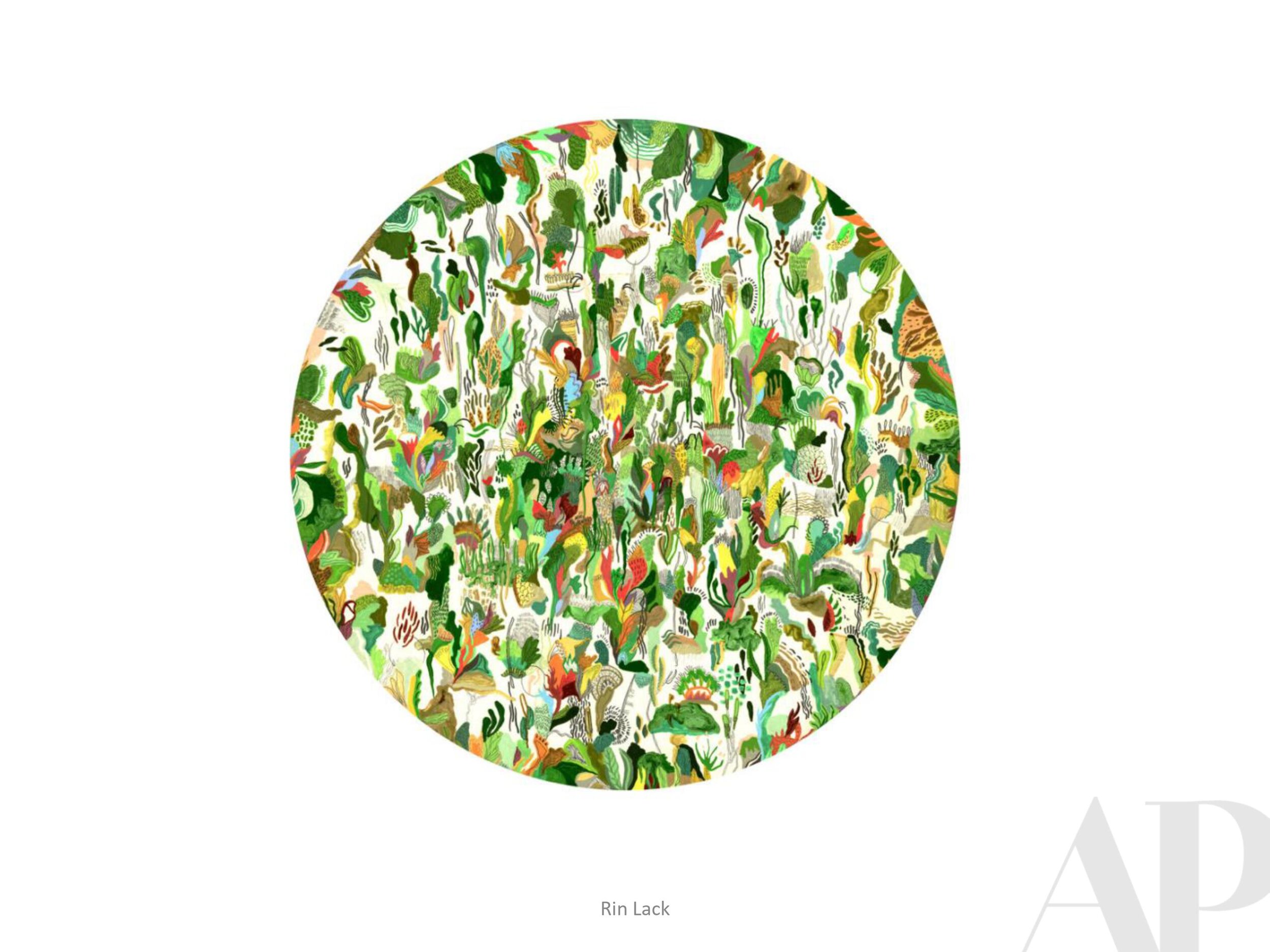
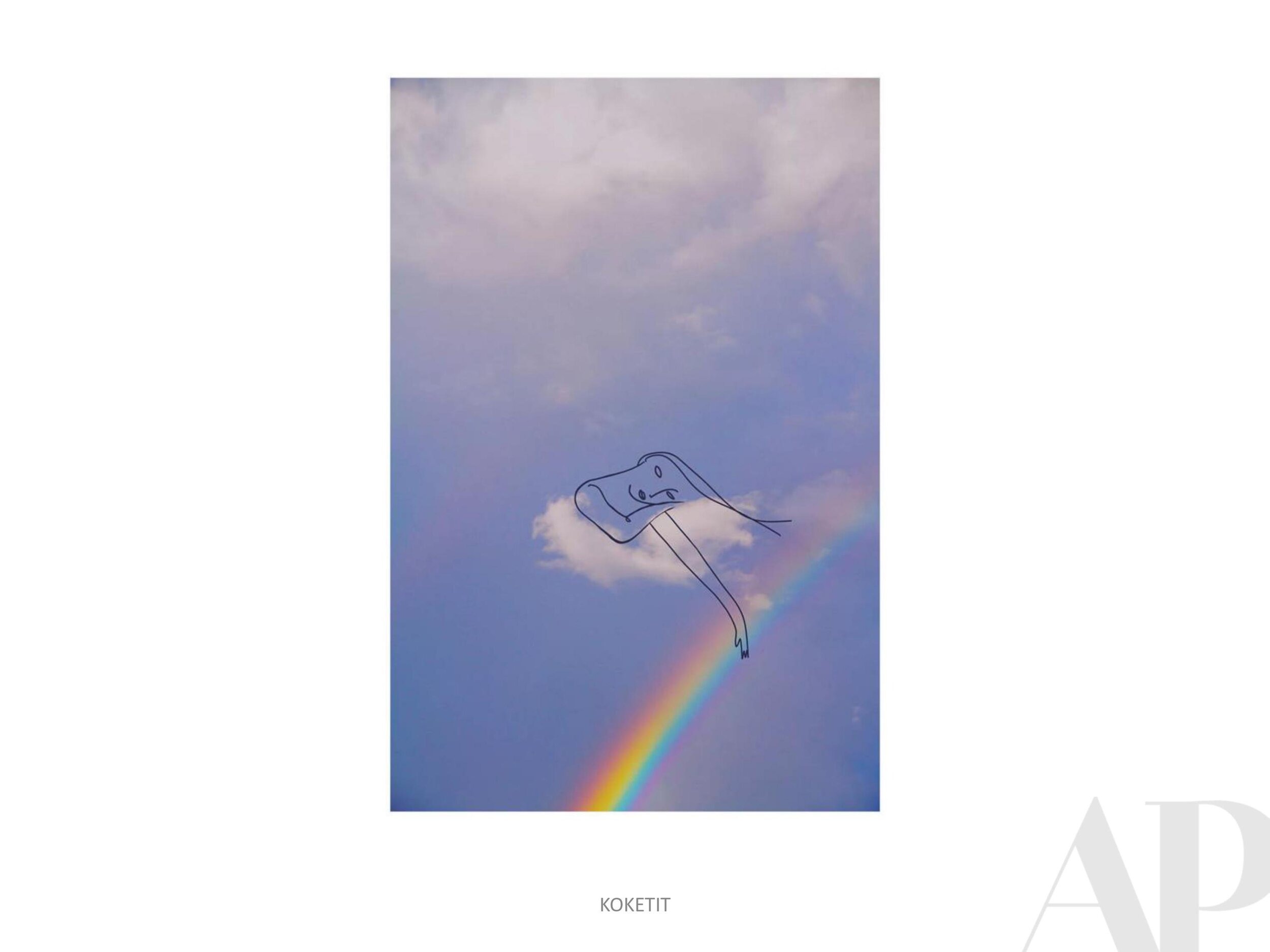

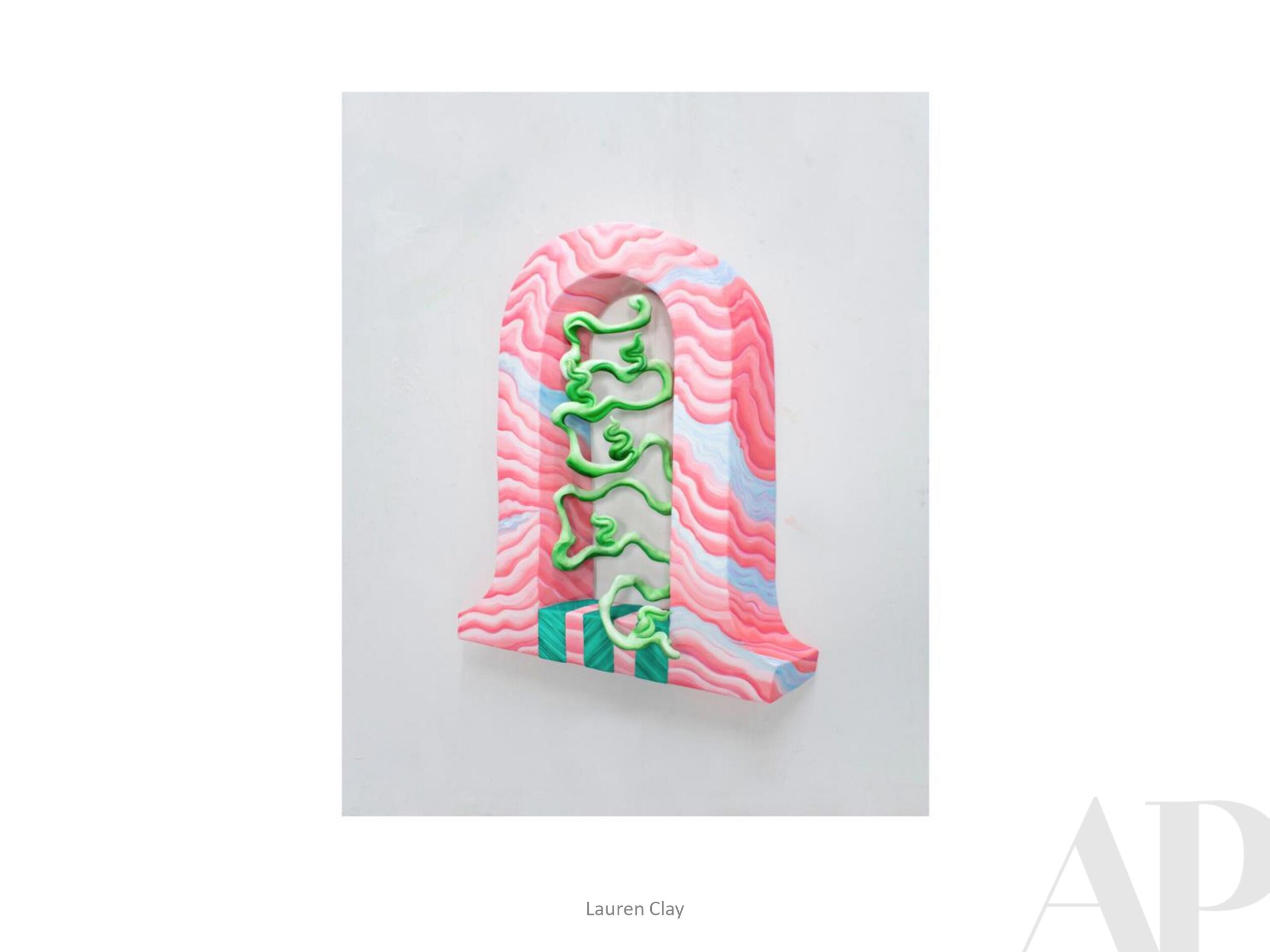
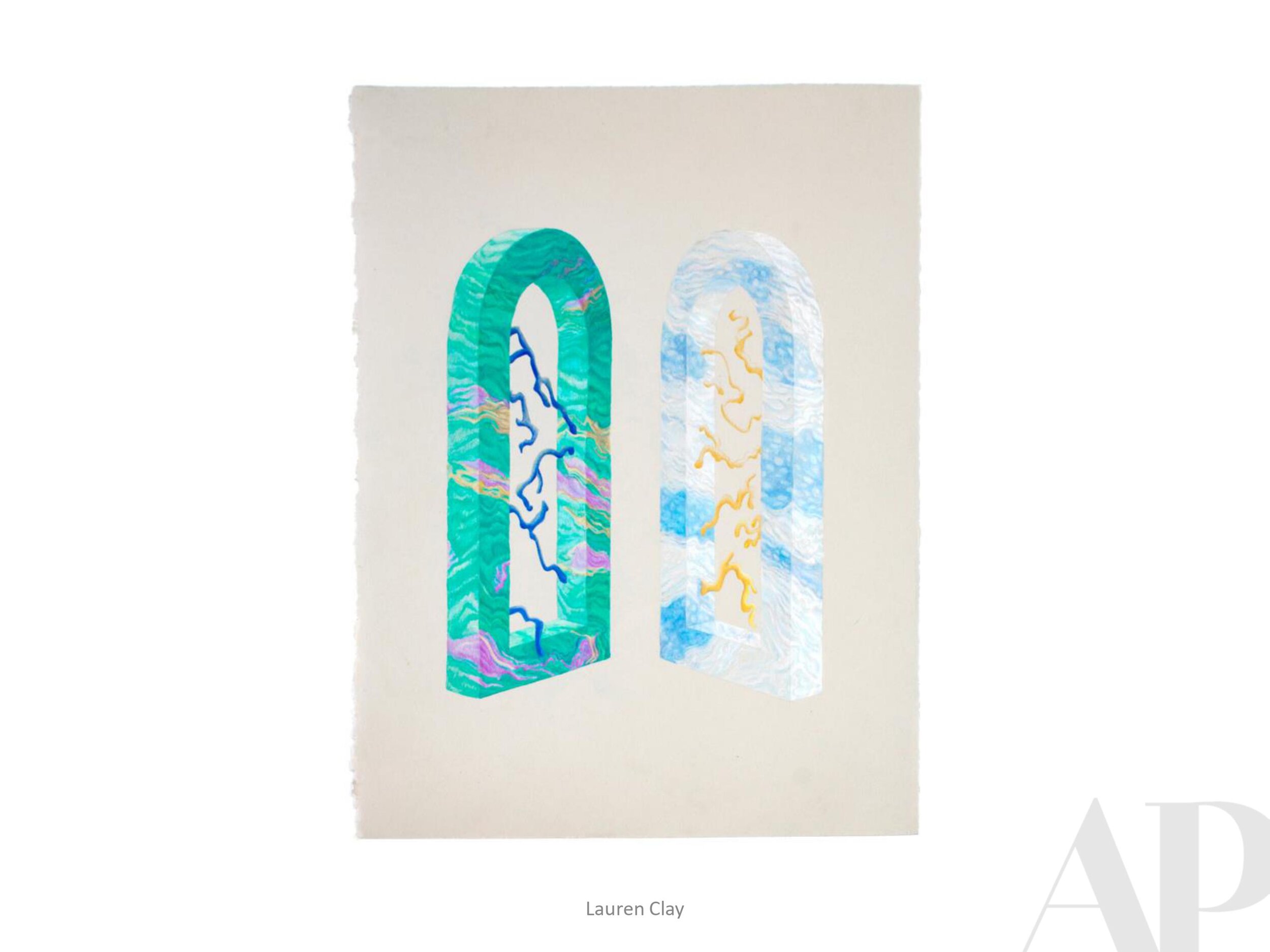
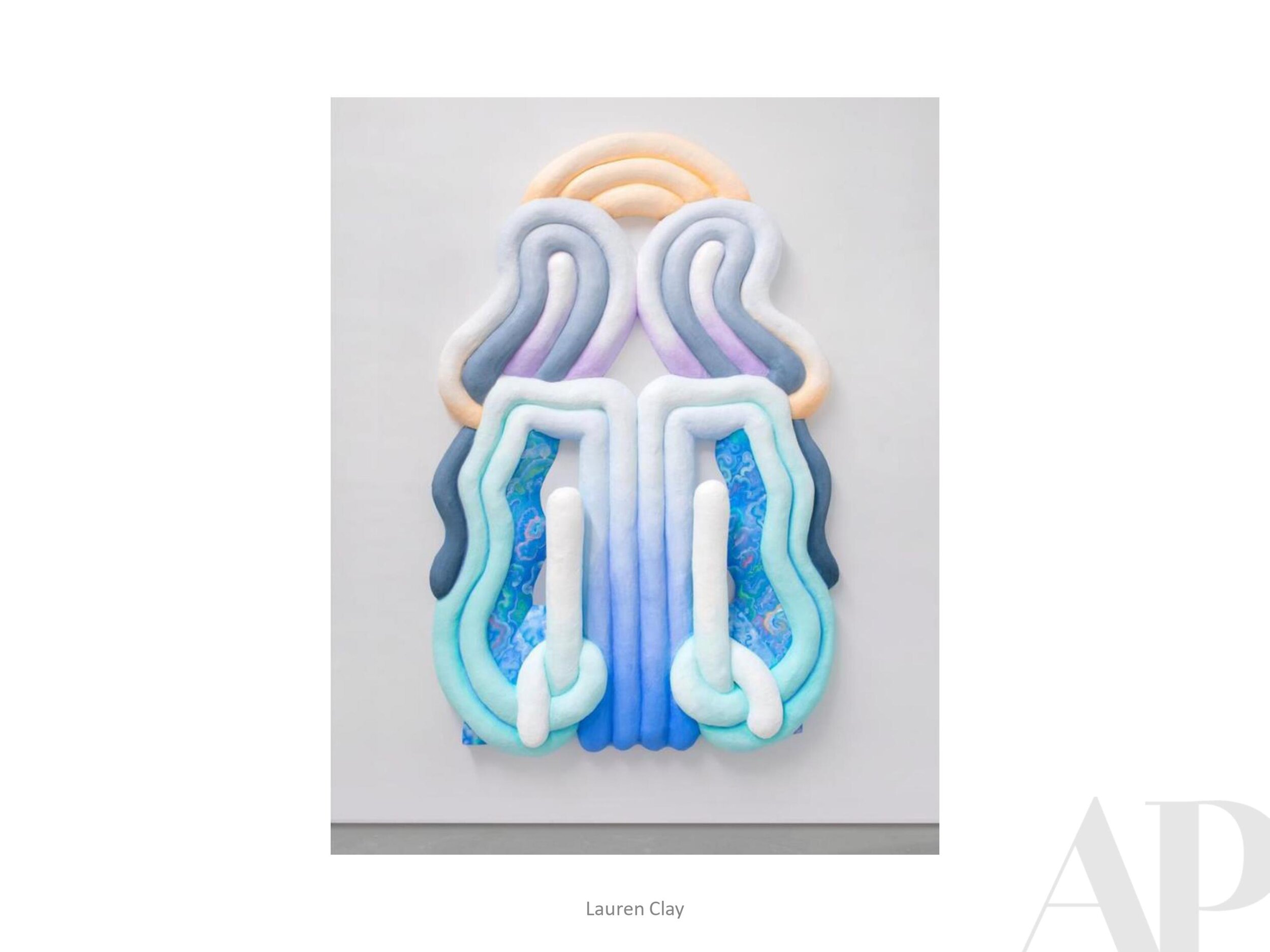
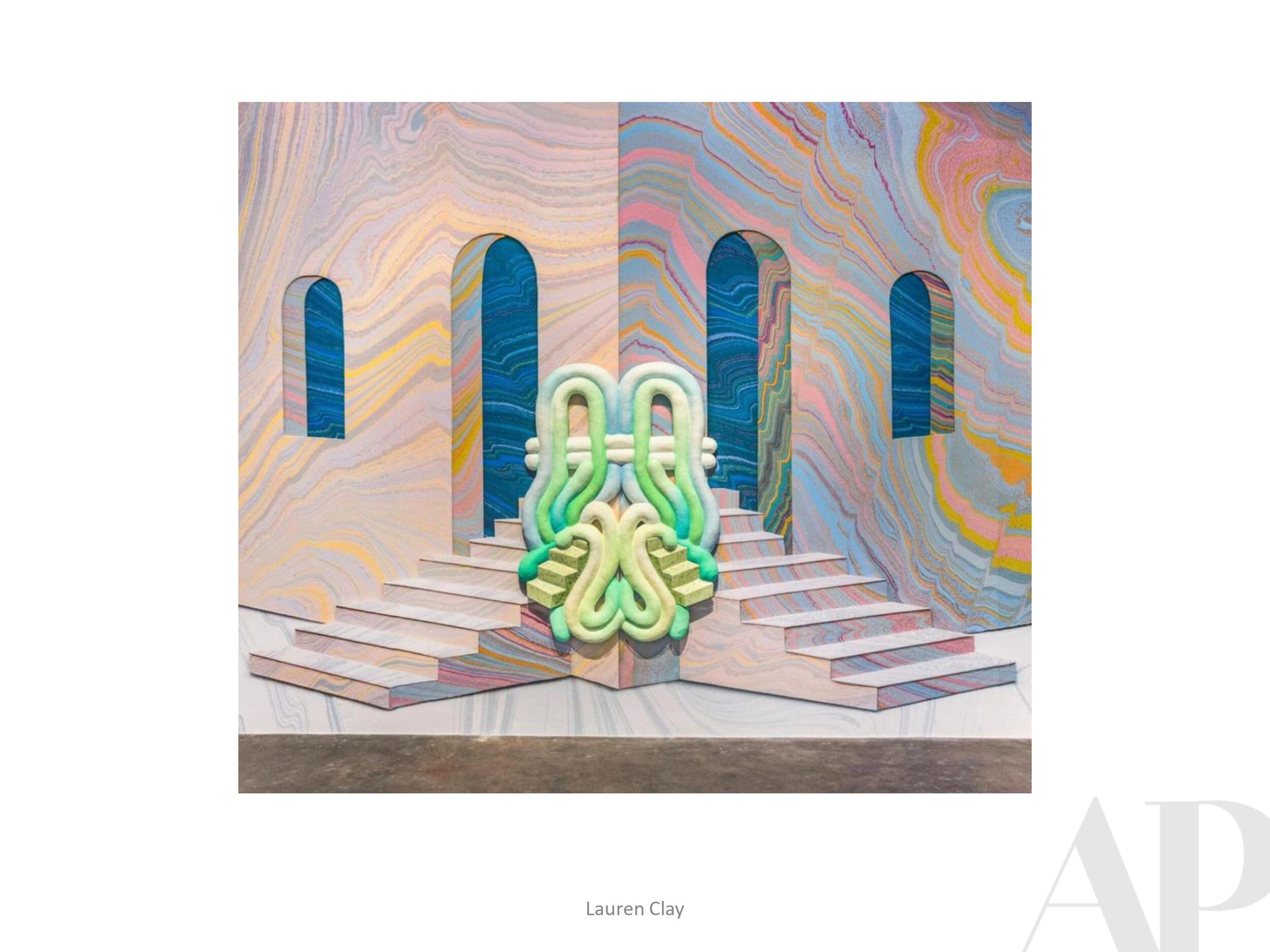
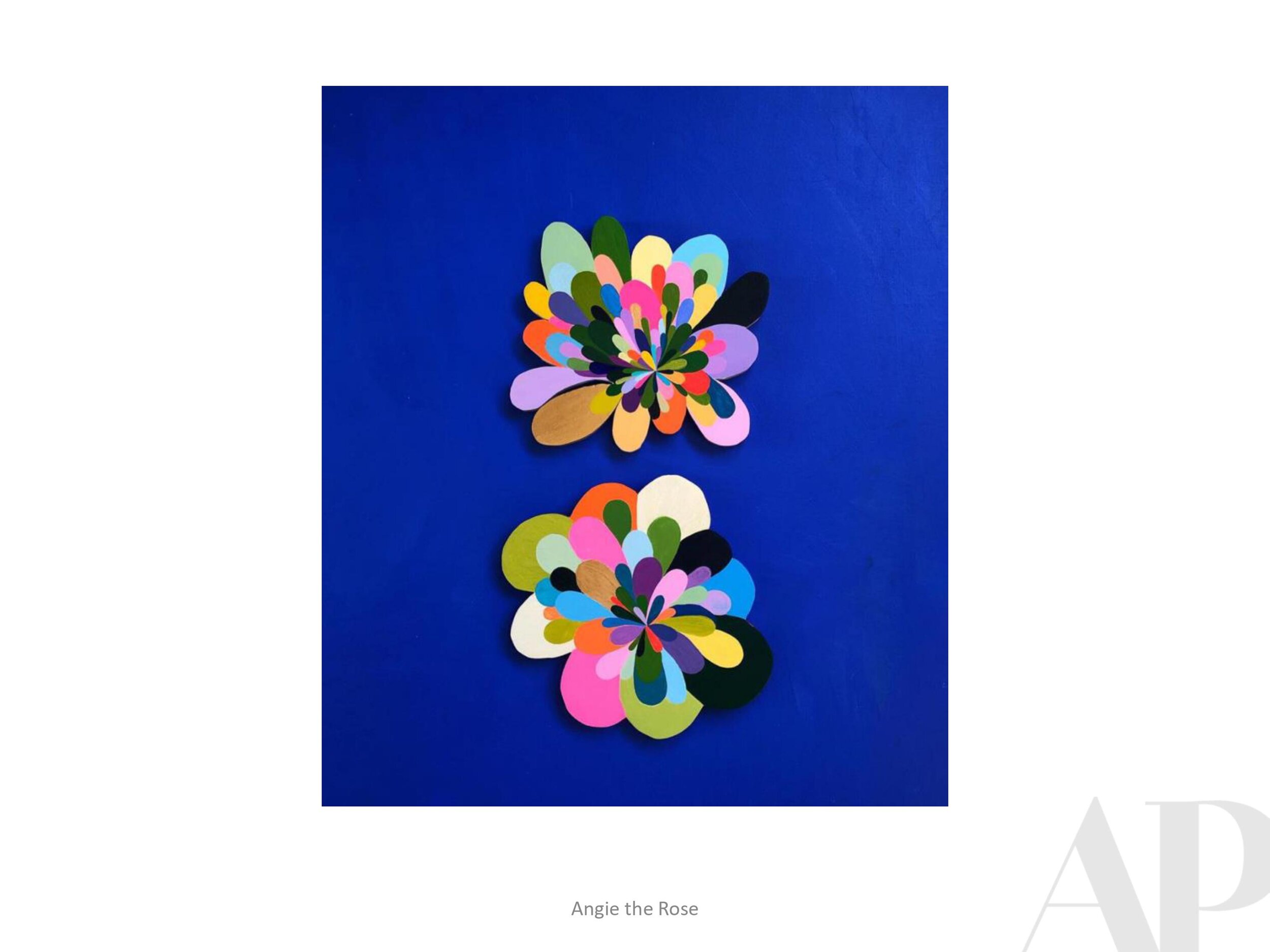
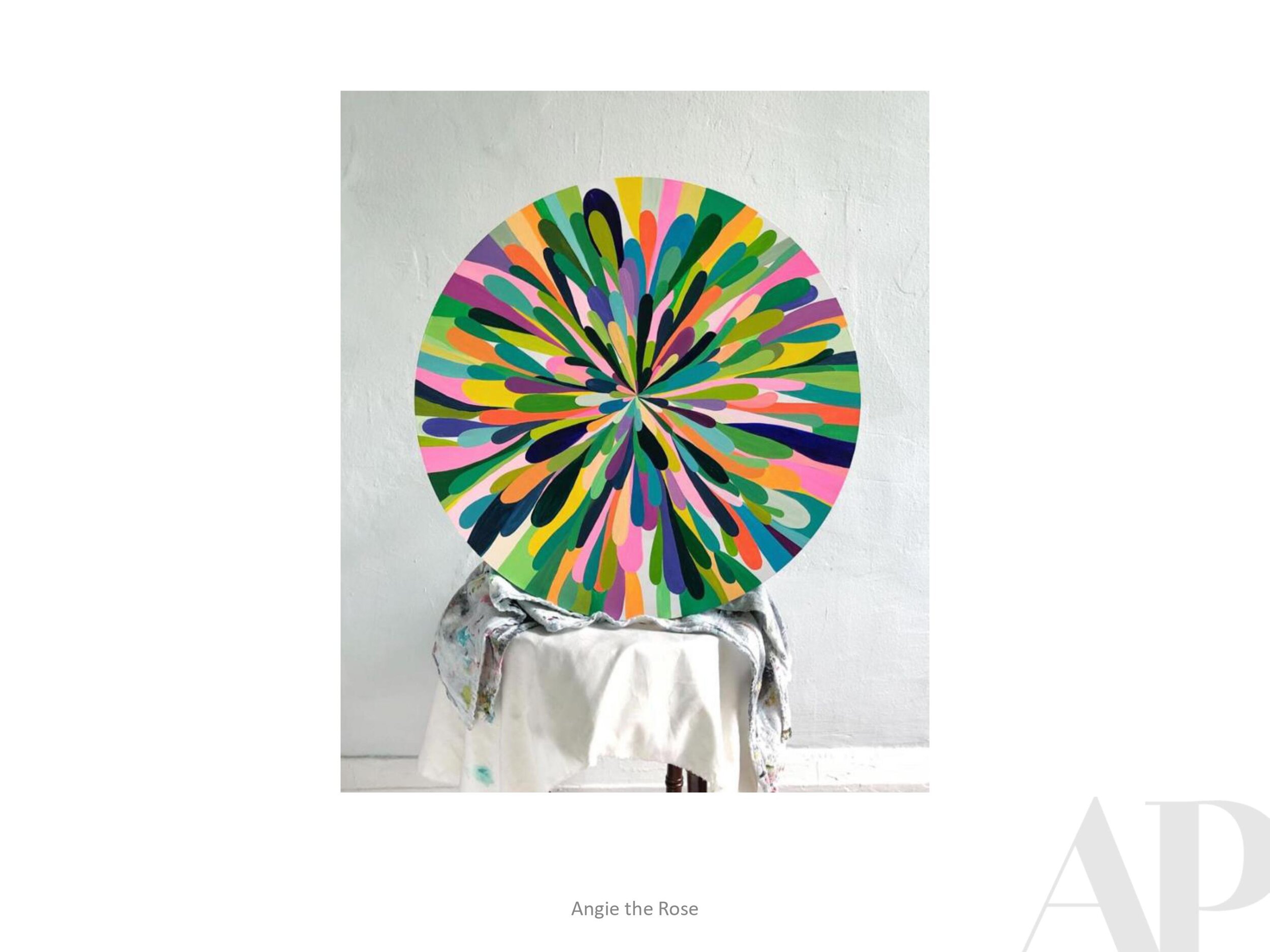
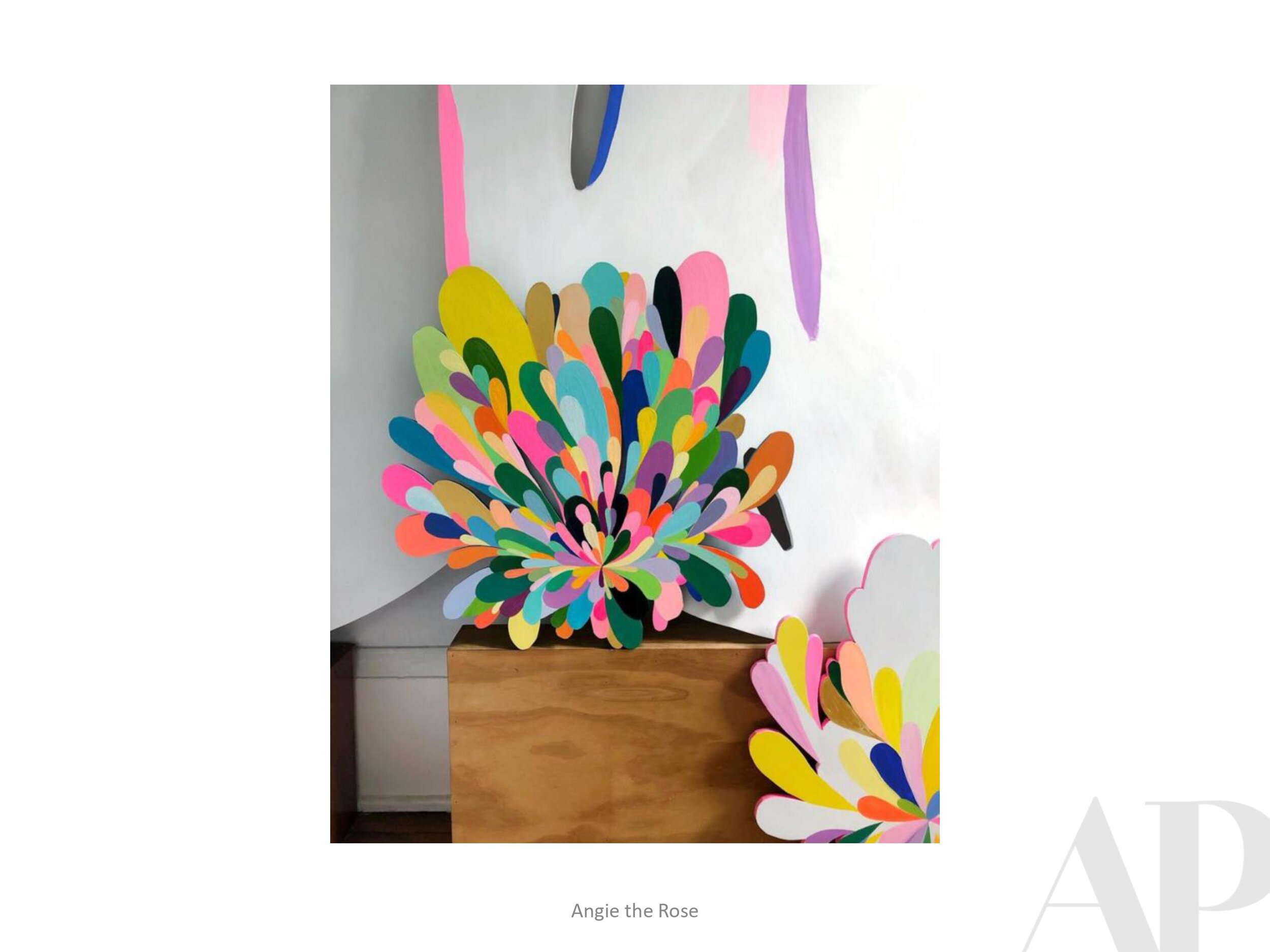
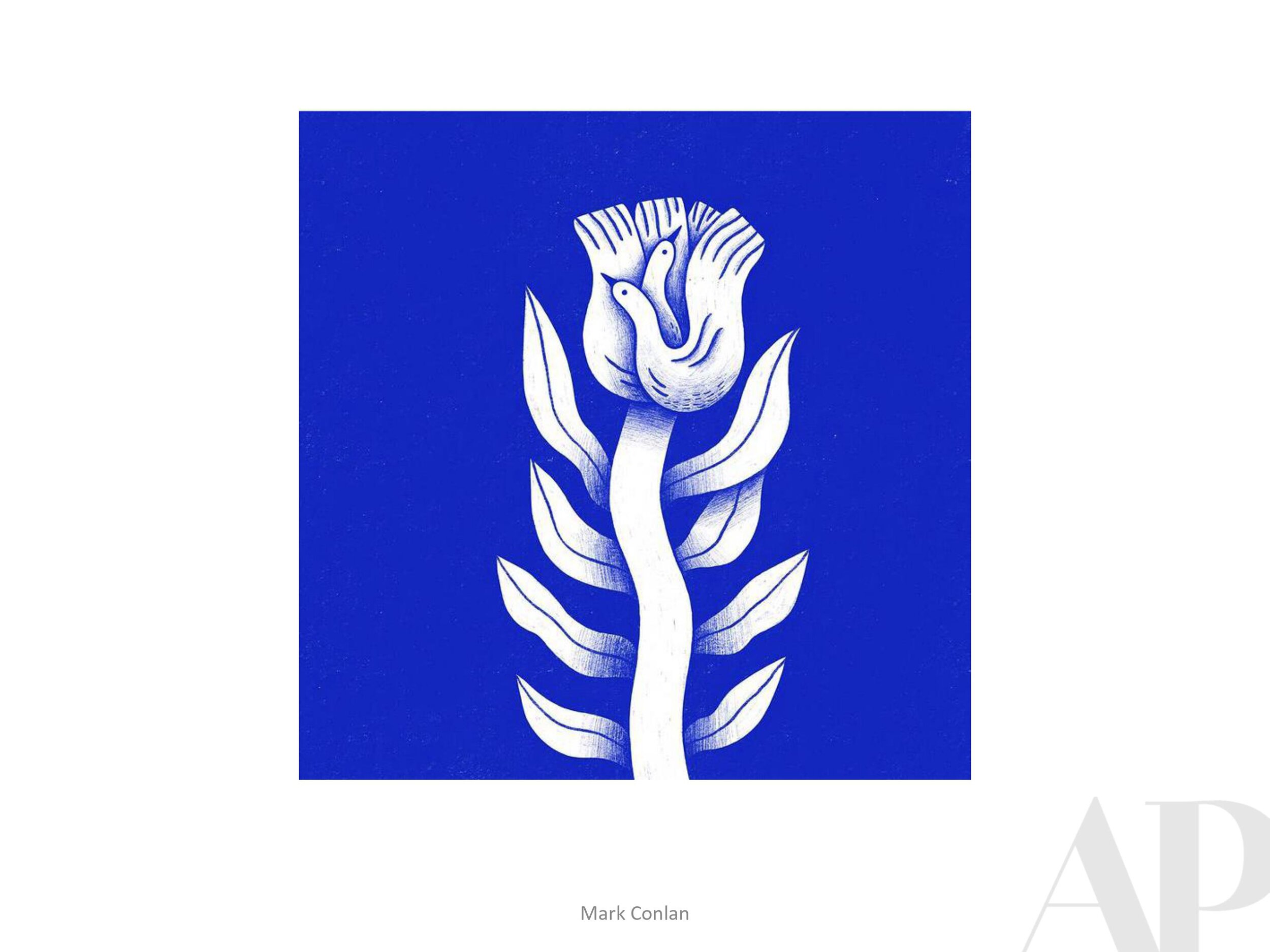
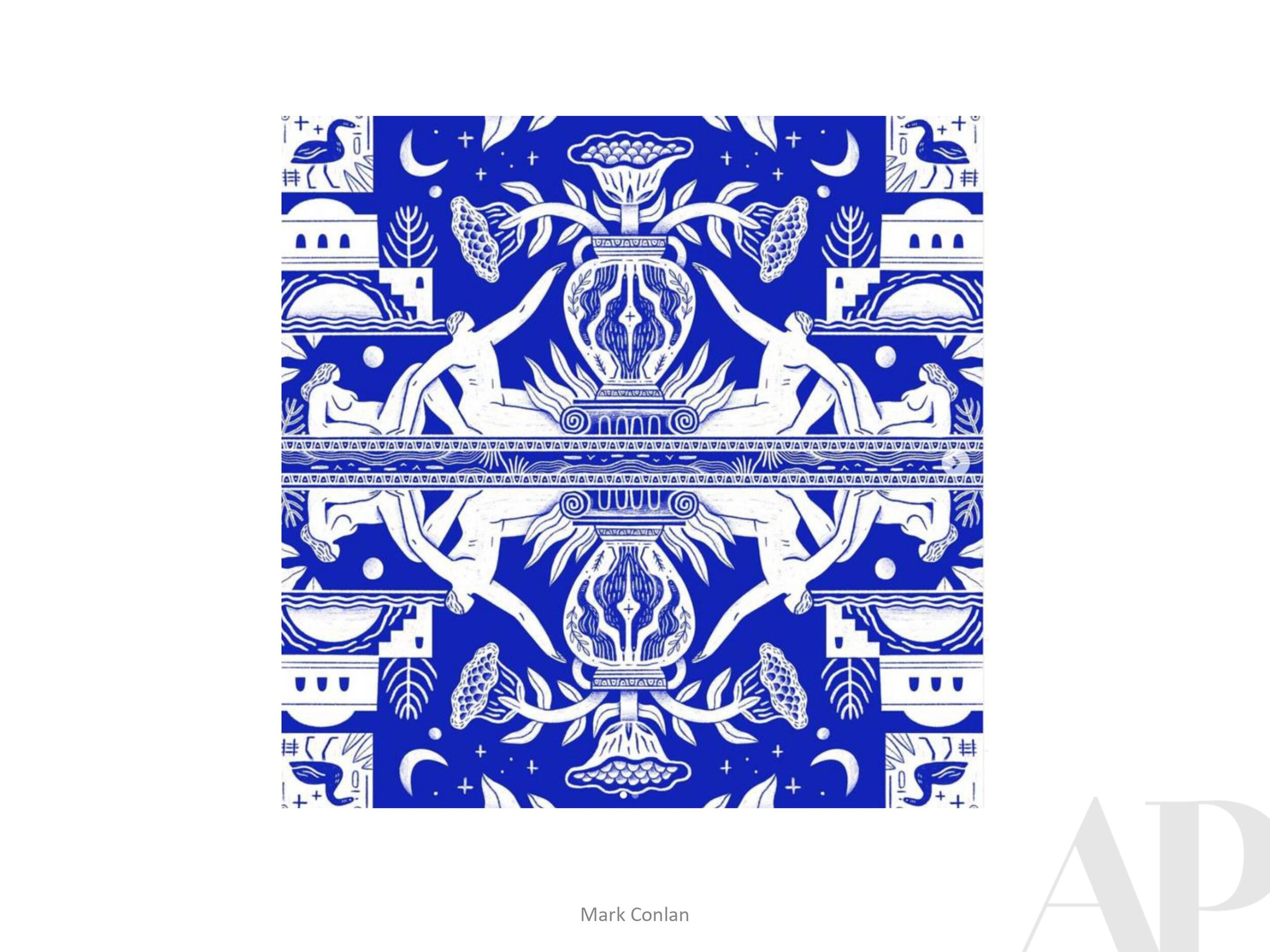
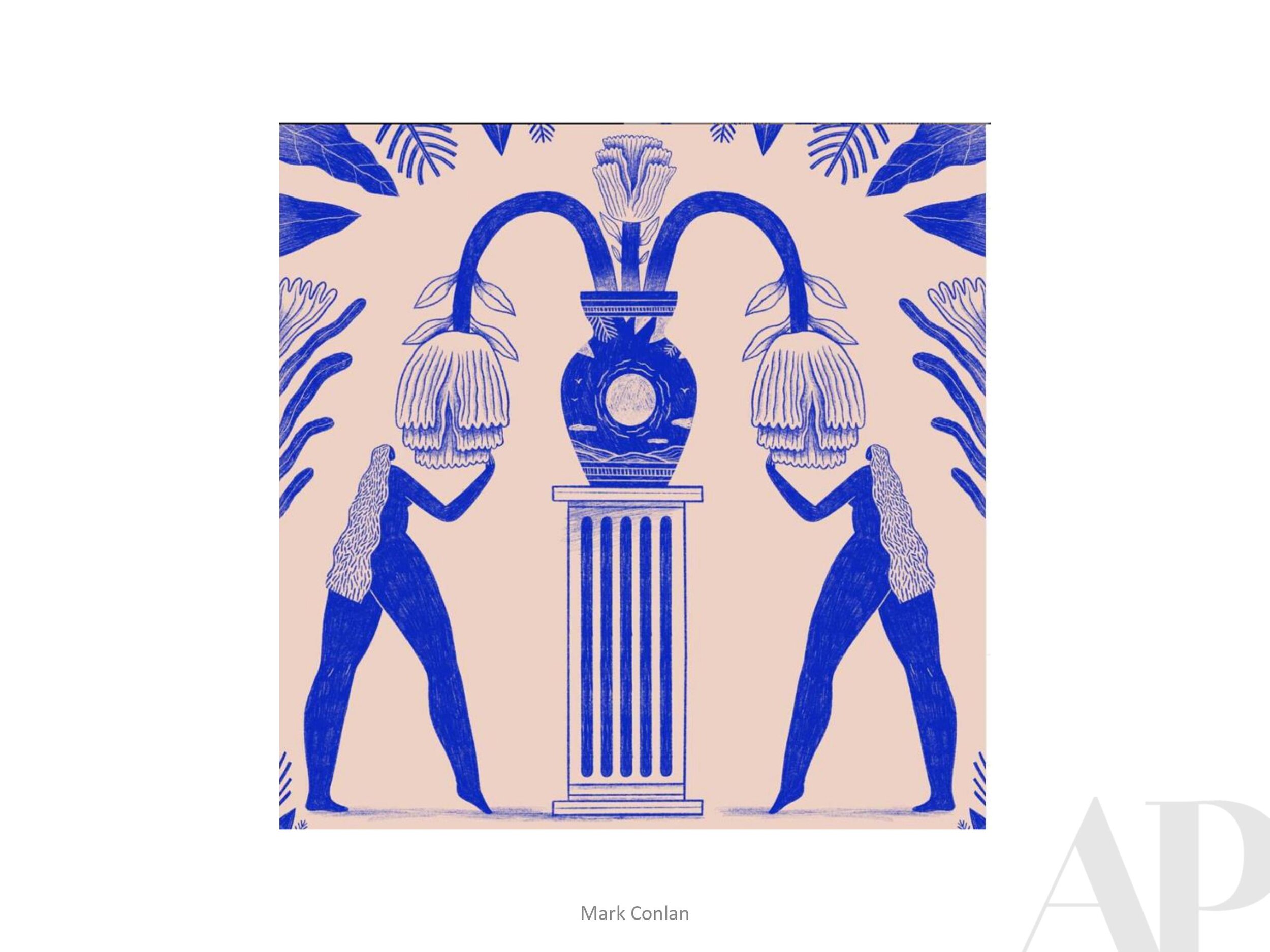
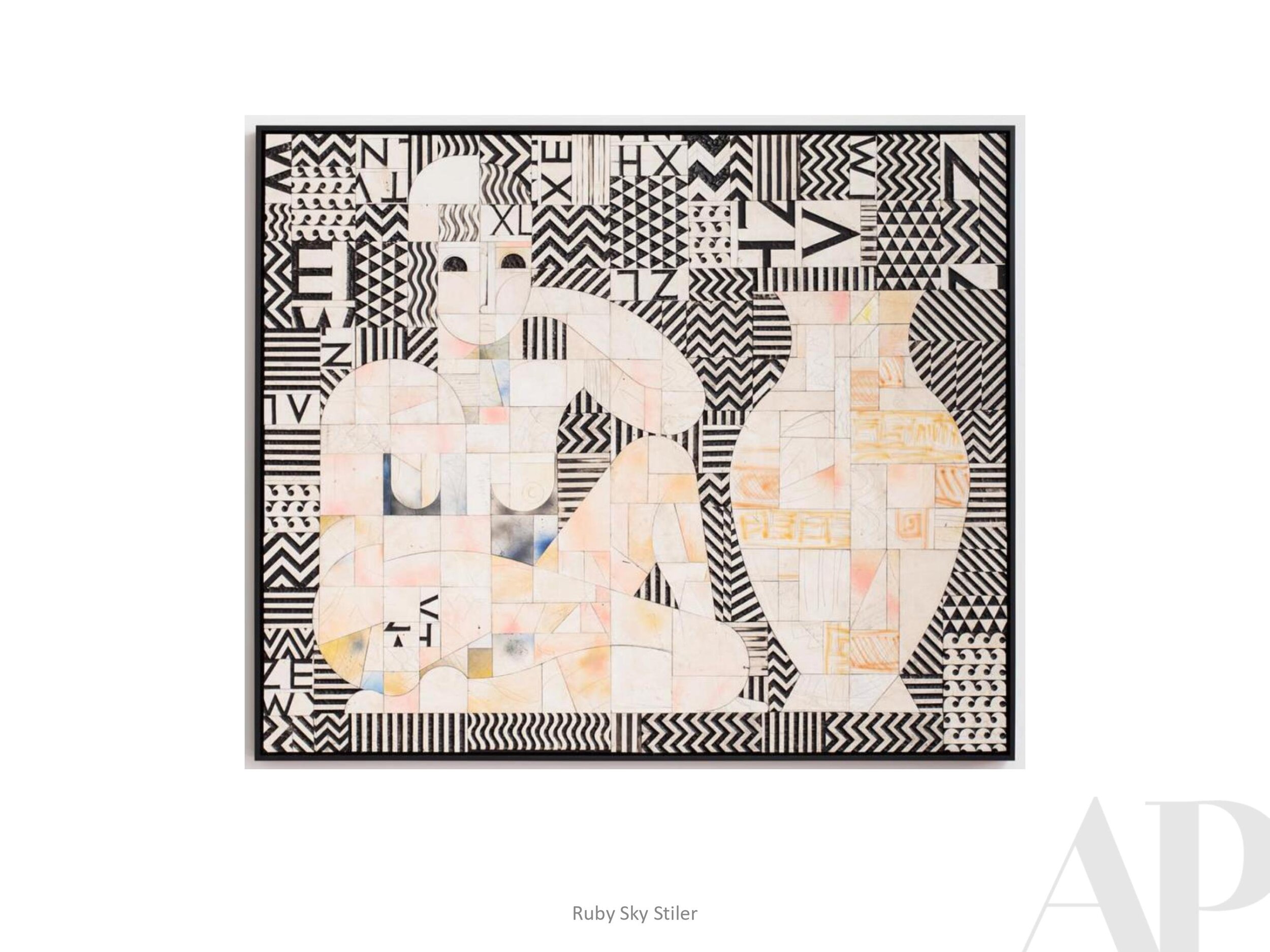
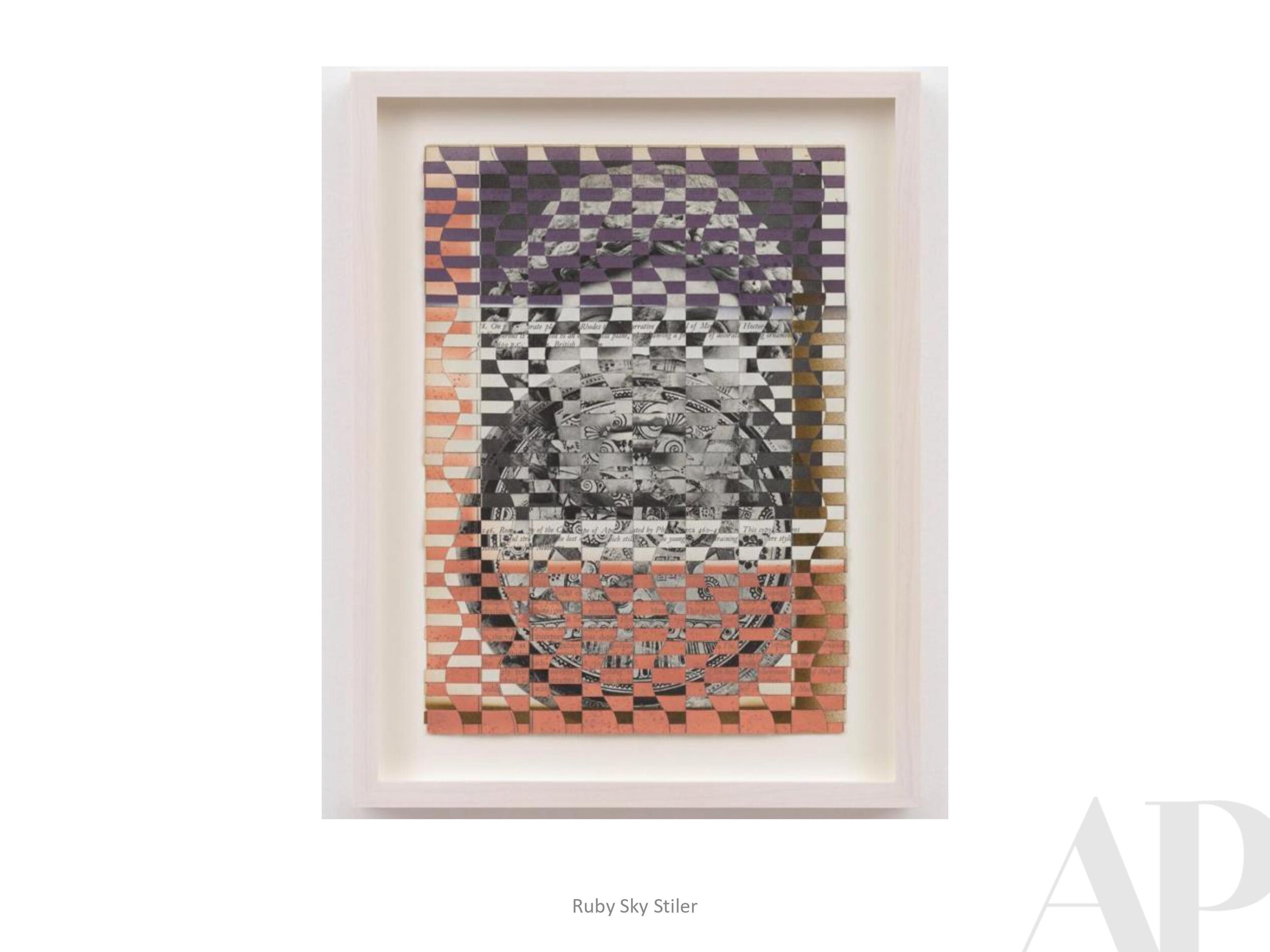
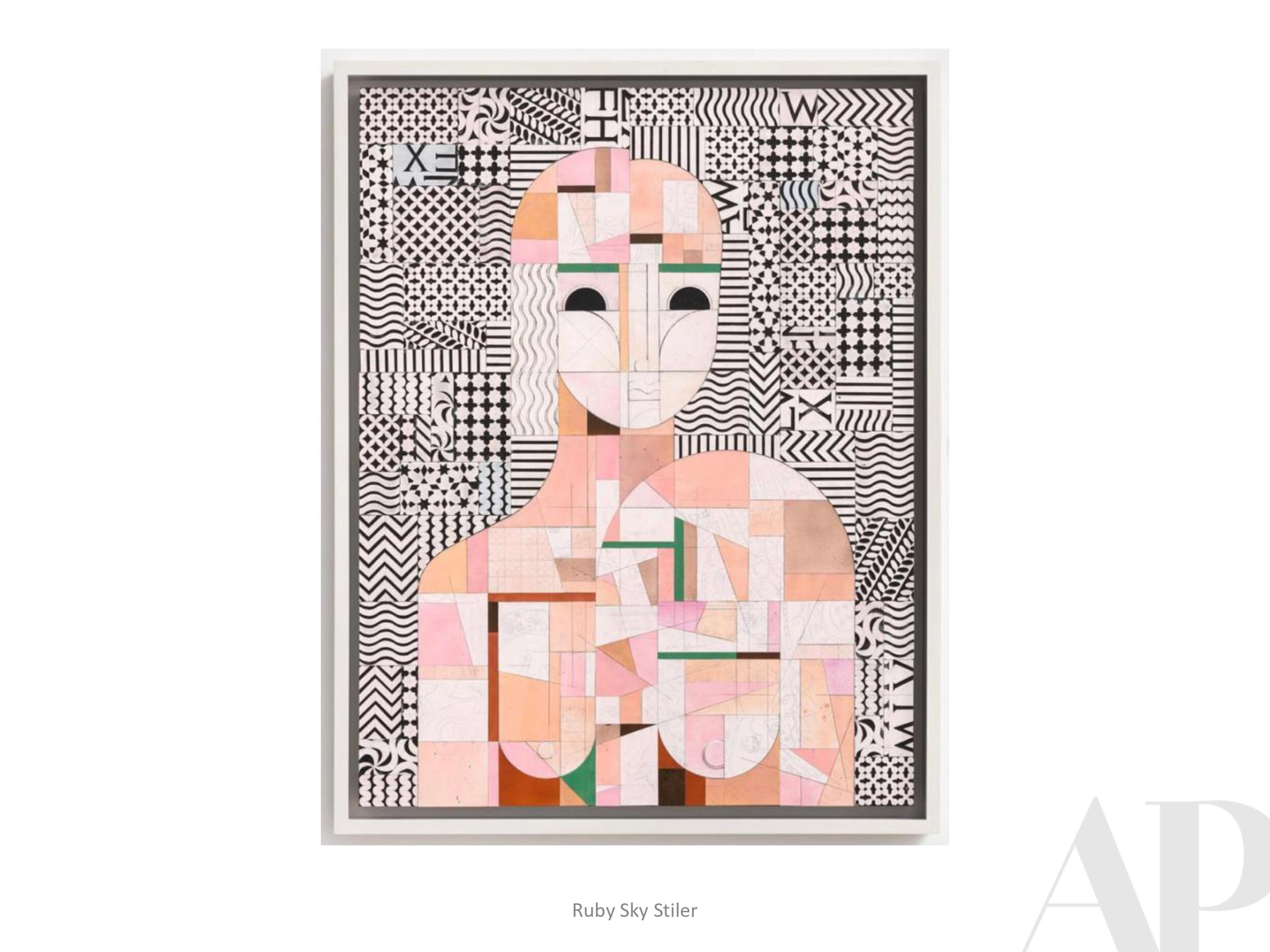
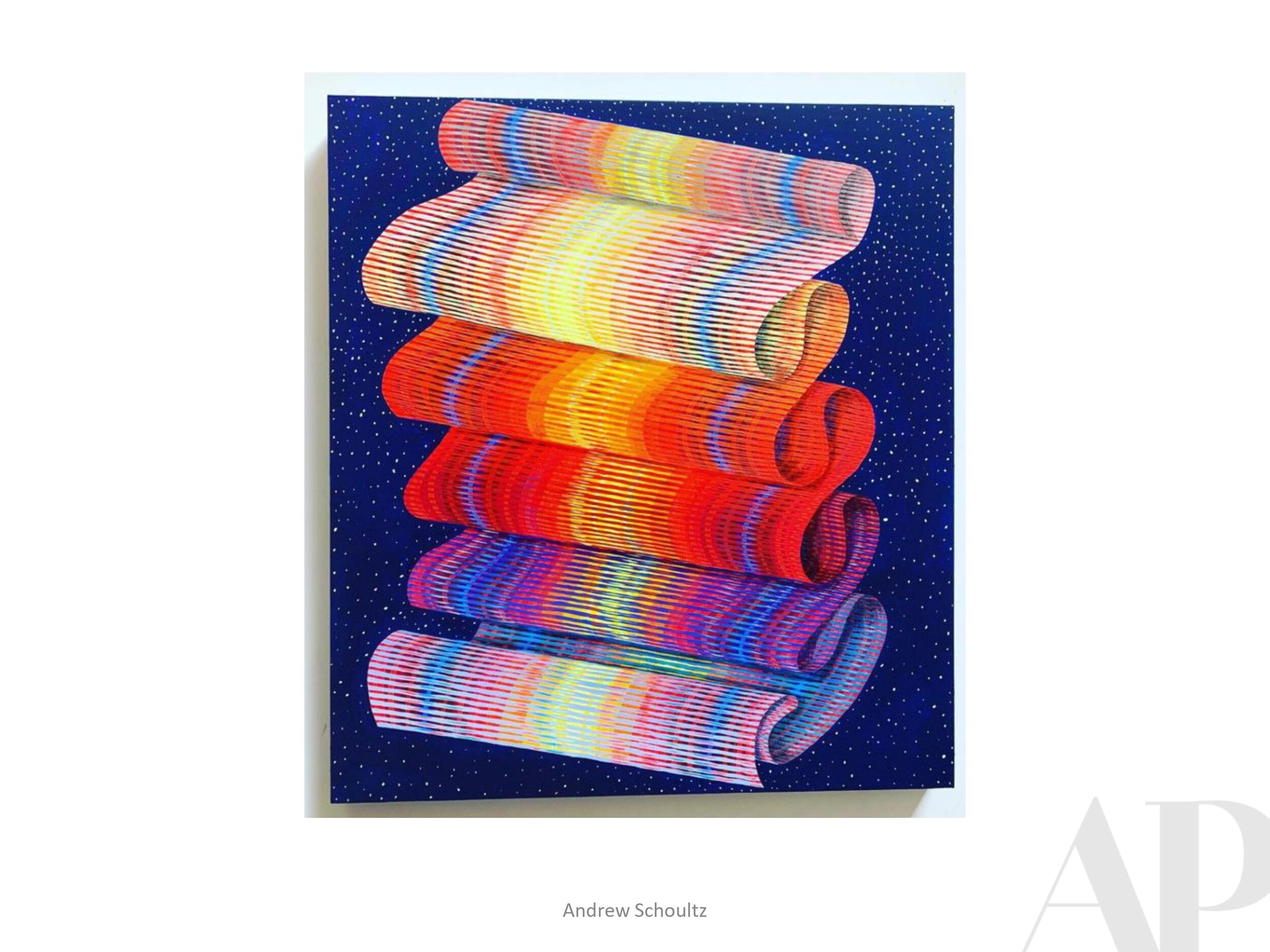
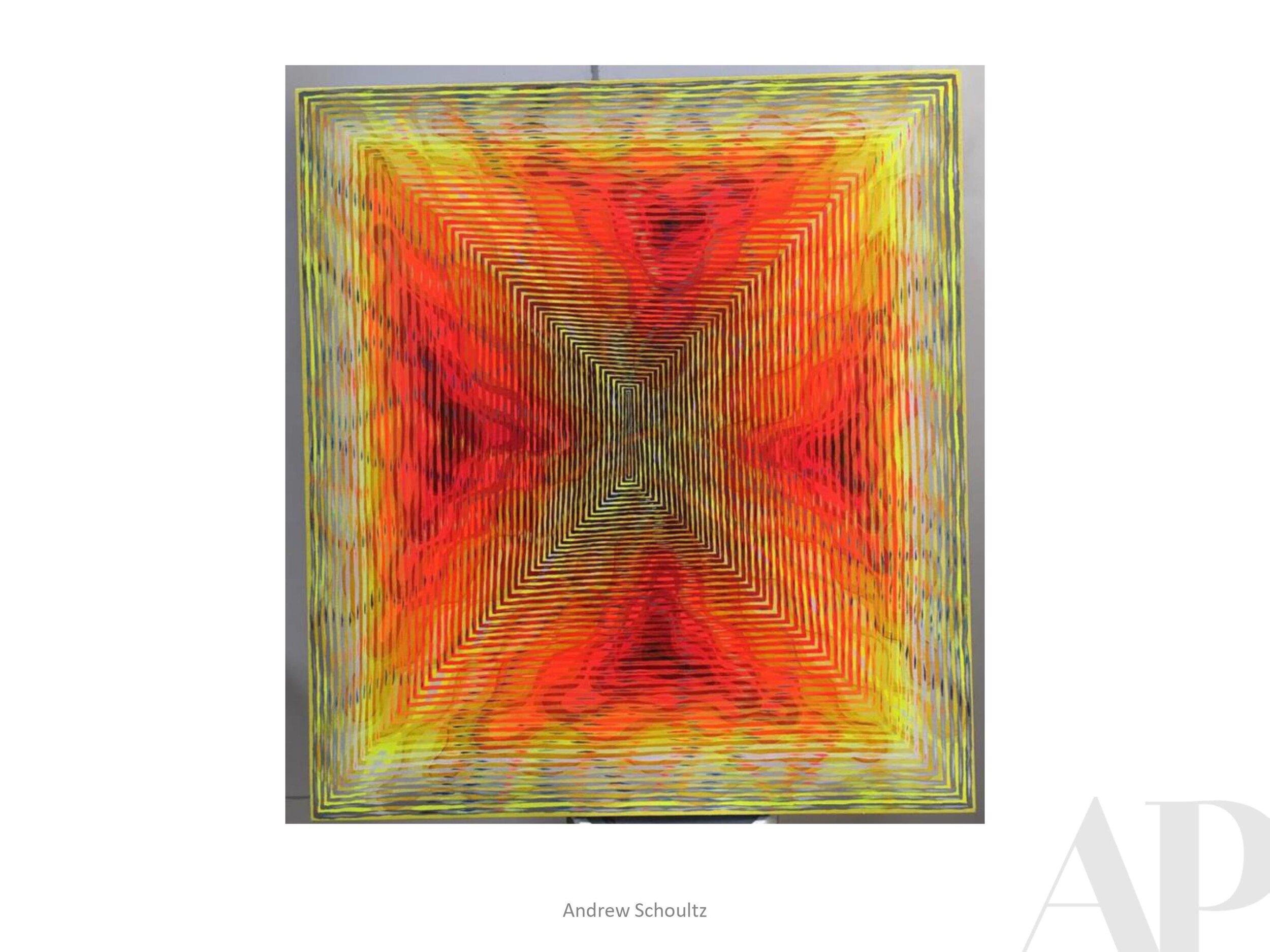
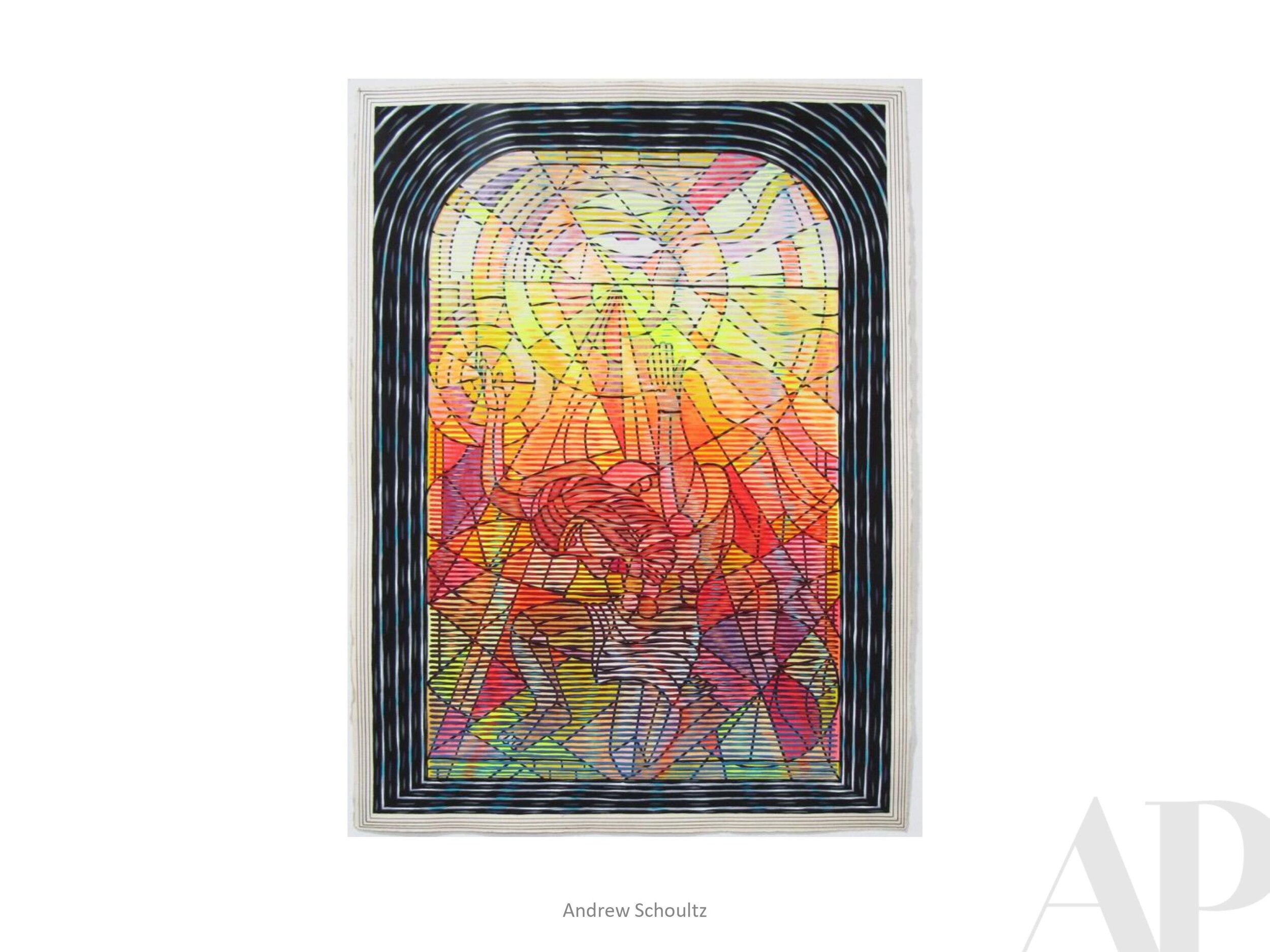
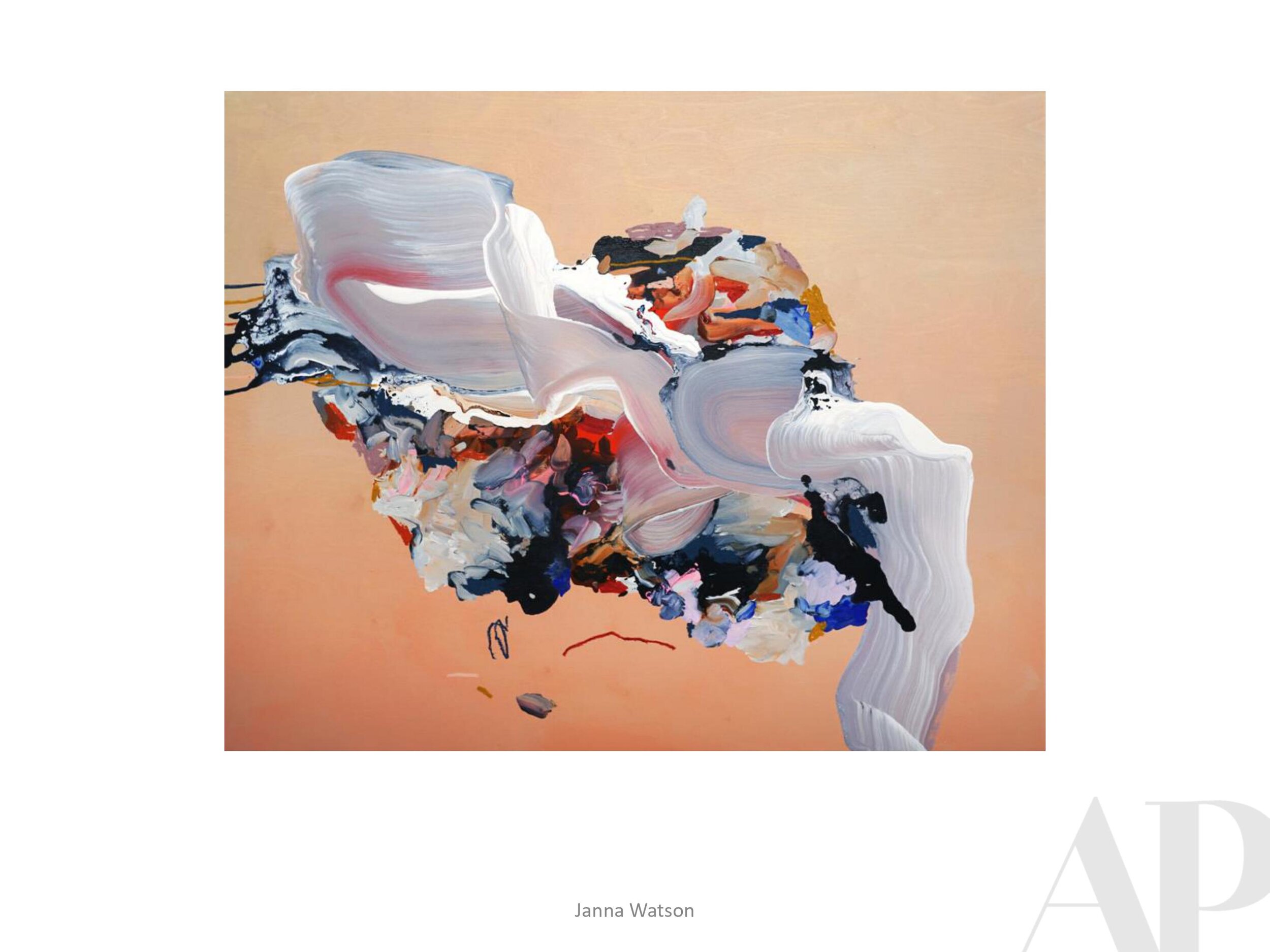
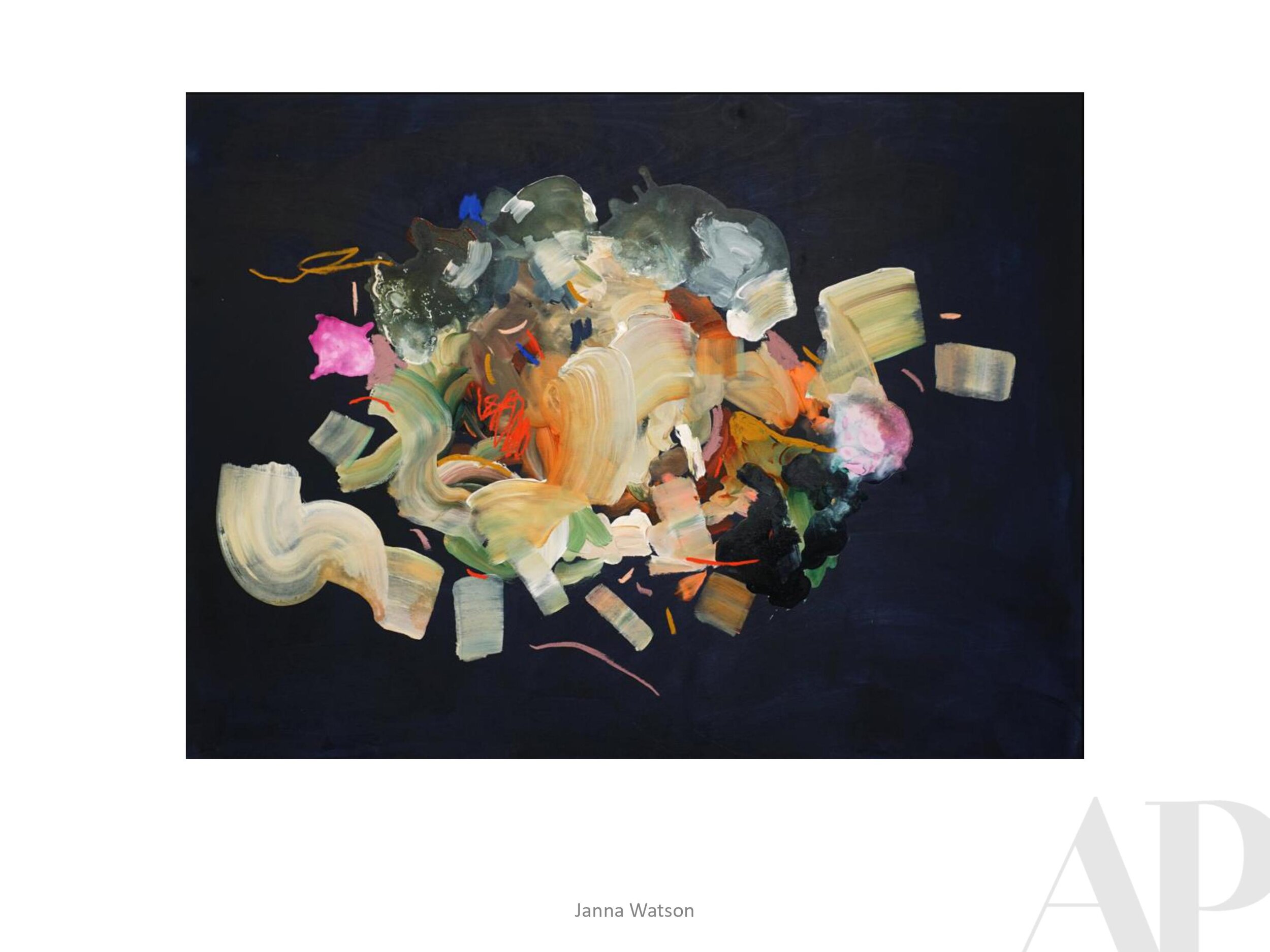
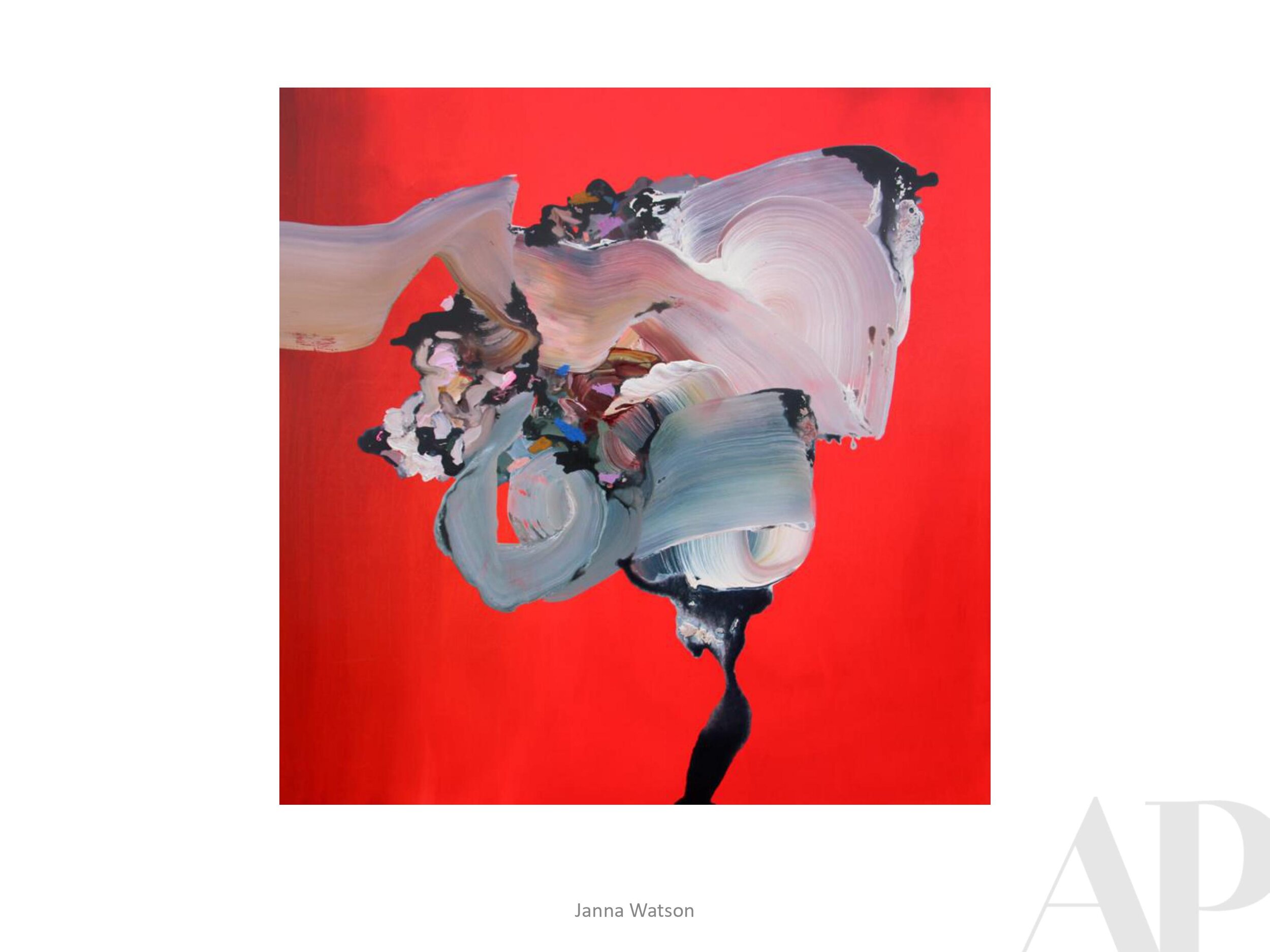
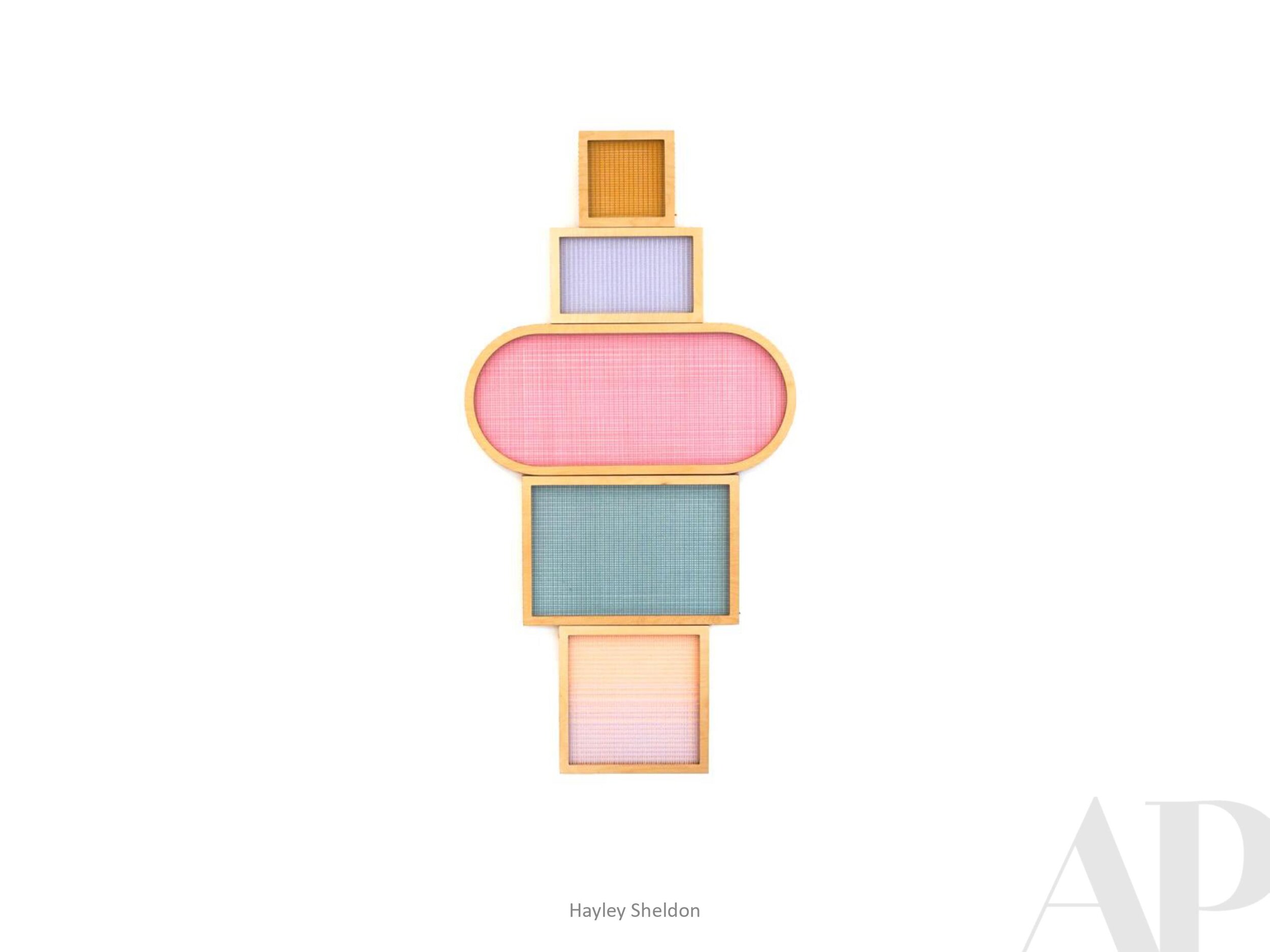
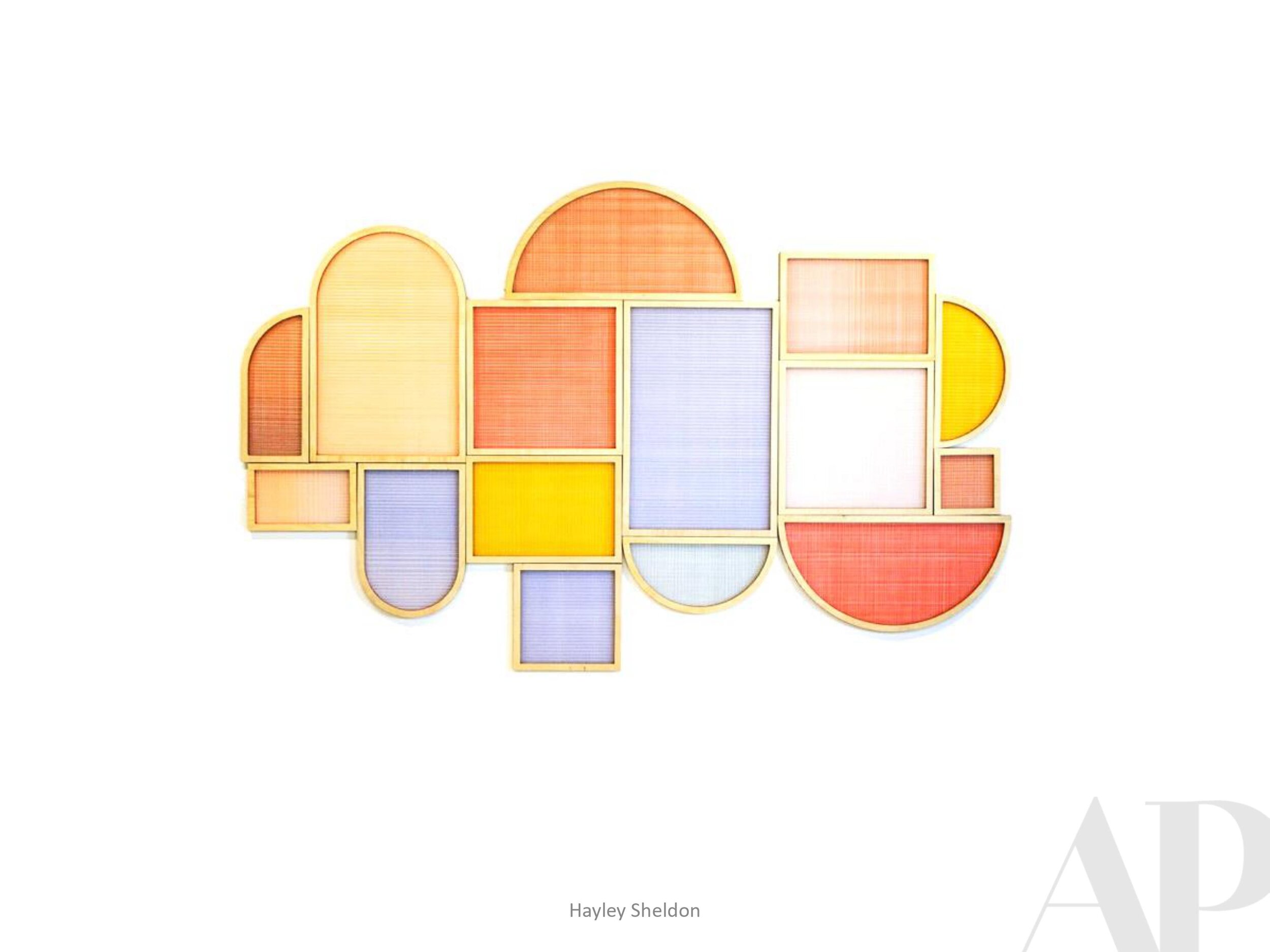
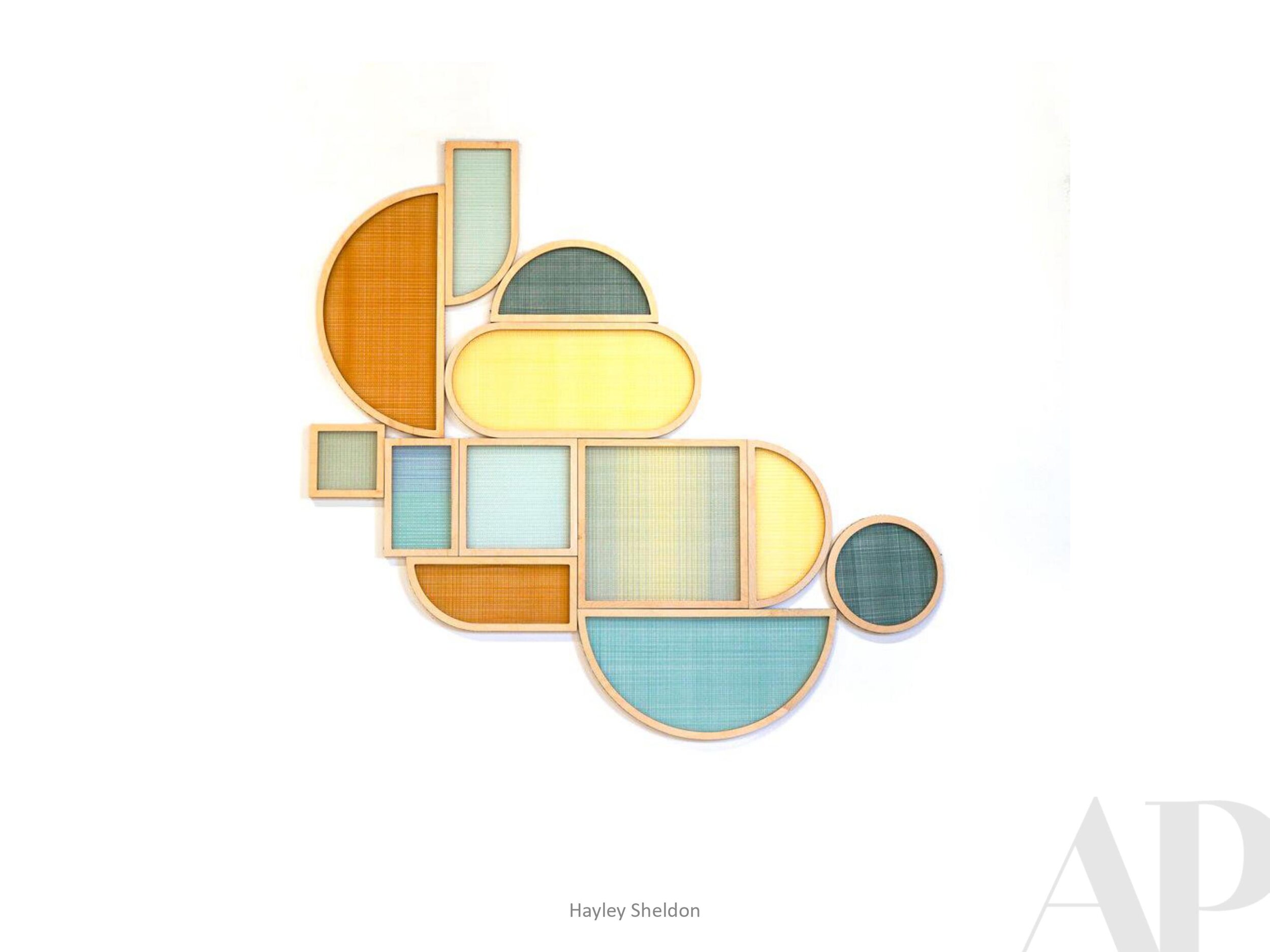
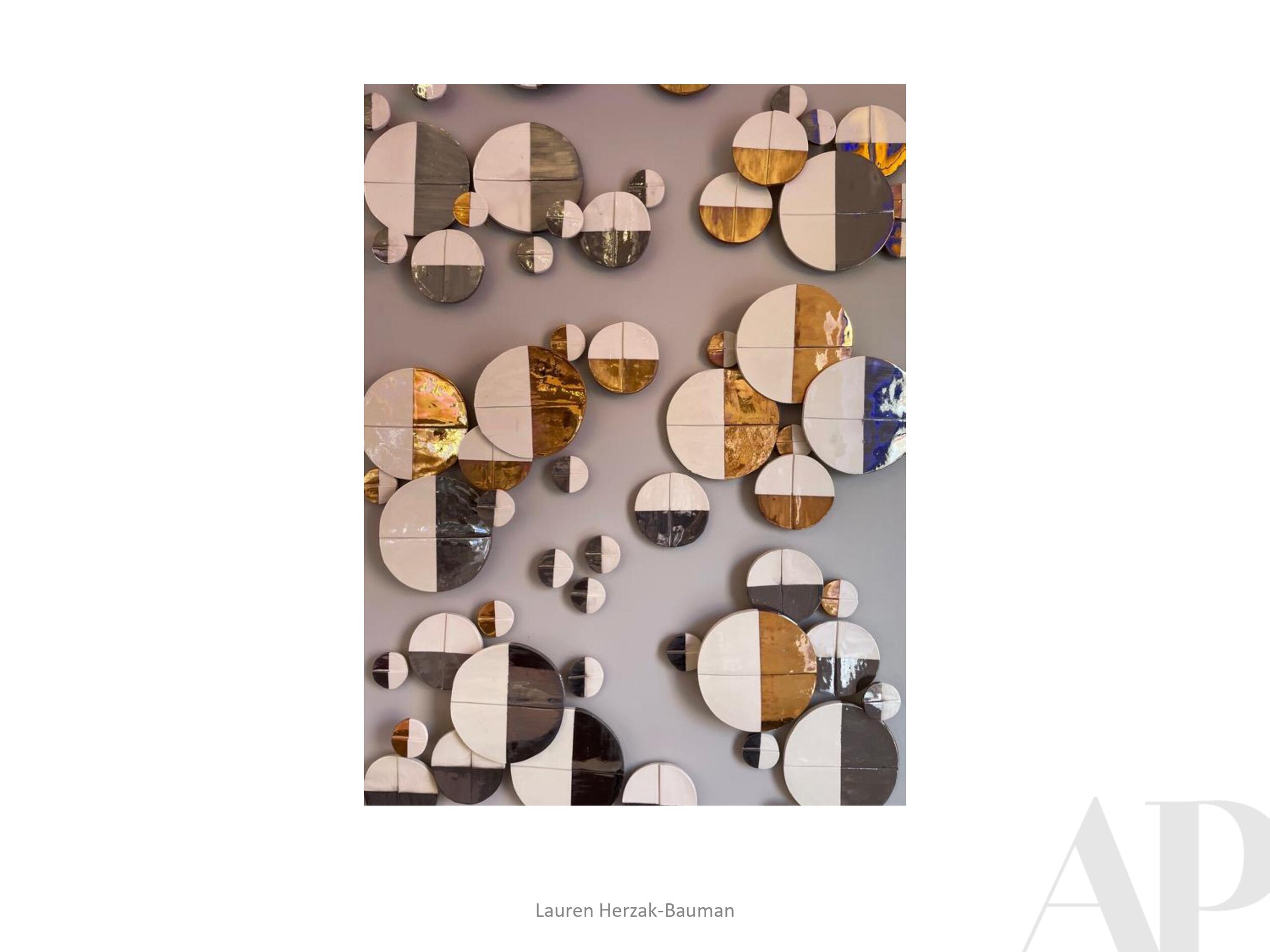
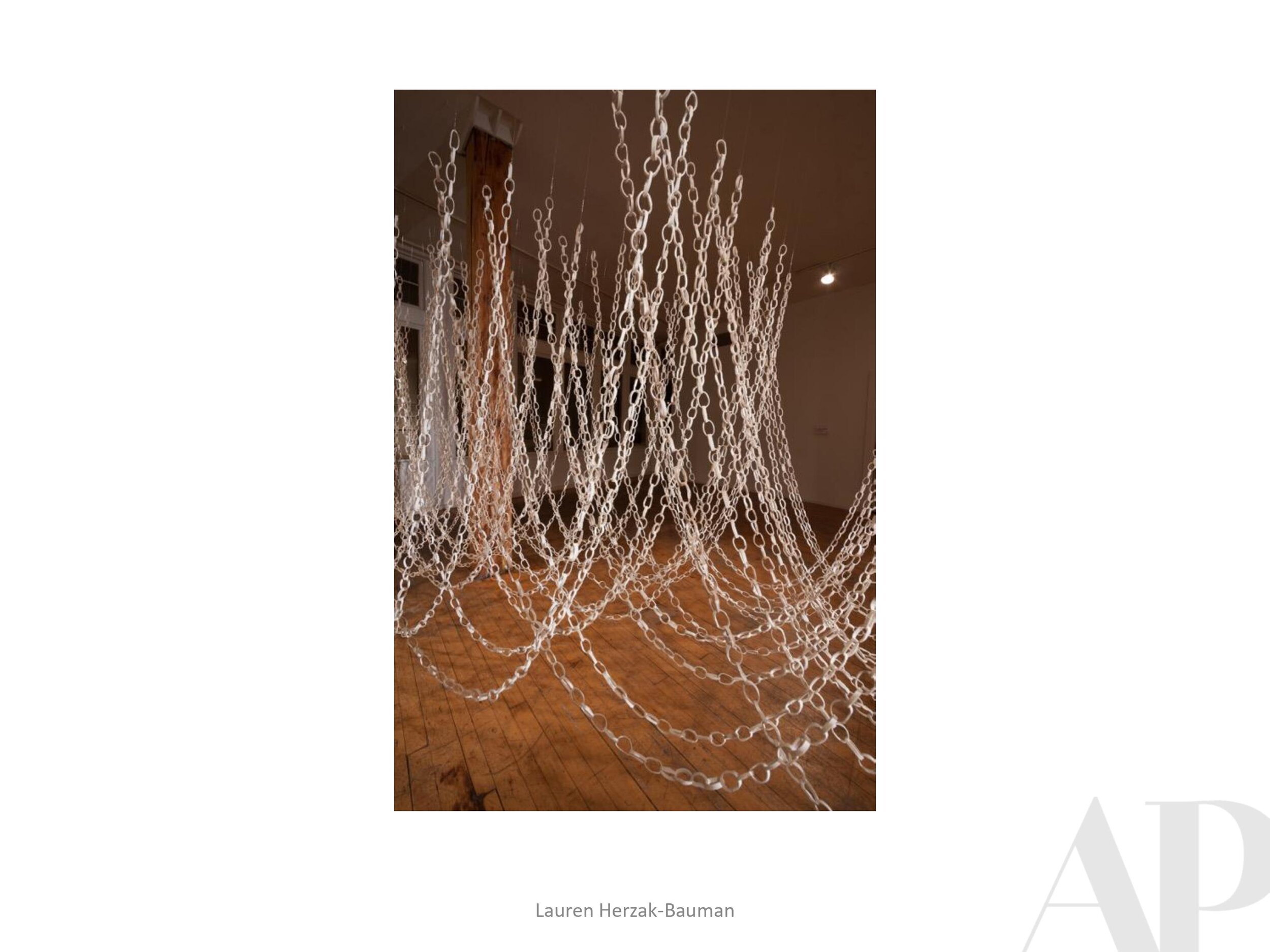
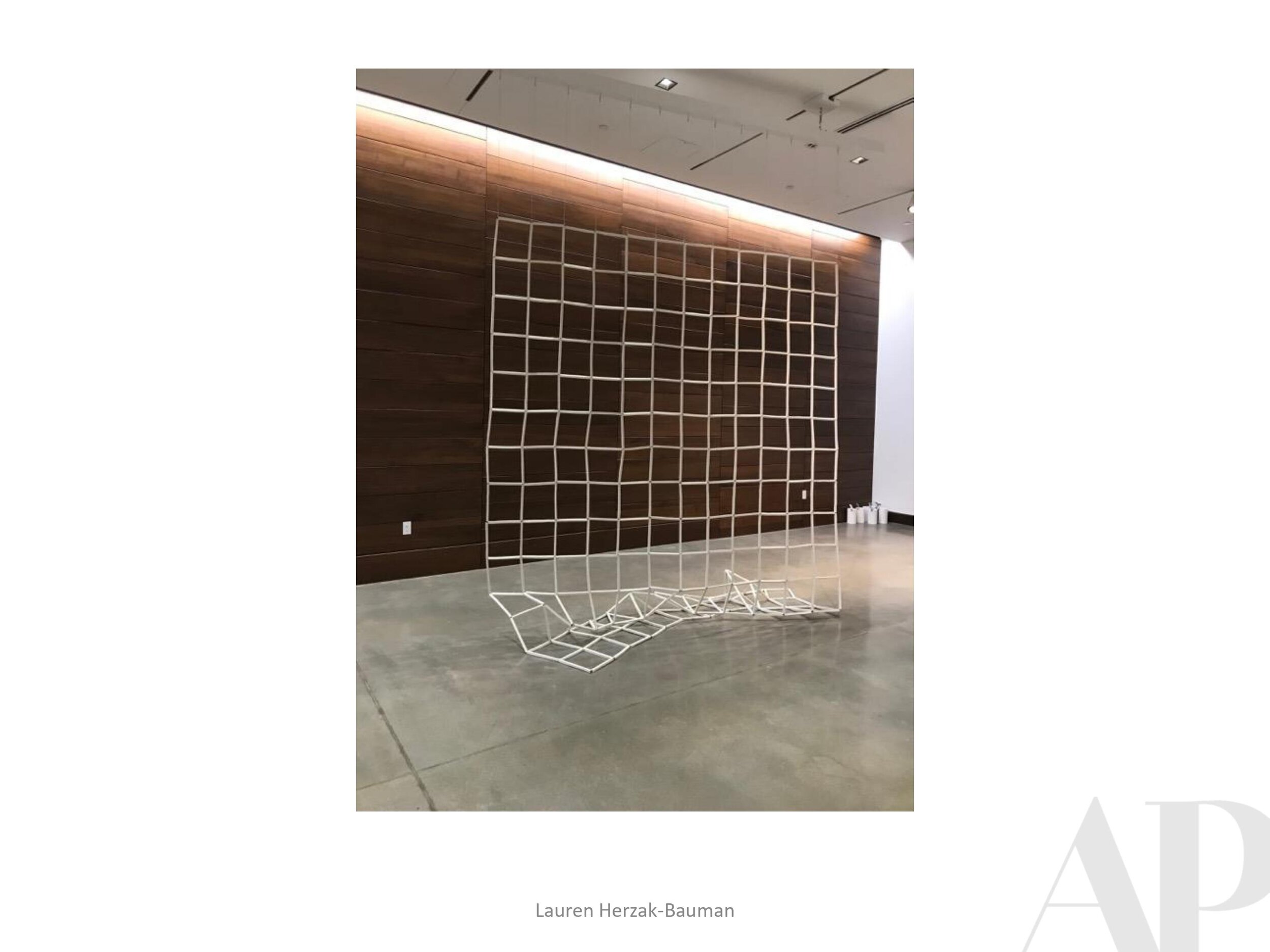
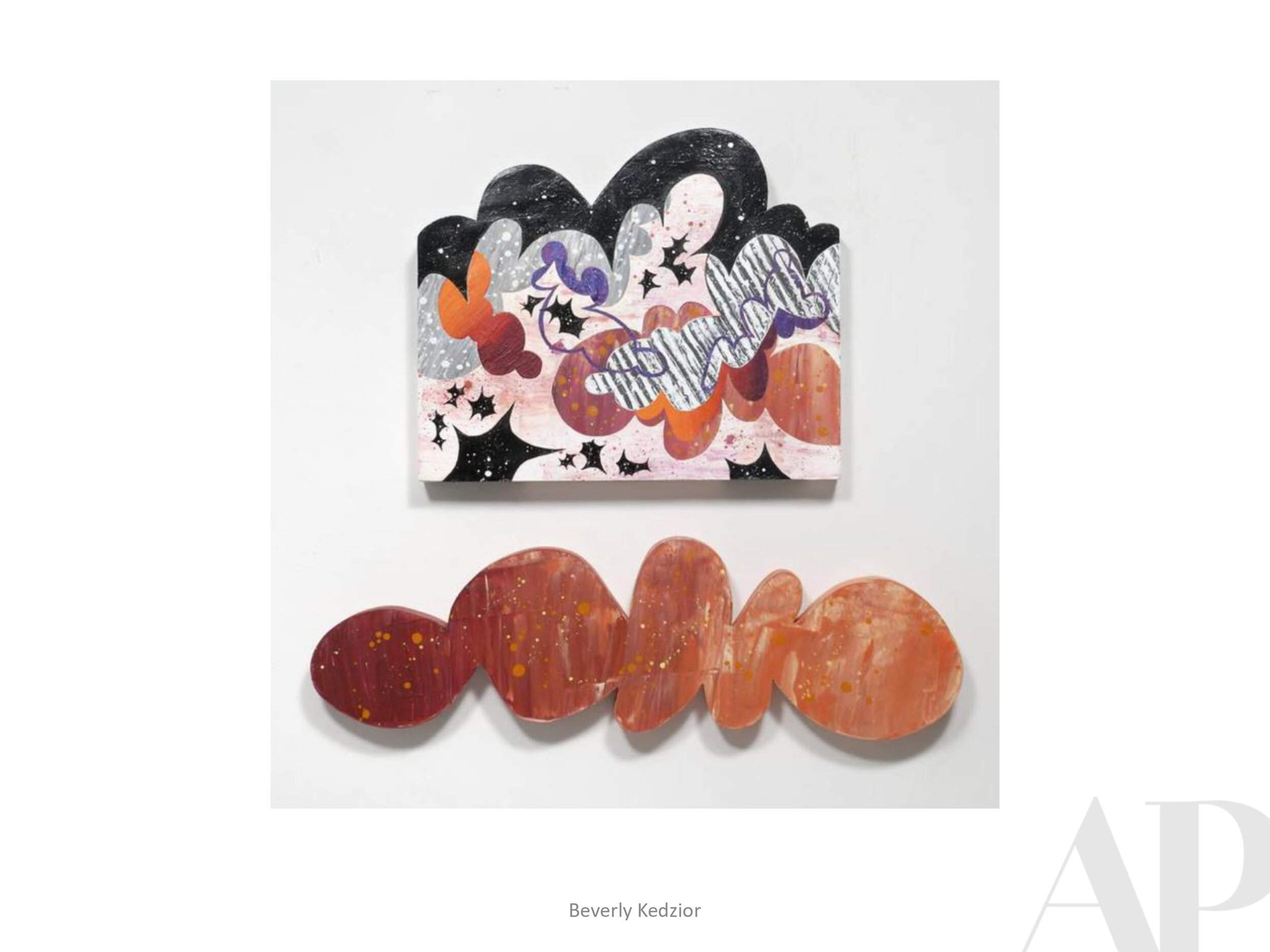
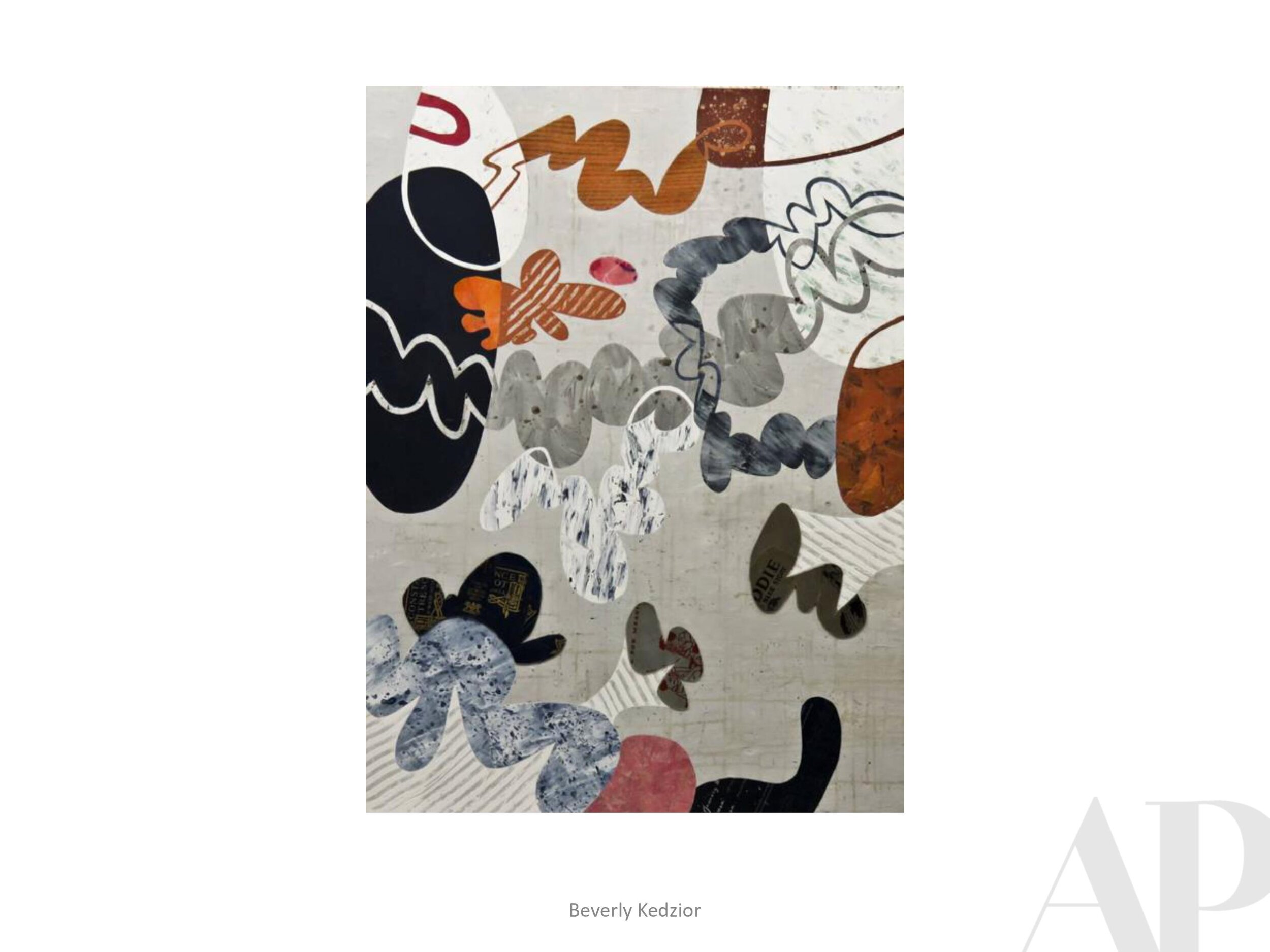
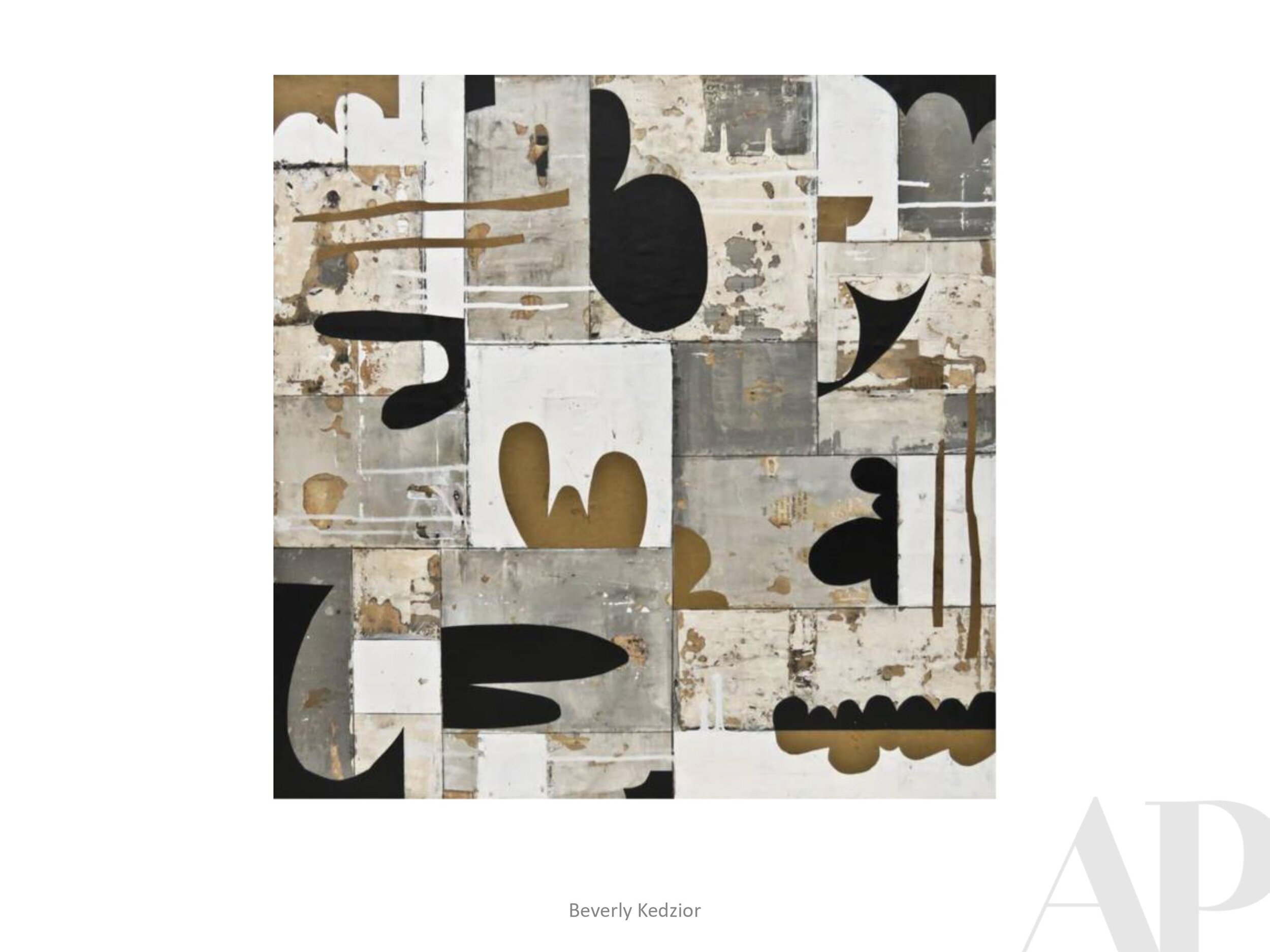

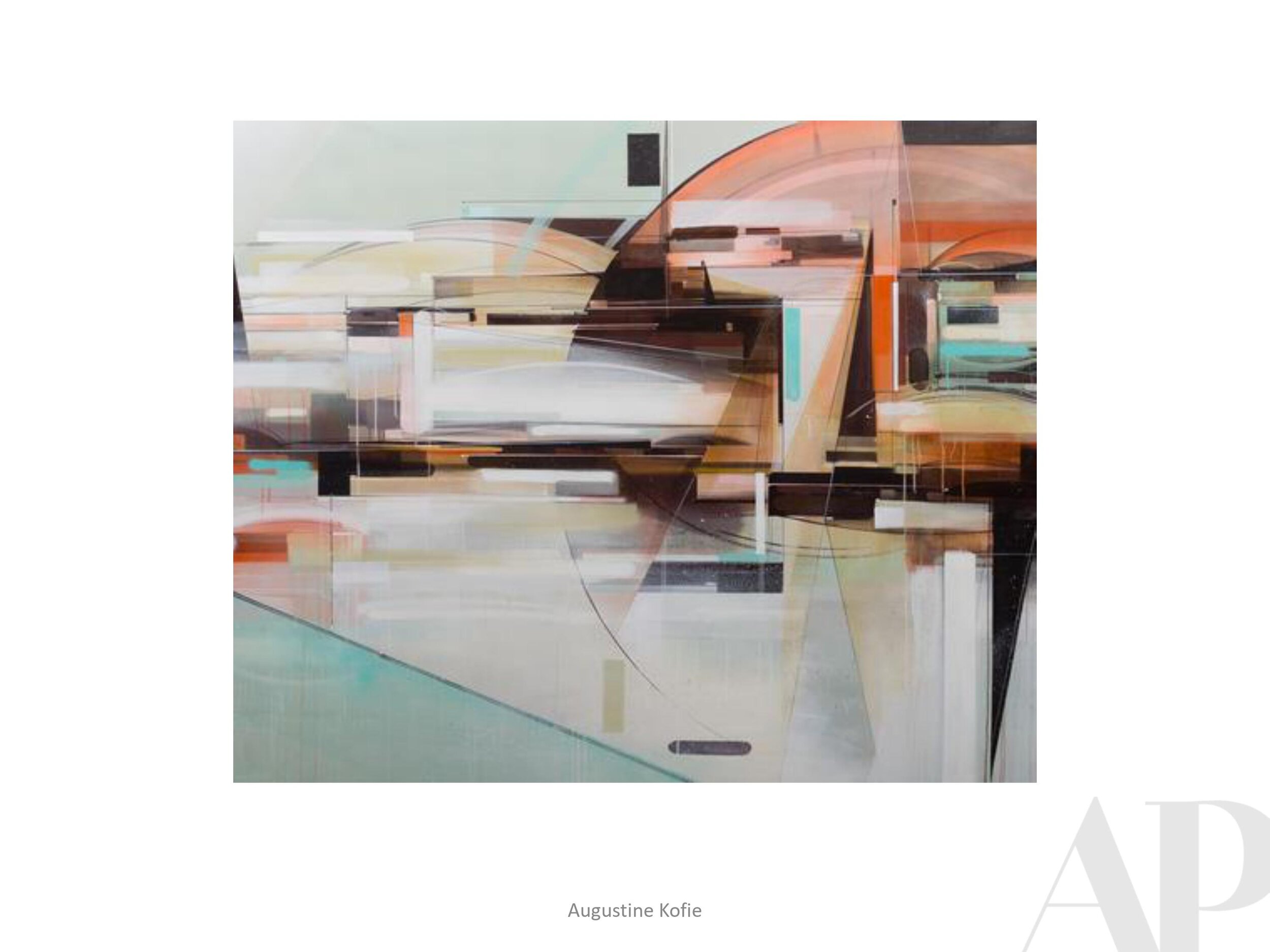
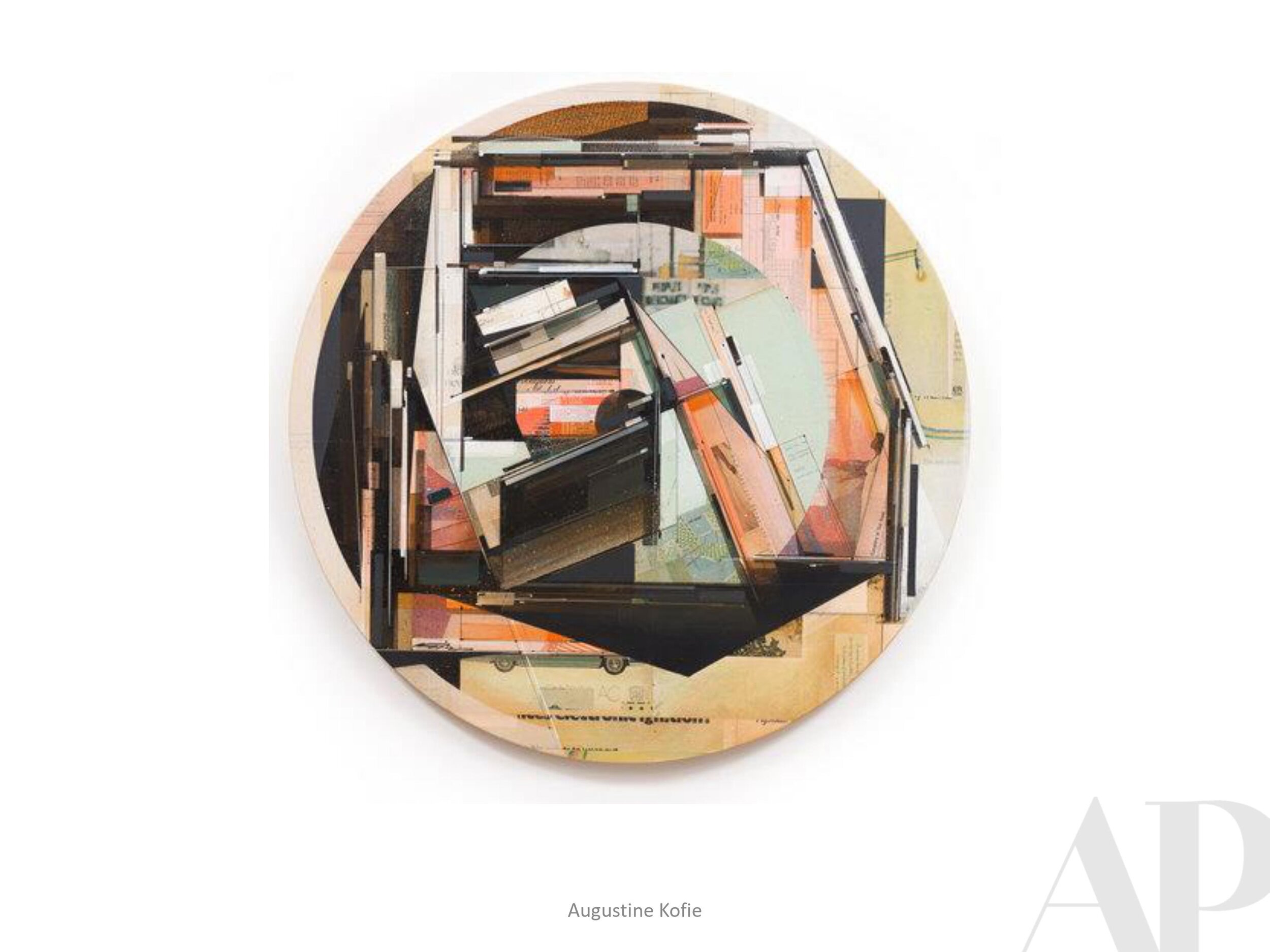
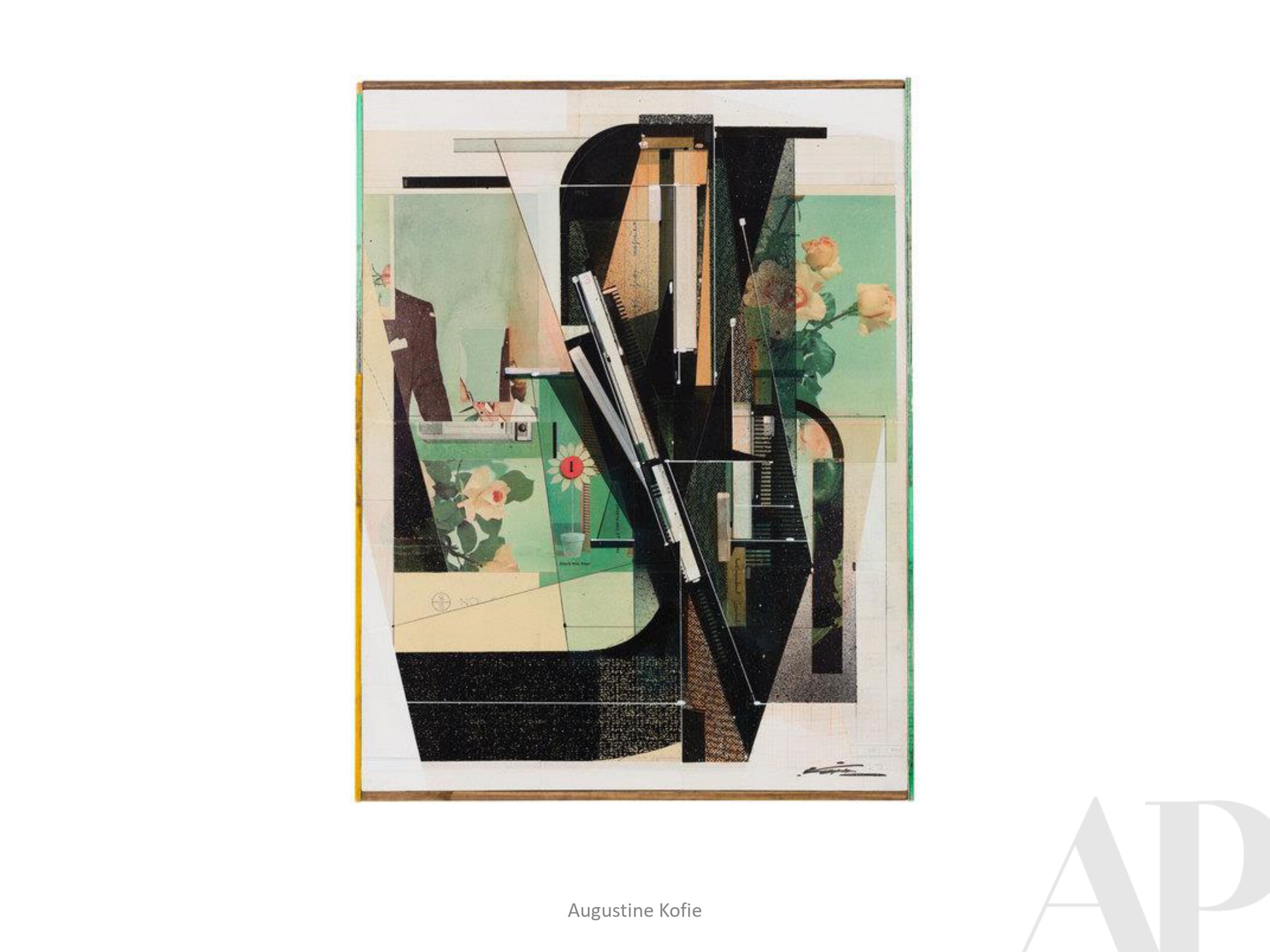
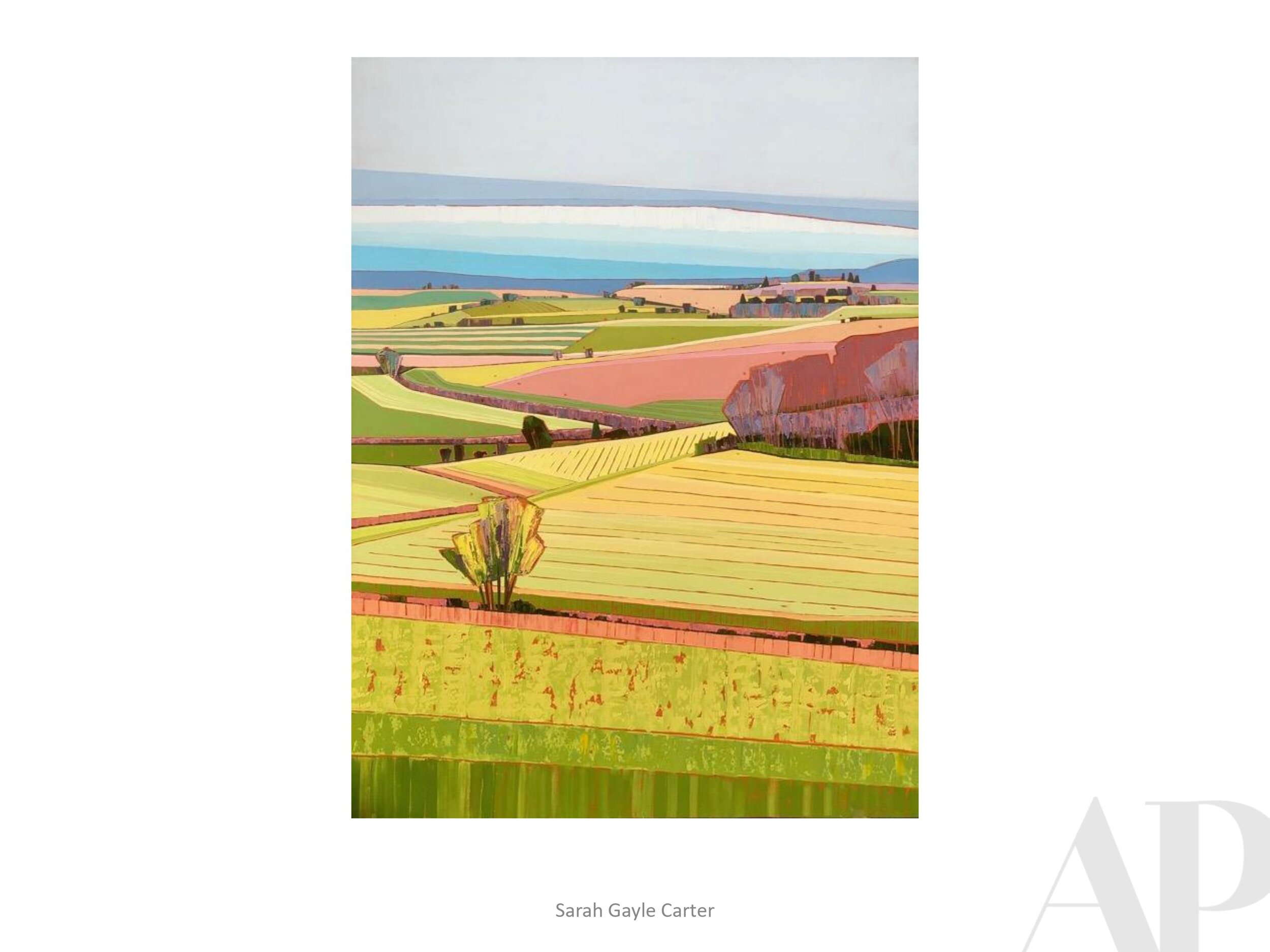
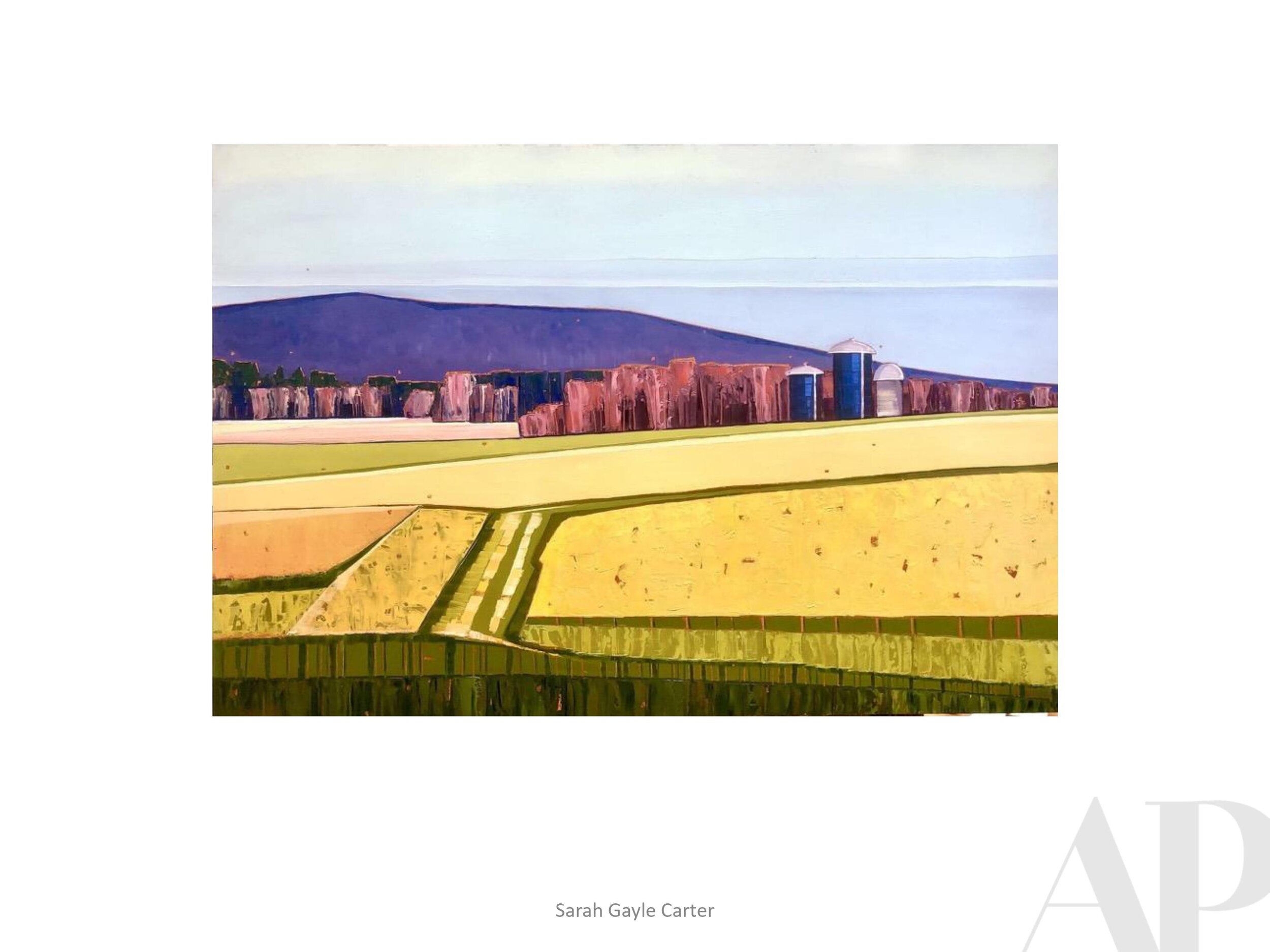
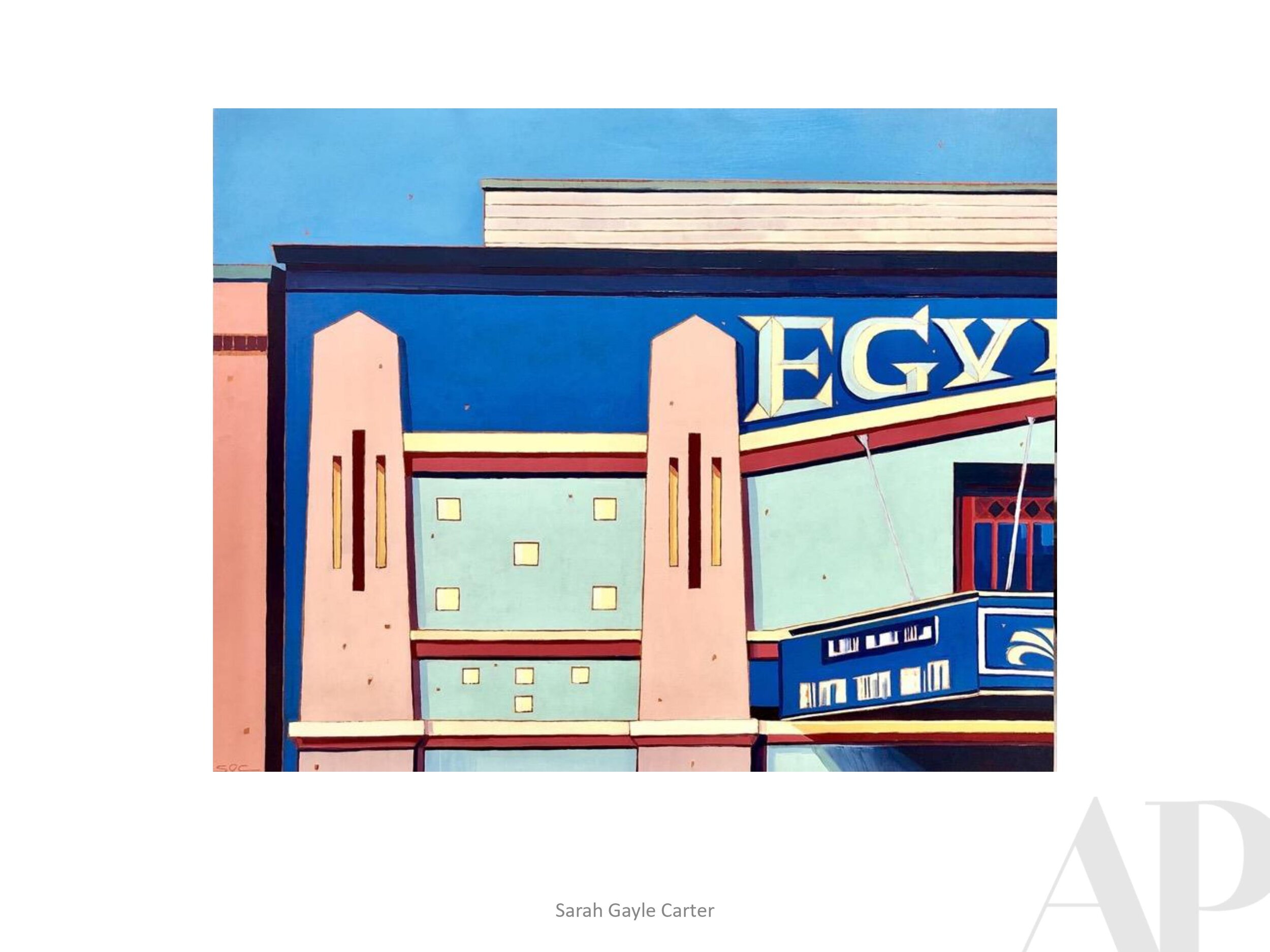
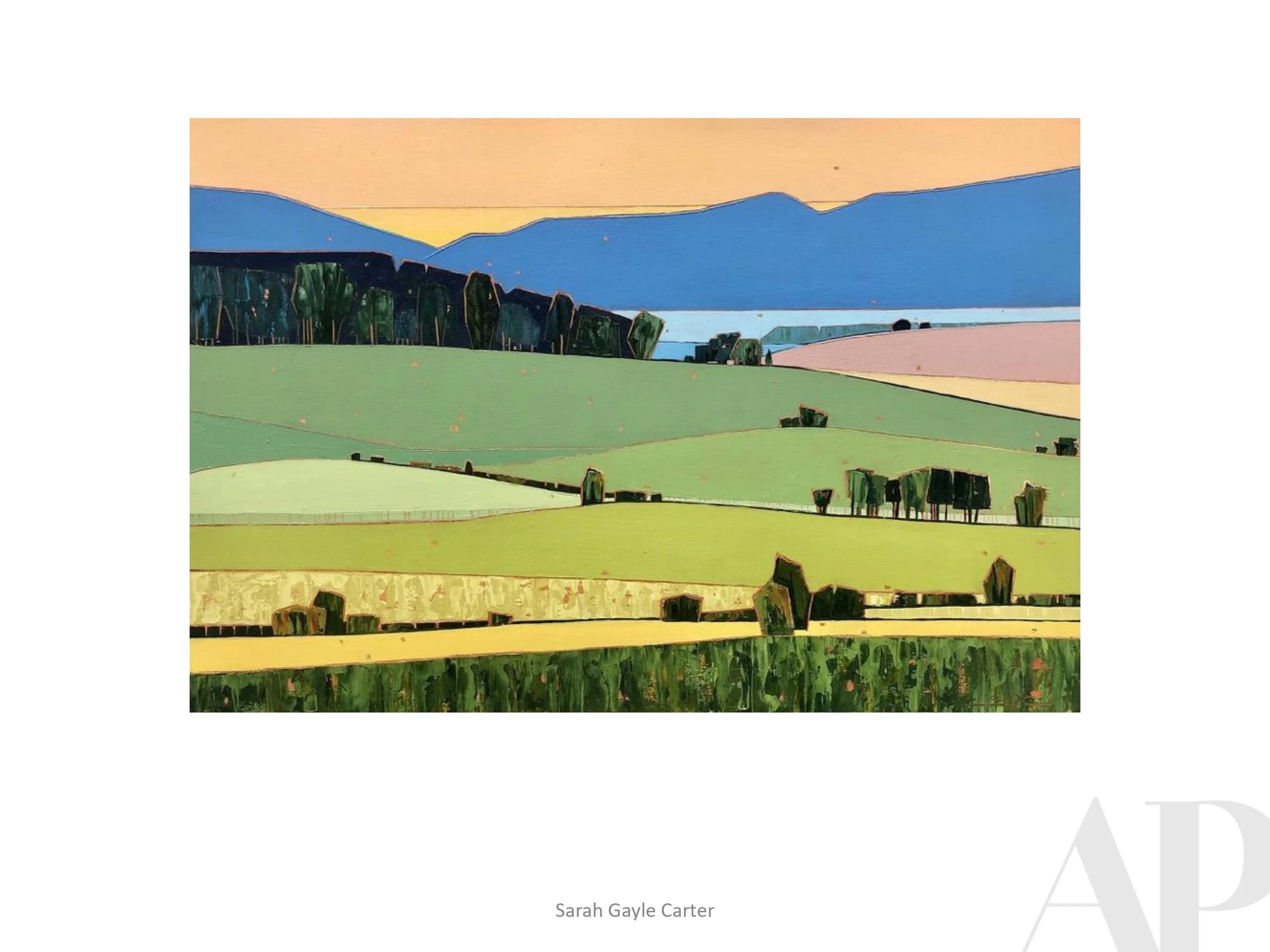
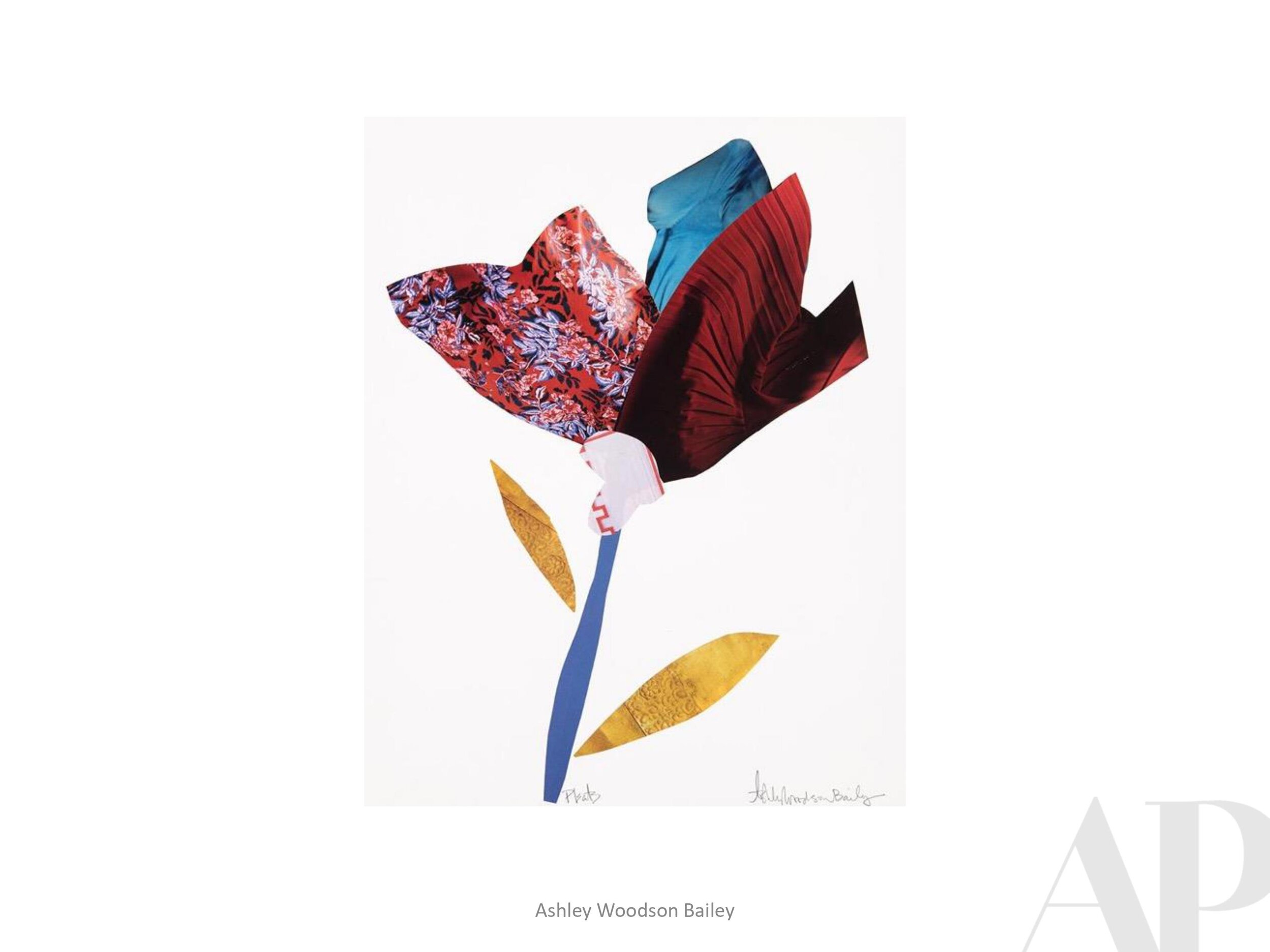
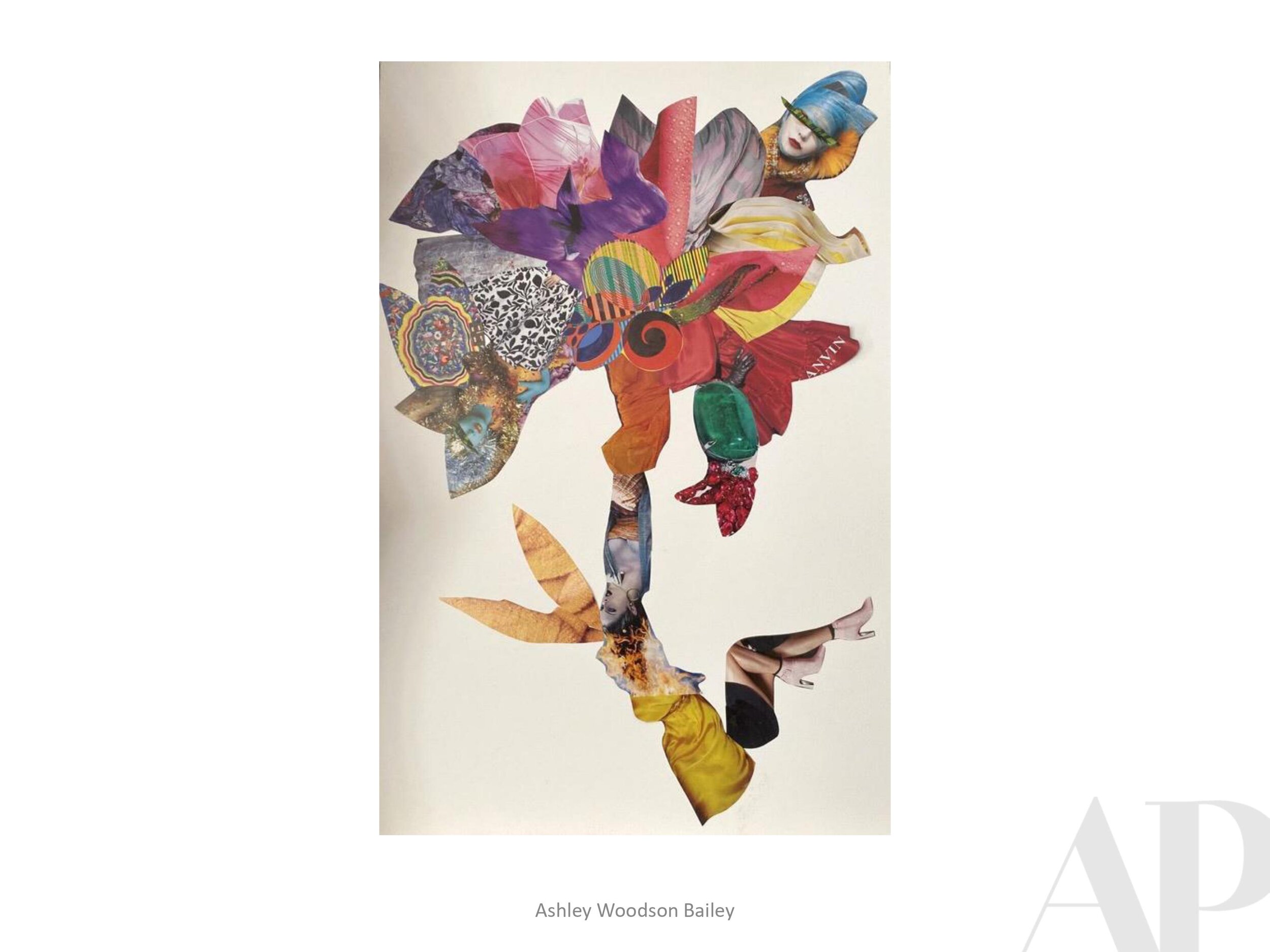
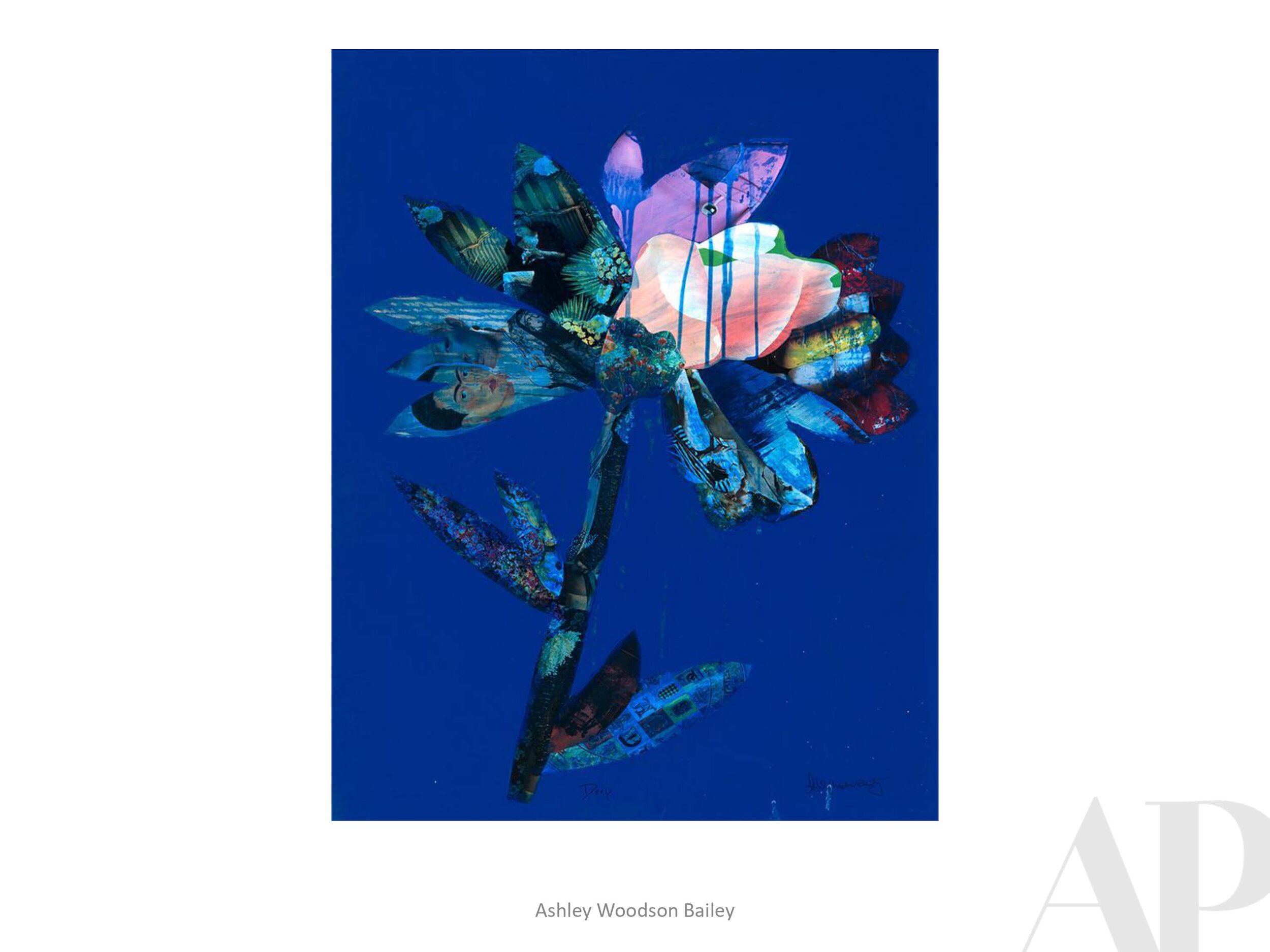
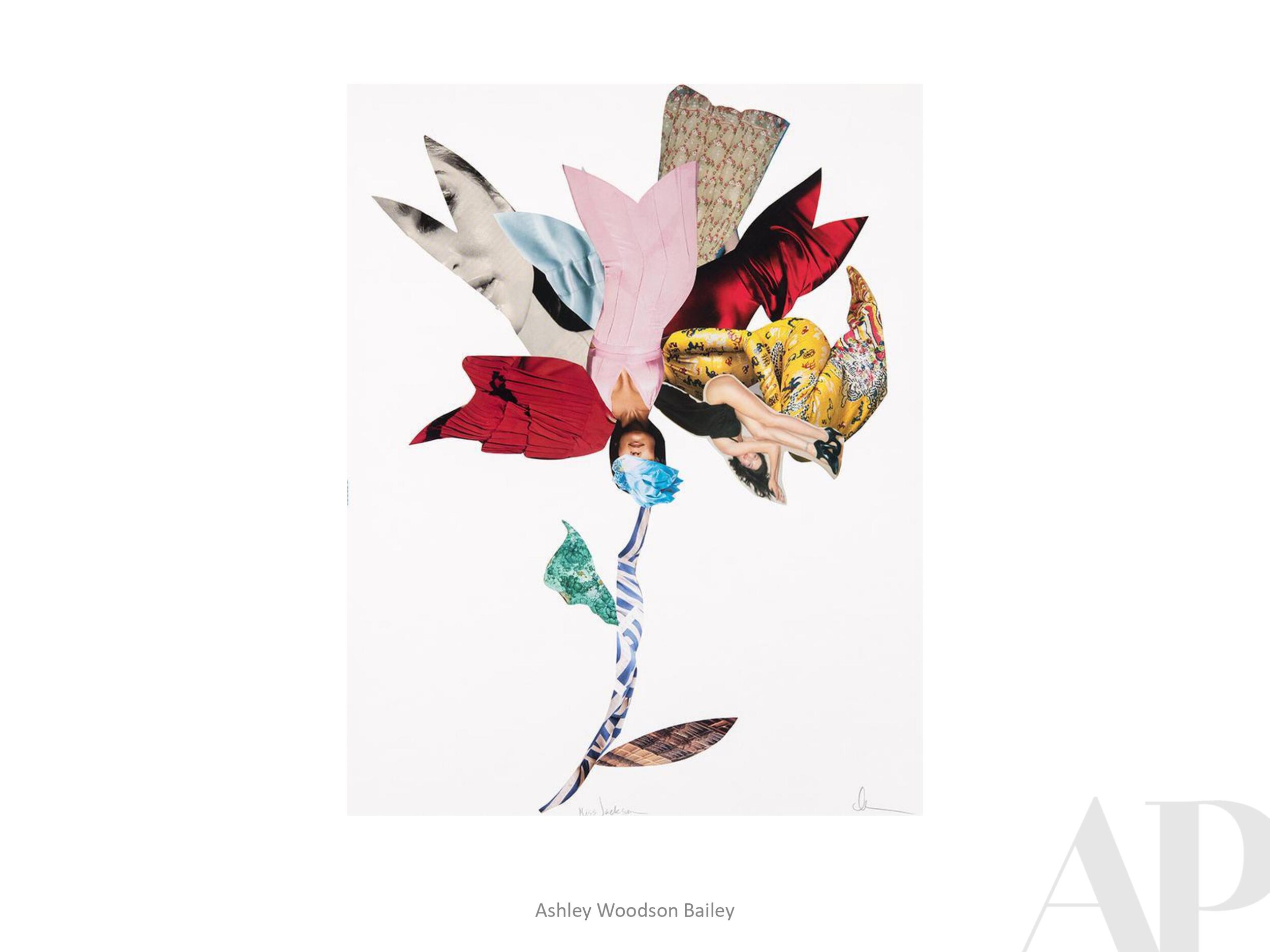
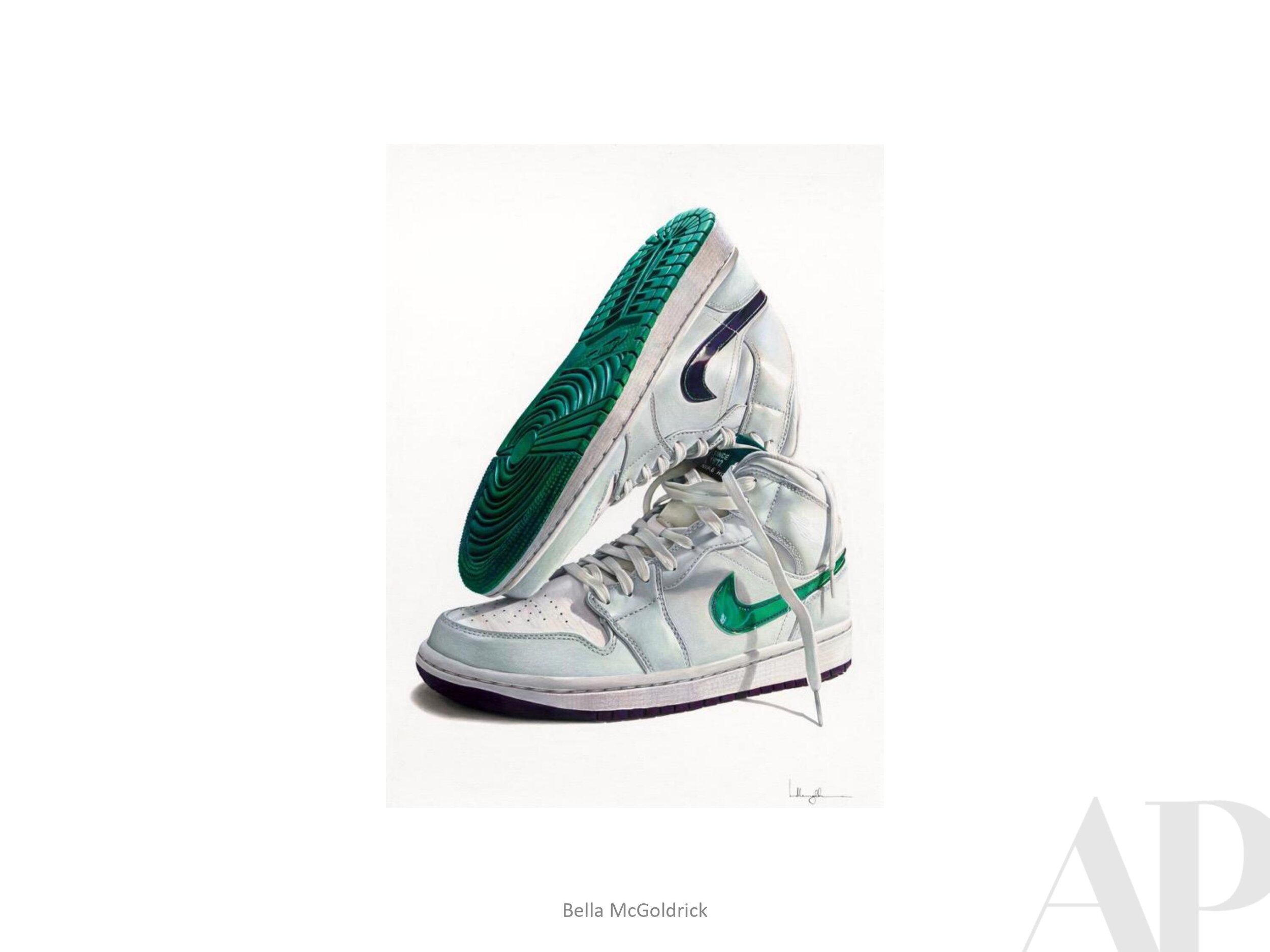
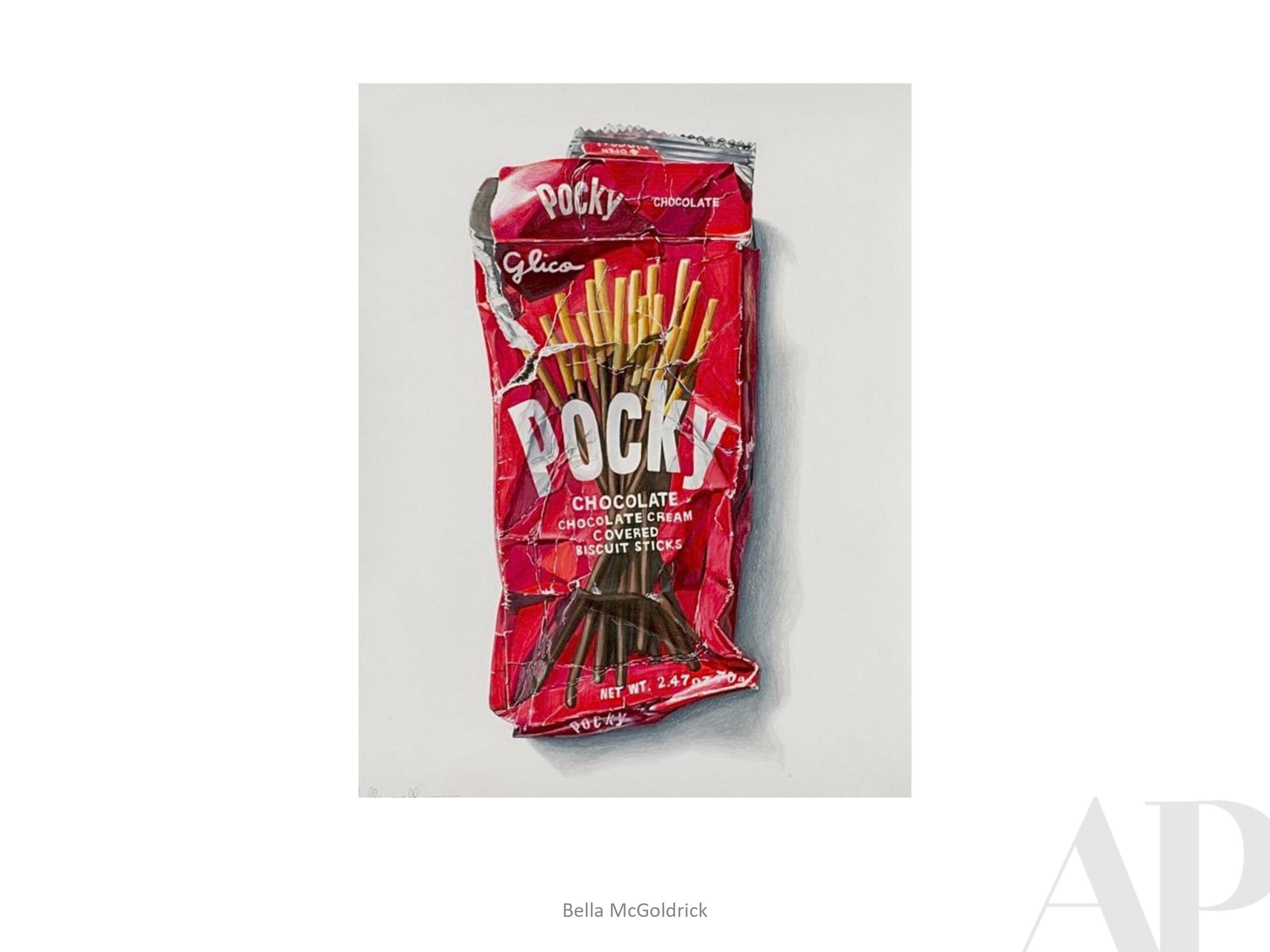
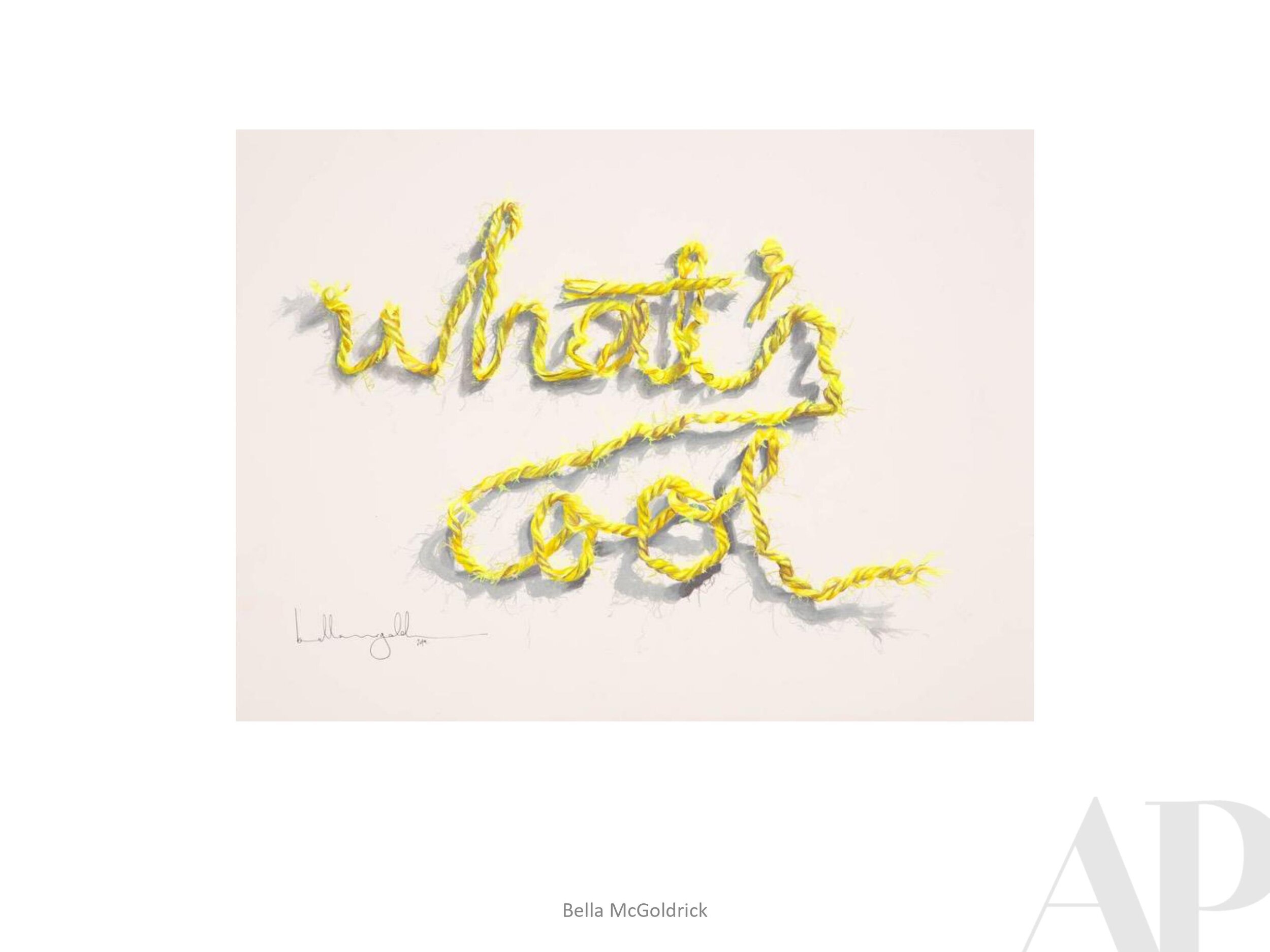
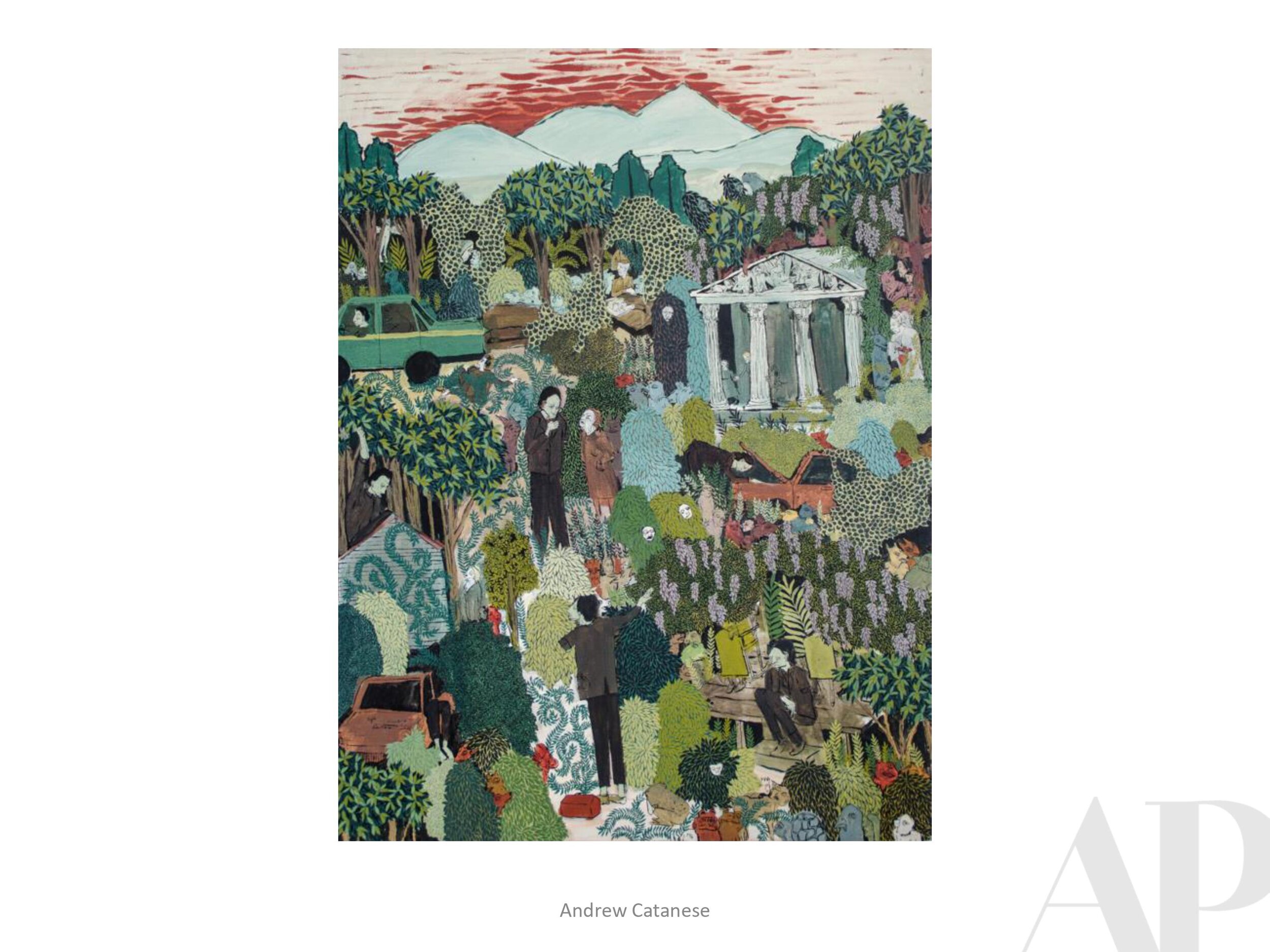
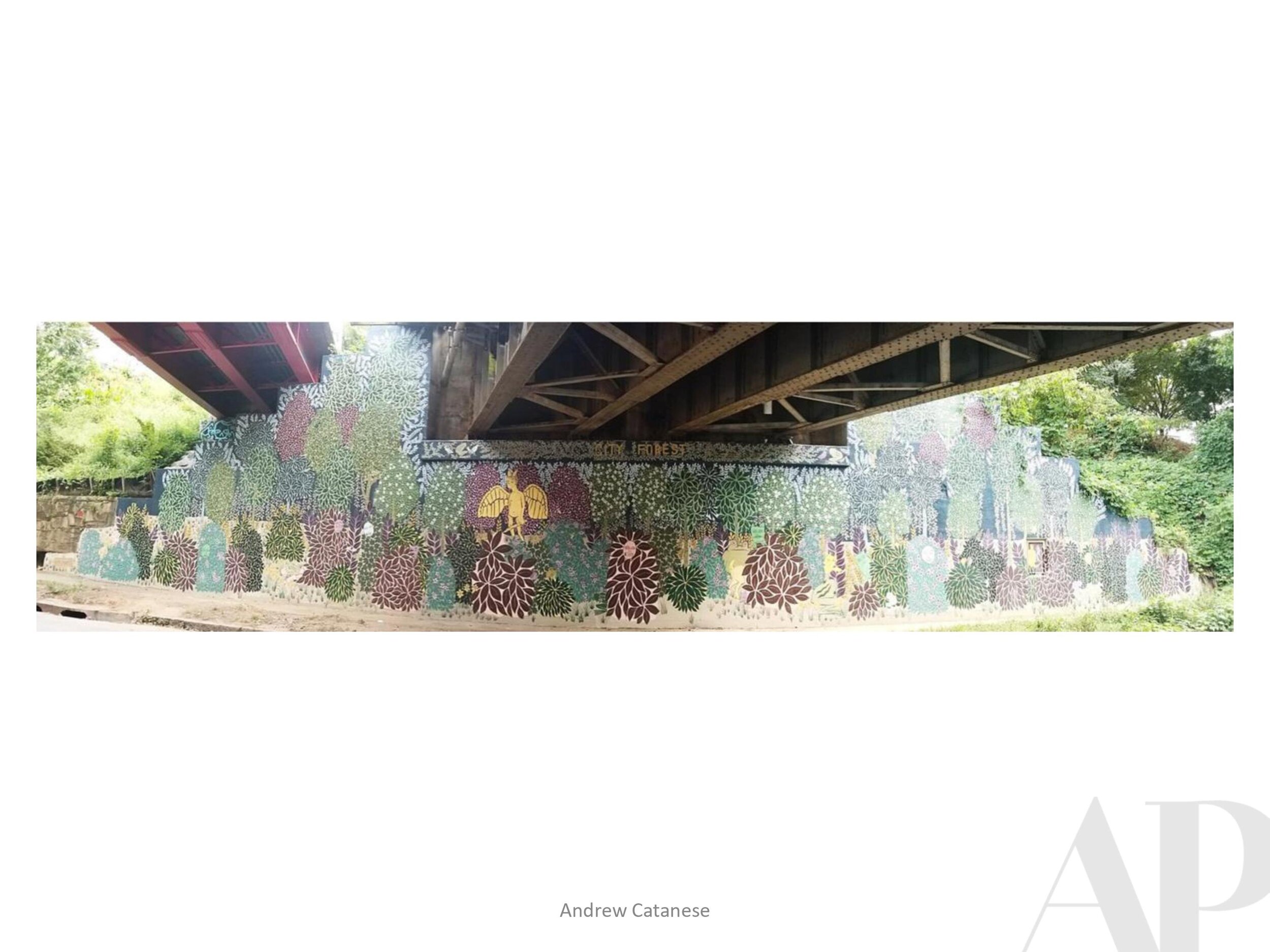
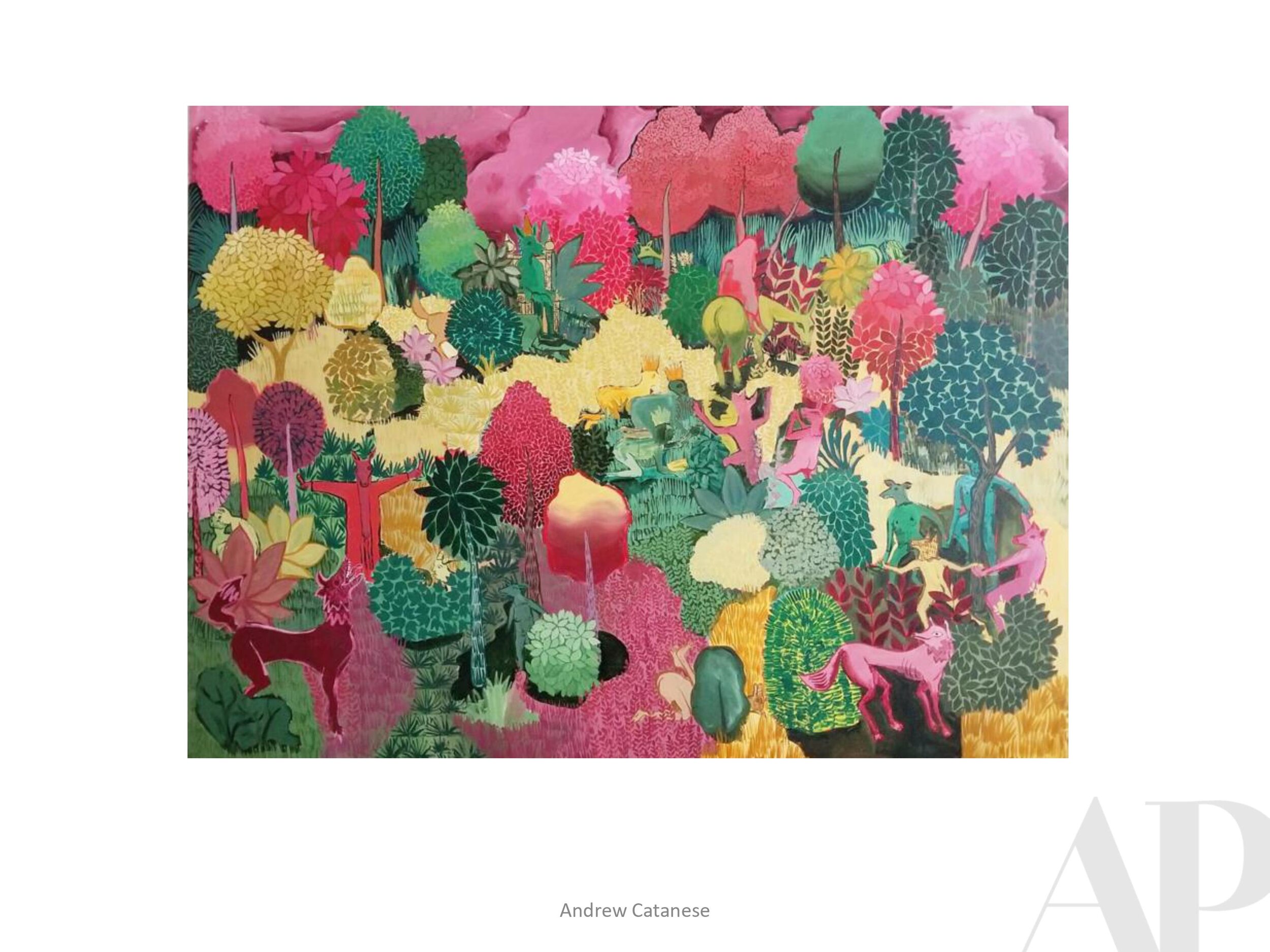

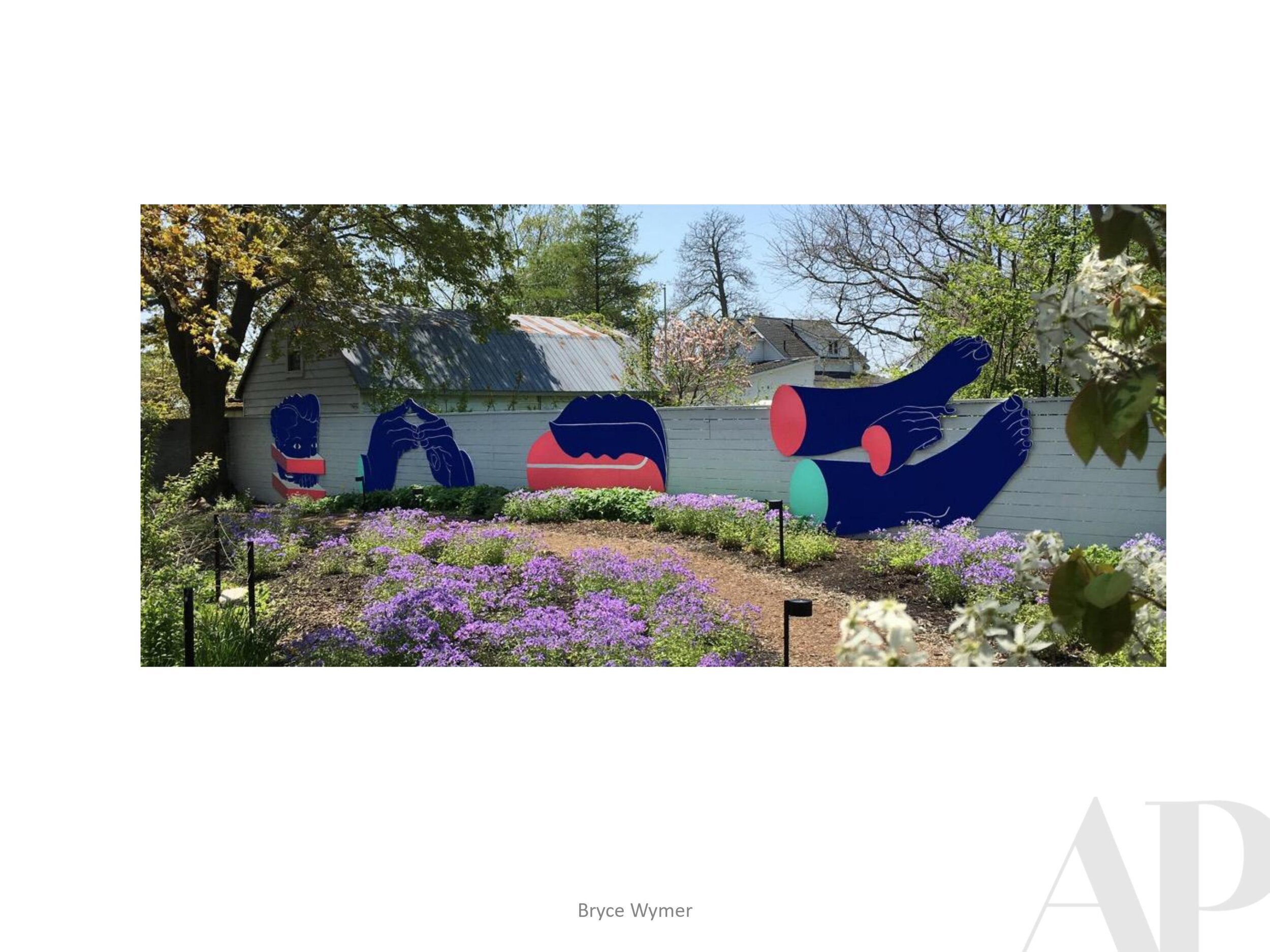
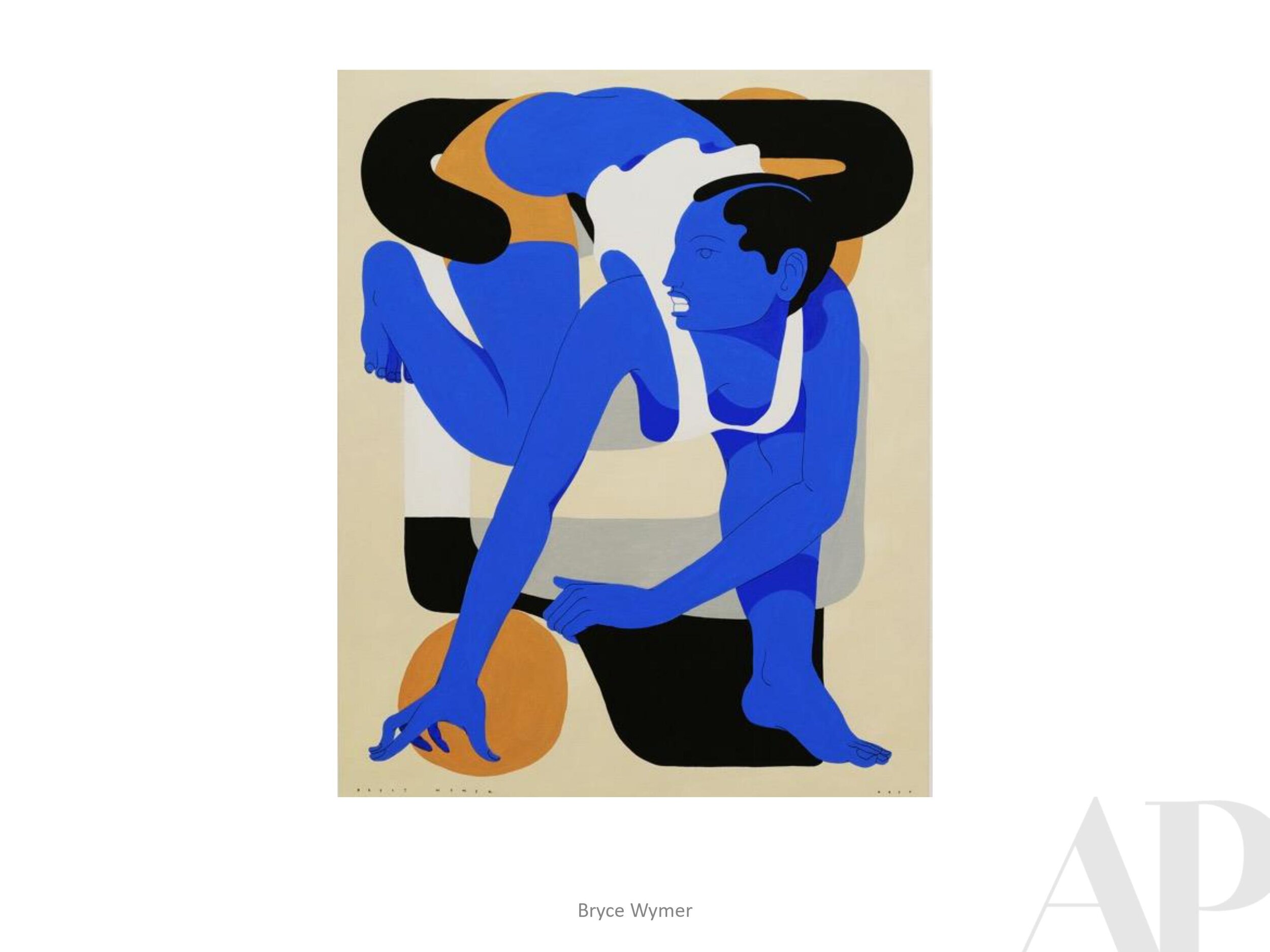
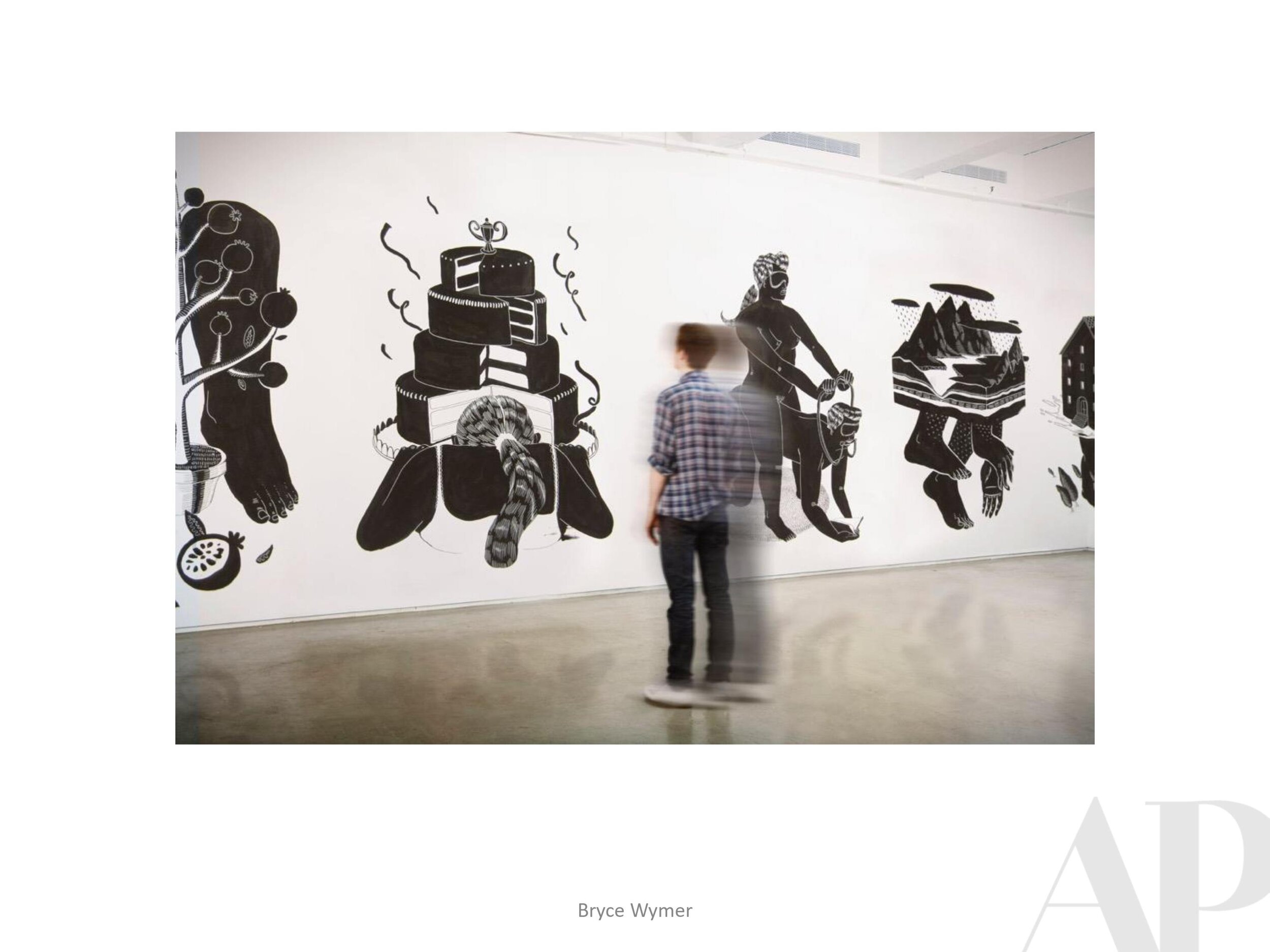
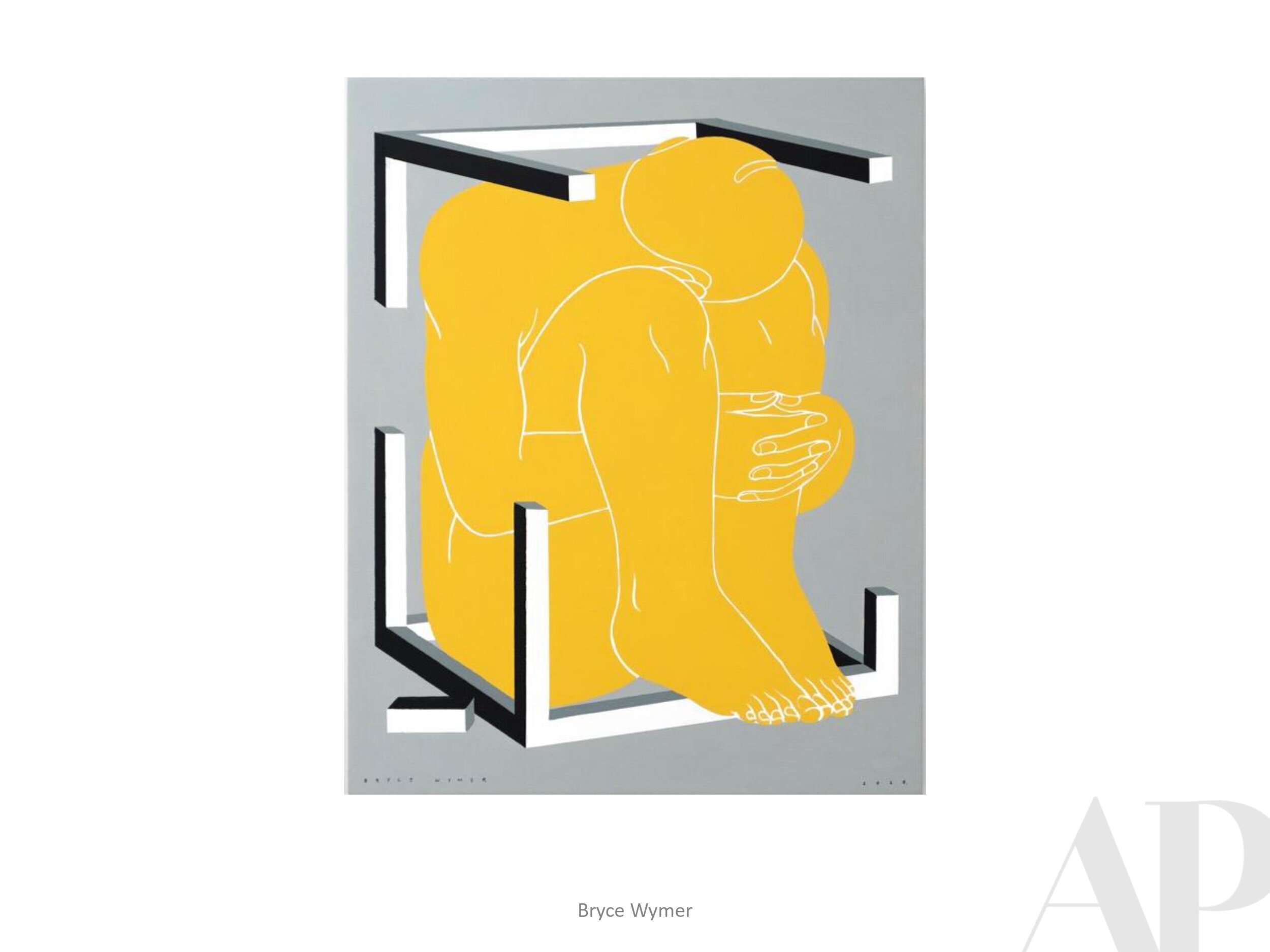

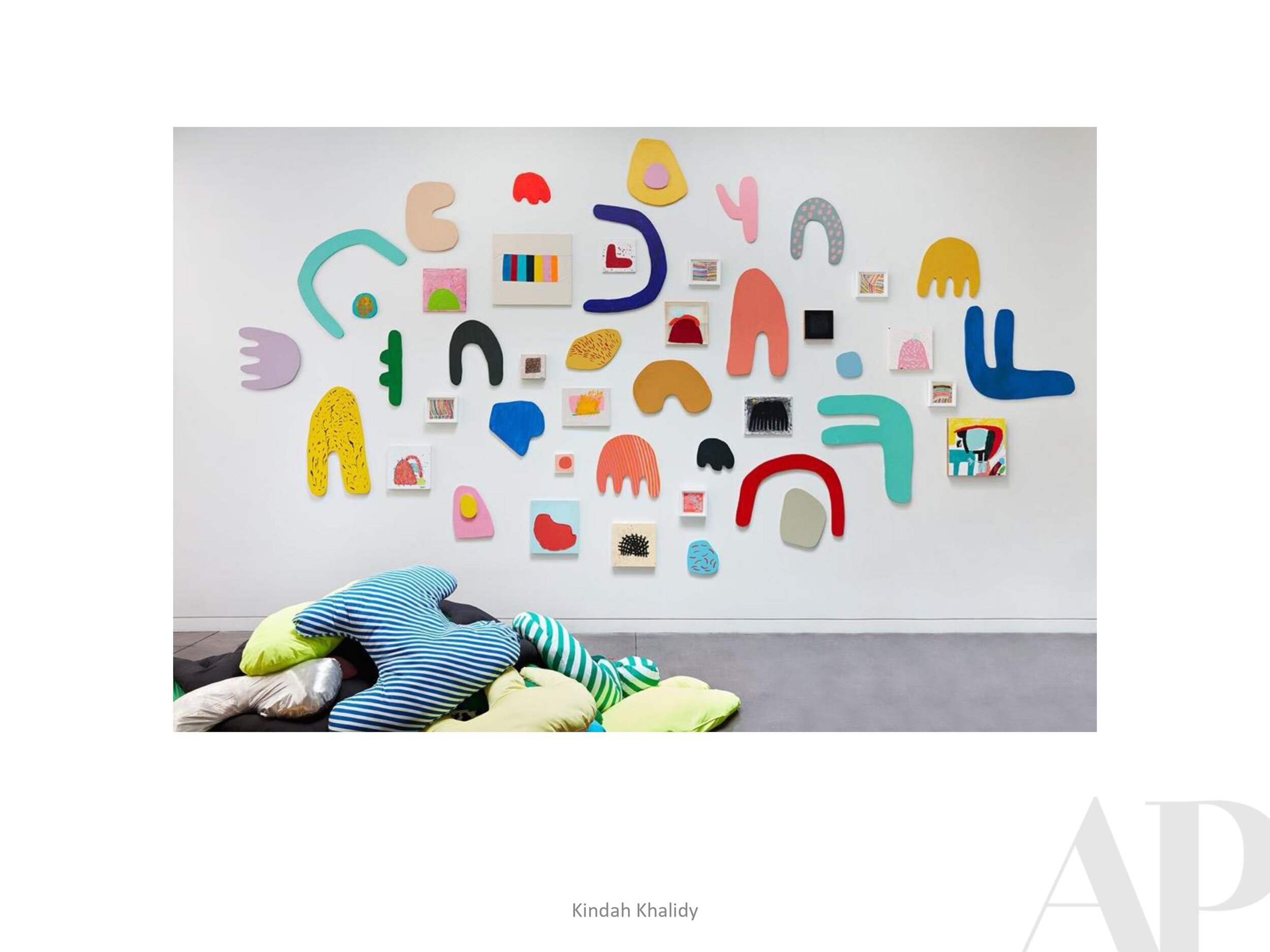
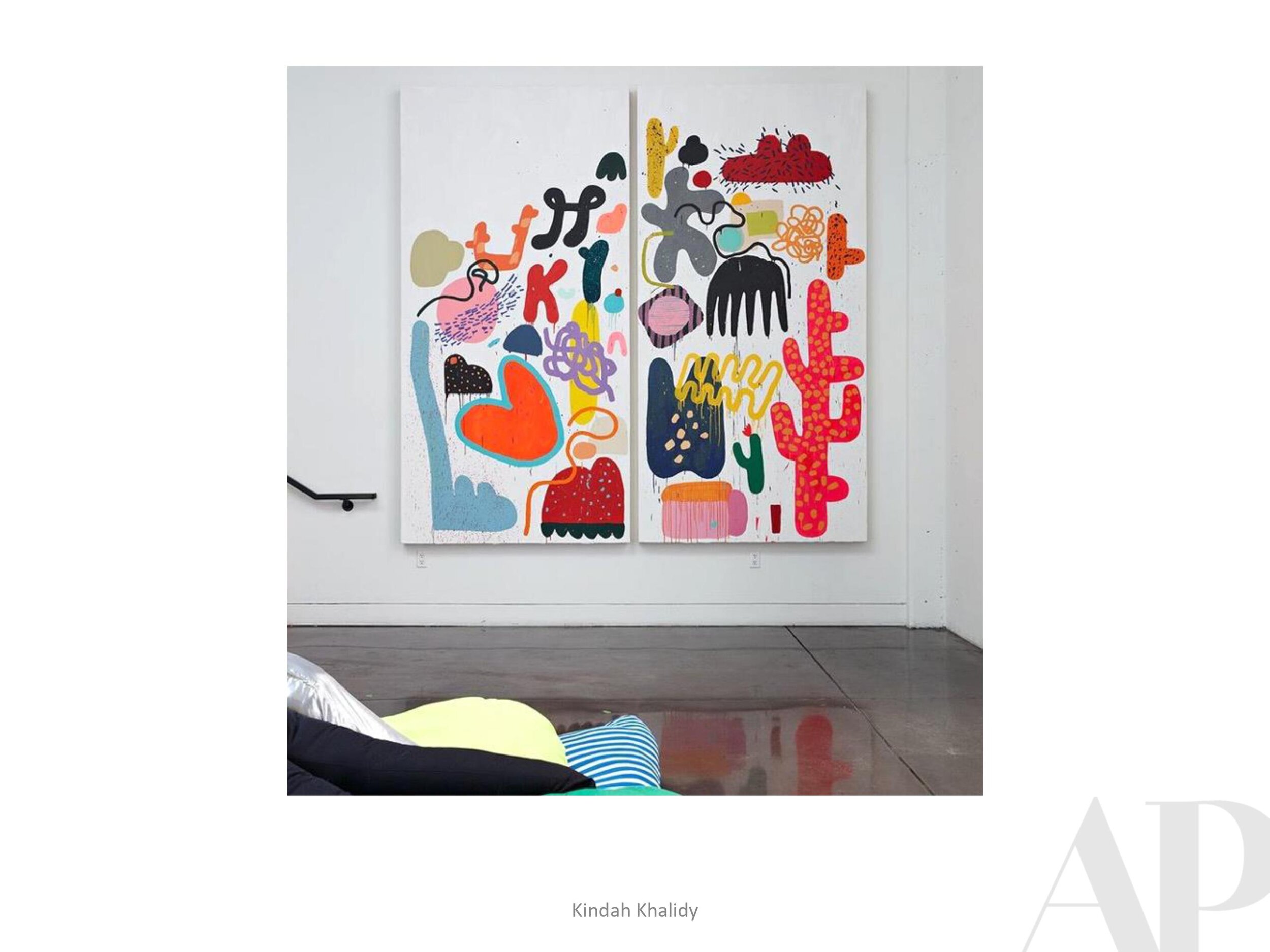
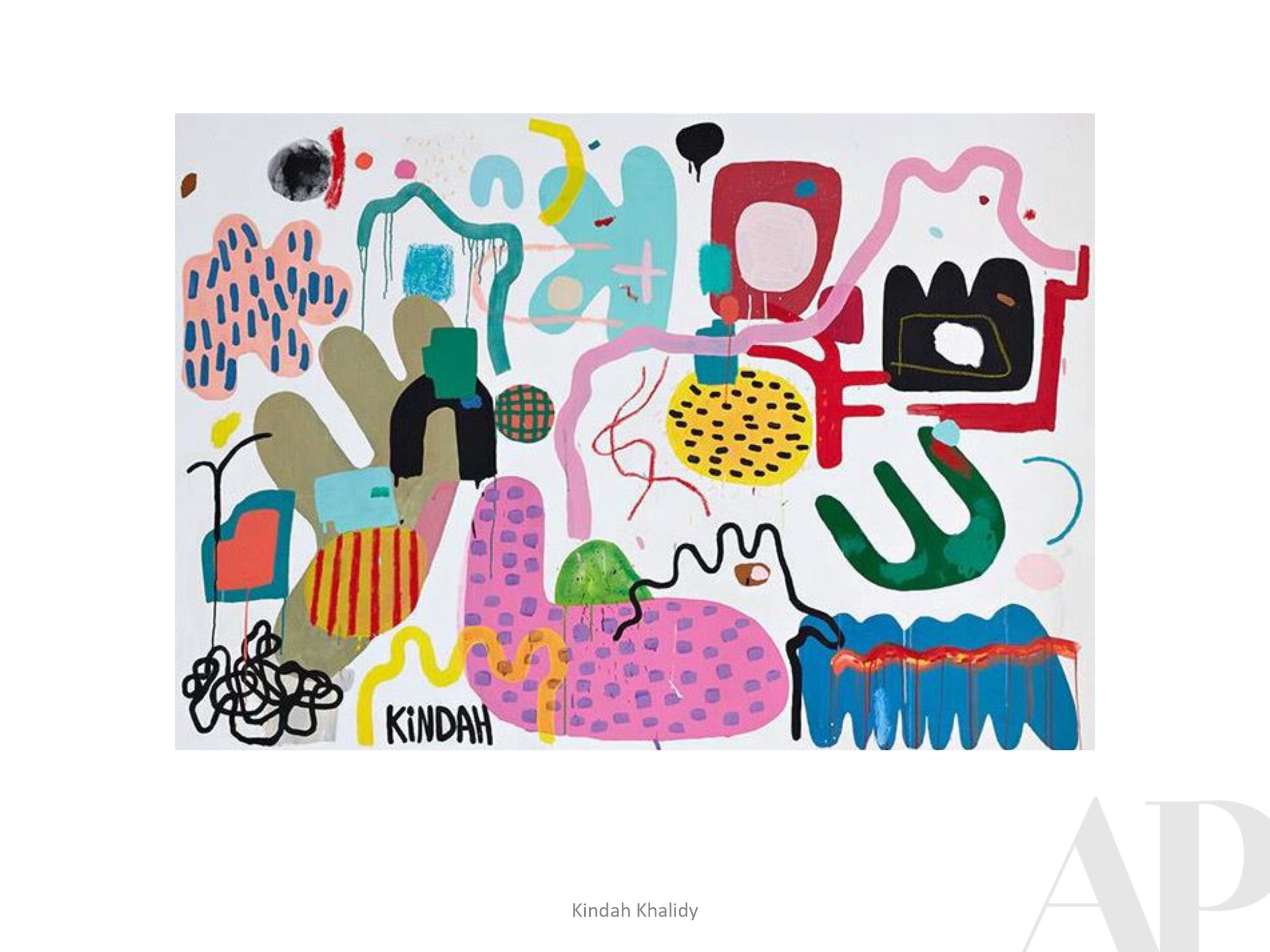


Words with Friends | Victoria Villasana
She’s So Punk Rock
Interview between Victoria Villasana + Mallory Johnson (for APP)
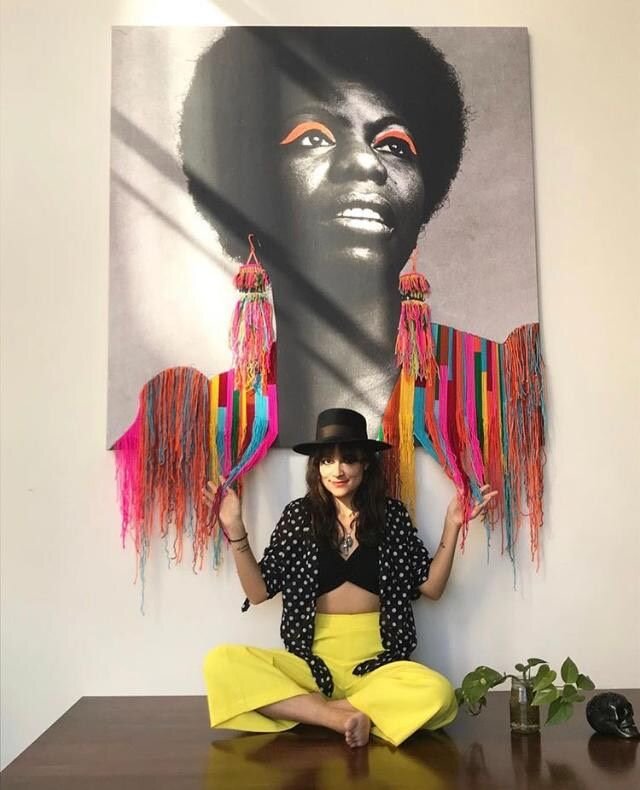
Recently I had the pleasure of speaking with Victoria Villasana about her process, inspirations, spirituality and what we can expect to see next from her in the future. Born in Guadalajara Mexico, Villasana is an artist who creates powerful work through the combination of black and white photography and colorful yarn. Her pieces stand as a reminder of the capacity for greatness within all of us and calls on textile’s ability to connect and comfort. She finds beauty in imperfection, nonconformity, and in forcing an emotional reaction from a disconnected society.
APP: I loved the quote from you about “painting with yarn” and “dressing your portraits.” Can you elaborate on what it means to you to combine fashion and art in this way?
VV: When you’re a kid you're not thinking about if you're doing it right you just start drawing. You get into this really fun energy where you don’t want it to be perfect, you just want to create and be playful. This medium really allowed me to connect with that sensation. I never plan anything in advance, I just really go for it. I follow my intuition and start layering and enter into a kind of meditative state where other parts of myself that are not normally at the front of my consciousness start to come out in the patterns and the colors. If I am creating an image of a musician I’m listening to their music or if I’m doing an activist maybe the night before I’ll watch a lot of commentary on that person or read about them. I try to understand them, more than just the celebrity aspect. I interrogate the story behind why they made certain decisions in order to bring that into my work by dressing them with all of these colors.
APP: I noticed a motif across many of your pieces are these rays that radiate from the heads of your subjects, is there any meaning or symbolism behind this artistic choice?
VV: The rays symbolize the life and energy that we all have. I see how powerful we can be as humans. We are more than just matter, we have an energy and presence that we can’t entirely understand. Using this design, I try to capture that feeling of radiance and power.

APP: What do you think is the most universalizing aspect of your work?
VV: There is something about Pop Culture that we can all feel connected through. To have a subject like James Baldwin or Nina Simone is a way for people from Mexico, Europe or the US to connect. We all know them and we relate with the art they created whether it’s their music or writing, it inspires some emotion in us.
APP: What inspired you to start creating these portraits?
VV: When I started I wanted to say something with my art. Something that bothered me about the news was that it was a lot of statistics about war and violence, people are desensitized and the group, person or culture, are dehumanized. By using black and white portraits and then adding the color I am making people connect on a more emotional level rather than see them as just another statistic. This was my inspiration in the beginning, it has now become a collage of many experiences, many feelings I have at the moment, and things that I’m questioning.
APP: Would you agree that the care you take in creating these pieces counteracts the flat monotony of celebrity images that we so often see in the media?
VV: It is important to have a holistic approach not a binary one because for me there are always two sides of the story. I don't want people to see a character in exactly the same way as me. For instance with Nina Simone, I like to share it the way I see her and people can agree or disagree. People are more complex than to just put them in black and white and I’m interested in that complexity. To be who you are is something very important and powerful and it's why I admire these people and do these portraits. They broke the status quo and changed things for the rest of us.

APP: What part does color have to play in your work?
VV: We are drawn to color because nature is very colorful. I think this attraction to color is a part of being human. There might also be a cultural ancestry background to it as well. We all had grandmas and aunties who knit or used color for something, this can bring up a really unconscious memory of a time when we were nurtured and we belonged somewhere.
APP: Your subjects include celebrities as well as regular people such as farmers. Is there something rebellious in saying all of these people equally deserve our attention?
VV: I use a lot of famous actors and writers in my portraits, and sometimes I get annoyed with myself because I know there are millions of people who aren’t famous who are doing the exact same thing. I did a series of portraits of people in different trades, the focus being working class people who are really special to me. One example are Tortilleras, the women who make the tortillas. These women put a lot of care into these handmade tortillas and the tacos taste amazing because of it. Or, the guys in the streets of Mexico who you sometimes see on a bicycle carrying a basket with sweet bread. People such as these are so important in our society. They make us happy and often are taken for granted, but they are equally valuable.
APP: Why leave the yarn uncut?
VV: I liked the concept from Japanese culture, where if a teapot breaks they highlight that crack with gold. They are able to see beauty in the imperfection. To leave these unfinished is a reflection of ourselves as well because we are always becoming. We are never perfect or done; we are always learning, evolving and expanding. I also chose to leave the yarn hanging partly because of the aesthetics; I liked the feeling of things not put into a box. I like letting things be wild a little bit, unrestrained by the edges of a canvas.

APP: Can you tell me more about your street art pieces, how did it feel to let go and leave them to be experienced by people in the natural environment?
VV: It was really interesting to put it on the street and come back to them the next day and see that the wind had played with the strings and placed them in different ways. Sometimes I would come back one month later and see that someone had pulled the strings. They were ephemeral pieces and it was nice to see how the environment had kind of degraded the piece in what was a really natural process. I look at these changes in the same way as fruit that starts to rot, it is a beautiful process and part of the cycle of life.
APP: Do you have a favorite piece that you’ve ever made or maybe even a least favorite?
VV: When I go through my early works some I’m very proud of, others I’m like oh my god I can't believe I was posting this! The more you do something the better you get, especially being completely self taught. I’m sometimes tempted to erase that but it's part of my story in the same way as my background with fashion and as a florist add to what I do now. I don’t ever have any that I like completely; it sounds really depressing but for me the most important thing is to be able to translate the feeling into something and be able to share it. Sometimes it’s not even the piece itself, but how people interact with it. For instance, I did a super simple piece with the words “Boys Do Cry.” It was amazing to see people actually connect with the piece and even feel inspired to share their own stories.

APP: You bring this rebellious feminine spirit to your work, was this always a goal or is it part of who you are and it makes its way into your work?
VV: I think I’ve always been a punk. I was always a rebel with a cause, never just a rebel for the sake of it. From a really young age I questioned my culture. If I wanted to believe or think something it was something I really investigated for myself. I was able to think, at this point in my life I really resonated with this, and maybe 10 years from now I'm not going to relate with that any longer but I’m sure it will come from me and not because my parents or culture told me.
APP: What does the future hold for you?
VV: What I have learned is that things arrive at the right time without needing to force them so right now I'm enjoying this and I'm going to give it 100% and I trust that when the time is right to leave this, and not completely, I will be more drawn to do other types of things. It would be amazing to connect textile with something like artificial intelligence or light or music. It's funny because I'm really interested in the past and history but I'm also very interested in technology and the future. I want to follow that interest and do large format artwork or art that connects with topics like spirituality, science, and the cosmos.
Please visit Victoria’s website / instagram to learn more.
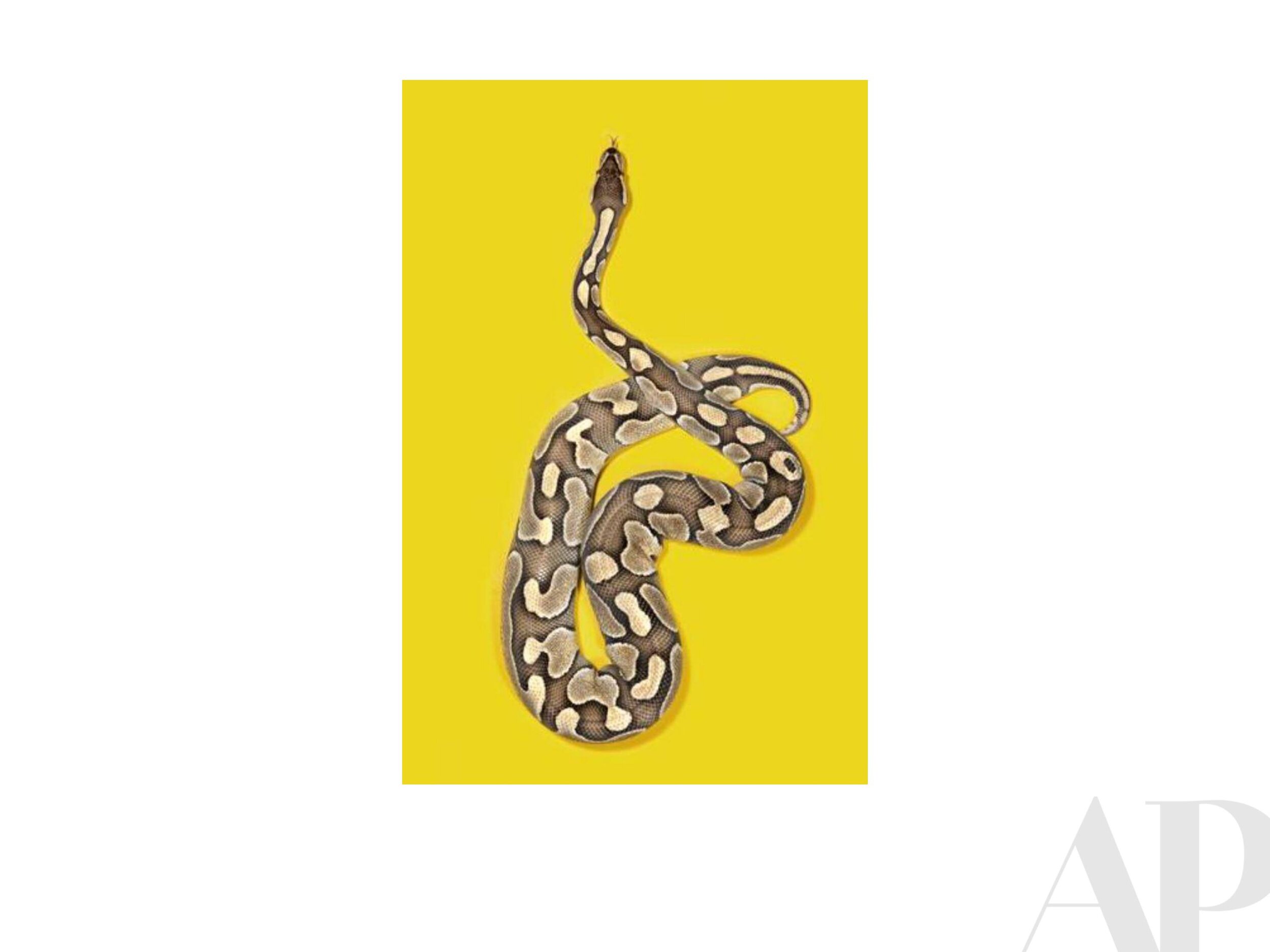
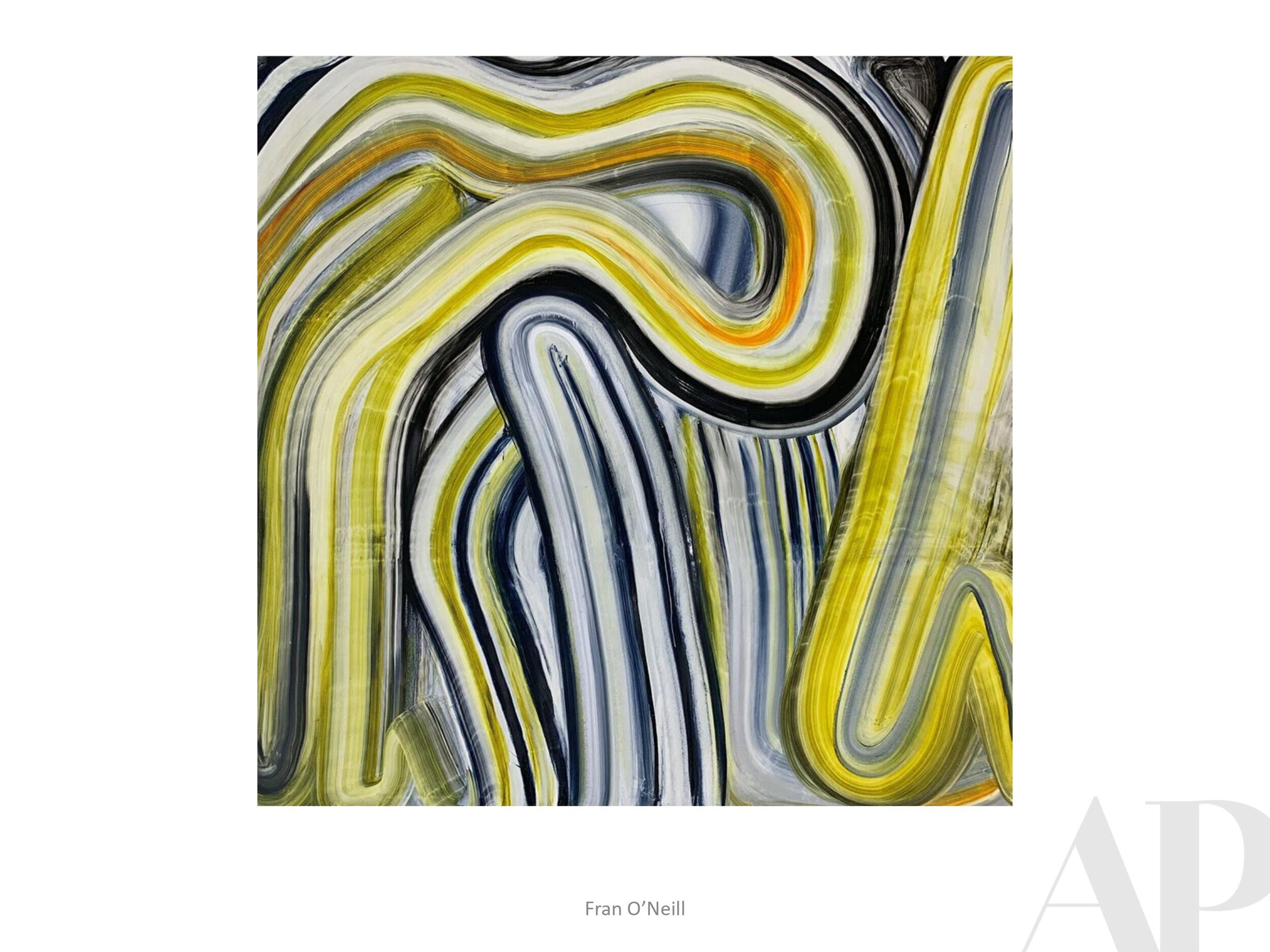
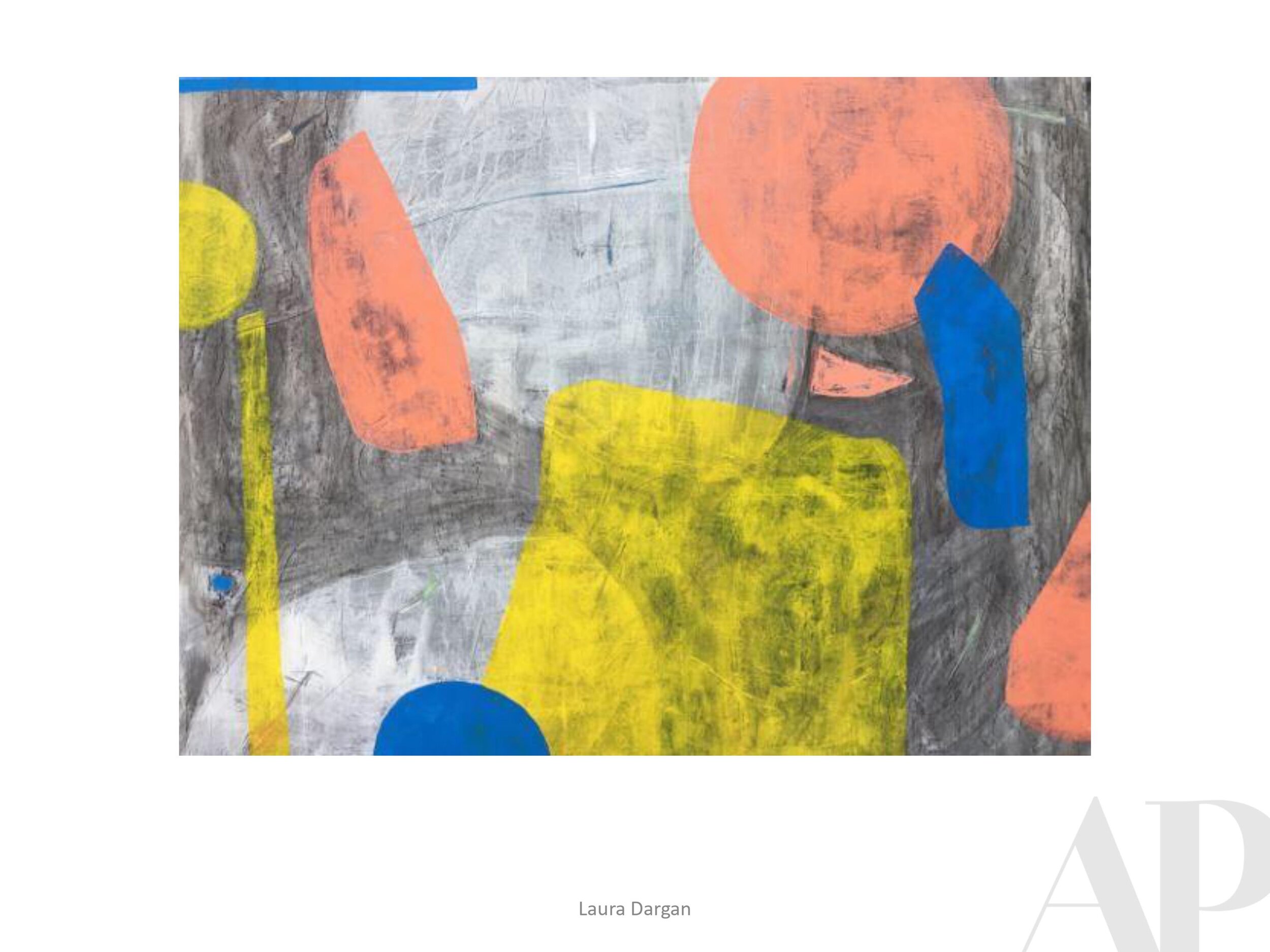
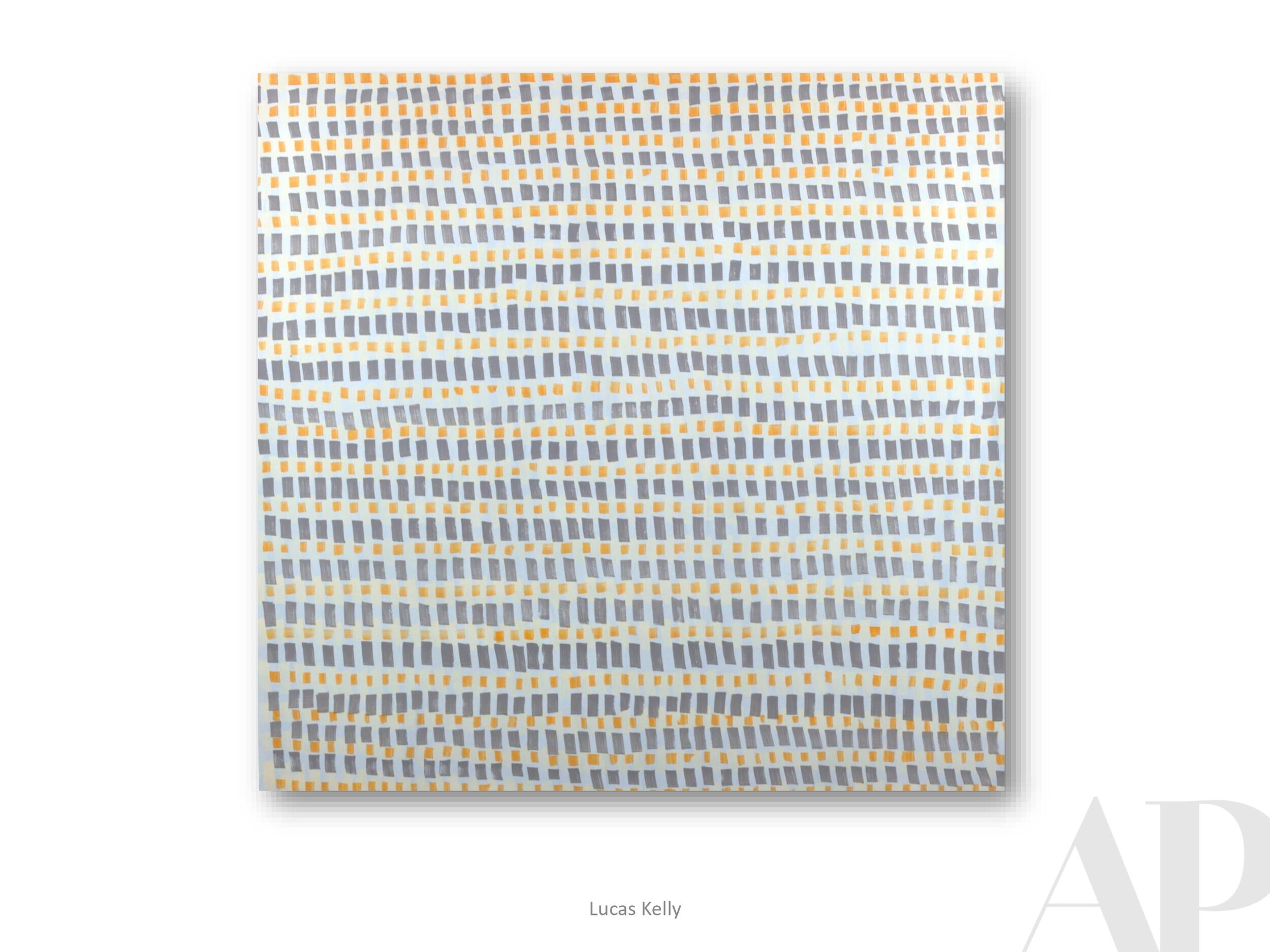
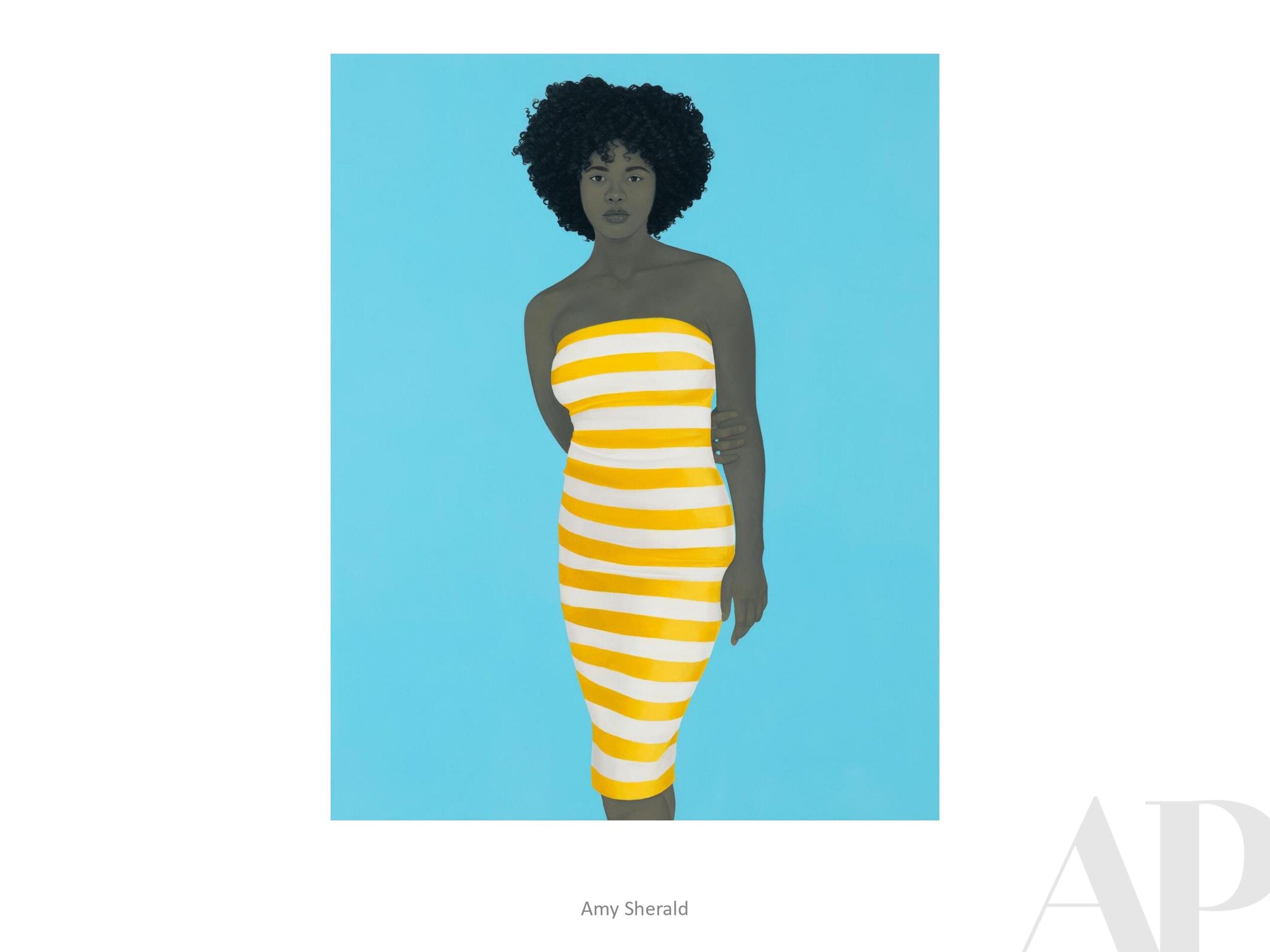
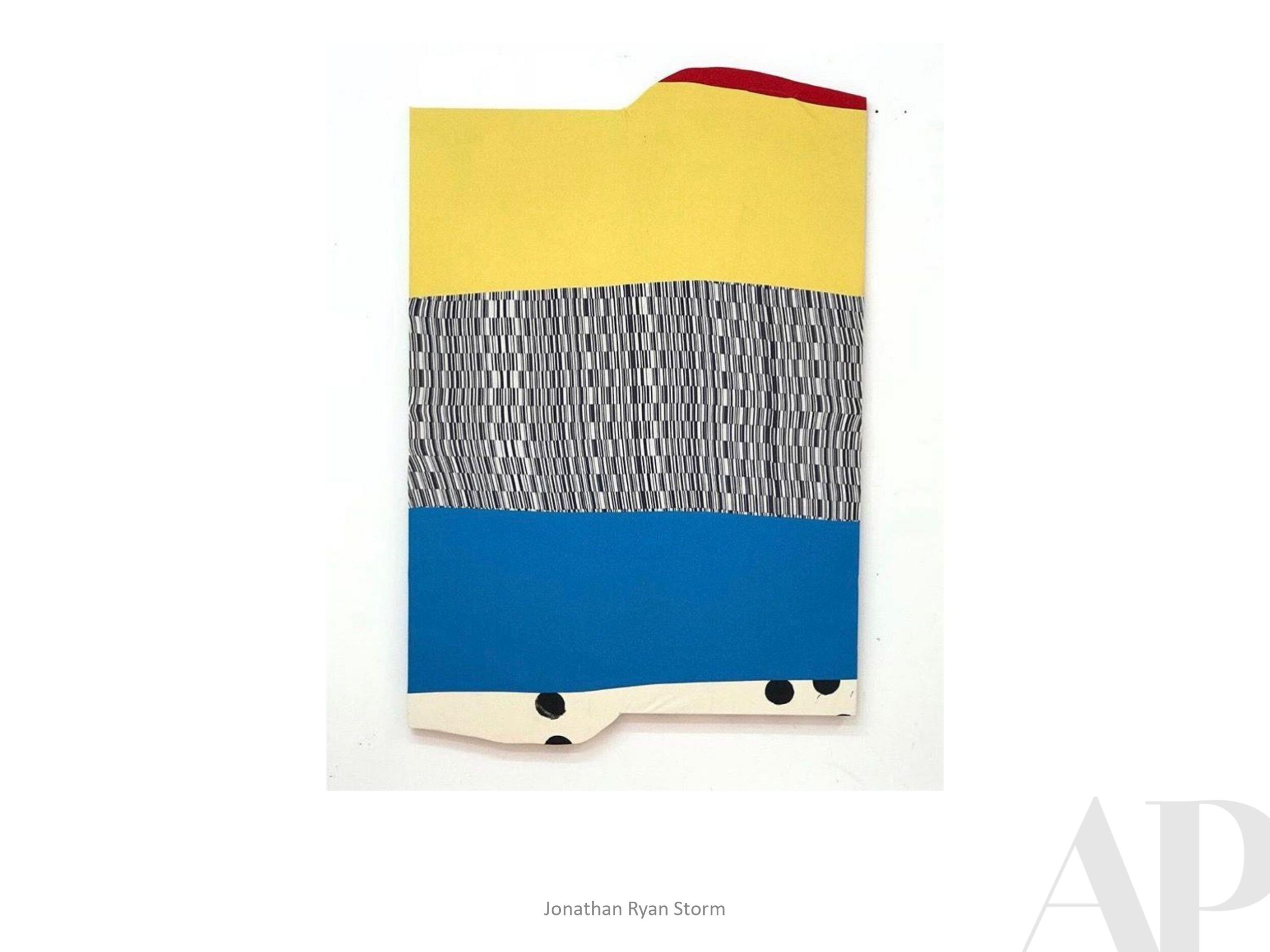
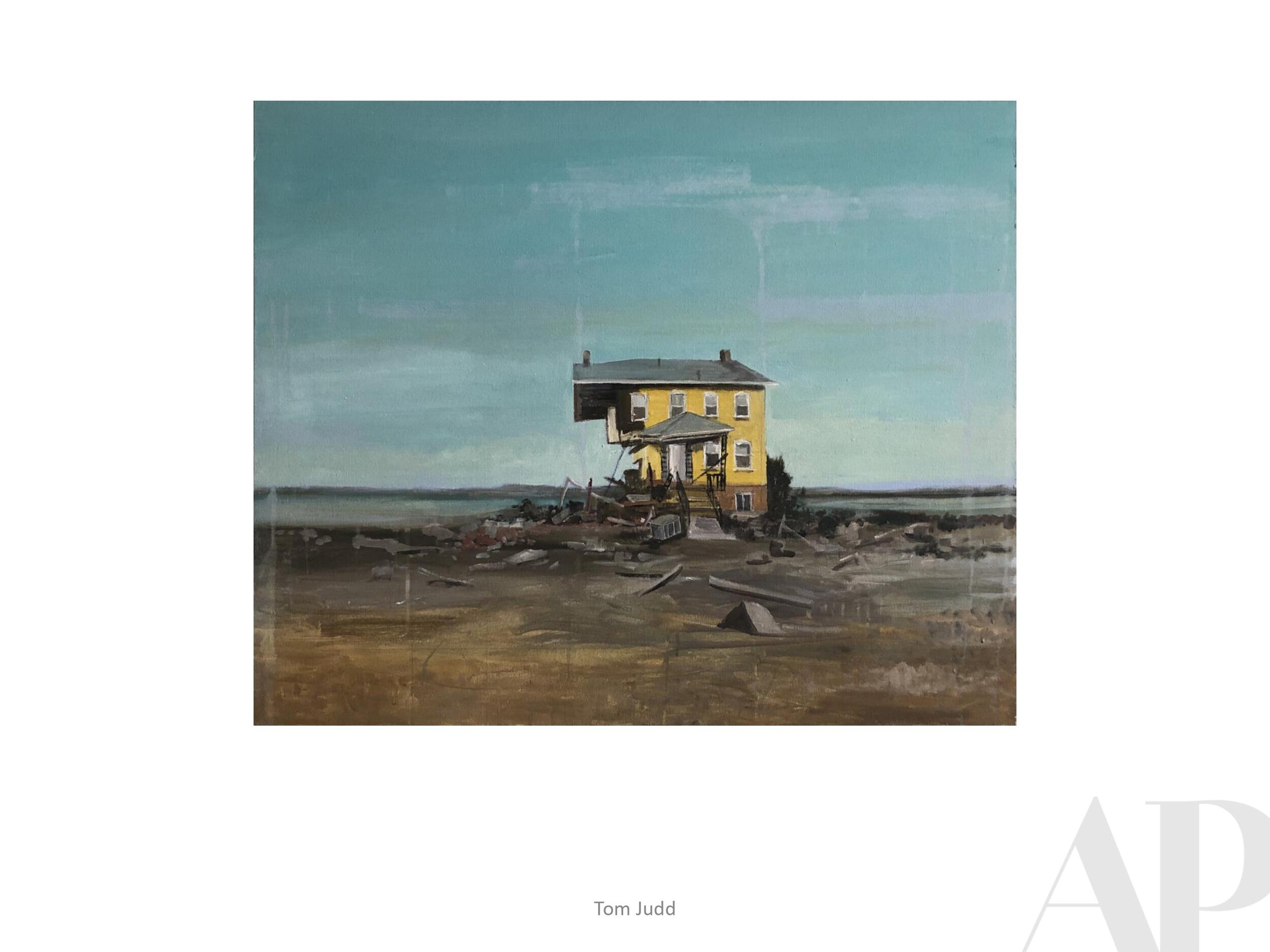
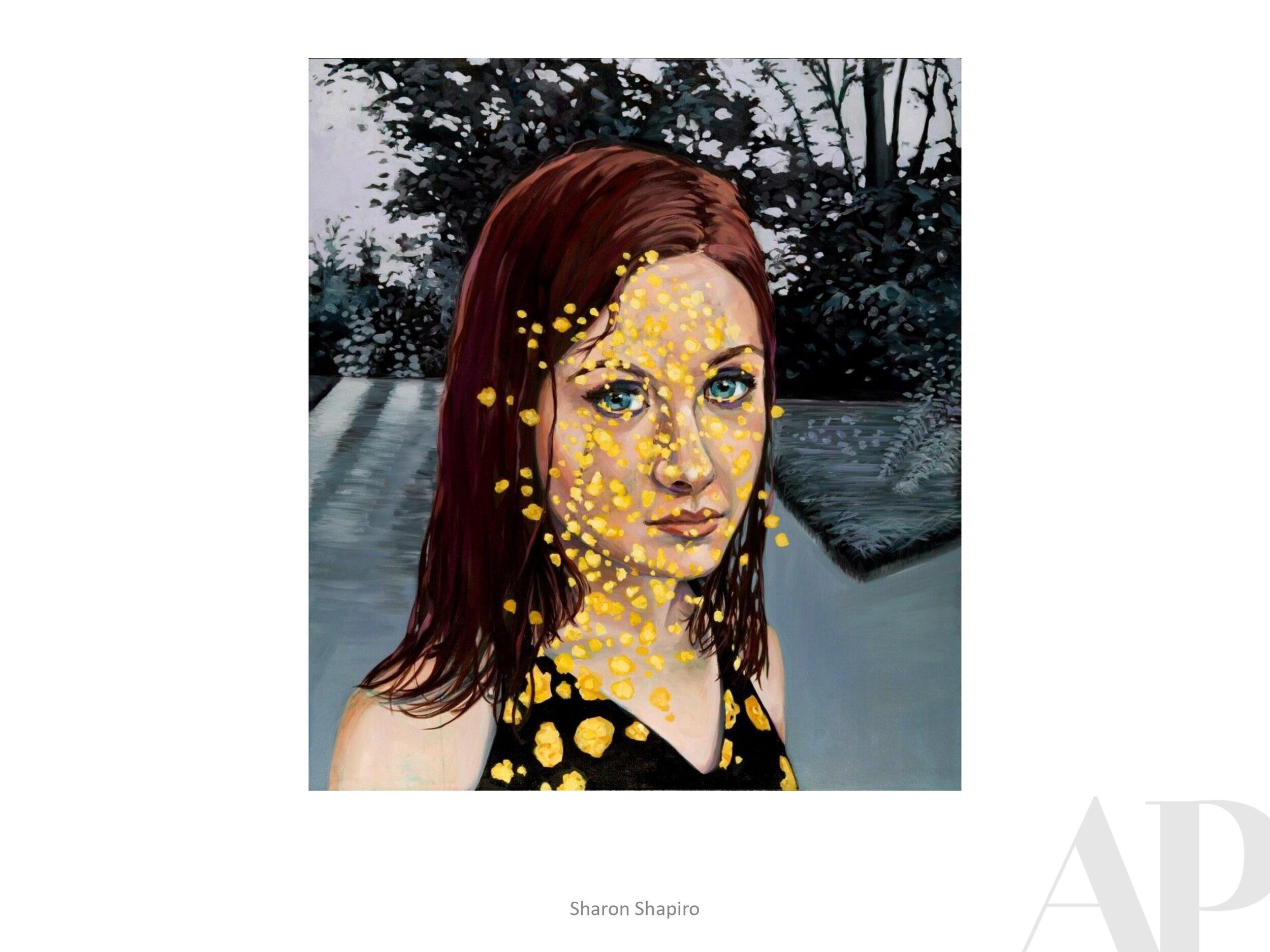
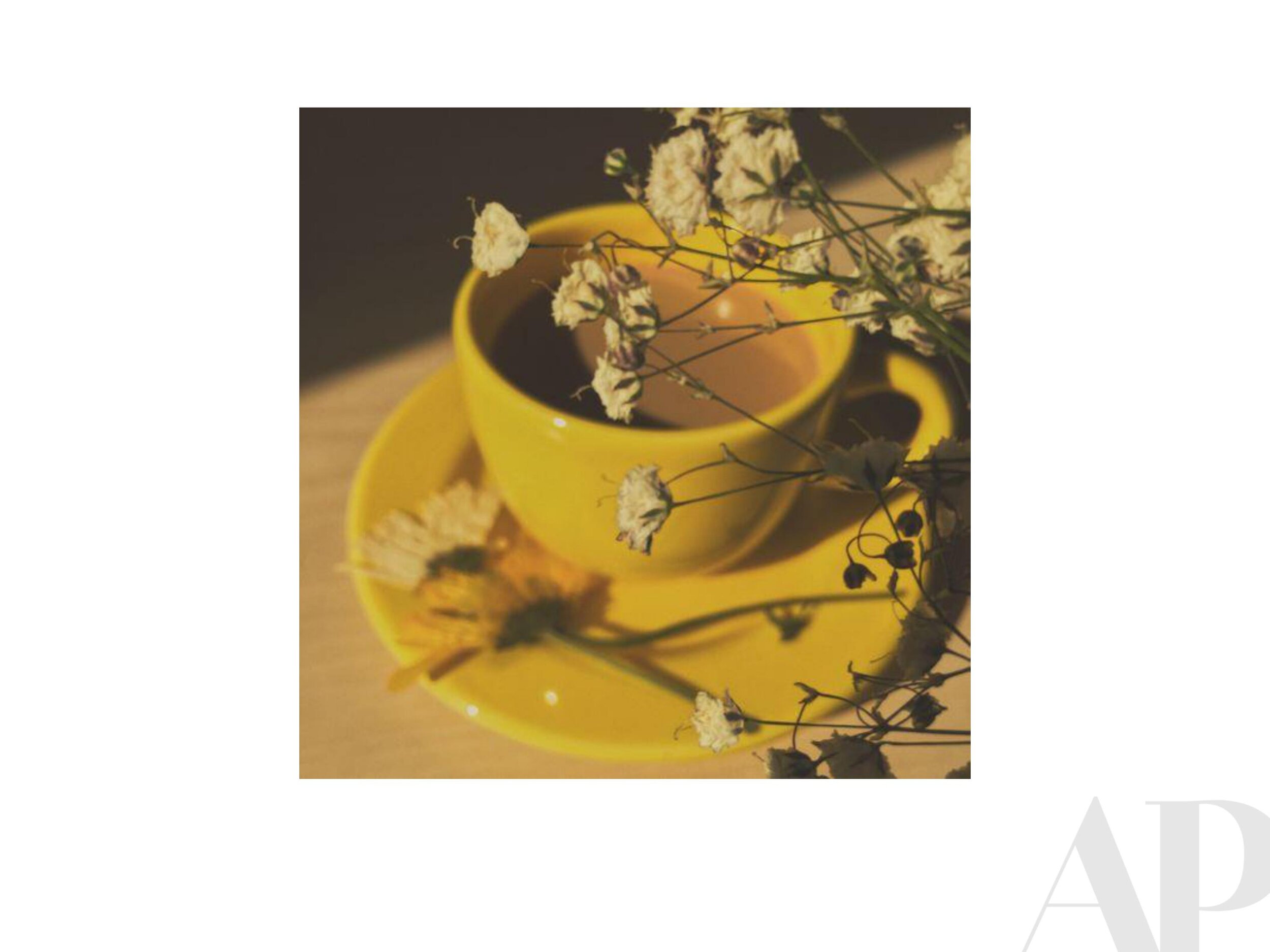
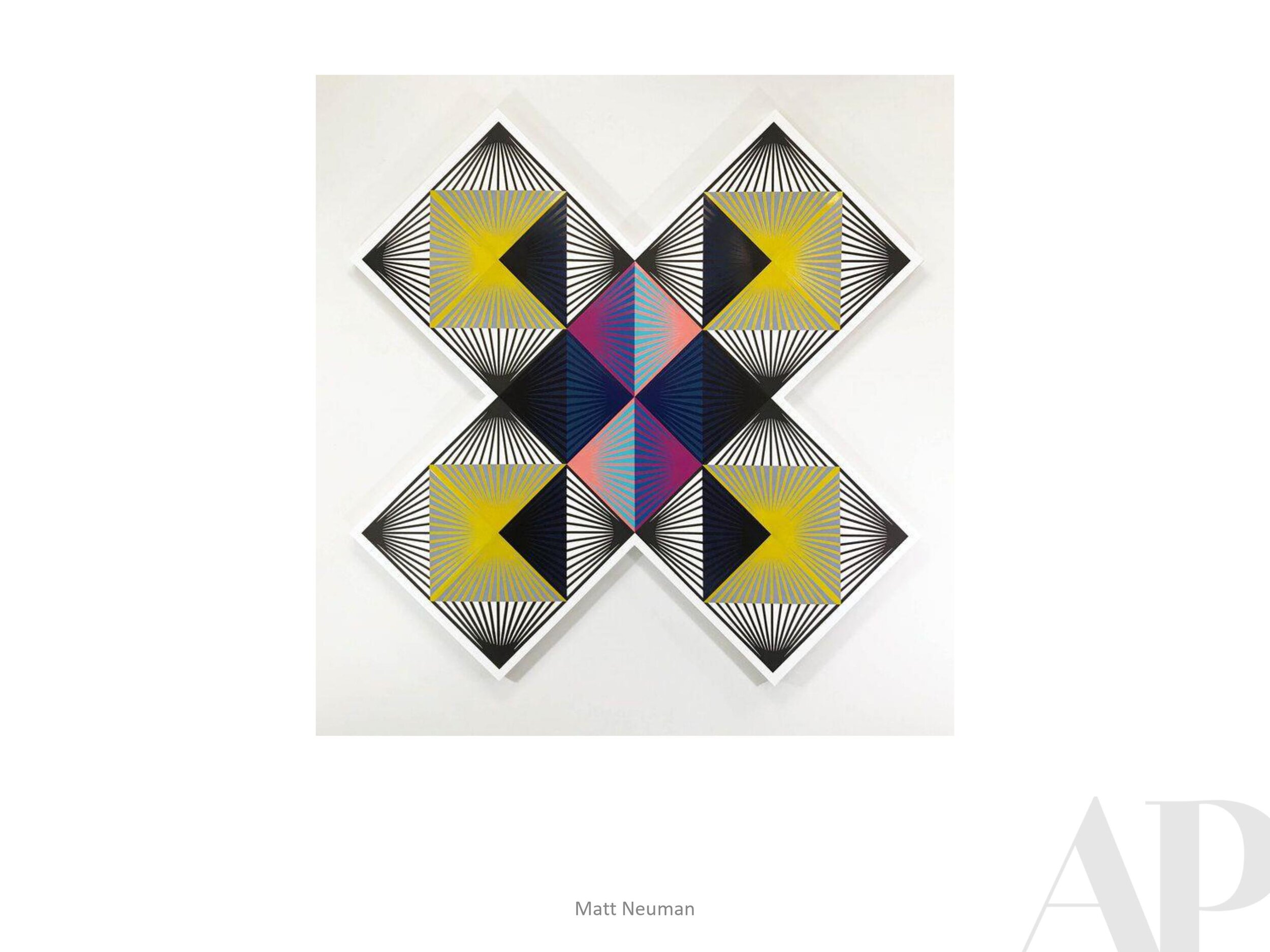
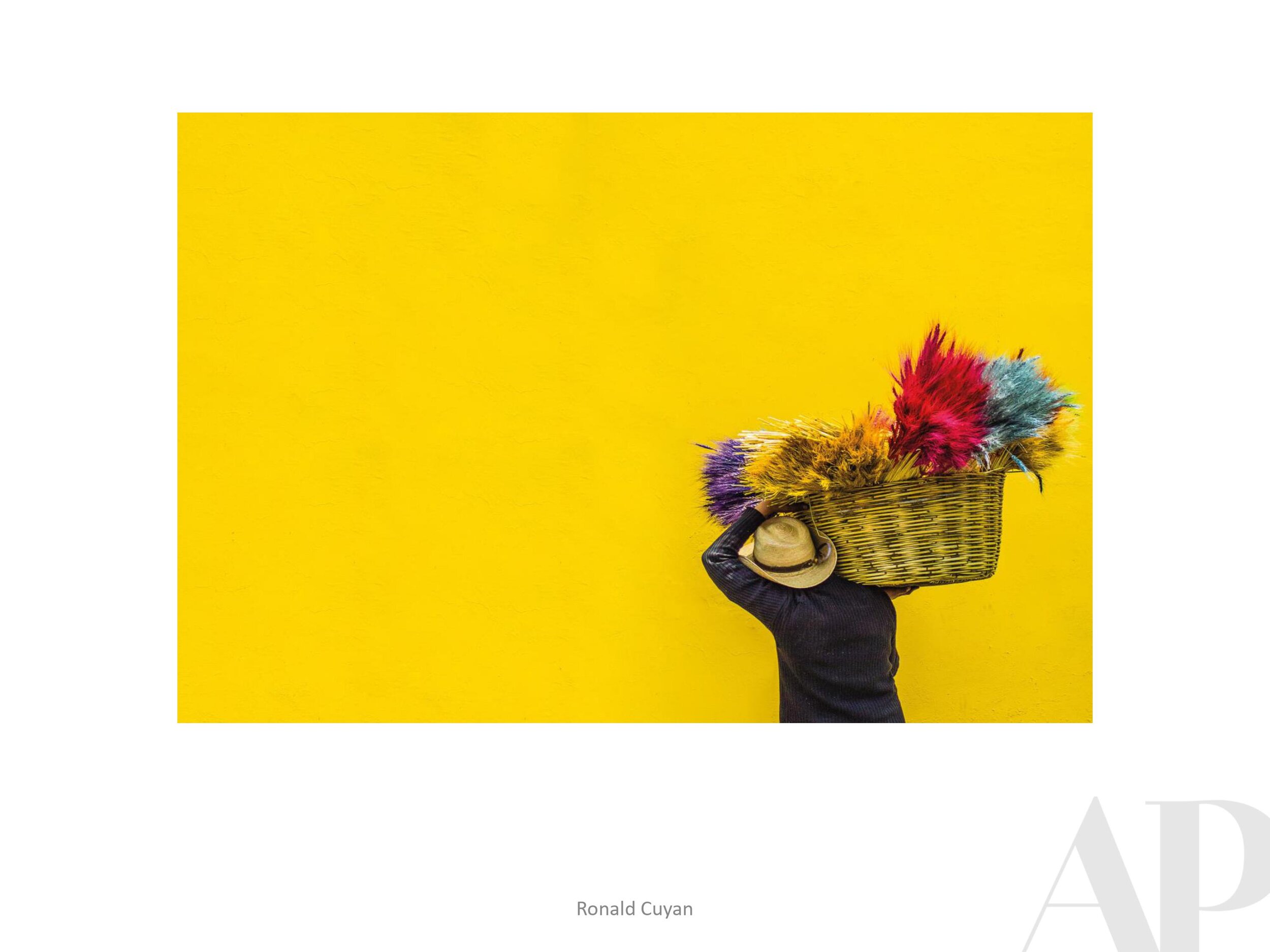
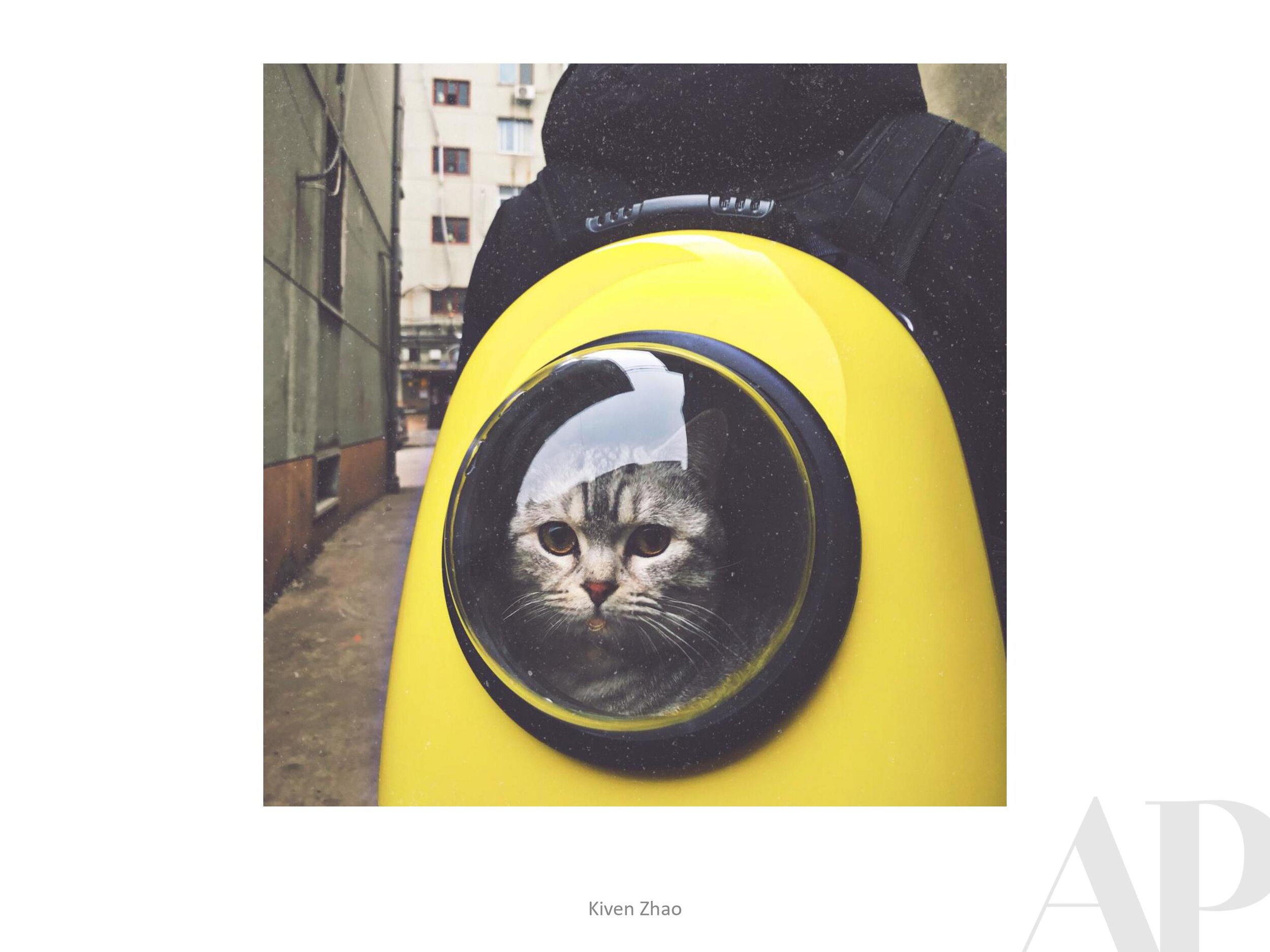
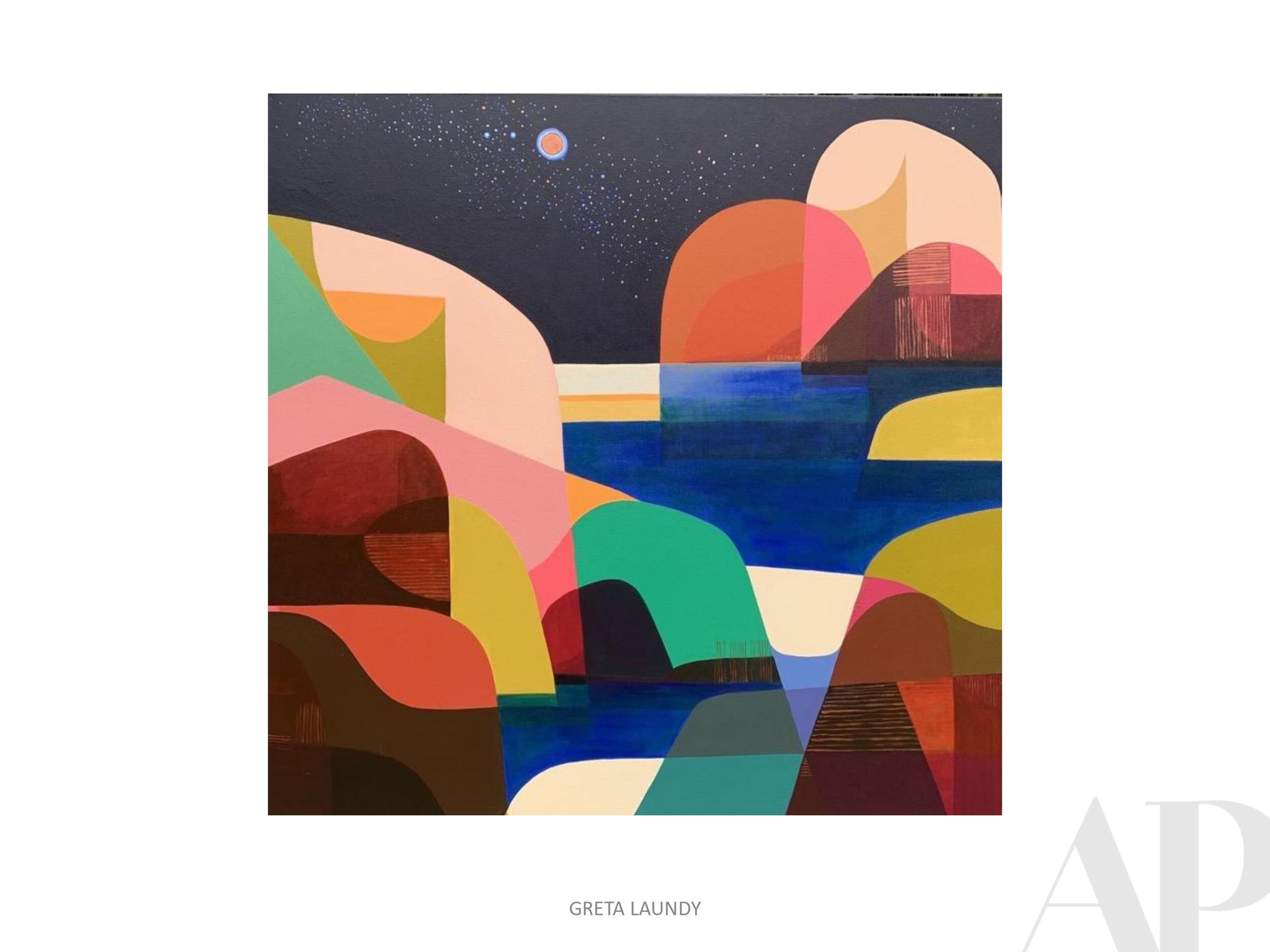
Ultimate Gray + Illuminating | PANTONE's 2021 Colors of the Year

We appreciate the dynamic color duo that Pantone has announced as the 2021
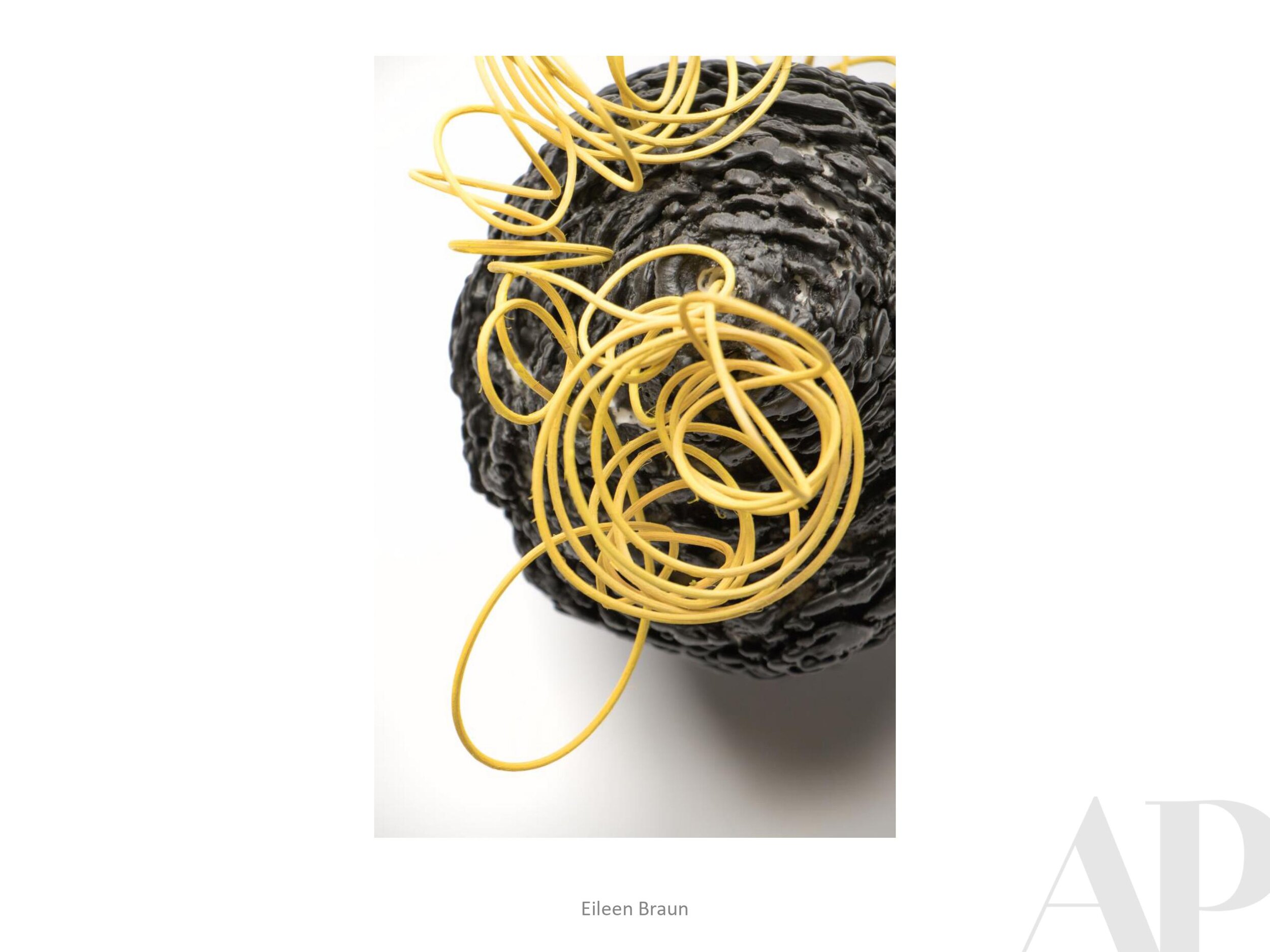
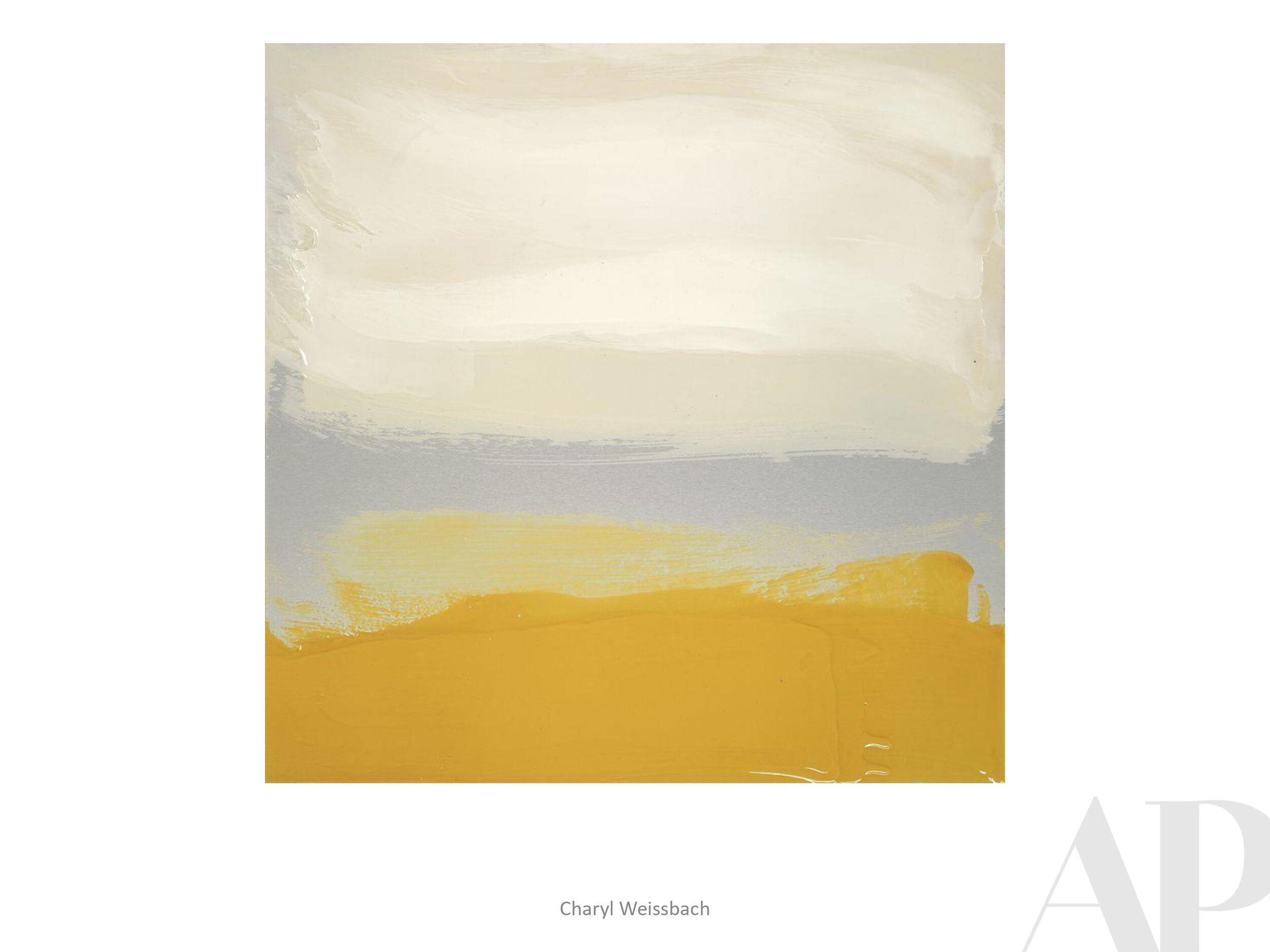
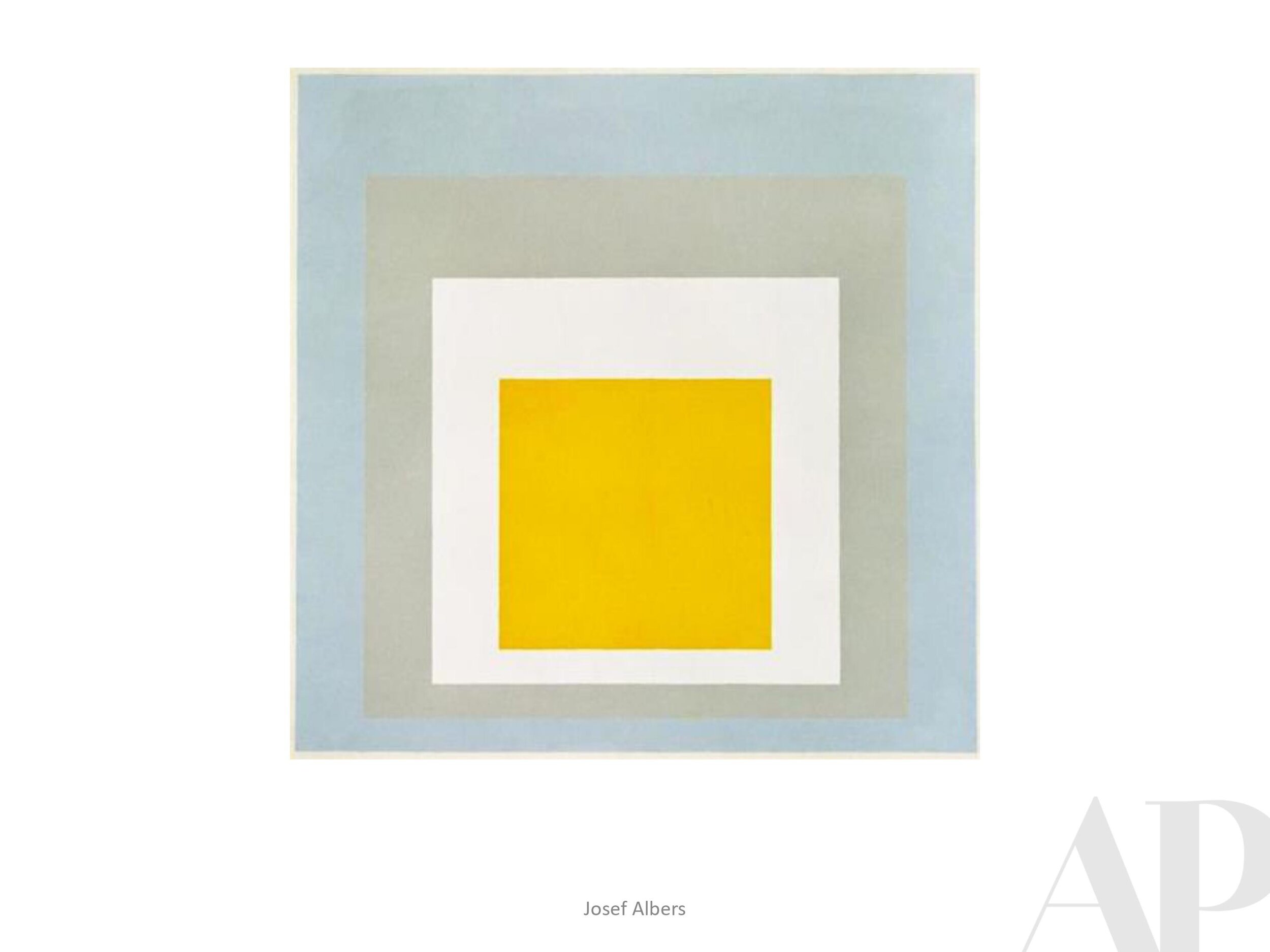
Colors of the Year” - highlighting how opposites can collaborate and inspire. A beautiful tone of grounding gray paired with an optimistic, happy shade of yellow. Wisdom + intuition. We’re into it!
Here is what Pantone says of the choice:
And here is a quick little collection inspired by Ultimate Gray + Illuminating.
Please enjoy!






Currently Inspired By (end of 2020 edition)...
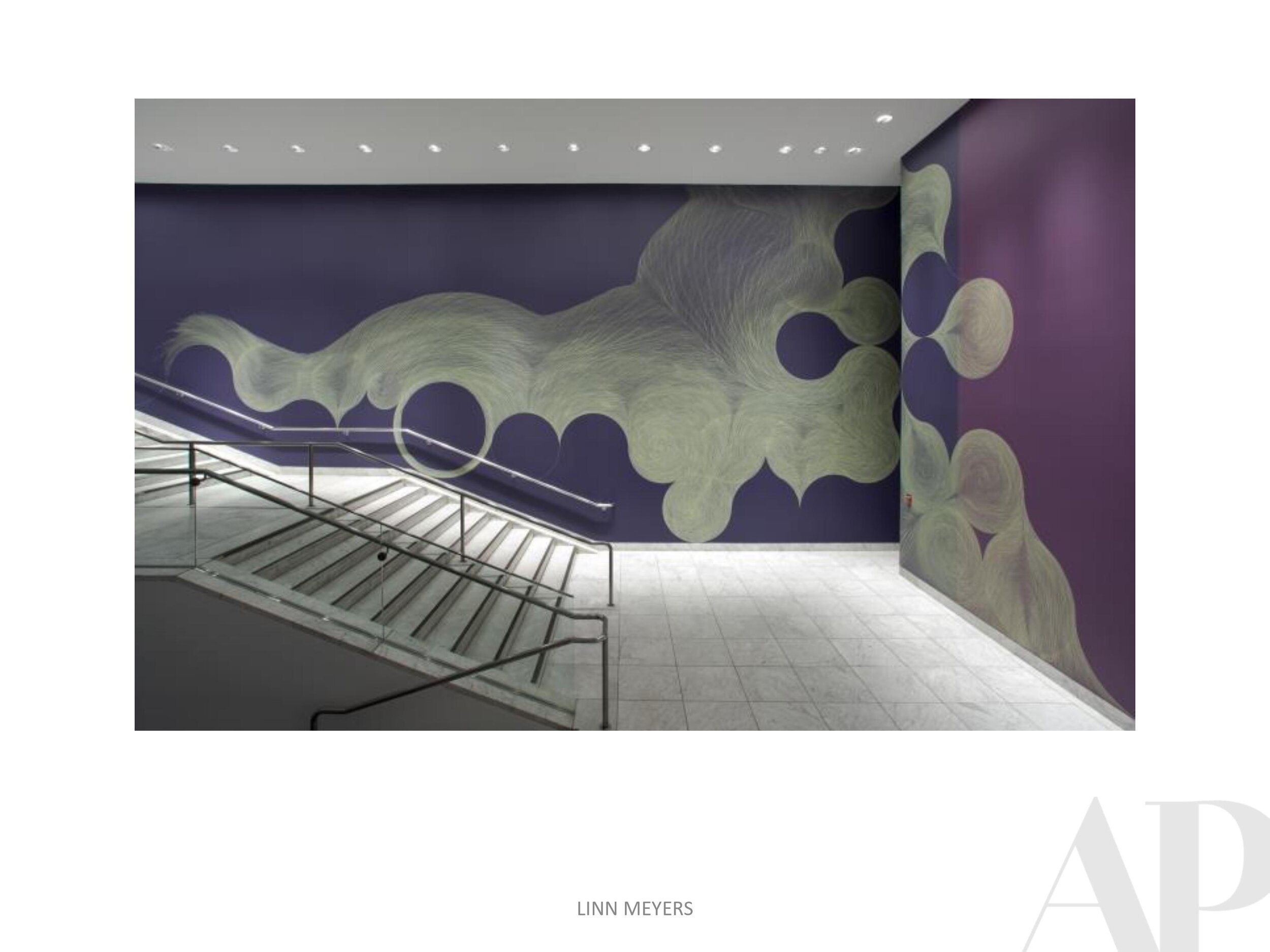
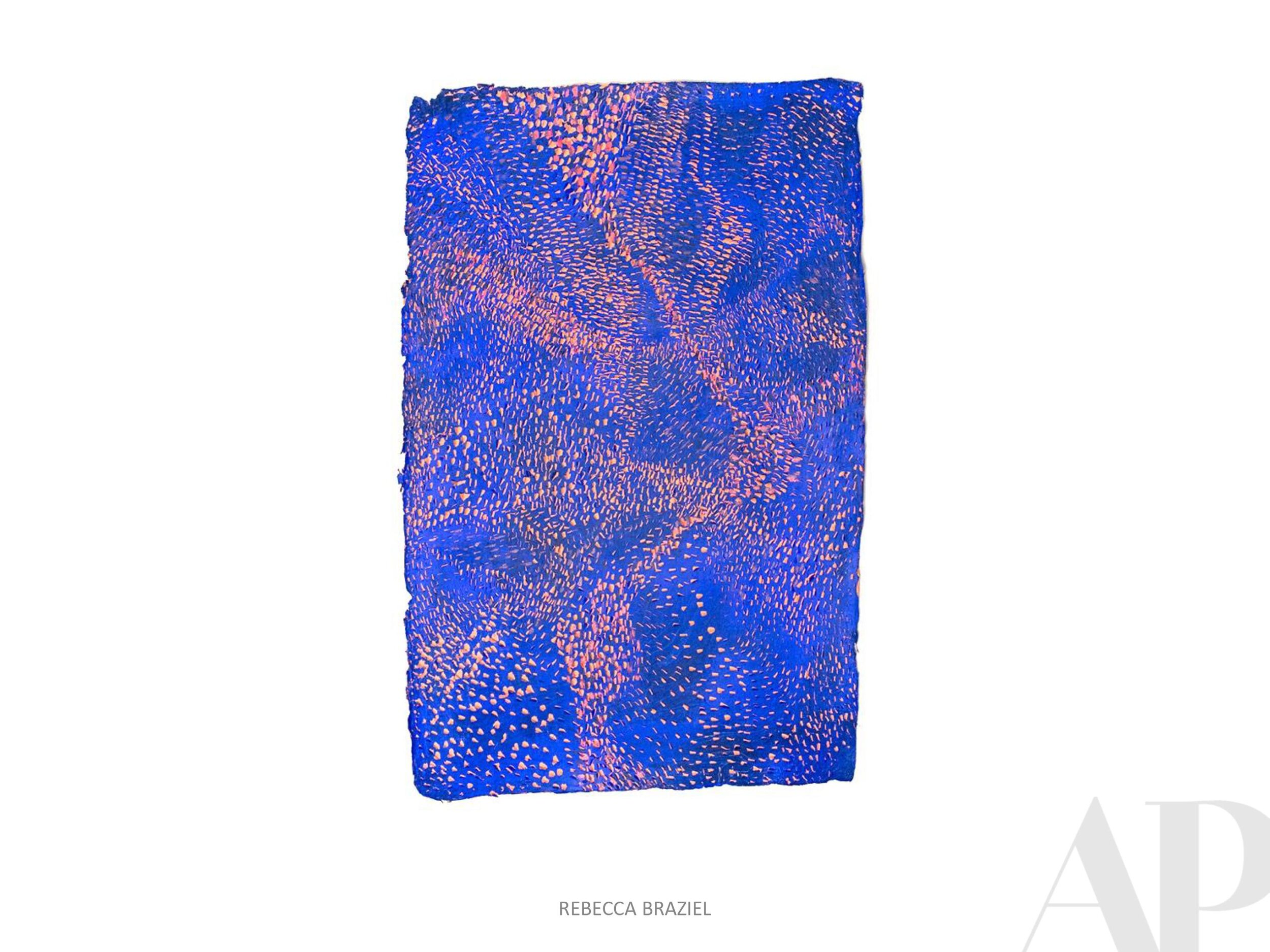
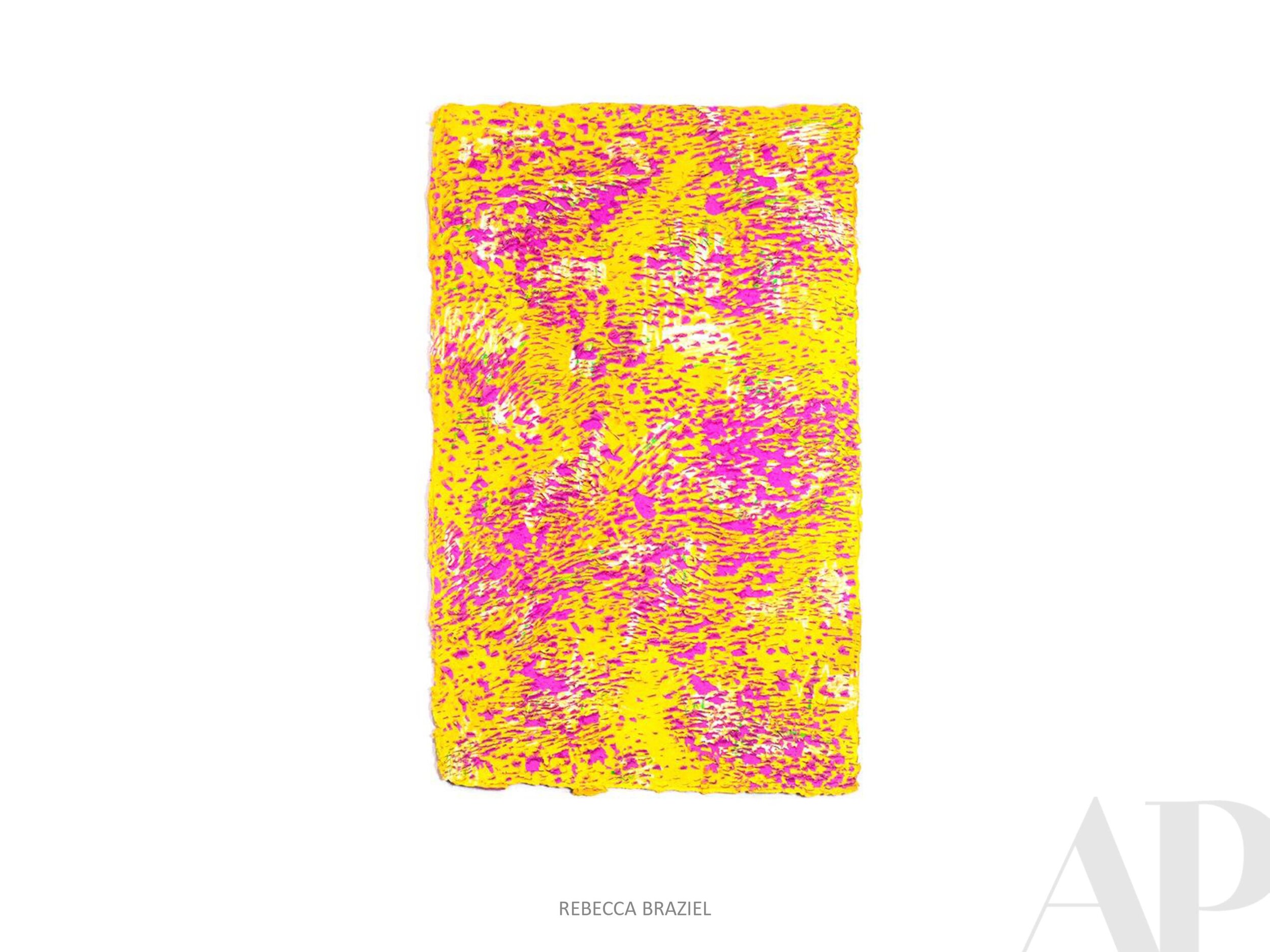
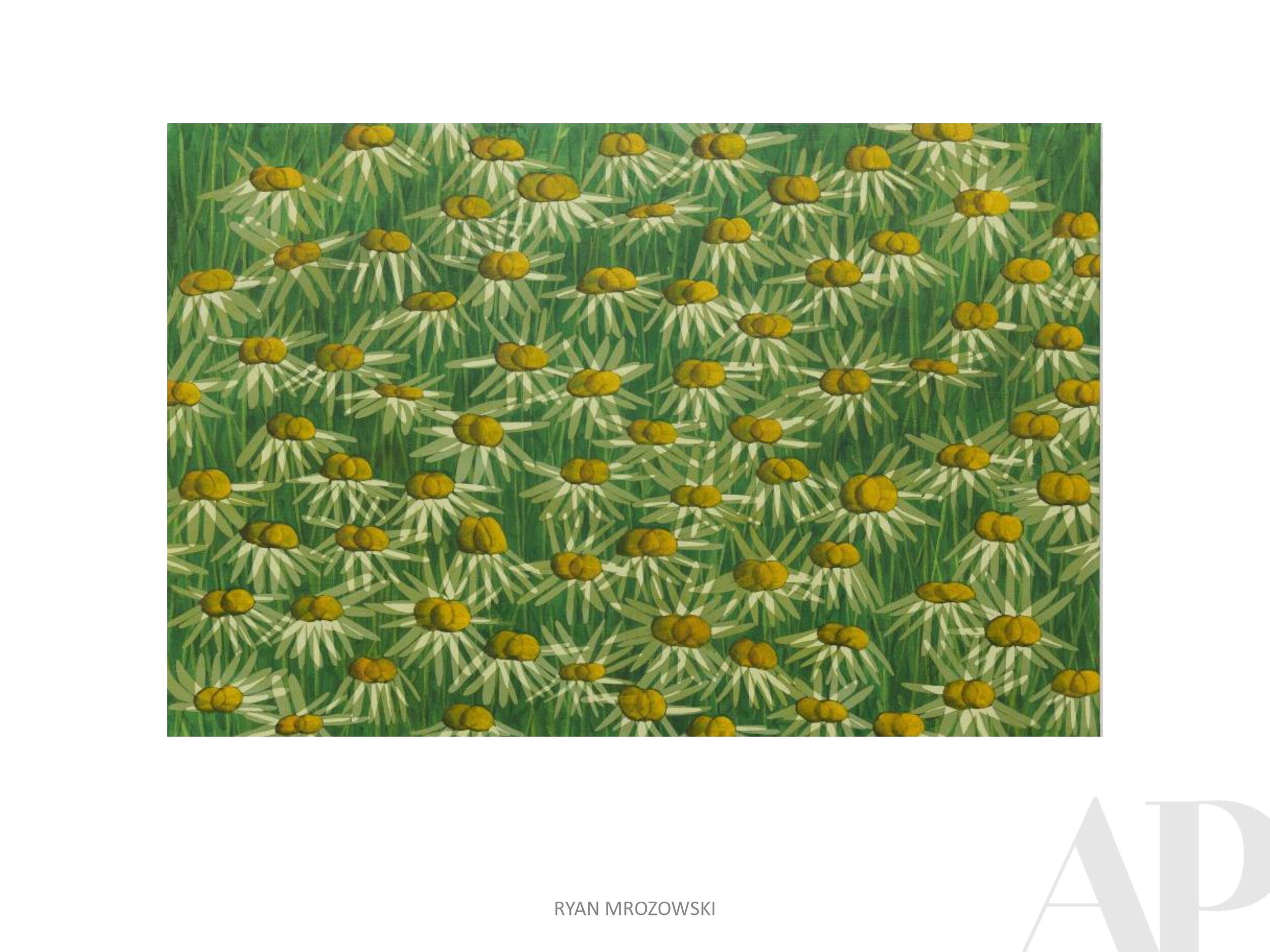
Closing out 2020 with the year’s final Inspiration Board. We hope that you find delight and joy in your transition to the new year. Please call on us when you need unique, inspiring artworks in 2021.
With all the best from Amy Parry Projects, enjoy!

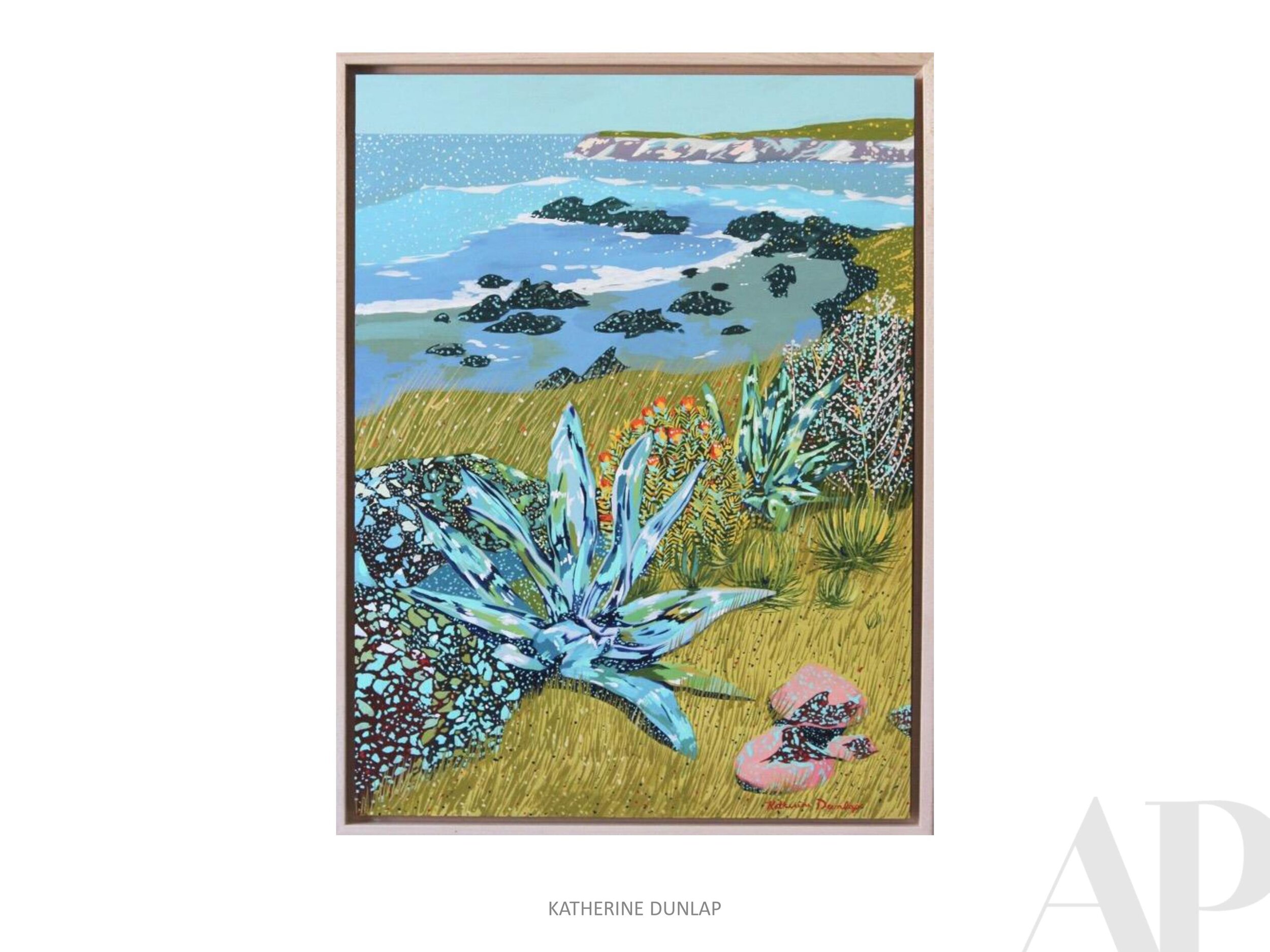
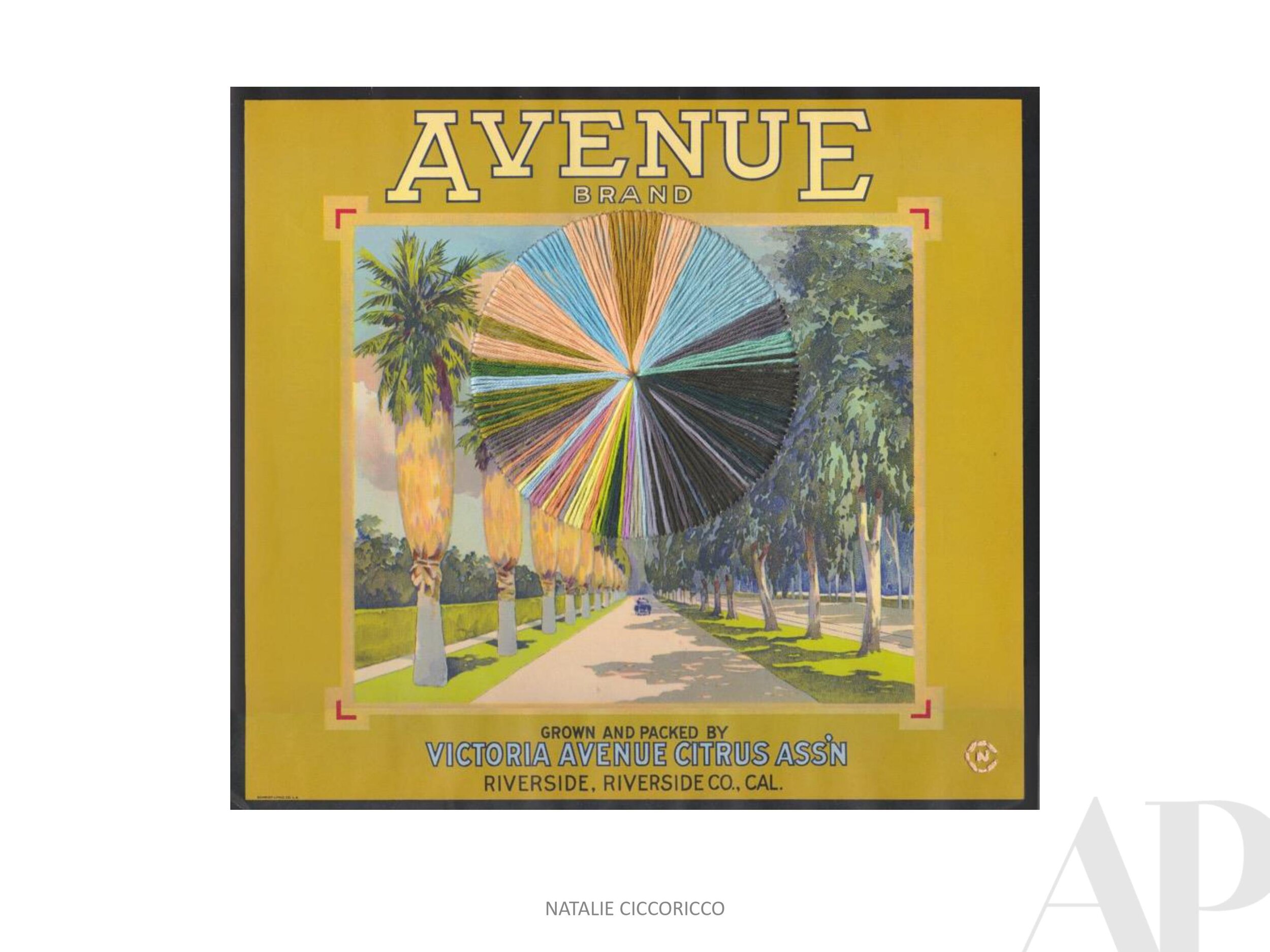
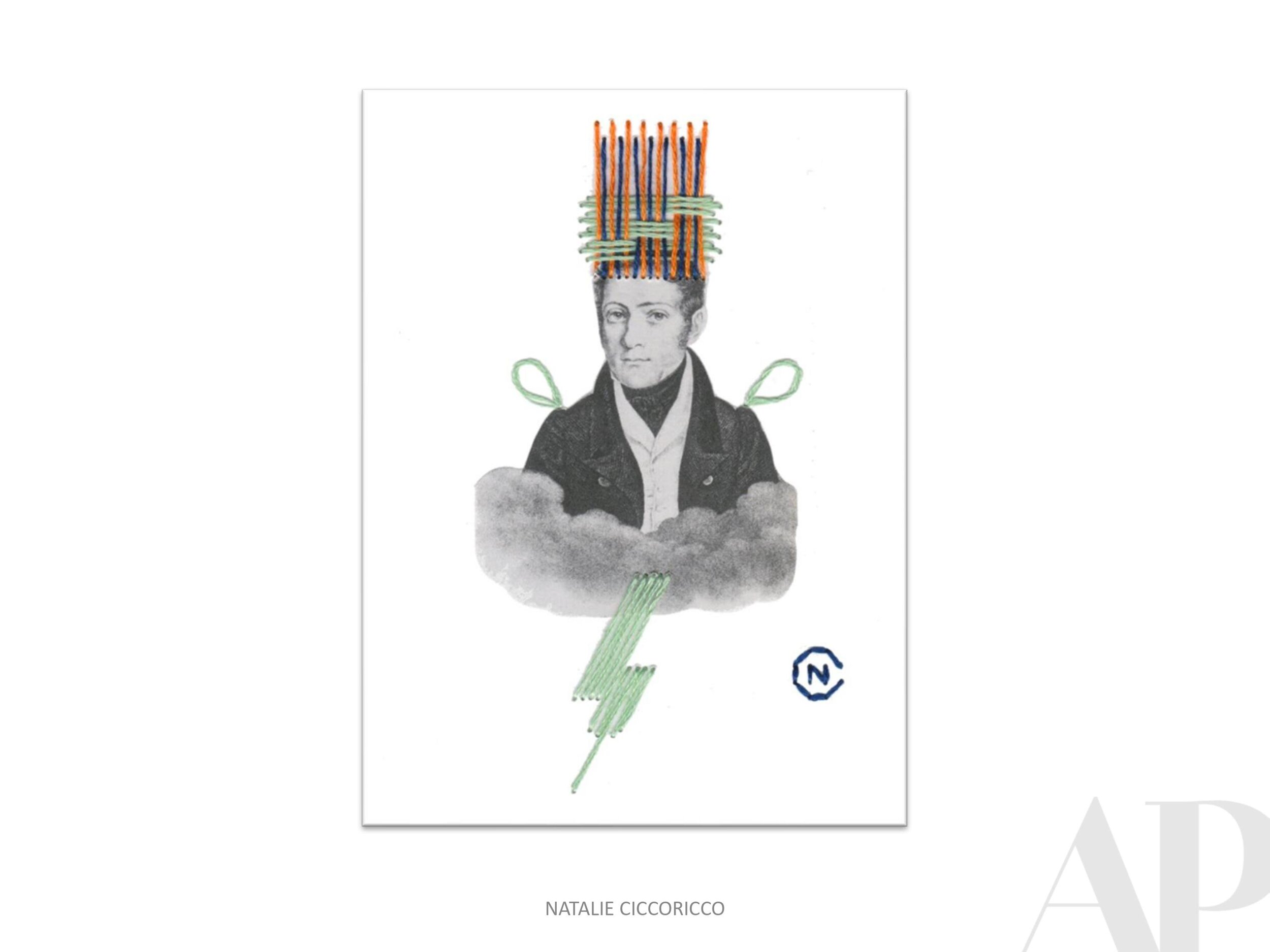


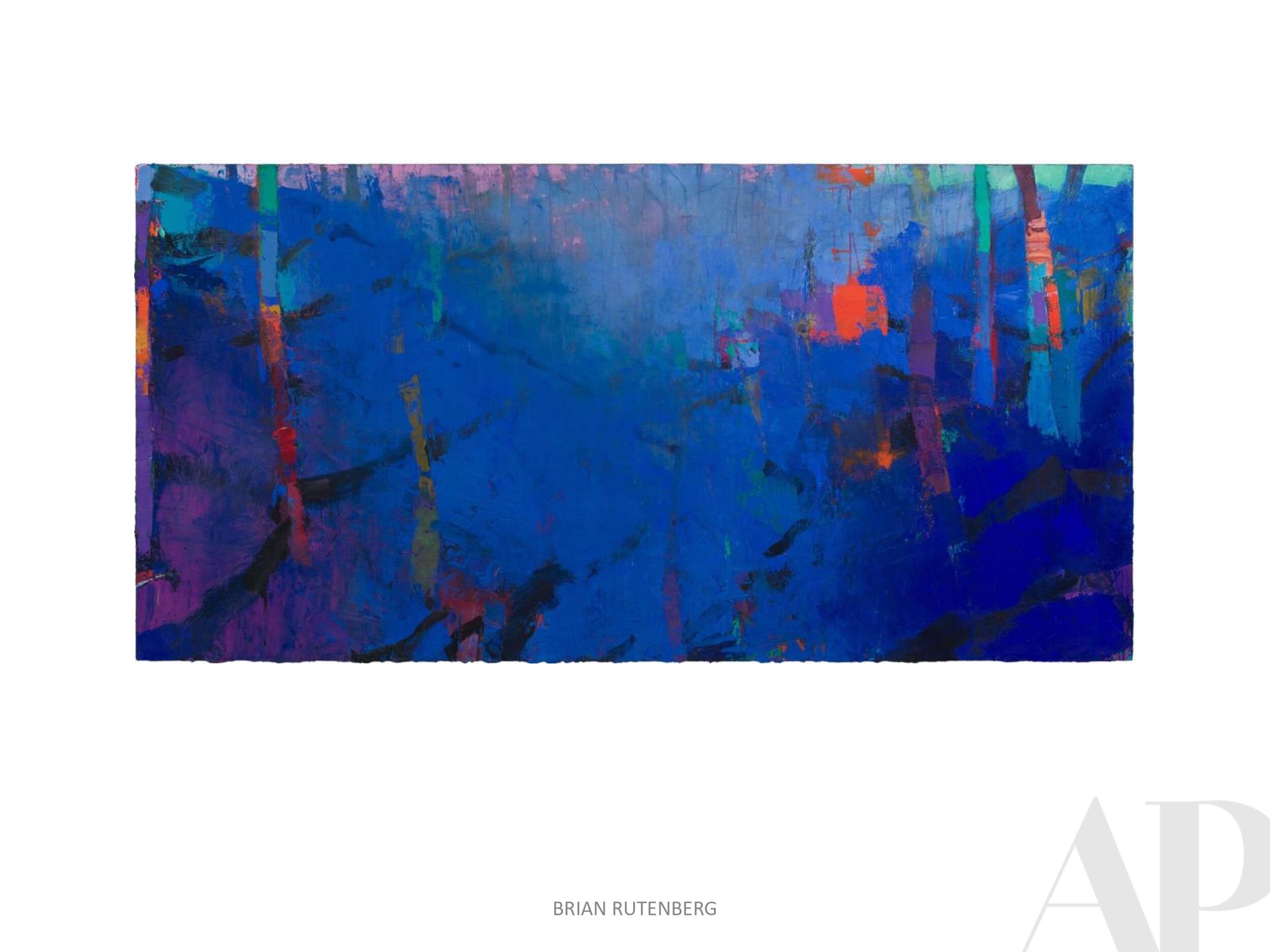


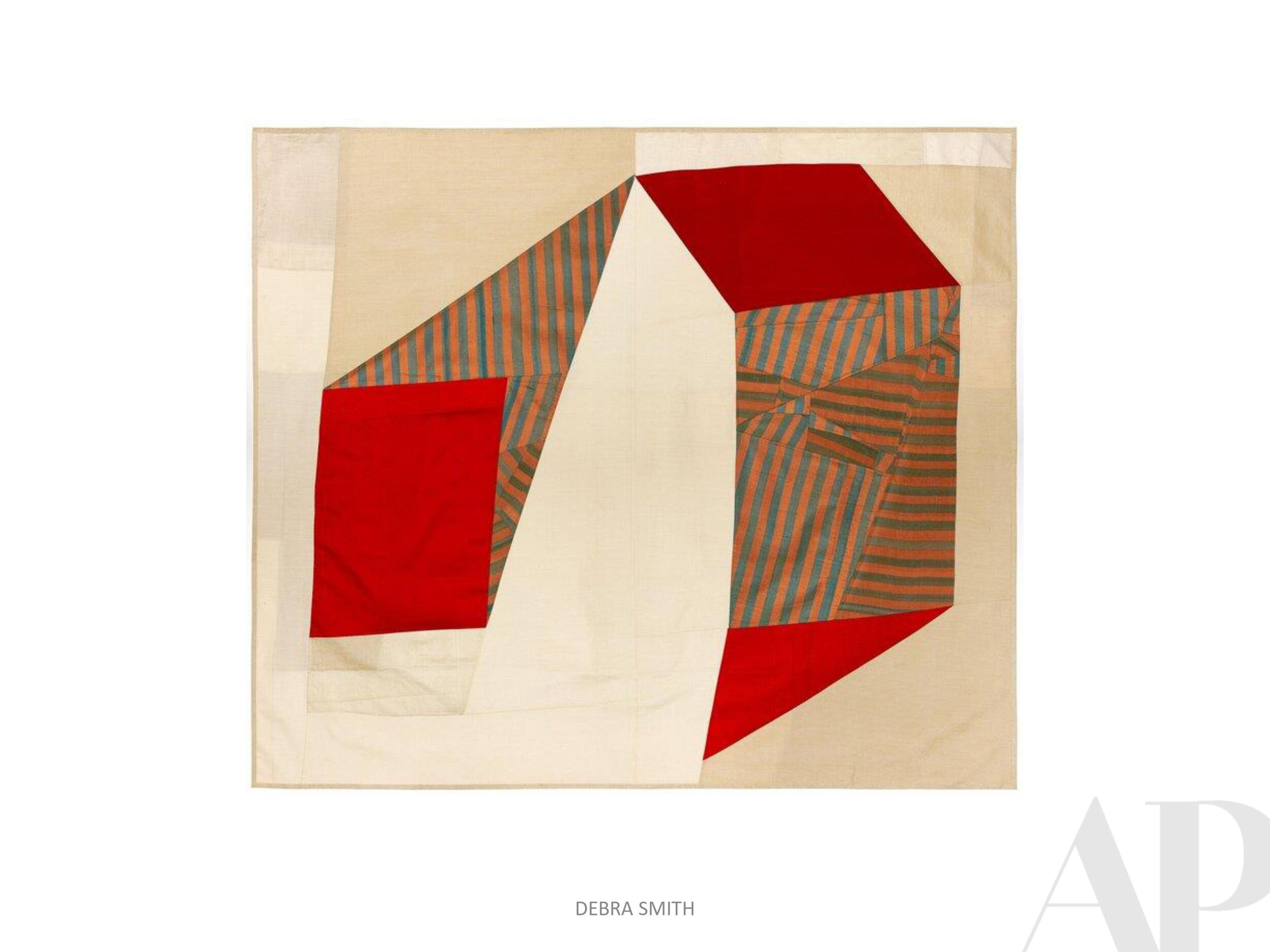
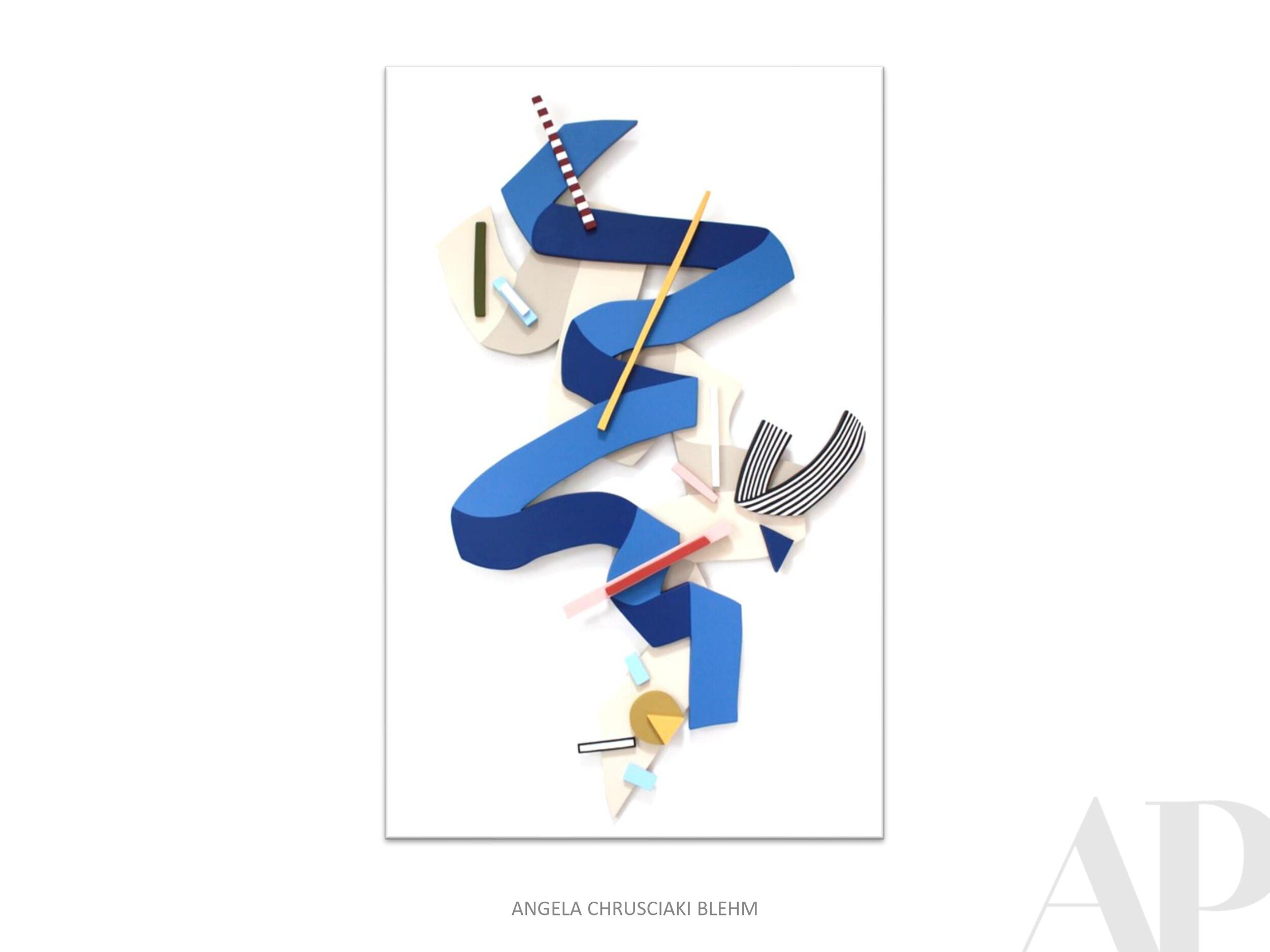
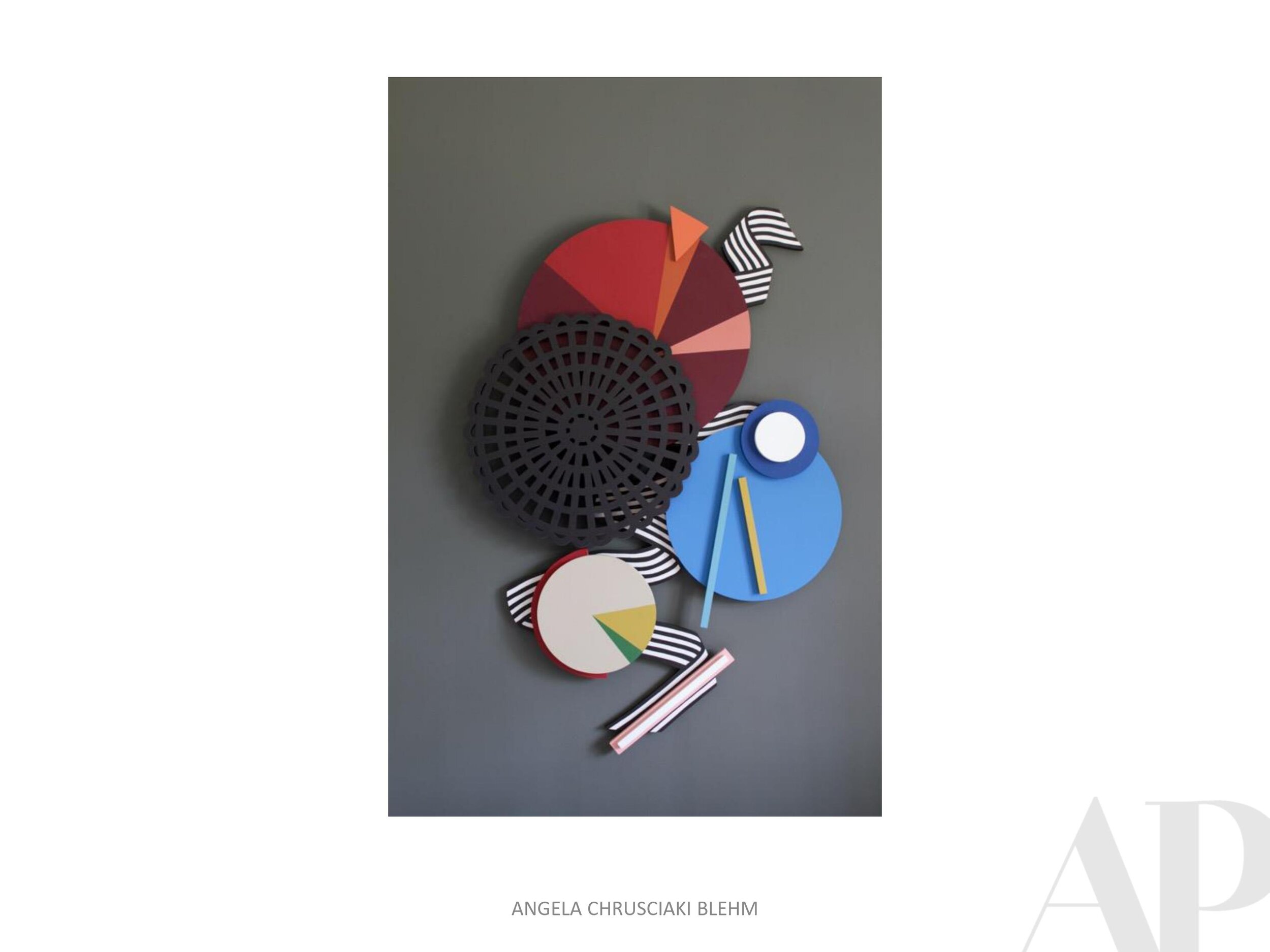
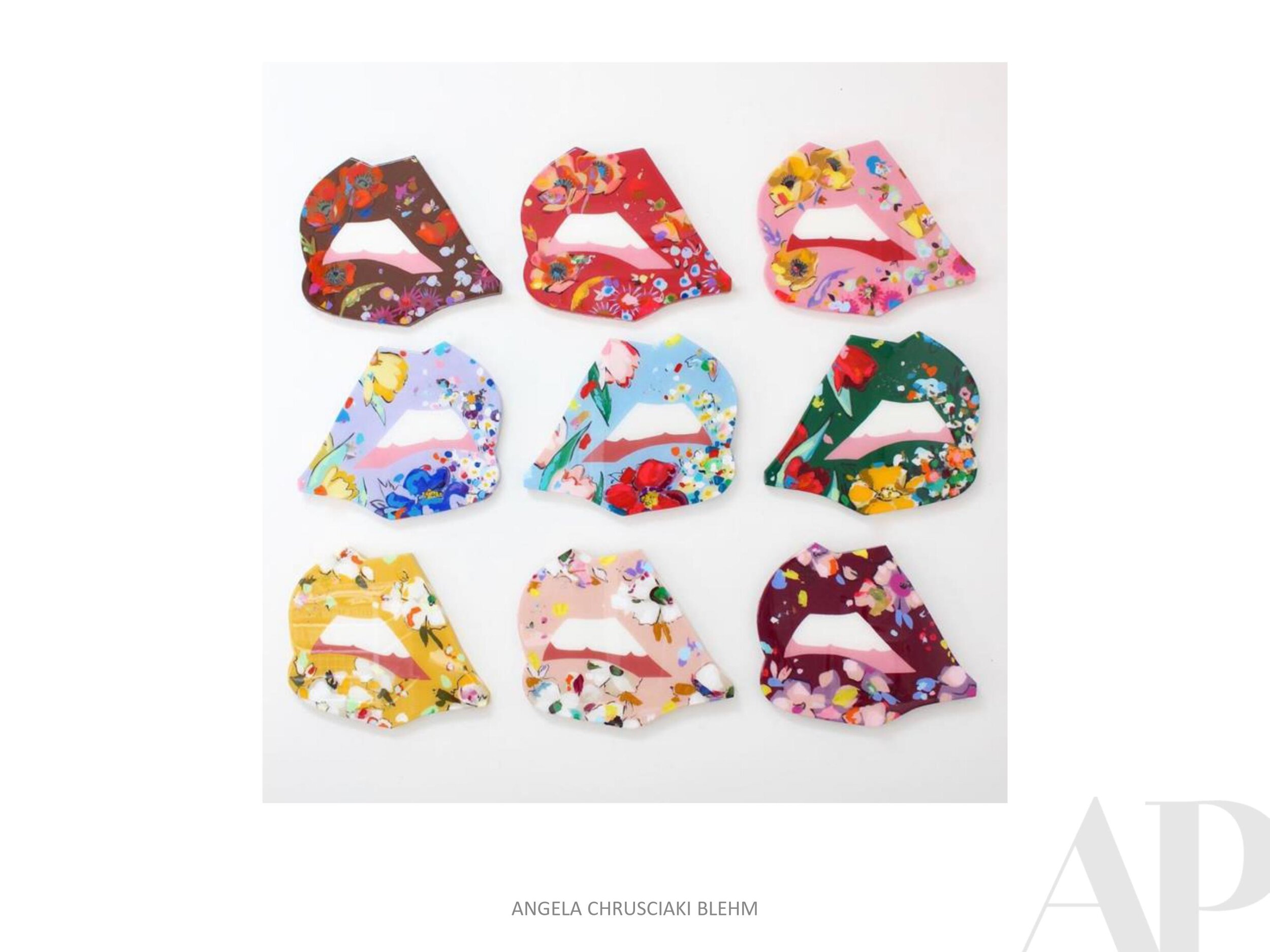
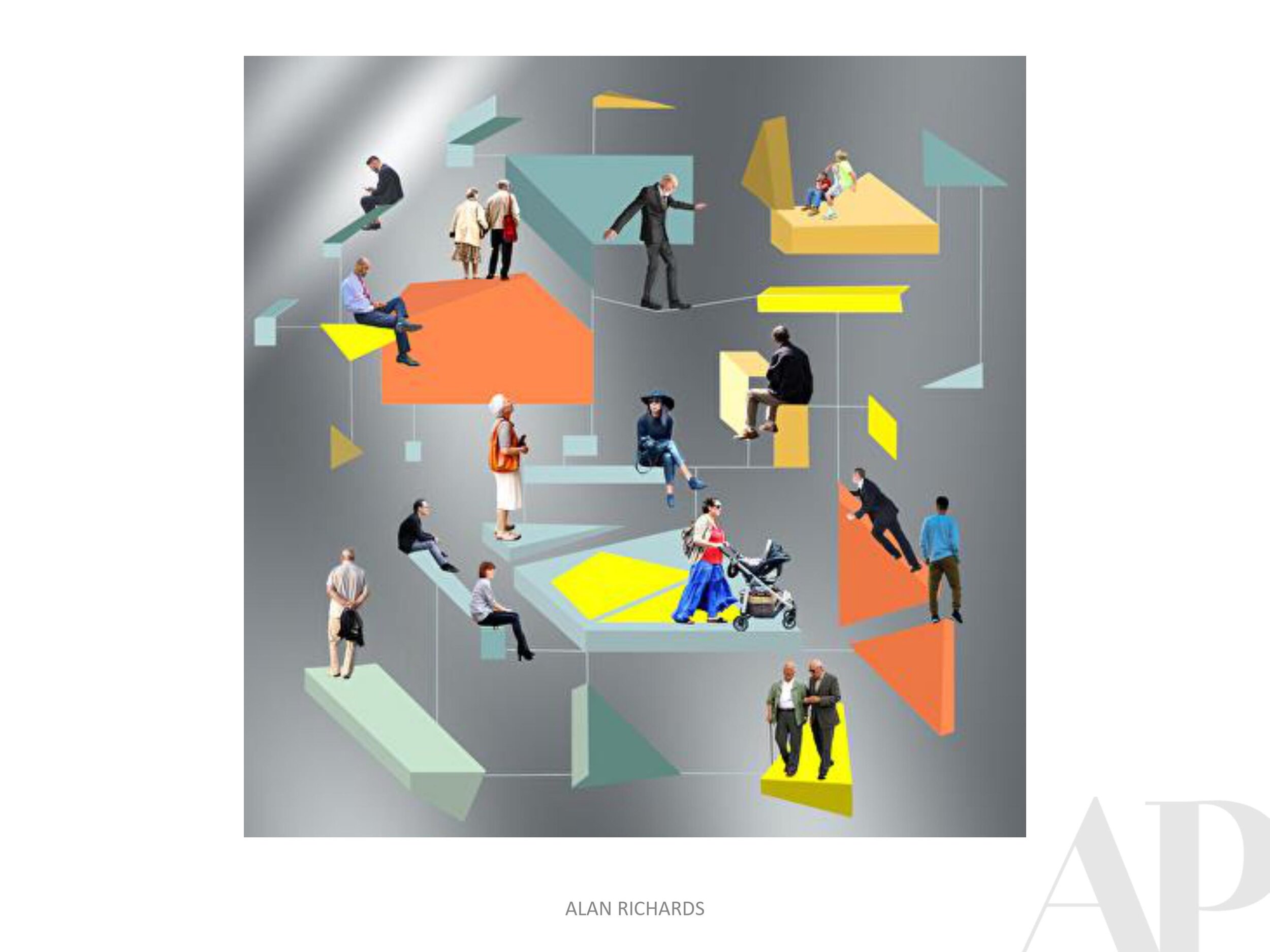
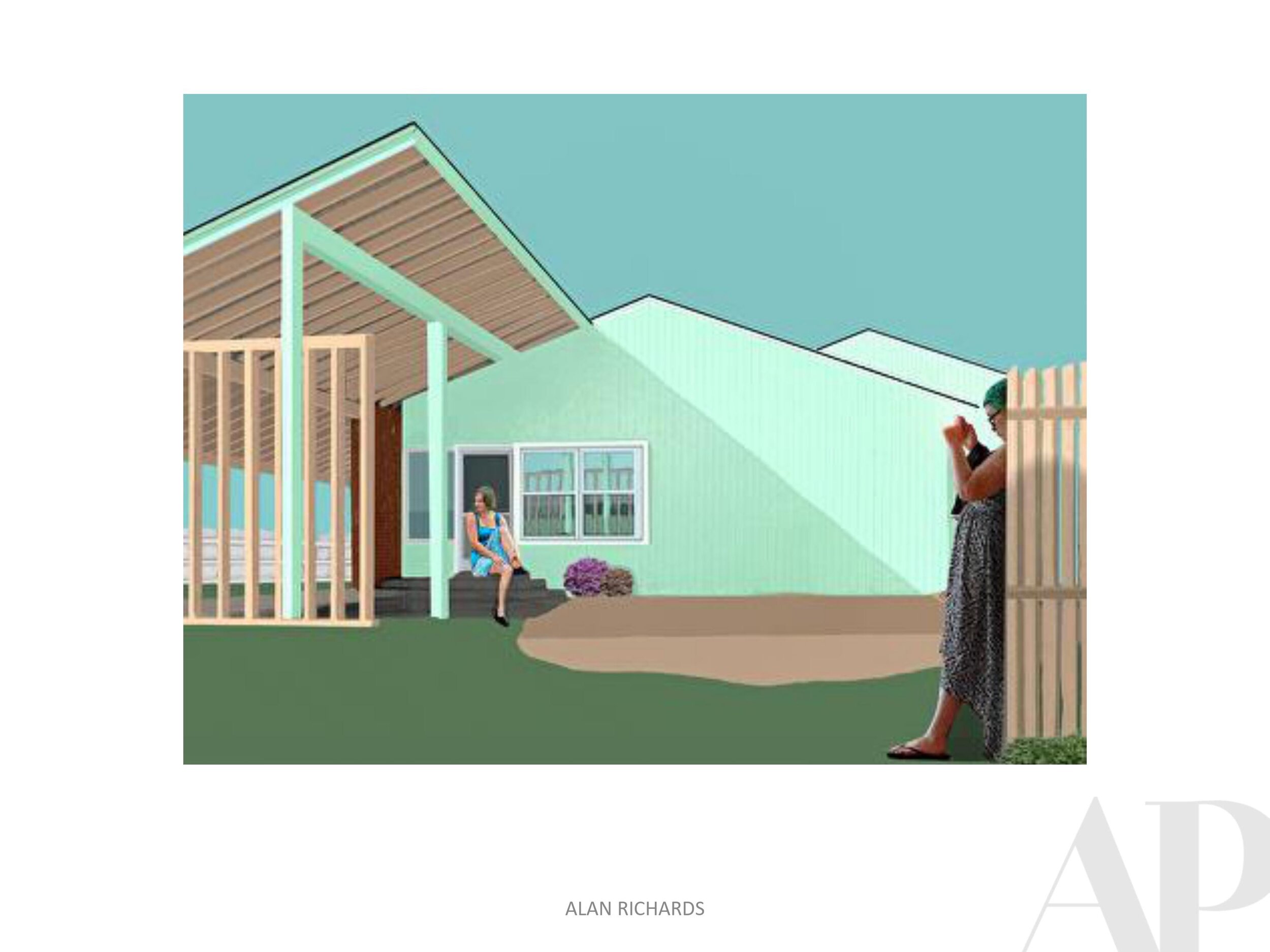
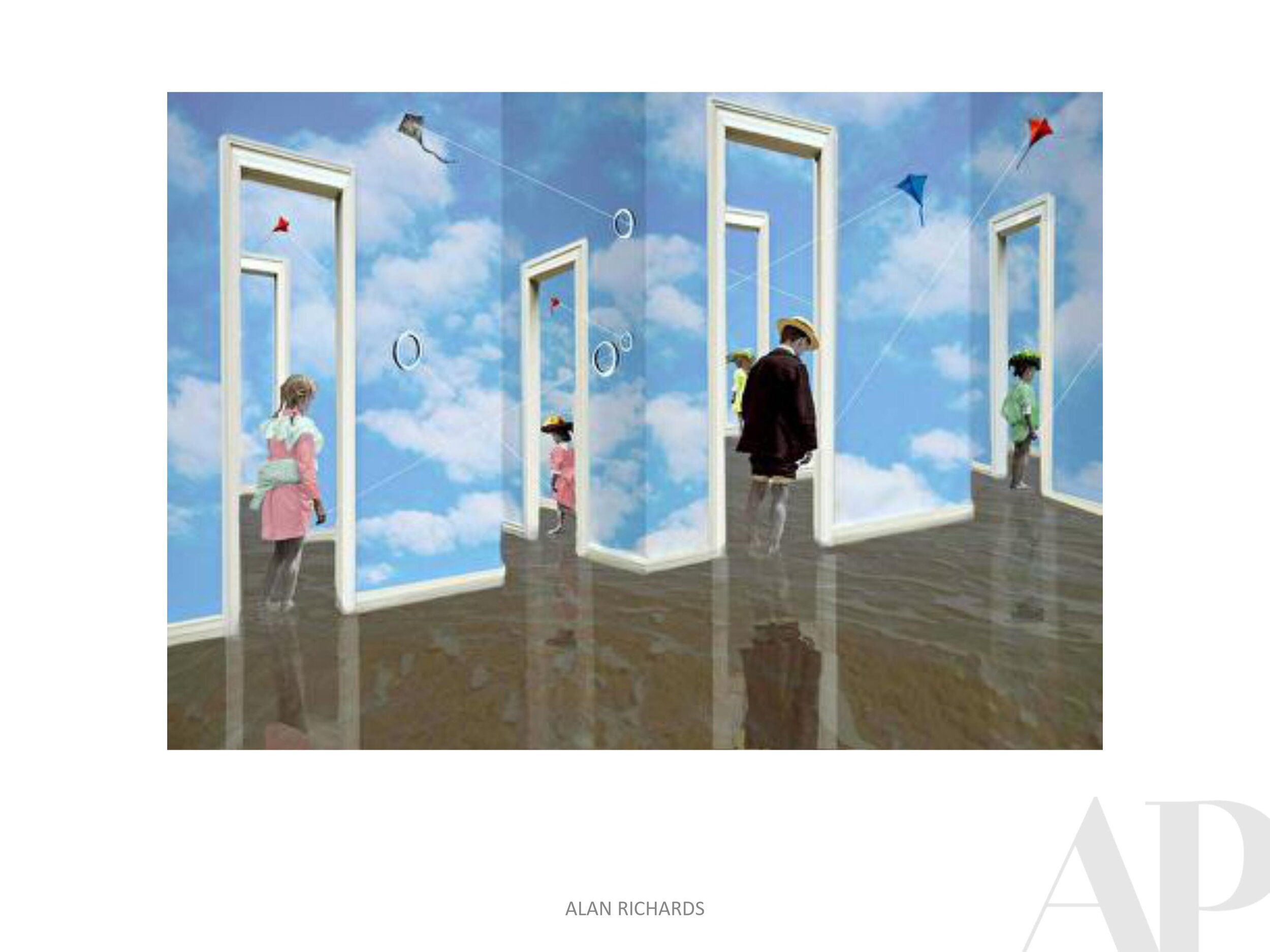

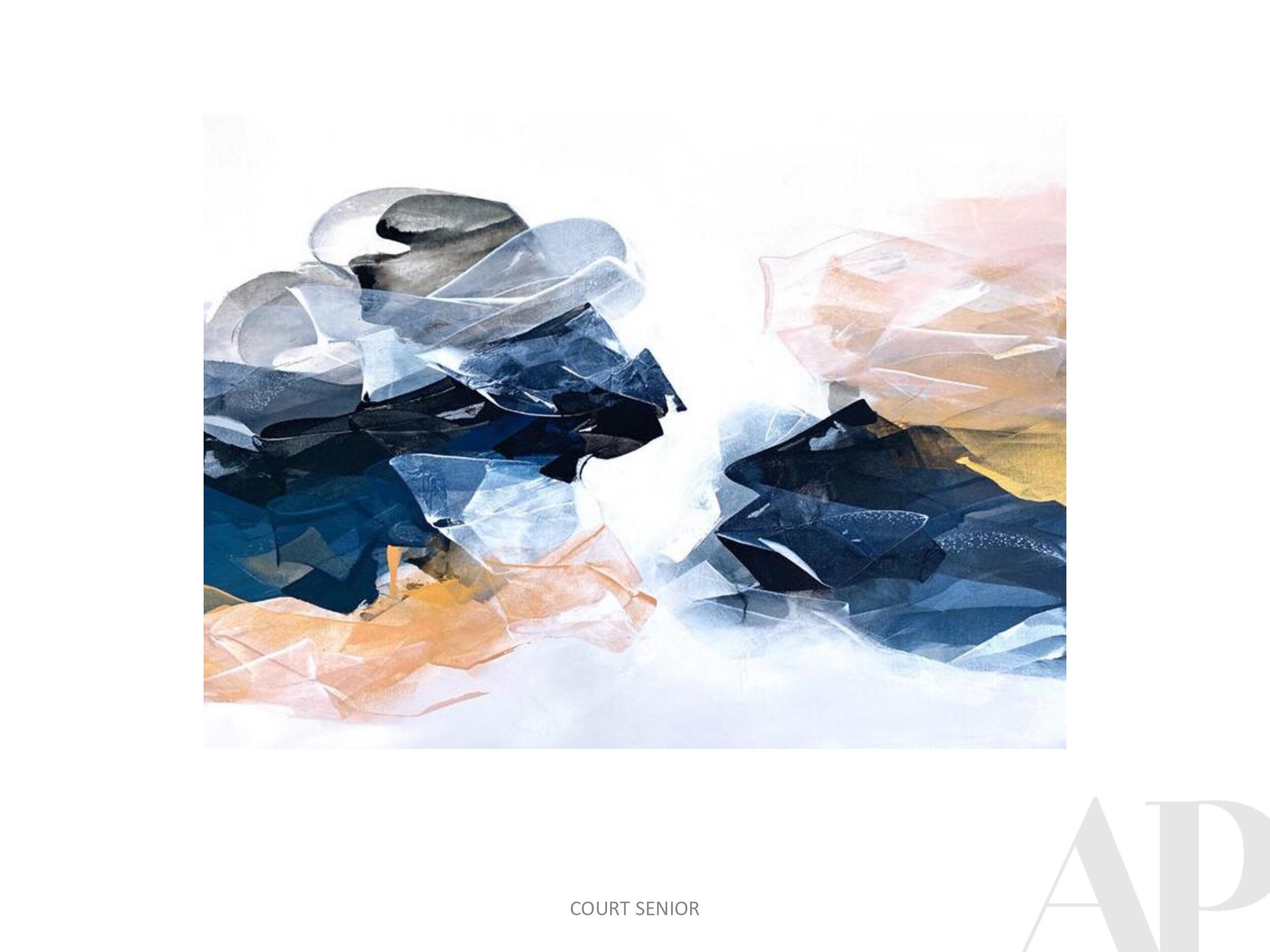
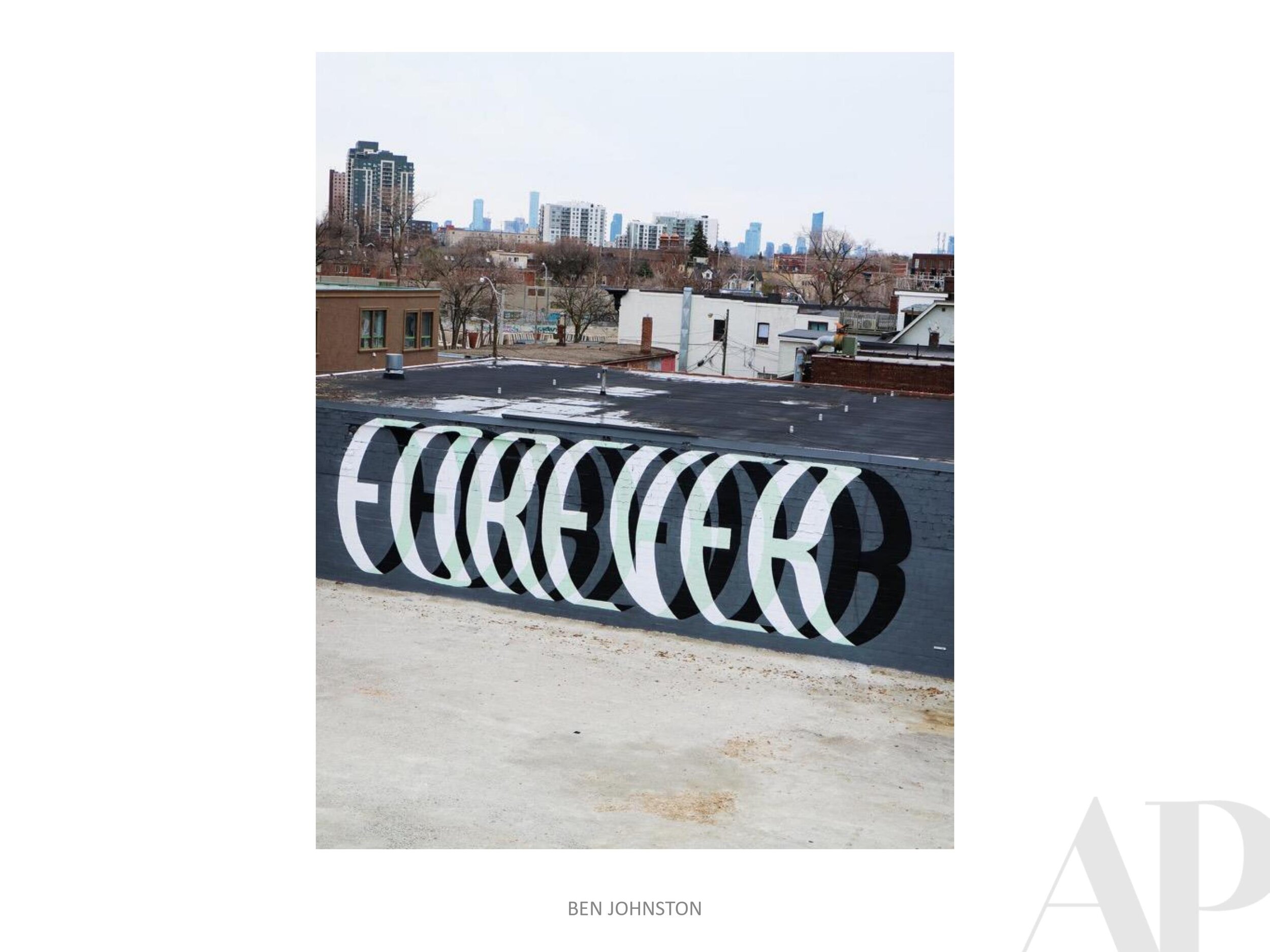
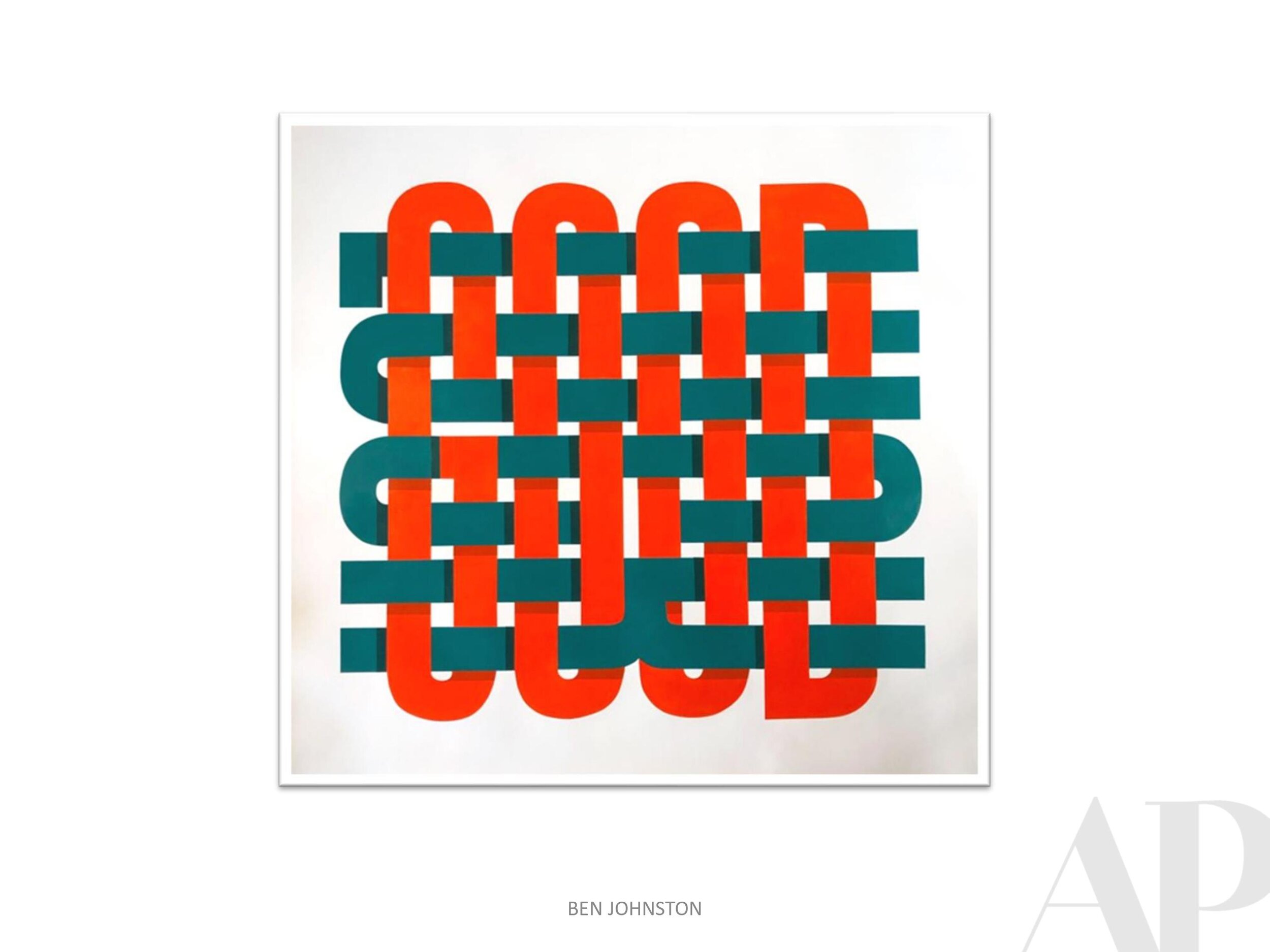
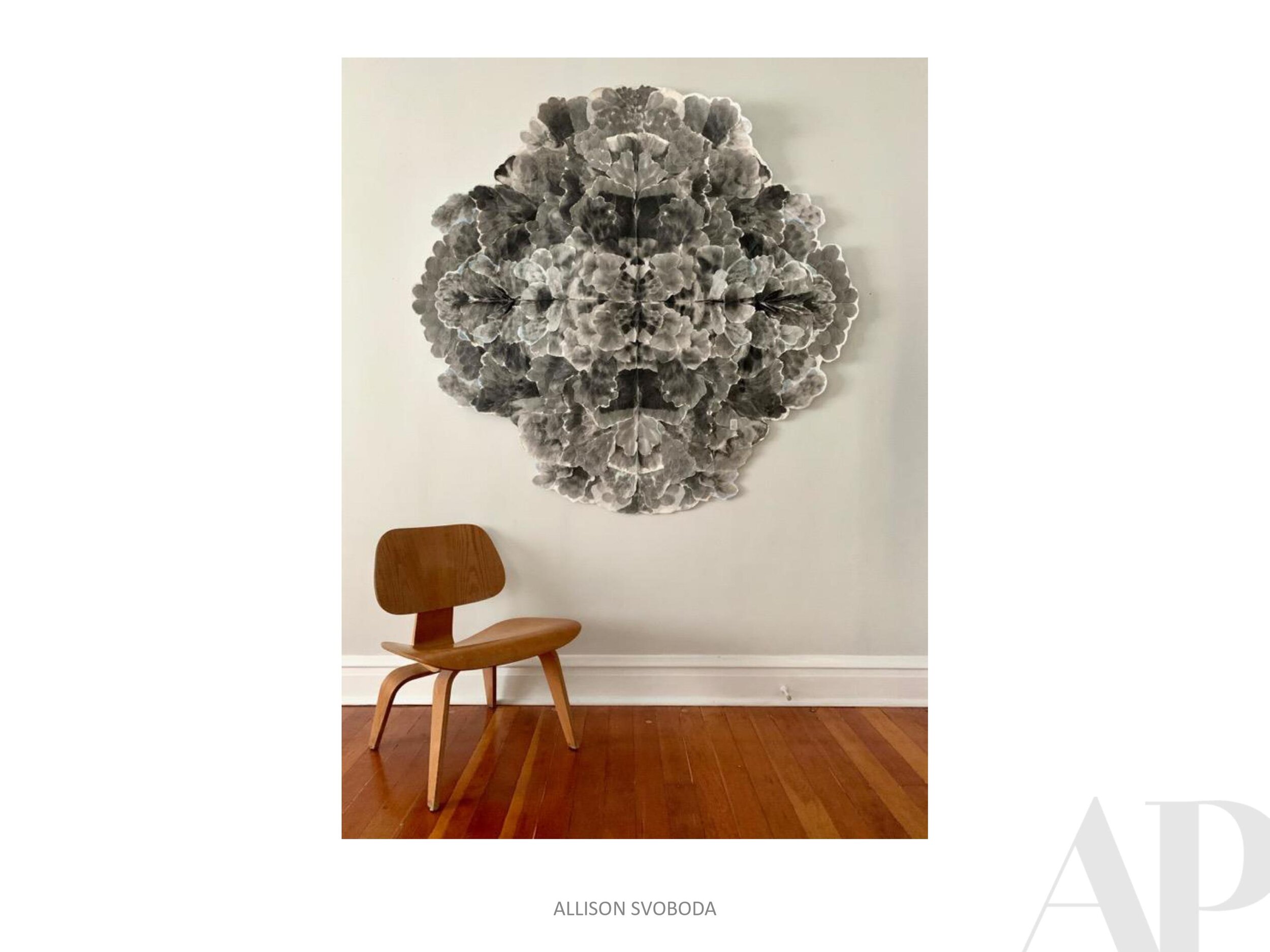
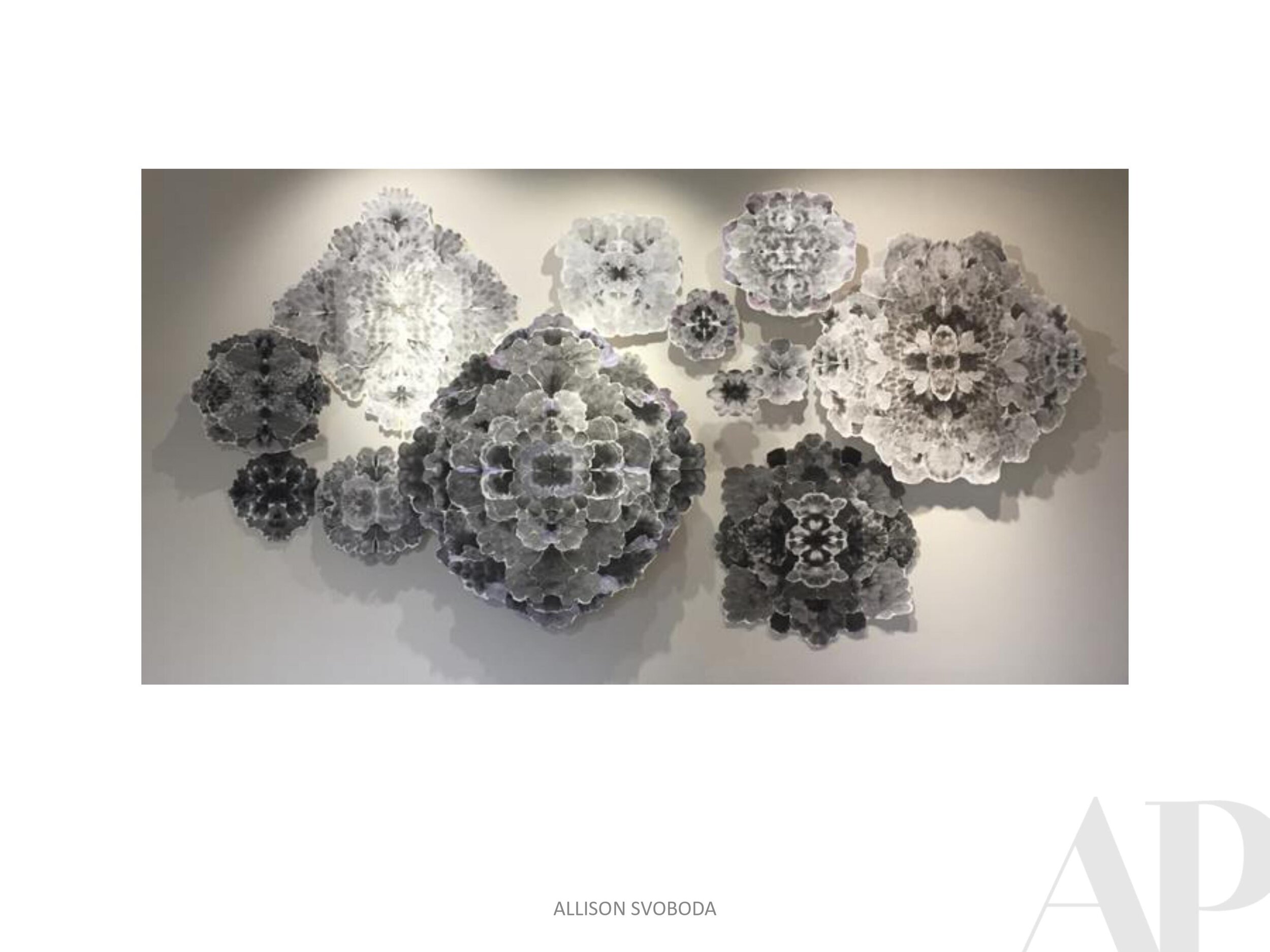
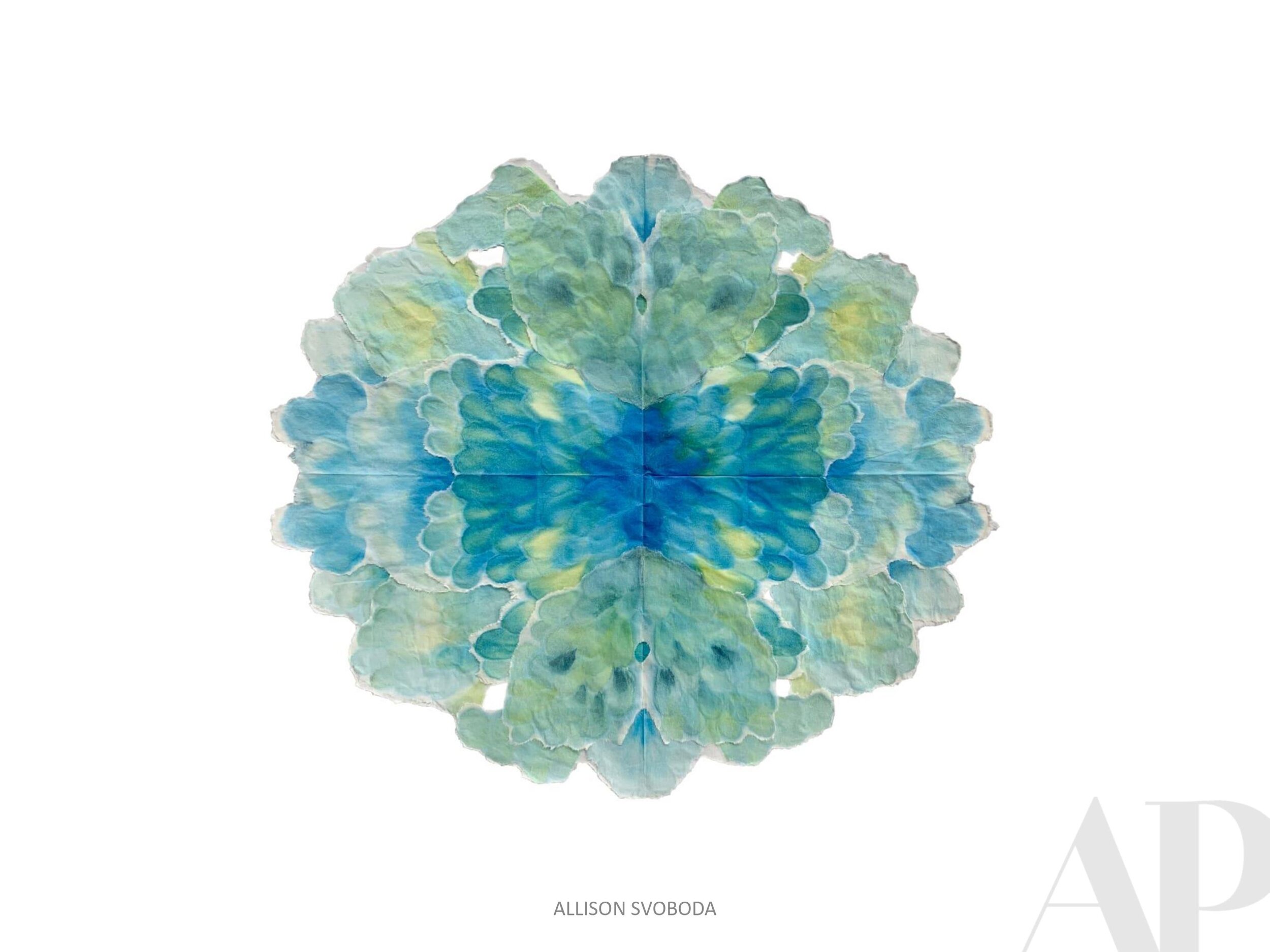
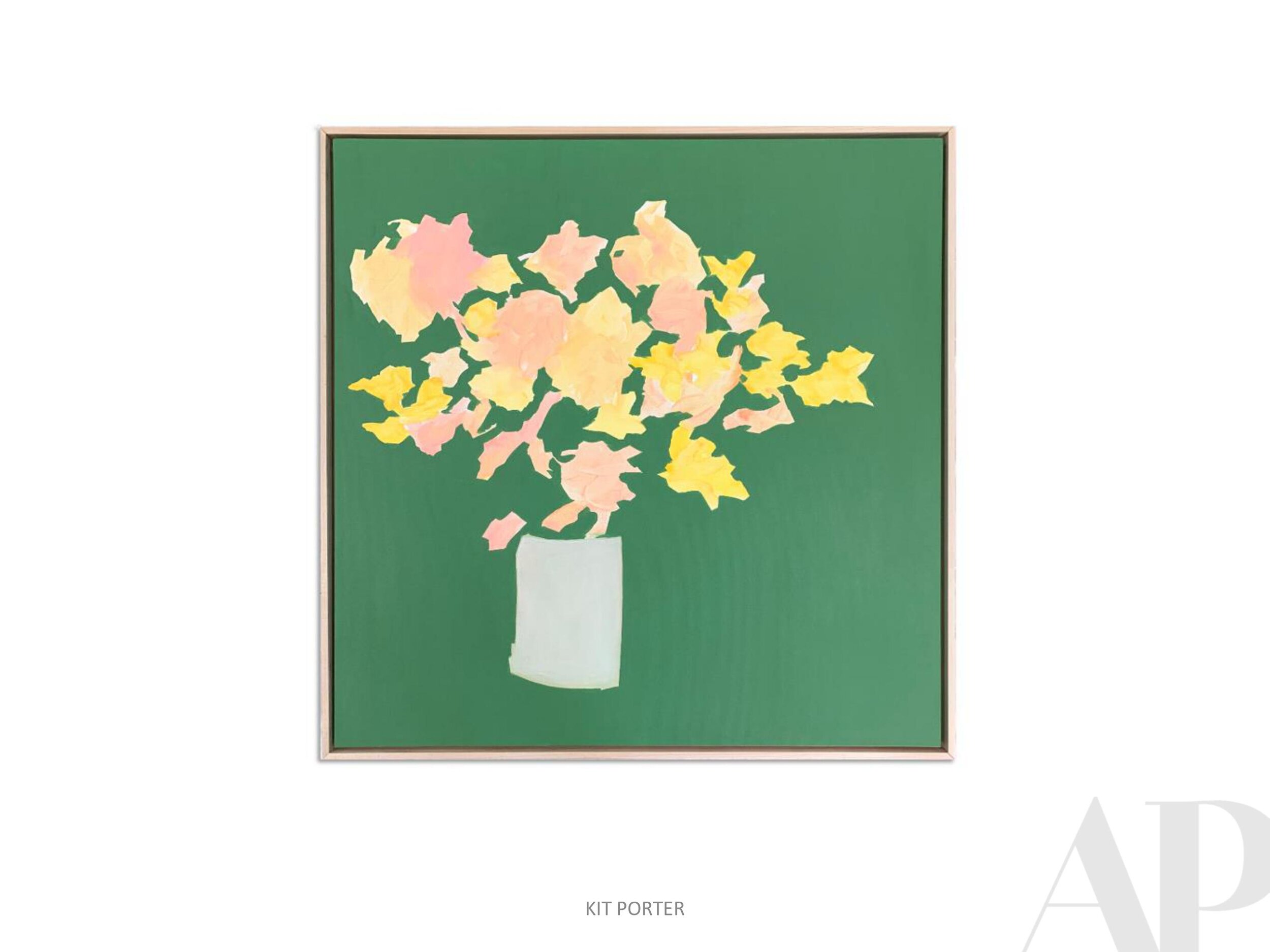
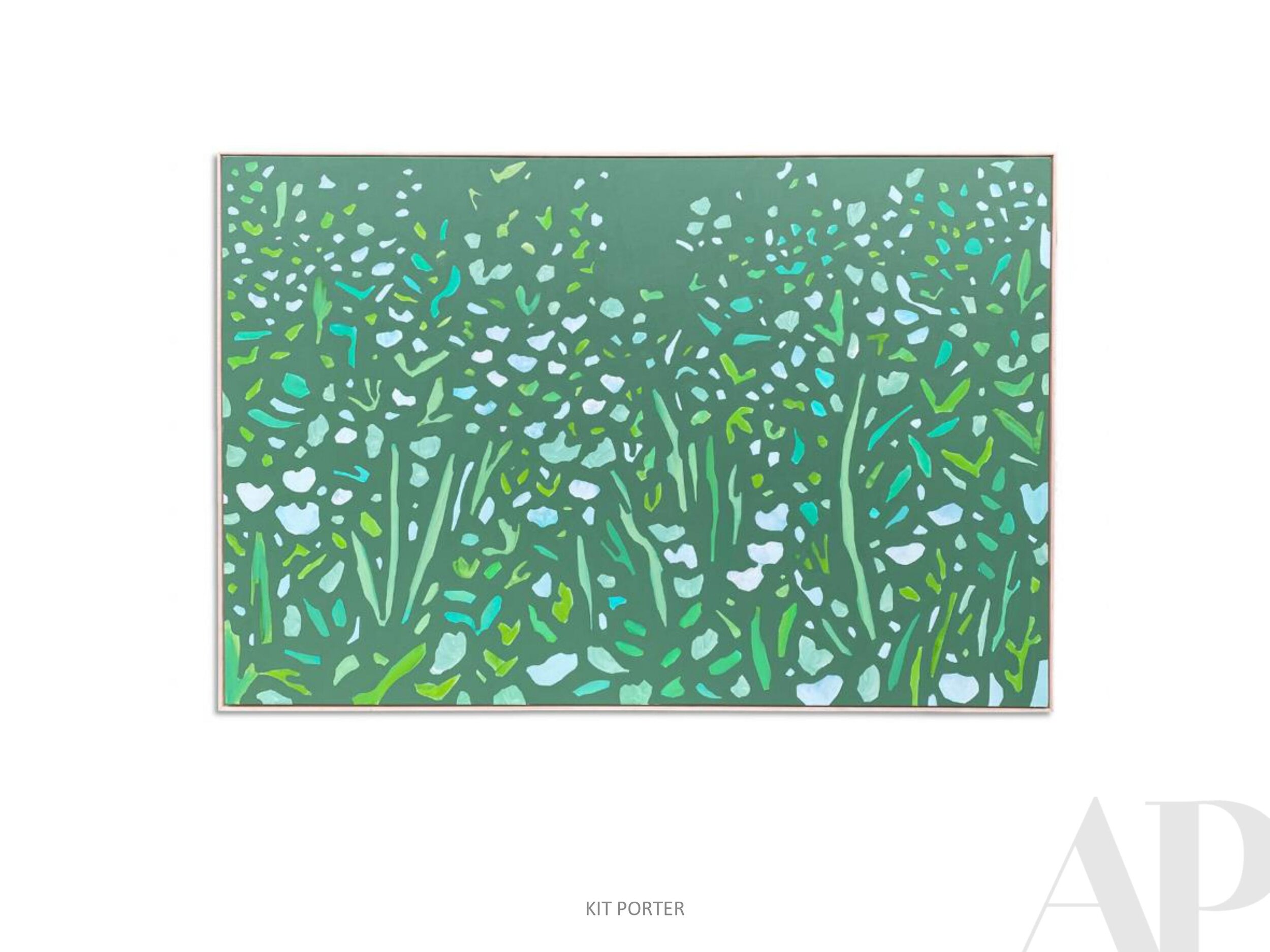
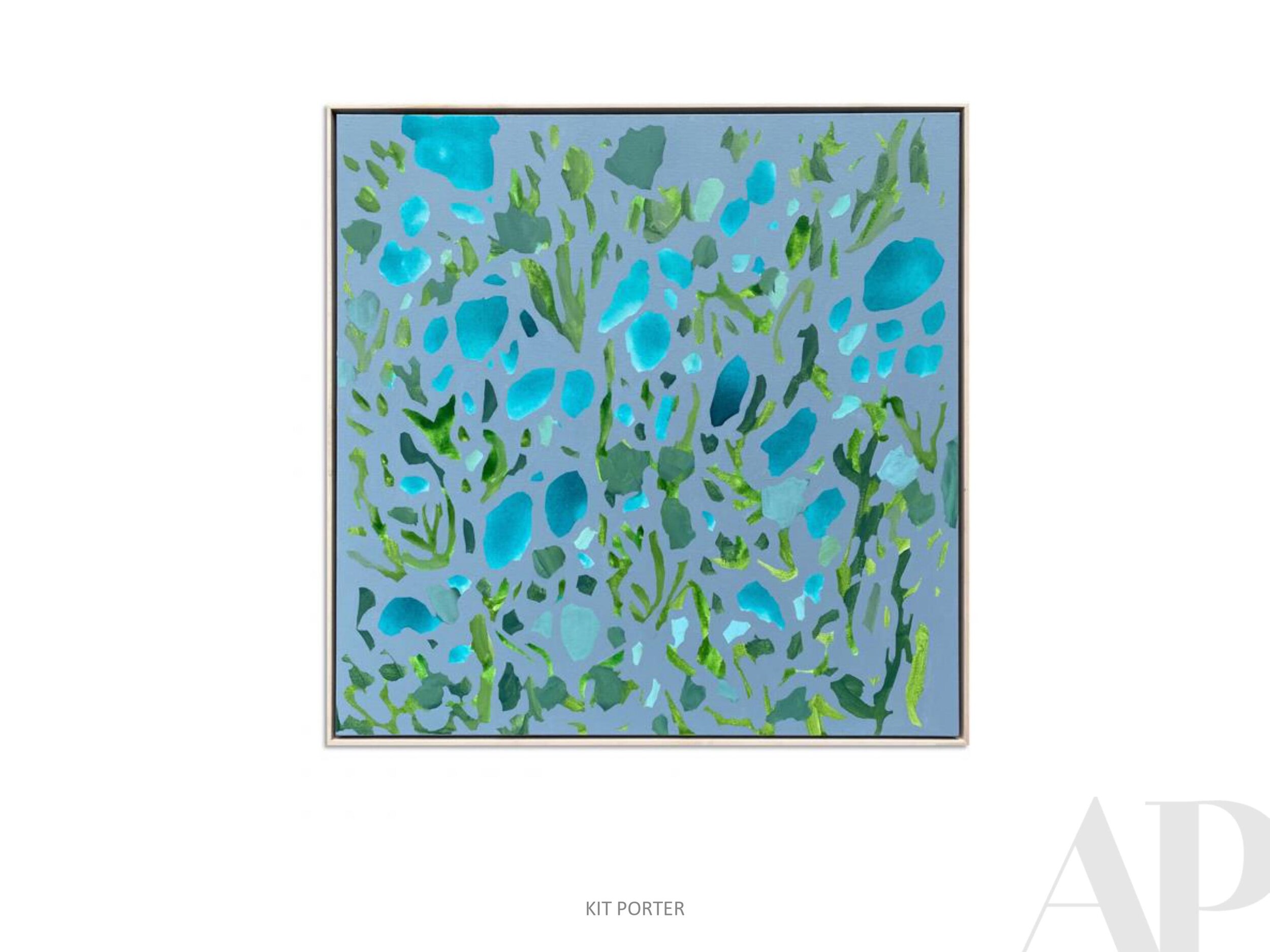


Case Study #3 | Sonya Yong James for Lyla Lila

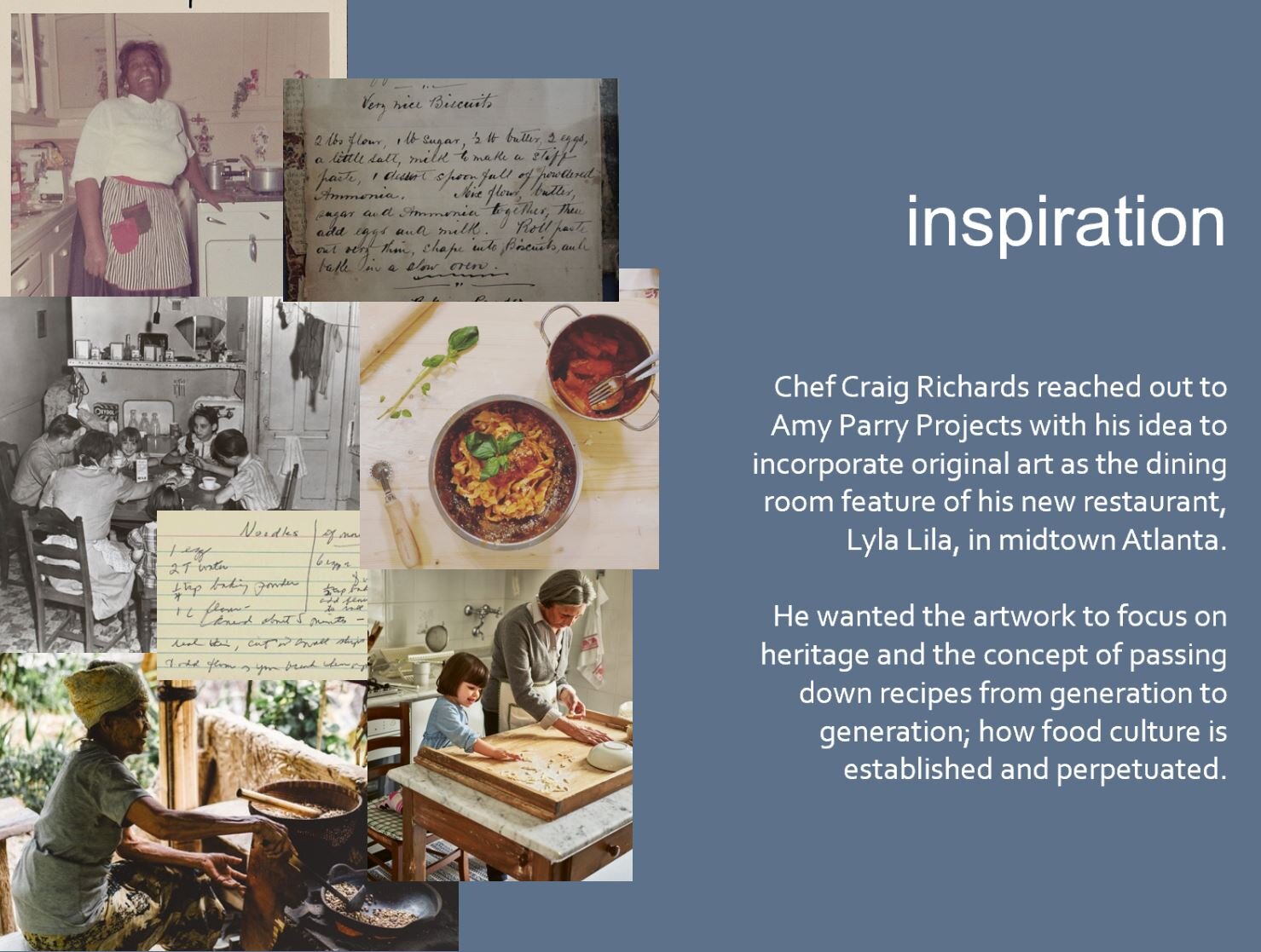
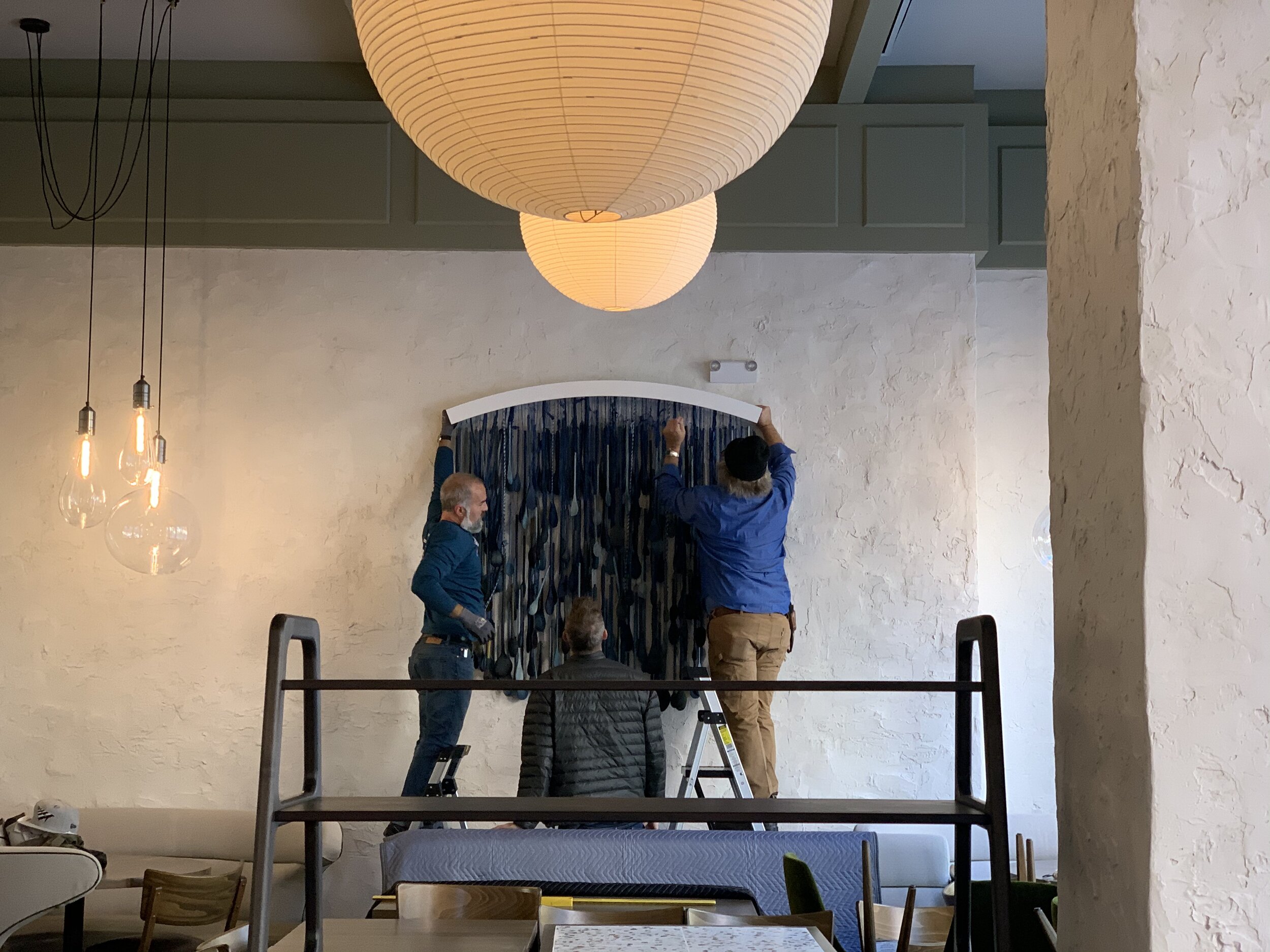
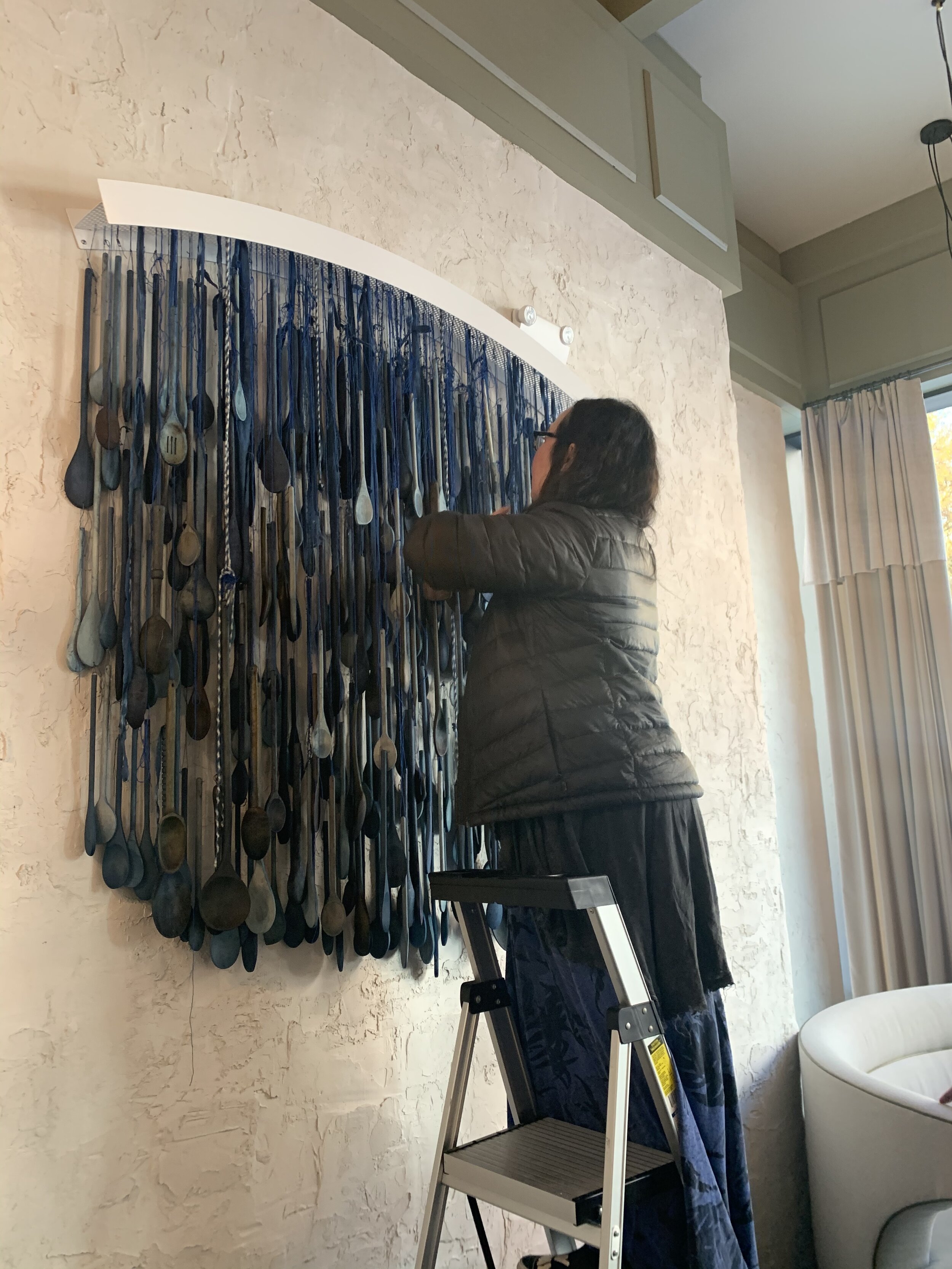
Our third Case Study gives a little more detail about the custom indigo spoon installation that APP commissioned last year for Atlanta restaurant Lyla Lila. Created by local artist Sonya Yong James, this piece perfectly complements the passion of Chef Craig Richards and the interior design by Smith Hanes Studio.
It all started with a bit of synergy - the kind that only occurs during a great studio visit.
Please flip through the Case Study below, or review our initial overview of the project here.

Currently Inspired By...
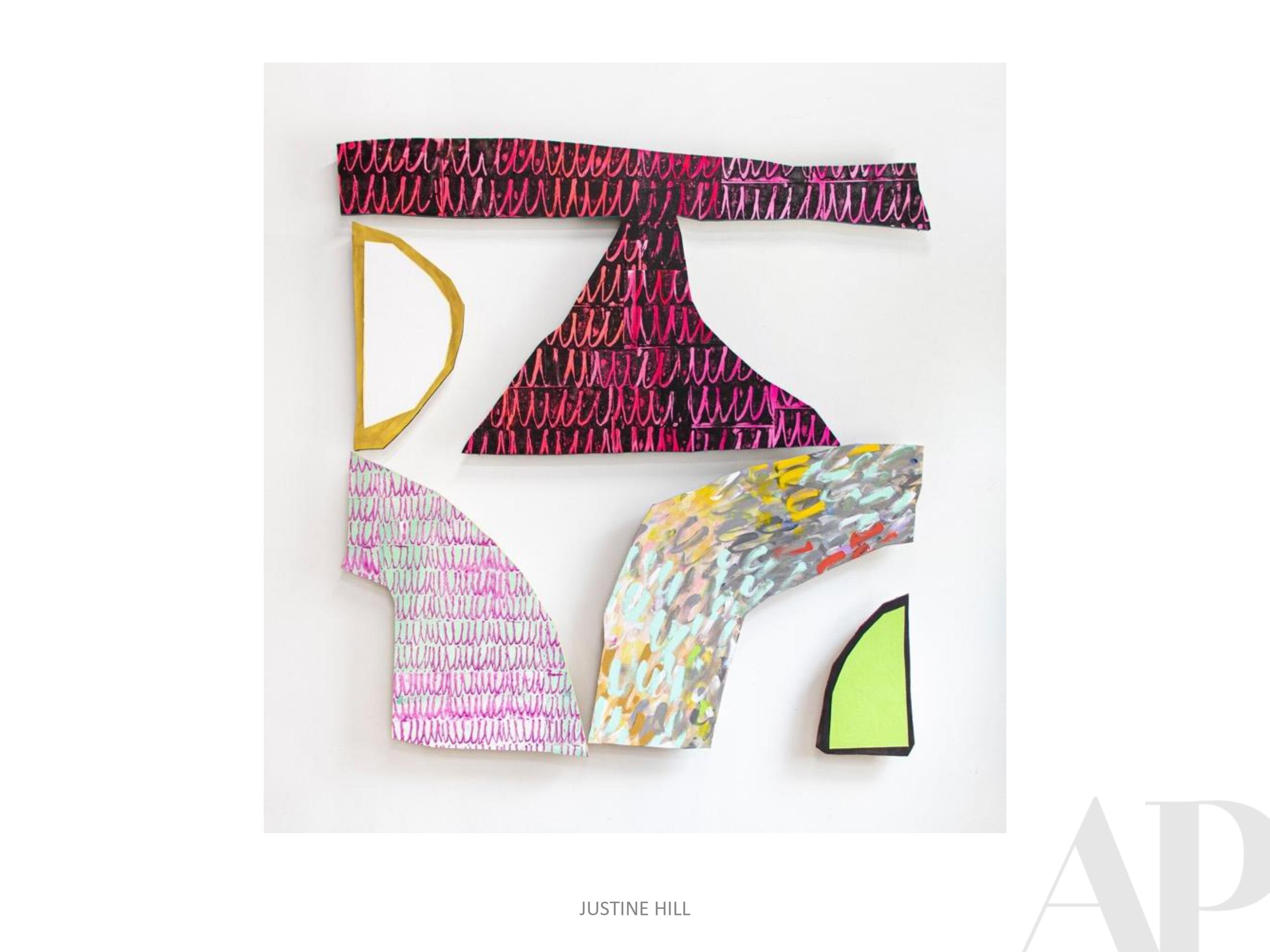
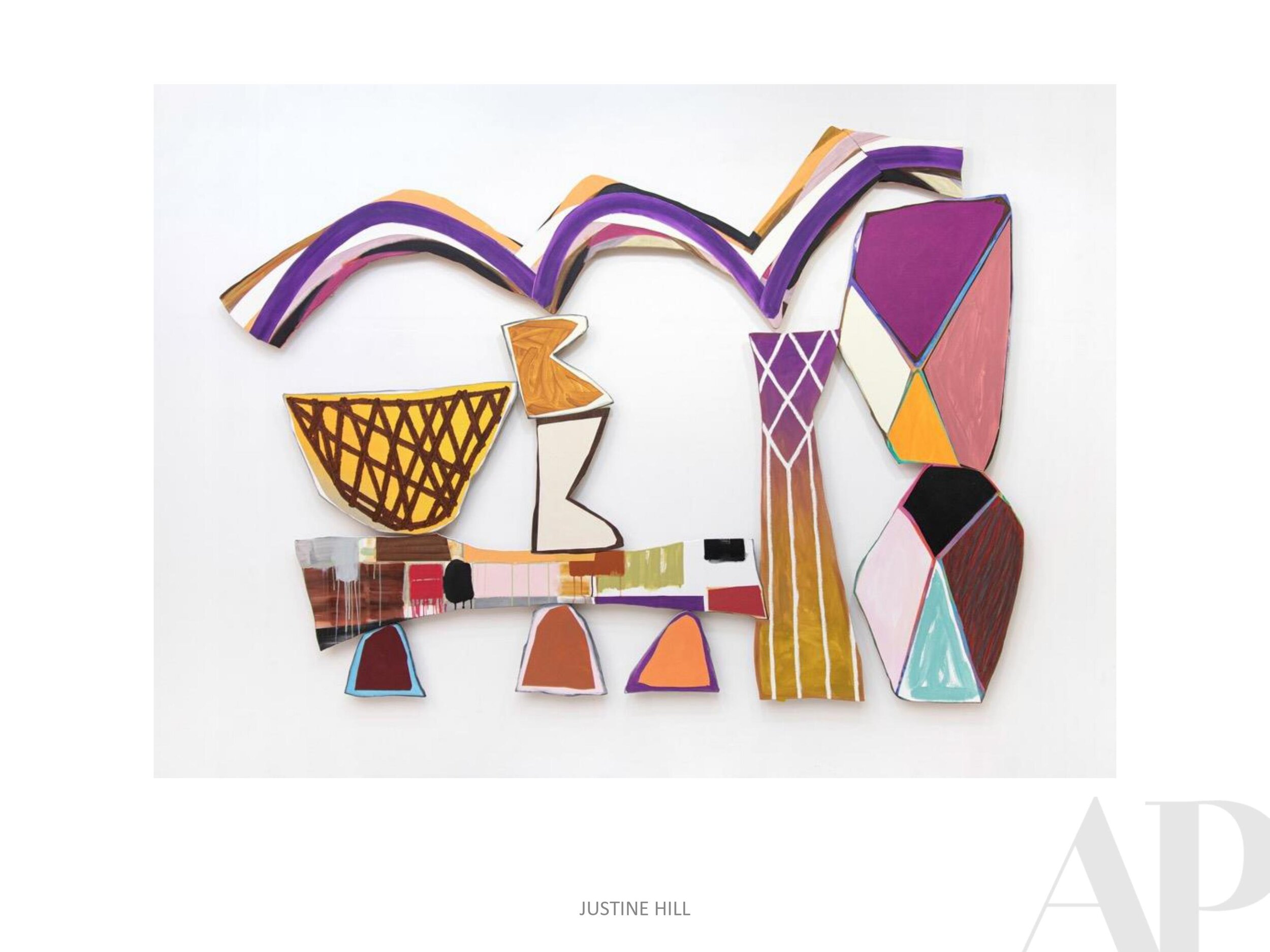
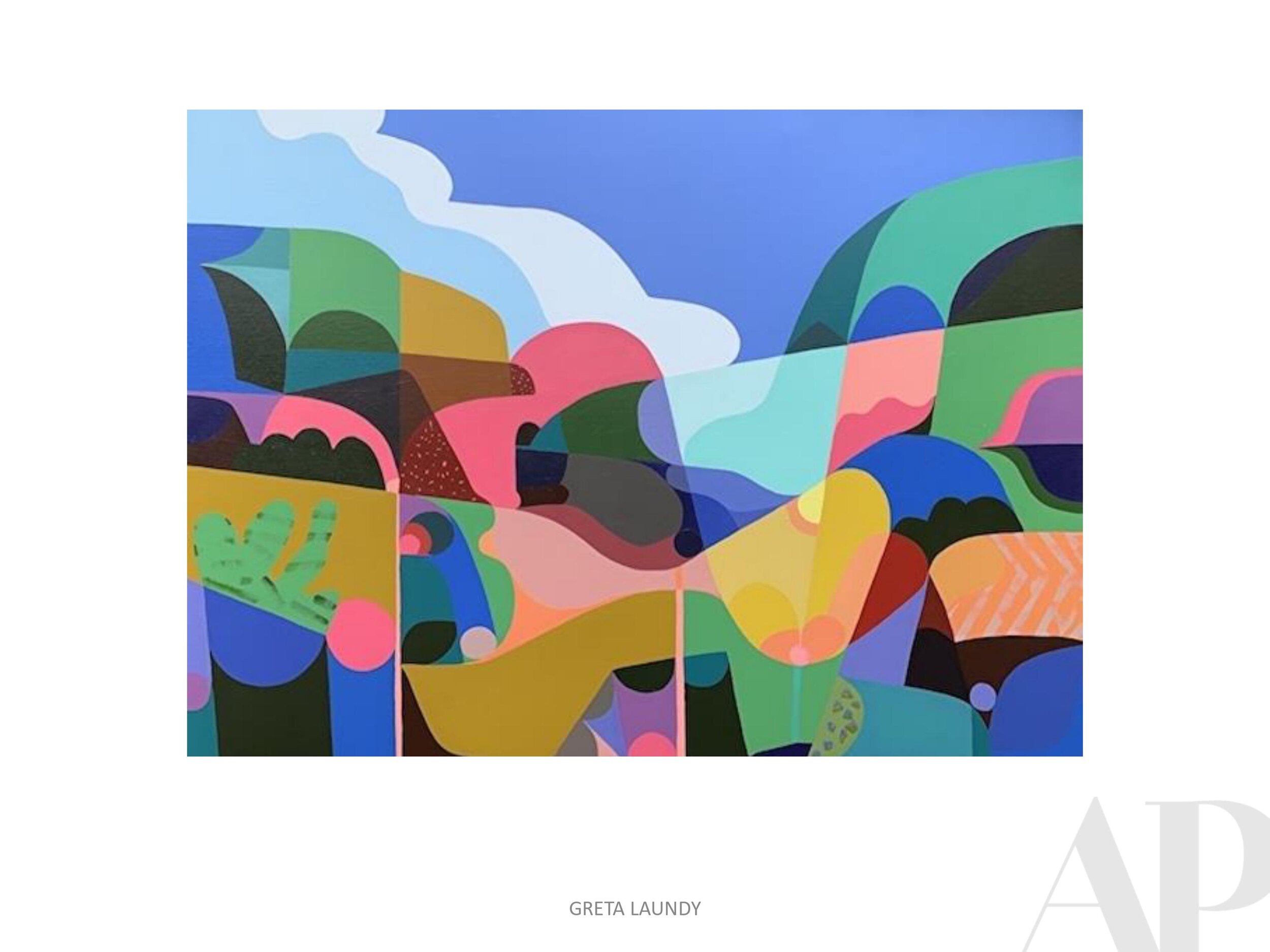
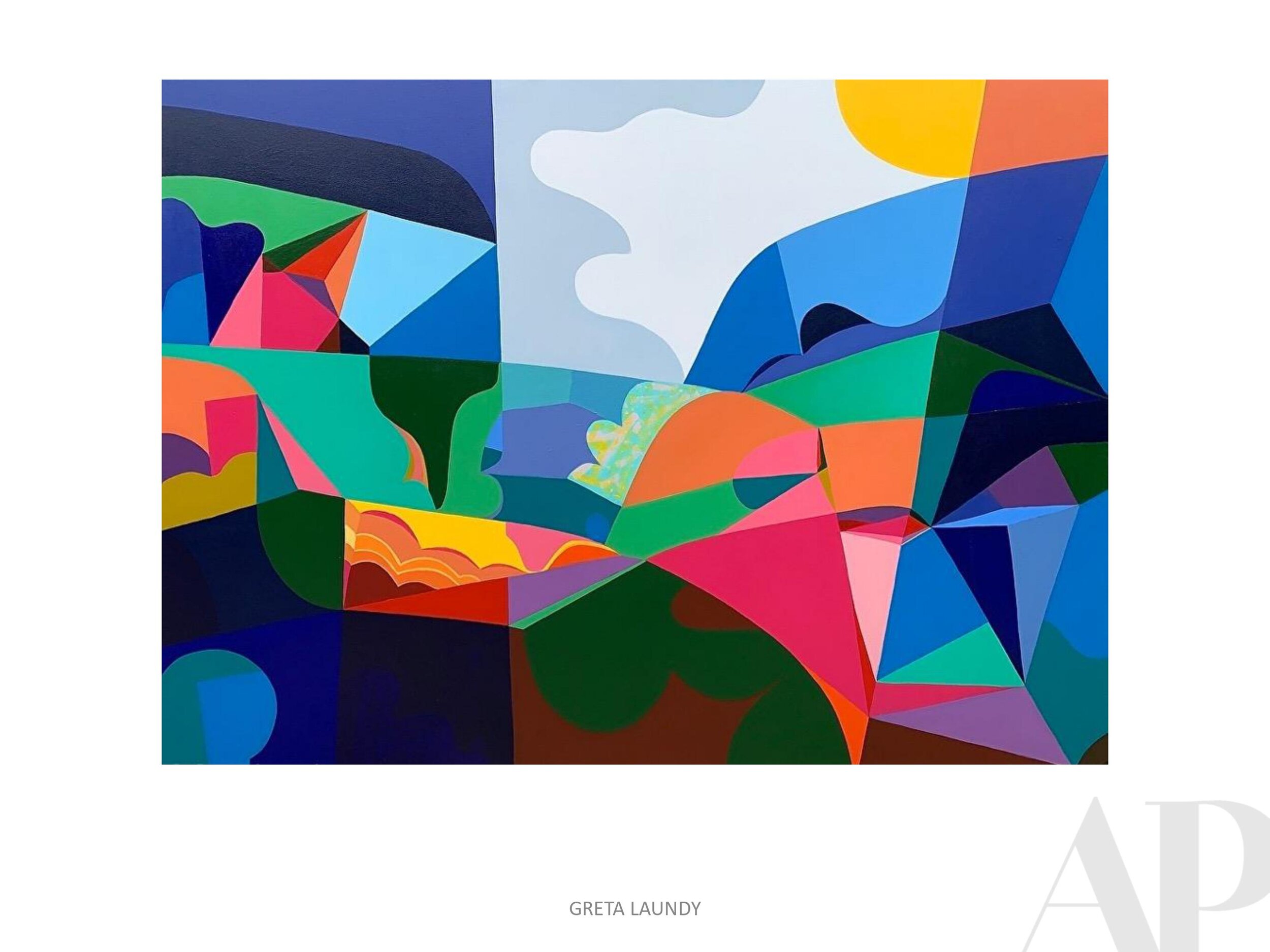
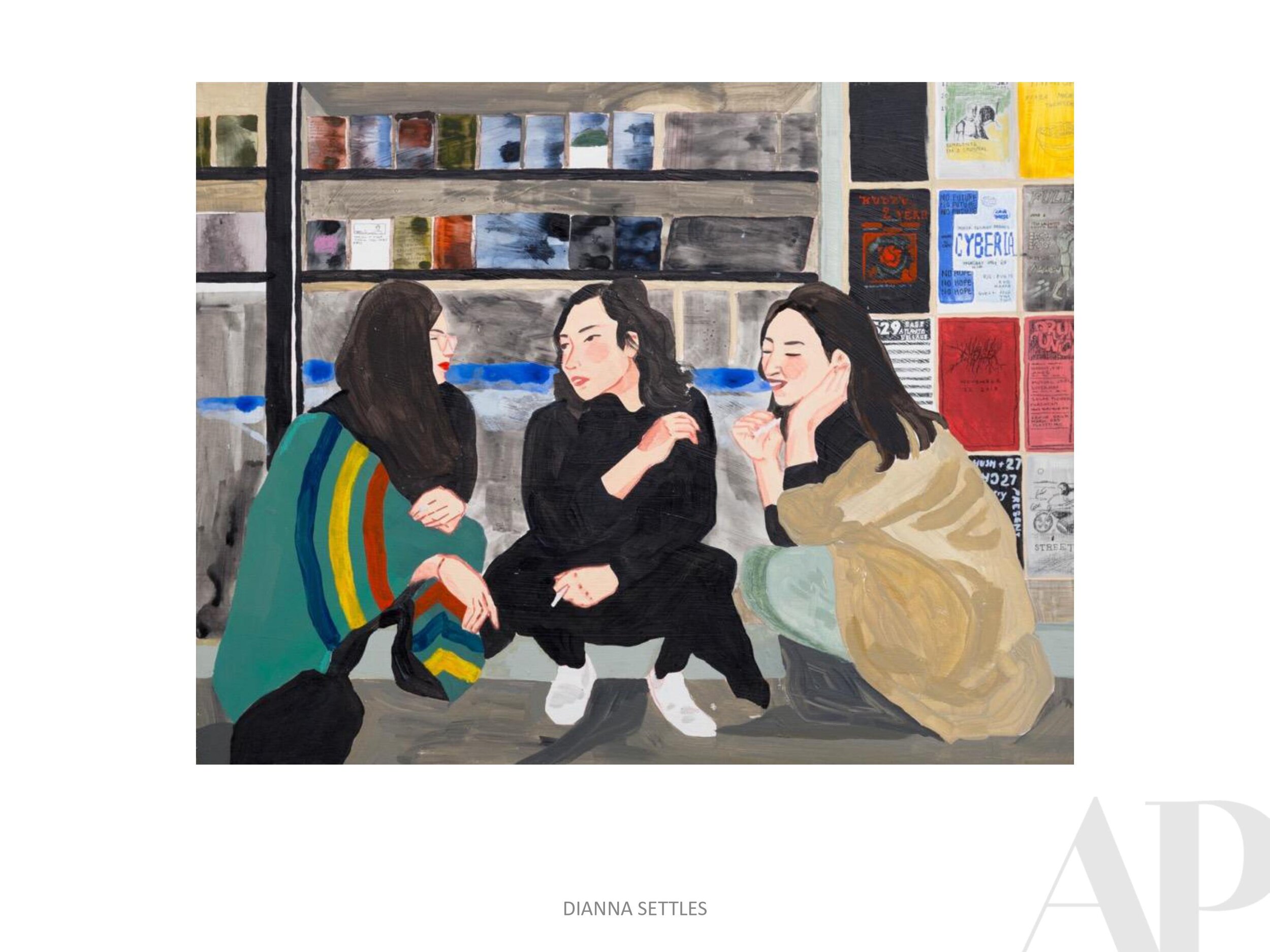
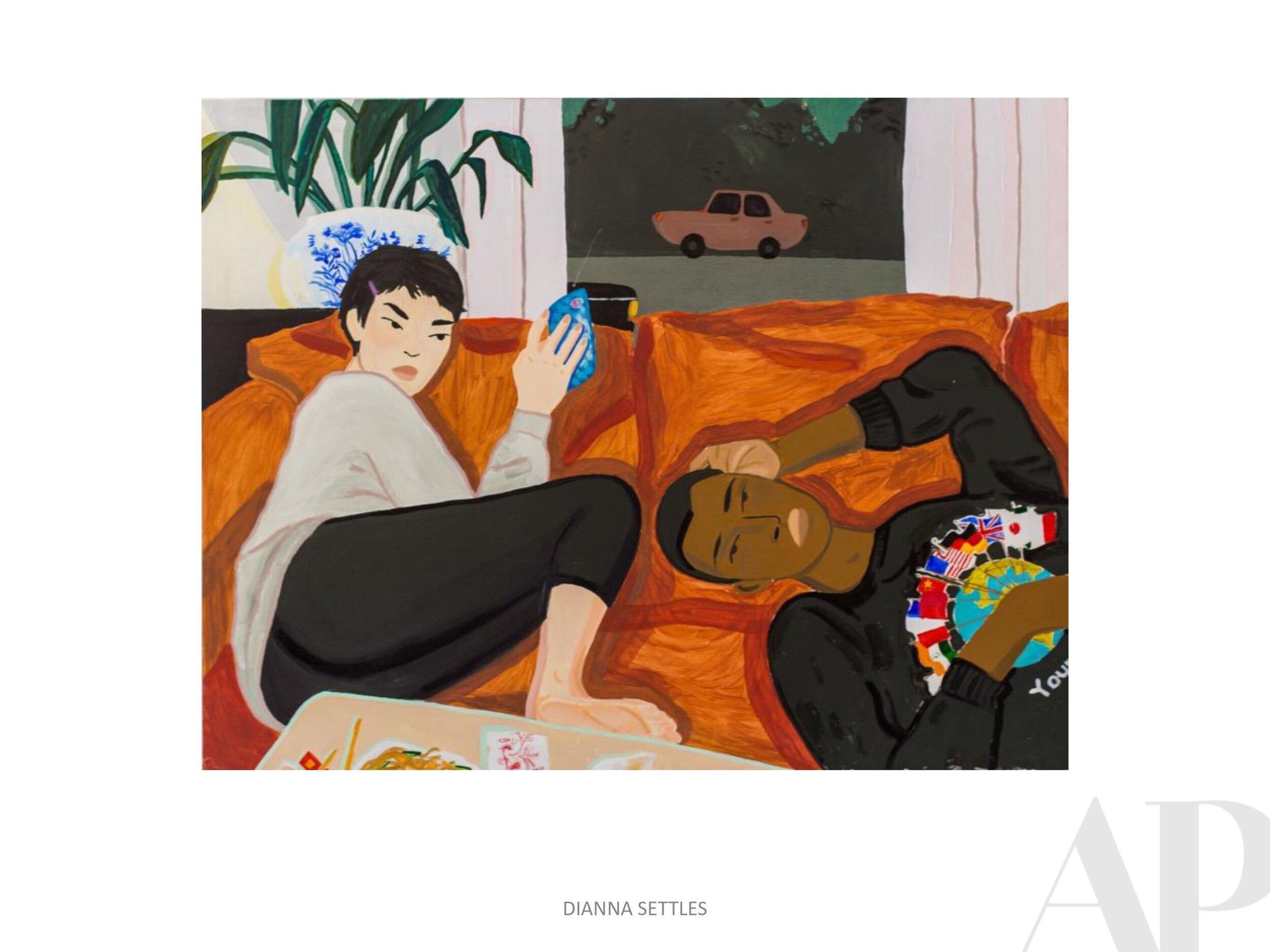
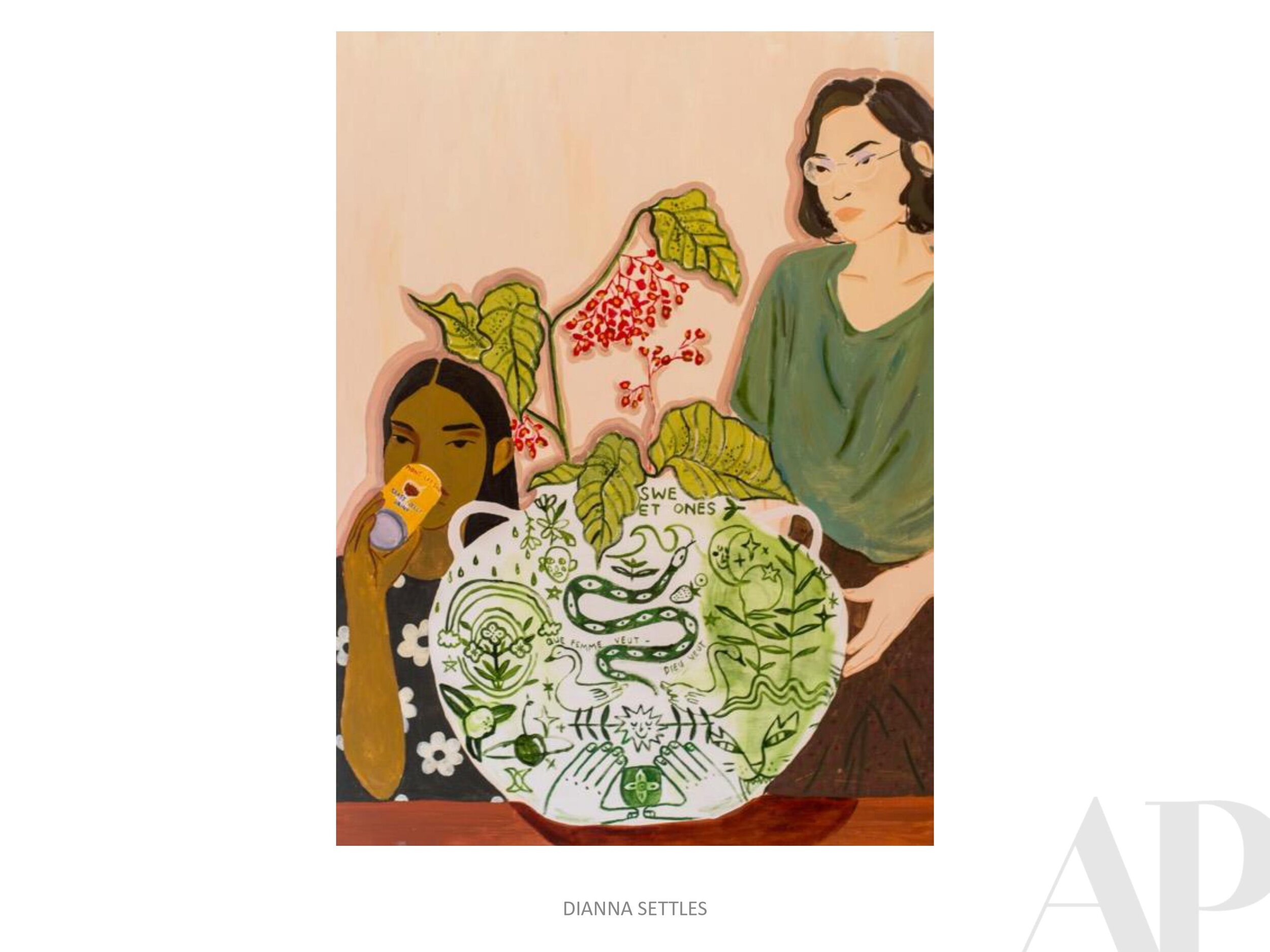
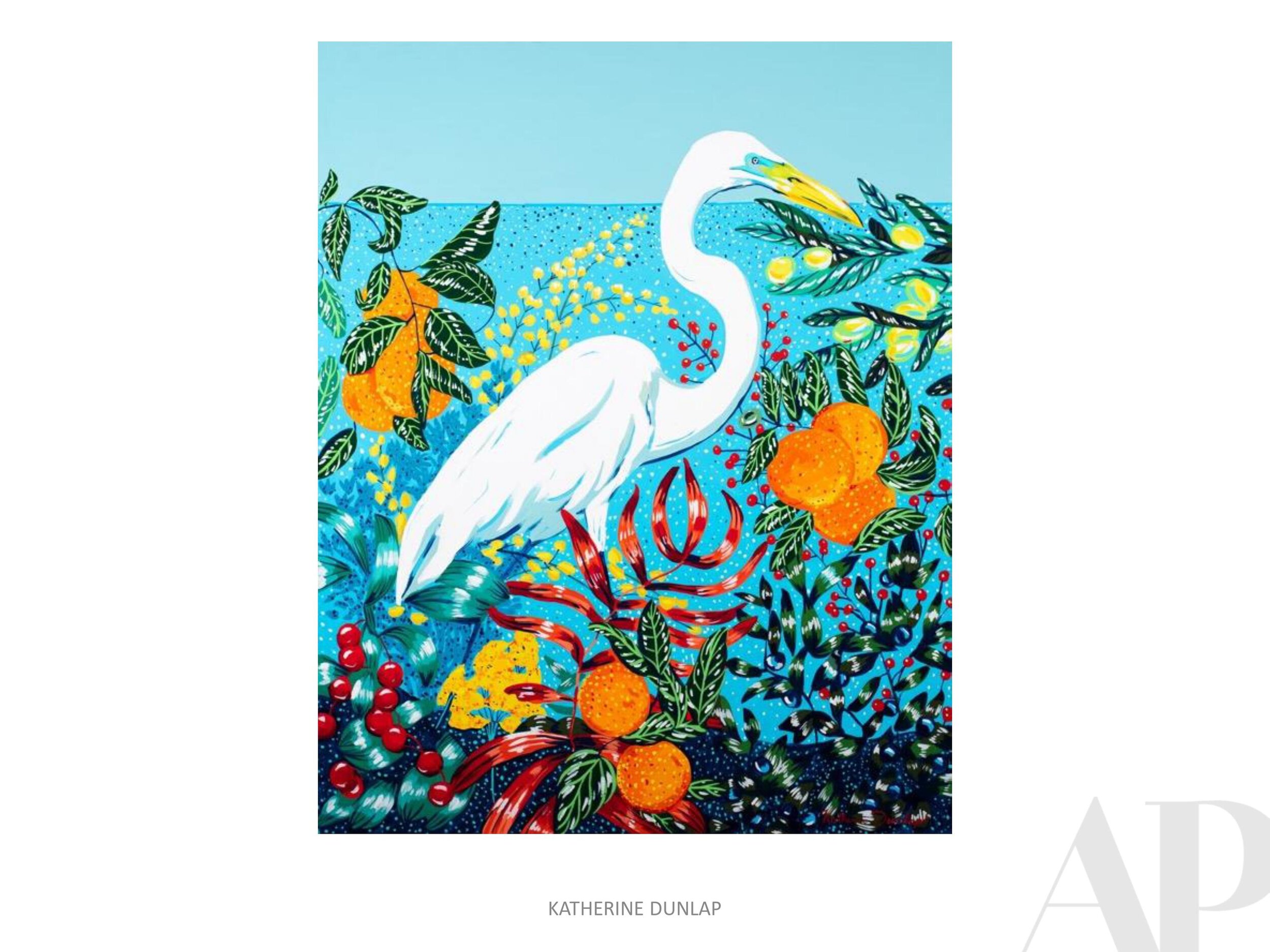
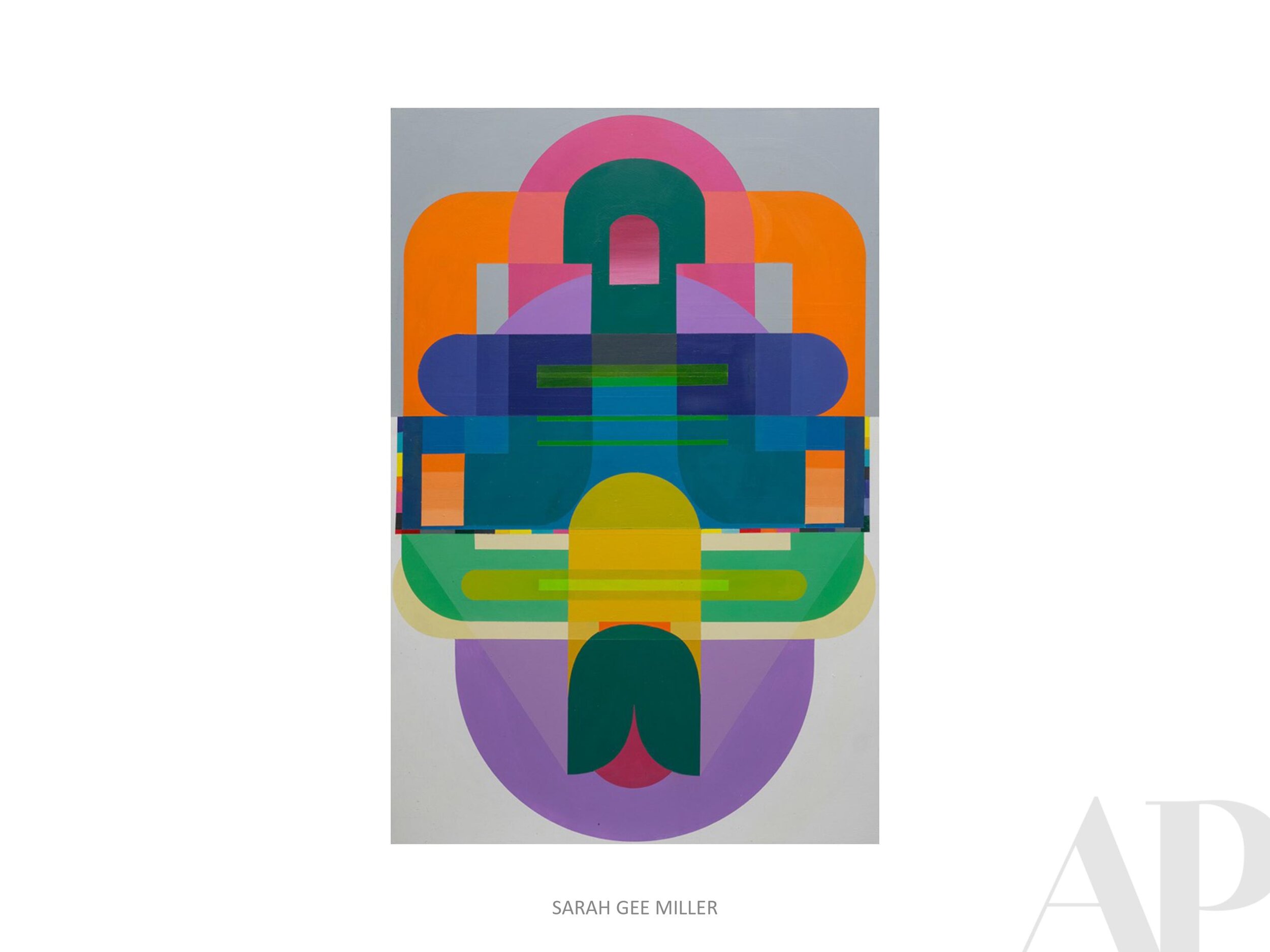
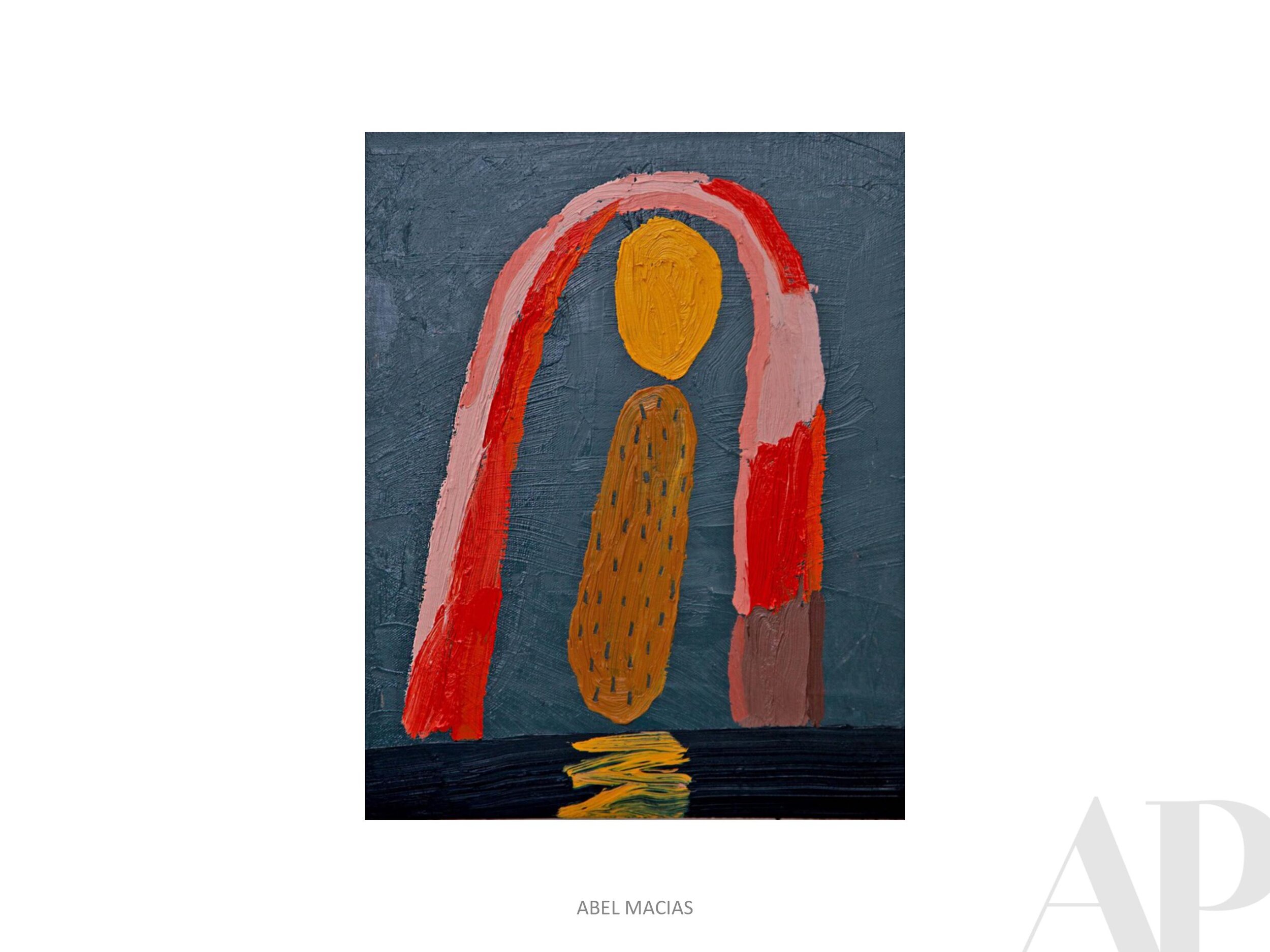
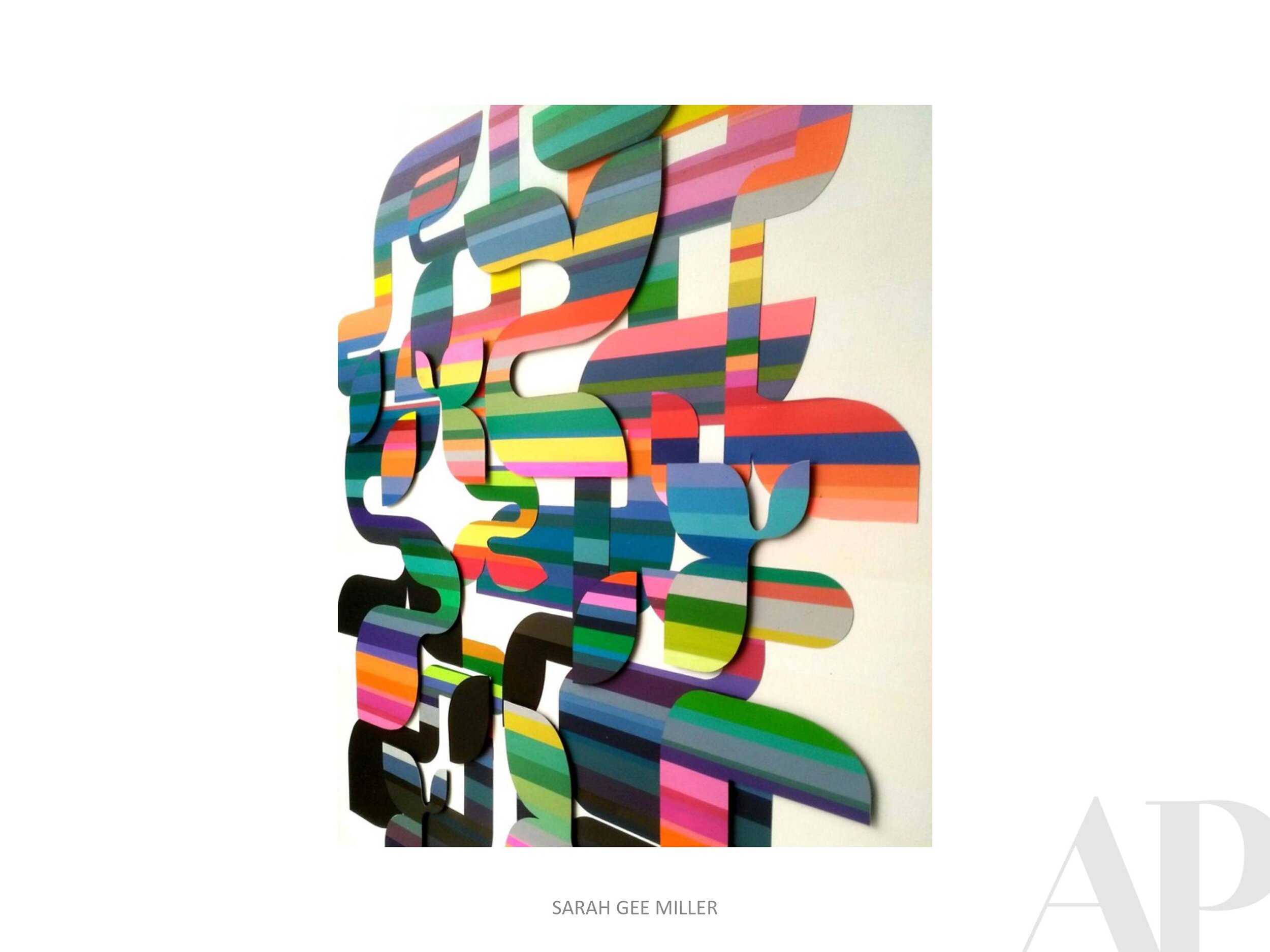
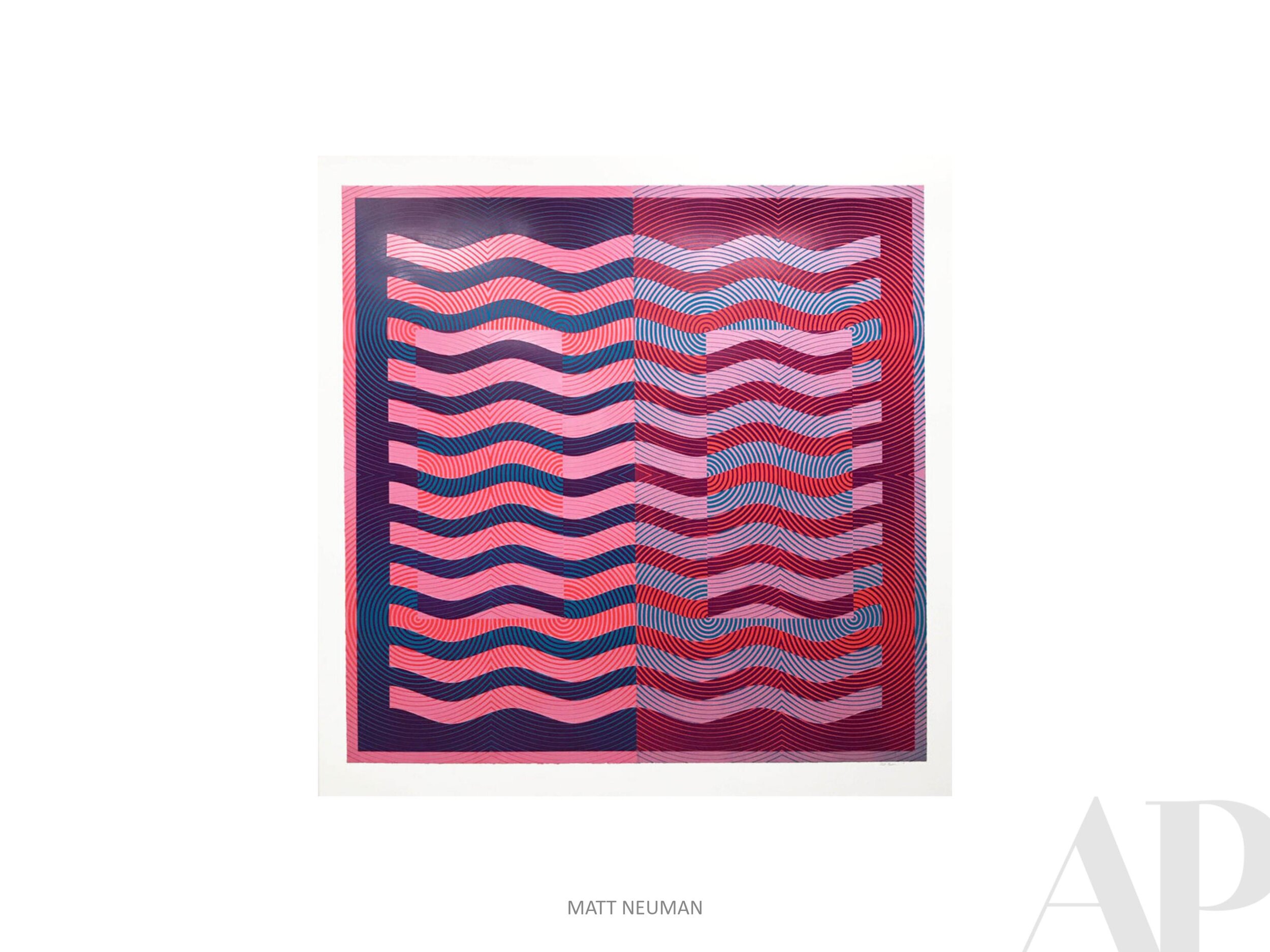
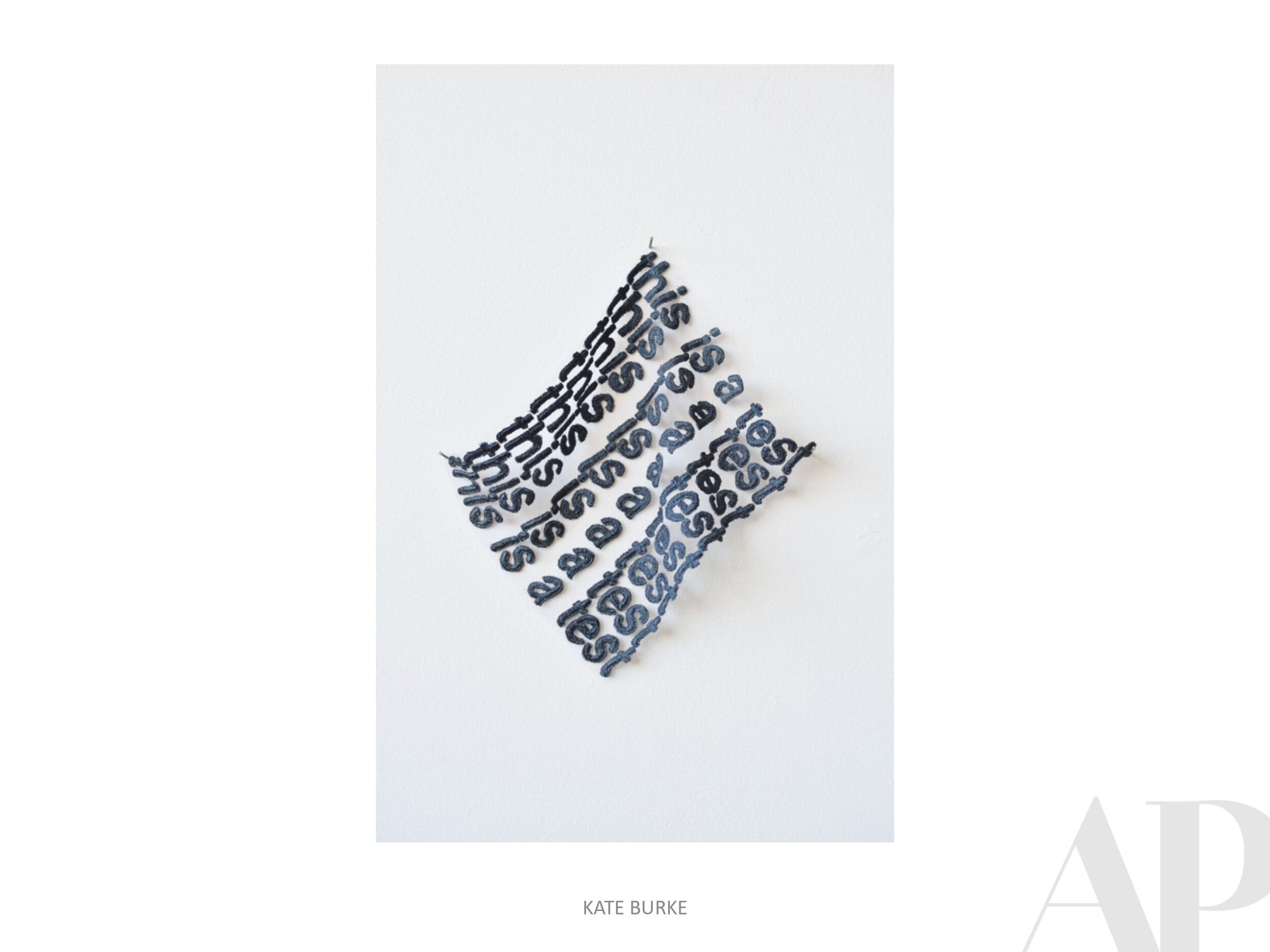
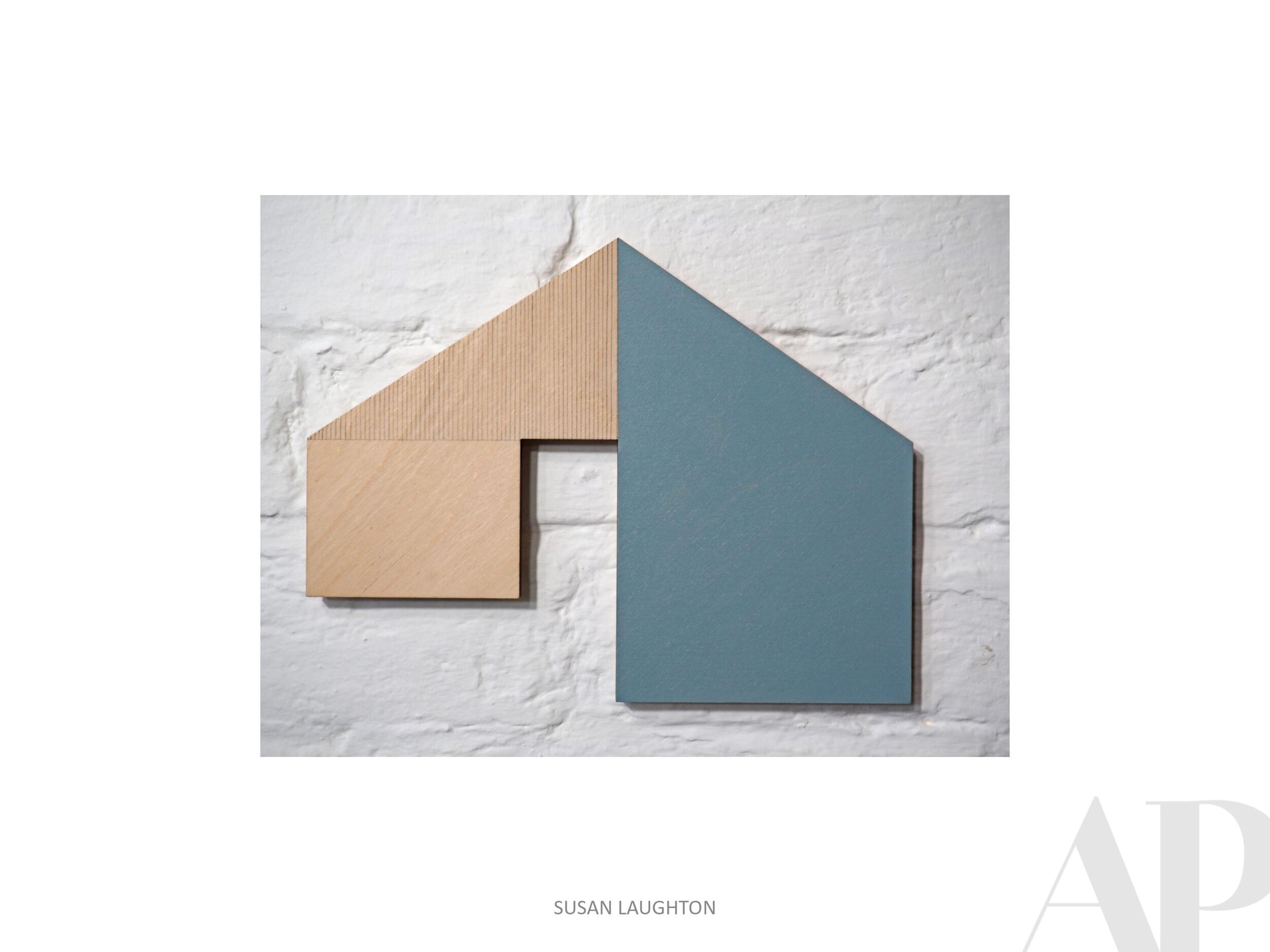
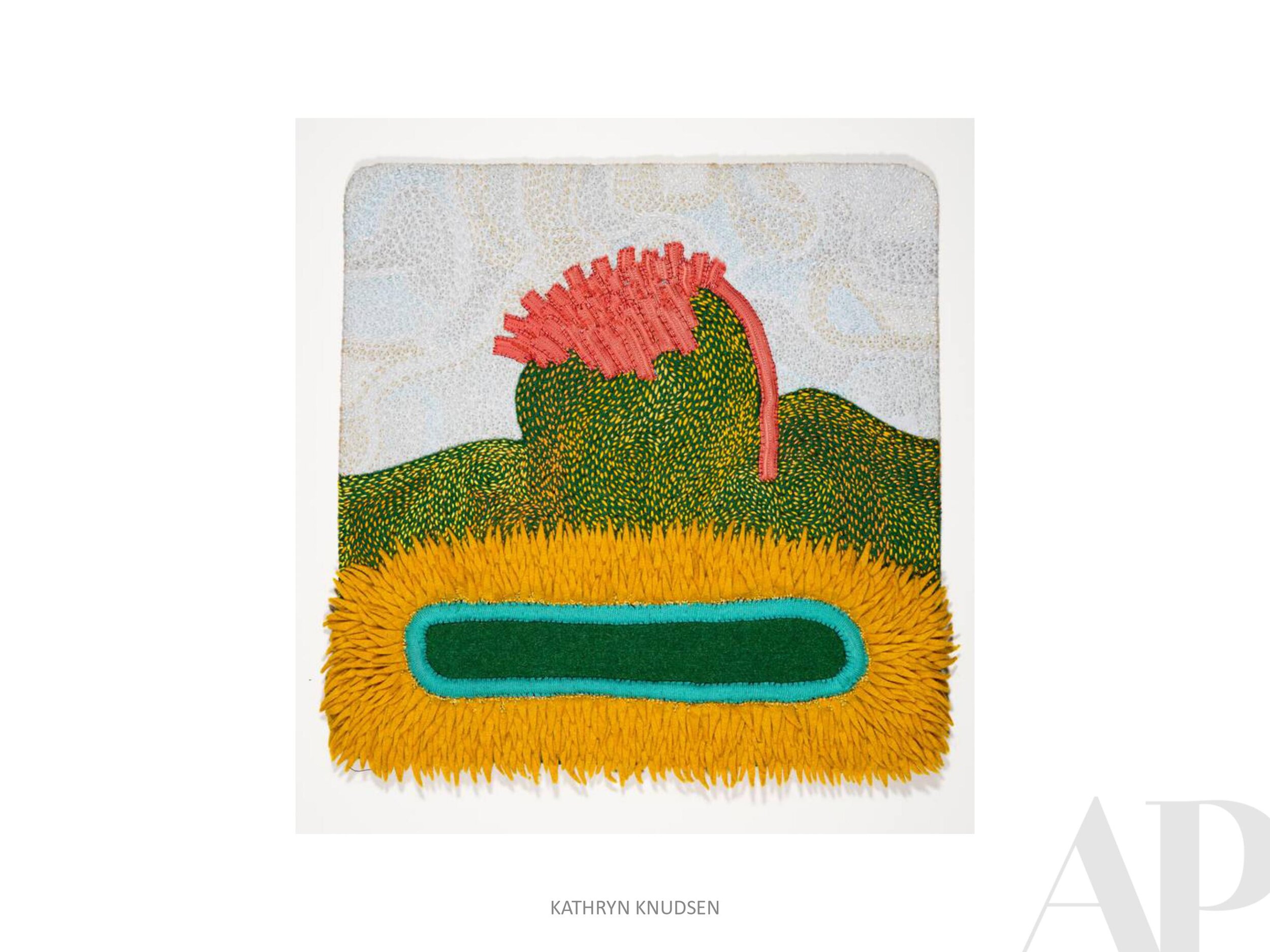
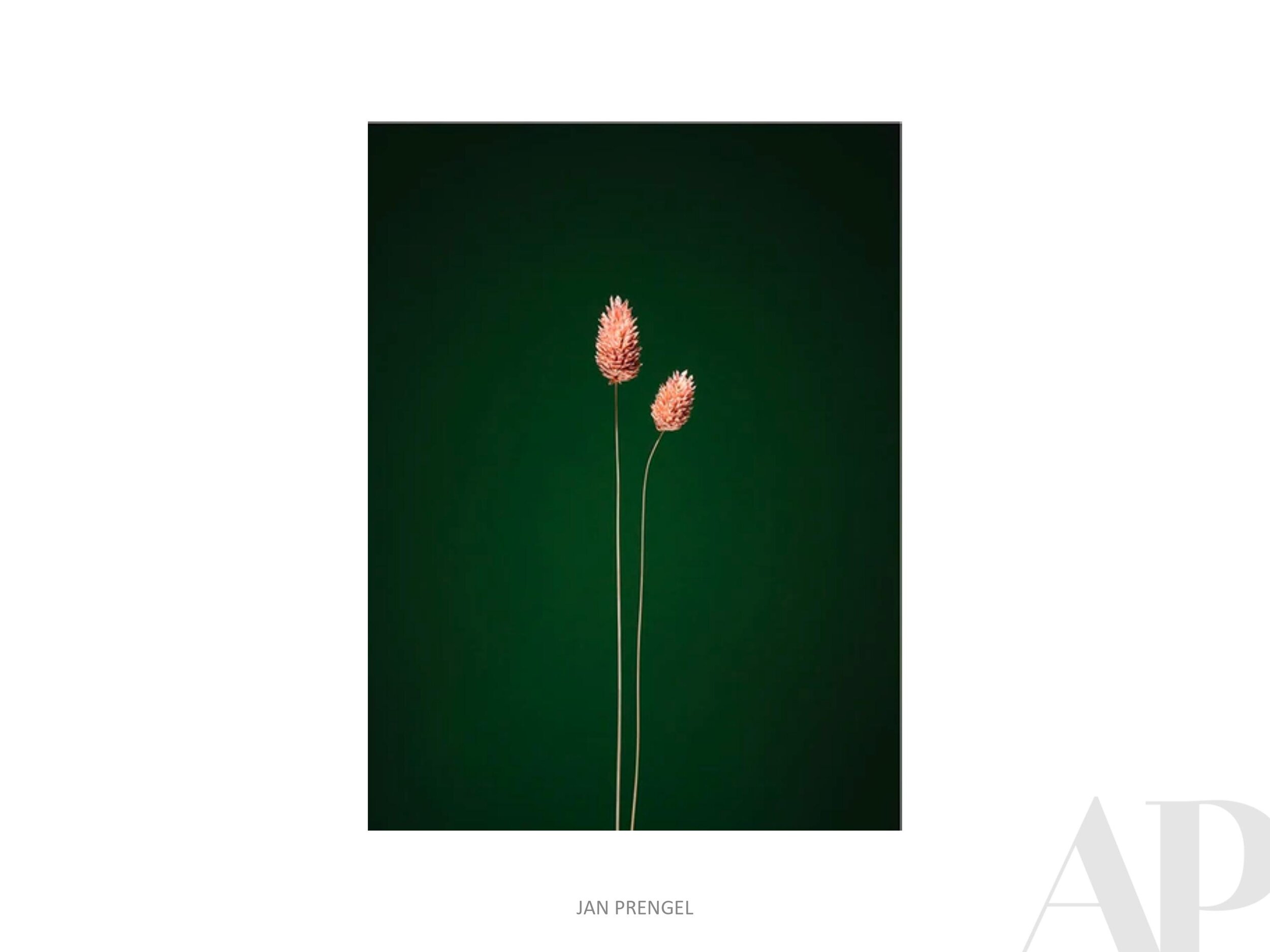
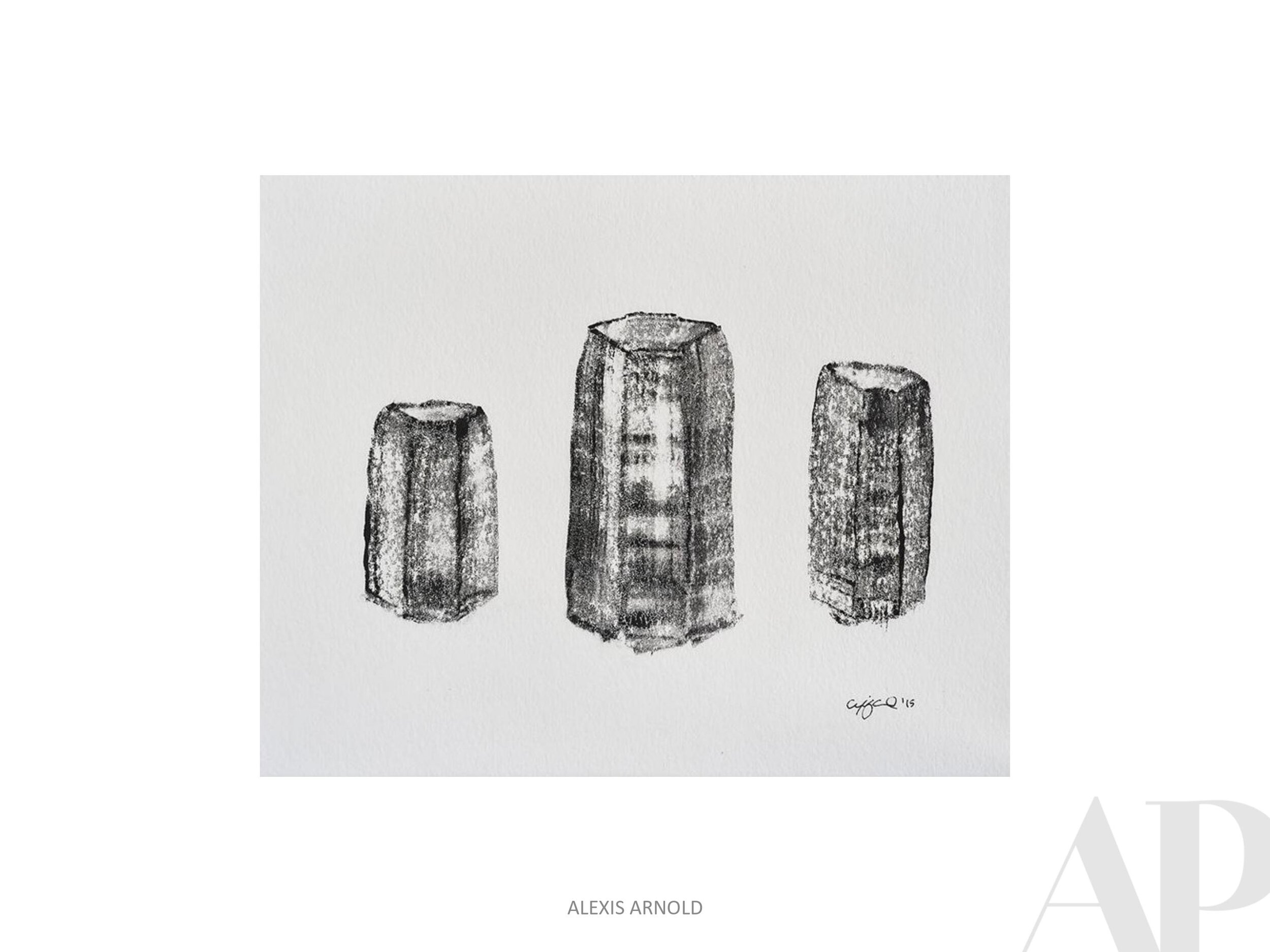
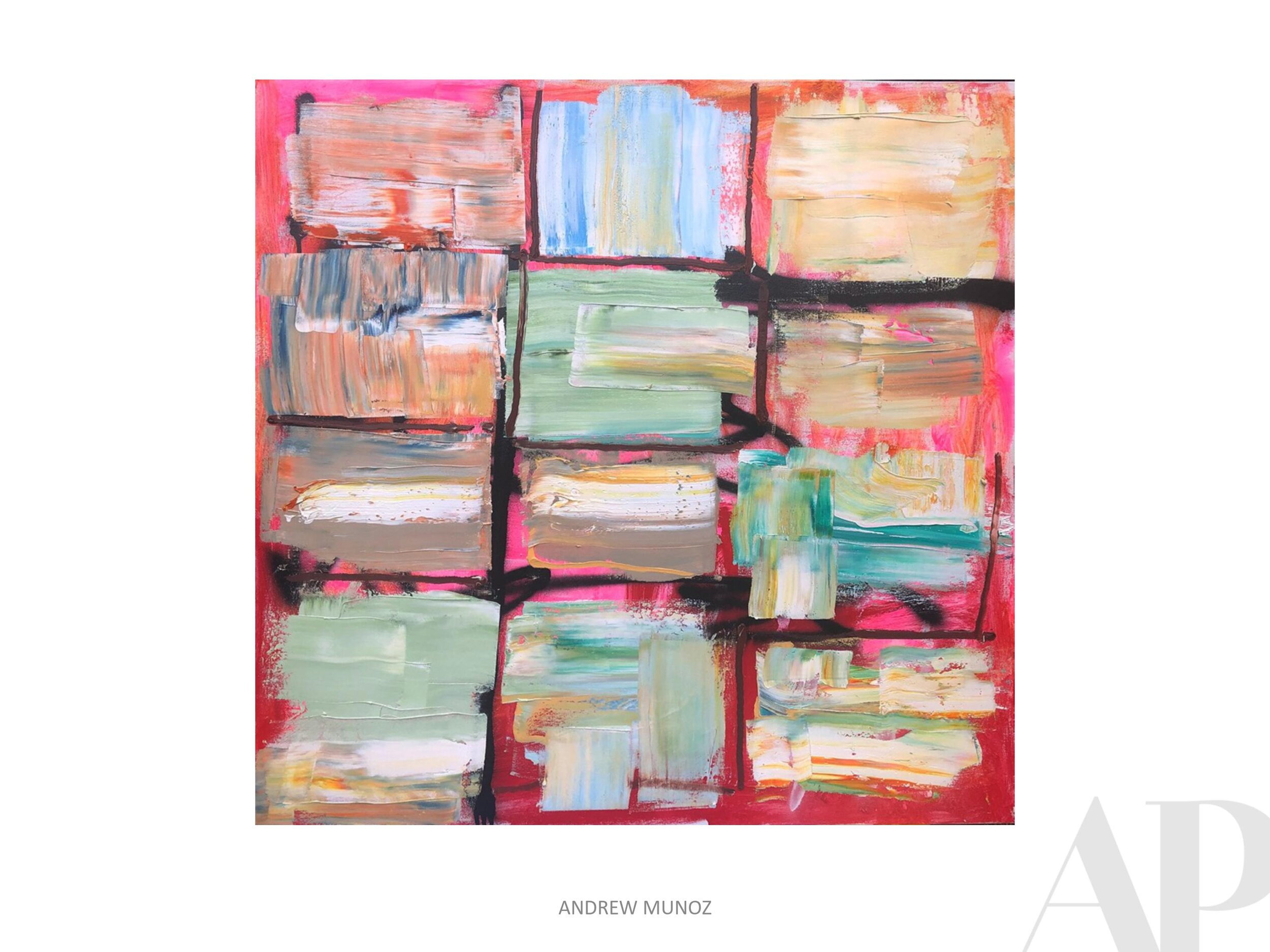
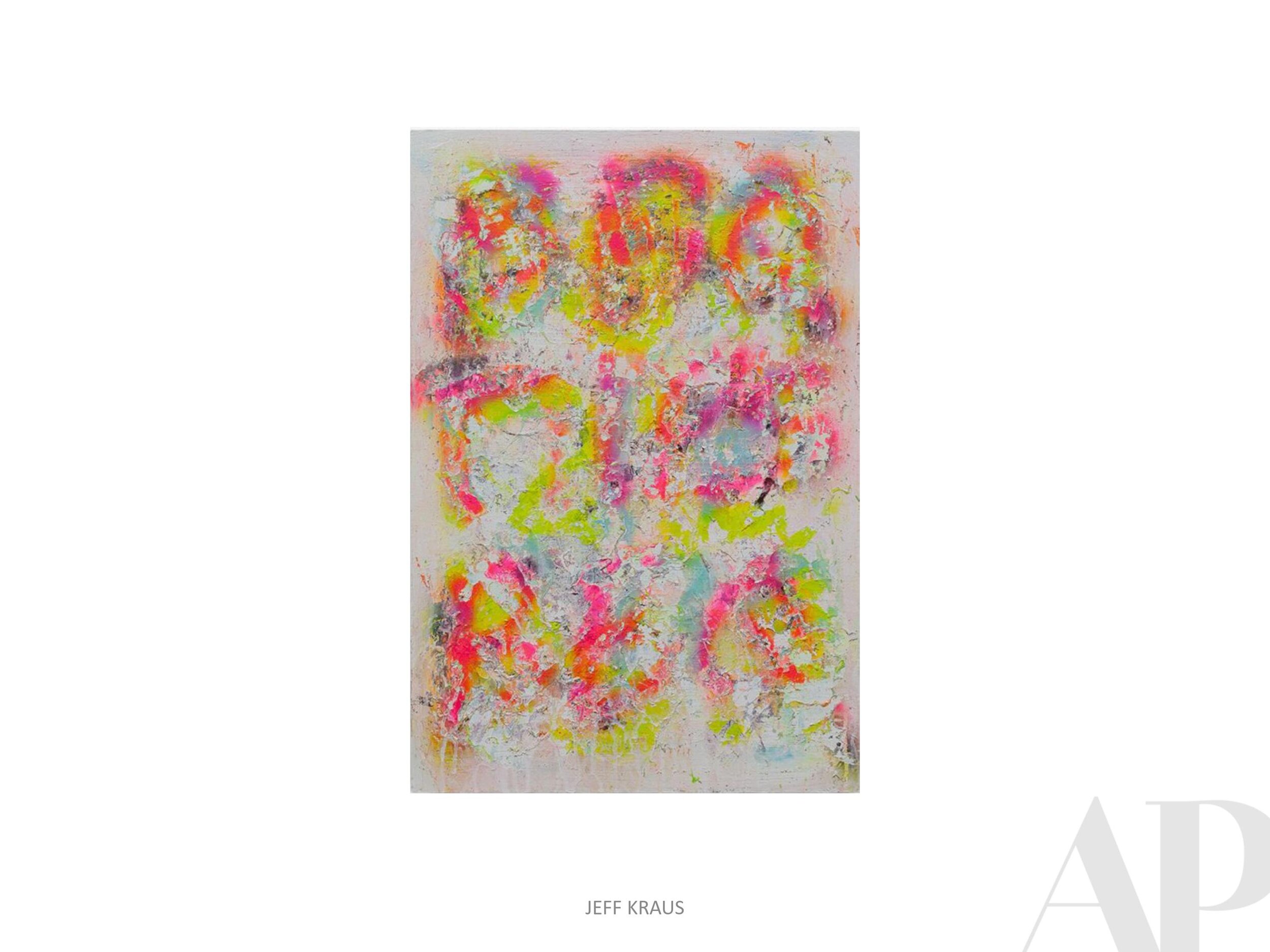
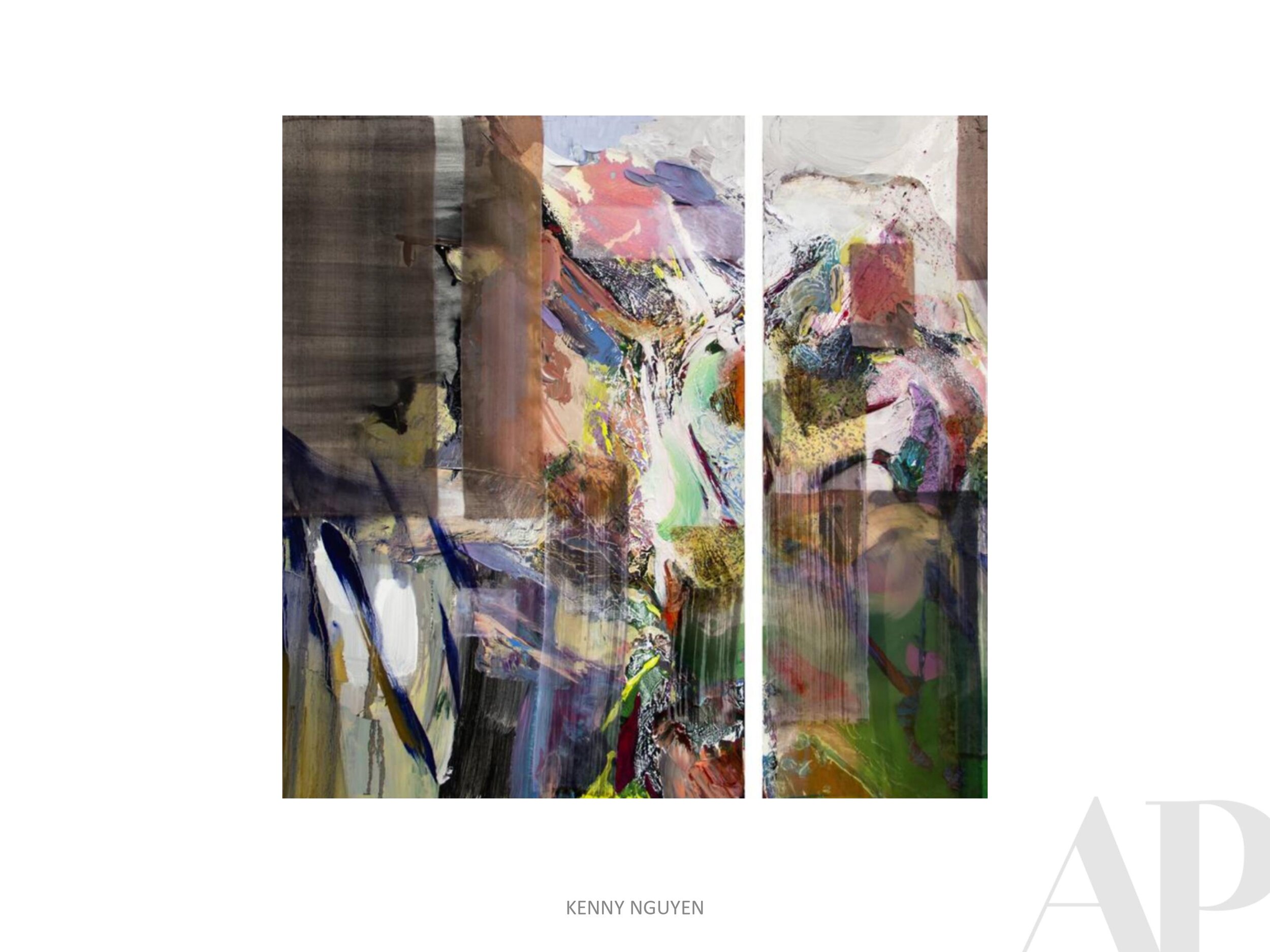
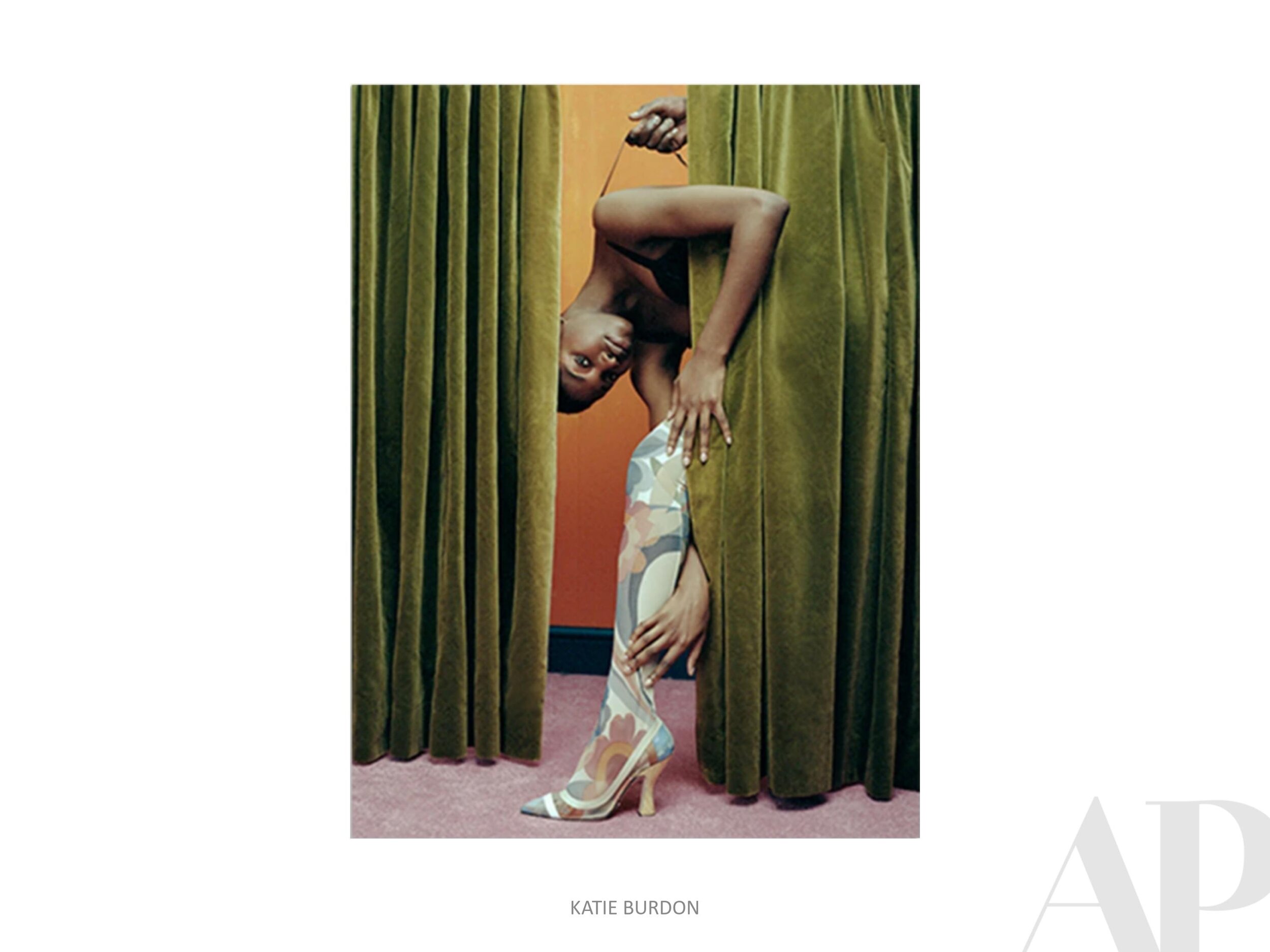
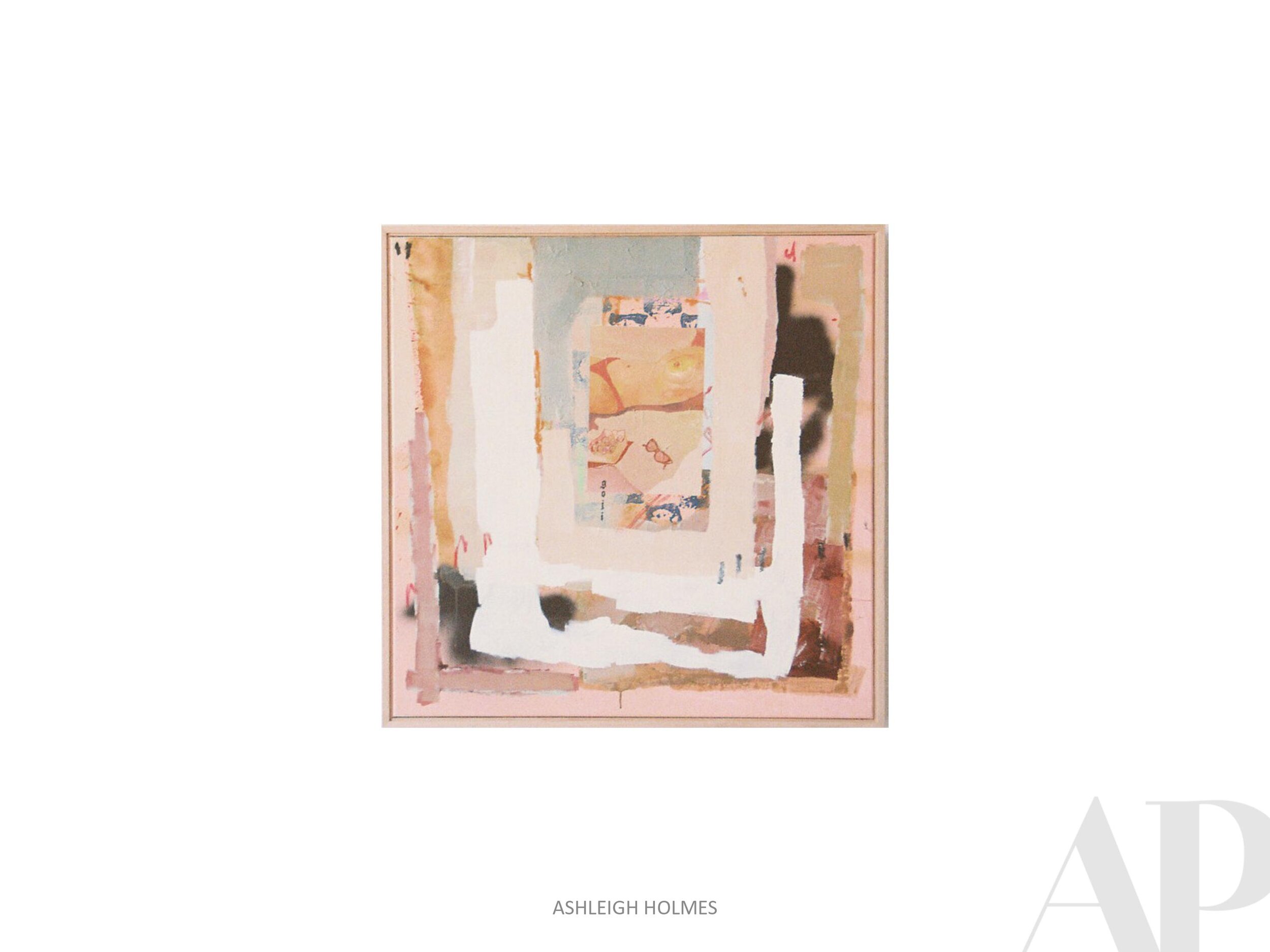
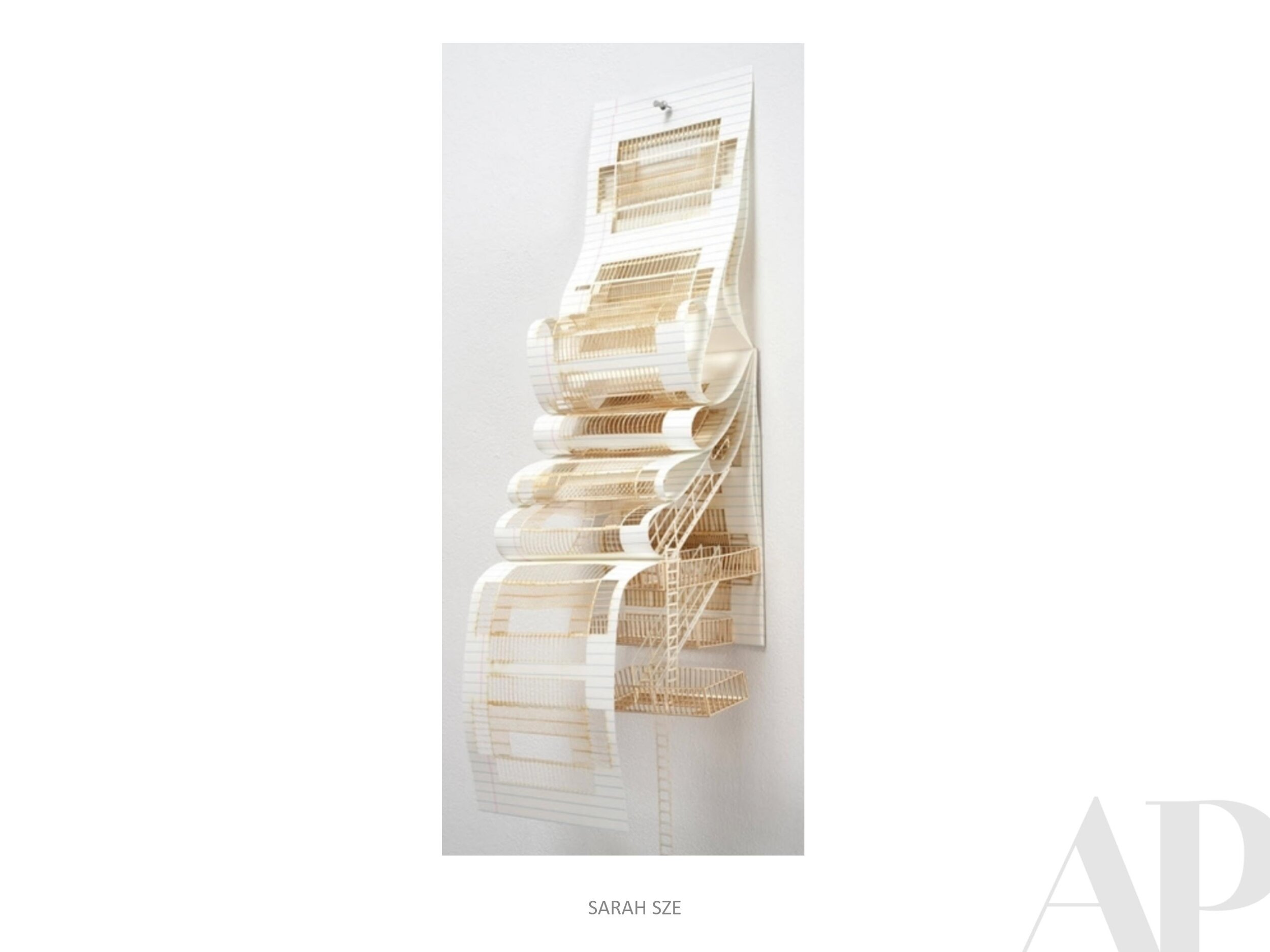
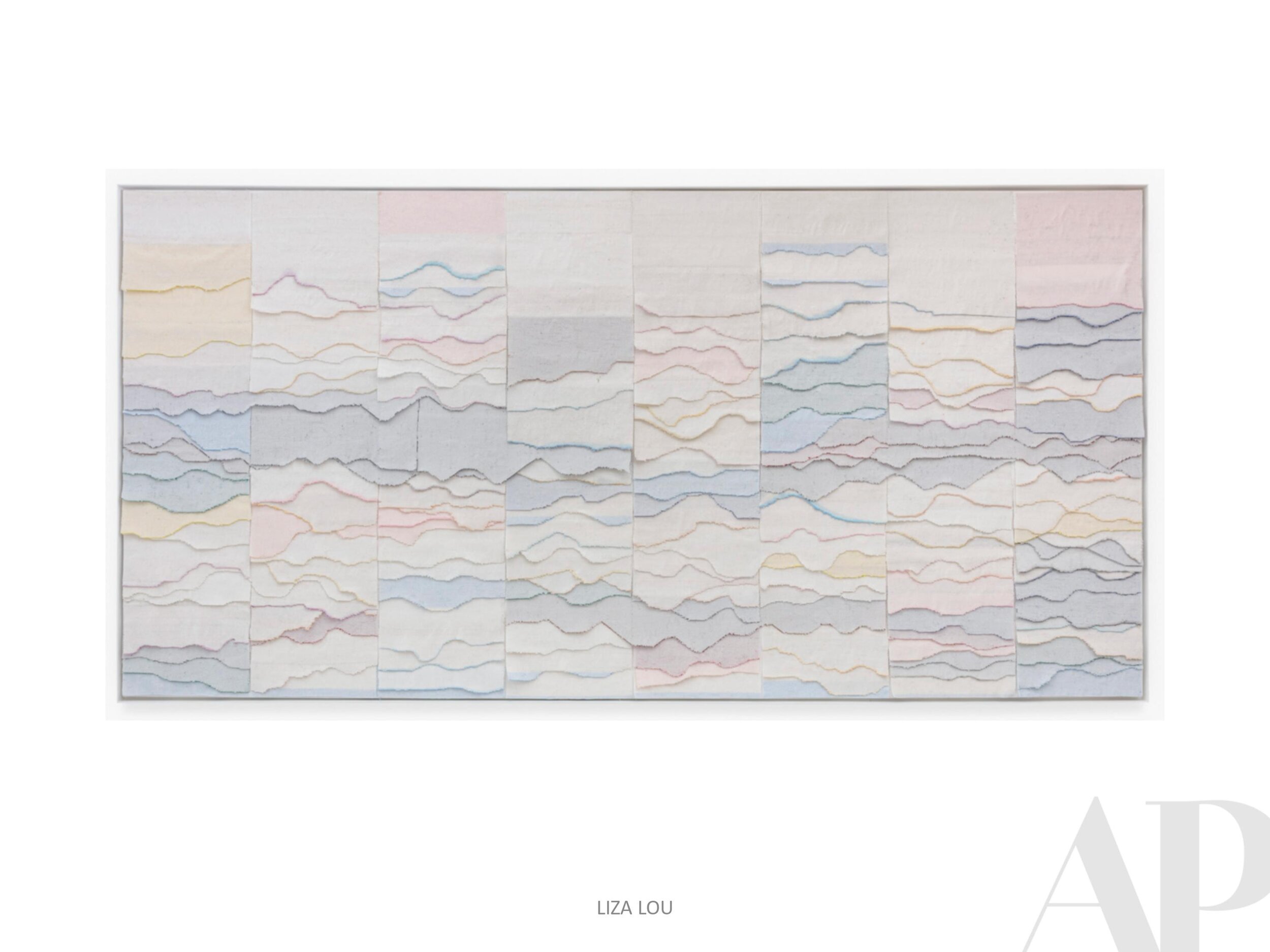
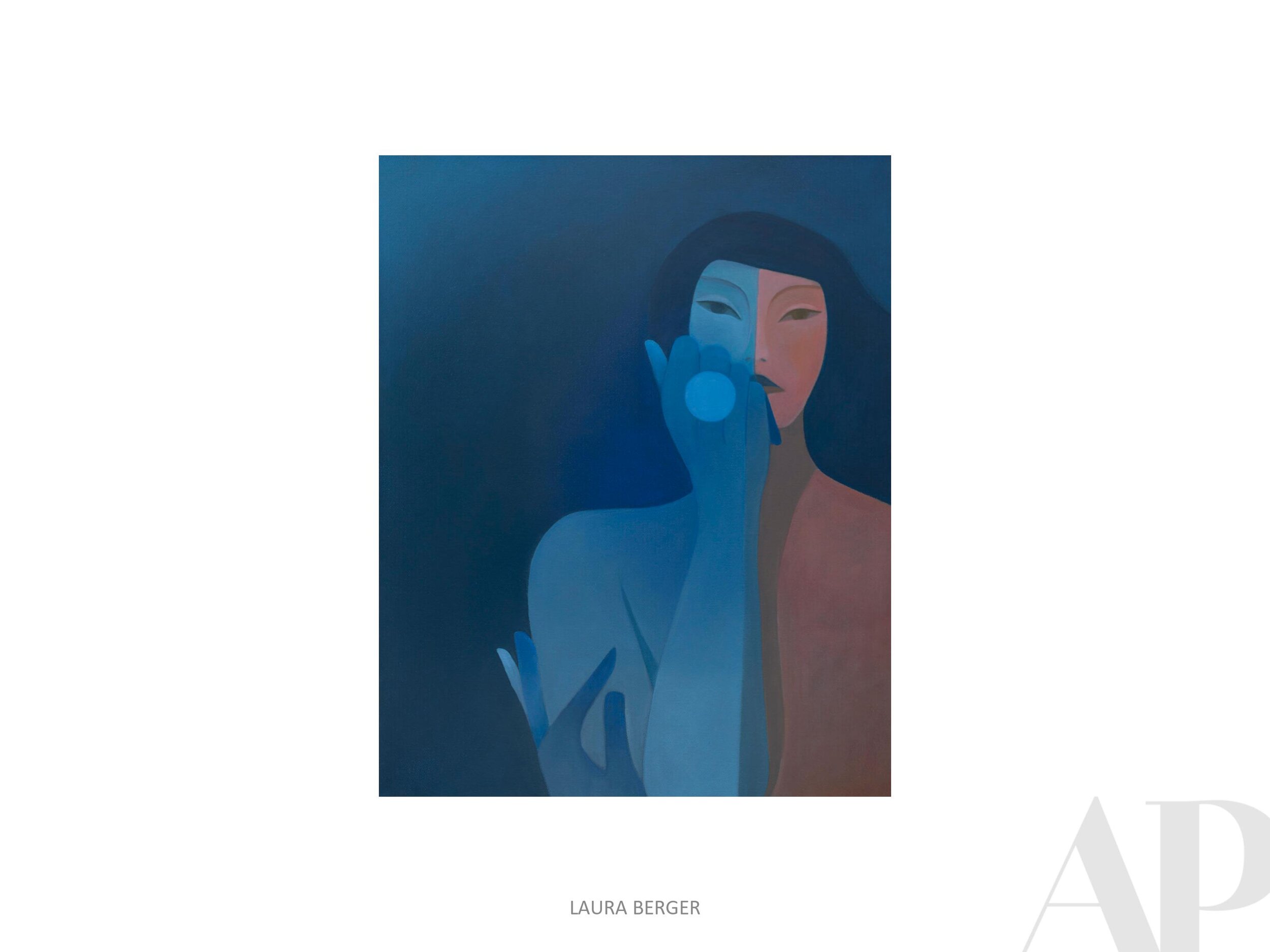
Please enjoy our fall inspiration board, put together by APP Visual Design Director, Sarah Knight Davis. The collection here represents our wide interests, love of materials and commitment to artistic diversity.
Sending you our best as we fall into the autumn of 2020!



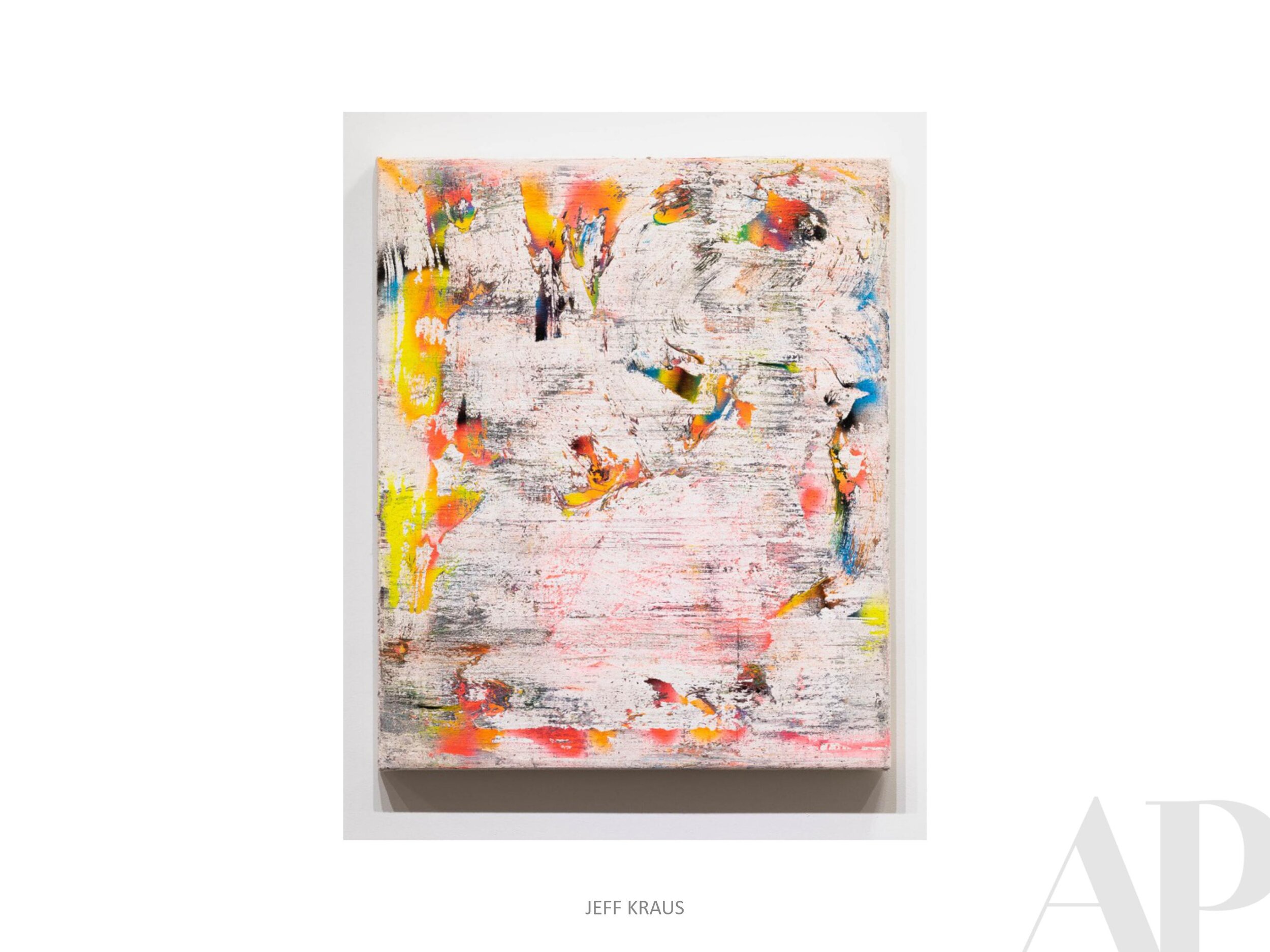
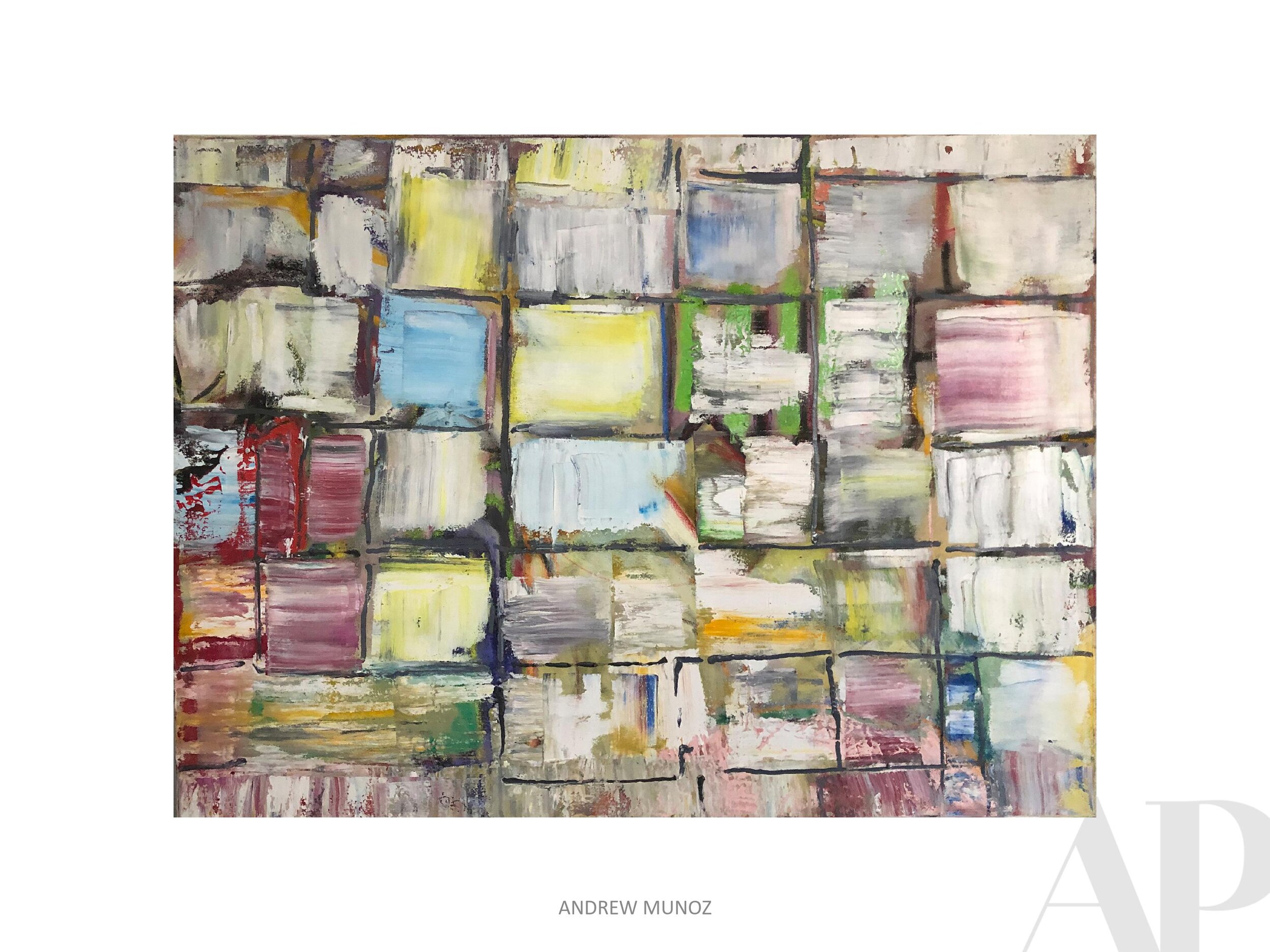
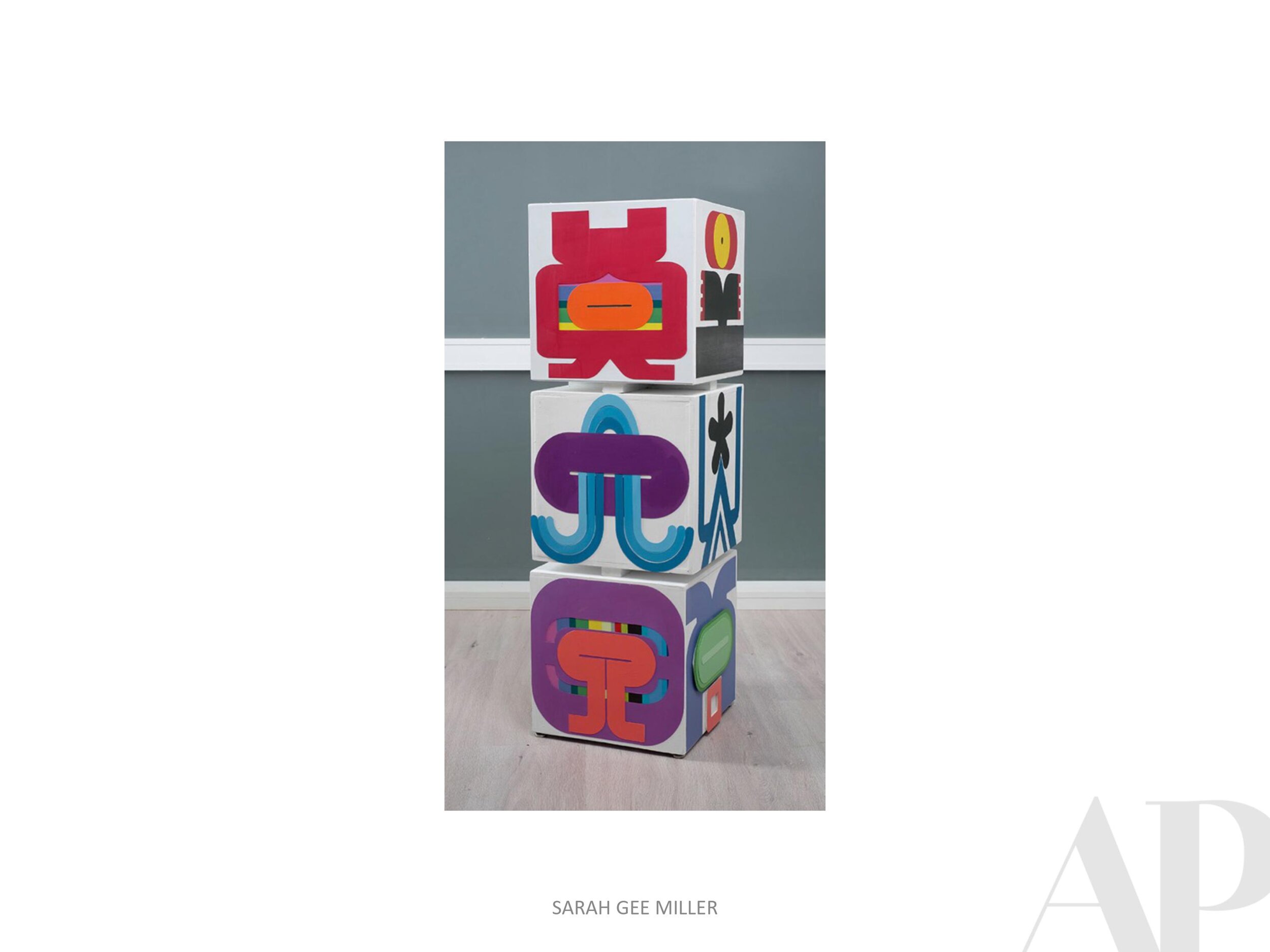
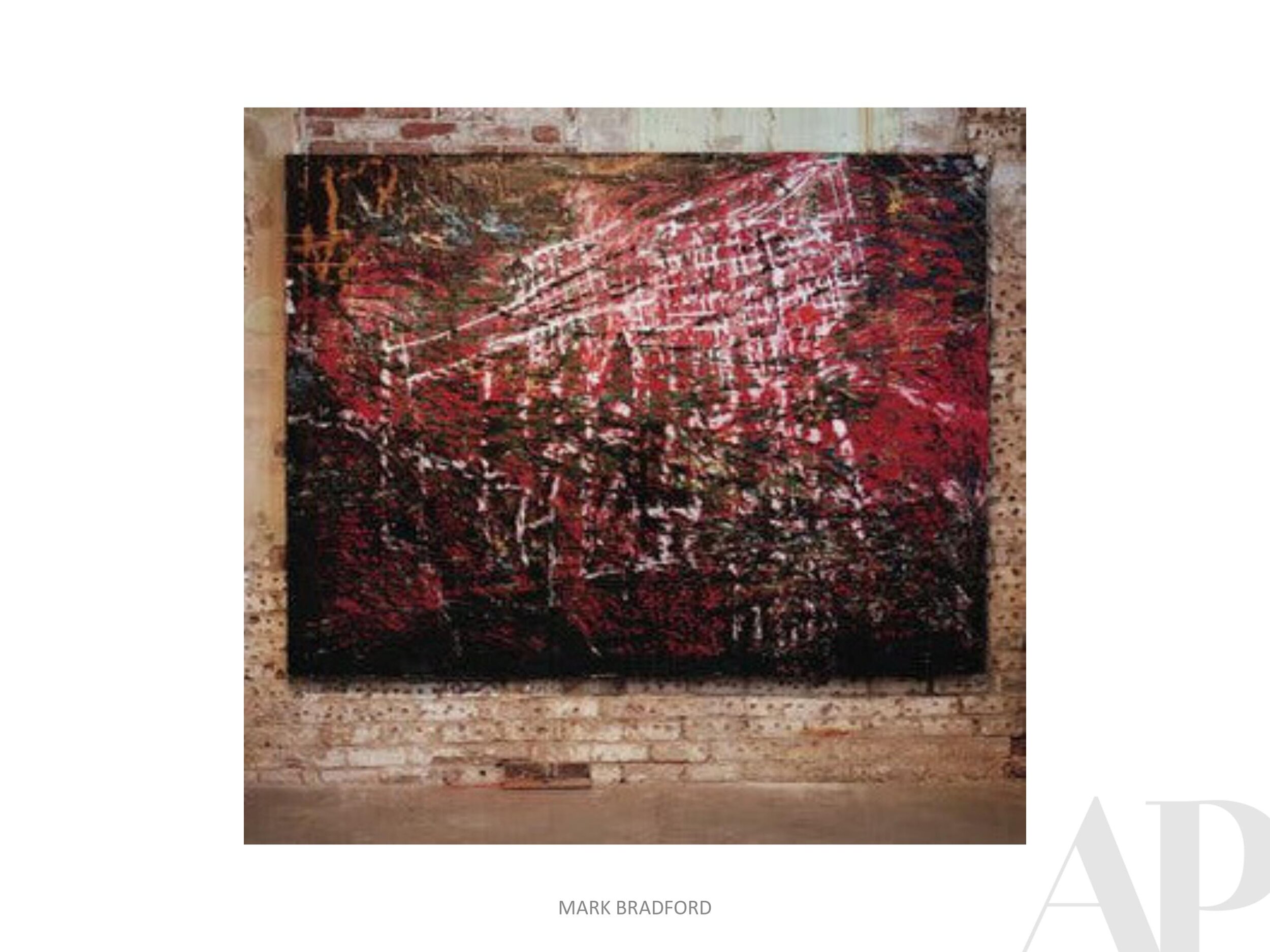

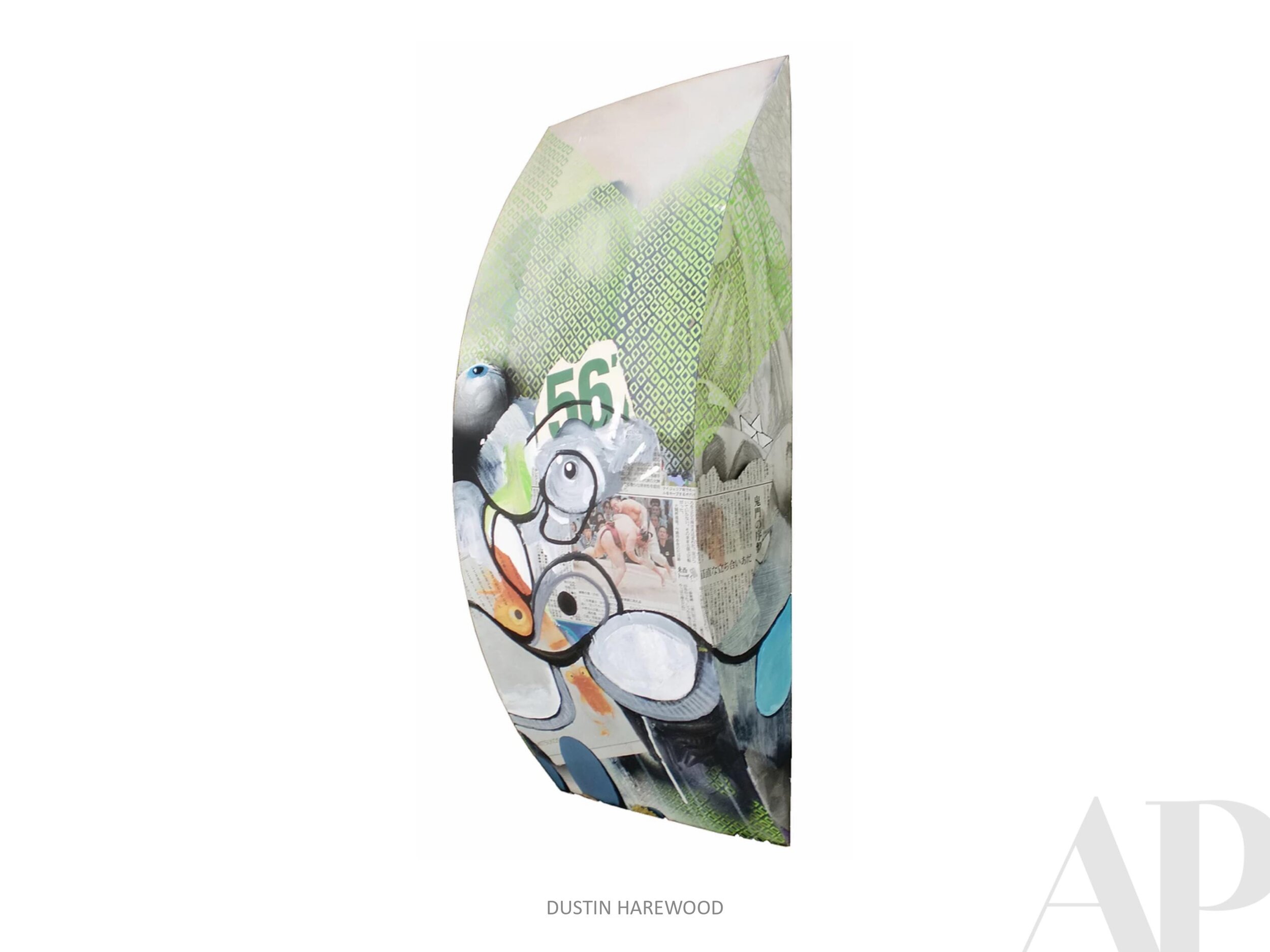
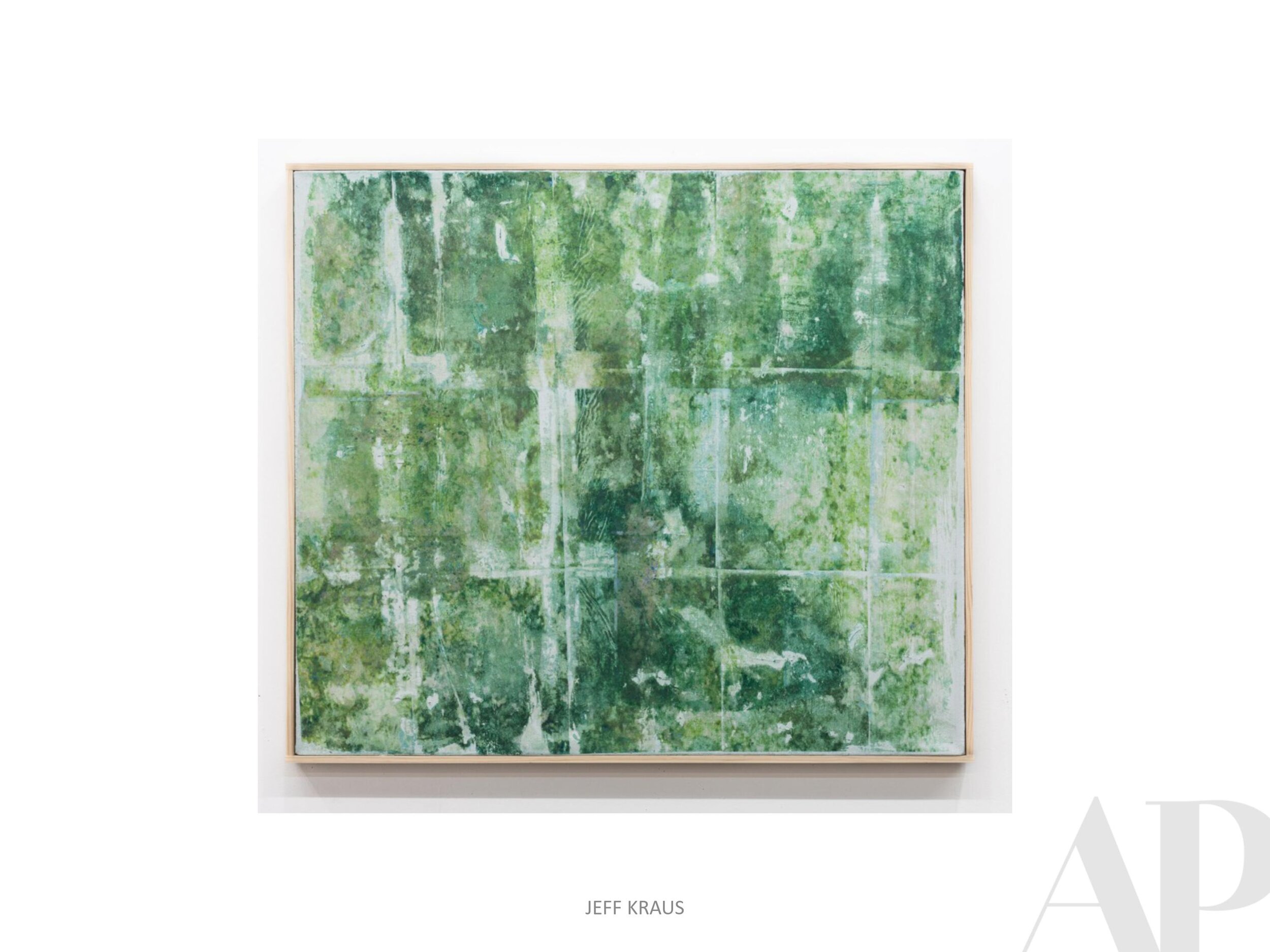
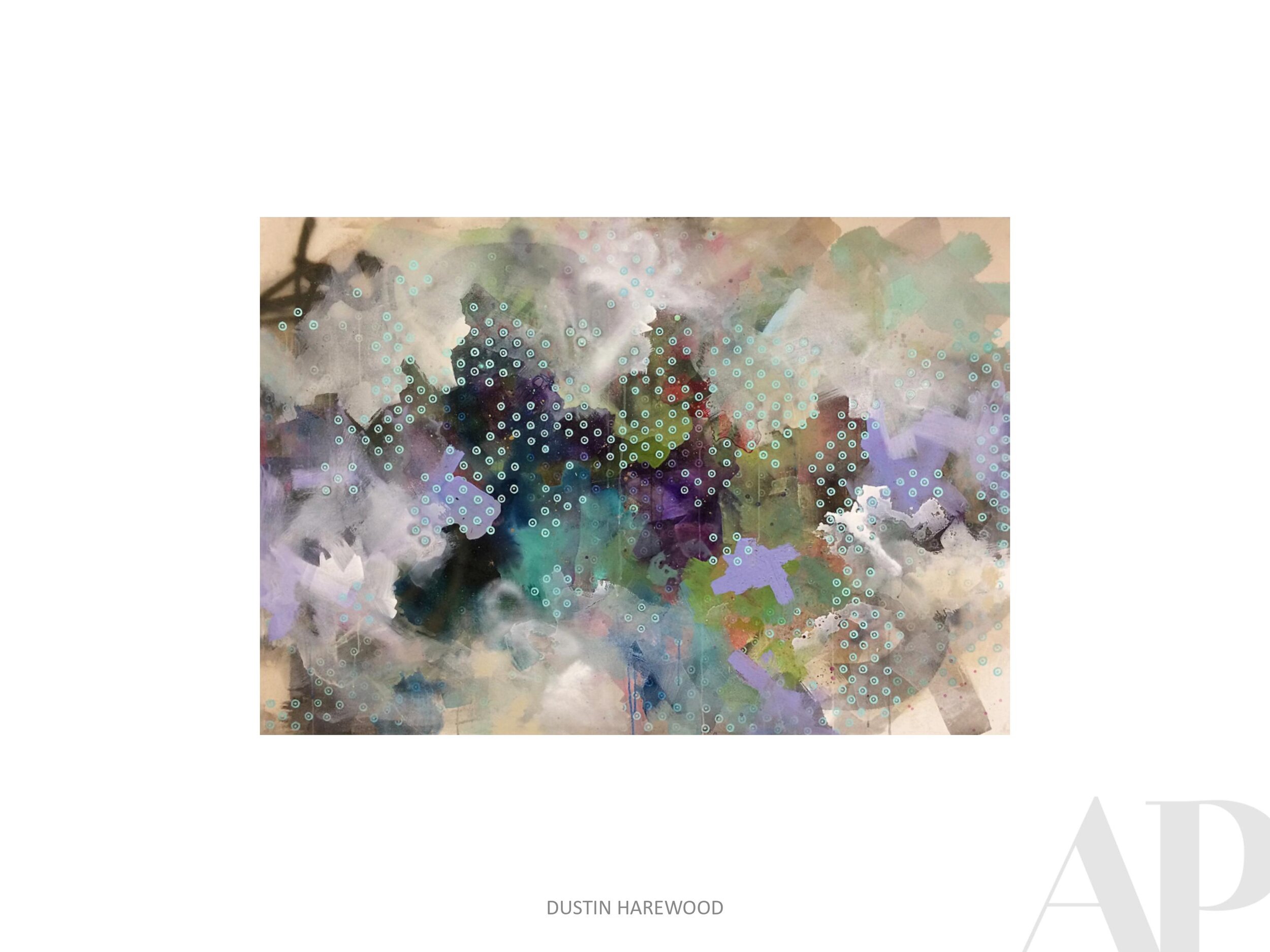
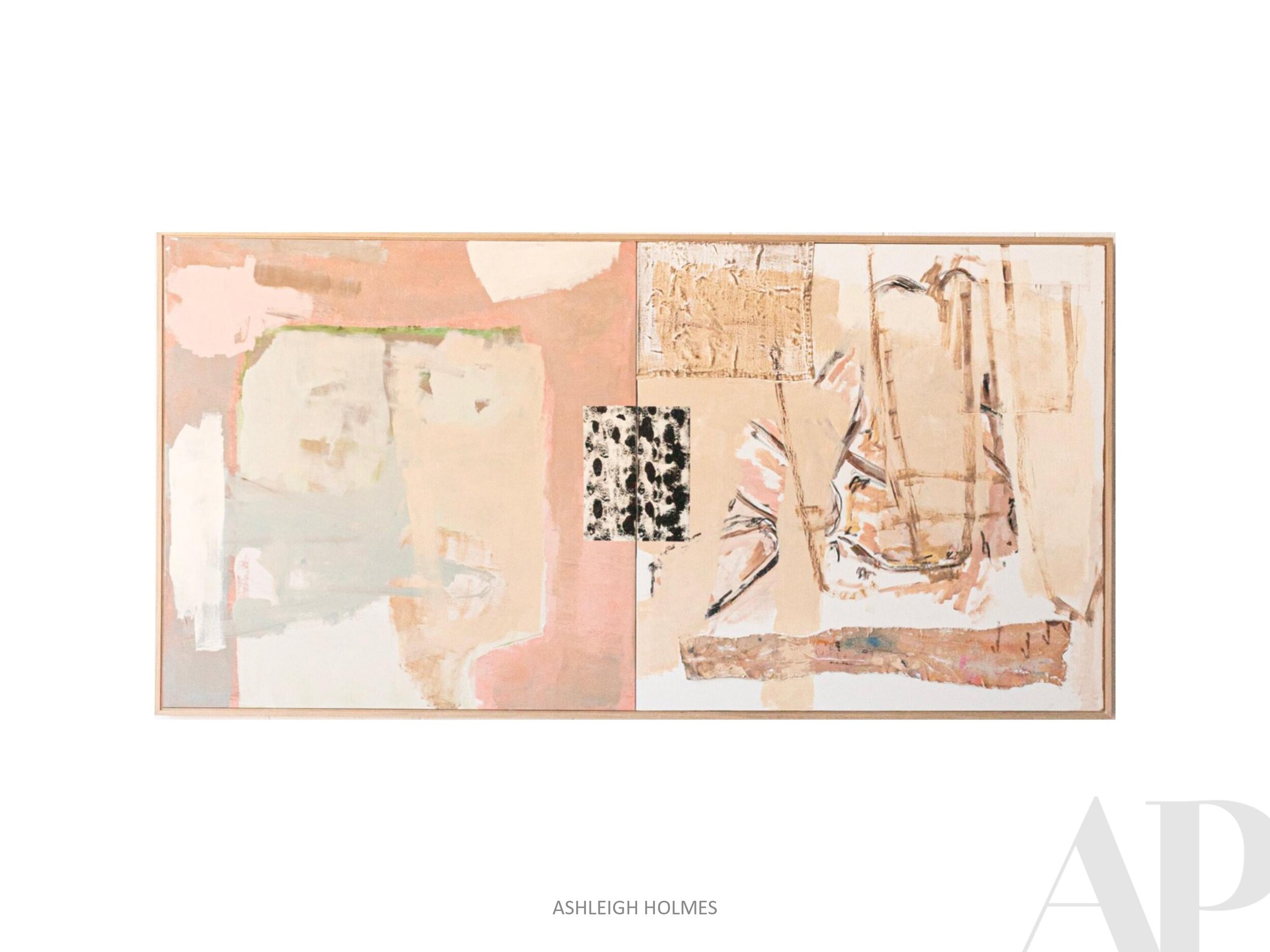


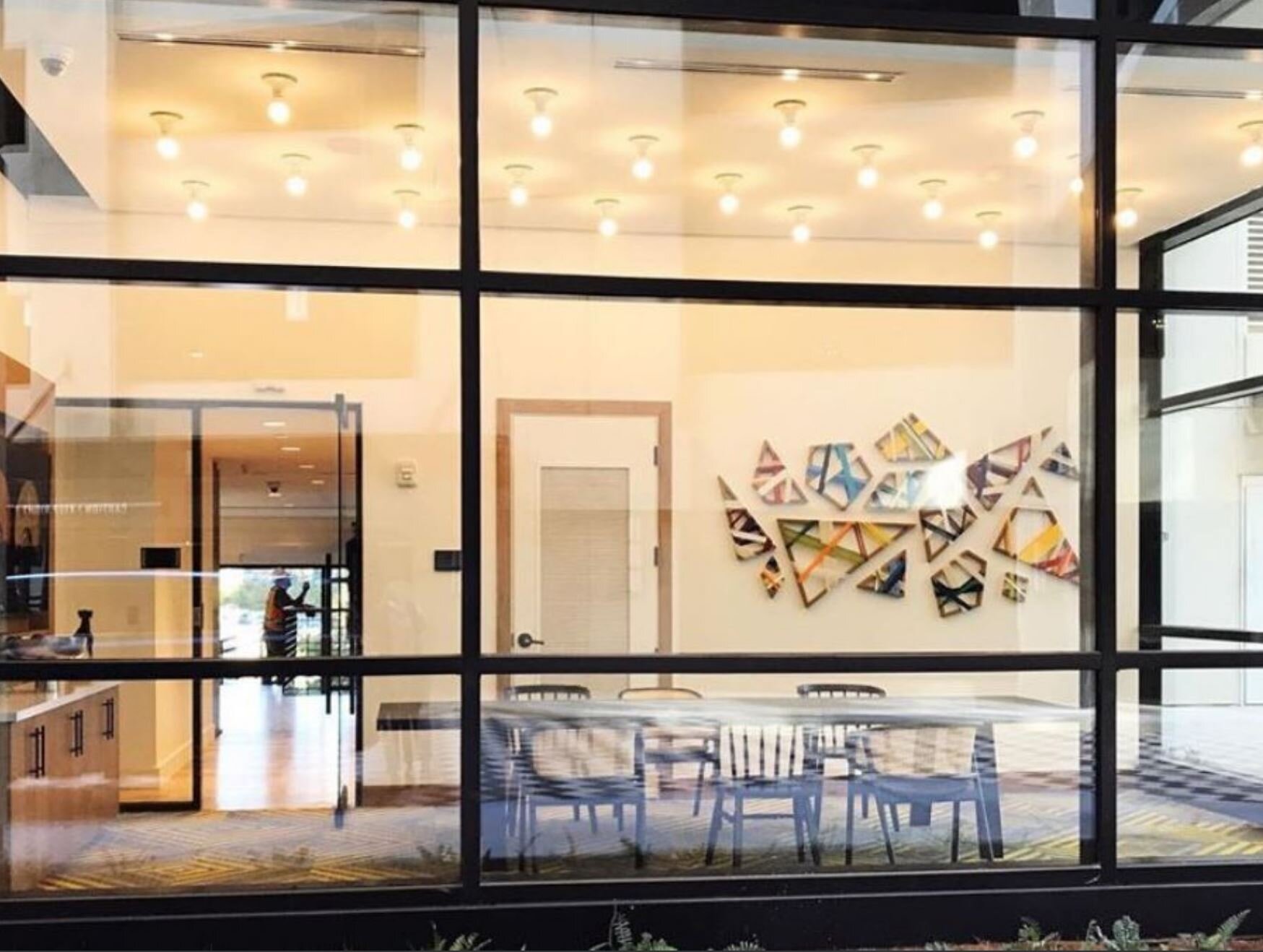
Case Study #2 | AMLI Lenox Conference Room Installation, Atlanta, GA
This is the second Case Study we are sharing in hopes of giving you a glimpse into our process and hands-on approach to creating custom pieces of art for hospitality projects.
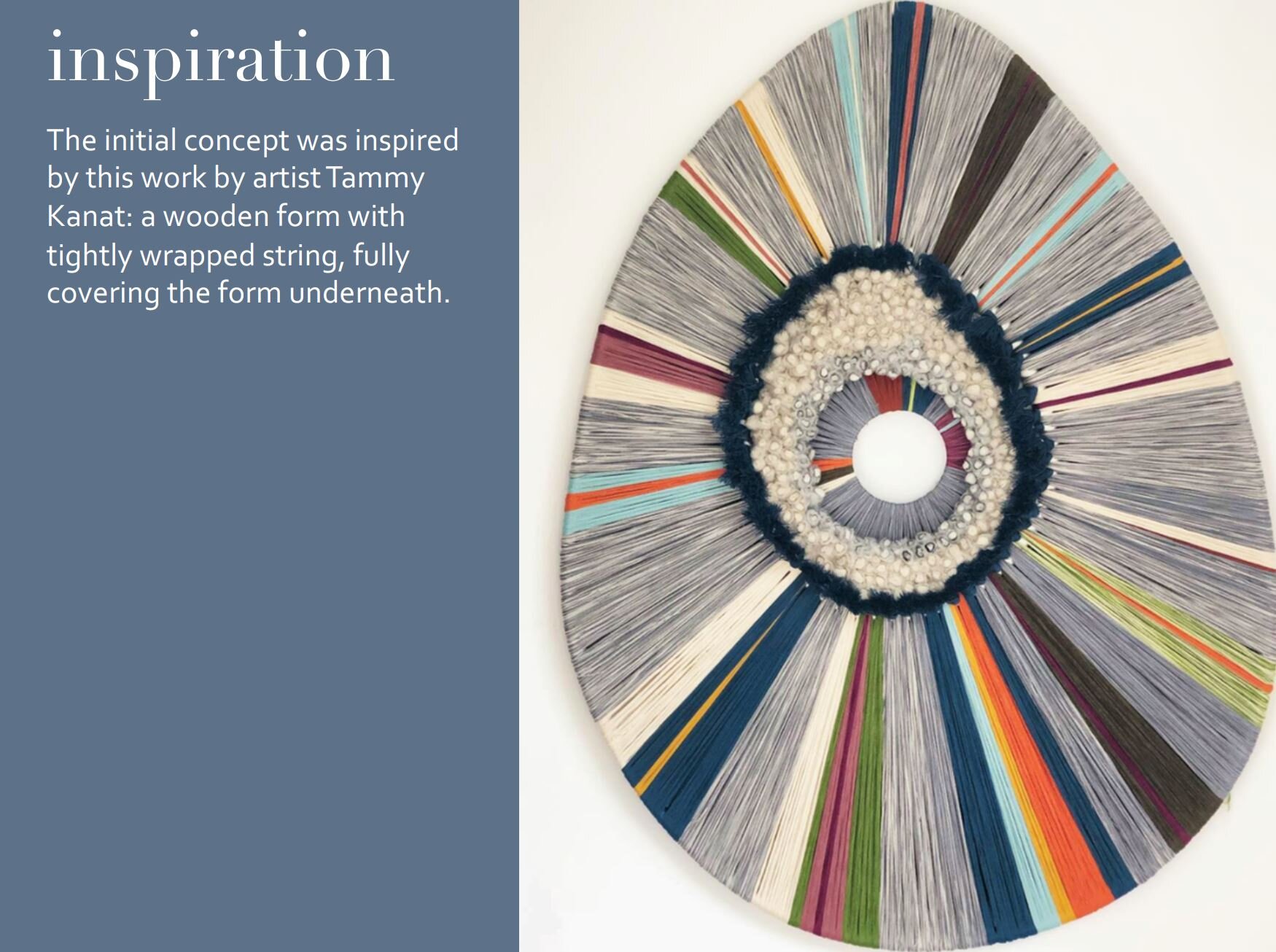
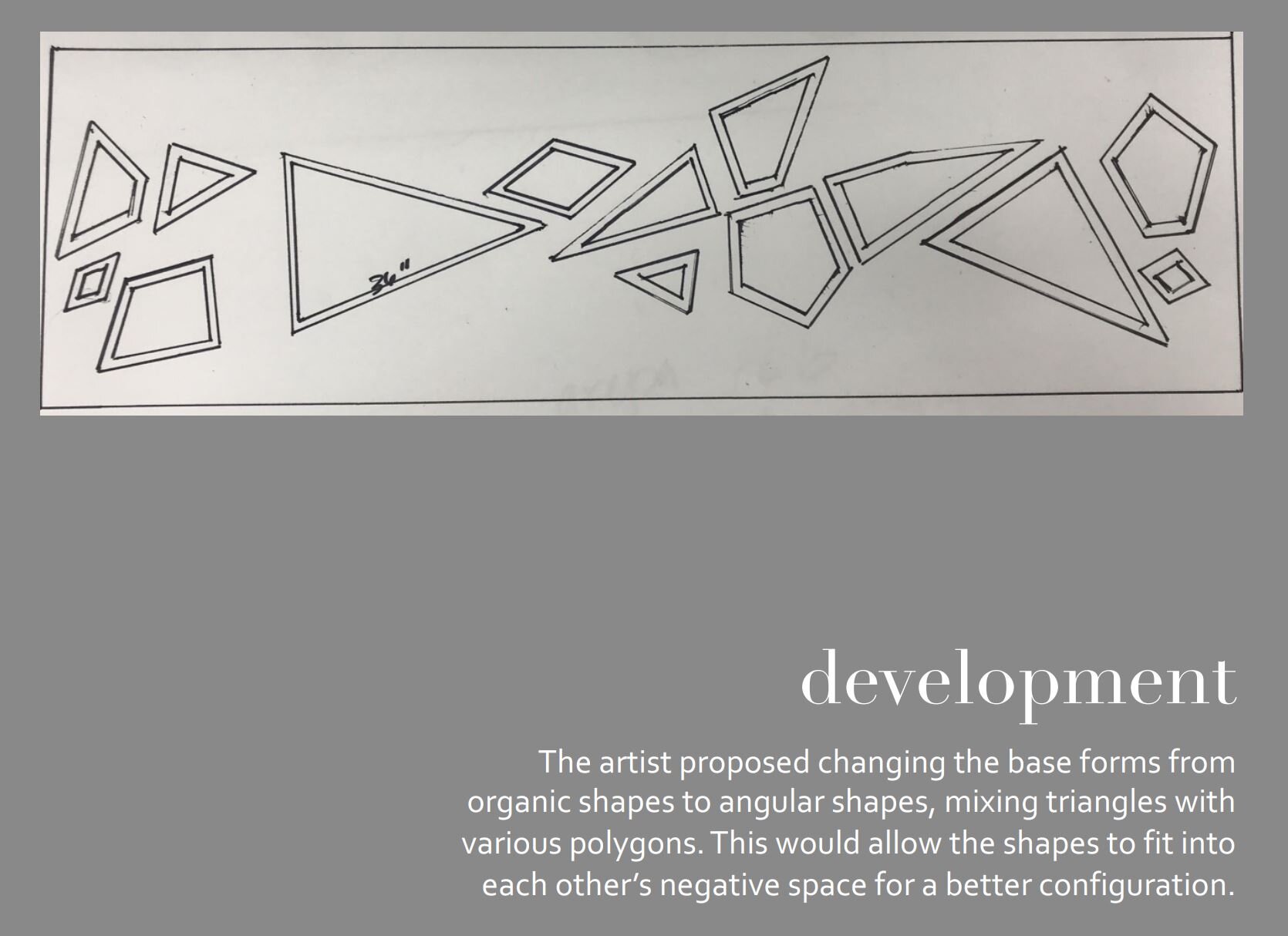
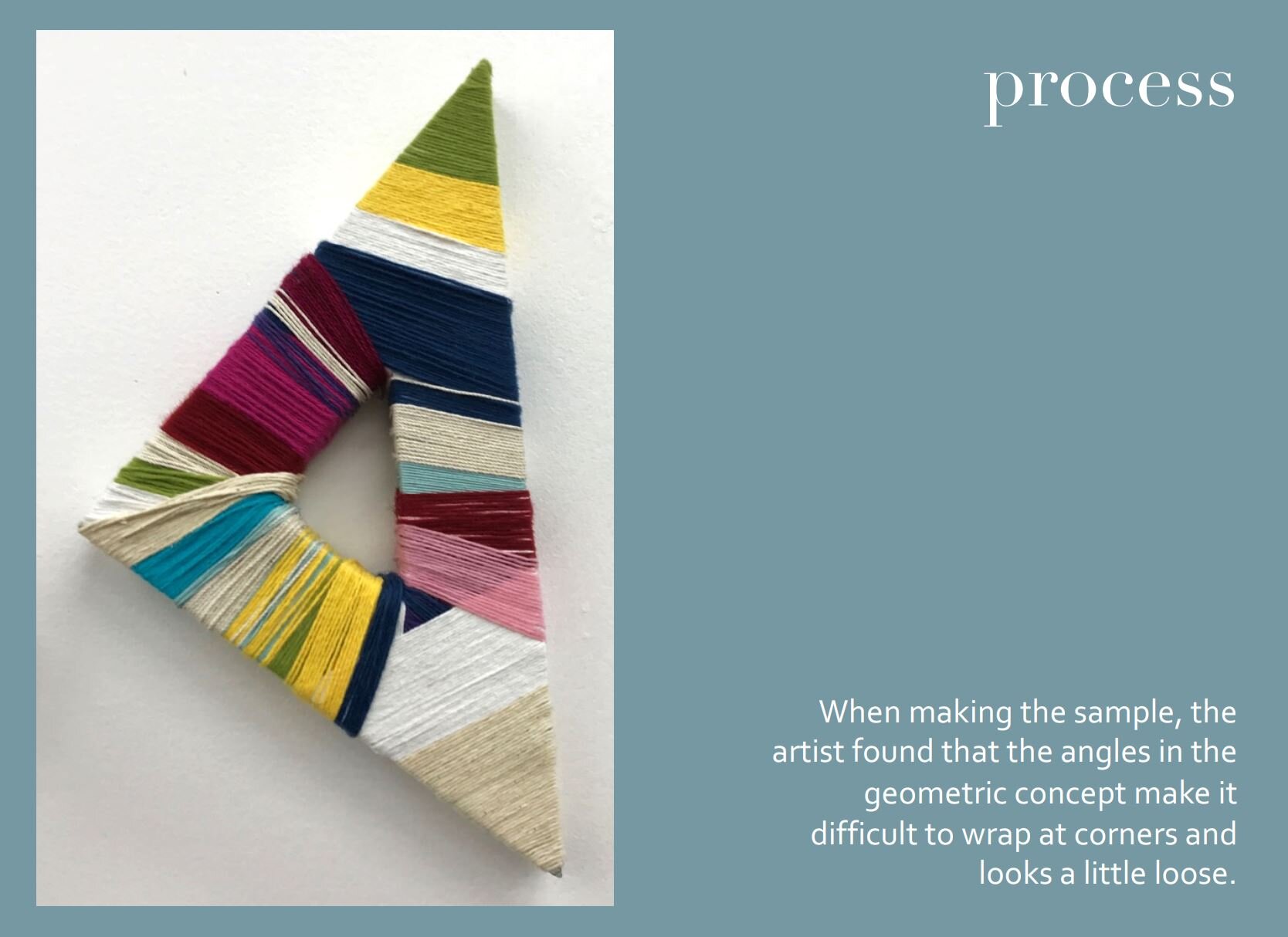
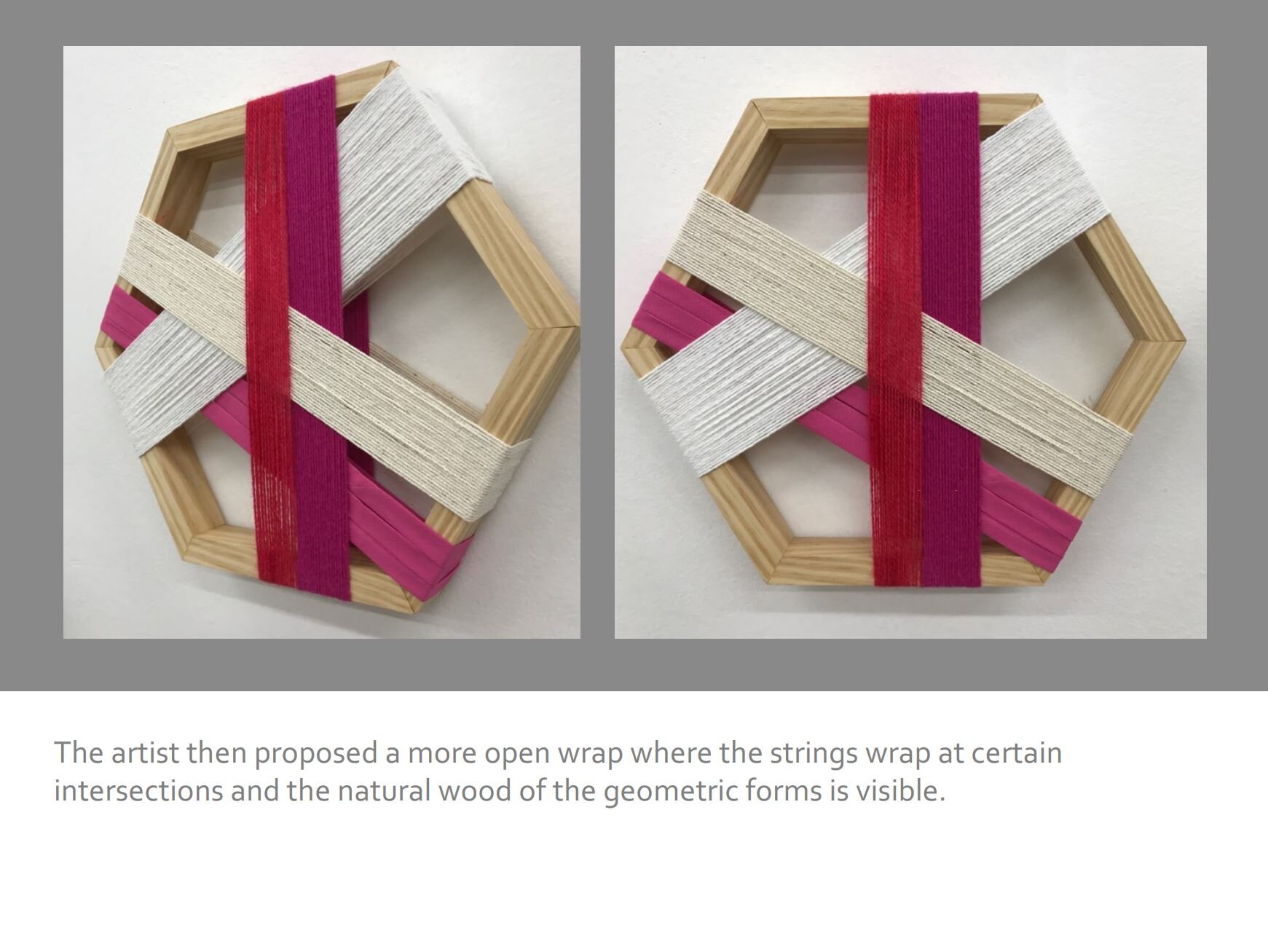
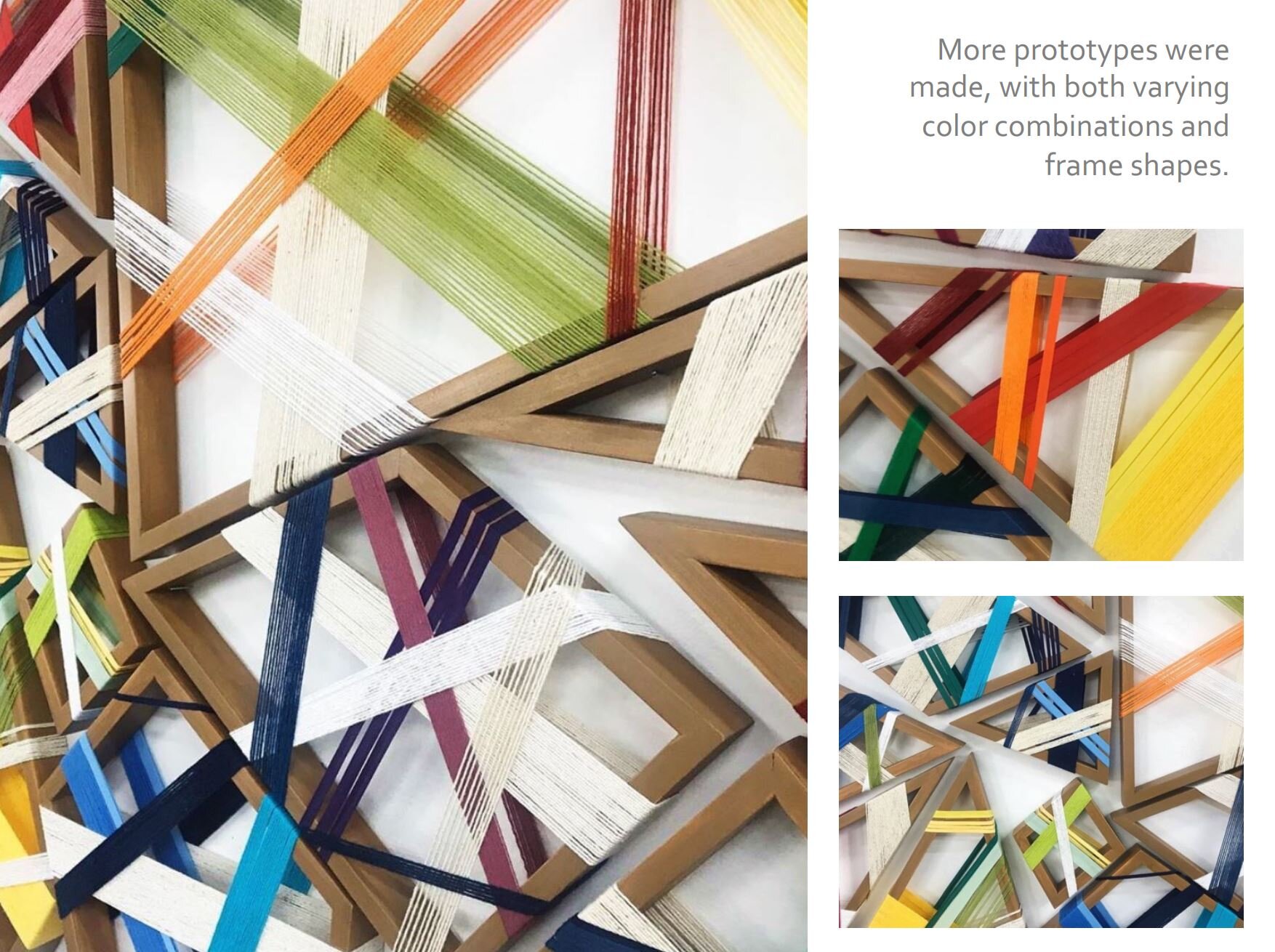
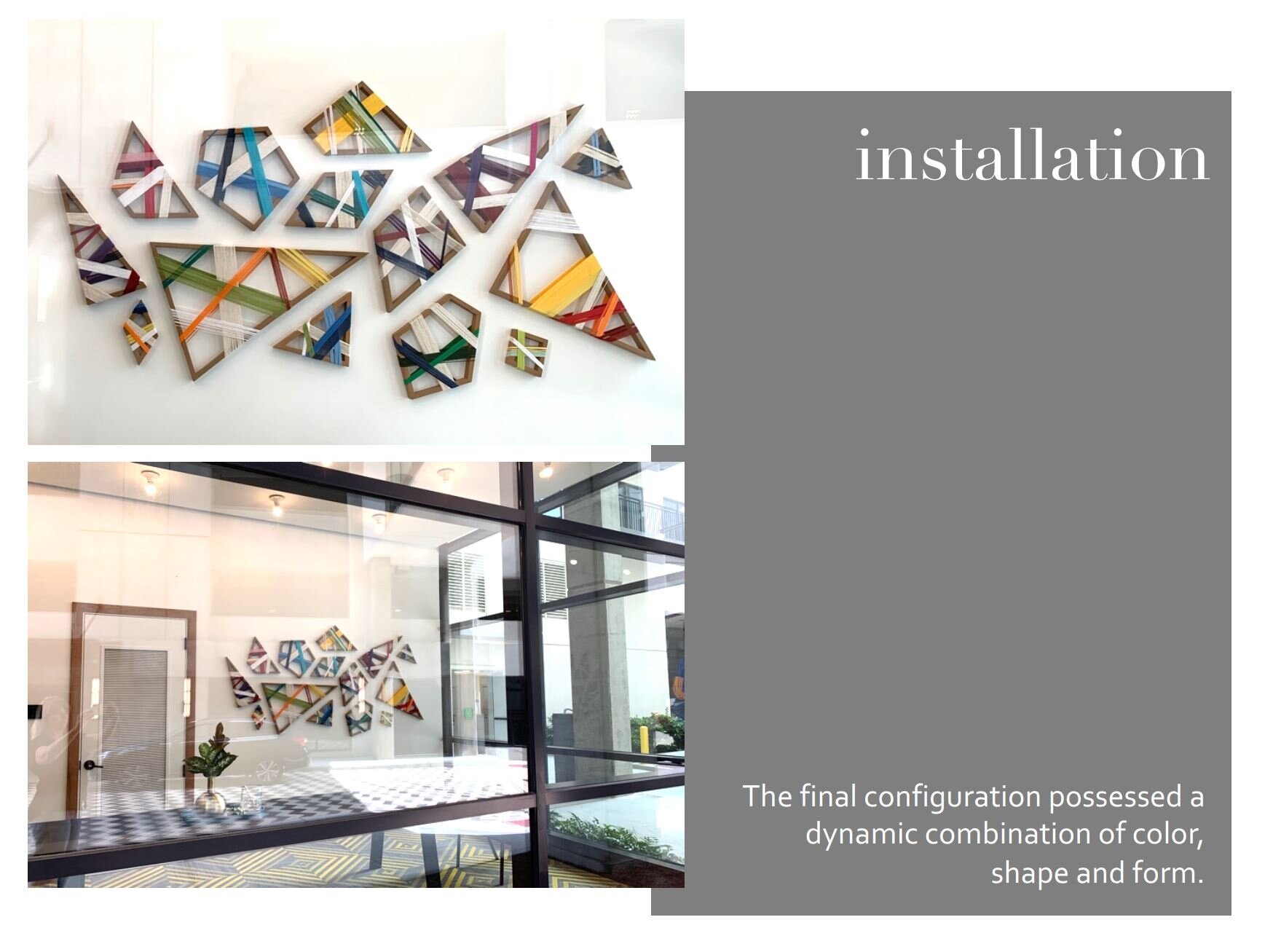
At the beginning of this year, we wrapped up work on an art package for the new AMLI Lenox in Atlanta. This fantastic apartment complex needed unique art to complement its exciting, high quality amenities and shared spaces. We provided art for the Coffee Lounge, the VIP Clubroom, the Wine Bar, the Makerspace and Theatre Room. Perhaps our favorite piece, however, was the sculptural installation that was created for AMLI's Conference Room, outlined below.
Please let us know if you have any questions or an upcoming project in need of our ideas! We would love to work with you.


Currently Inspired By (Endless Summer Edition)...
Art inspiration is never cancelled!
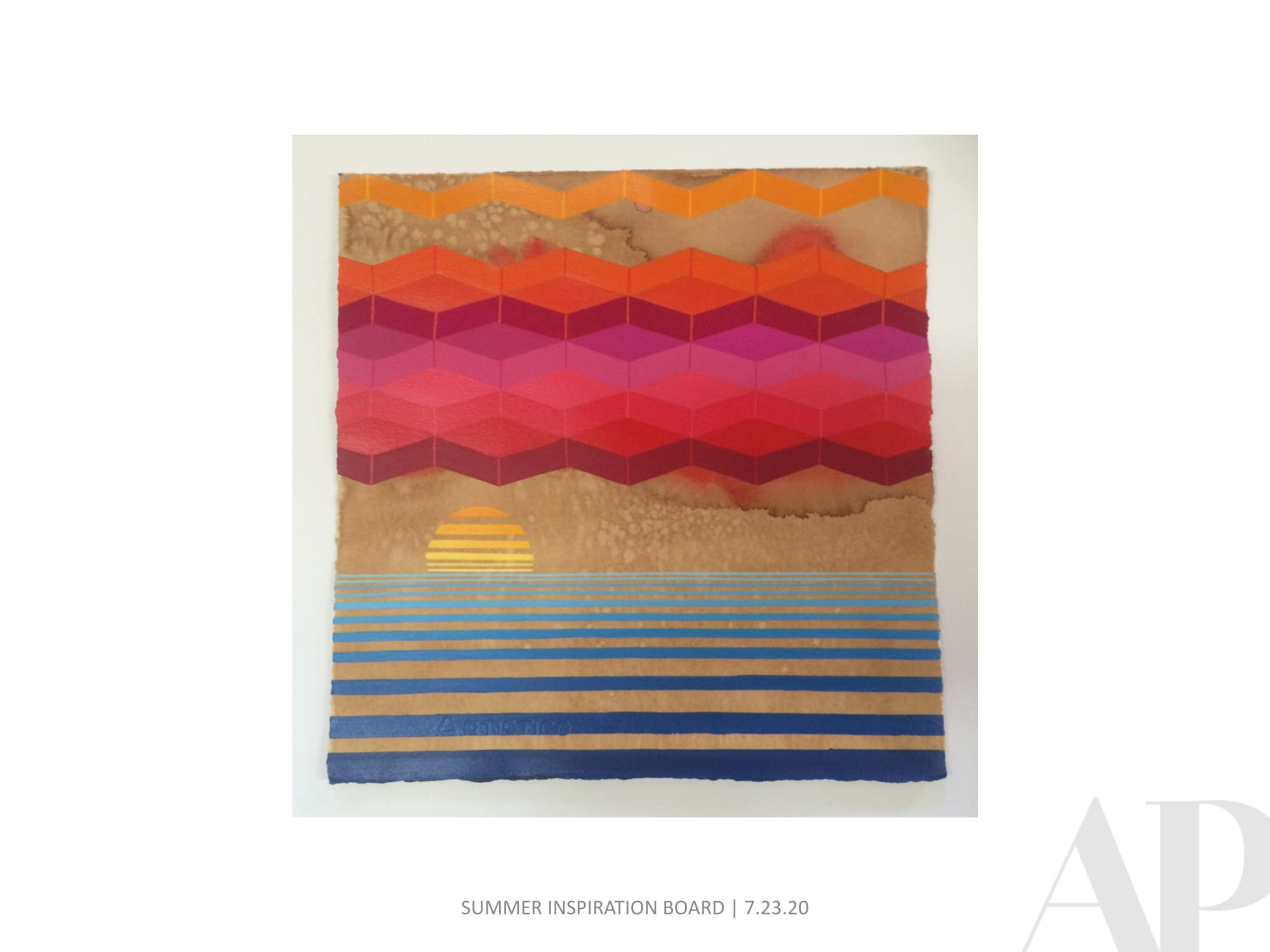
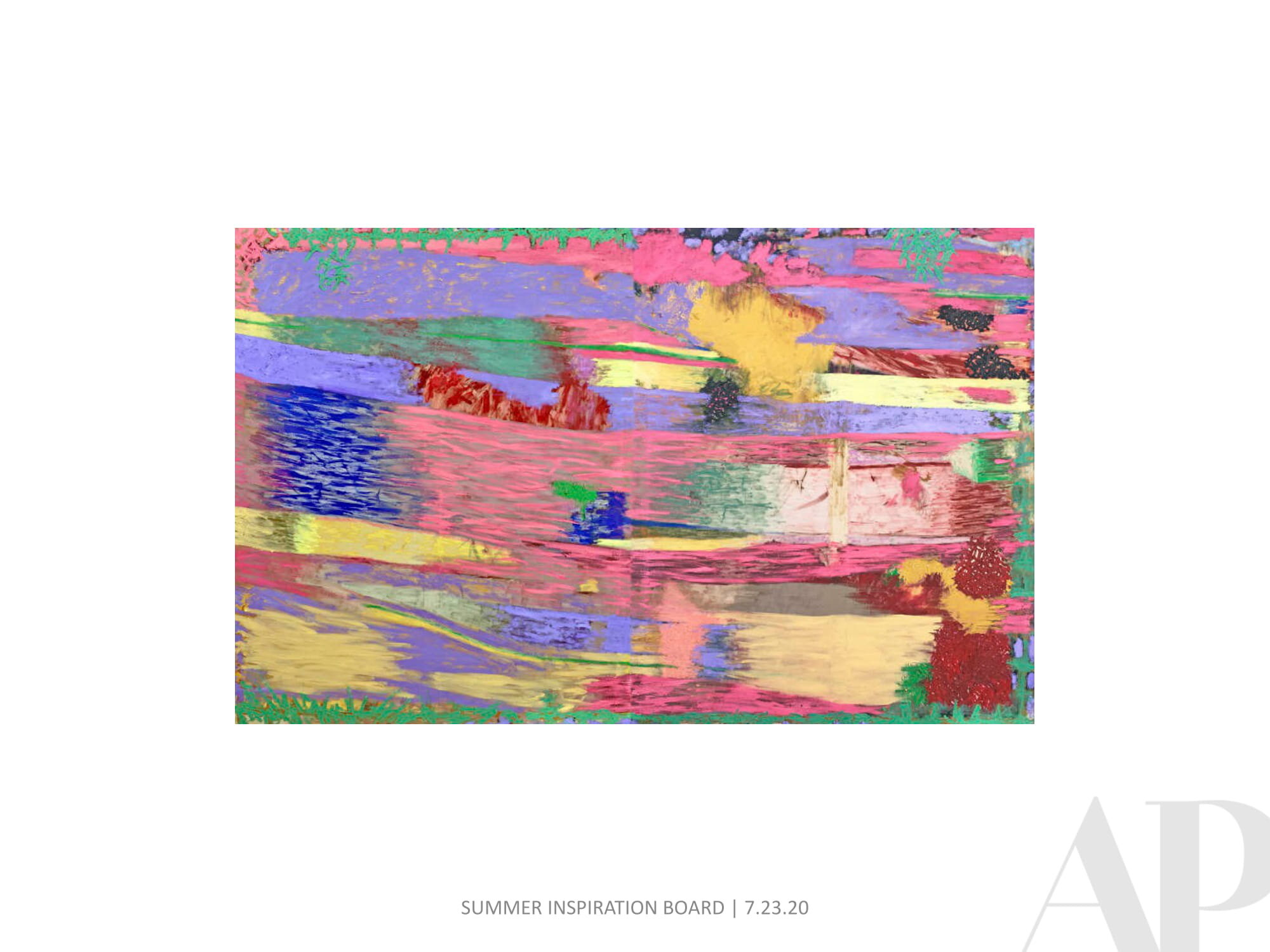
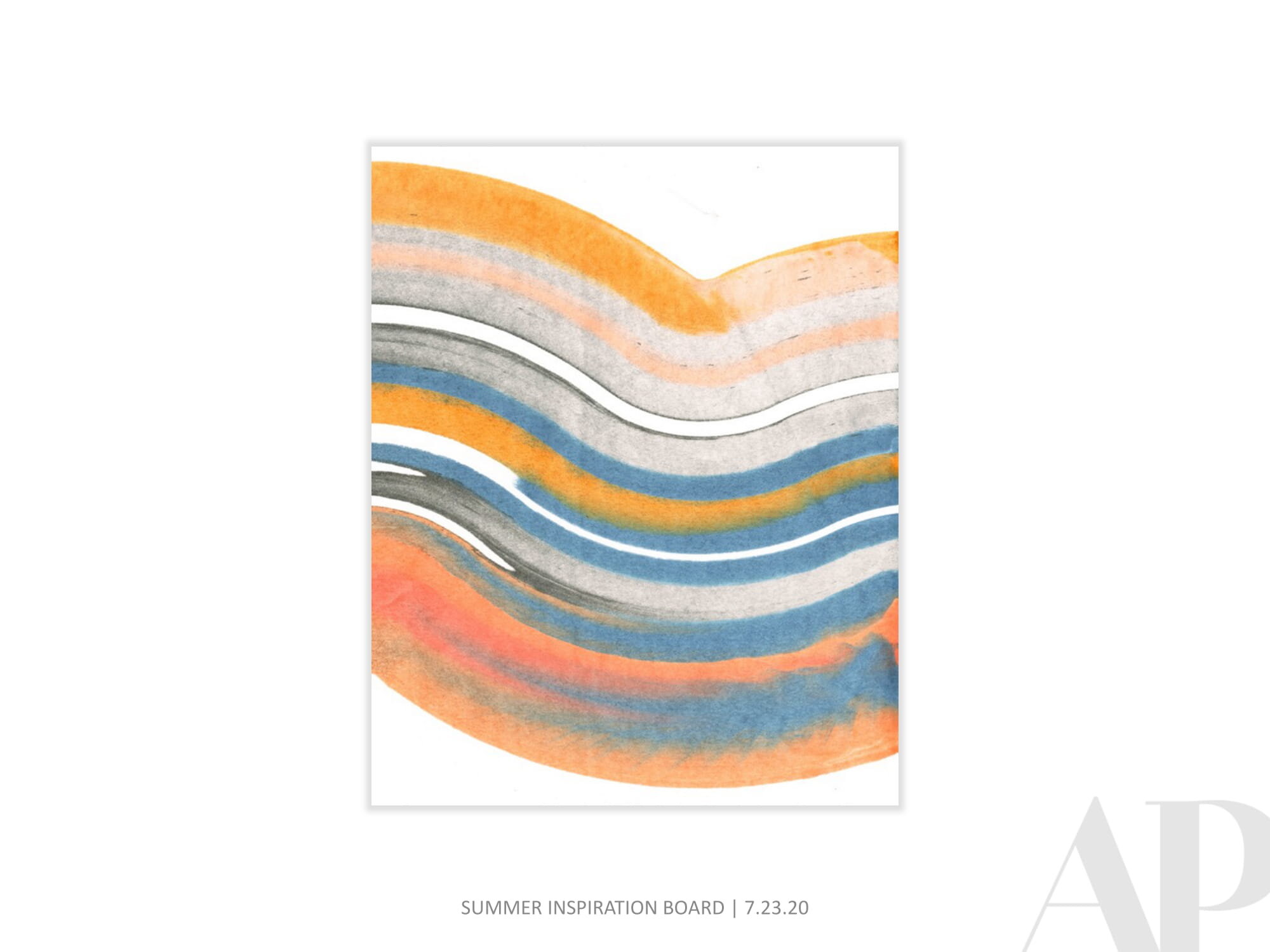
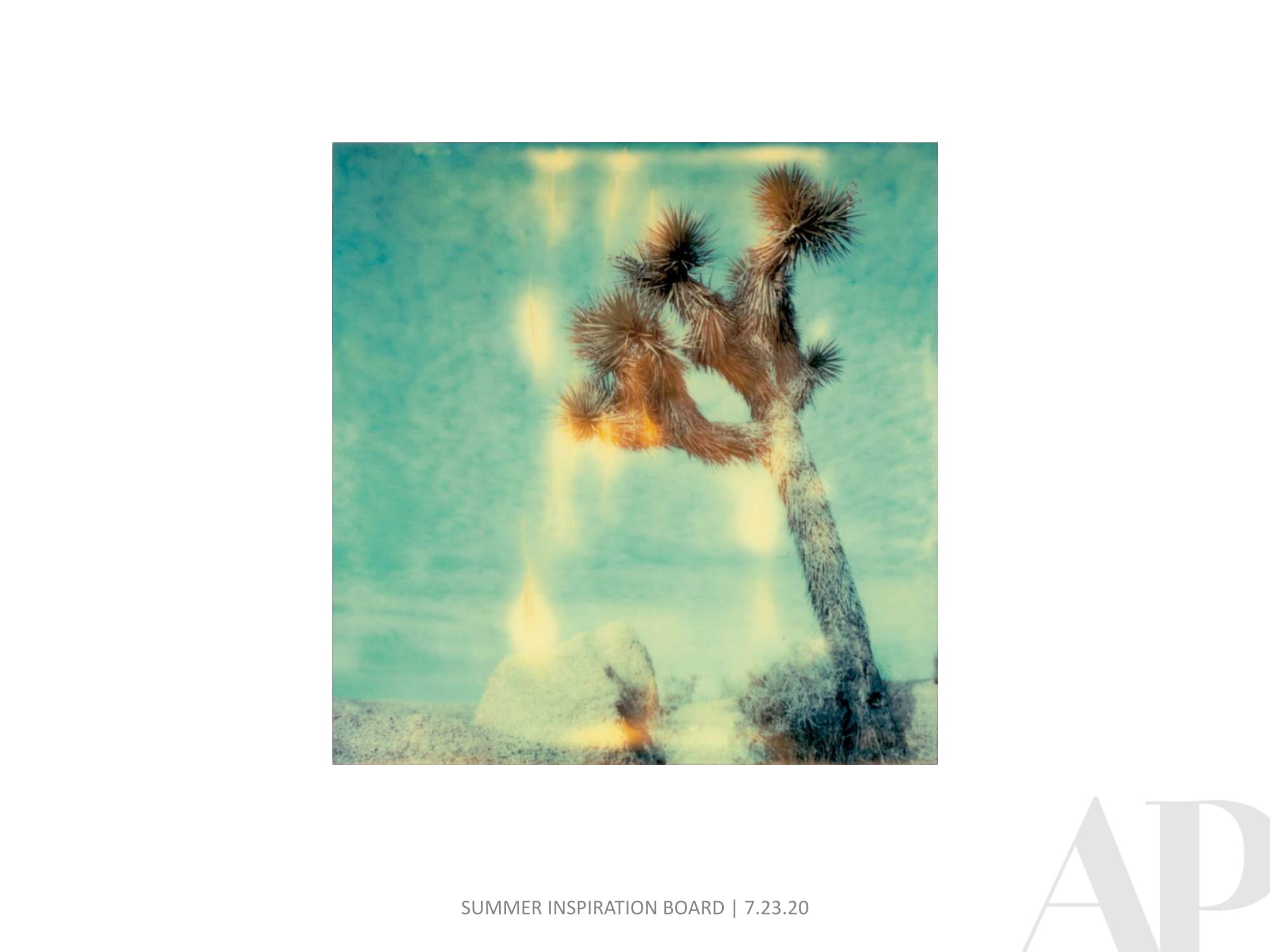
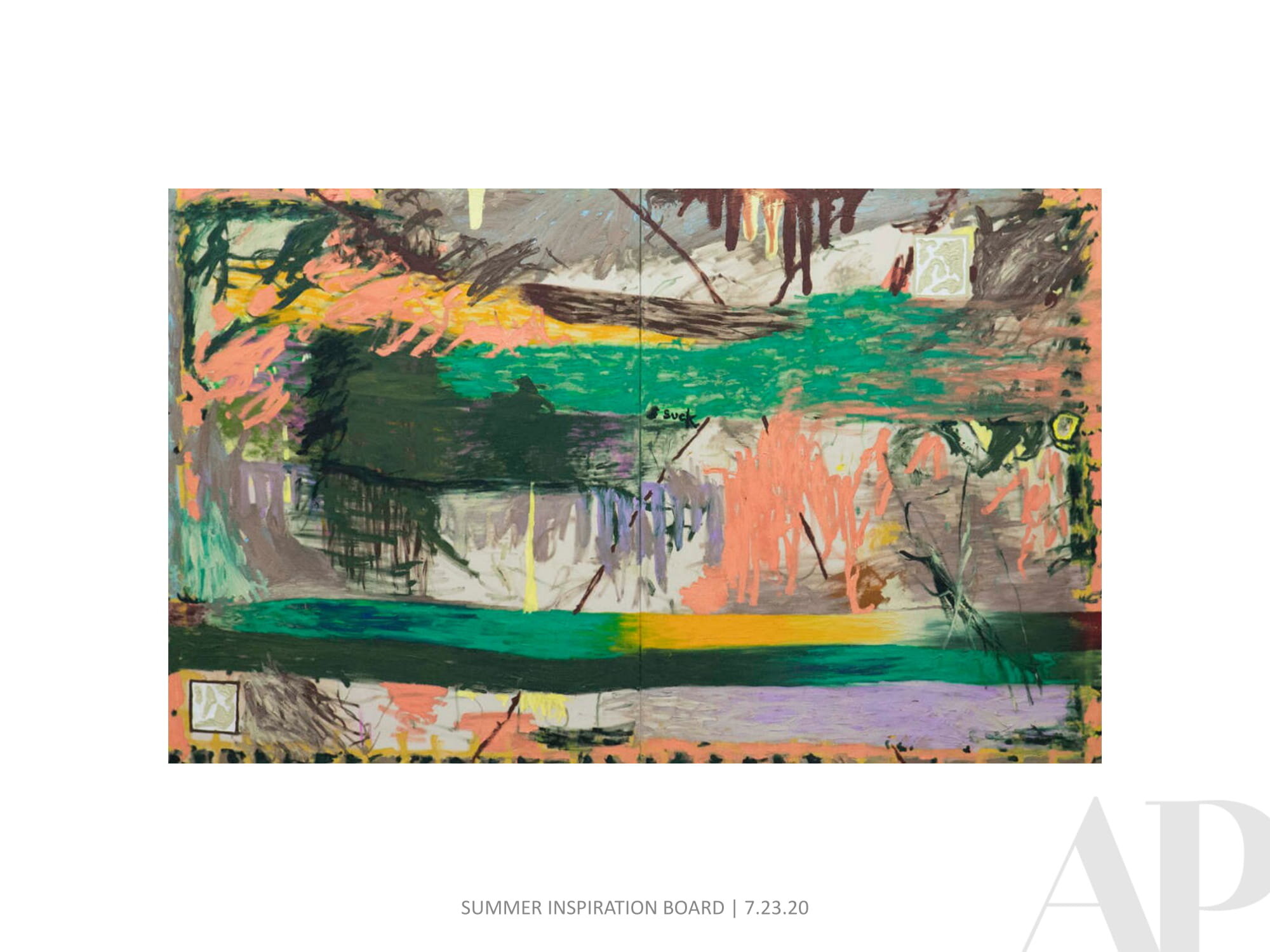
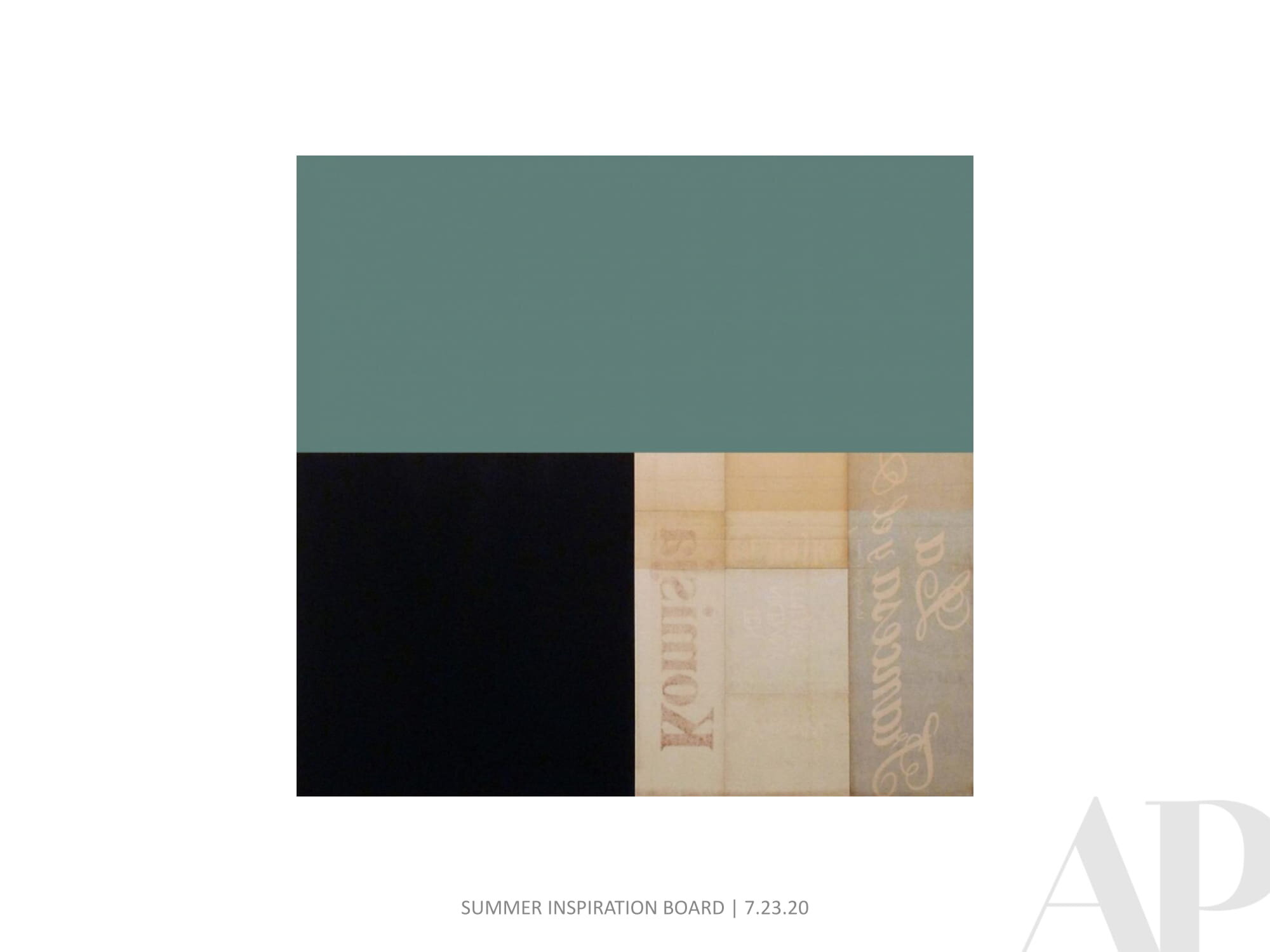
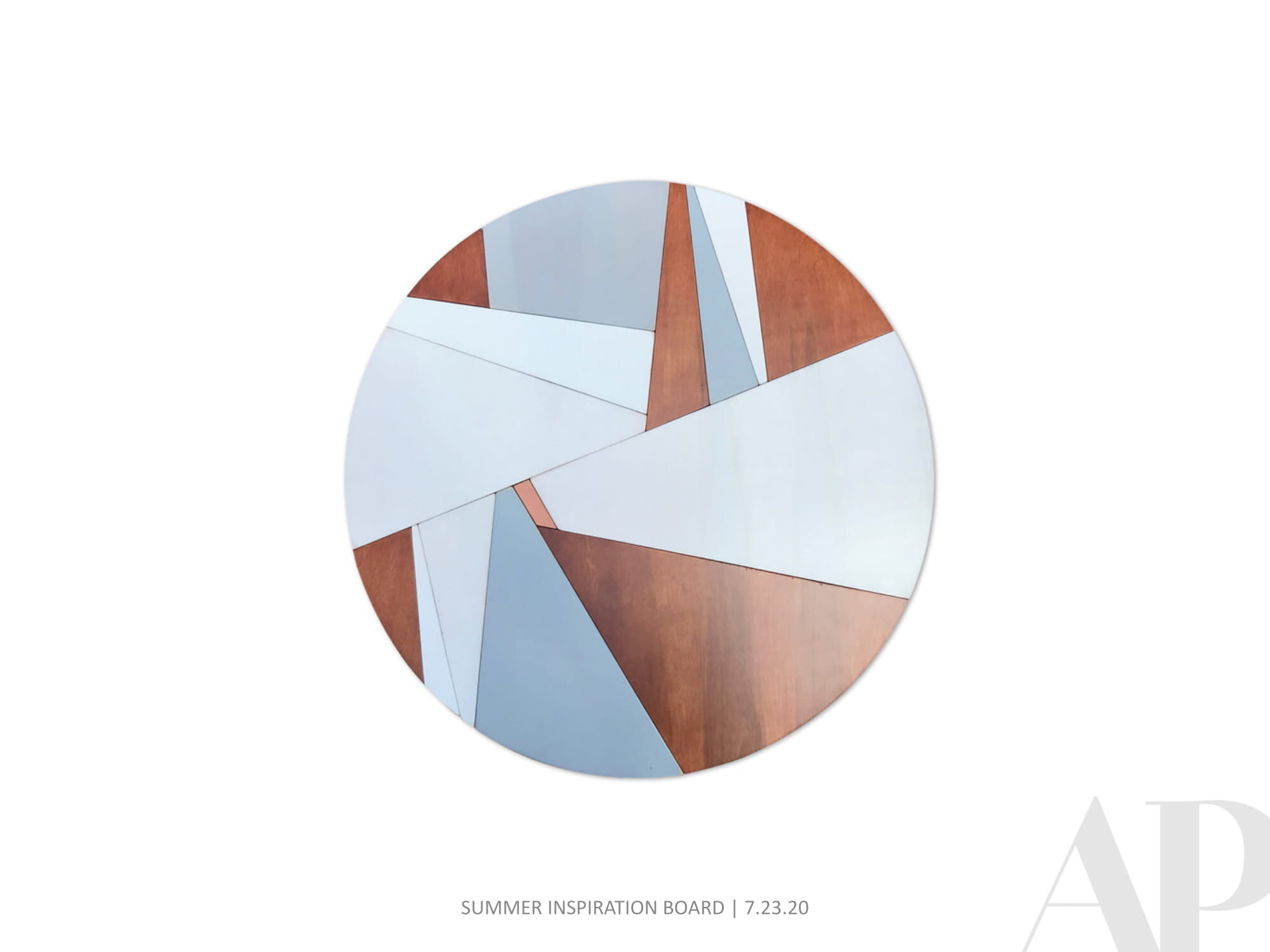
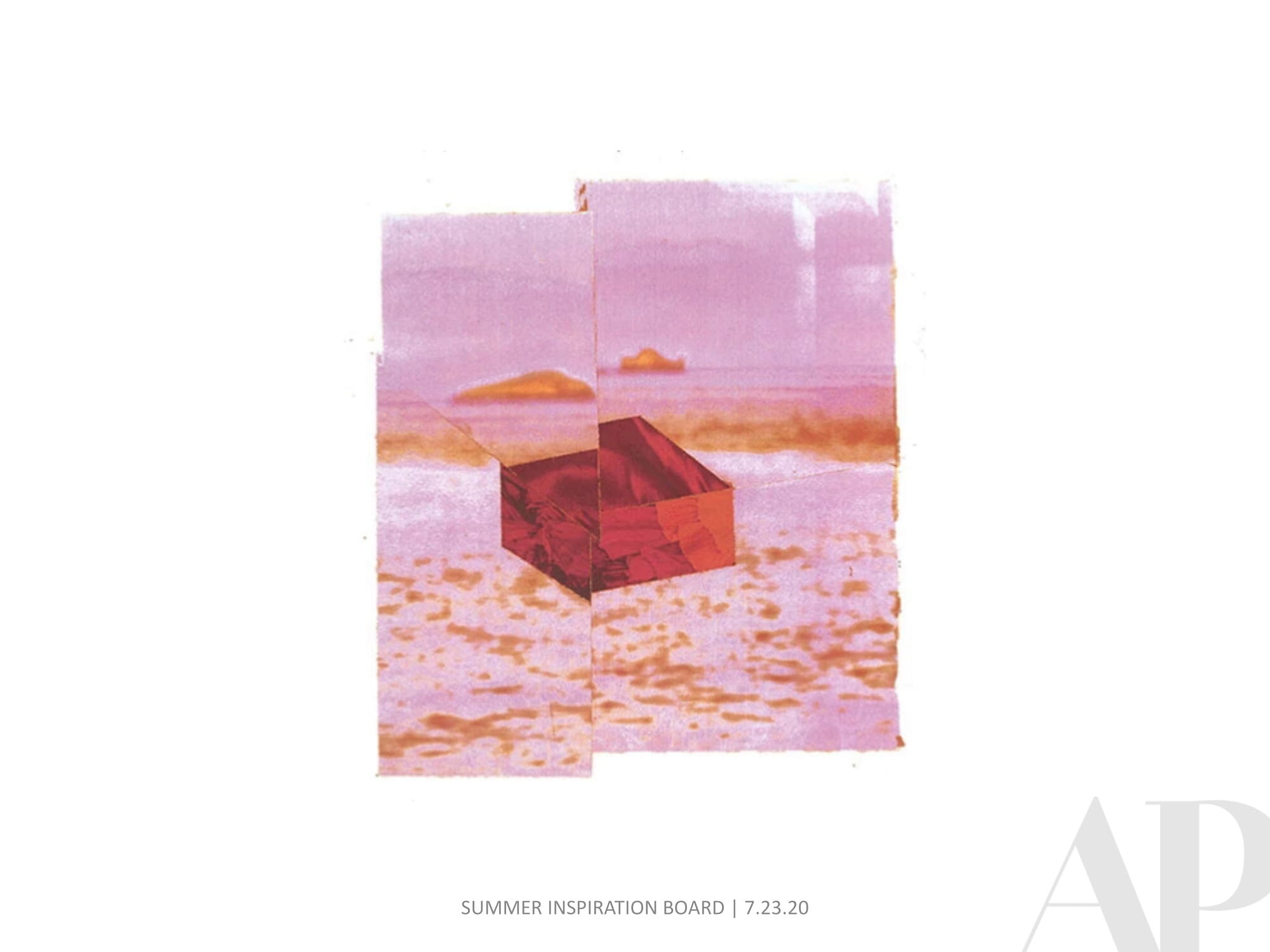
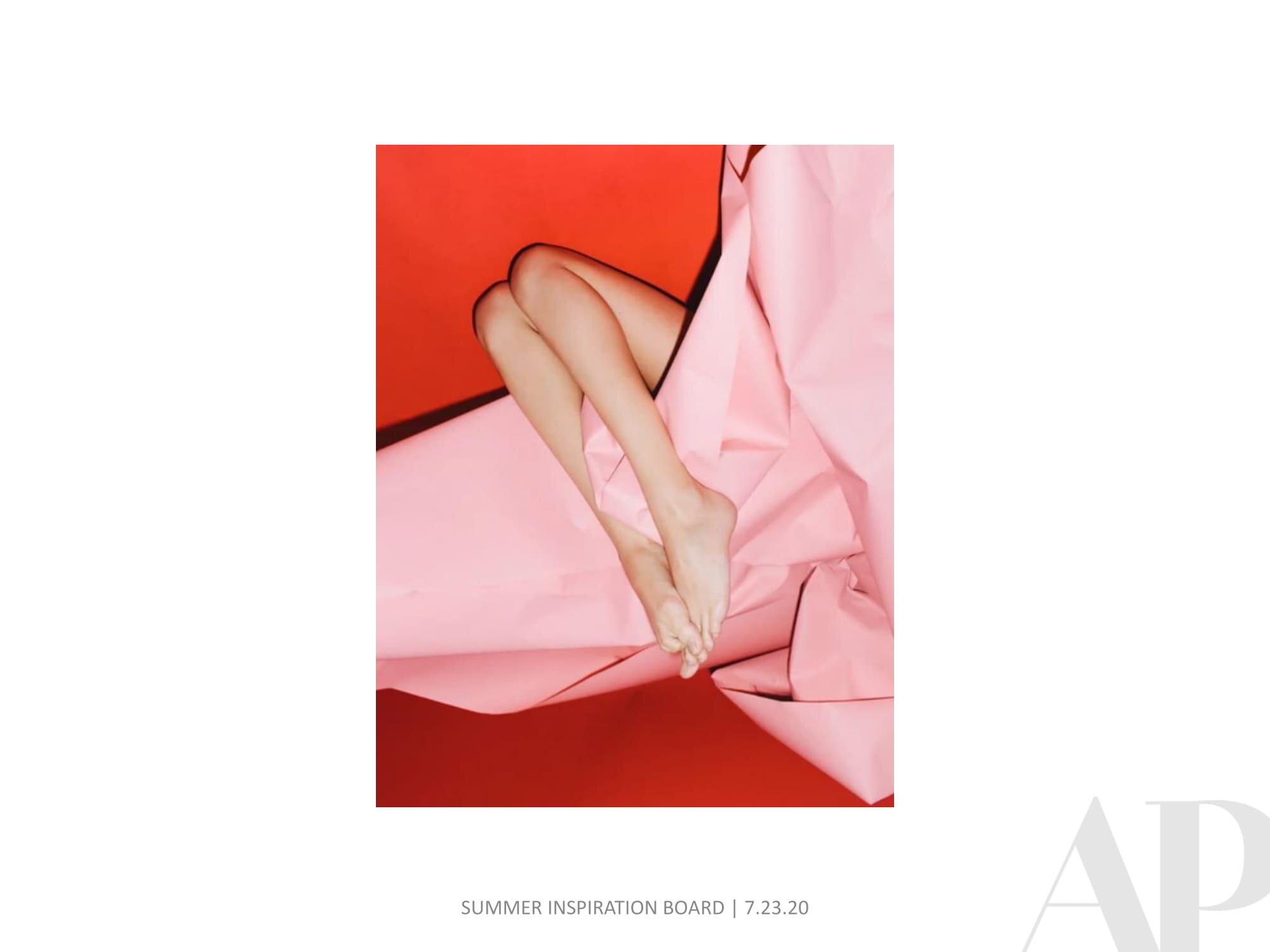
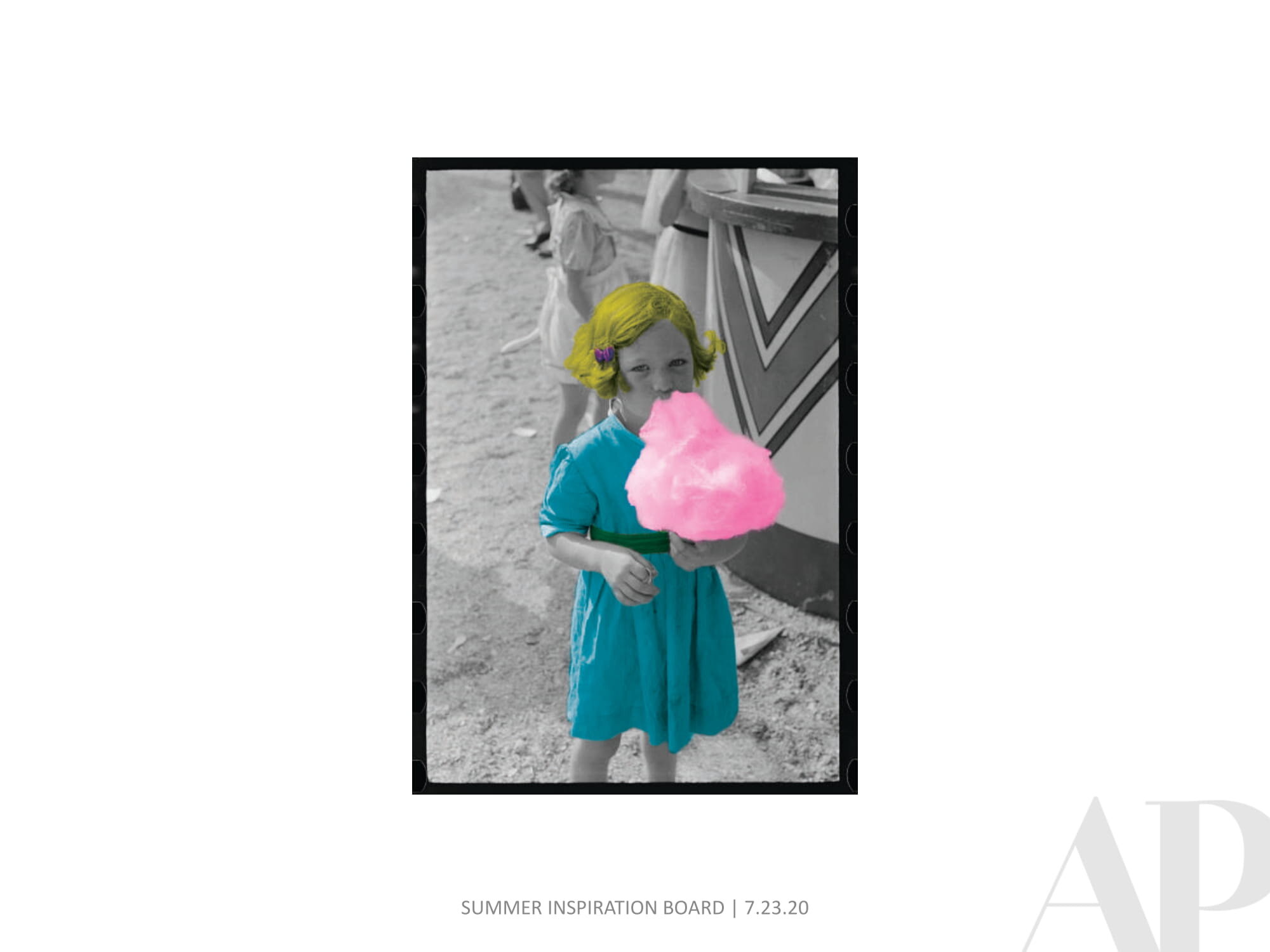
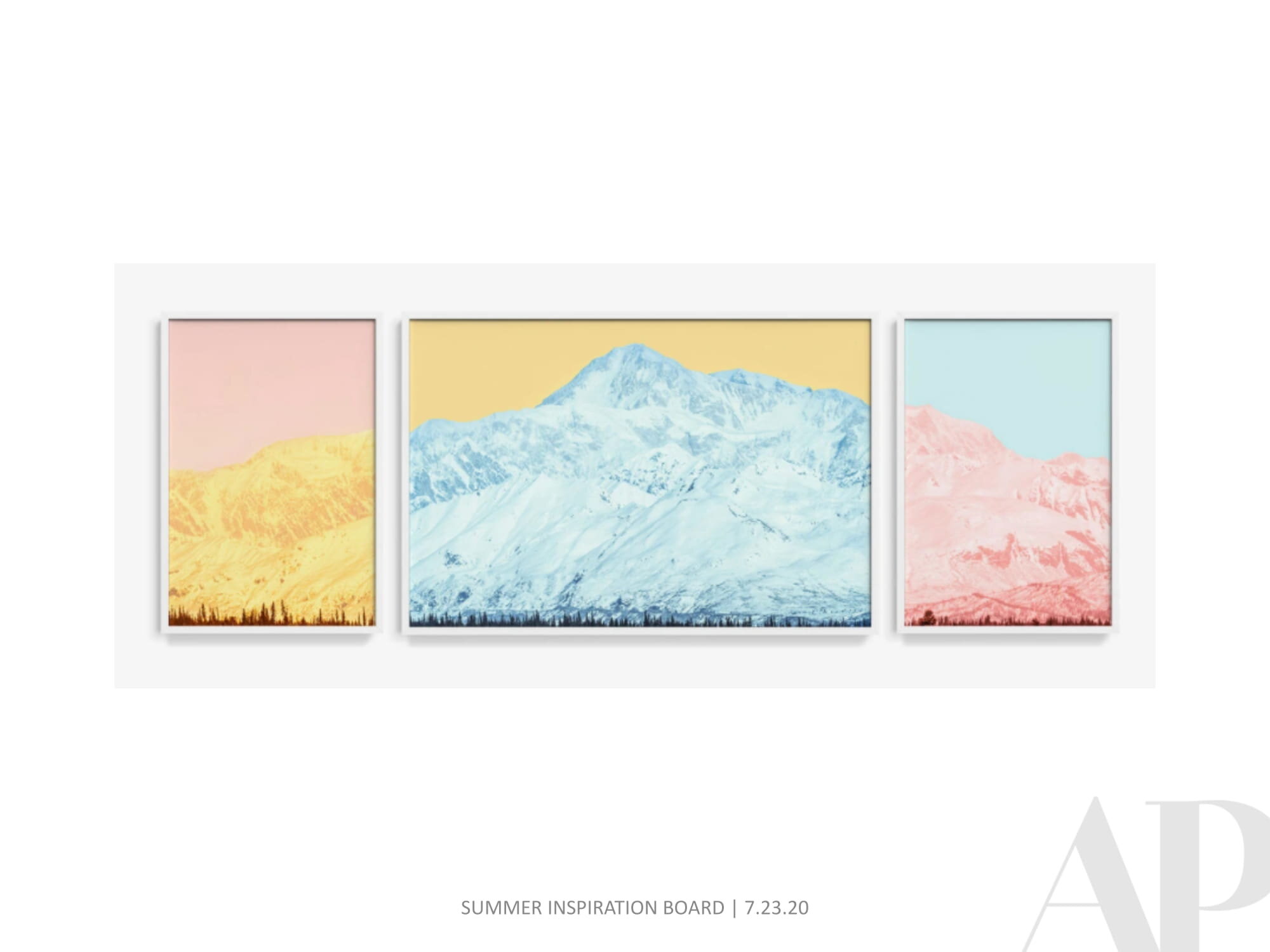
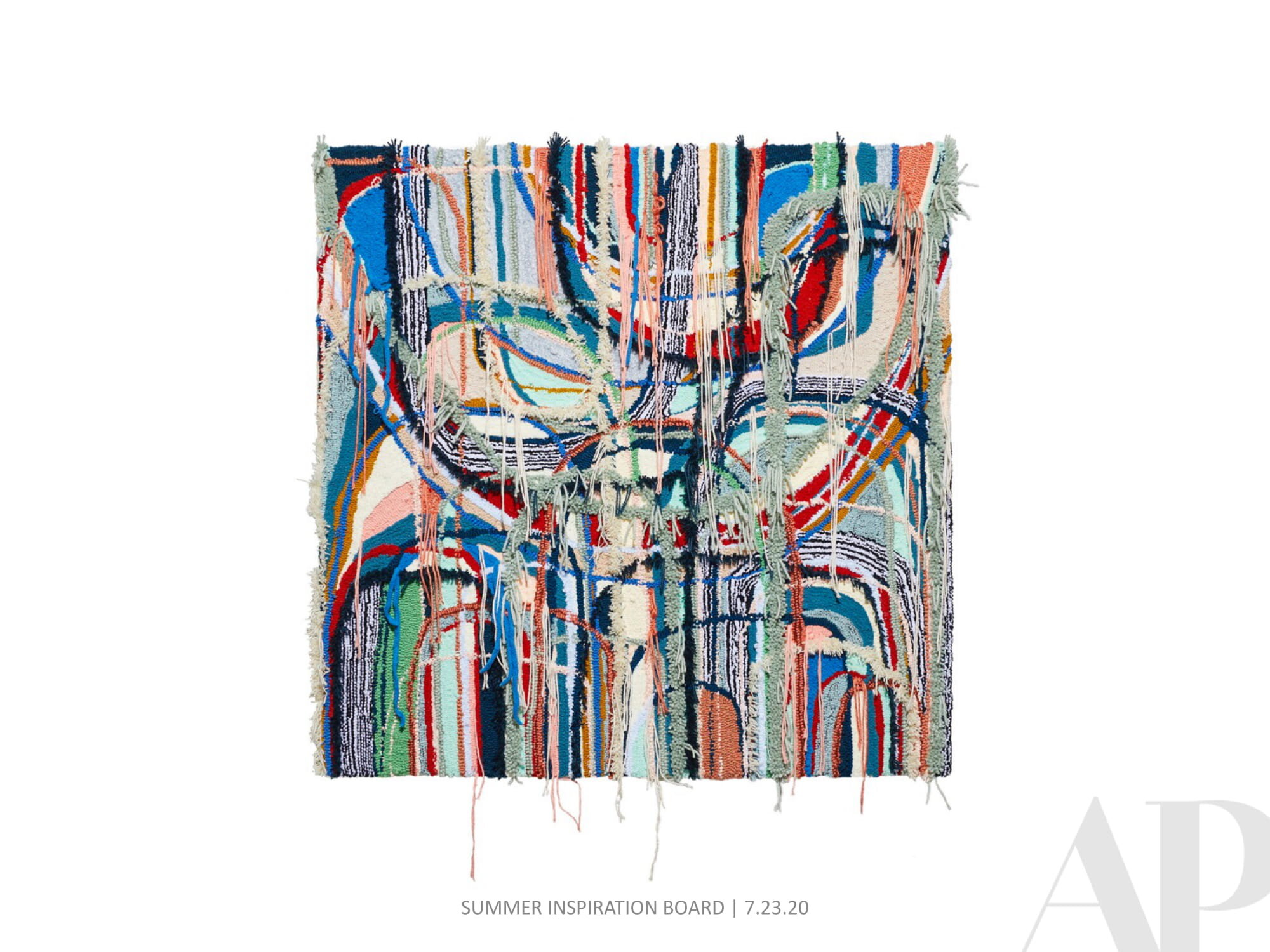
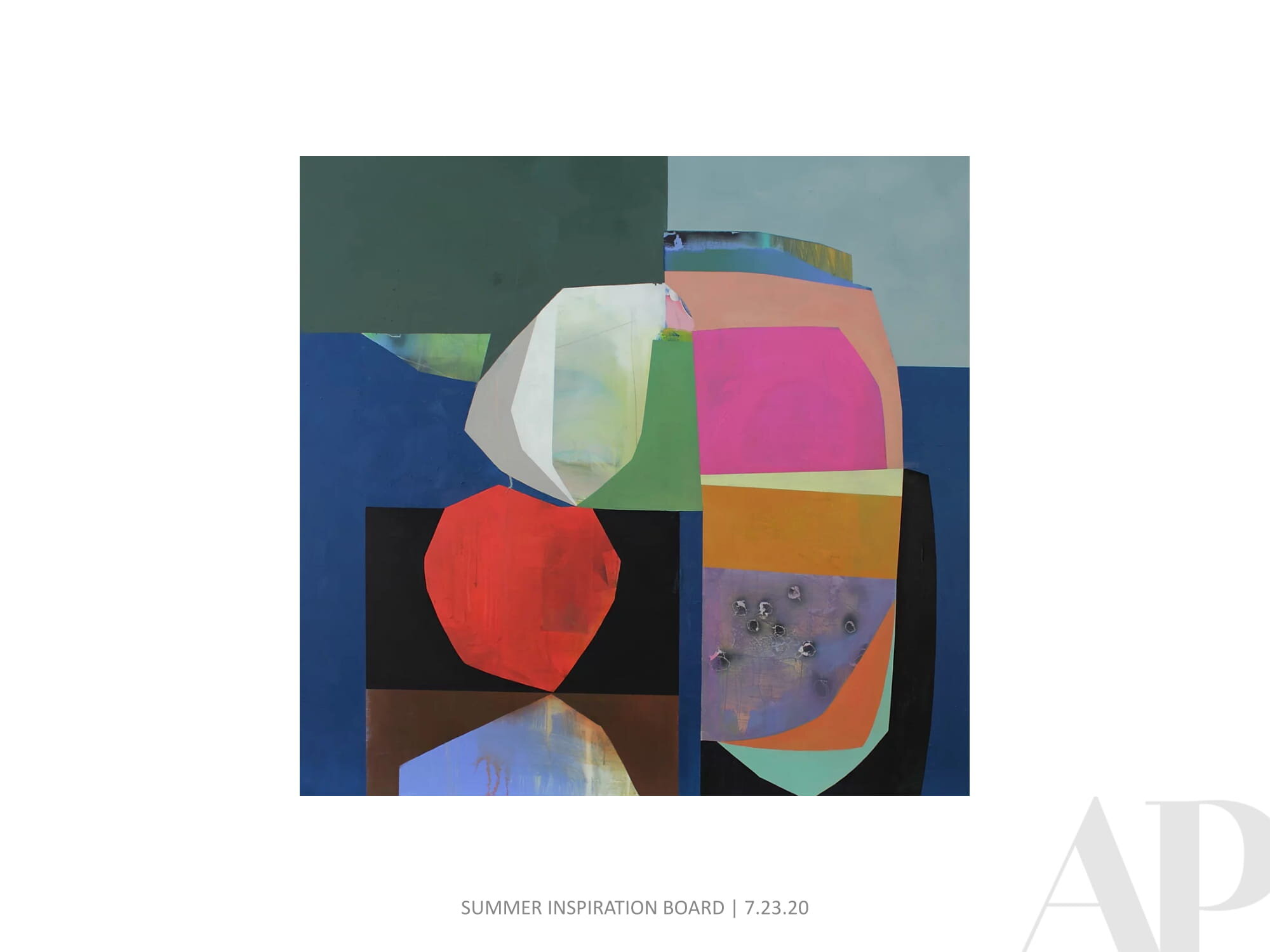
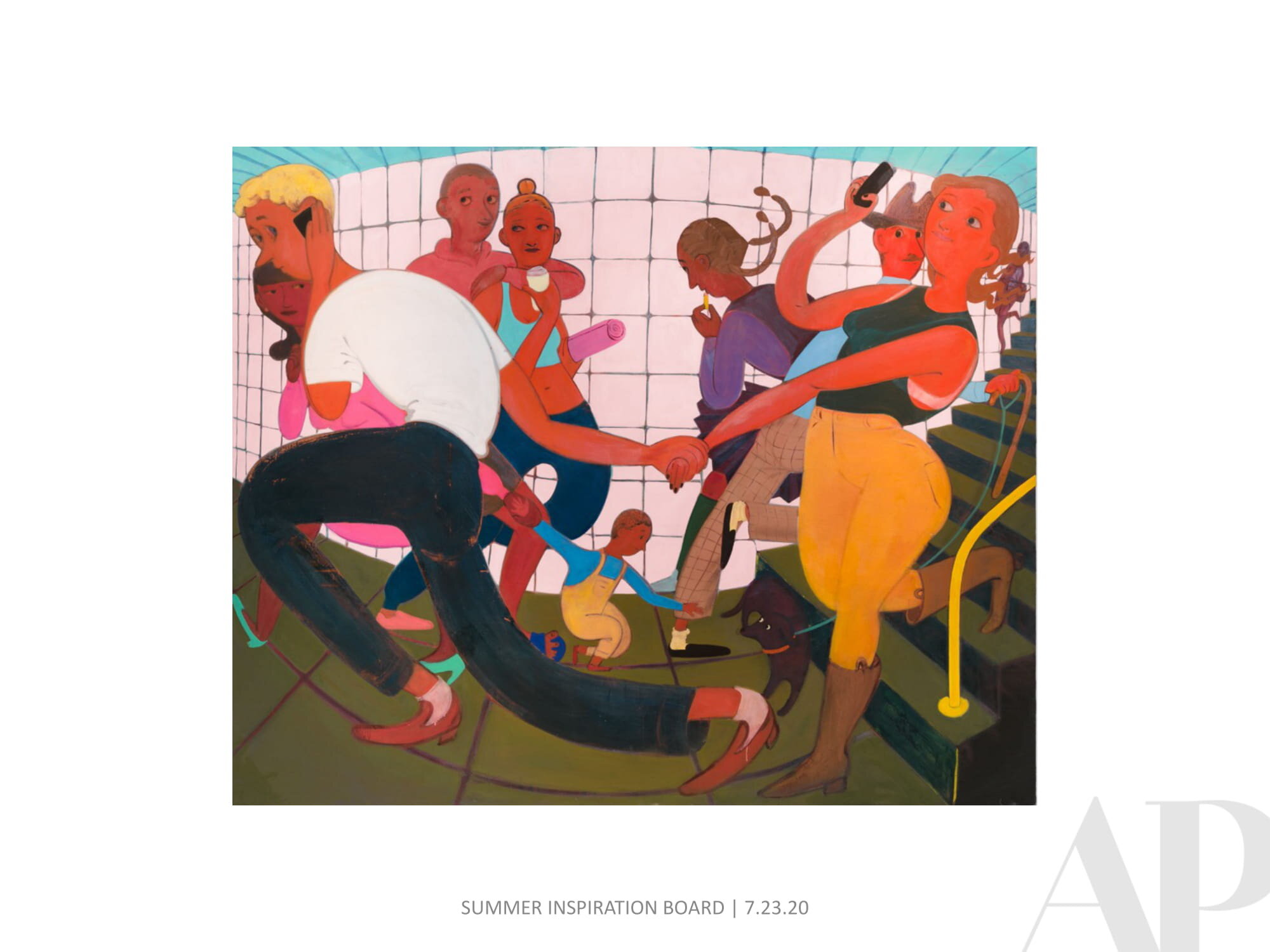
Checking in with a new Inspiration Board - this one is chock full of summer flair. Please know that APP can create a custom inspiration package for any kind of project you might be working on. Just let us know what look and feel you're going for and we will put together something fun for you.


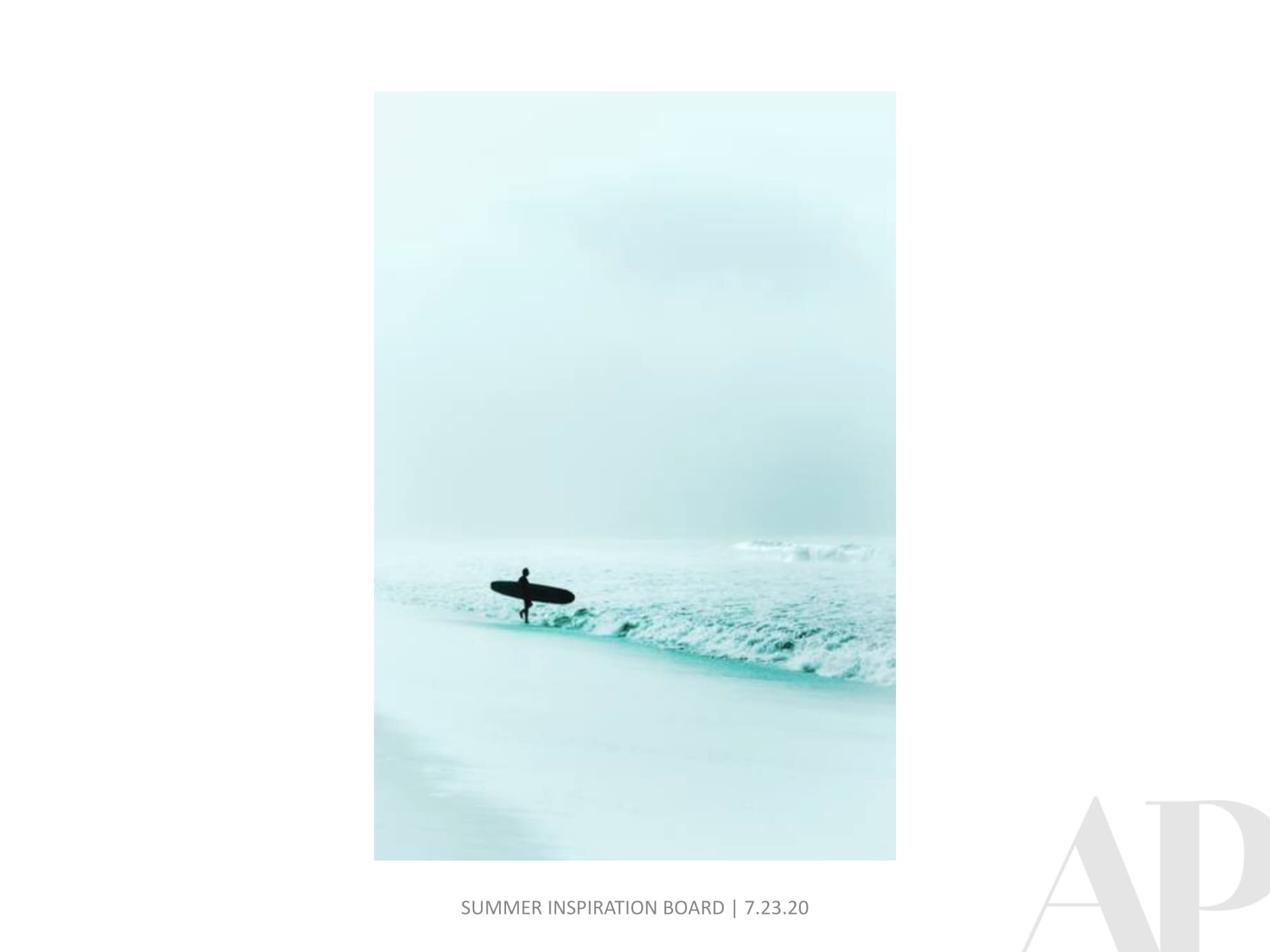

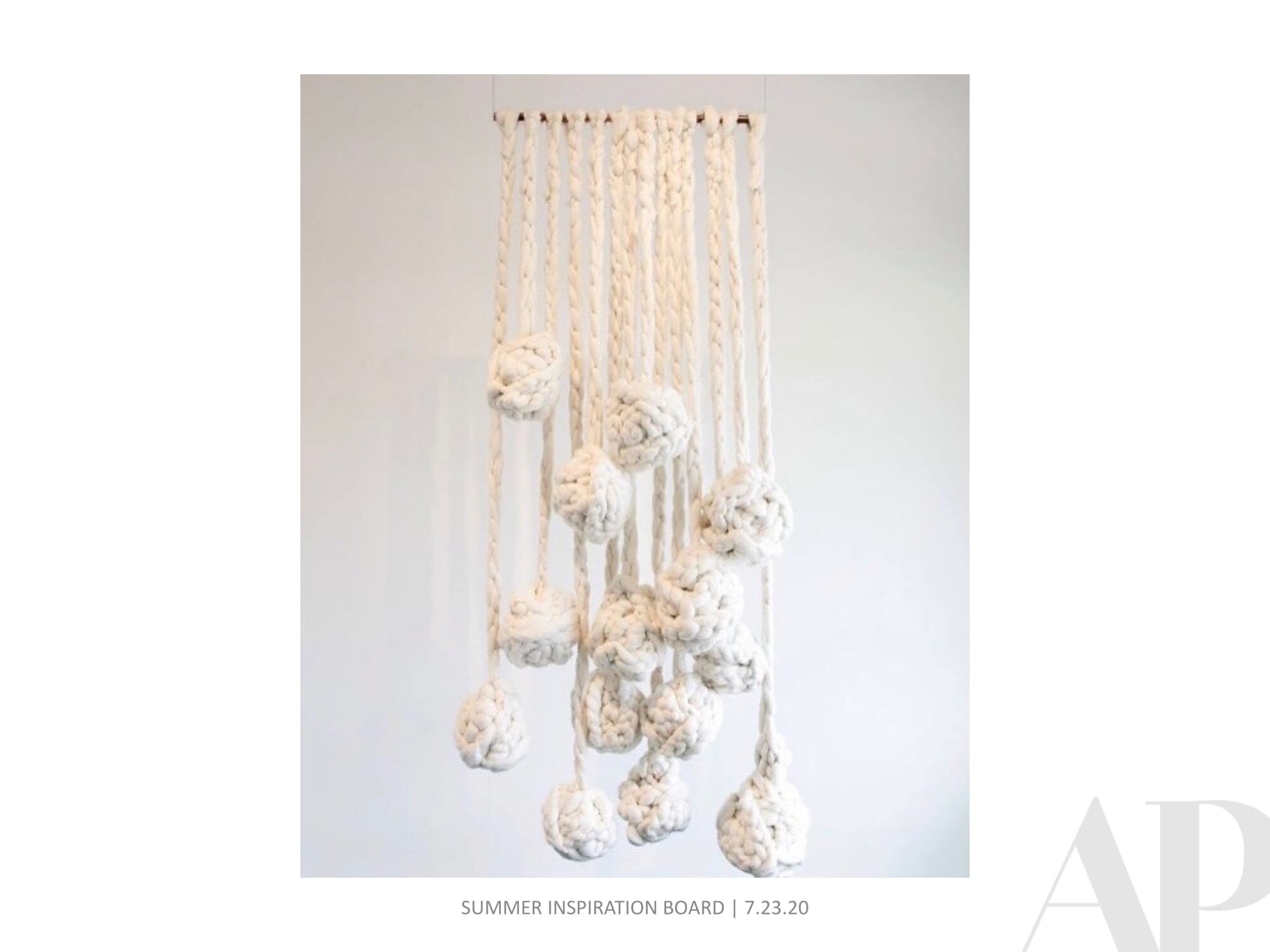
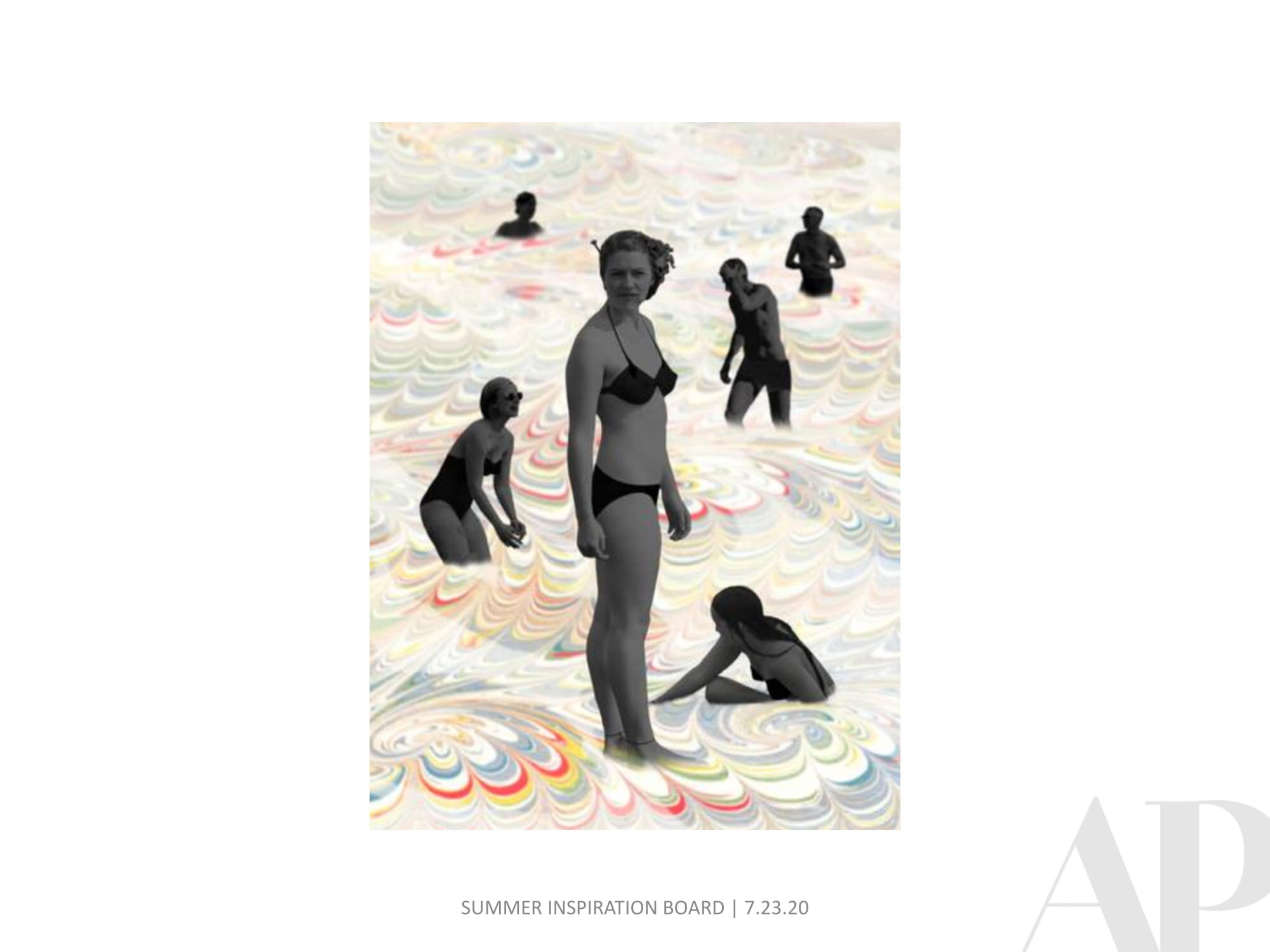

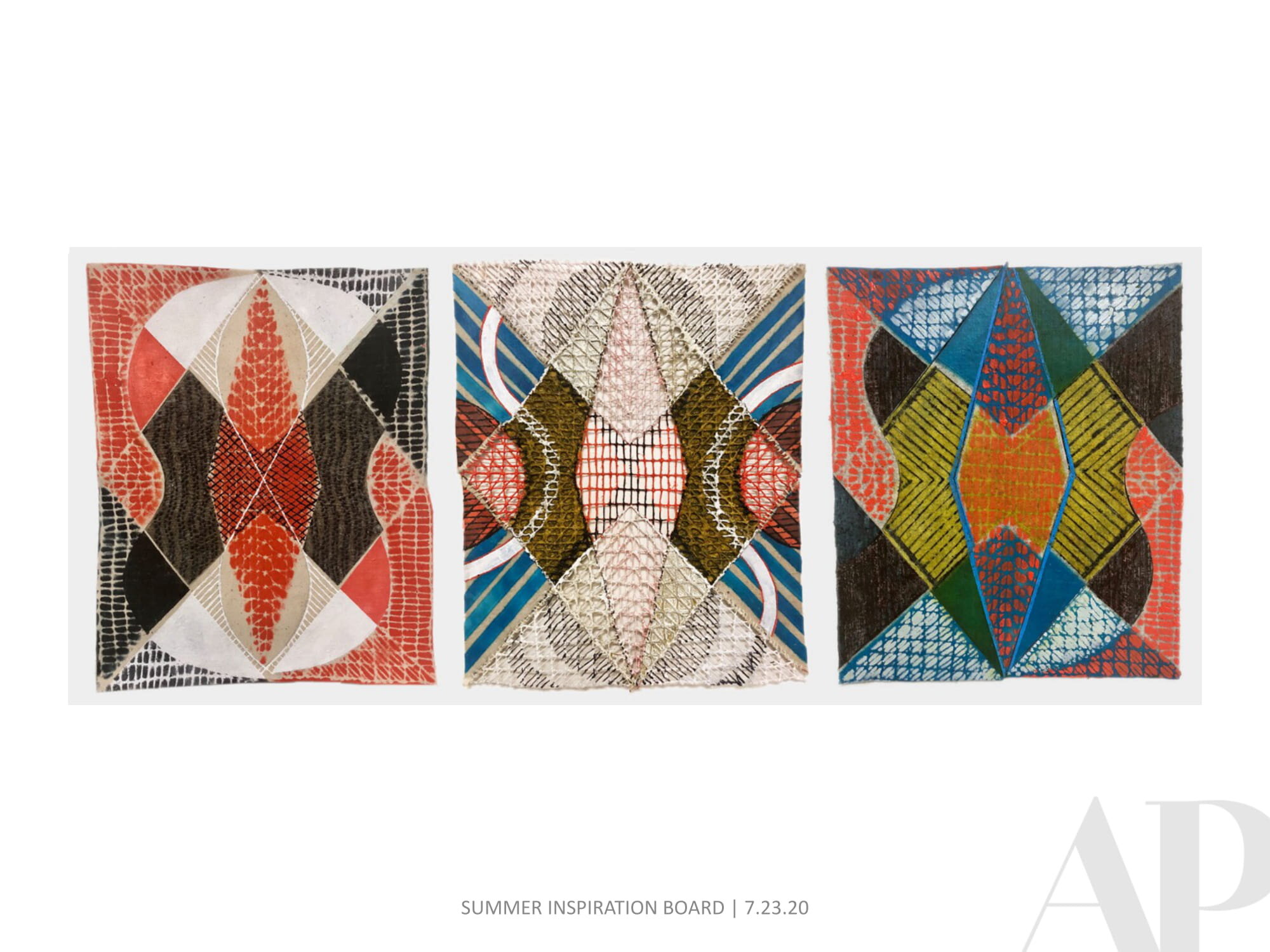
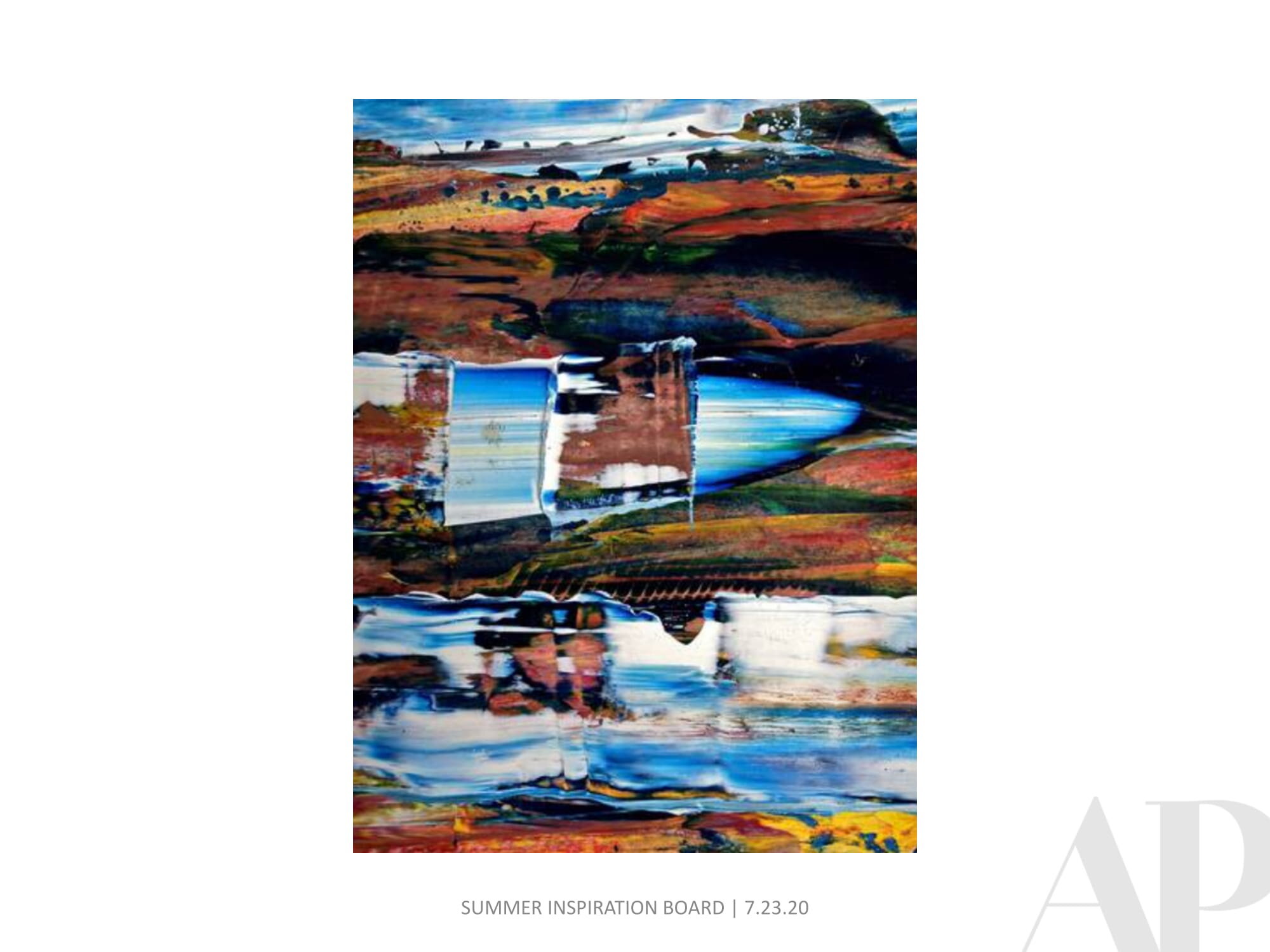

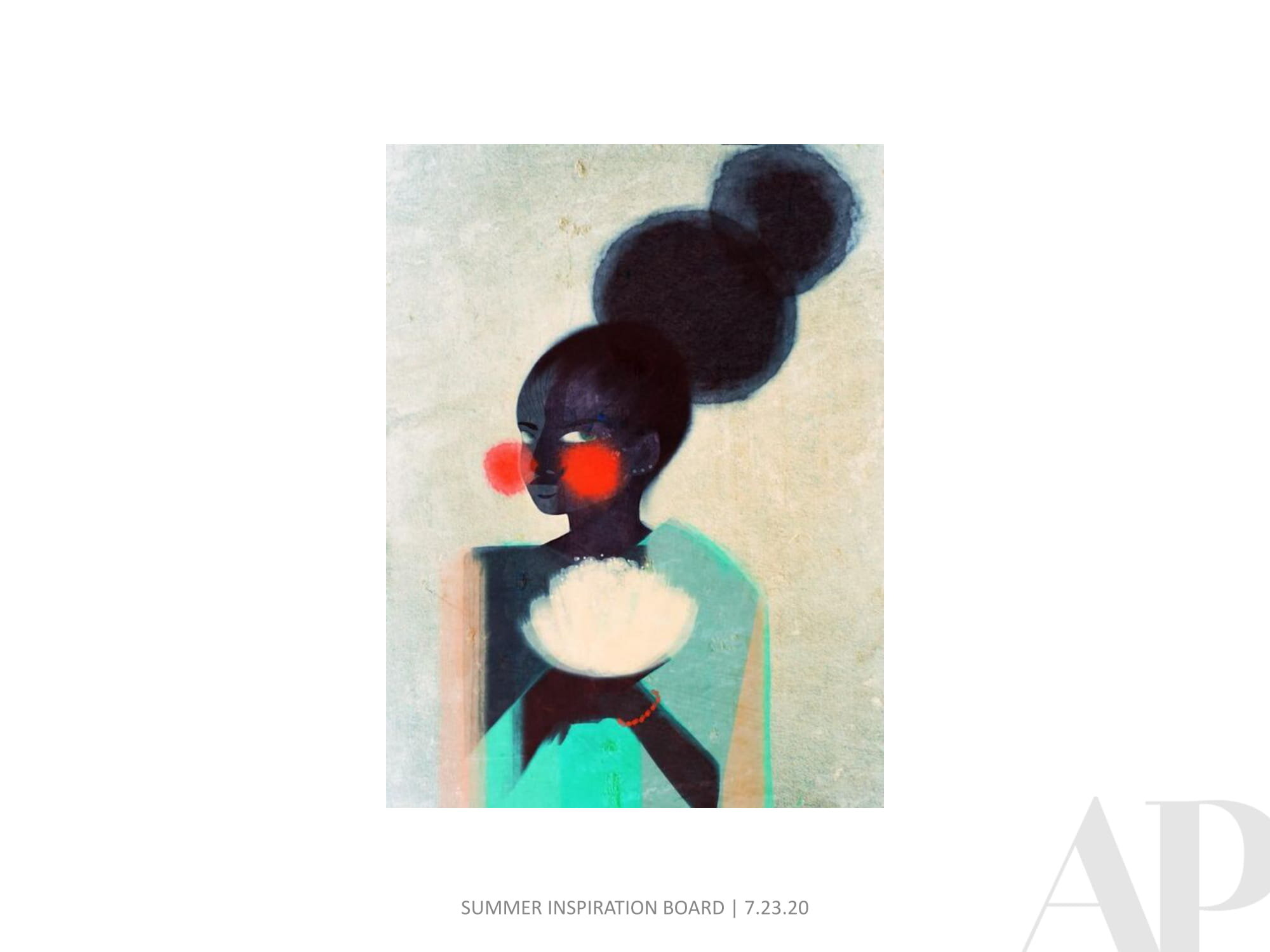
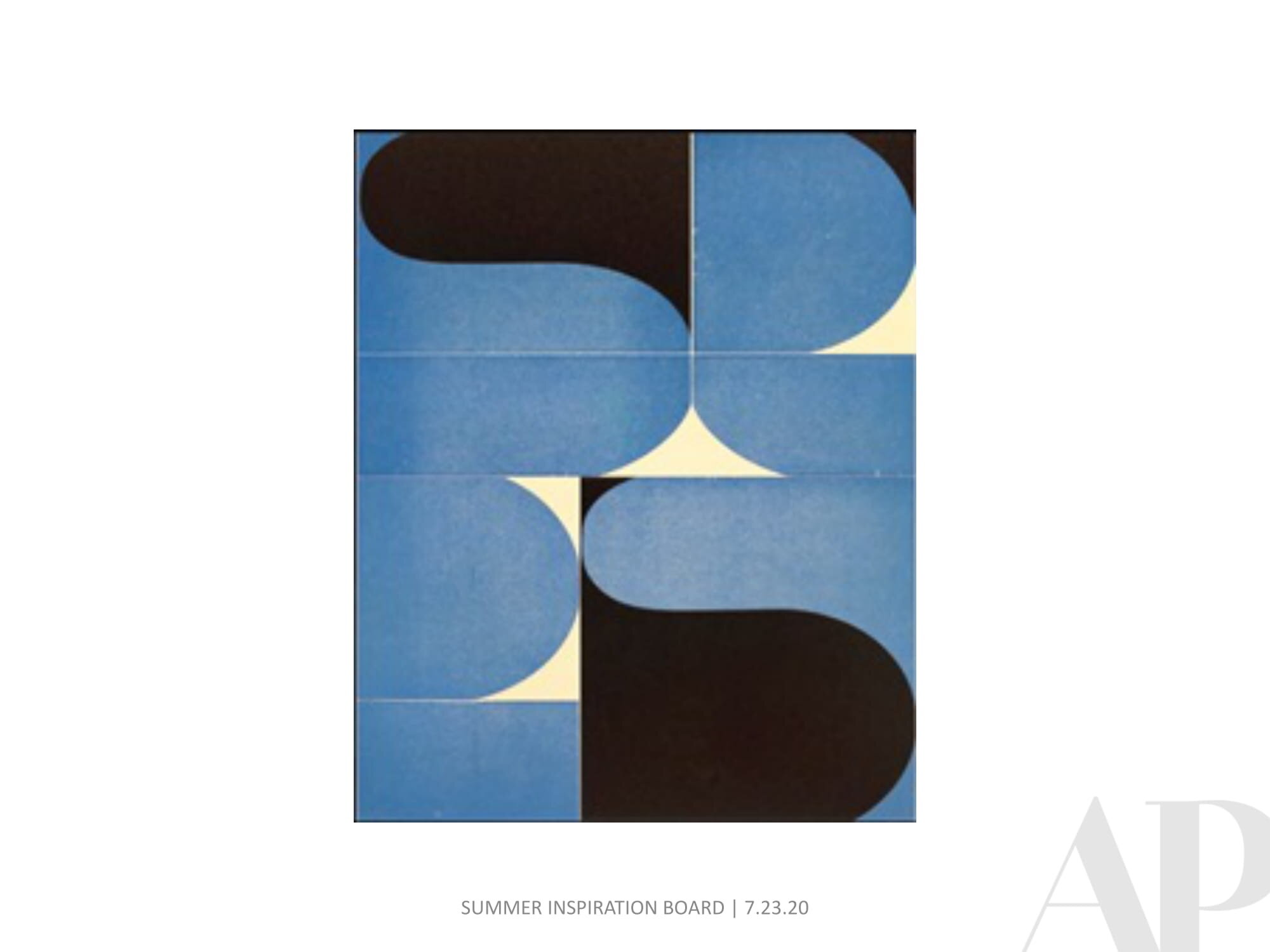
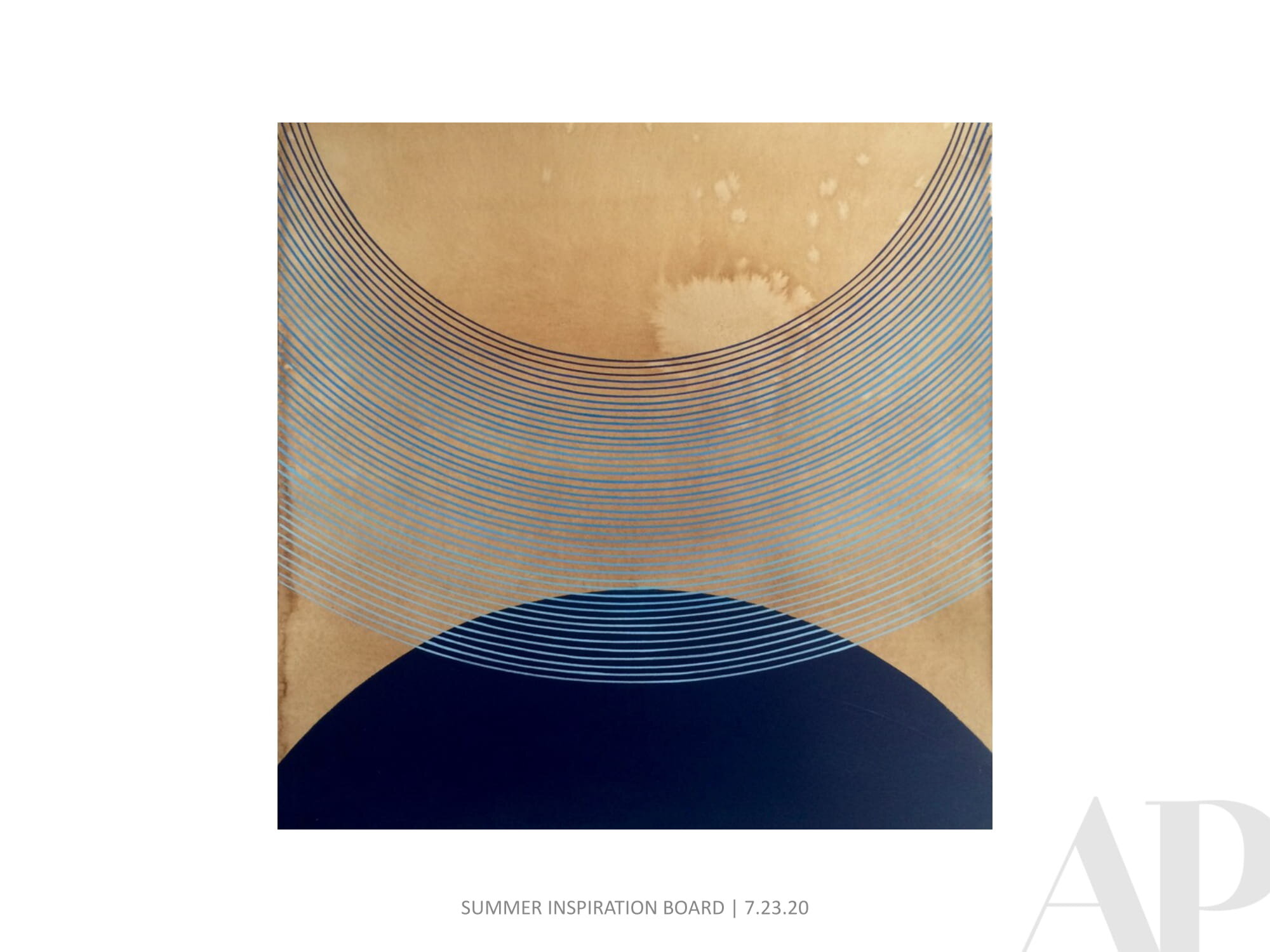

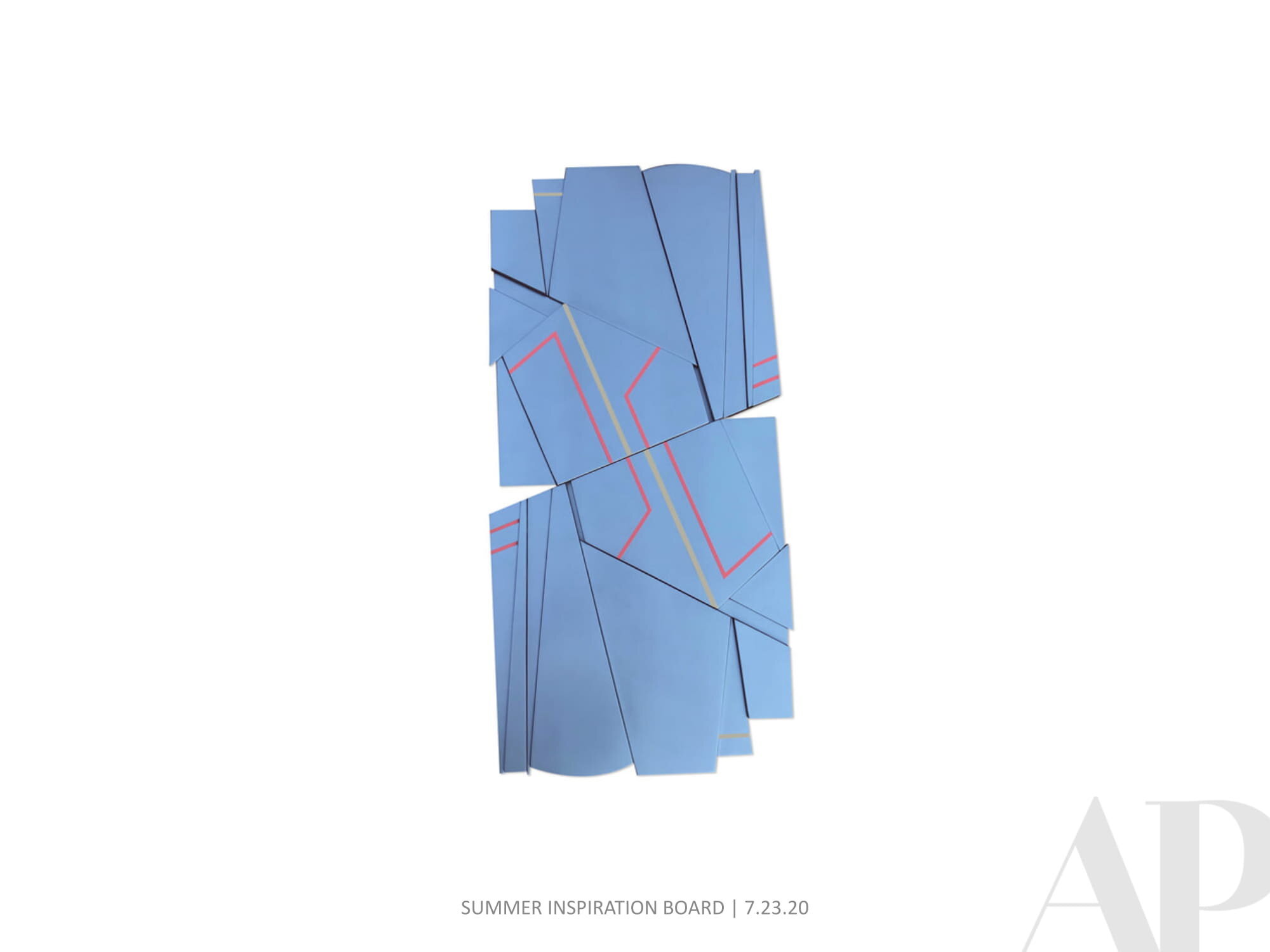

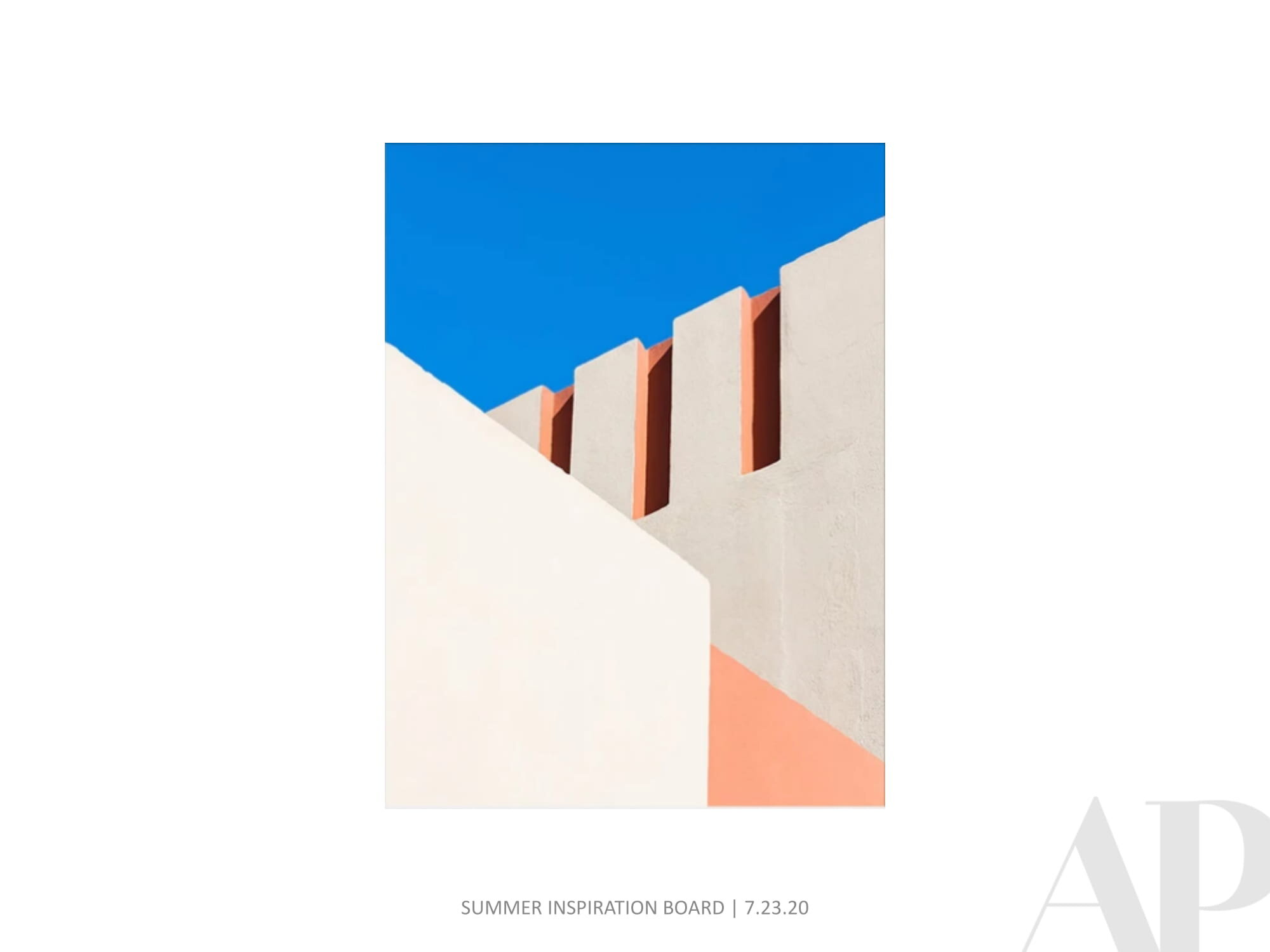
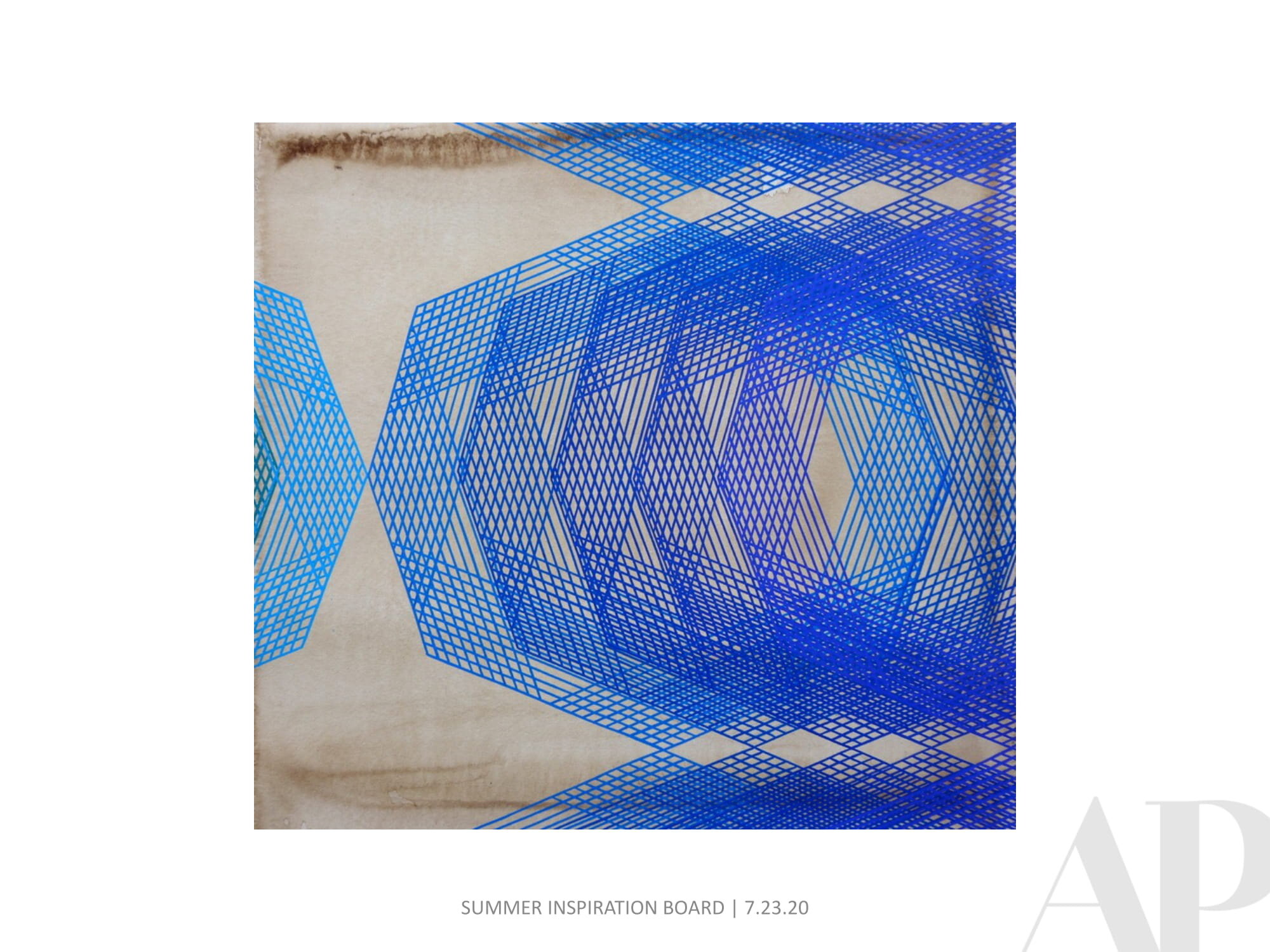


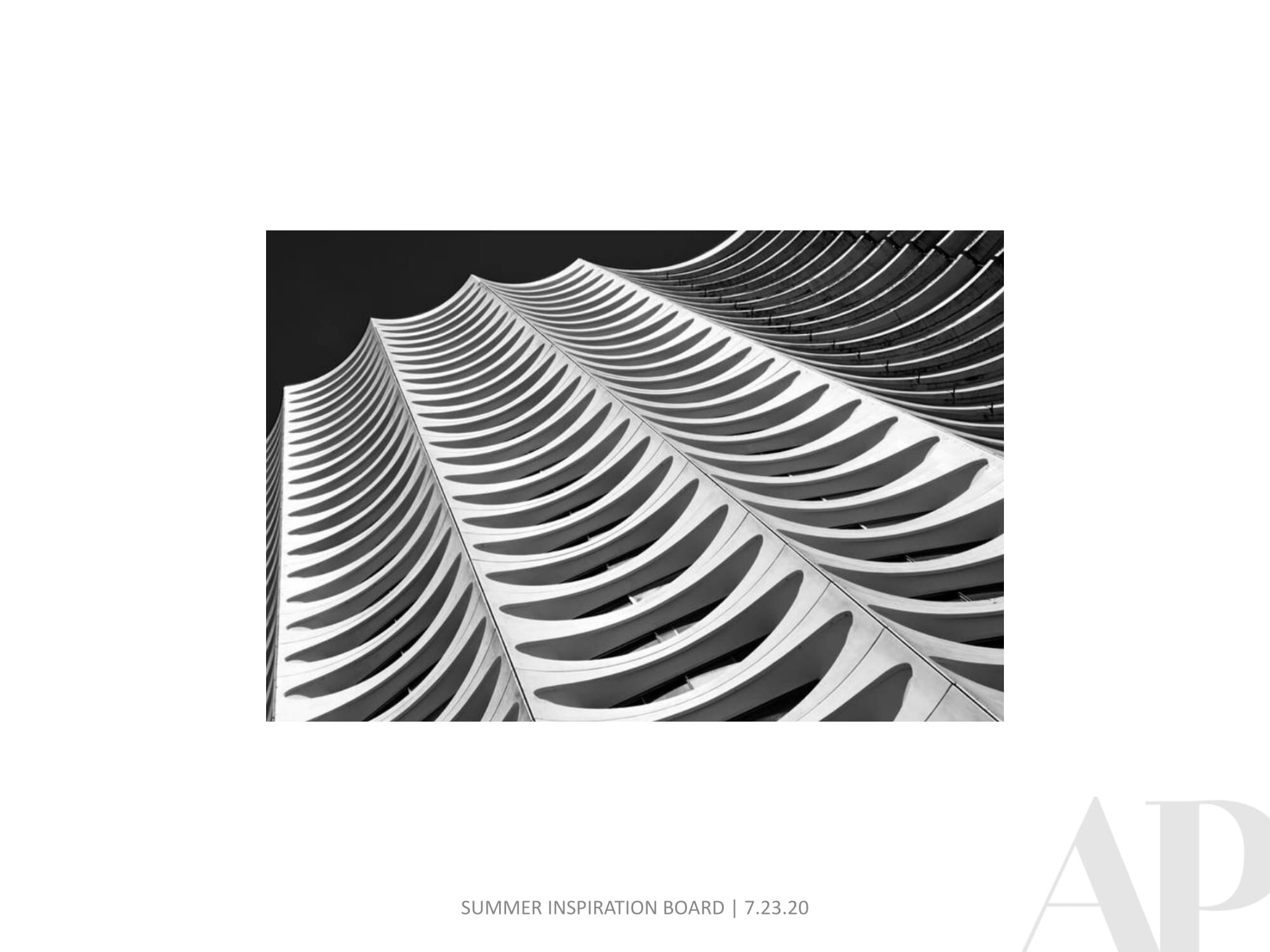

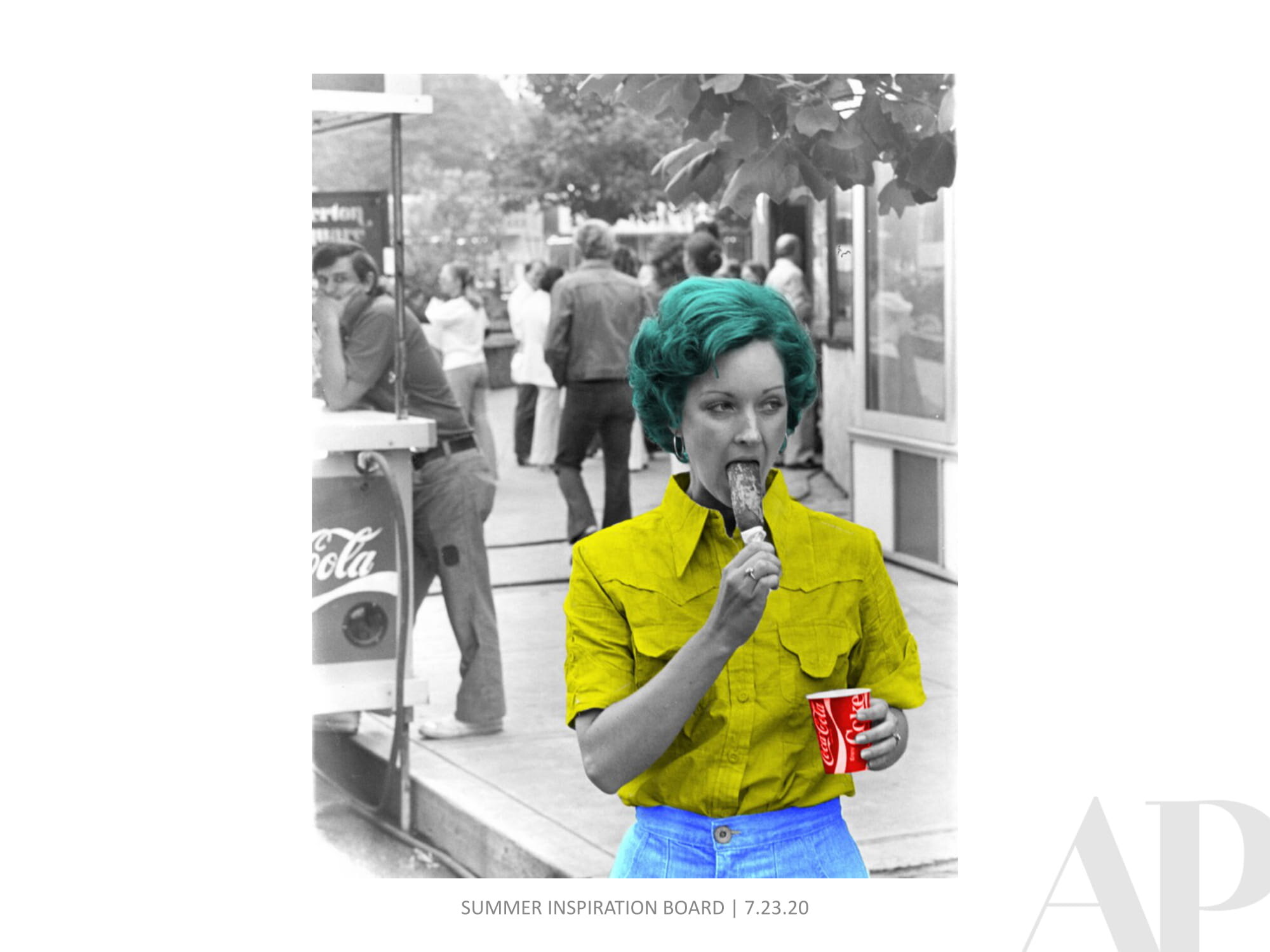

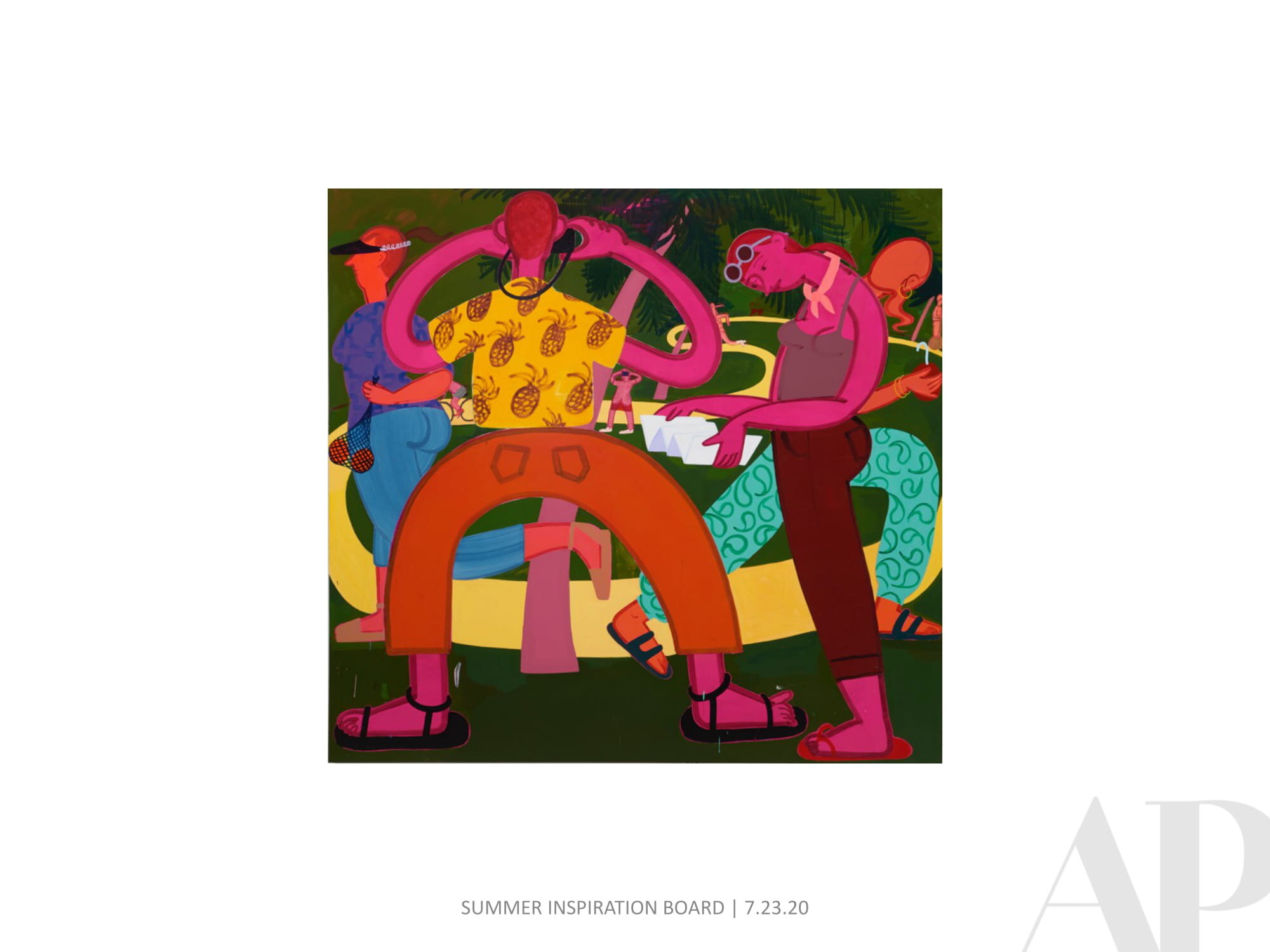
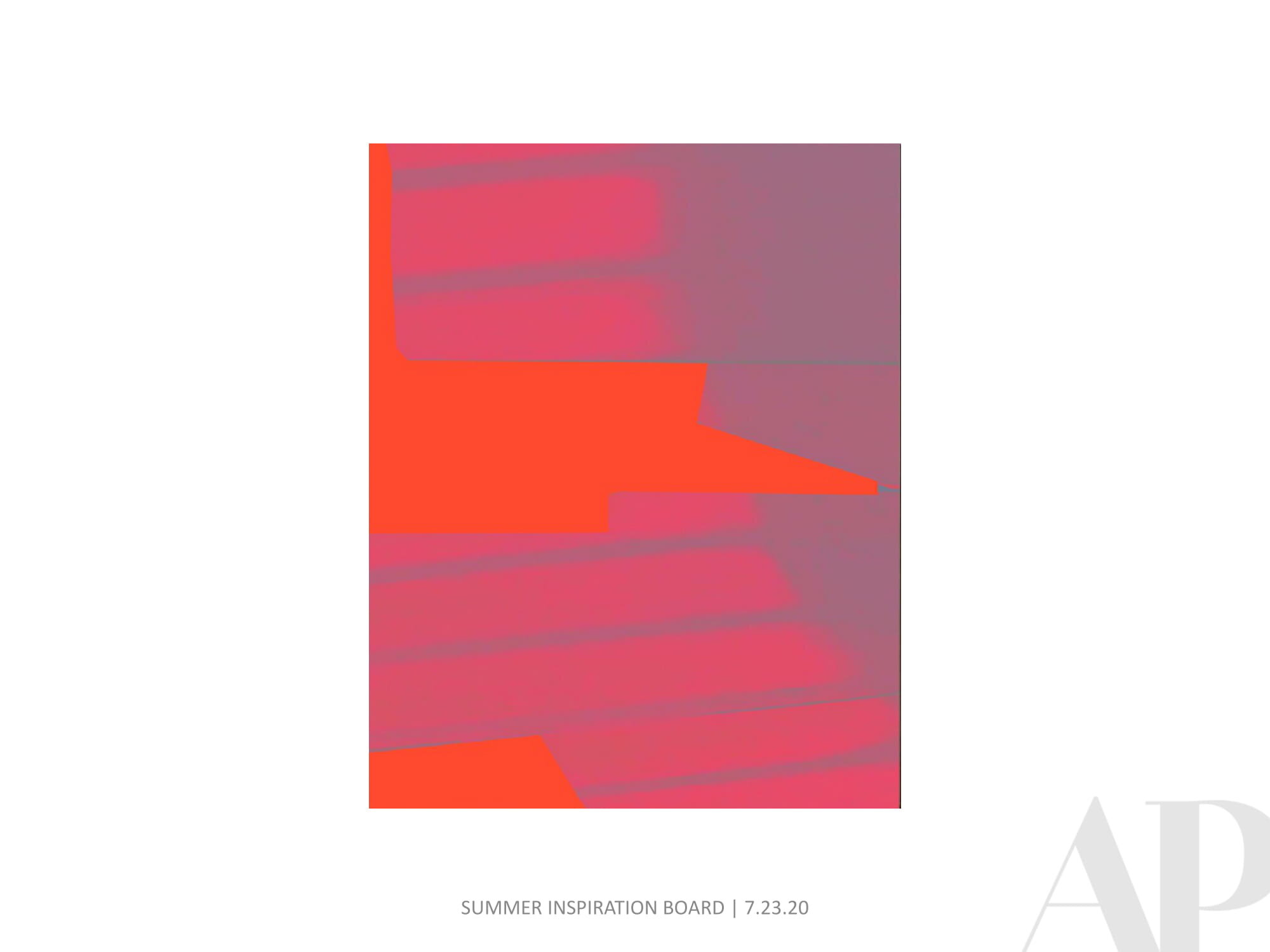
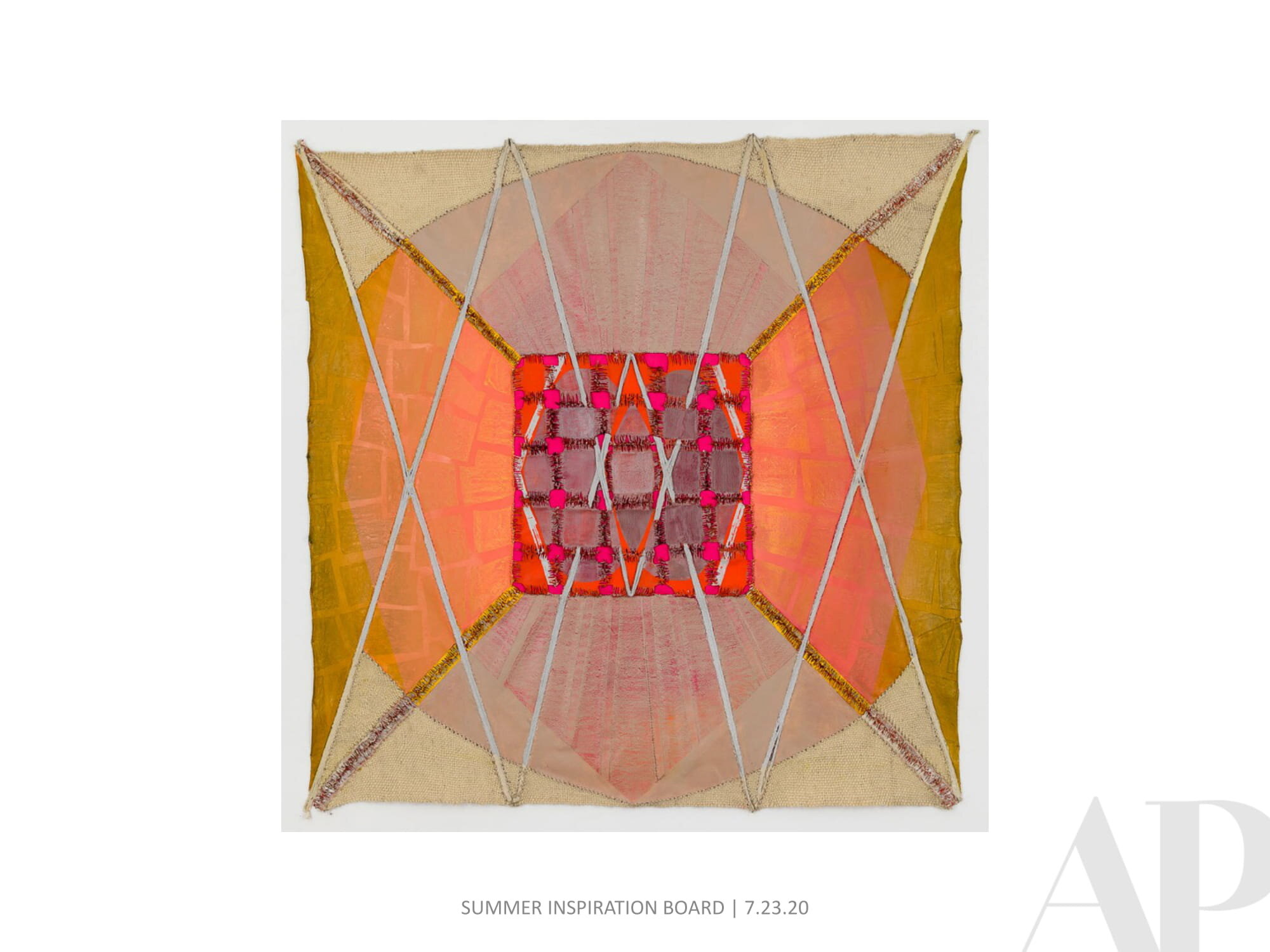


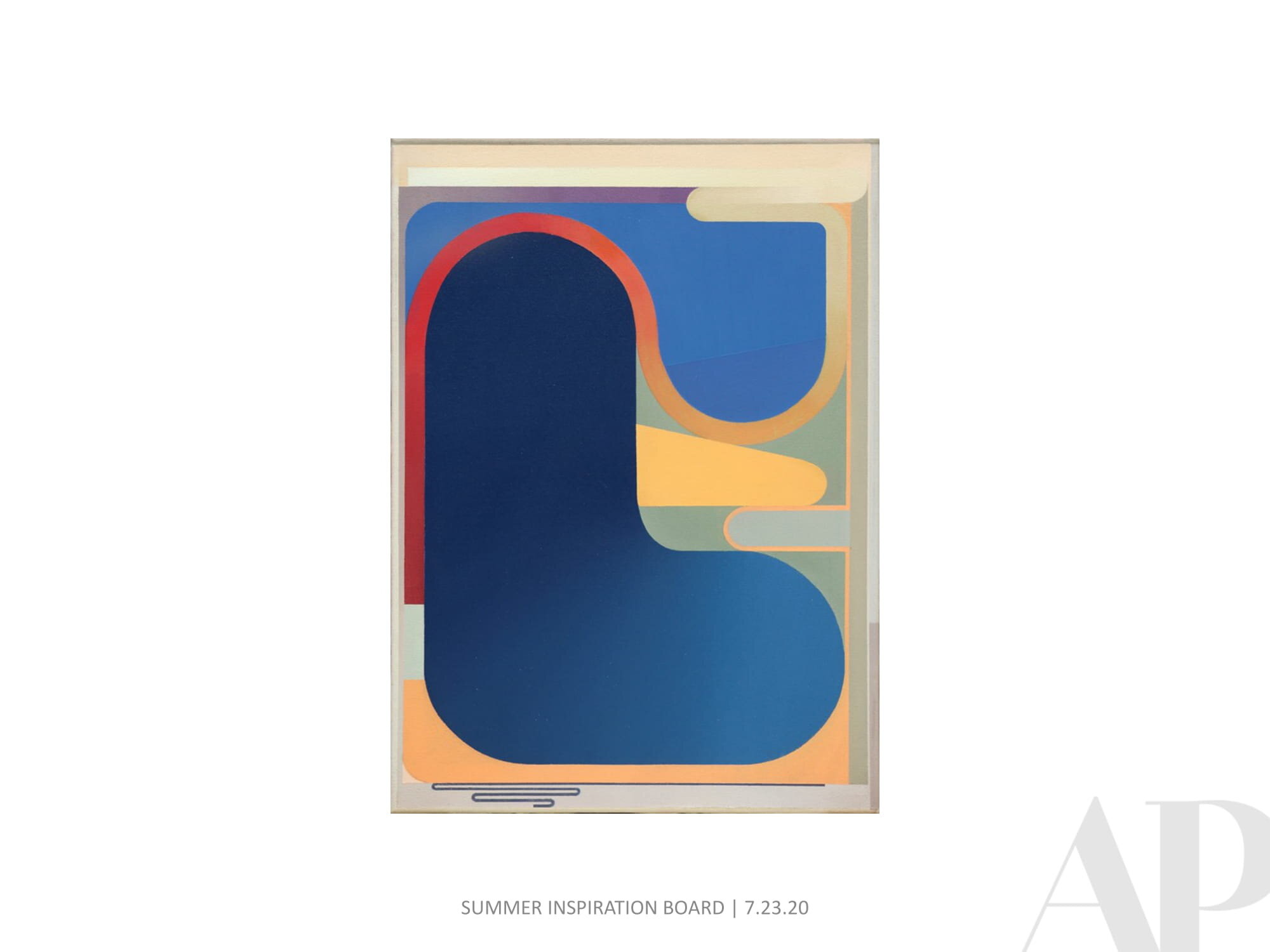
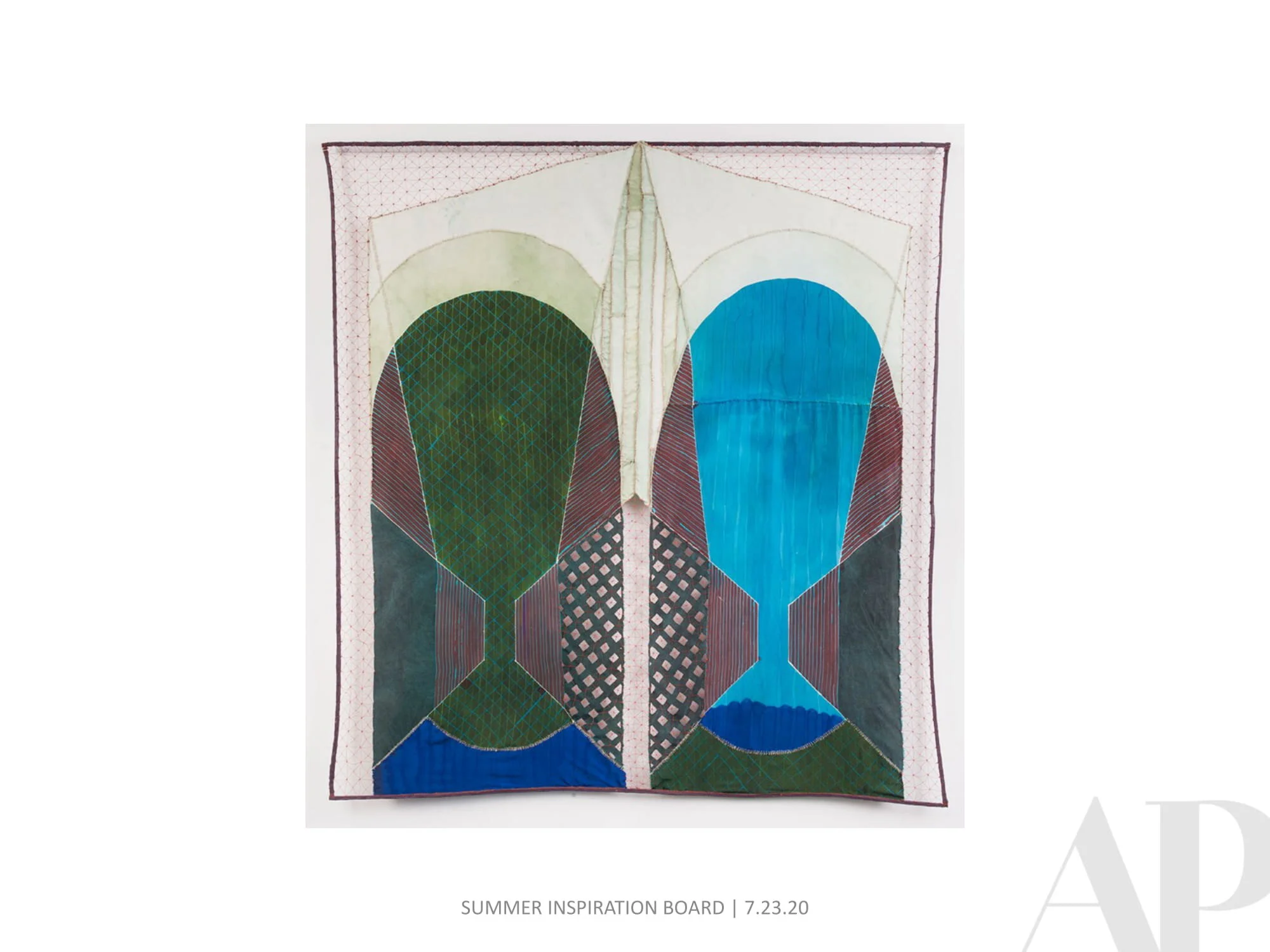

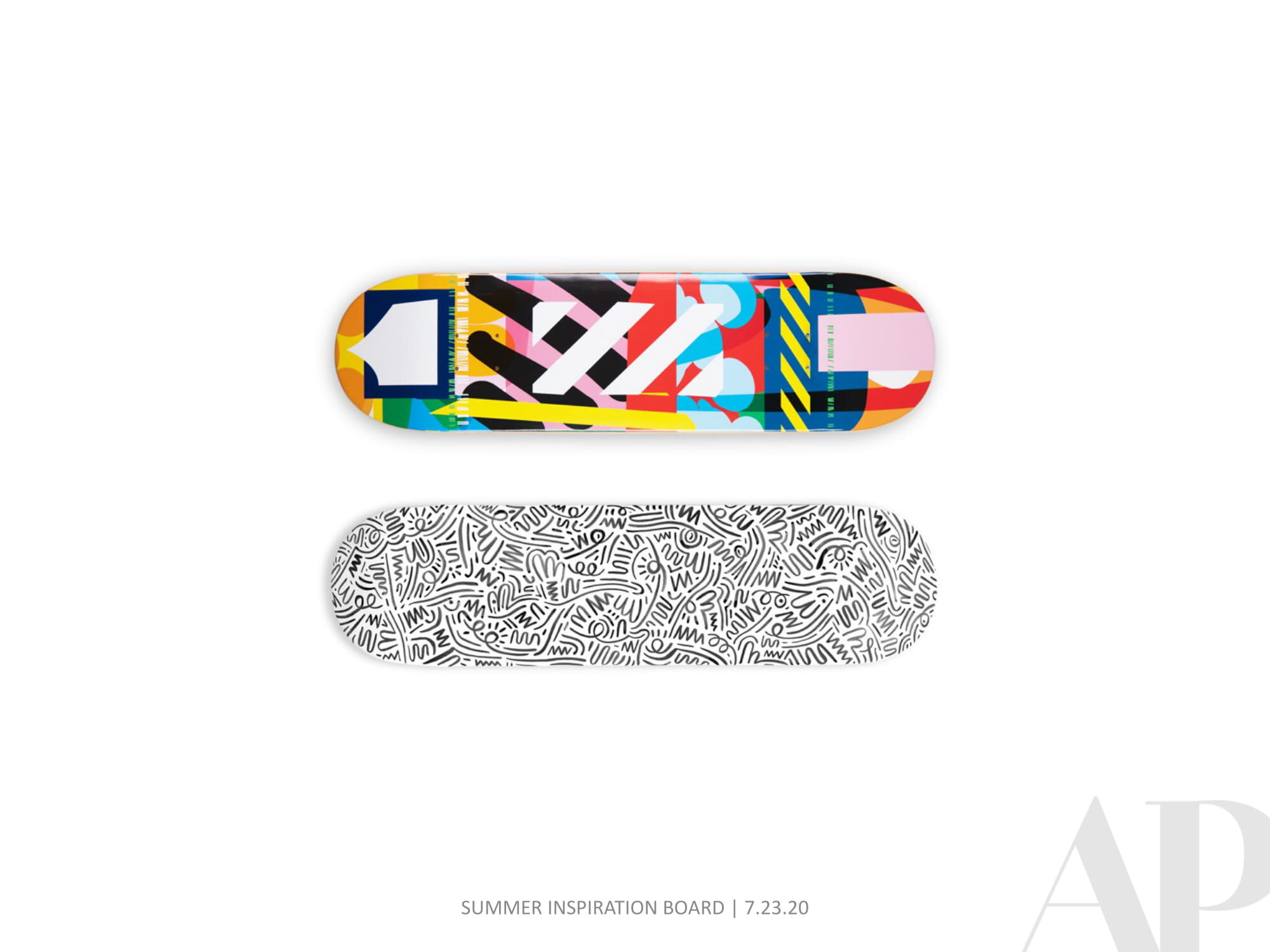


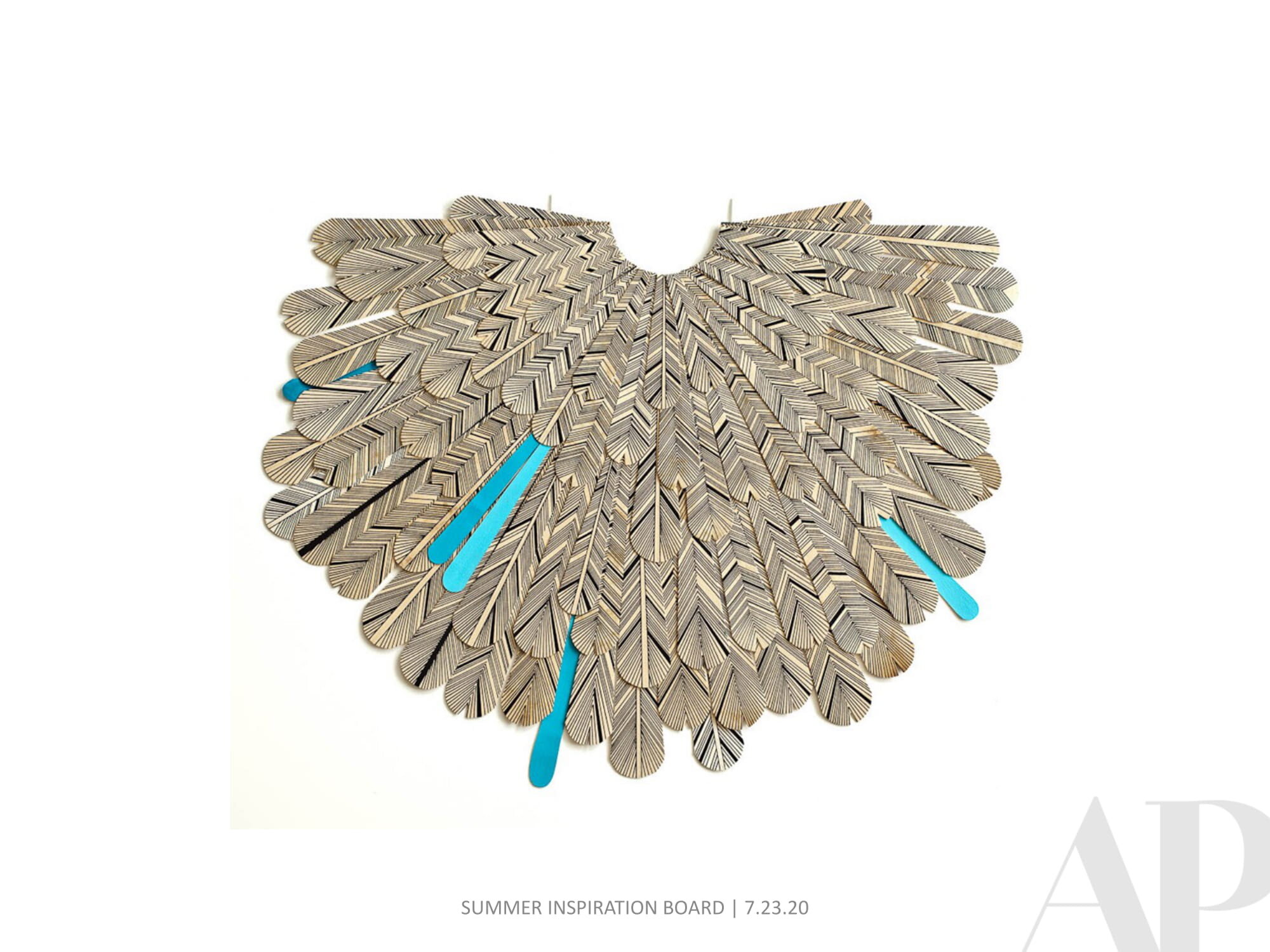
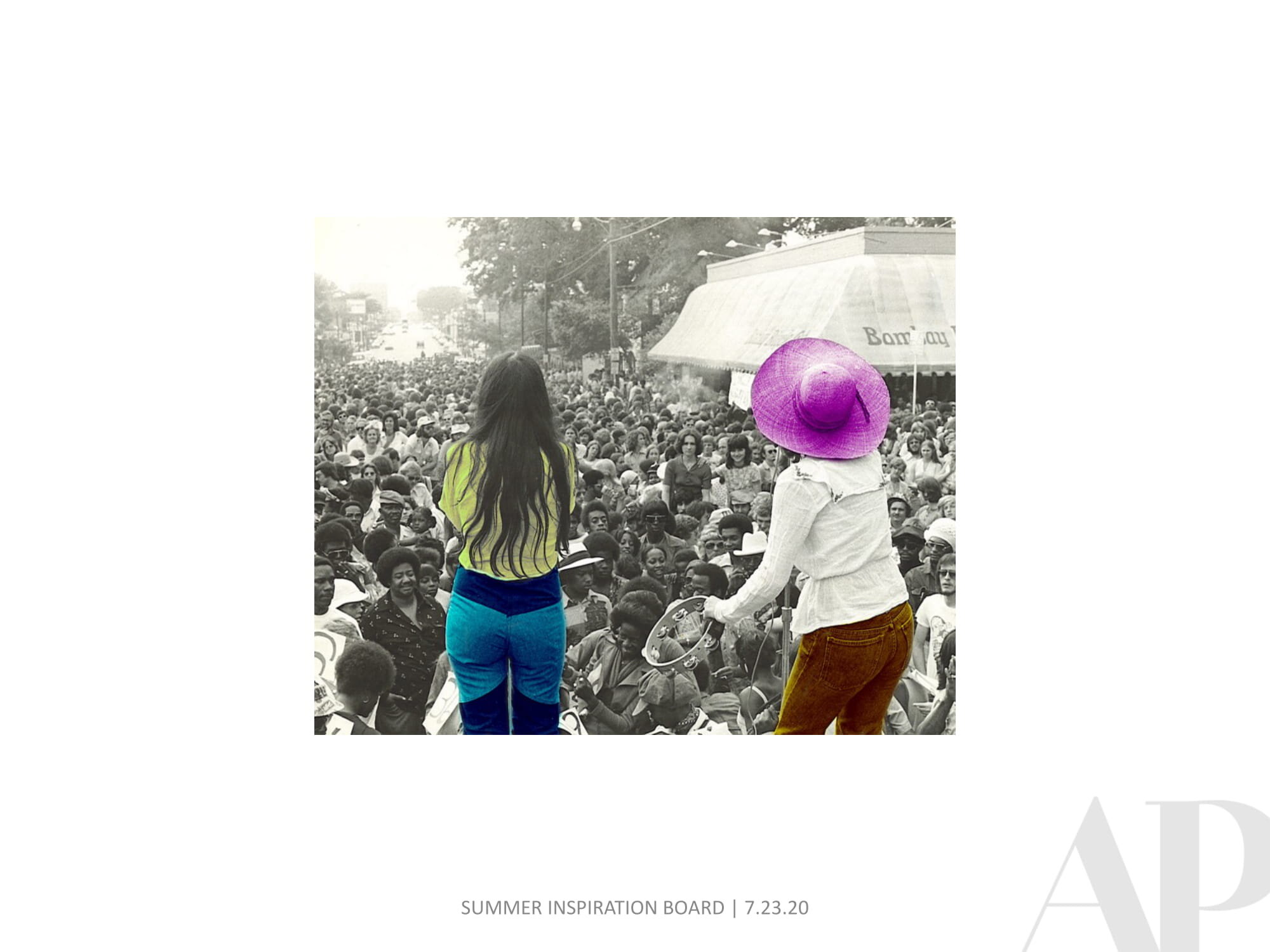
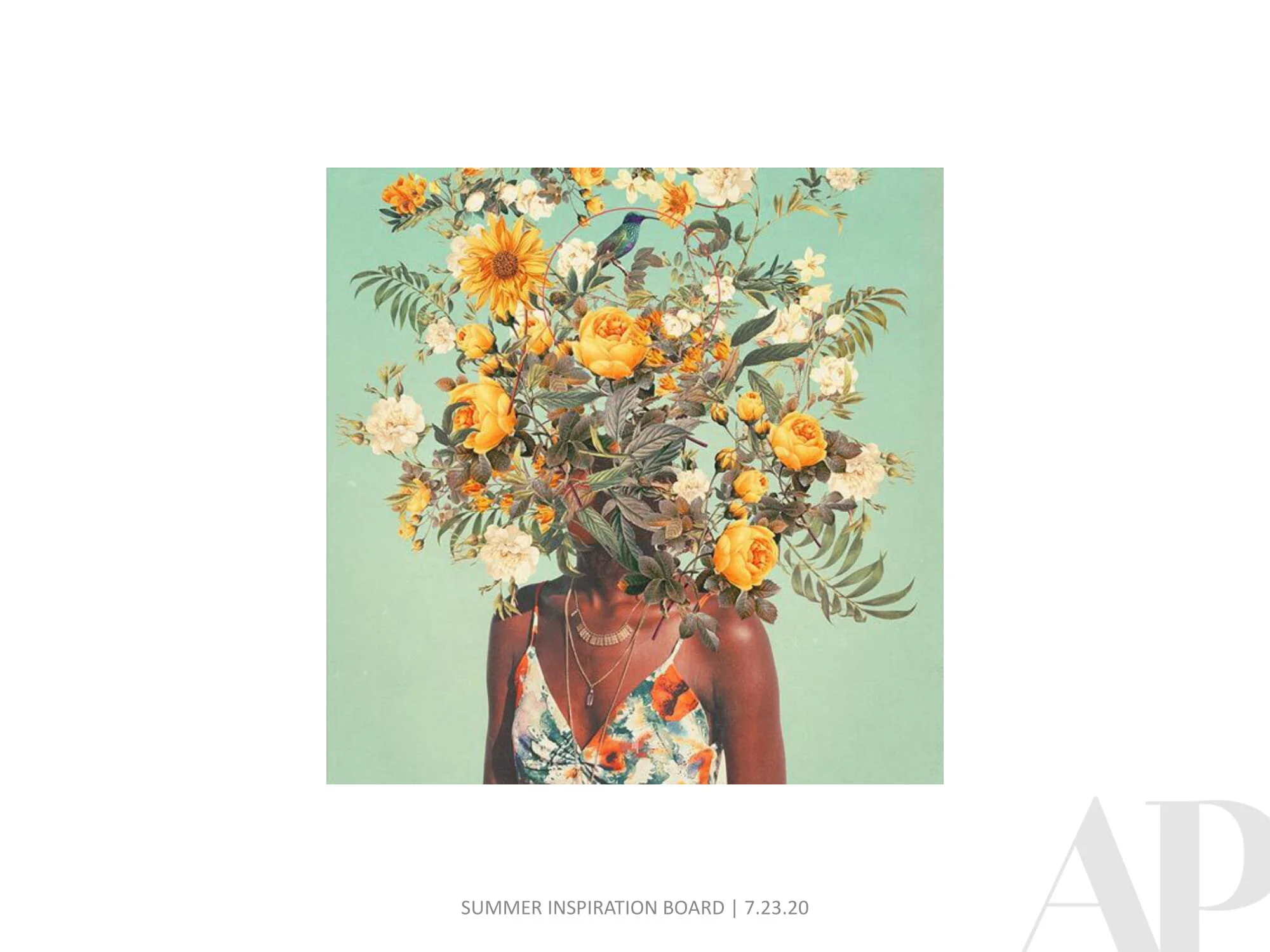

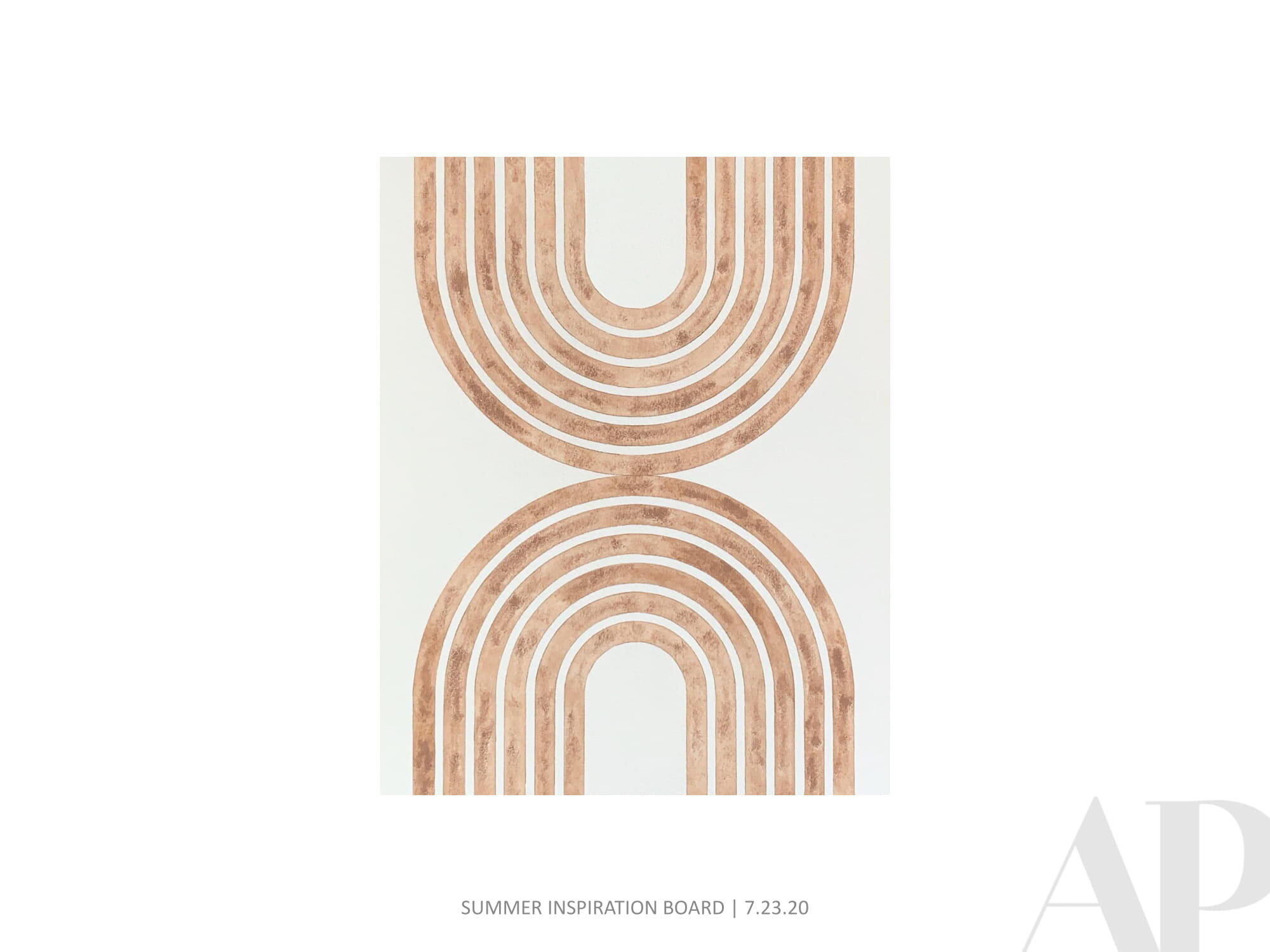
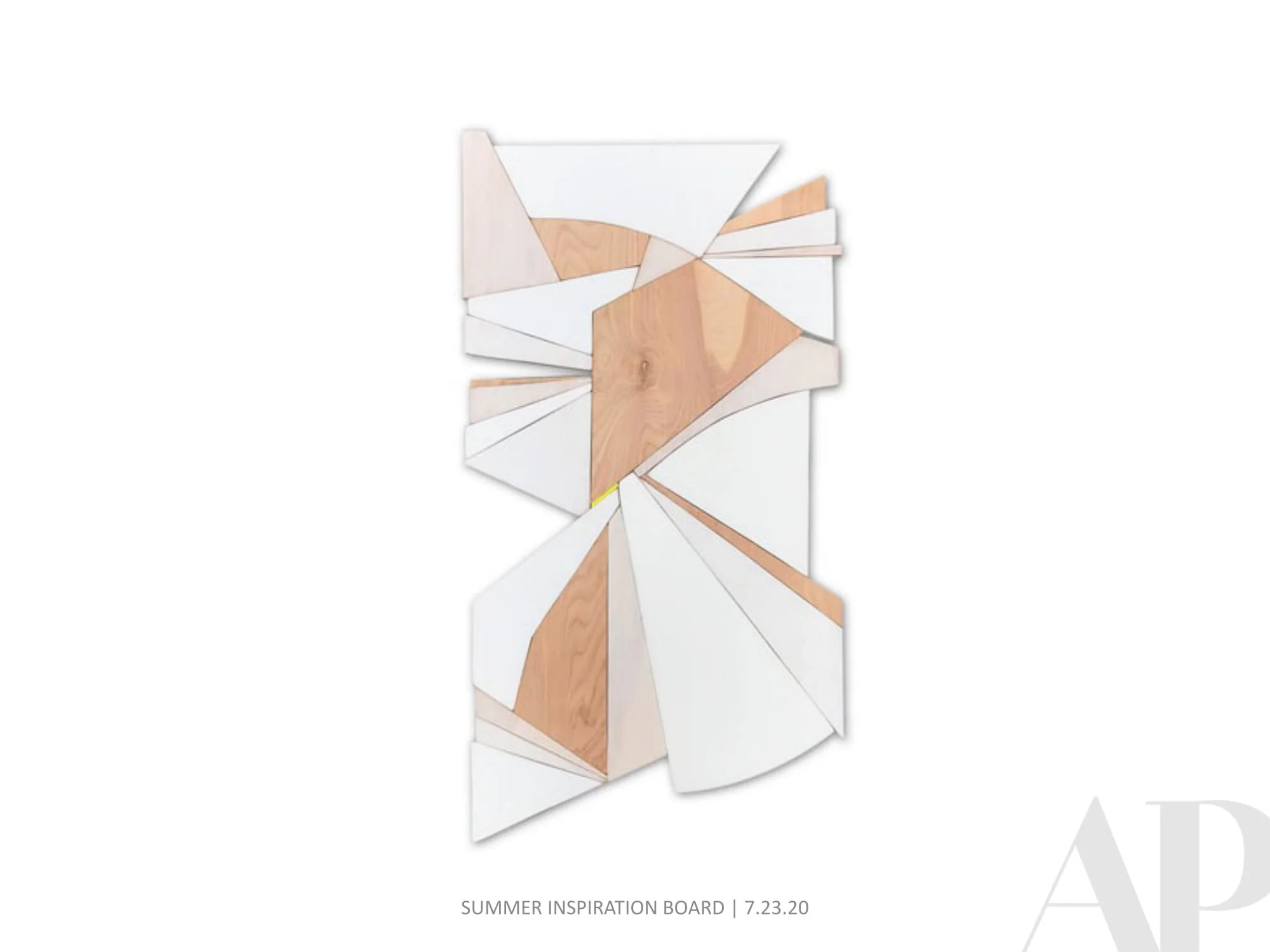
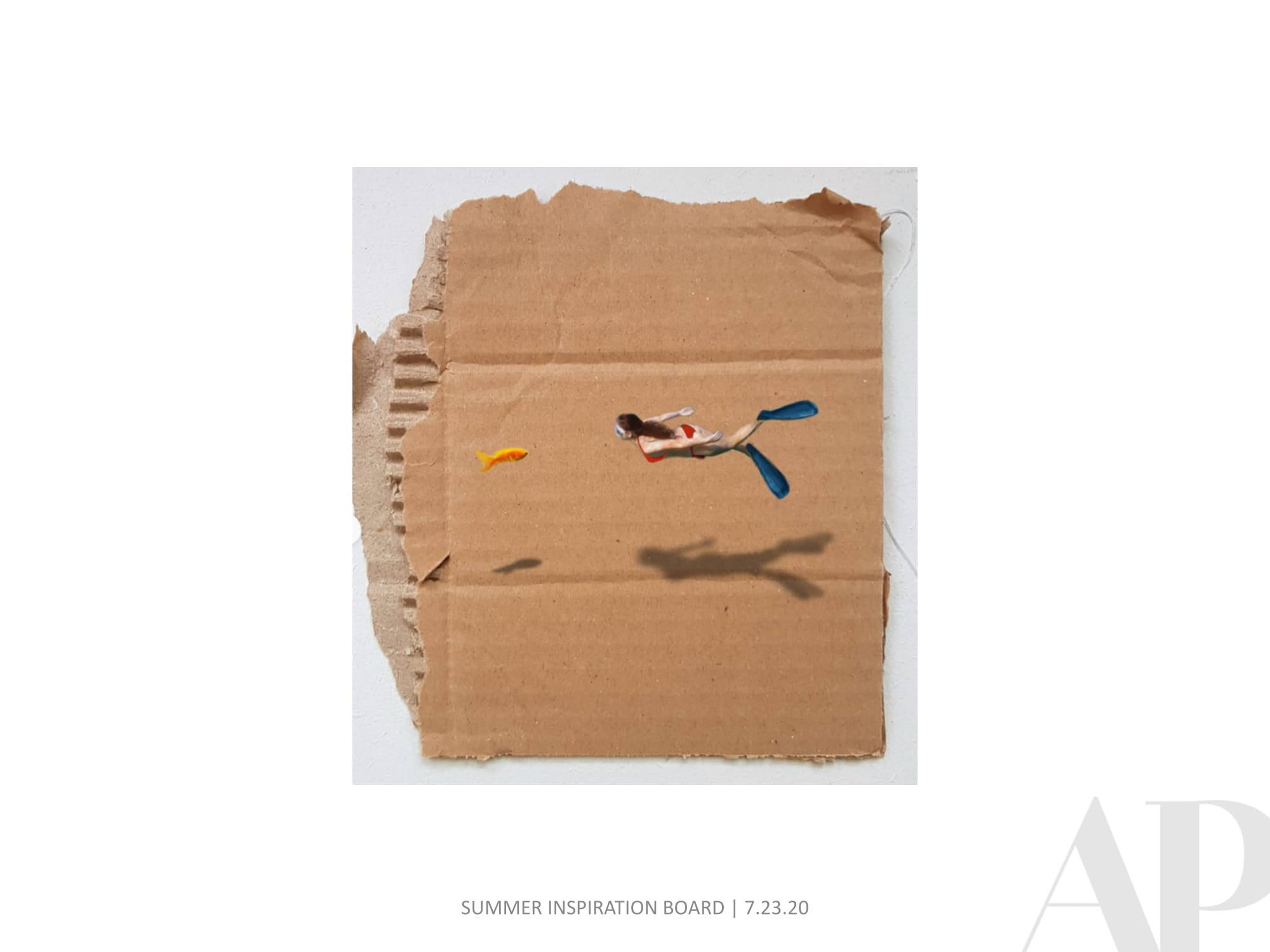
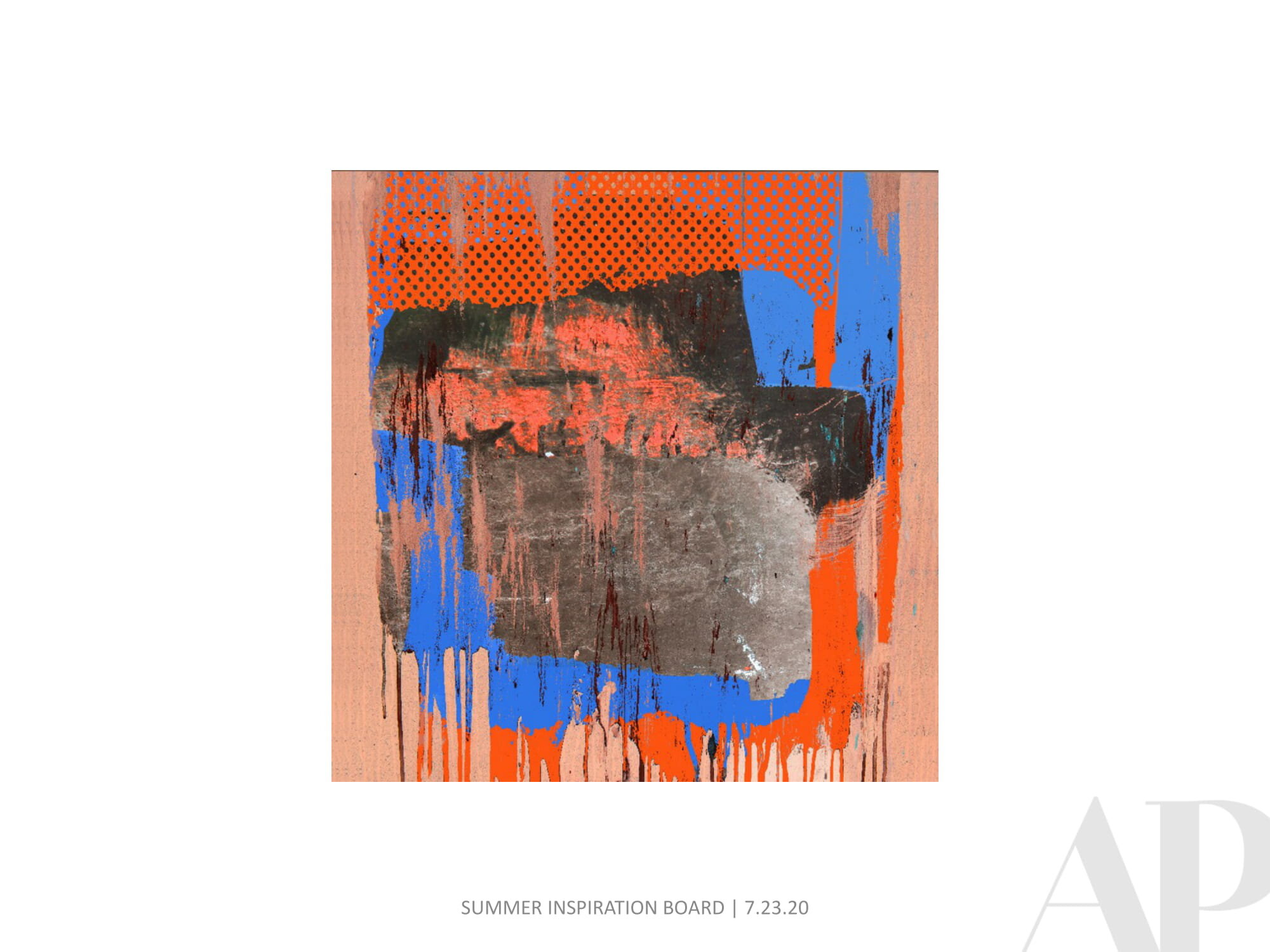

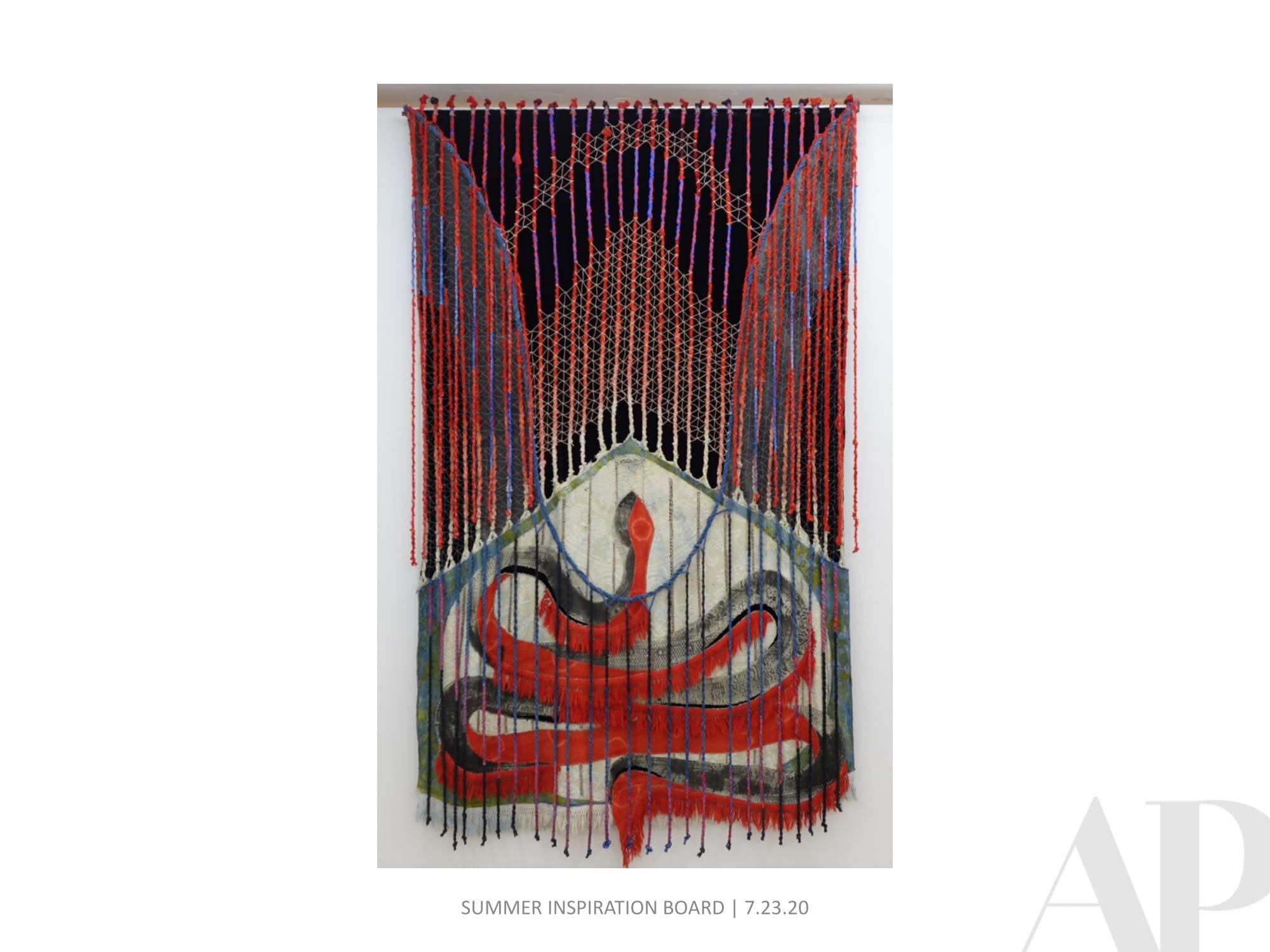
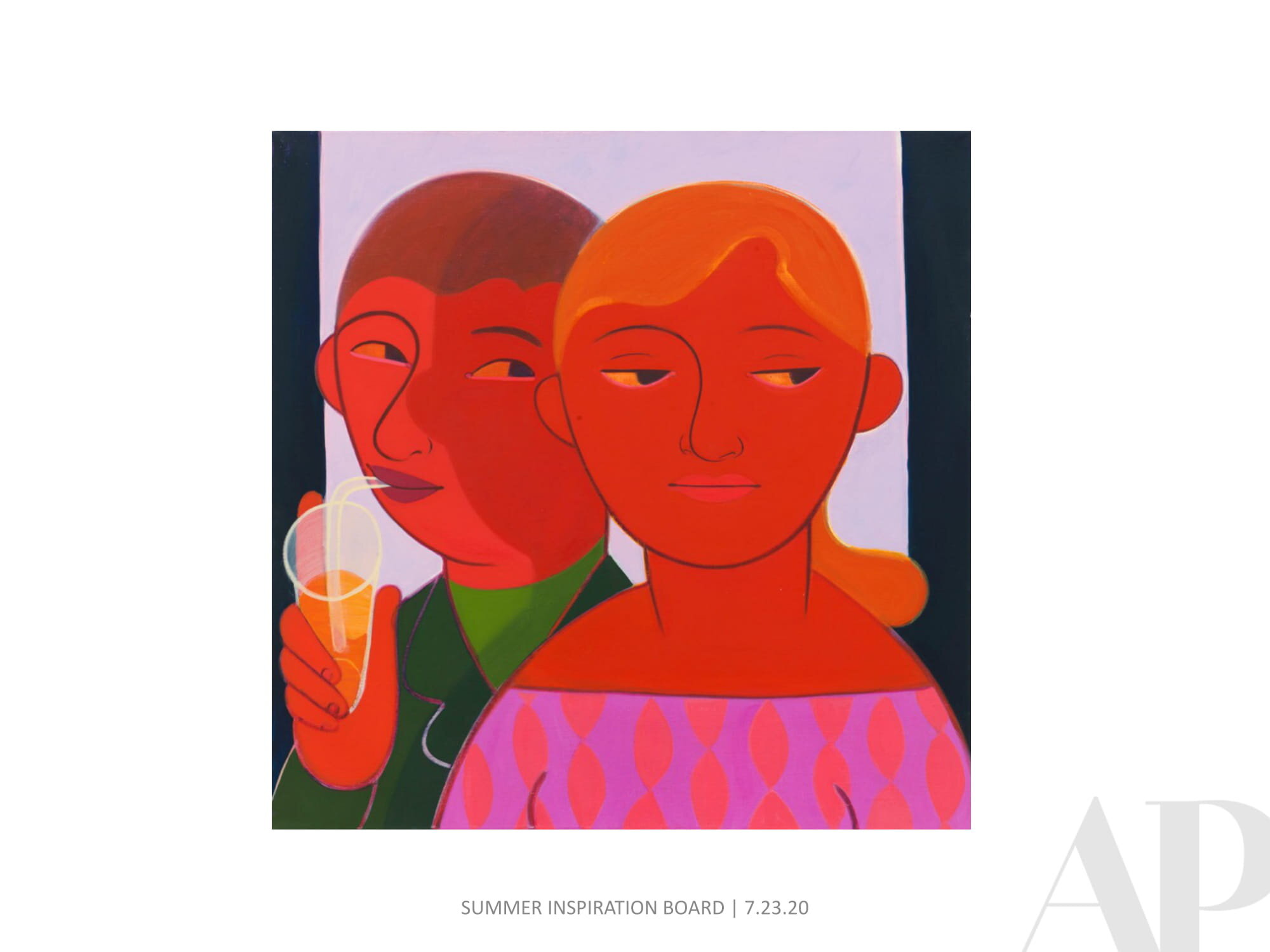
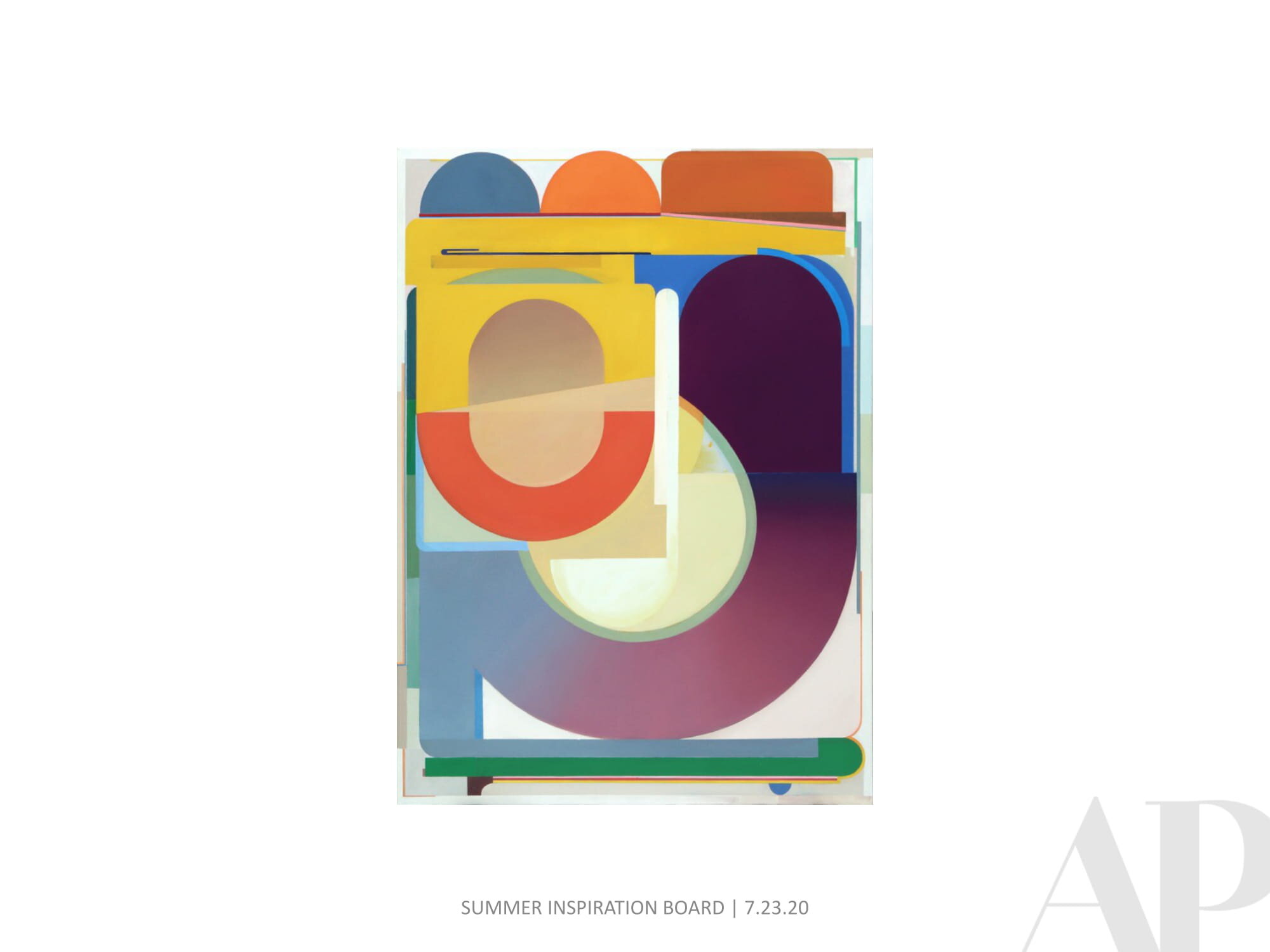

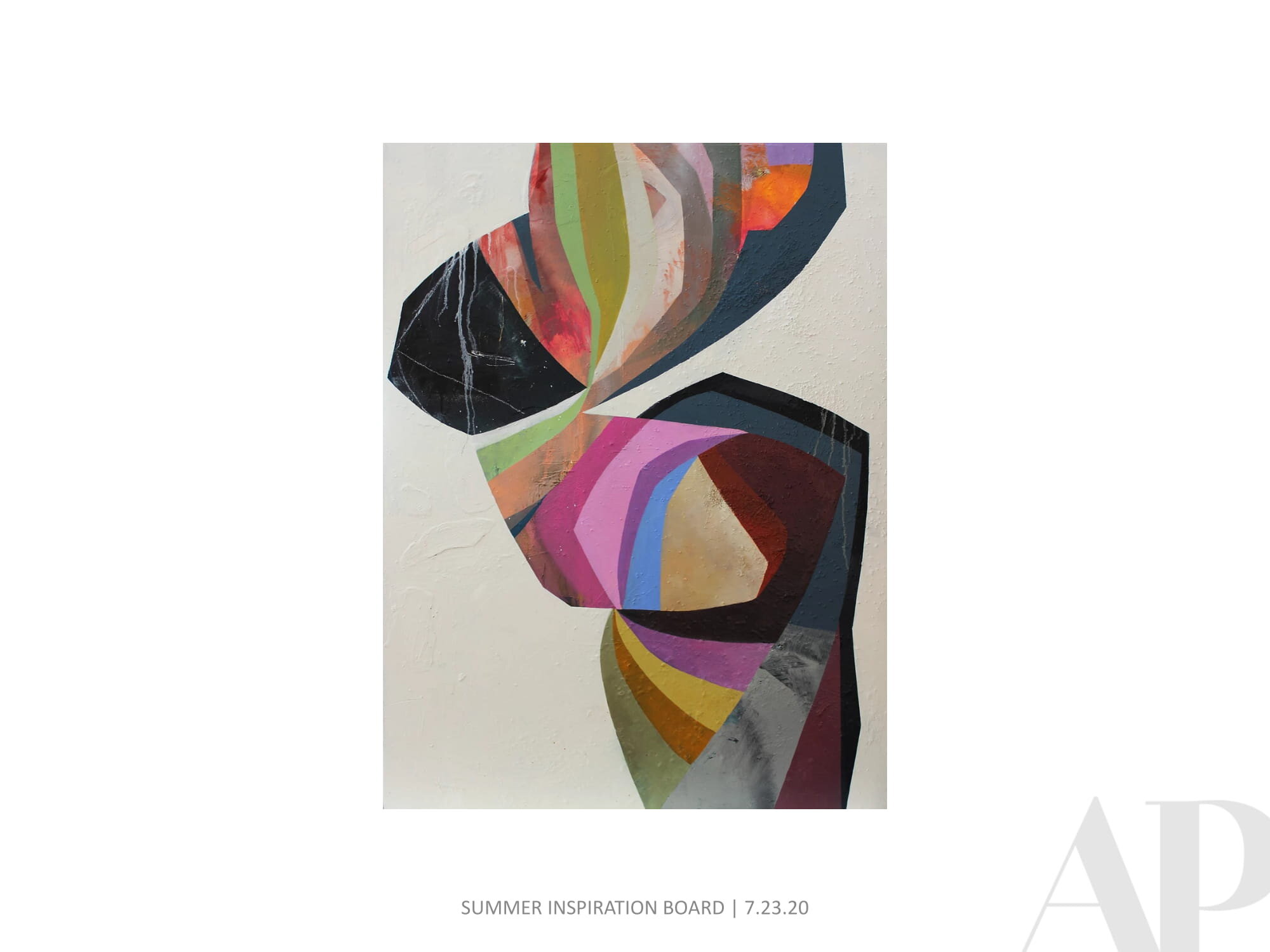
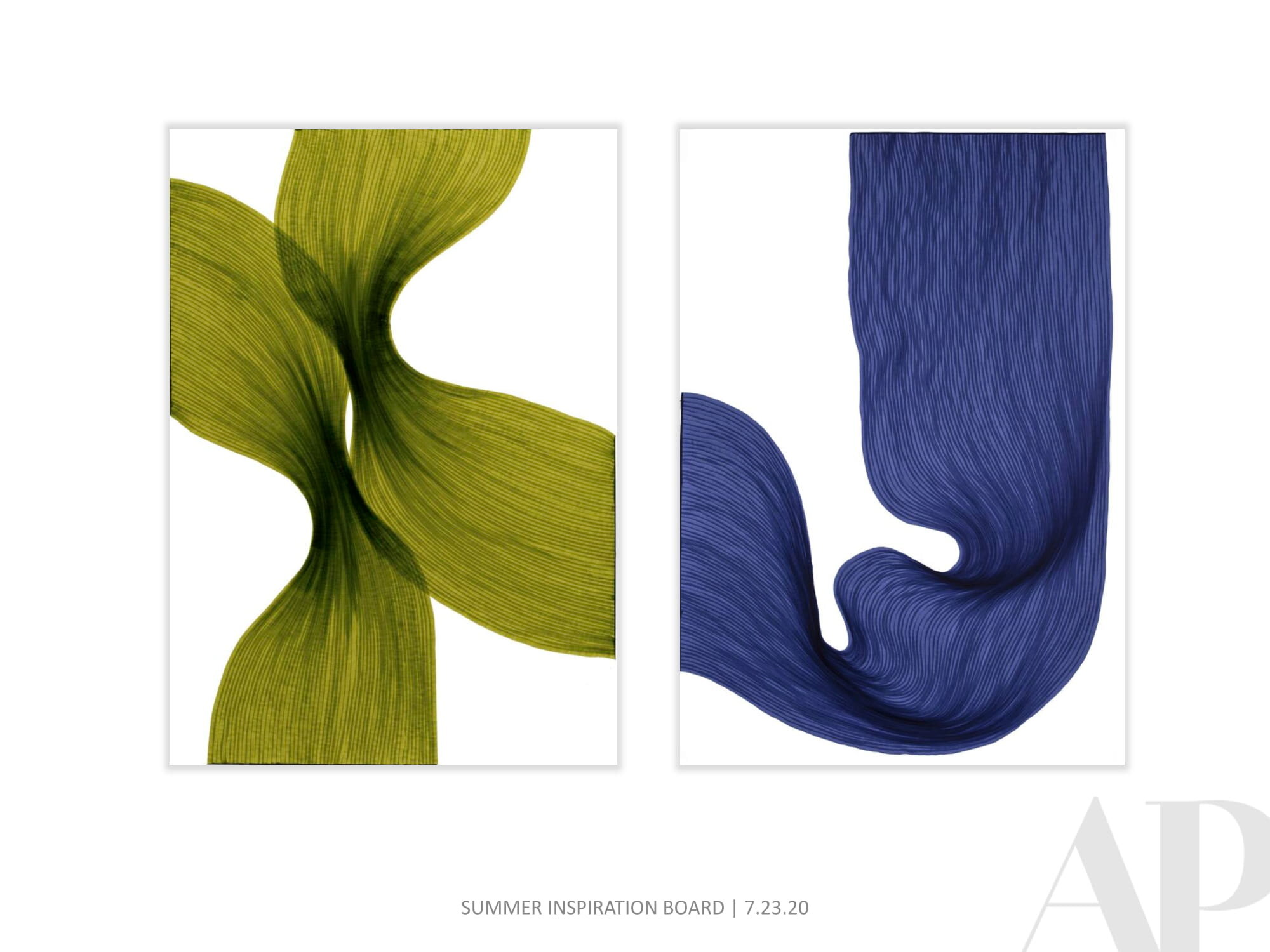

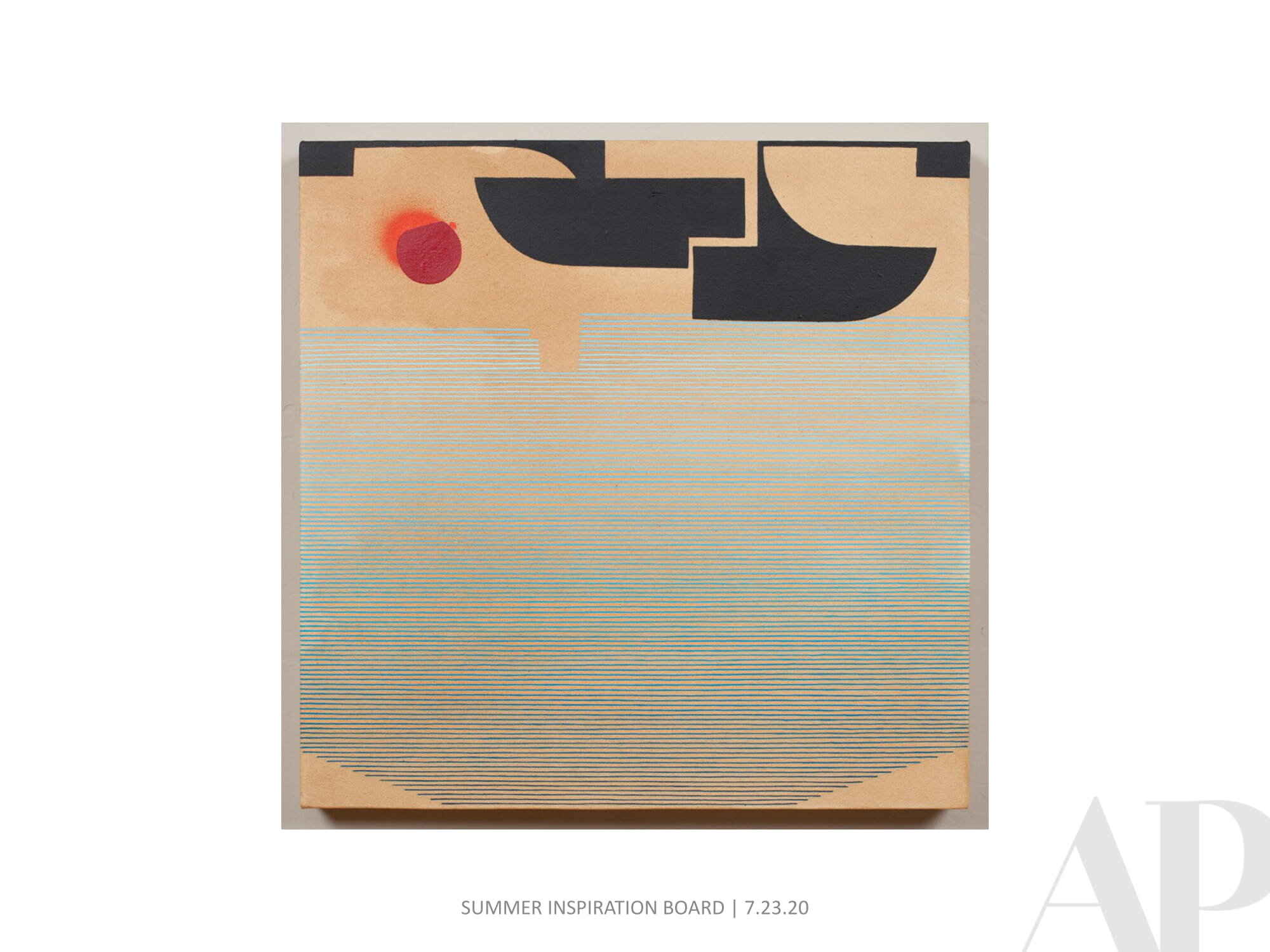

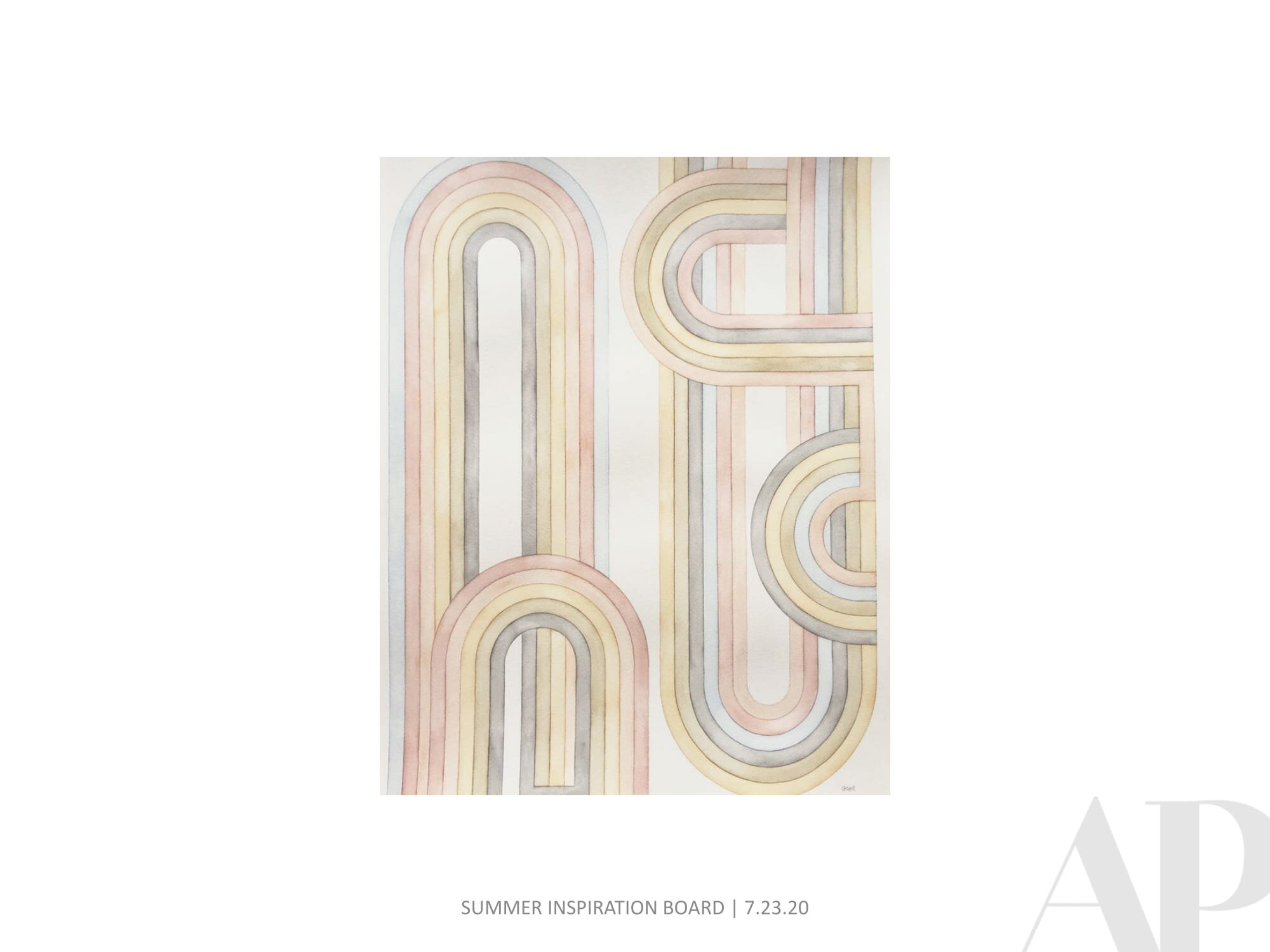

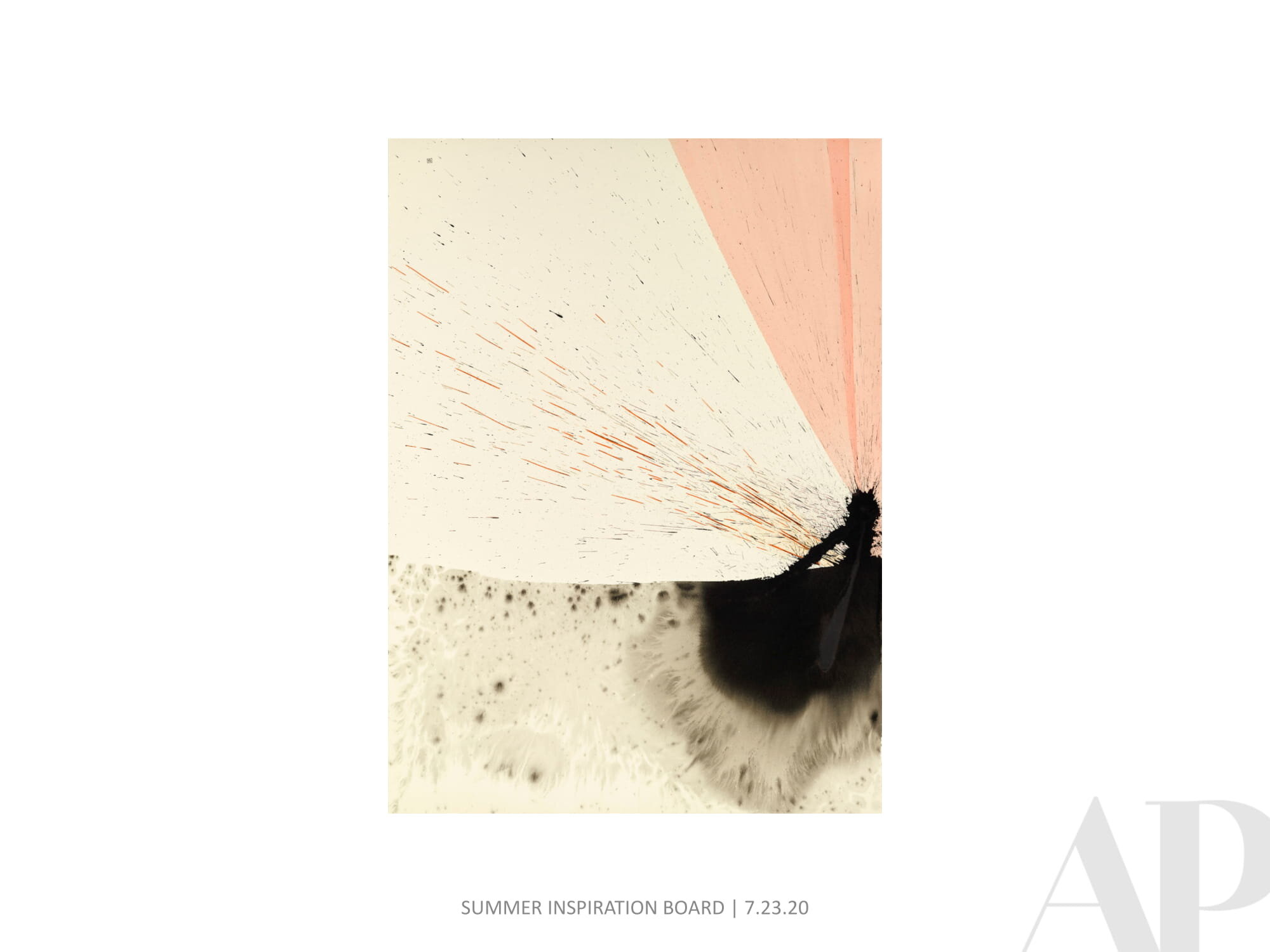
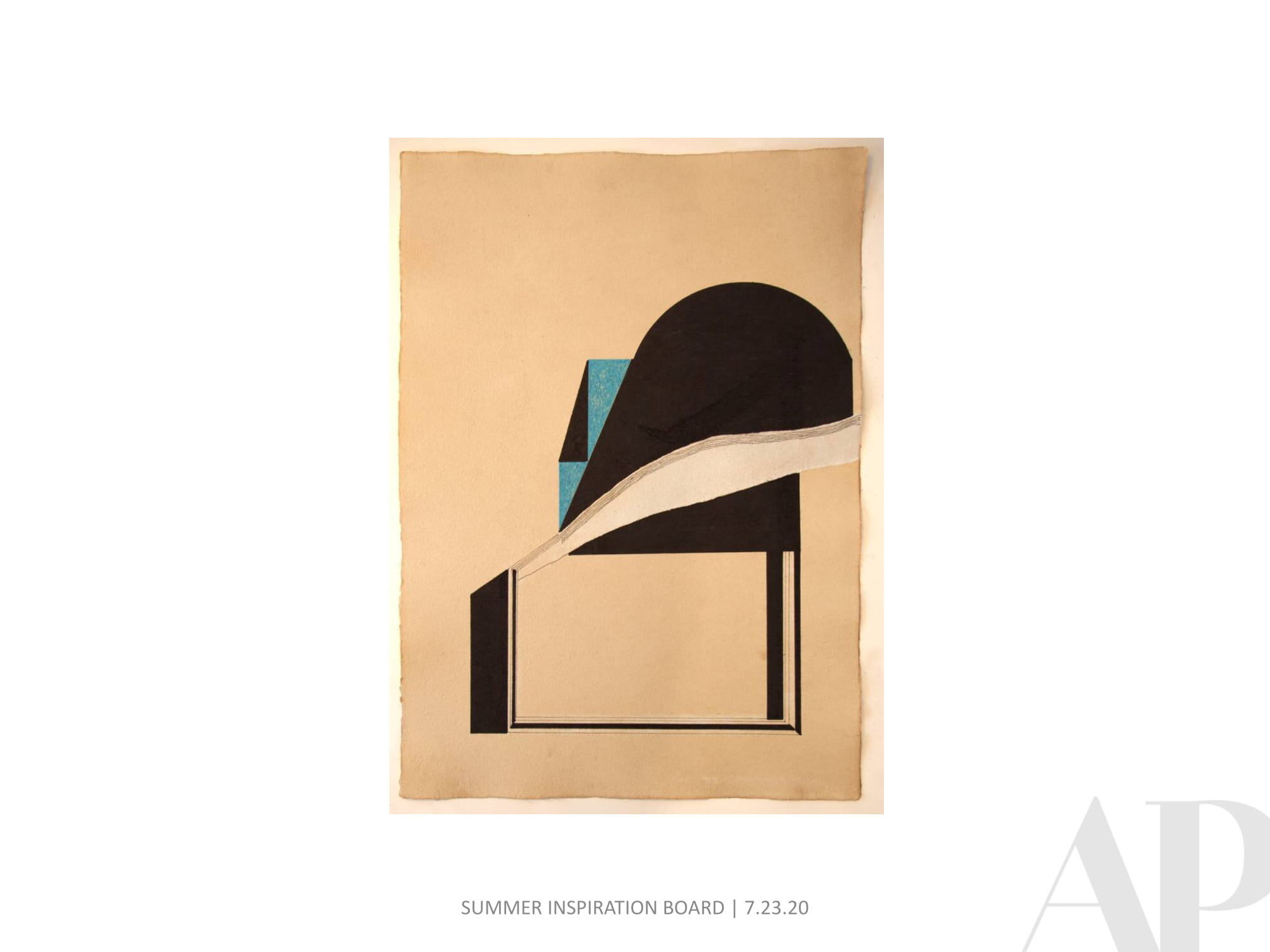
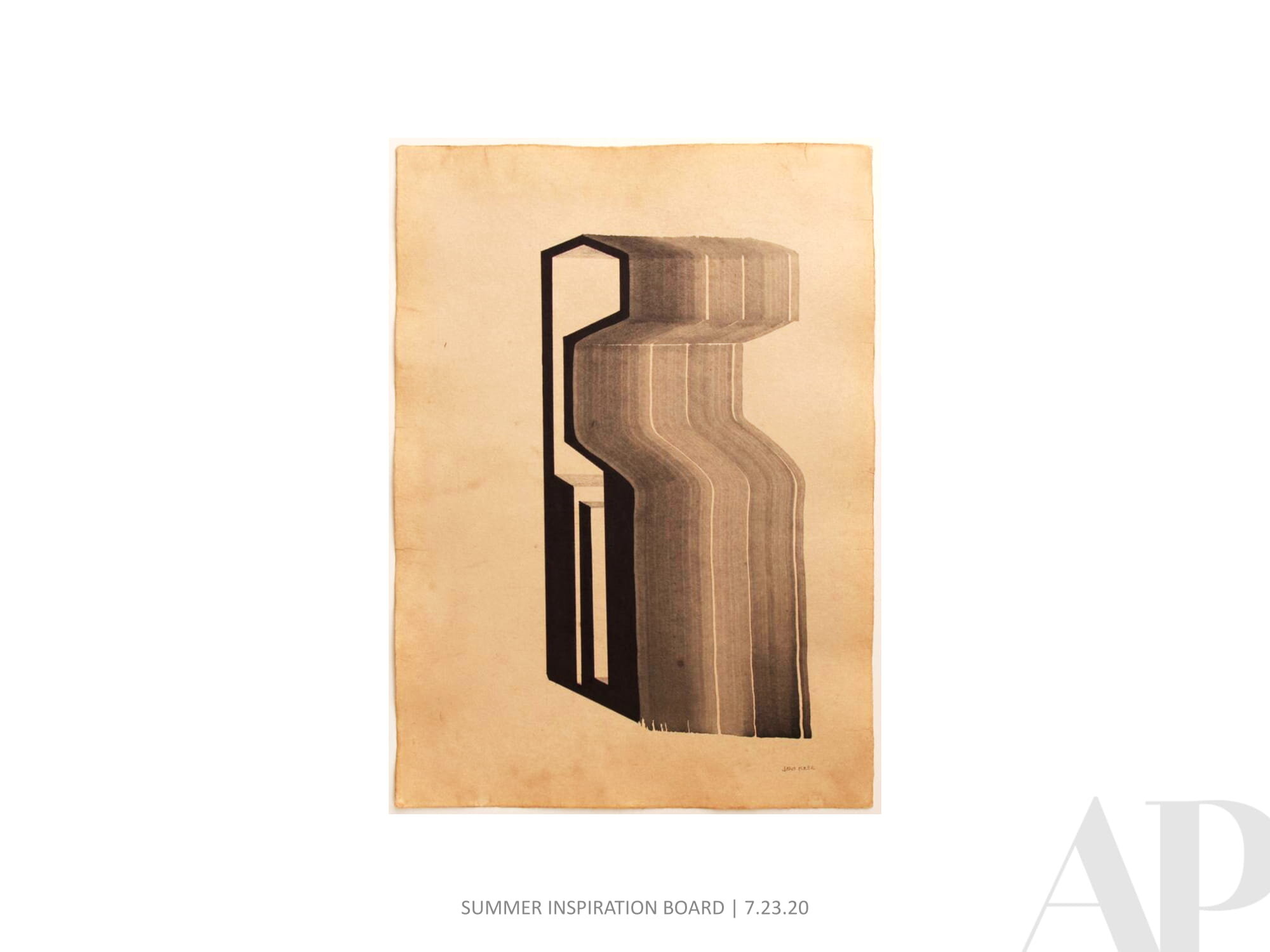
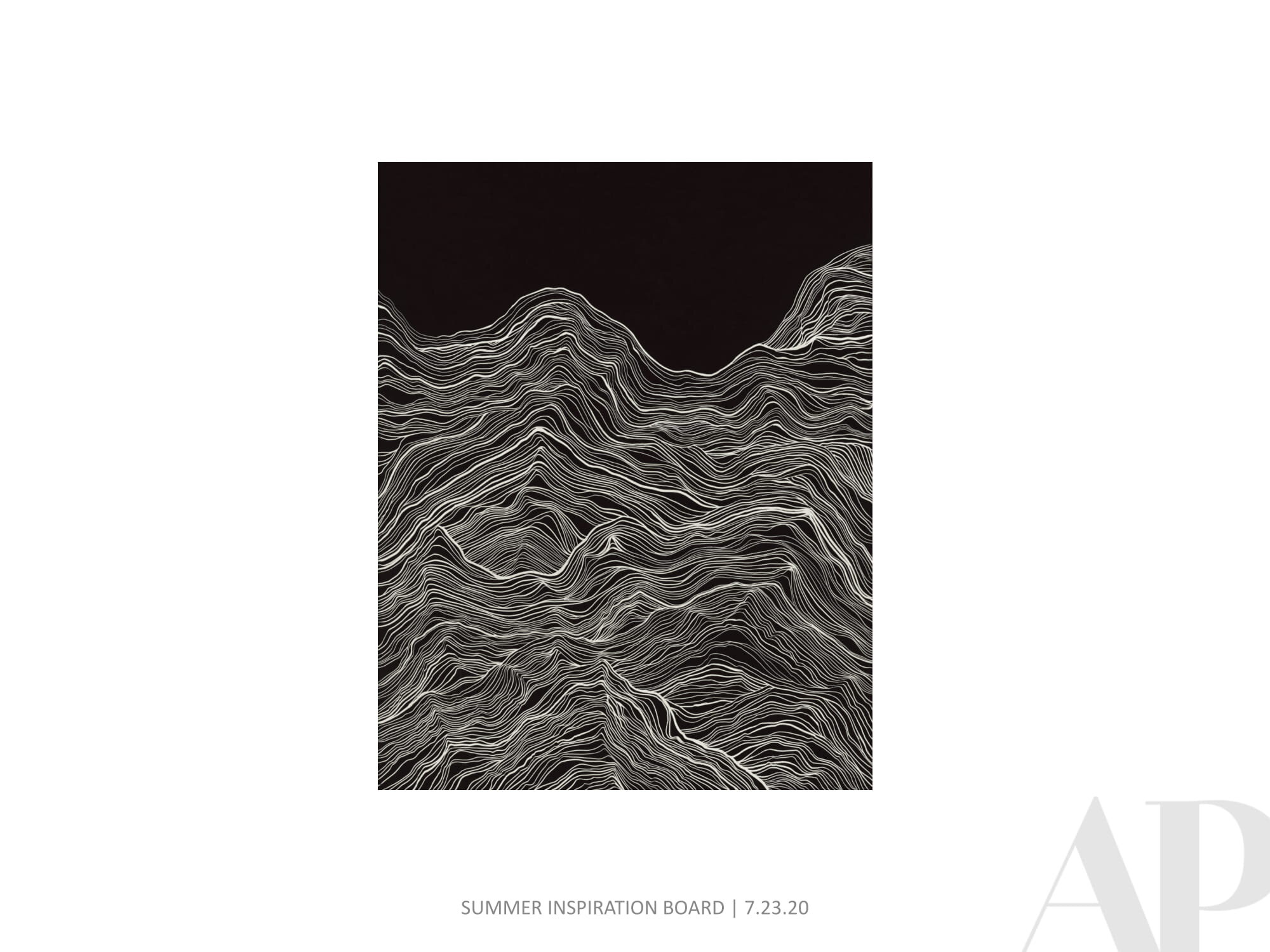
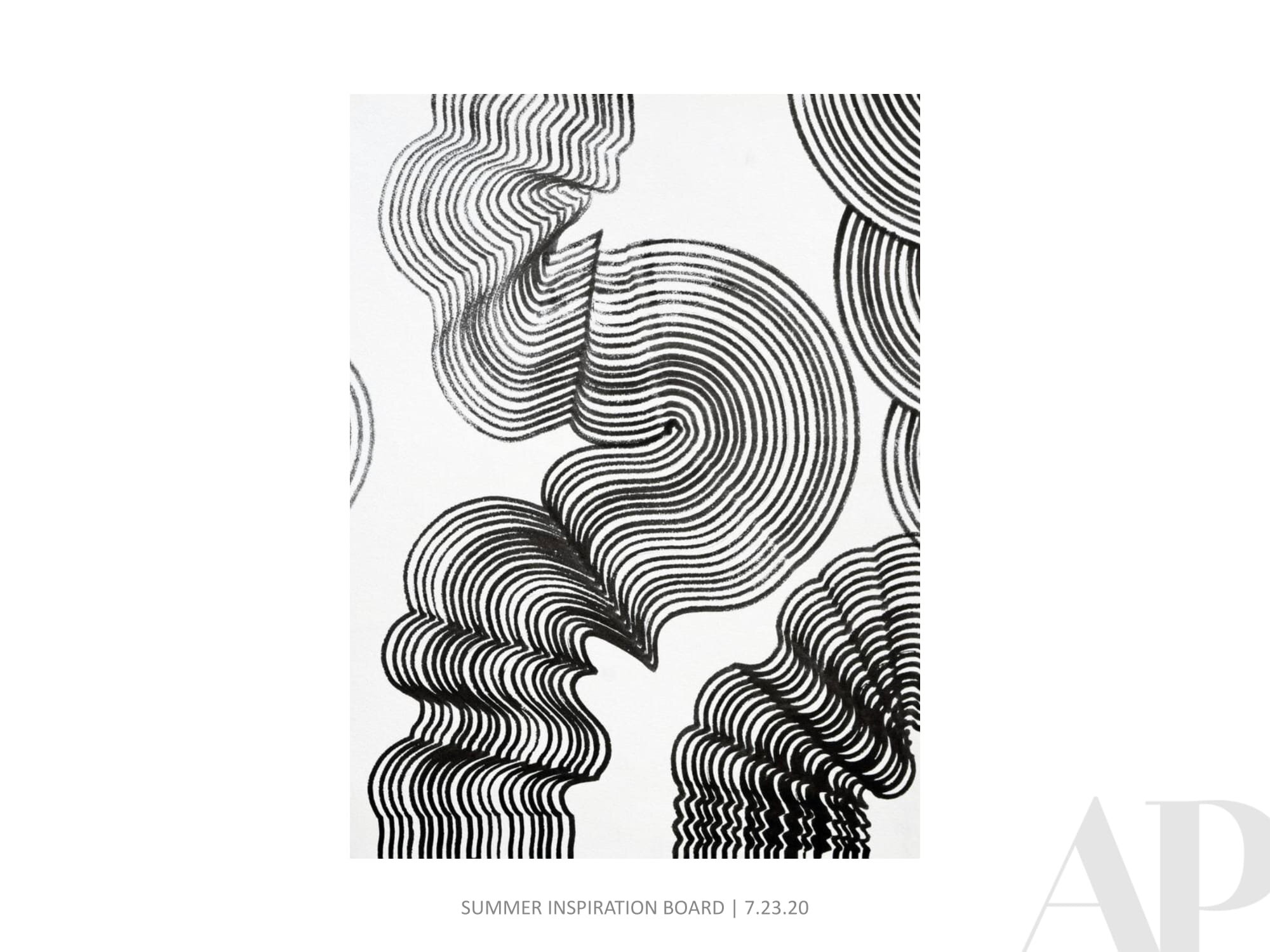
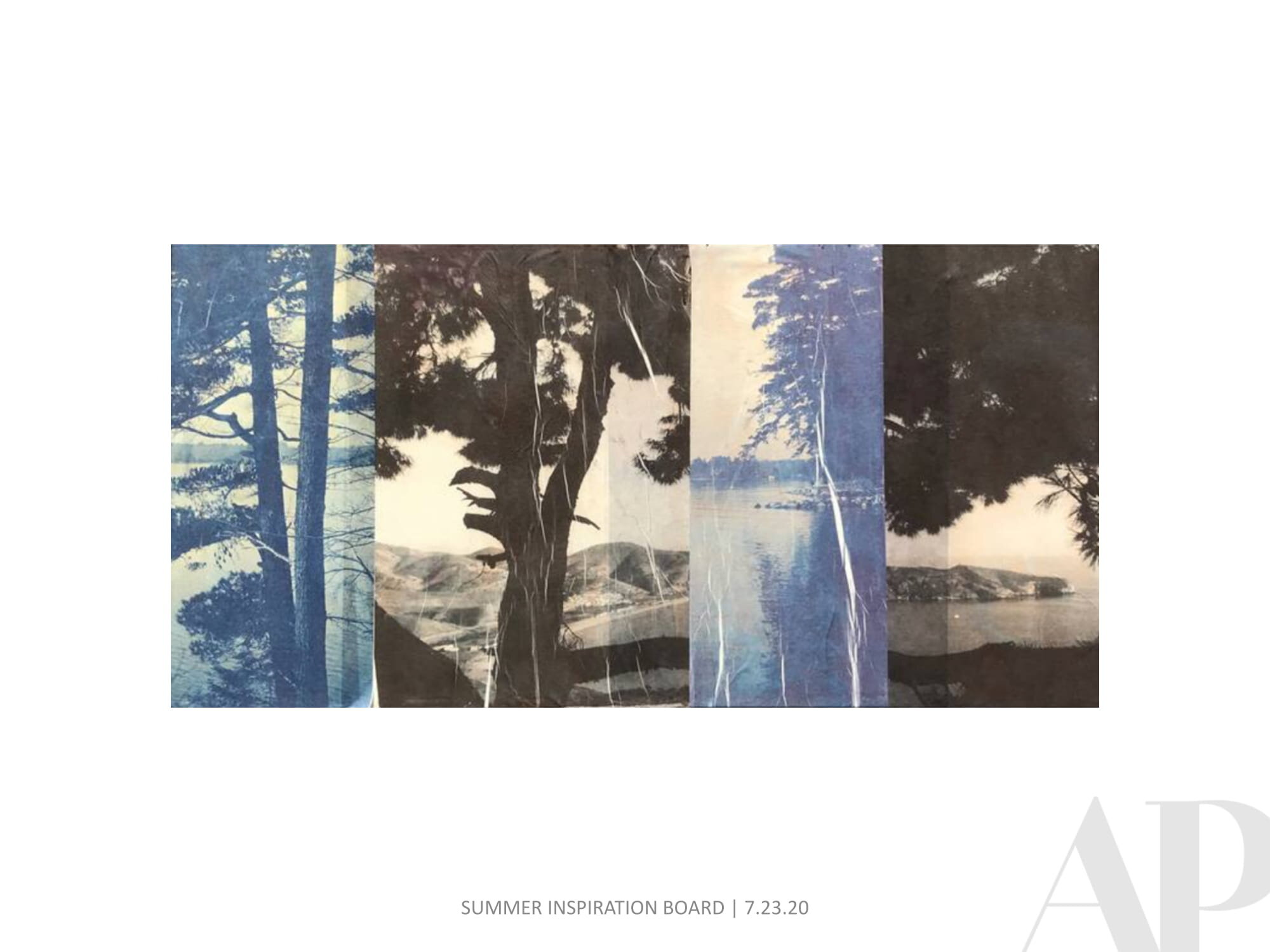
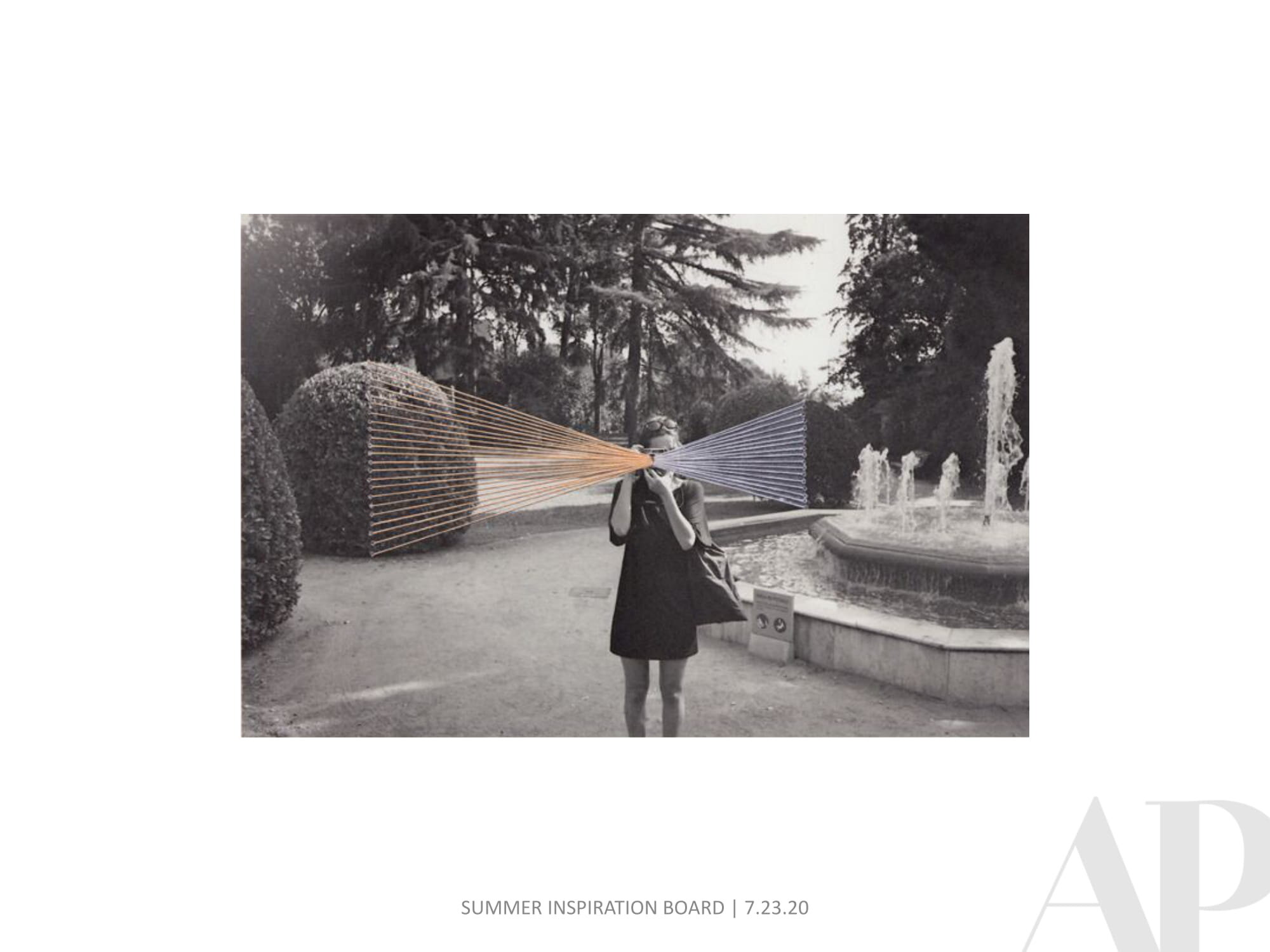
Currently Inspired By (Quarantine Edition)…
We come to you with no offer of commitment or philosophy regarding the current global situation. Things are weird. And hard! Amy Parry Projects is just doing what we can do - working to create custom art for hospitality projects with an unbroken spirit of collaboration, love and empathy.
We know you have been absolutely inundated with messages from just about everywhere, so please accept a friendly hello and our offer of 100 new art images as we enter this new season (in more ways than one).
_______
To quote Asheville-based painter Moni Hill (included here):
This virus is uncovering what is essential! Connection. Movement. Nature. Art.
_______
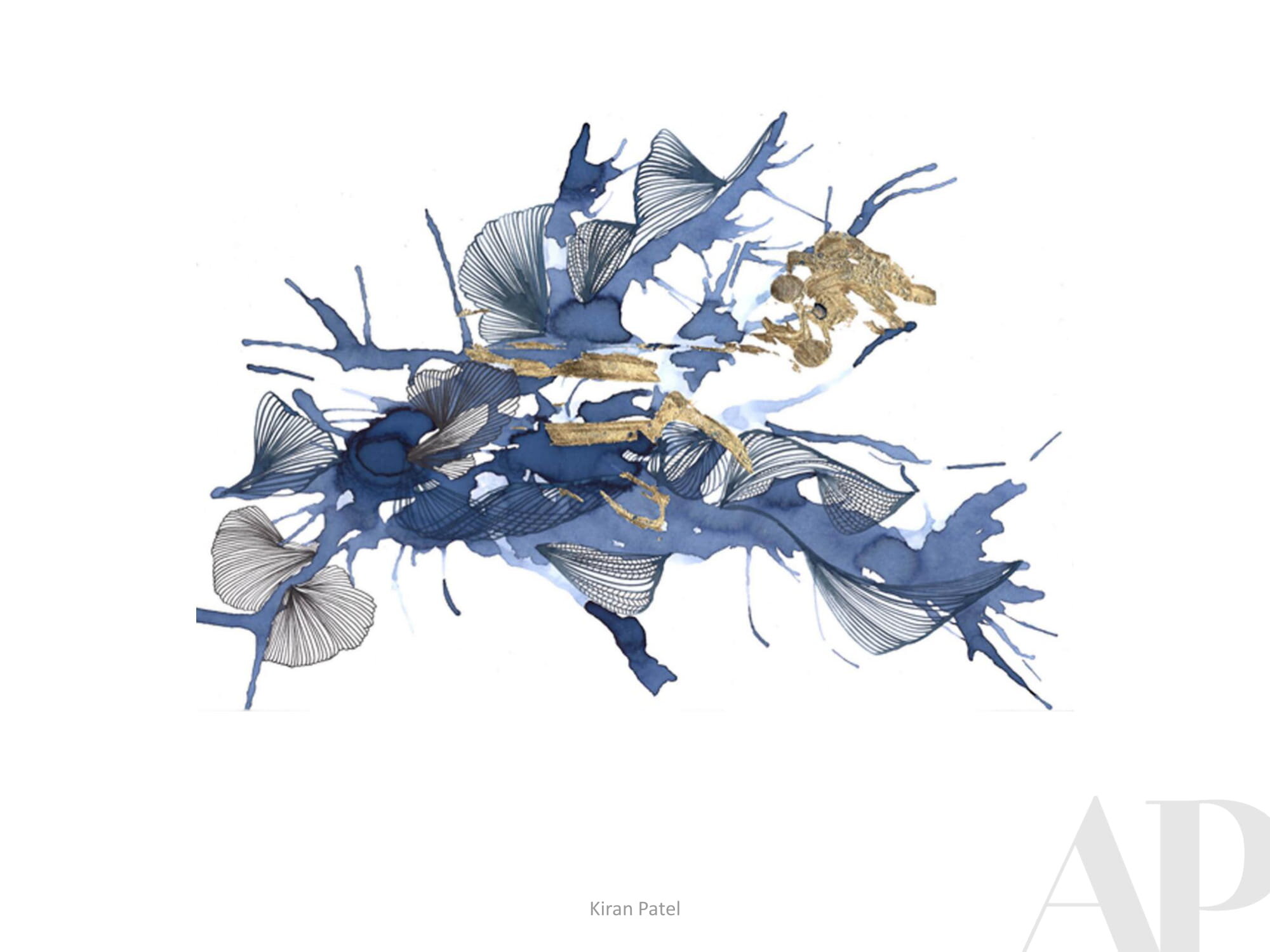
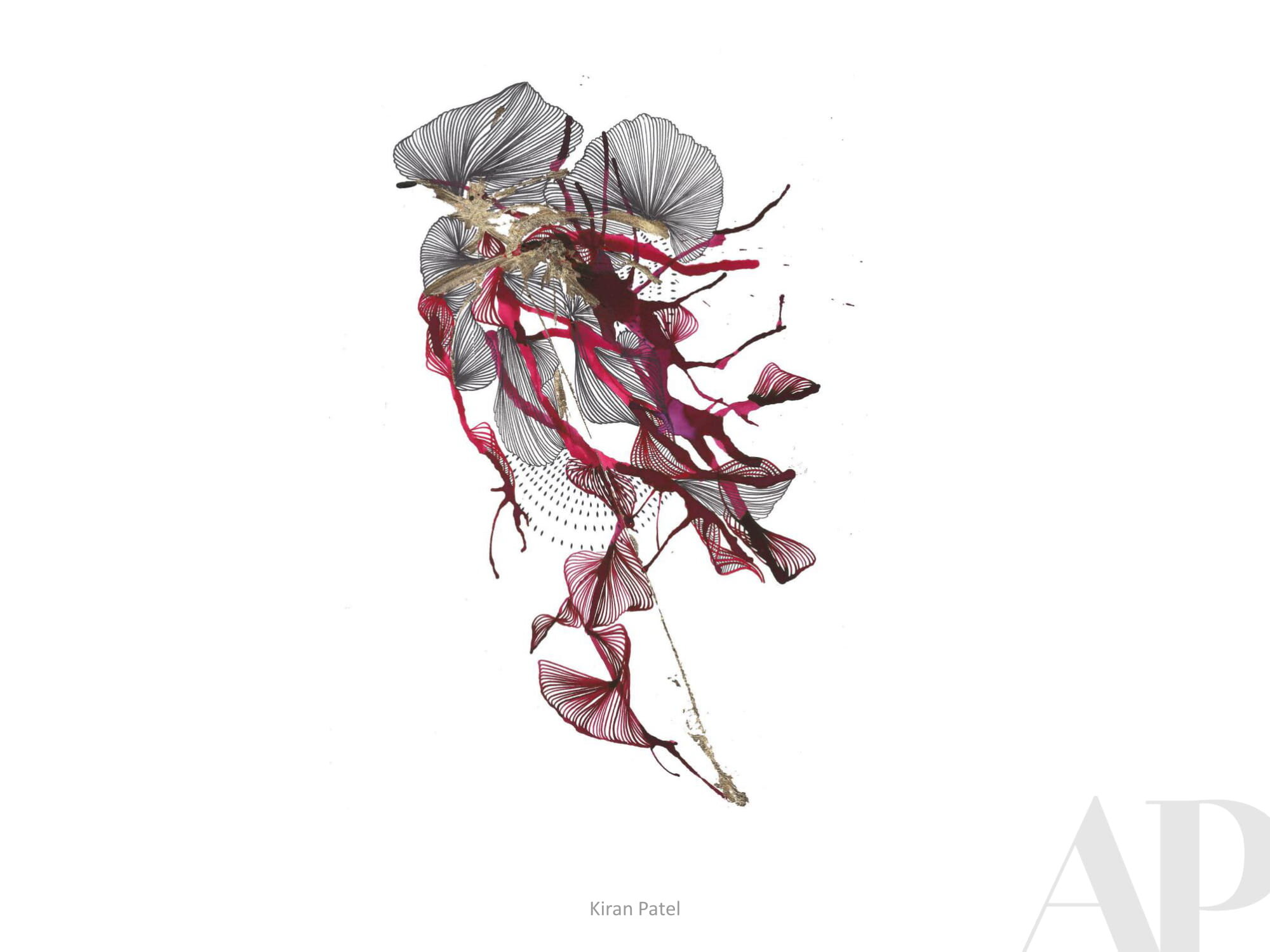
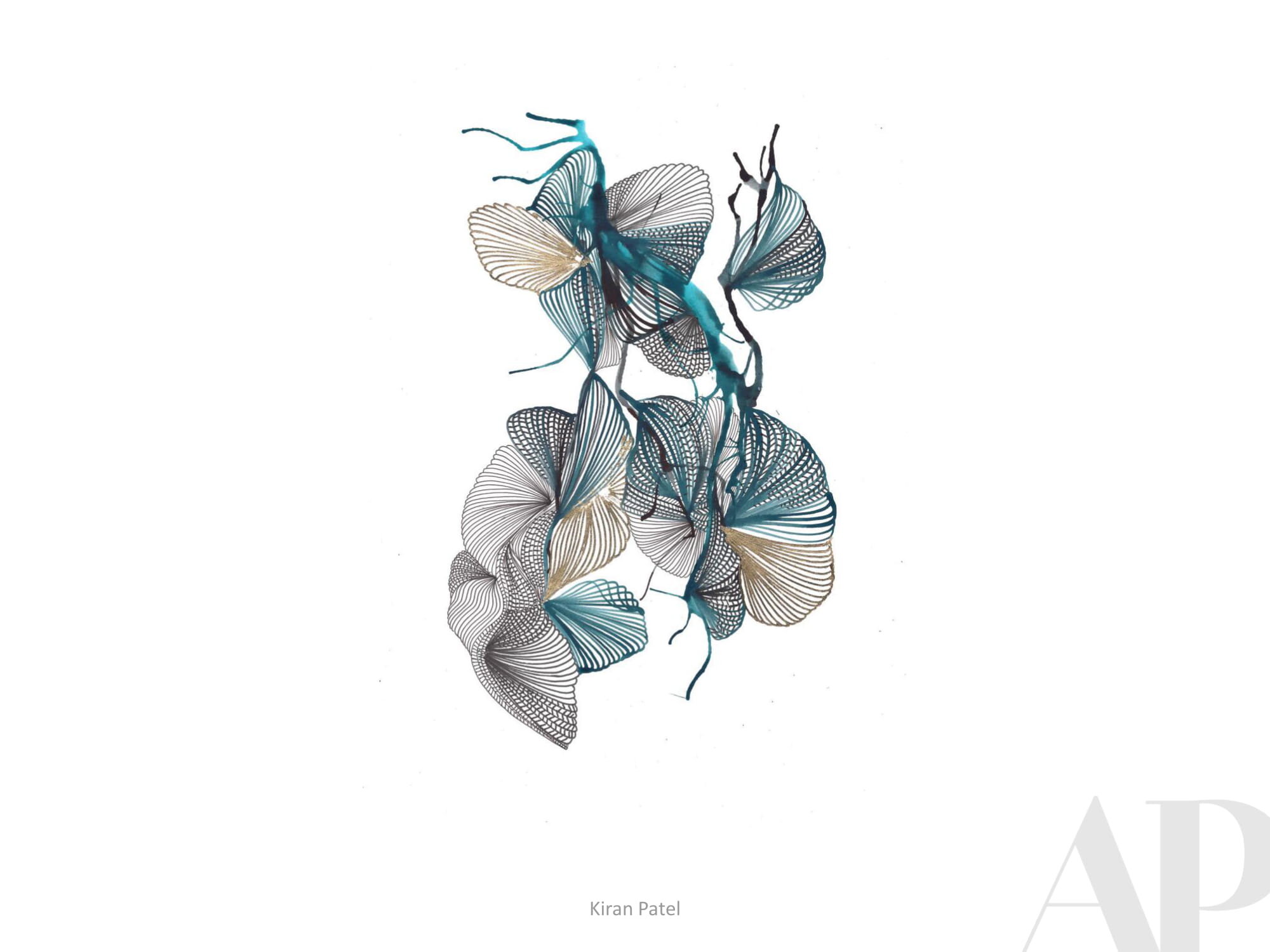
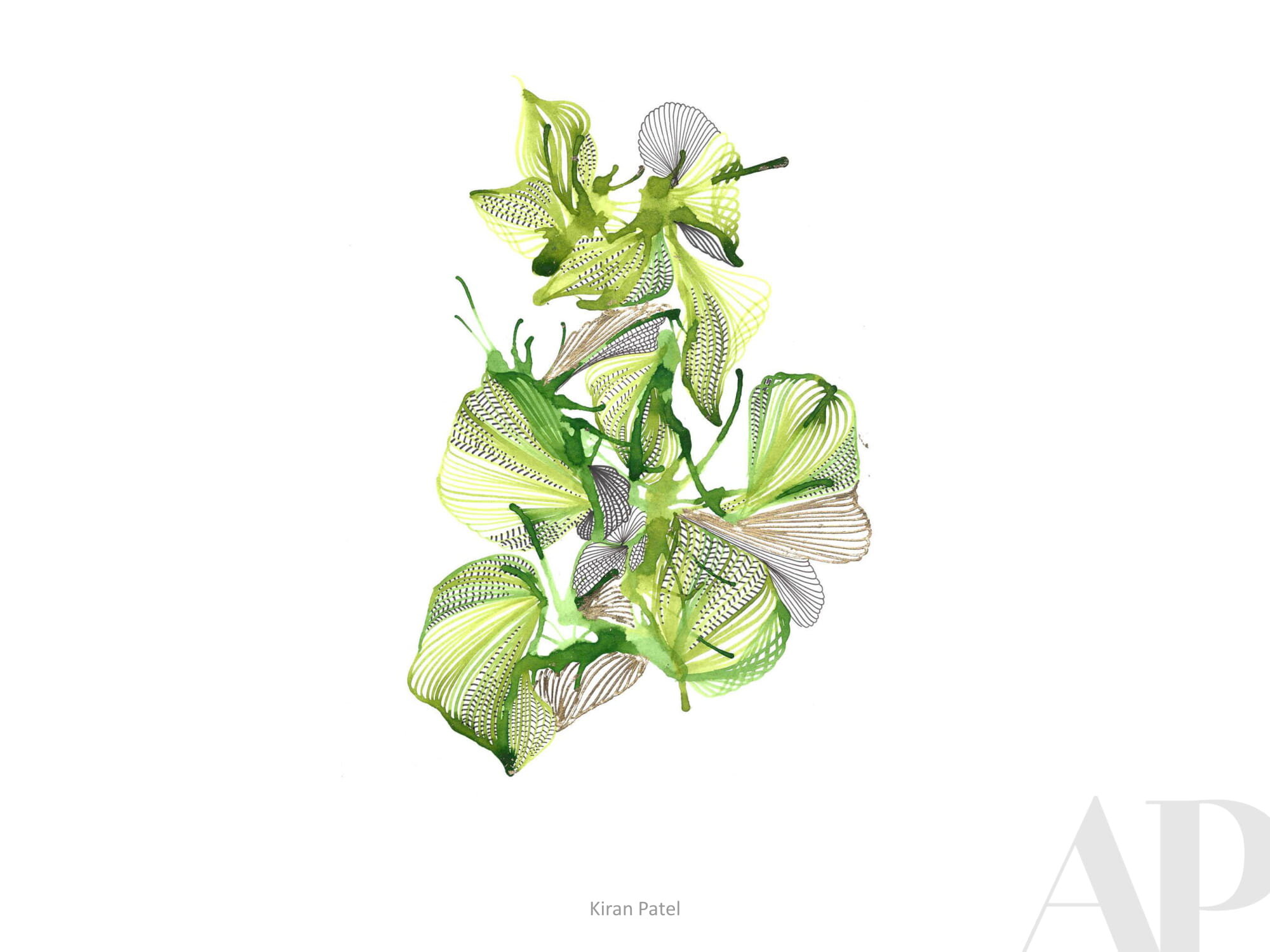
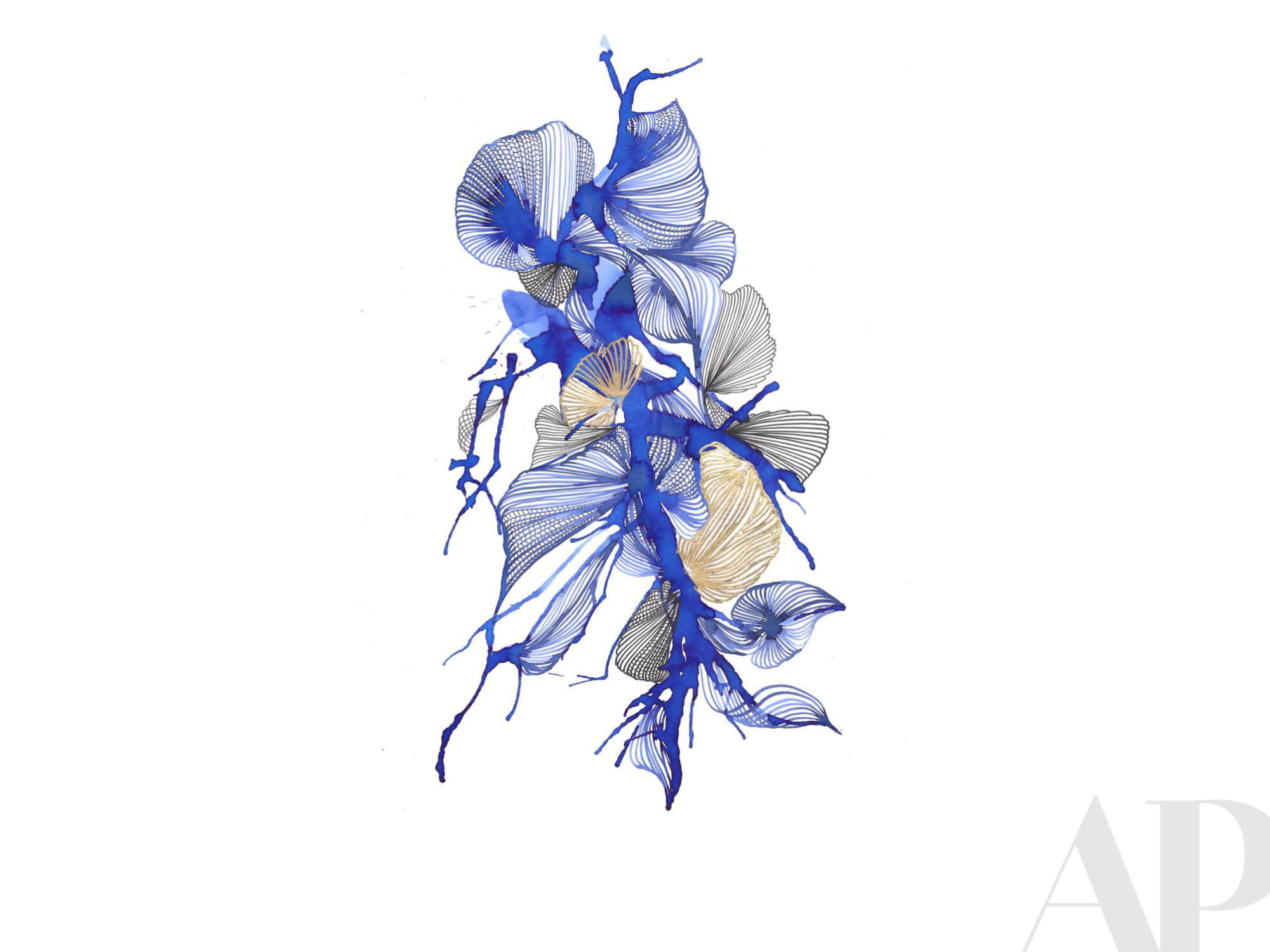
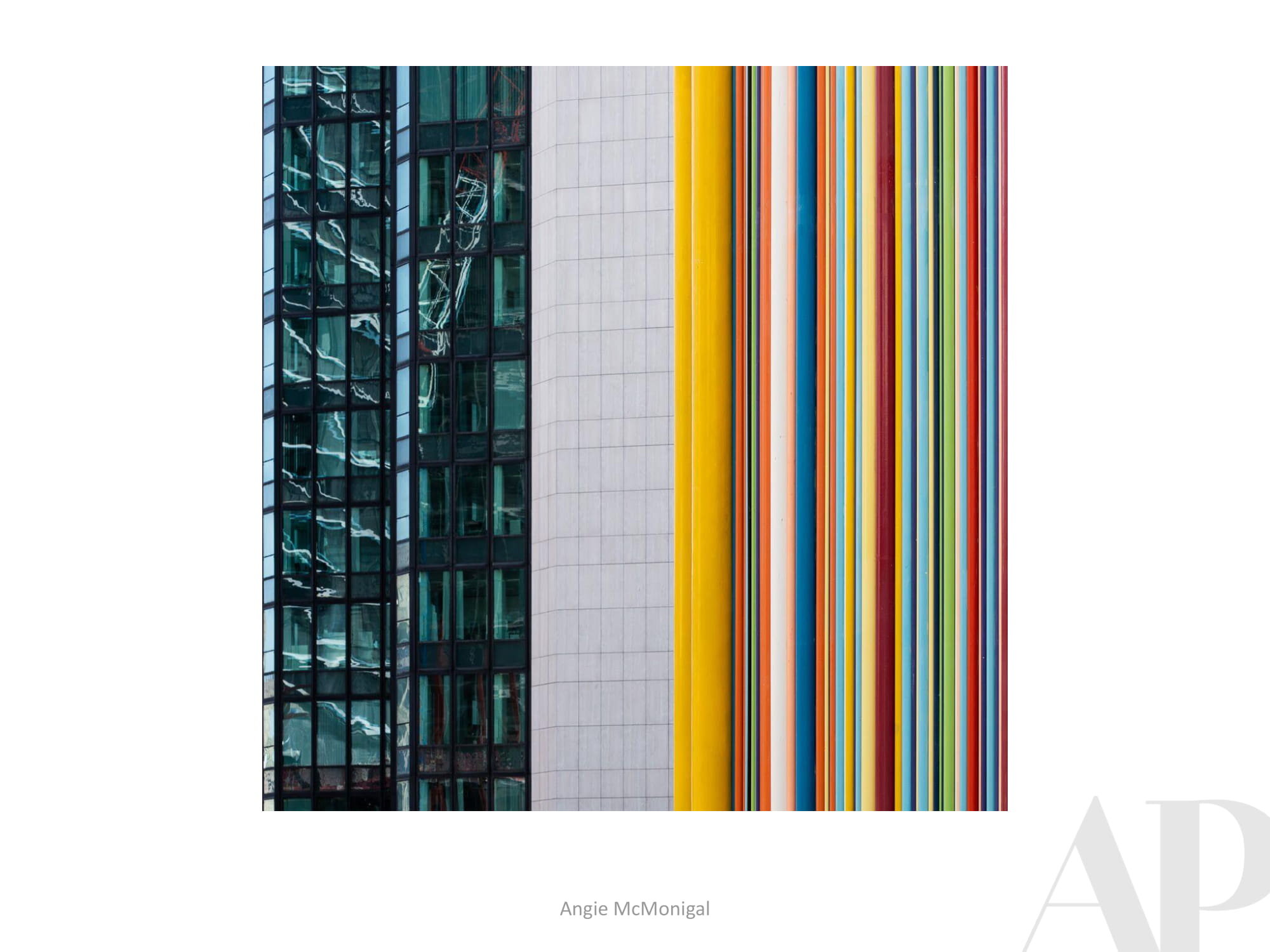

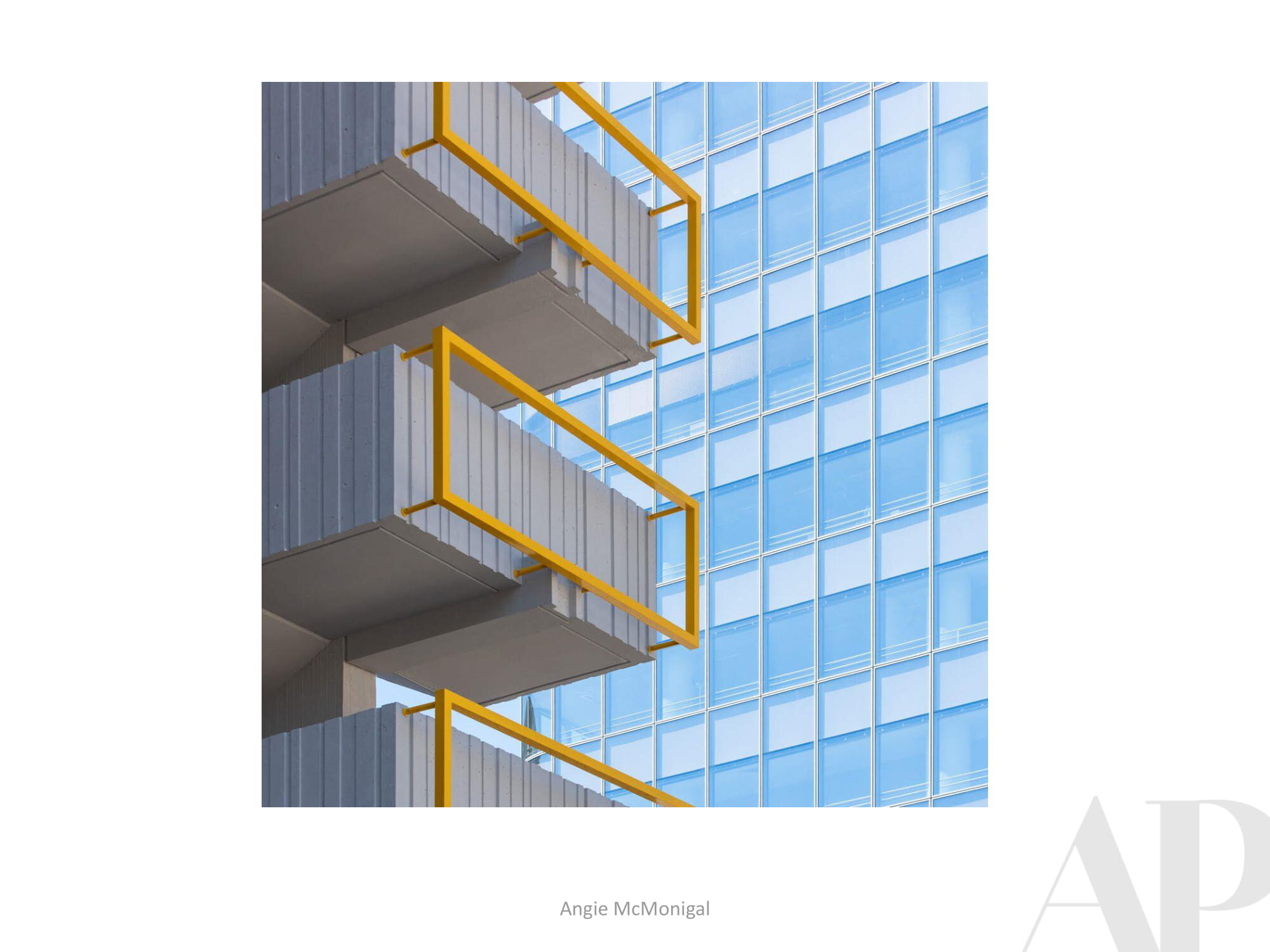
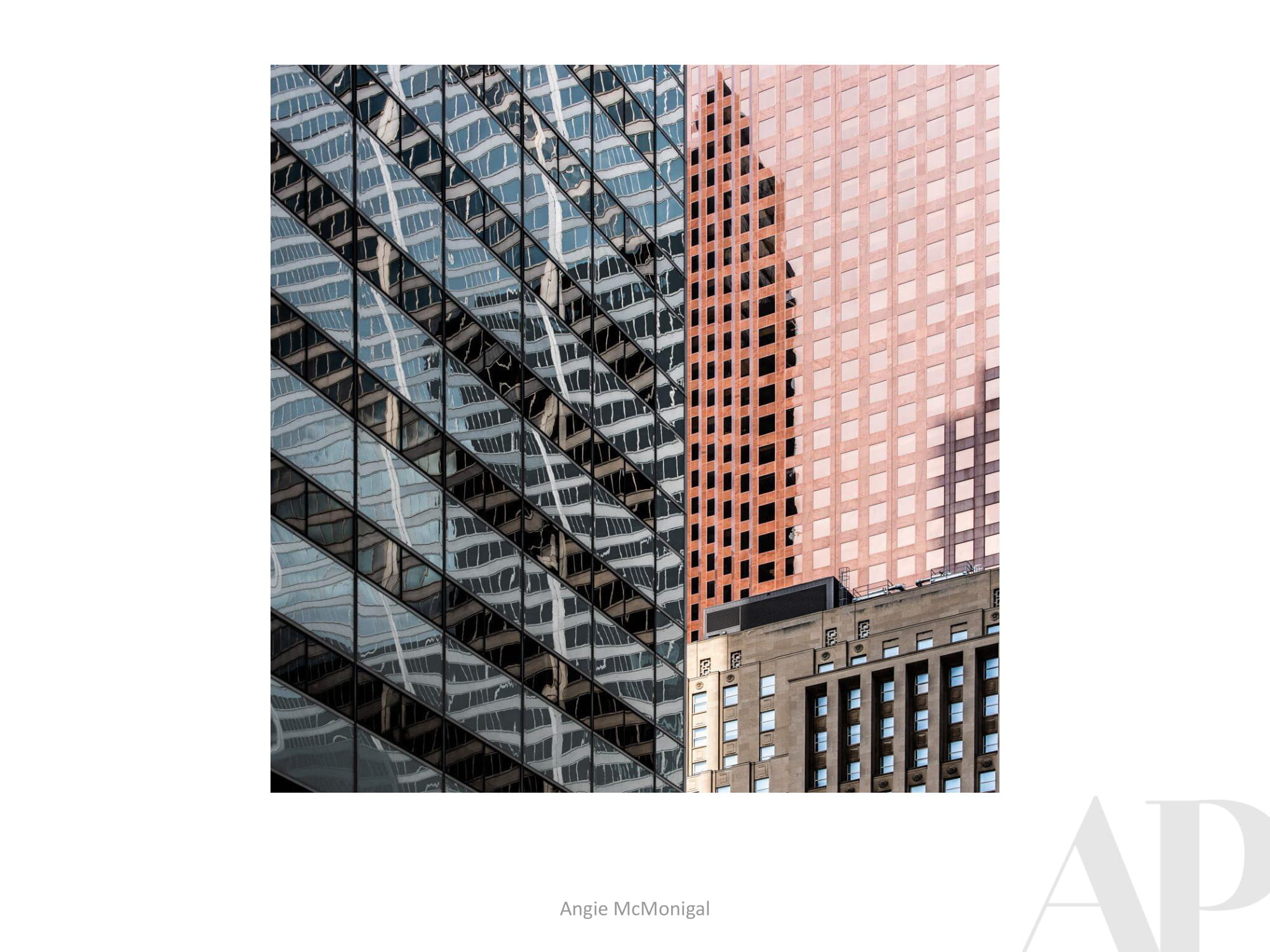
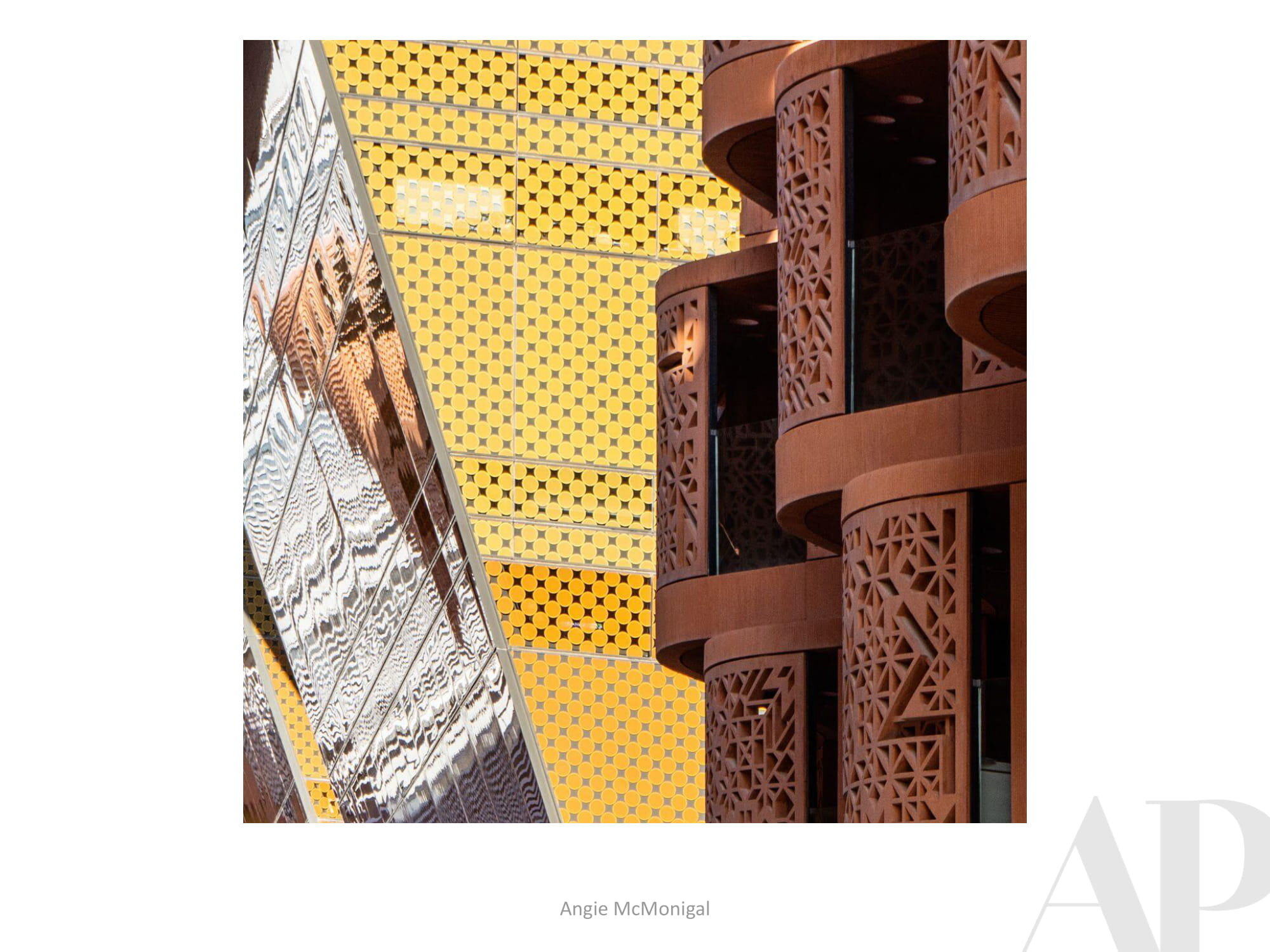
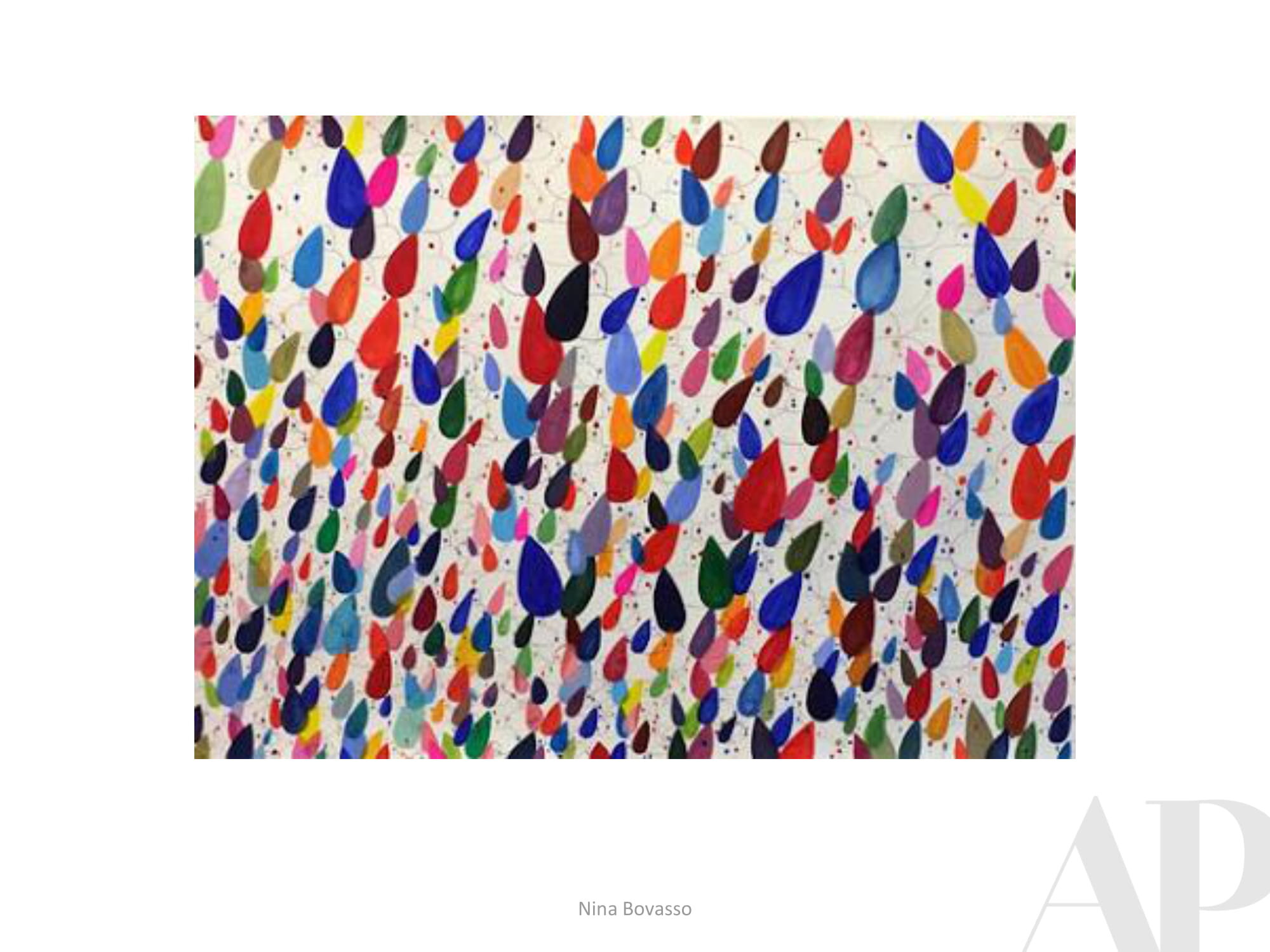

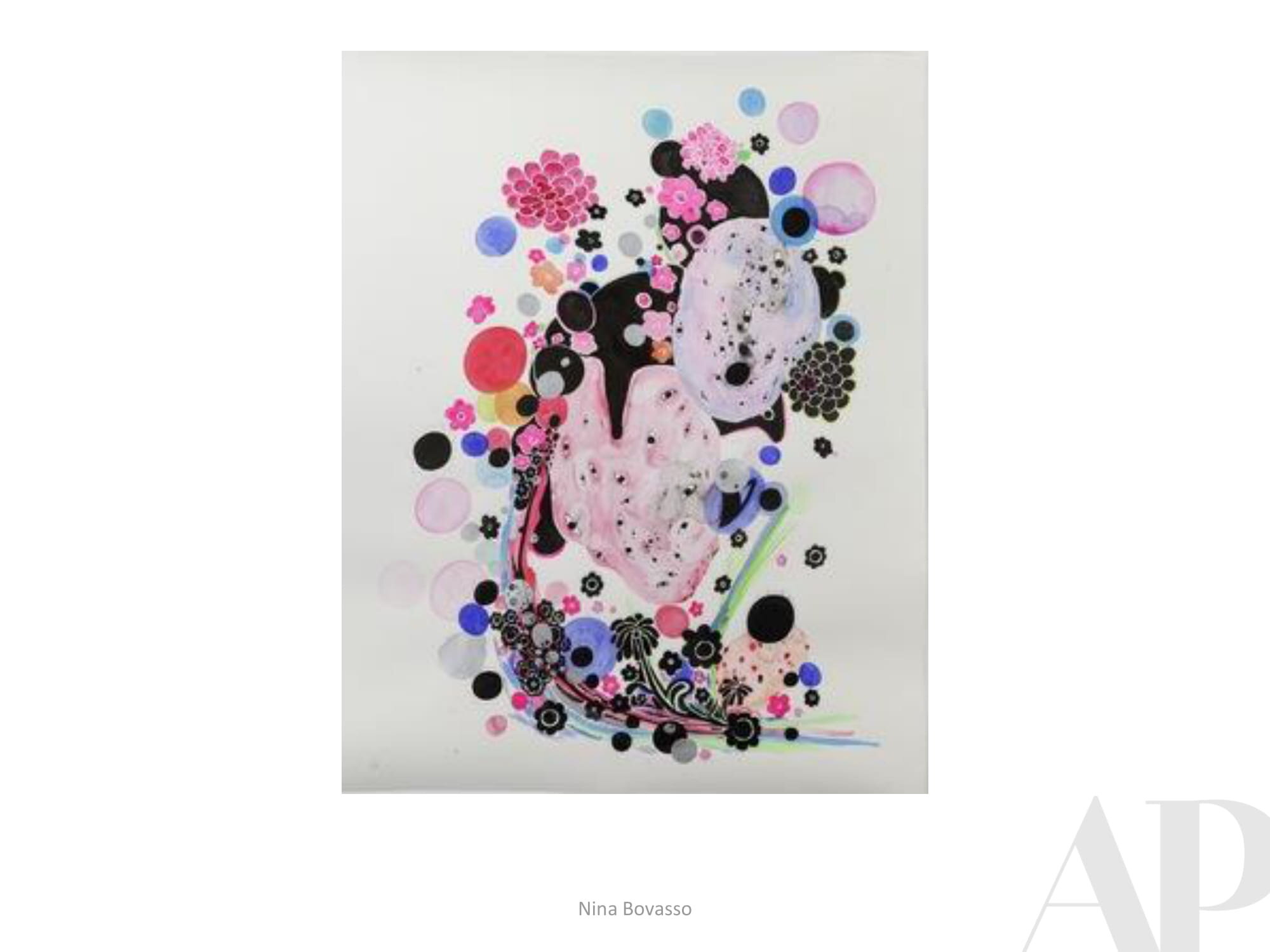
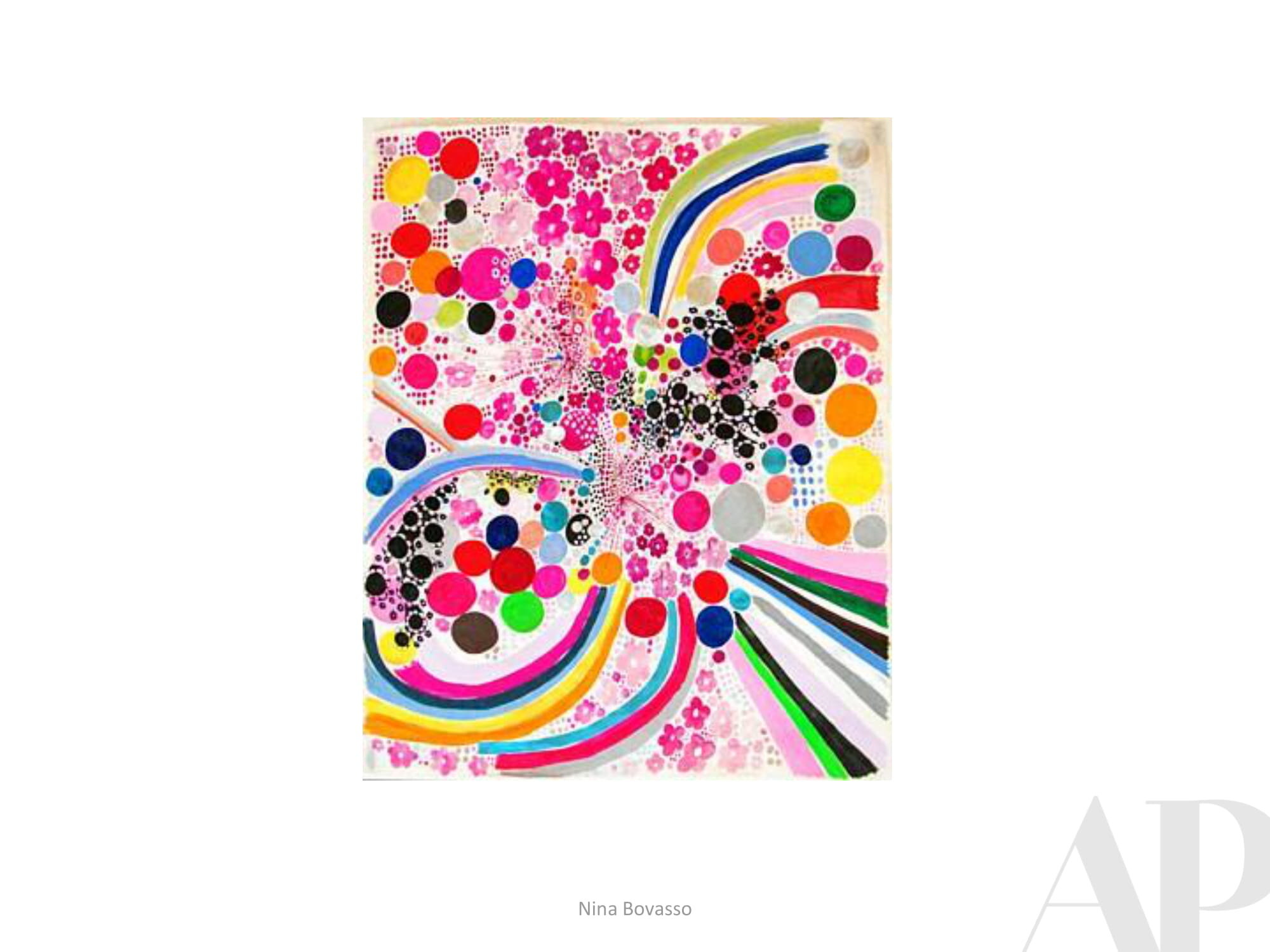
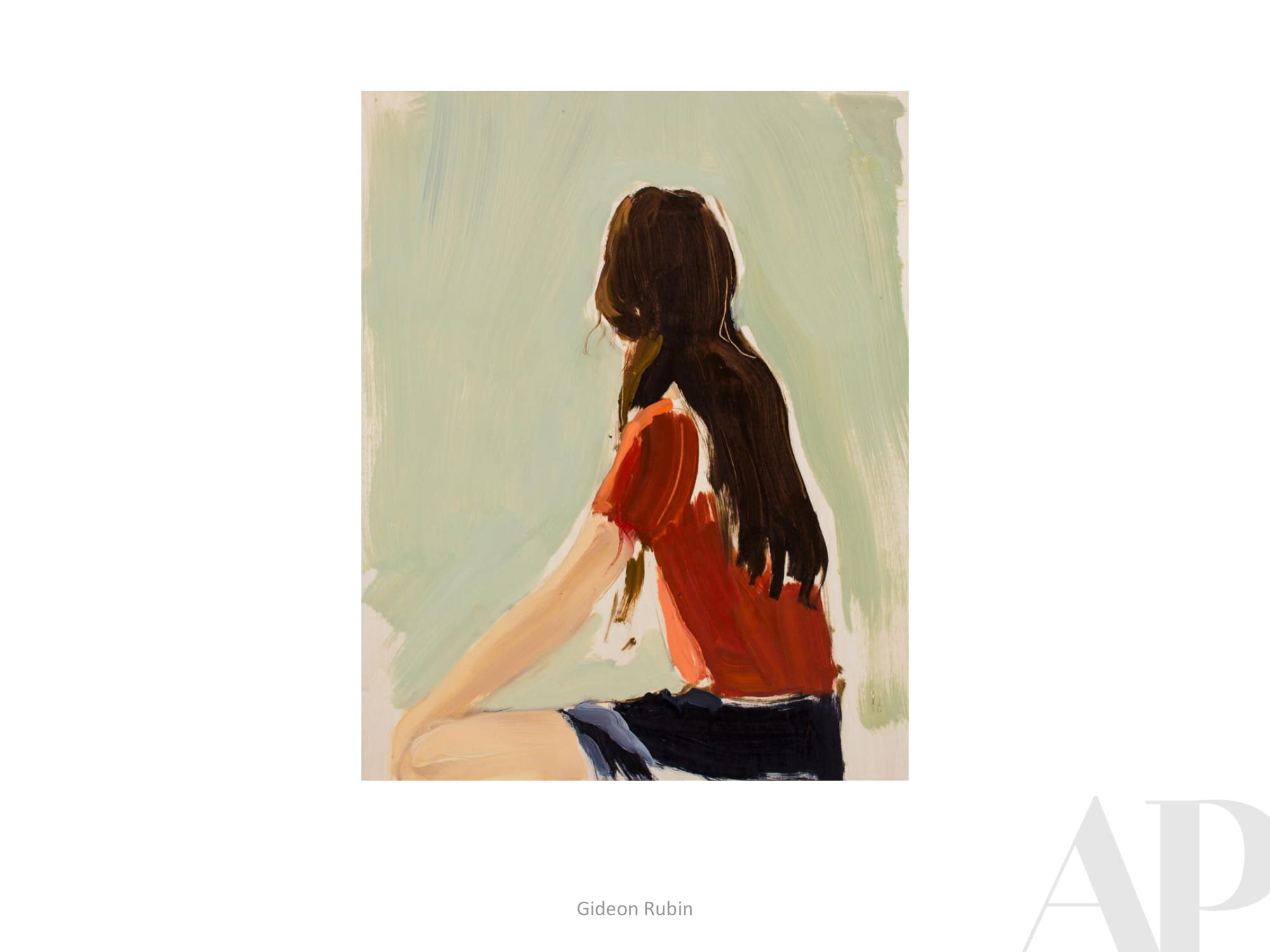



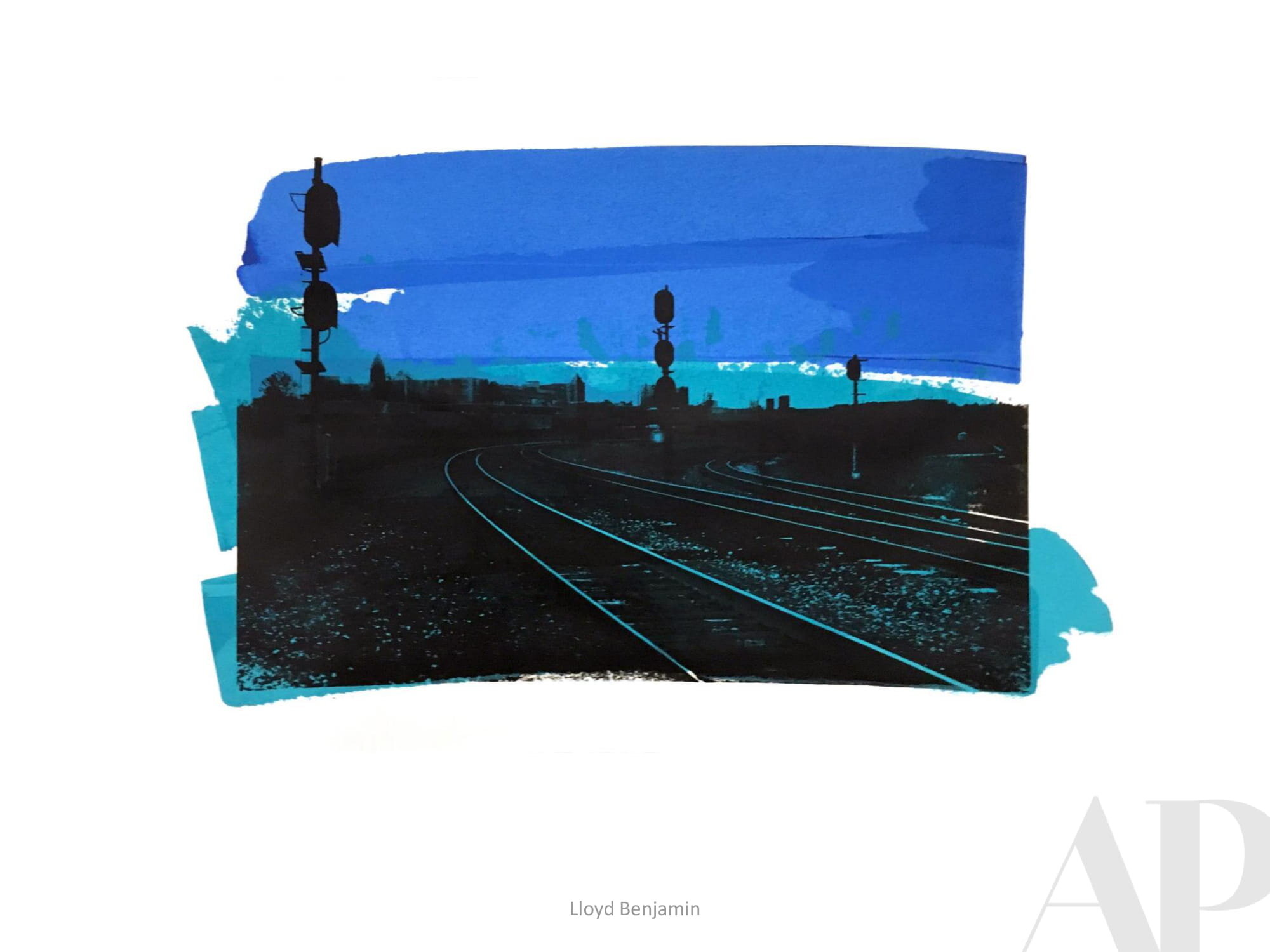
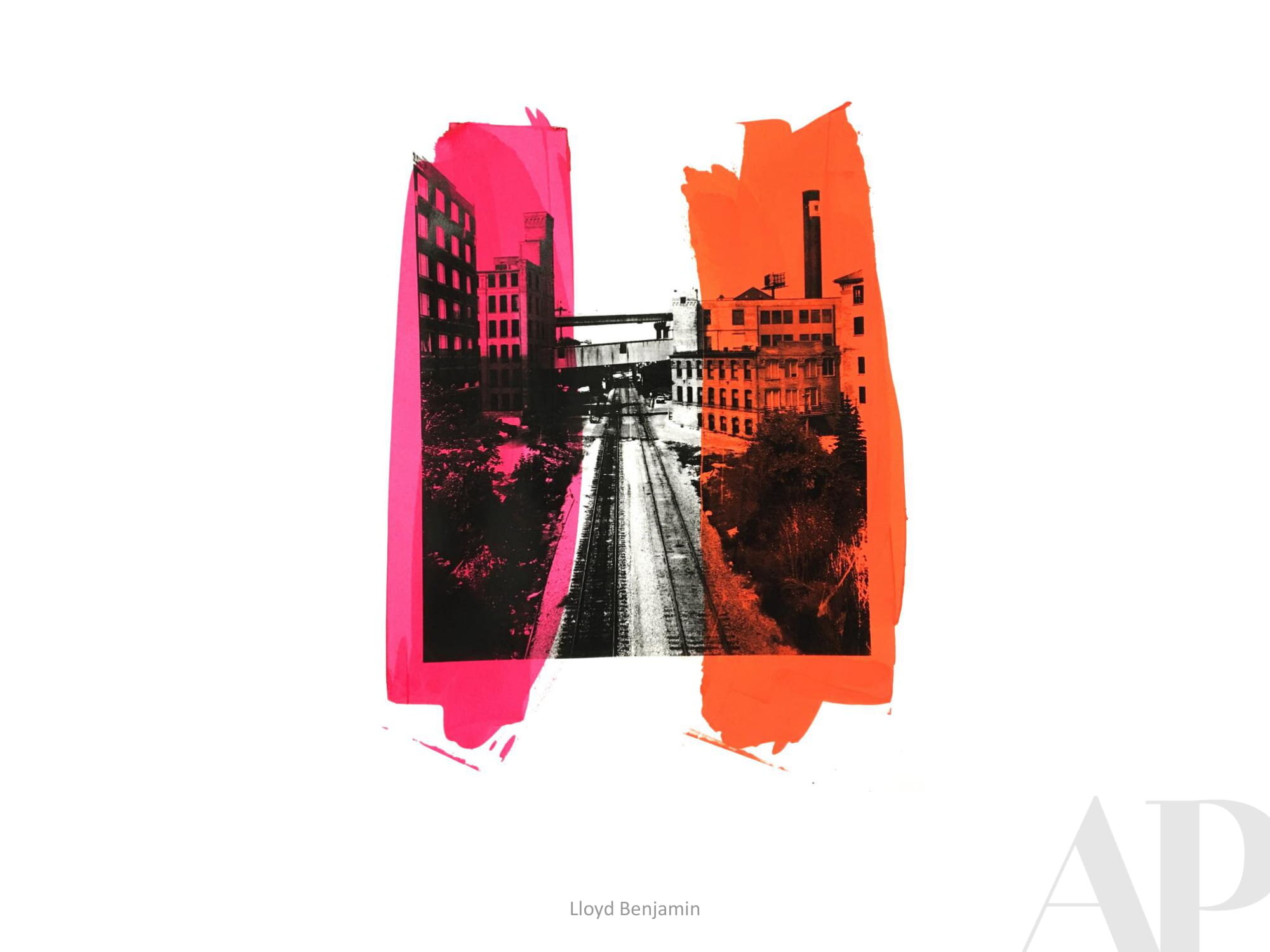
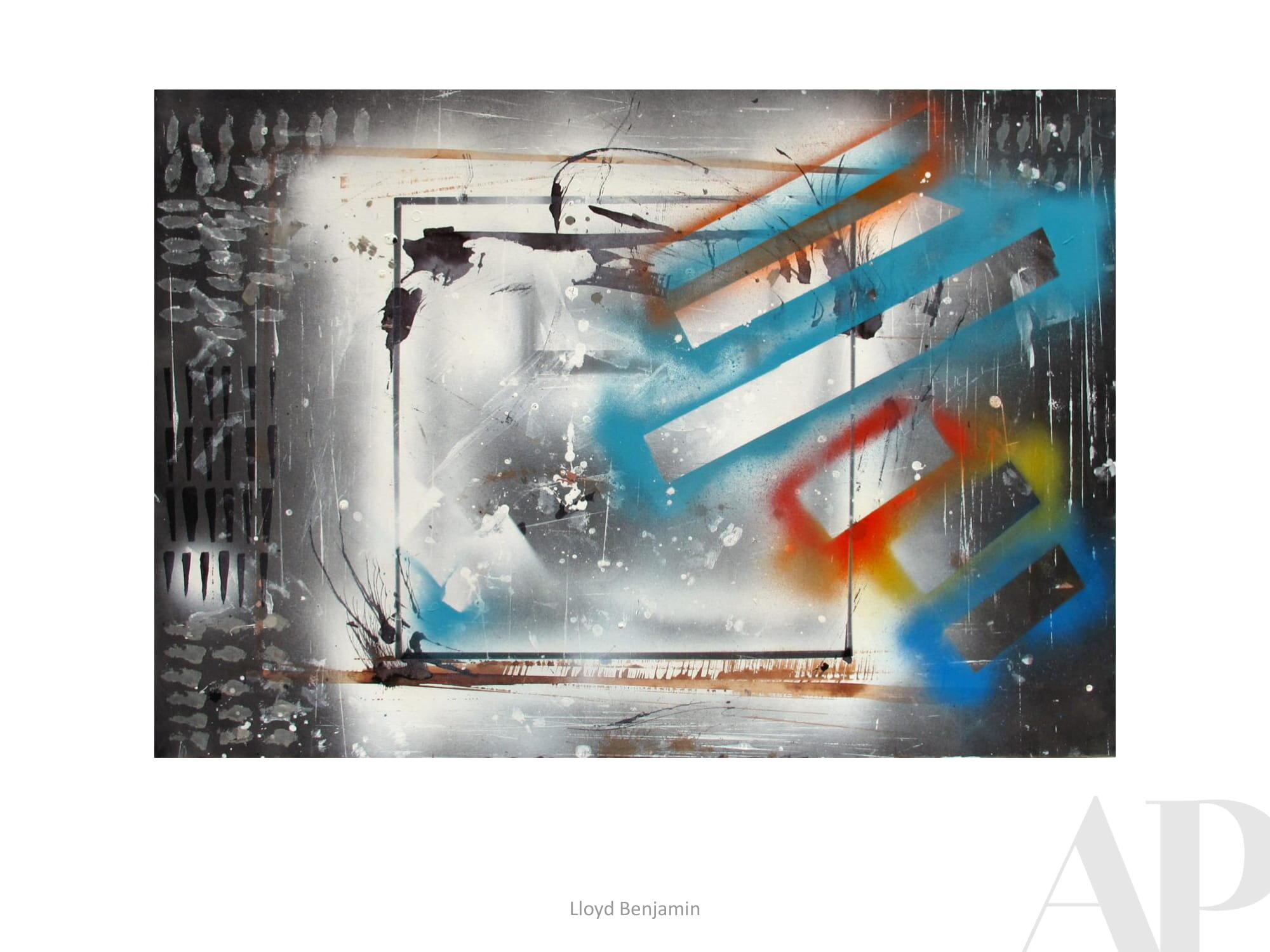
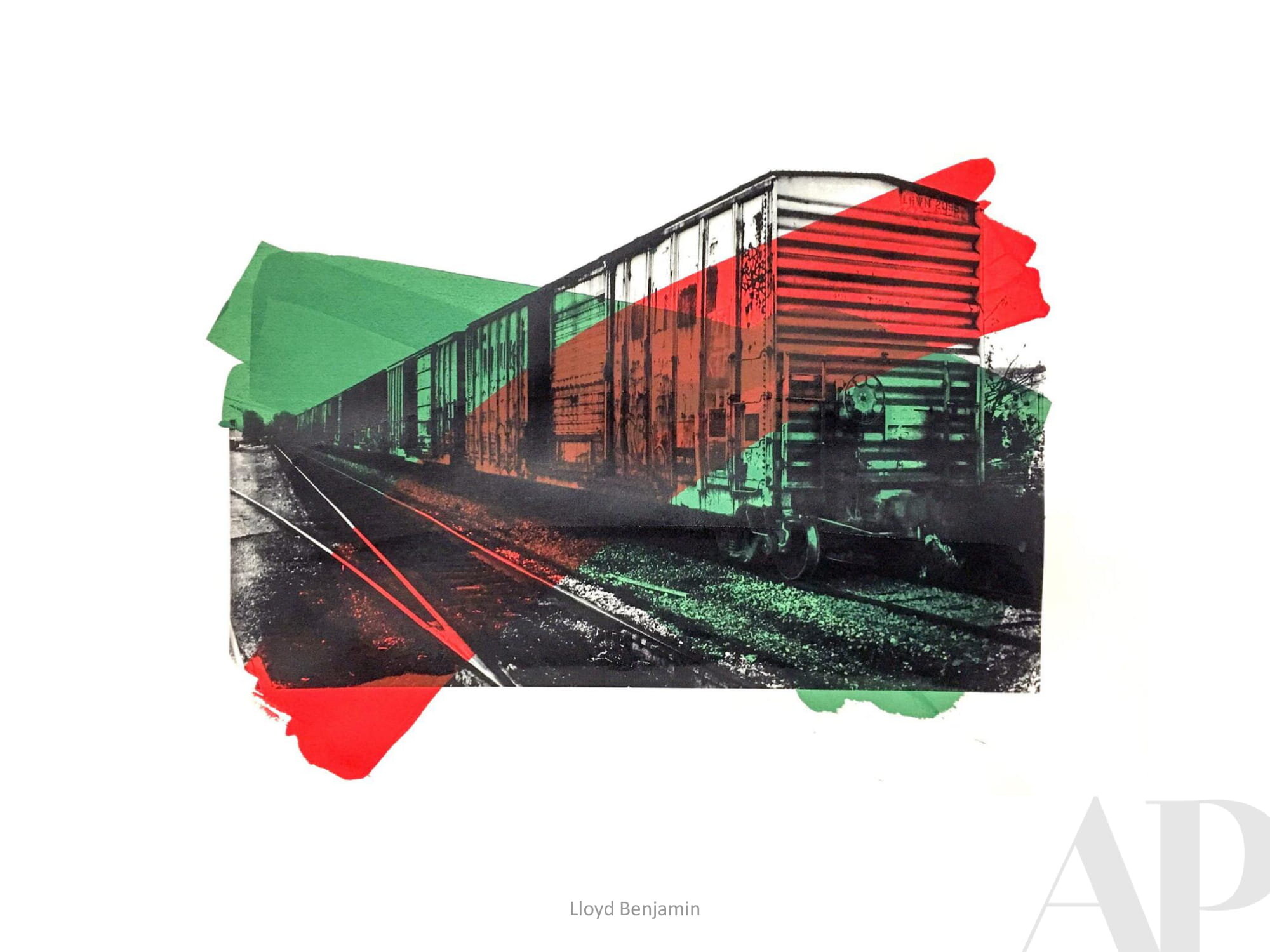
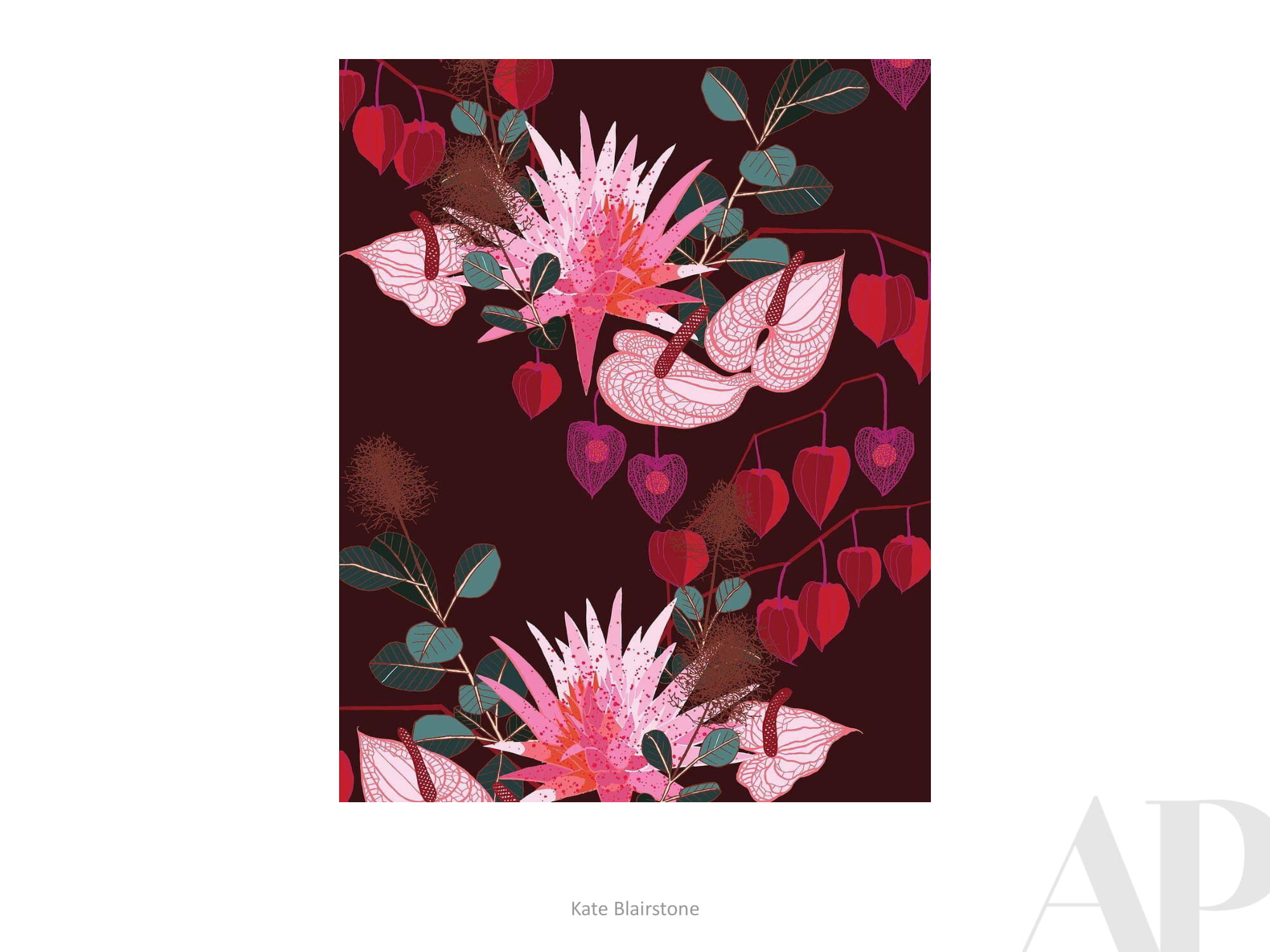
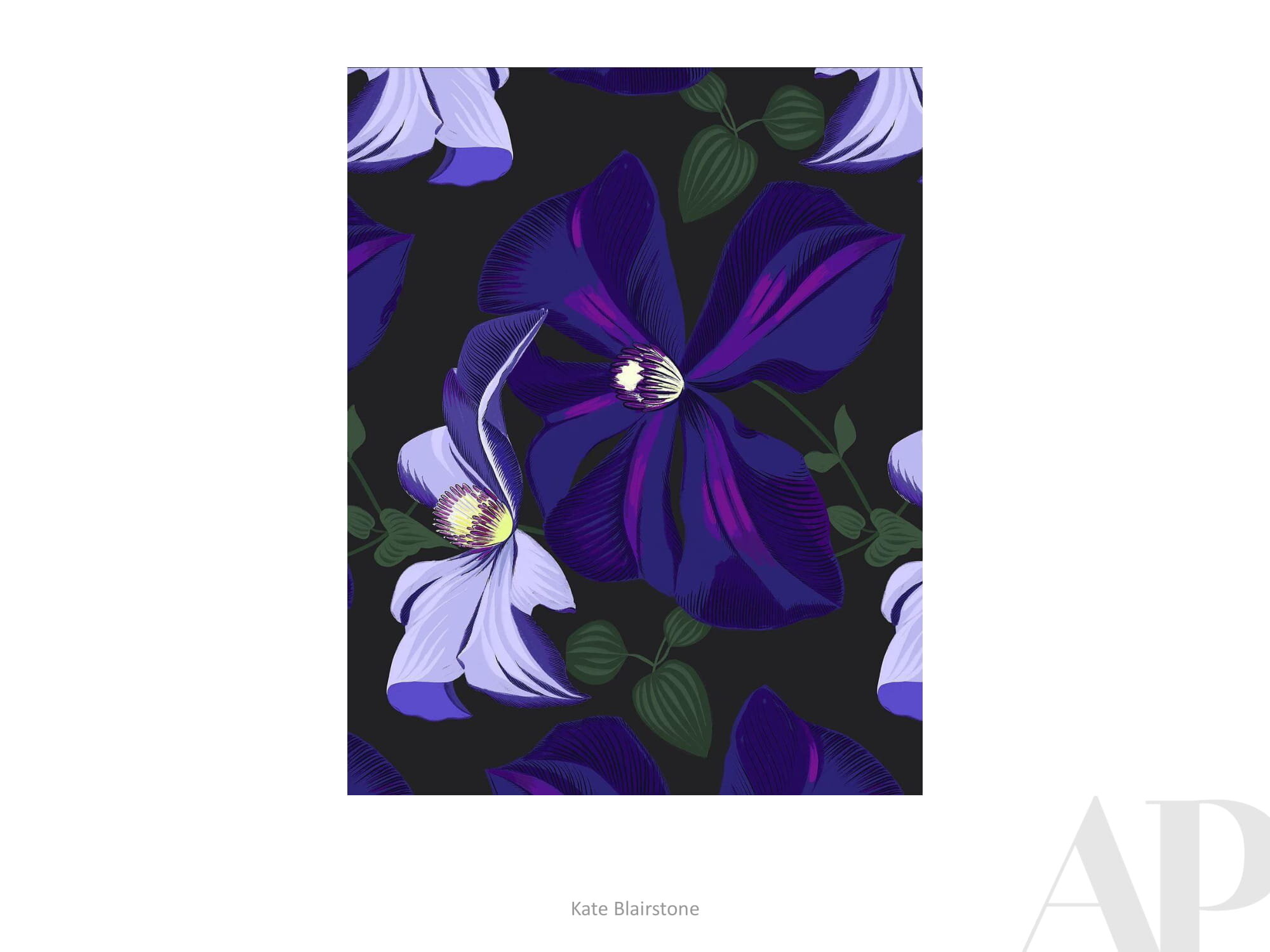
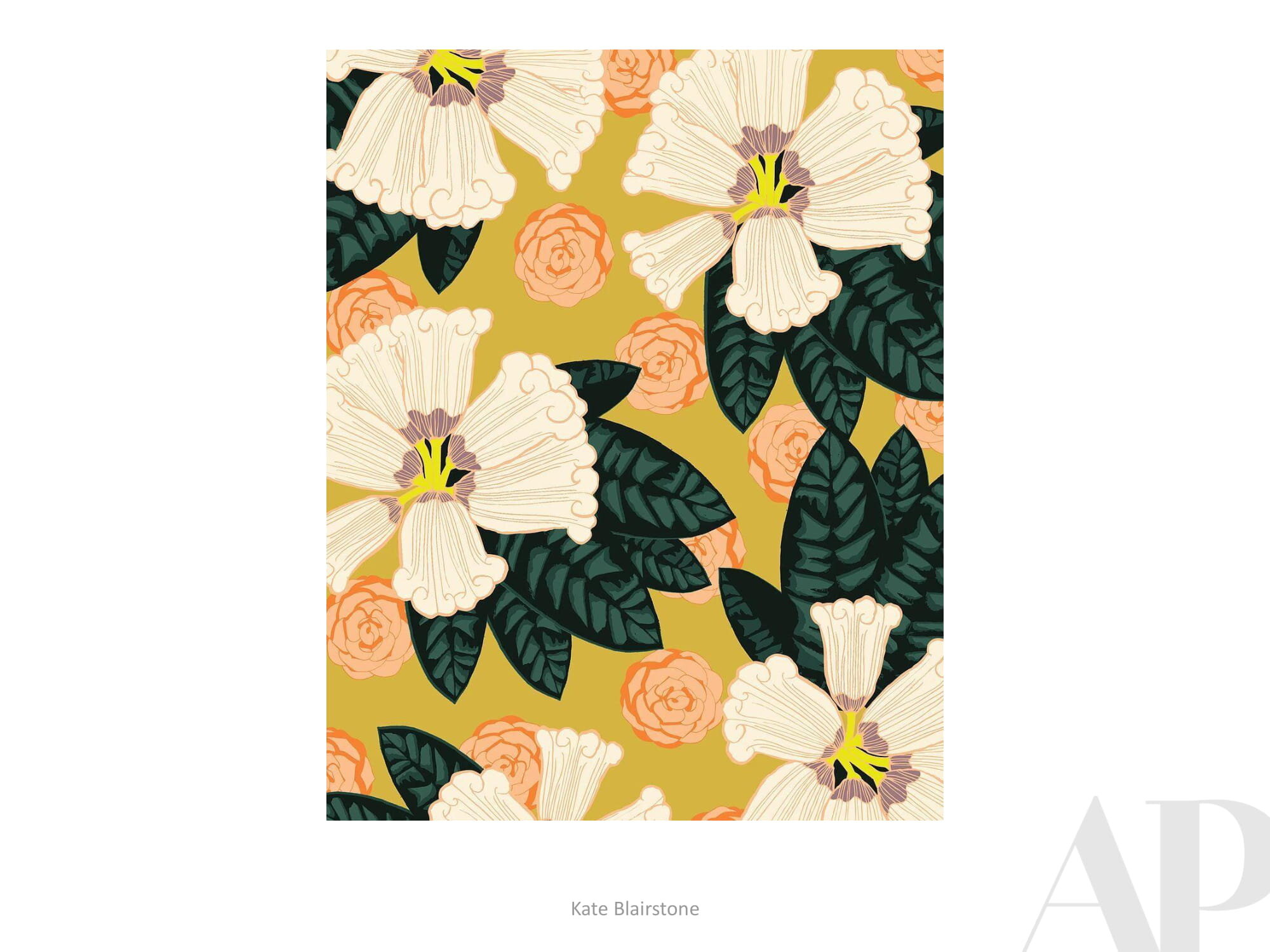

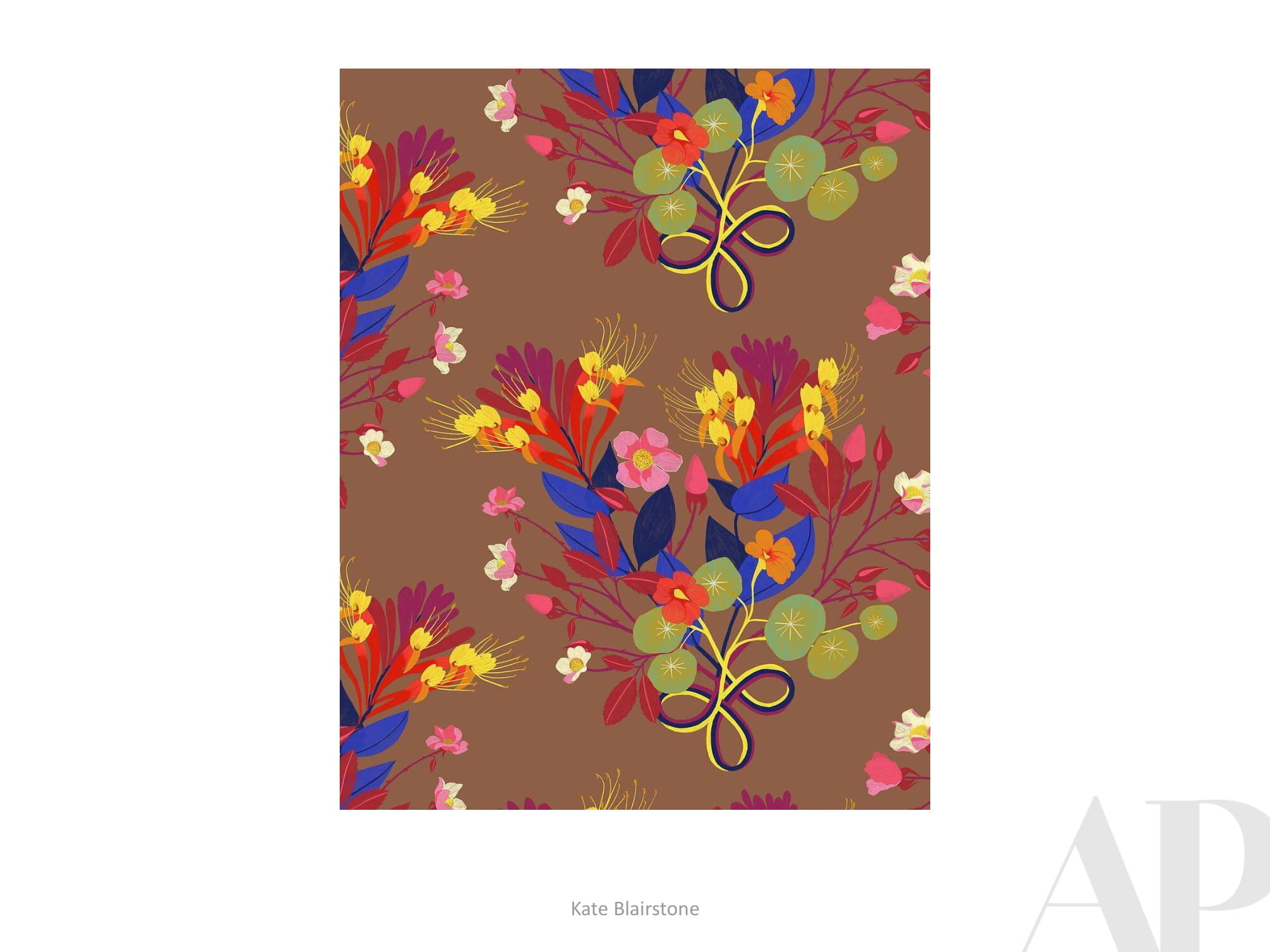
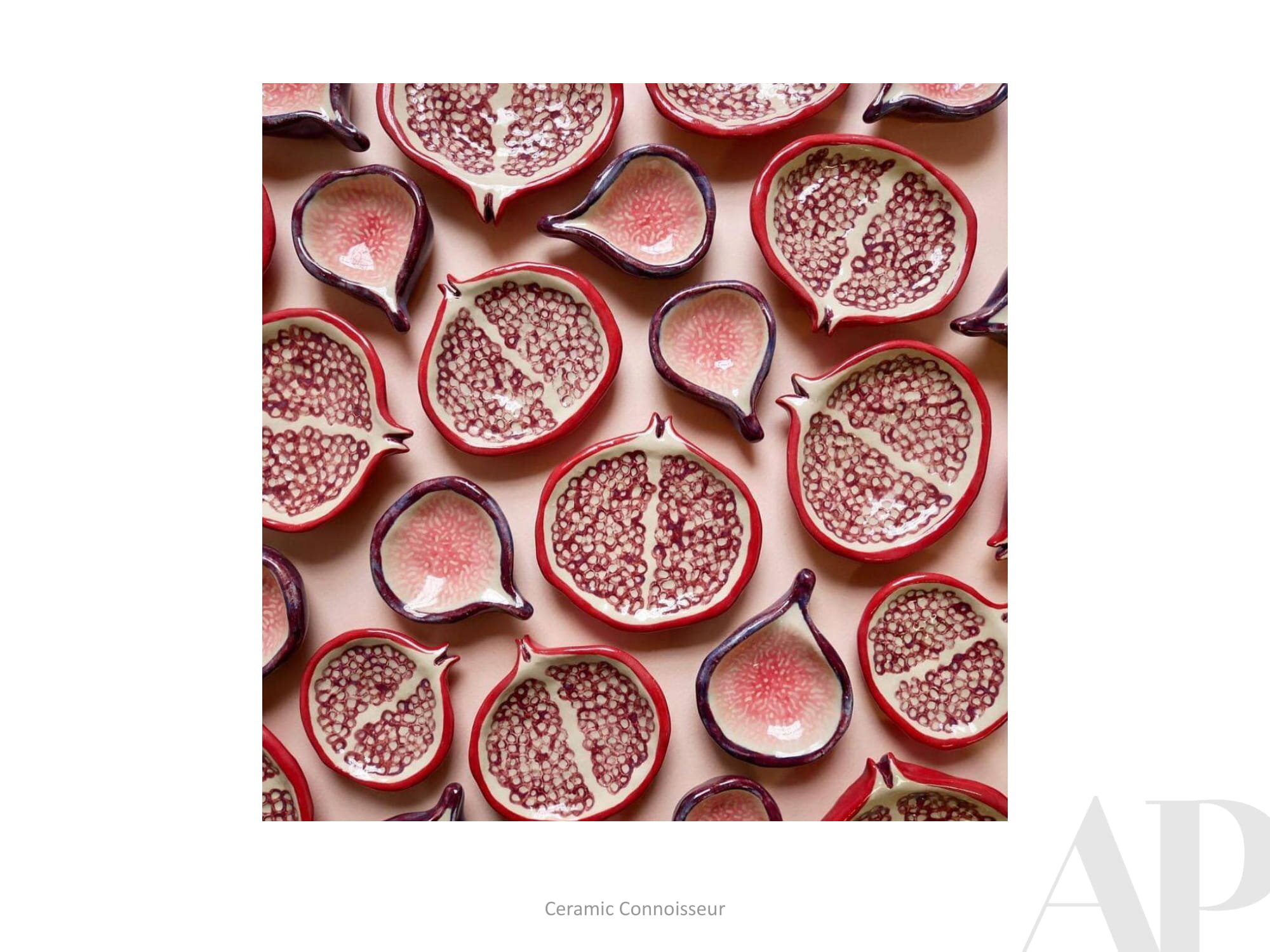
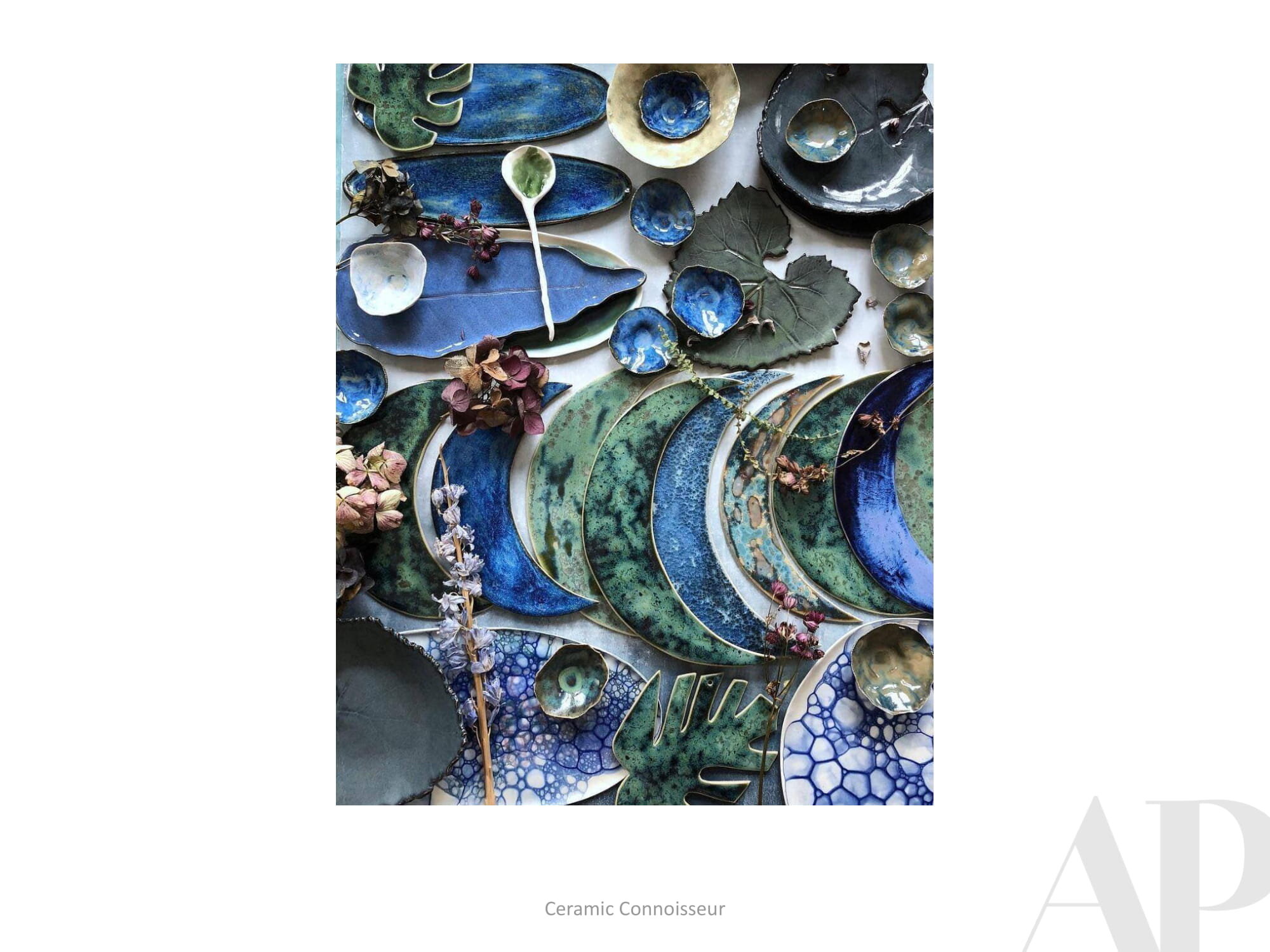
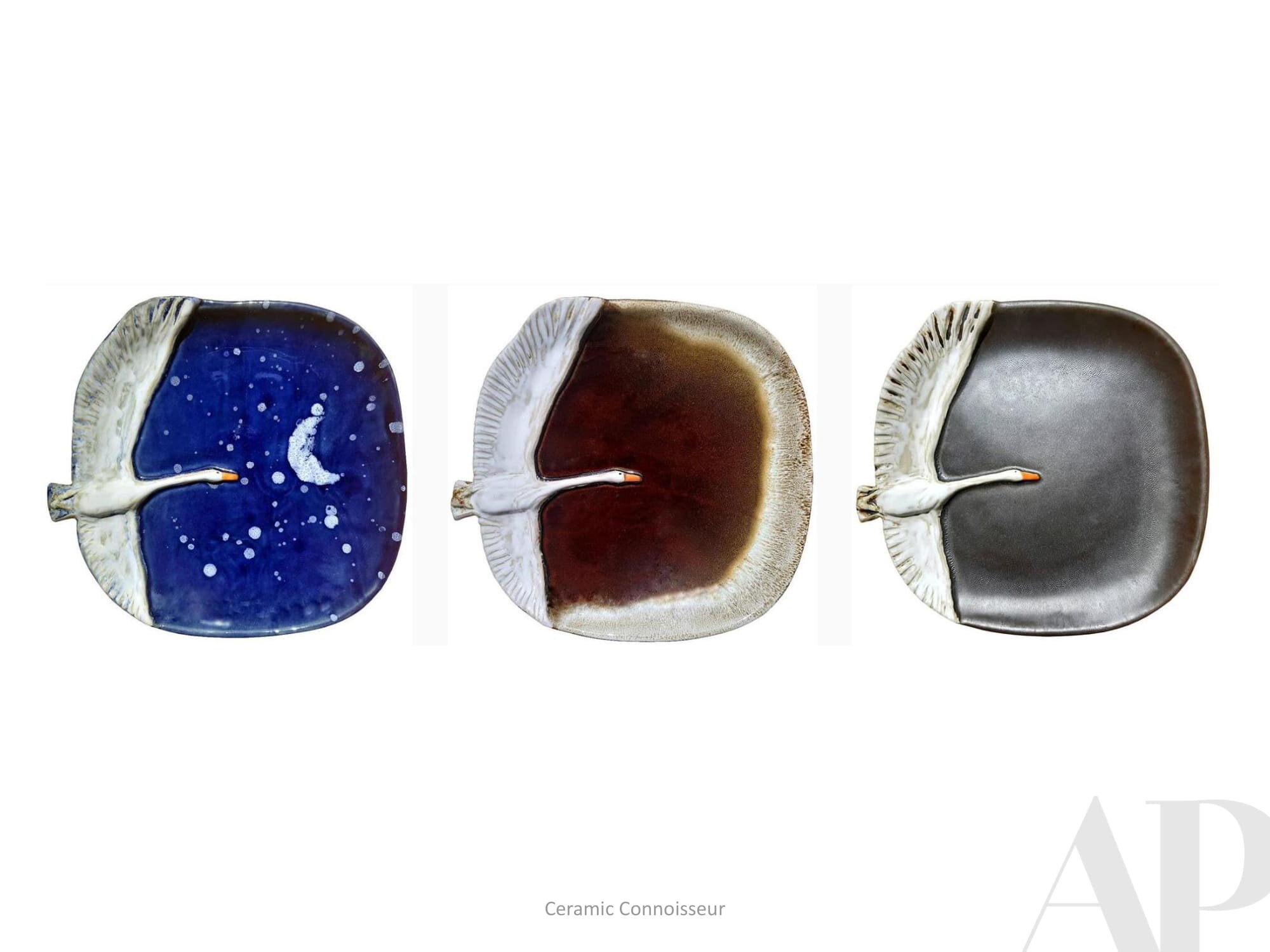

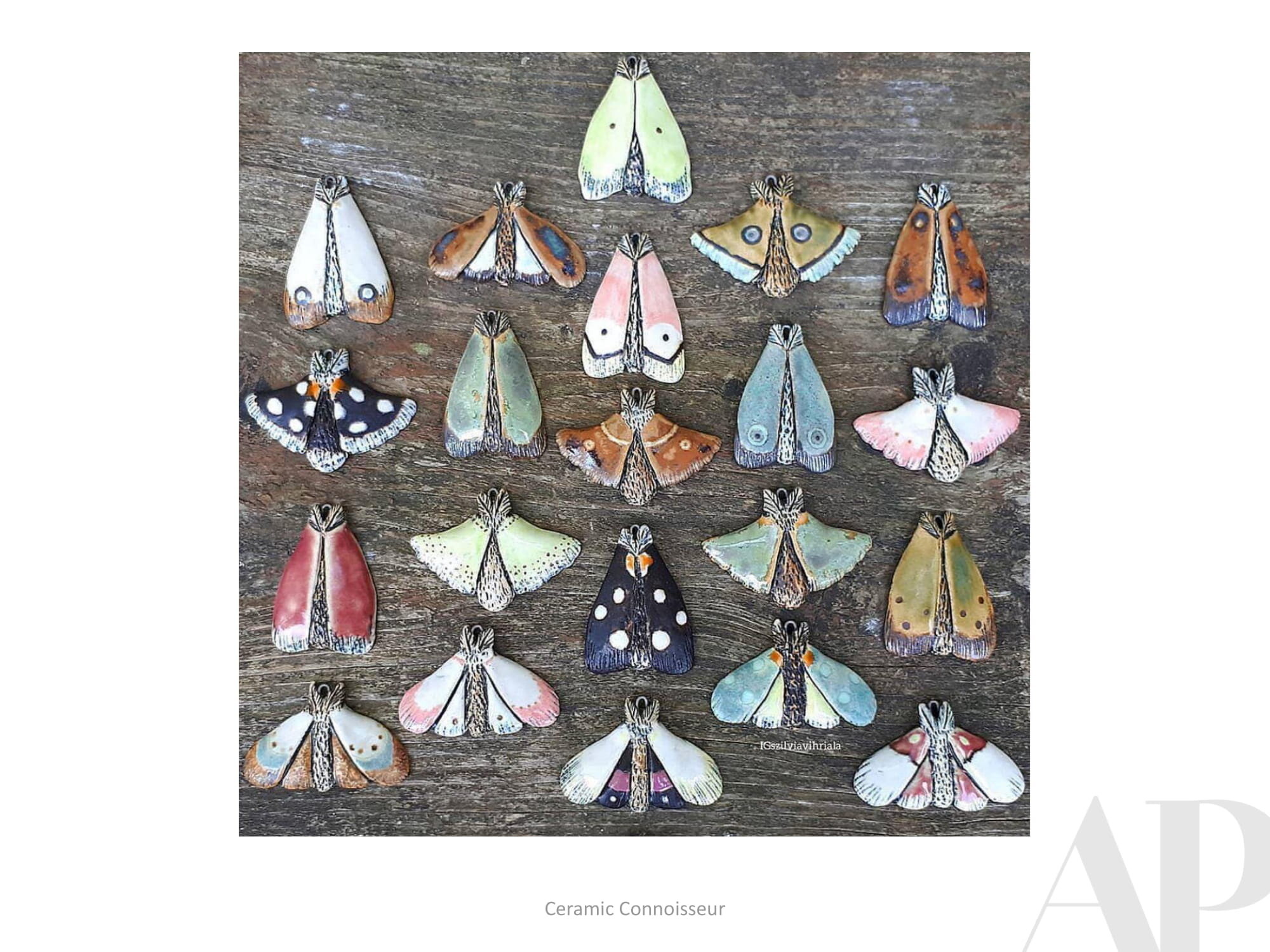
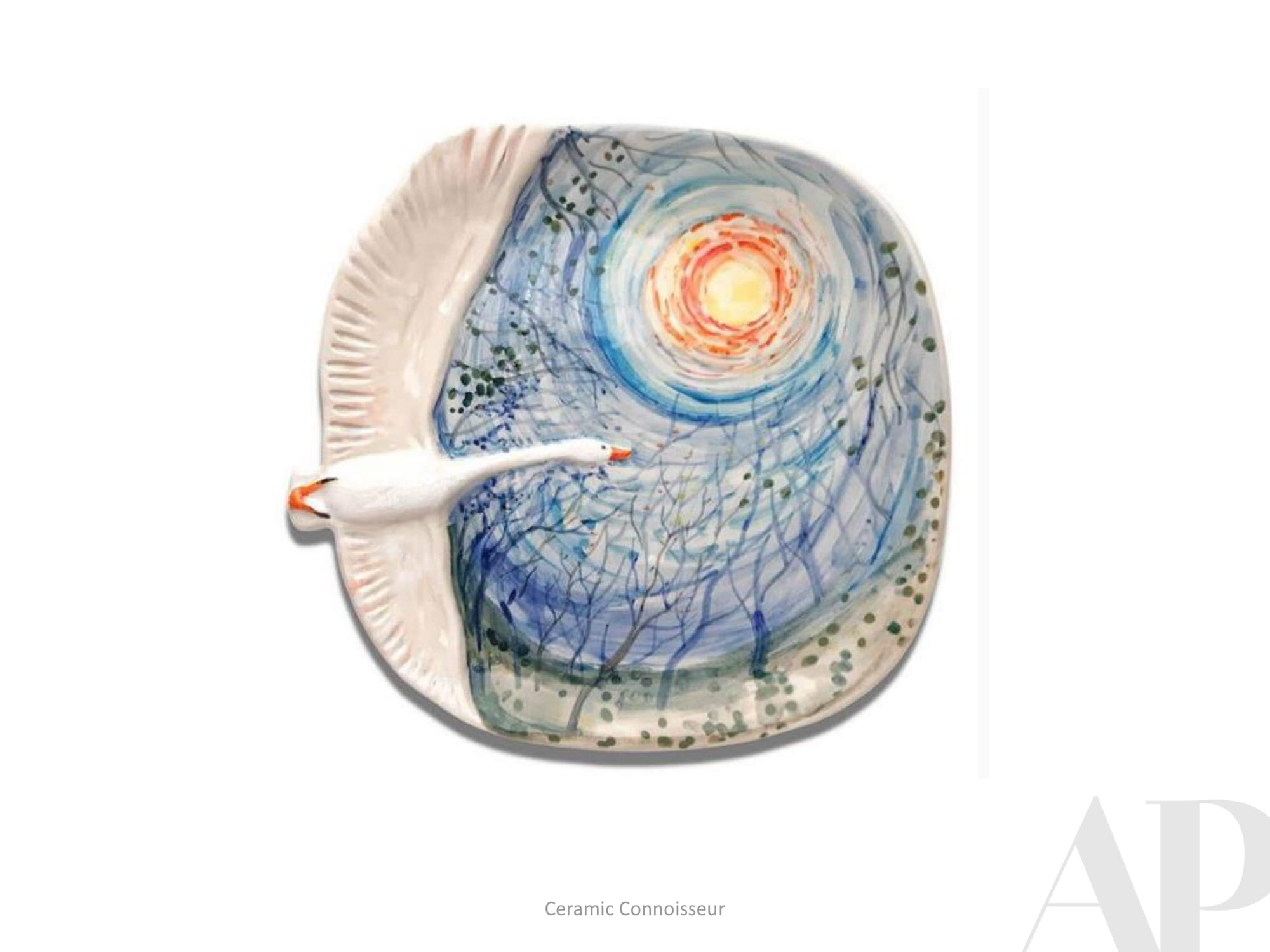
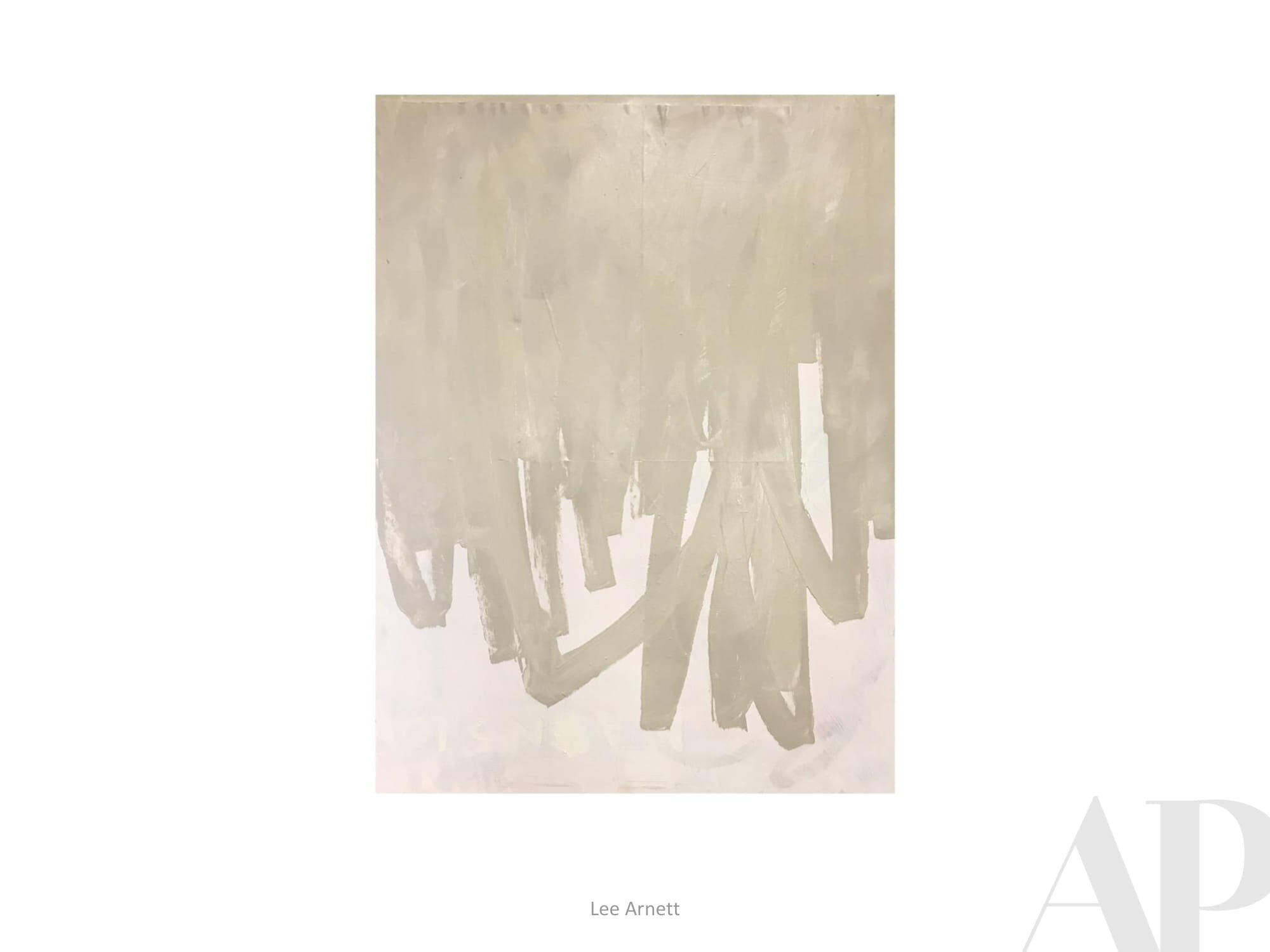
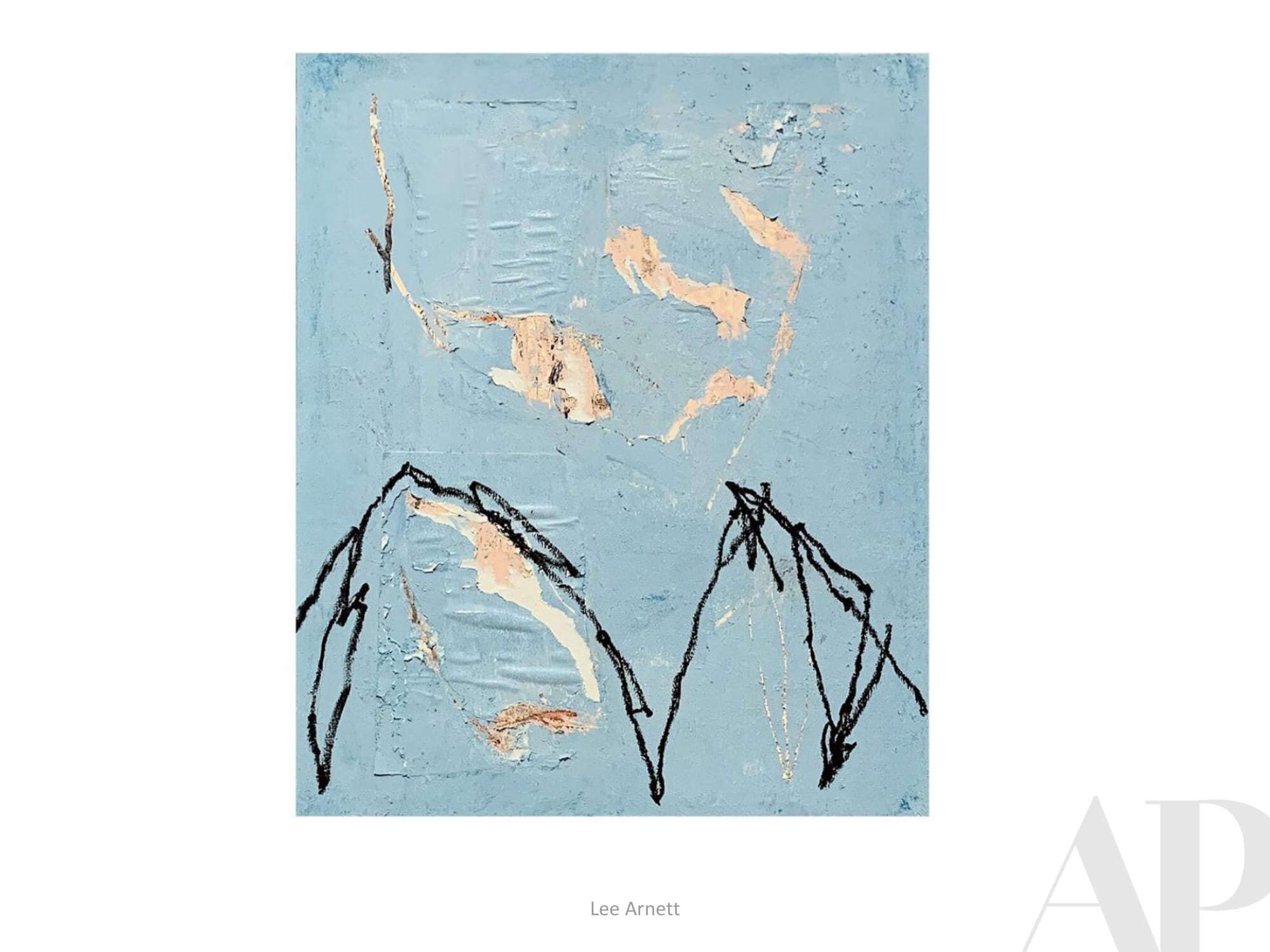
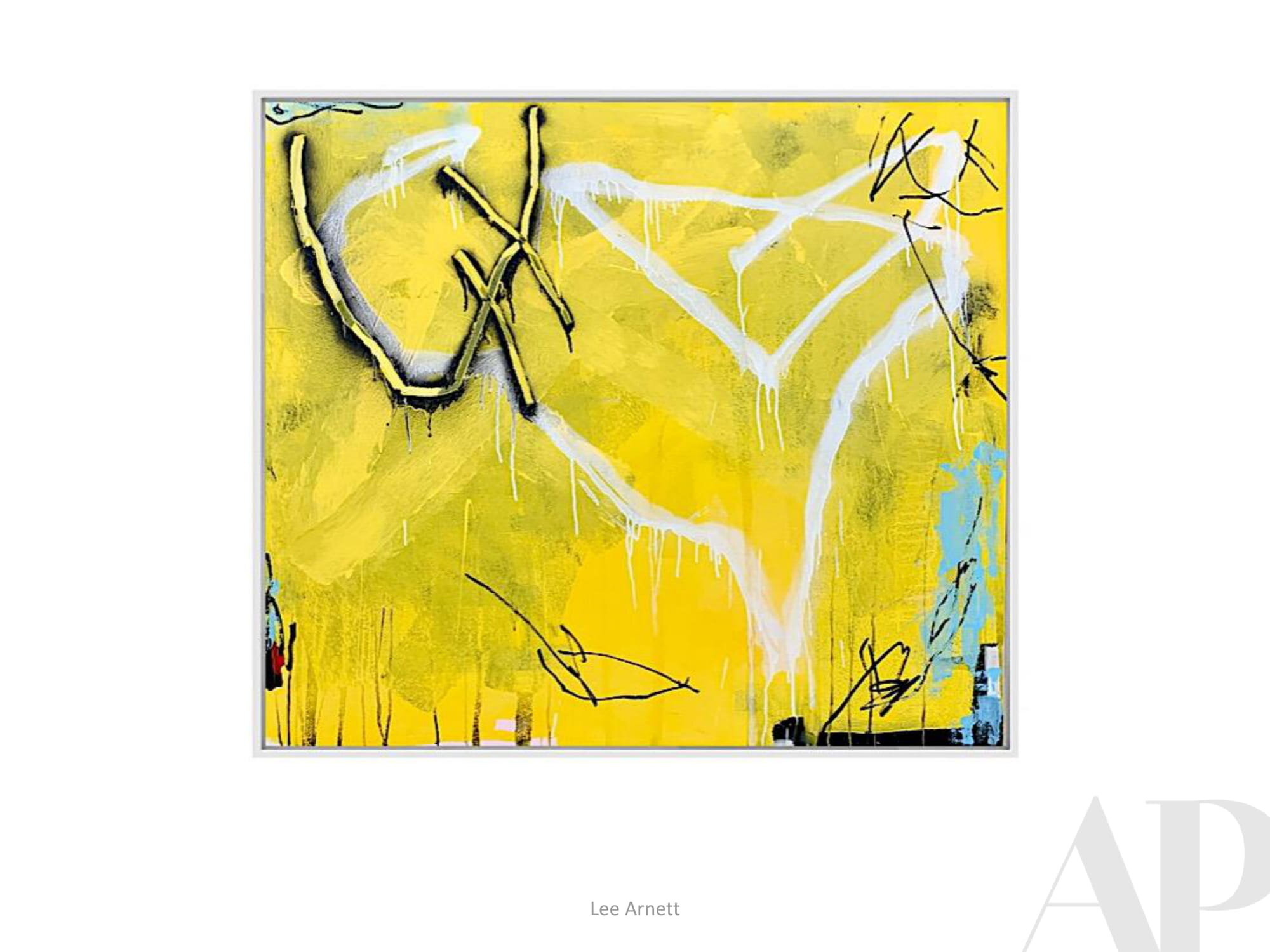
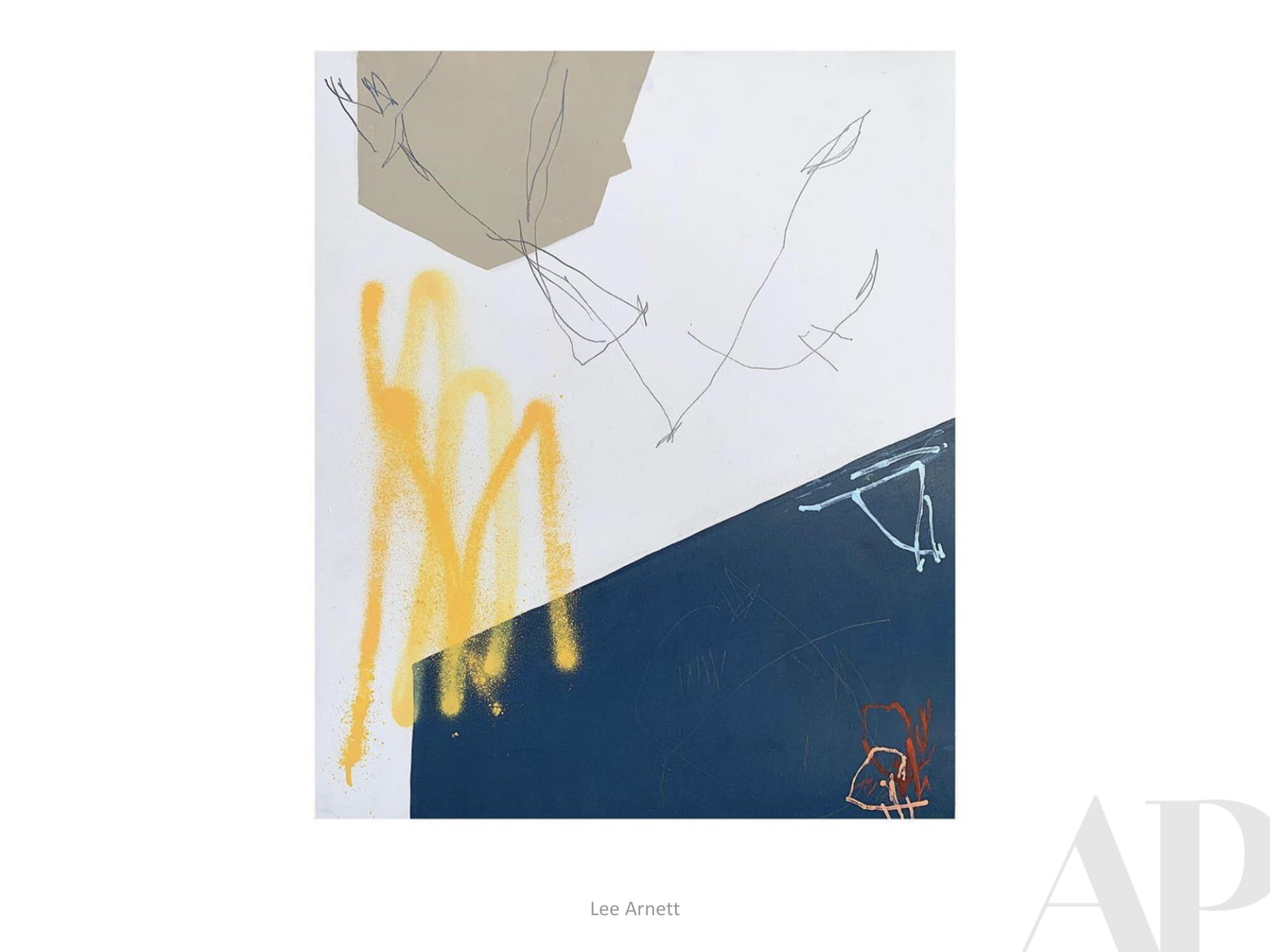
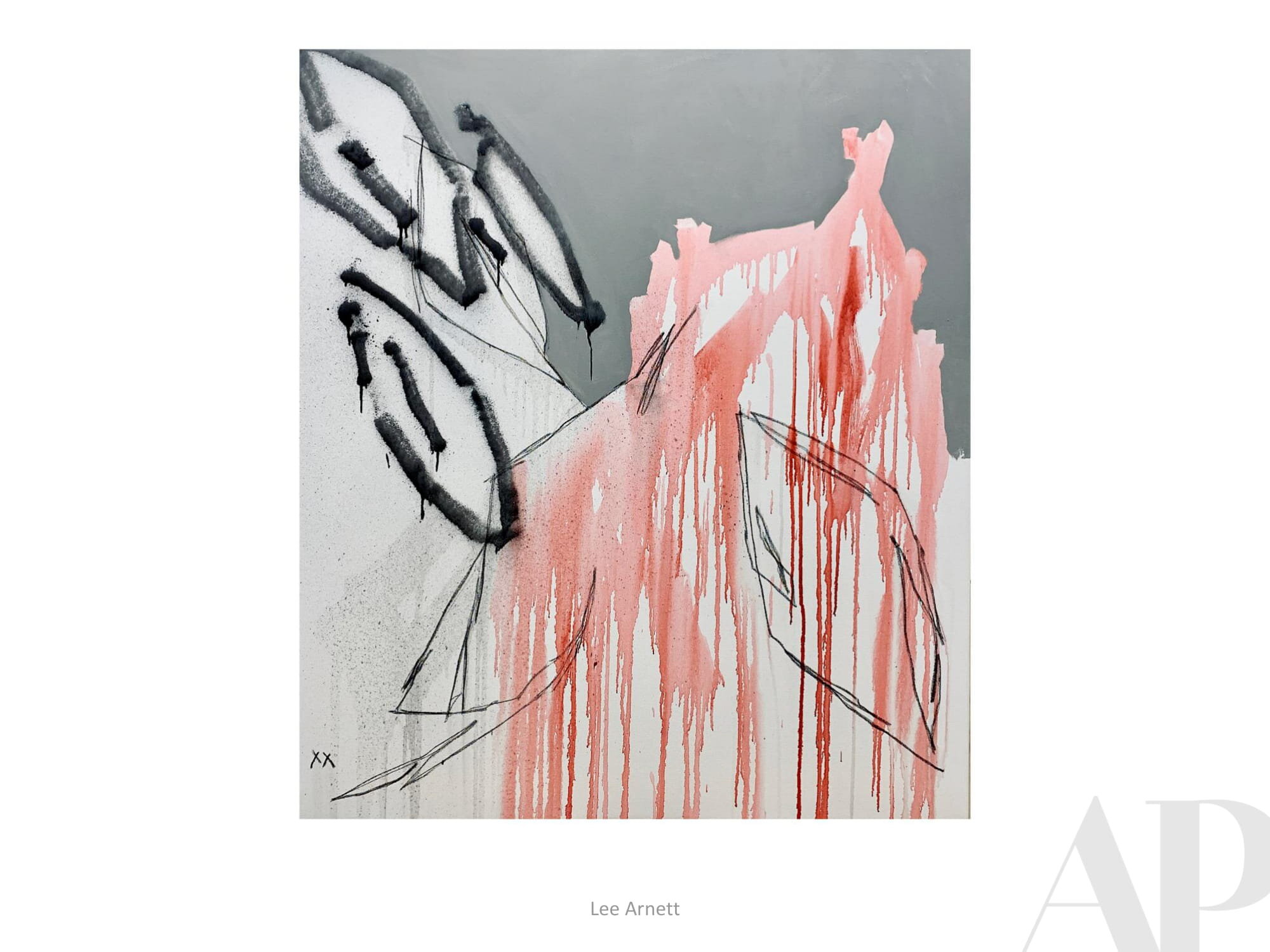

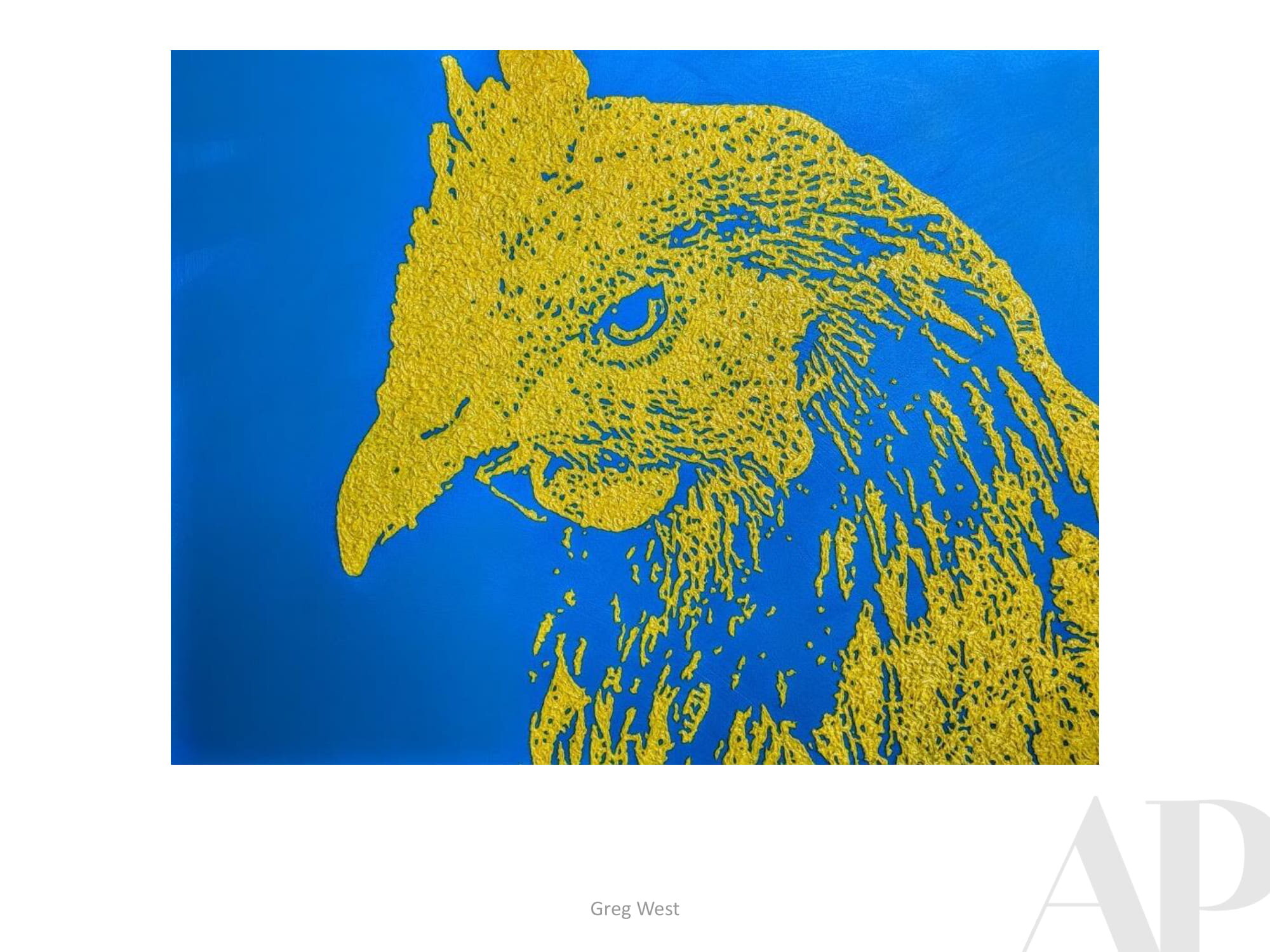
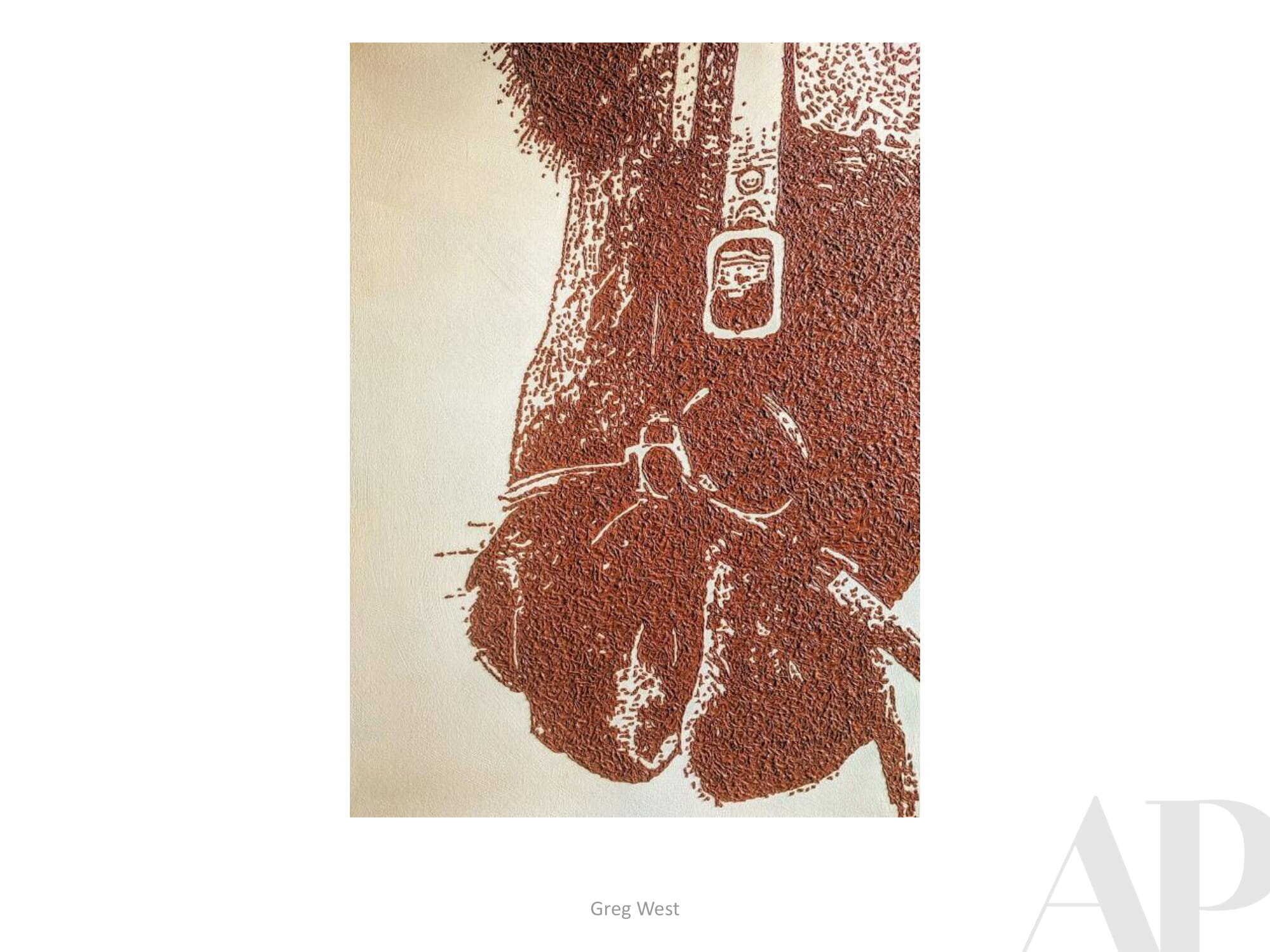


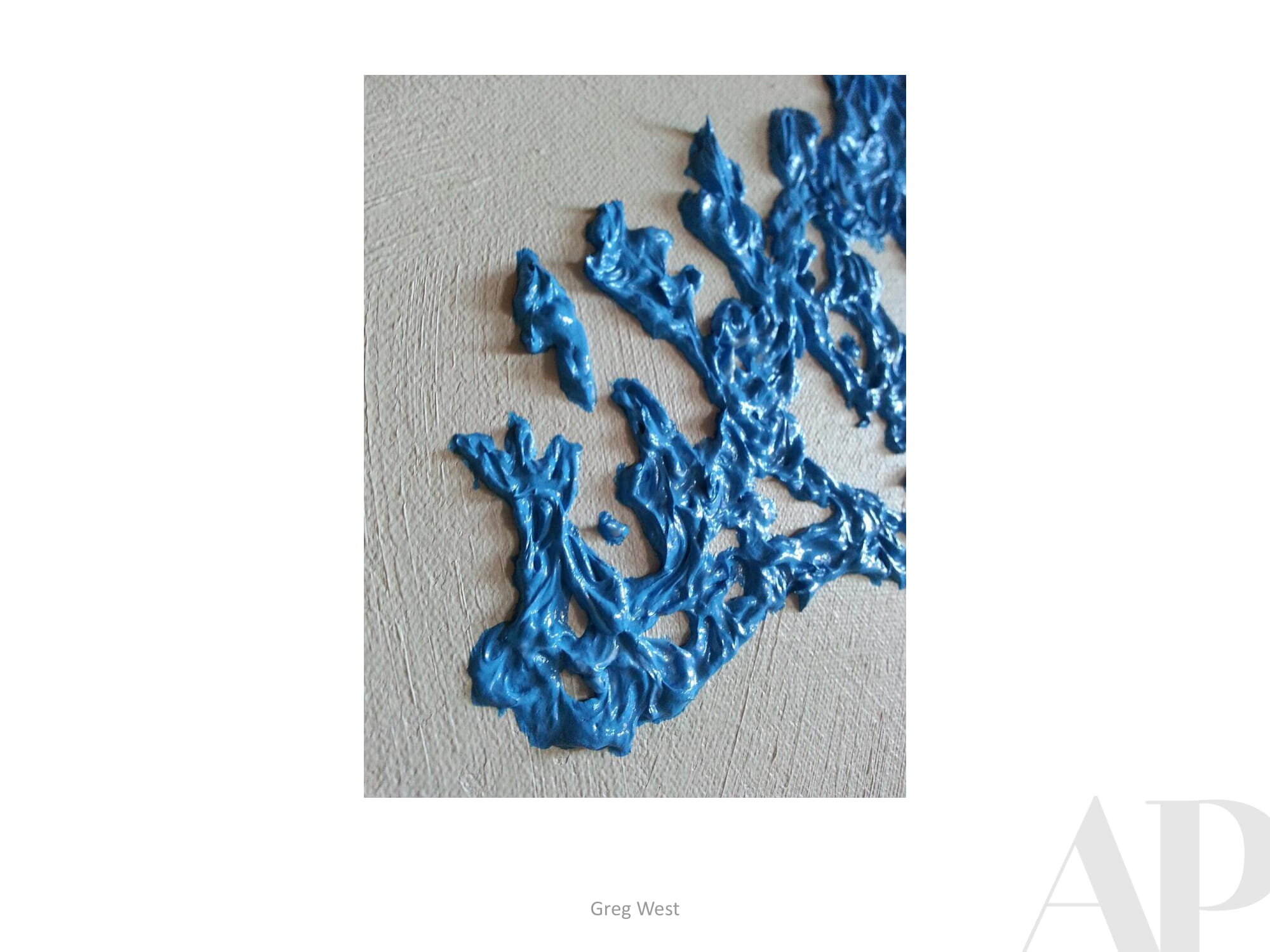
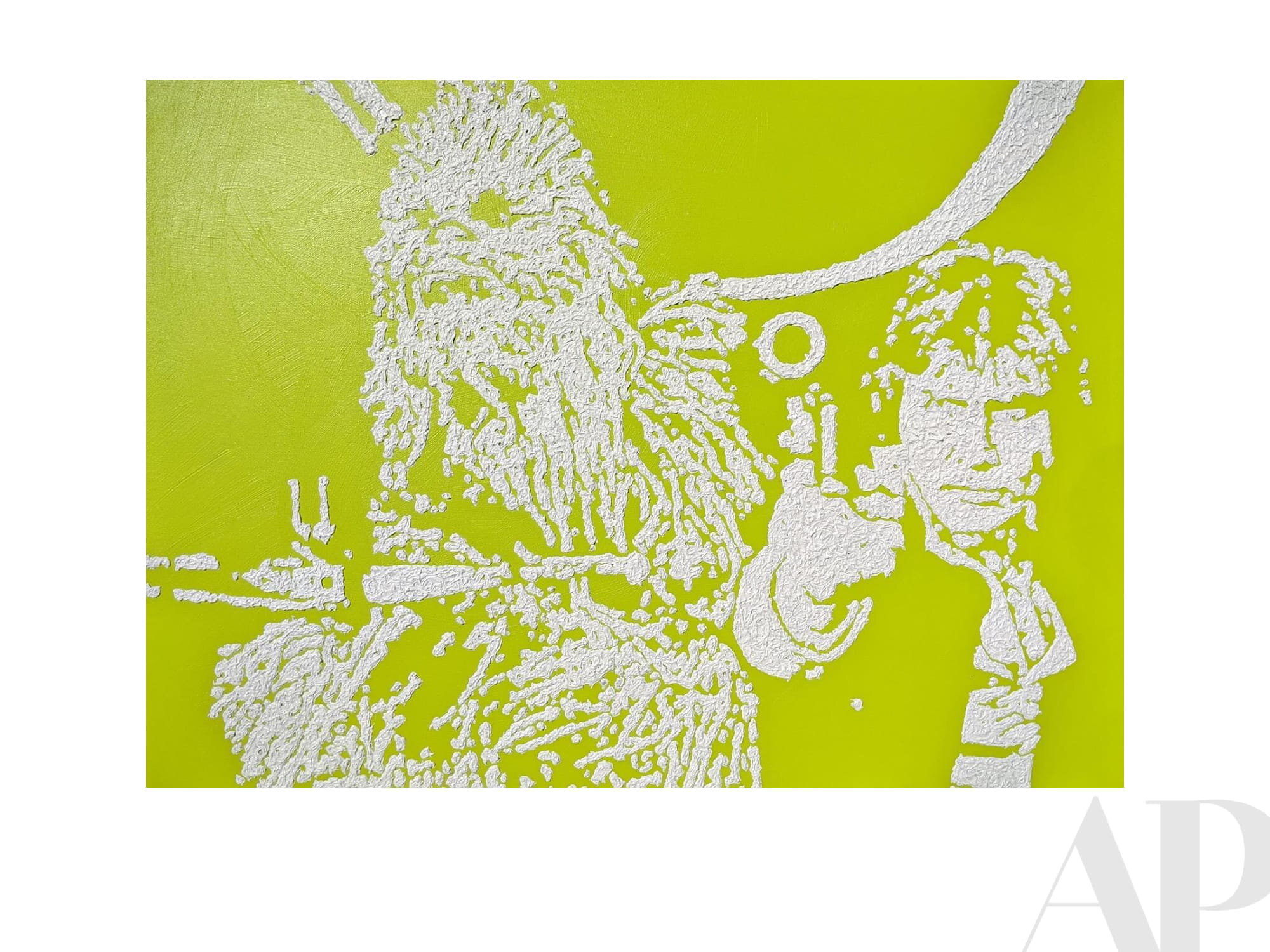
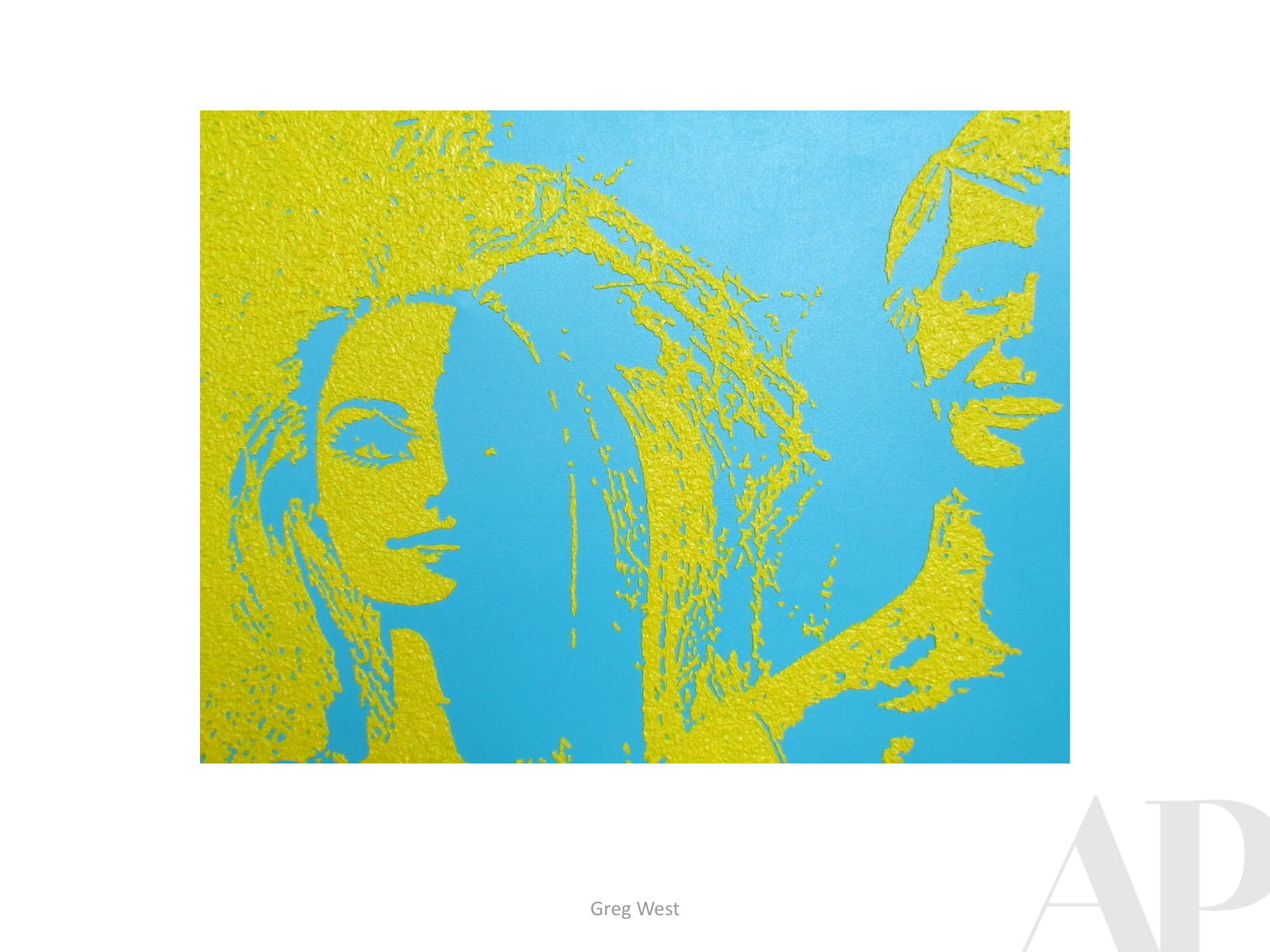
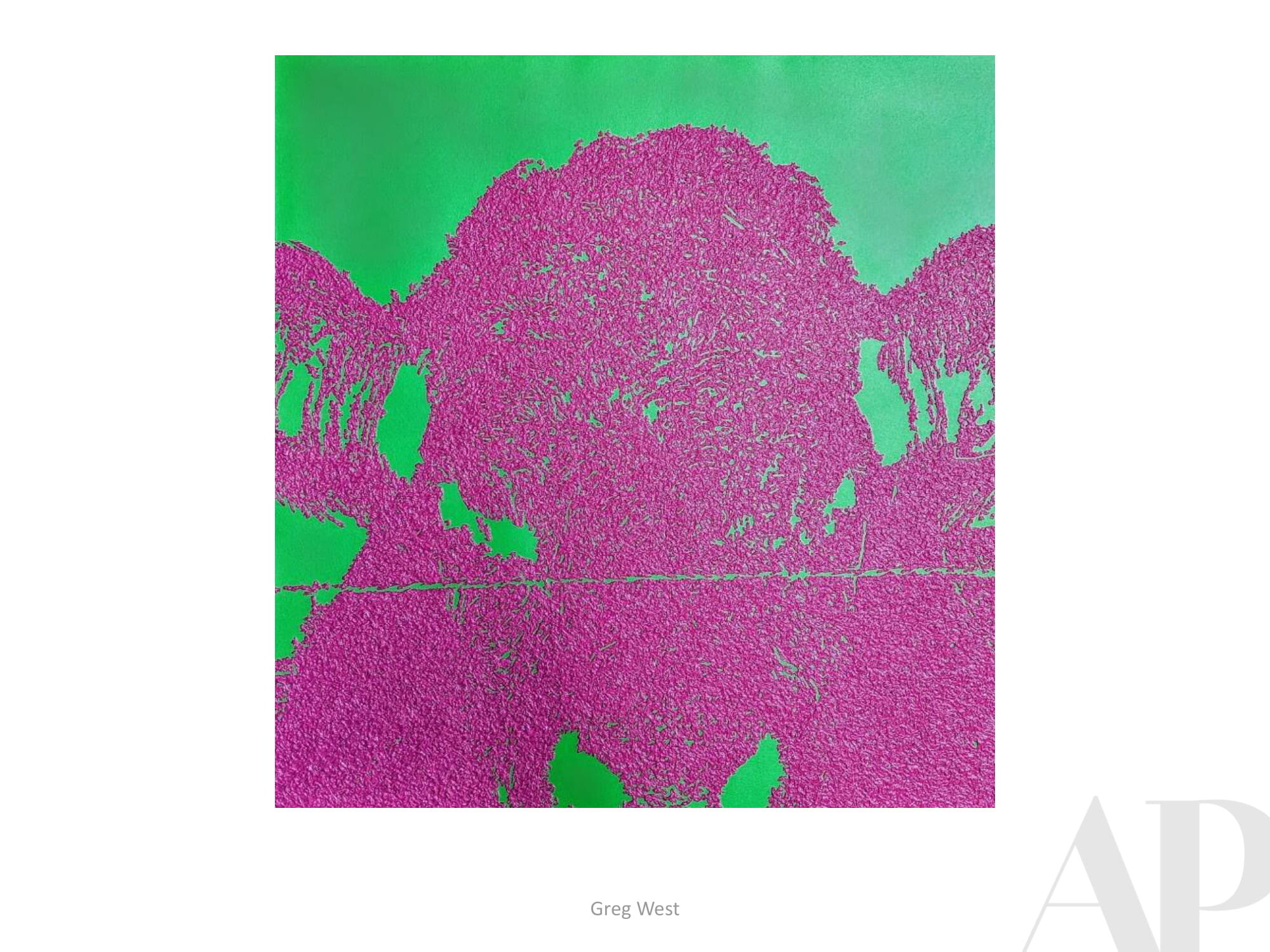

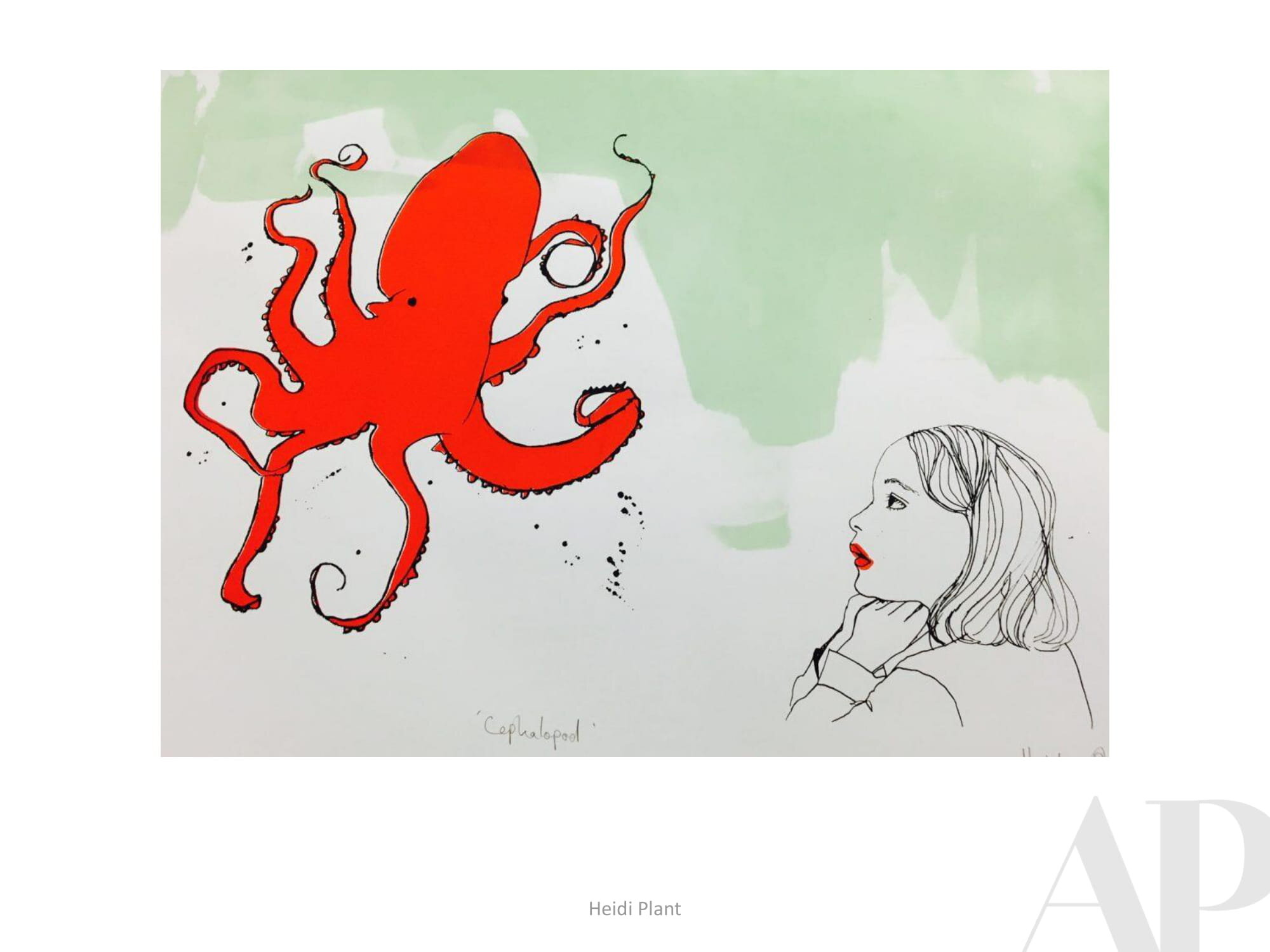
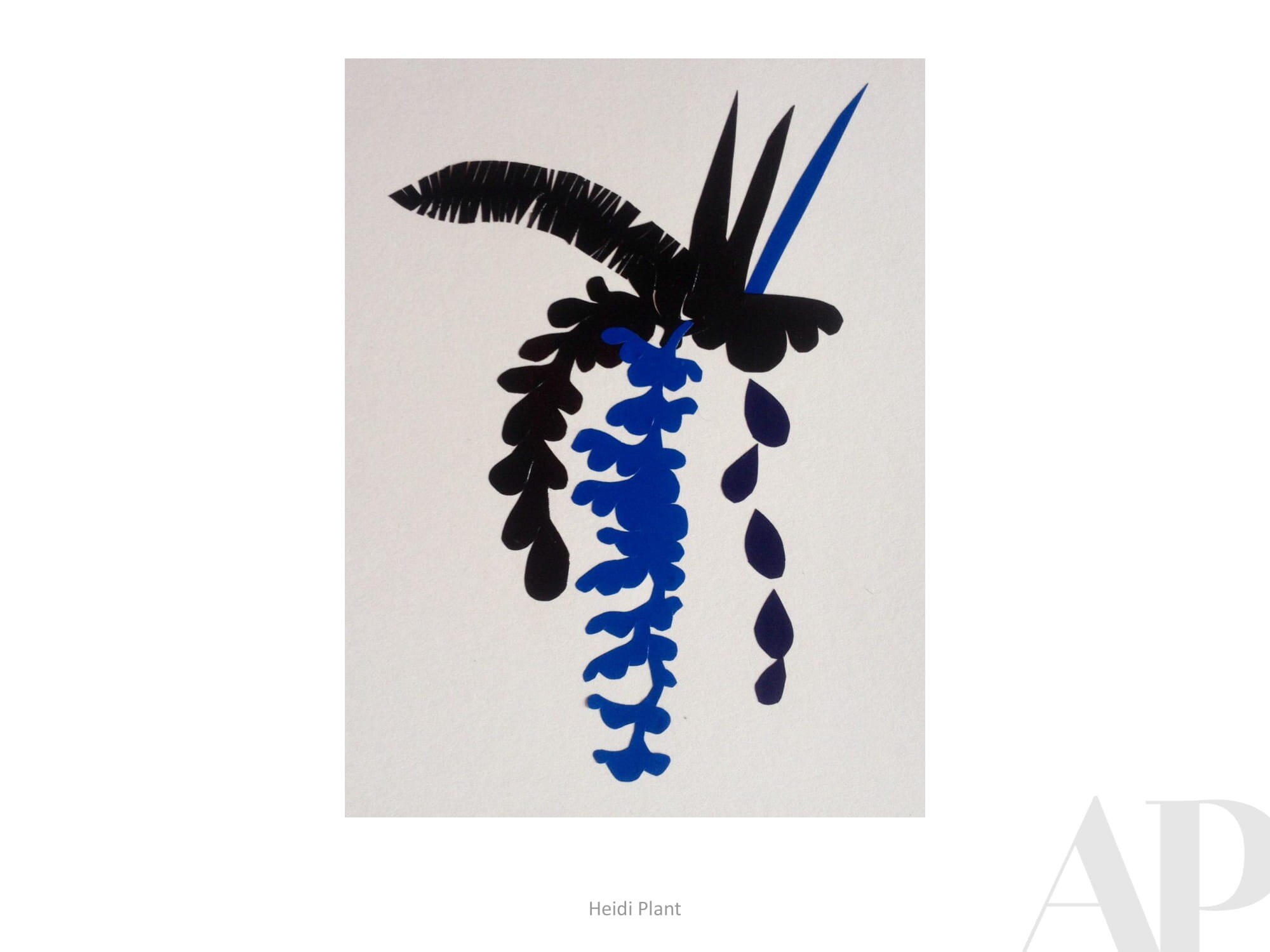
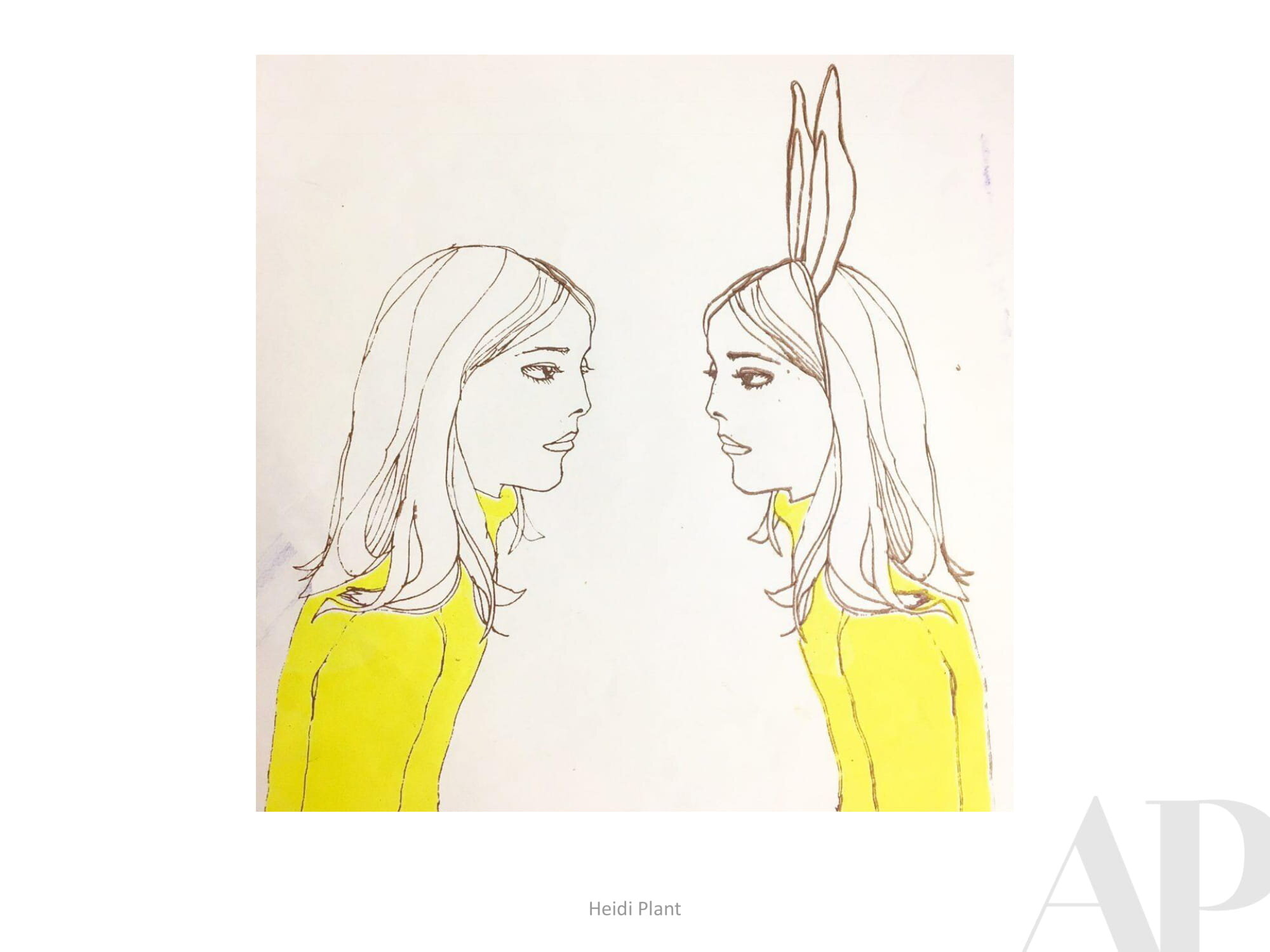

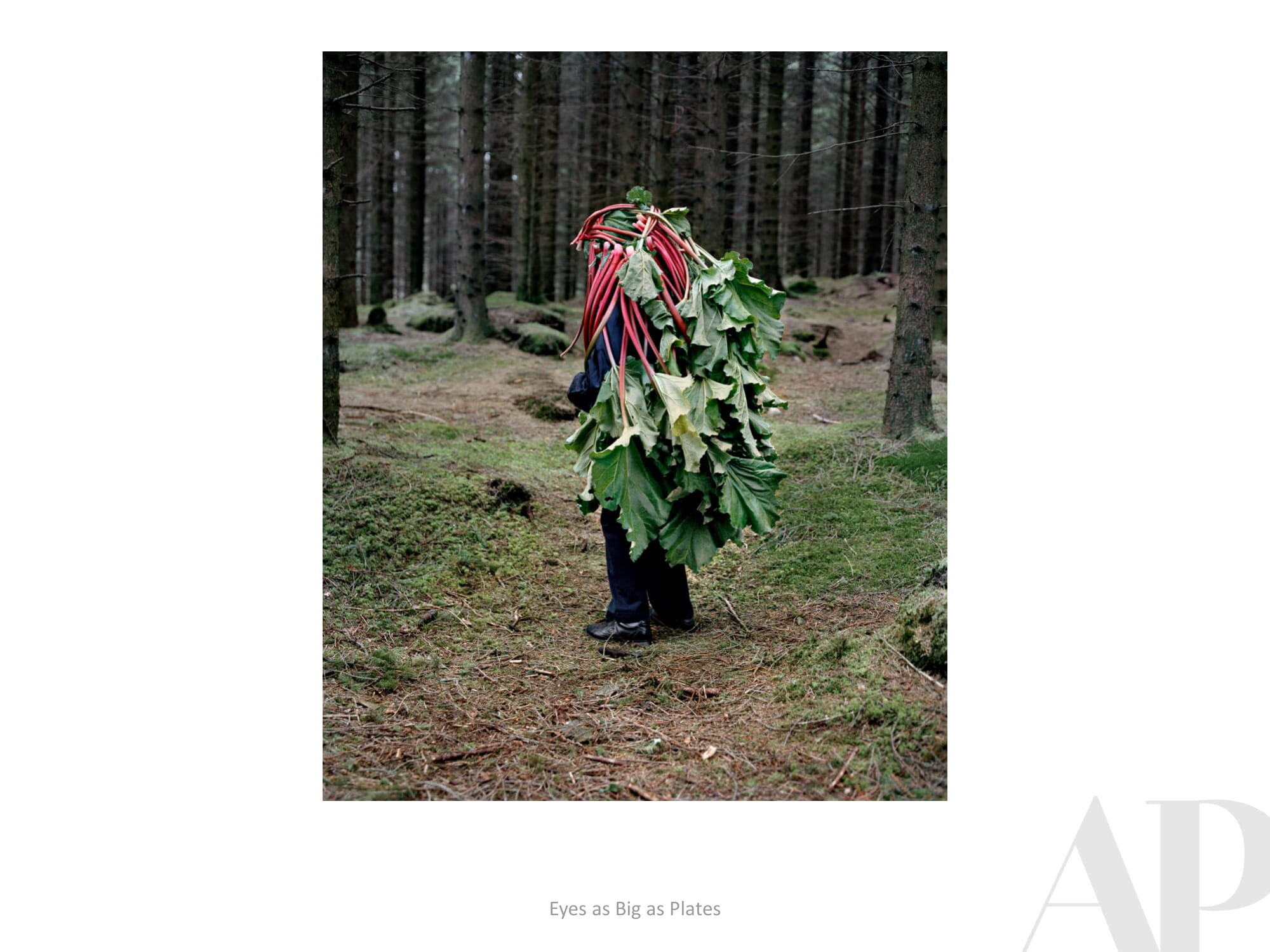
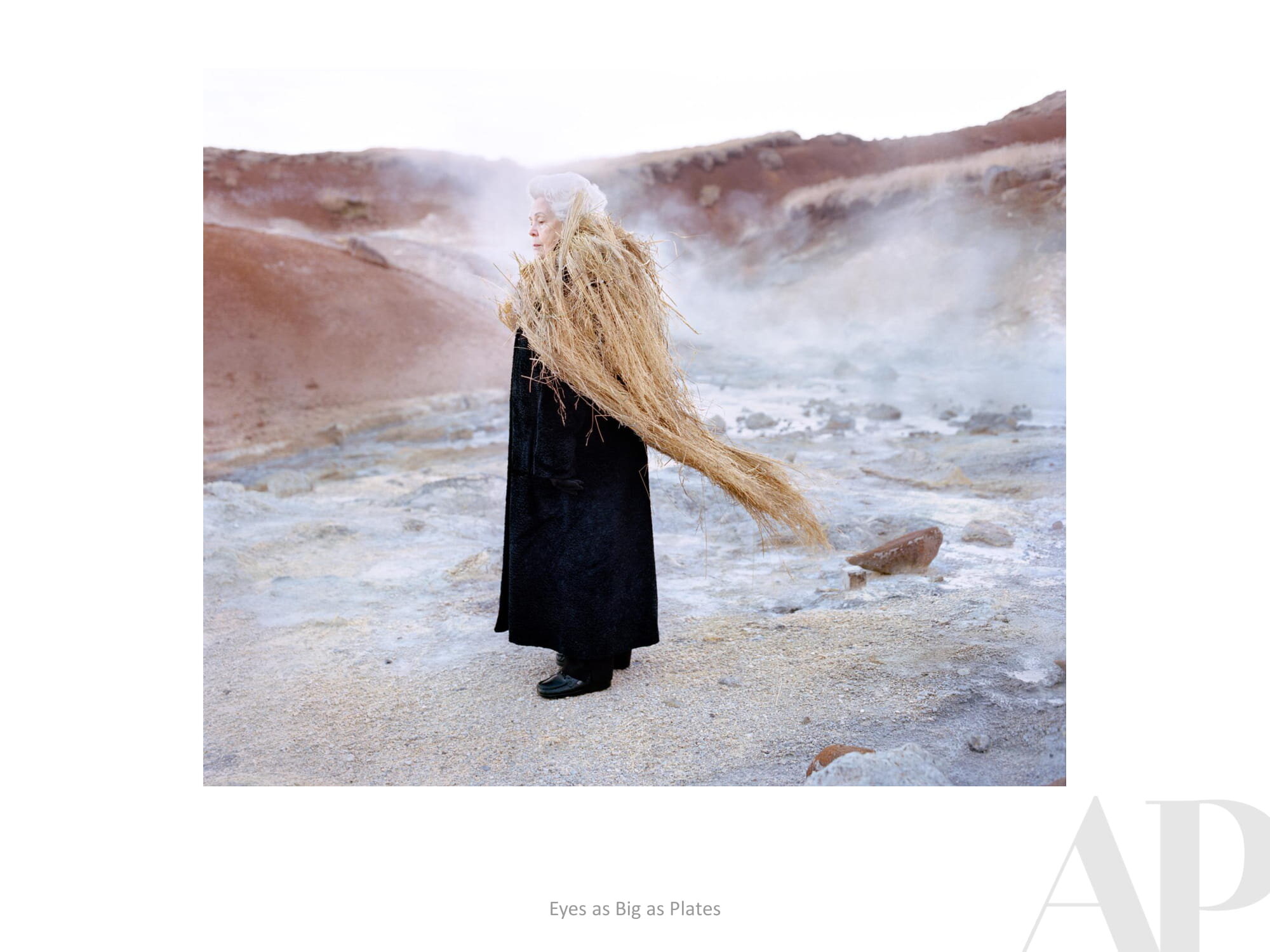

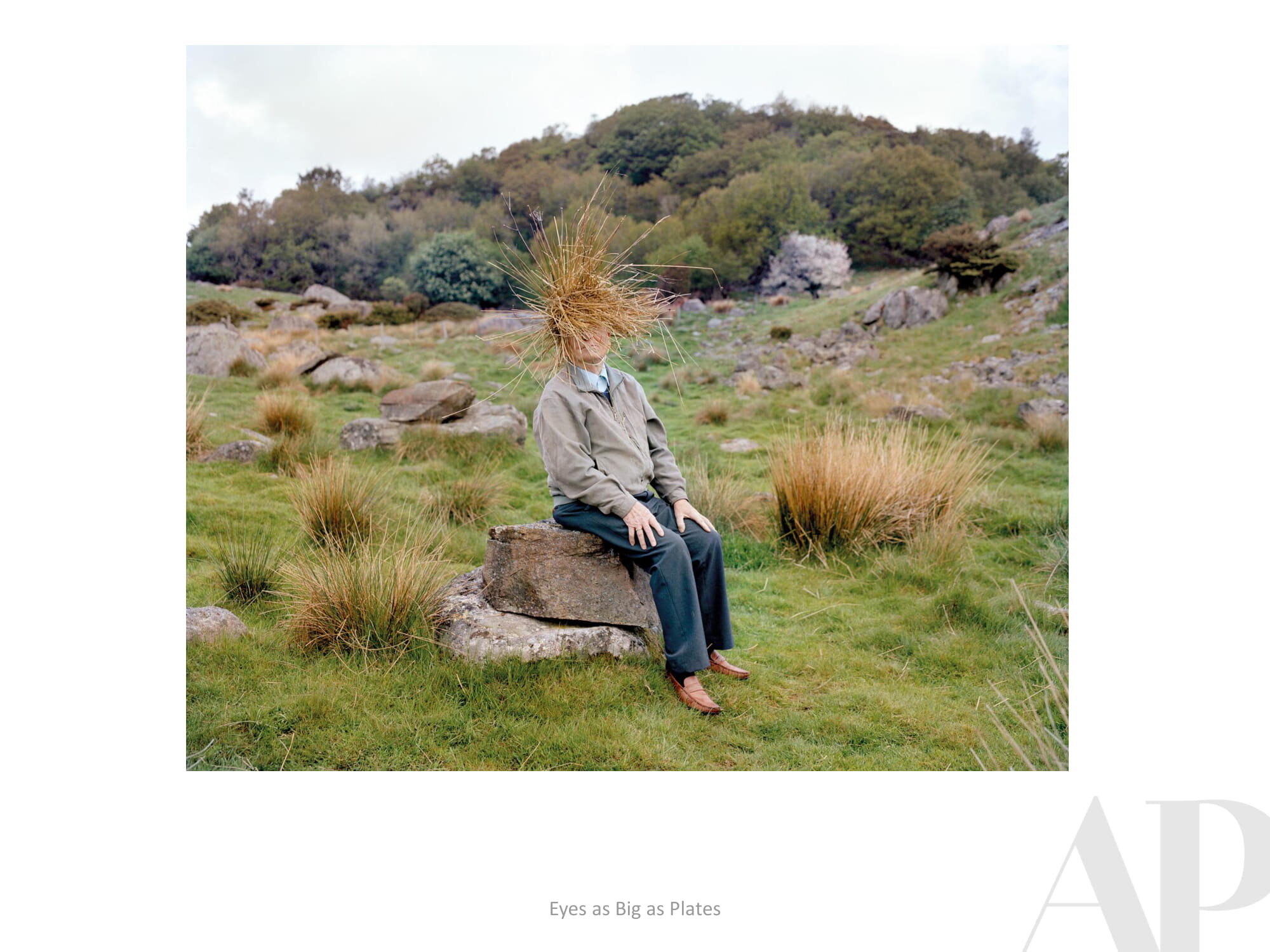

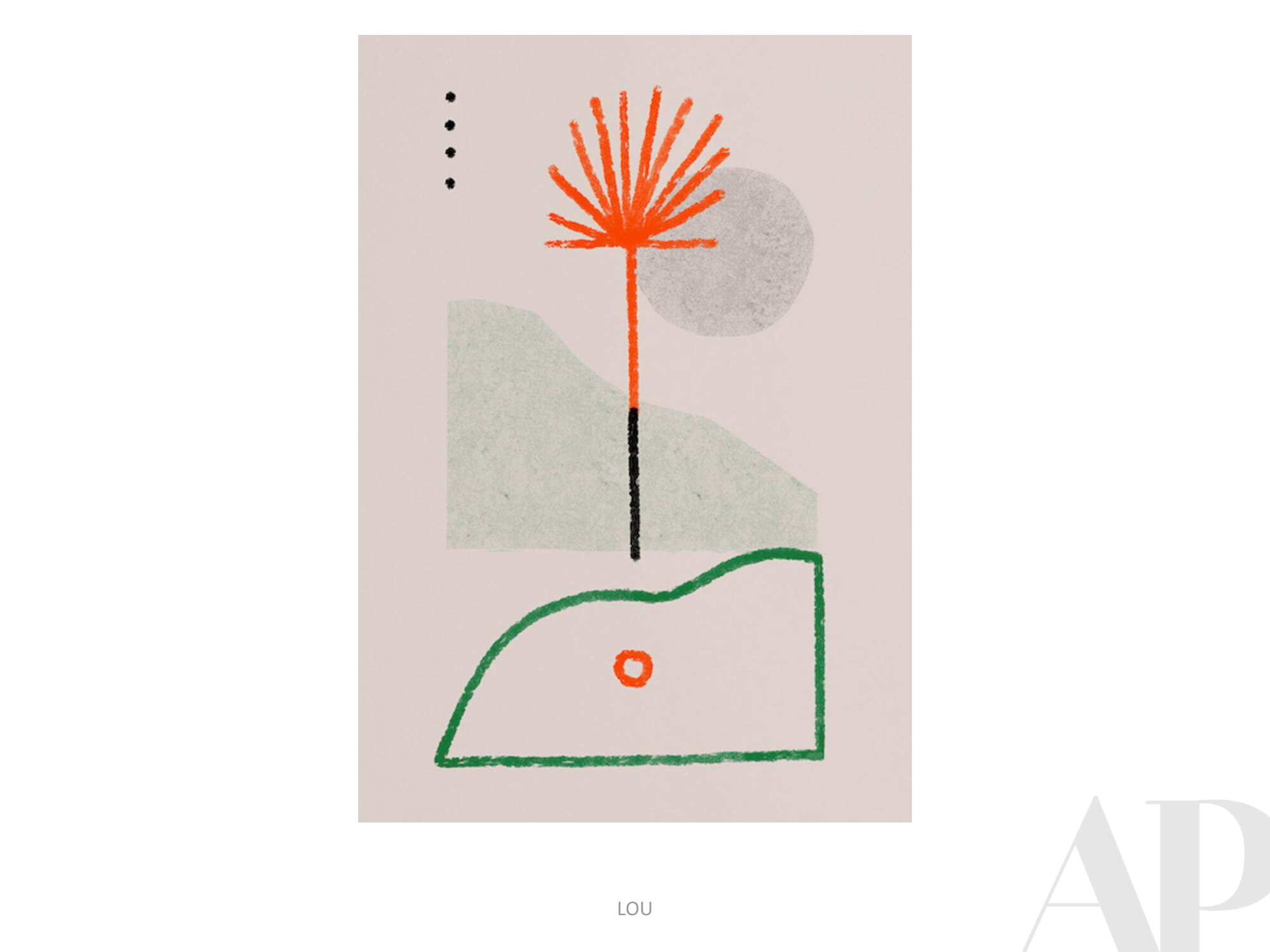
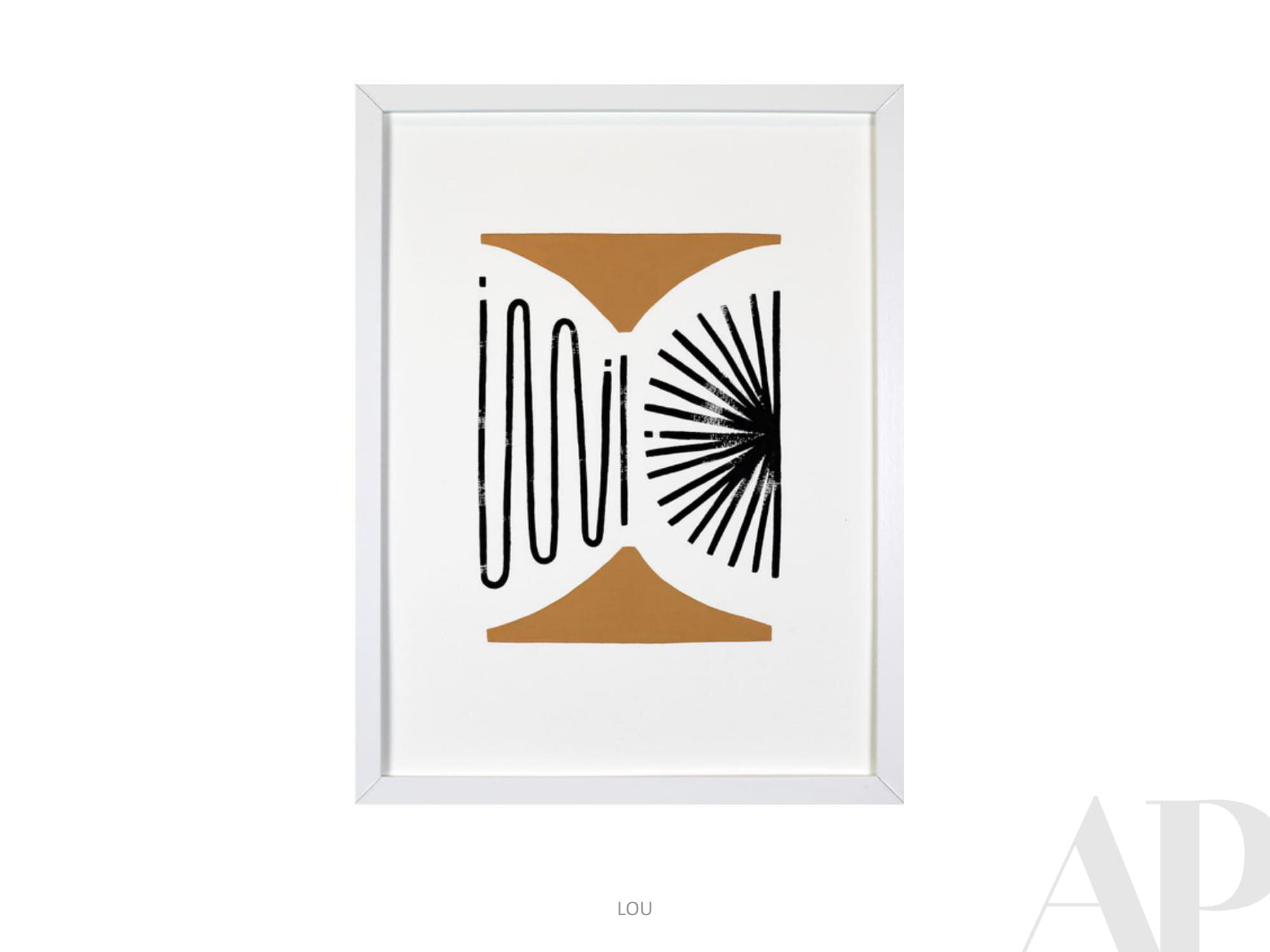
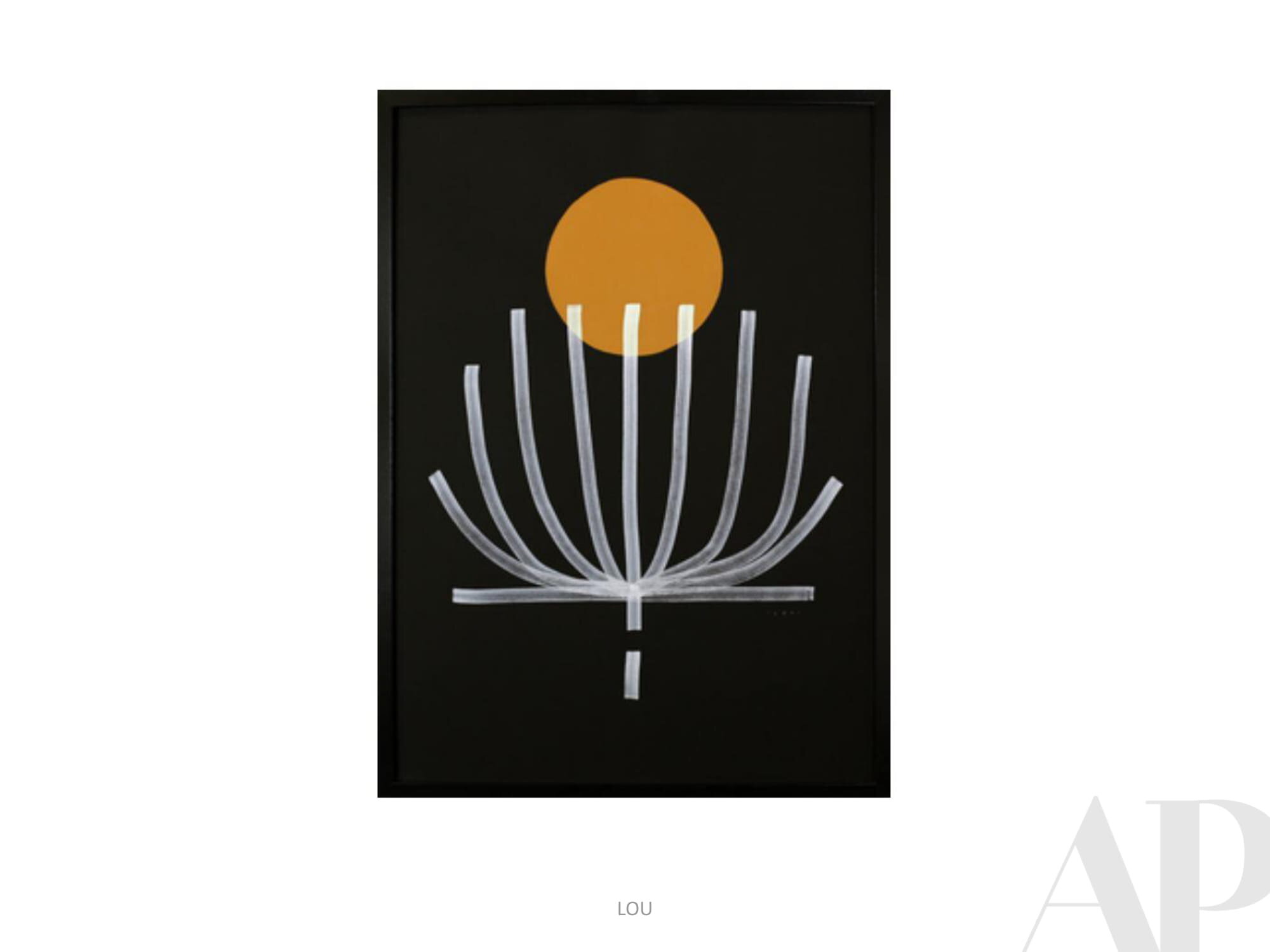
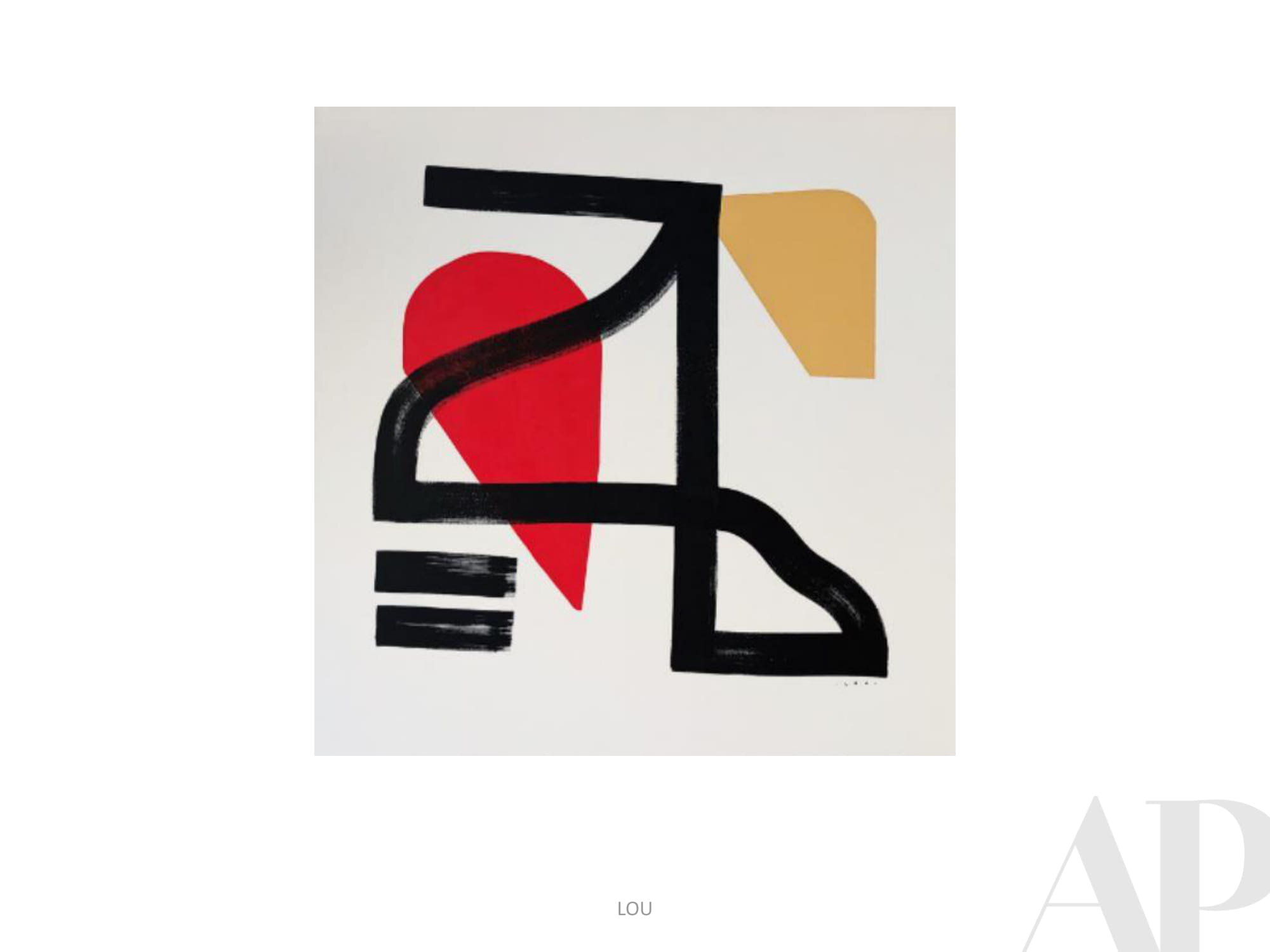
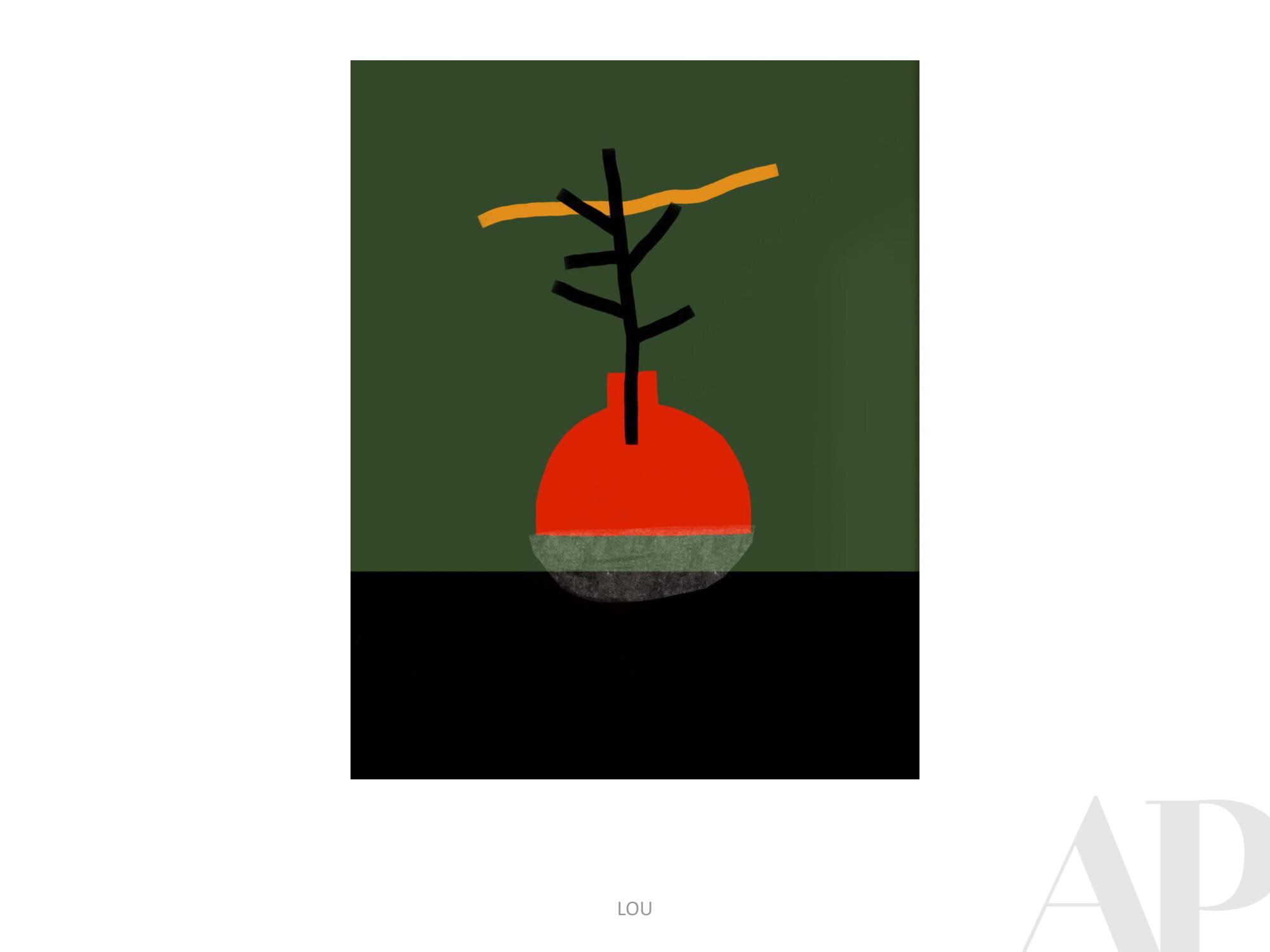
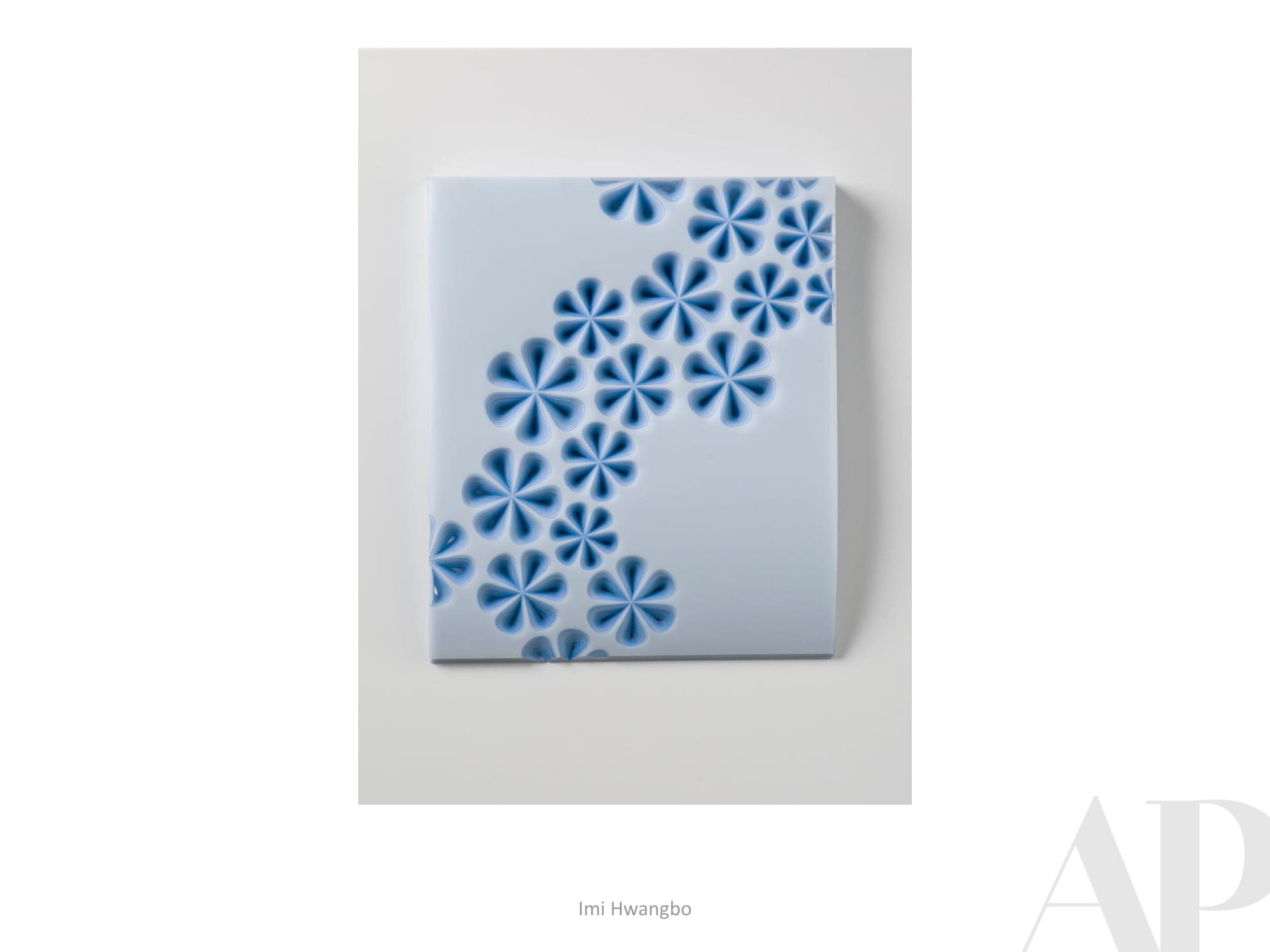

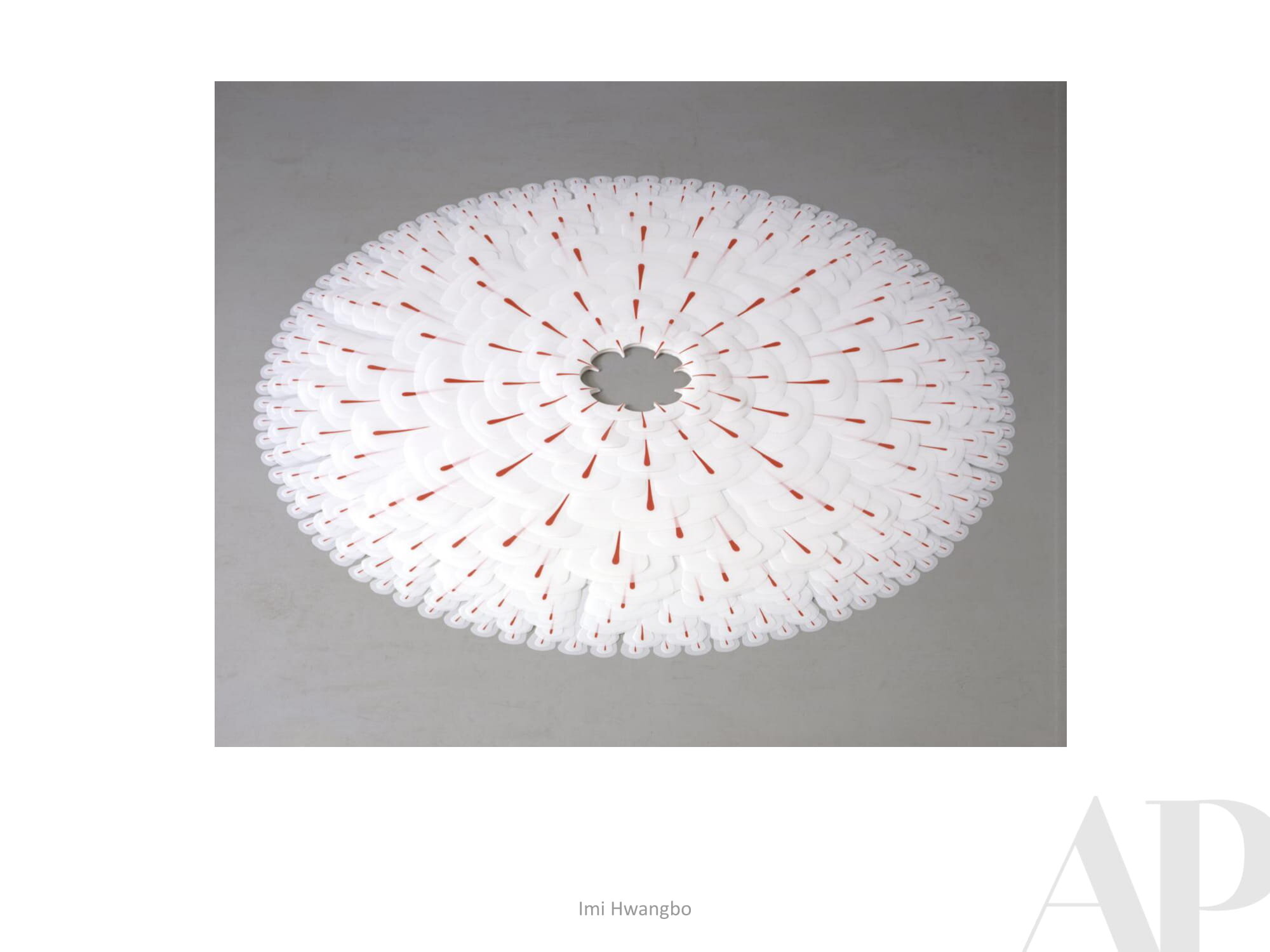
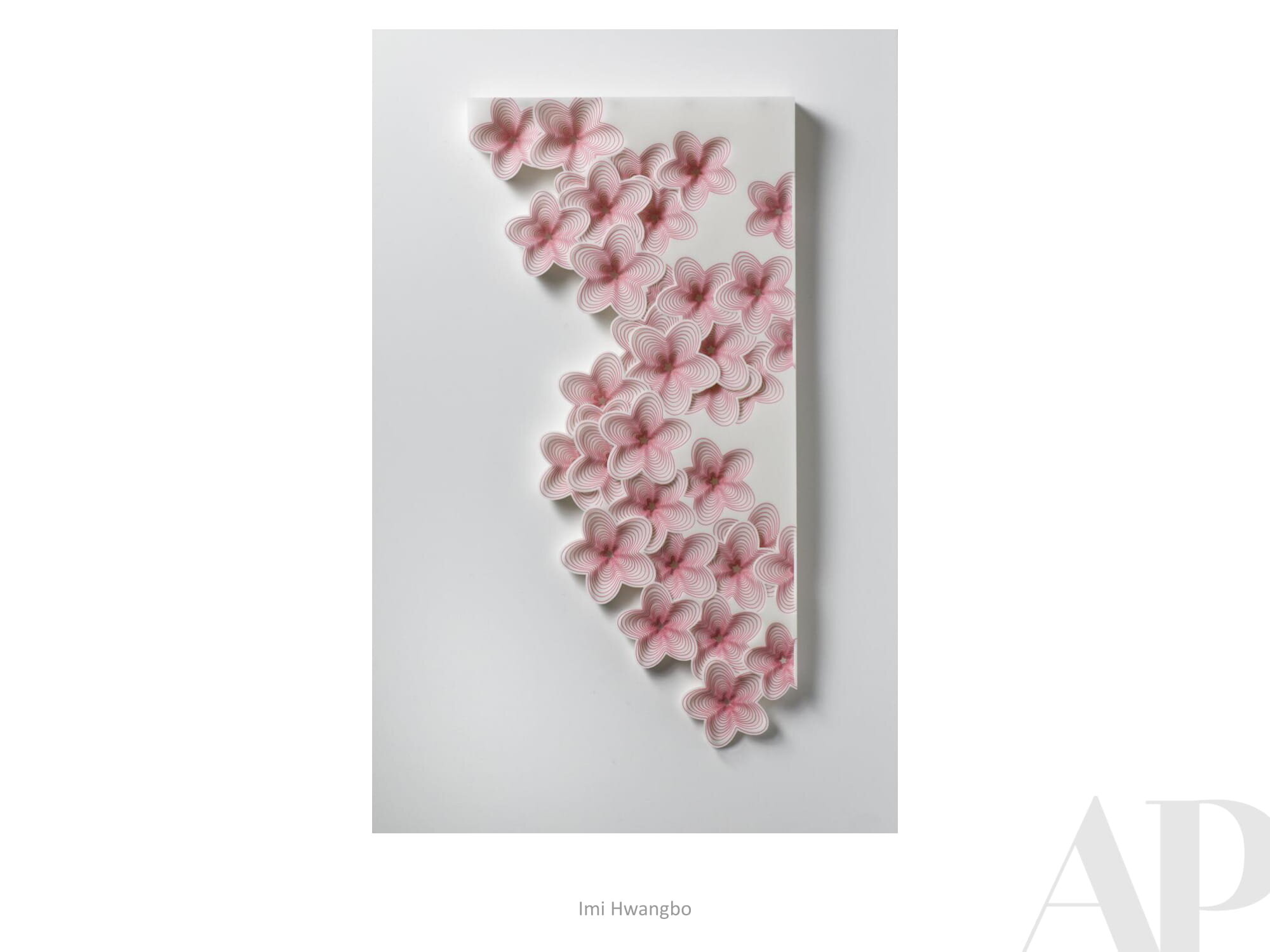
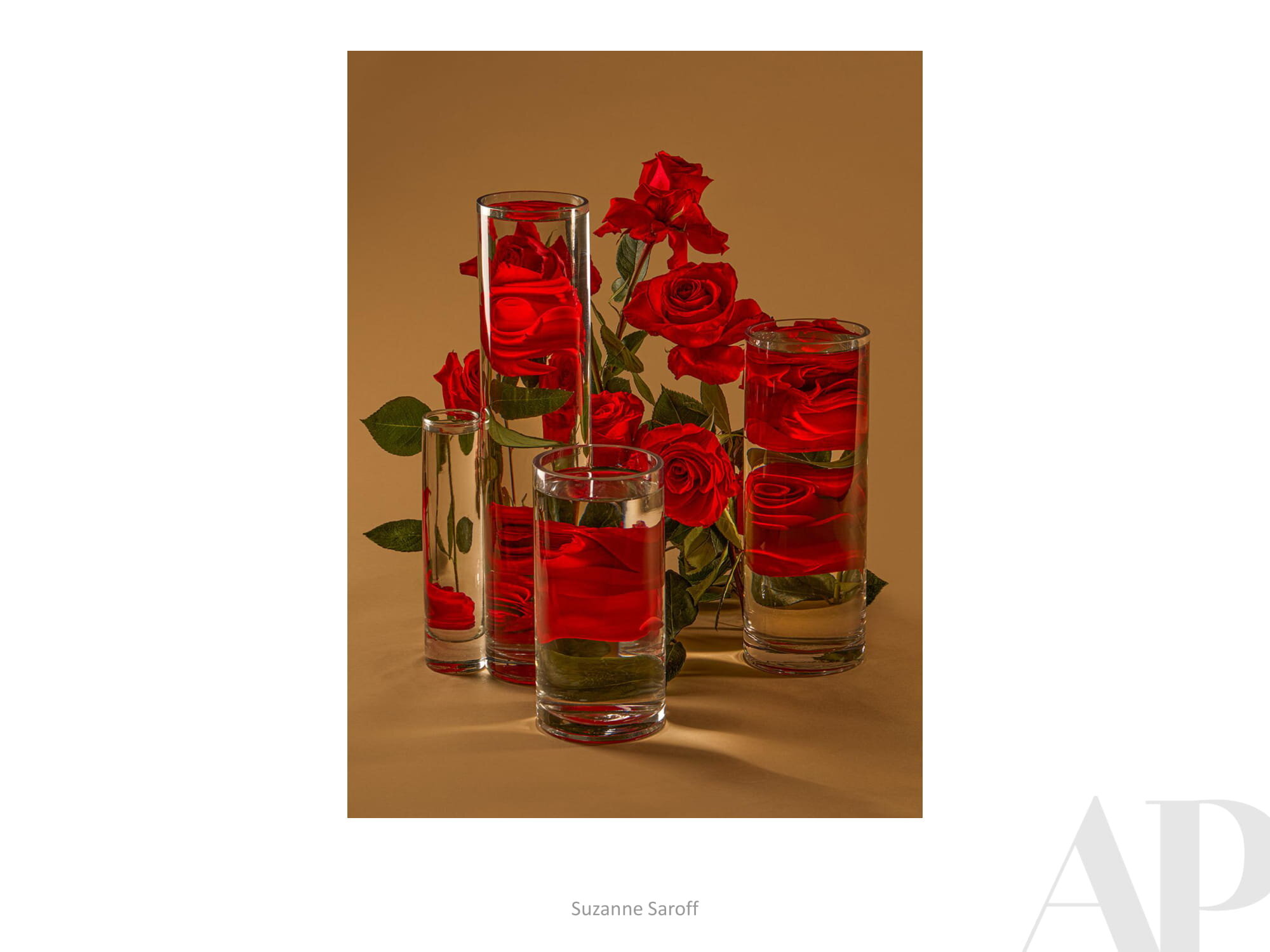
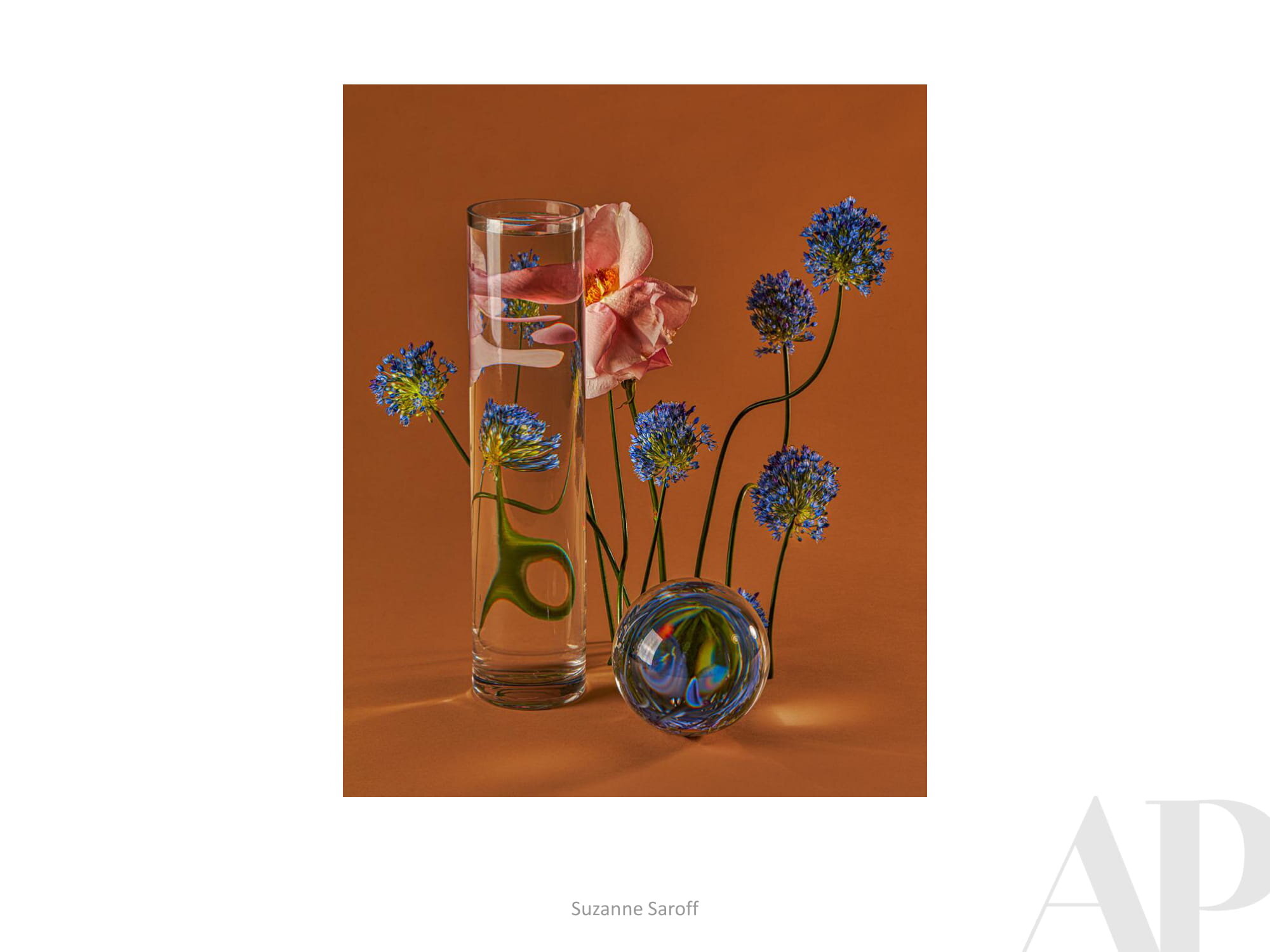
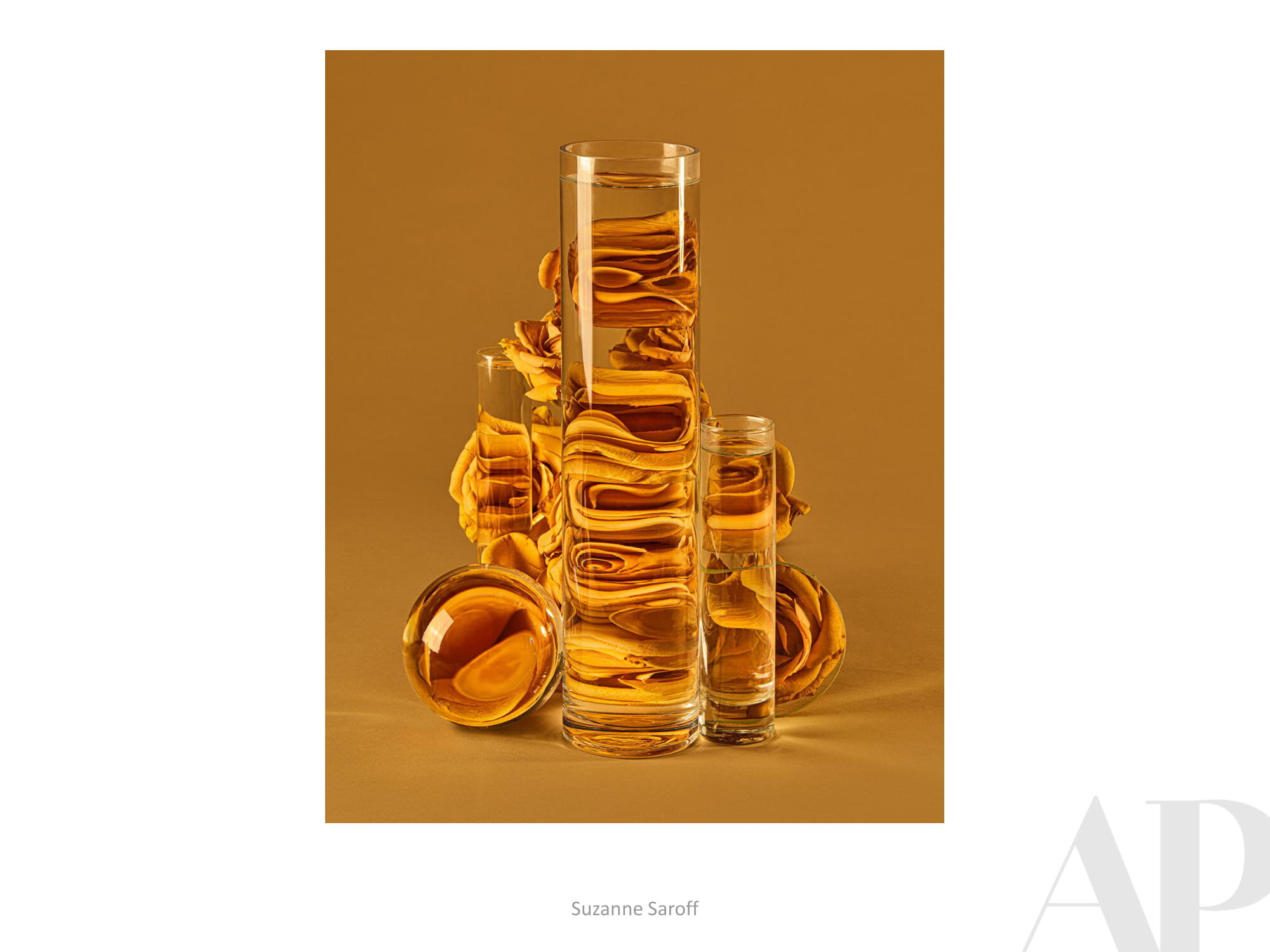
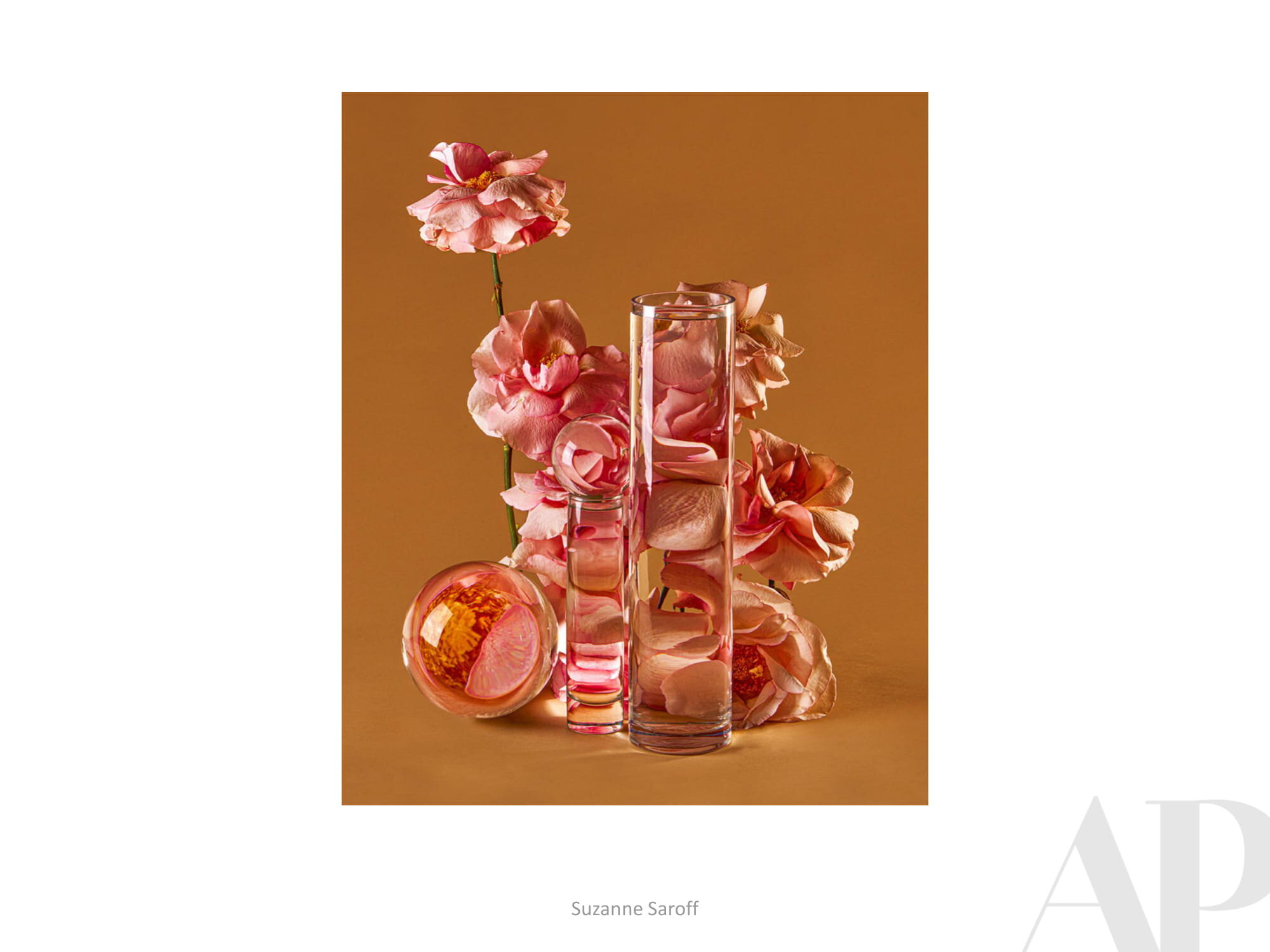

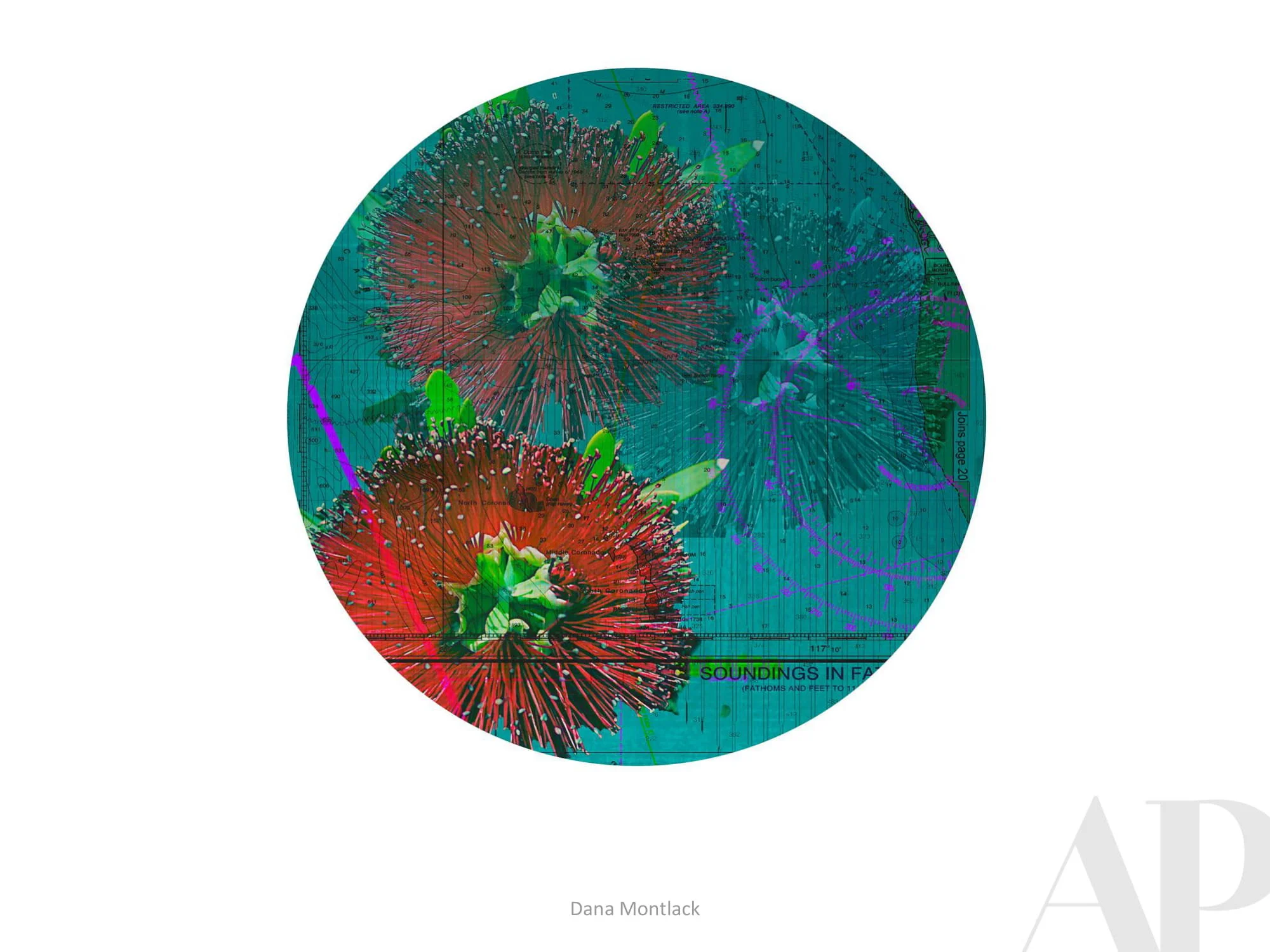
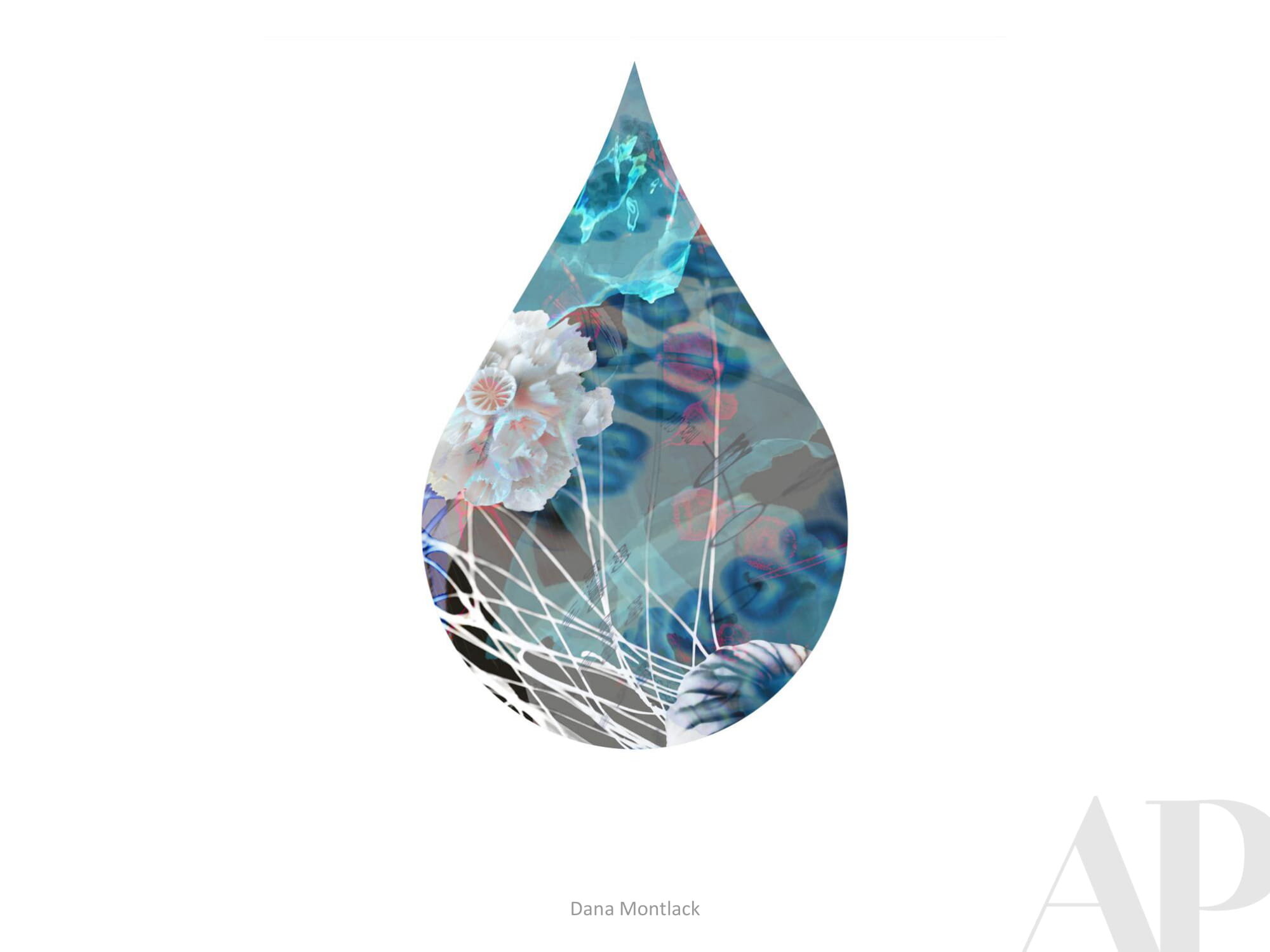
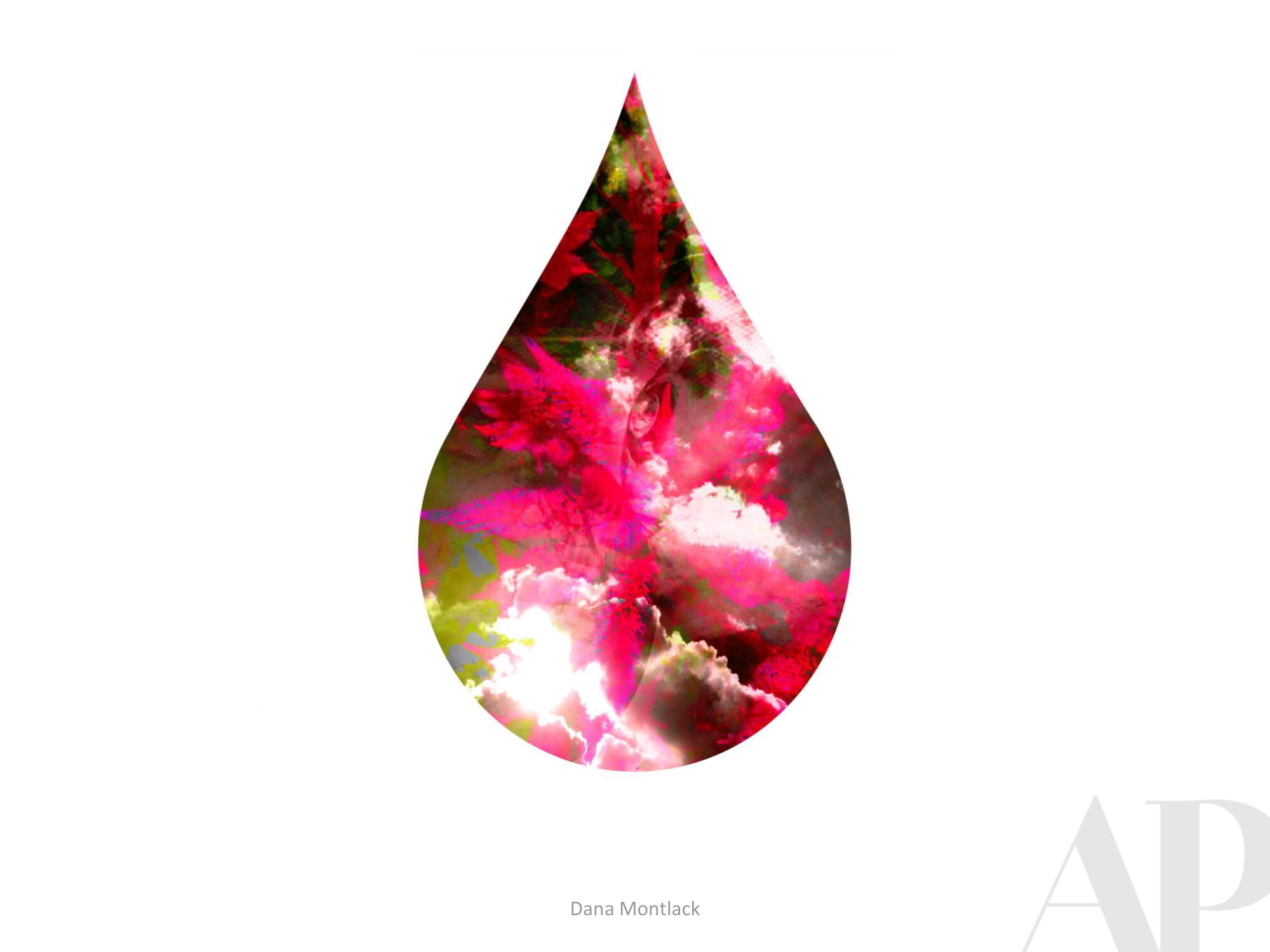
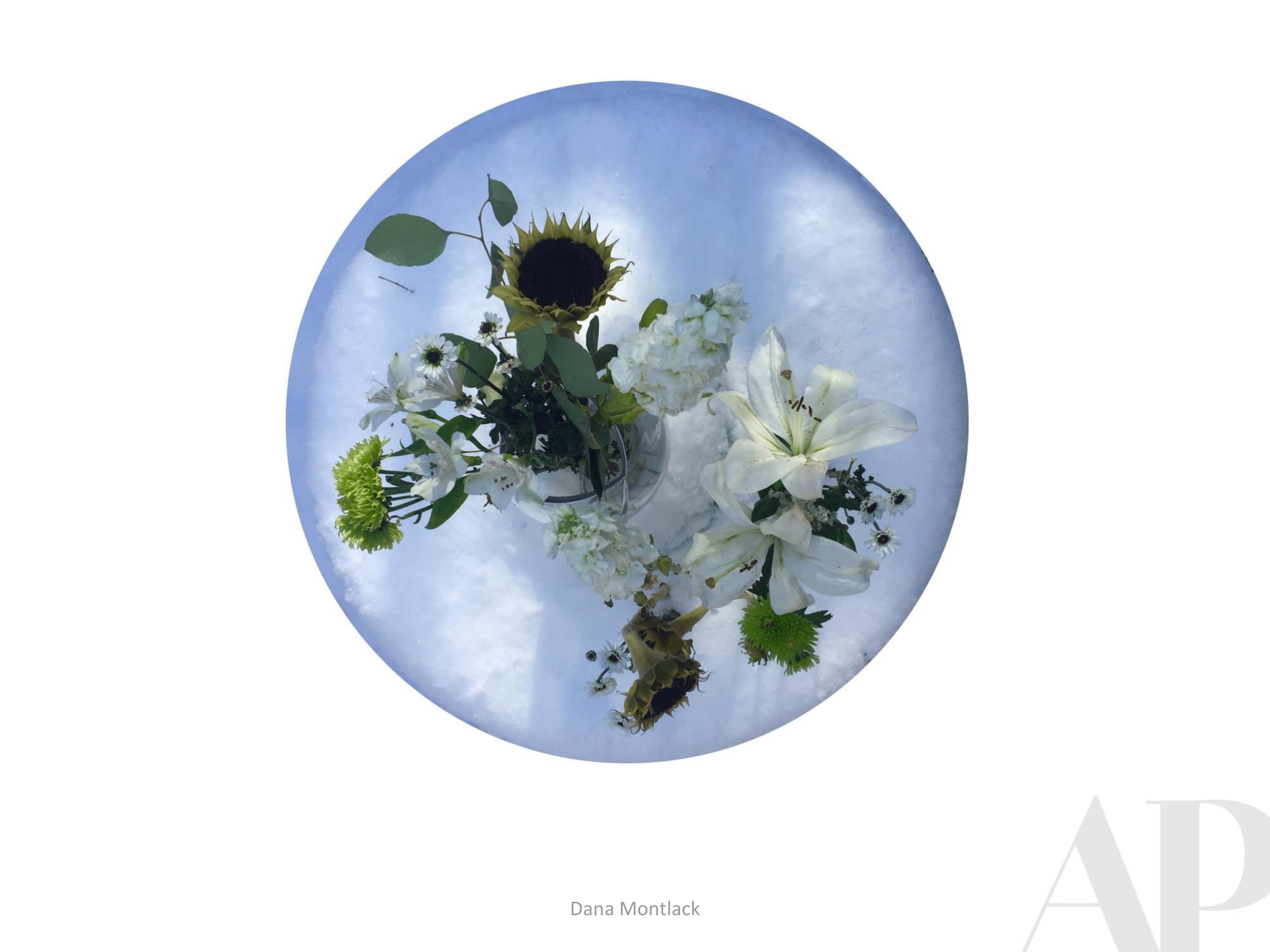
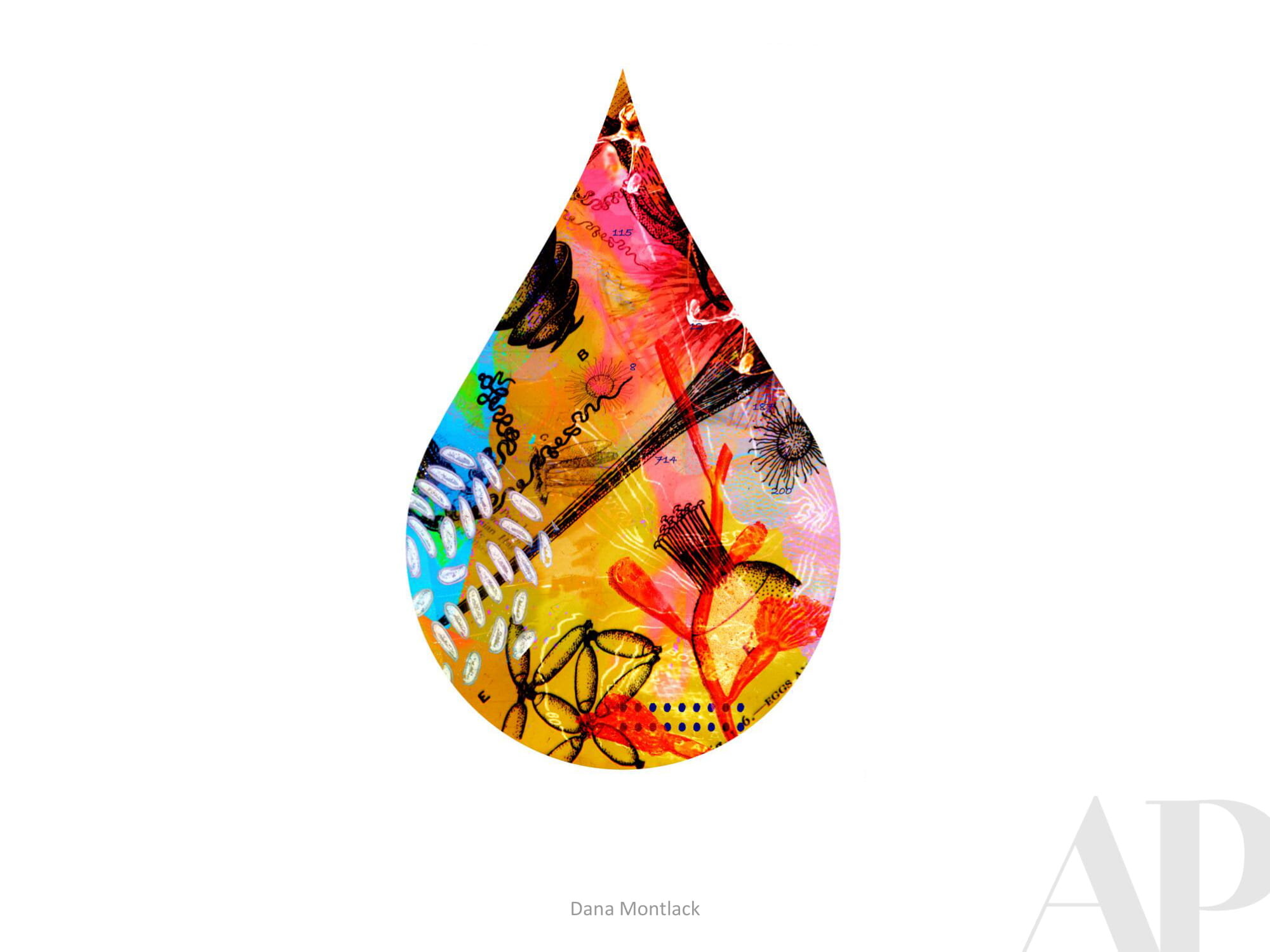
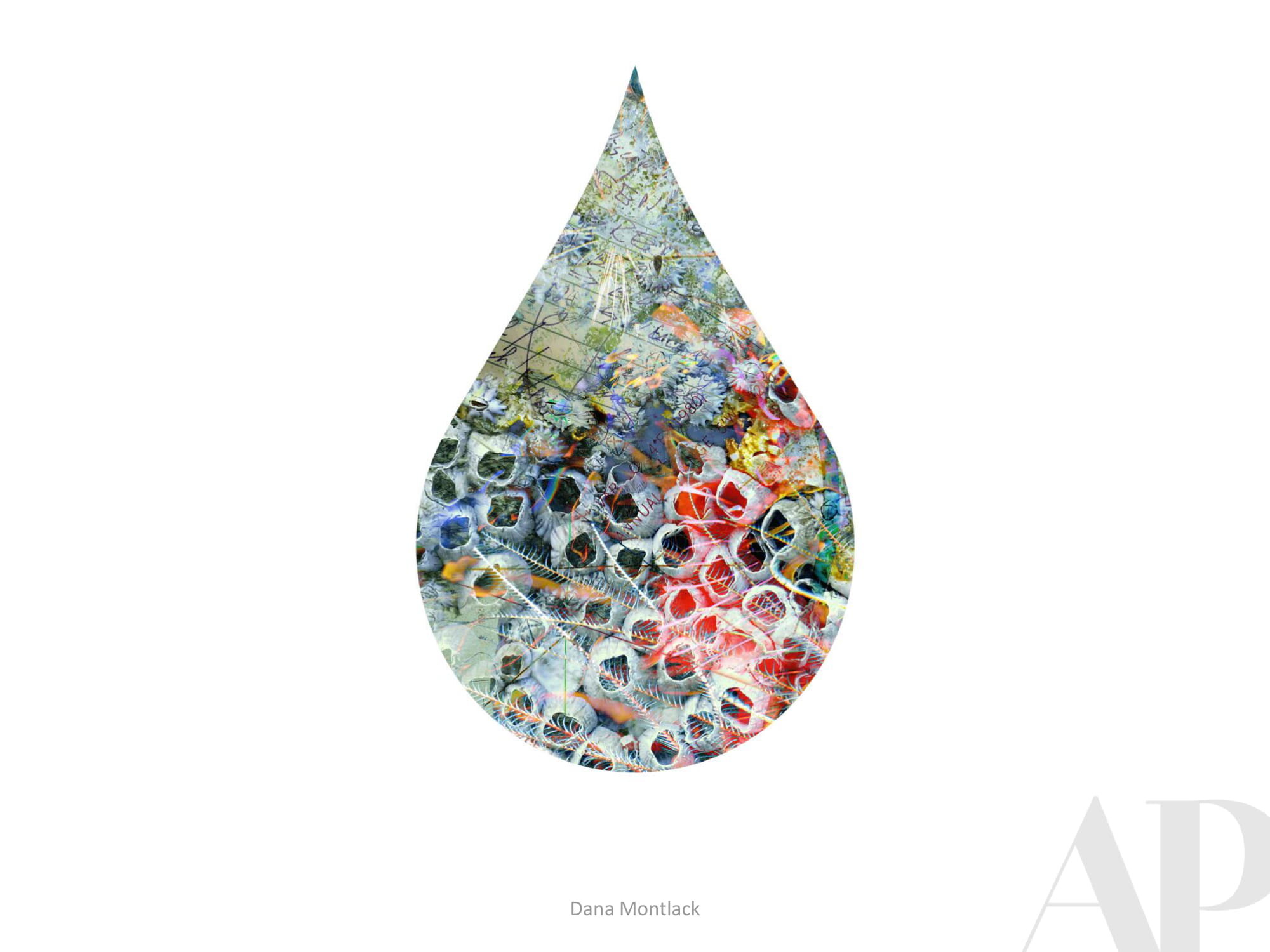
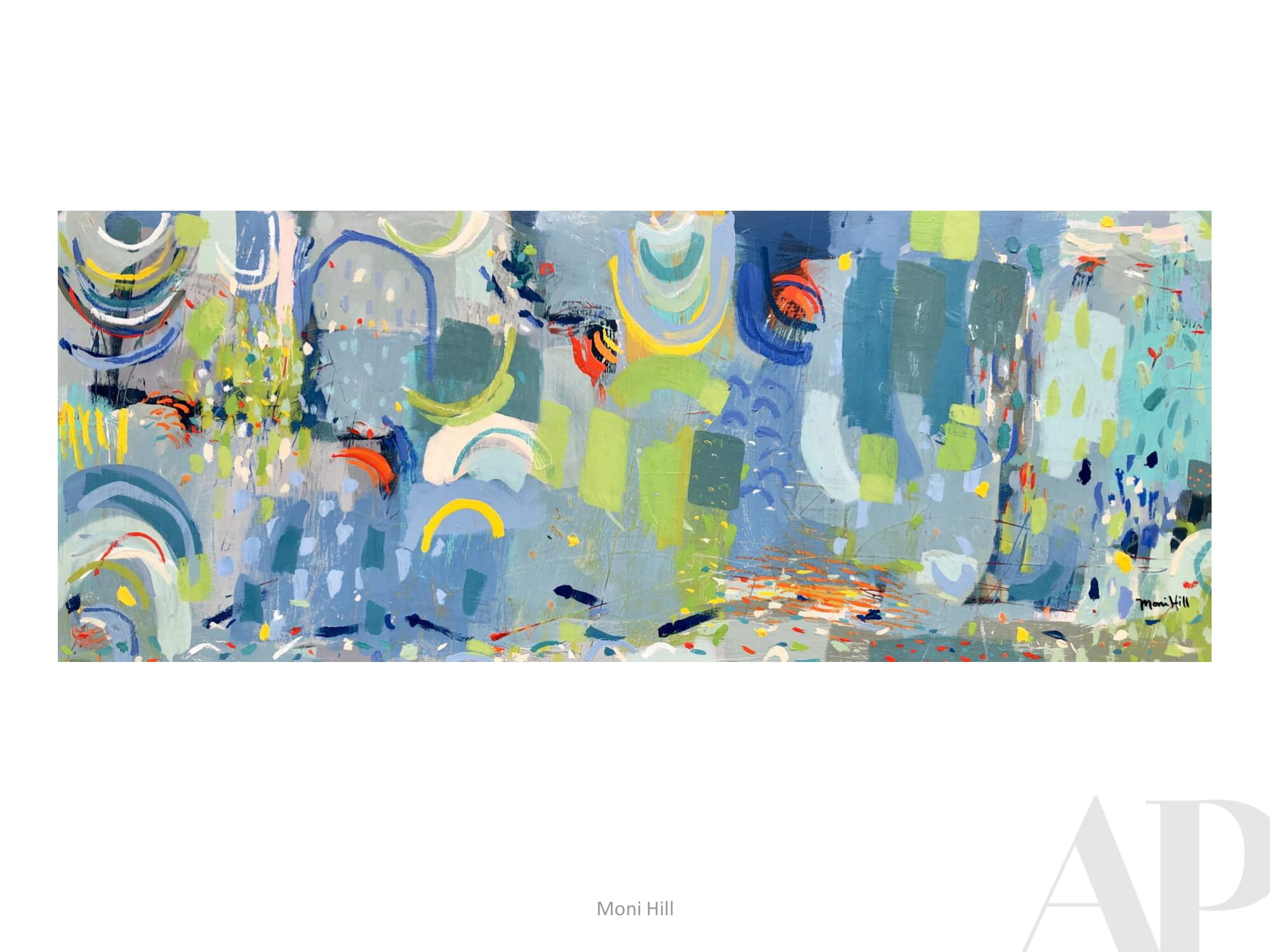
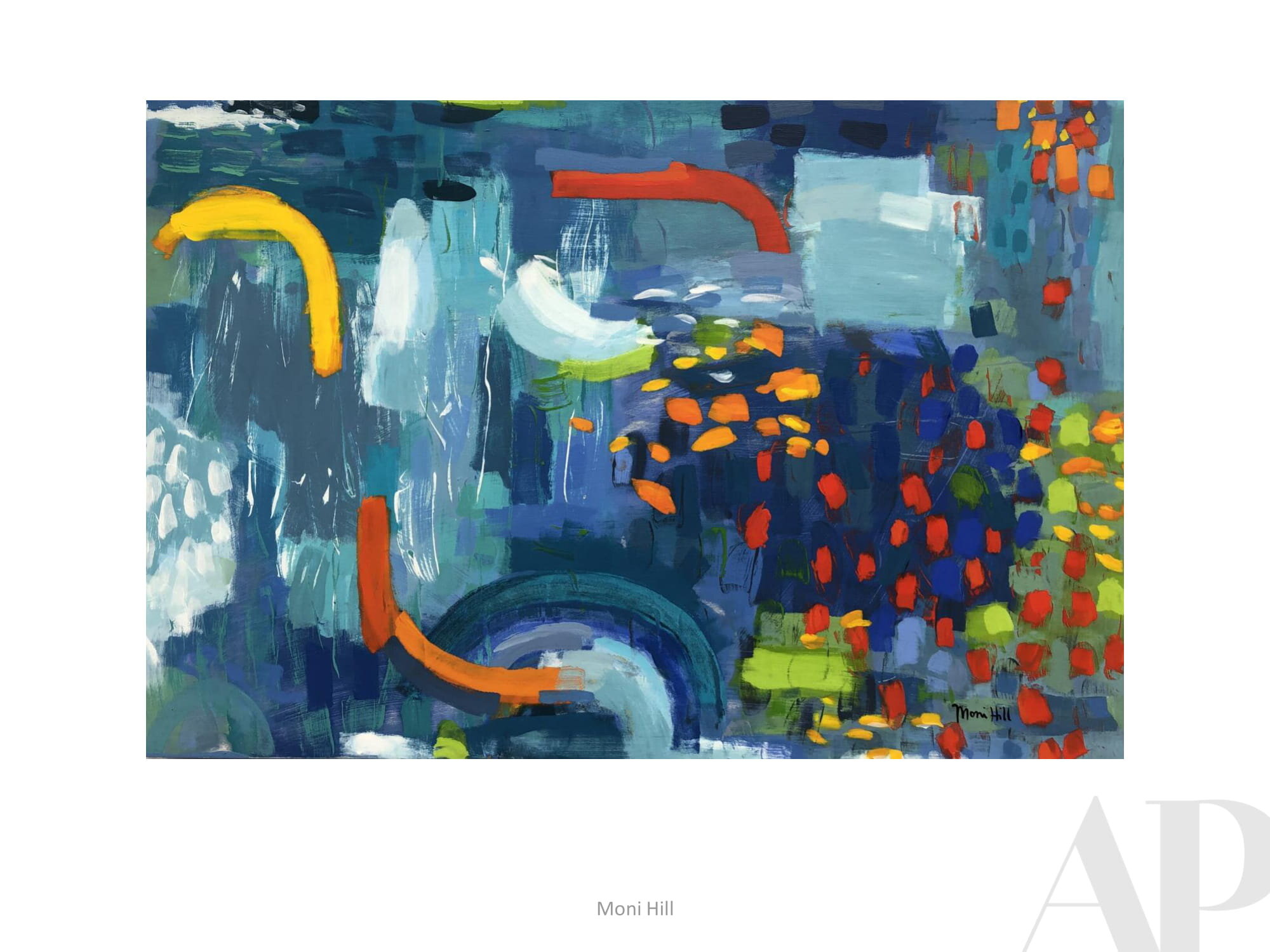
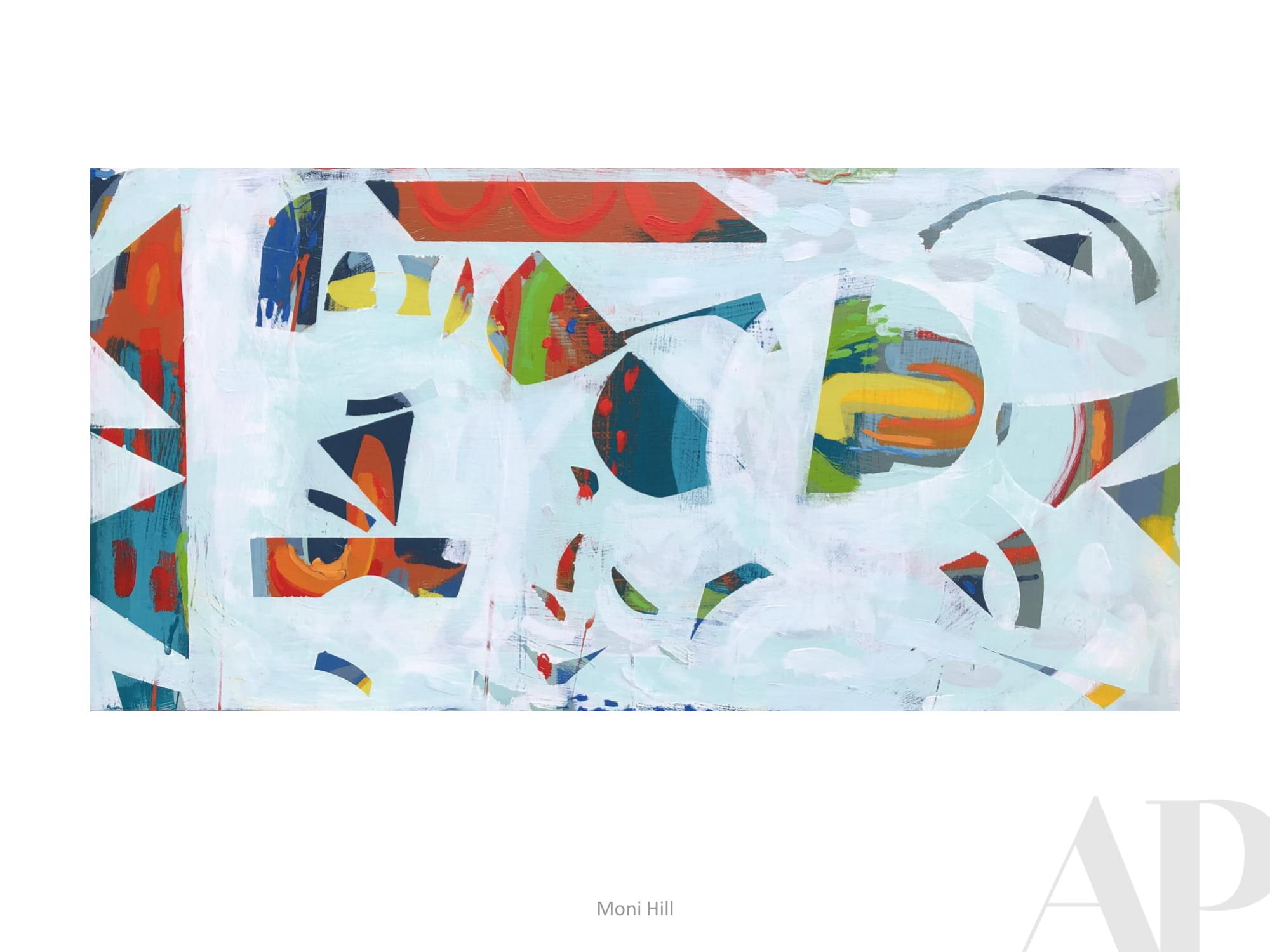
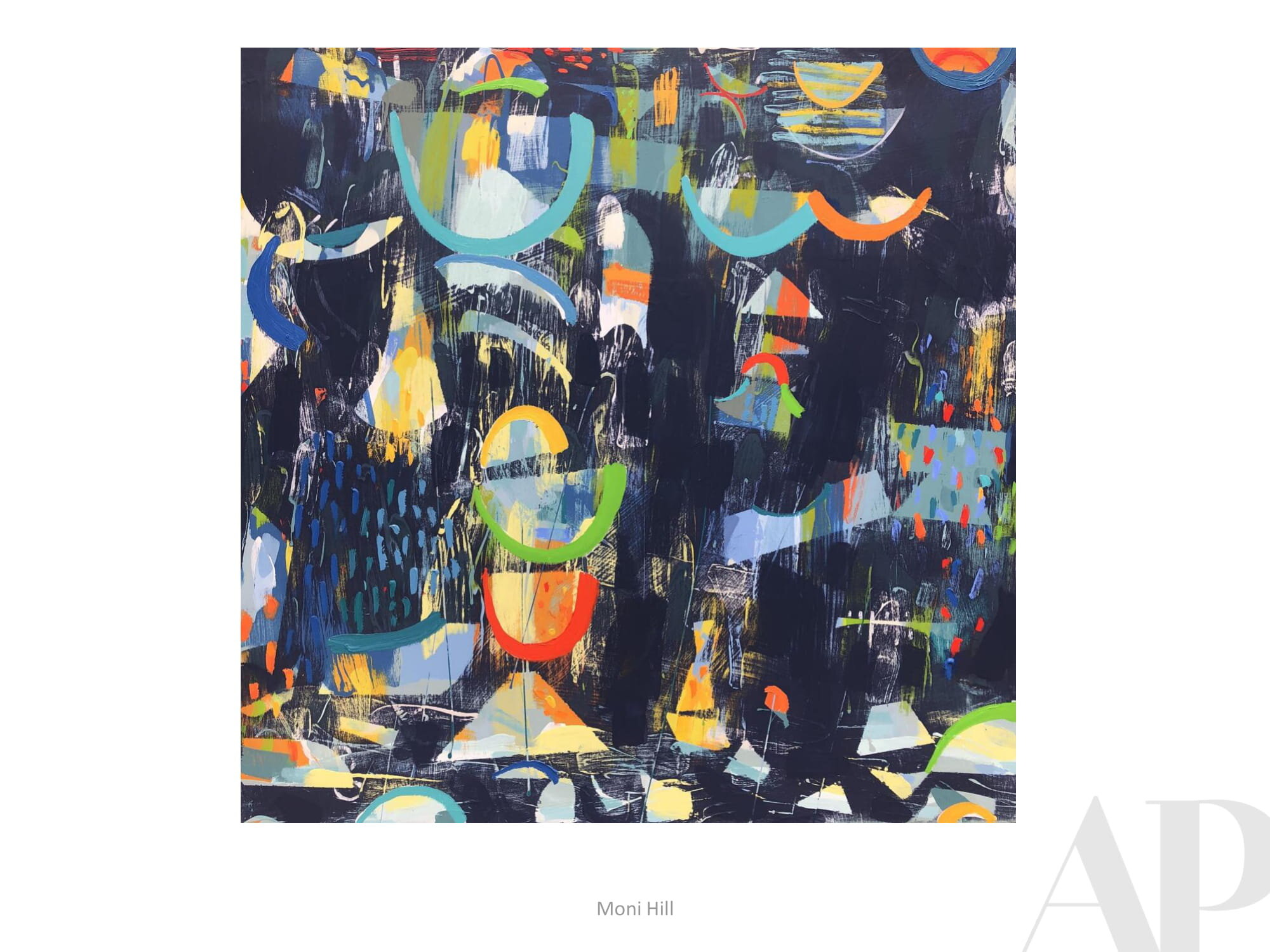
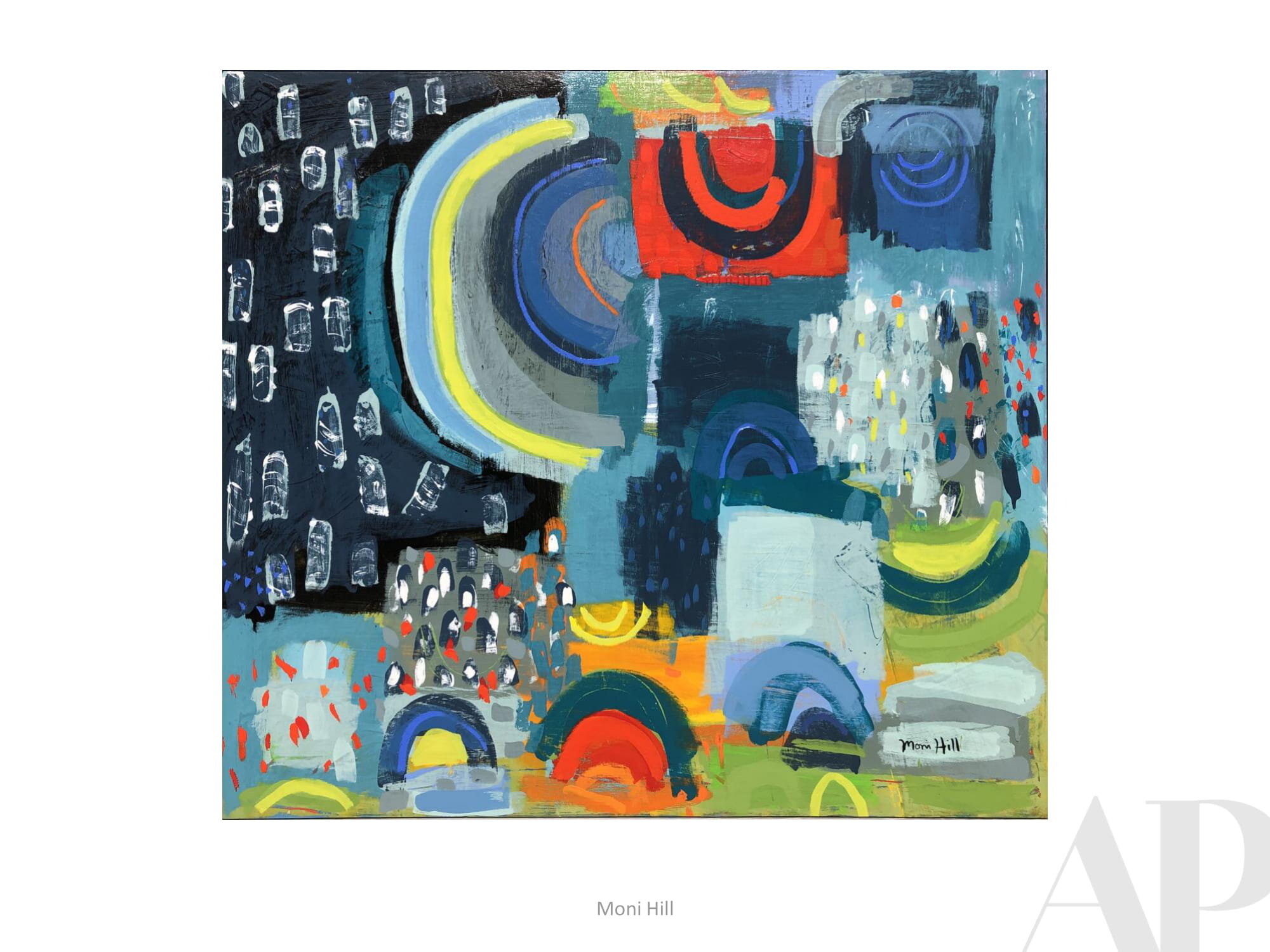
Please note the work by Dana Montlack - turning imagery and data related to microorganisms into gorgeous photographs / Greg West - dimensional paint dabs of fun, iconic animals and people / Imi Hwangbo - meticulously cut and layered sheets of mylar / Angie McMonigal - architectural “quilt” photos captured on urban walk-abouts / Eyes as Big as Plates - a sculptural photographic series capturing 50 seniors across the globe embedded in their natural environments / Lloyd Benjamin - colorful silkscreens that capture scenes from the artists “peripatetic” youth (traveling from place to place being one of the things we simply cannot do at the moment) / Suzanne Saroff - a fun look at florals through glasses of water - something we could potentially incorporate into our involuntary home-school curriculum.
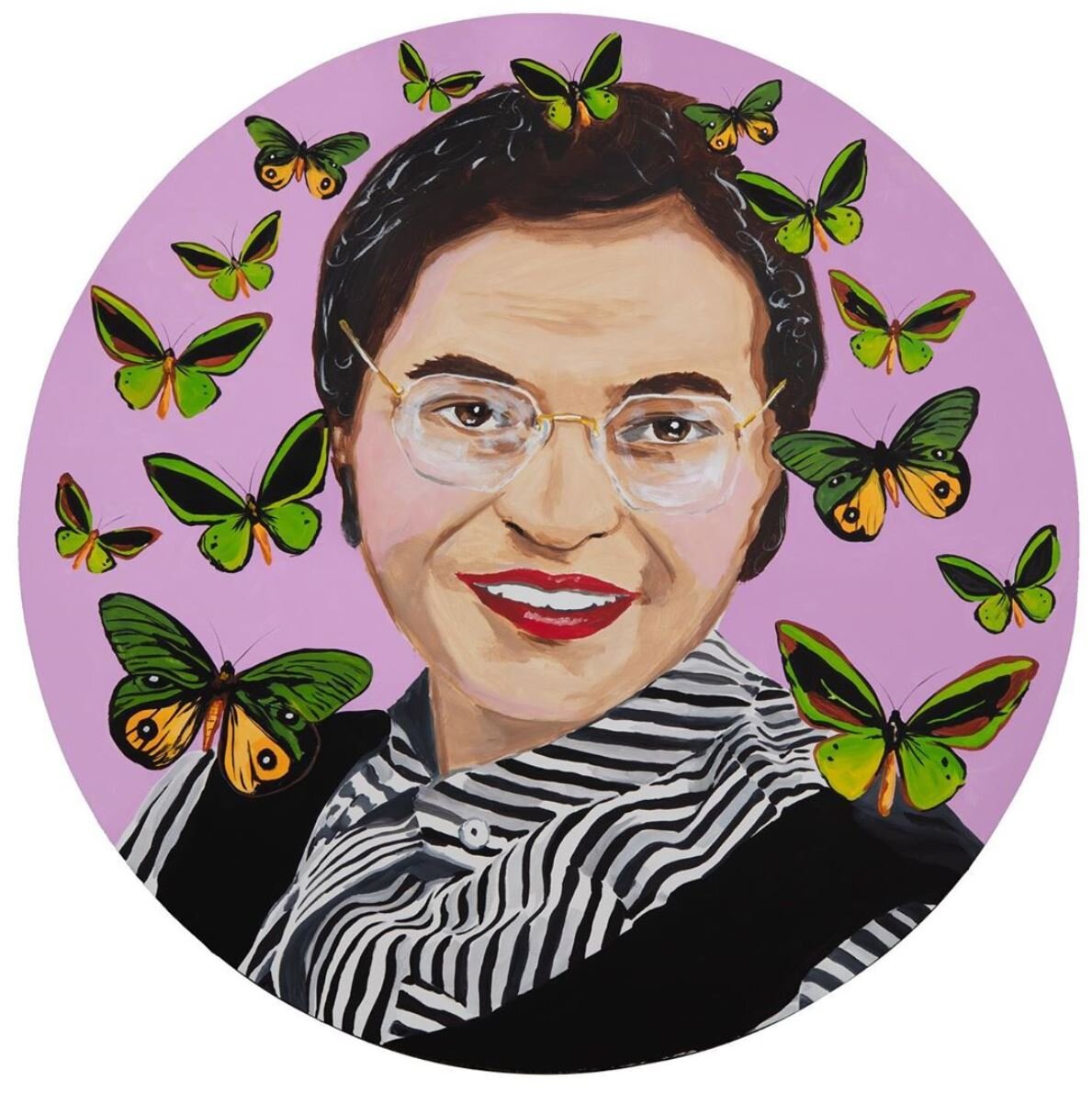
Ashley Longshore | Women's History Month
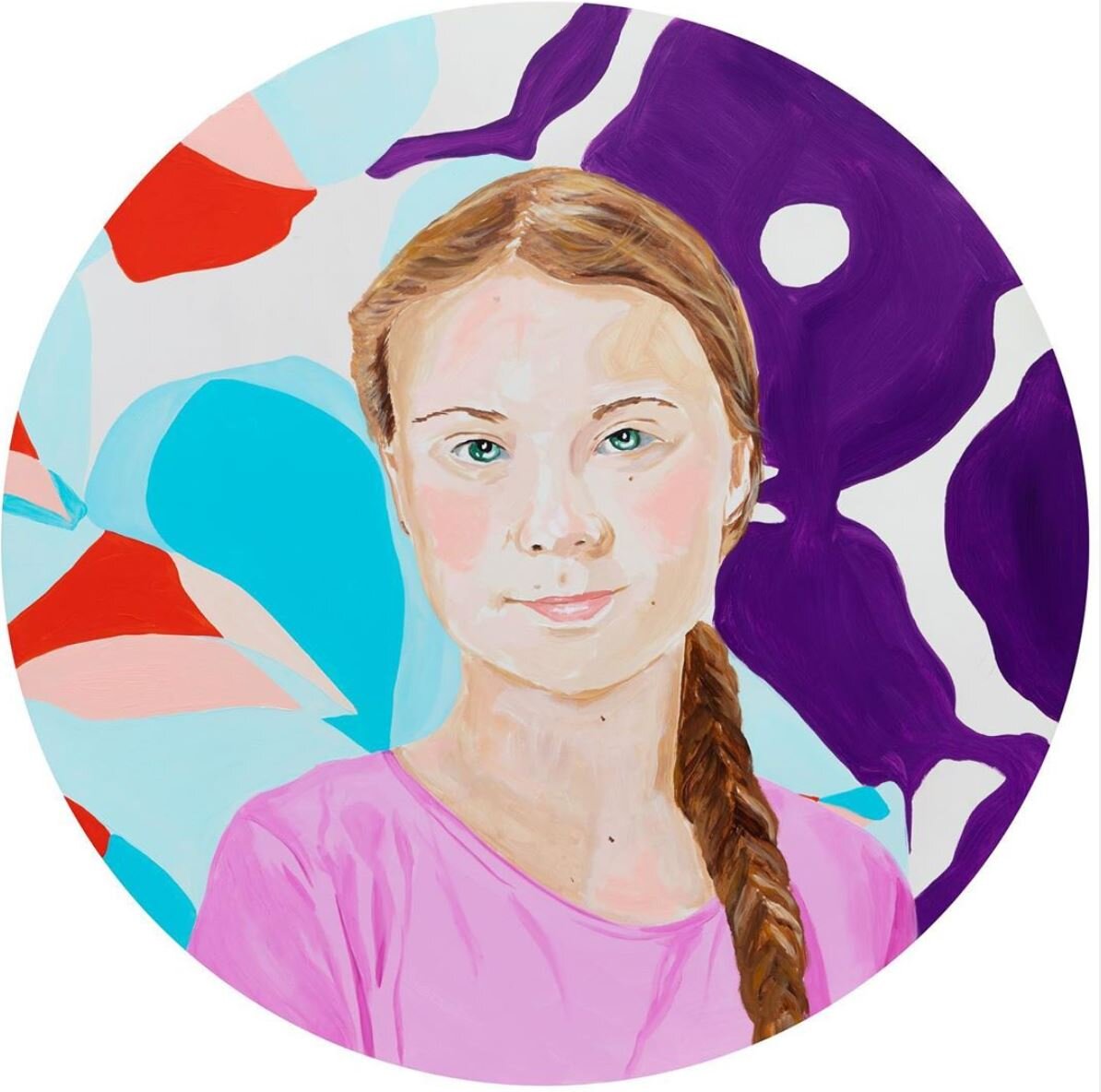
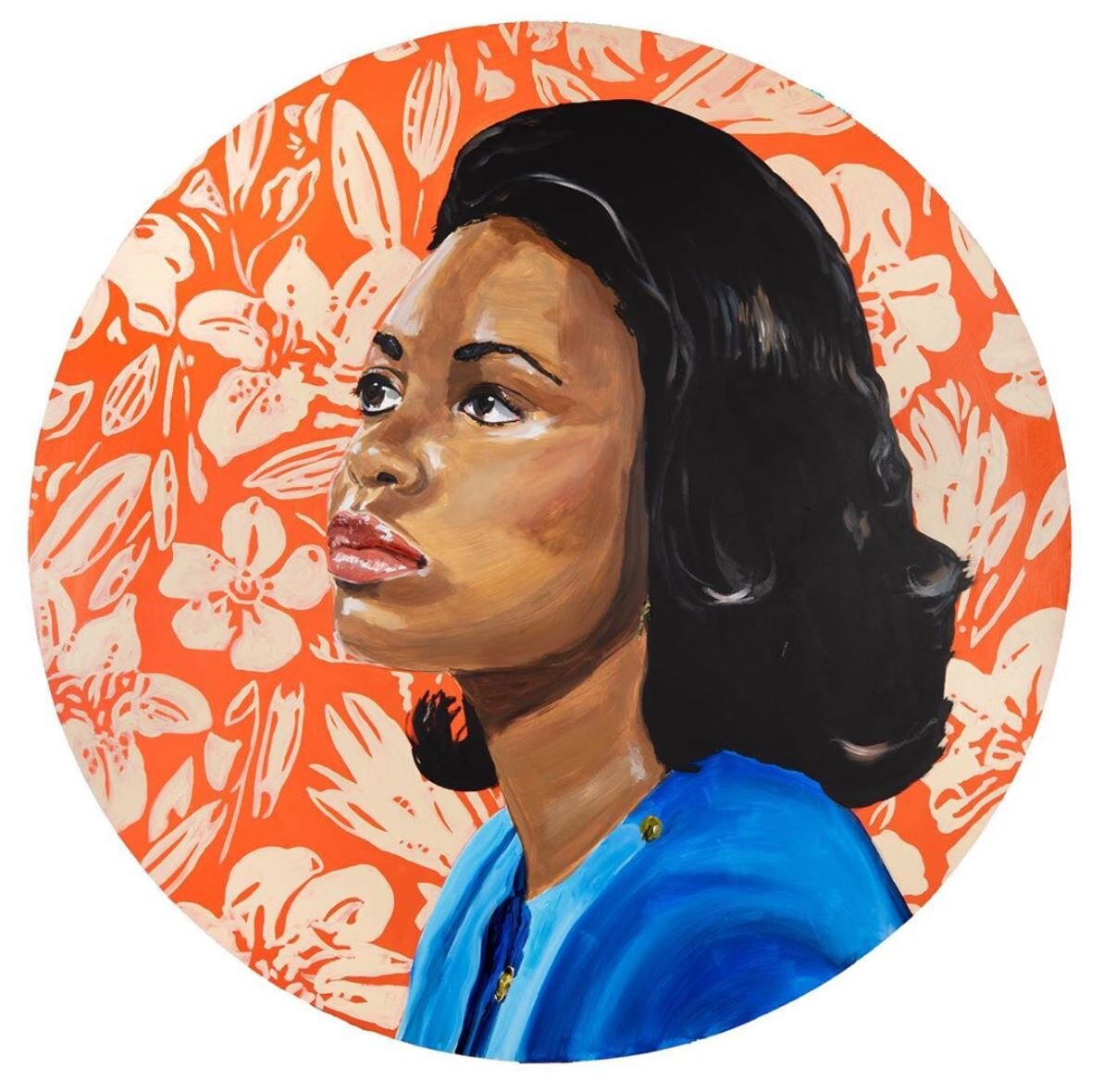
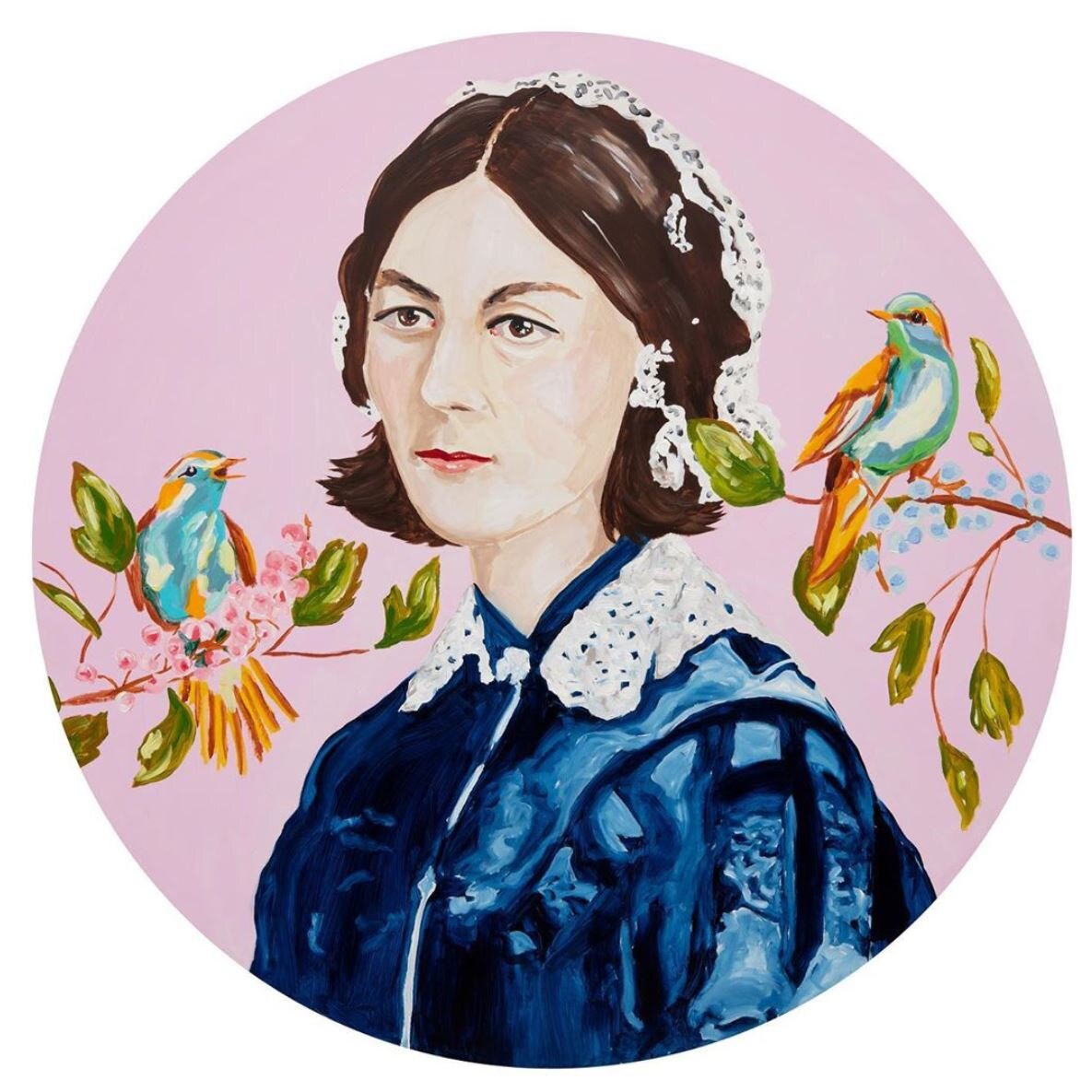
A little @ashleylongshoreart for your Friday! If you haven’t already noticed / remembered, March is #womenshistorymonth - commemorating and encouraging the study, observance and celebration of the vital role of women in #americanhistory. Thank you Rosa, Greta, Anita, Florence, Mother Teresa + Malala.


REVERB by Hard Rock - Summer 2020 in ATL


The Reverb by Hard Rock hotel is now slated to deliver this summer. (Earlier plans had called for debuting the hotel in February, just before the big basketball tournament, developers said last year).

The hotel stands 11 stories and is primed to offer 200 guest rooms, many of which will peer out at the stadium next door.


Amy Parry Projects is excited to see this project come to fruition after working with the Hard Rock brand to develop signature content and visuals that will be seen in the guestrooms and public spaces of numerous properties across the country.
Stay tuned for more details and a peek at what we have been putting together.
Currently Inspired By...
Happy 2020 from Amy Parry Projects!
Hope your year has started beautifully! We are feeling very inspired by the transition into a brand new decade. Please enjoy this latest selection of new, eye-catching art; our first Inspiration Board of the year.
Lots more to come!


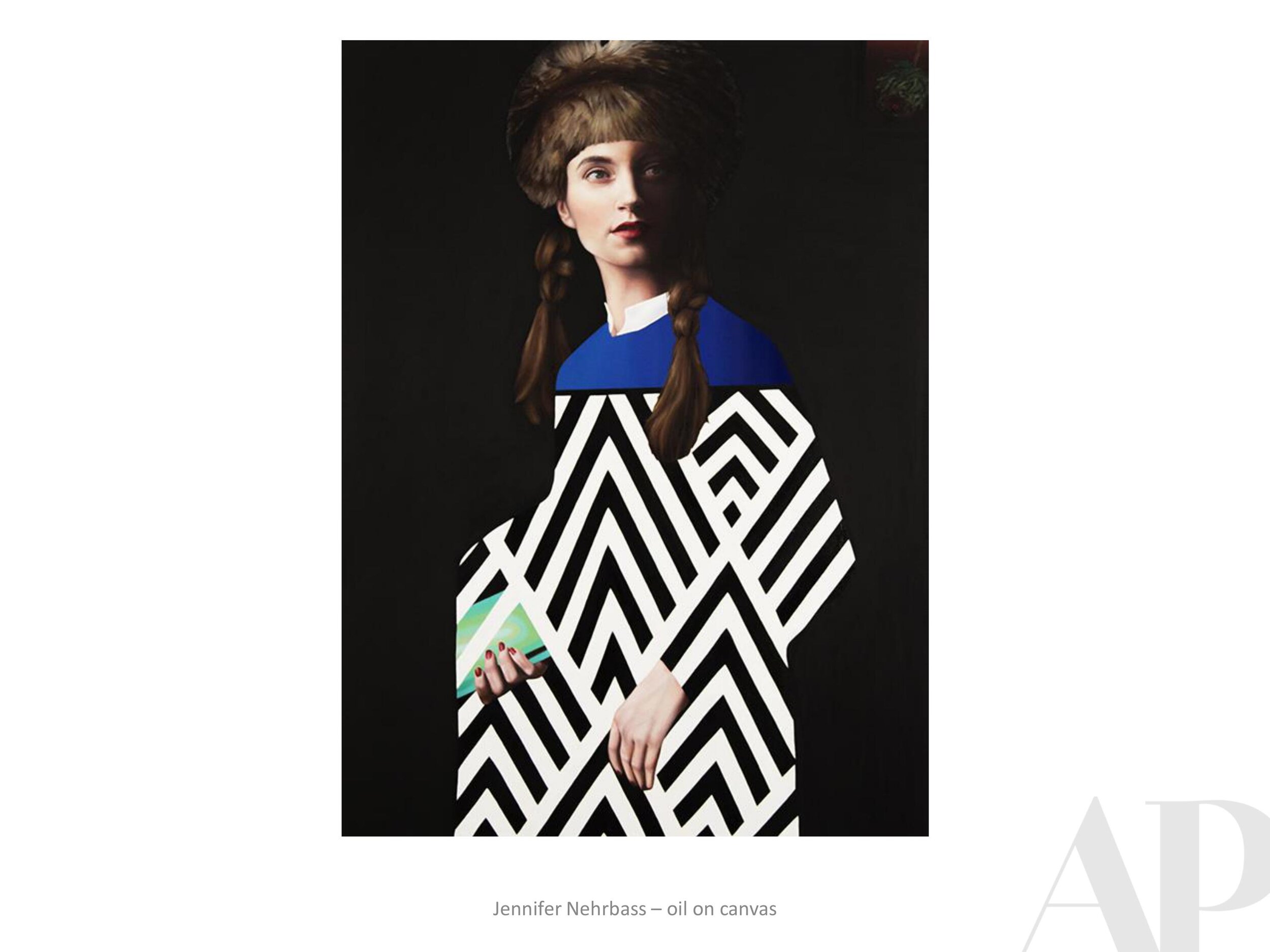
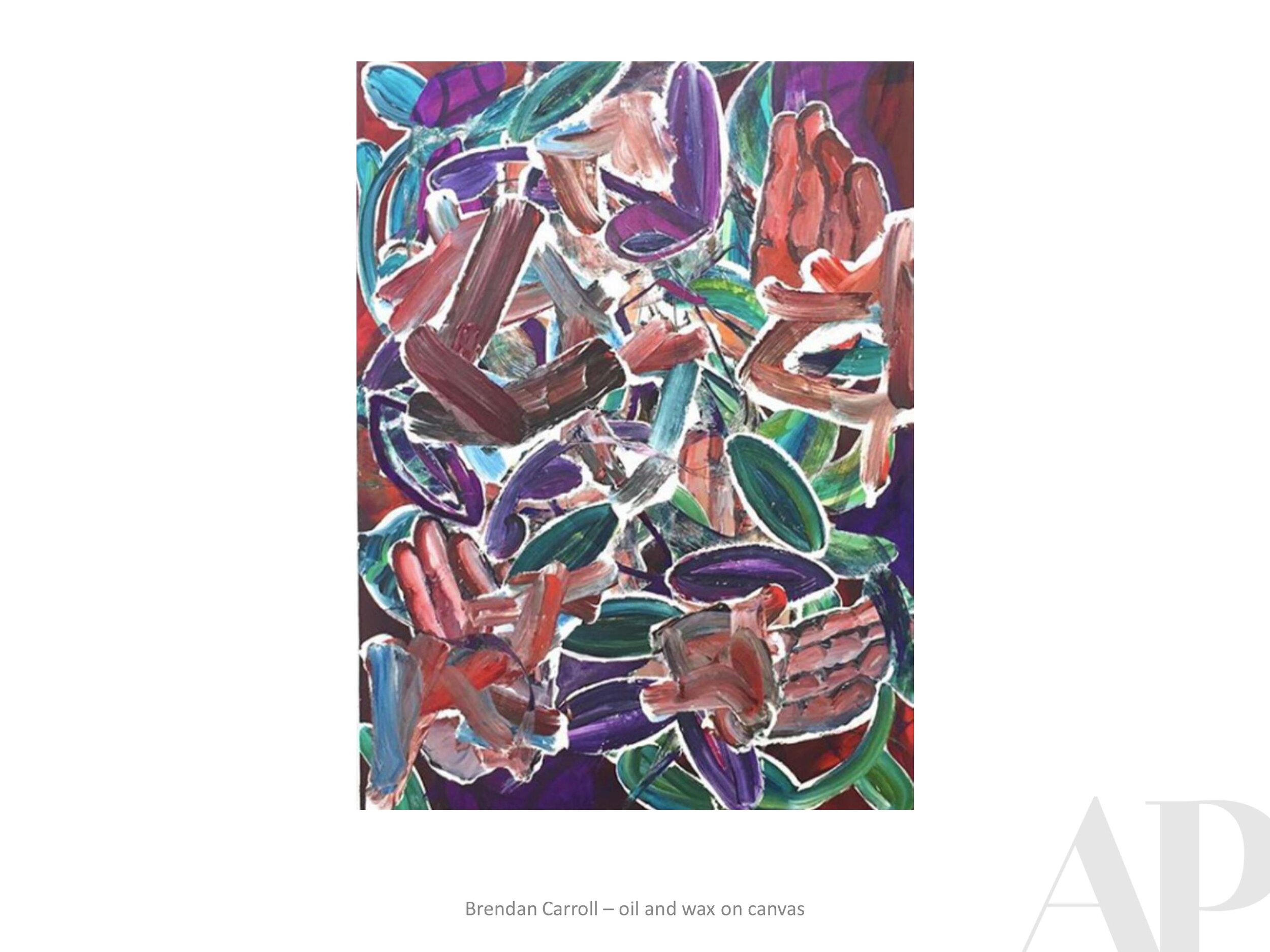
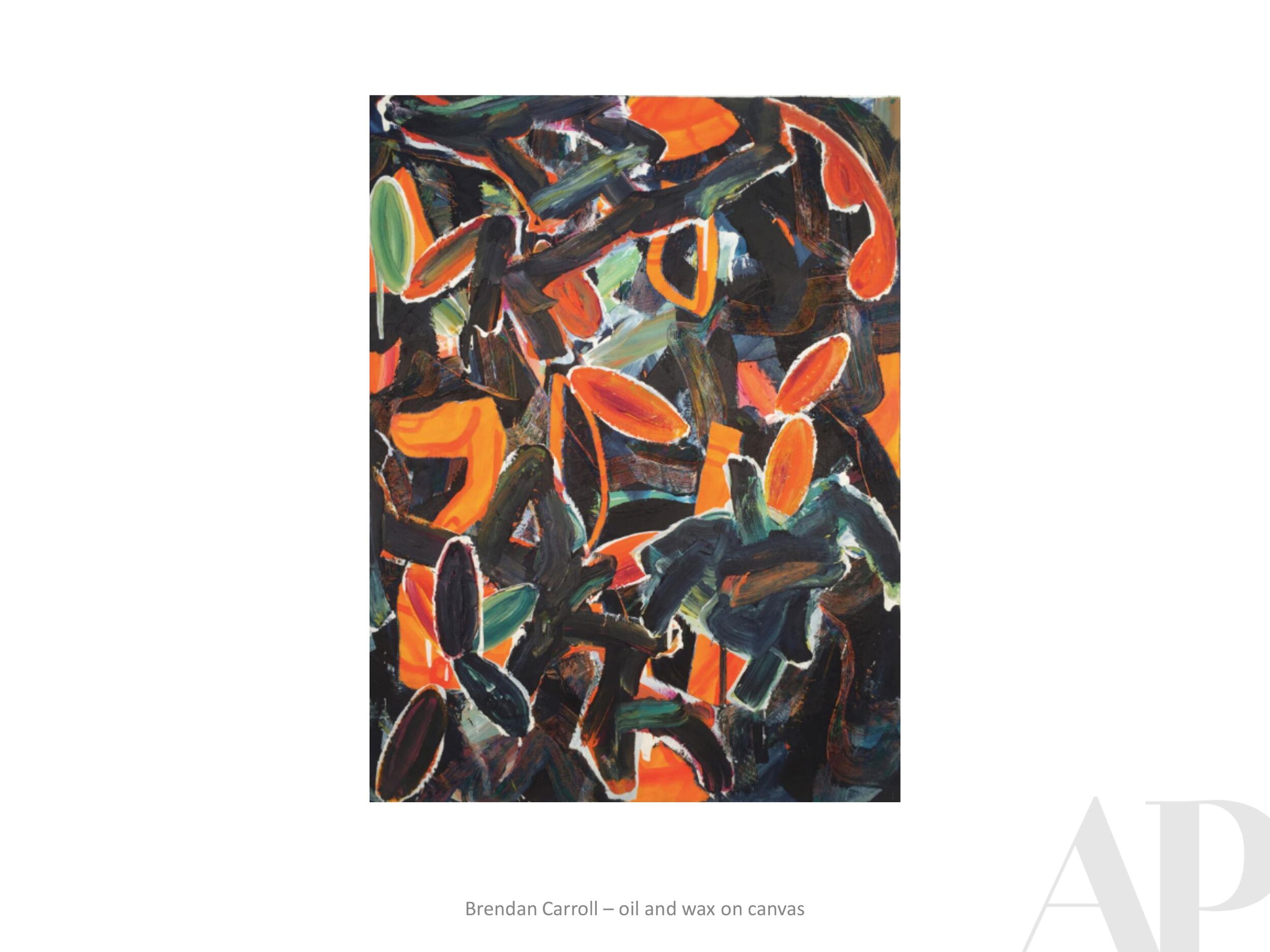
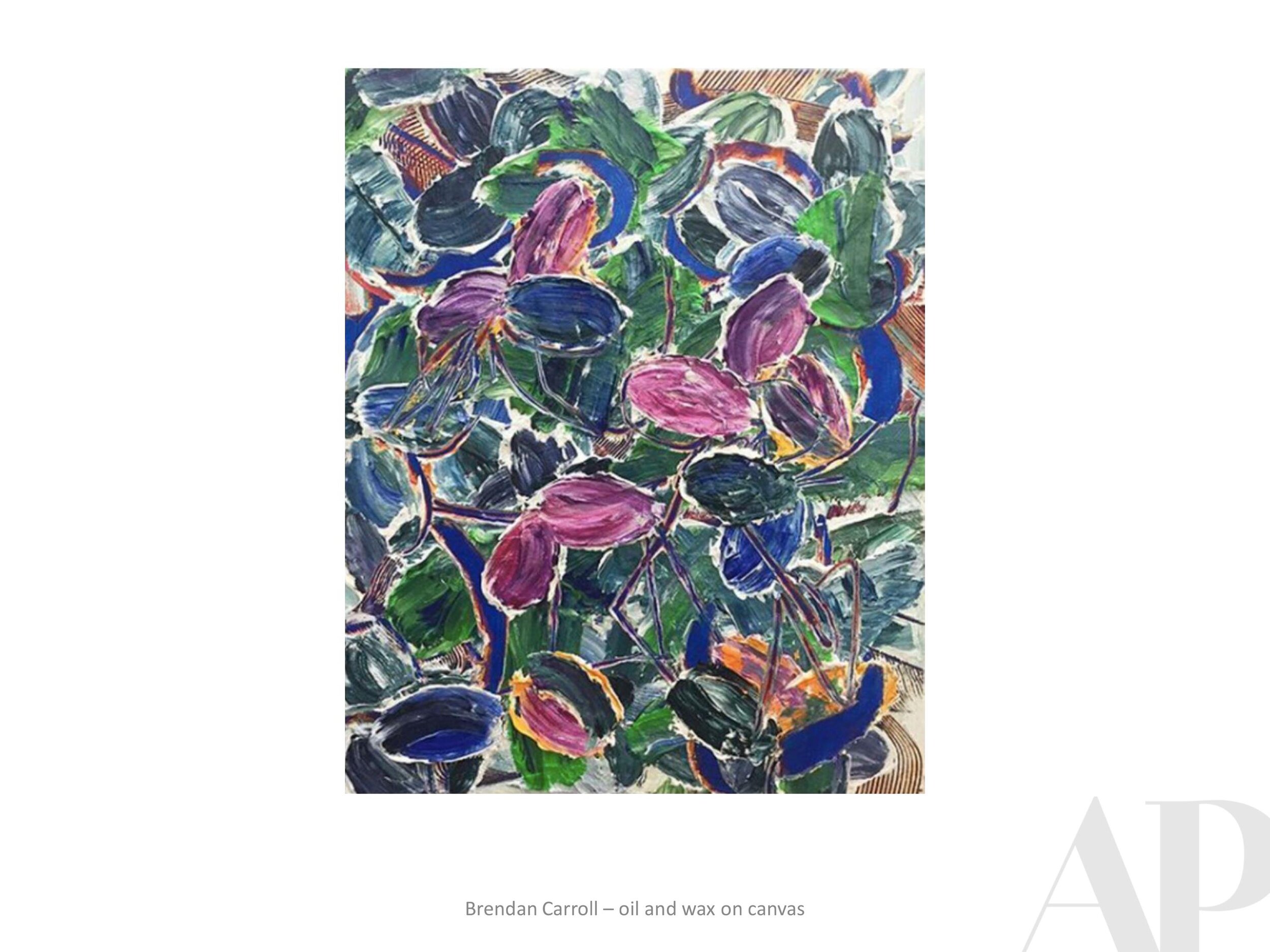
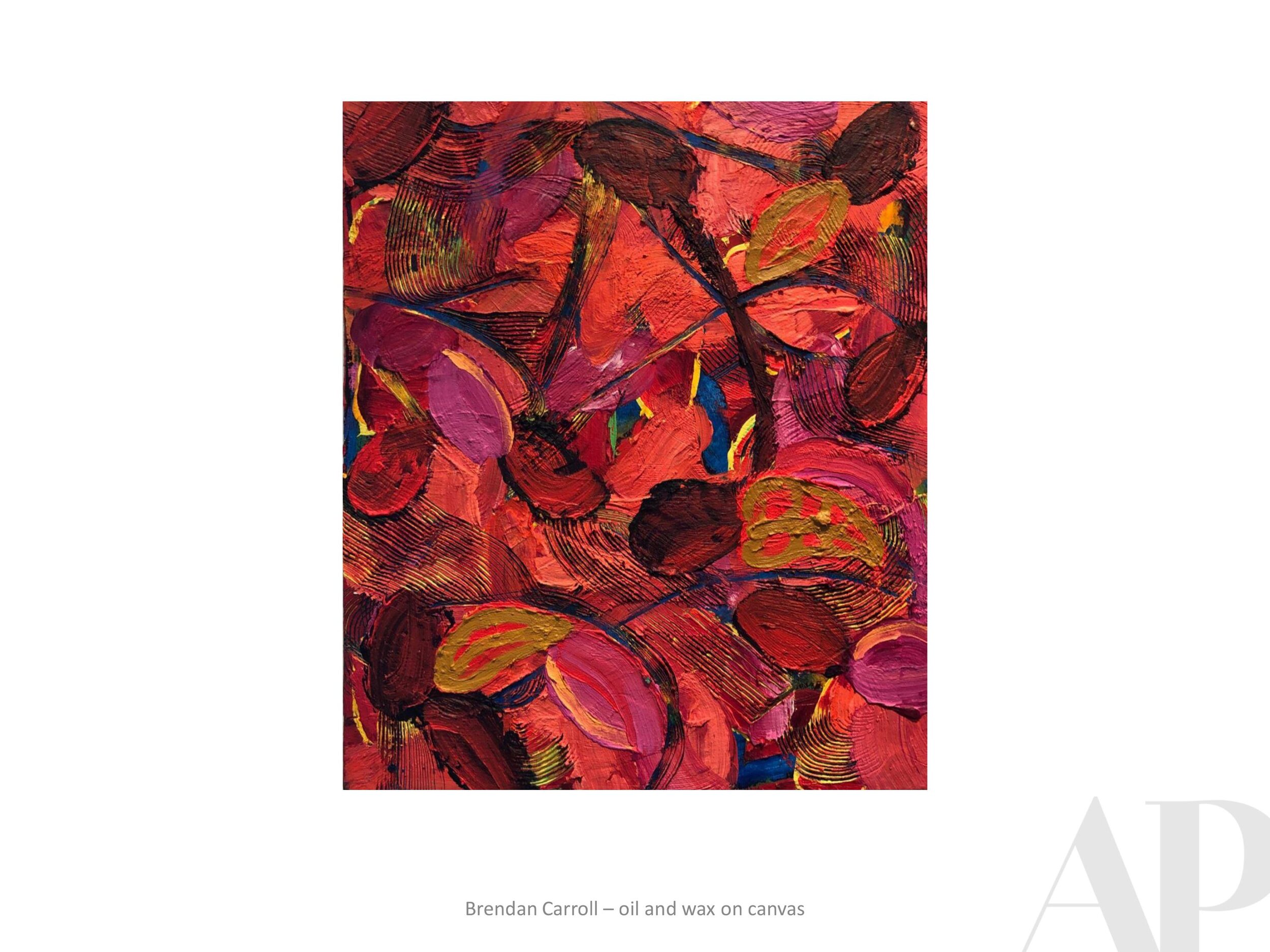
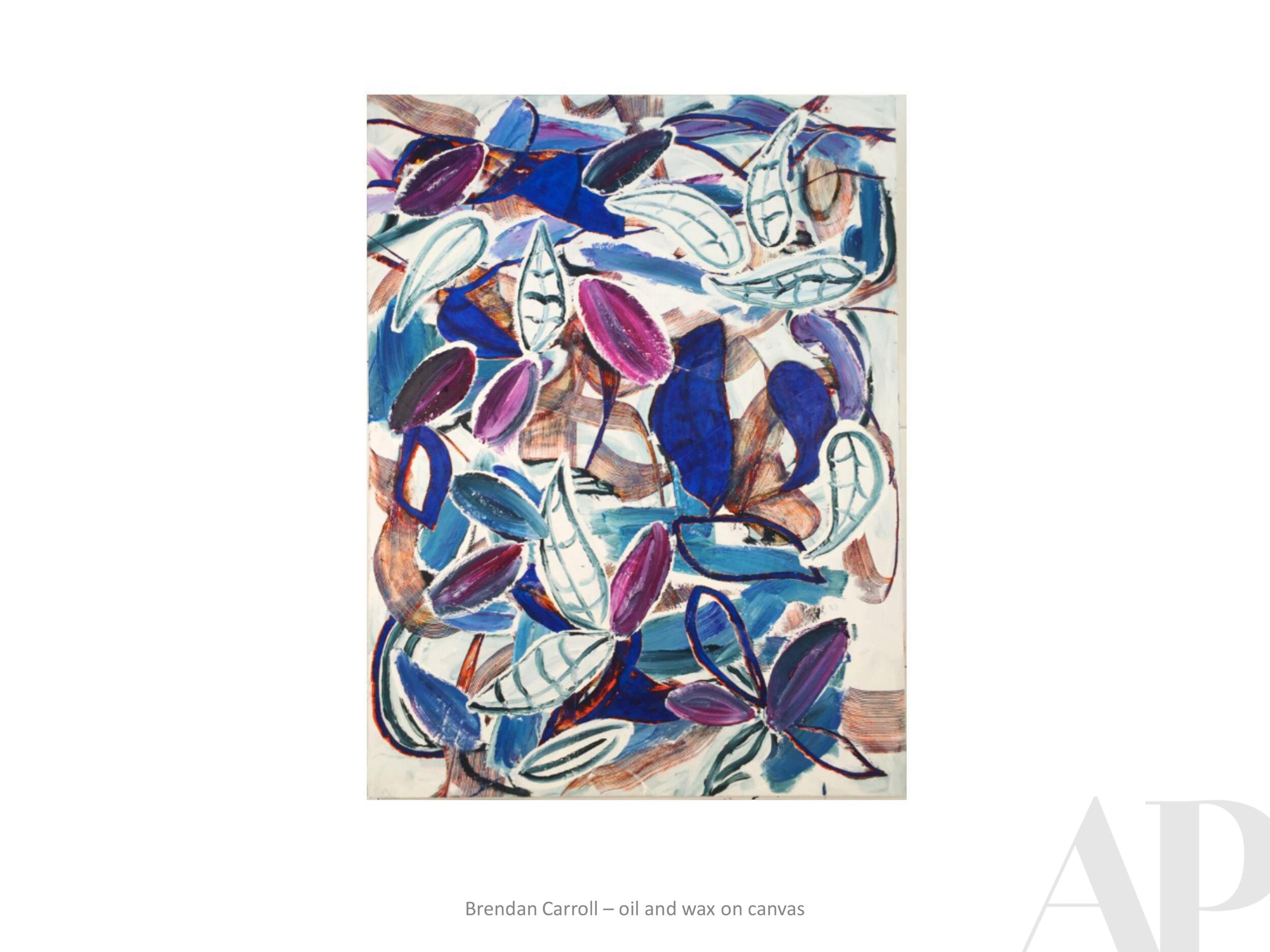

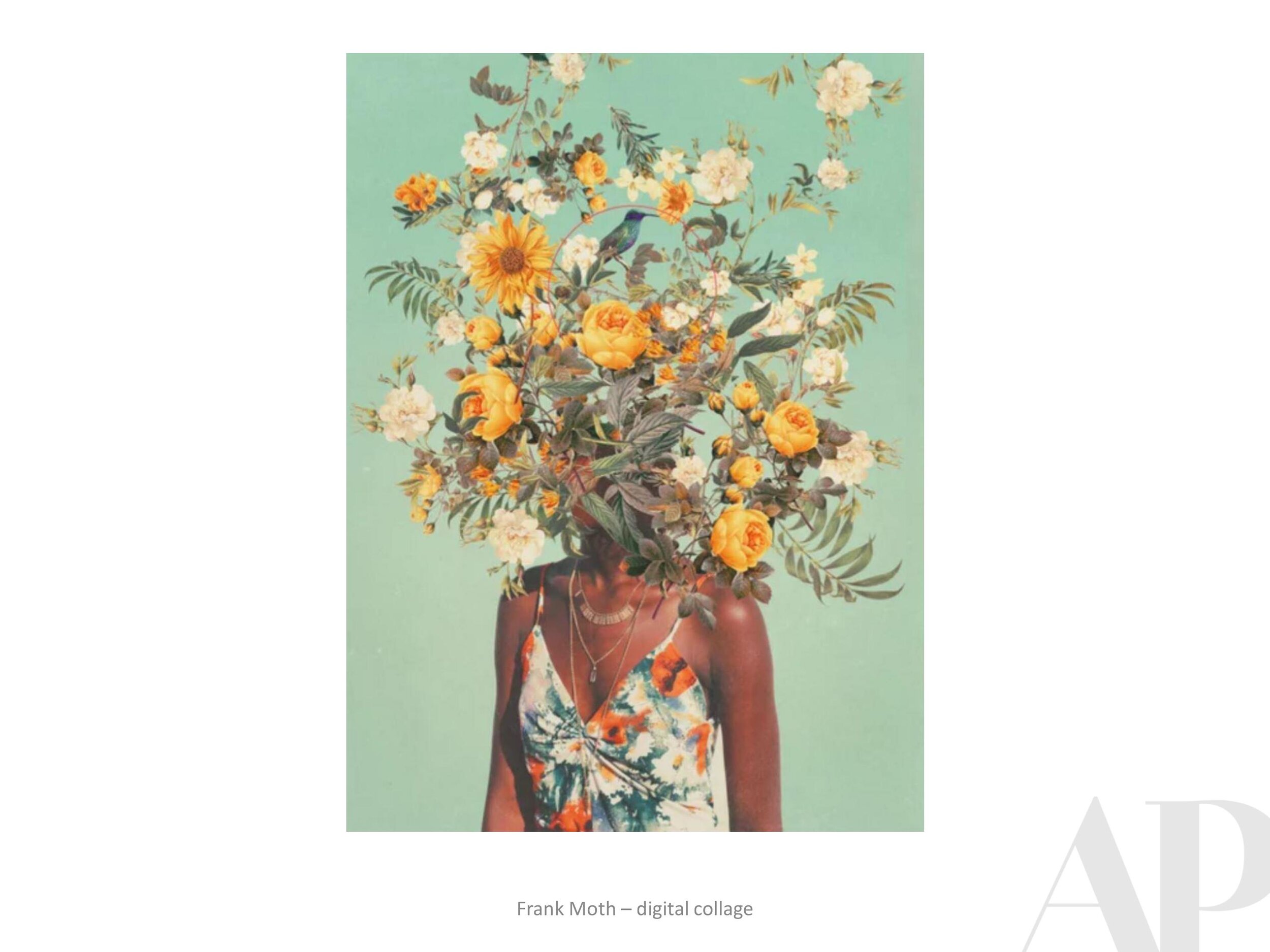
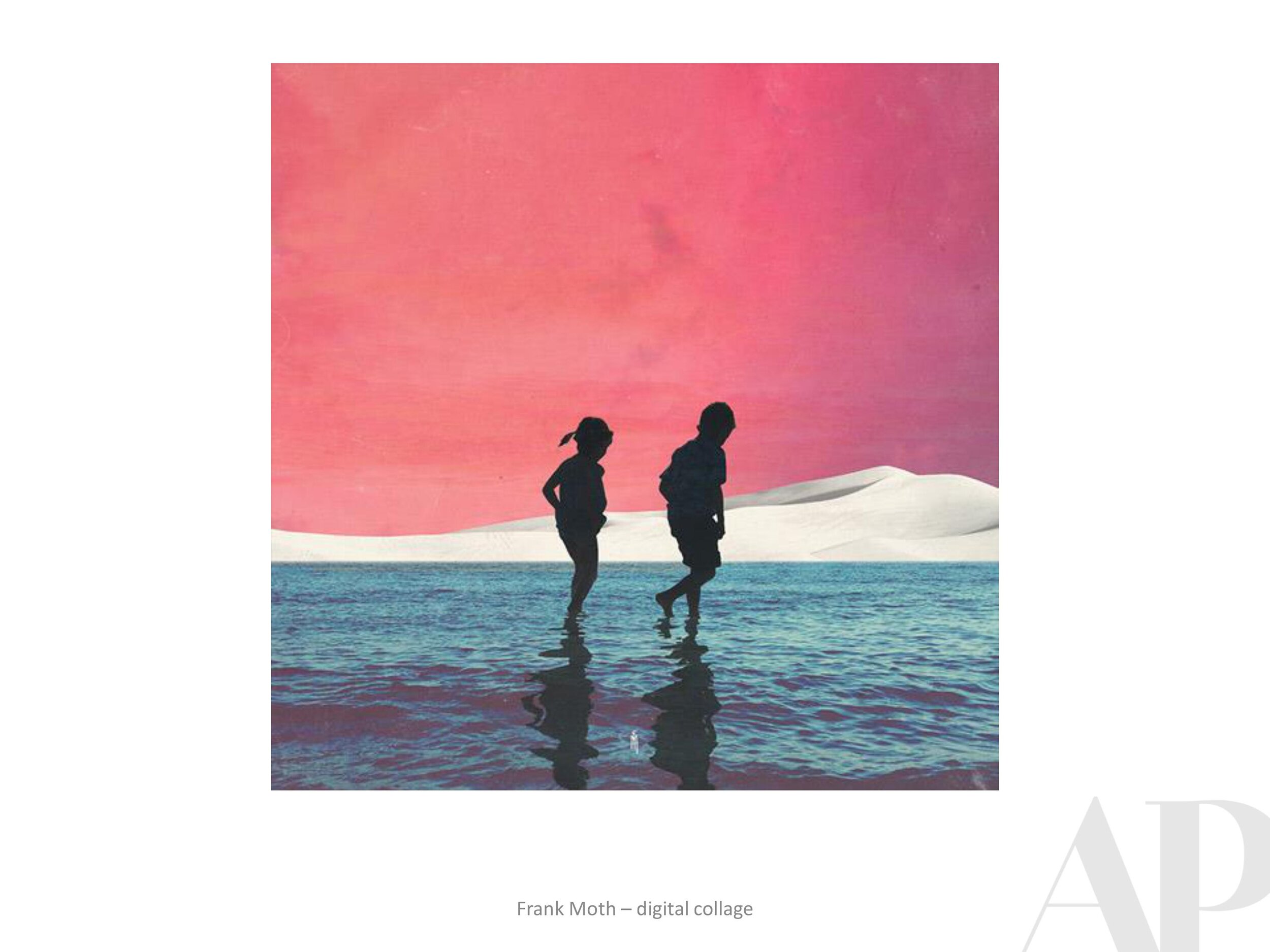


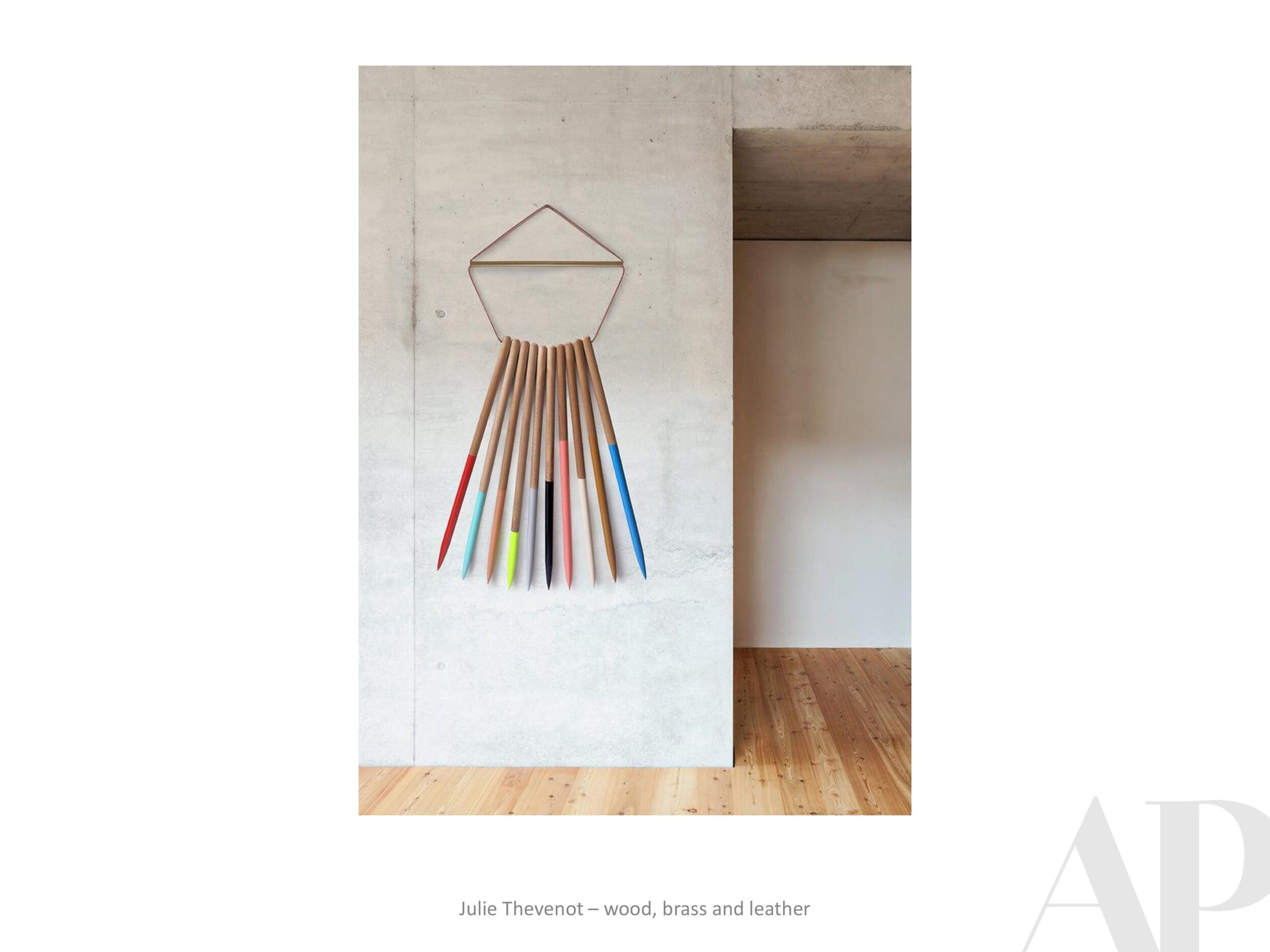
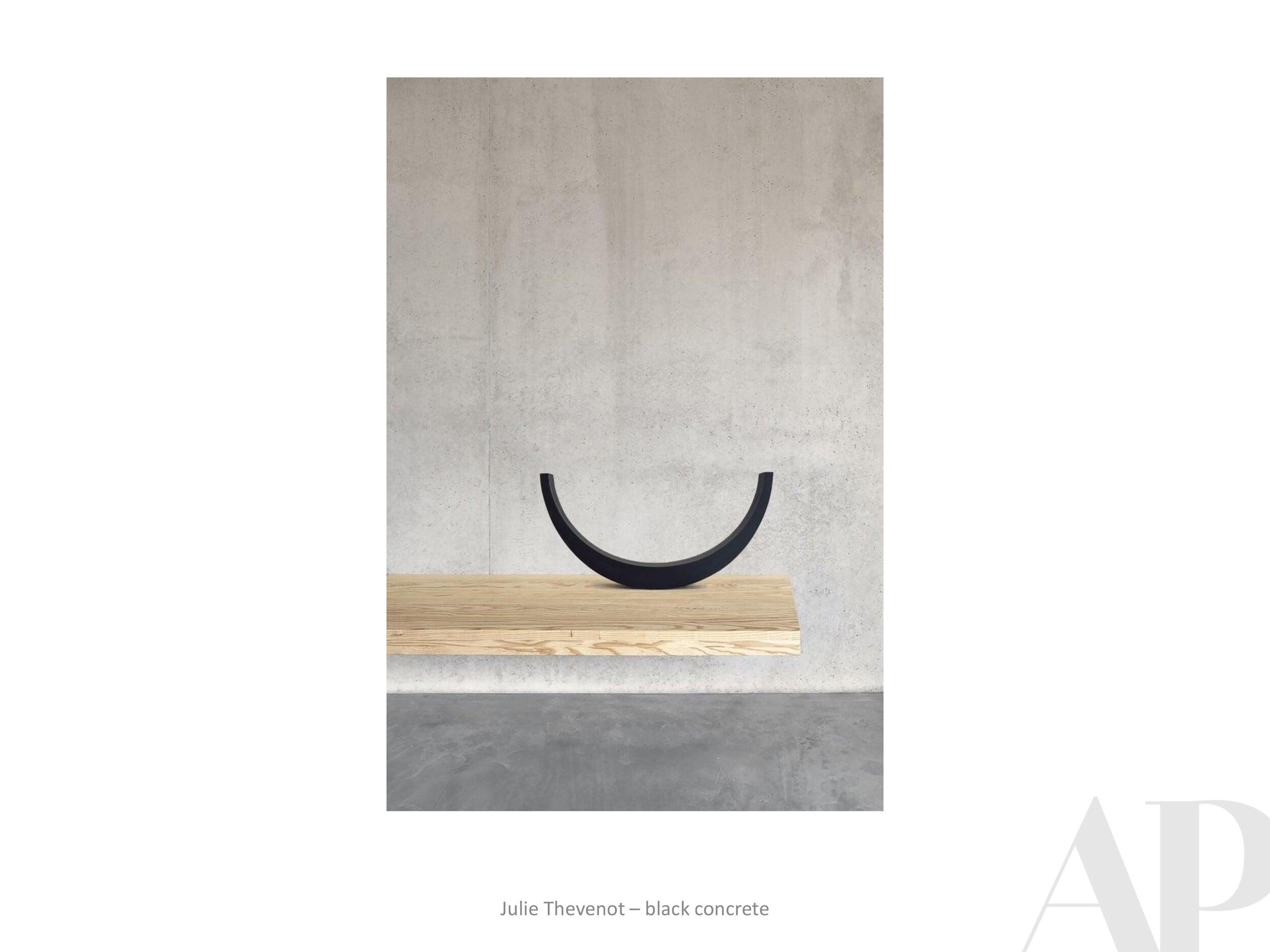
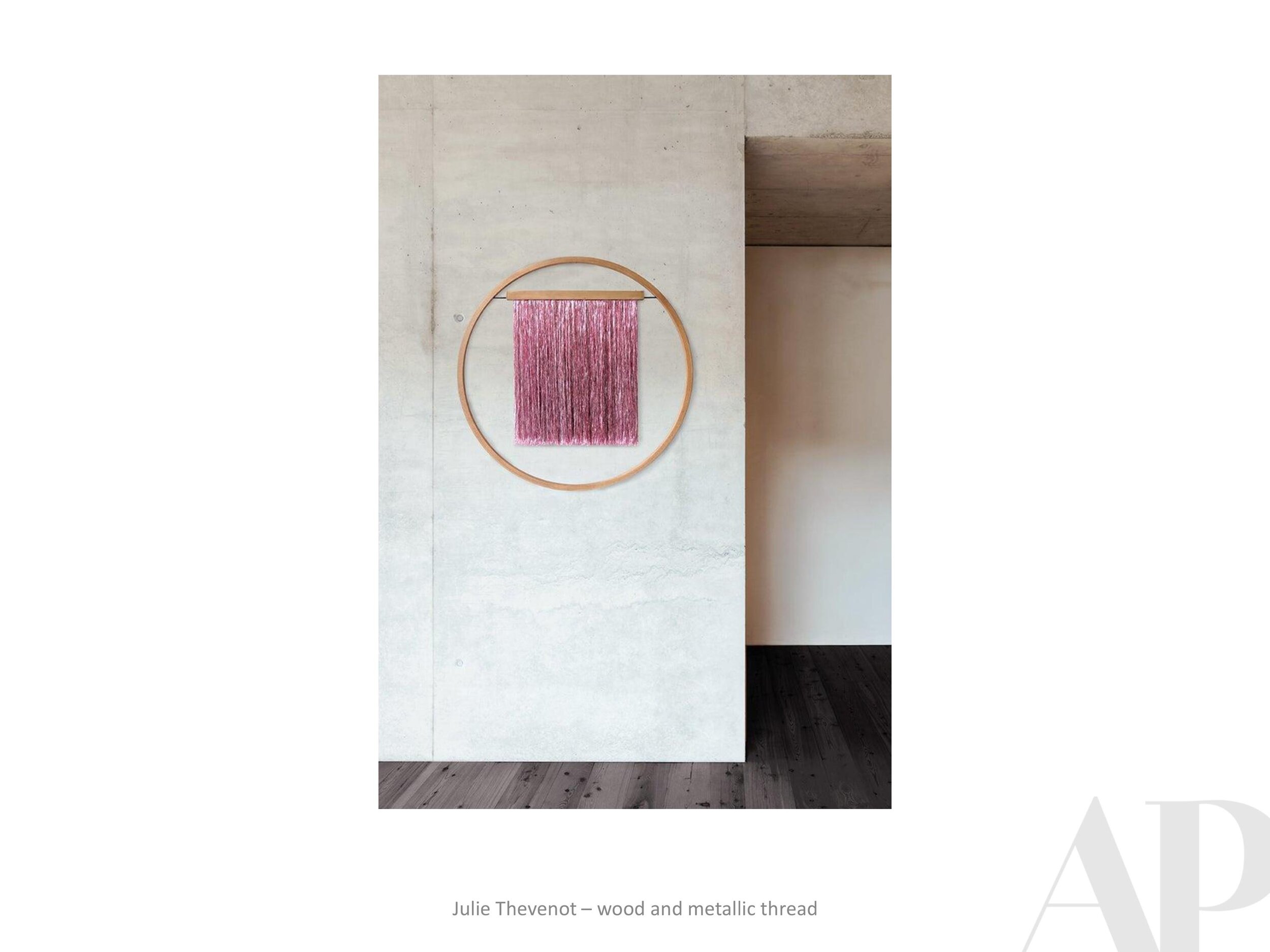
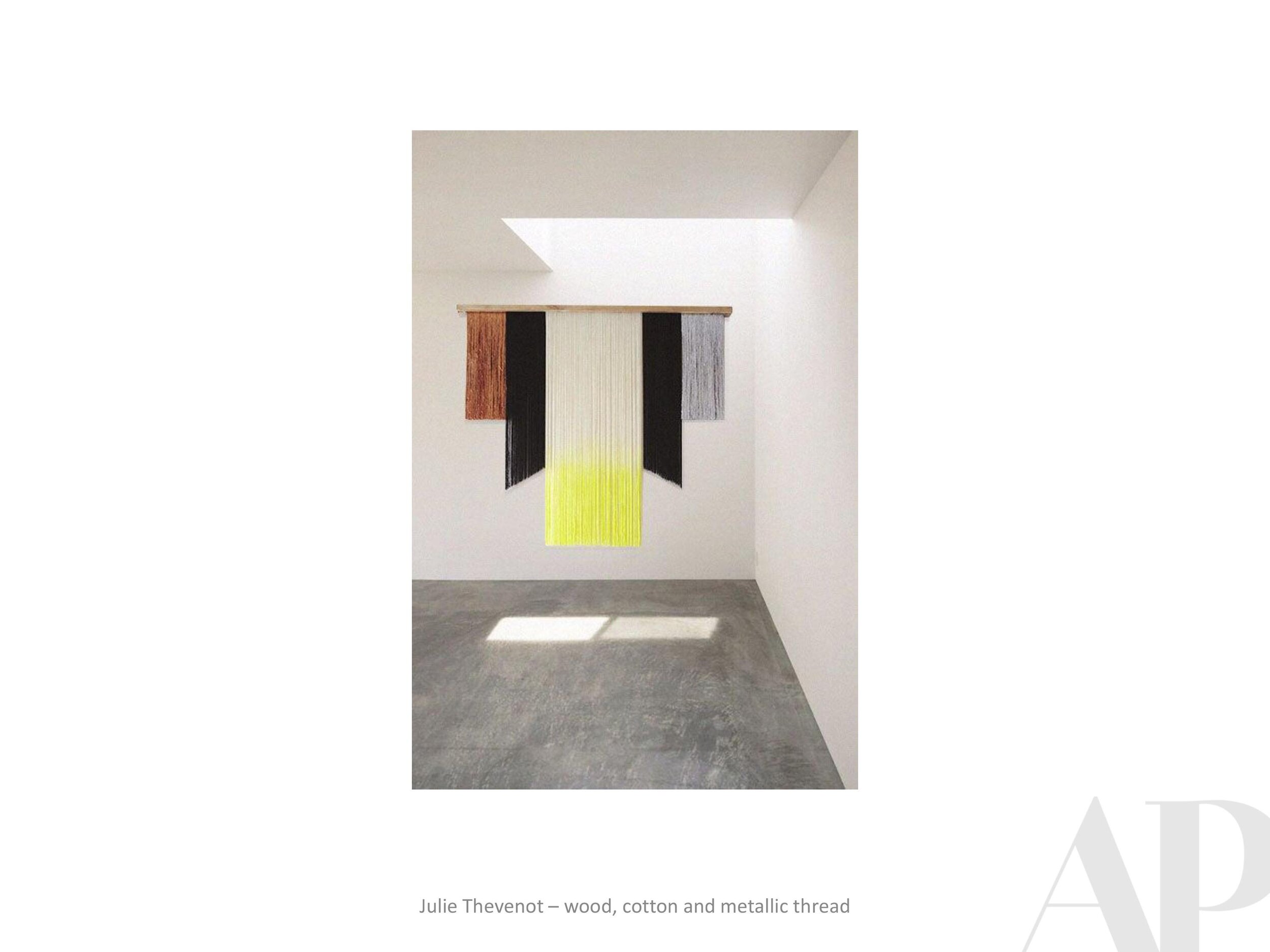
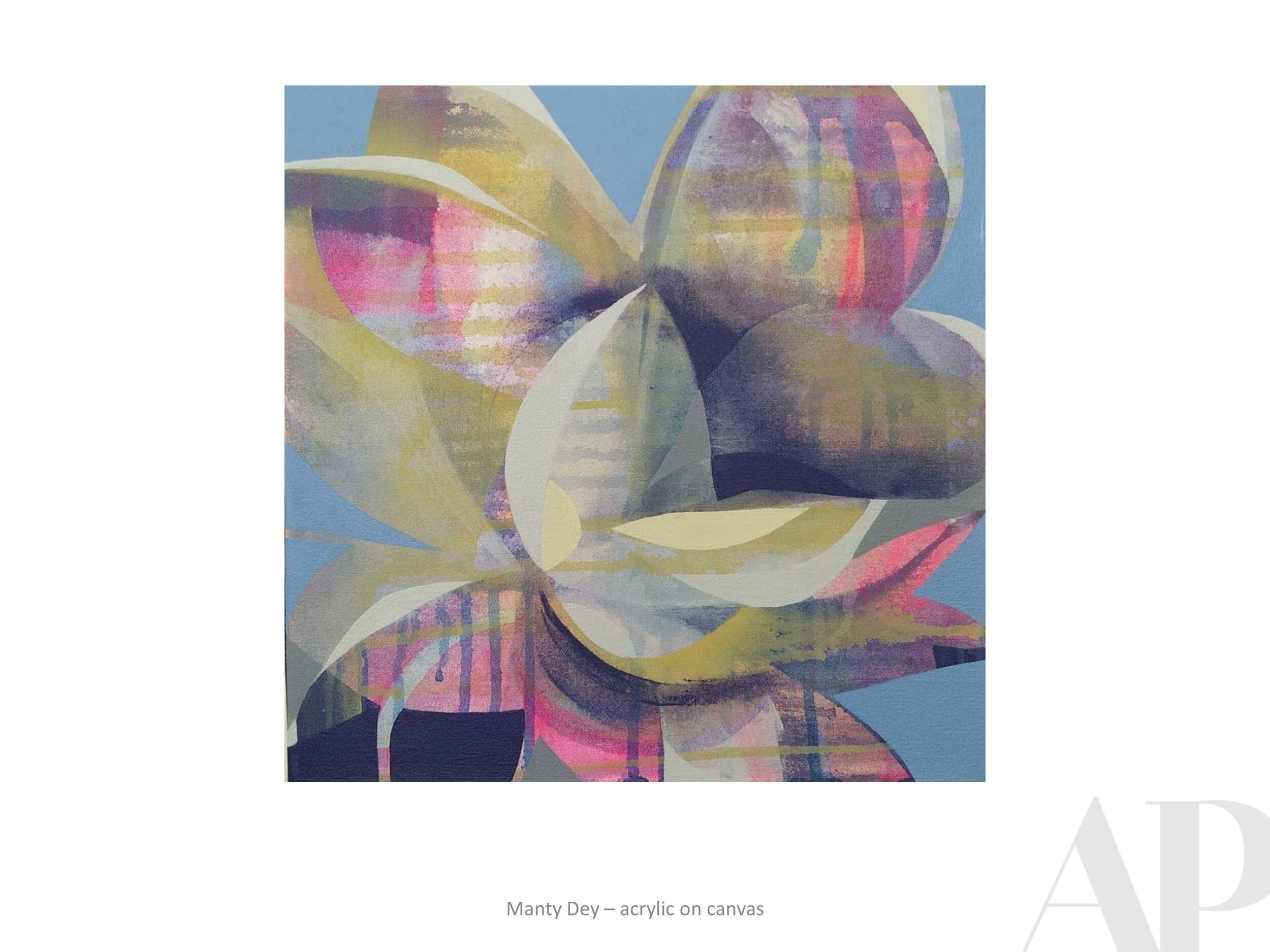


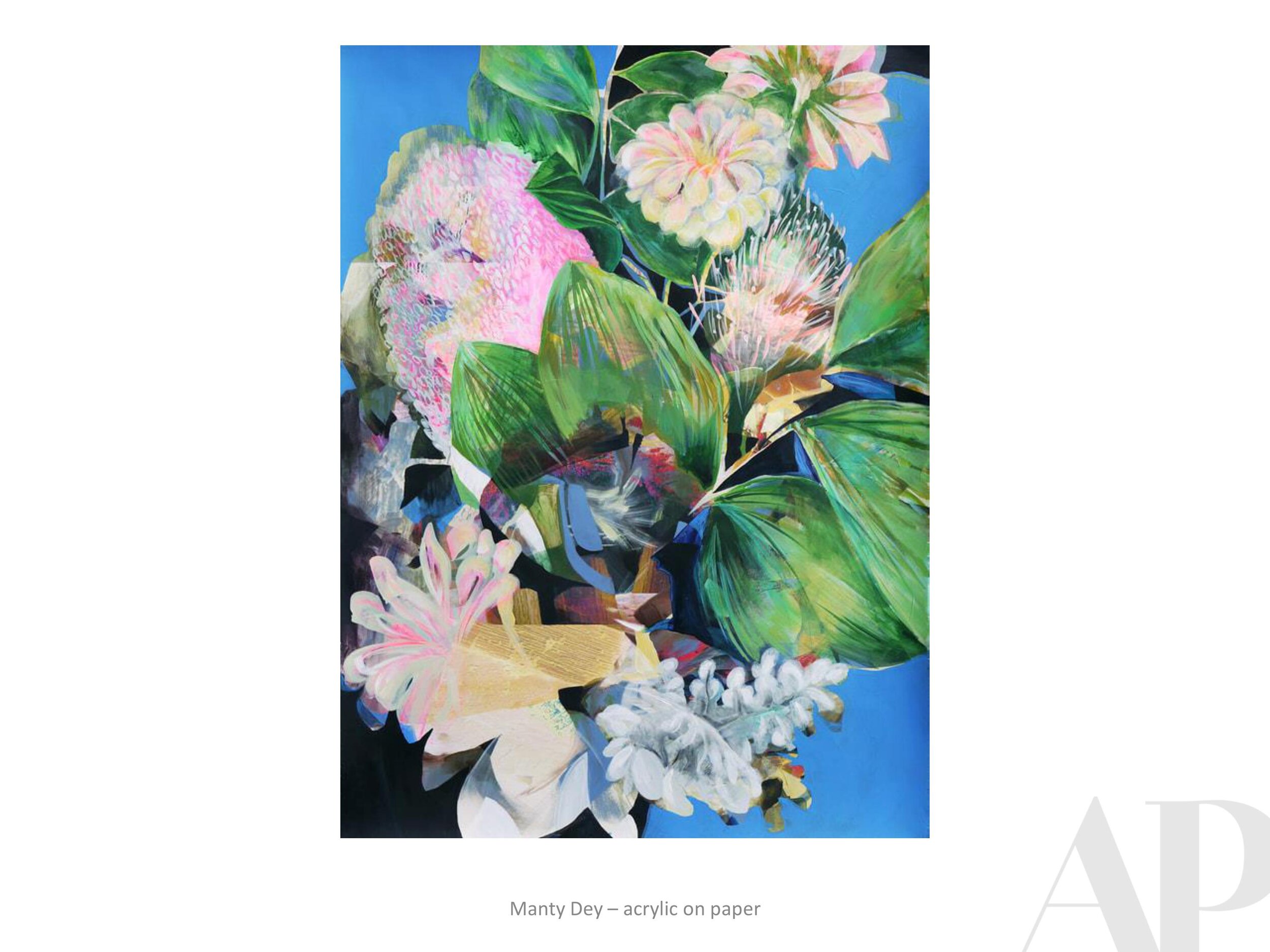
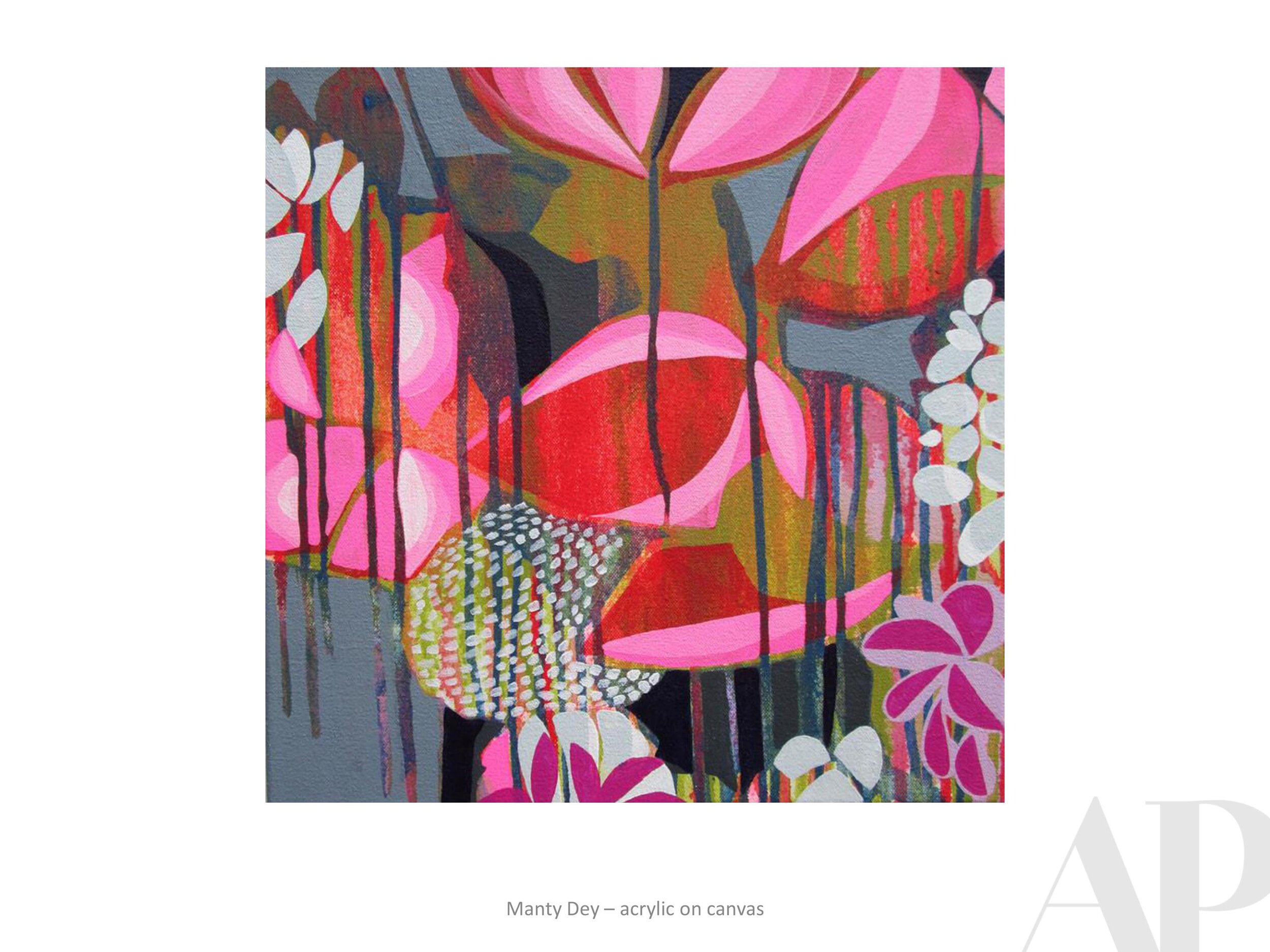
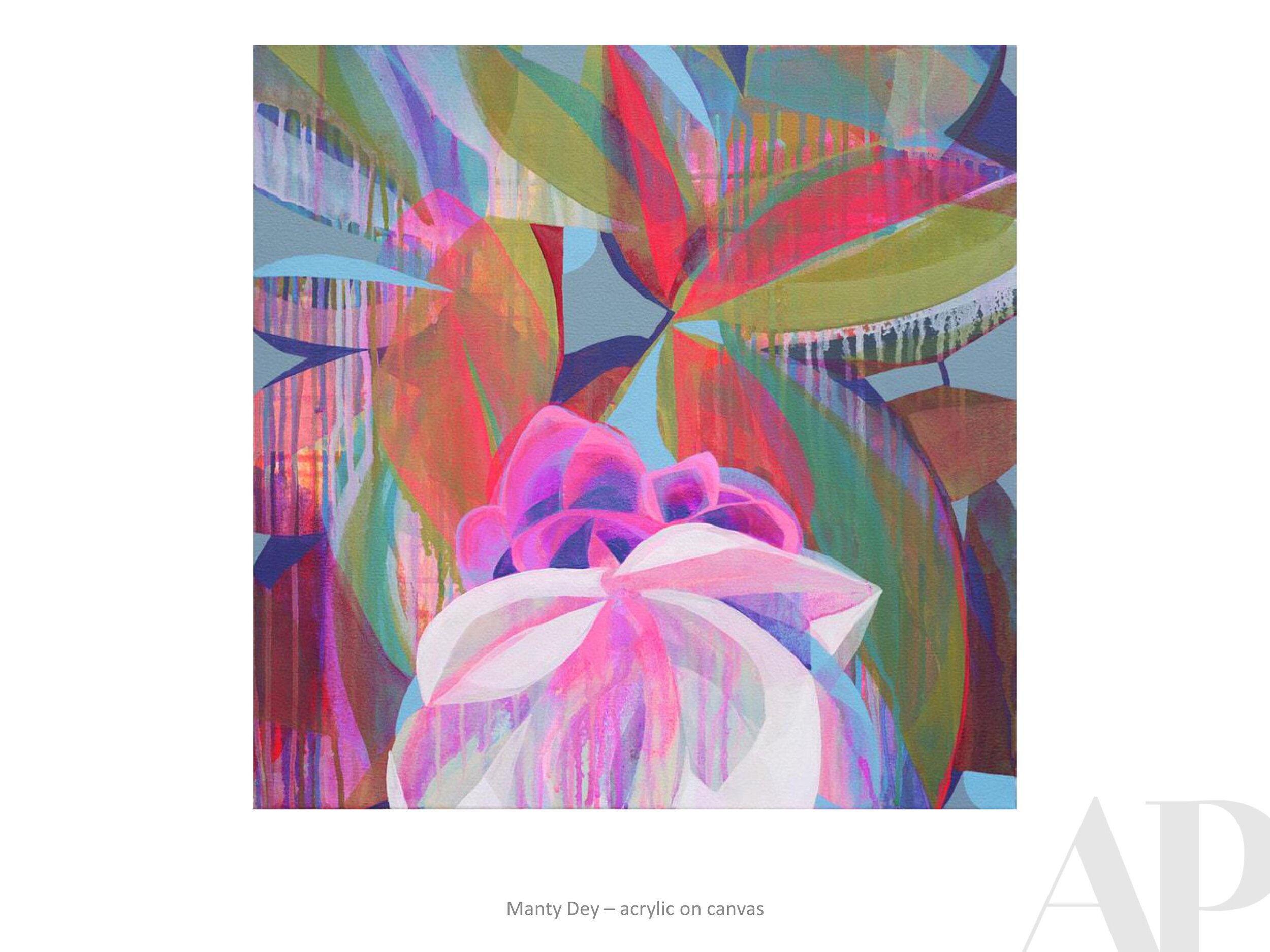
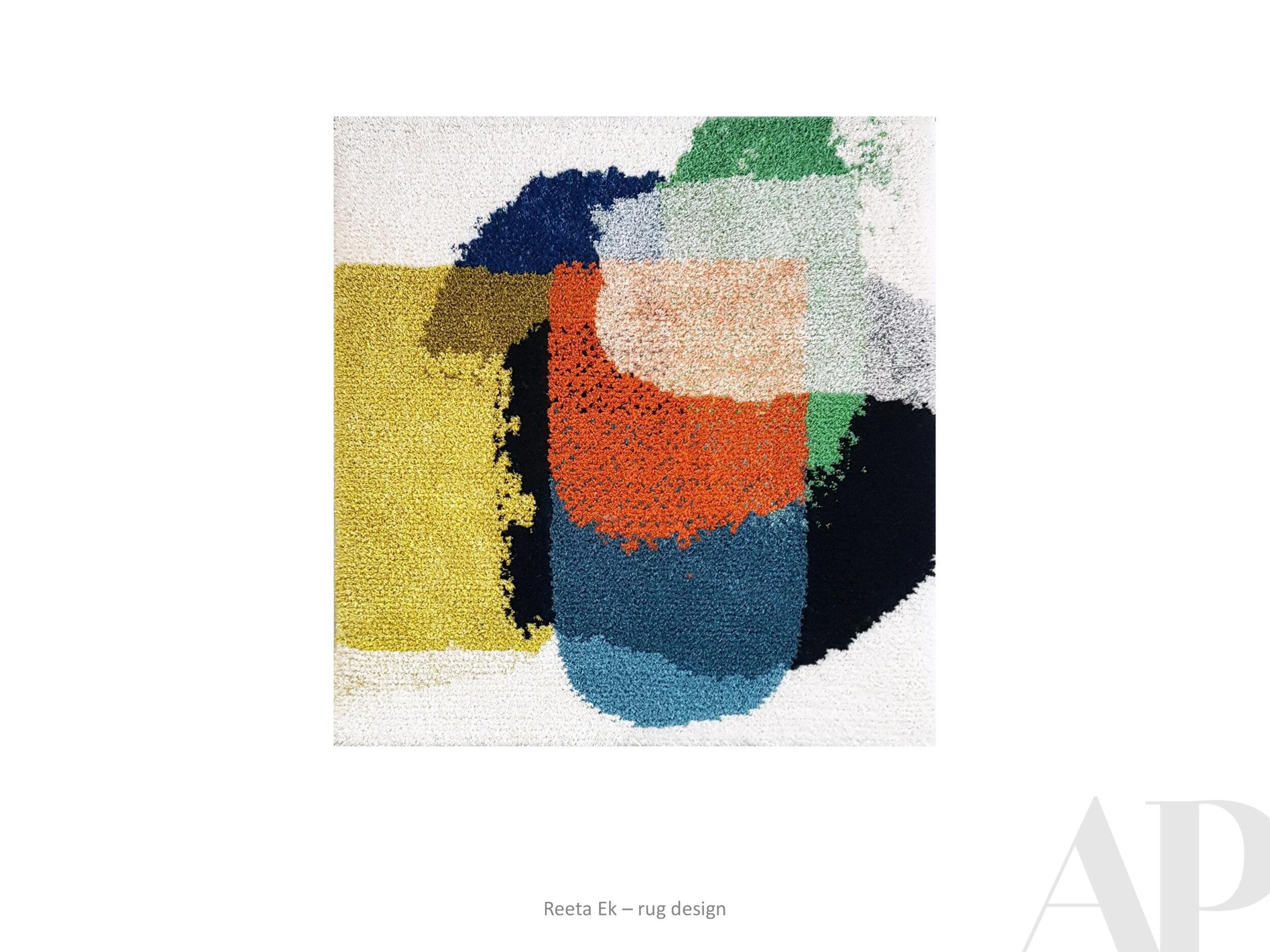

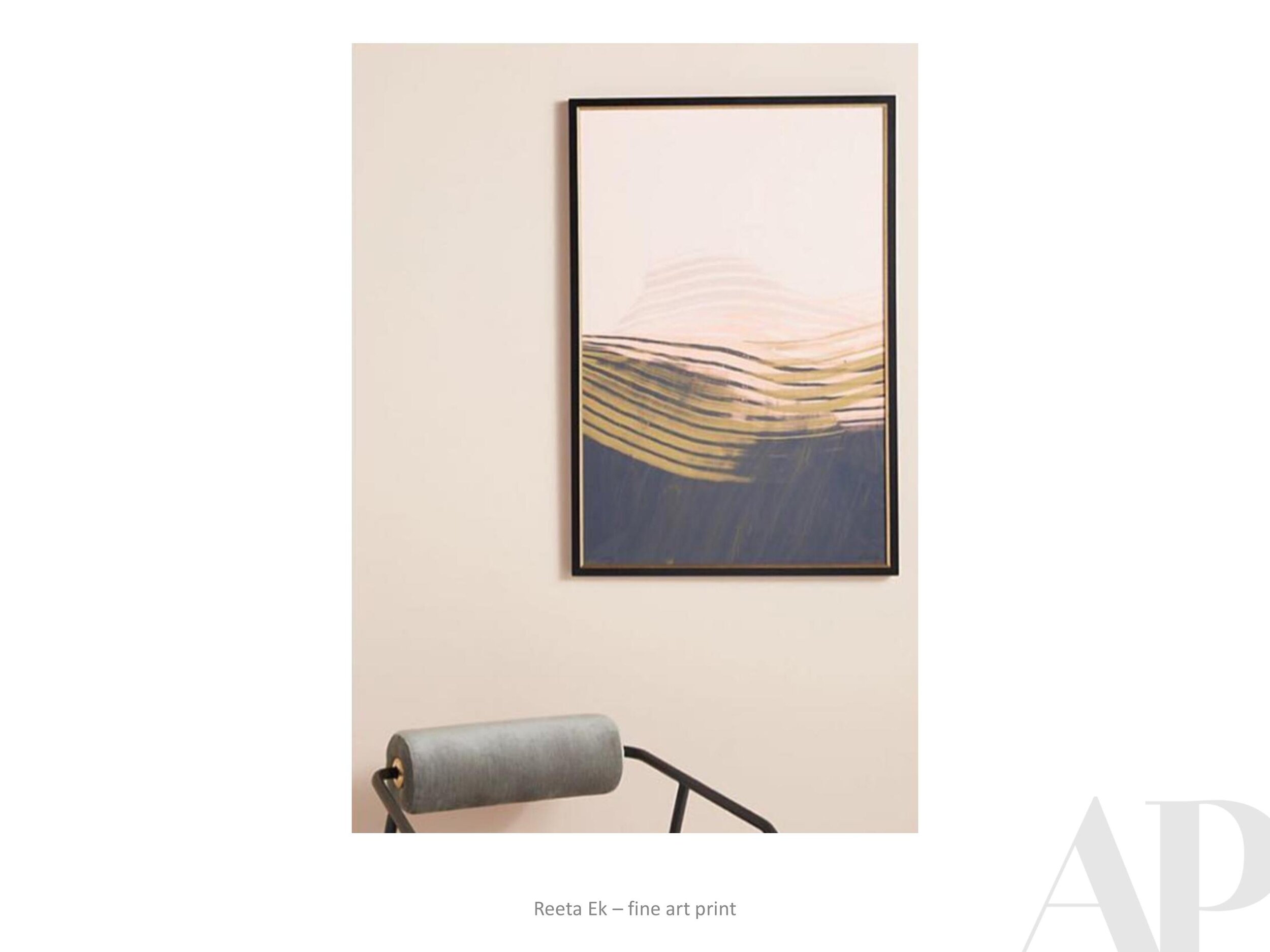
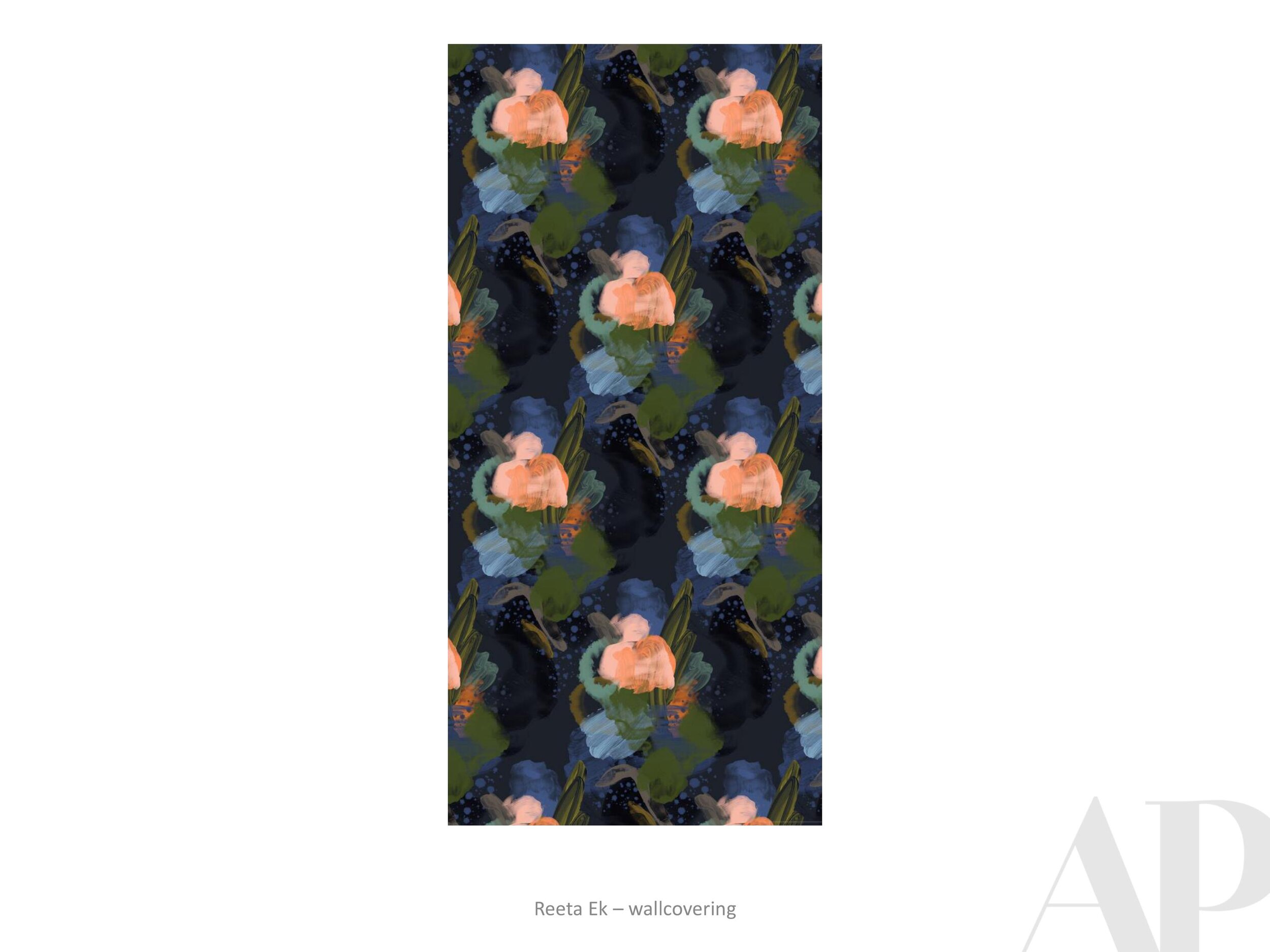
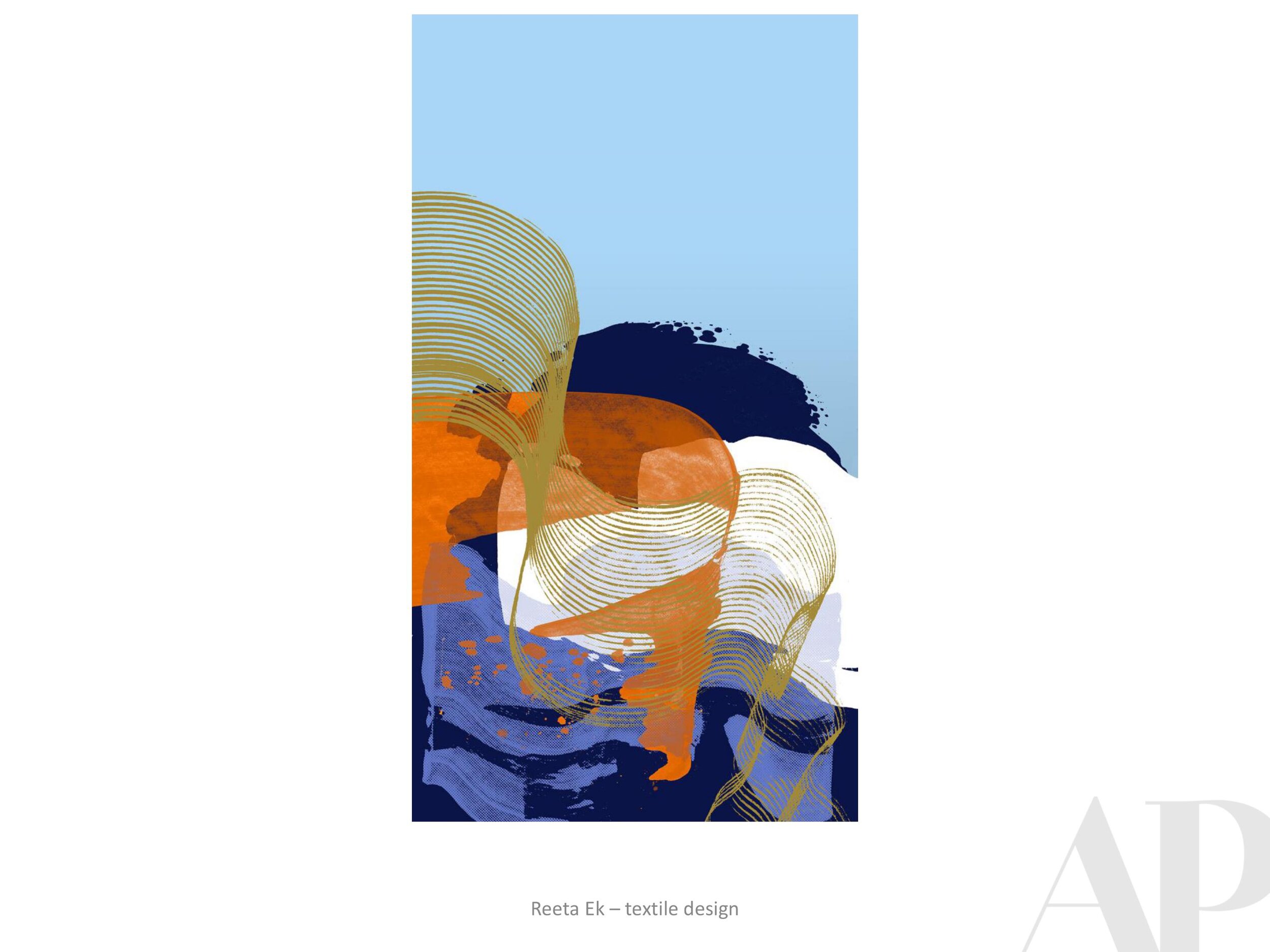


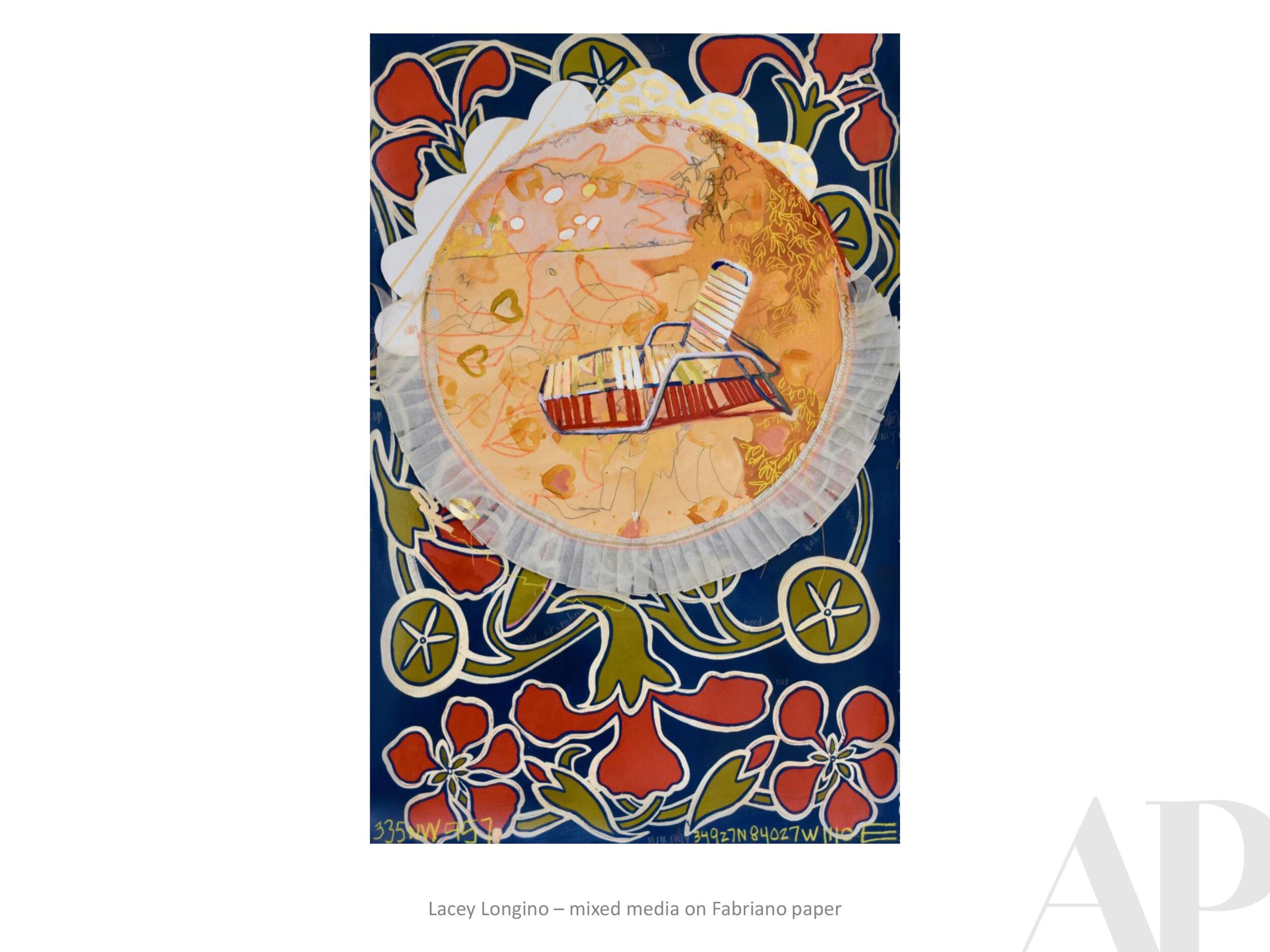
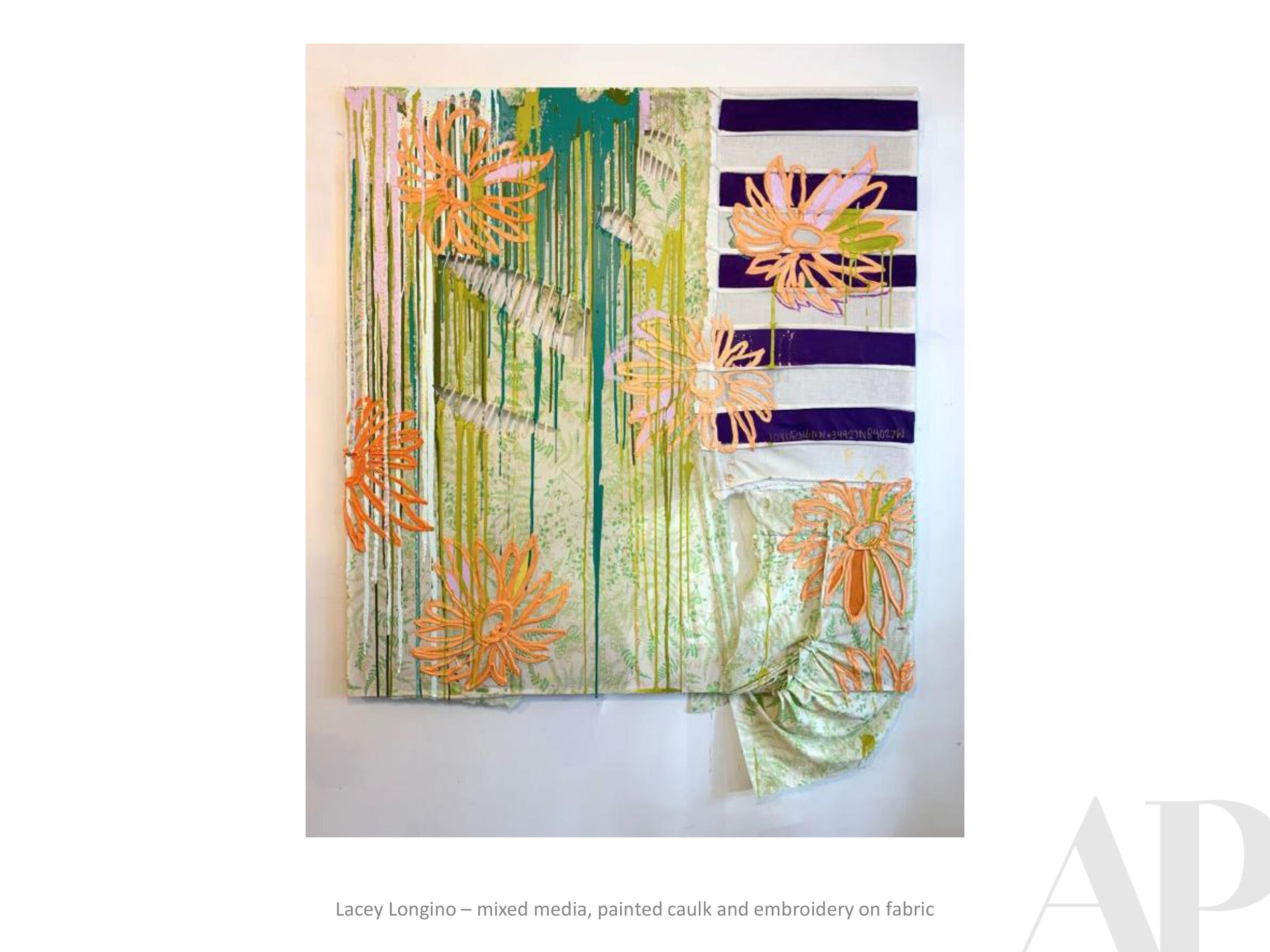
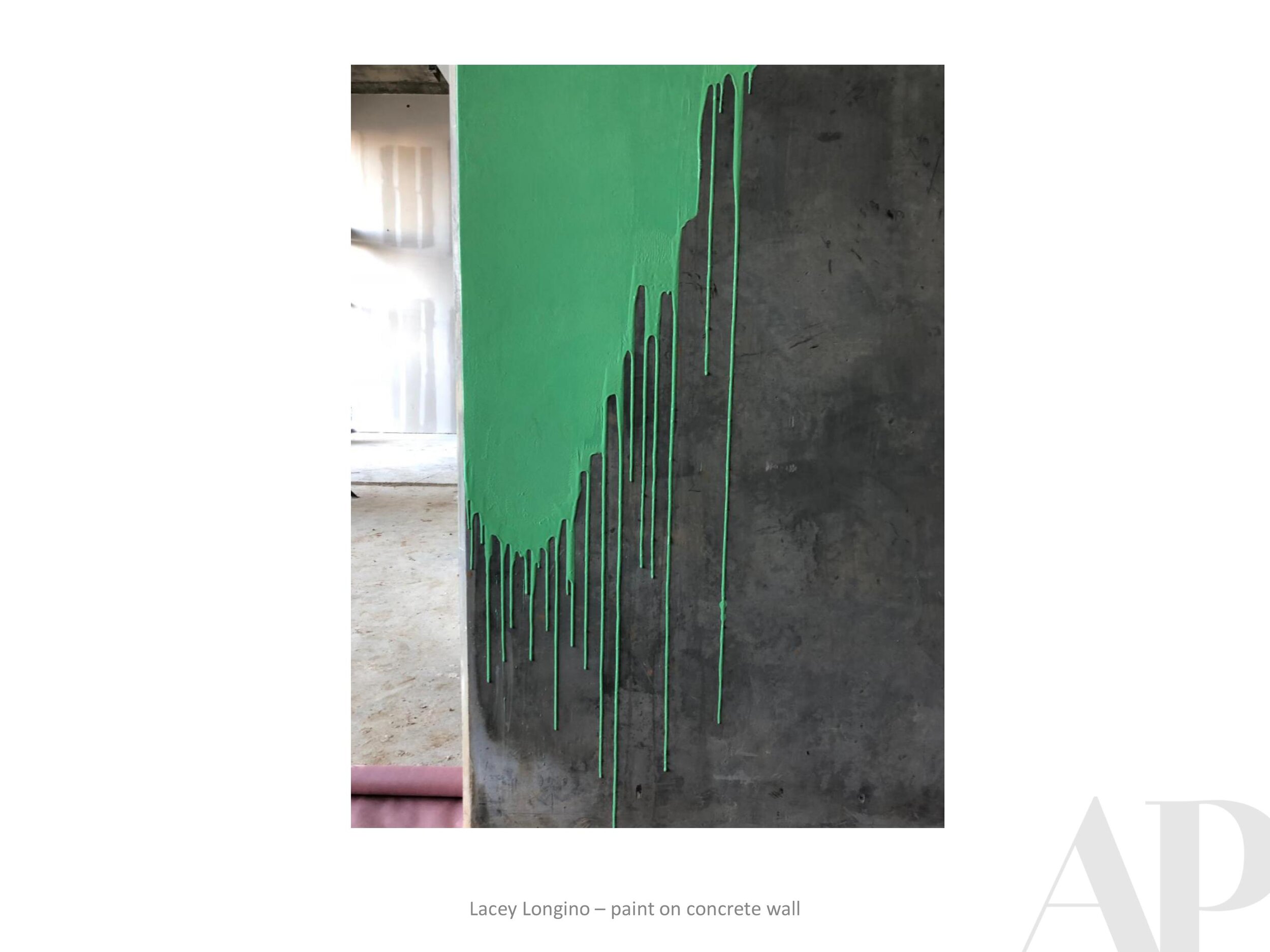
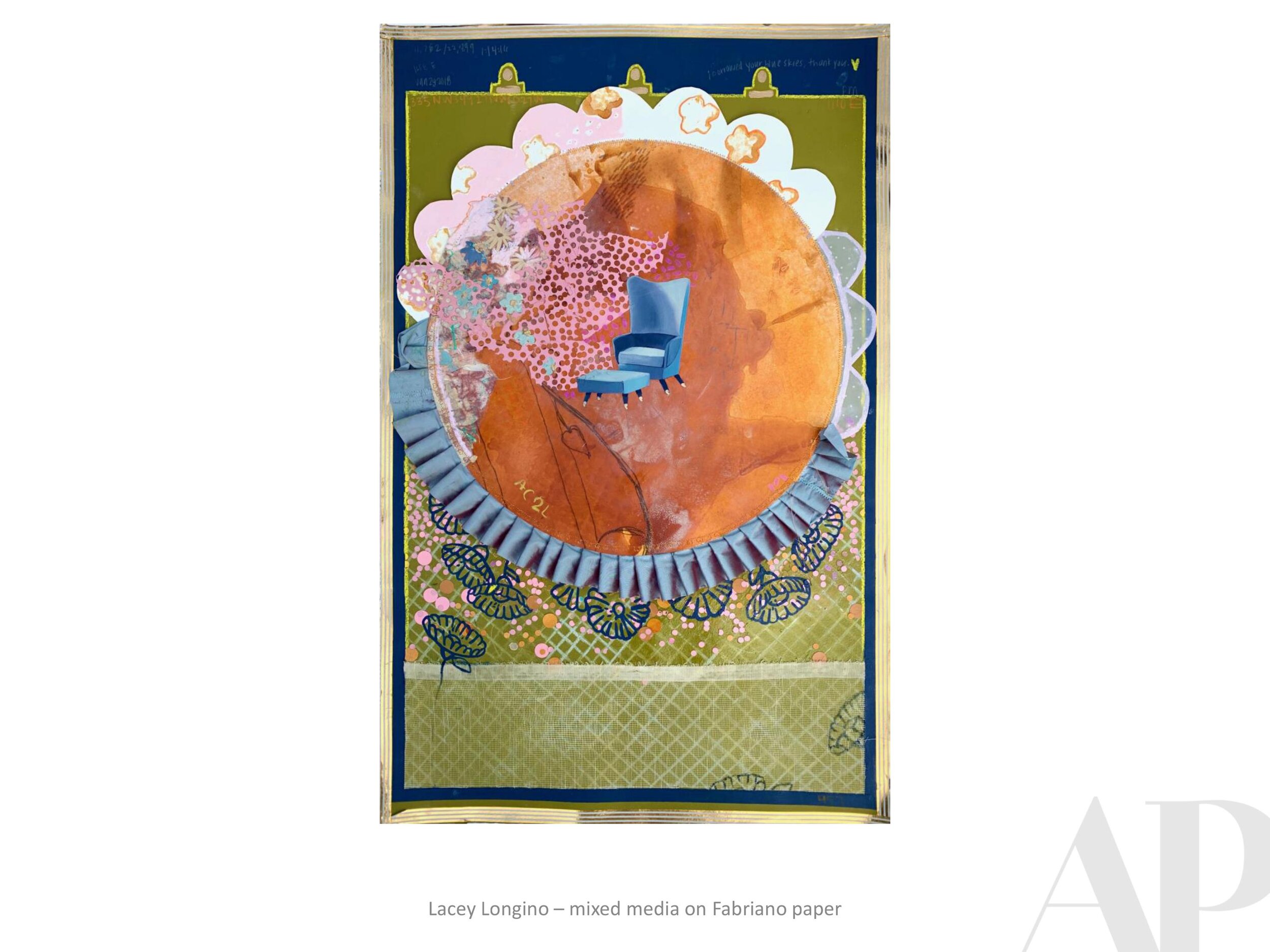
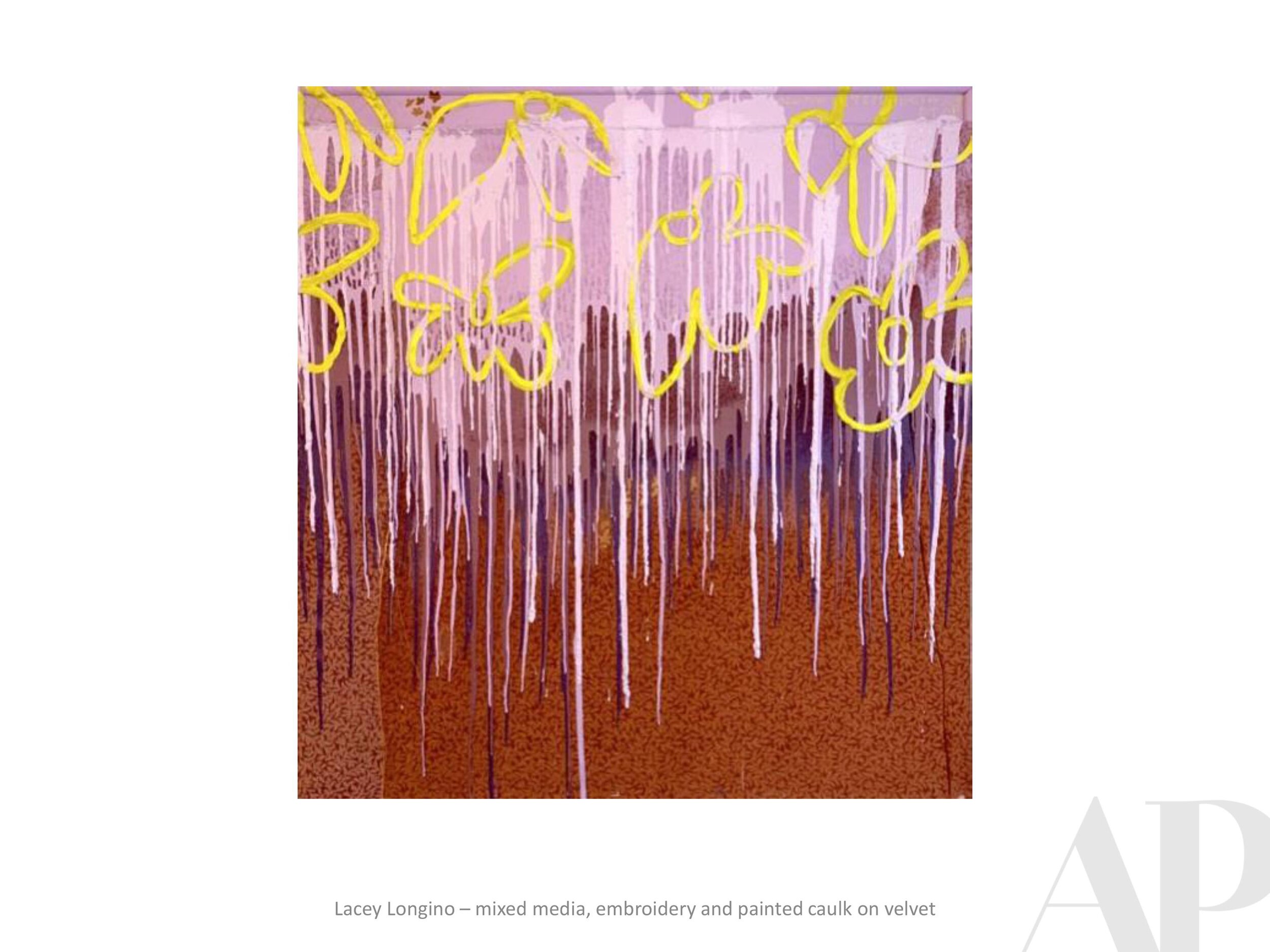
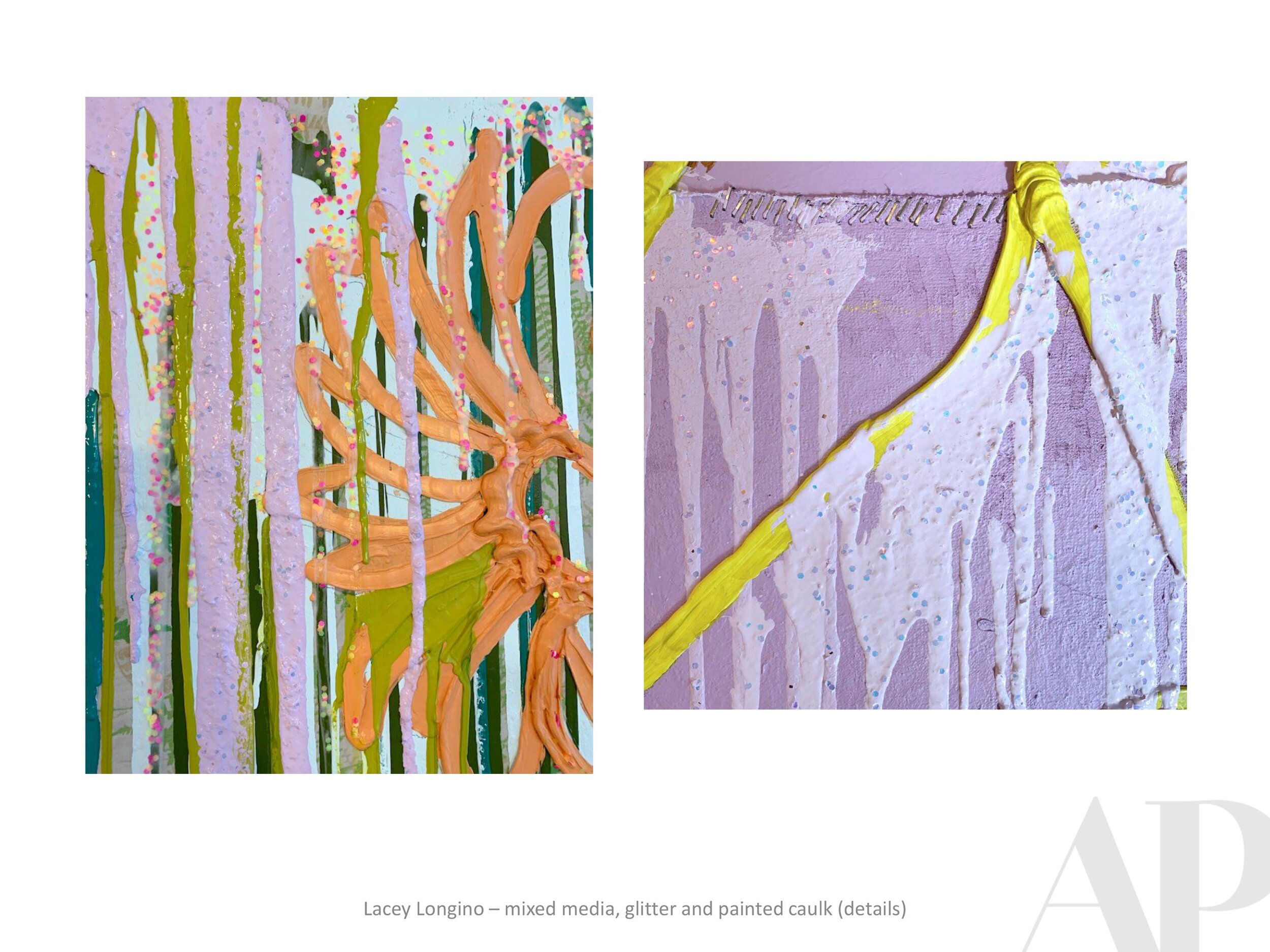
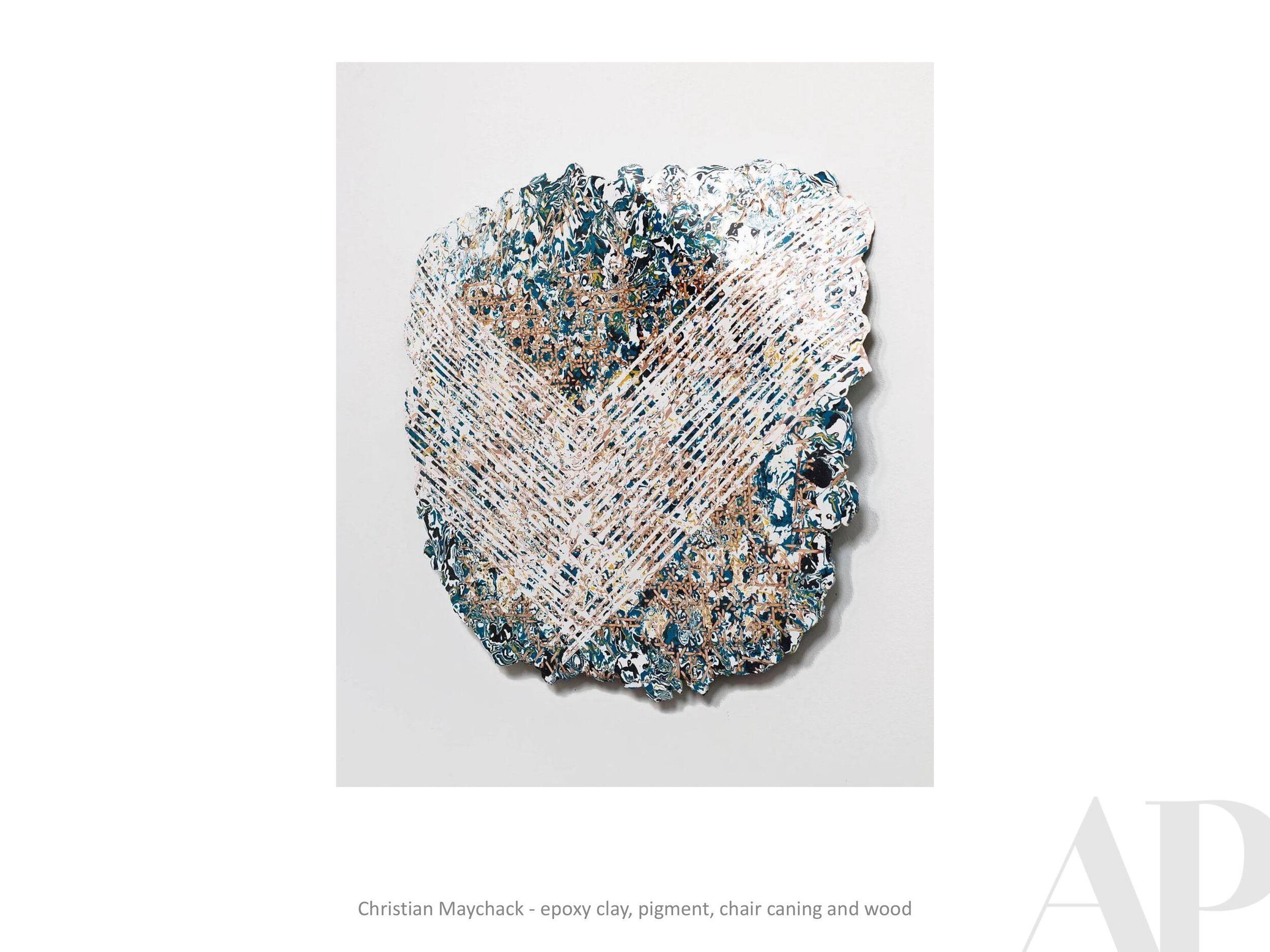
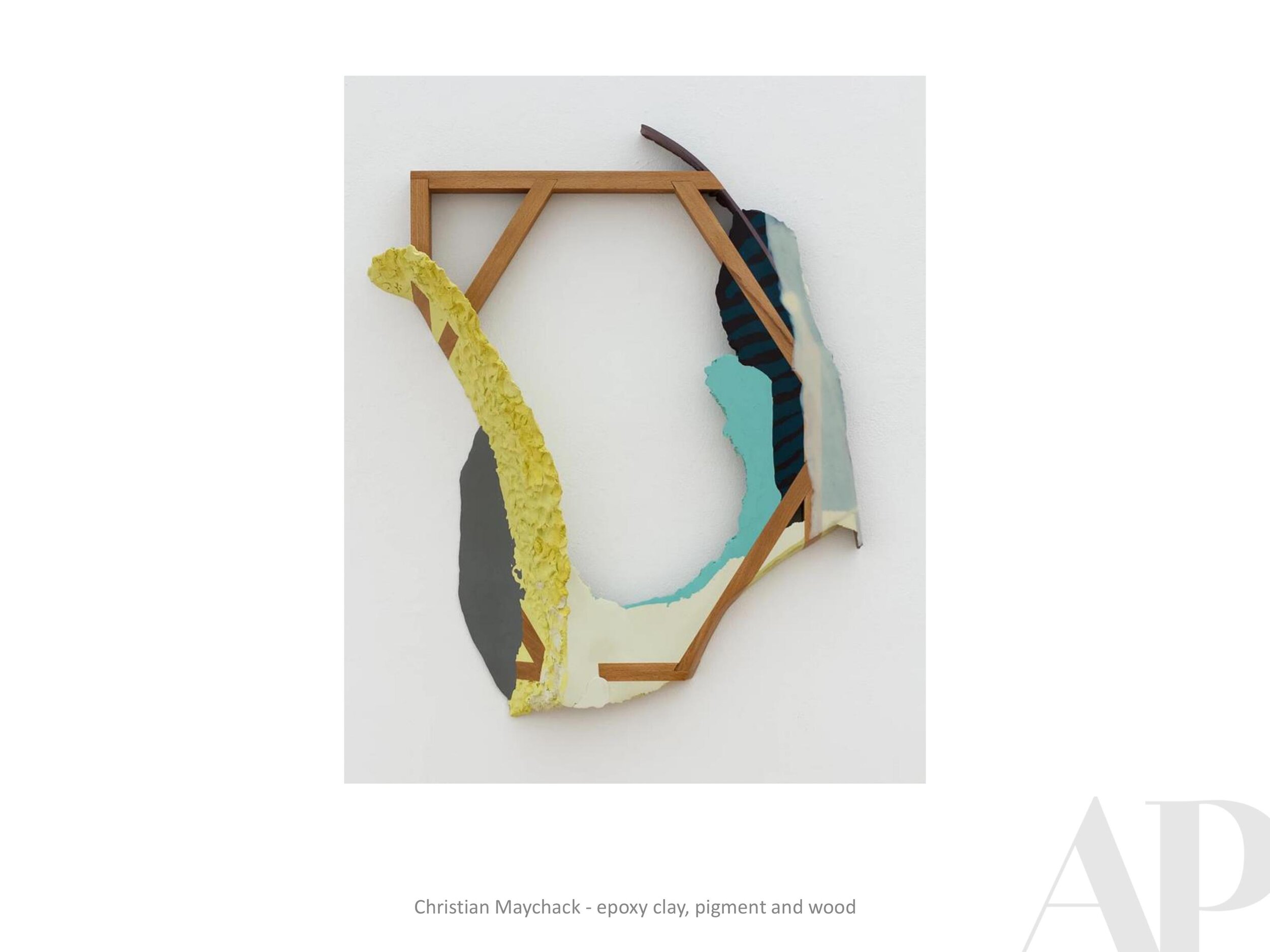
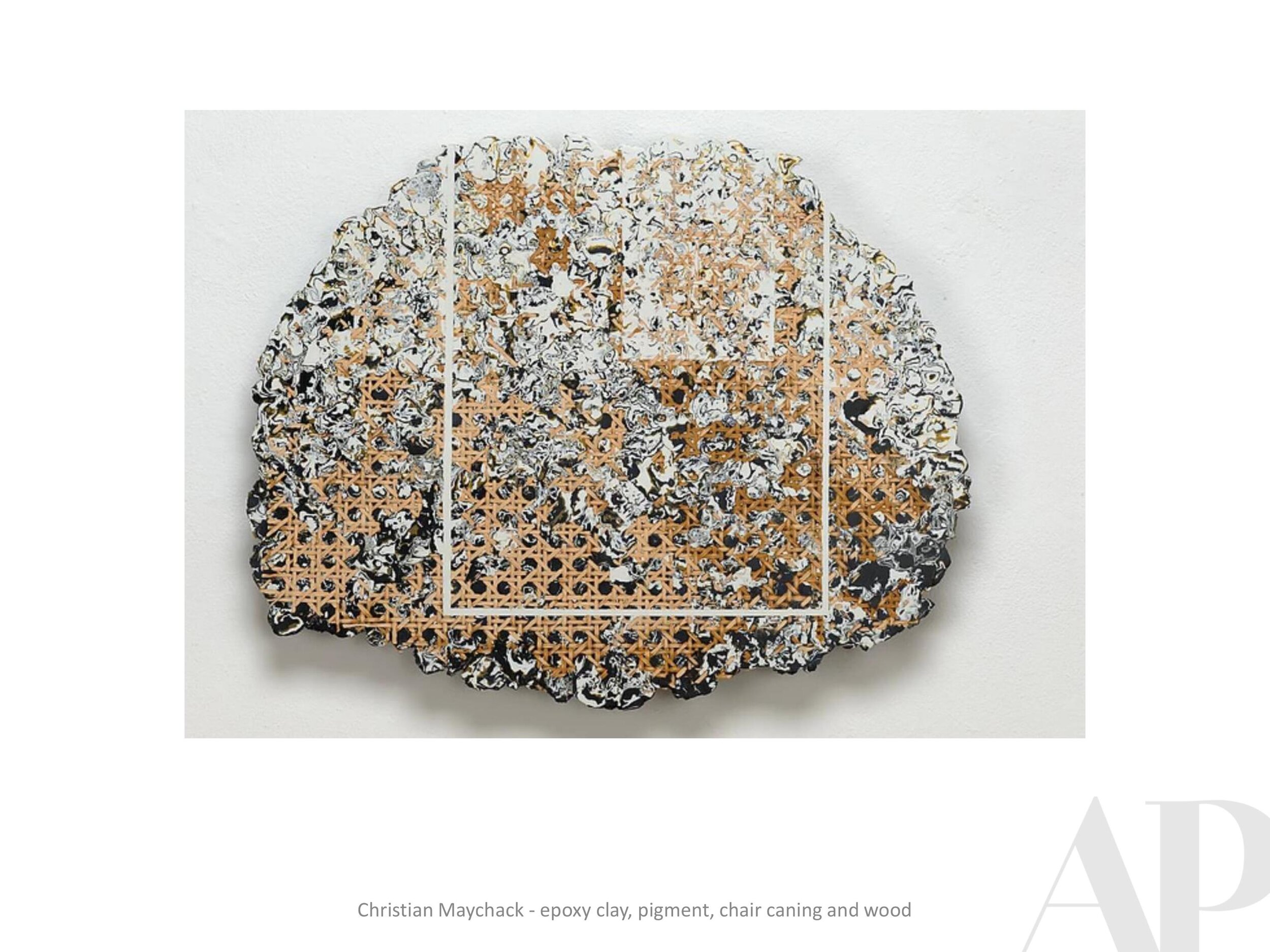
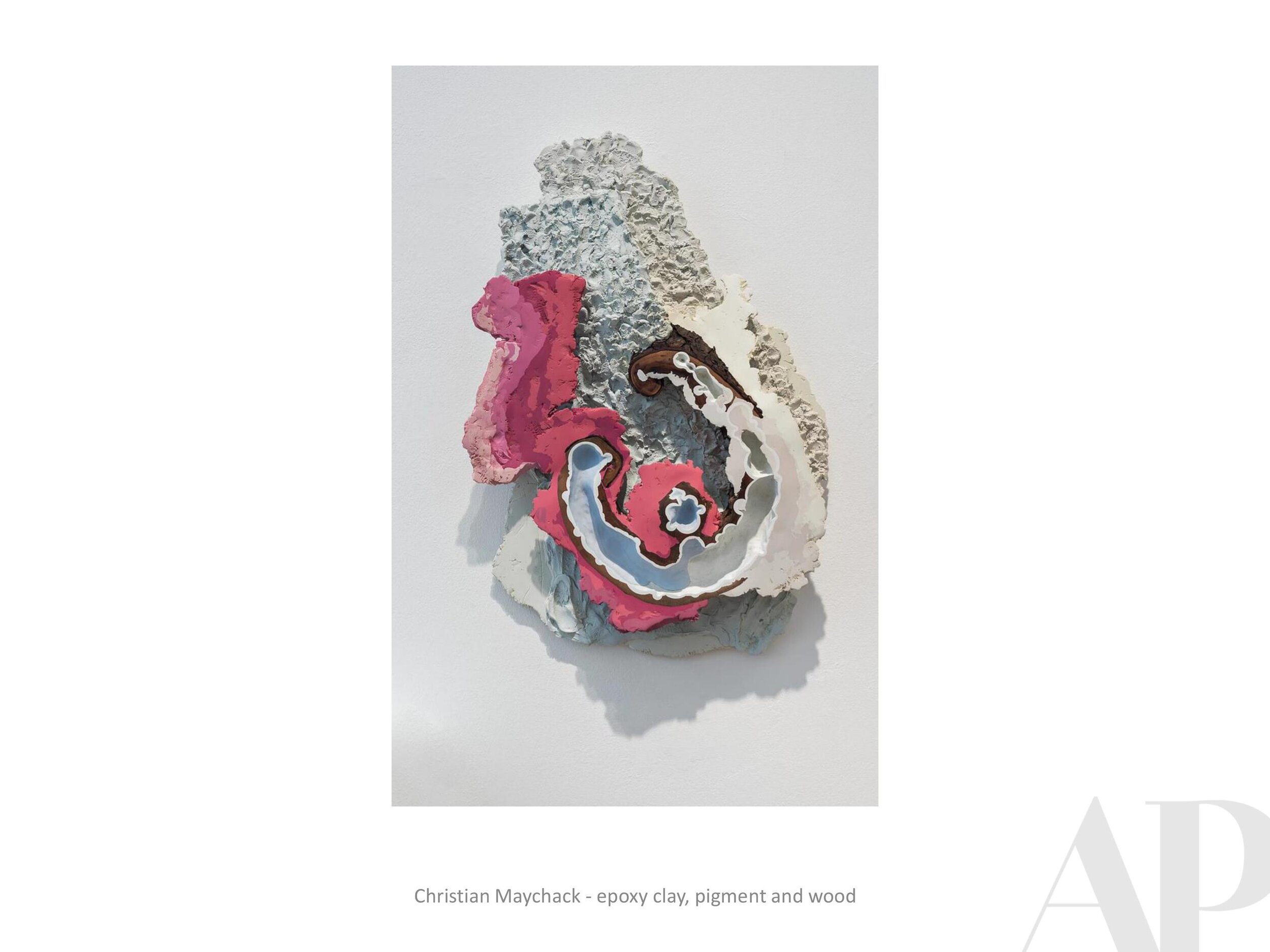
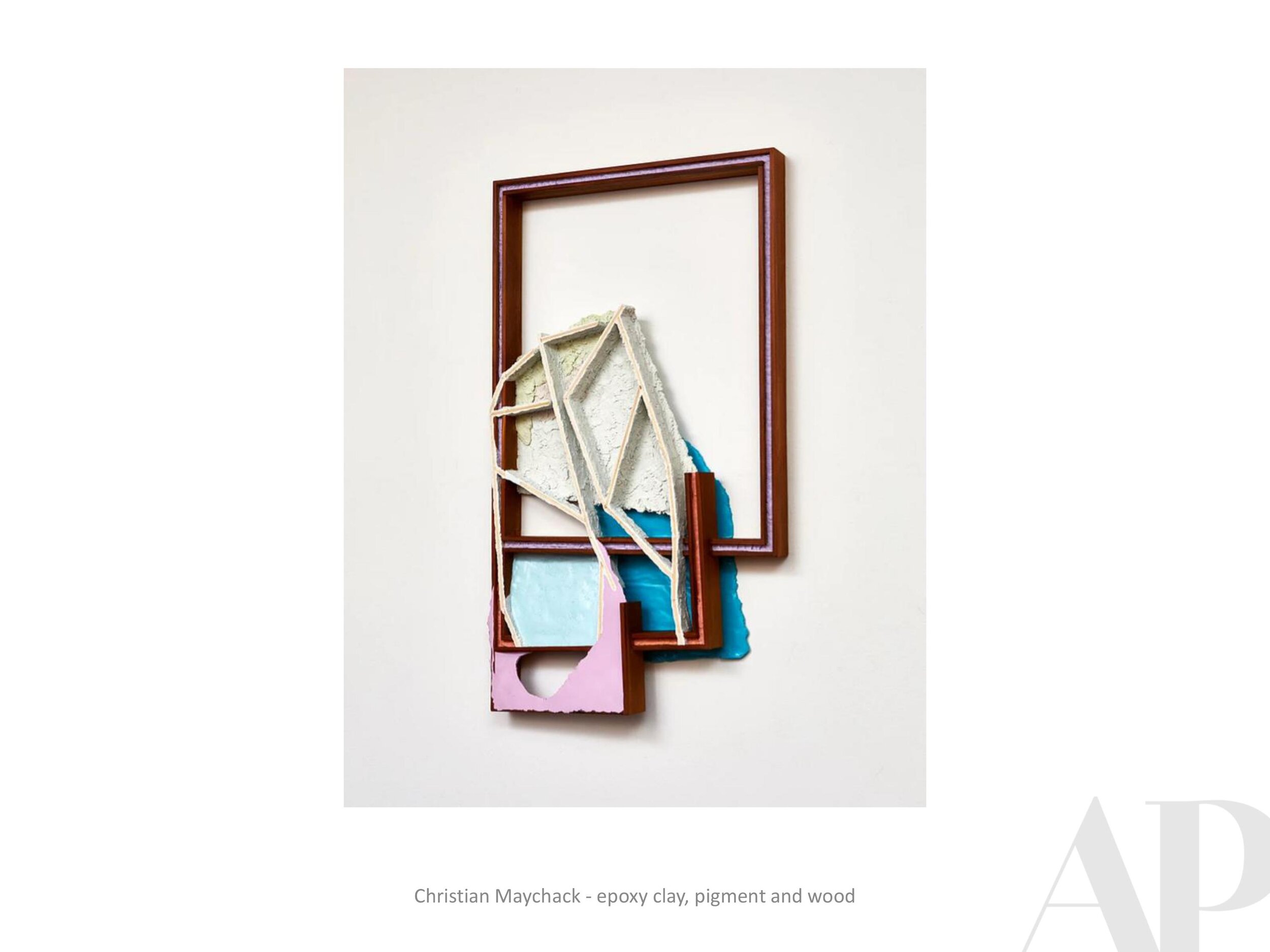
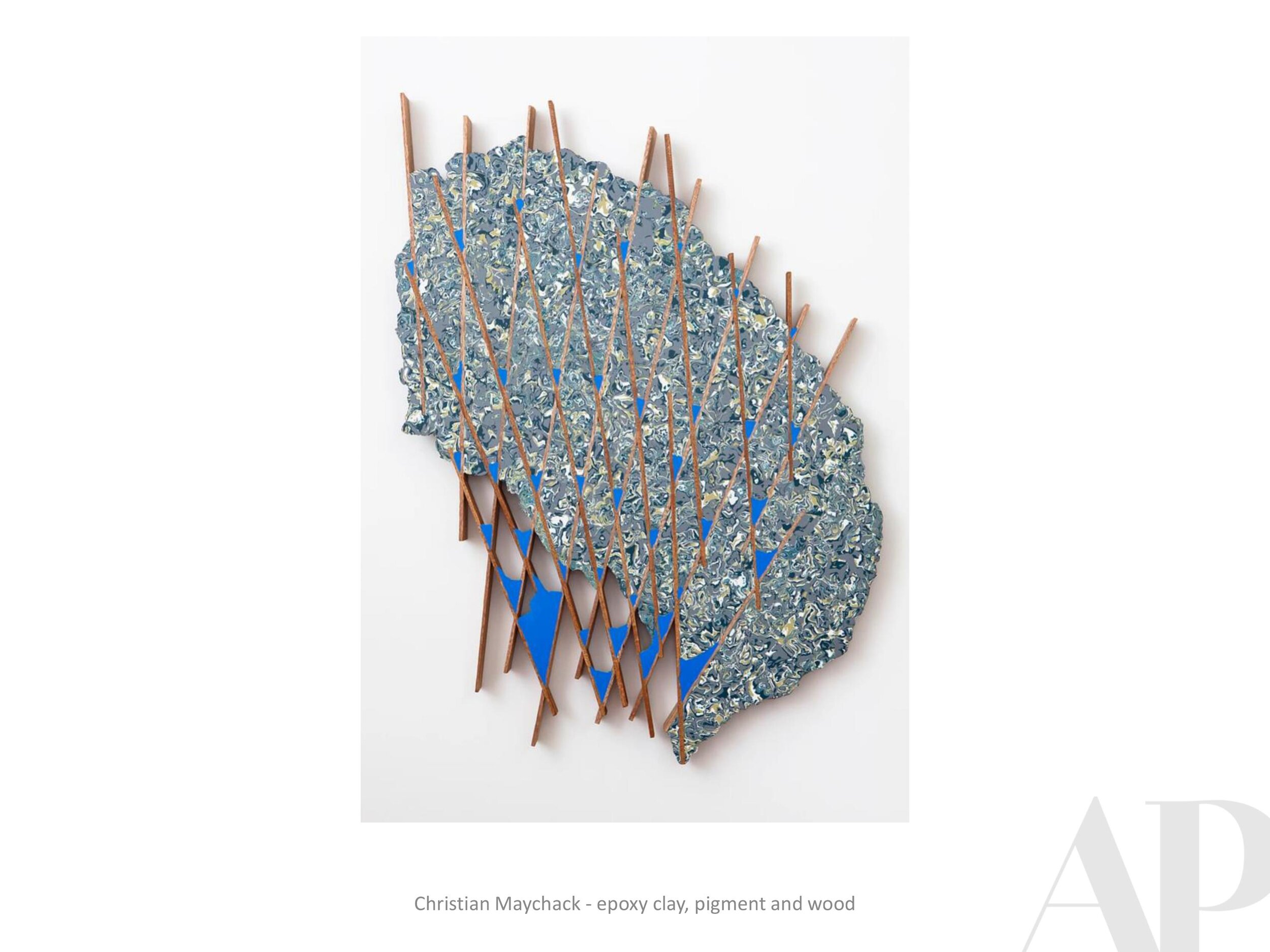


Sonya Yong James | Lyla Lila (ATL)
Christmas came early for Atlanta foodies when Chef Craig Richards’ newest concept, Lyla Lila opened to the public on December 6th. The midtown restaurant is the result of many months of exploration into Richard’s passions - Southern European (leaning Italian) cuisine, experimental jazz and an interest in creating a comfortable, approachable dining experience.
When Chef approached Amy Parry Projects to consult on a statement piece for the Restaurant’s main dining room, everyone was initially imagining a textile piece - in the interest of southern charm; one that spoke to the passing down of craft. Naturally, Atlanta artist Sonya Yong James came to mind. A studio visit was scheduled between Chef and Sonya (recently represented by Whitespace Gallery) and a delightful shift in direction happened en studio.
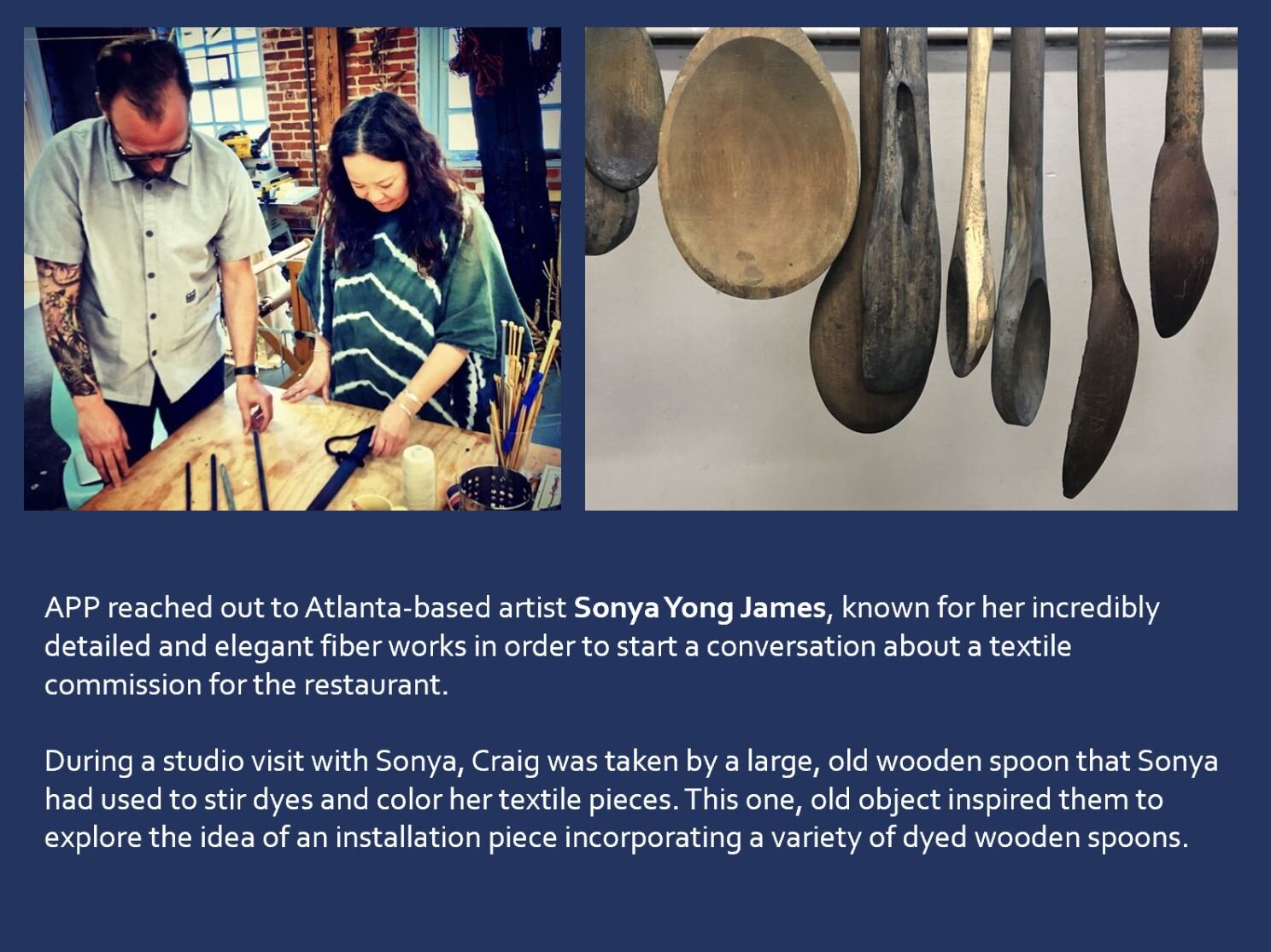
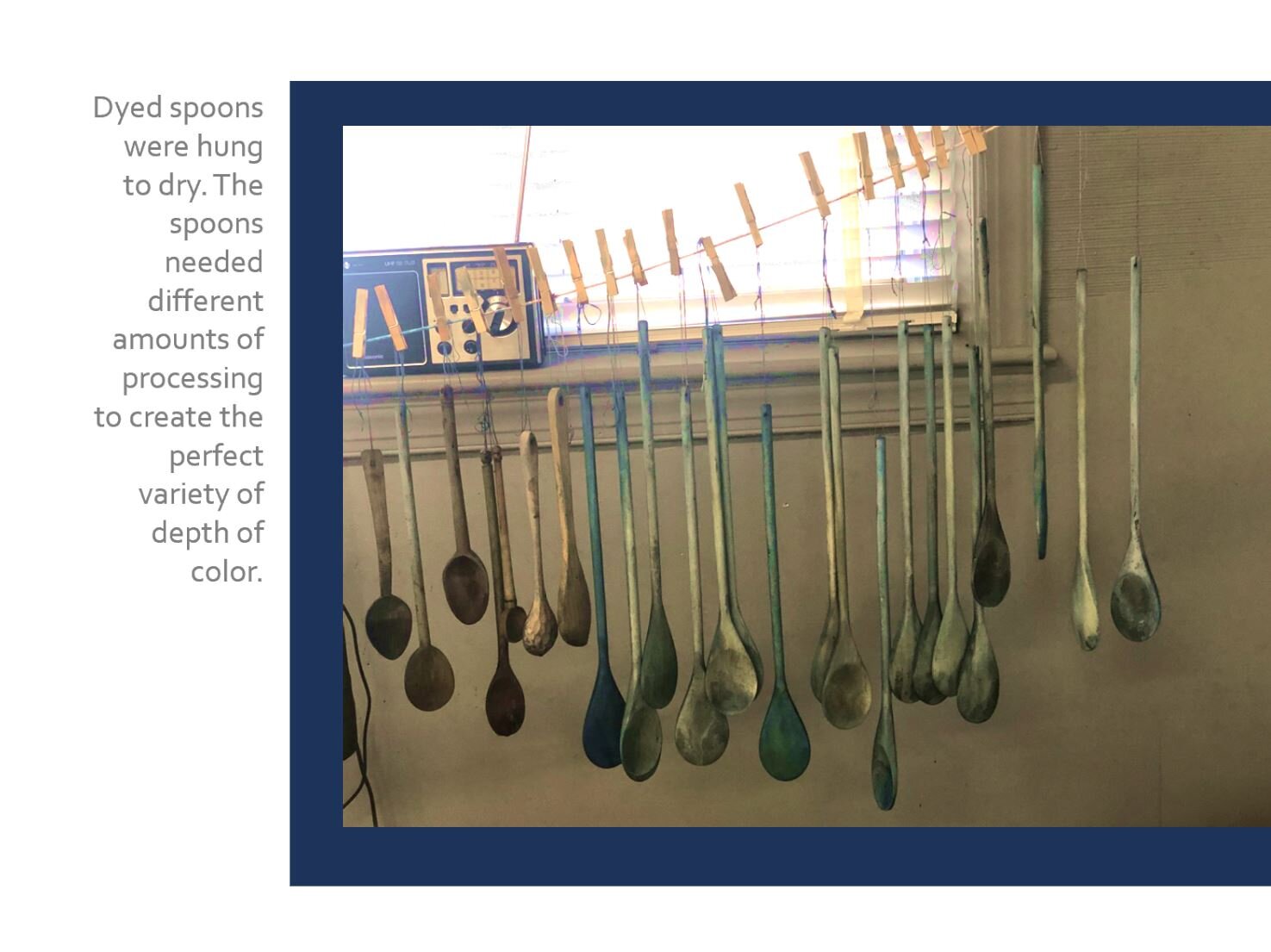
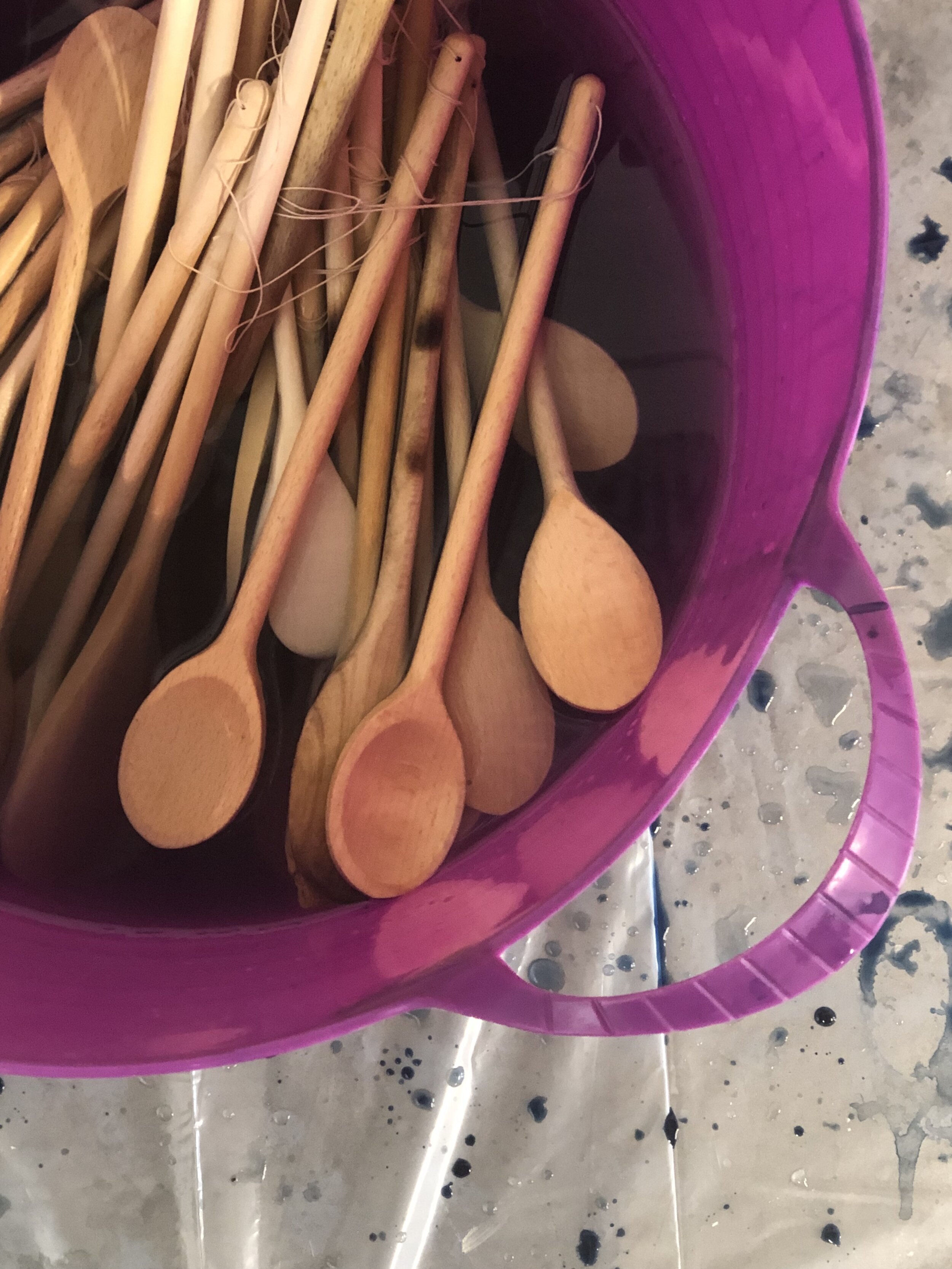
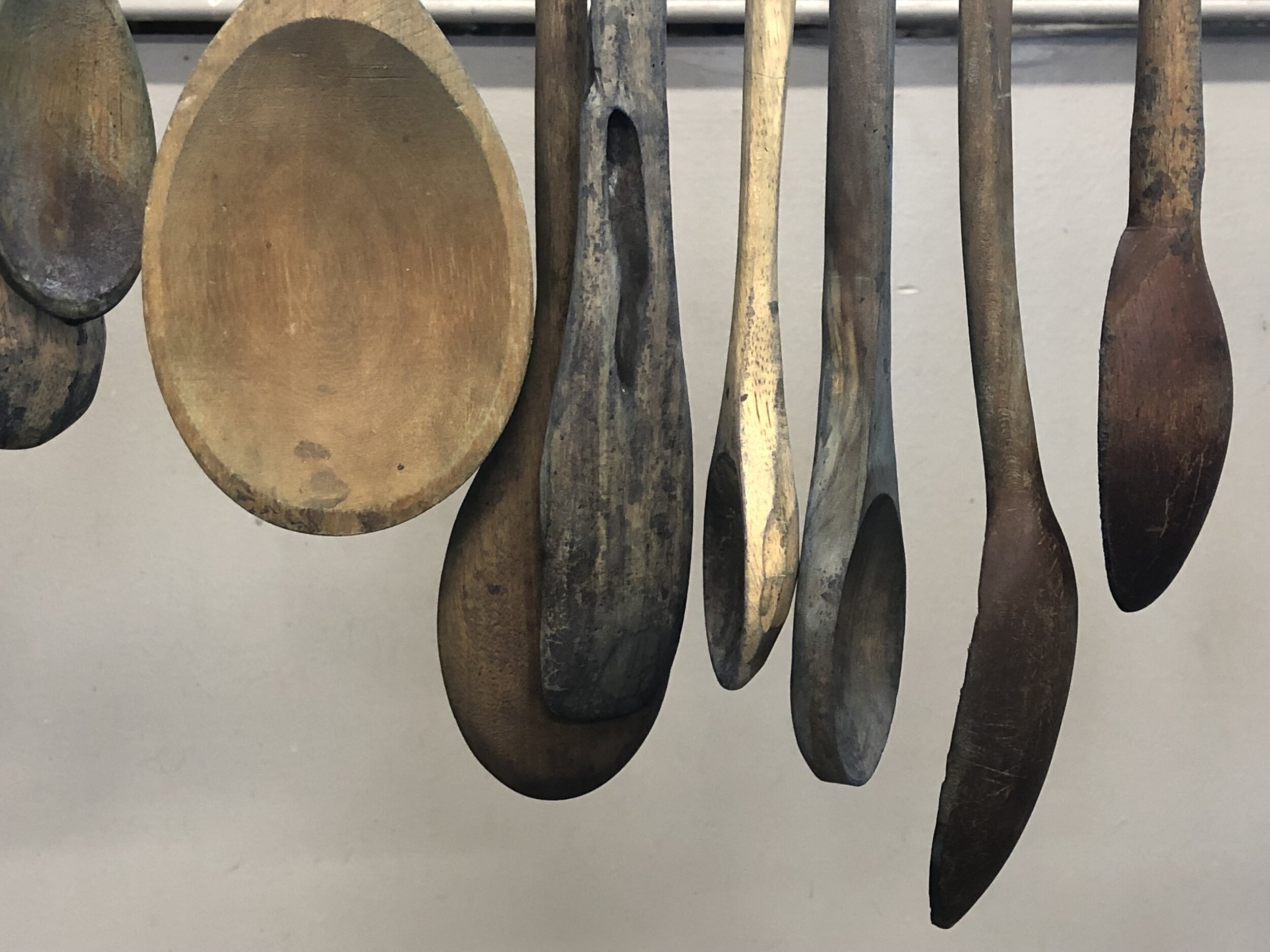
Hanging from a pot rack in Sonya’s space within the Atlanta Contemporary Art Center was a large, old wooden spoon that she used in her hand-dyed textile work. Richards saw the spoon and was struck by it’s natural beauty. As Sonya and Chef connected over music and other “ties that bind,” the spoon became the story. Sonya embarked on creating a textile hanging work from a collection of indigo dyed spoons.
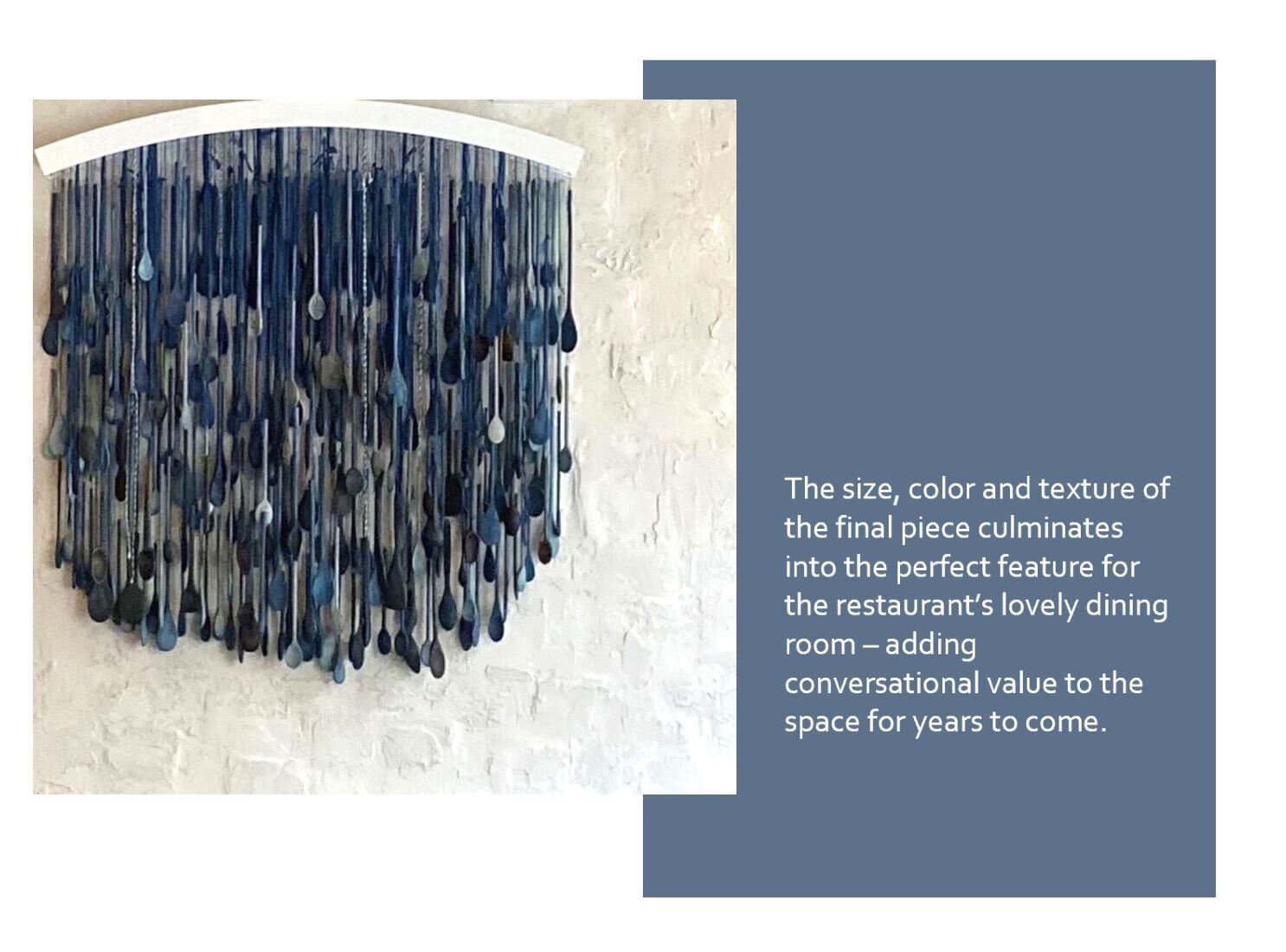
Sonya Yong James, indigo dyed wooden spoons, metal armature, 7 x 5 feet
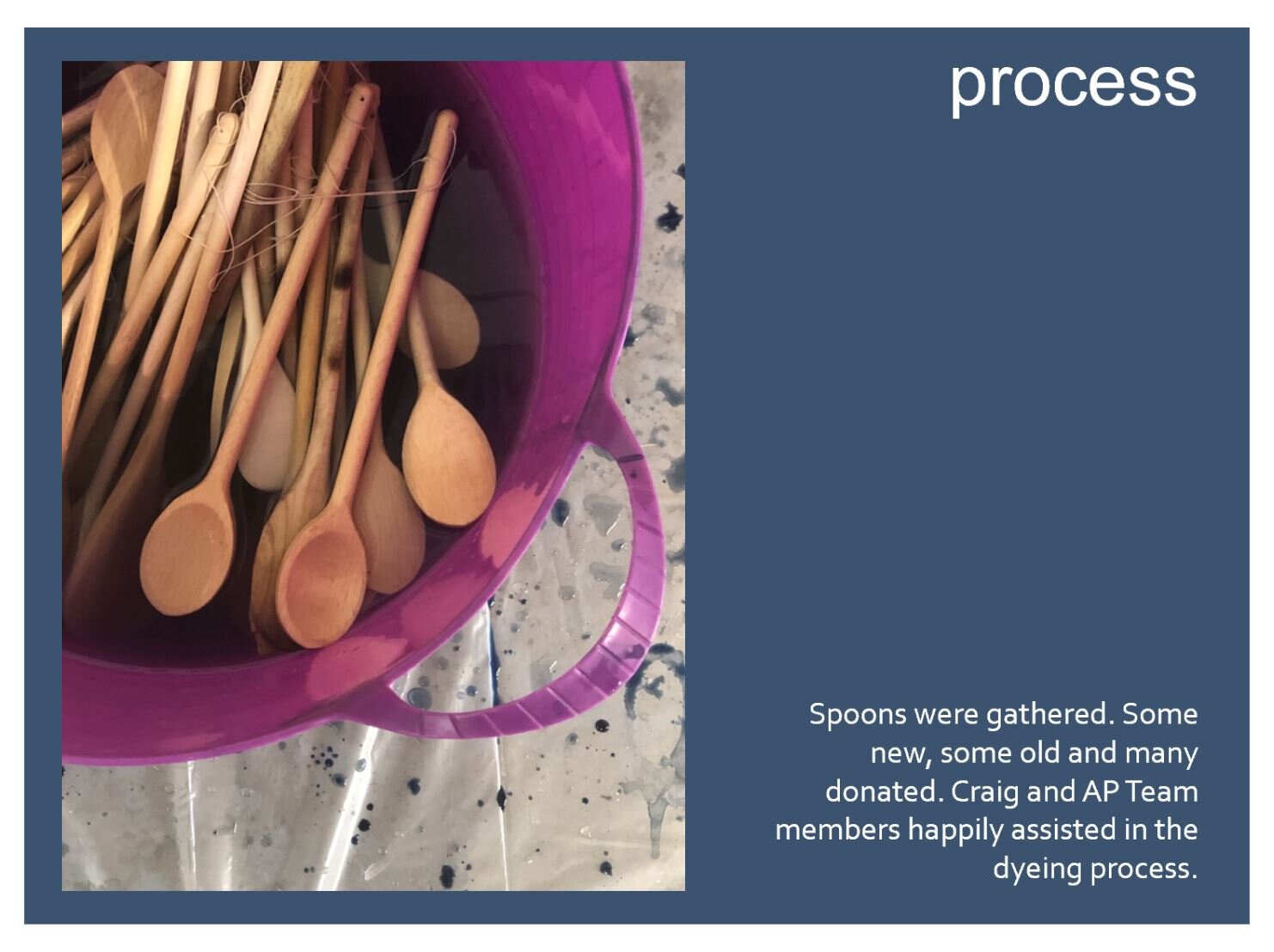
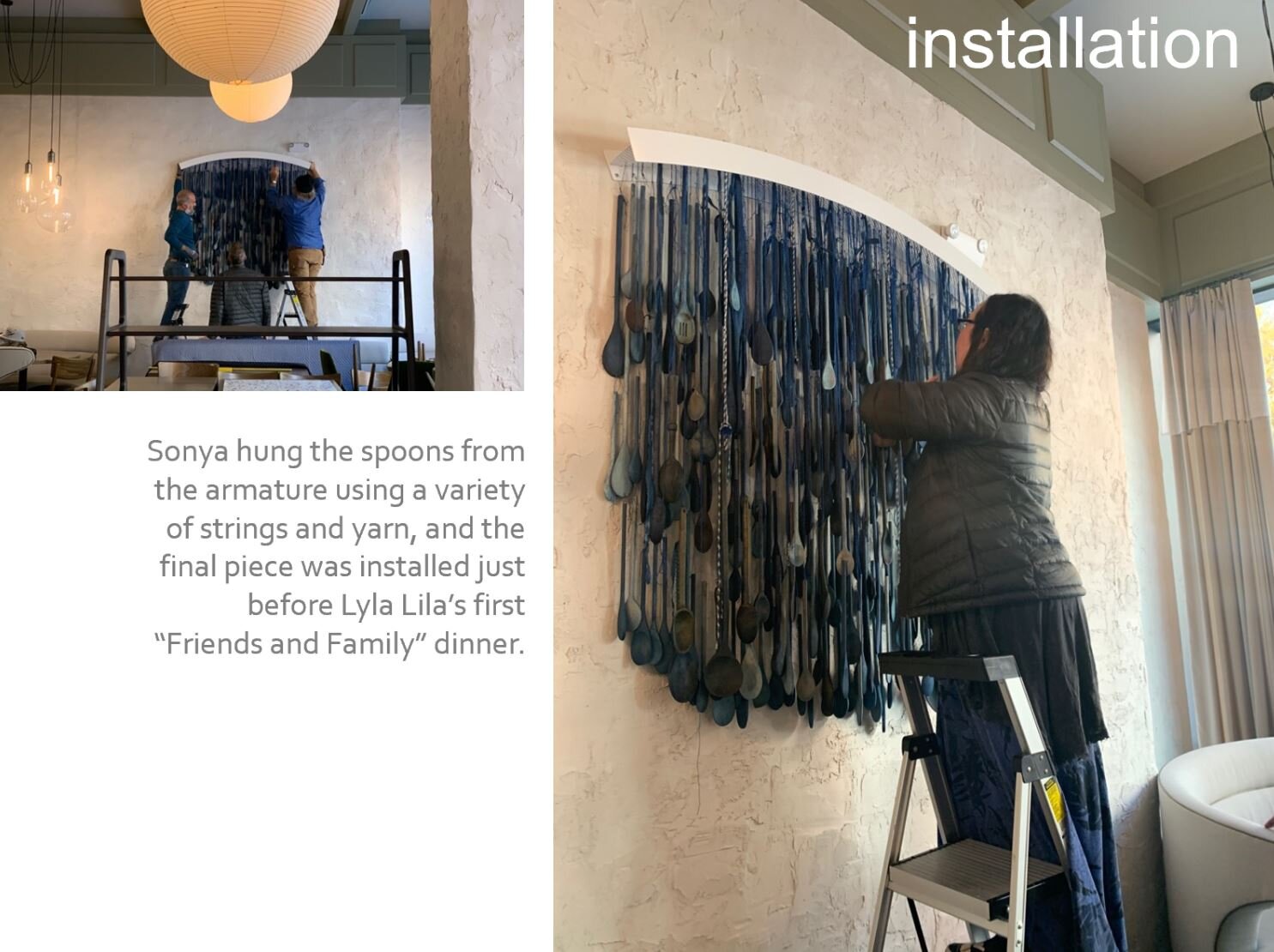
A custom armature was made, spoons (new and old) were gathered, Sonya switched studios (and was awarded the prestigious Artadia Award on the heels of three back to back exhibitions) and the piece was installed as the Restaurant prepared for it’s first round of guests - friends and family of Chef and his Lyla Lila business partner Billy Streck.
Sonya’s spoons are a beautiful complement to the Restaurant’s beautiful, eclectic interior which was designed by Atlanta’s Smith Hanes Studio. If you are in Atlanta, please make a point to enjoy both the food and design of this new, great space.
Recent article from Atlanta Magazine here.



Currently Inspired By...
October is here. Let the leaves fall where they may…
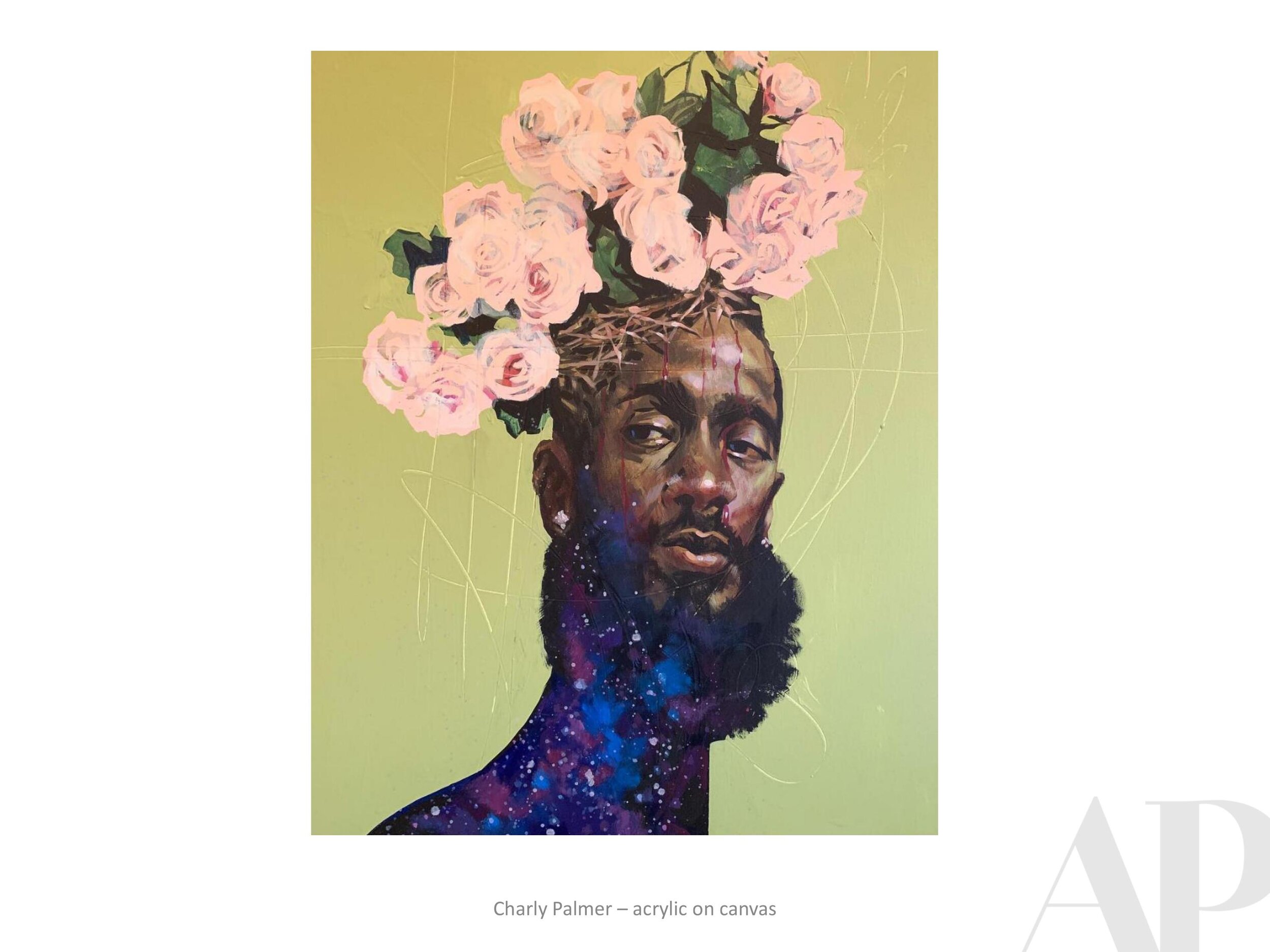
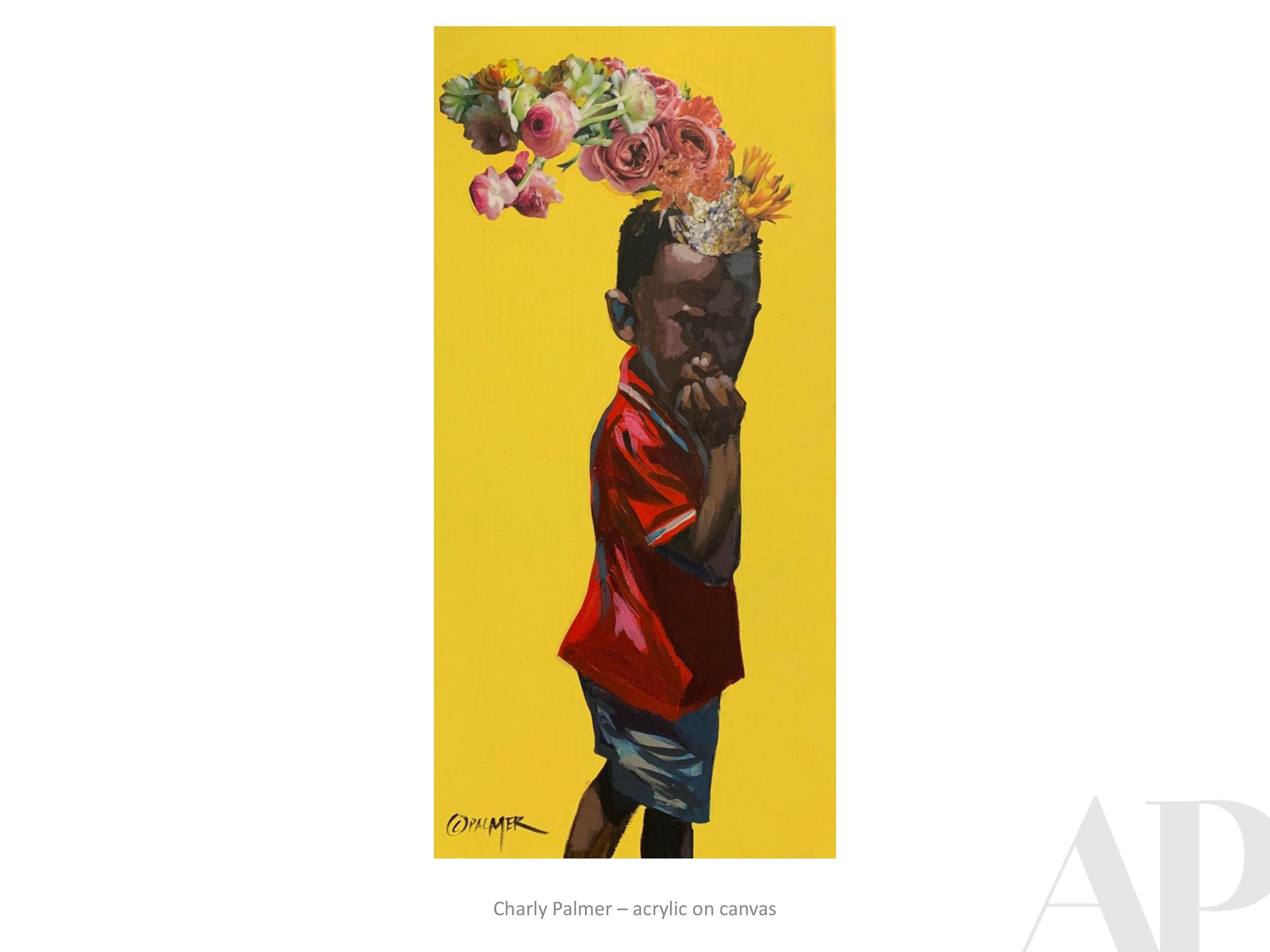
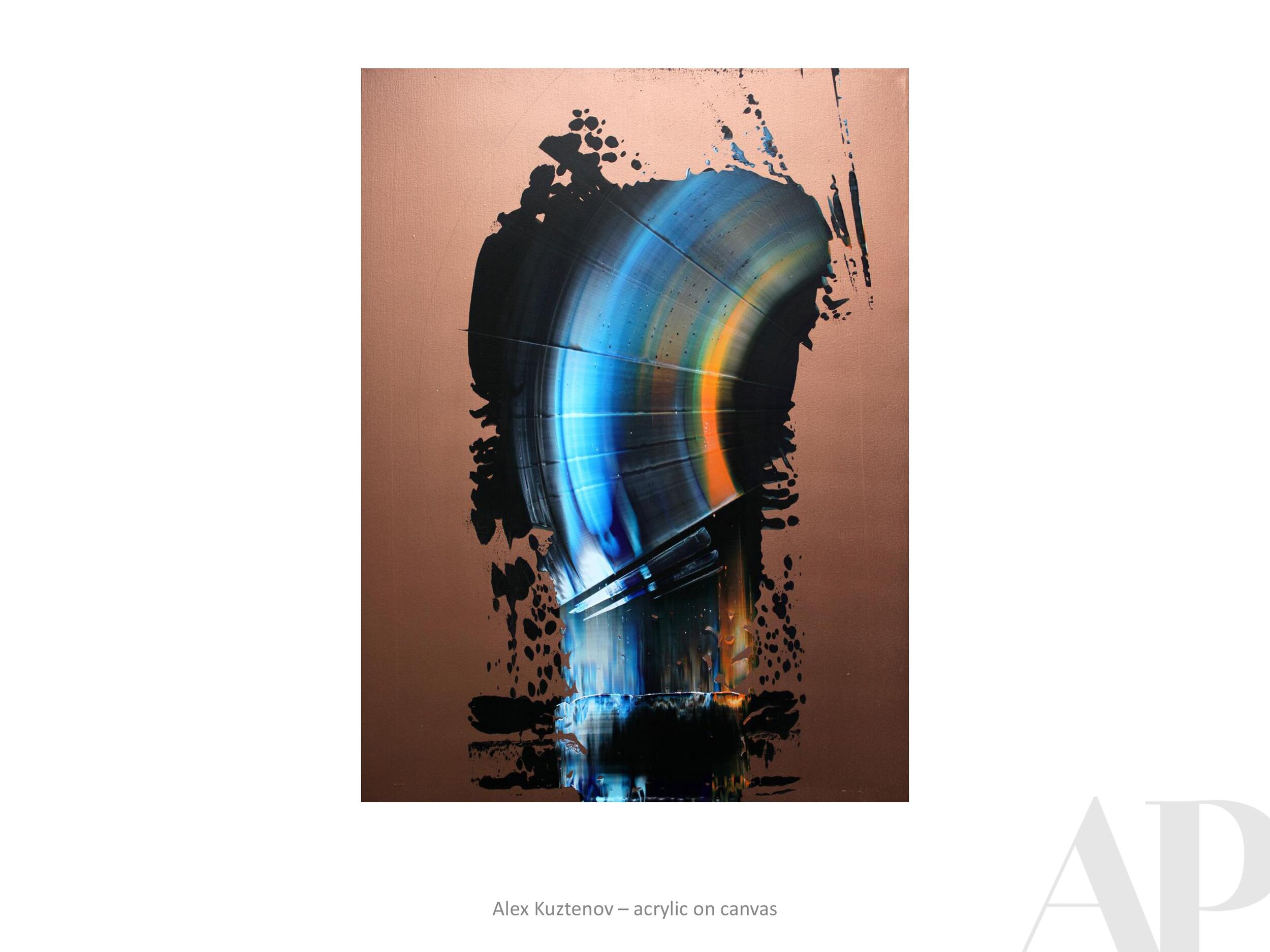
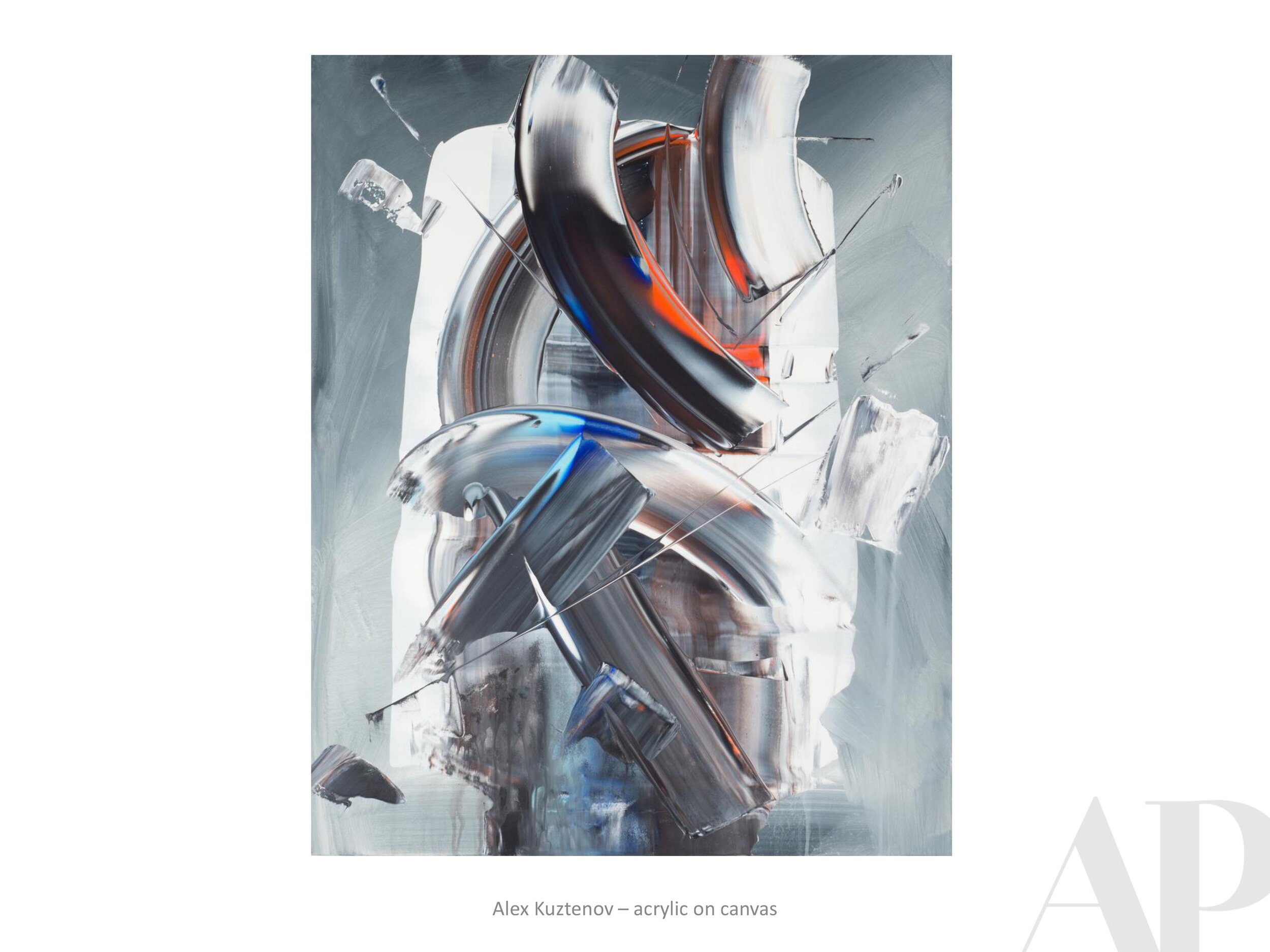
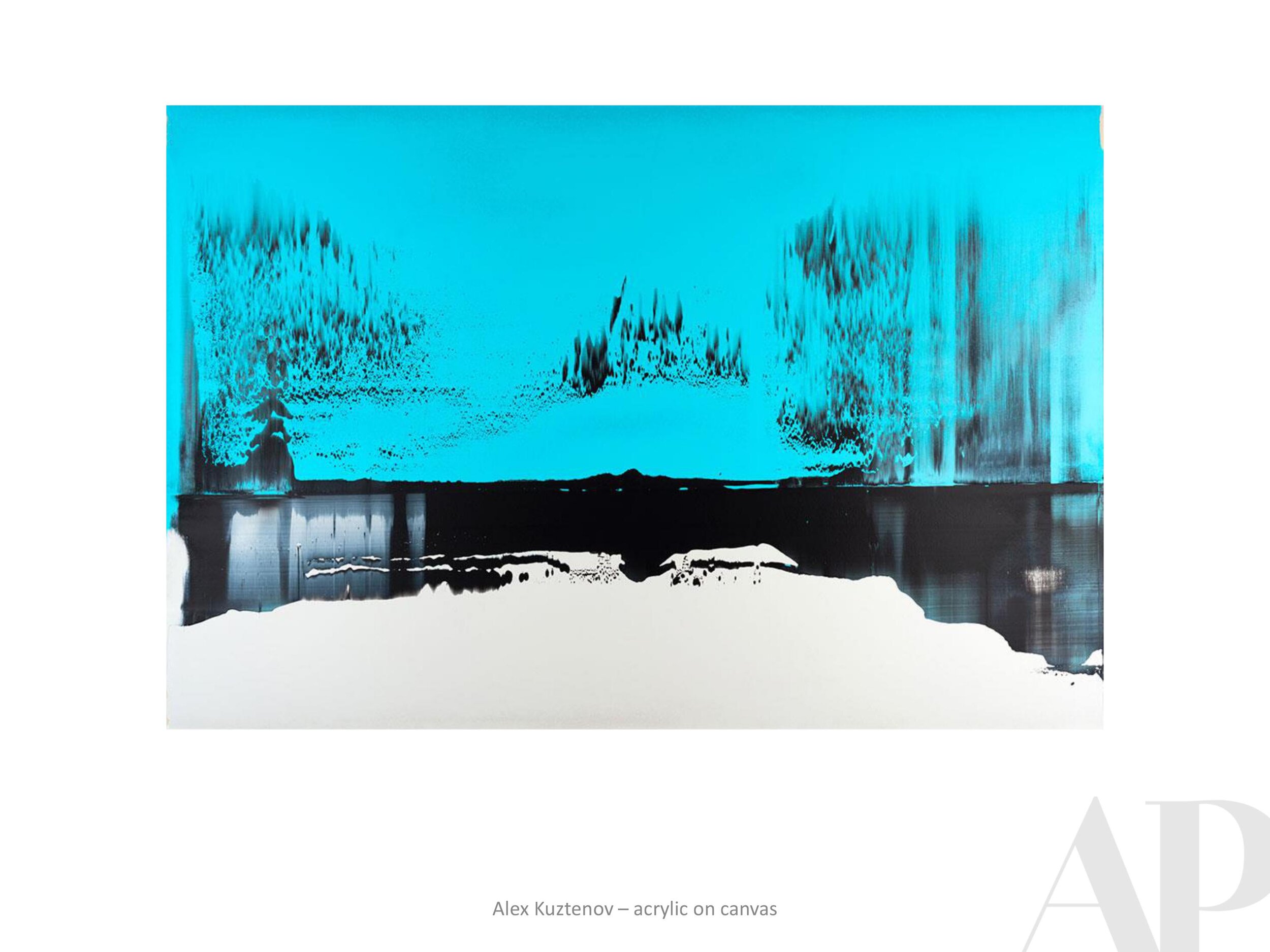
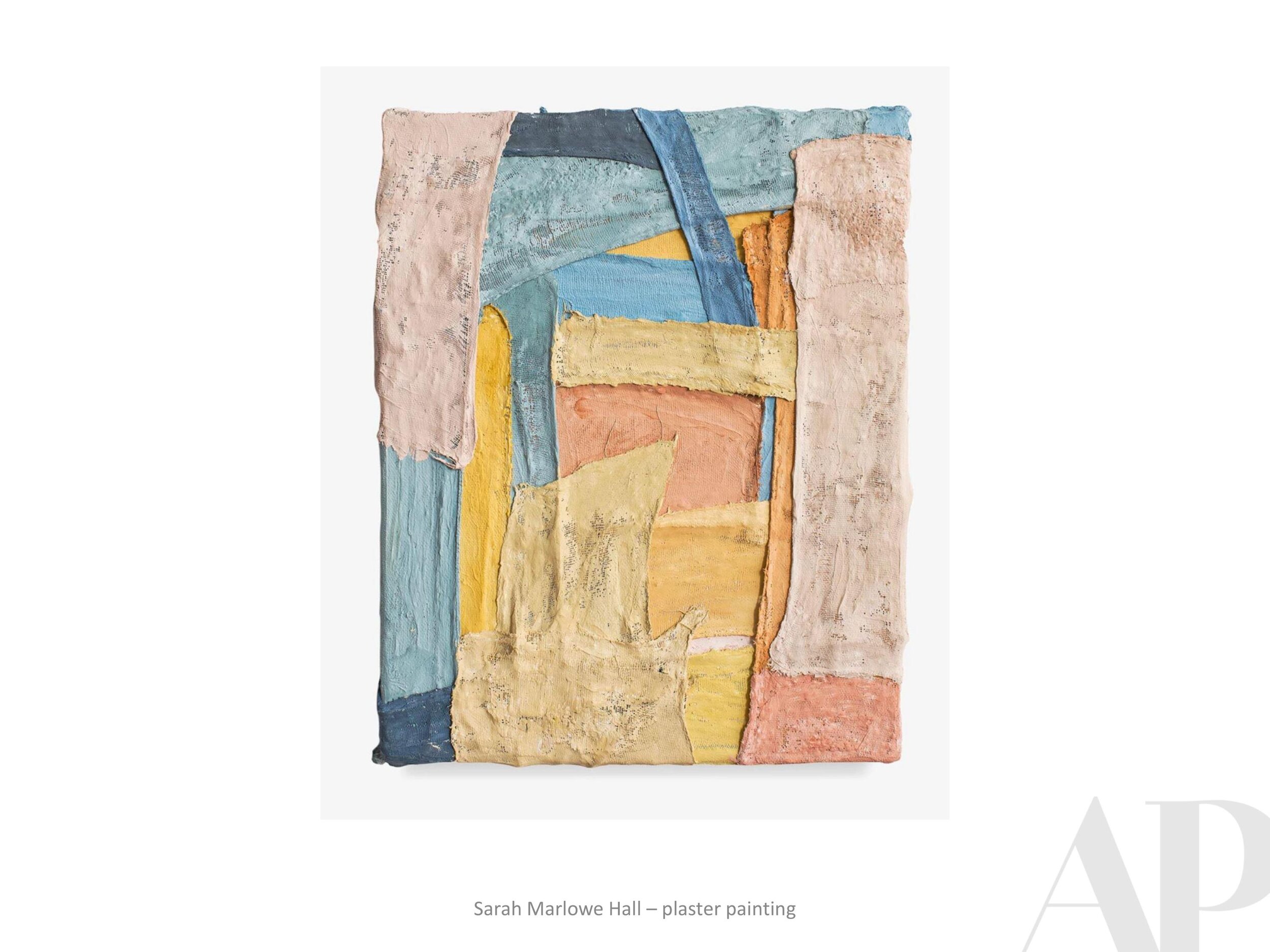
We are entering the final few months of the year as inspired as ever by the work being created all around us. Collected here are 100 new pieces of art that are fresh and bold - lots of color, content and a variety of unusual materials. After all, the end of a decade is no time to be boring!

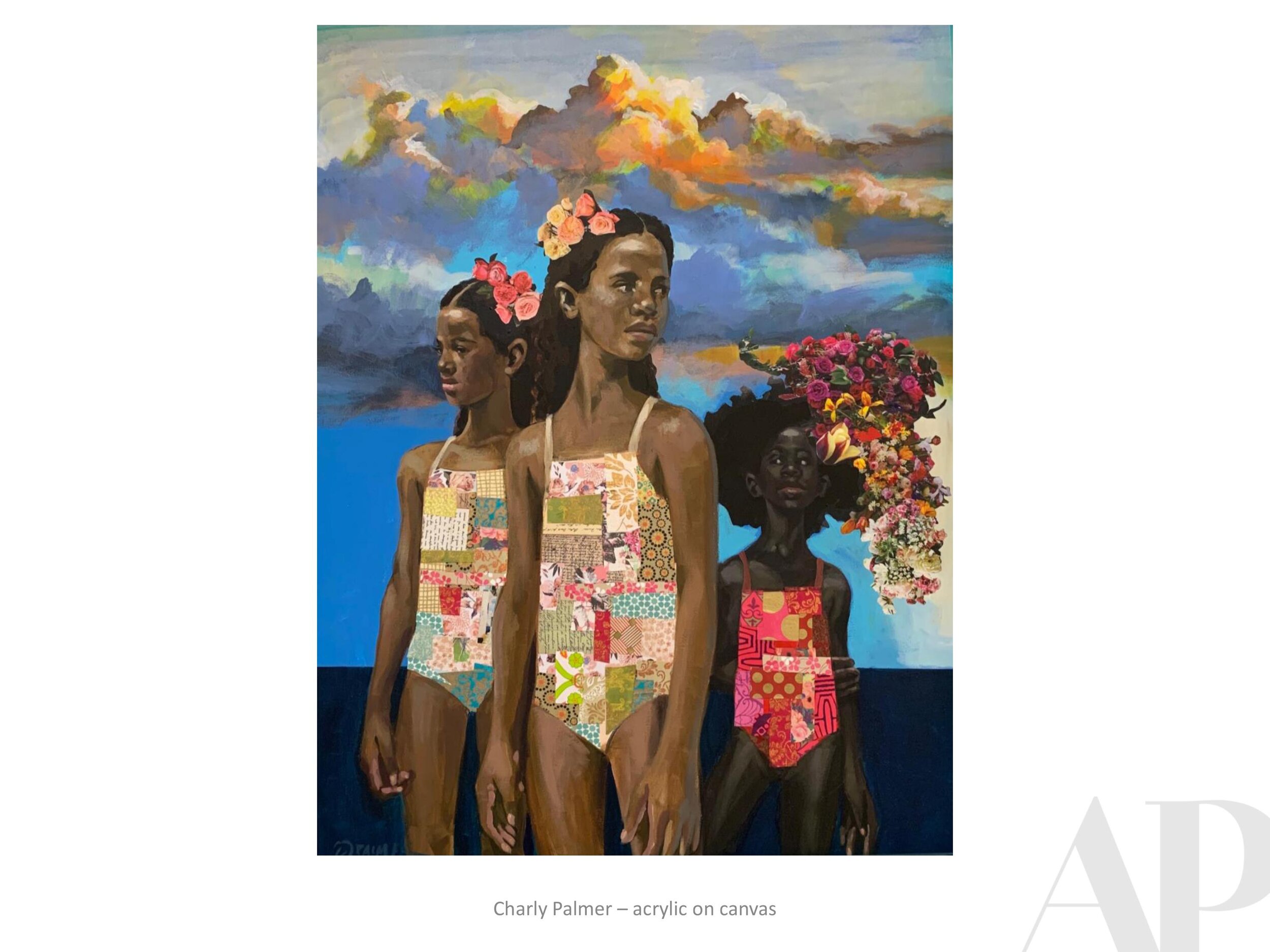
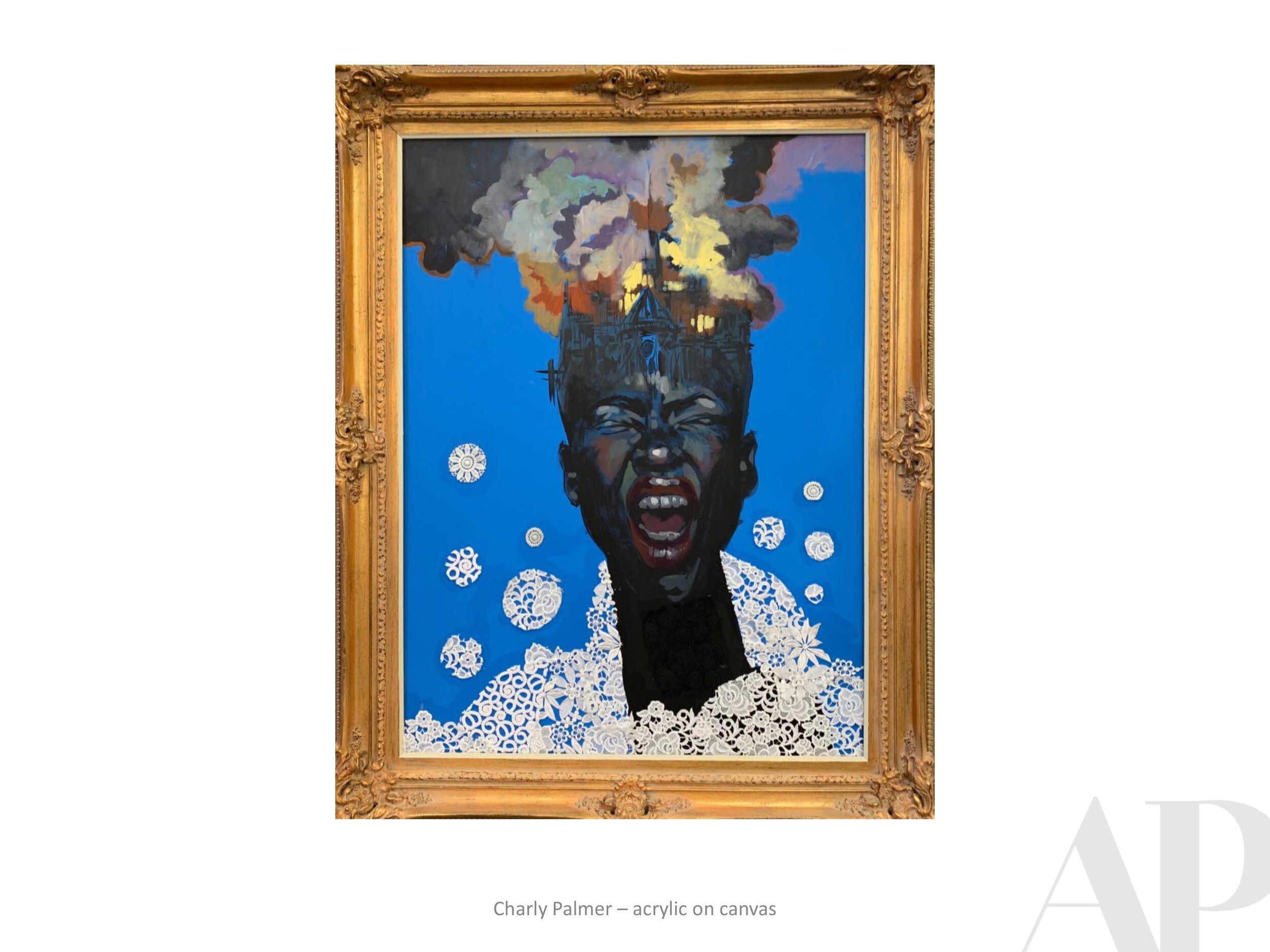
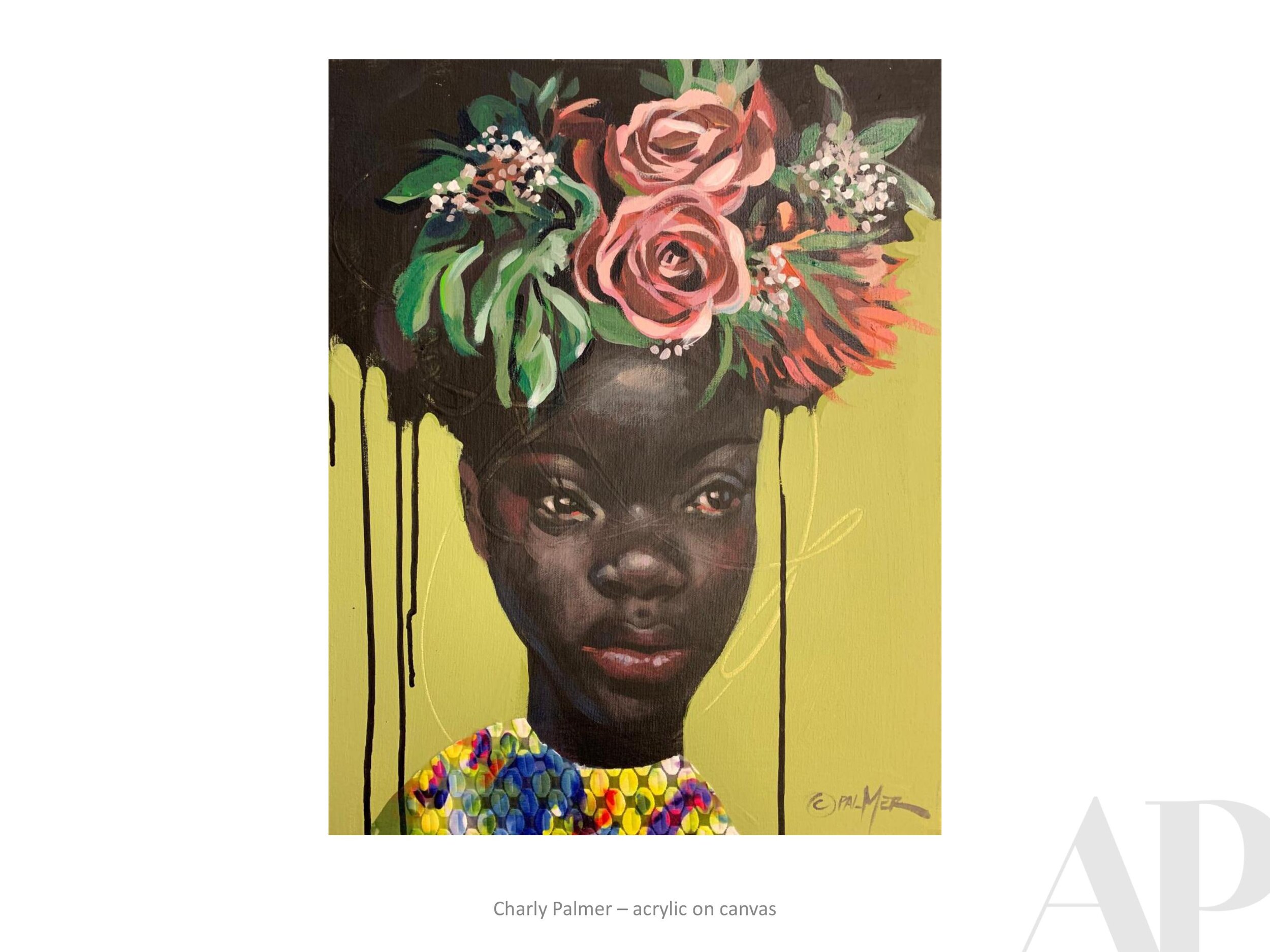
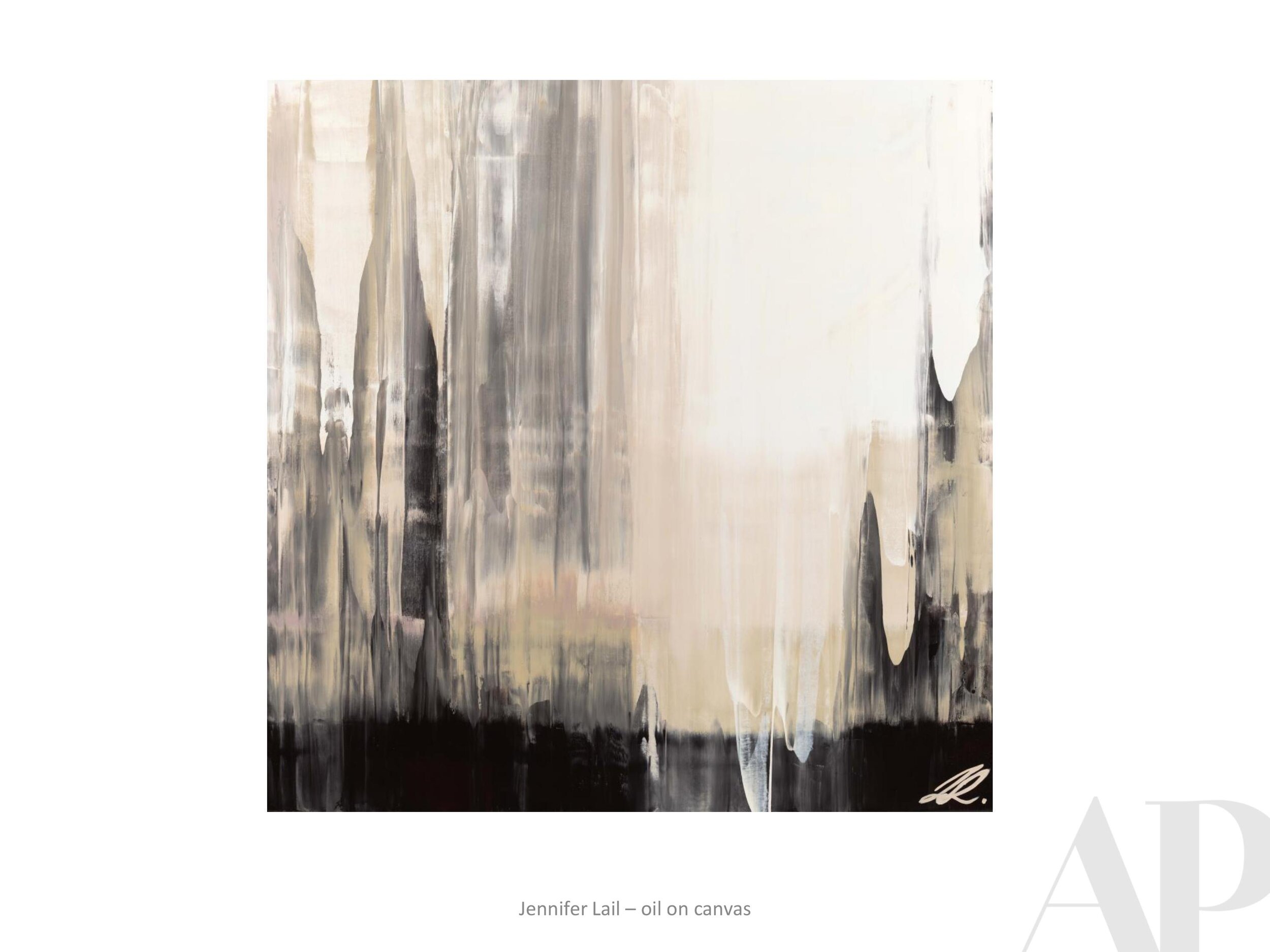




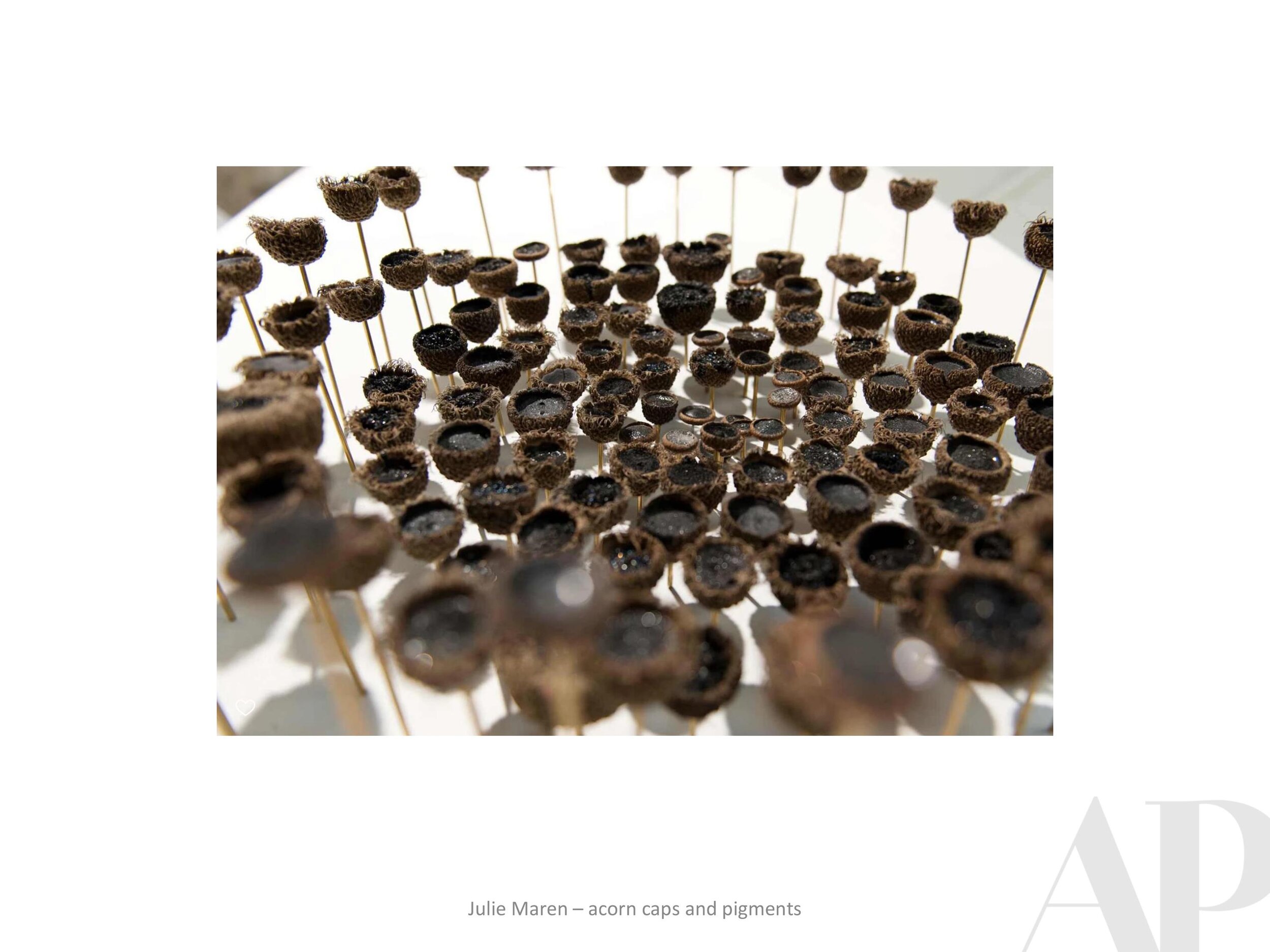
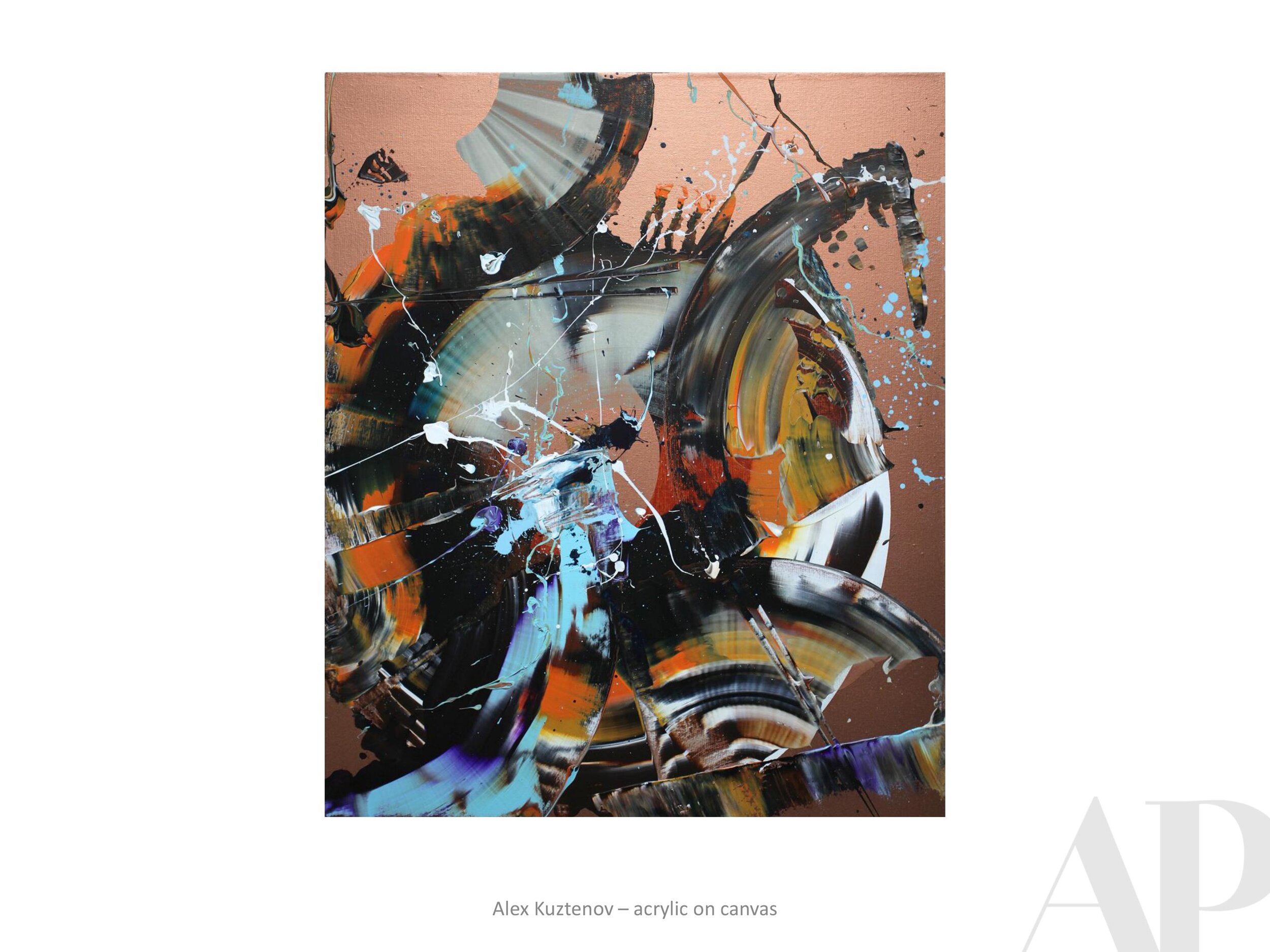
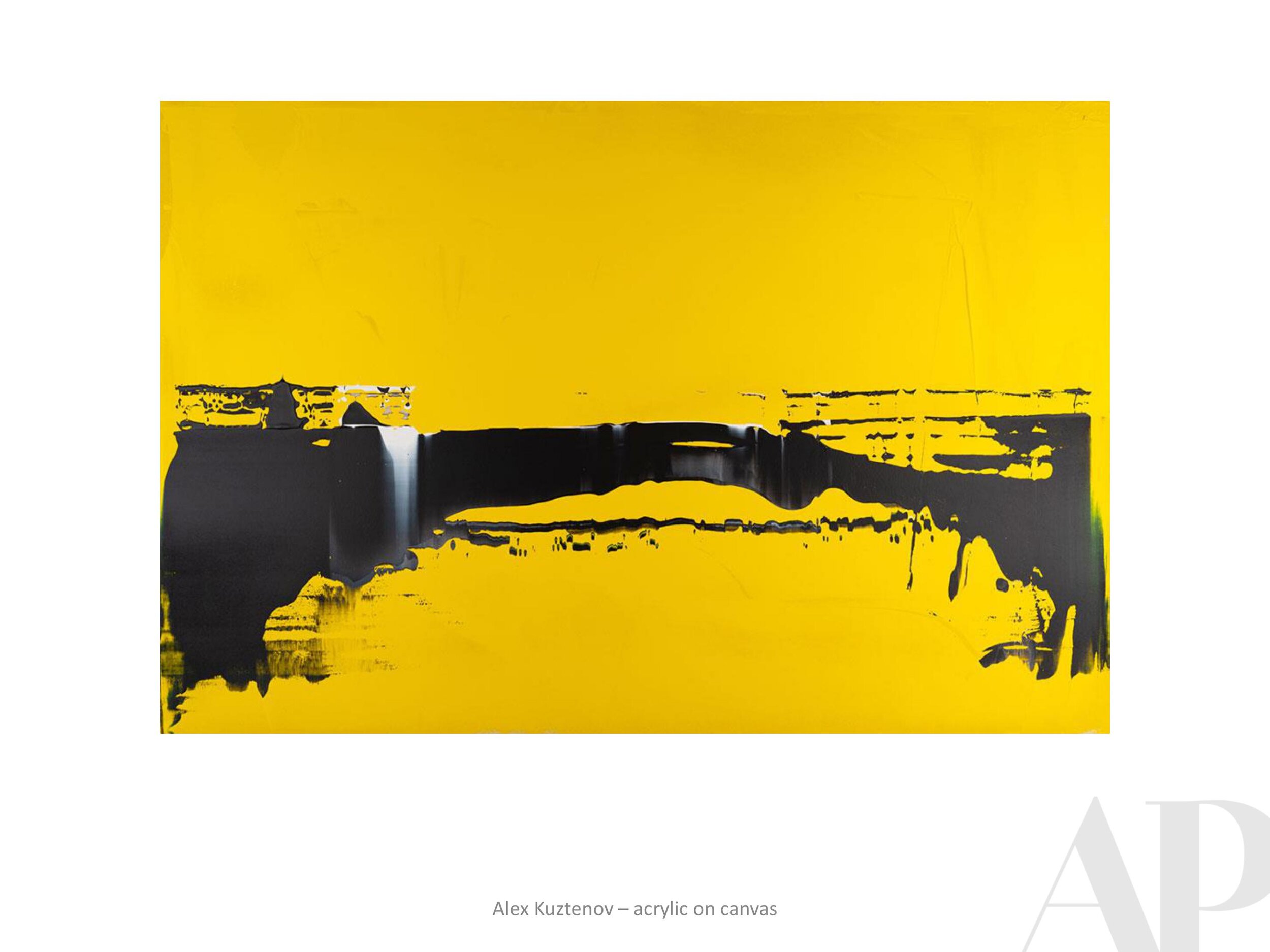
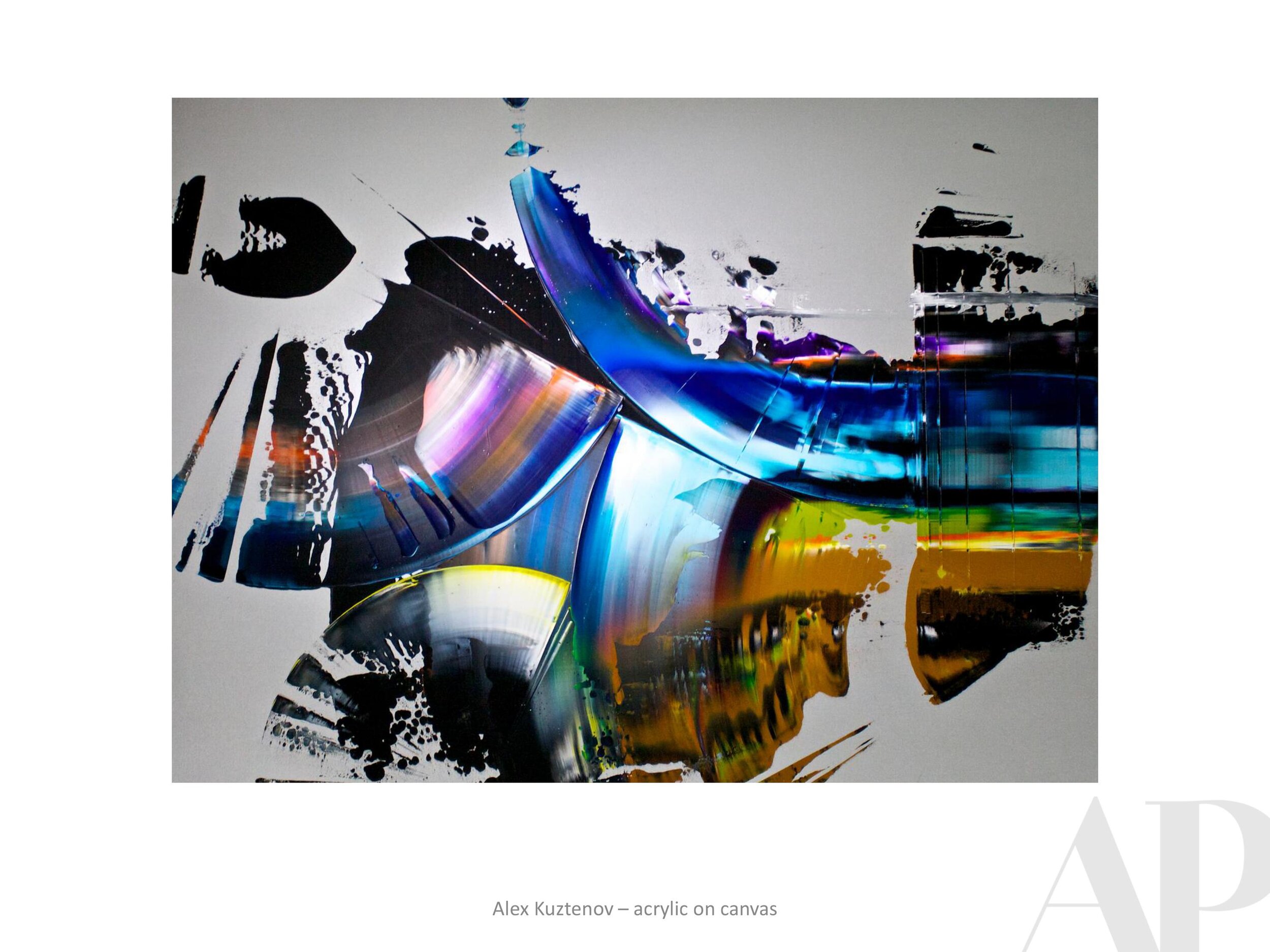

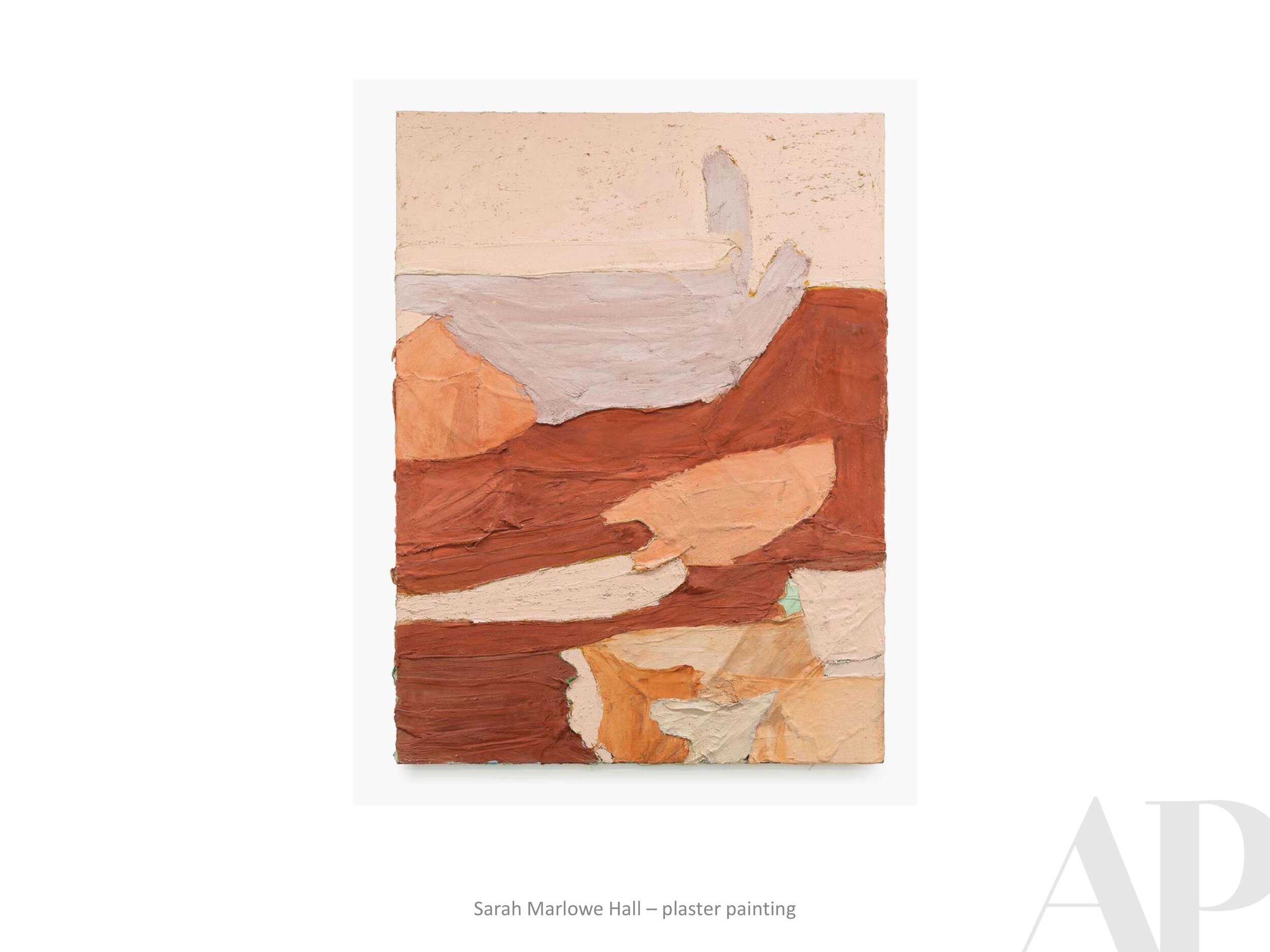
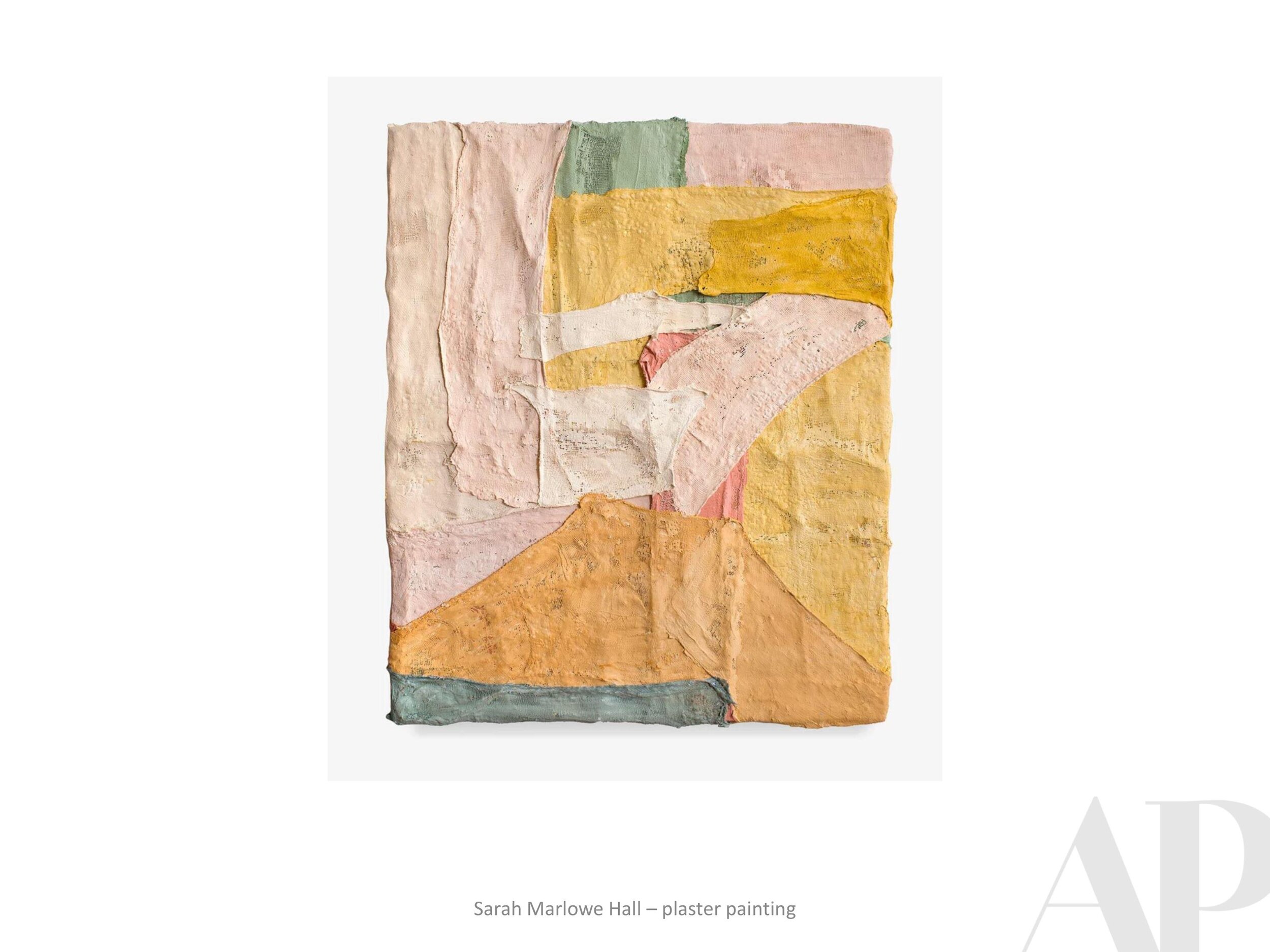
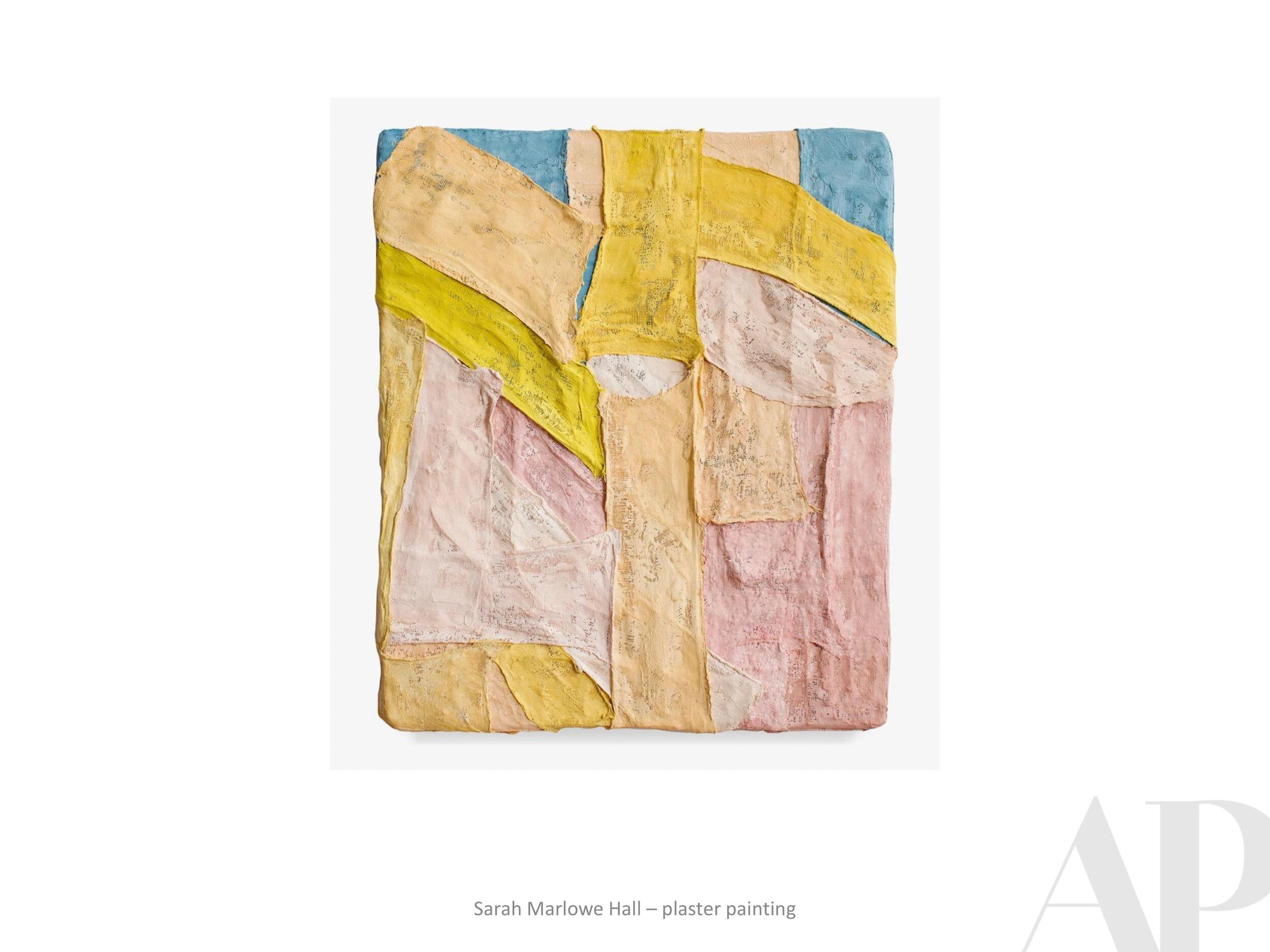
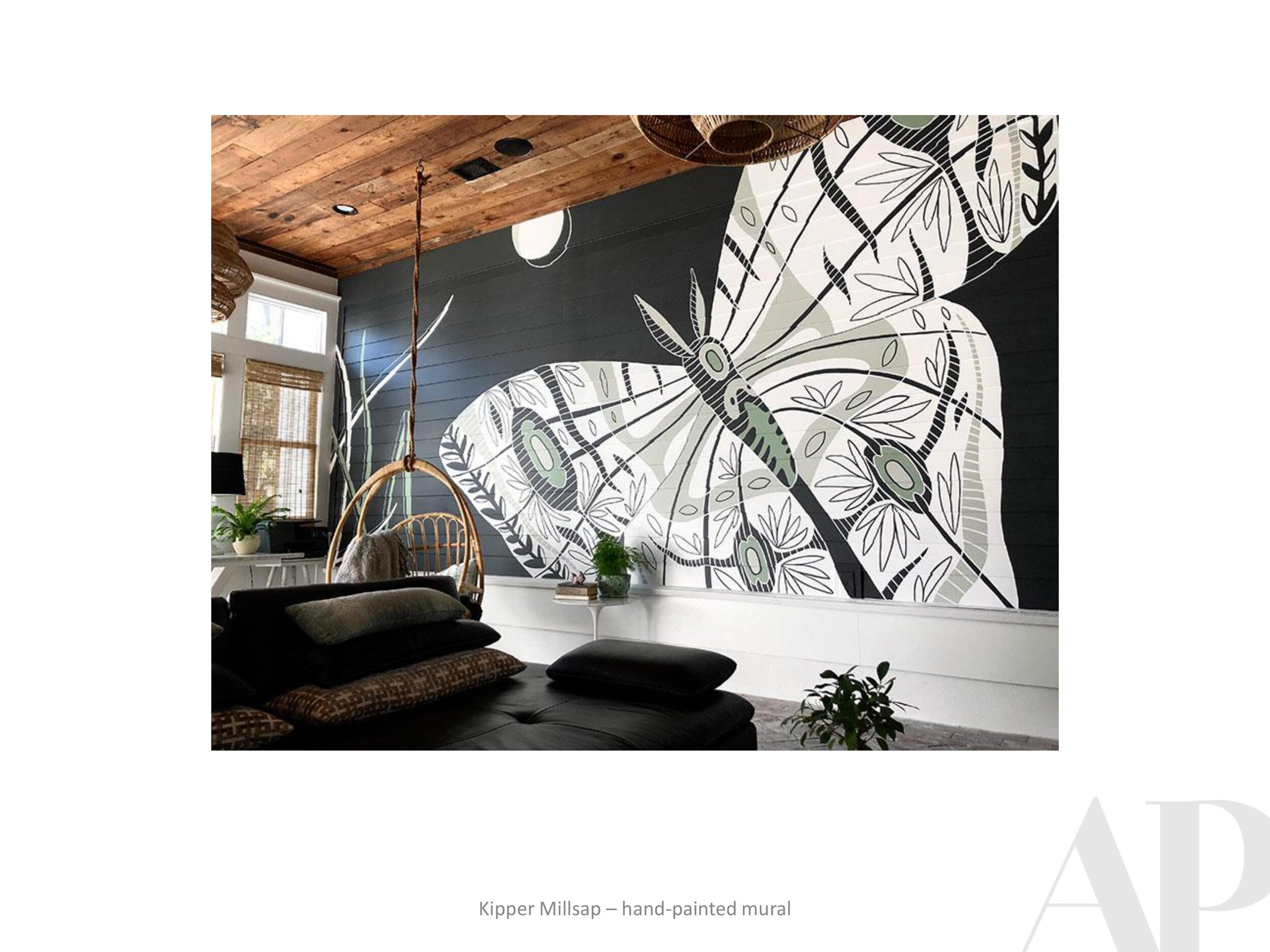








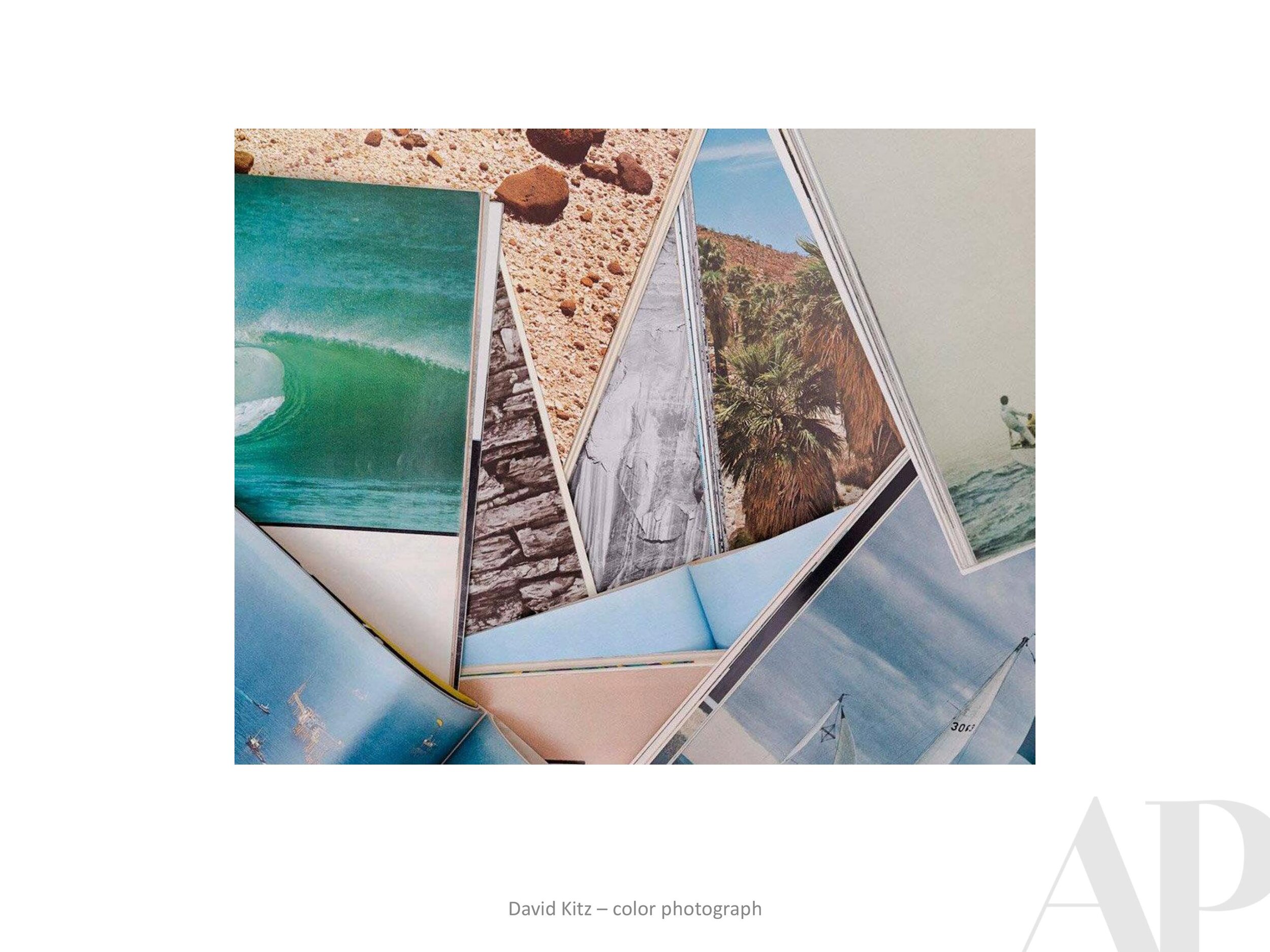
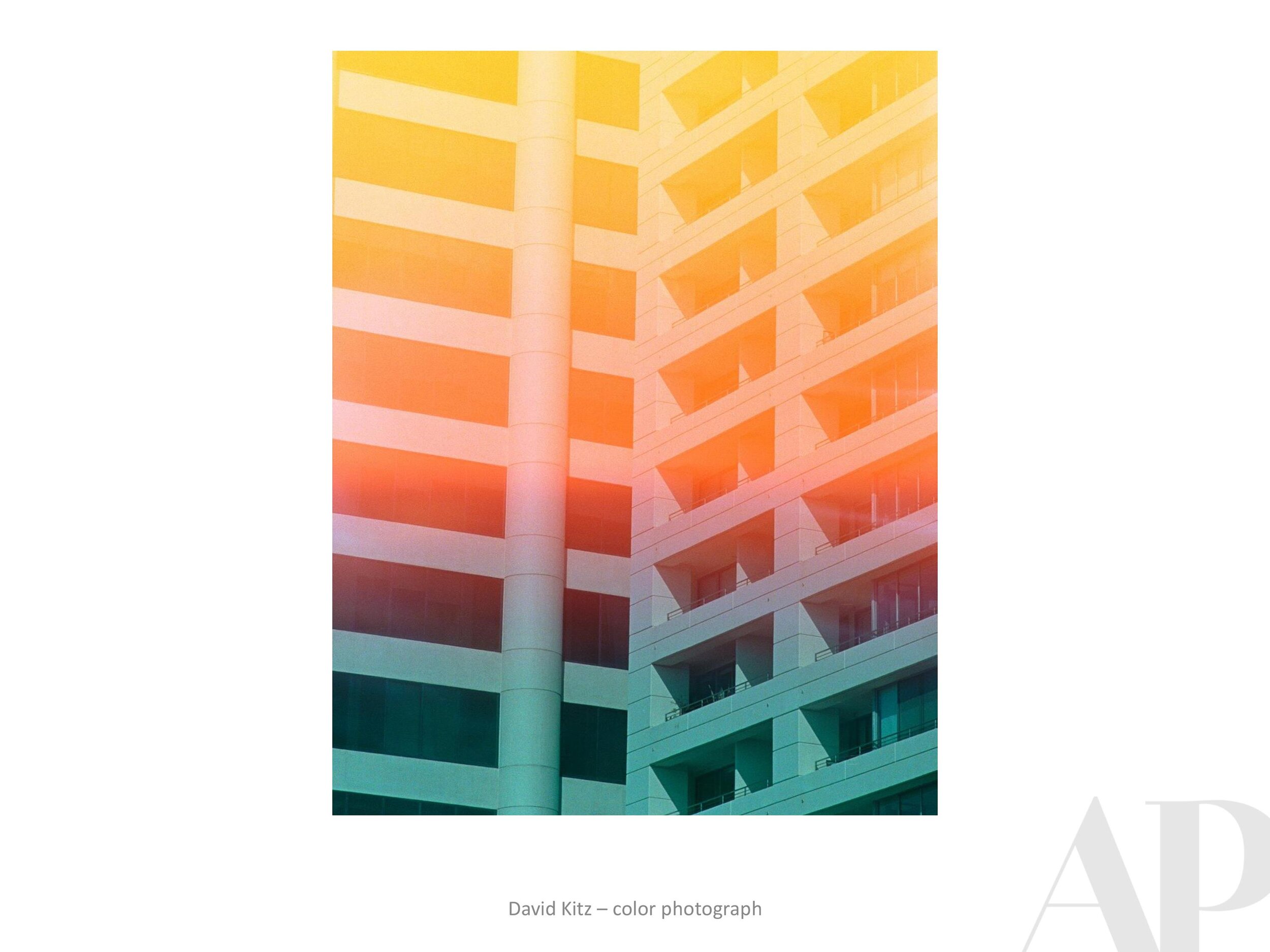
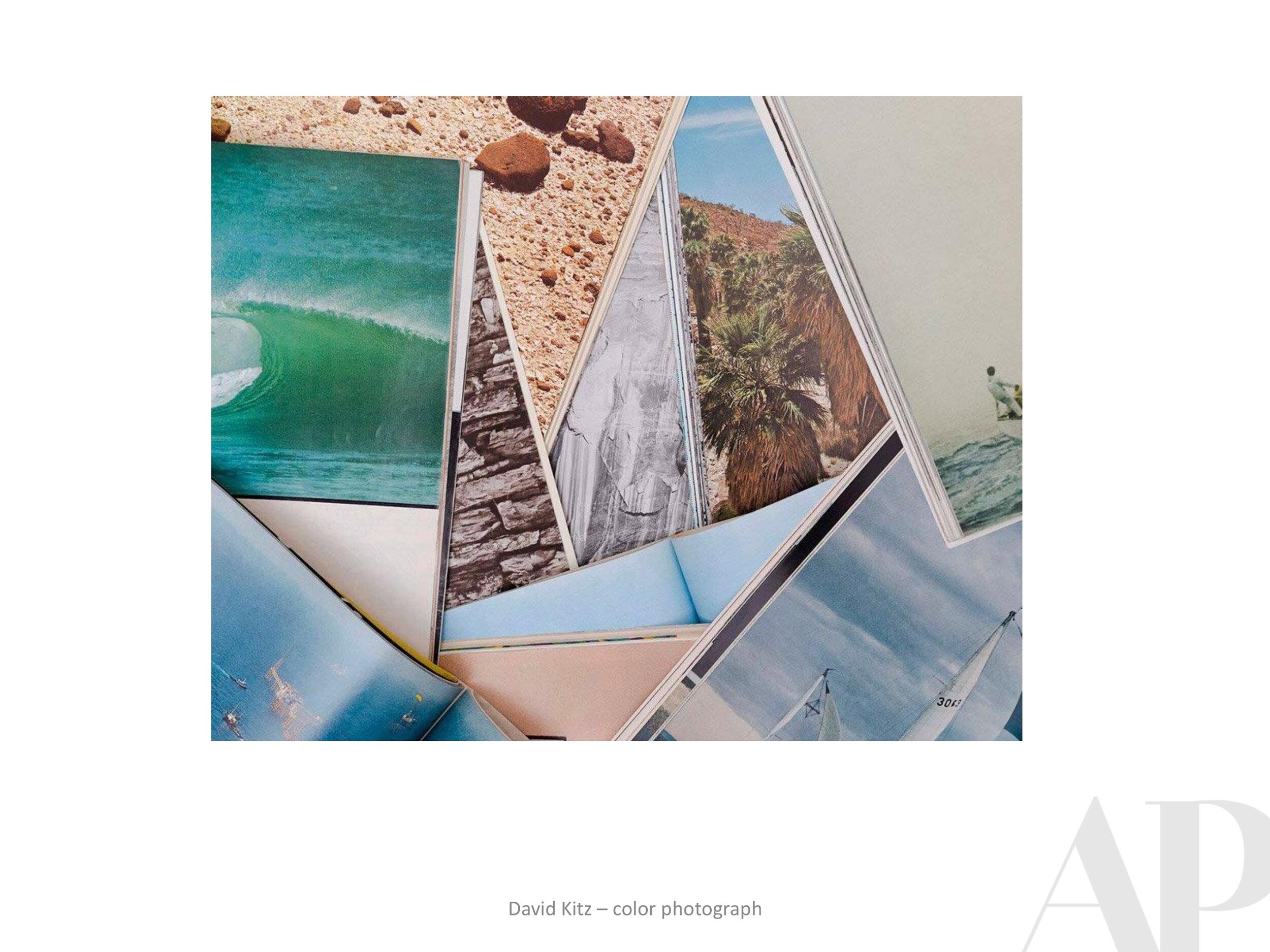
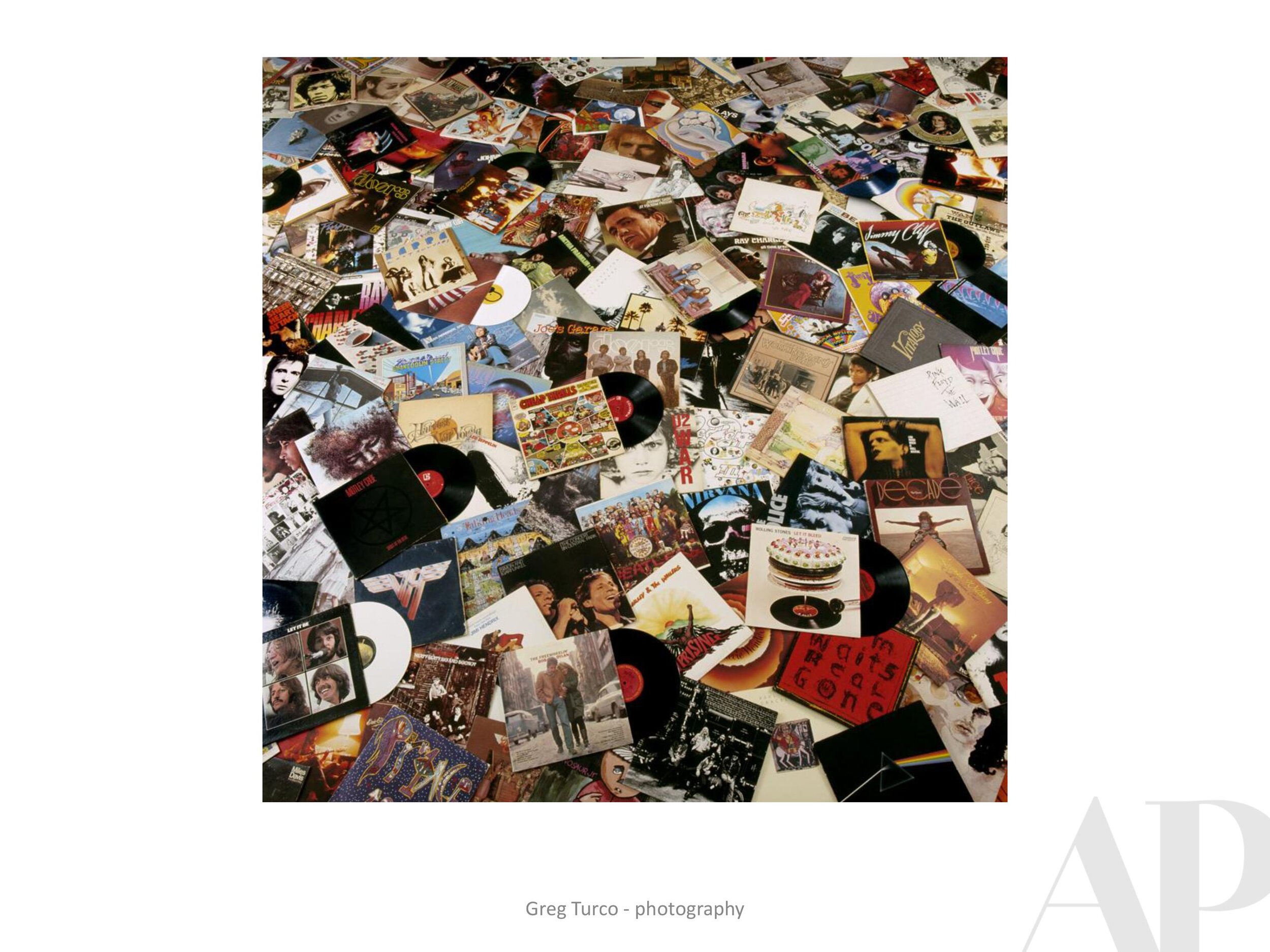

Happy Pride from Amy Parry Projects
Remember, love is transcendent! #PrideMonth2019

Patrick Hughes, Over the Moon, artist proof screenprint on paper, 1978, Collection of the Tate Modern
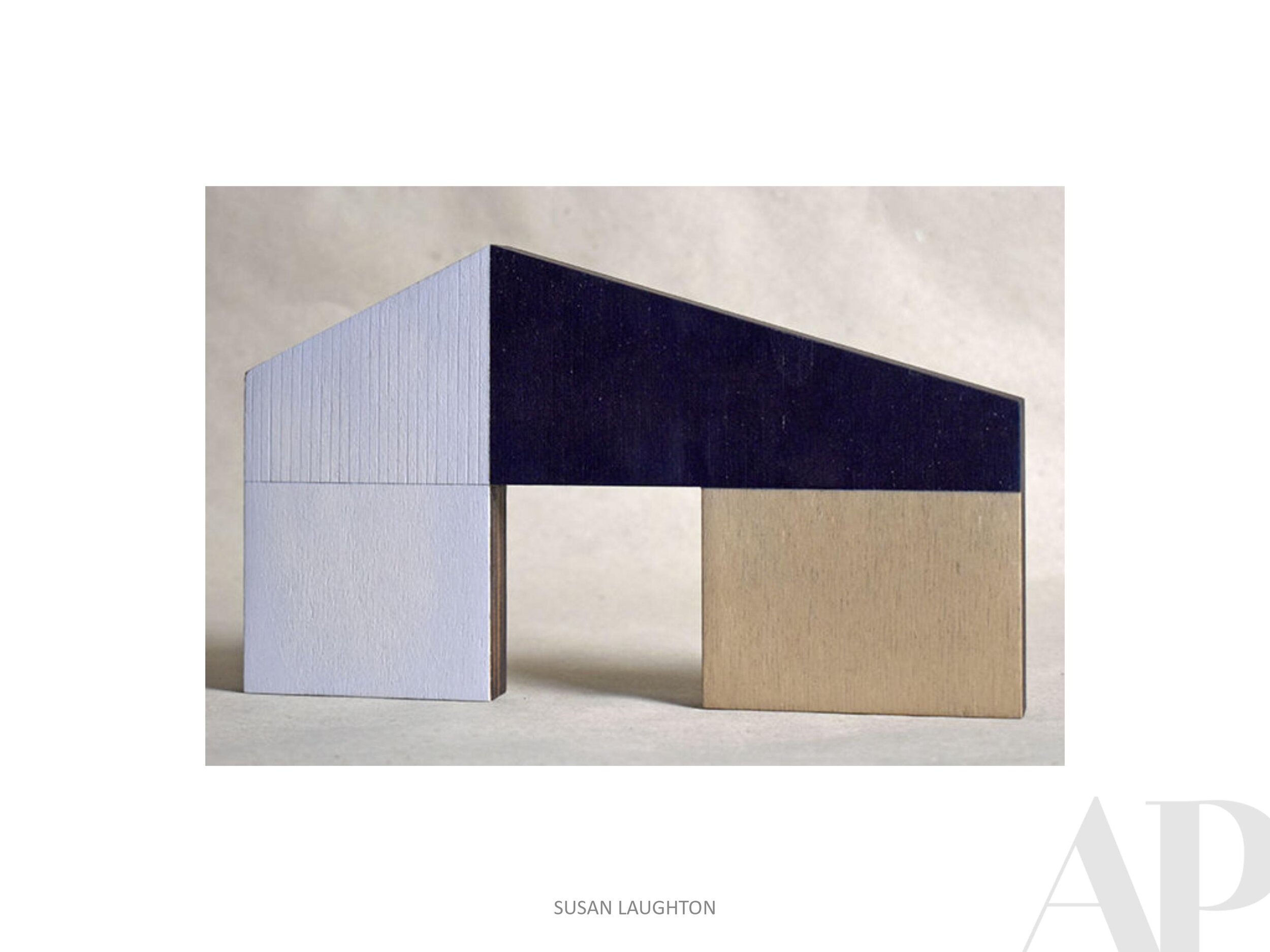
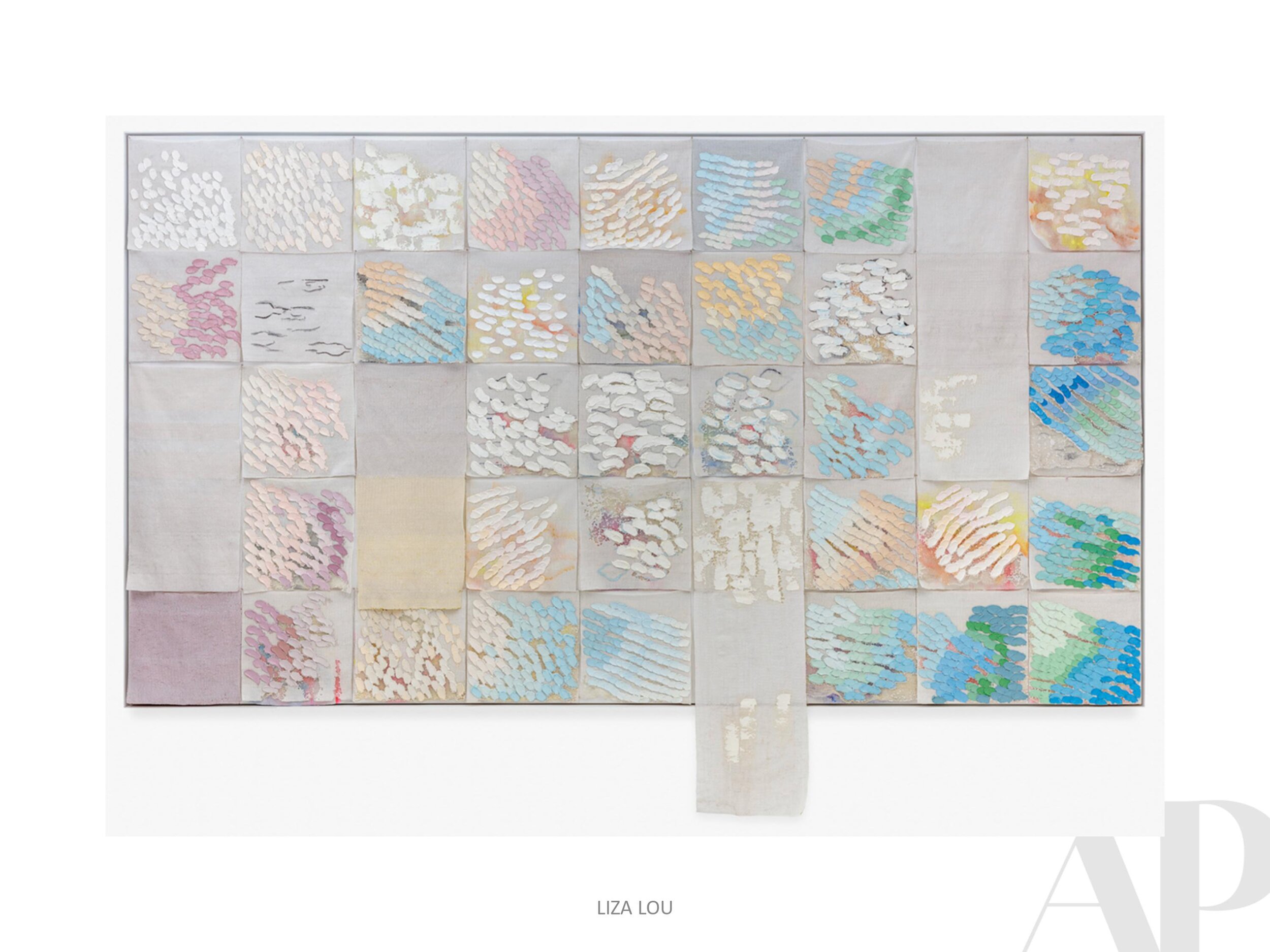
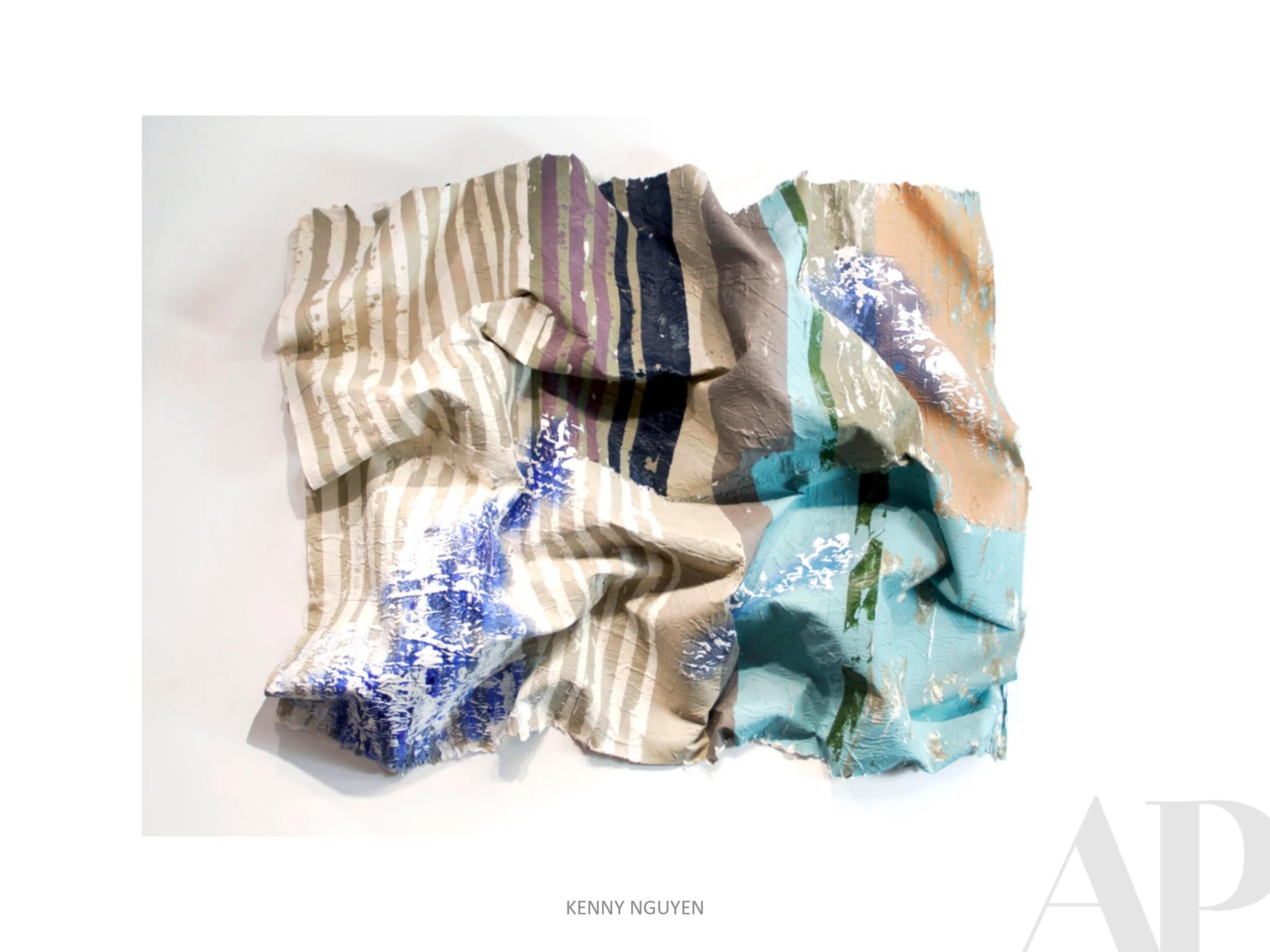
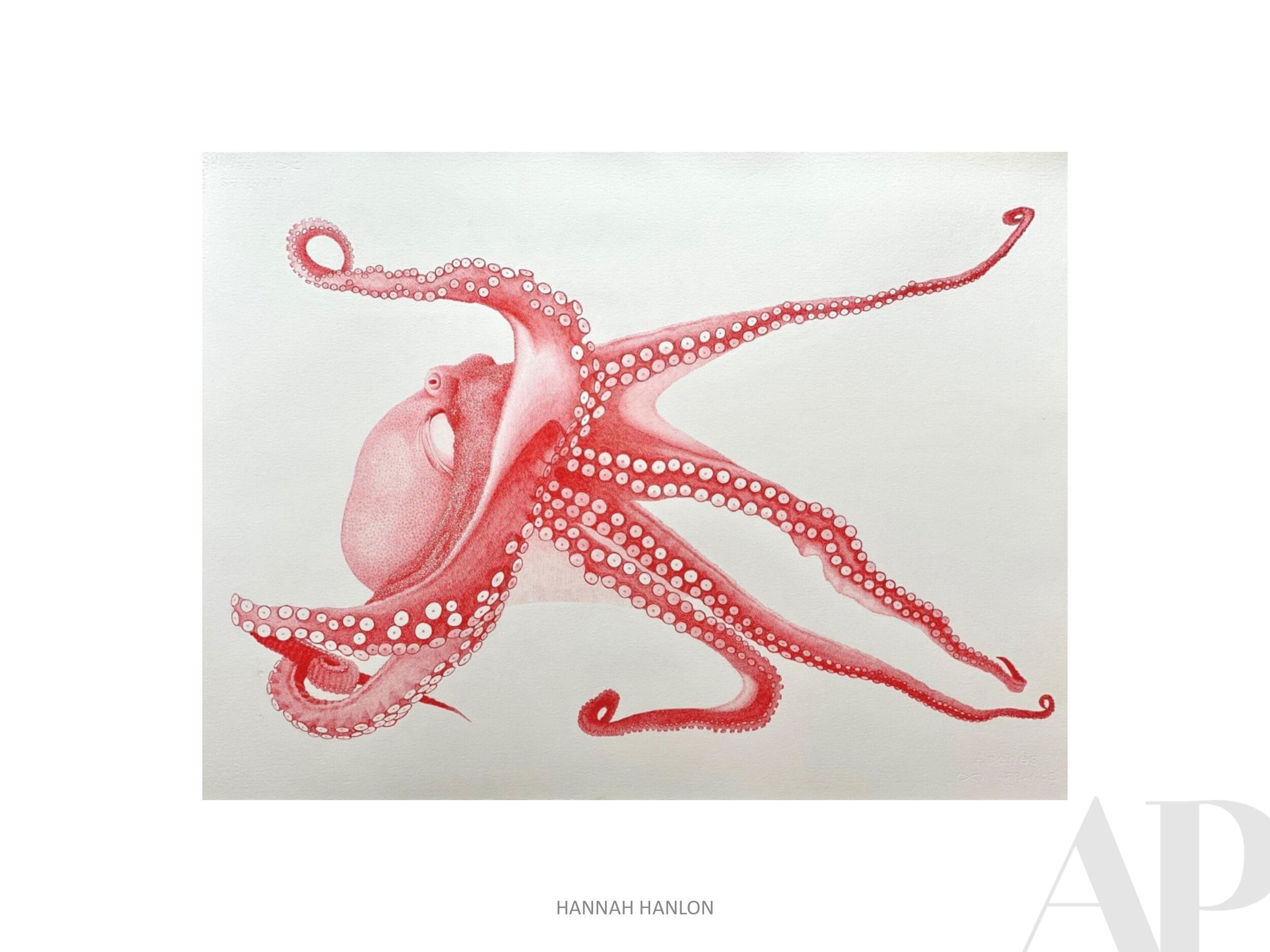
Currently Inspired By...
It’s already August?!
With the revived goal of bringing you a new Inspiration Board every other month, you will really see what we are actively sourcing for our hospitality projects.
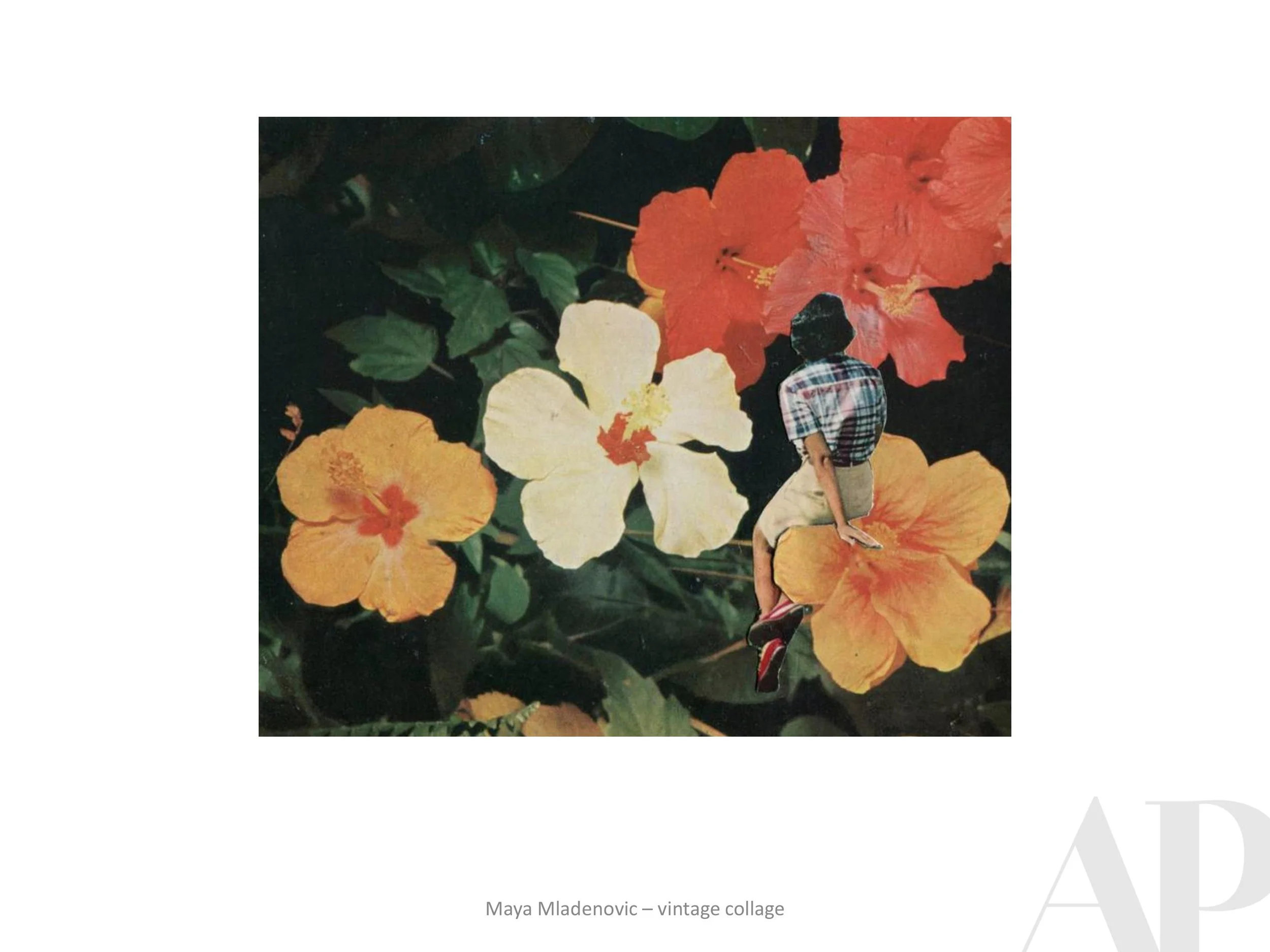
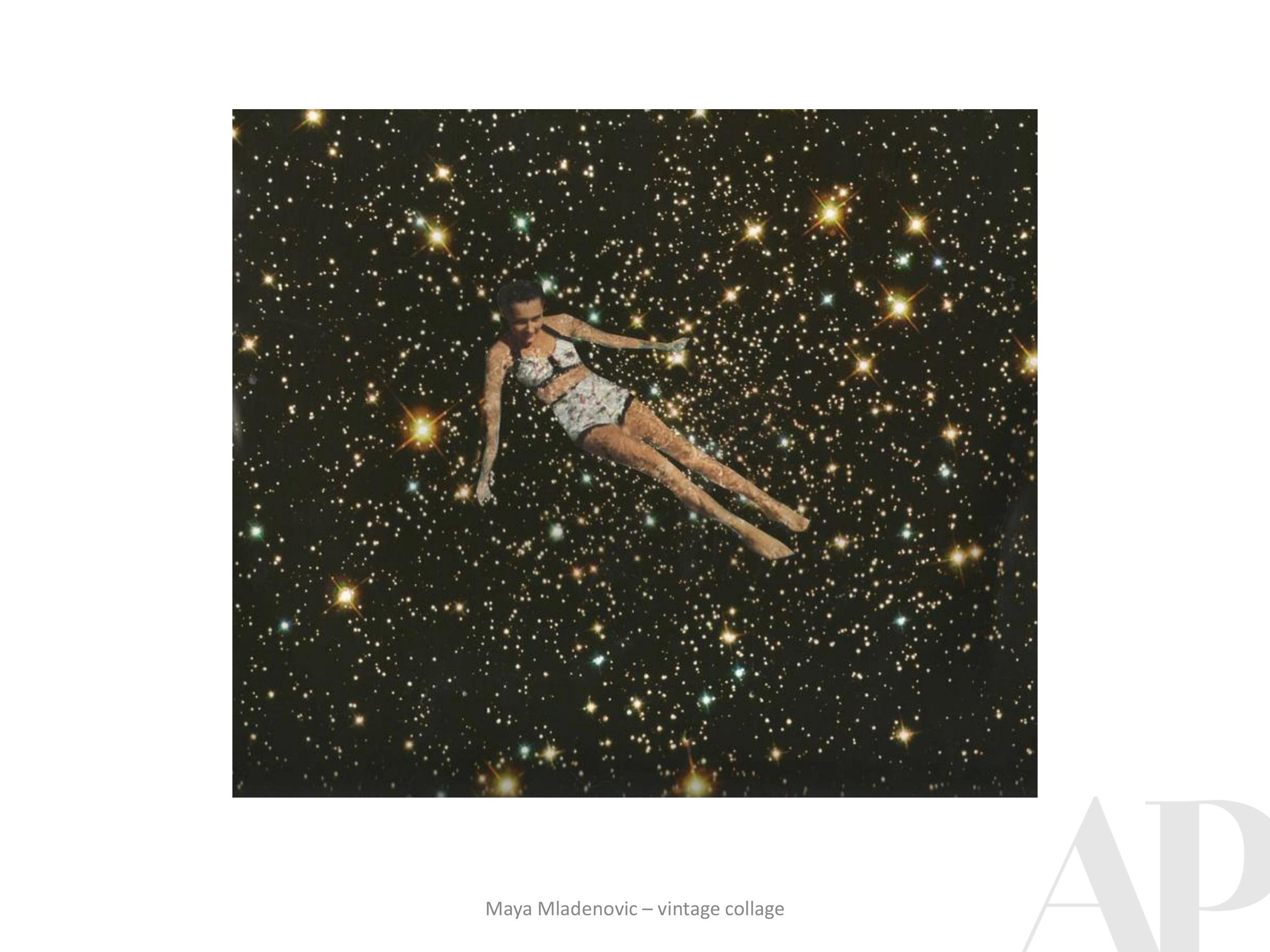
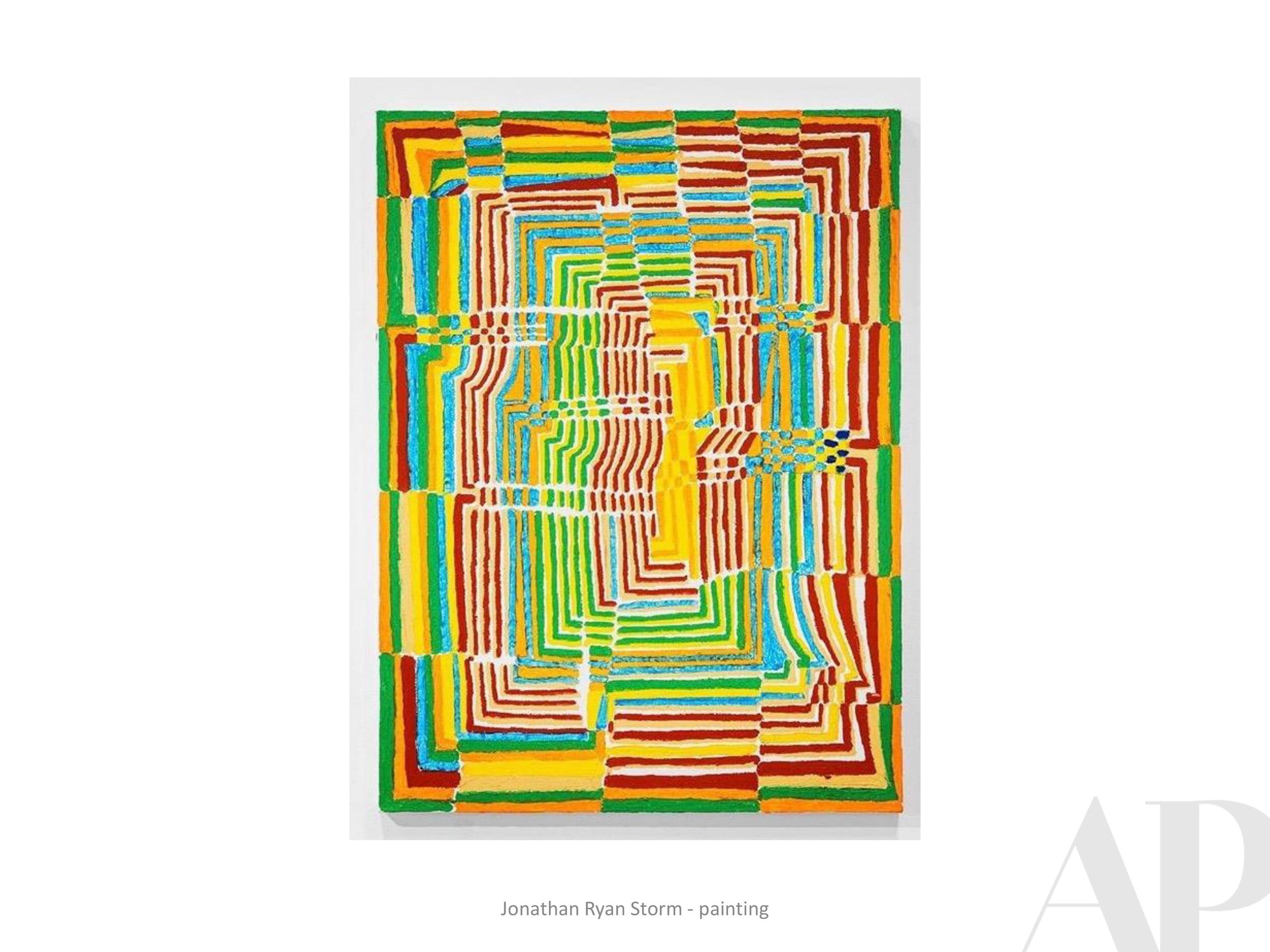
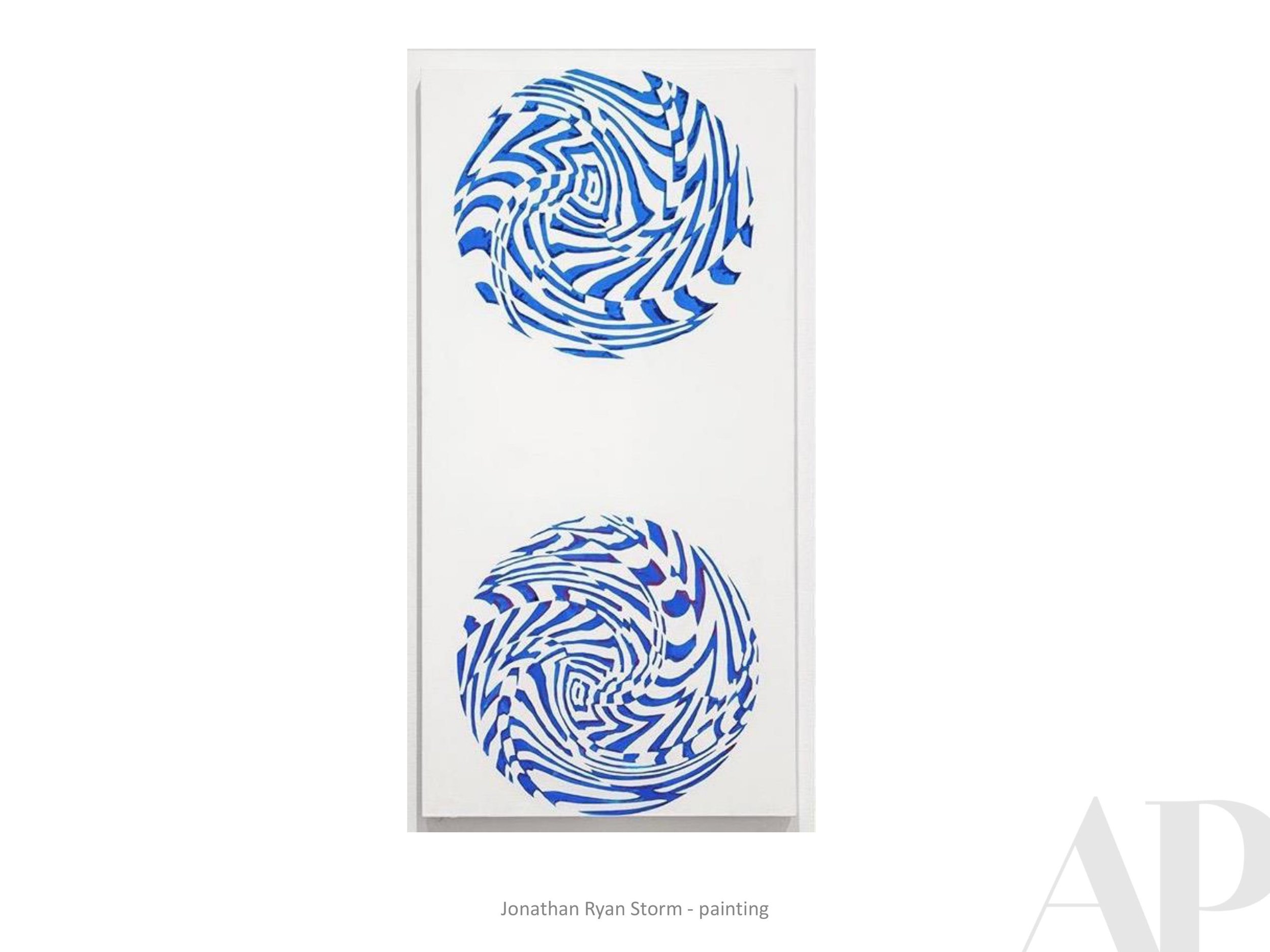
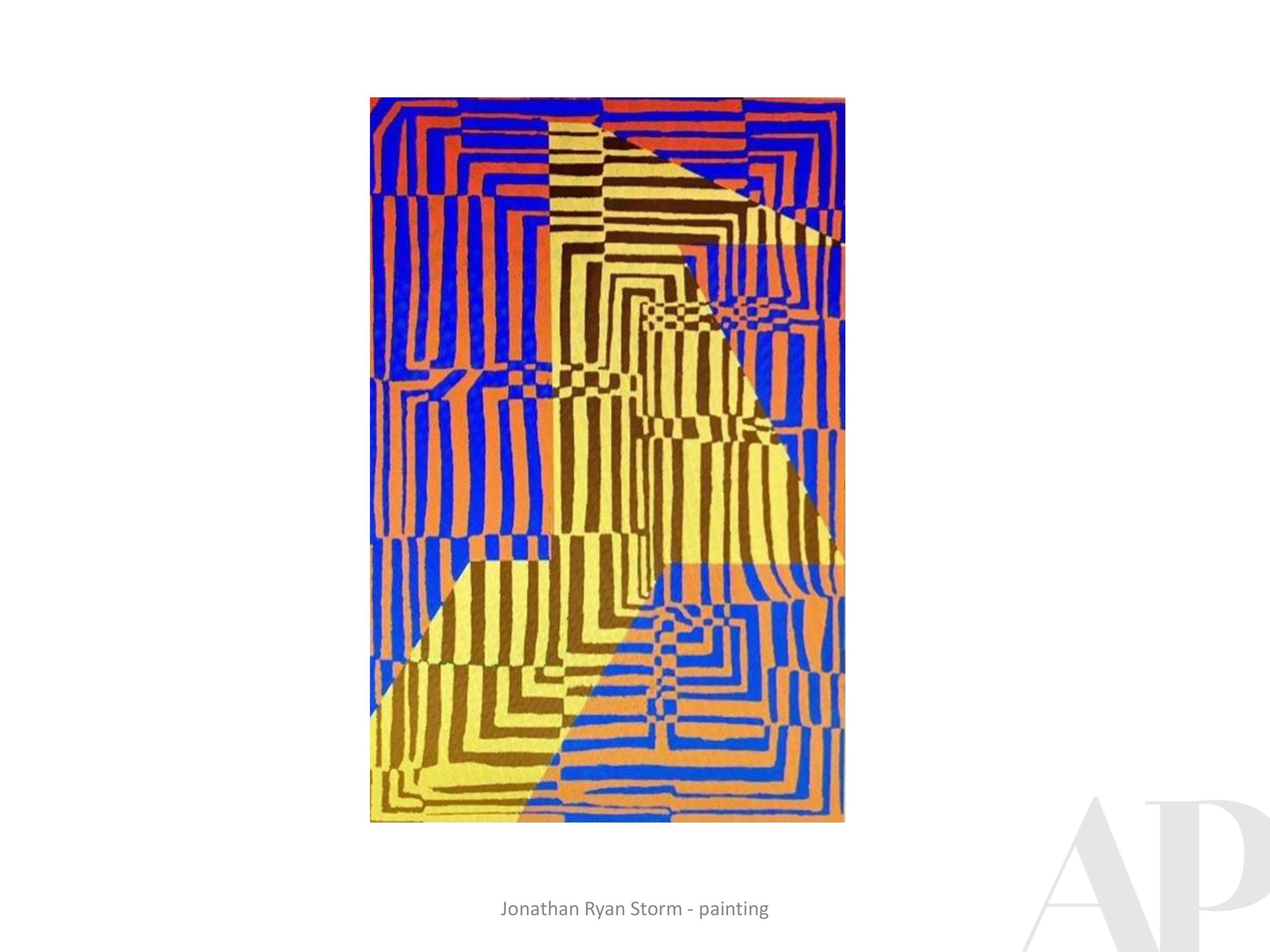
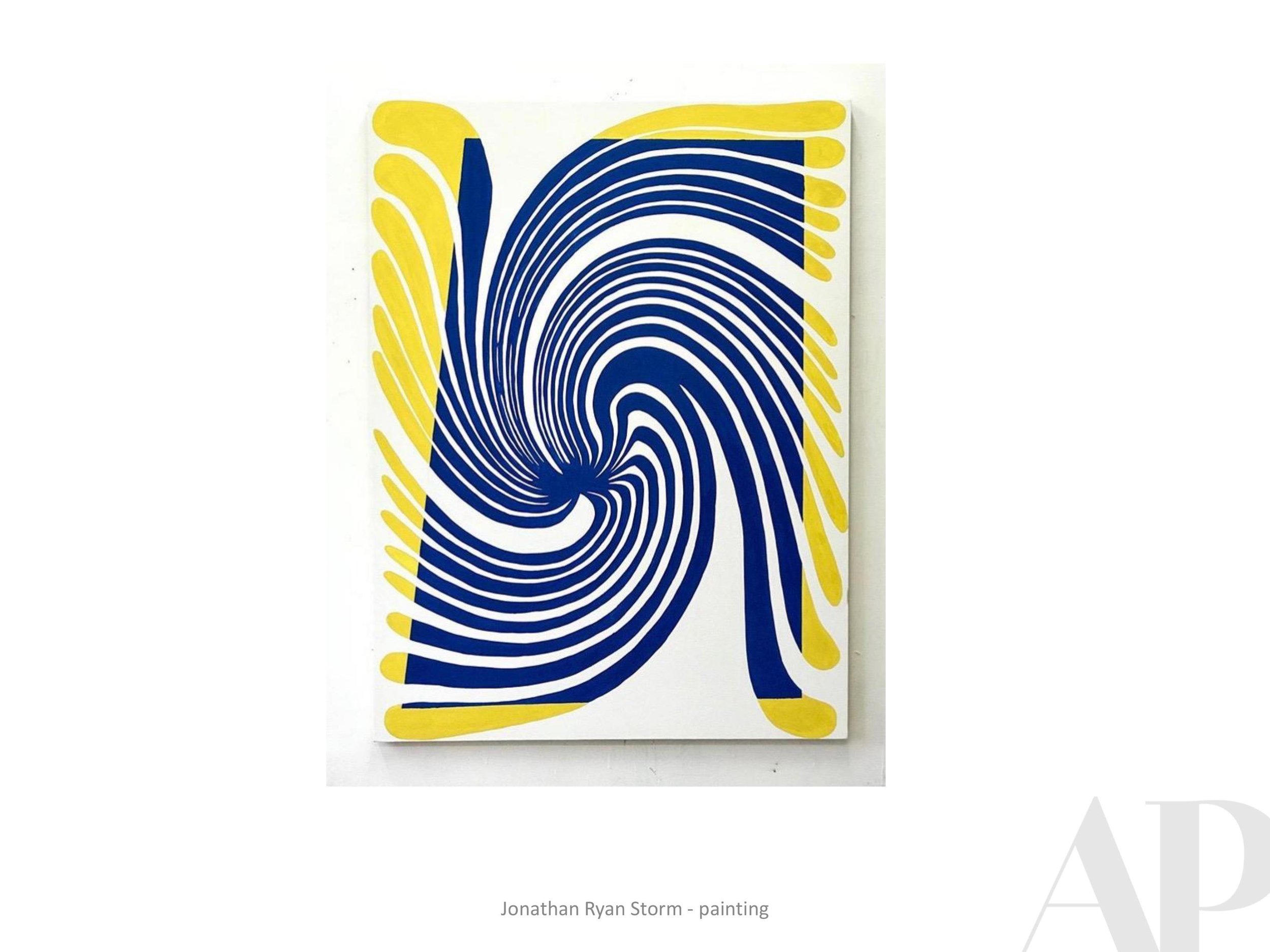
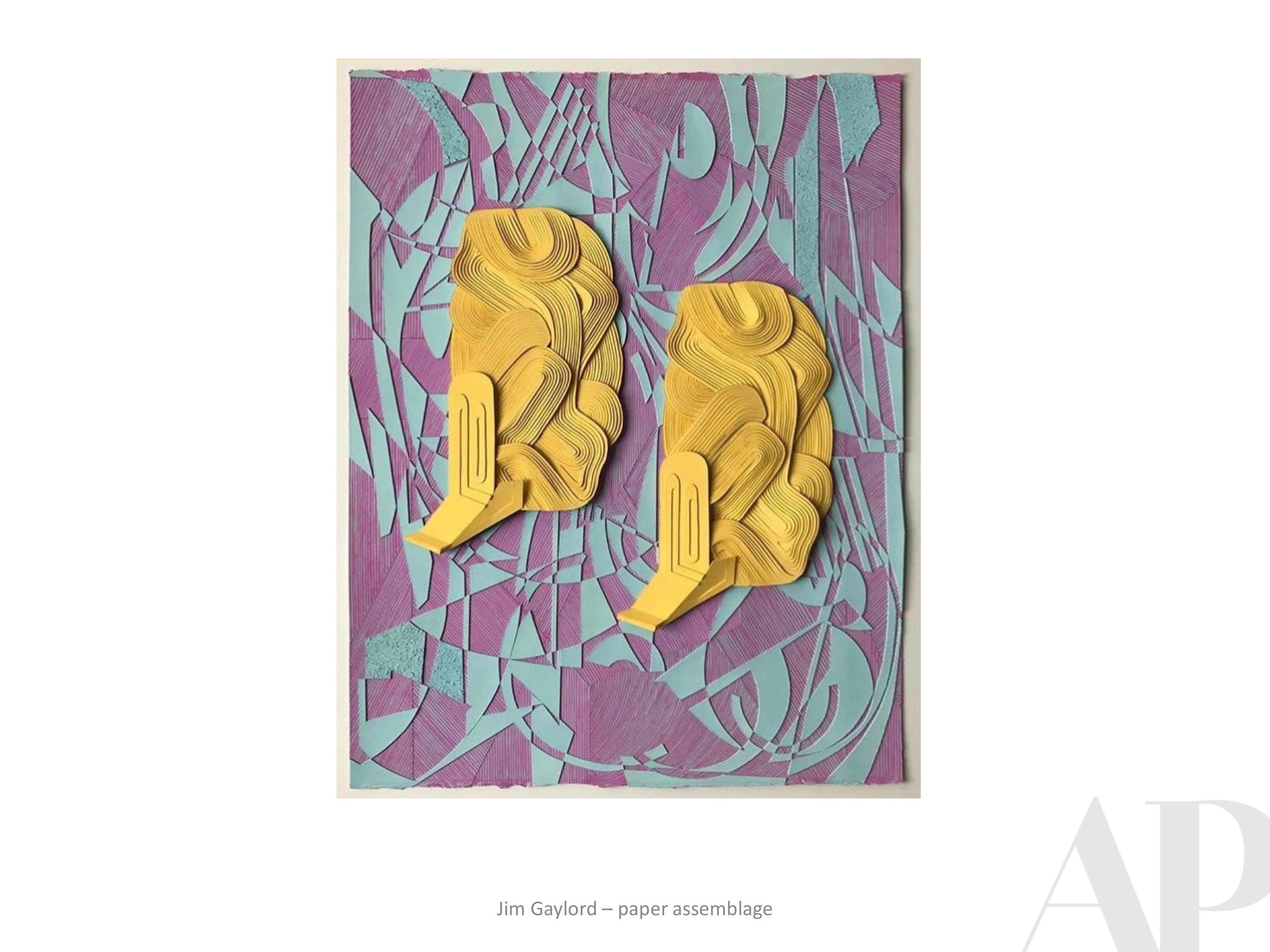
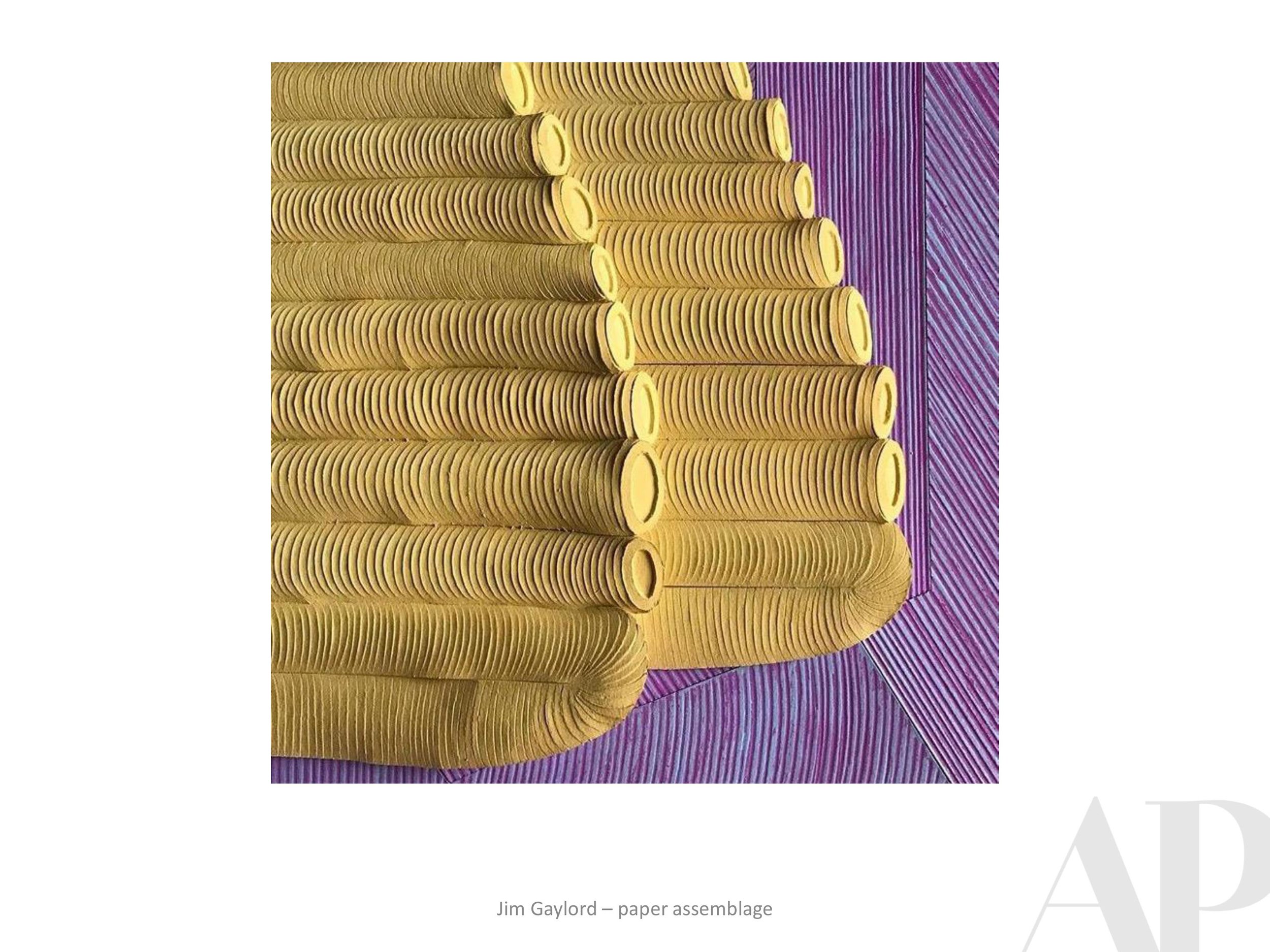
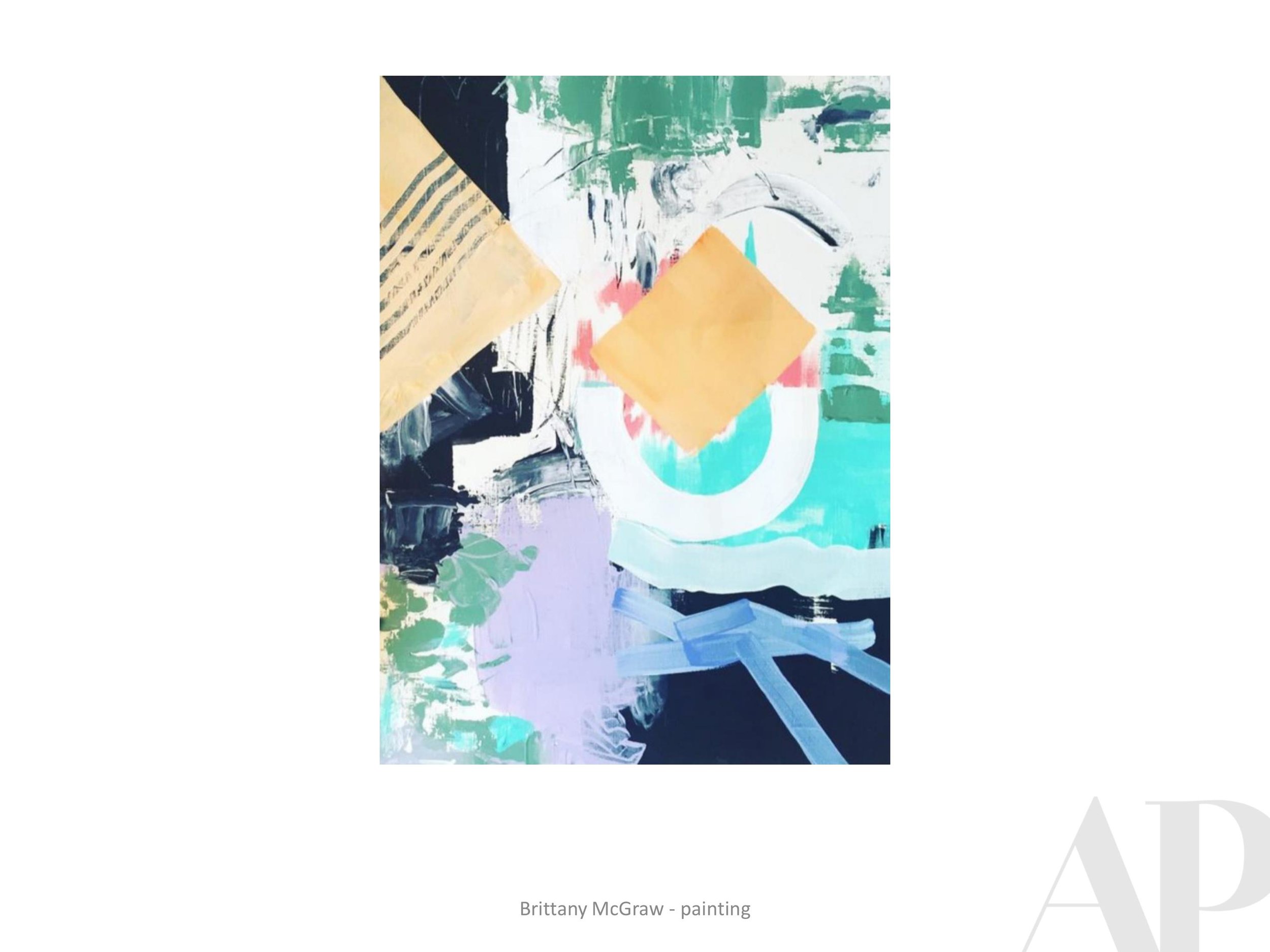
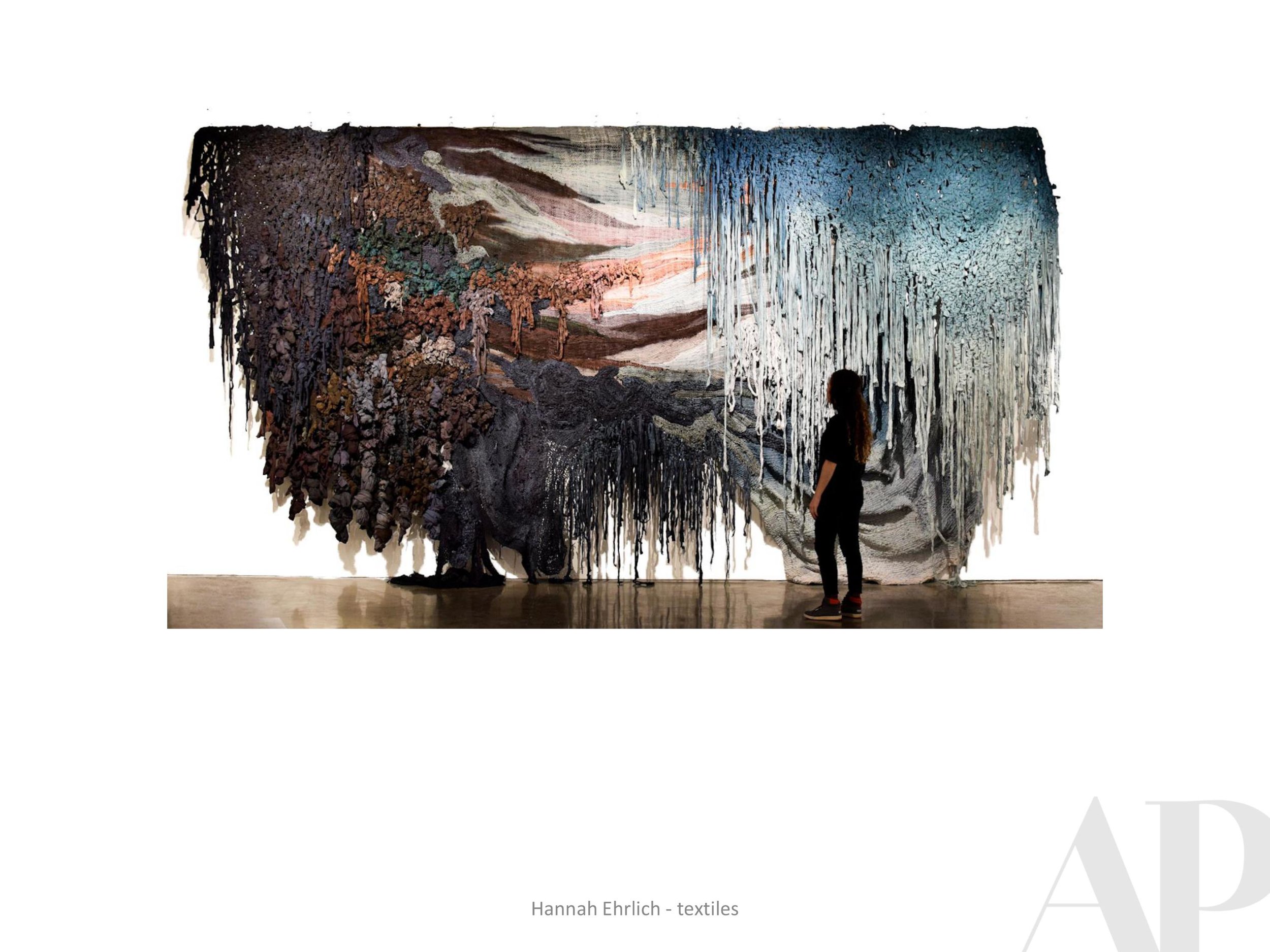
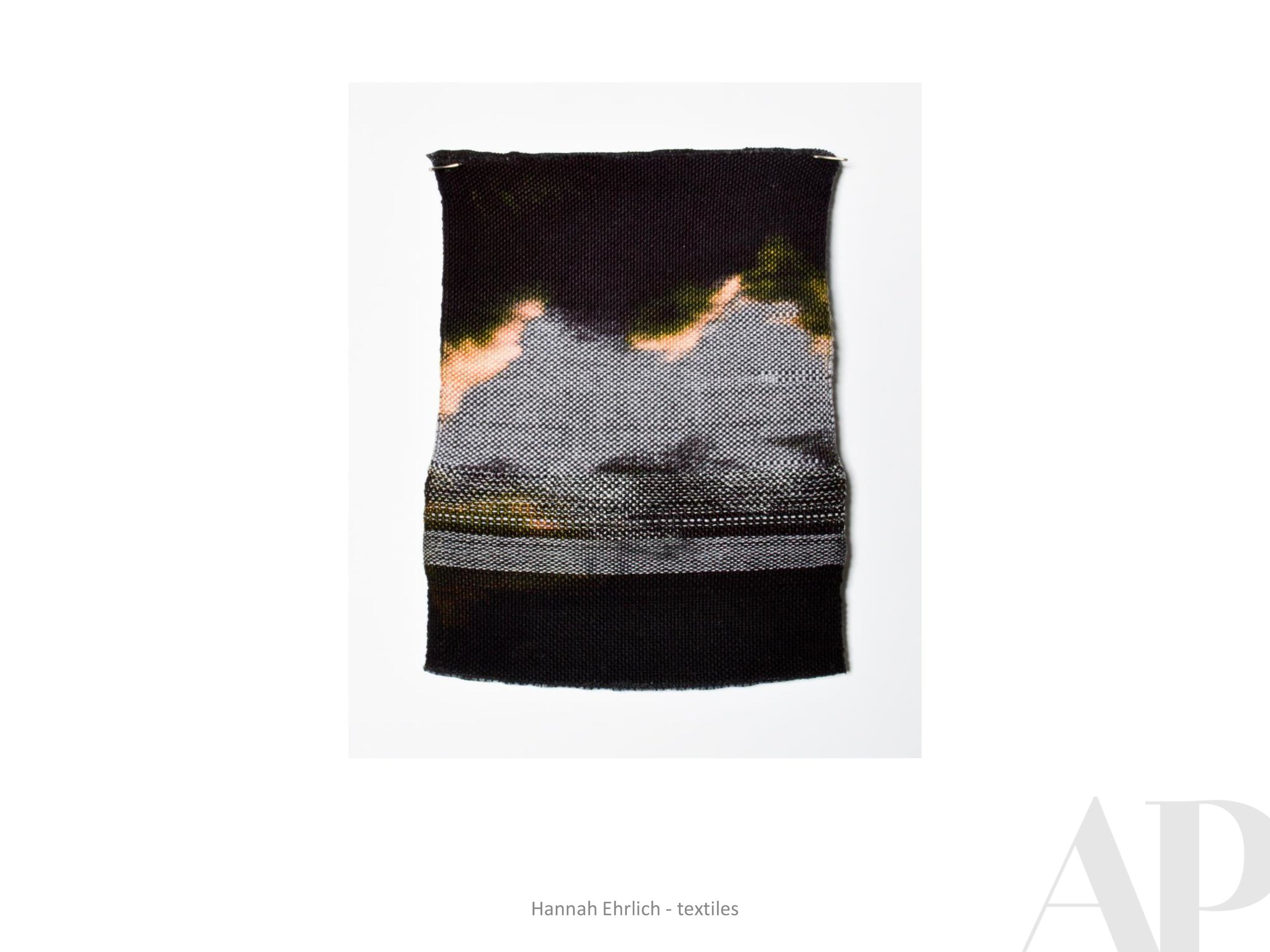
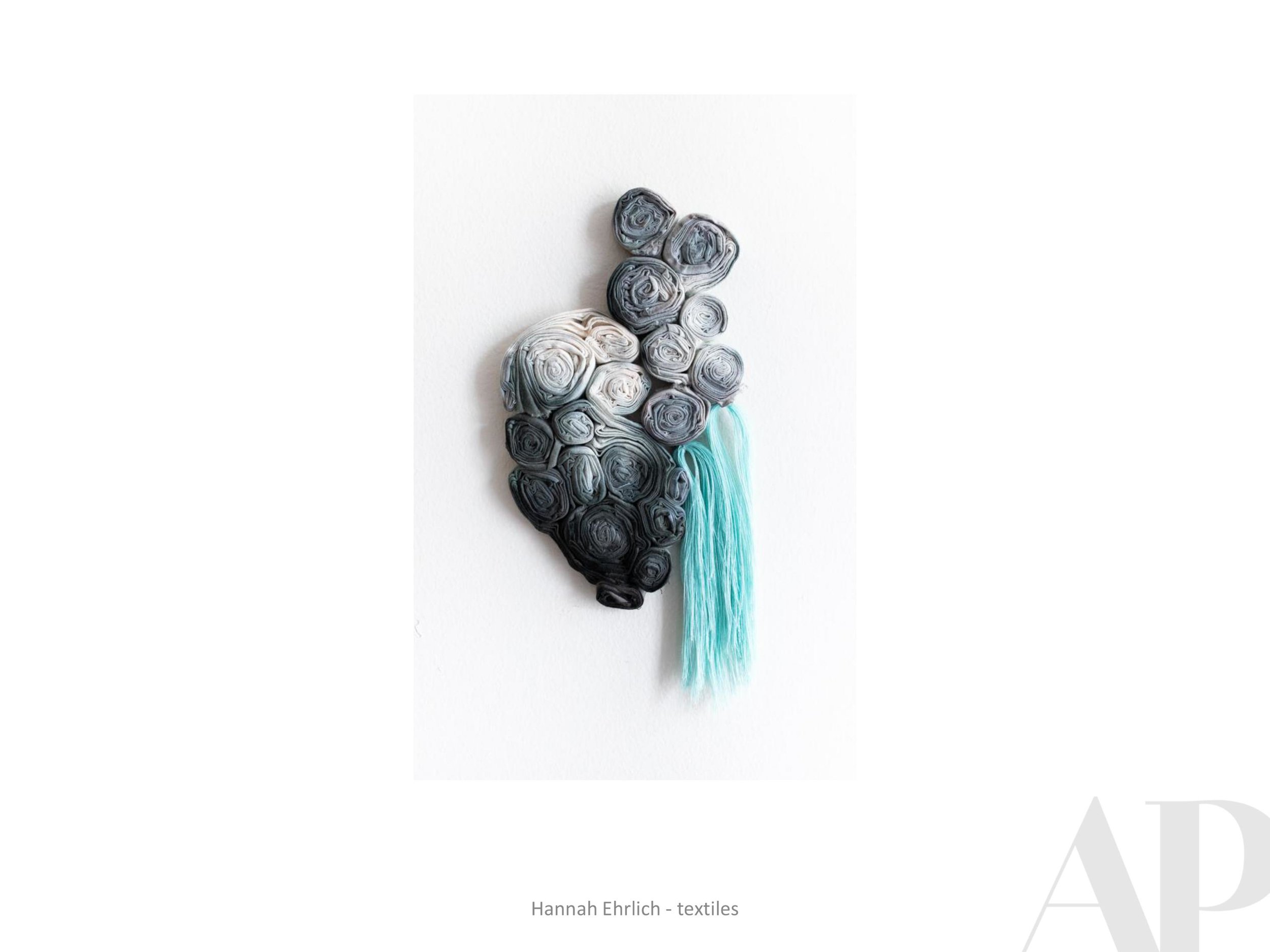
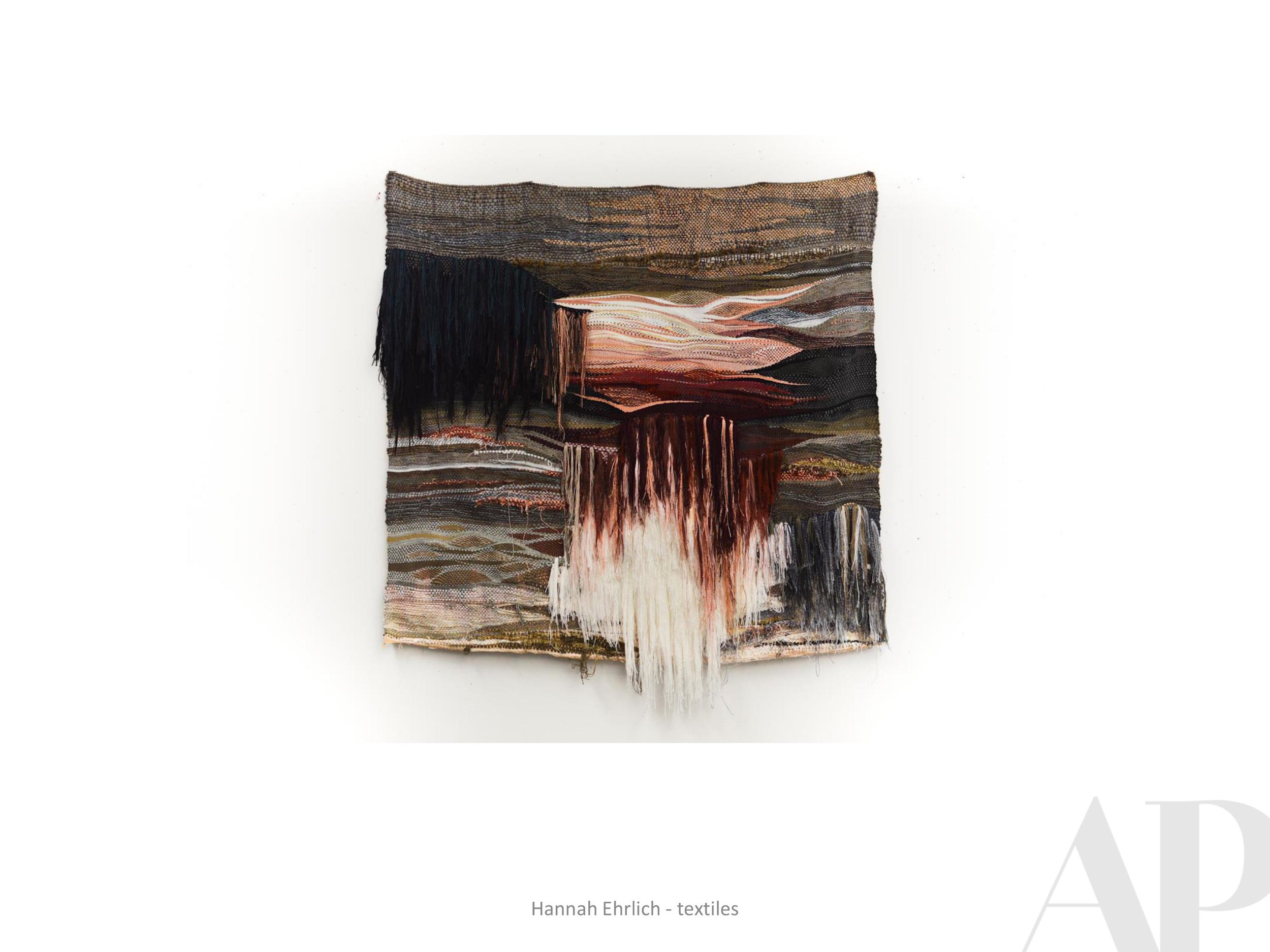
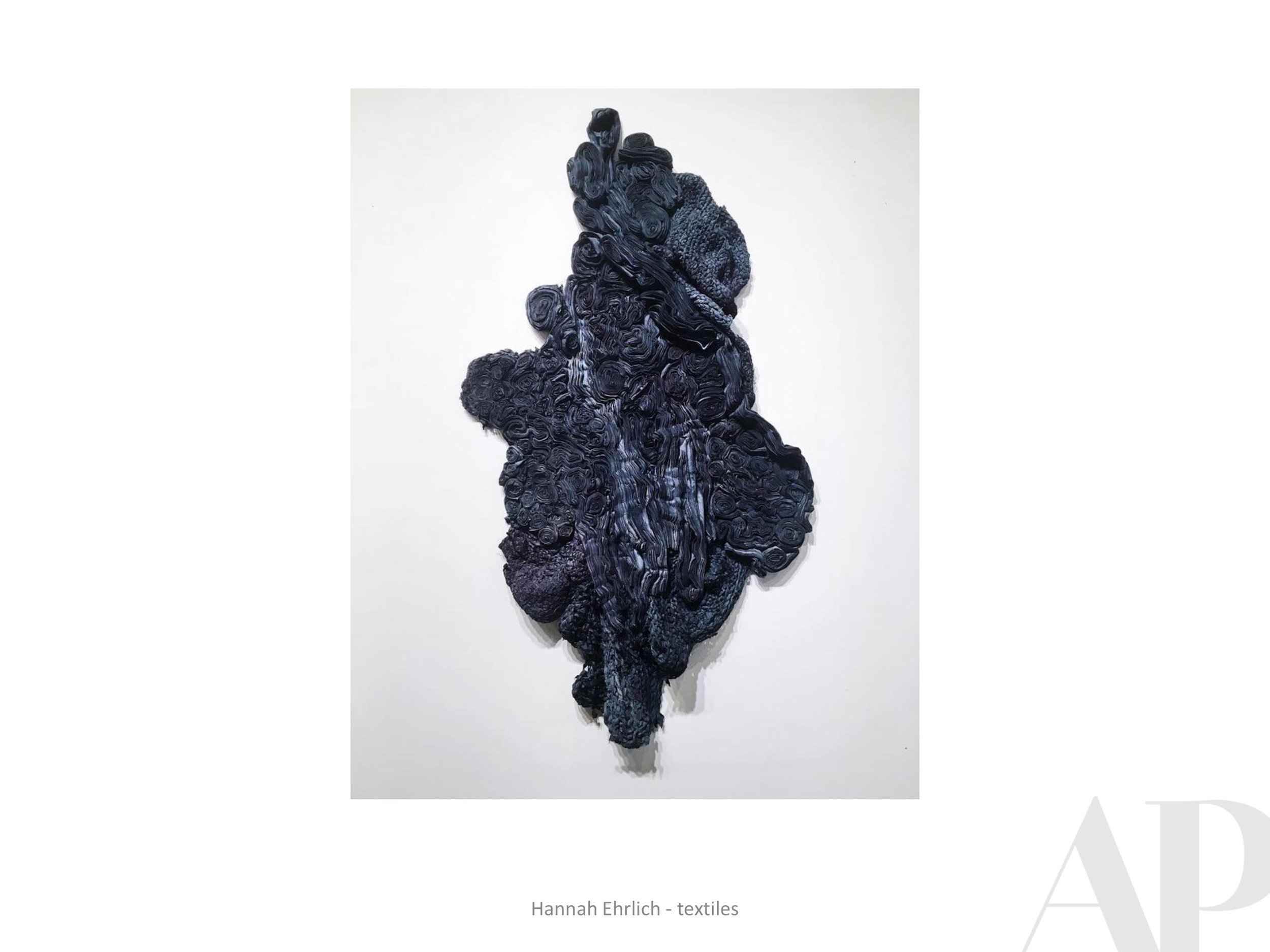
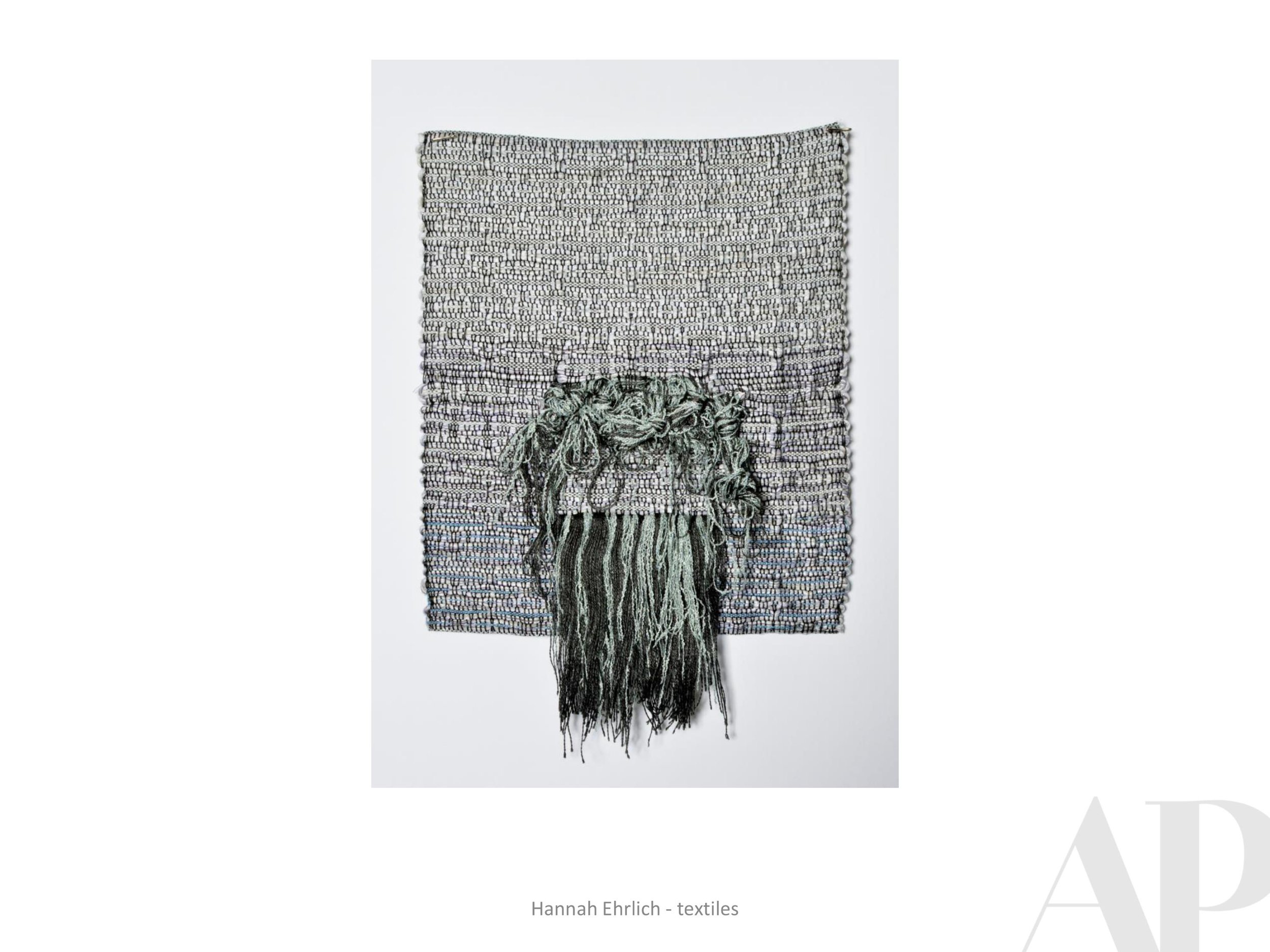
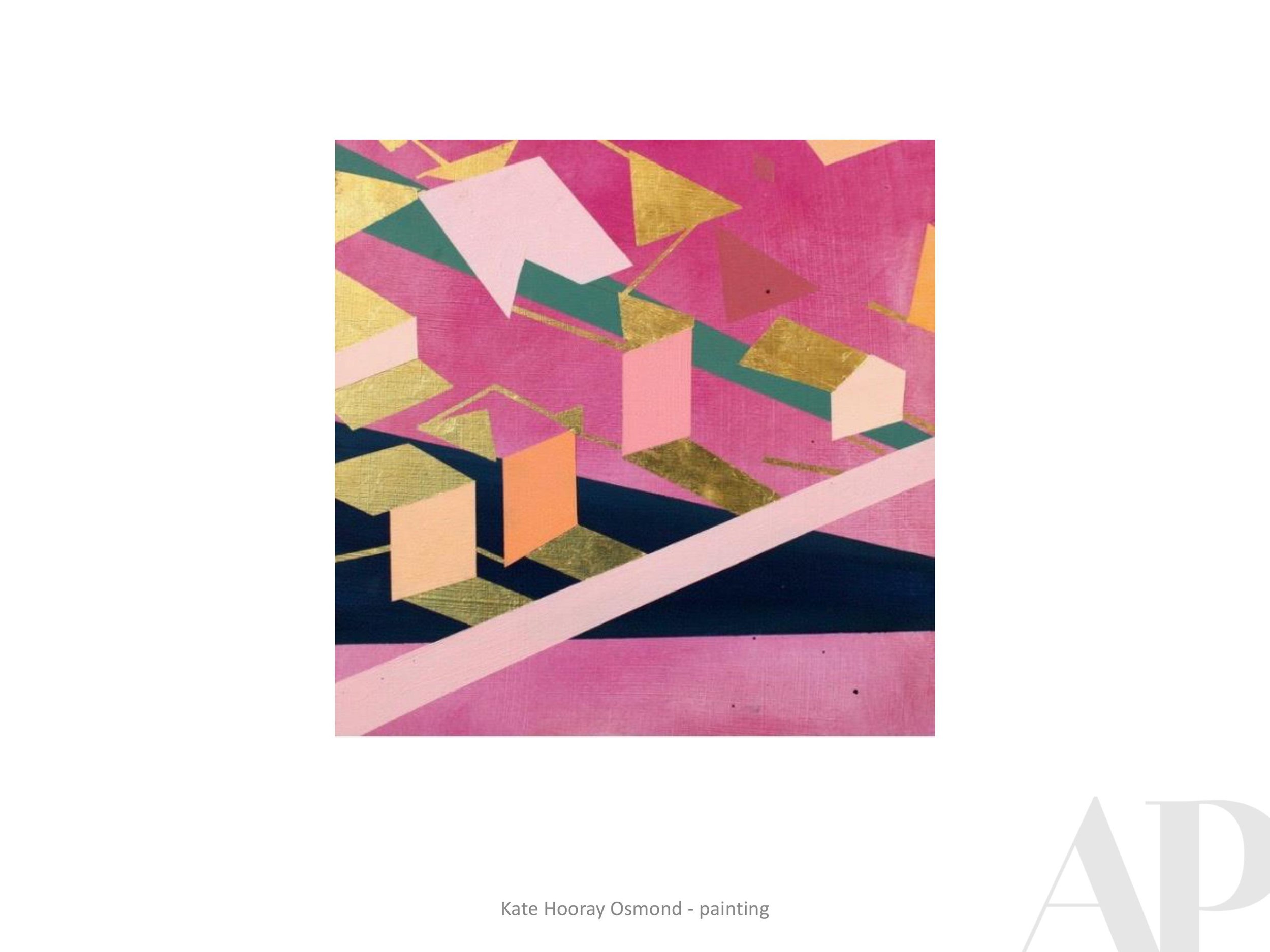
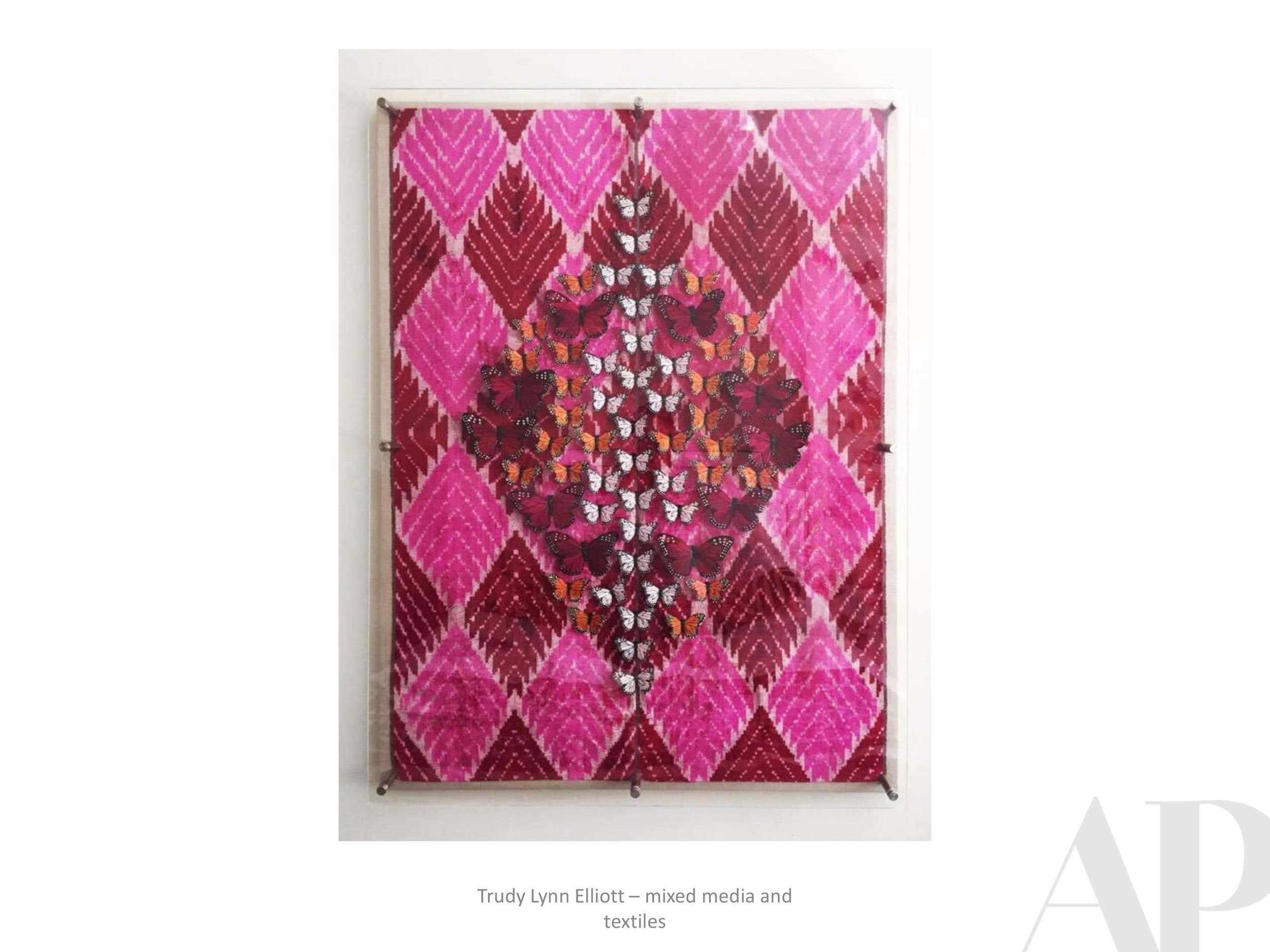
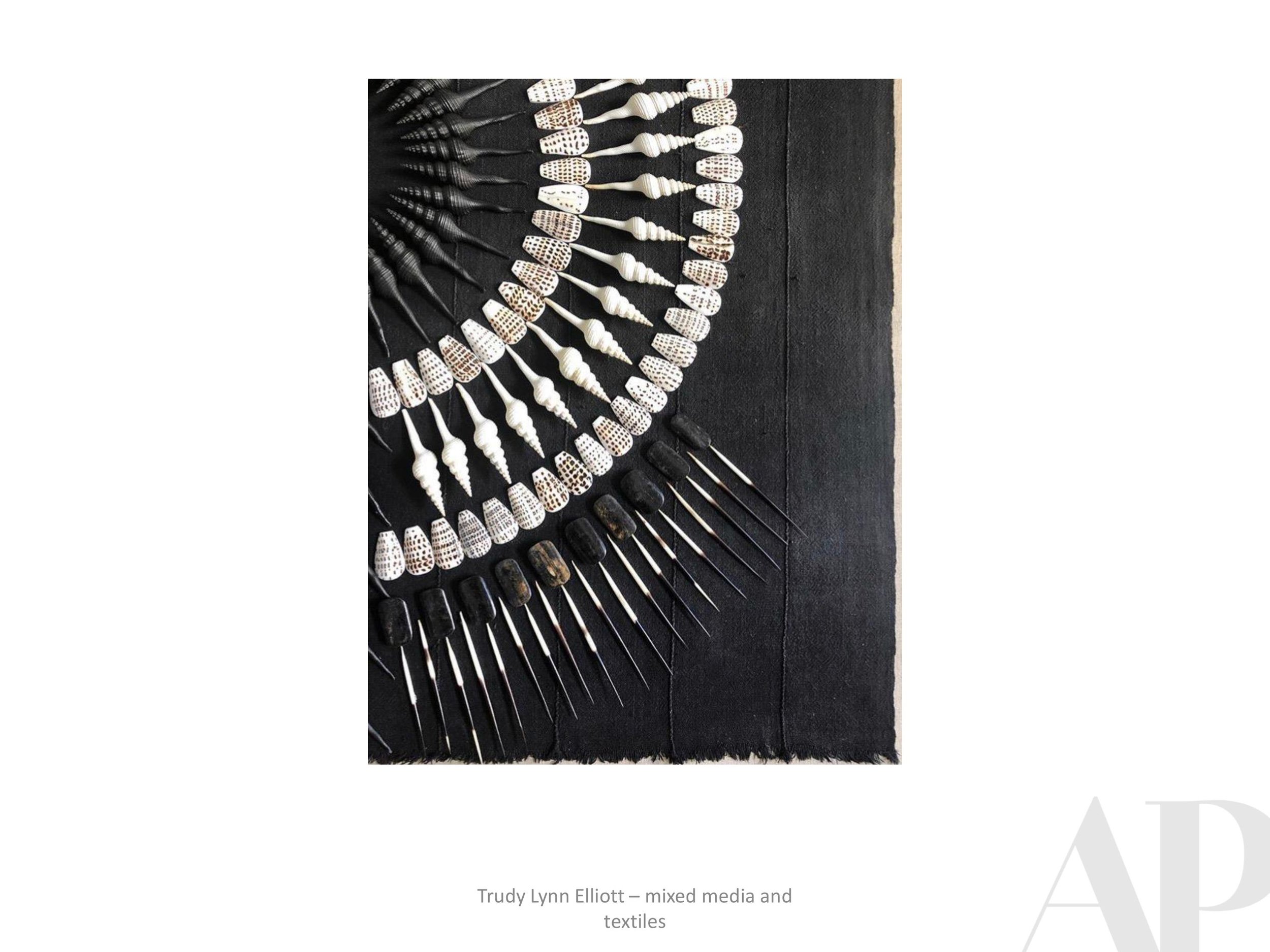
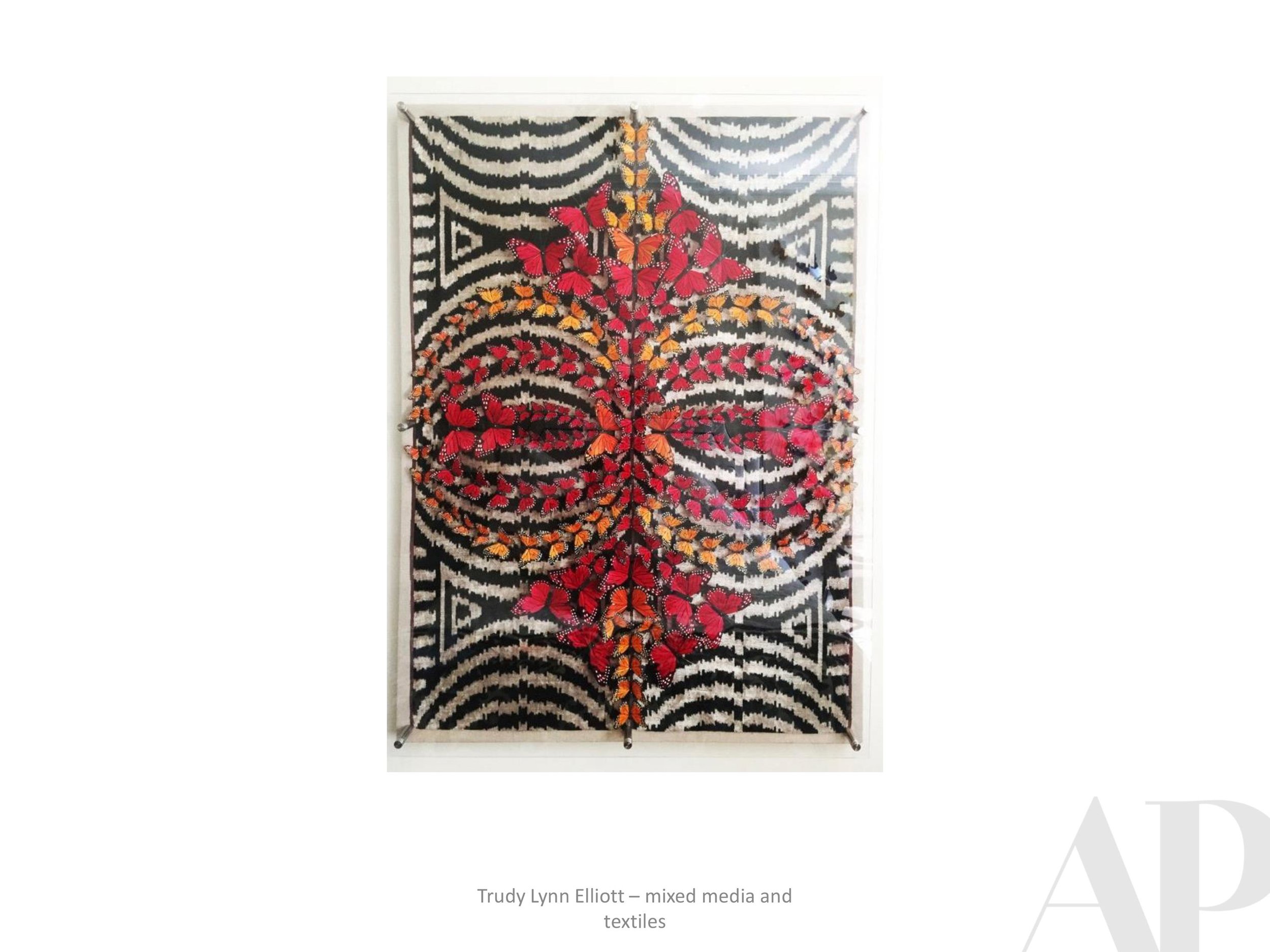
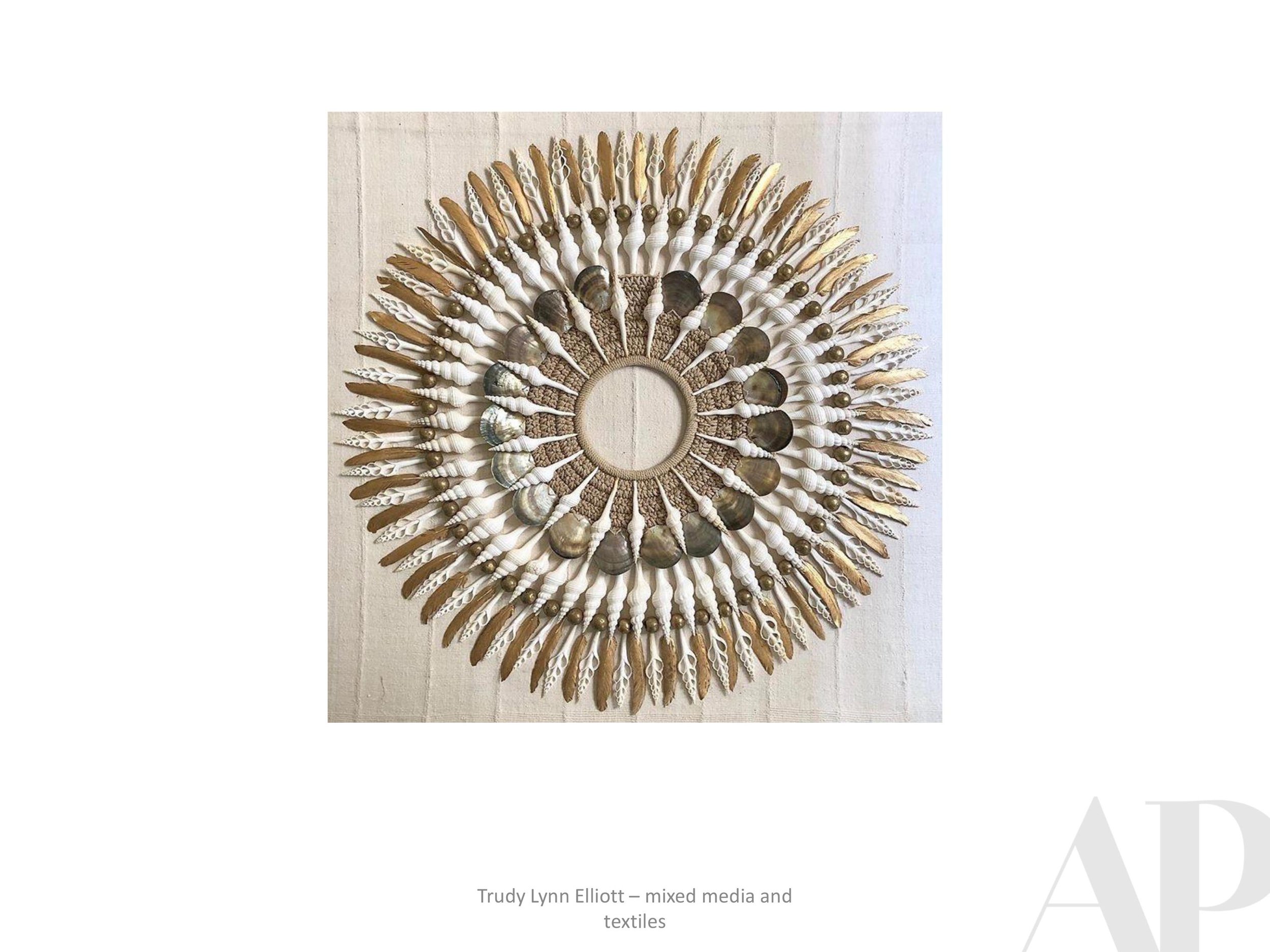
This summer we have been seeking out textile work, different types of collage and work that in general, shows a level of traditional craftsmanship. In the digital era we are living and working in, it’s cool to appreciate art that shows the artists’ hand - bonus when it incorporates or re-purposes something from nature or maybe the “good old days.”
And a good painting is always in style, right?!










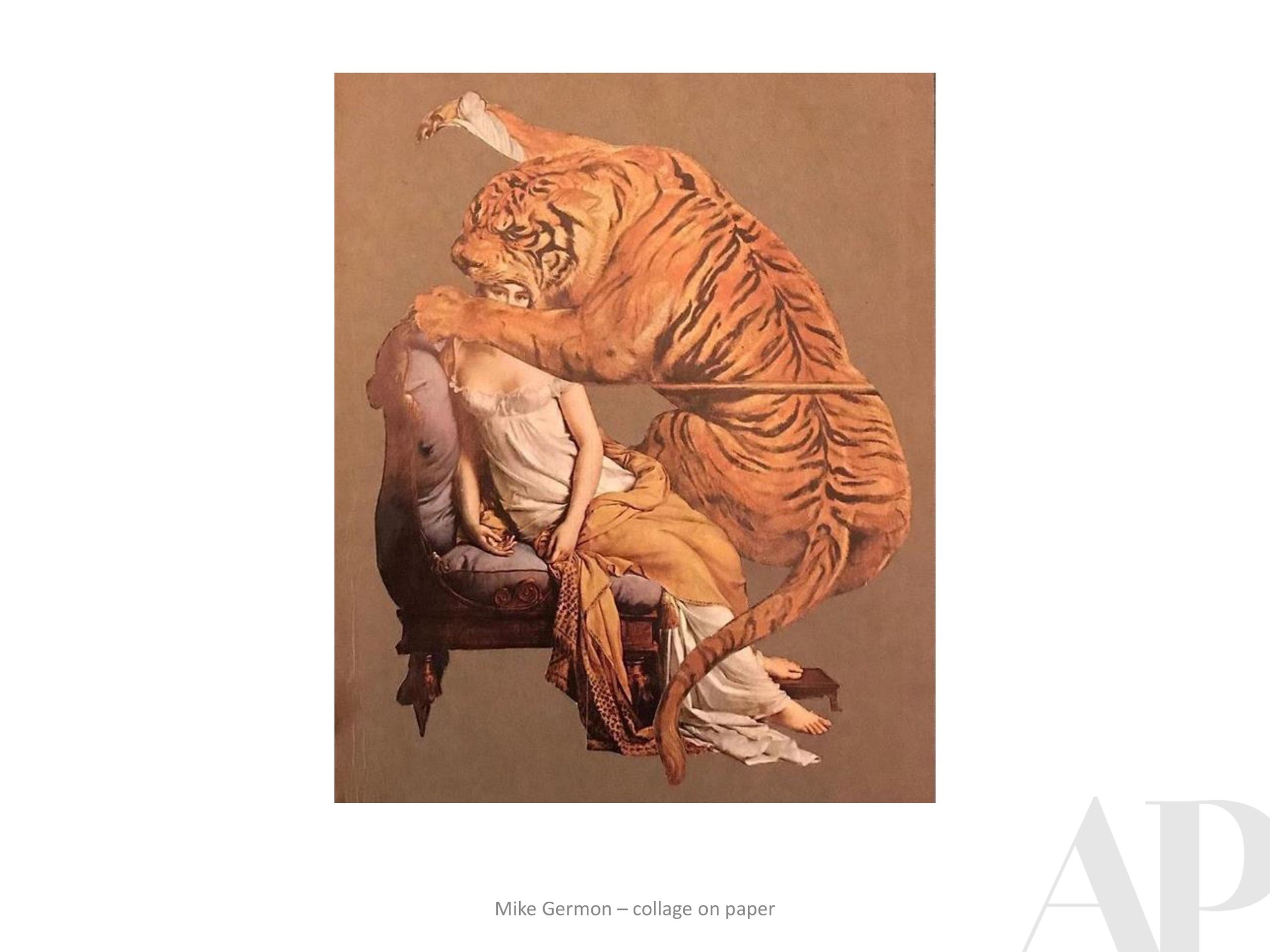
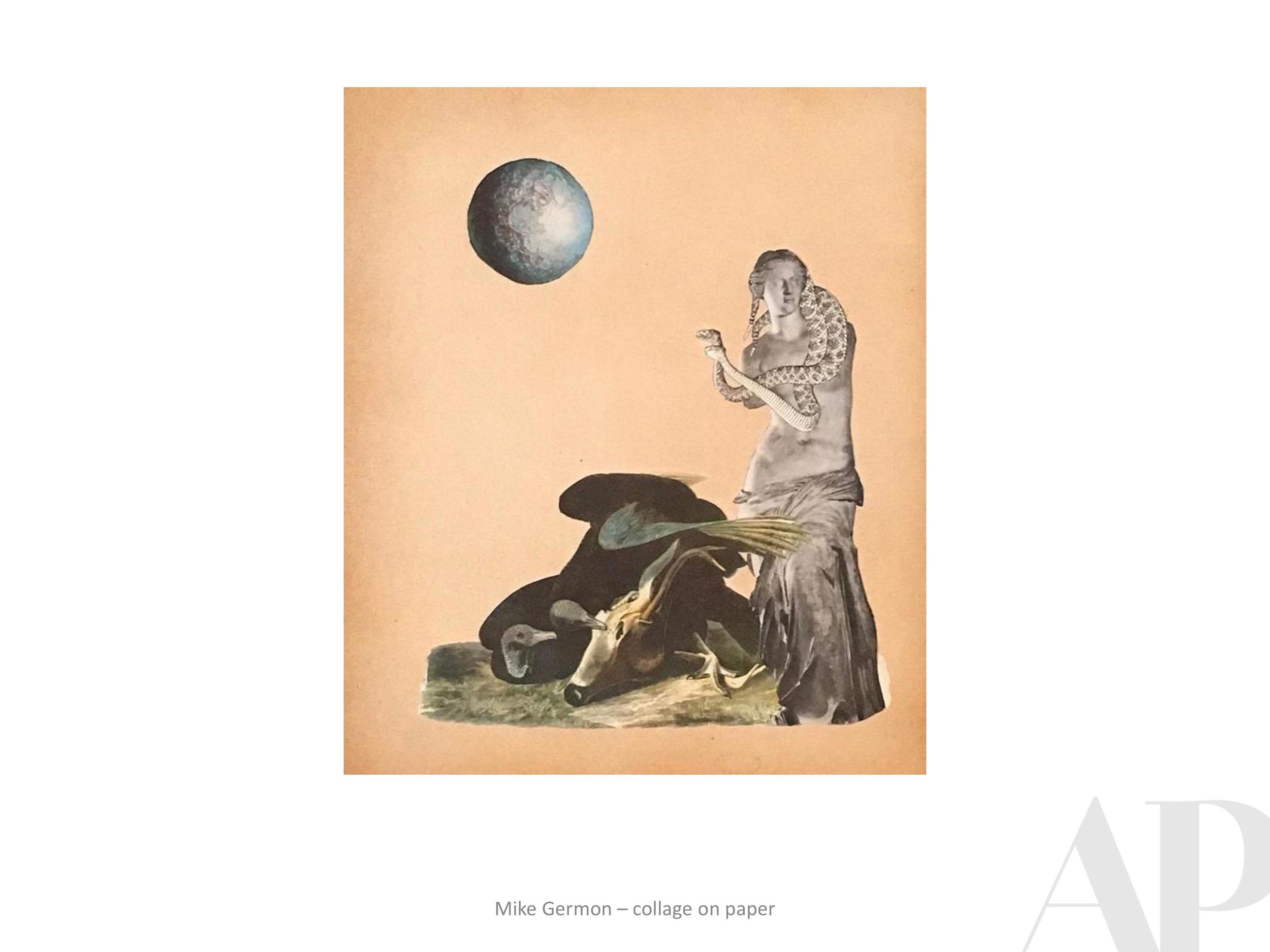
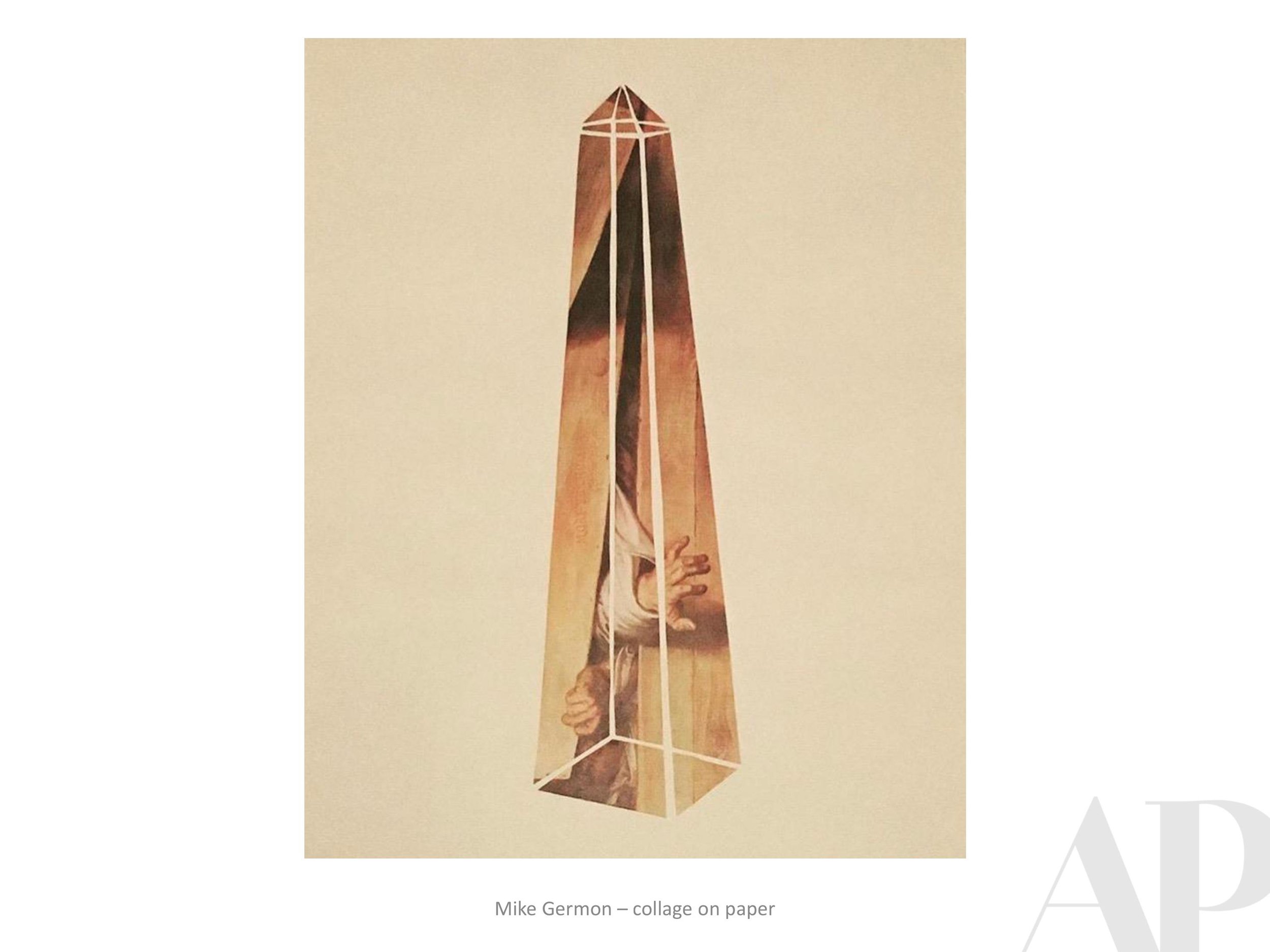
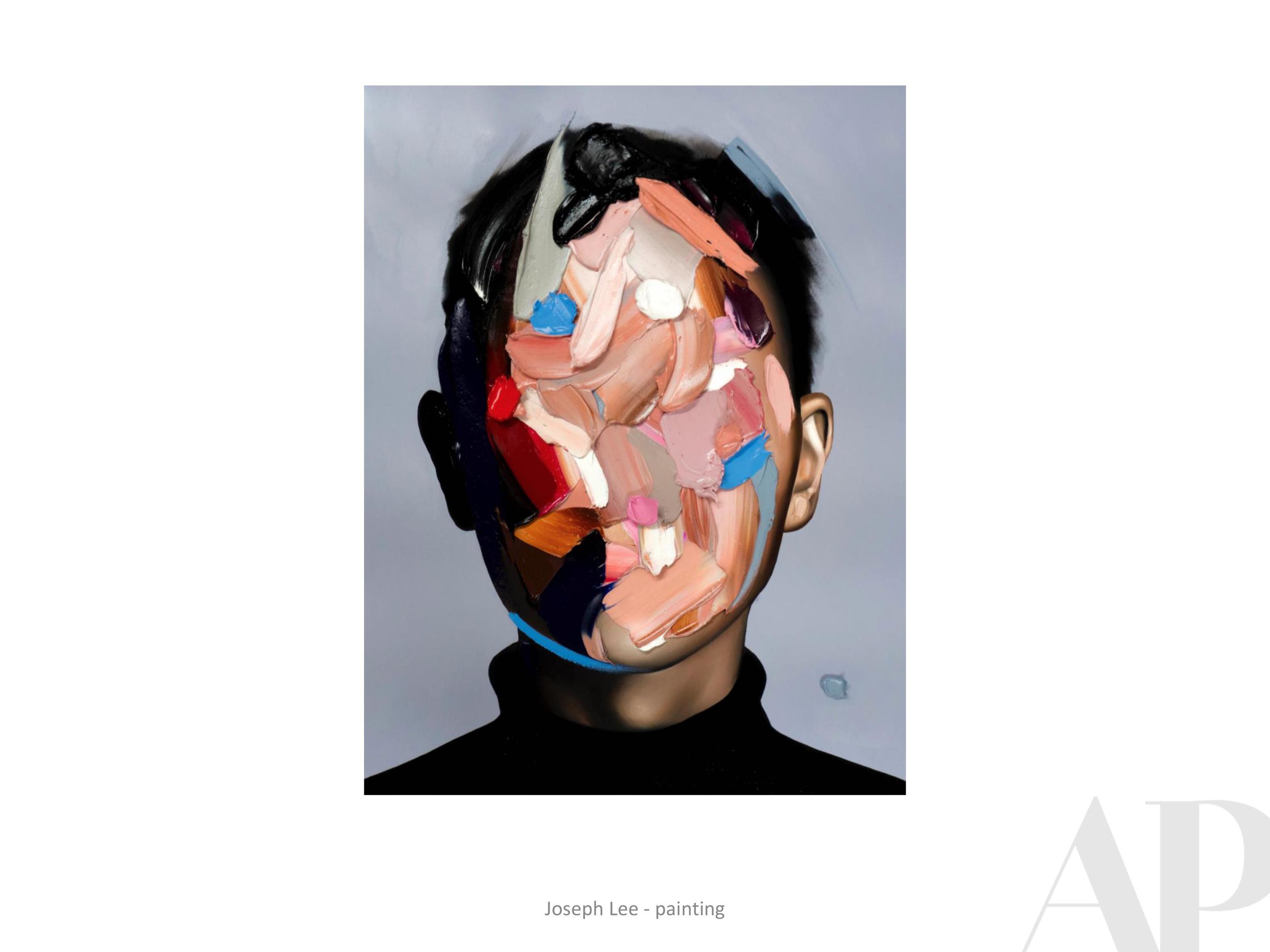
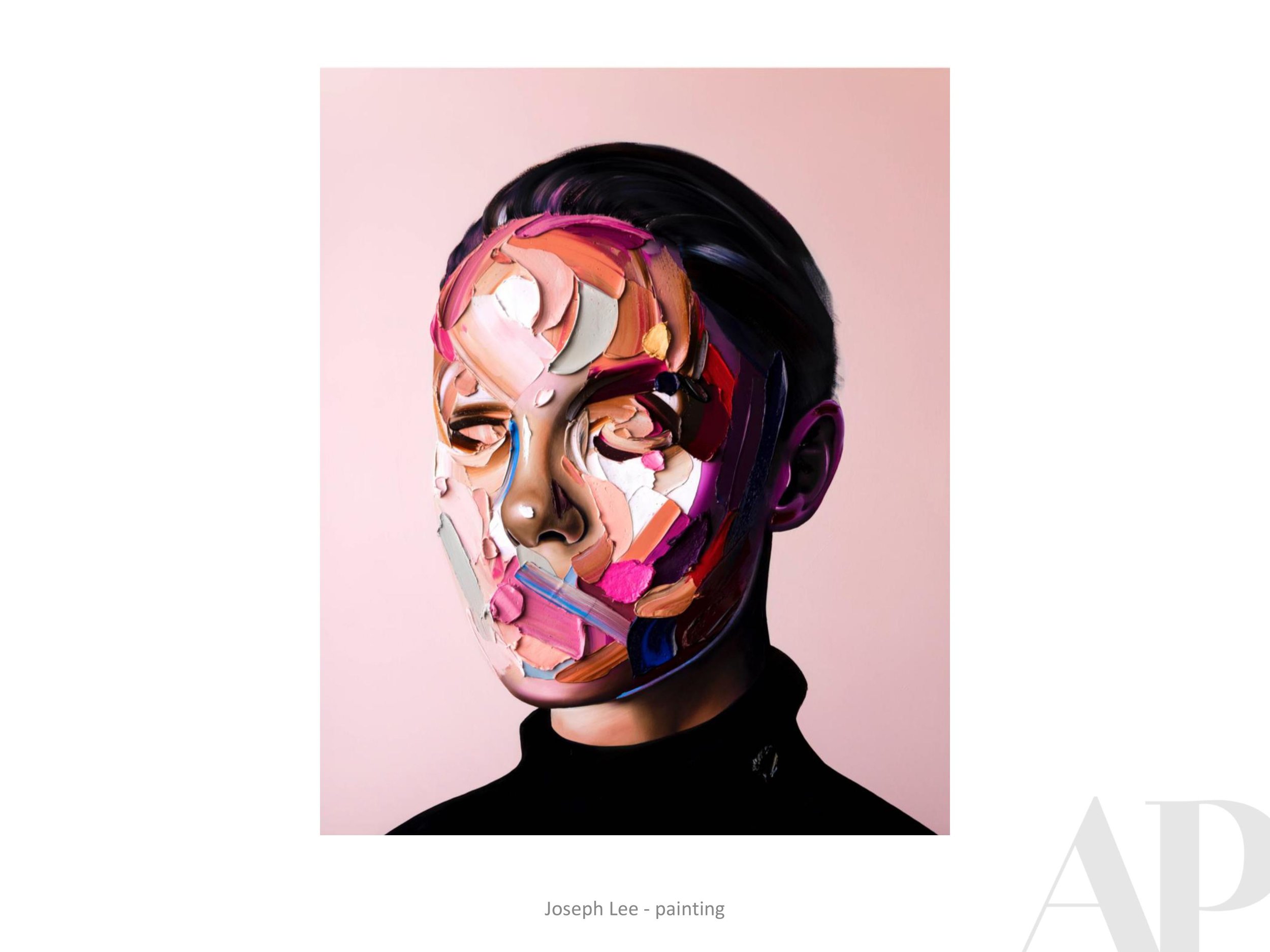
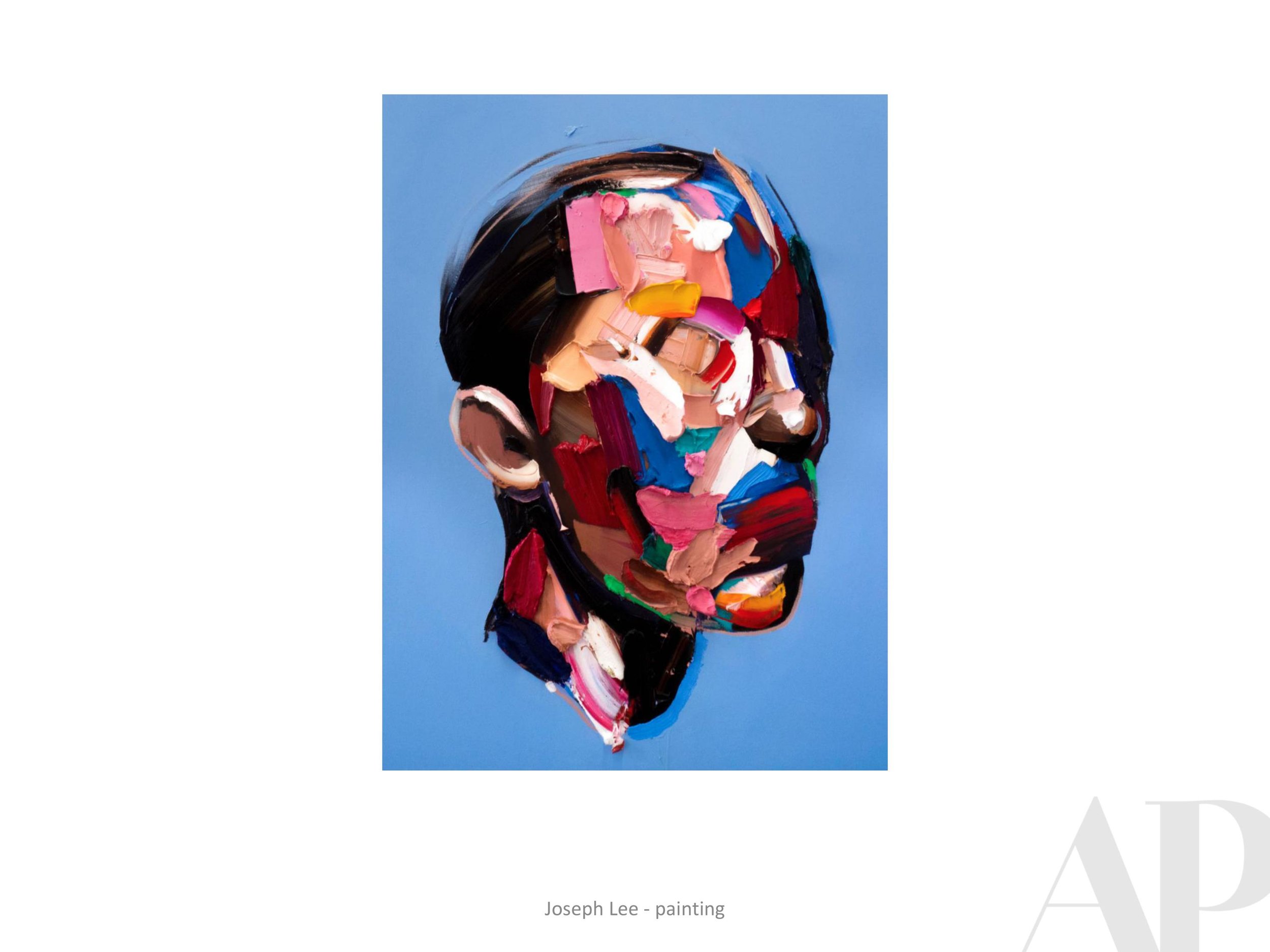
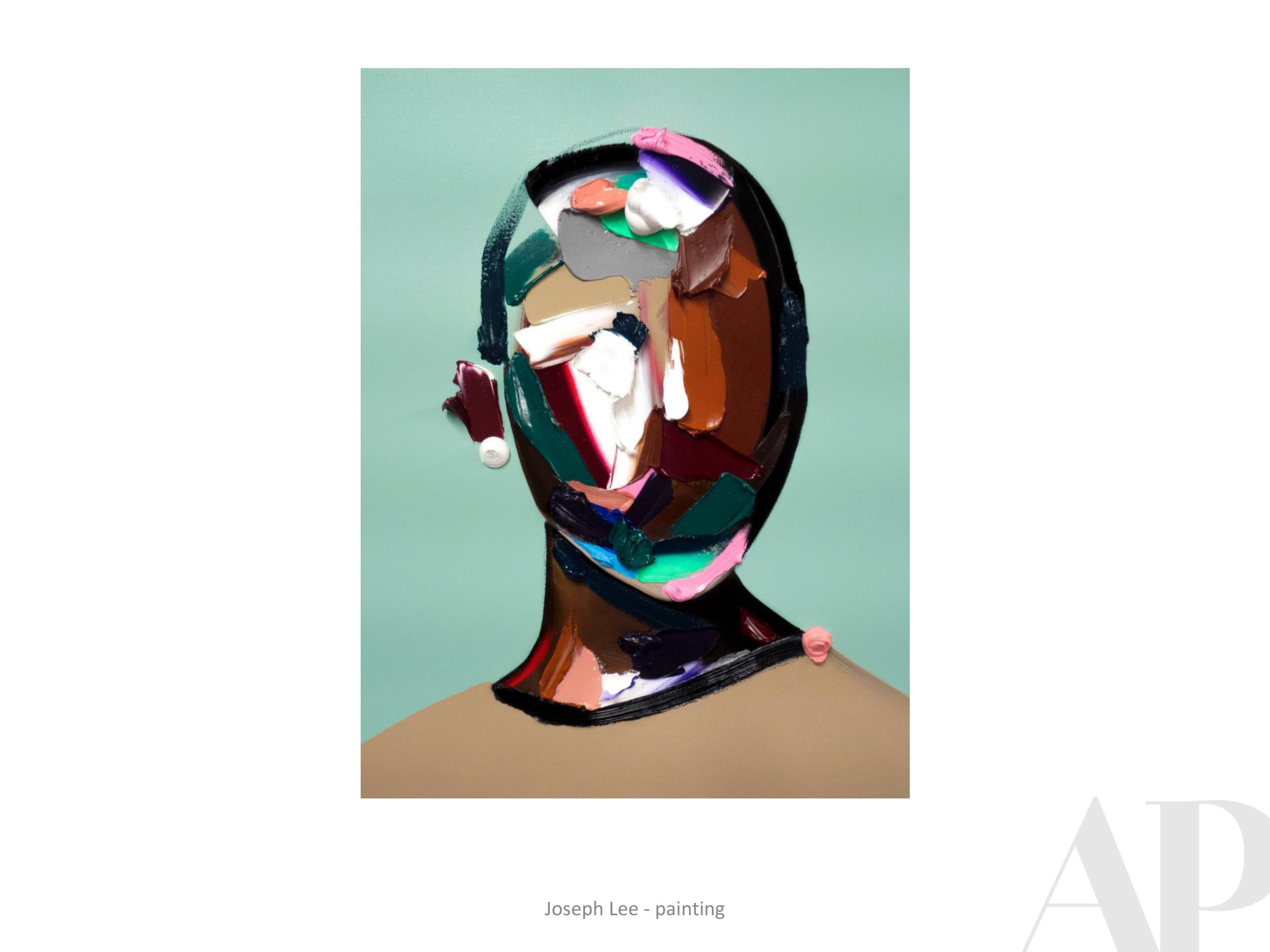
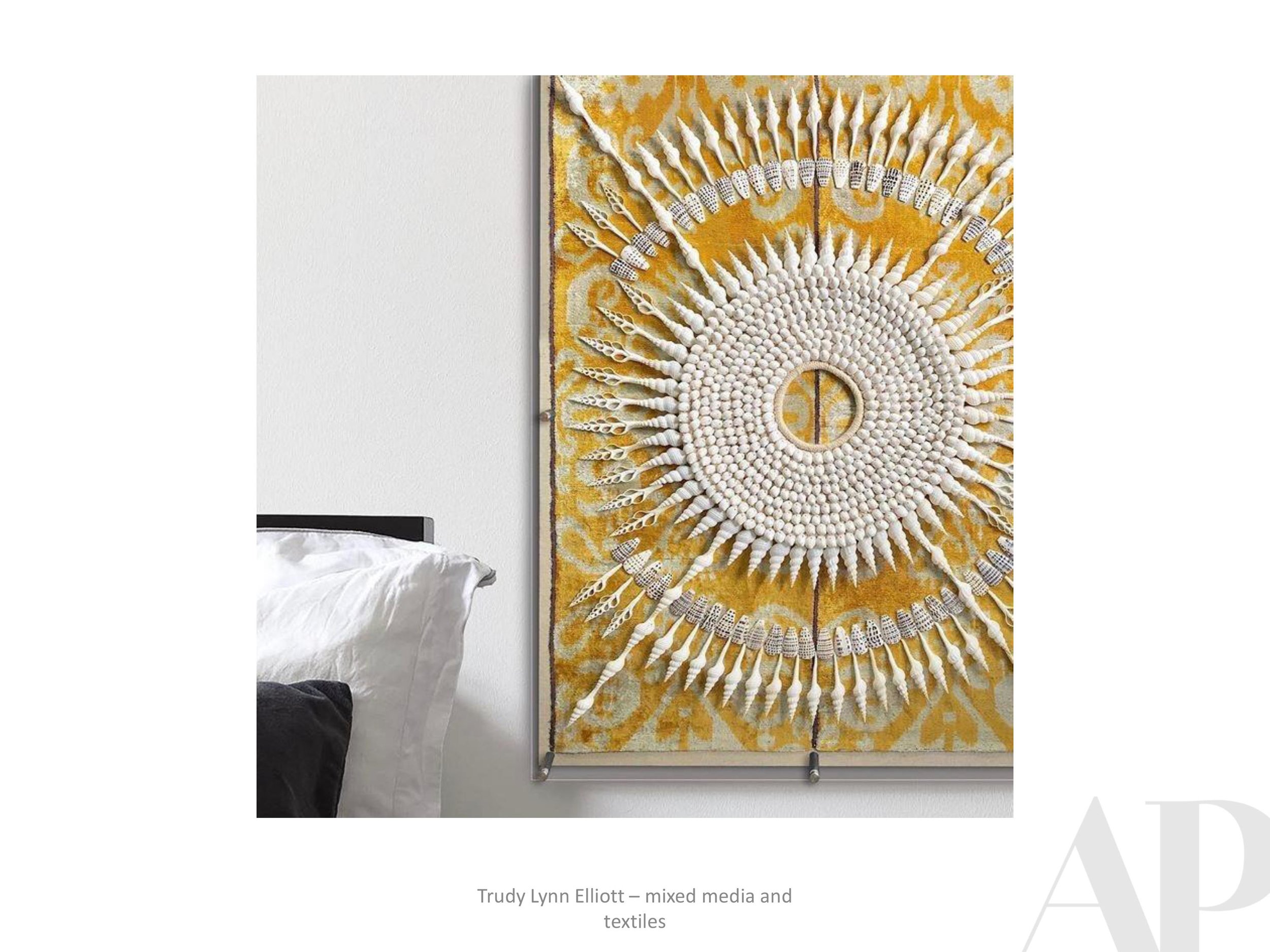
Amy Parry Projects Places a Unique Fabian Oefner Photograph
Fabian Oefner Meshing of Art + Science | by Mallory Johnson, 2019 Summer Intern

We recently chose one of Fabian Oefner’s disintegrating car images for a special client’s new auto gallery (designed by Blue Lantern Studios). The image will be customized to match the bright Mexico Blue of the owner’s personal Audi R8 which will be stored (among other vehicles) in the new space. The alteration of the original color not only makes this image exclusive to the client but it functions as an essential design element to tie the space together. This project goes to show that any room can be enhanced by the addition of artwork. Oefner’s dynamic, detailed and illusionistic image brings personalization and beauty to a space that is designed to be so much more than just a garage.
Oefner himself is an internationally renowned Swiss photographer whose work has been showcased from New York to Dubai. The artwork selected for this project comes from his series of images showing cars breaking apart. This particular large-scale photograph shows an Audi R8 frozen in time as it disintegrates. The front end of the vehicle is still intact while the rear is quite literally breaking away in front of our eyes. Against the black background every metallic component of the car stands out. Oefner allows the viewer to experience something that in reality would only last a split second. There is a certain satisfaction in not only being able to watch time stop, but also to see the inner workings of a luxury vehicle. On top of that, what we are looking at is entirely created by the artist. It is not a genuine explosion captured by Oefner’s camera, but a hyper realistic rendering based on thousands of individual photographs.
In order to create the Disintegrating series of images, Oefner photographs each part of the car, even the most miniscule elements. While it is a painstaking process, the outcome is an intricate image that highlights the elegance and integrity of each vehicle. There is a certain musical quality to the work as well. The way he has perfectly orchestrated this car to come apart makes the viewer feel as though they are watching a symphony of auto parts in which each nut and bolt is essential to the whole image. He stays true to the construction of each specific car, which ensures that the authenticity of the piece rings true even though it is a manufactured “explosion.” Oefner is unique in his conception of the image; it is a scientific dissection of the whole vehicle rather than just the fiery wreckage of a high-performance car.
One major element at play in this artwork is the concept of time. In his own words, “There is a unique pleasure about artificially building a moment… Freezing a moment in time is stupefying.” Oefner’s scientific approach to art and a preoccupation with conceptual ideas are best explained in his 2013 TED talk, “Psychedelic Science.” In this intriguing talk, Oefner explains his artistic purpose and offers insight into how he brings his images to life. He clearly has both an artistic and analytical mind; this combination allows him to manipulate a concept such as sound and make it into something that you can see. His work is both visually stunning and extremely playful, especially regarding the pieces showcased in his TED talk. The colors are bright and bold and similar to the Disintegrating images. There is a focus on bringing attention to even the smallest aspects. As for his purpose as an artist, he states that, “what I’m trying to do as a photographer, as an artist is to bring the world of art and science together.” Both science and art are responses to their surroundings, by combining the two concepts he is creating, “Images [that] speak to the viewer’s heart but also to the viewer’s brain.” Oefner’s purpose is evident in each of his Disintegrating images, he is appeasing human curiosity by displaying the insides of the car splintering into space.
You can check out more of Oefner’s work here: LINK | Or watch his TED talk here: LINK
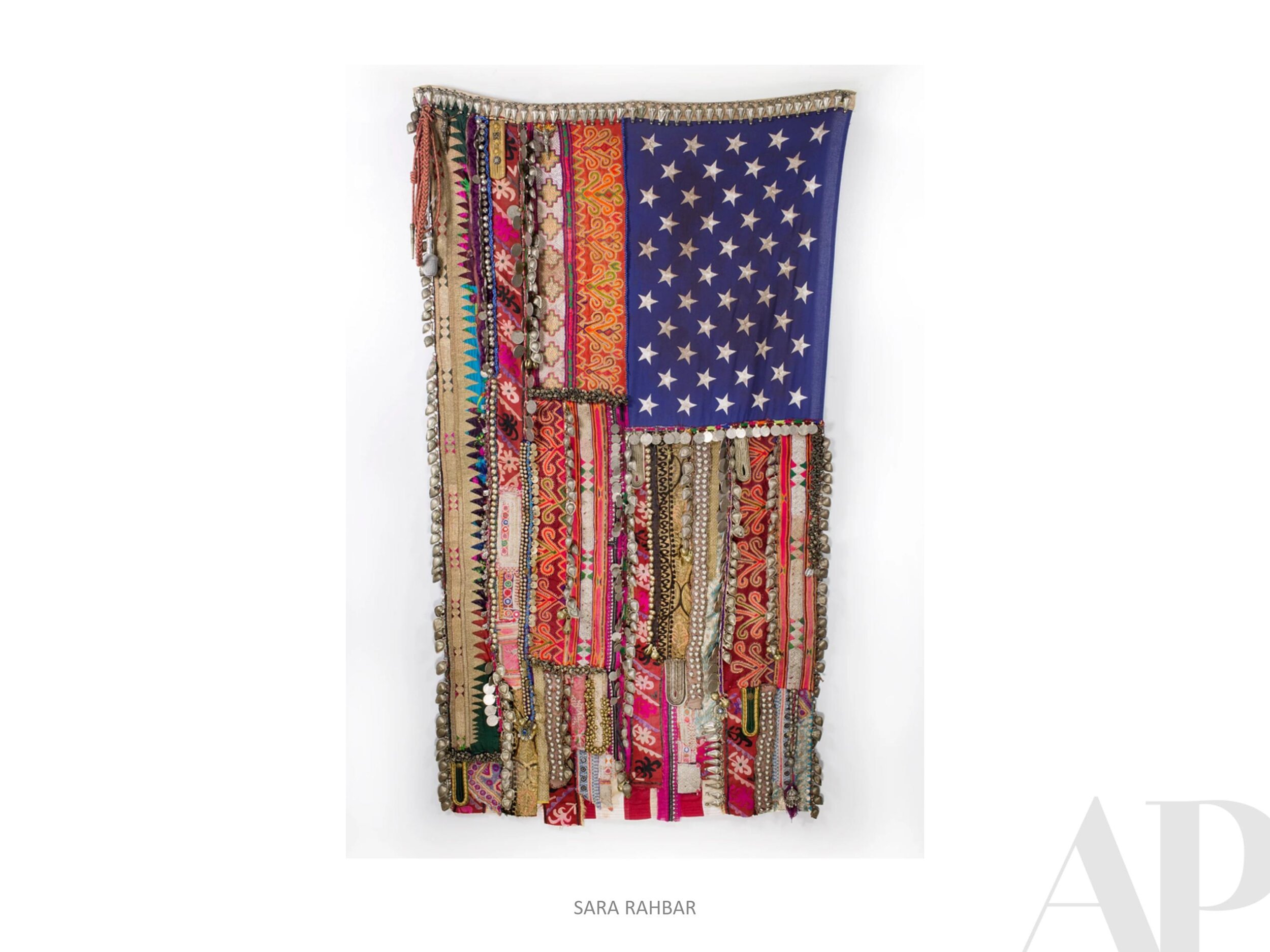
Happy 4th of July
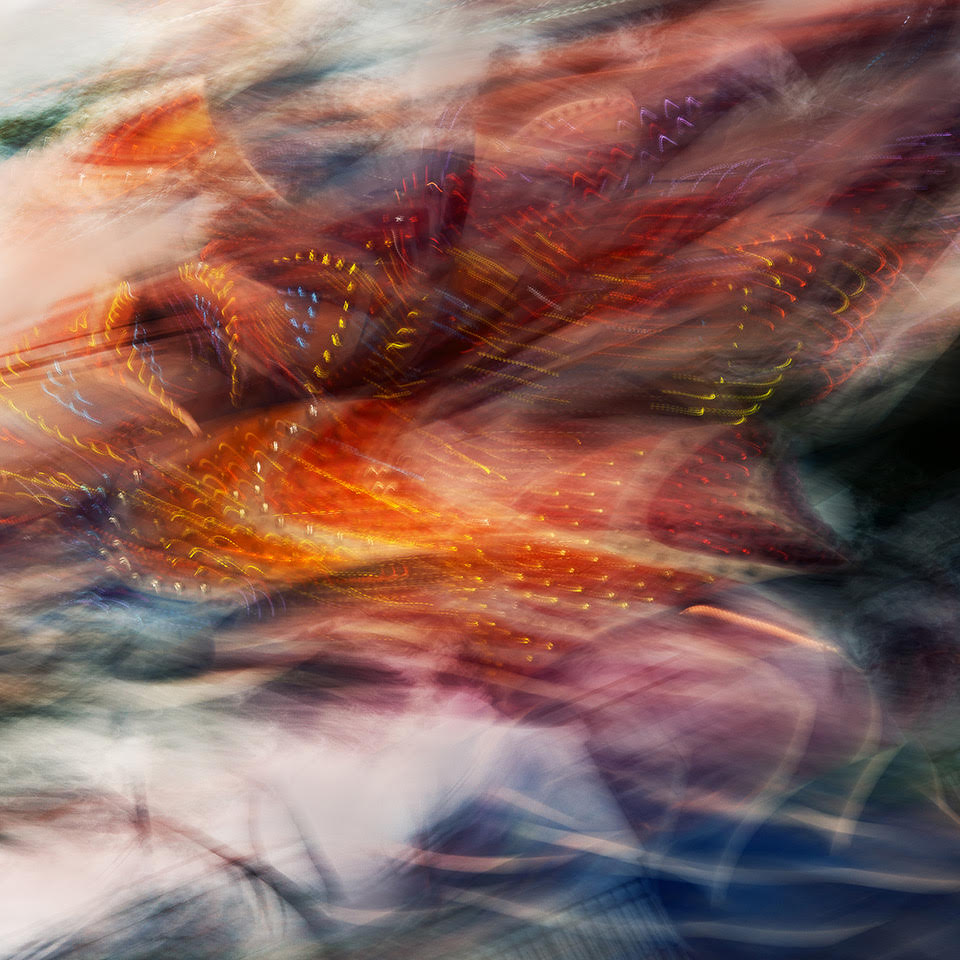
Joseph Jurson, Freedom of Movement #1, 2019
Quisque iaculis facilisis lacinia. Mauris euismod pellentesque tellus sit amet mollis.