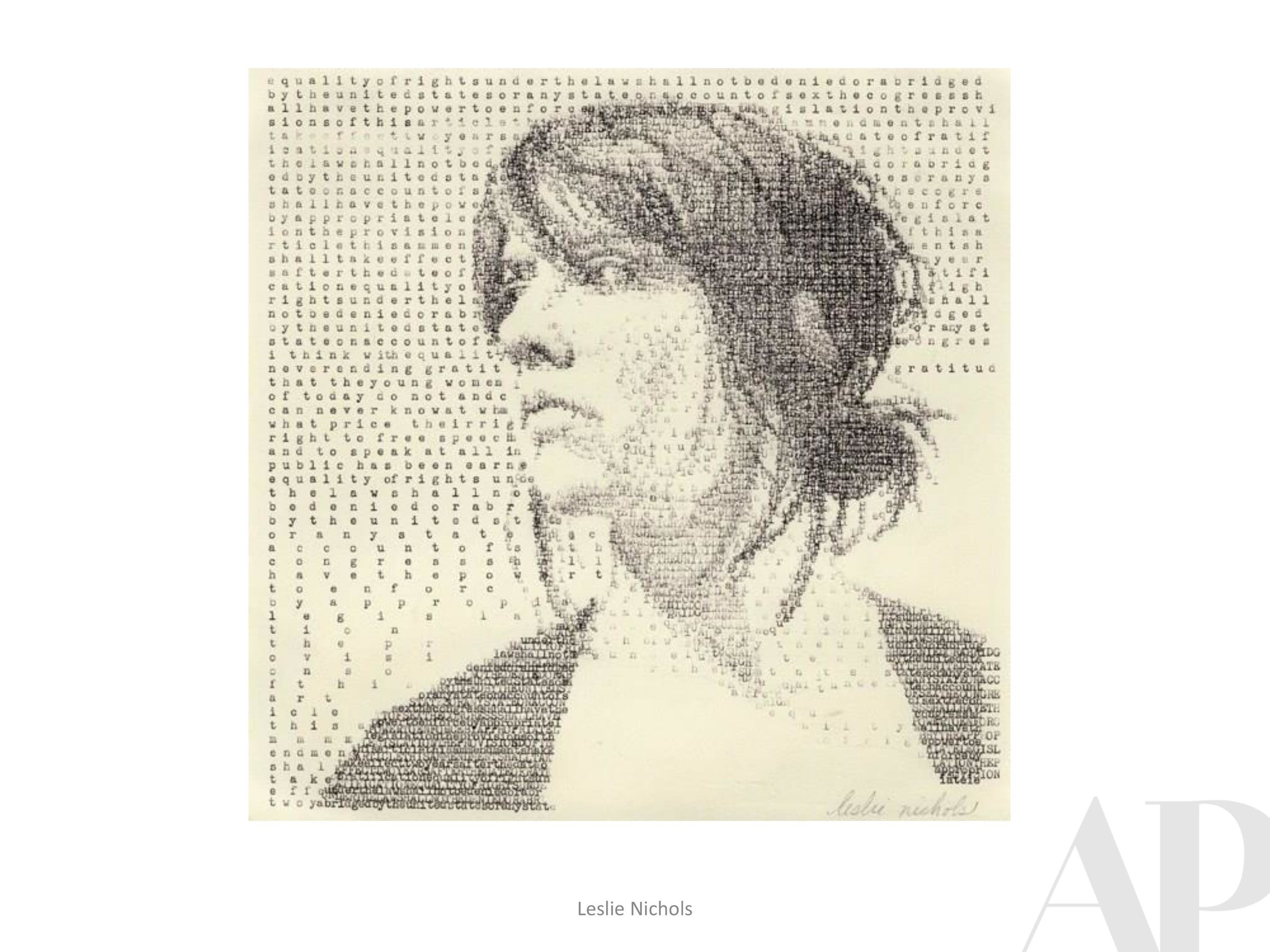
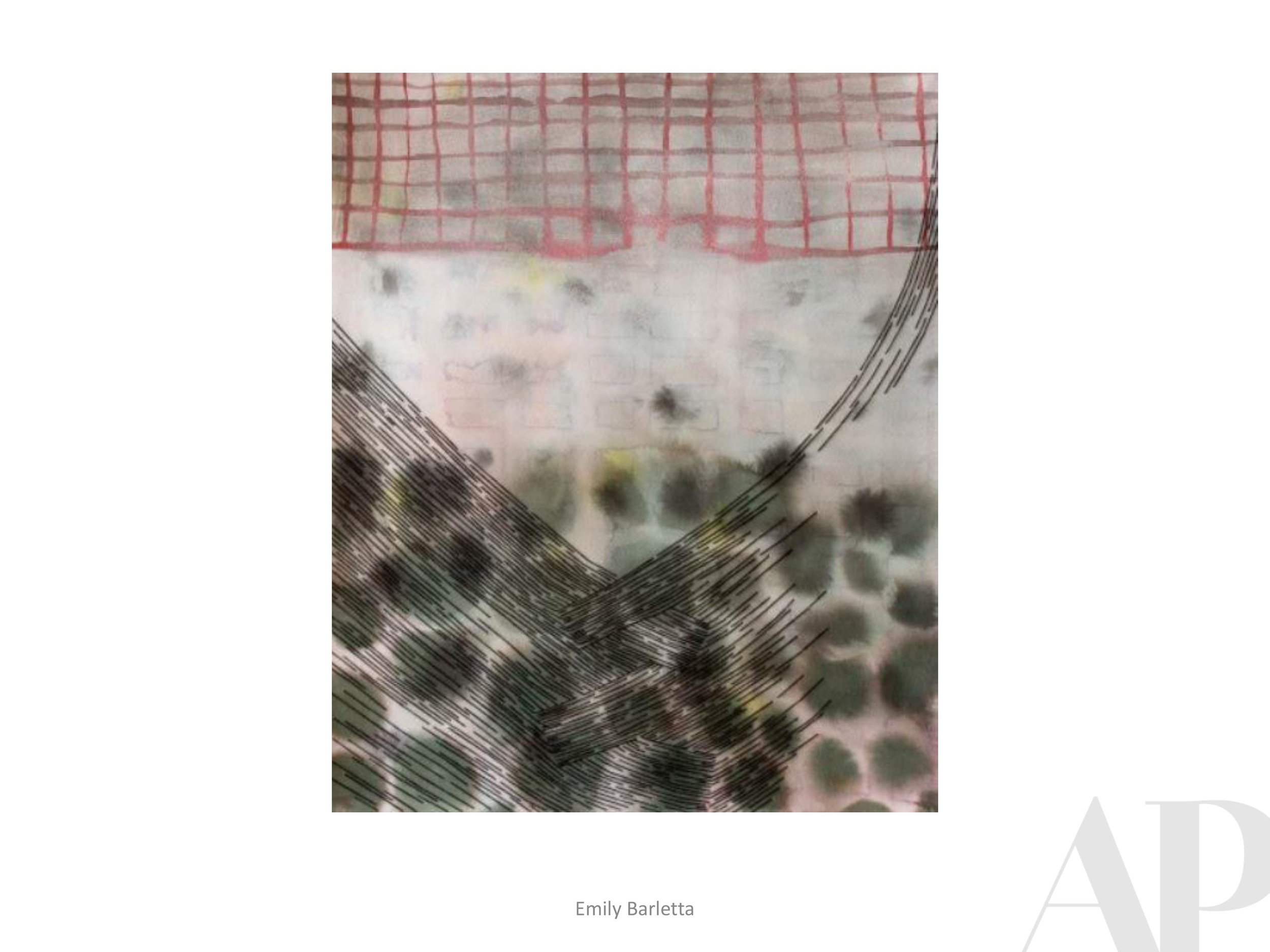
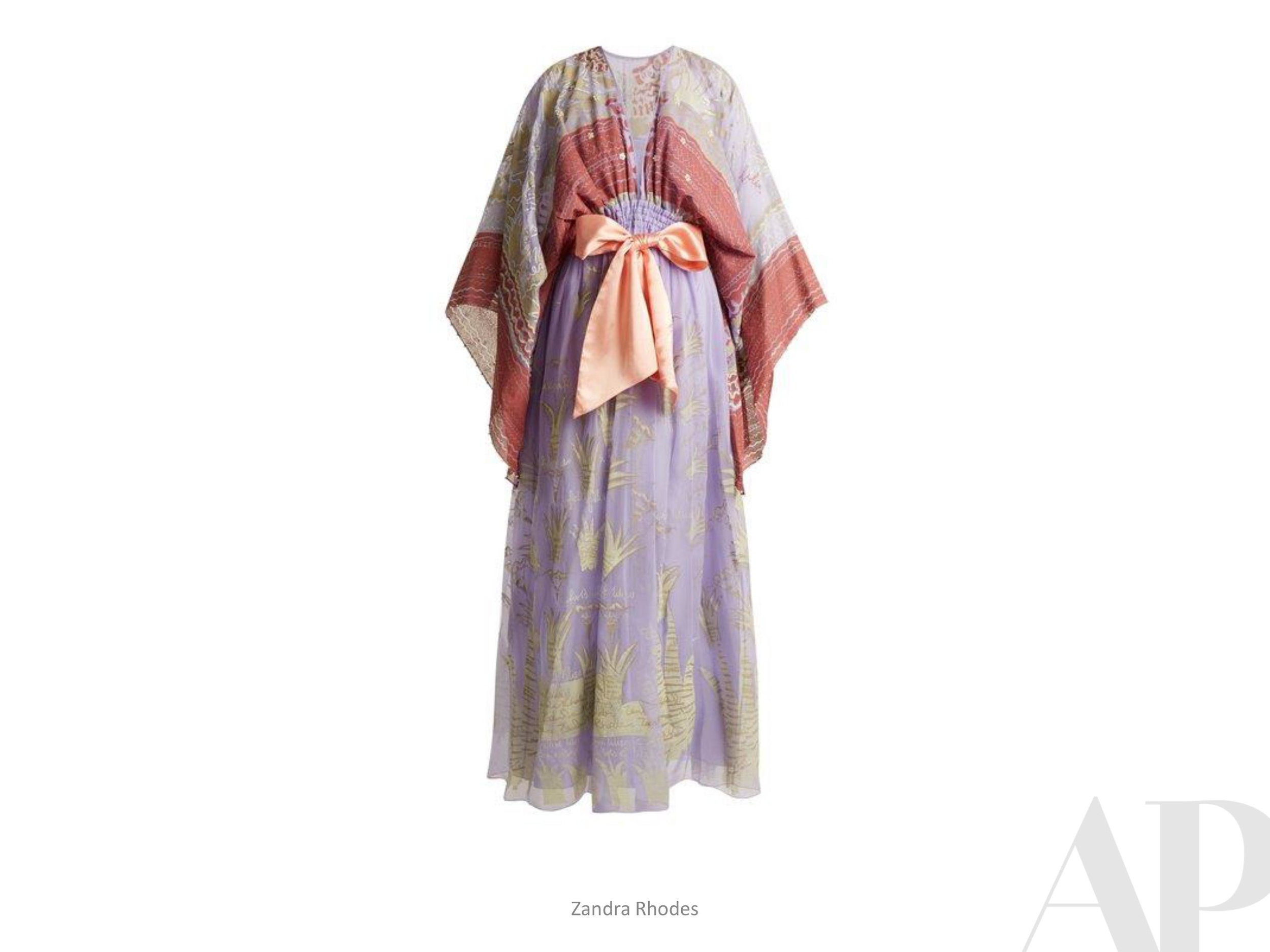
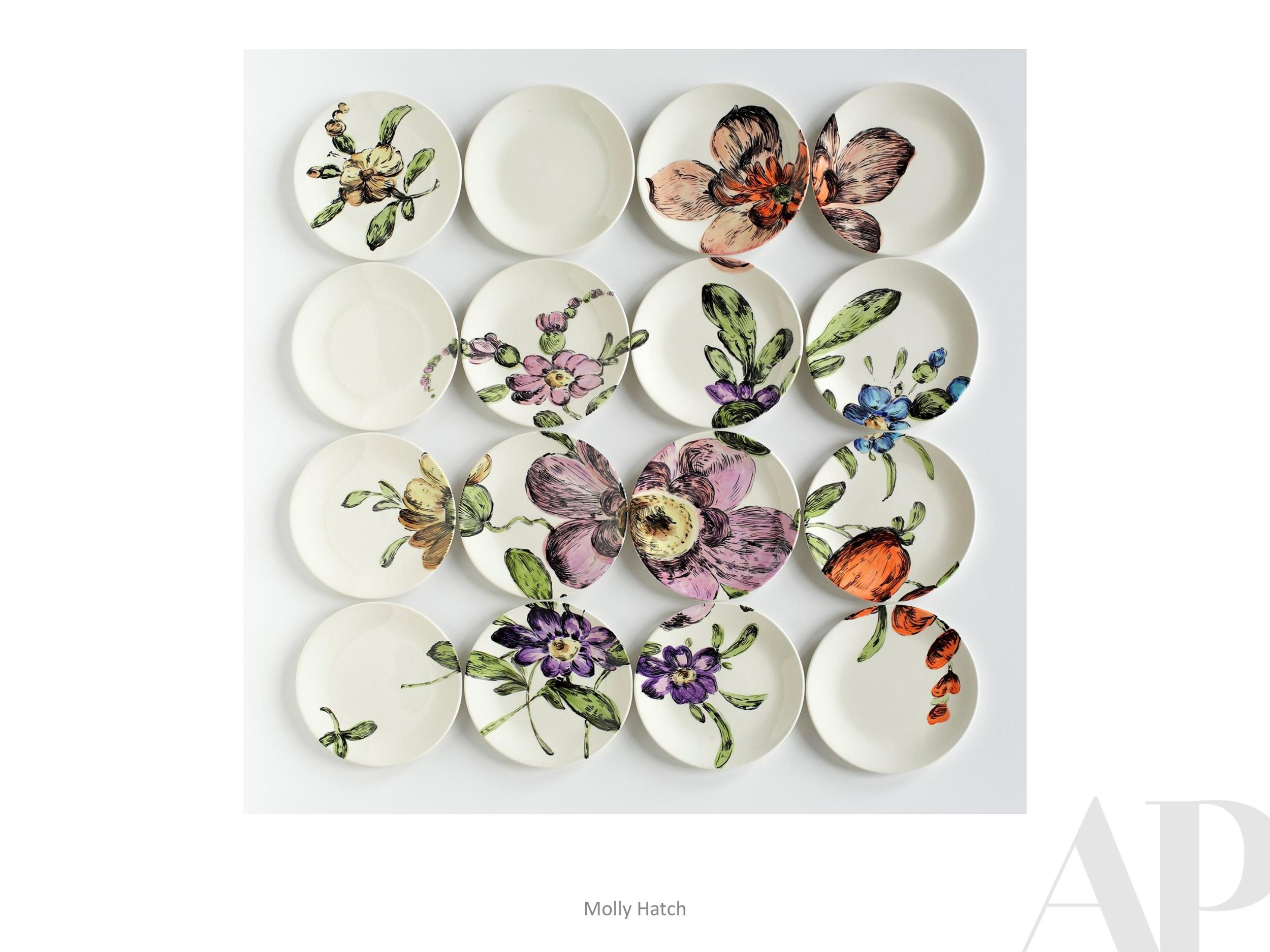
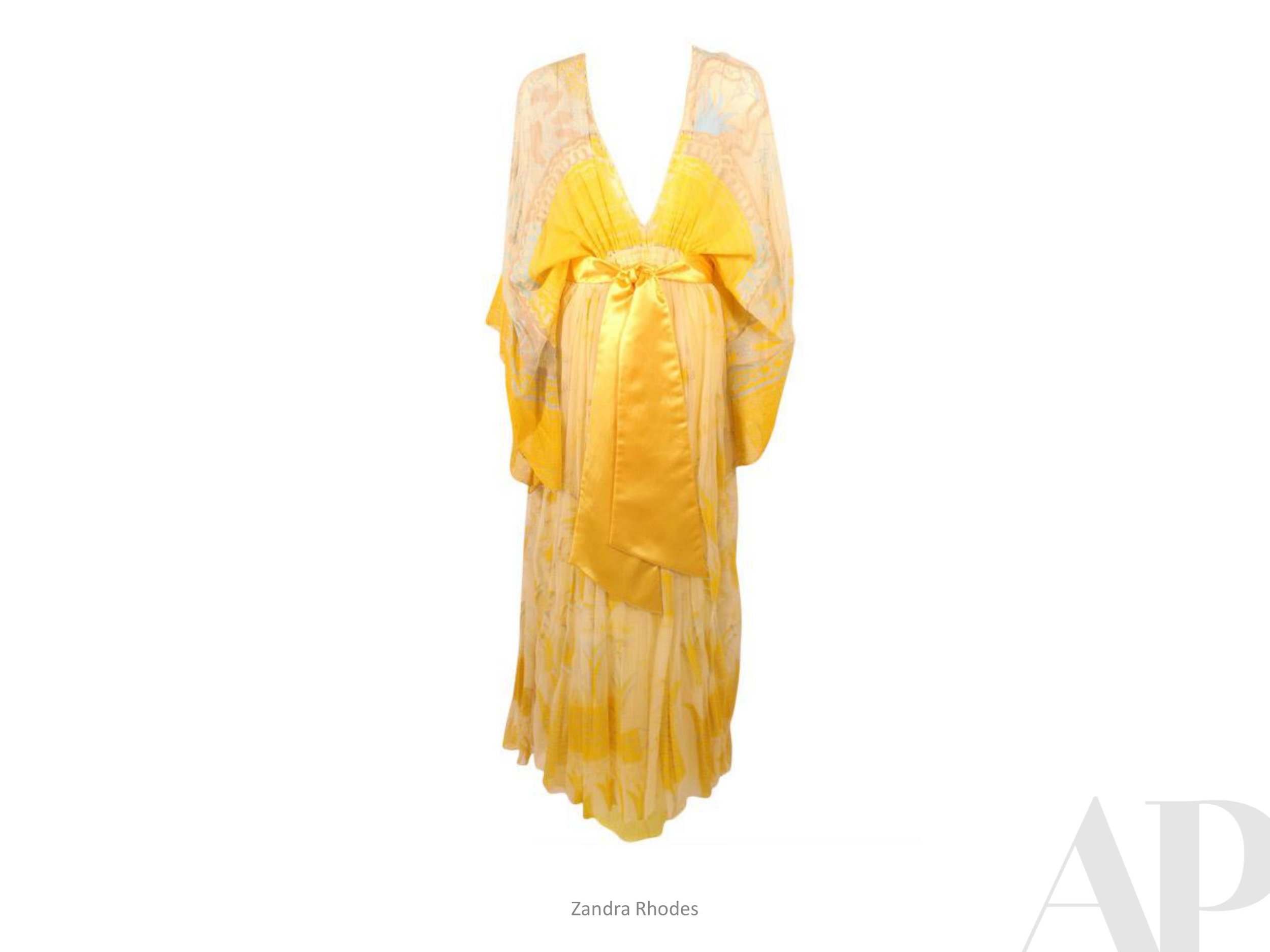
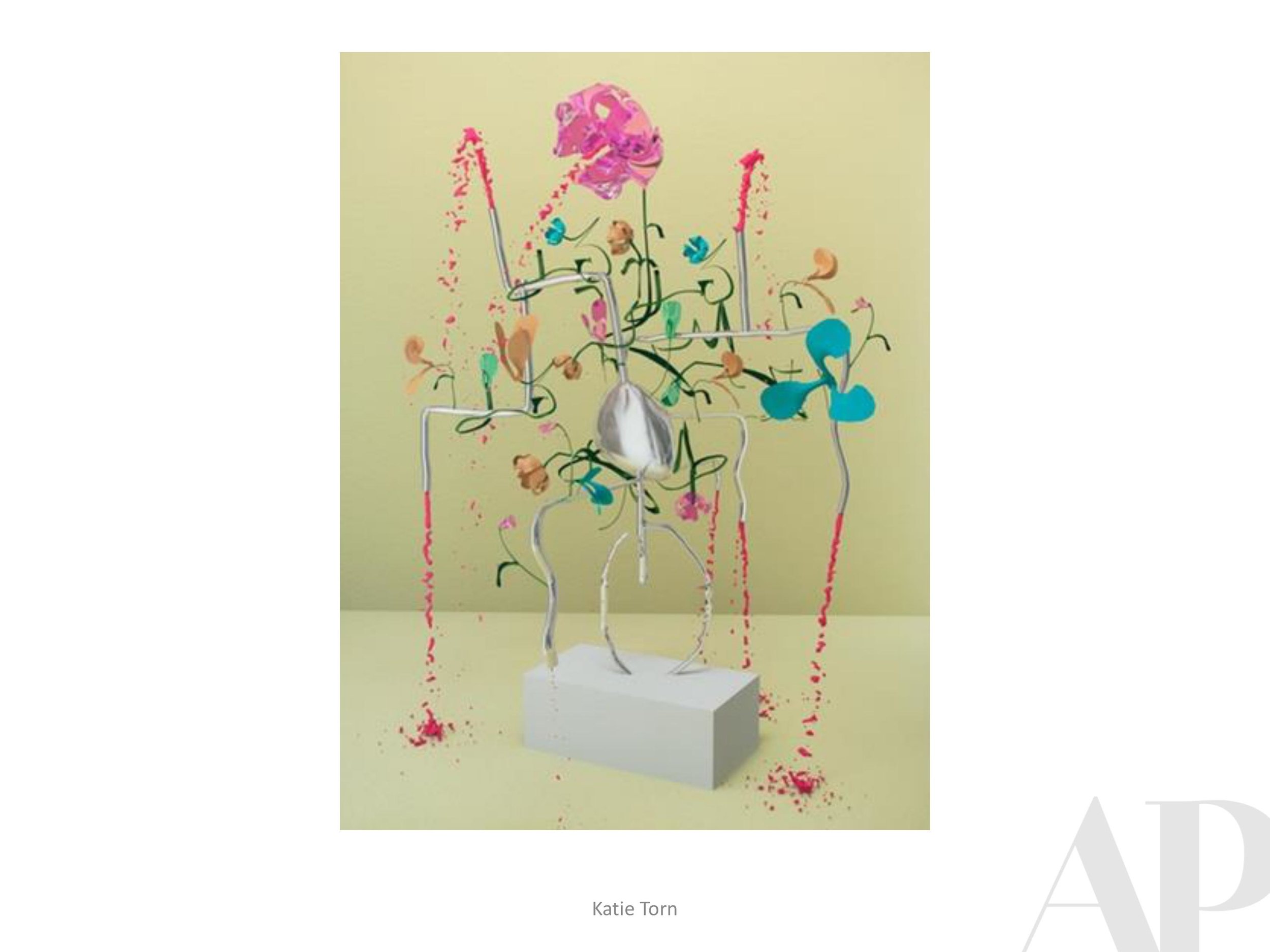
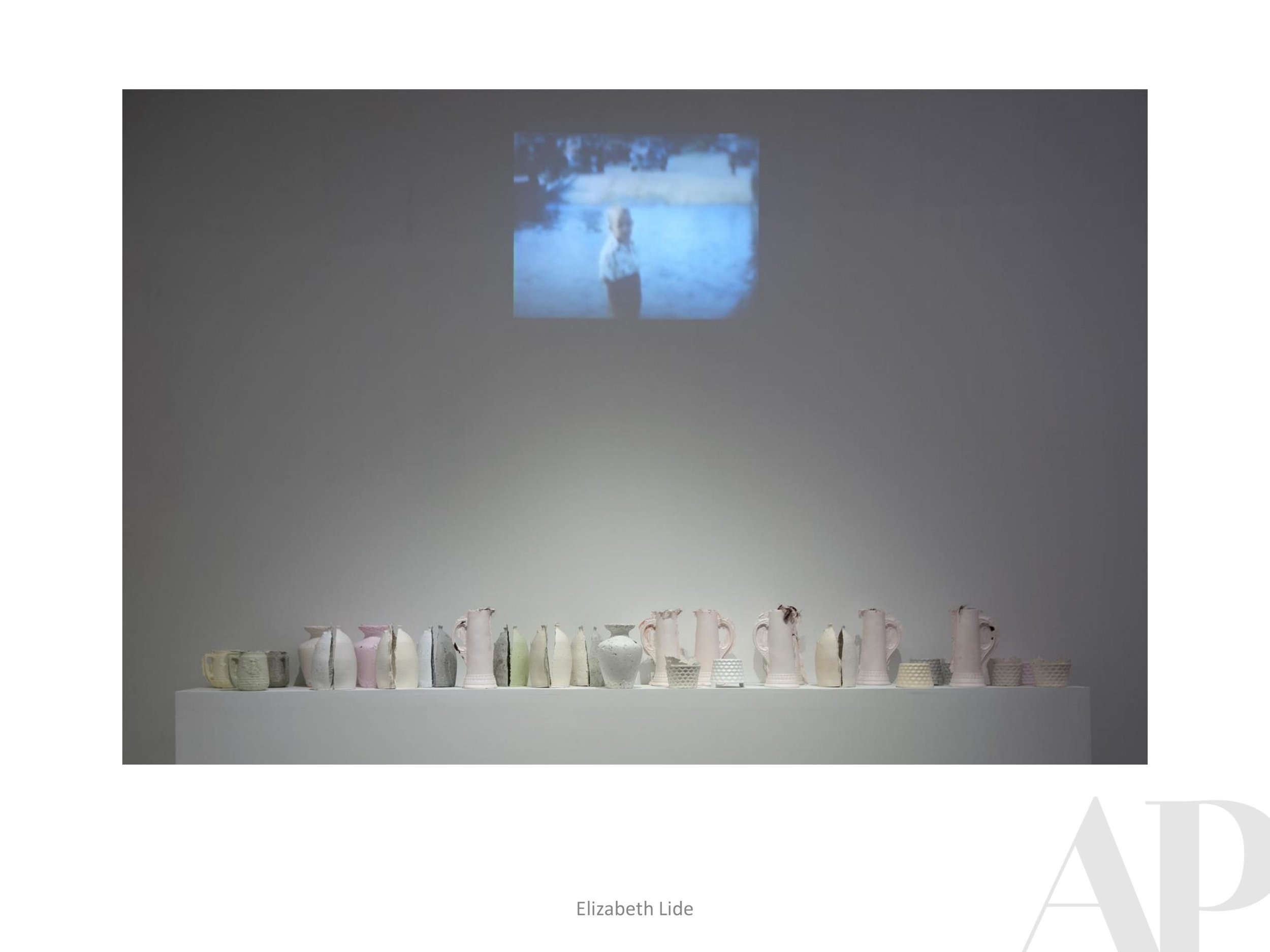
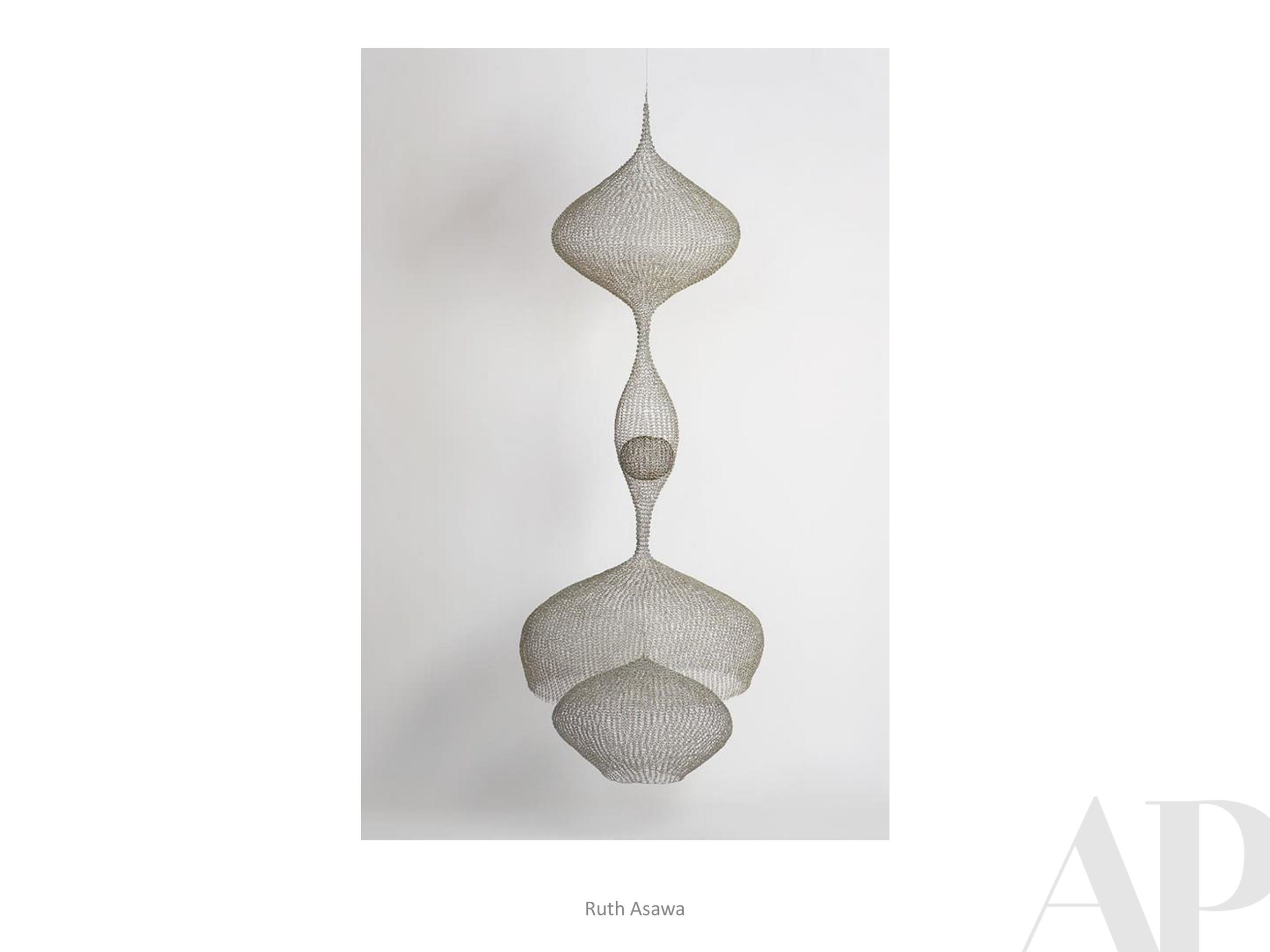
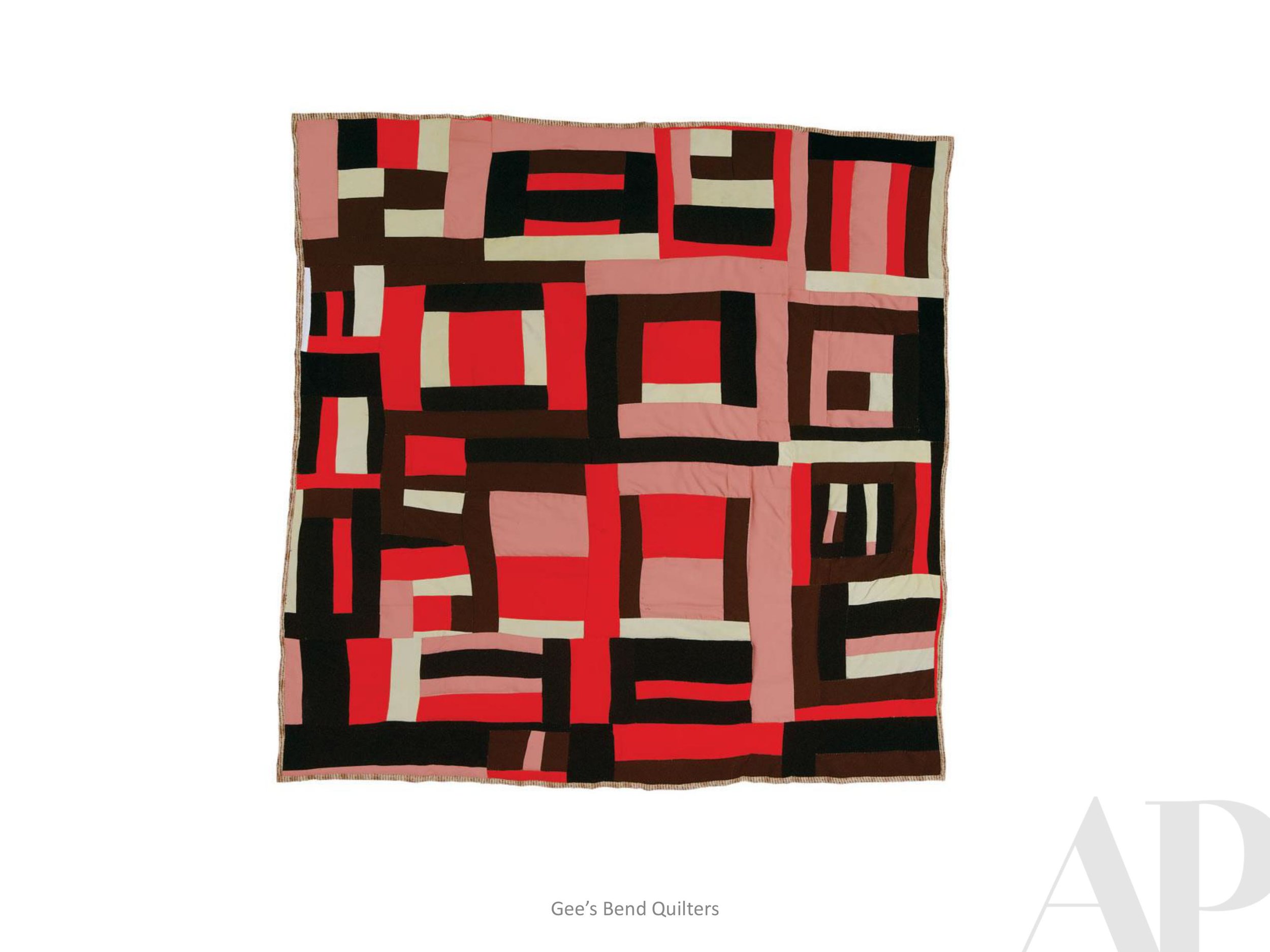
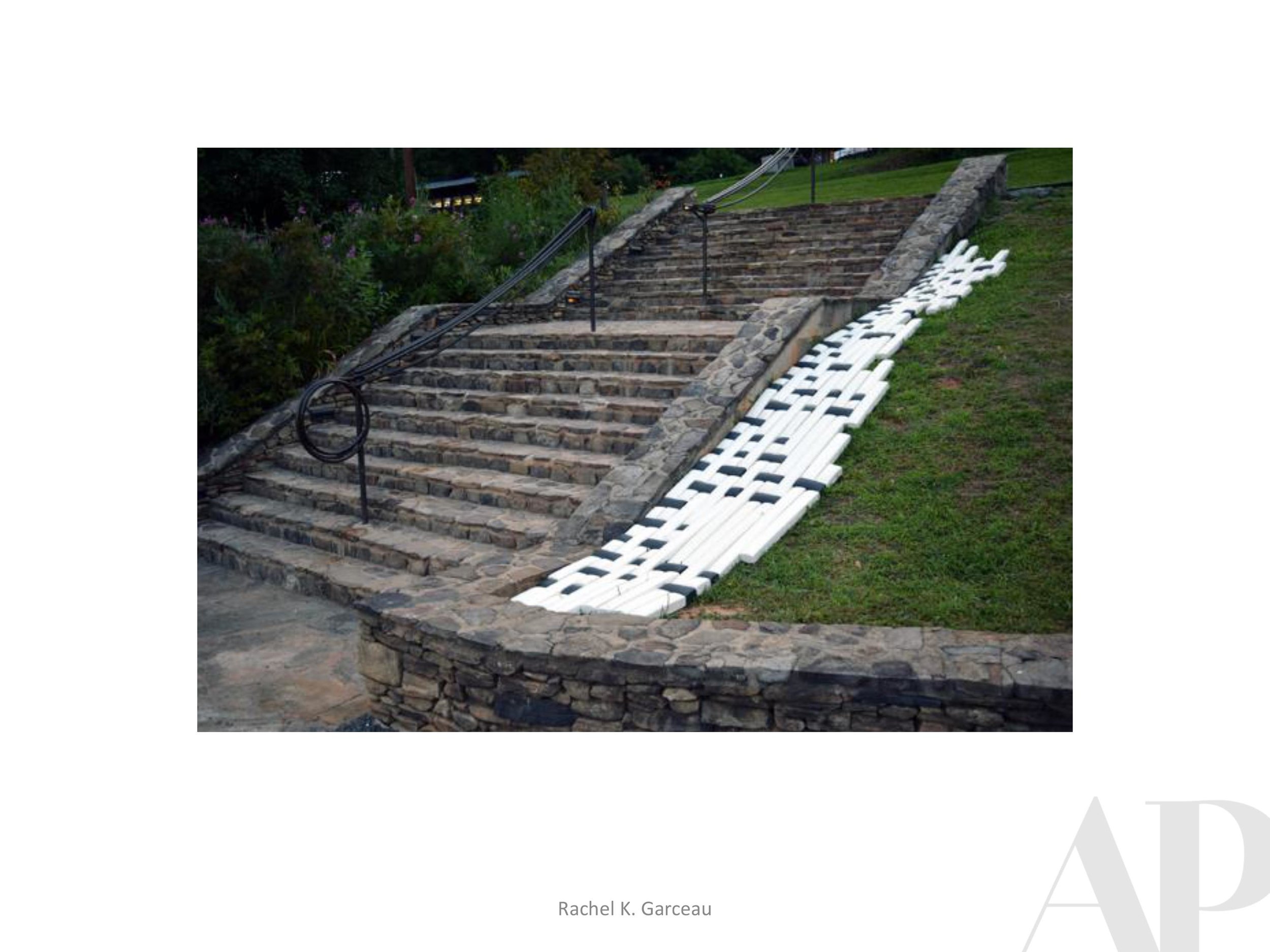
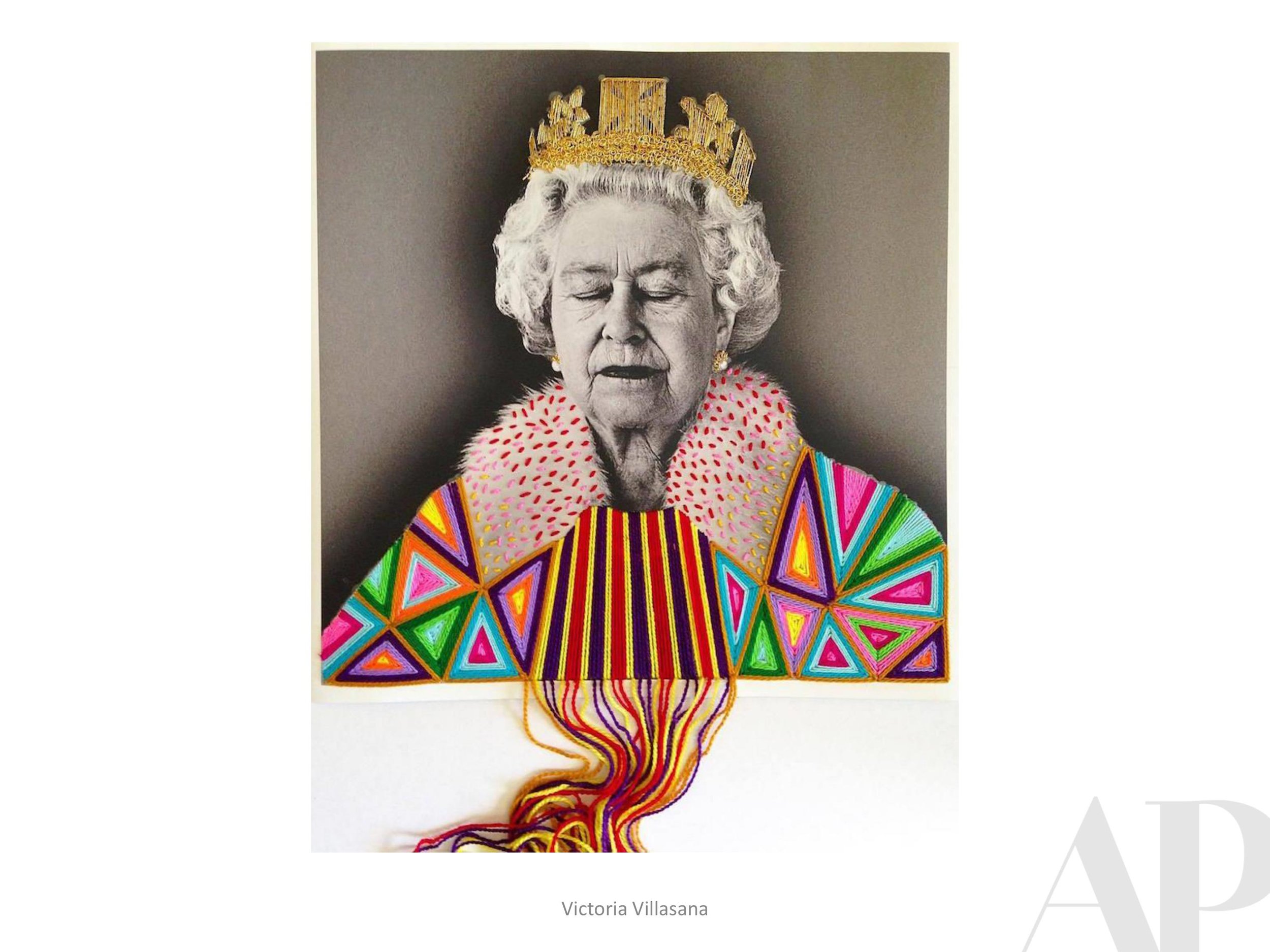
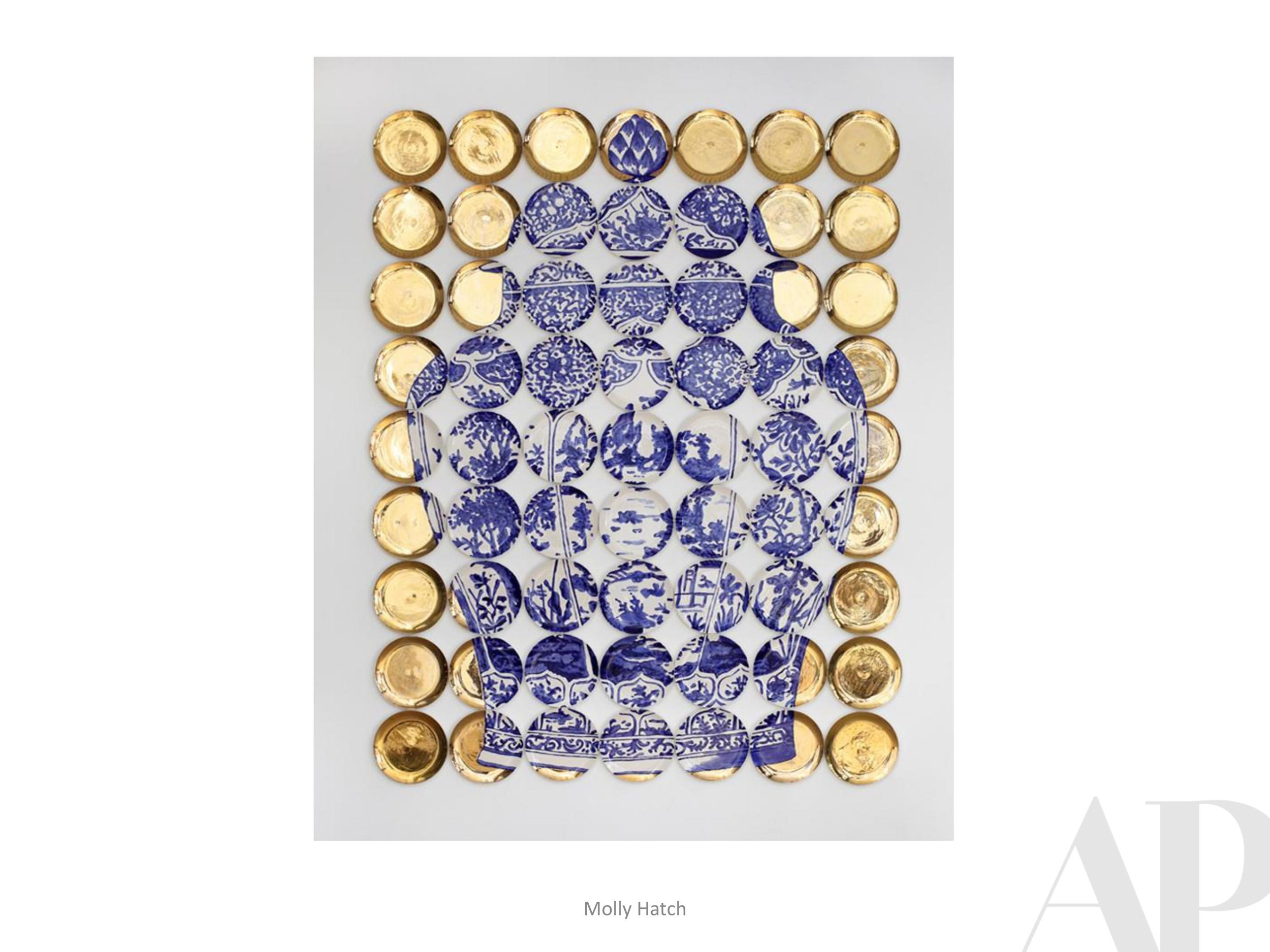
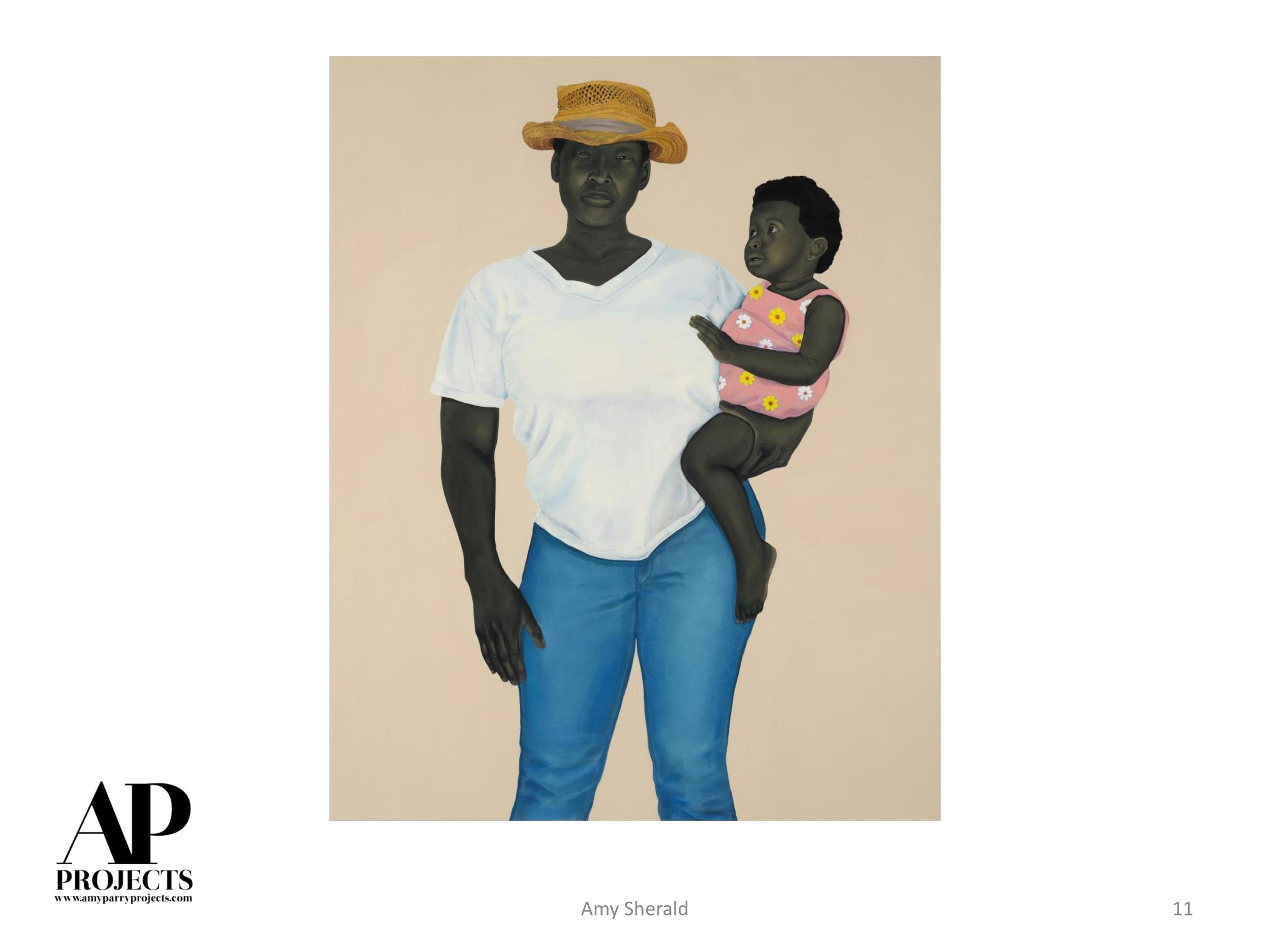
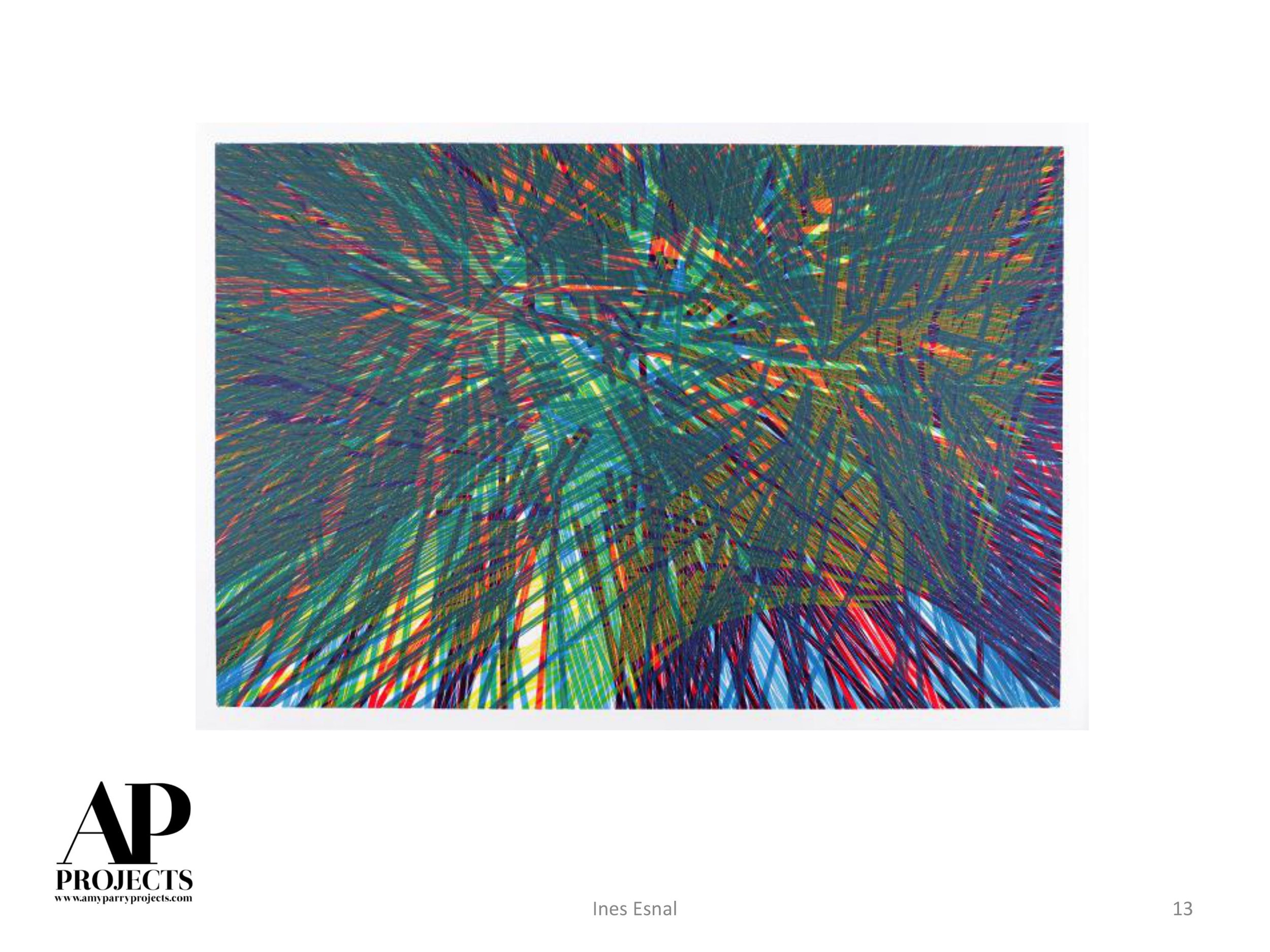
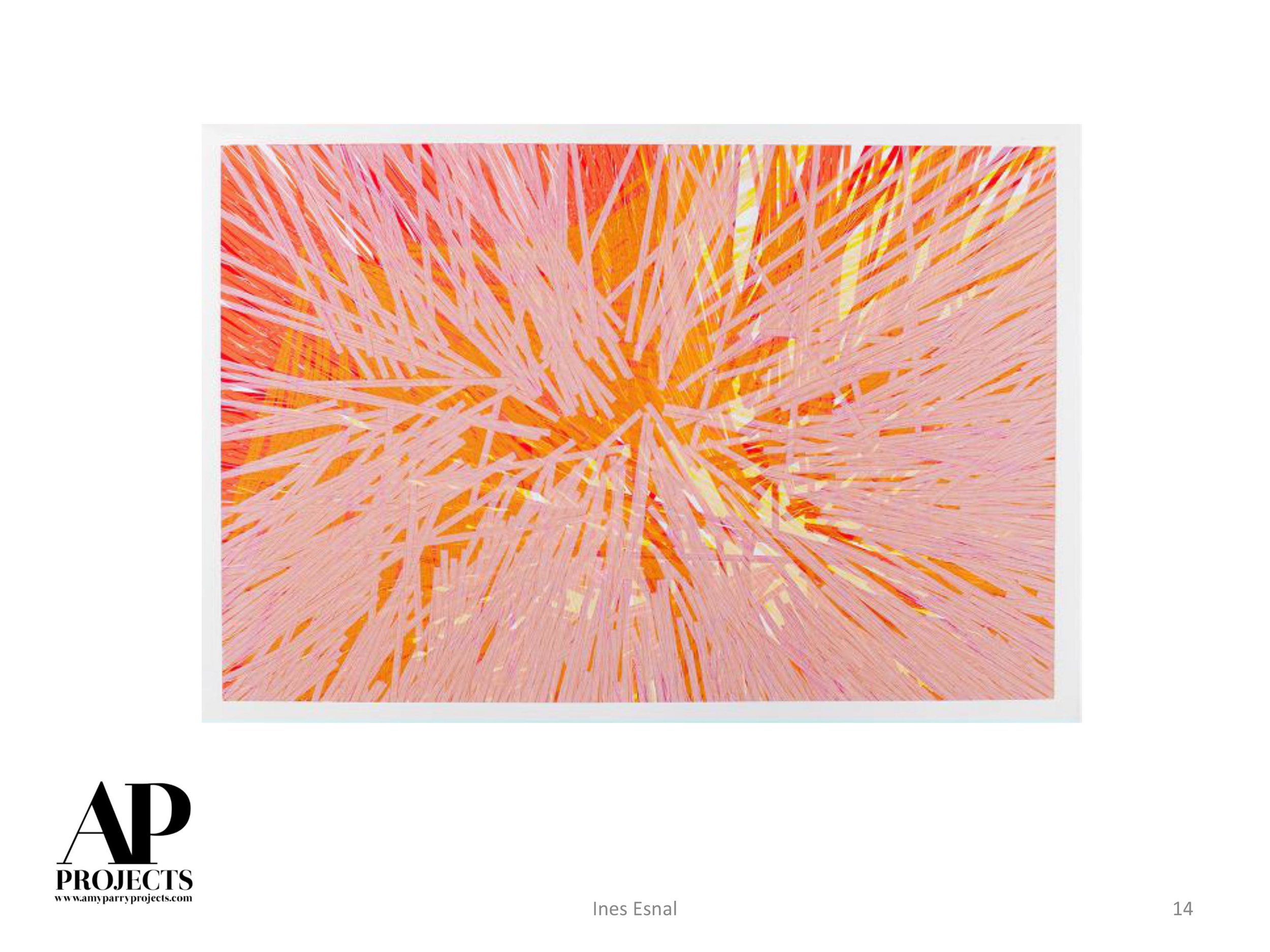
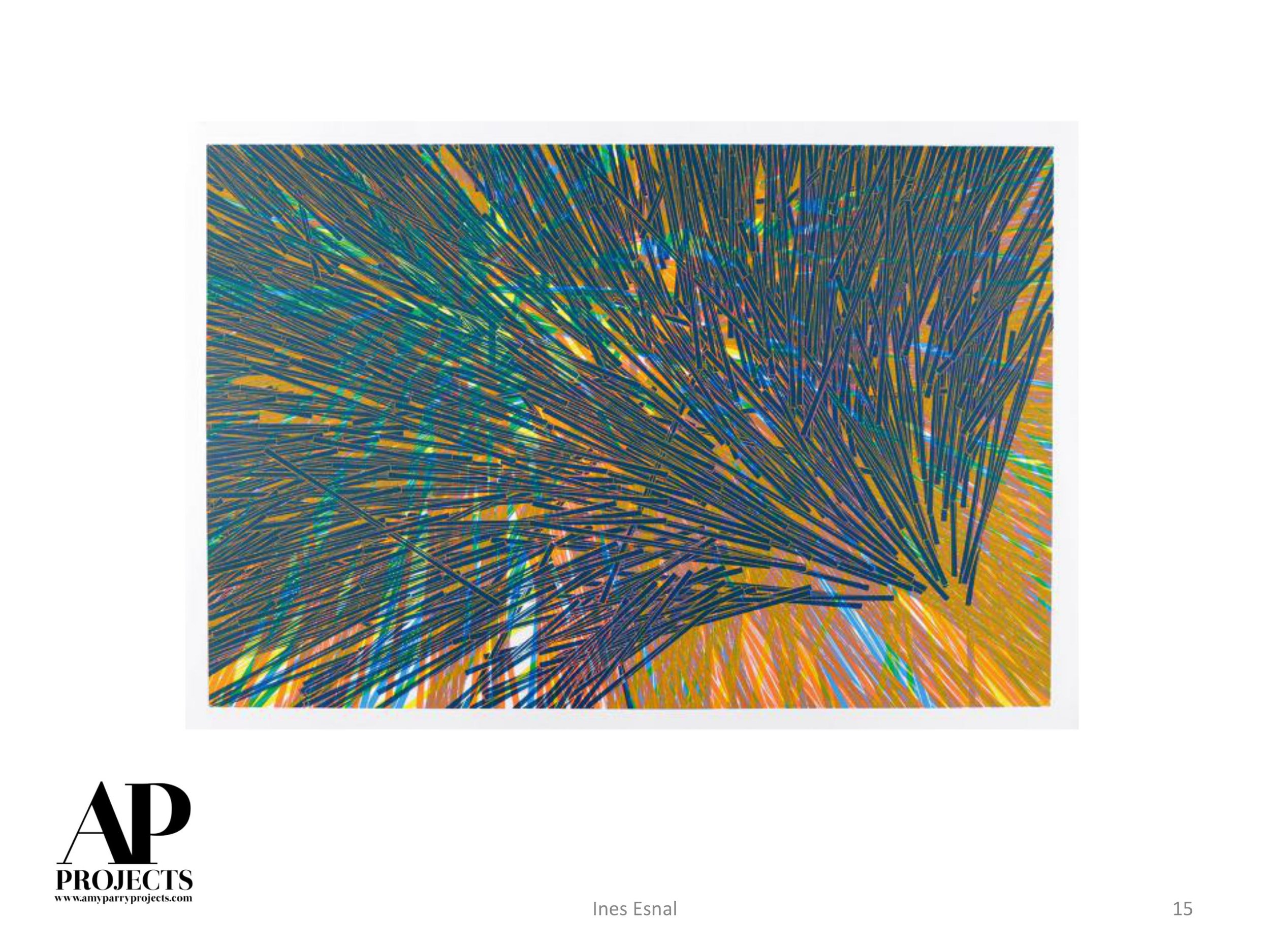
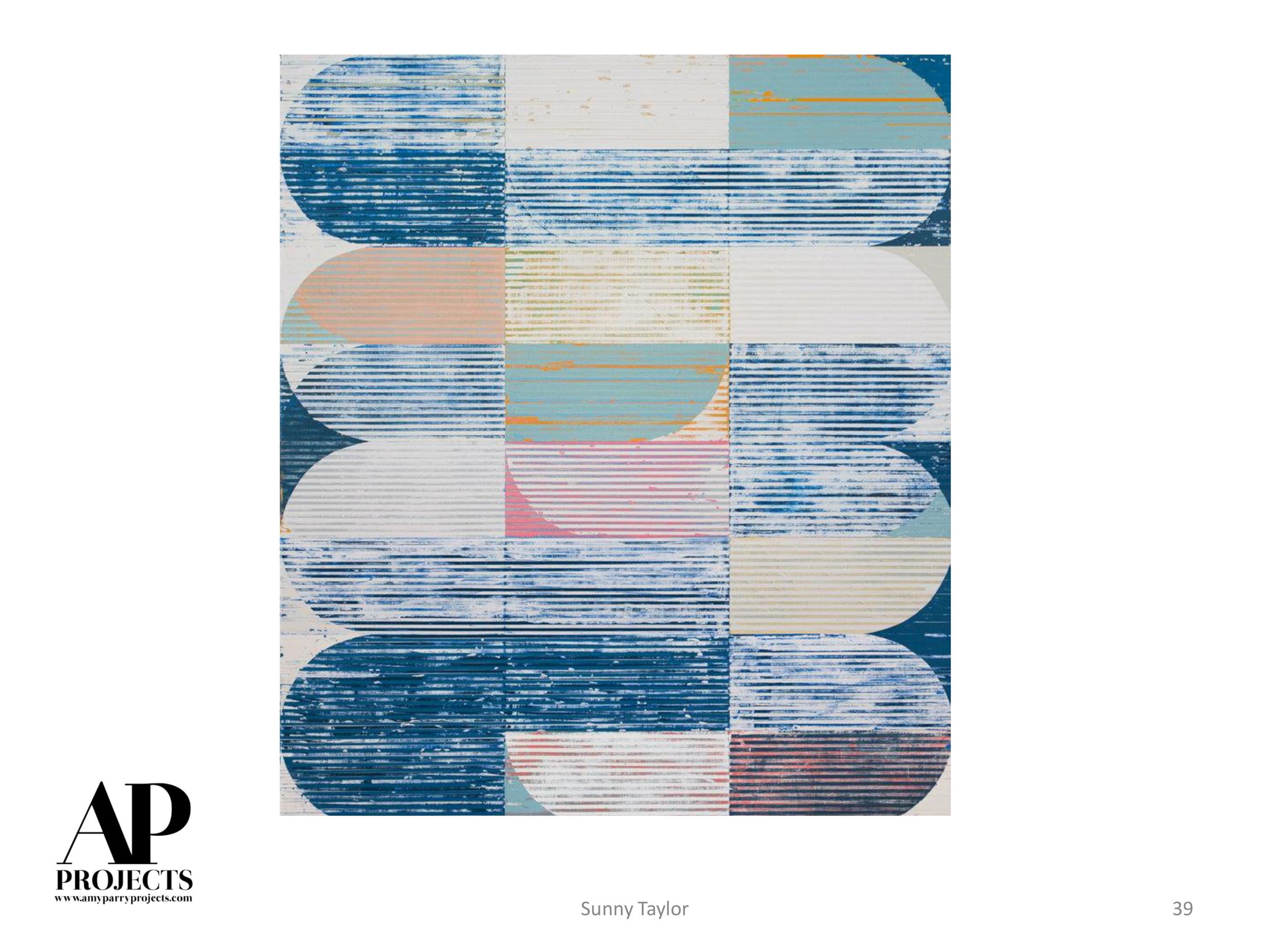
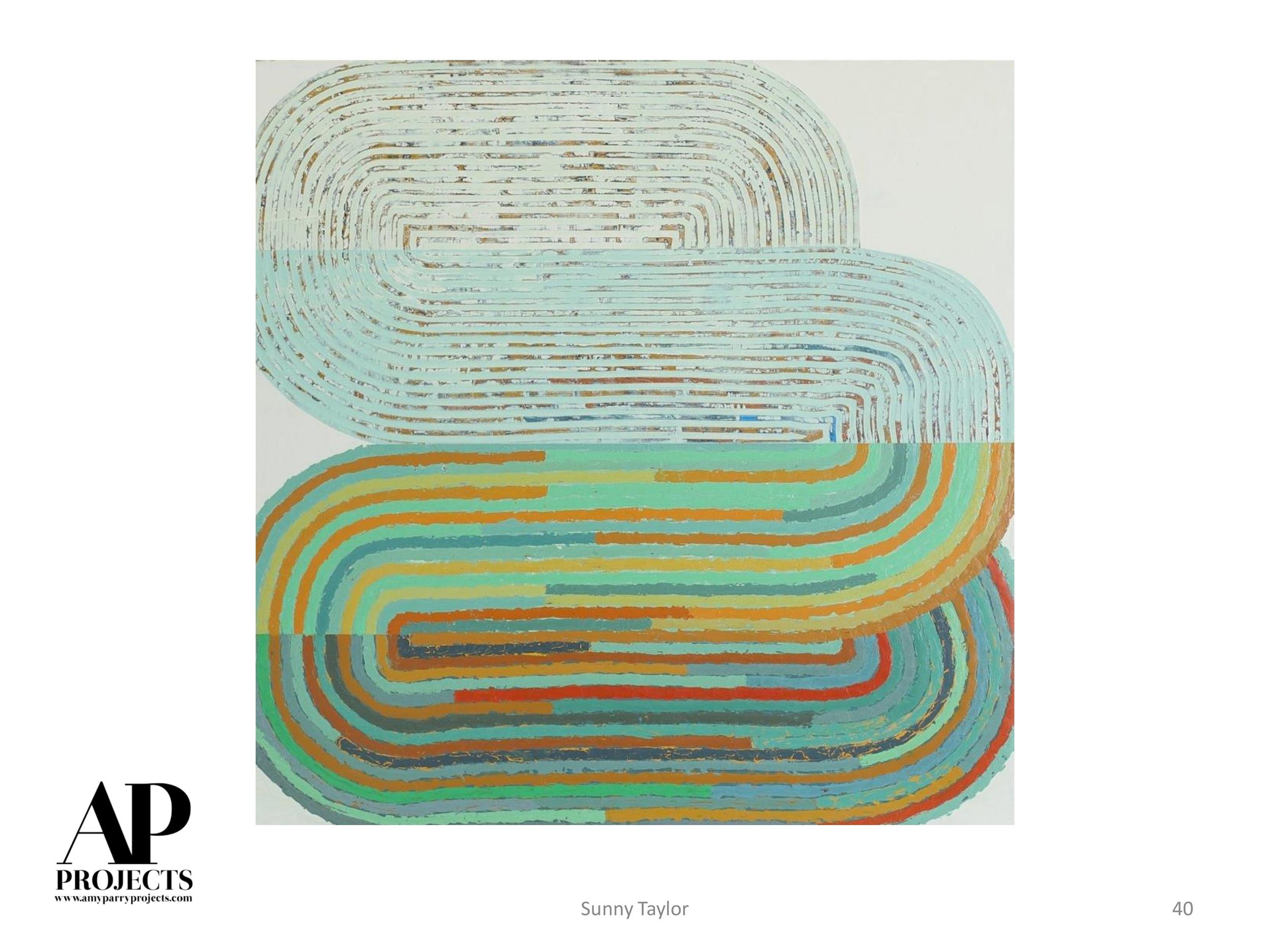
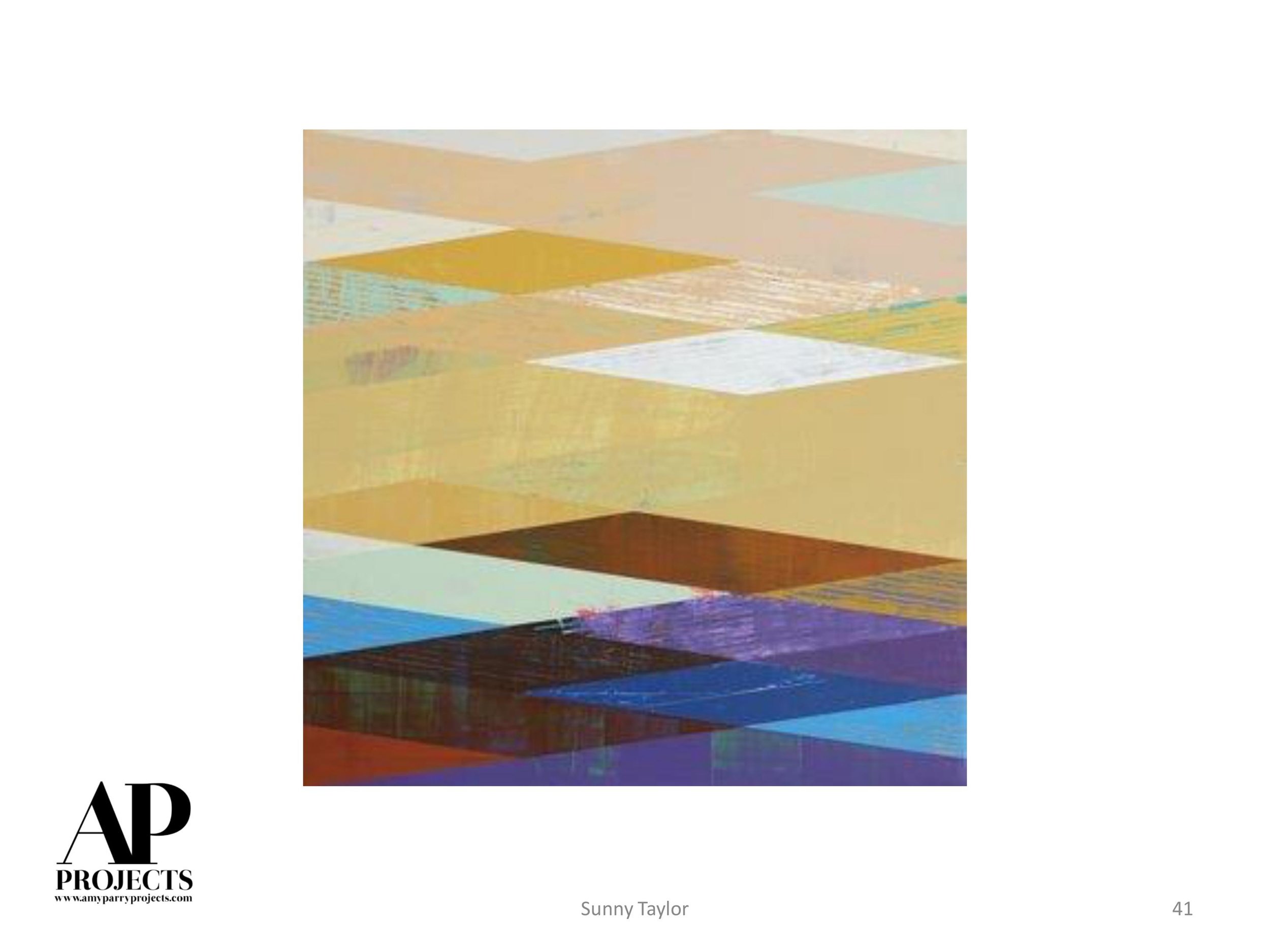
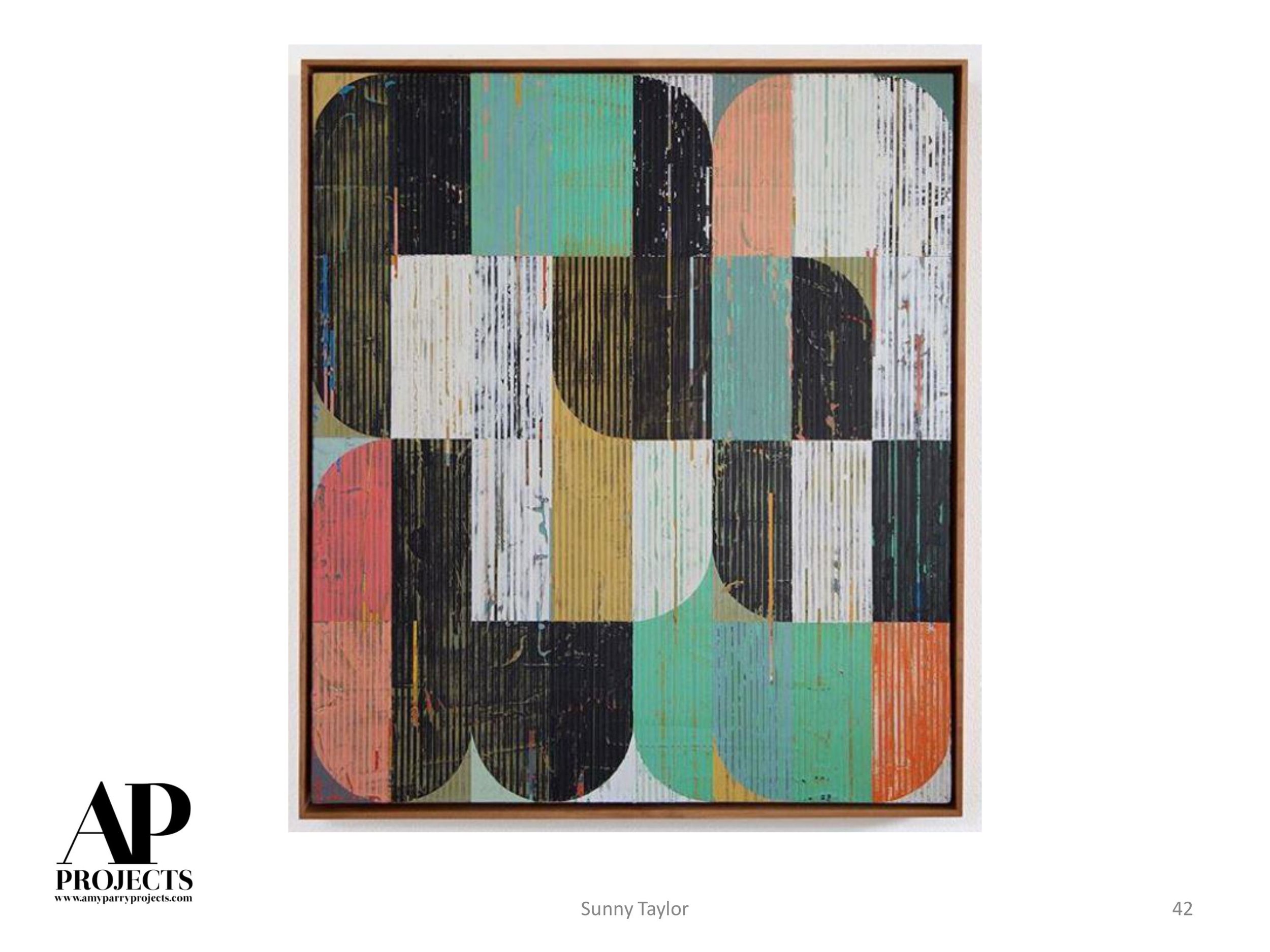
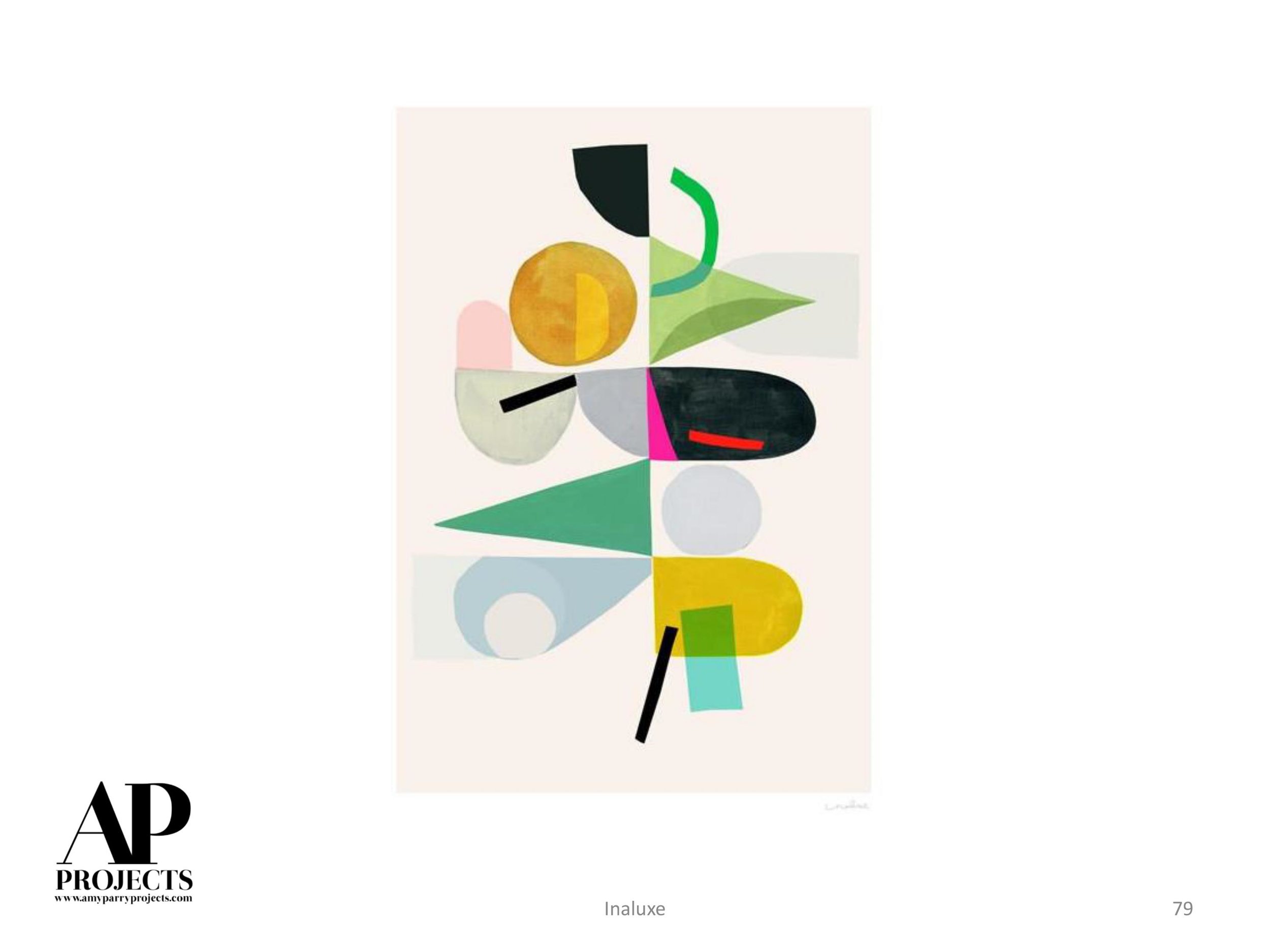
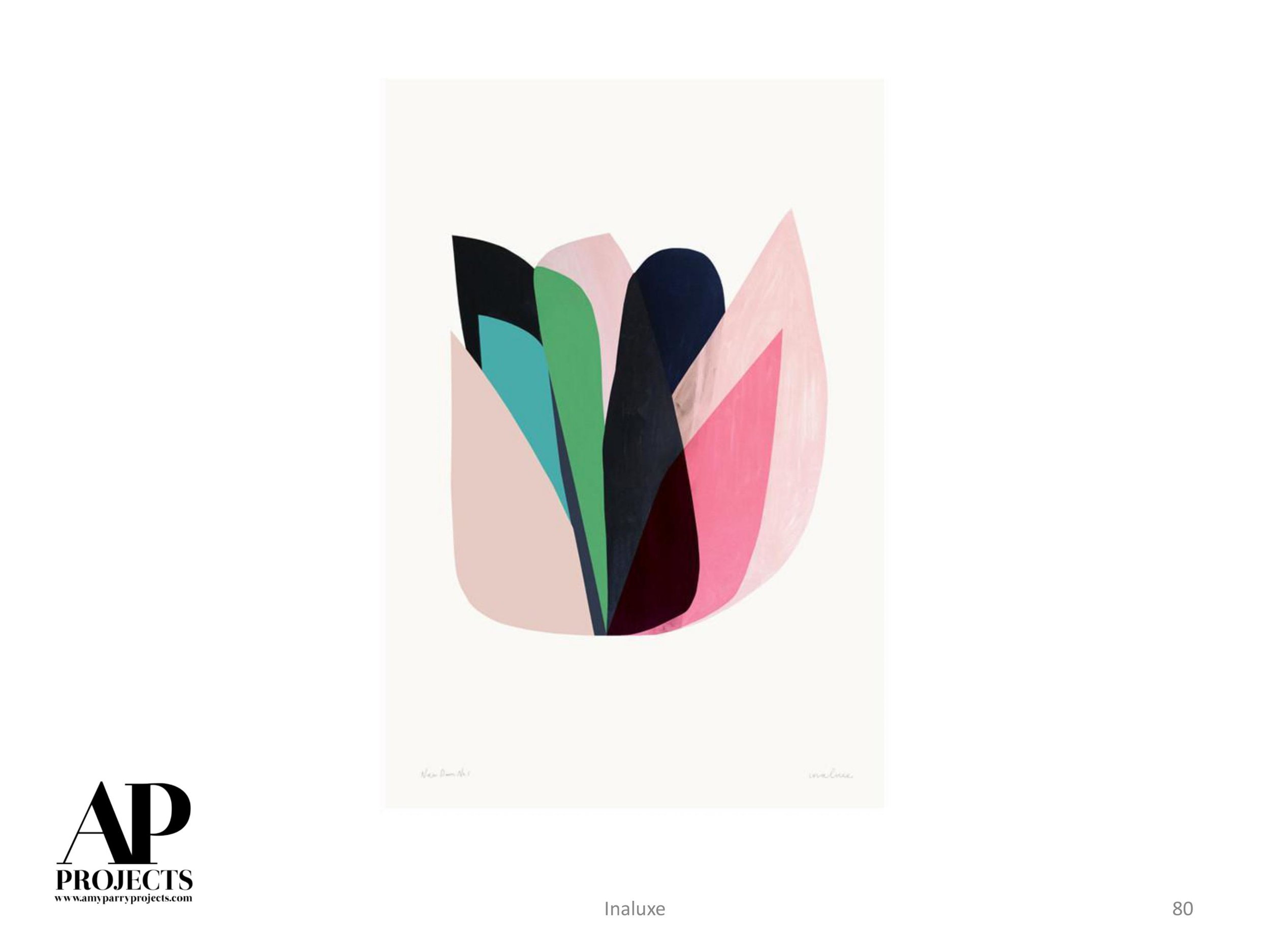
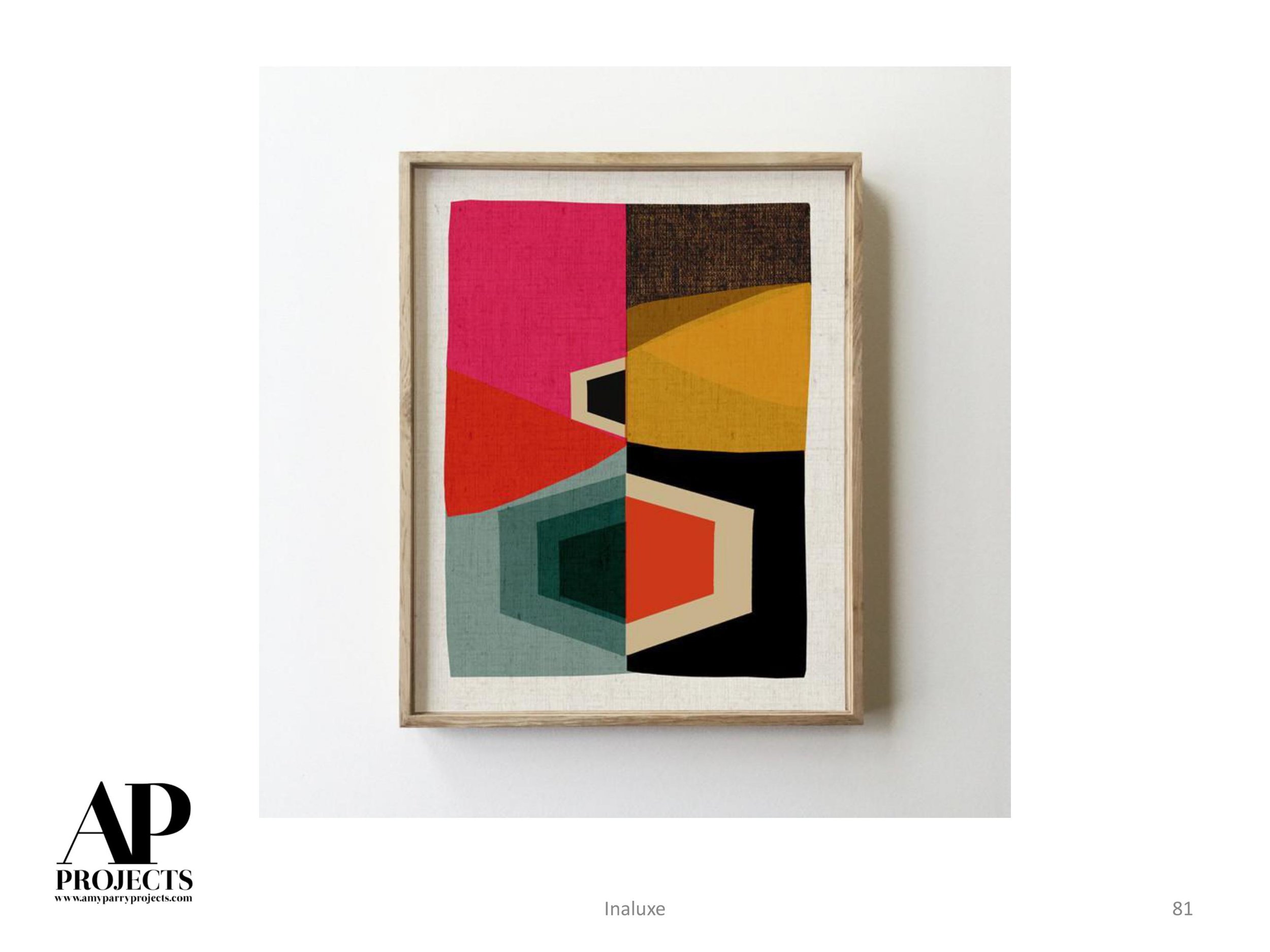
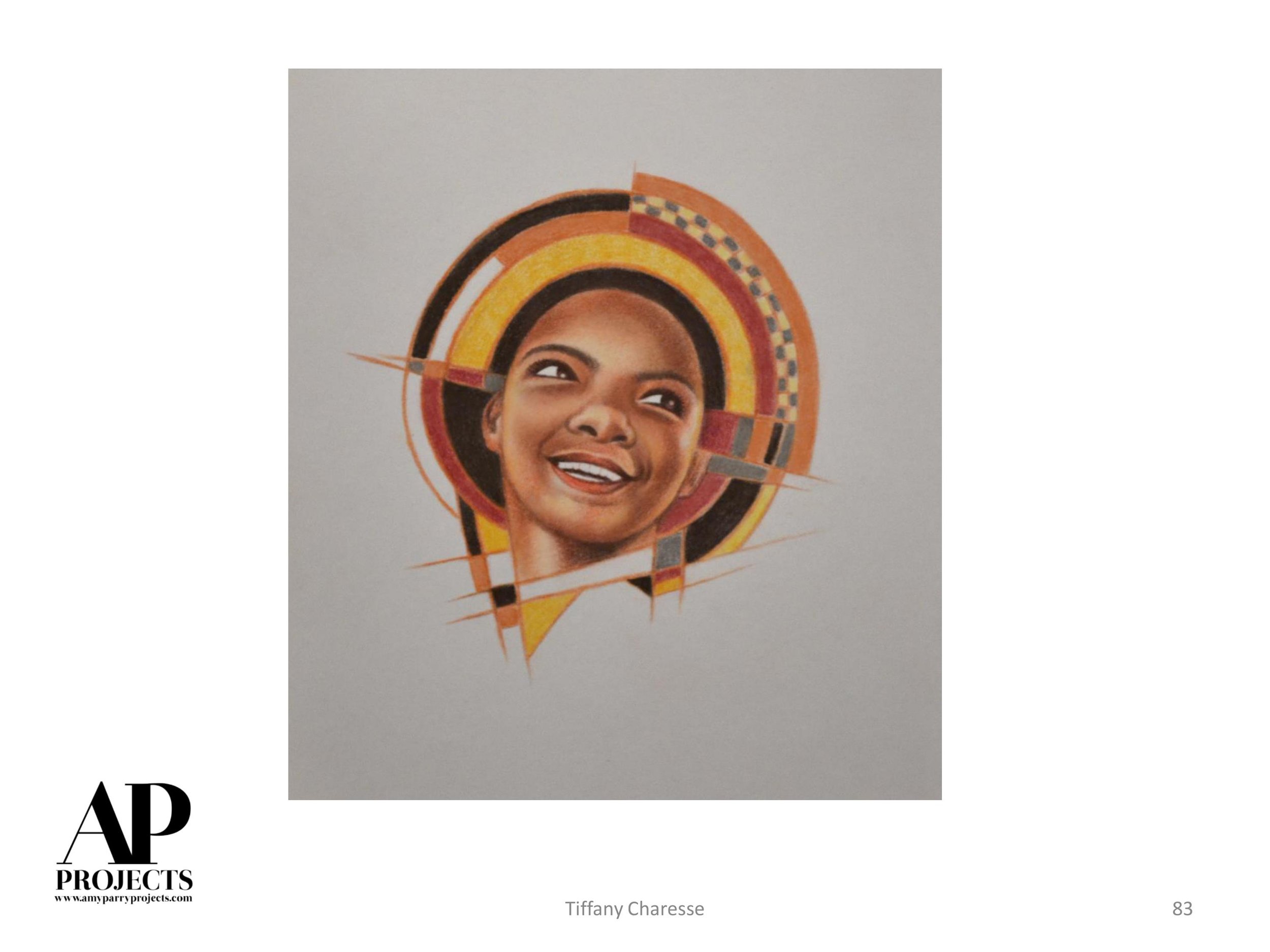
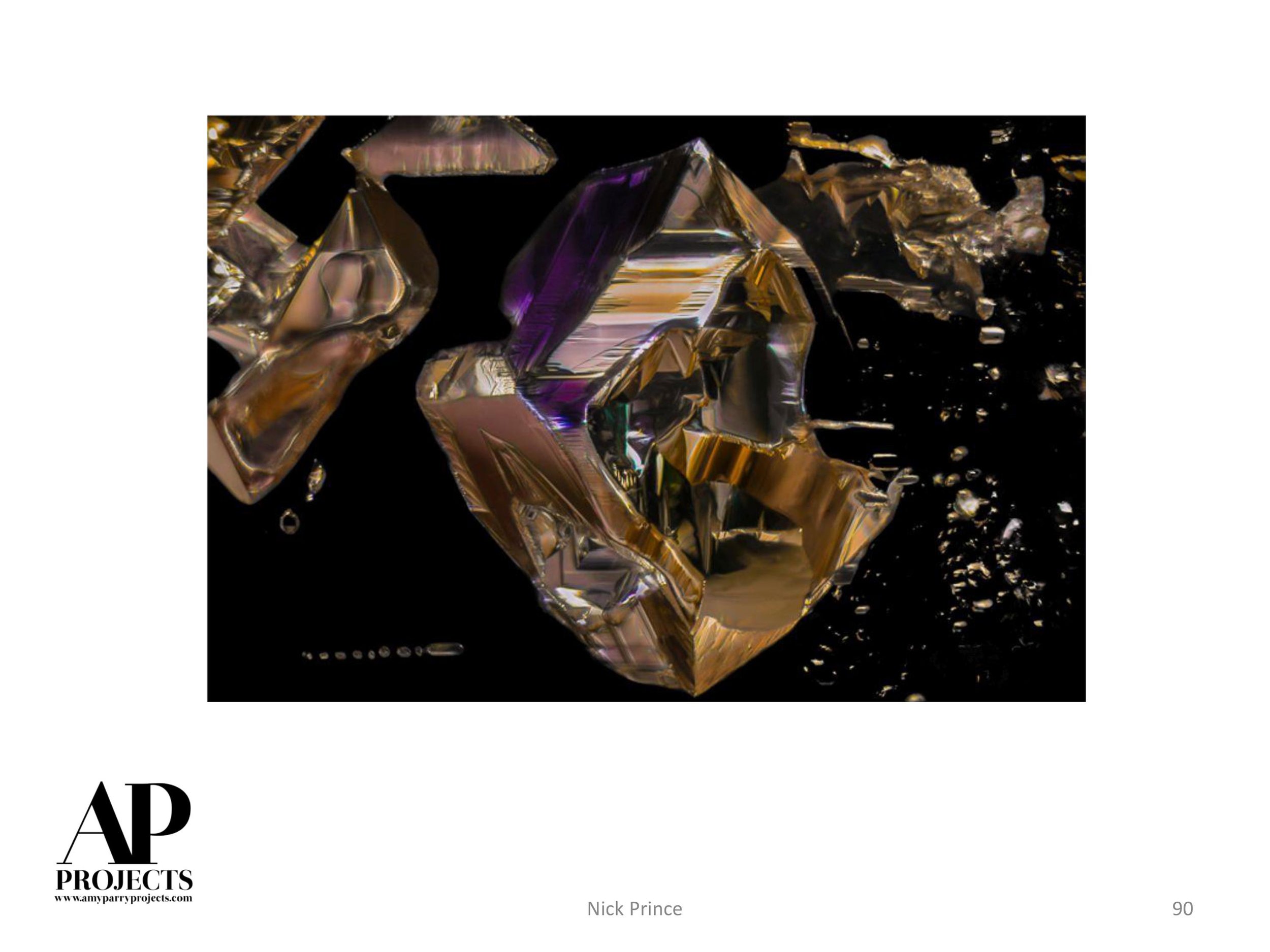
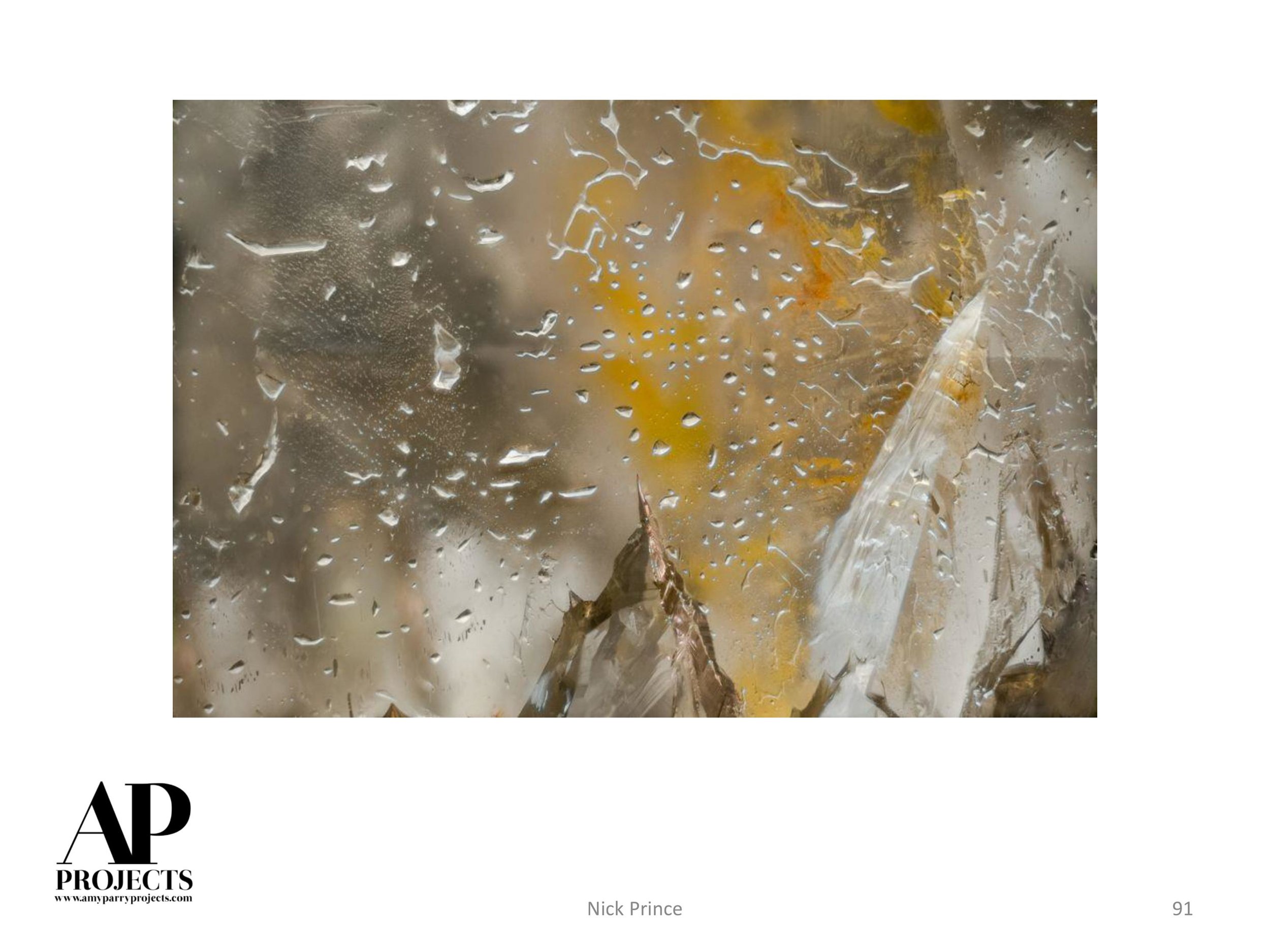
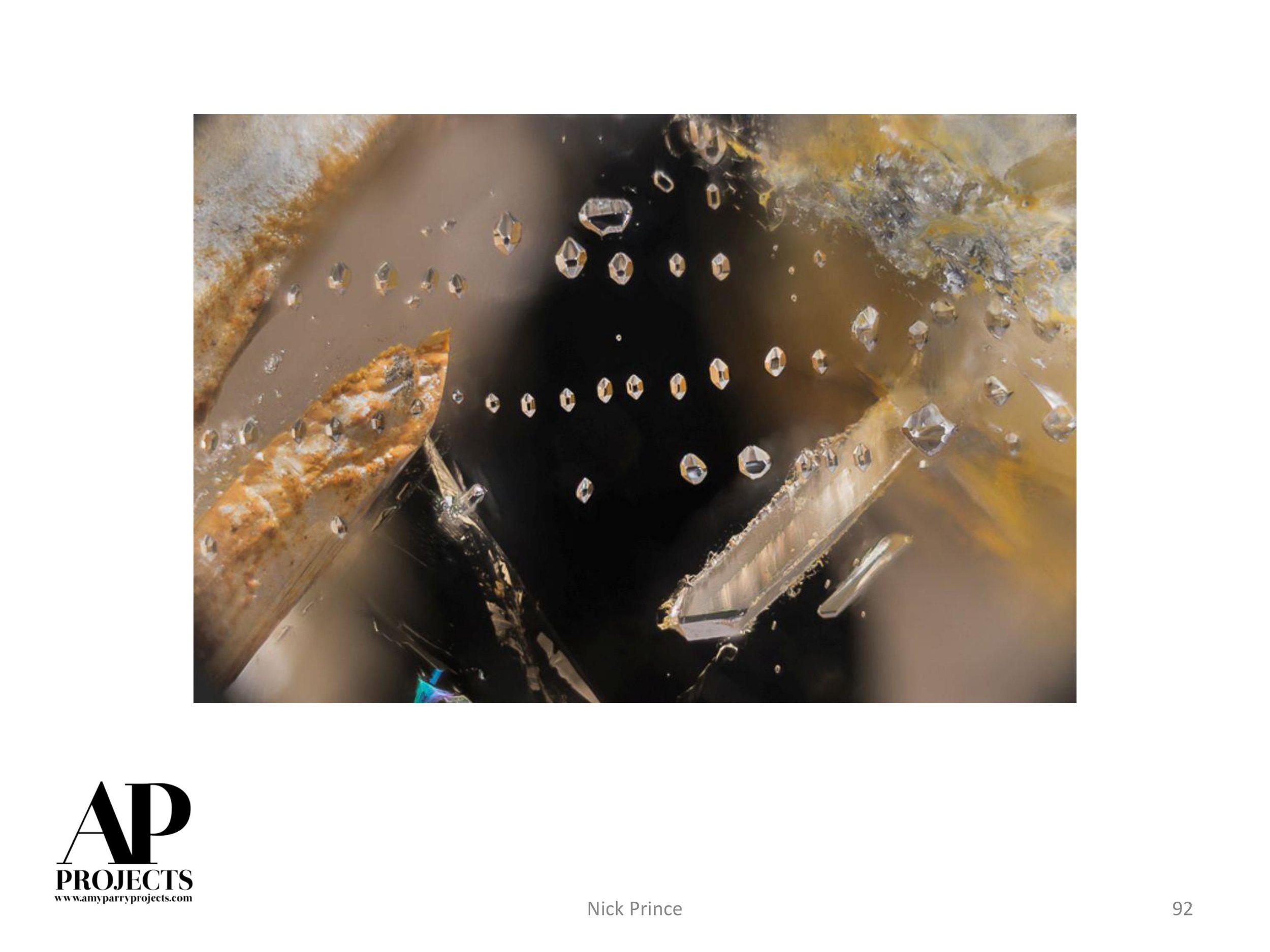
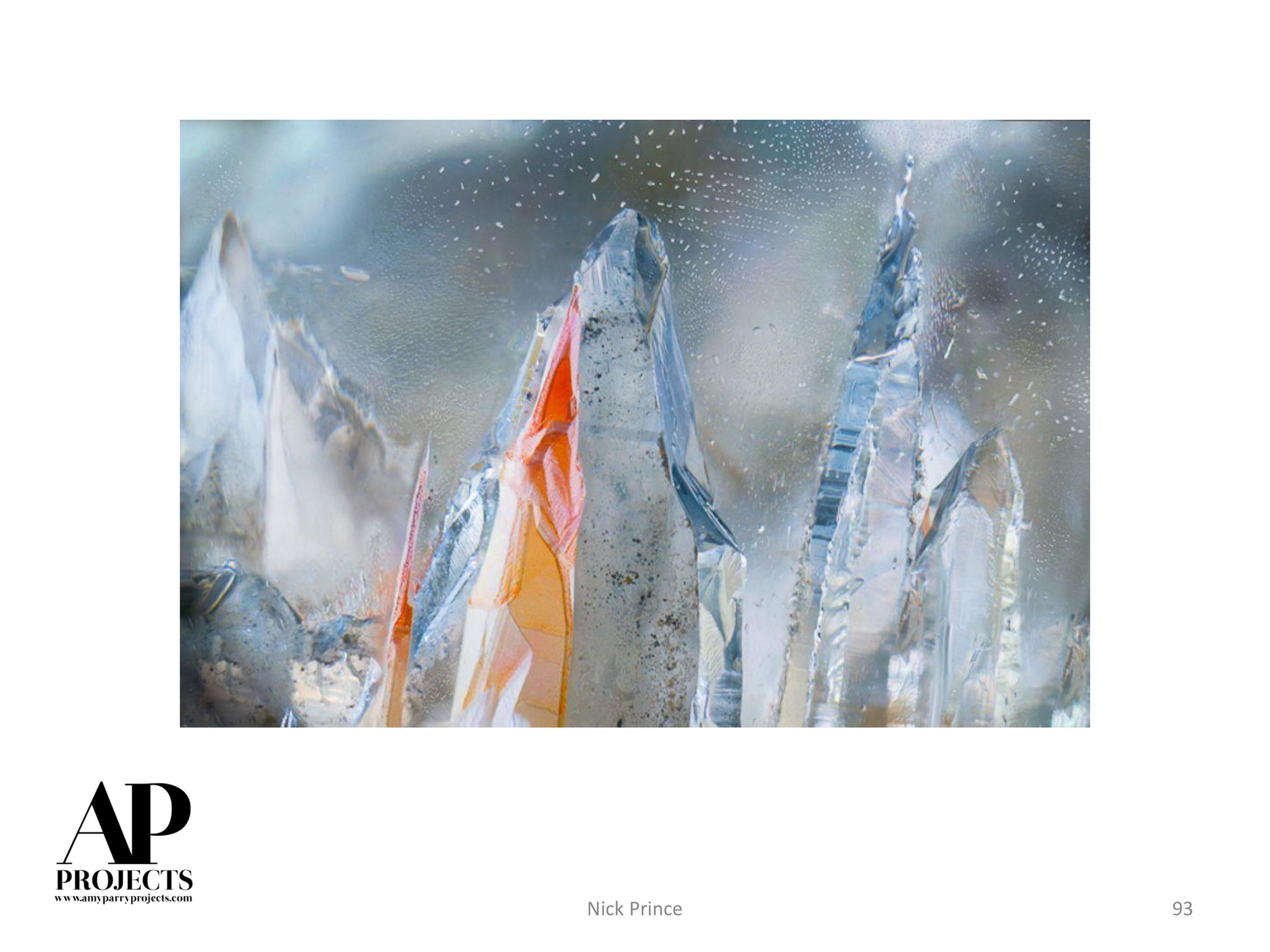
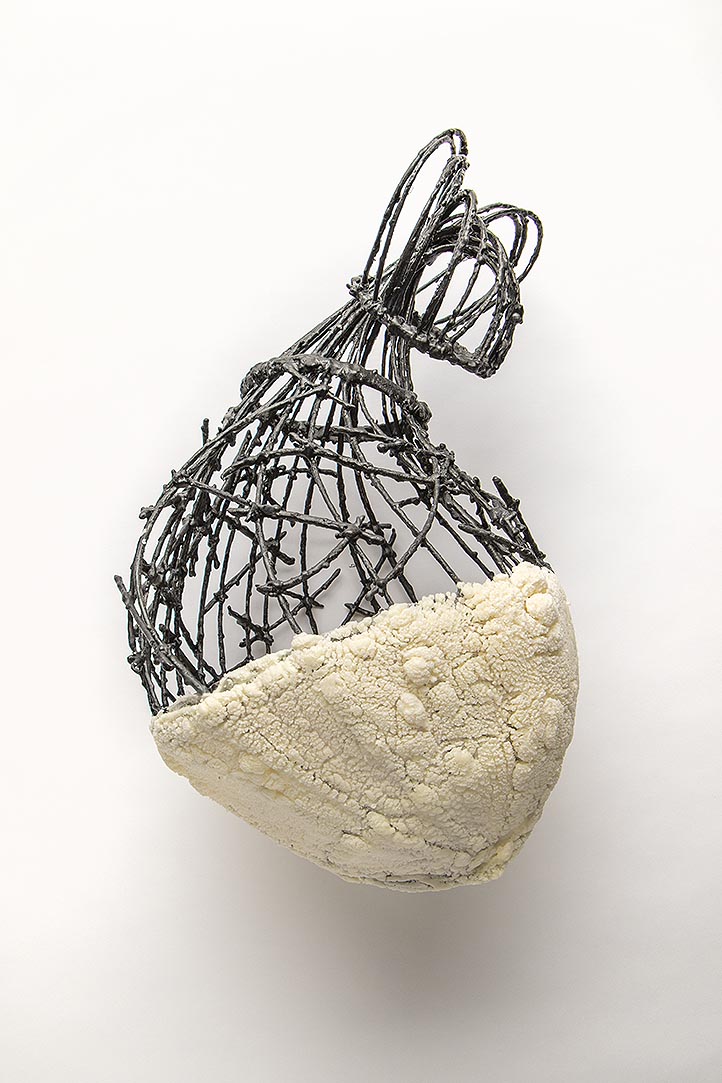
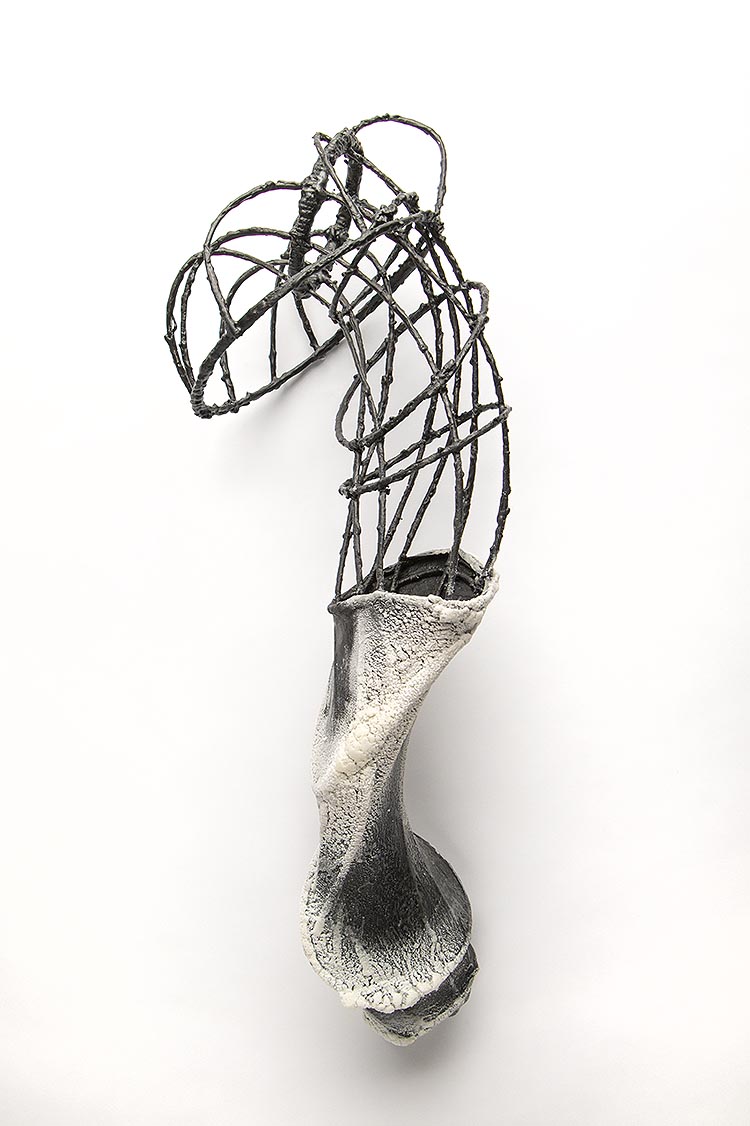
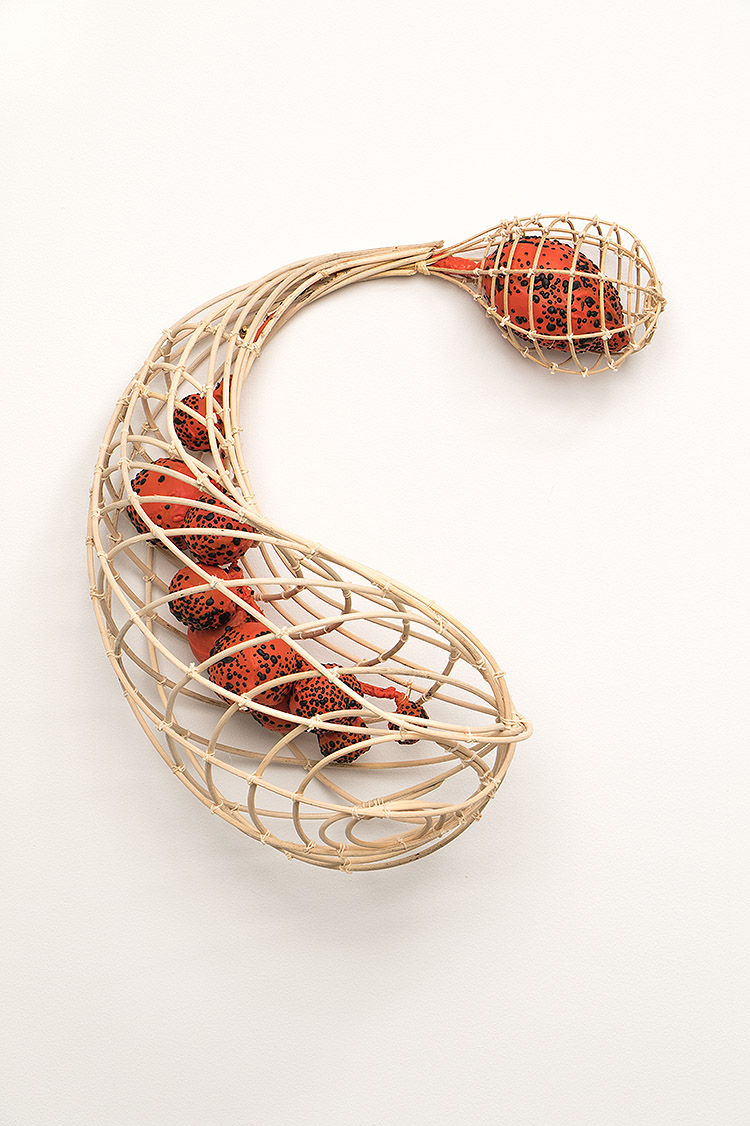
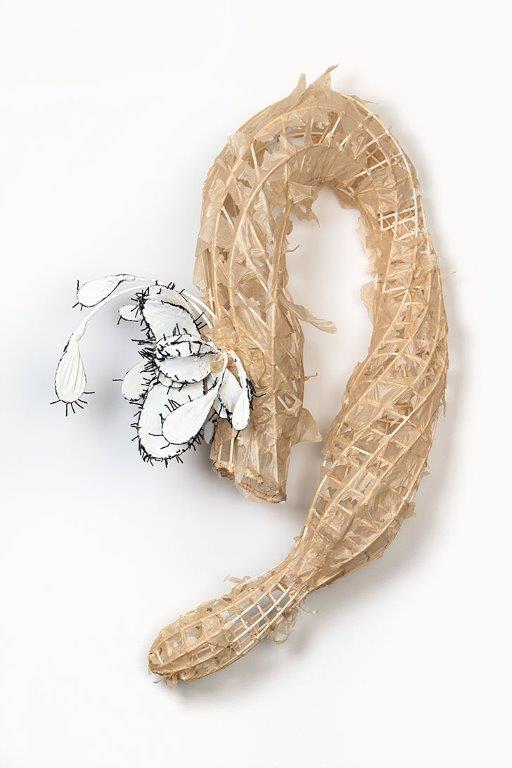
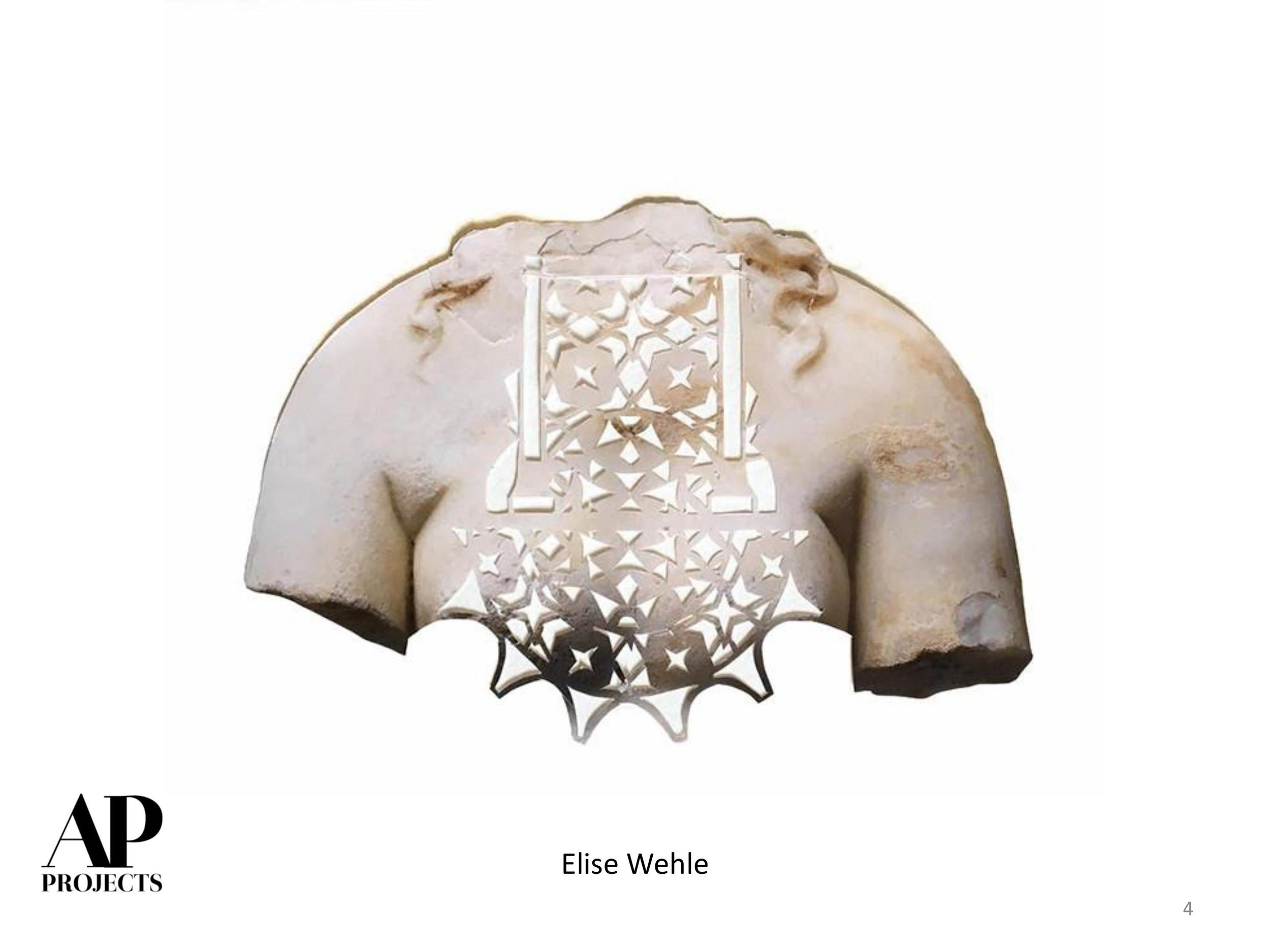
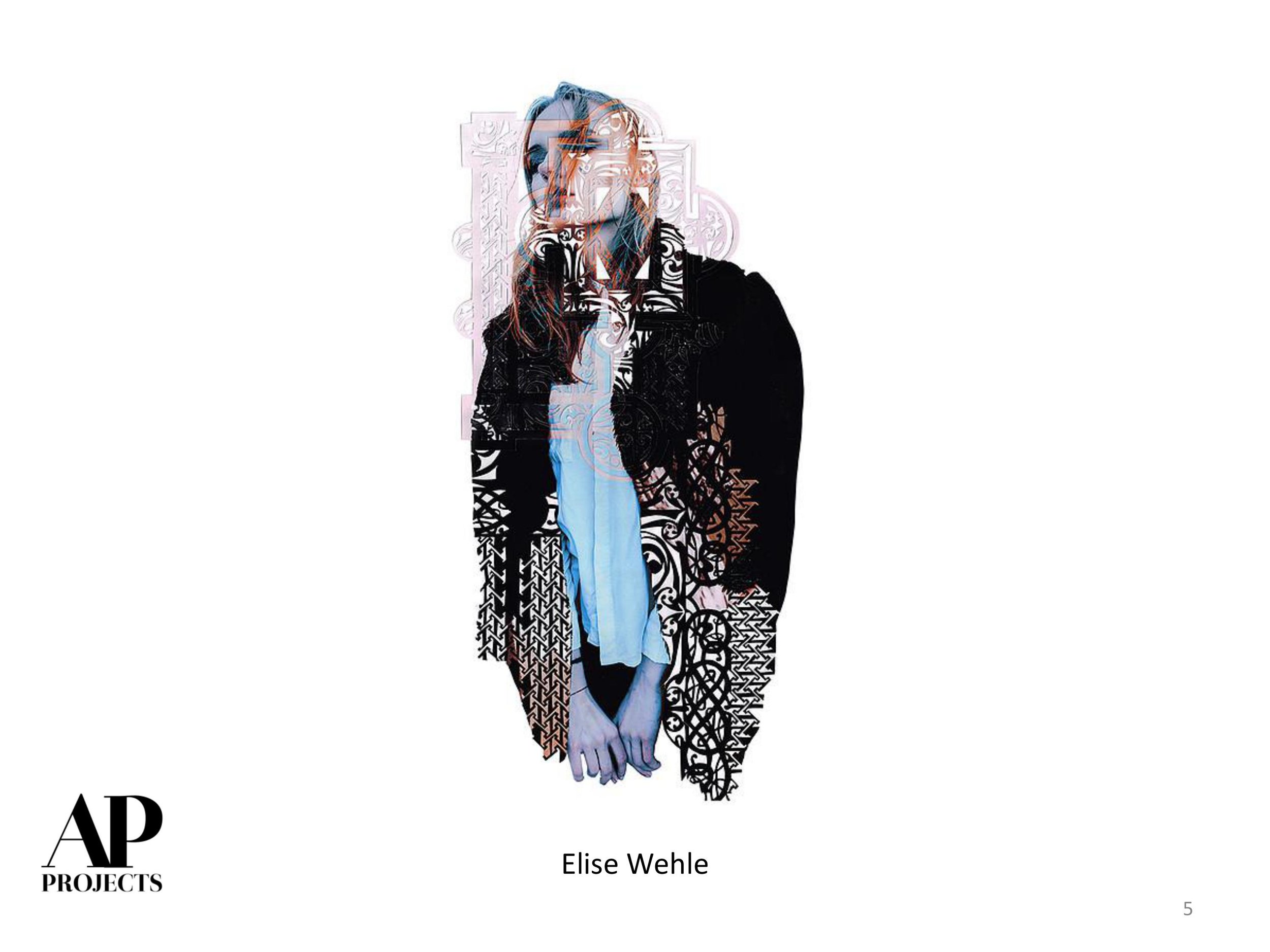
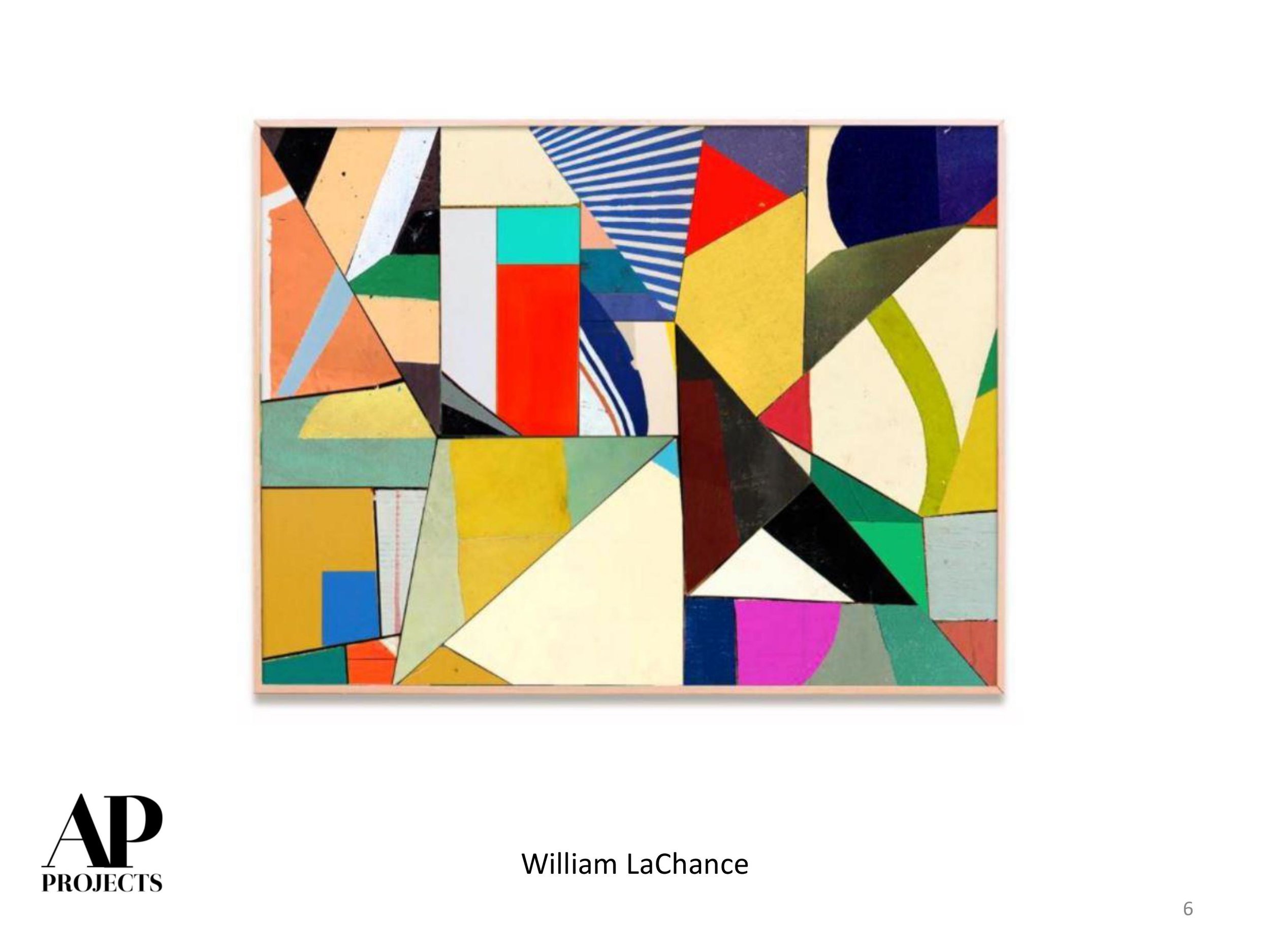
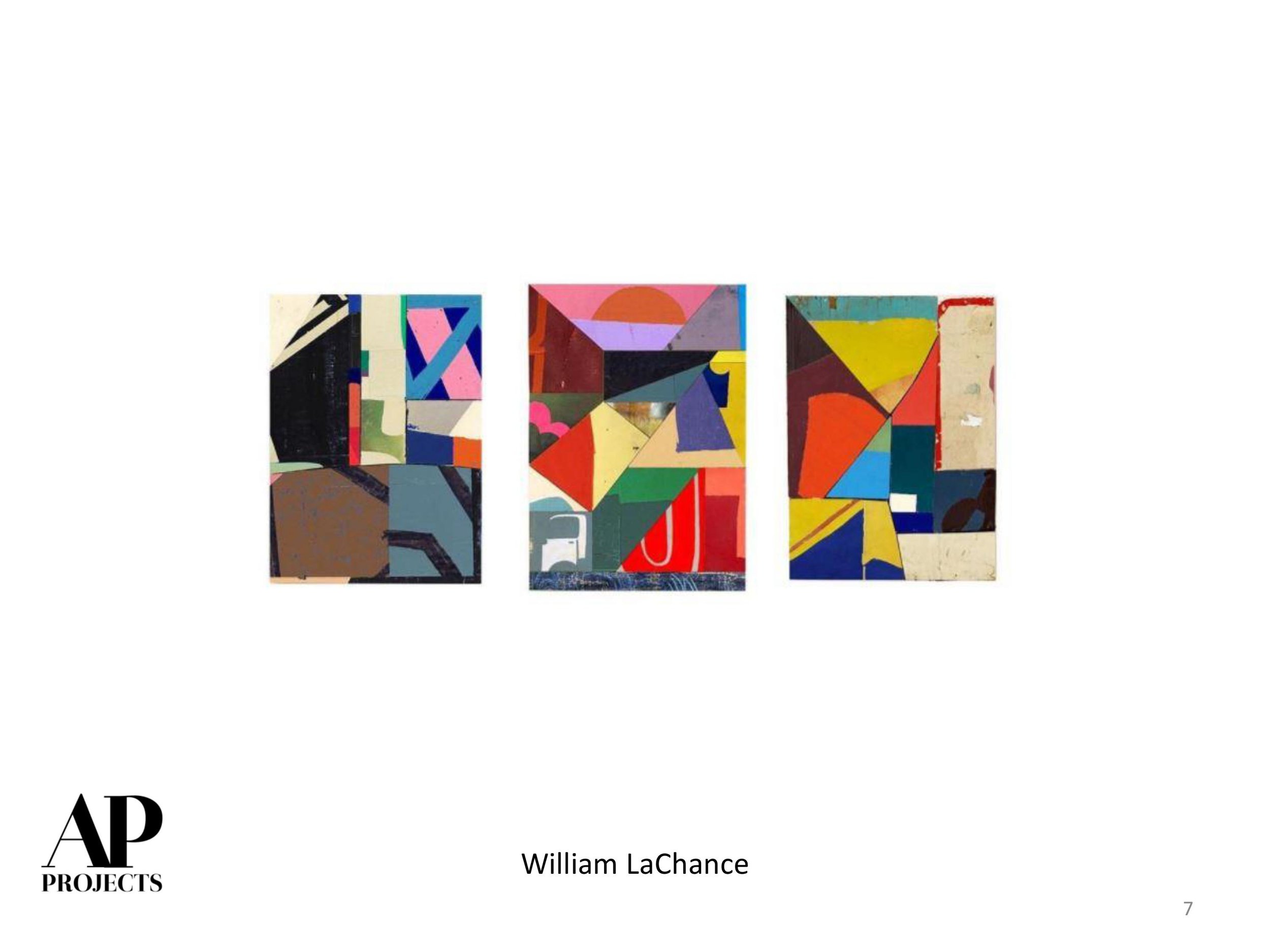
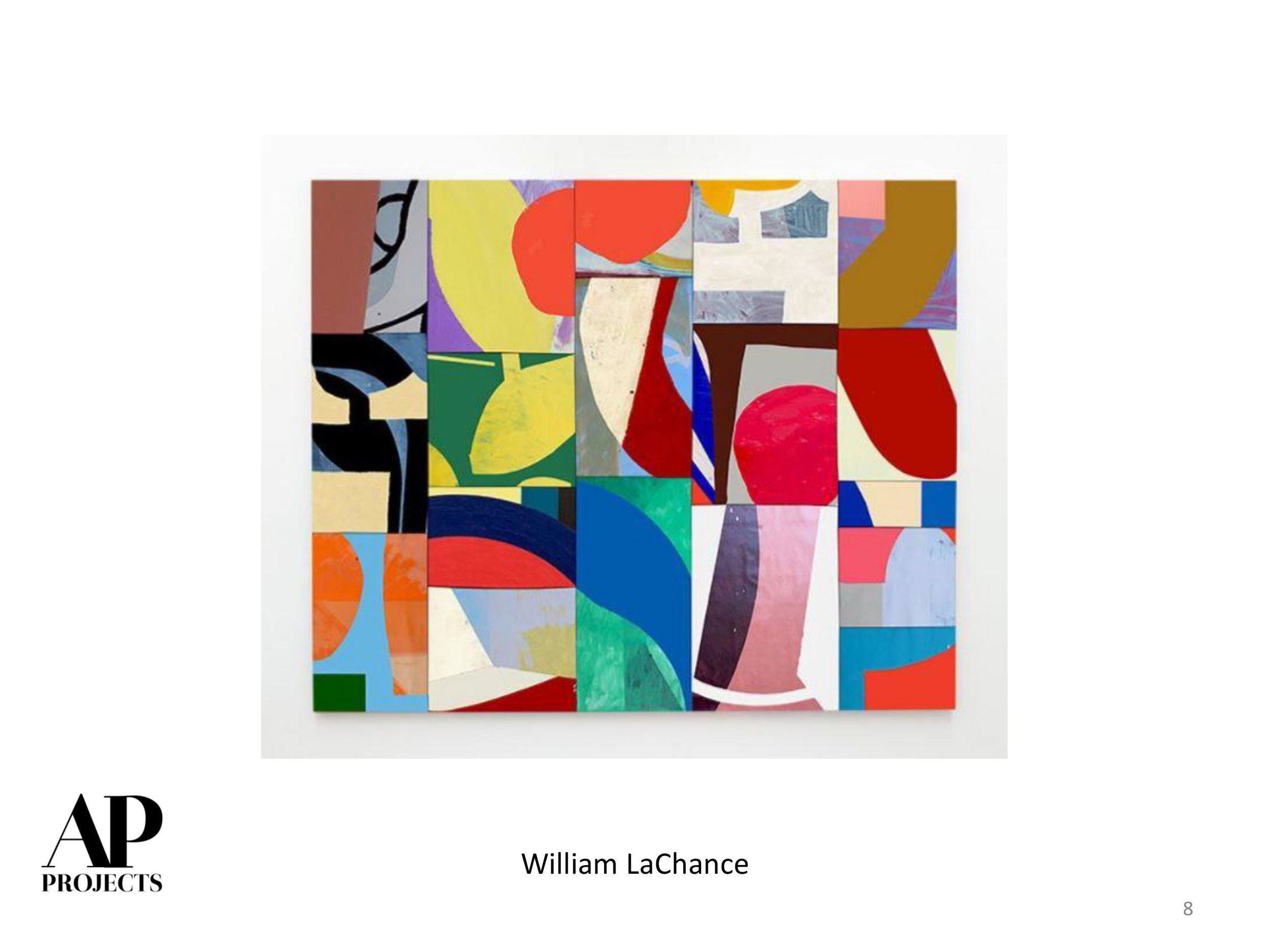
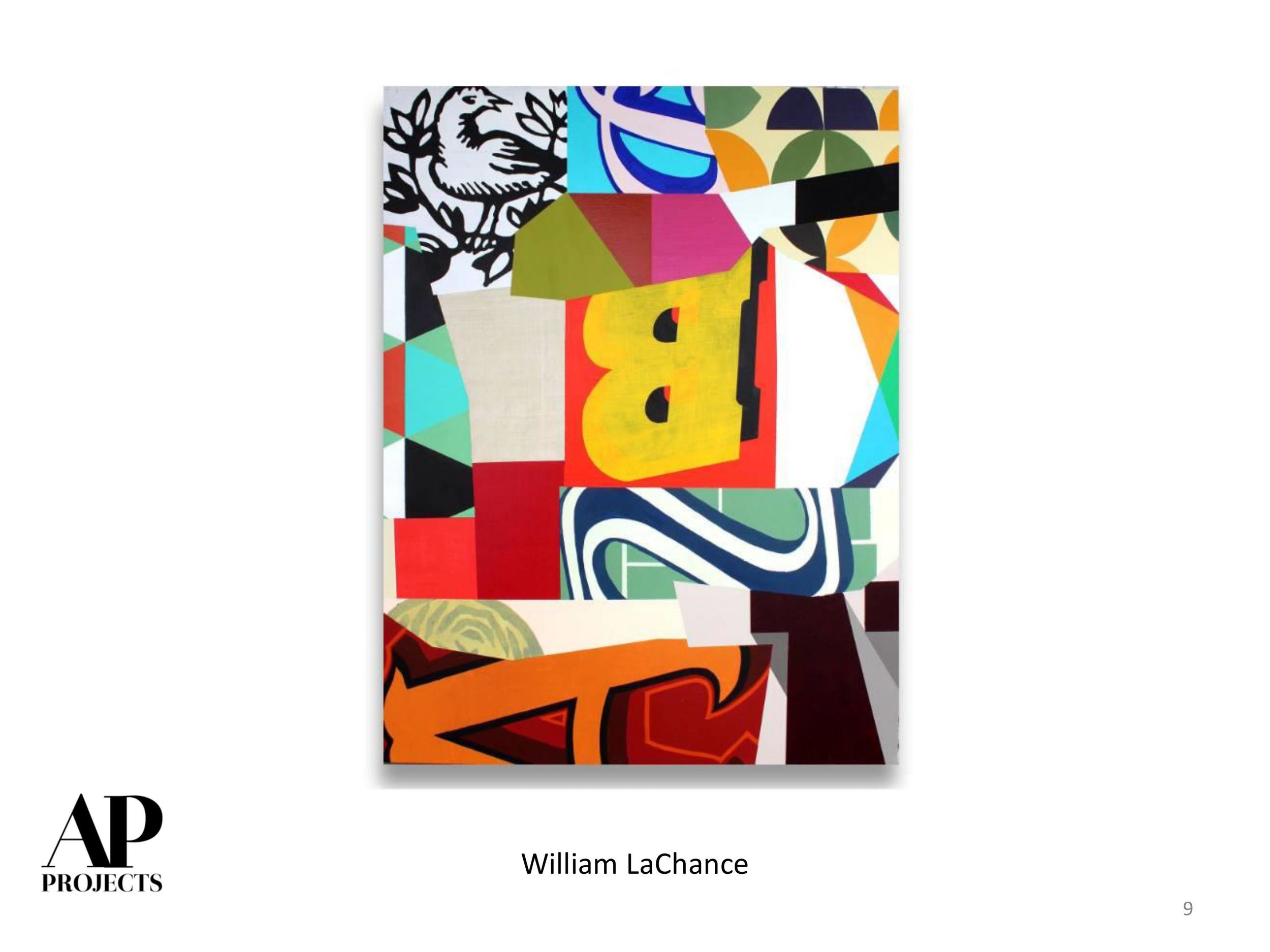
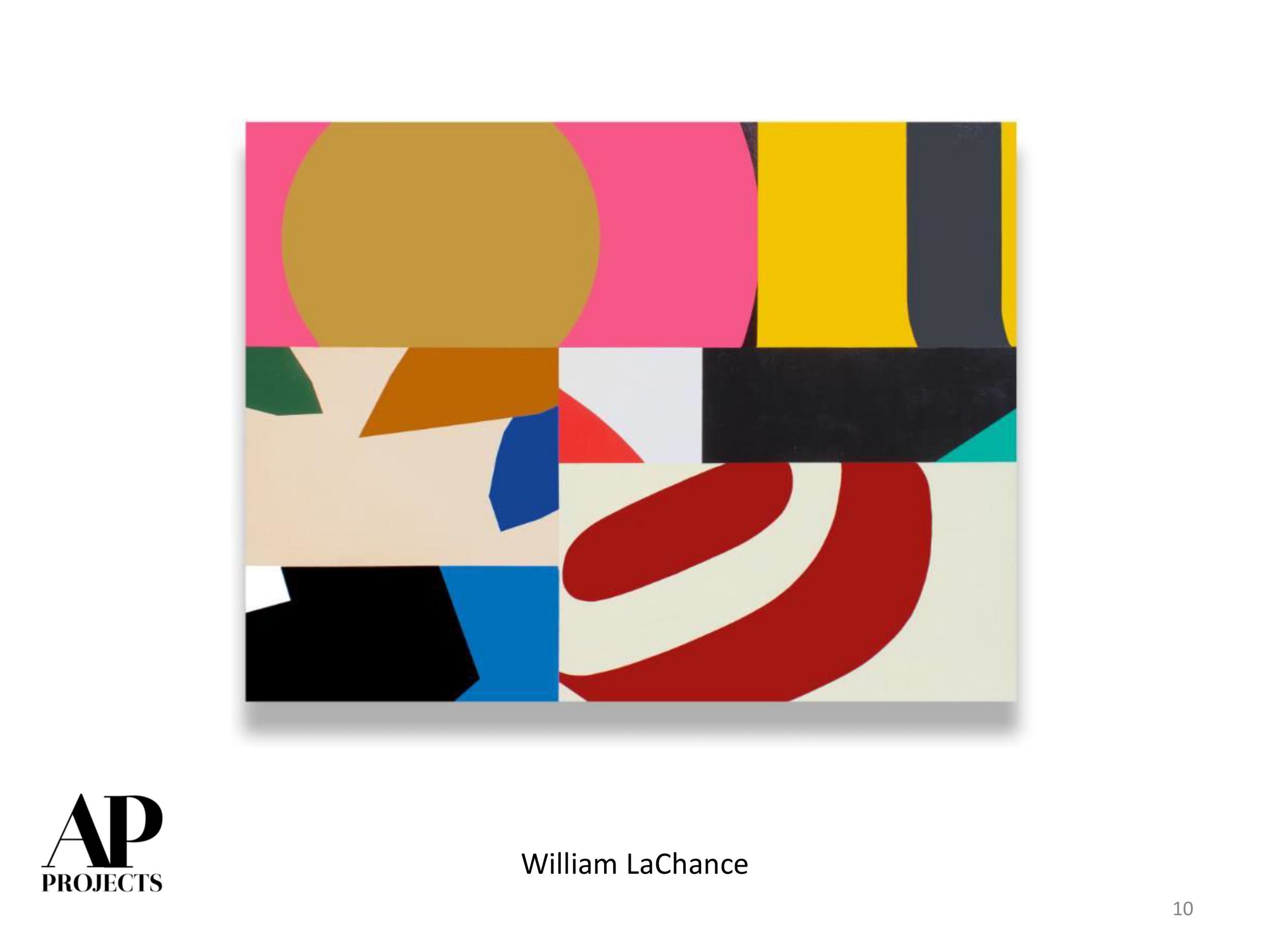
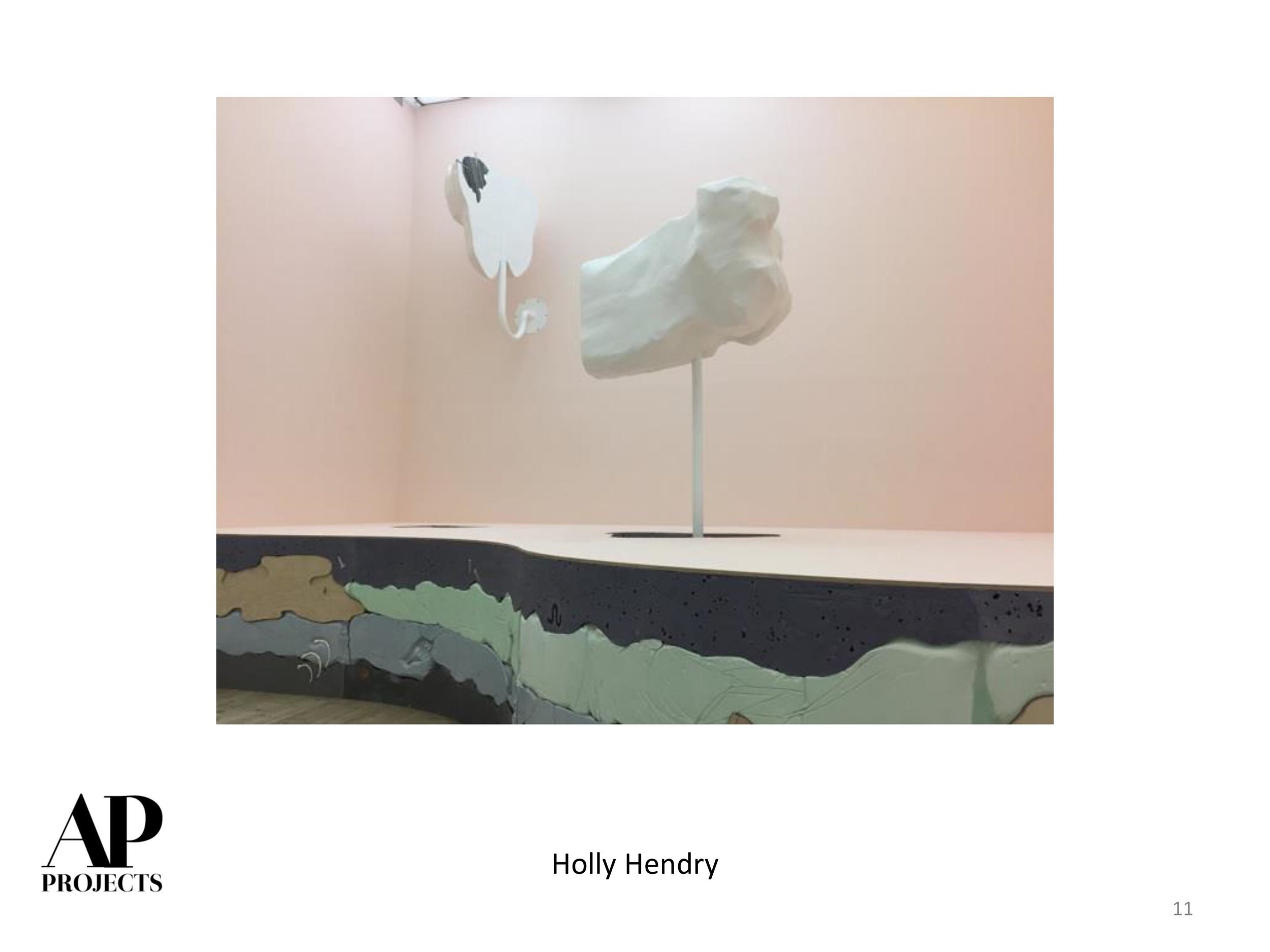
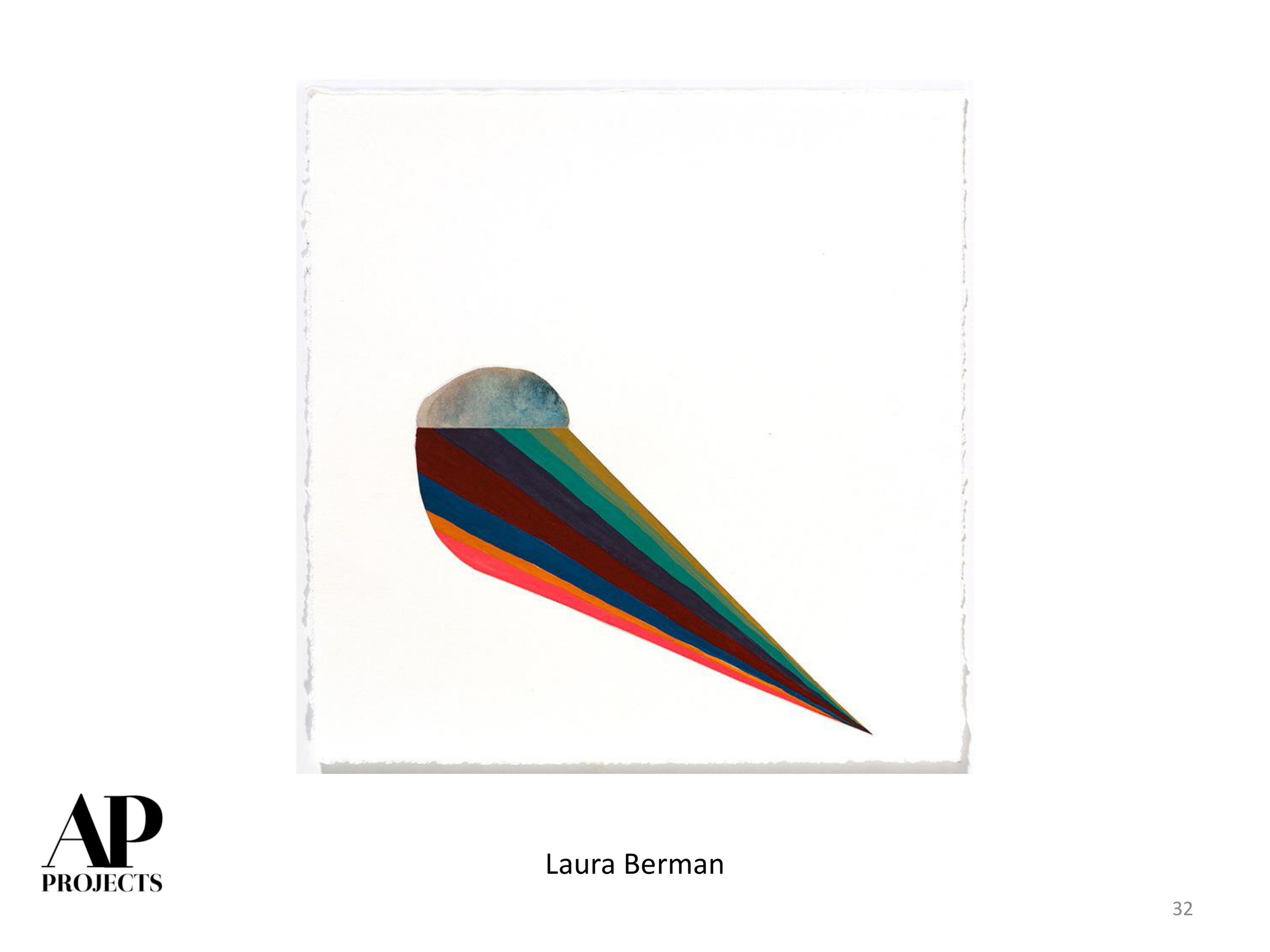
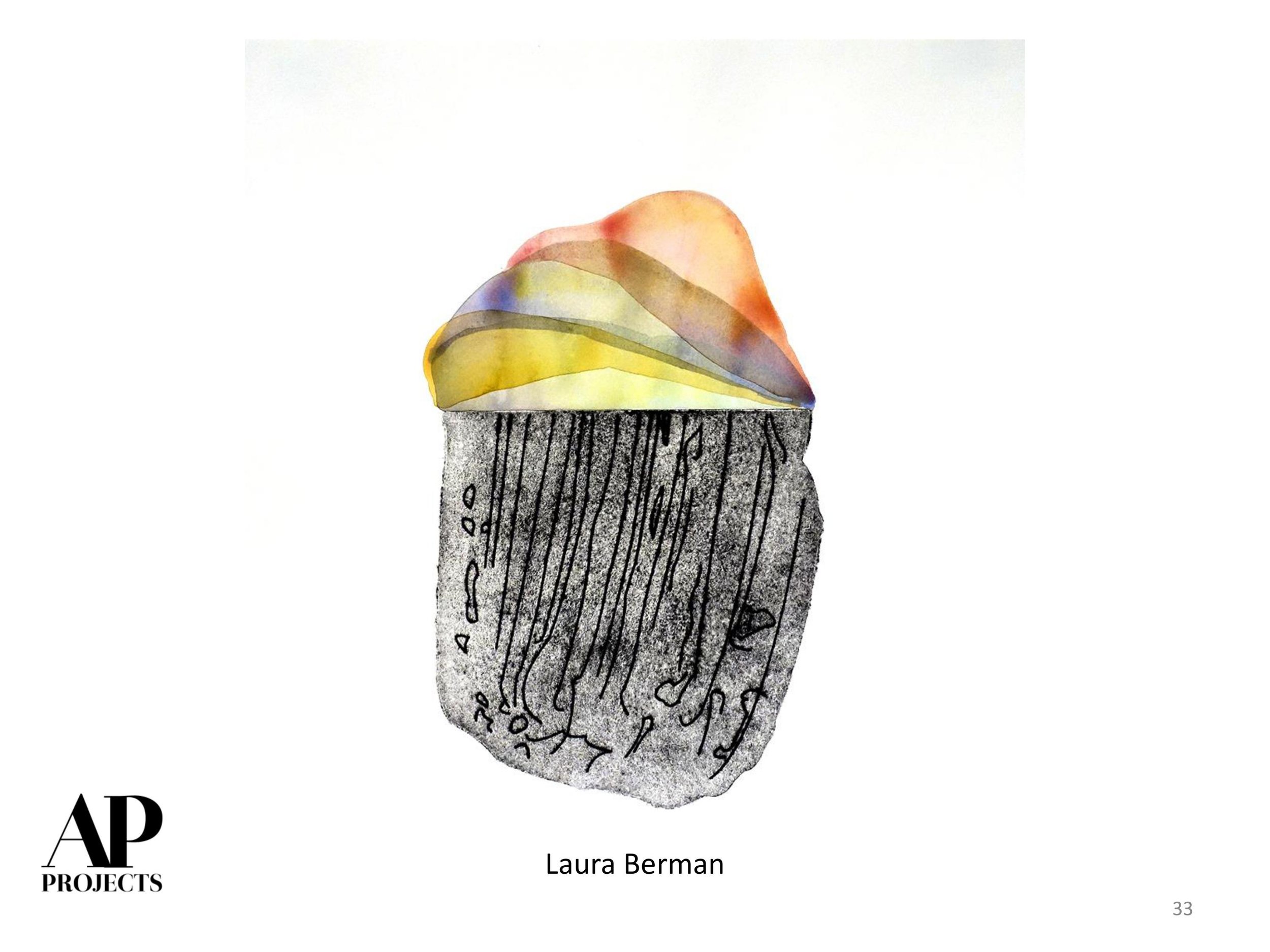
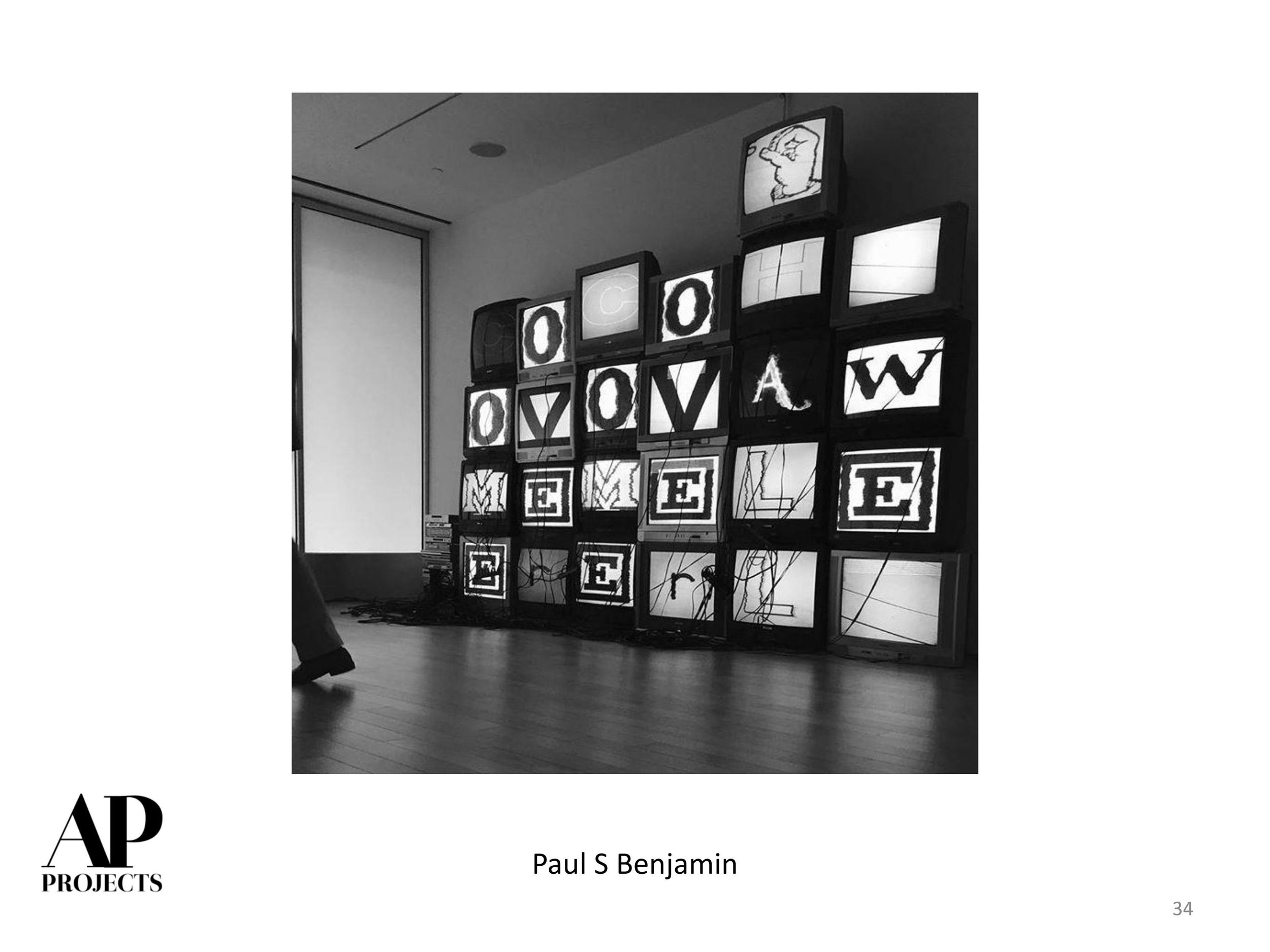
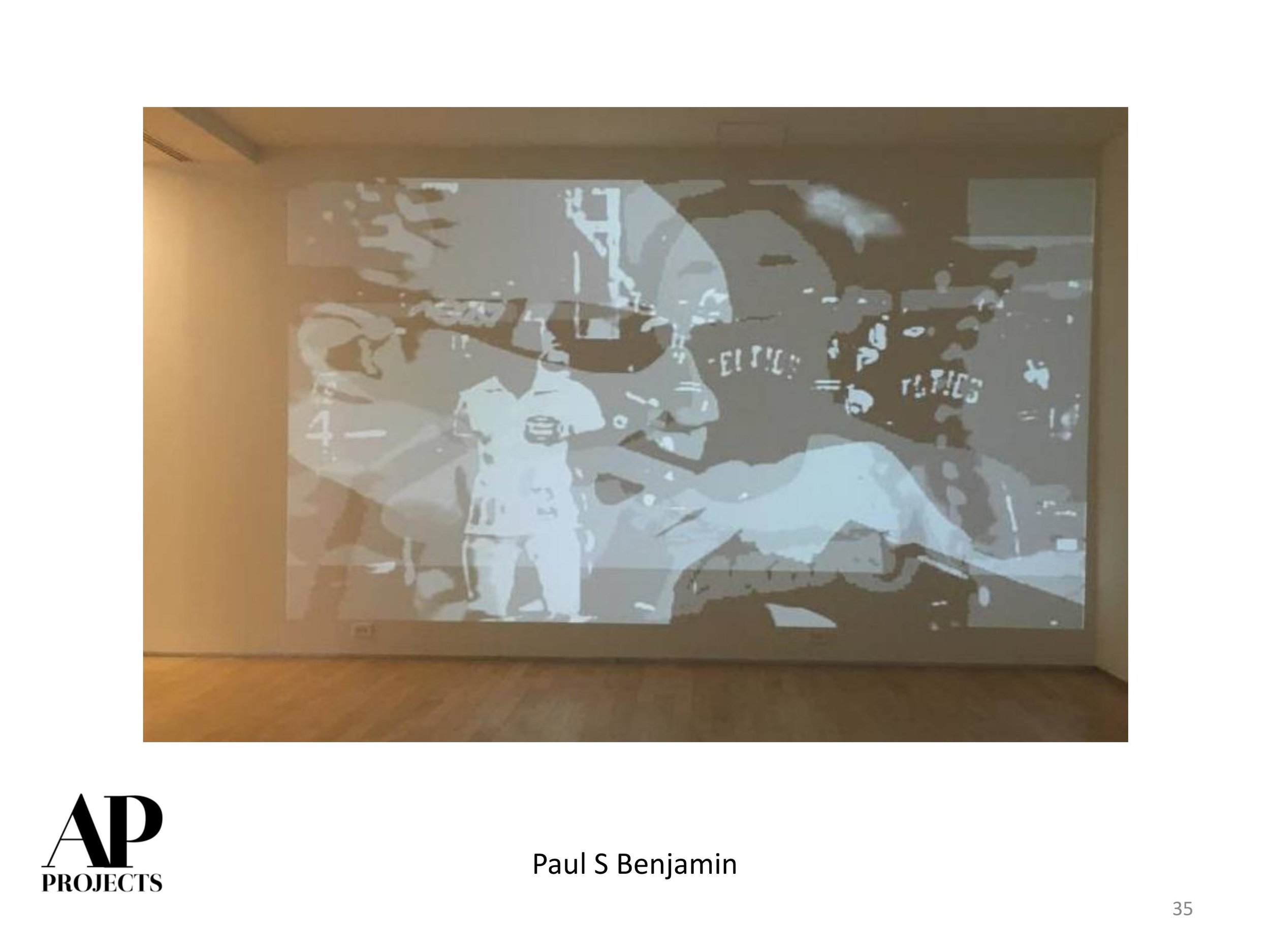
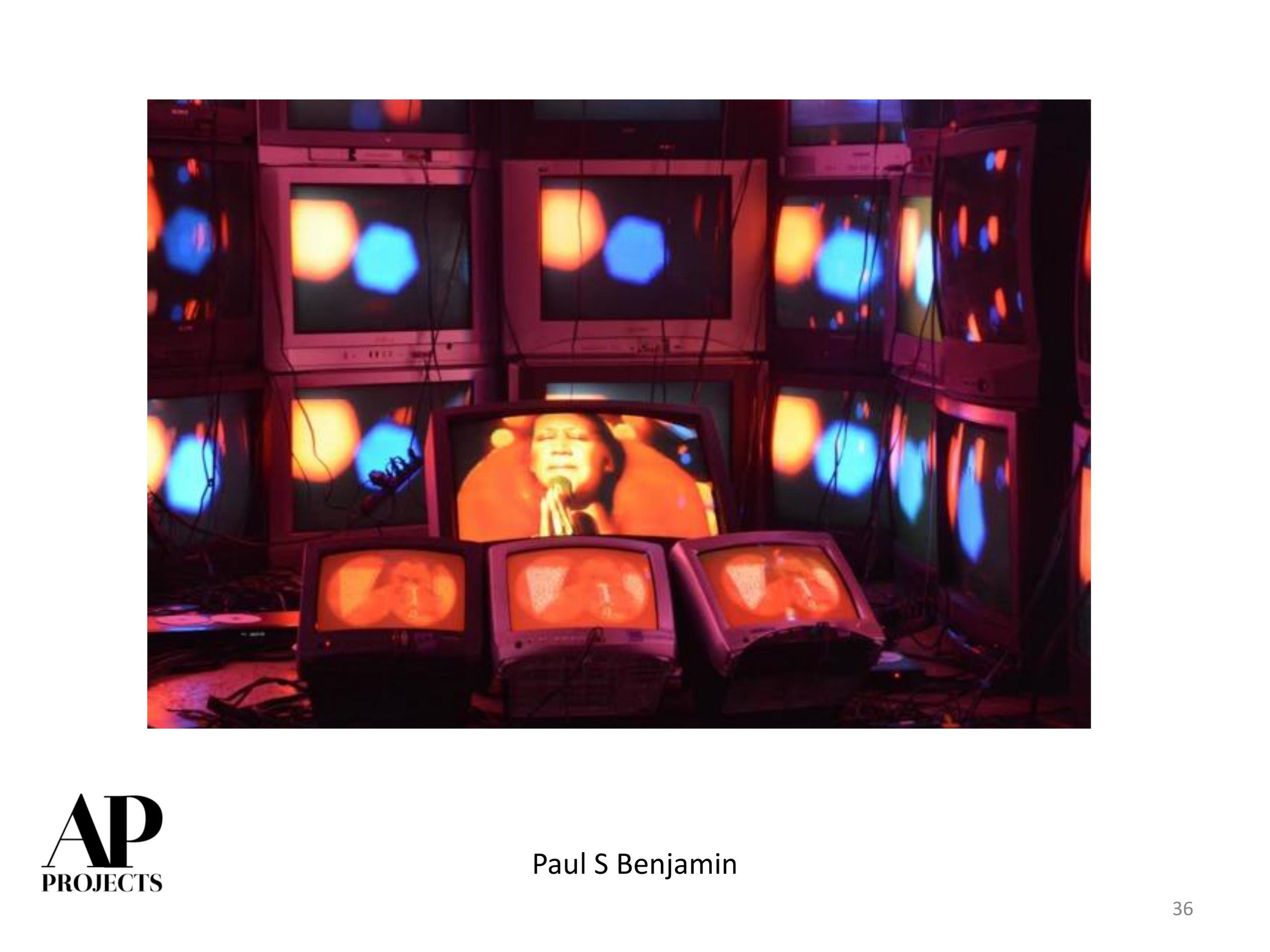
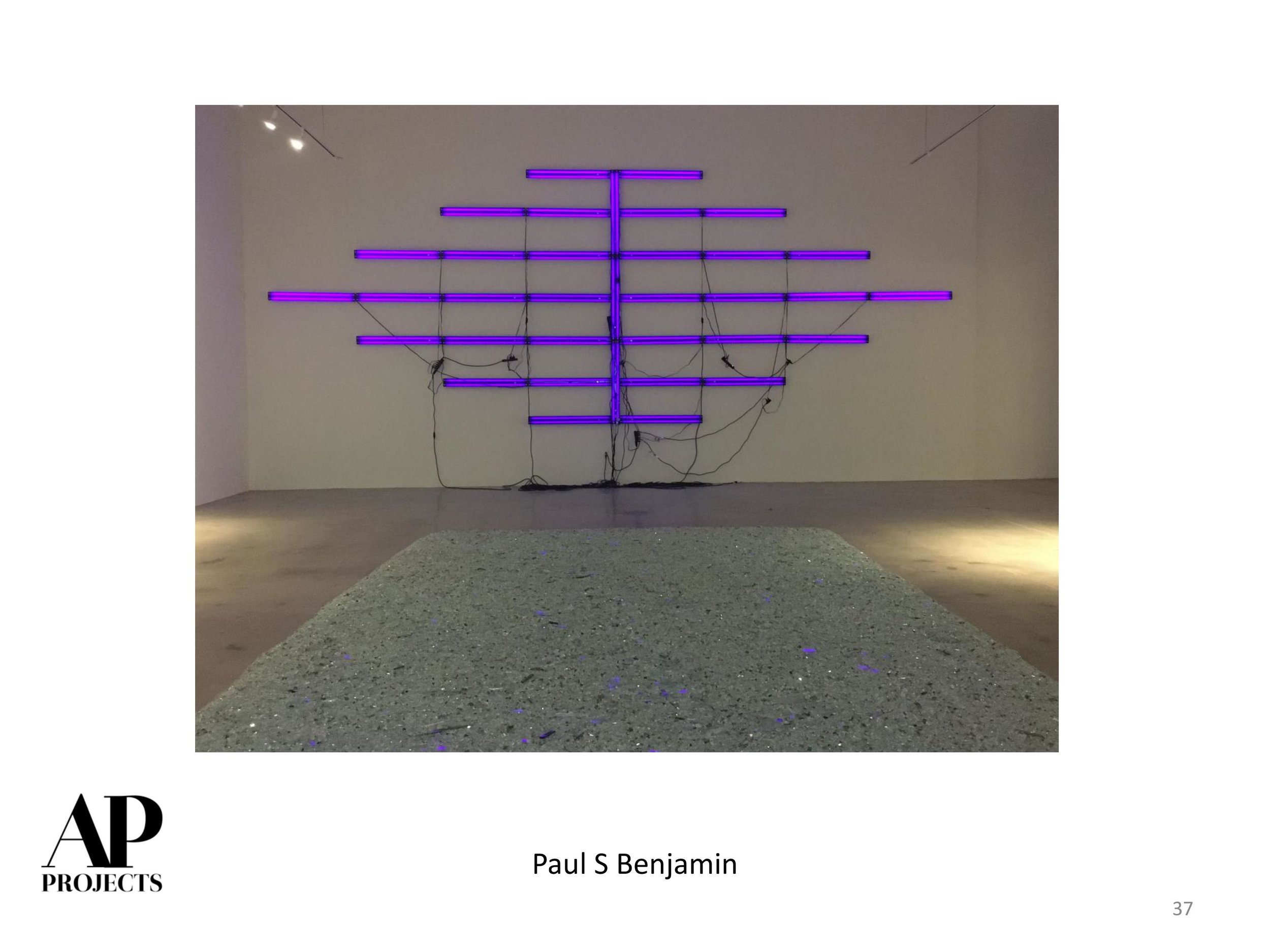
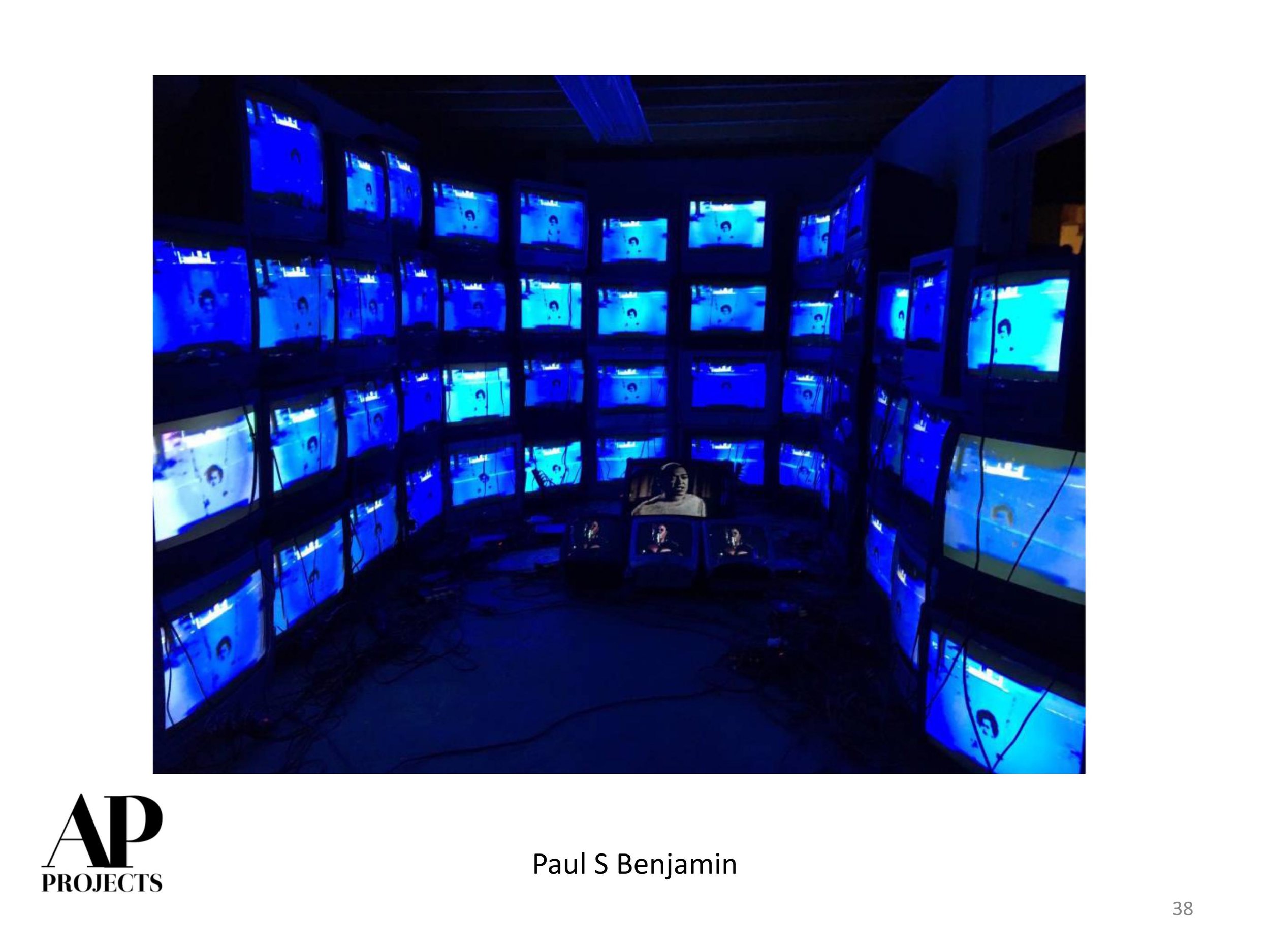
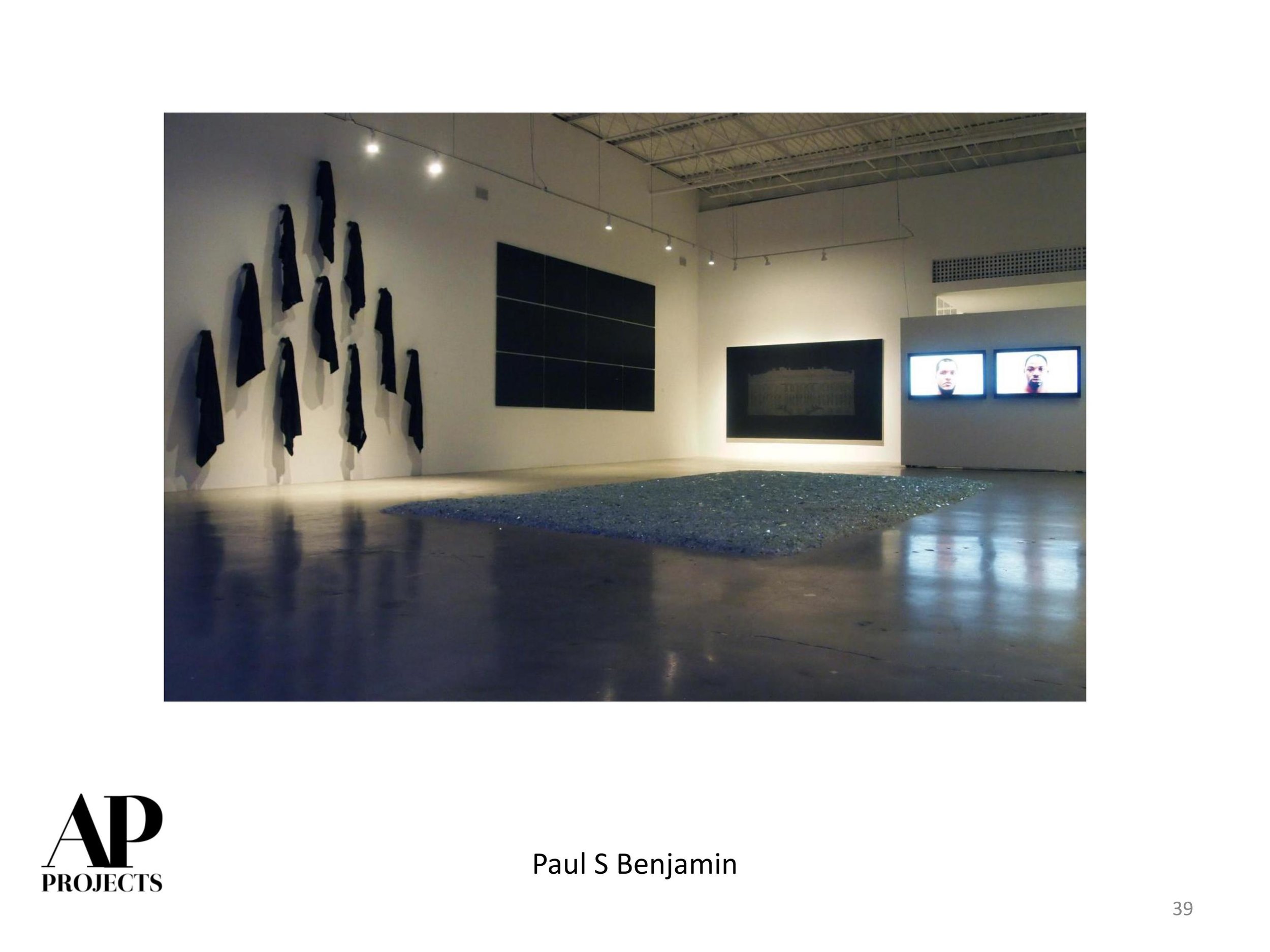
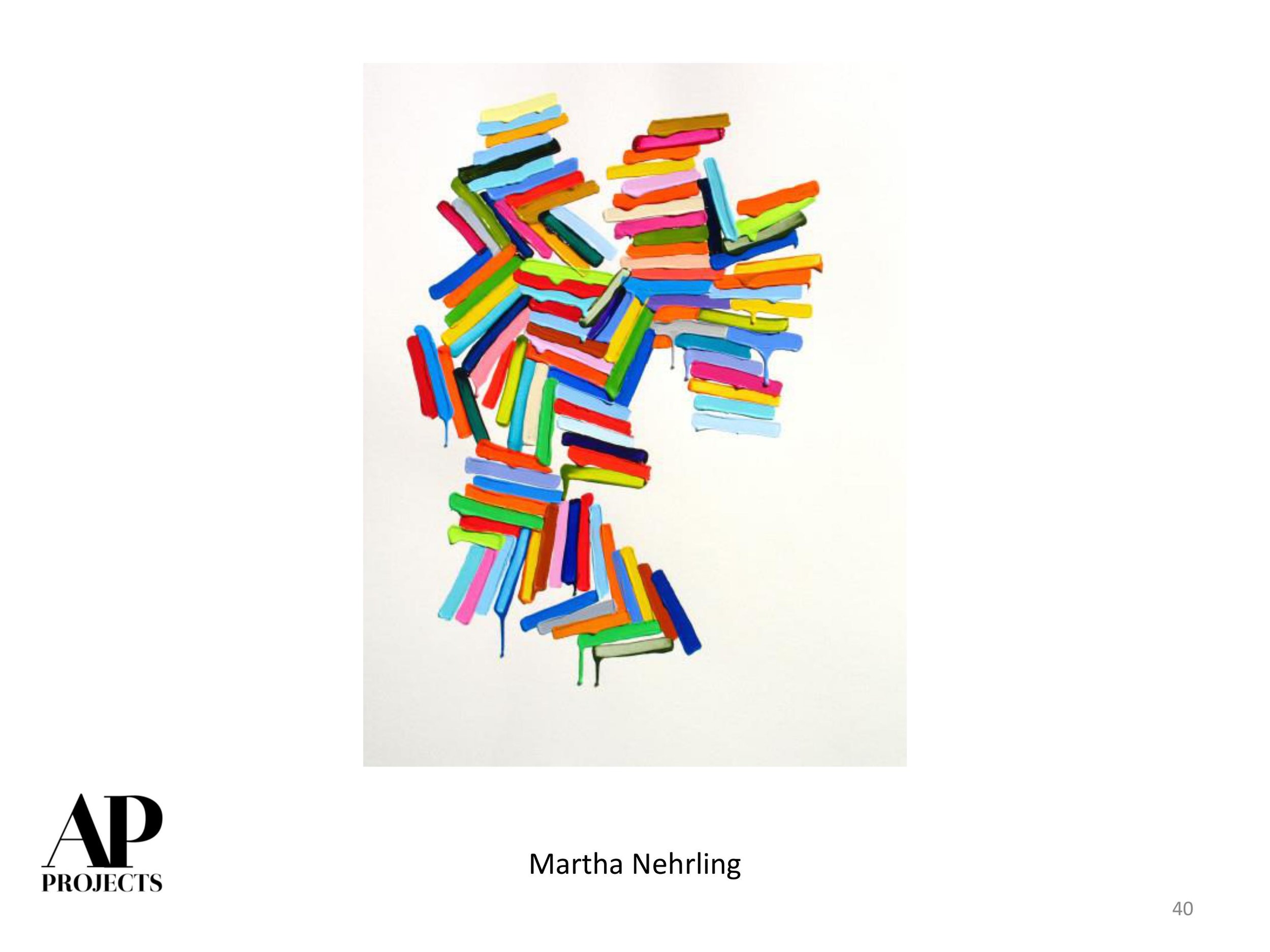
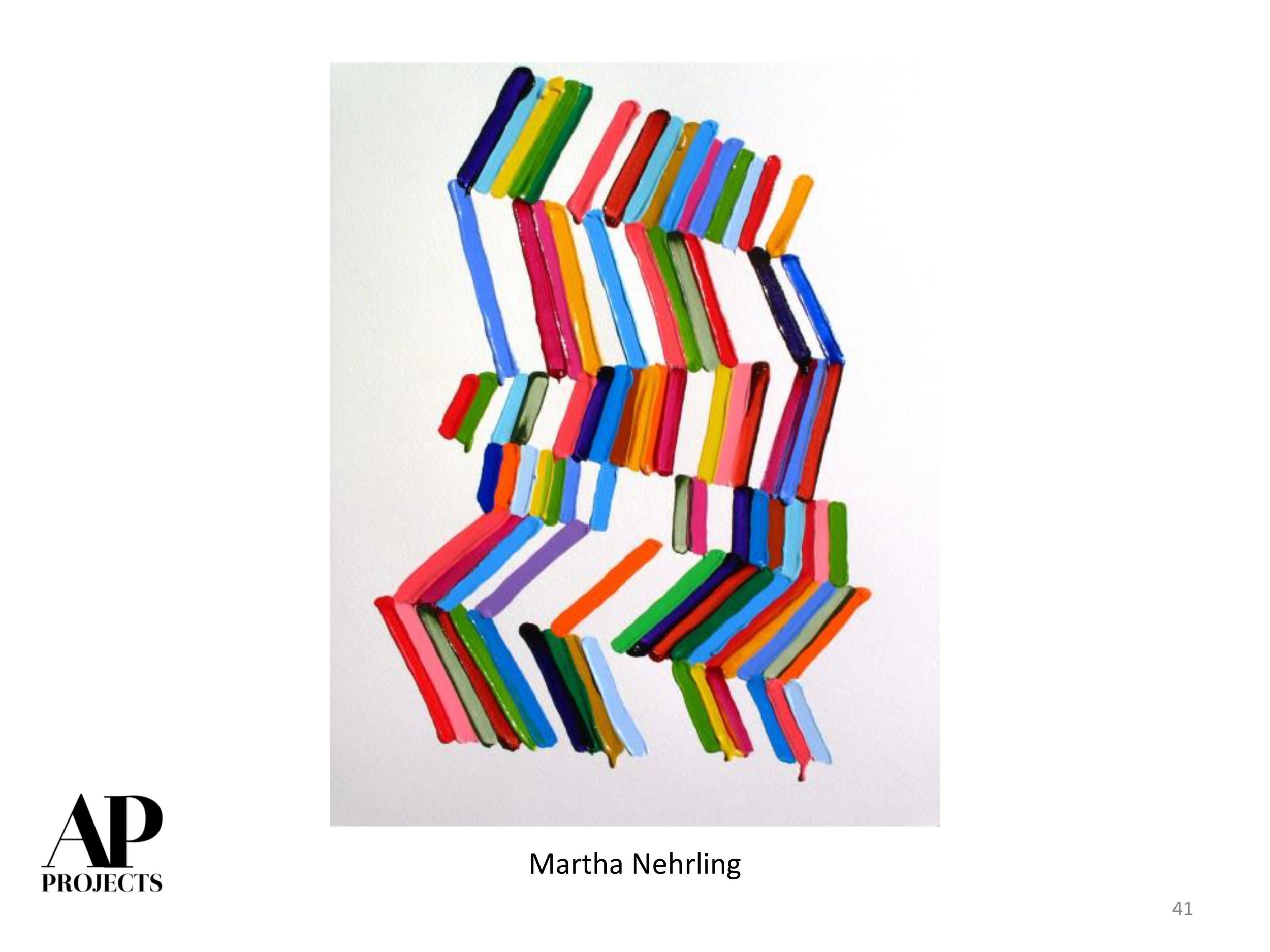
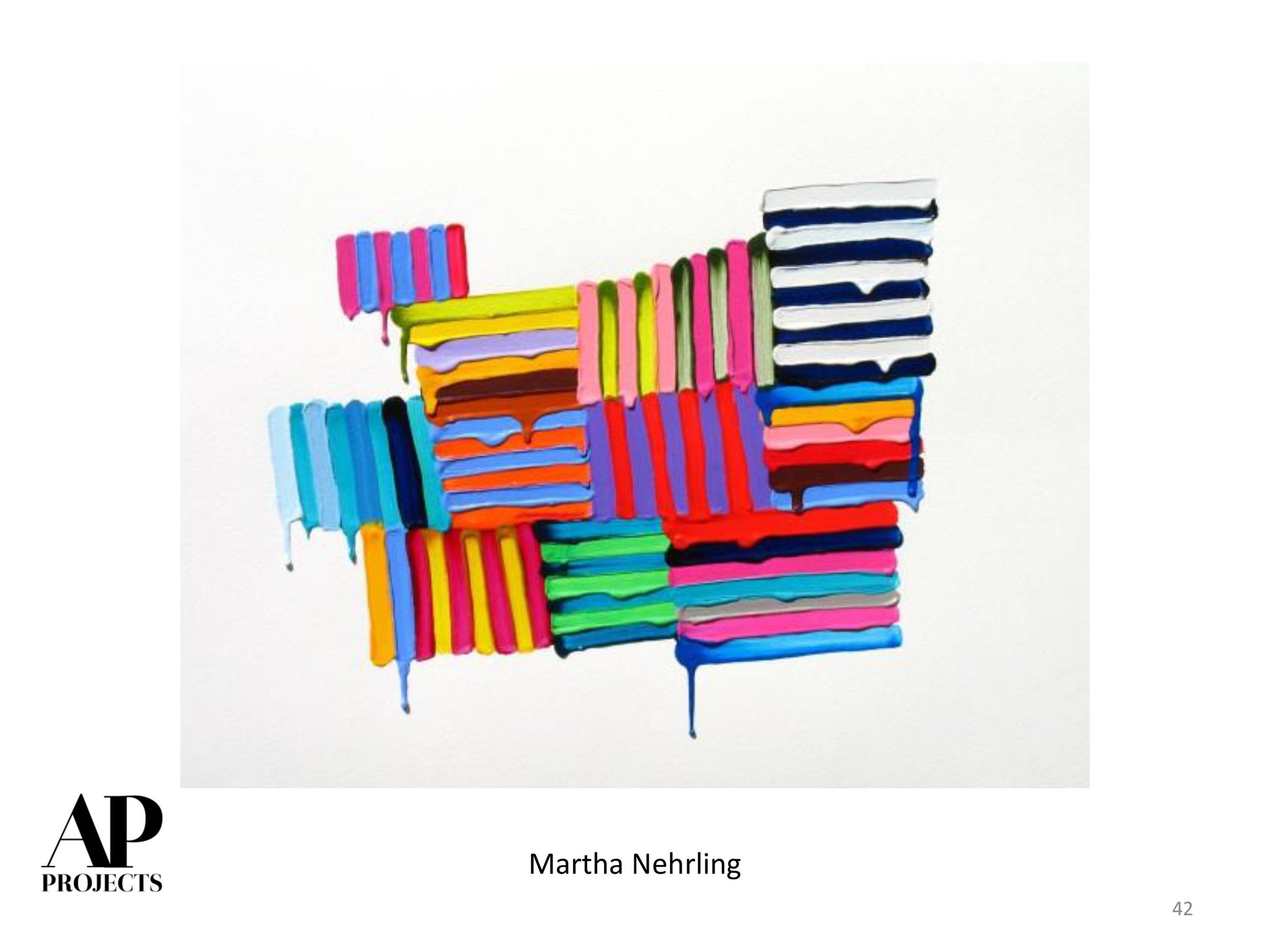
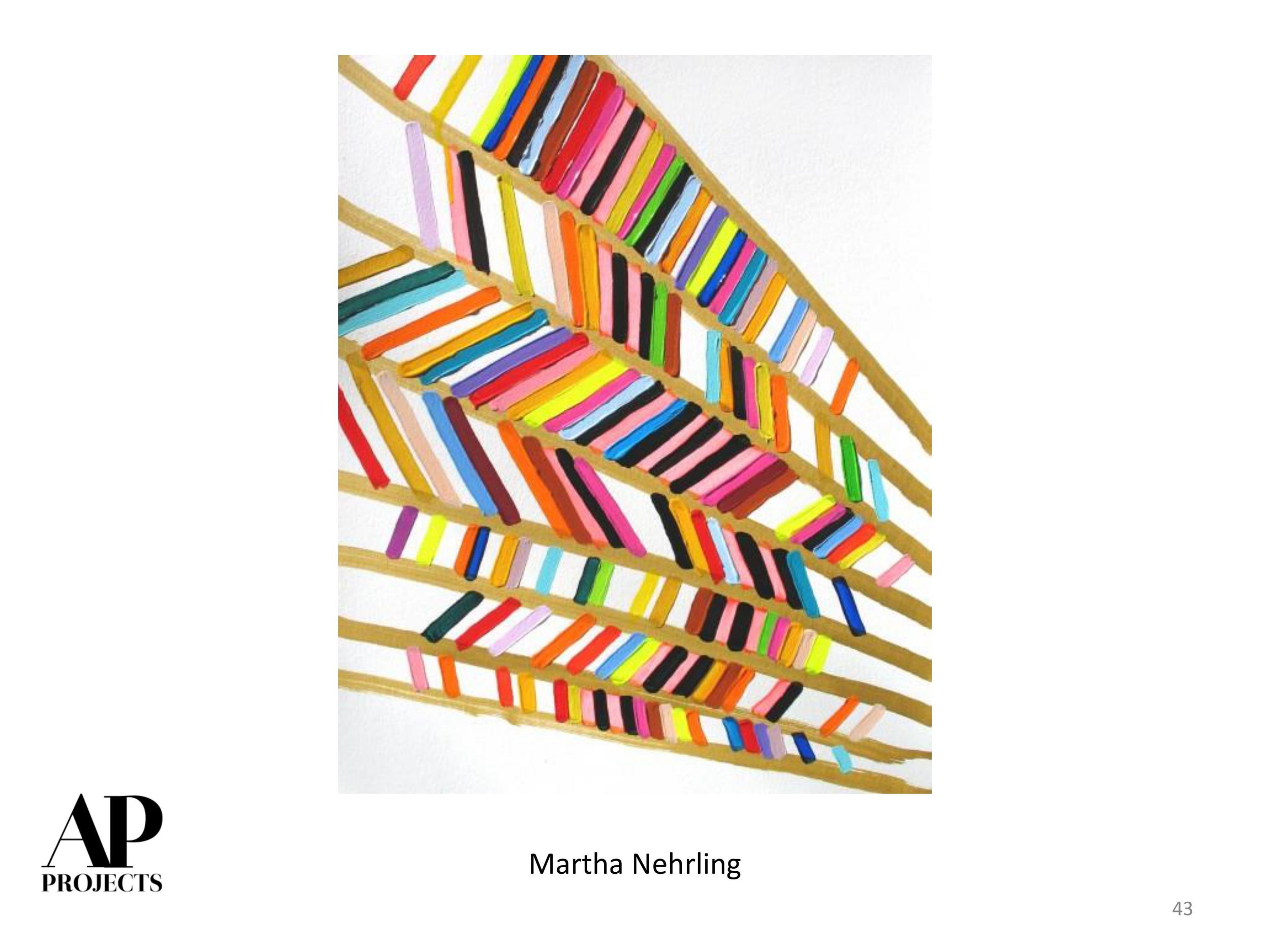
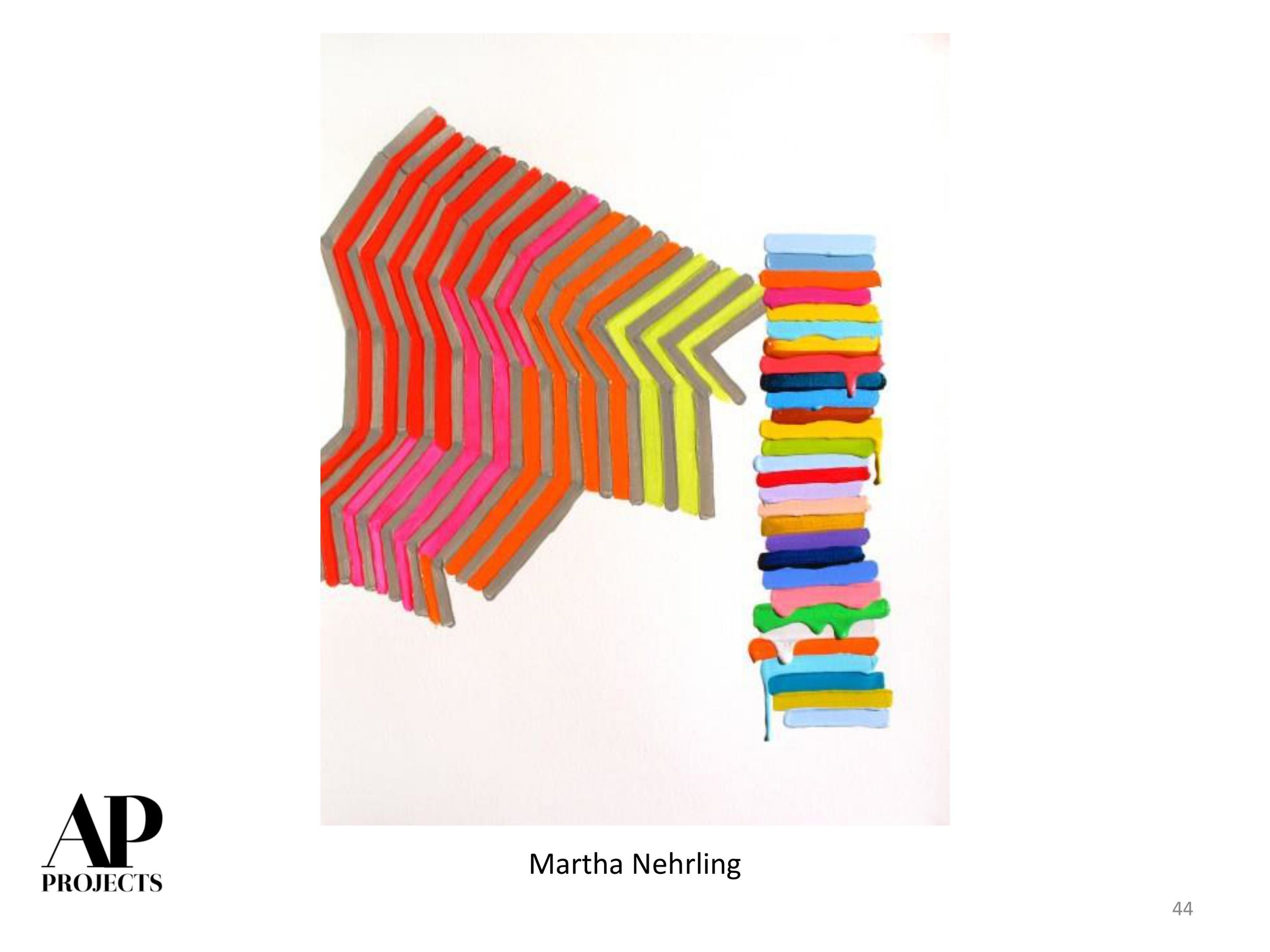
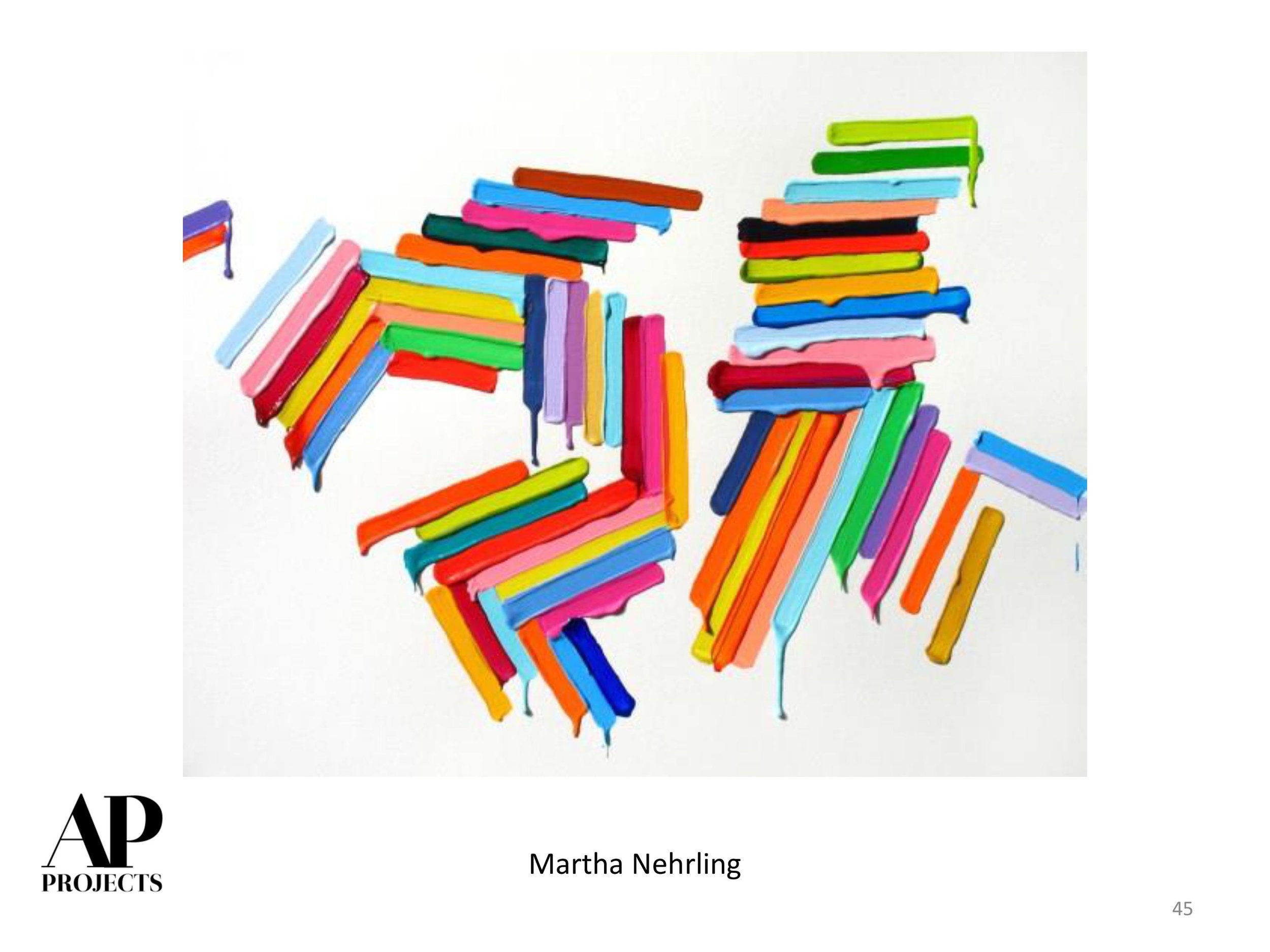
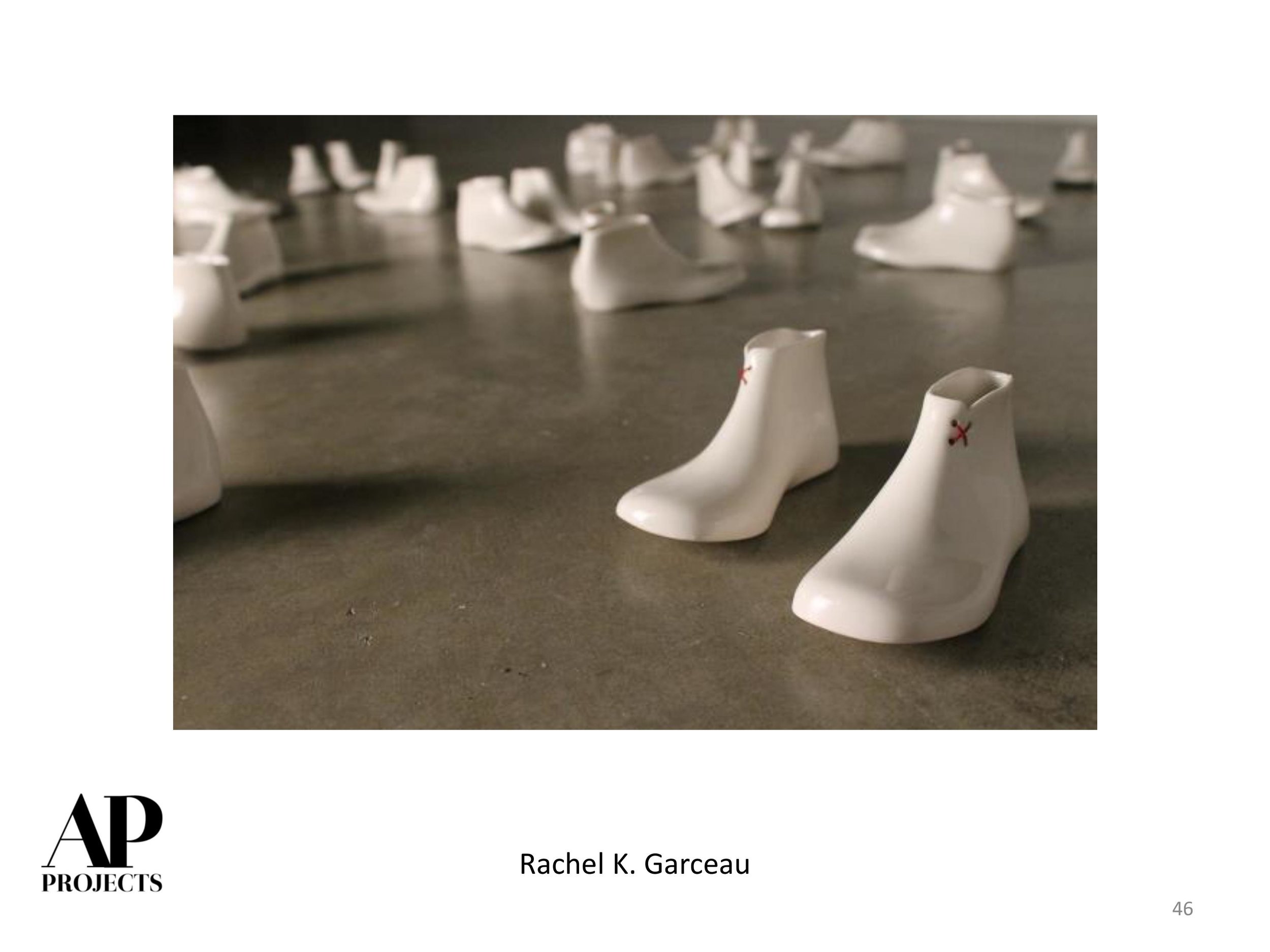
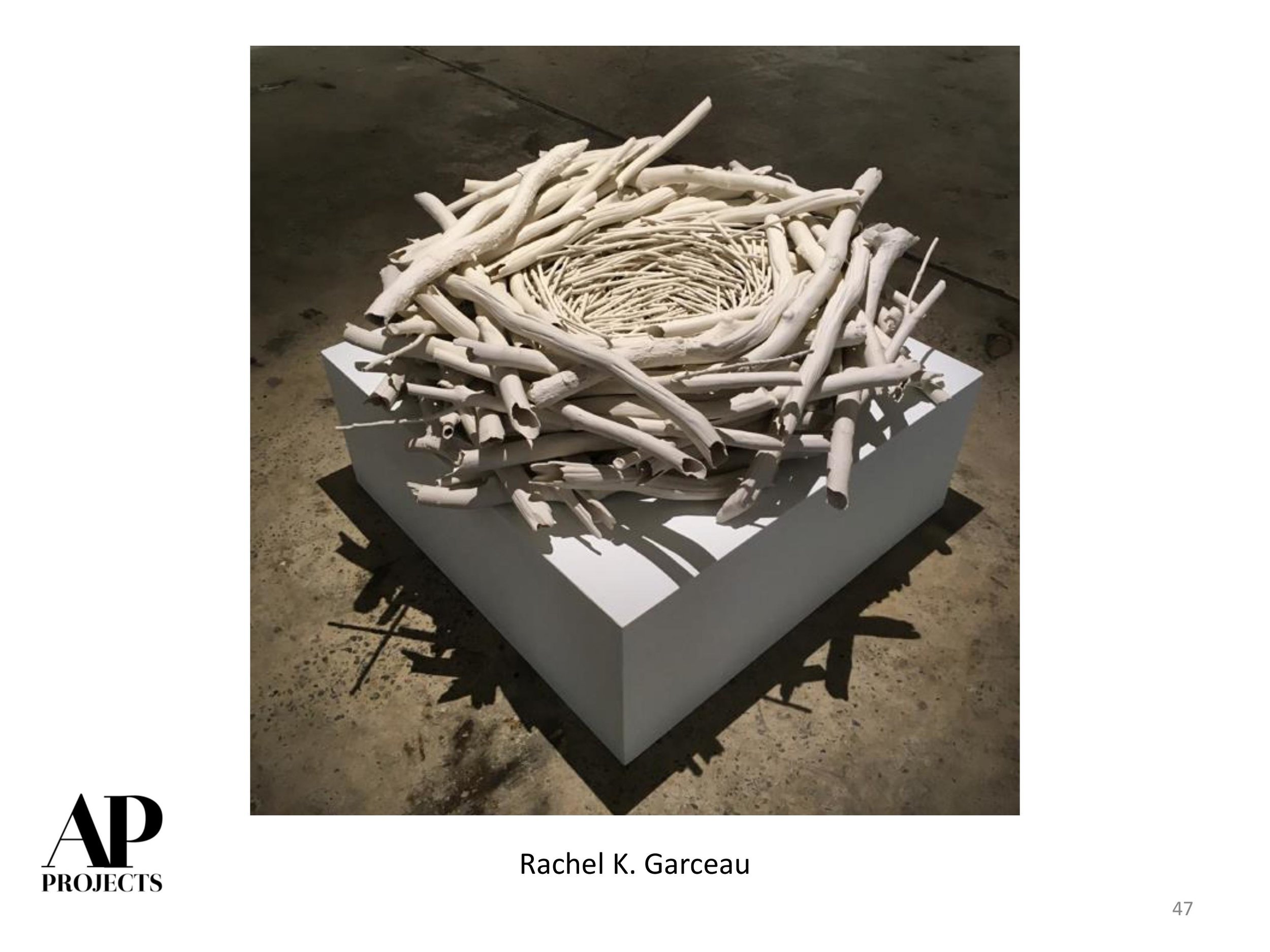
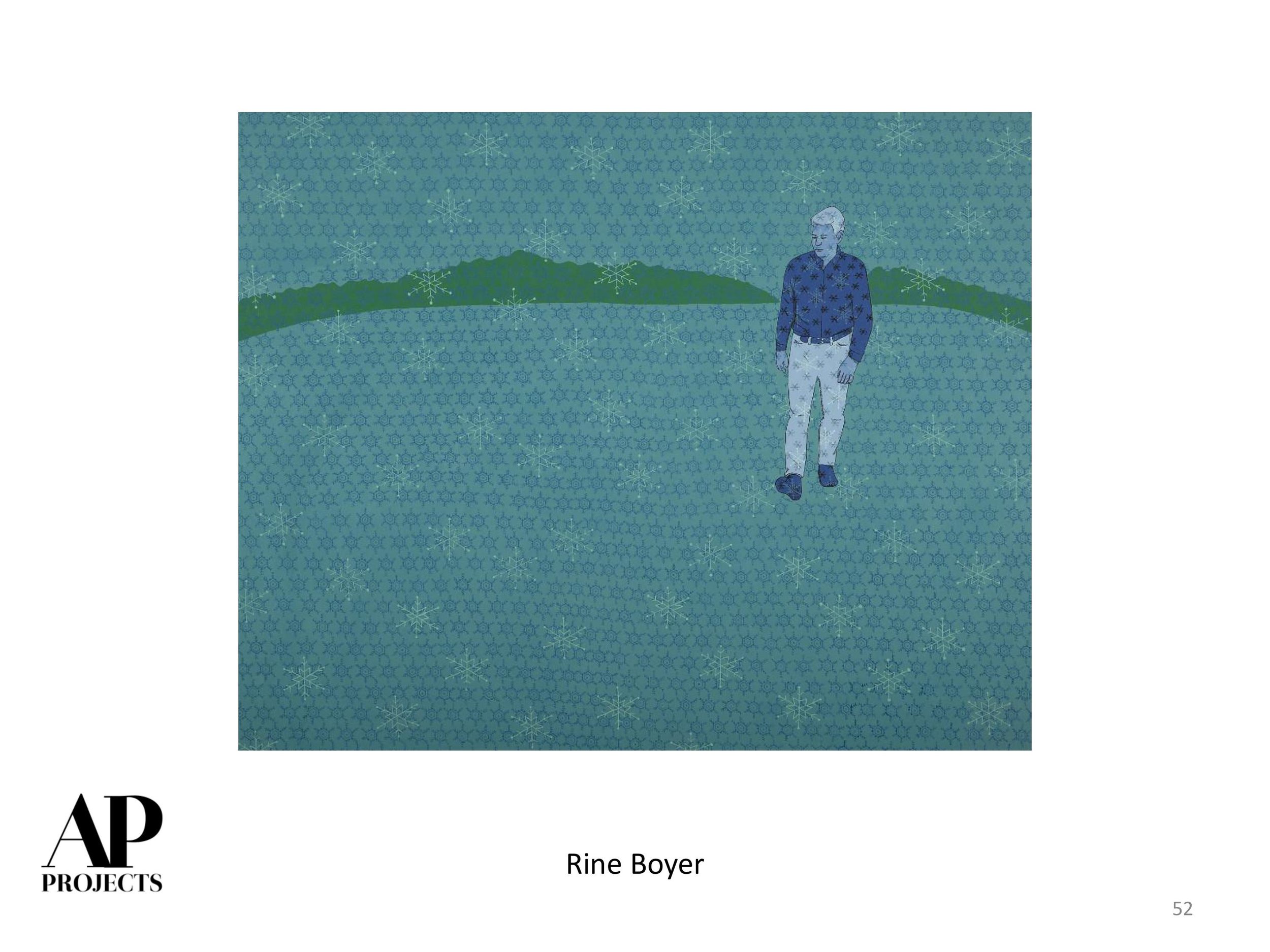
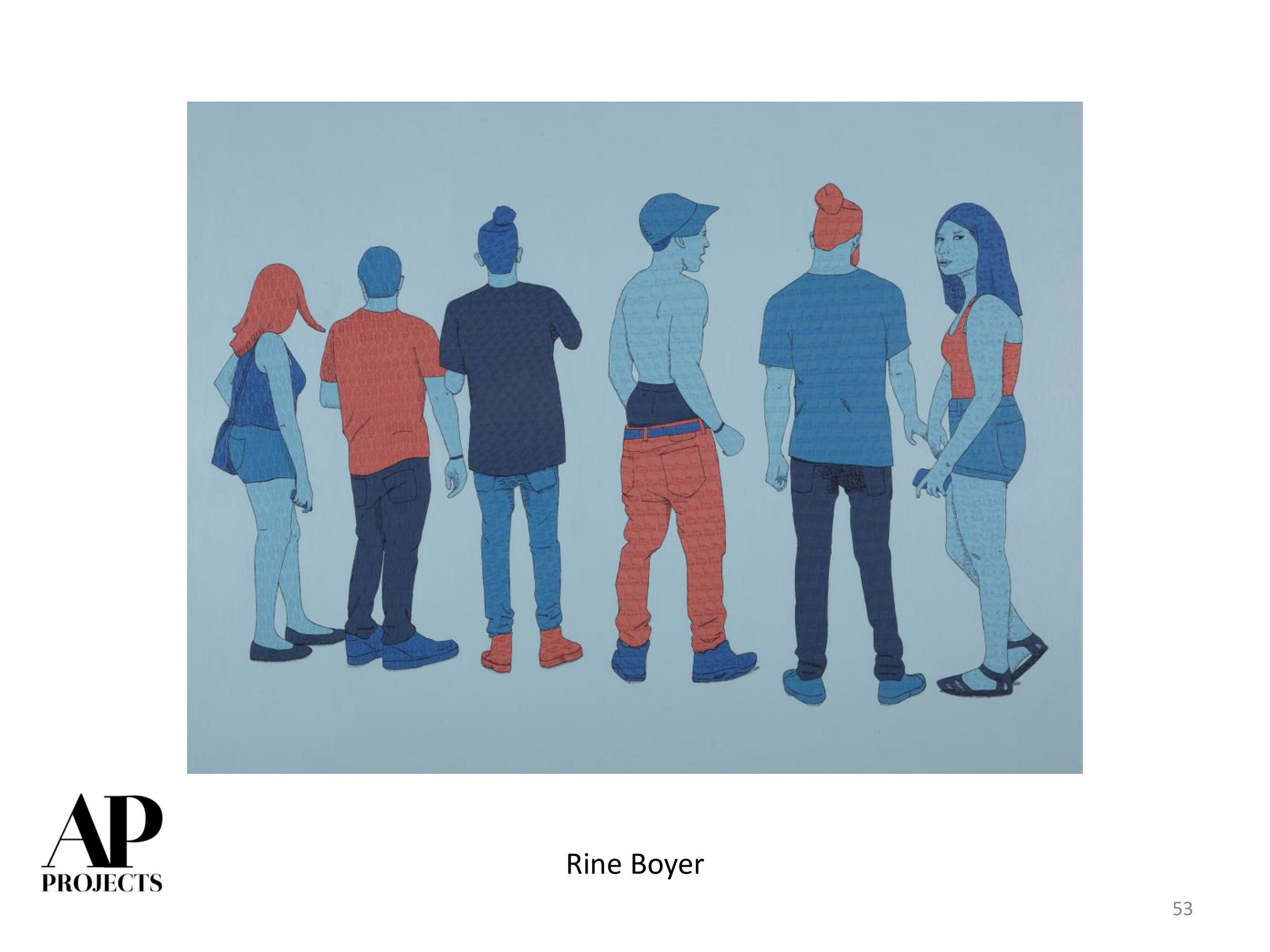
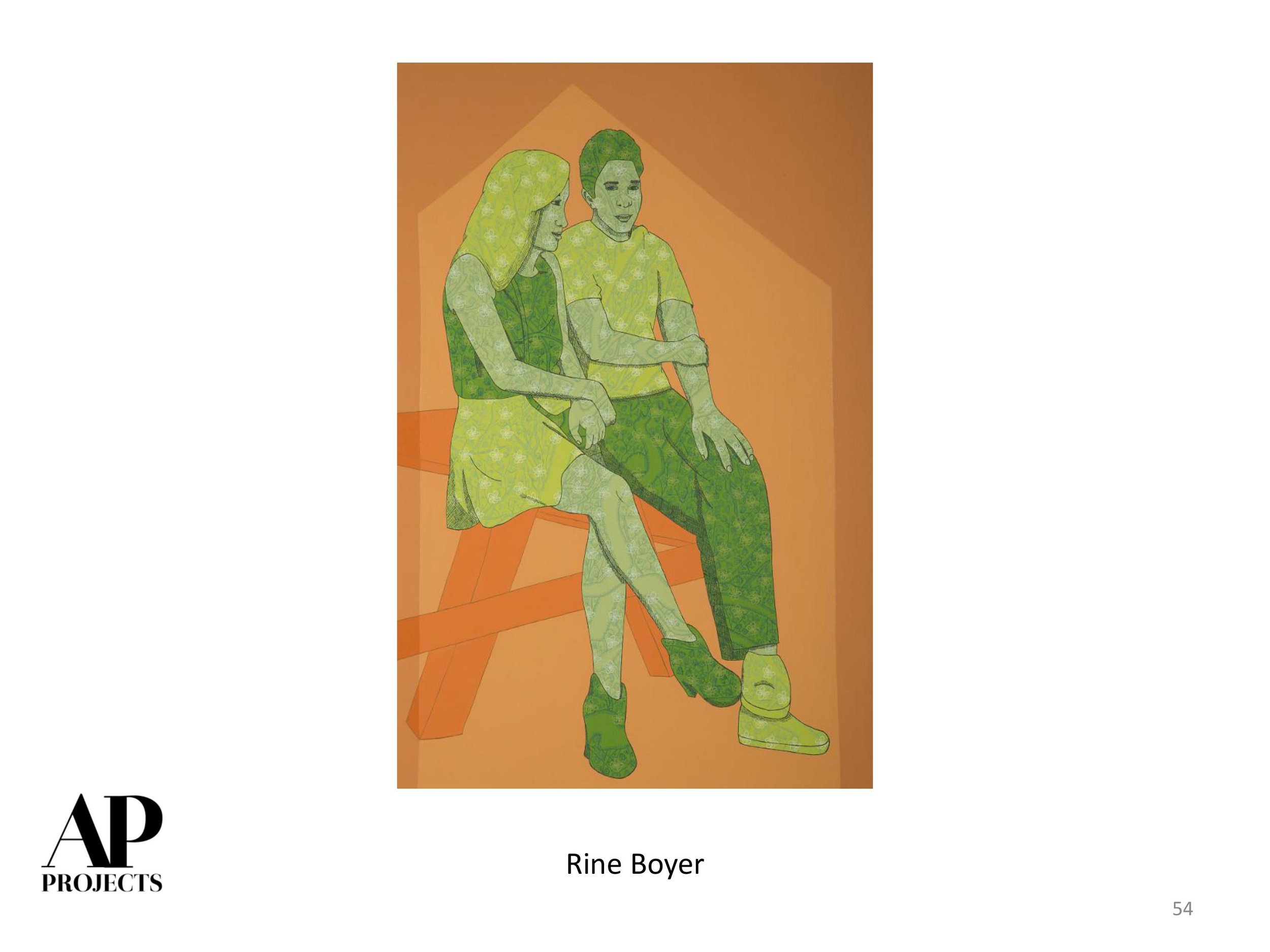
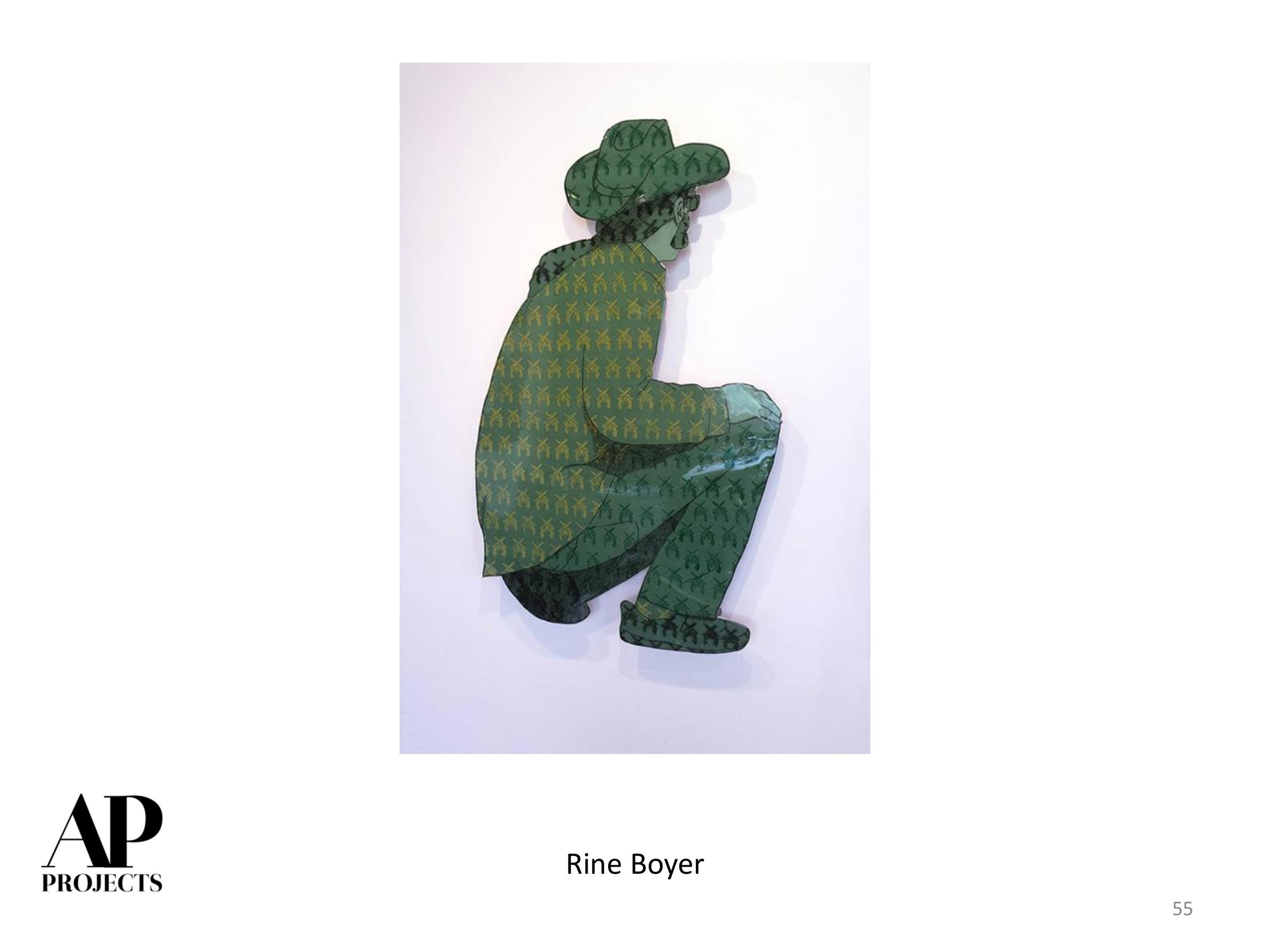
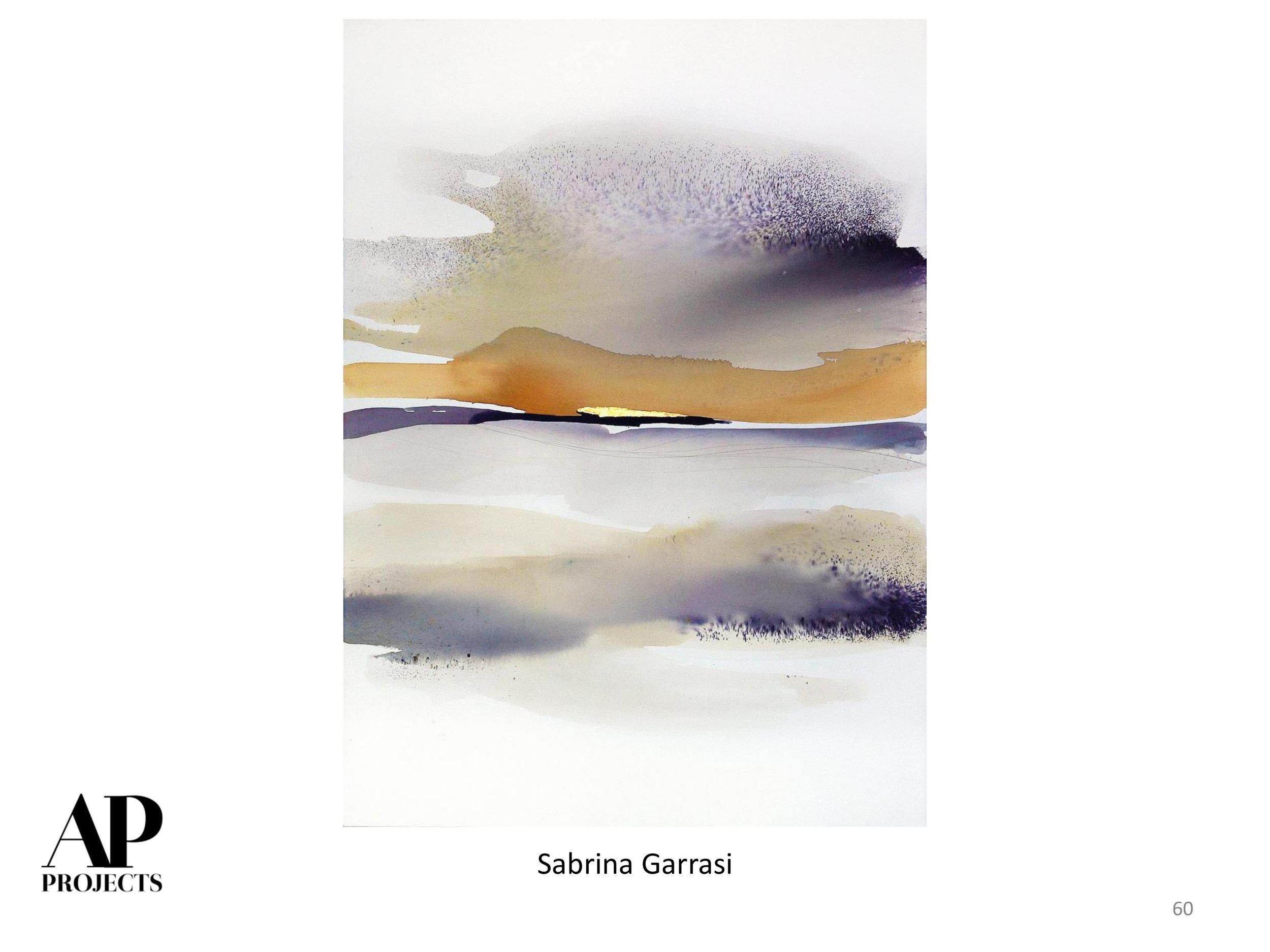
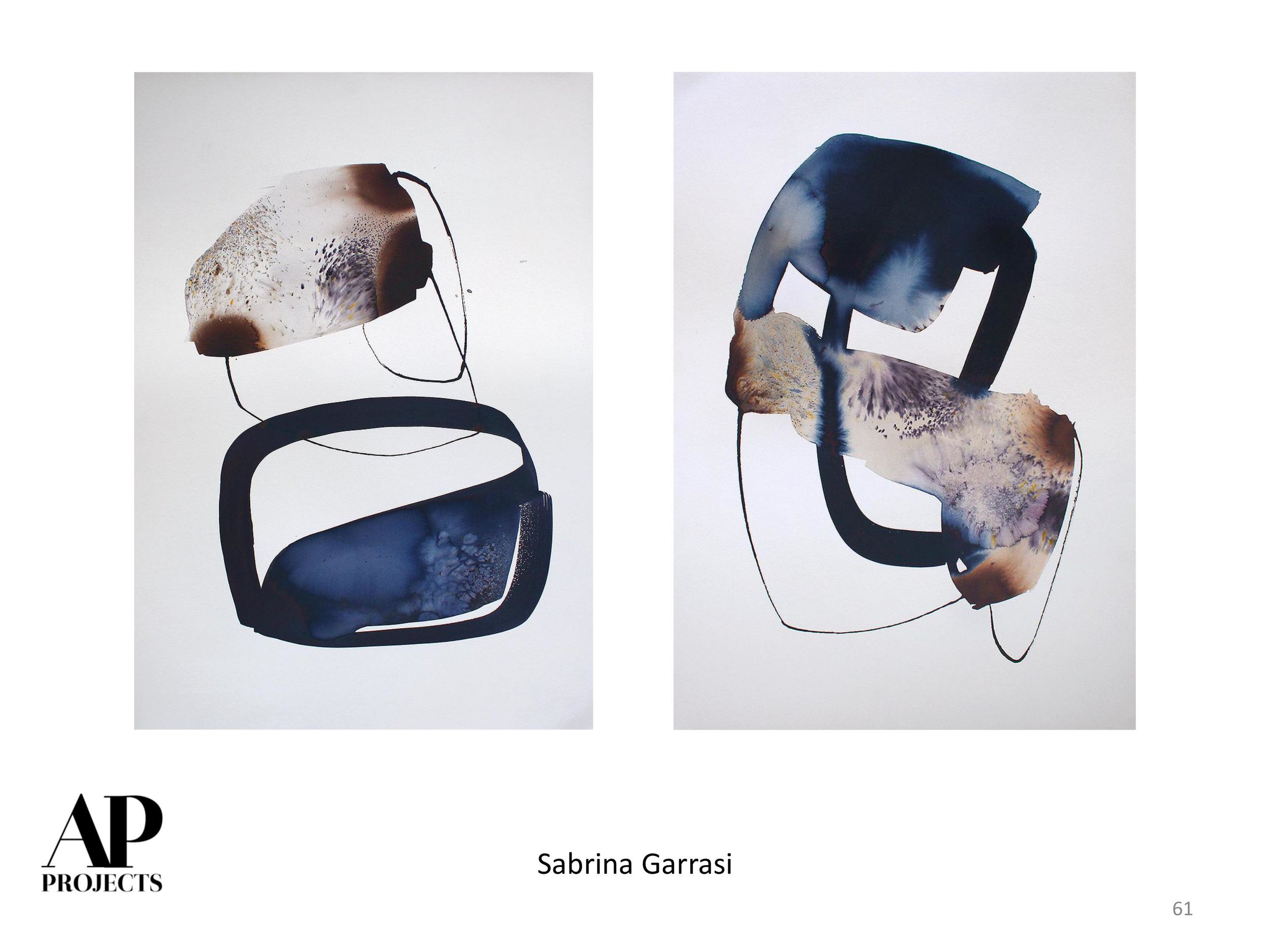
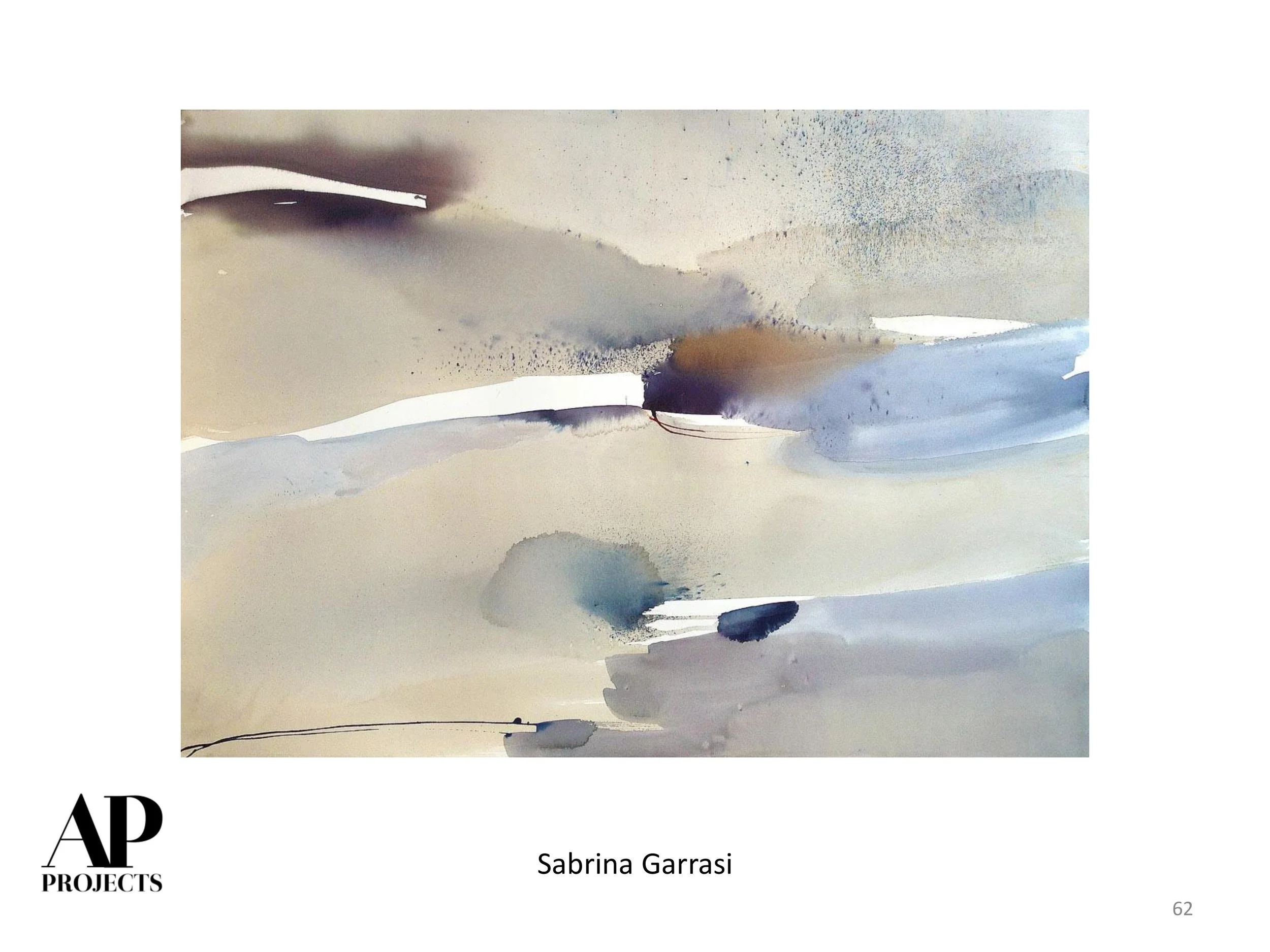
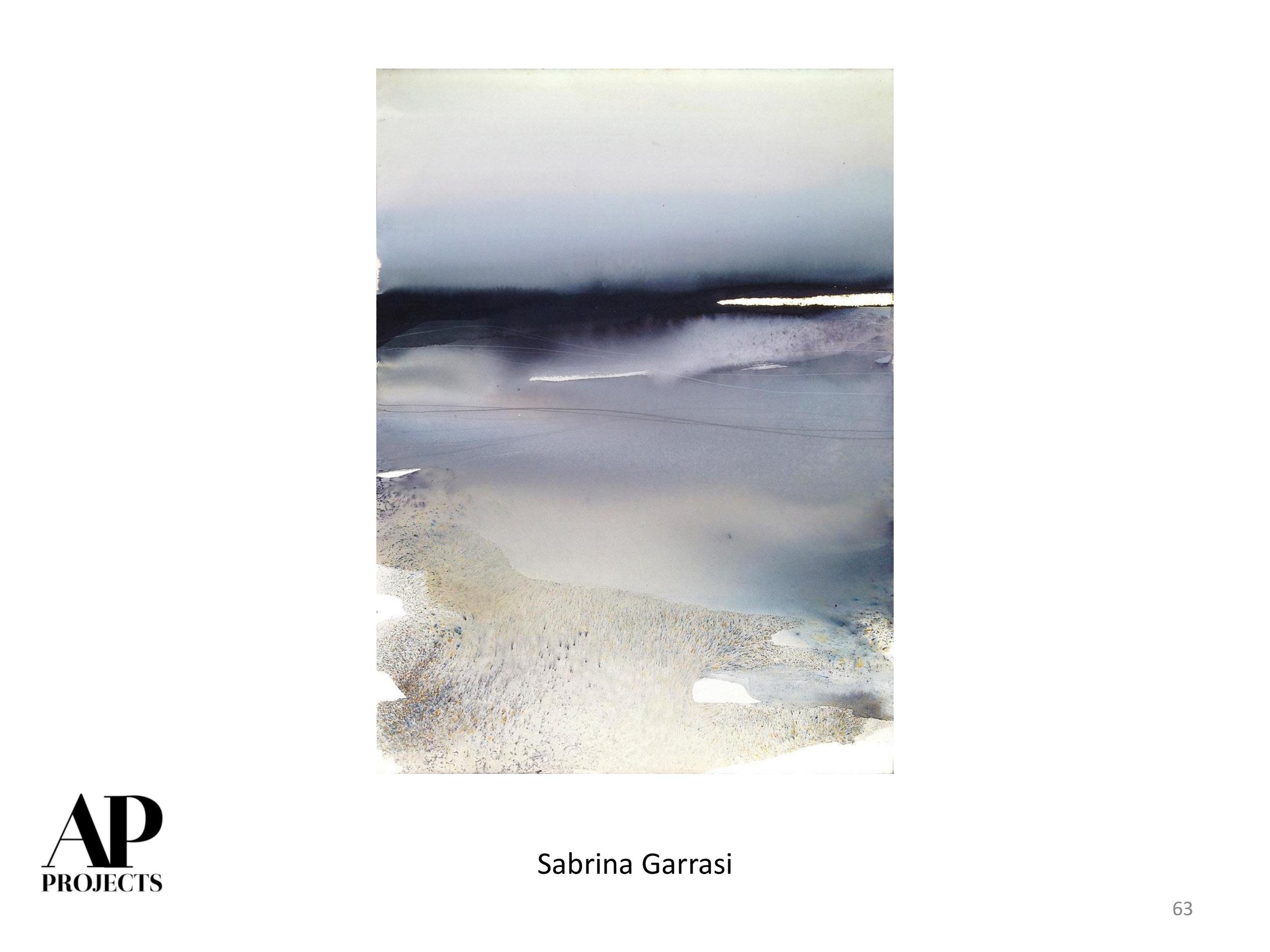
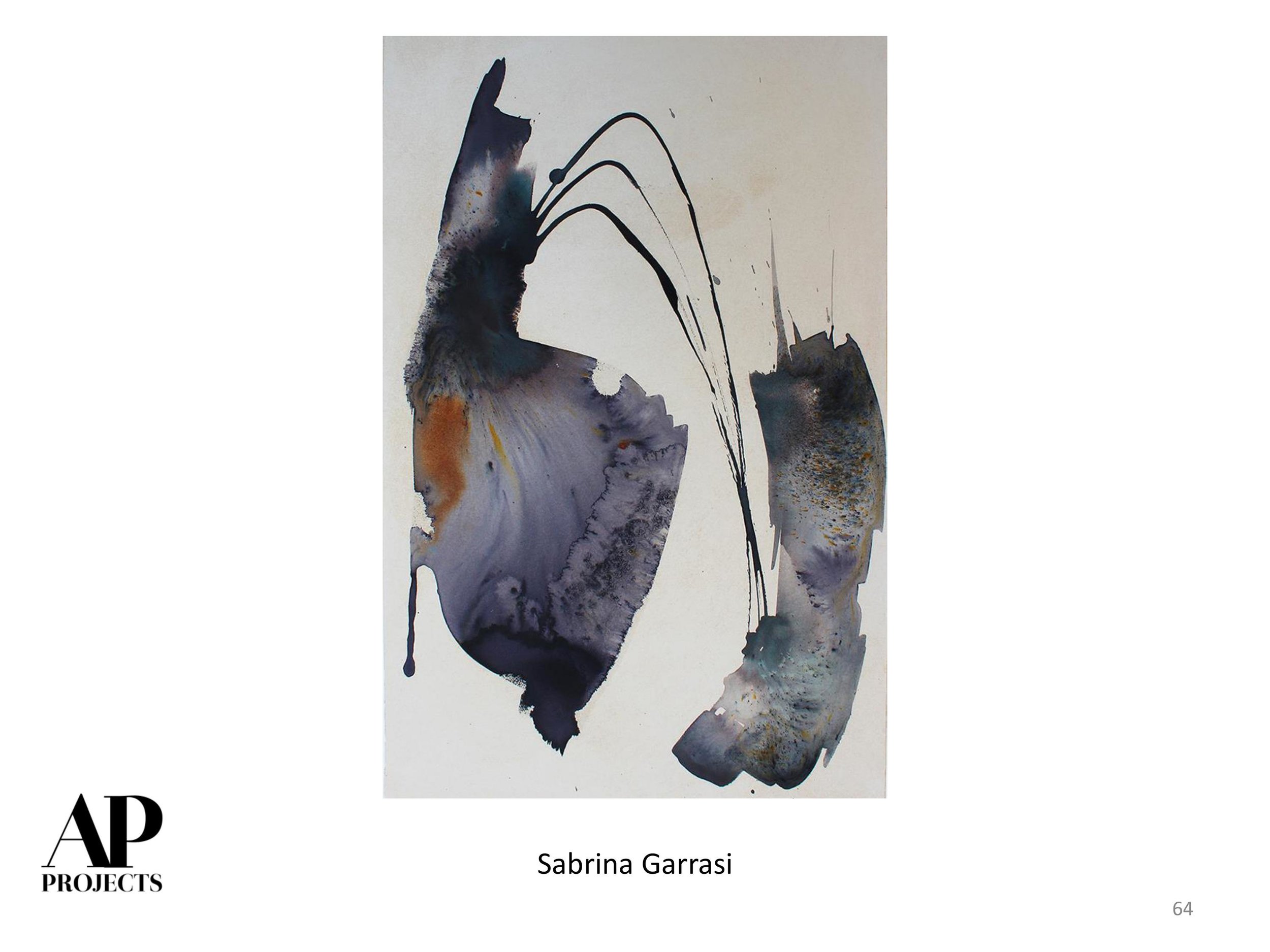
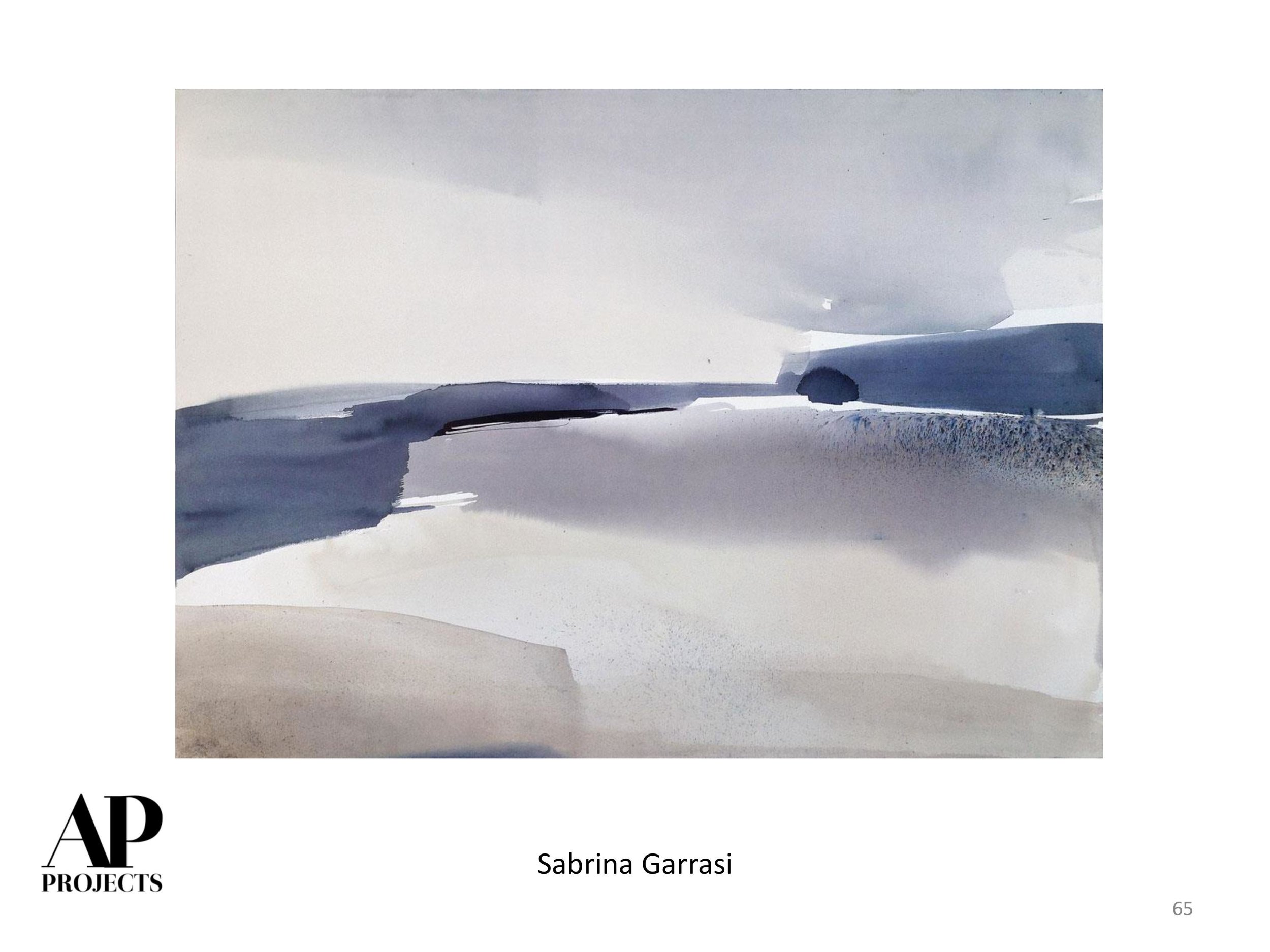
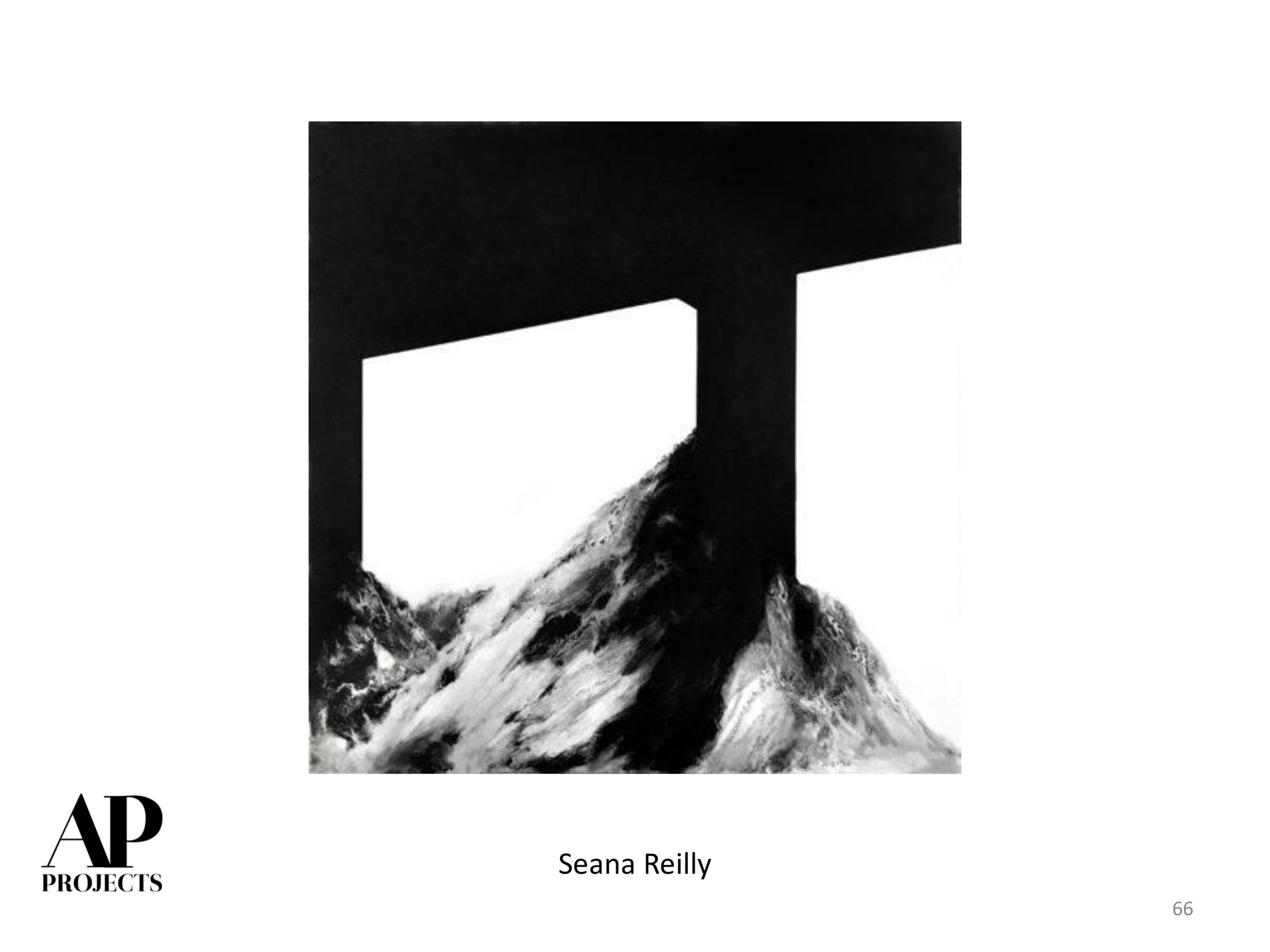
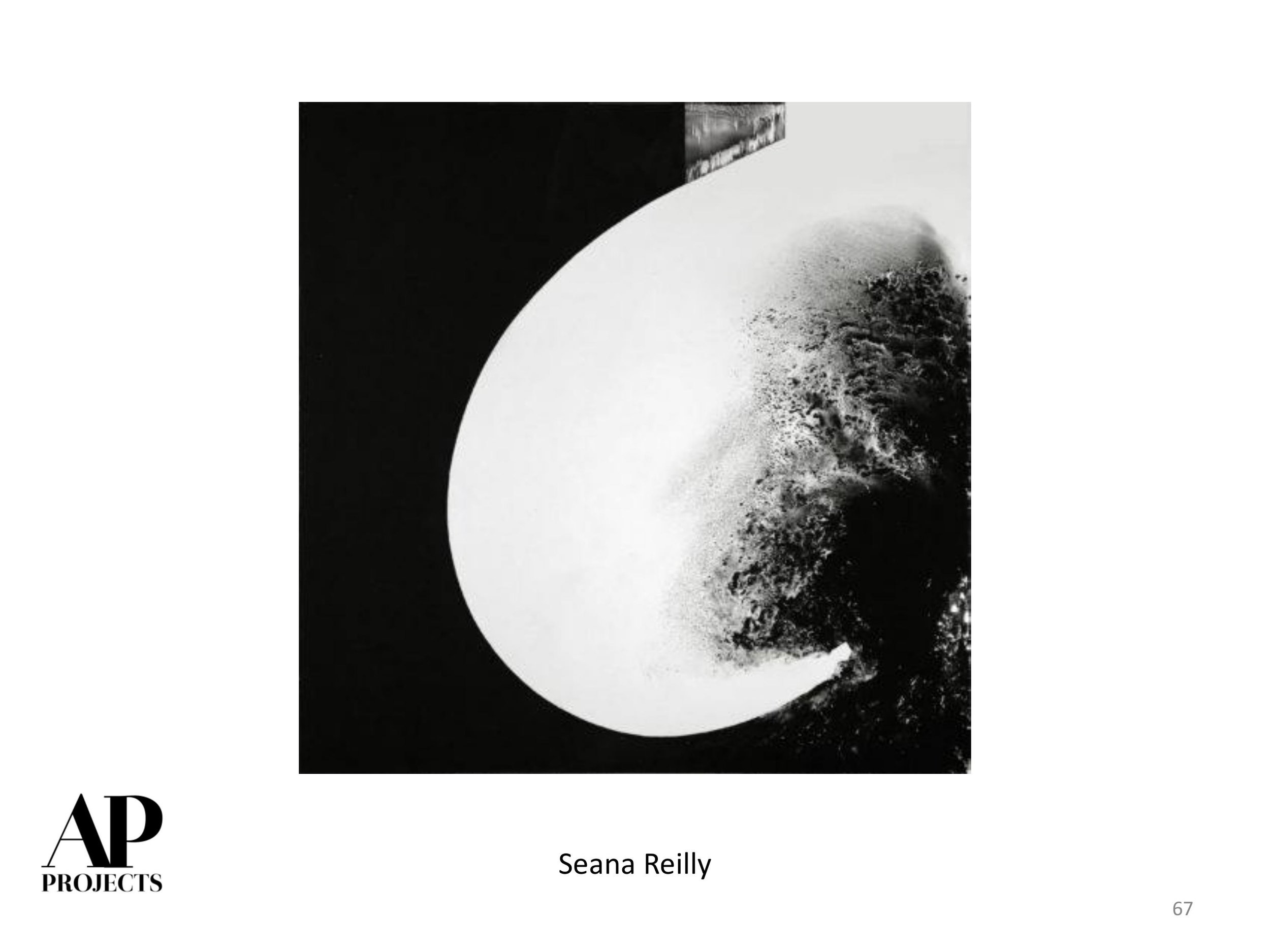
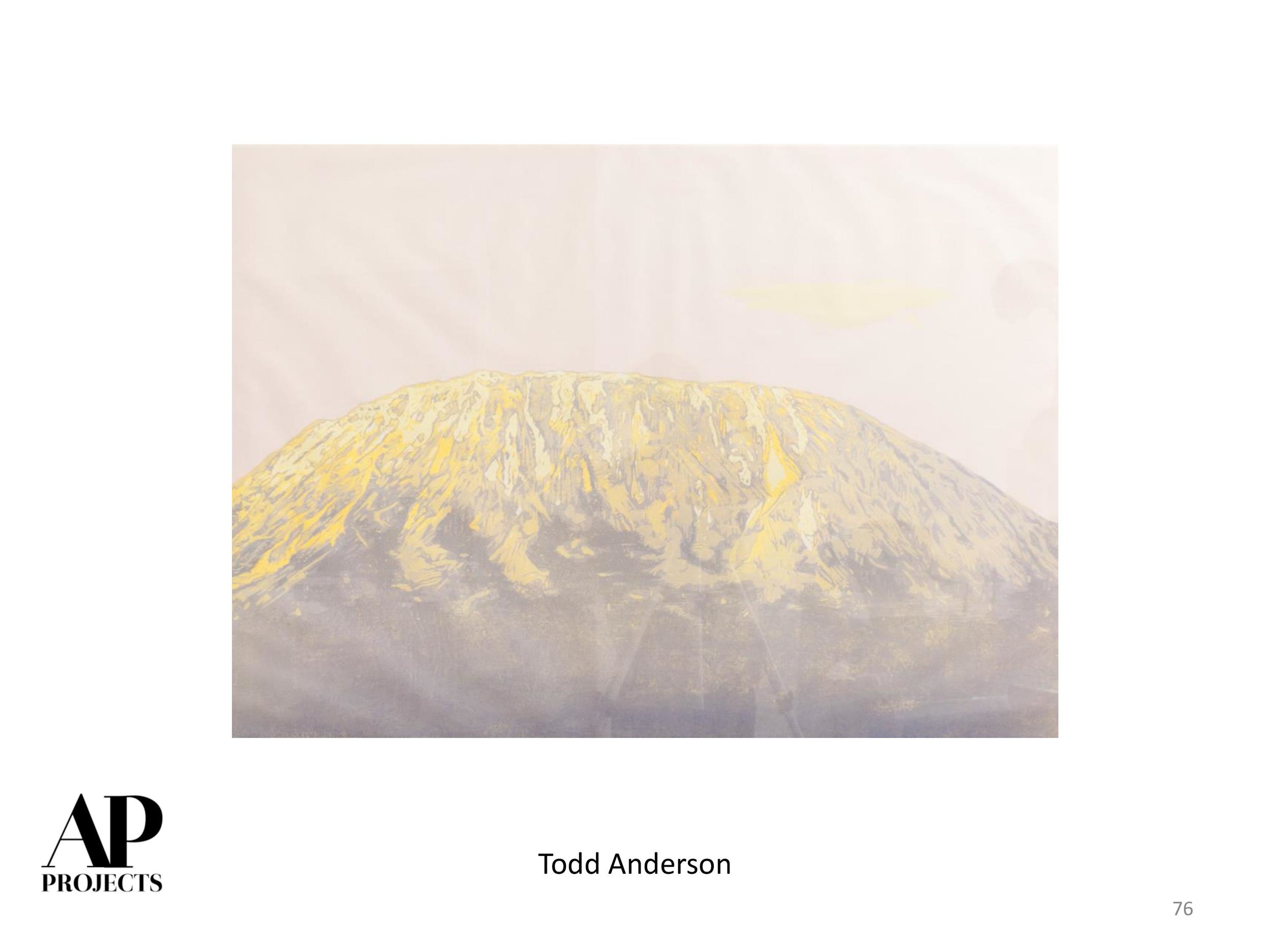
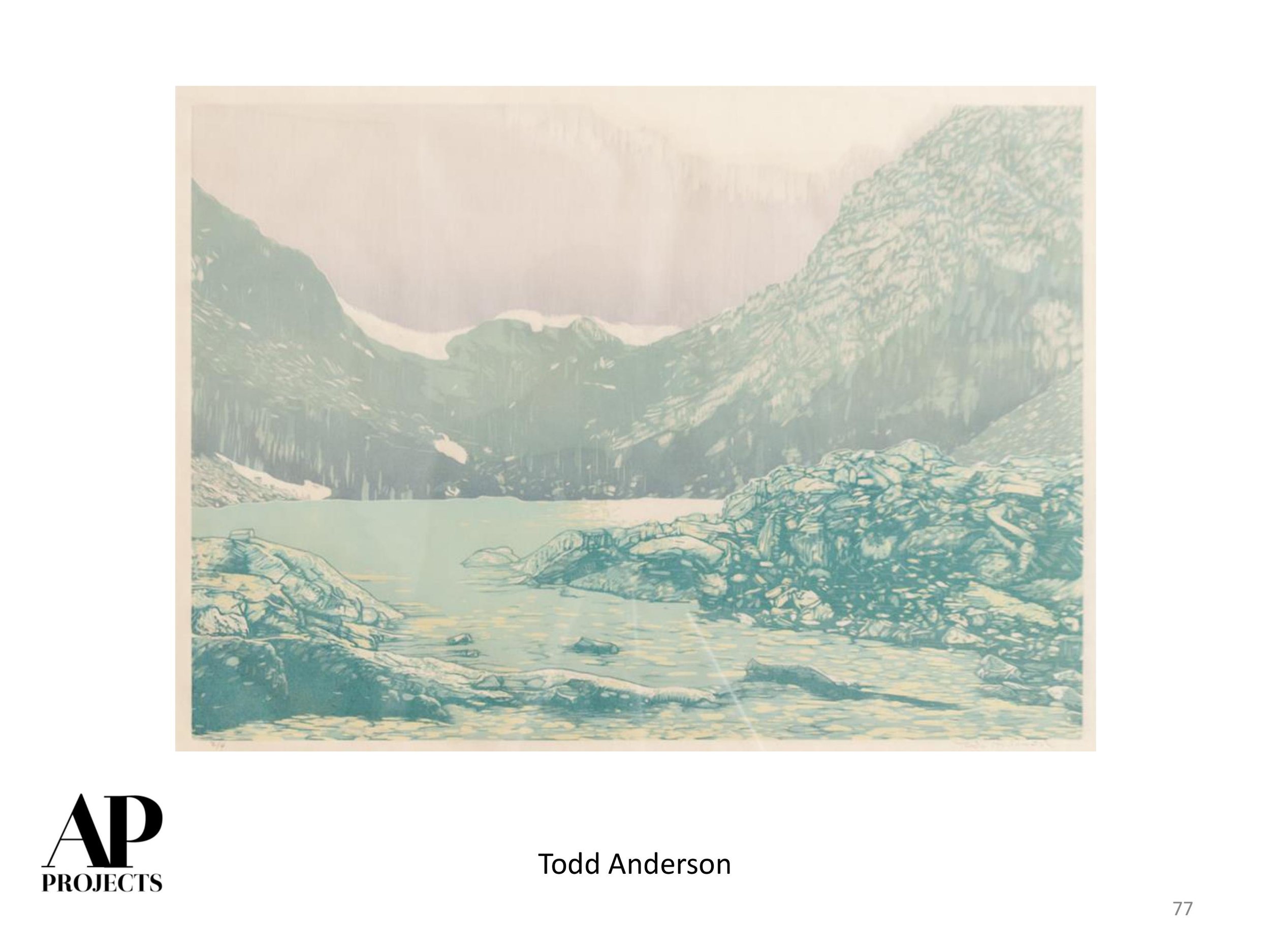
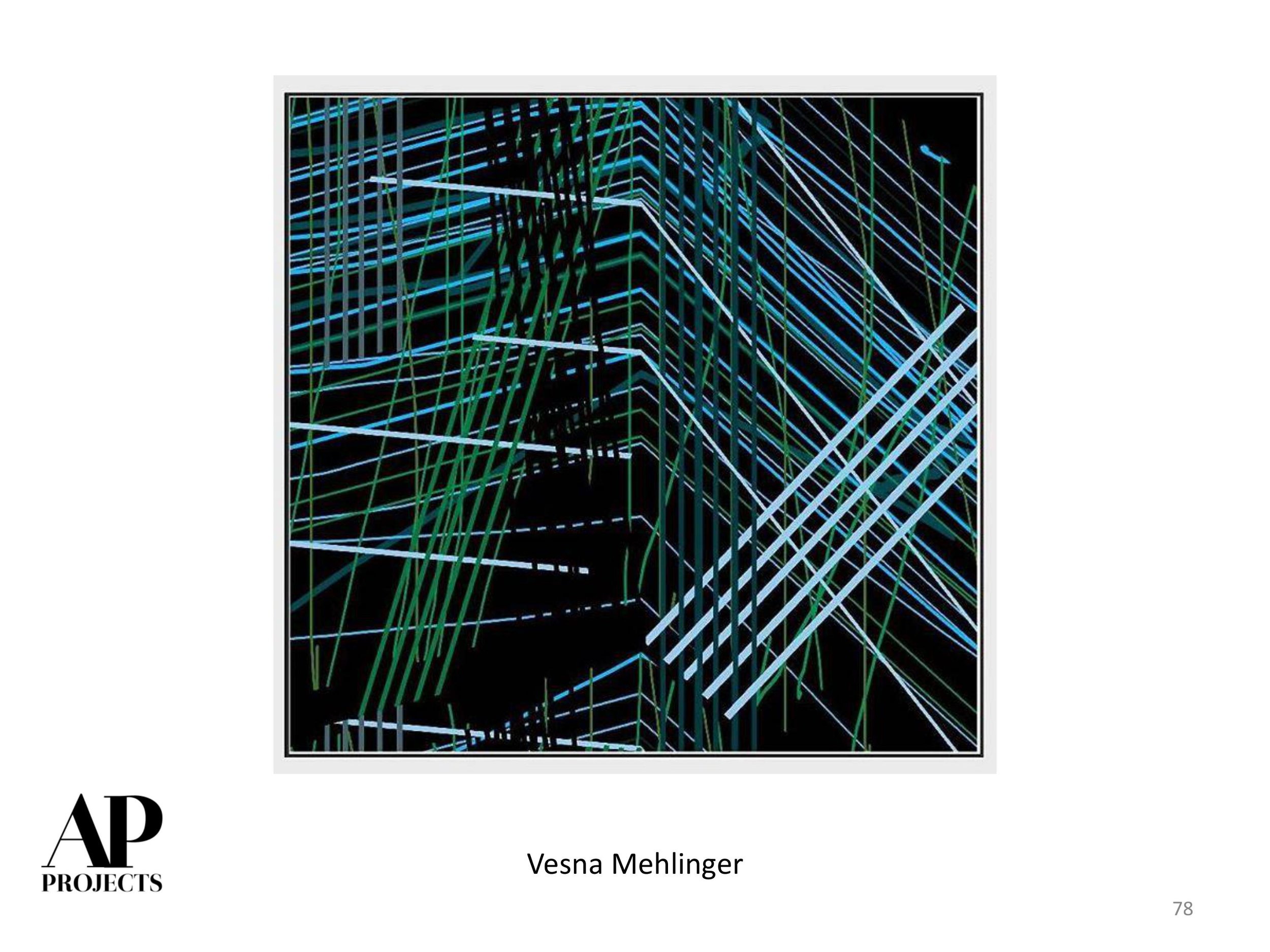
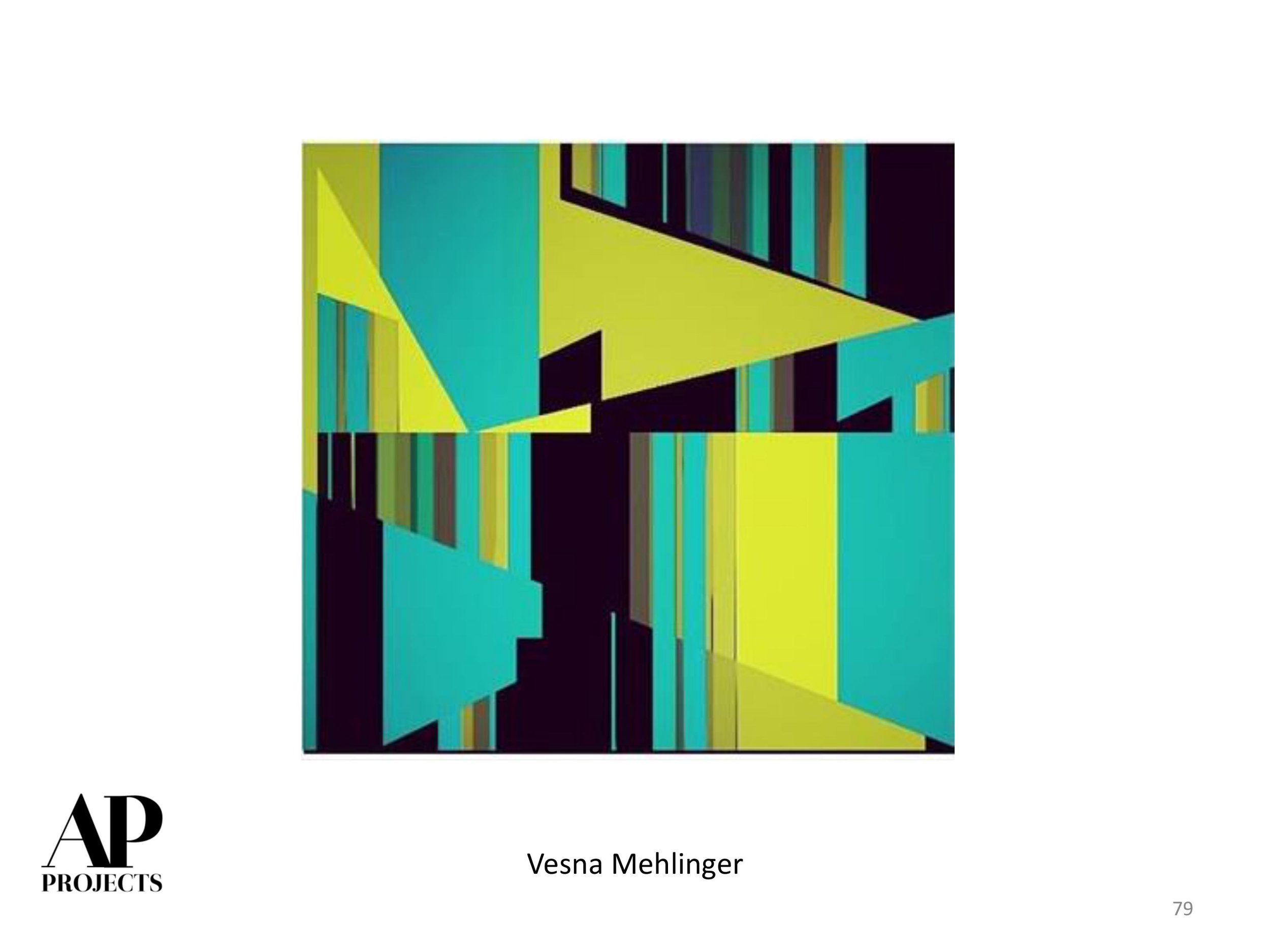
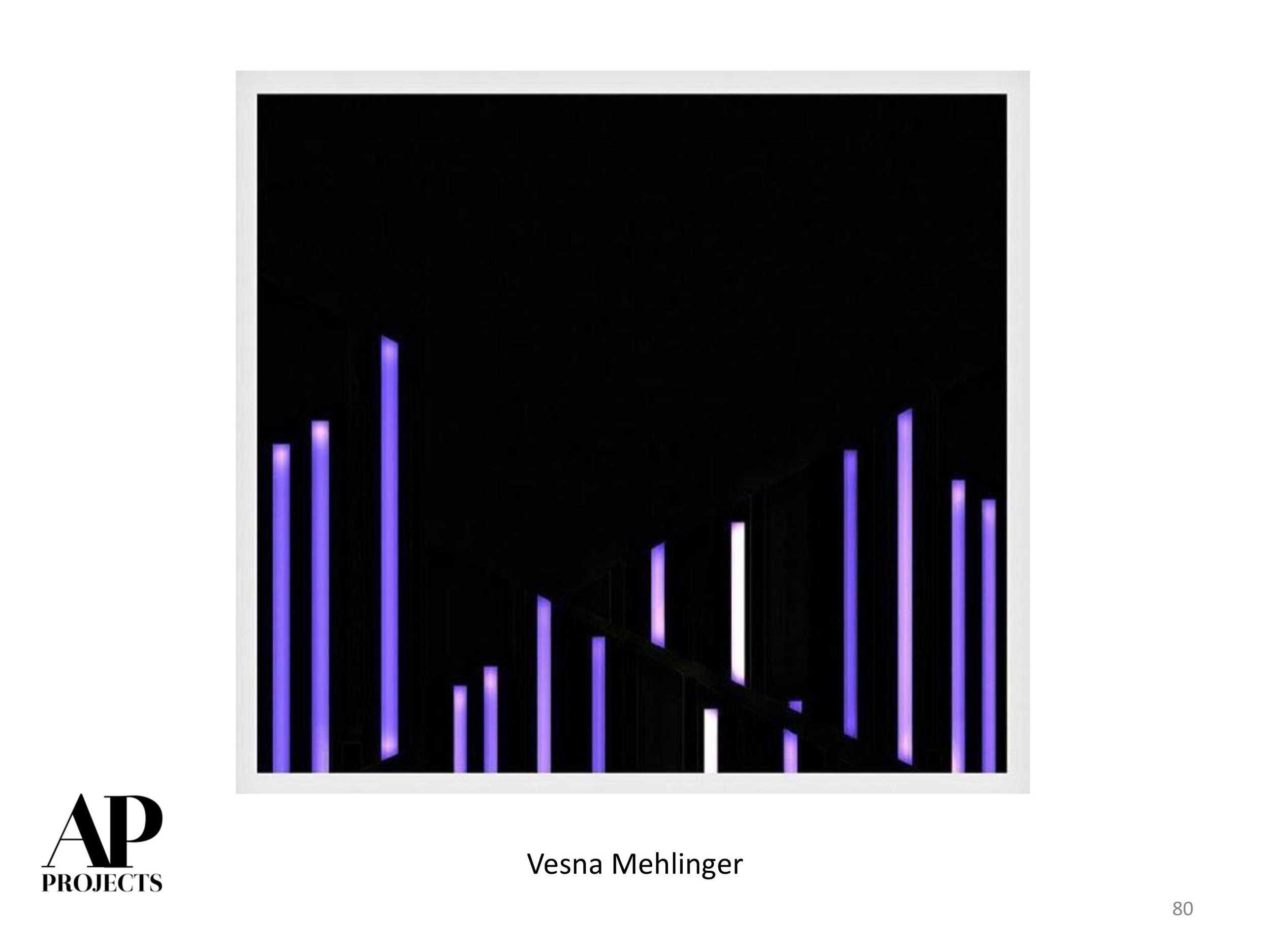
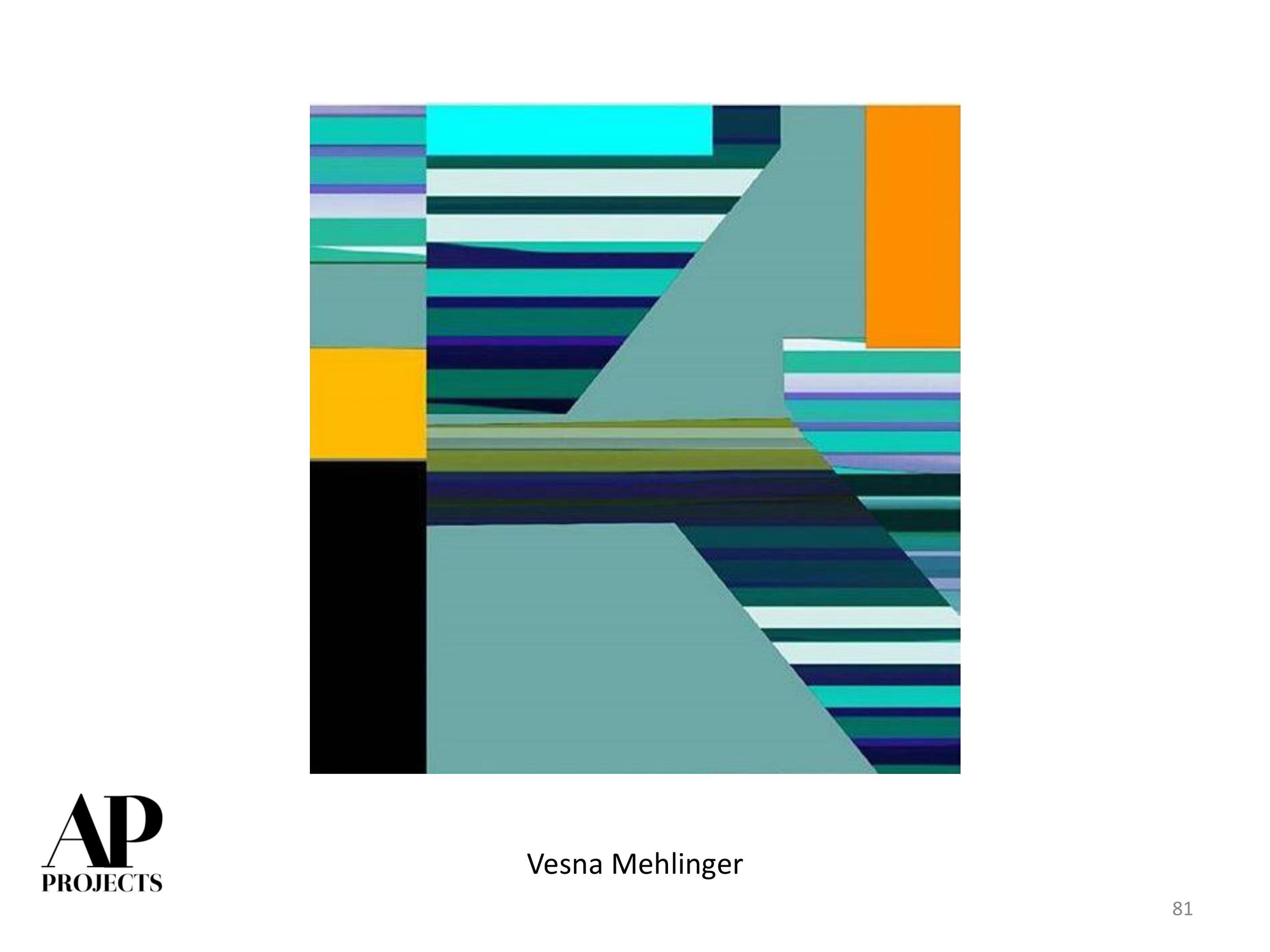
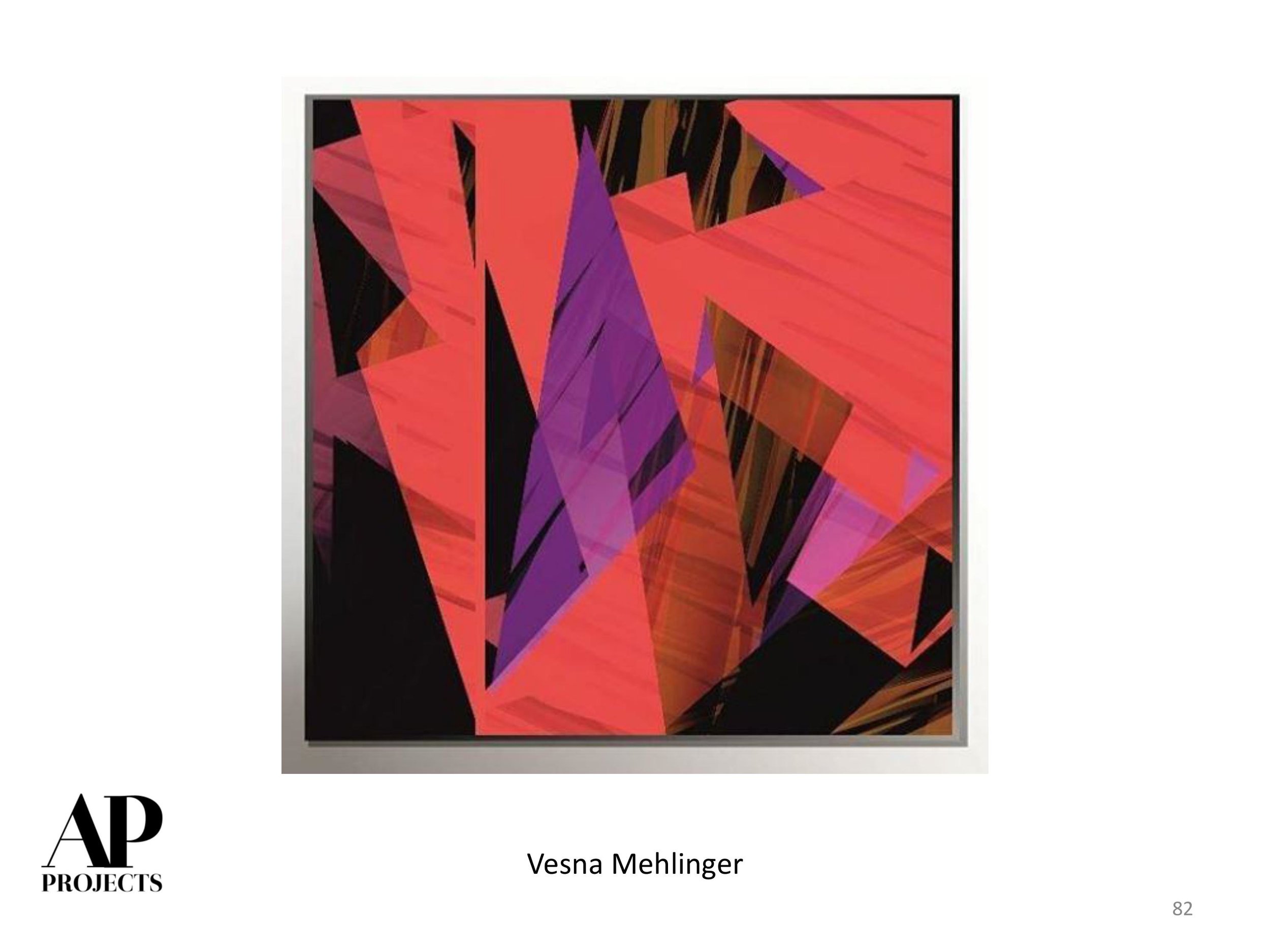
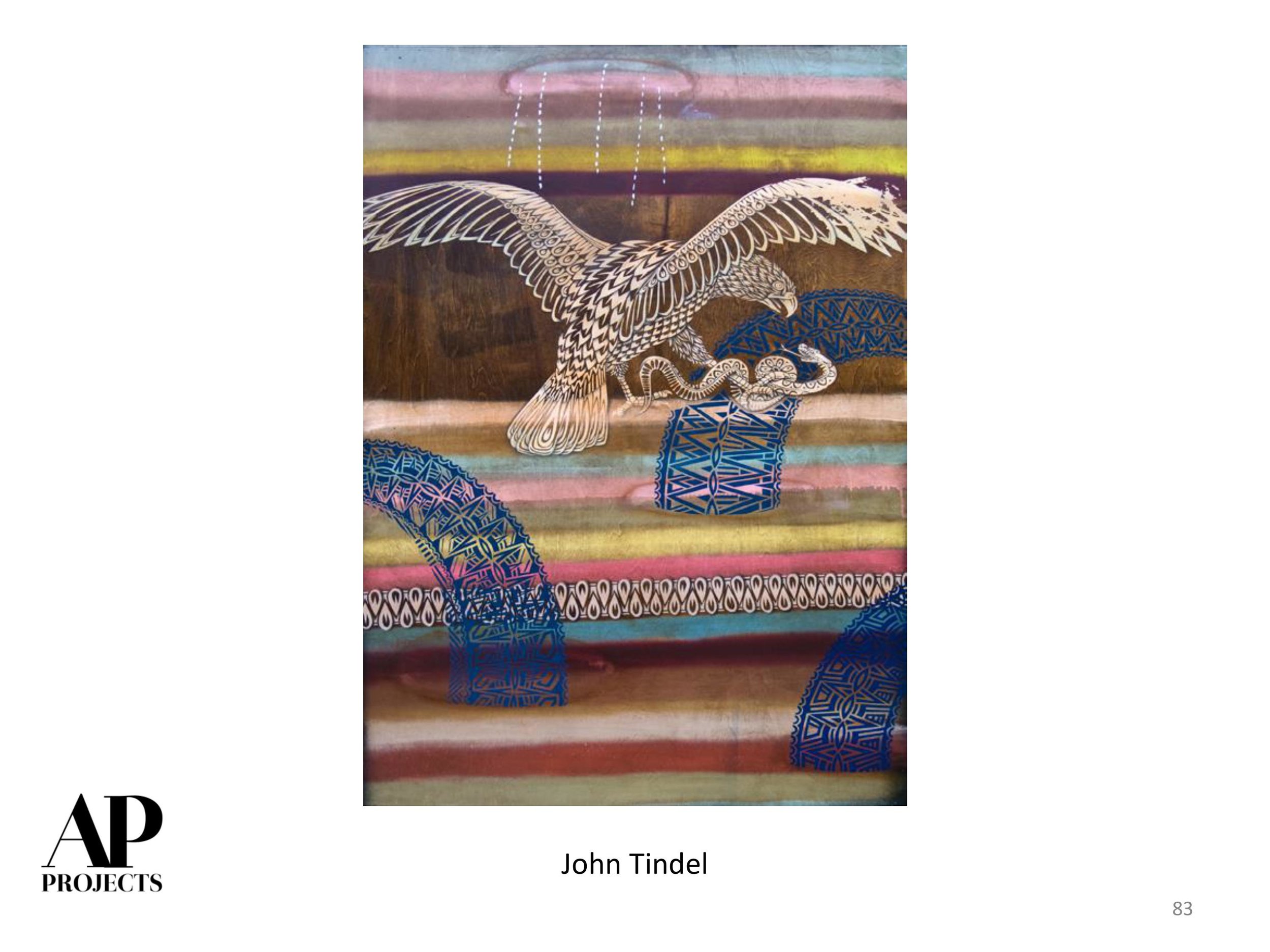
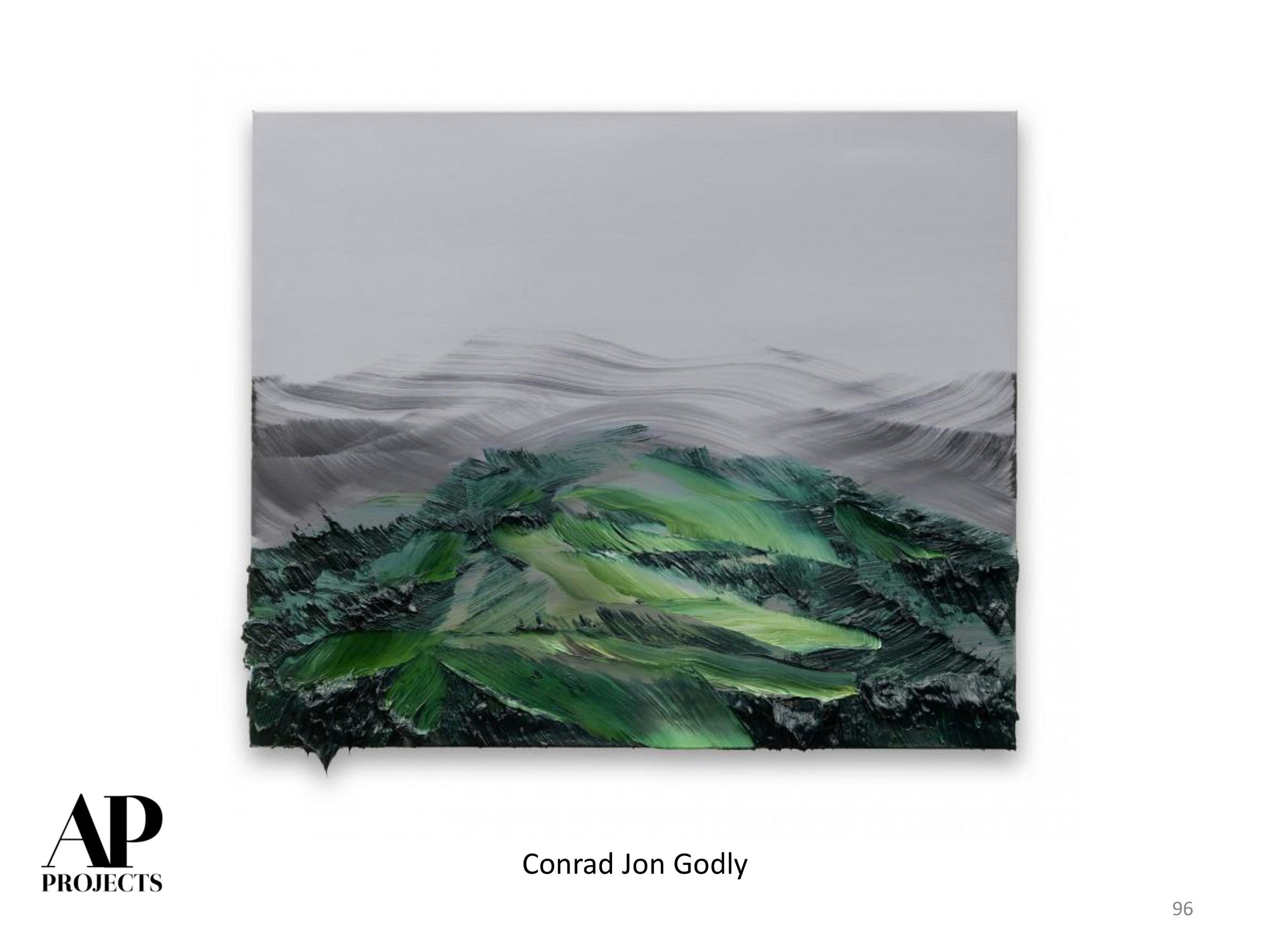
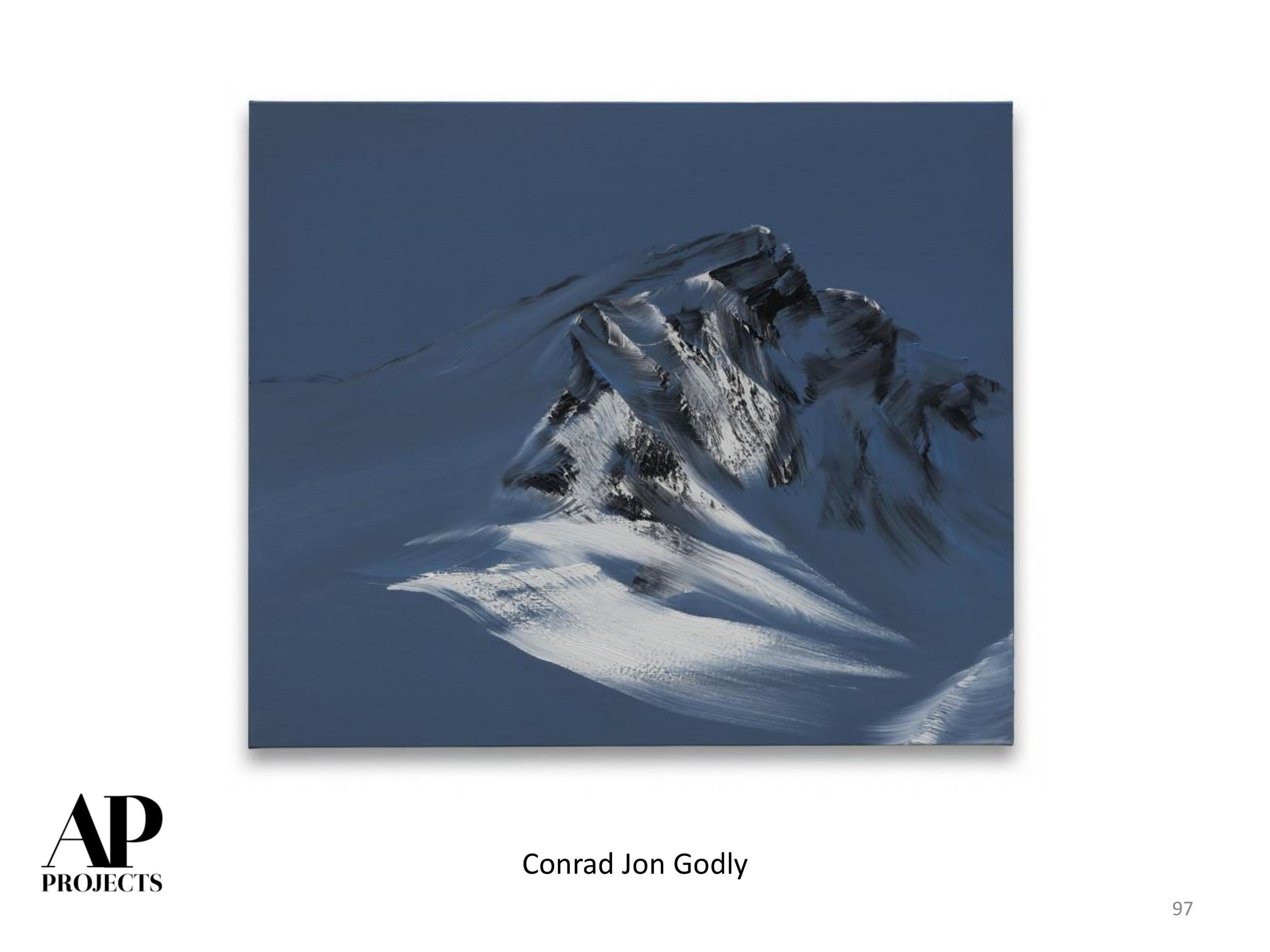
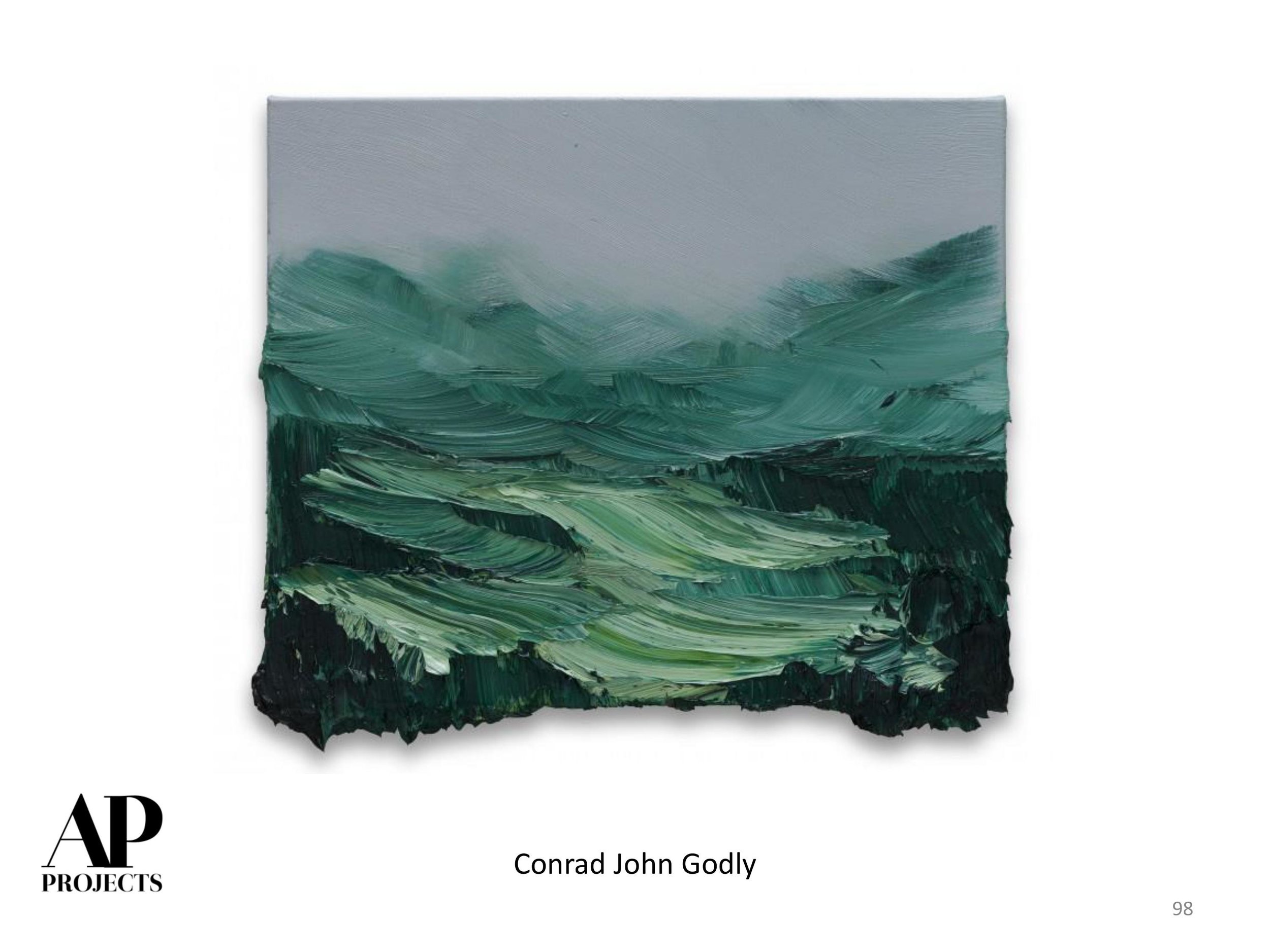
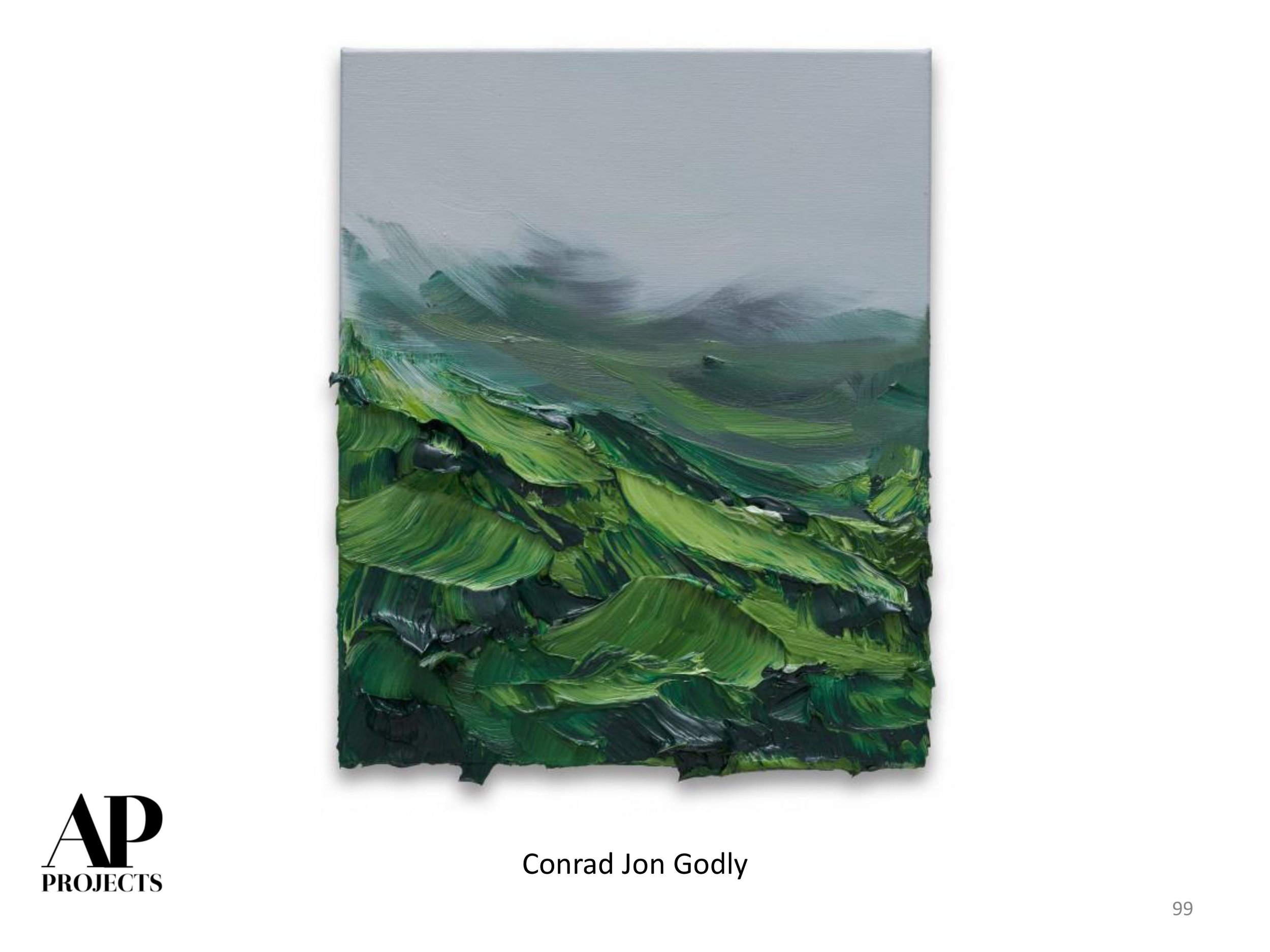
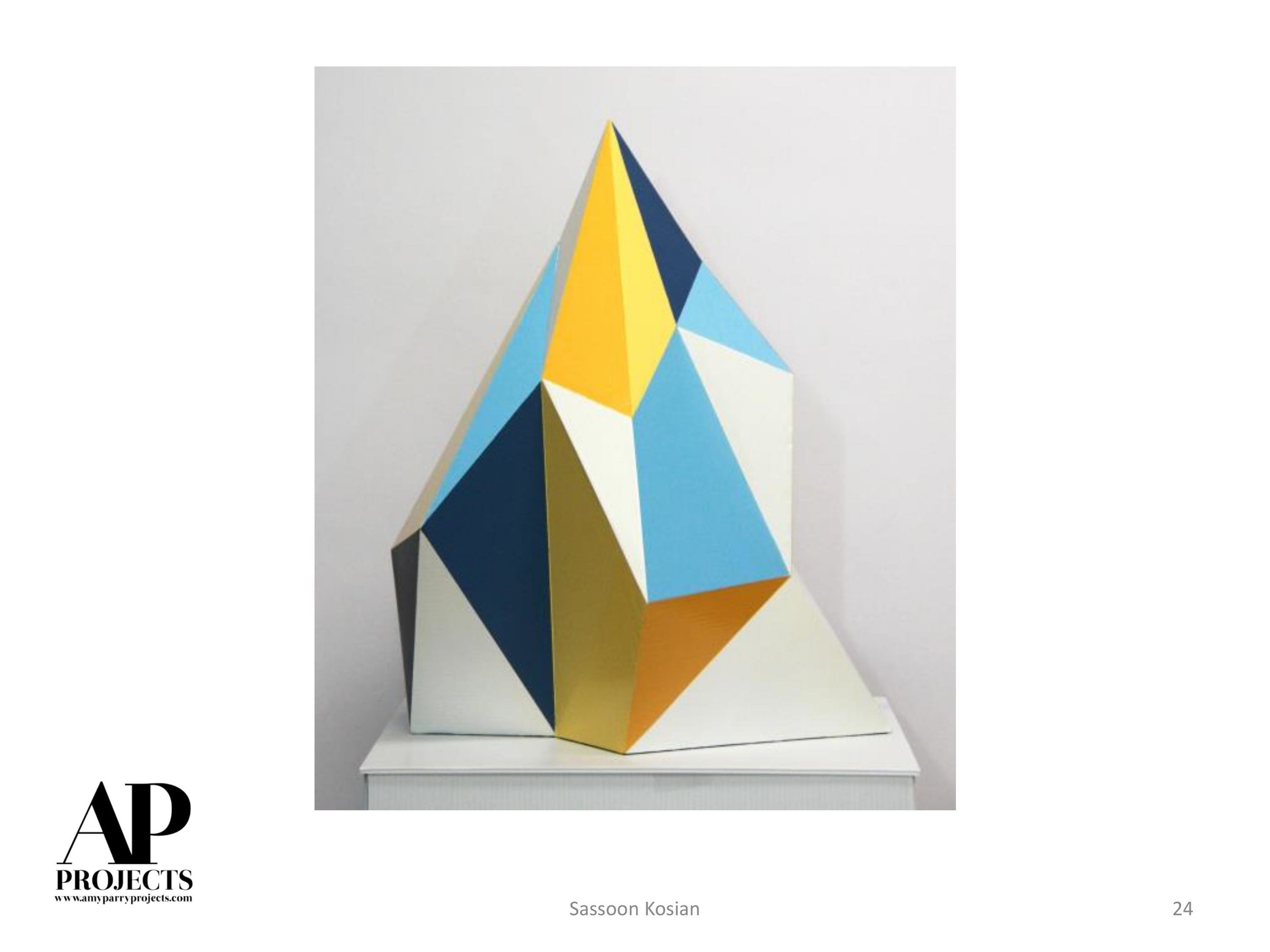
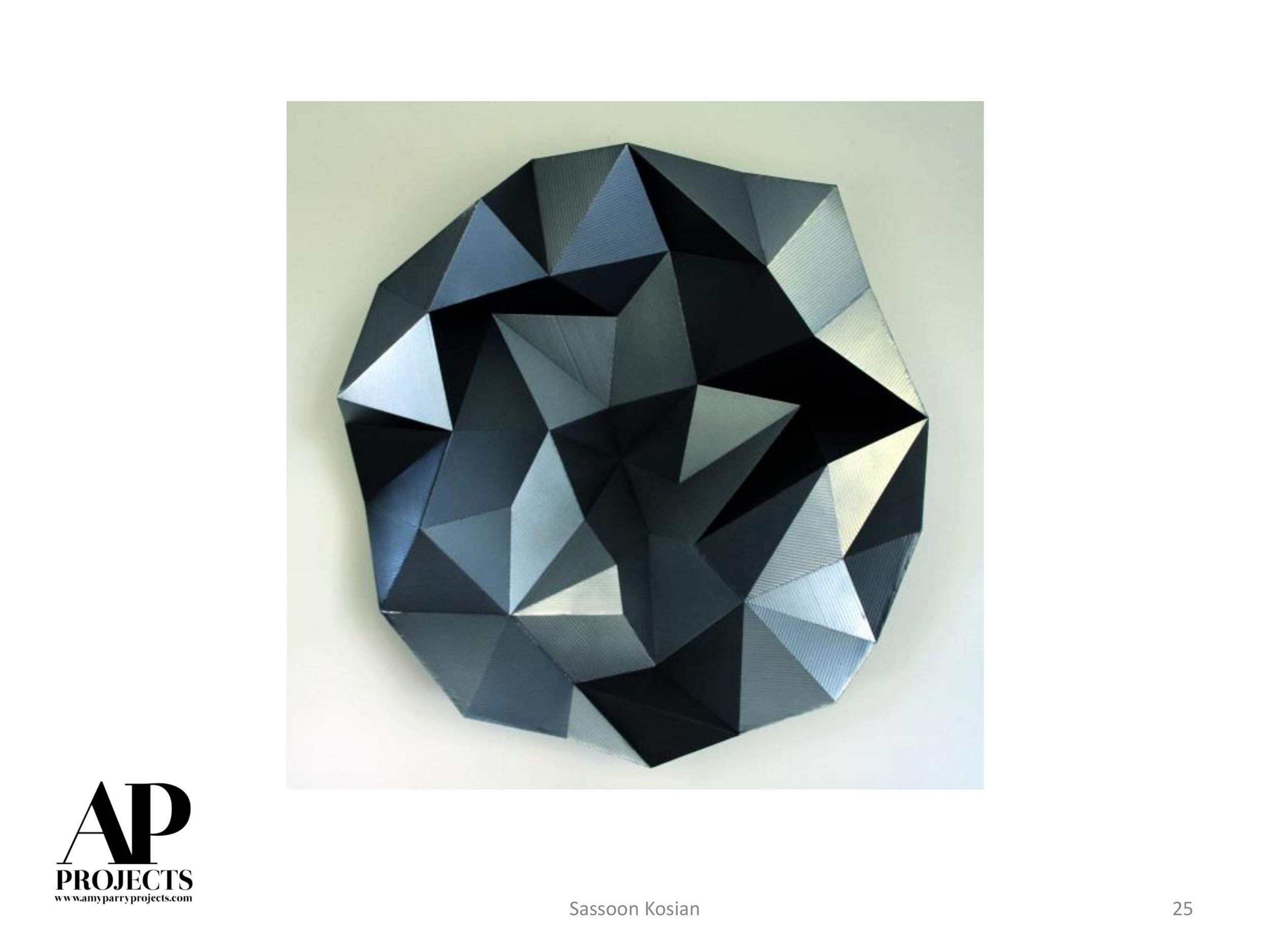
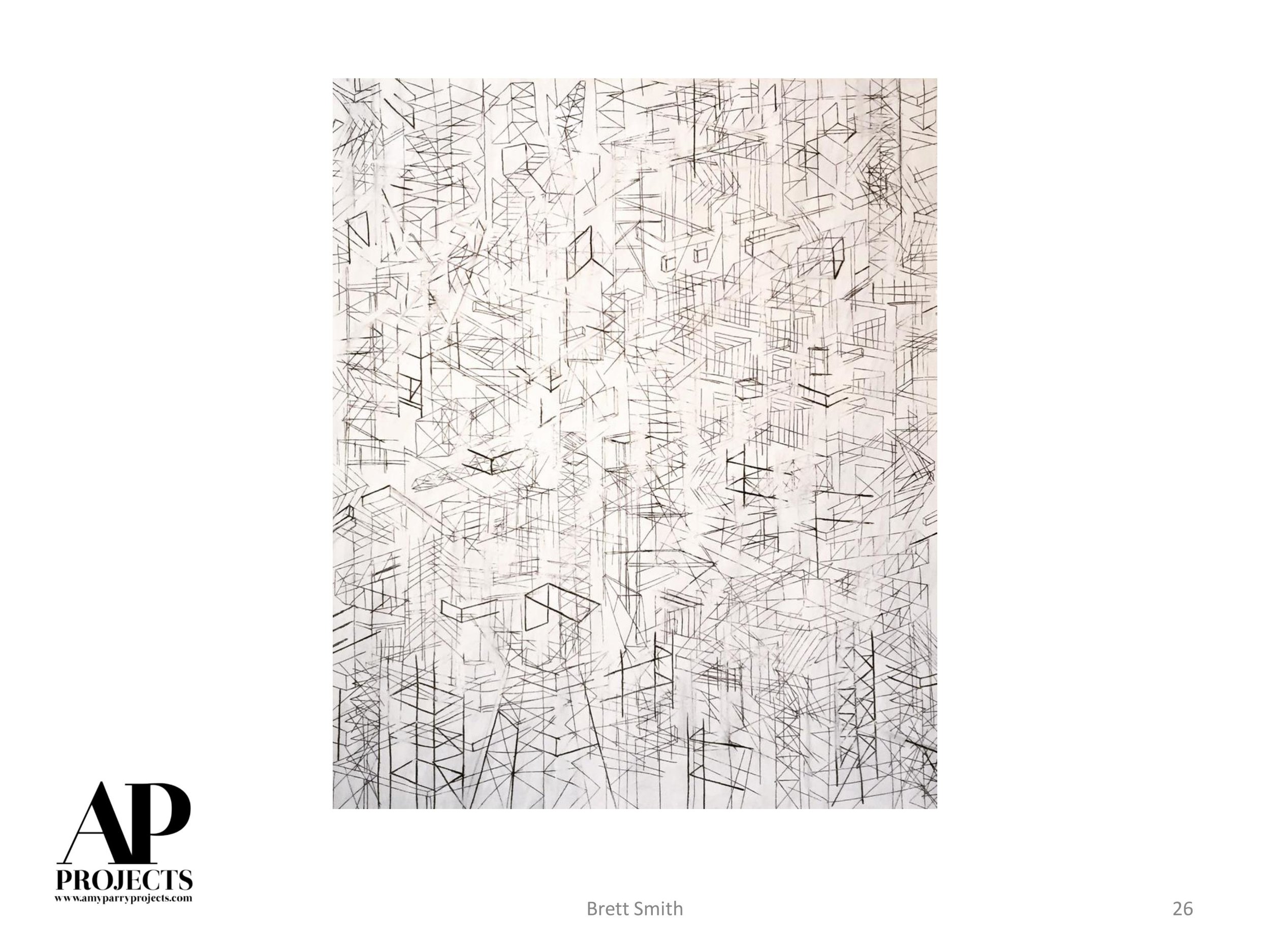
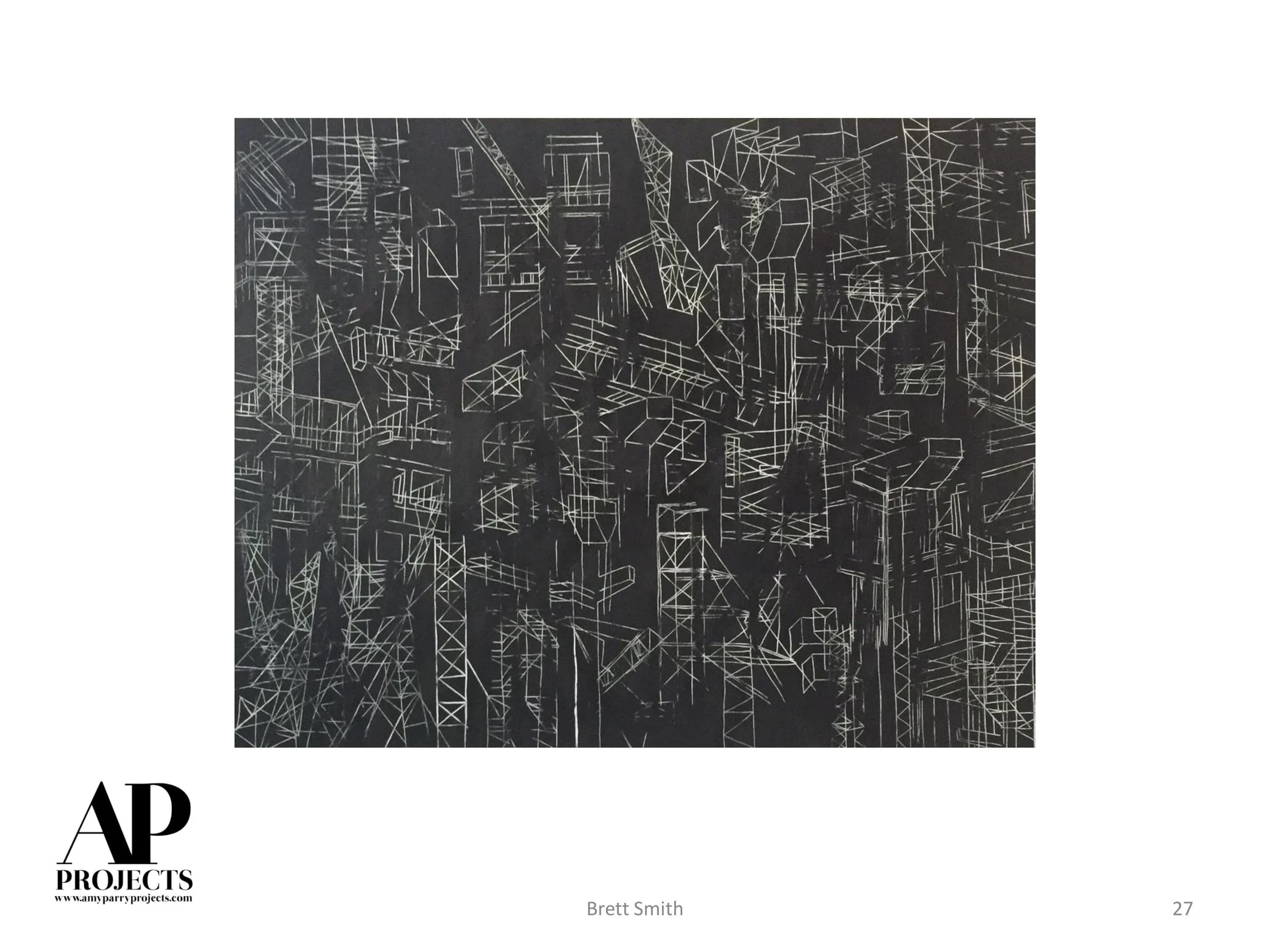
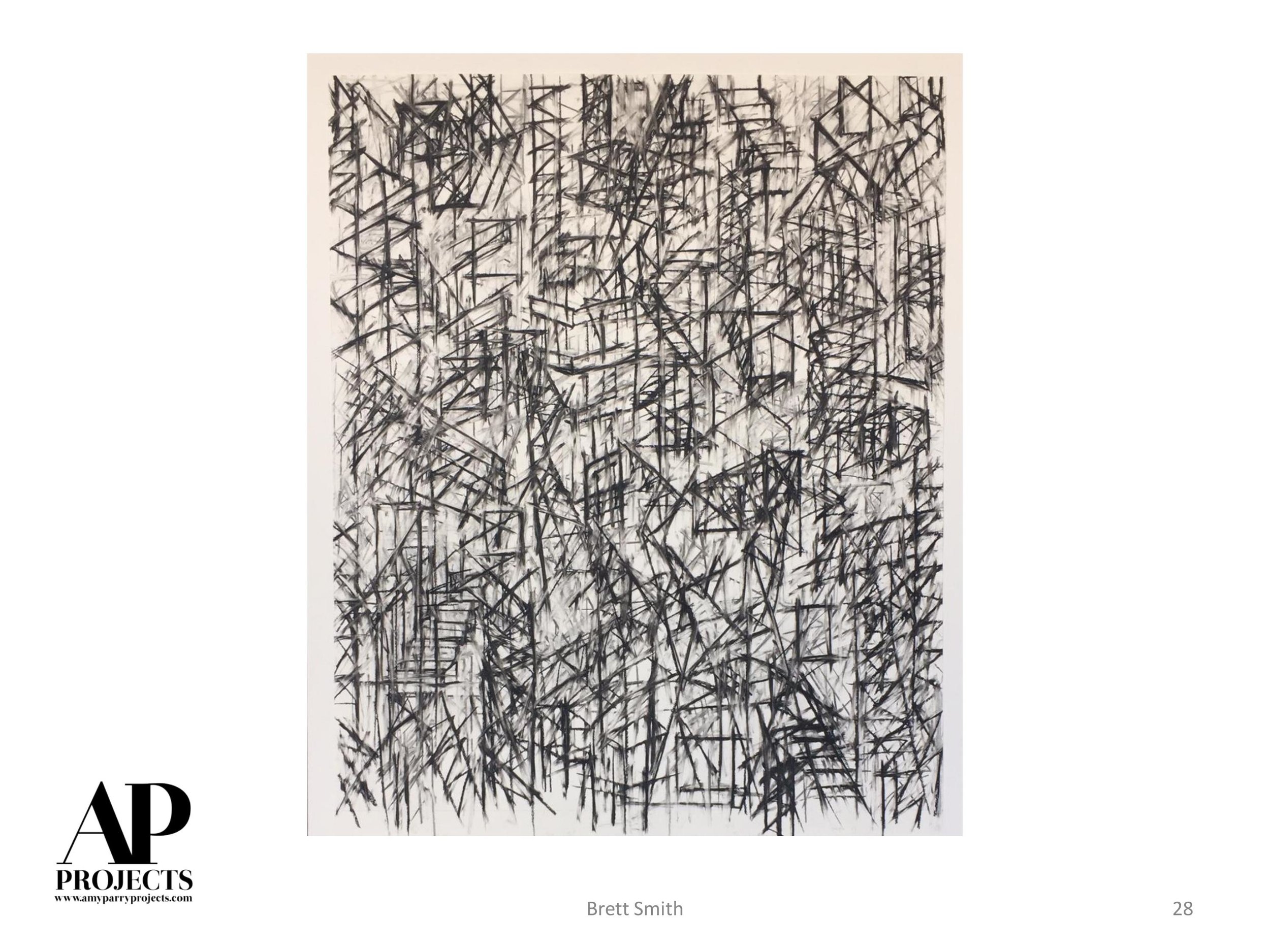
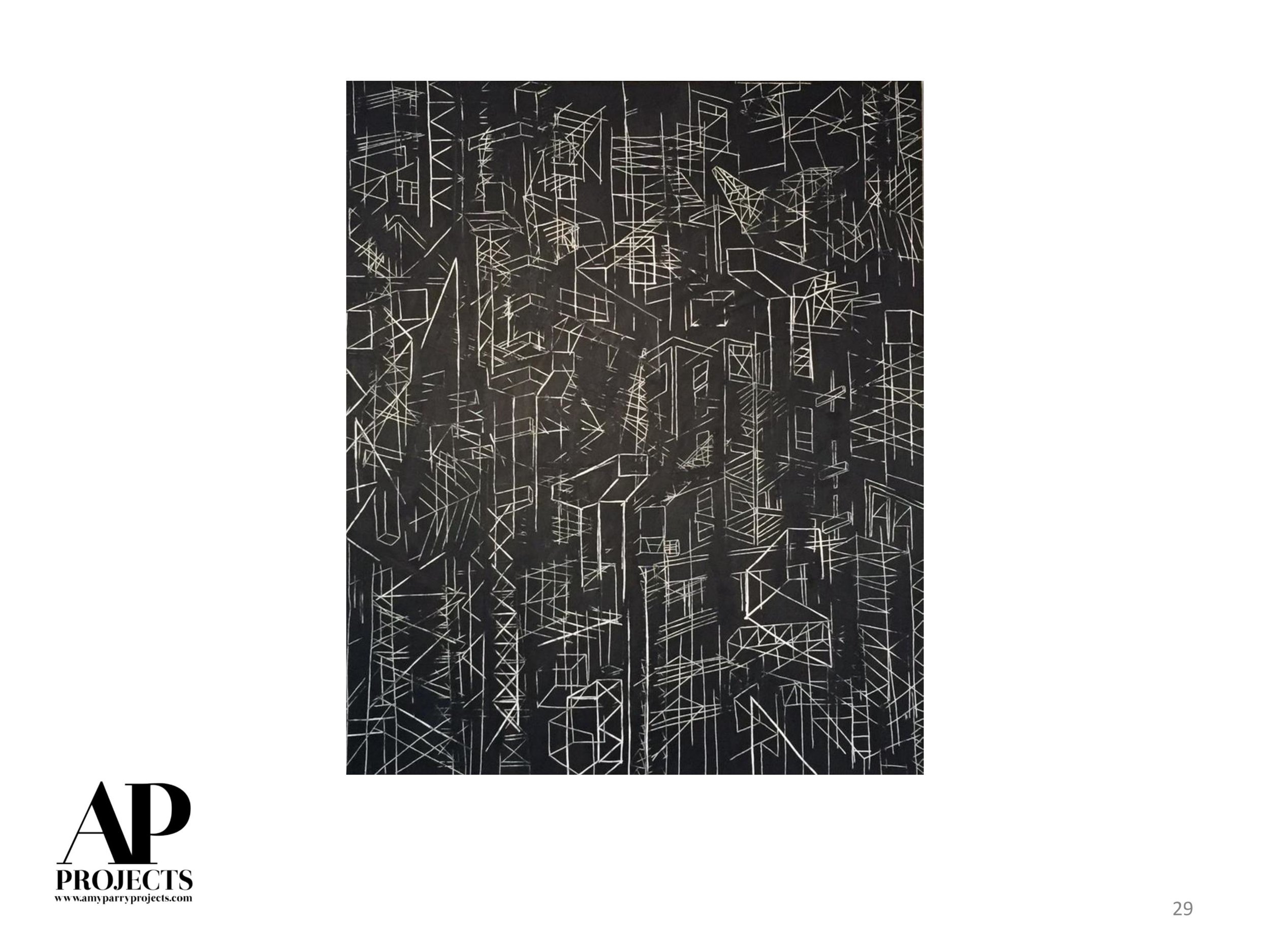
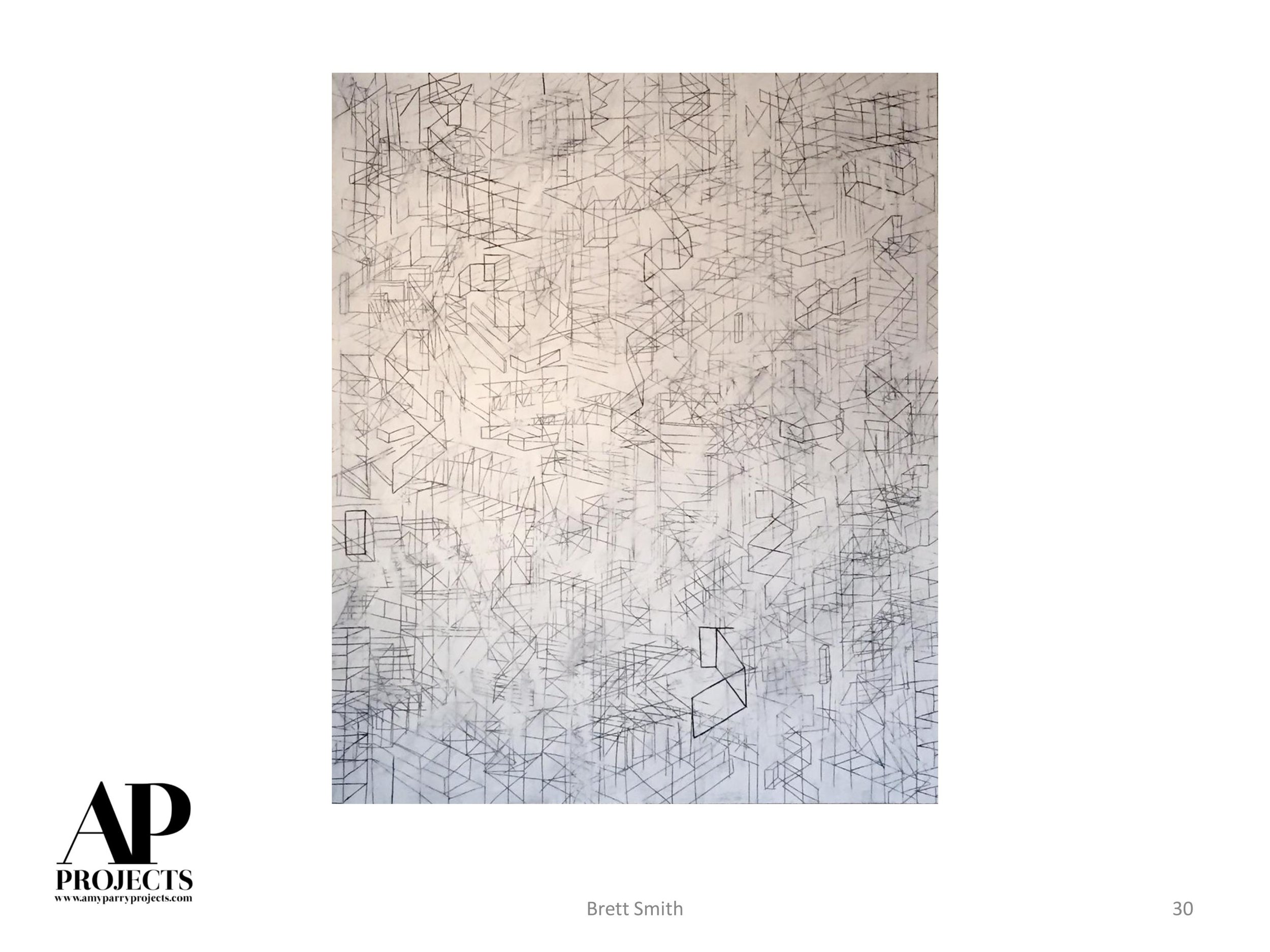
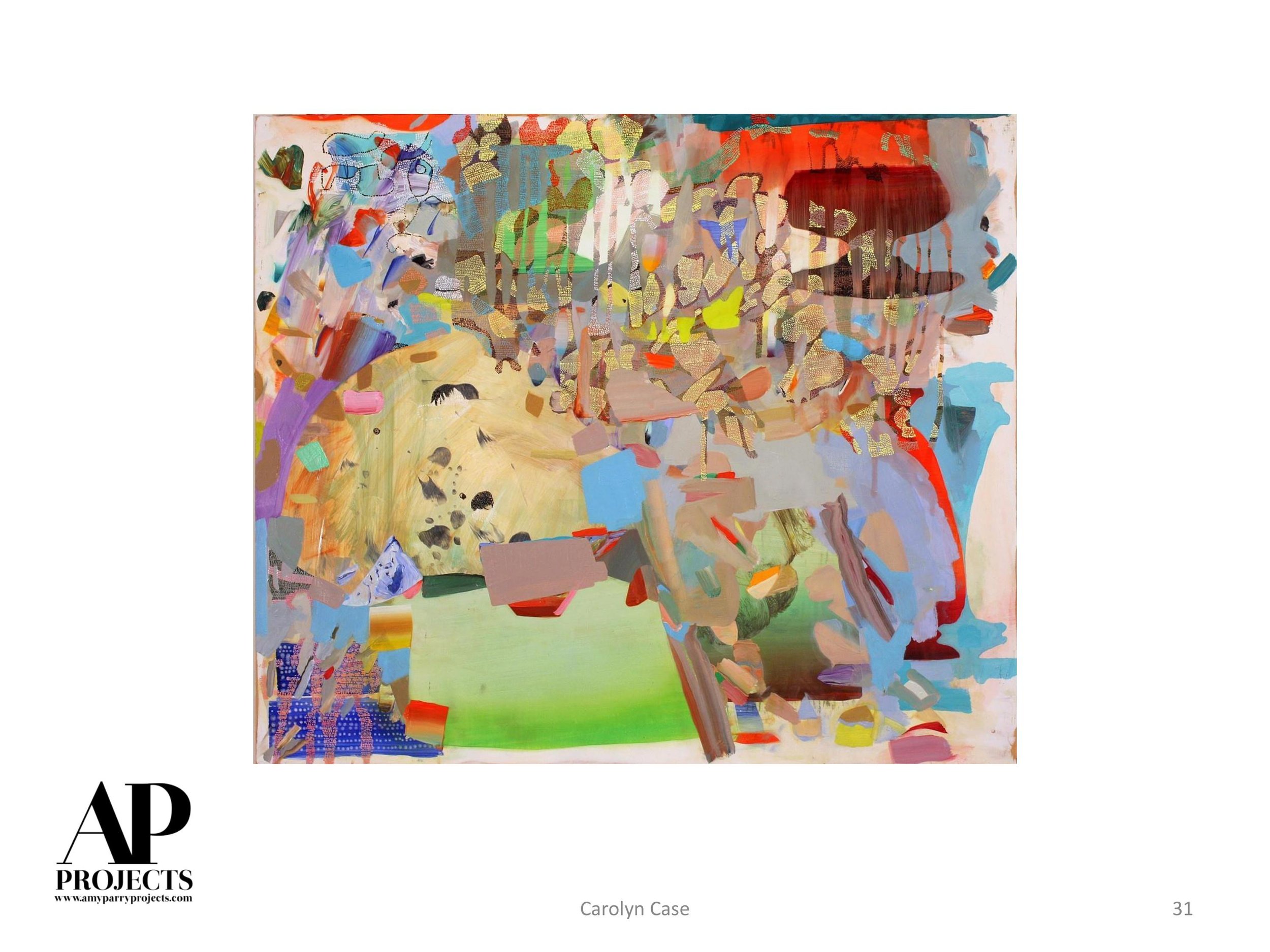
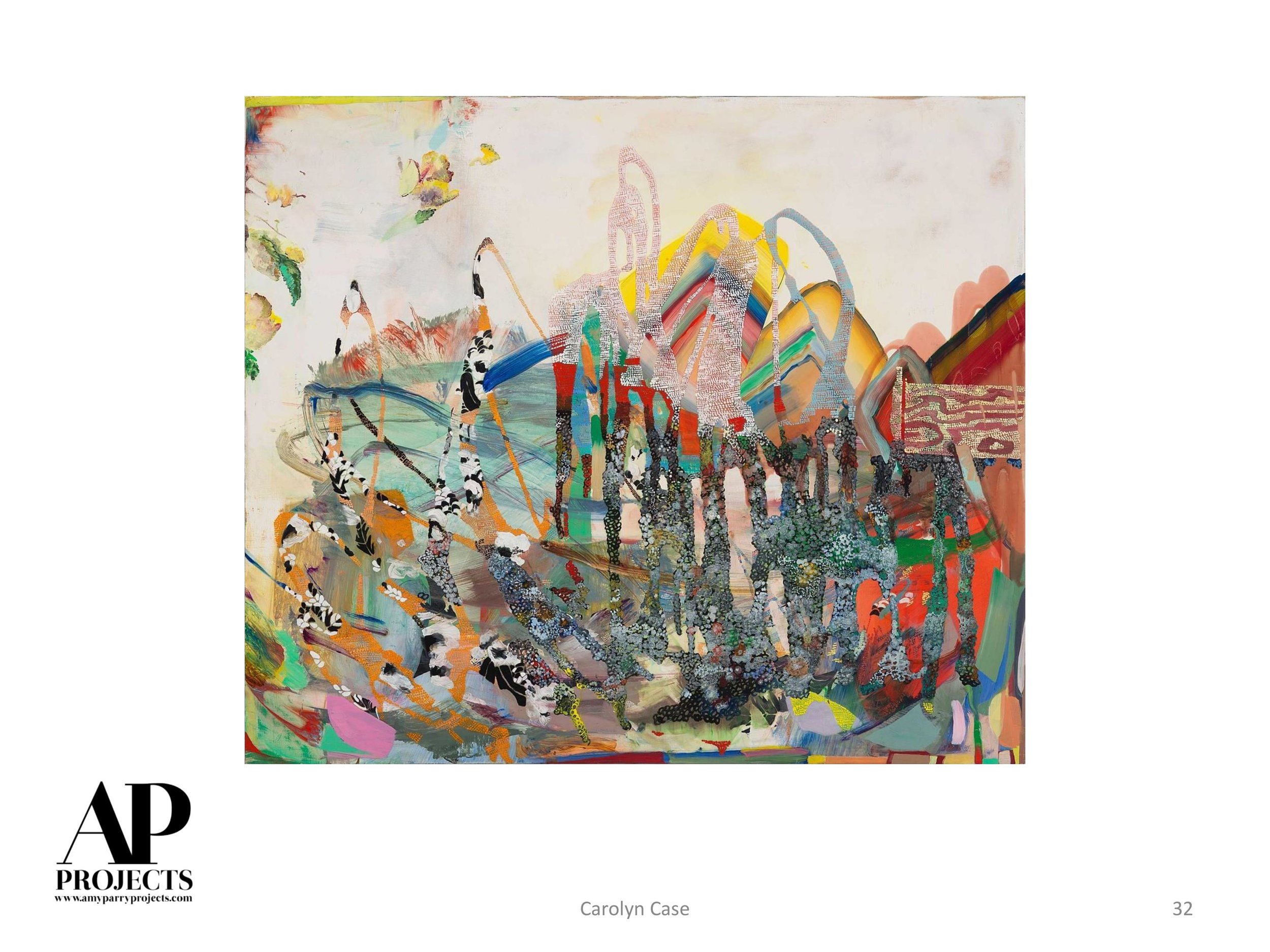
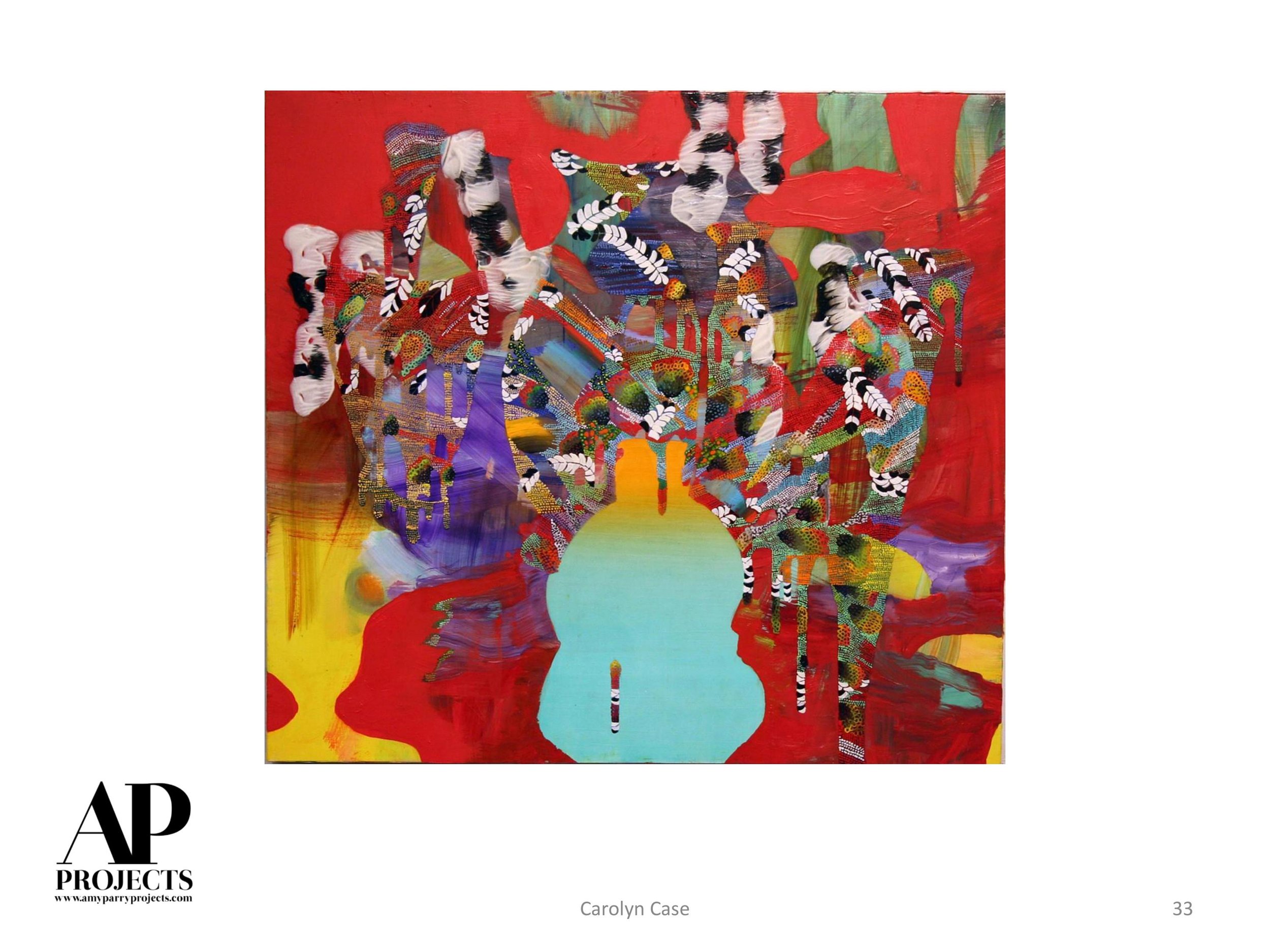
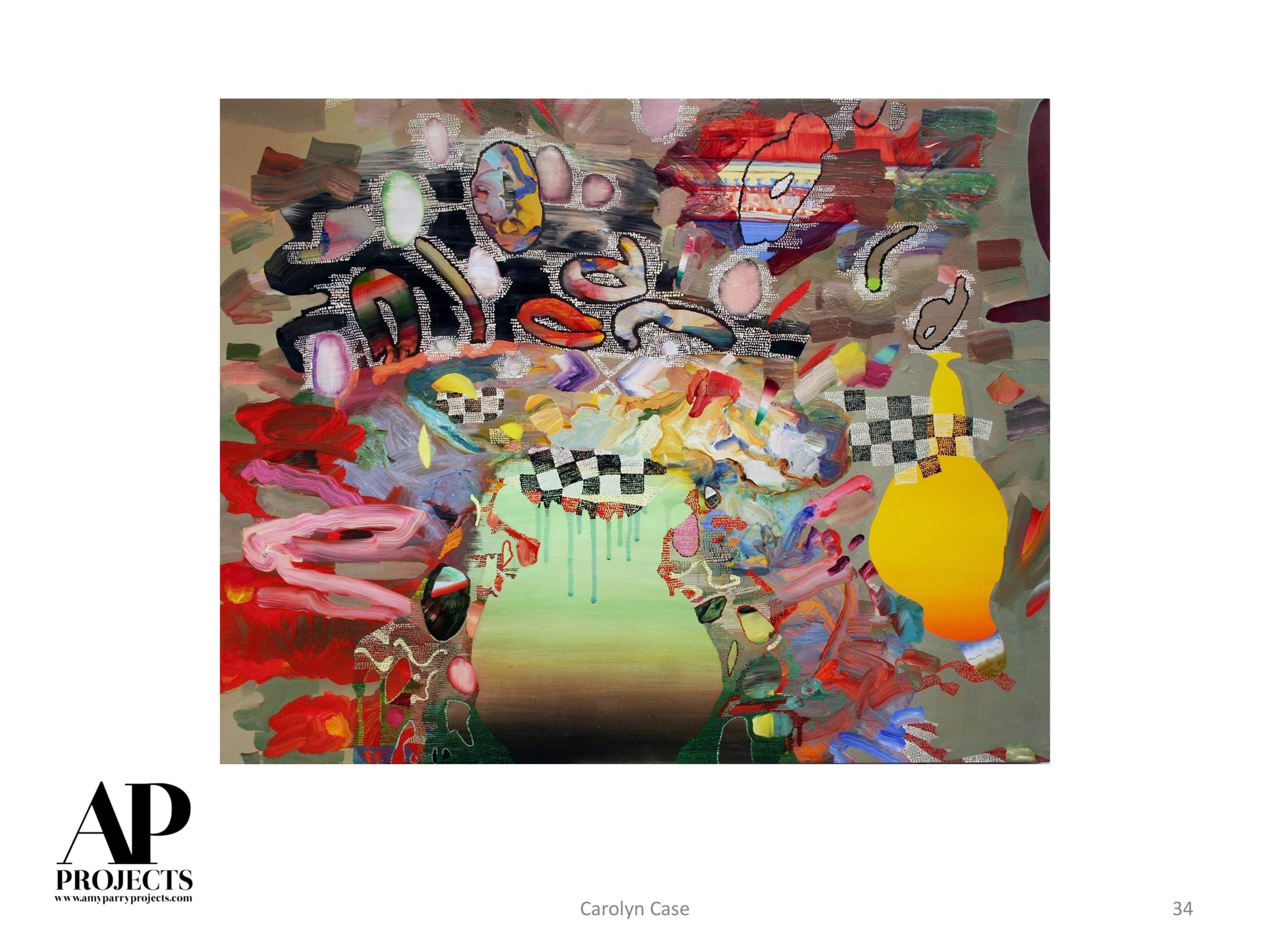
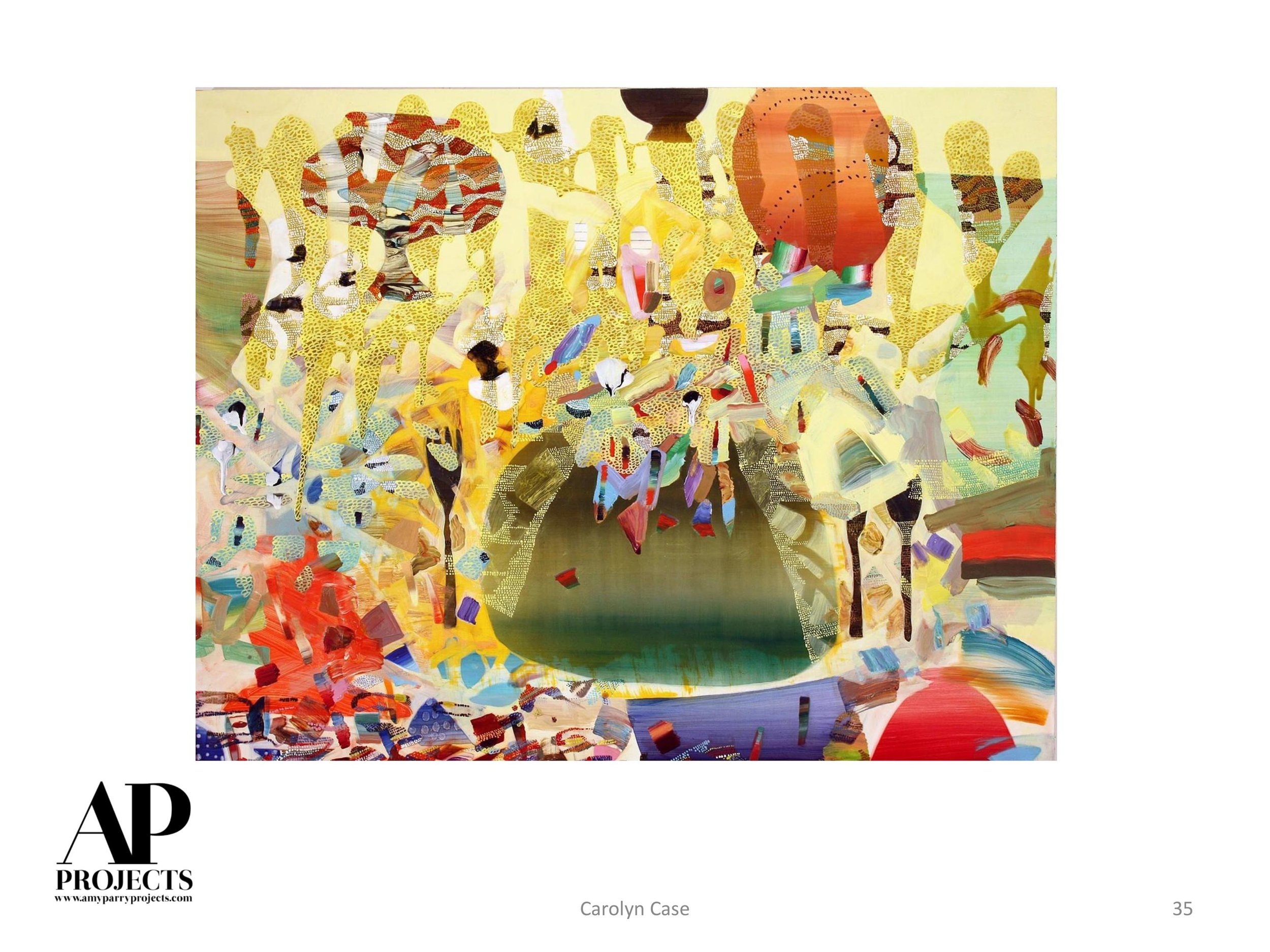
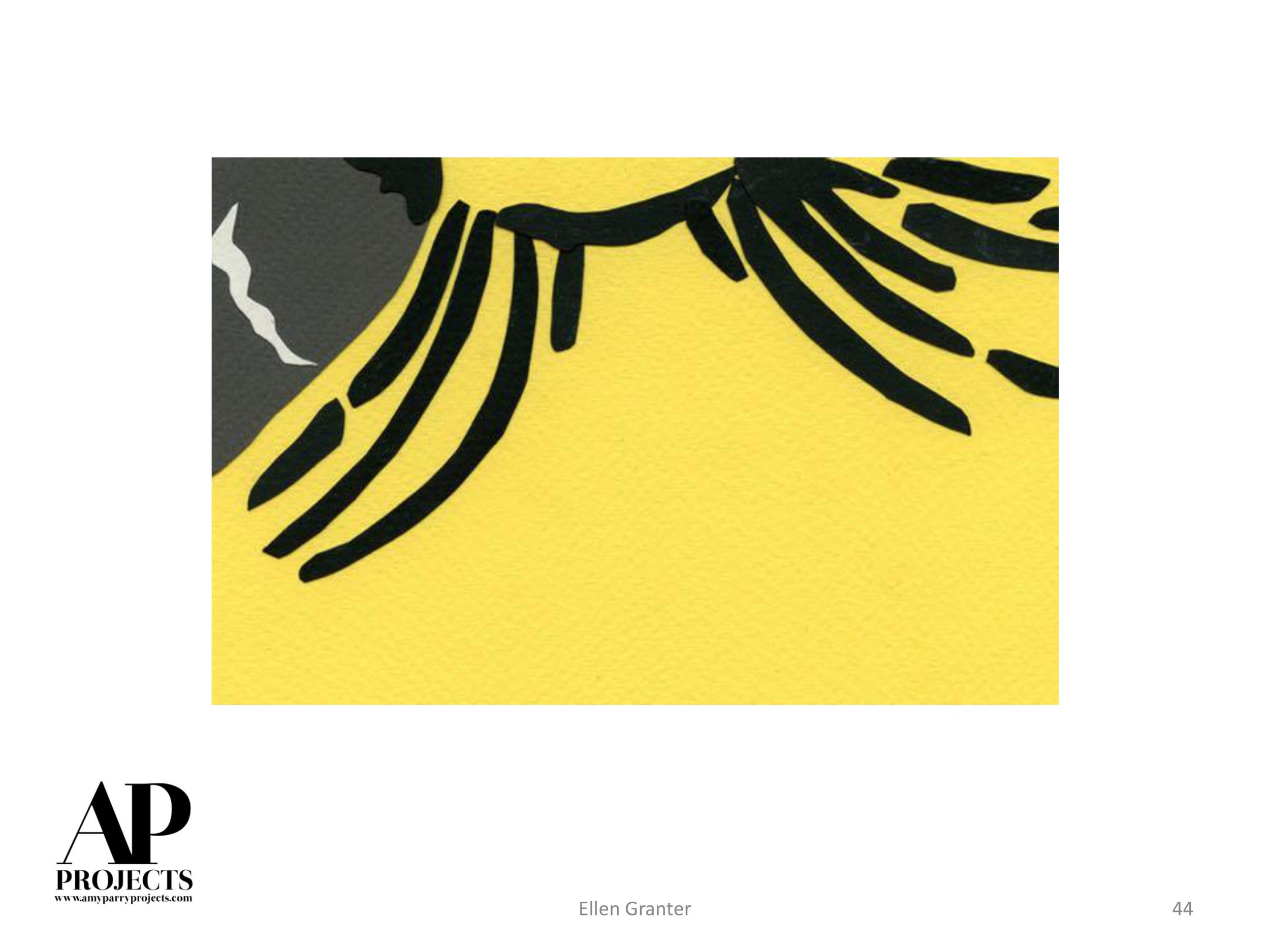
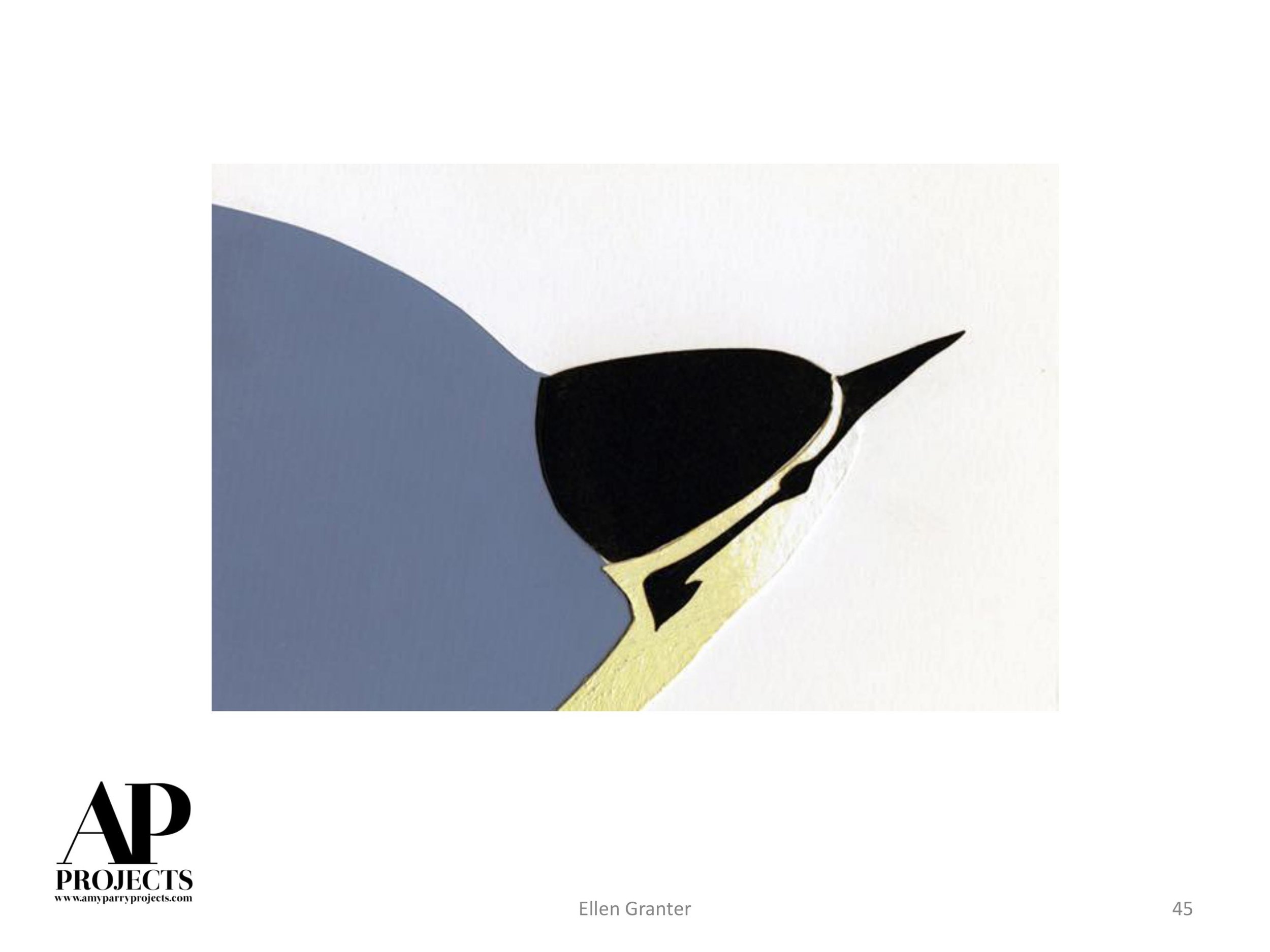
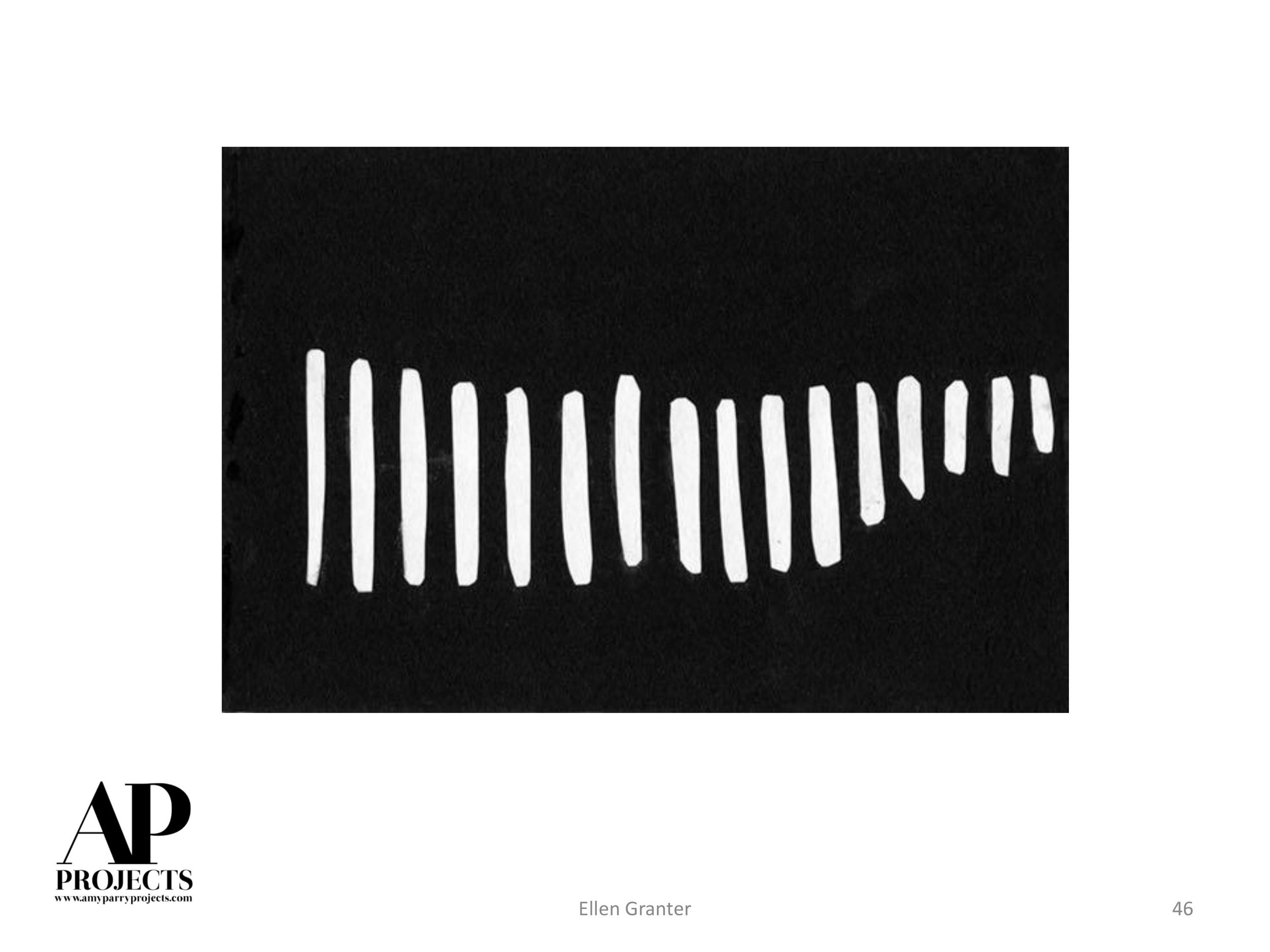
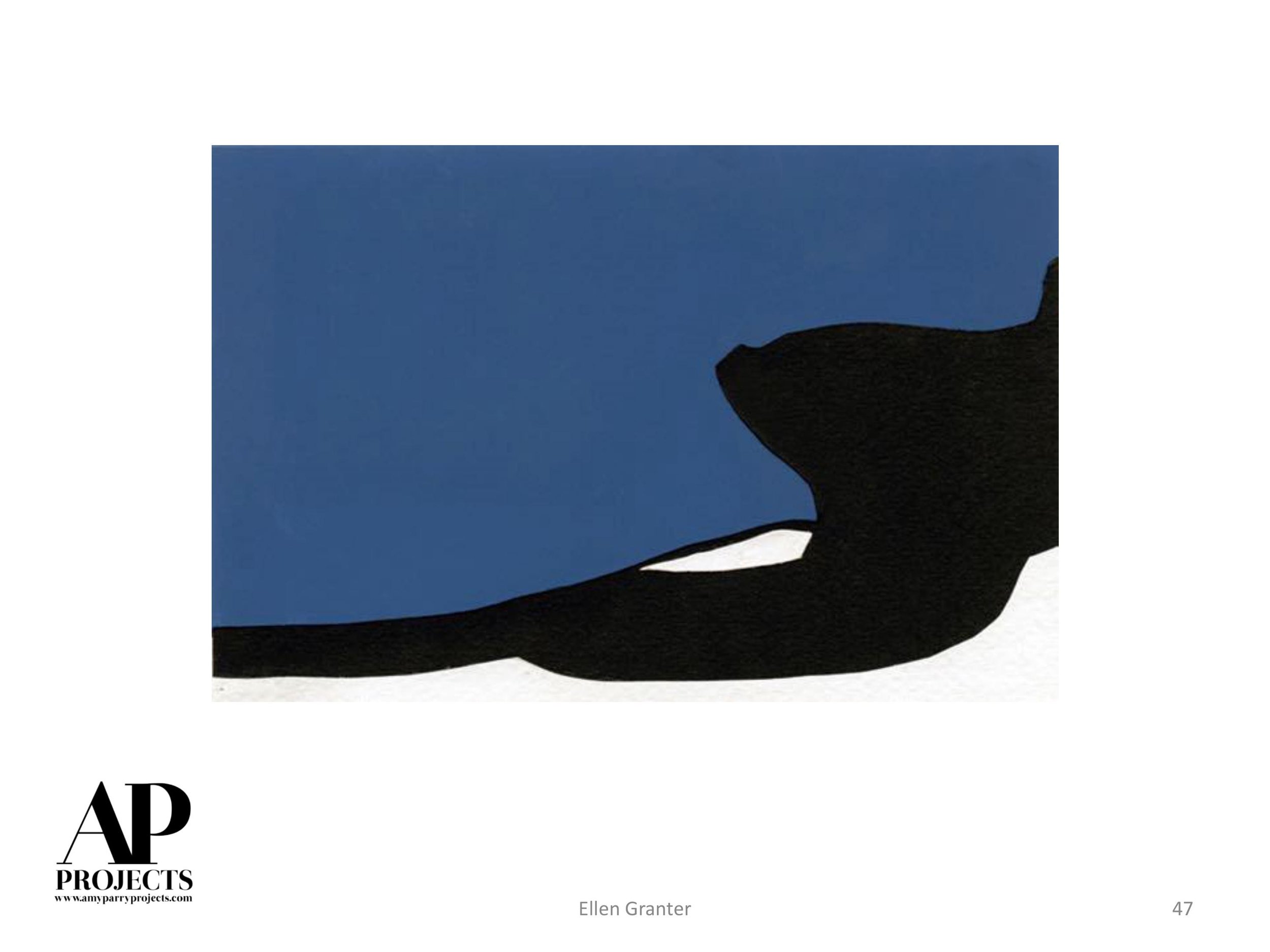
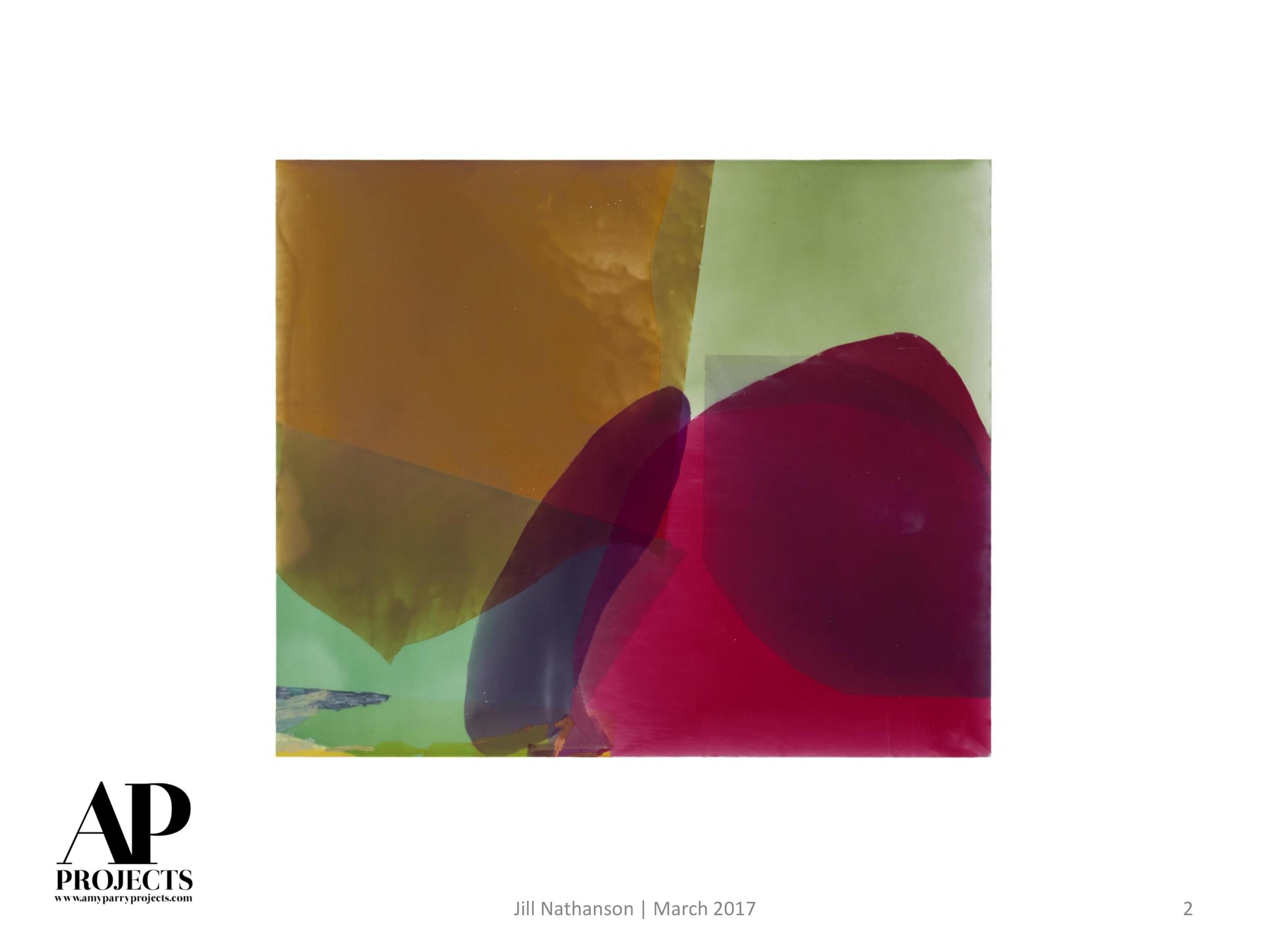
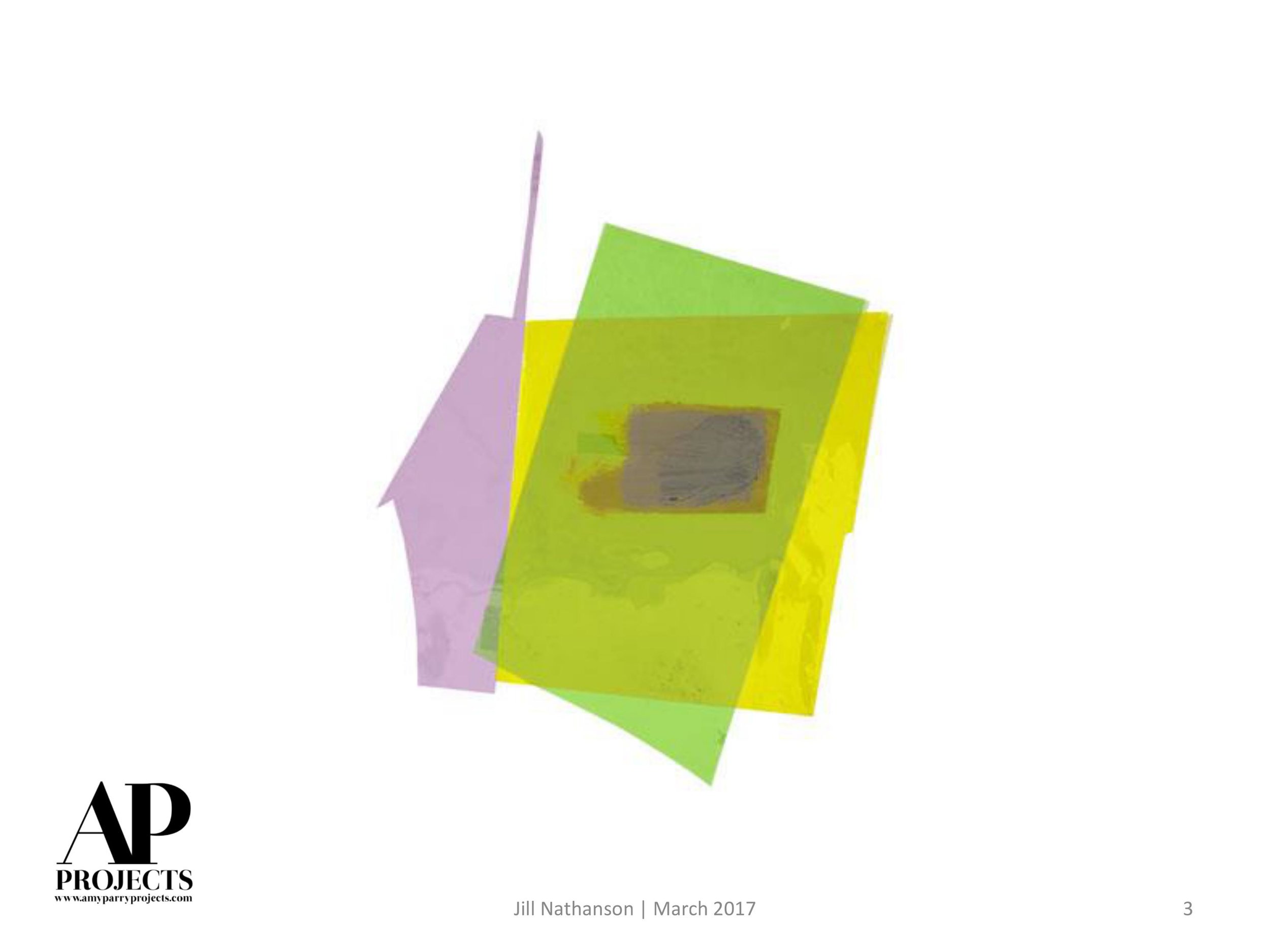
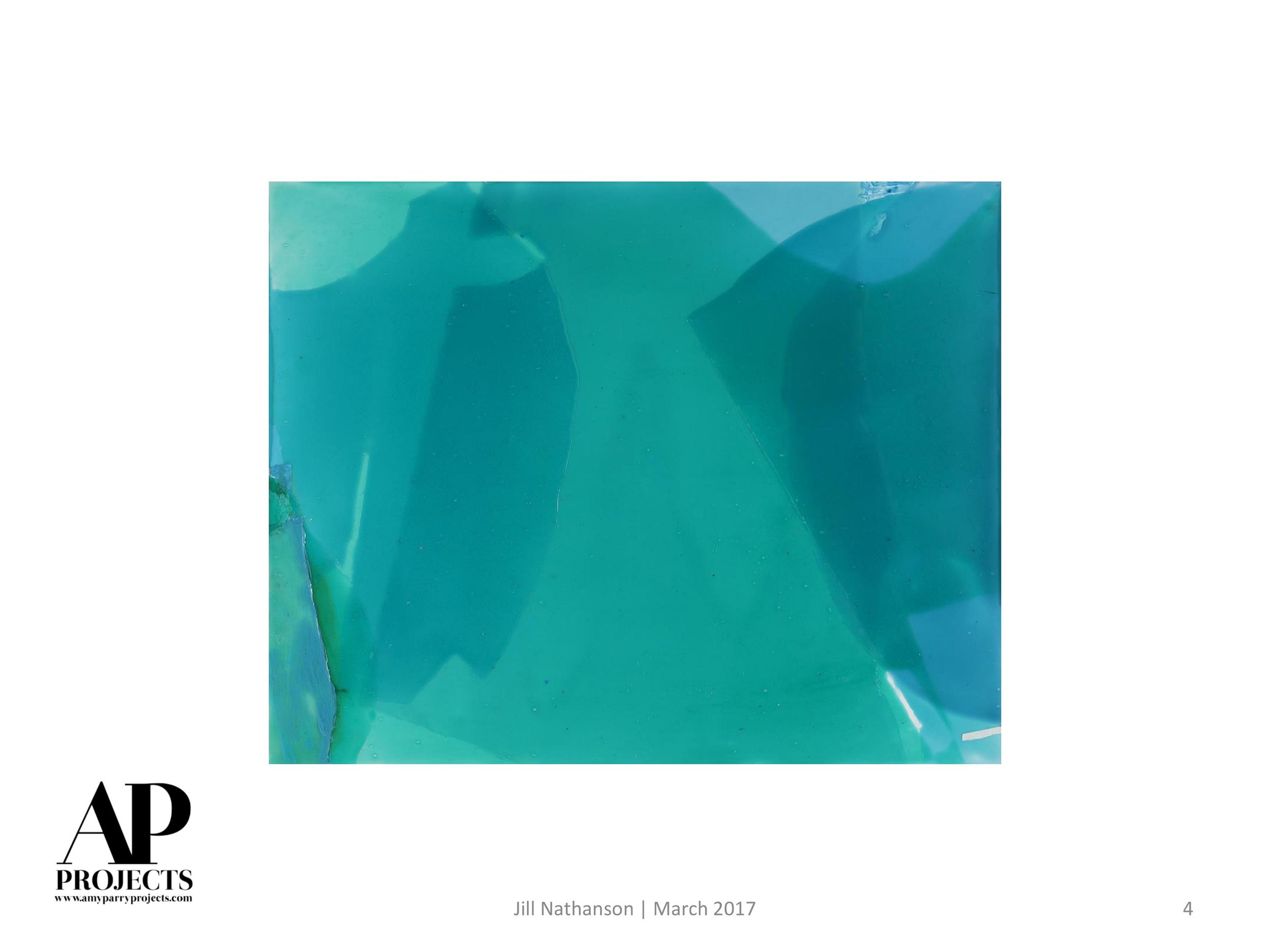
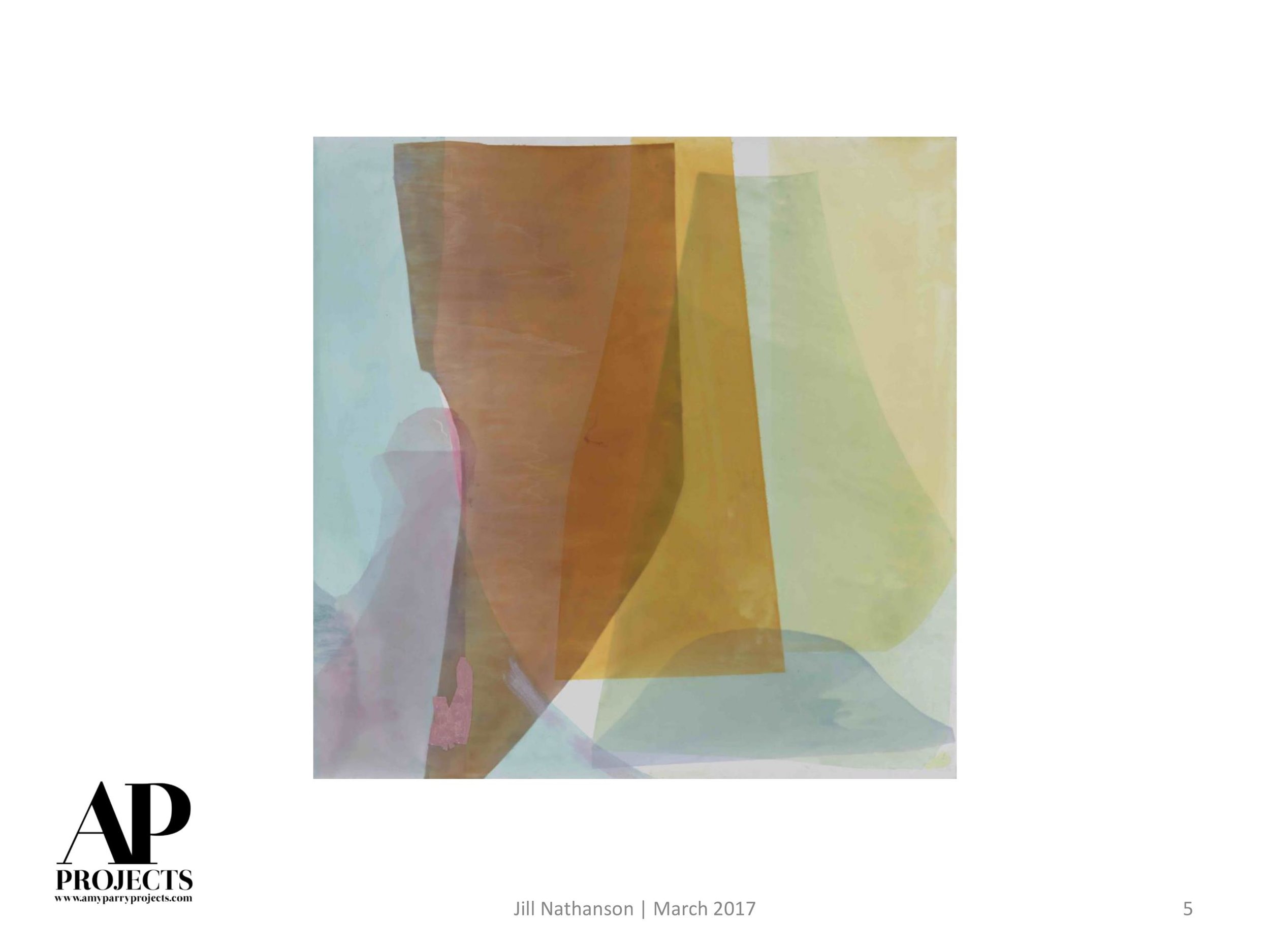
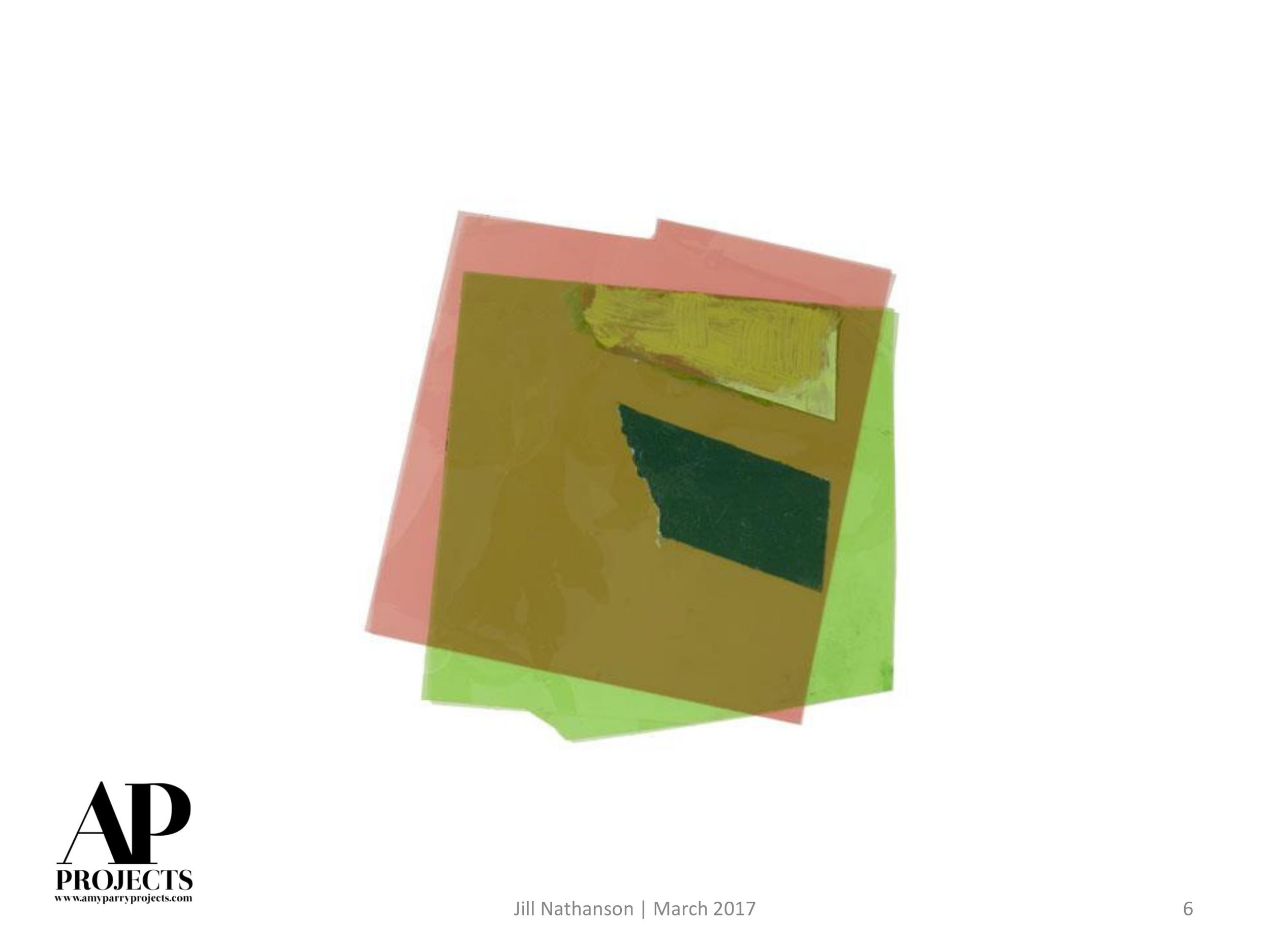
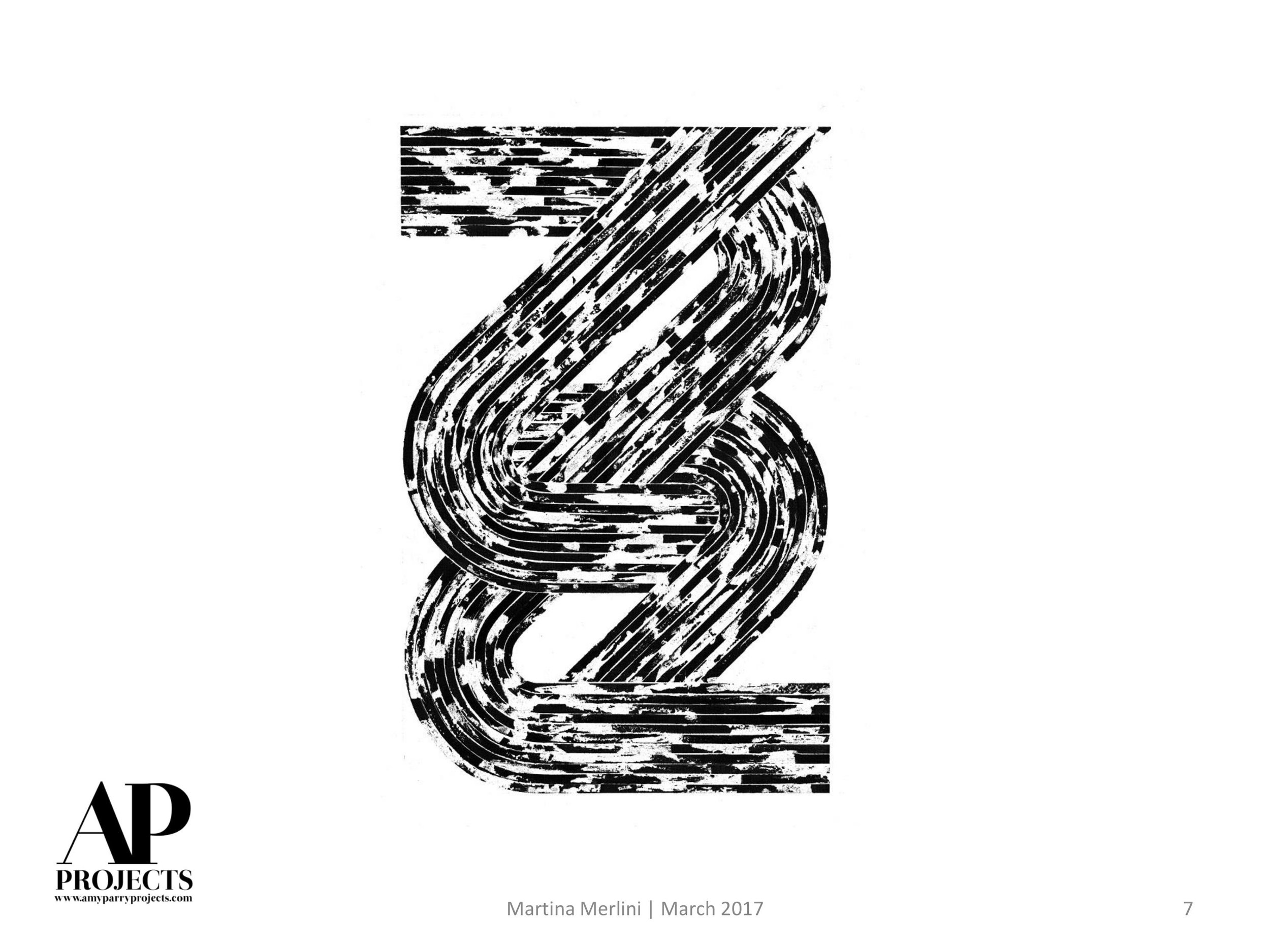
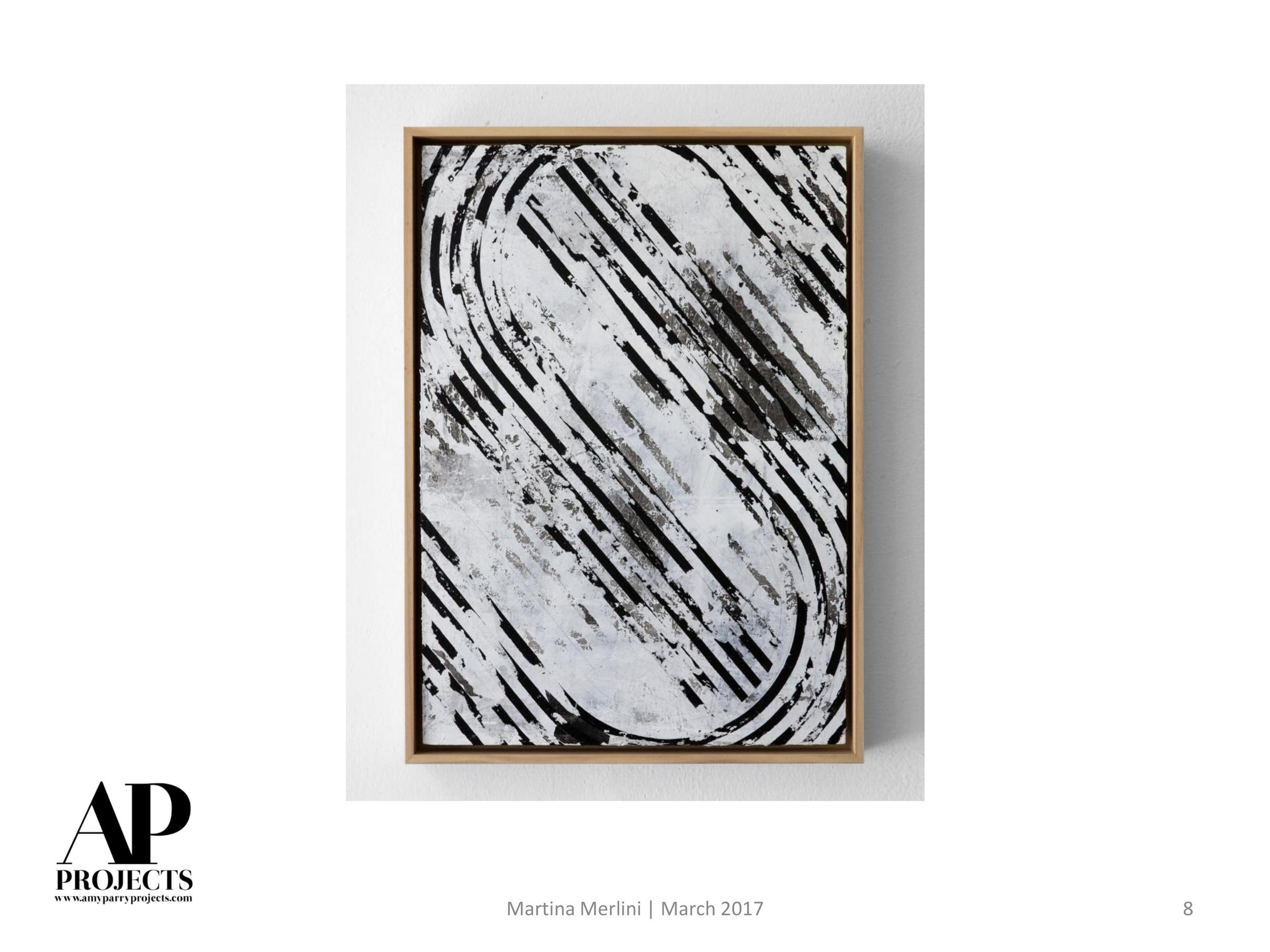
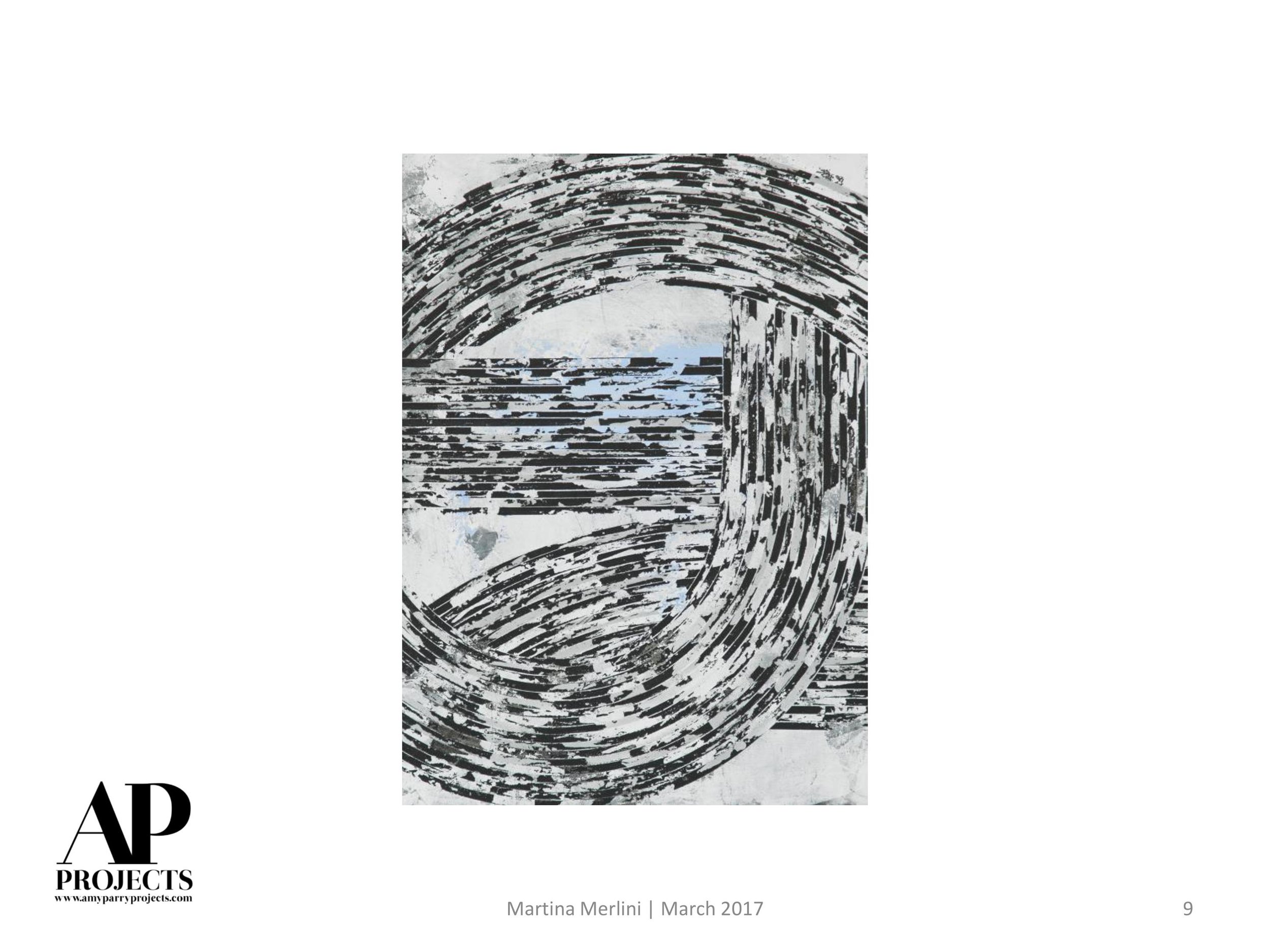
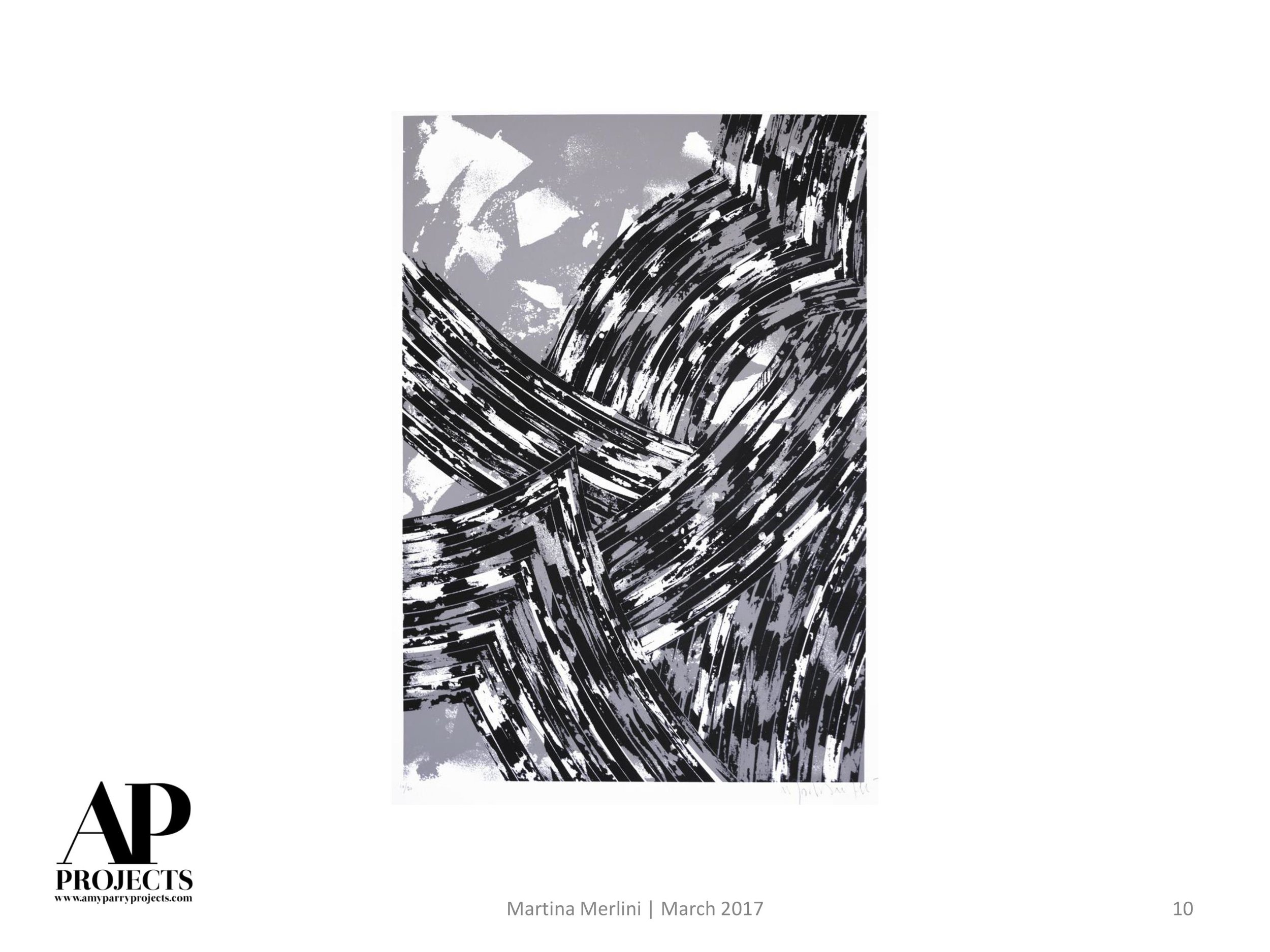
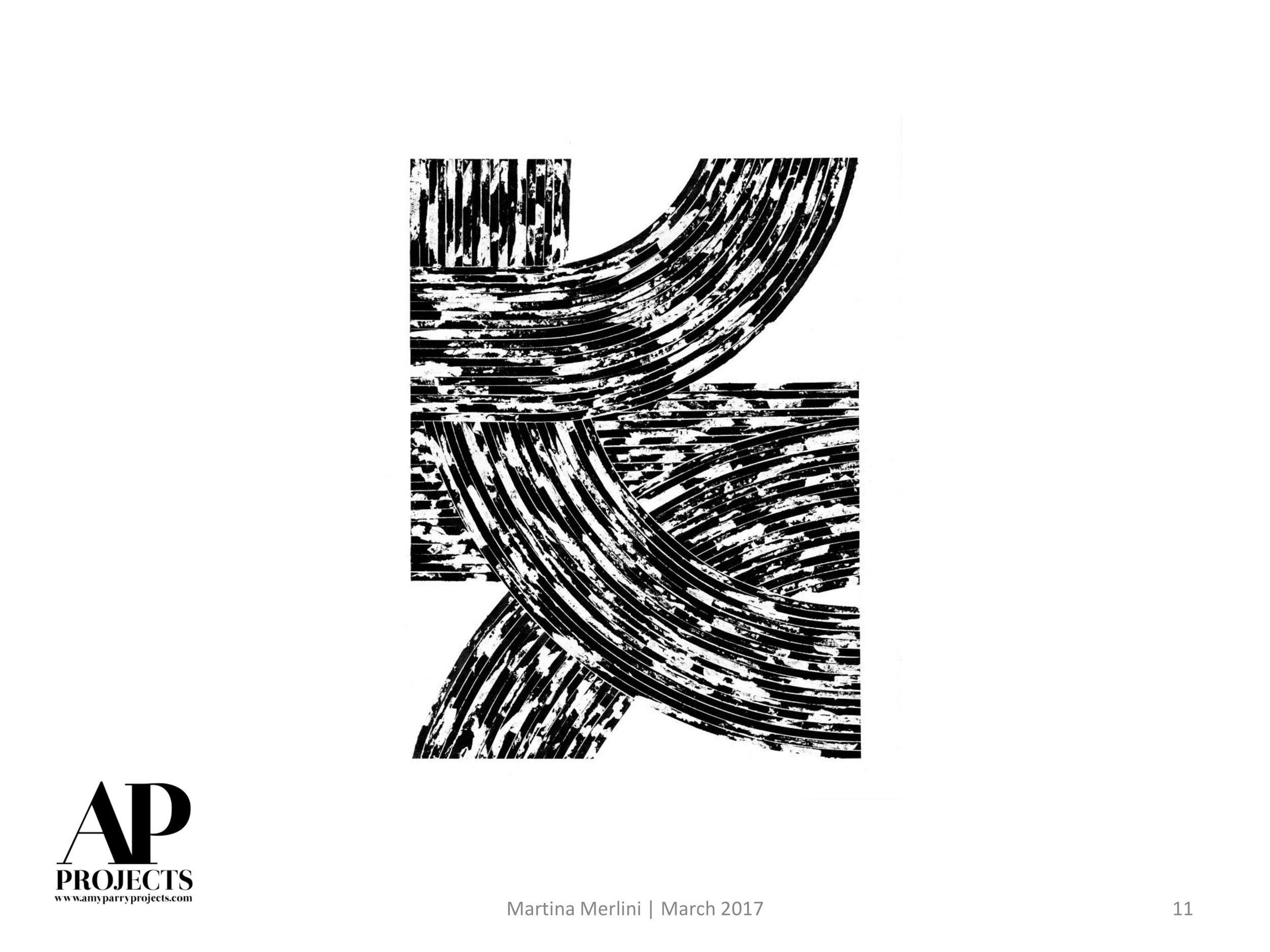
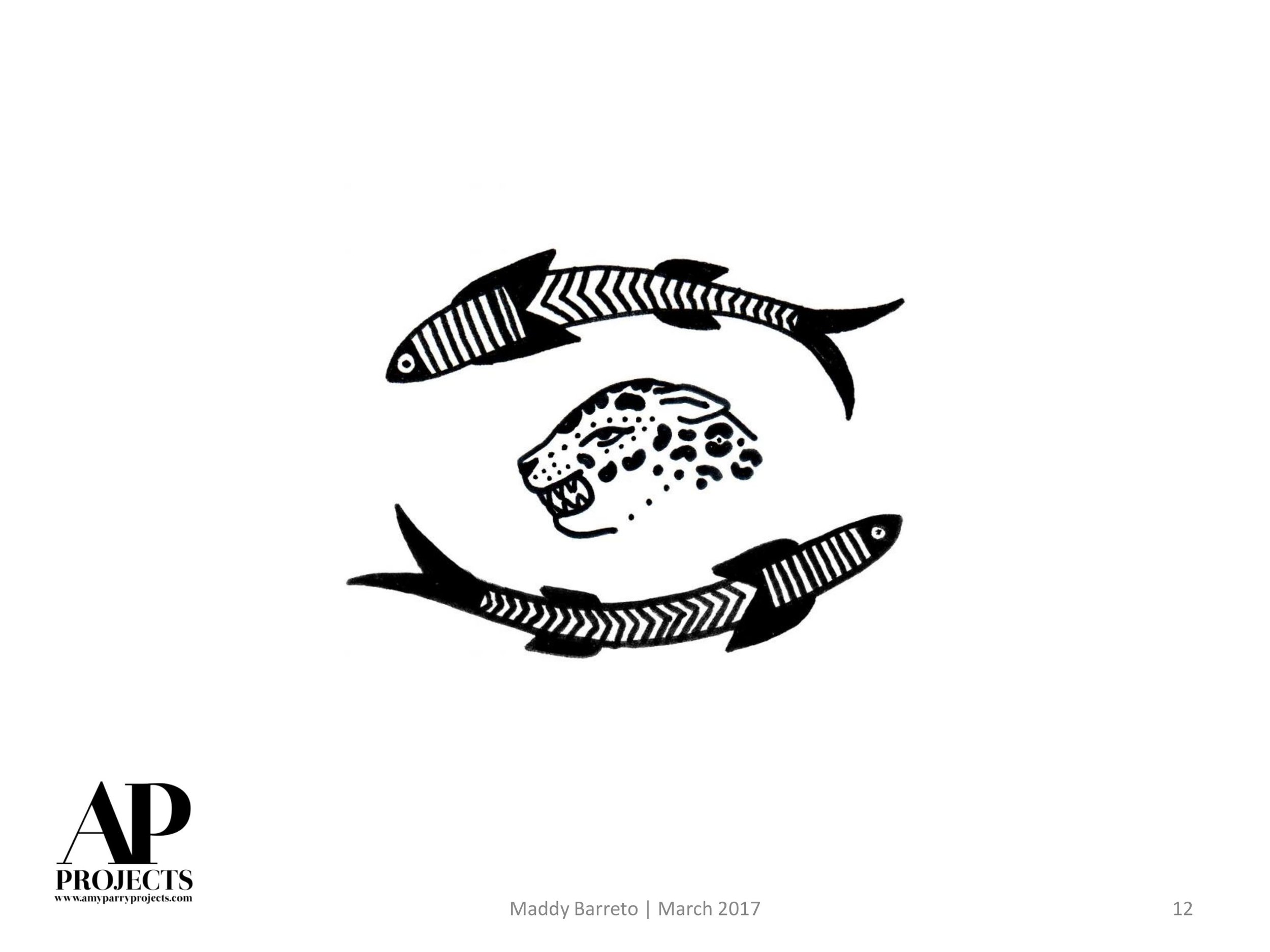
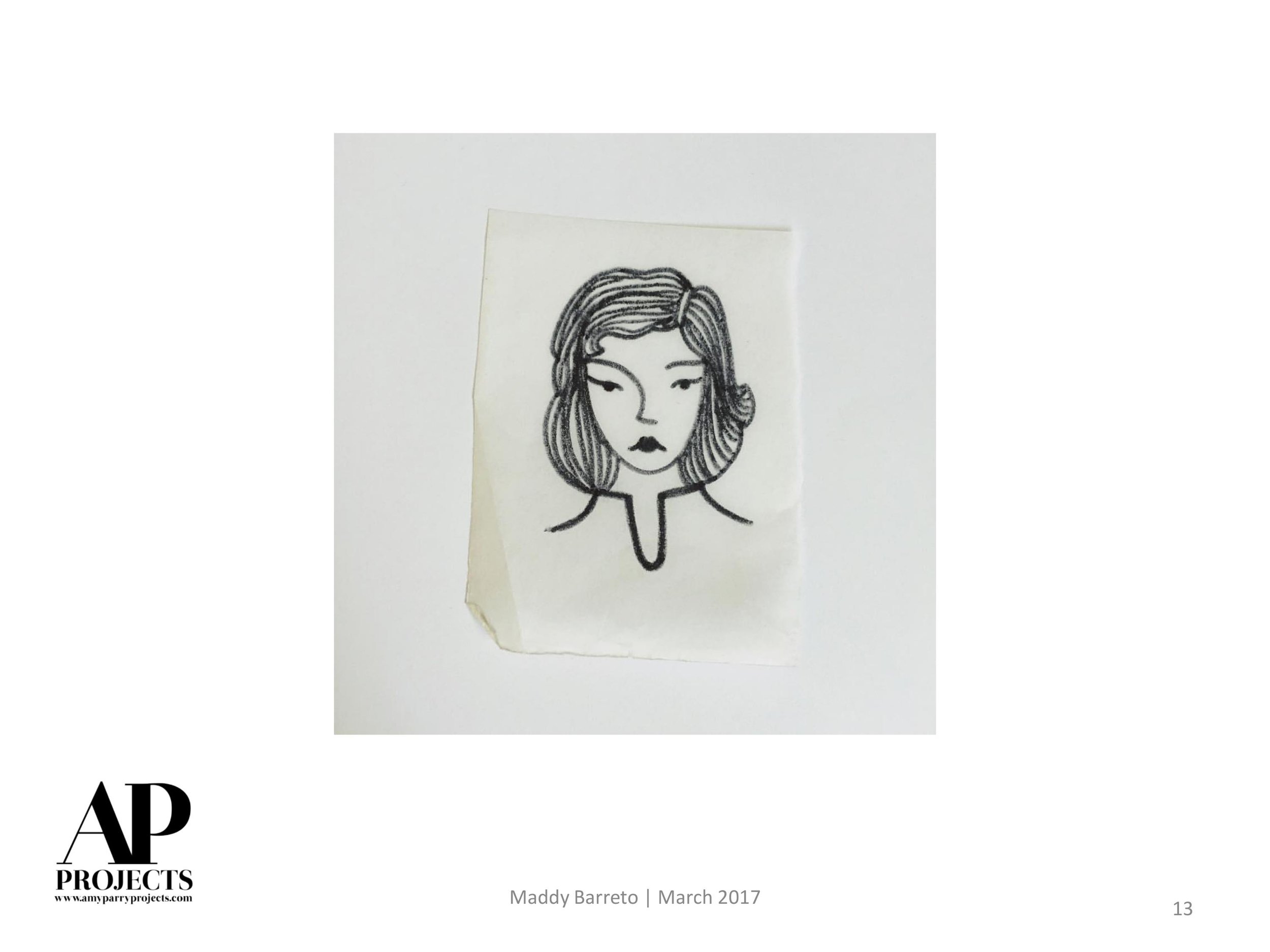
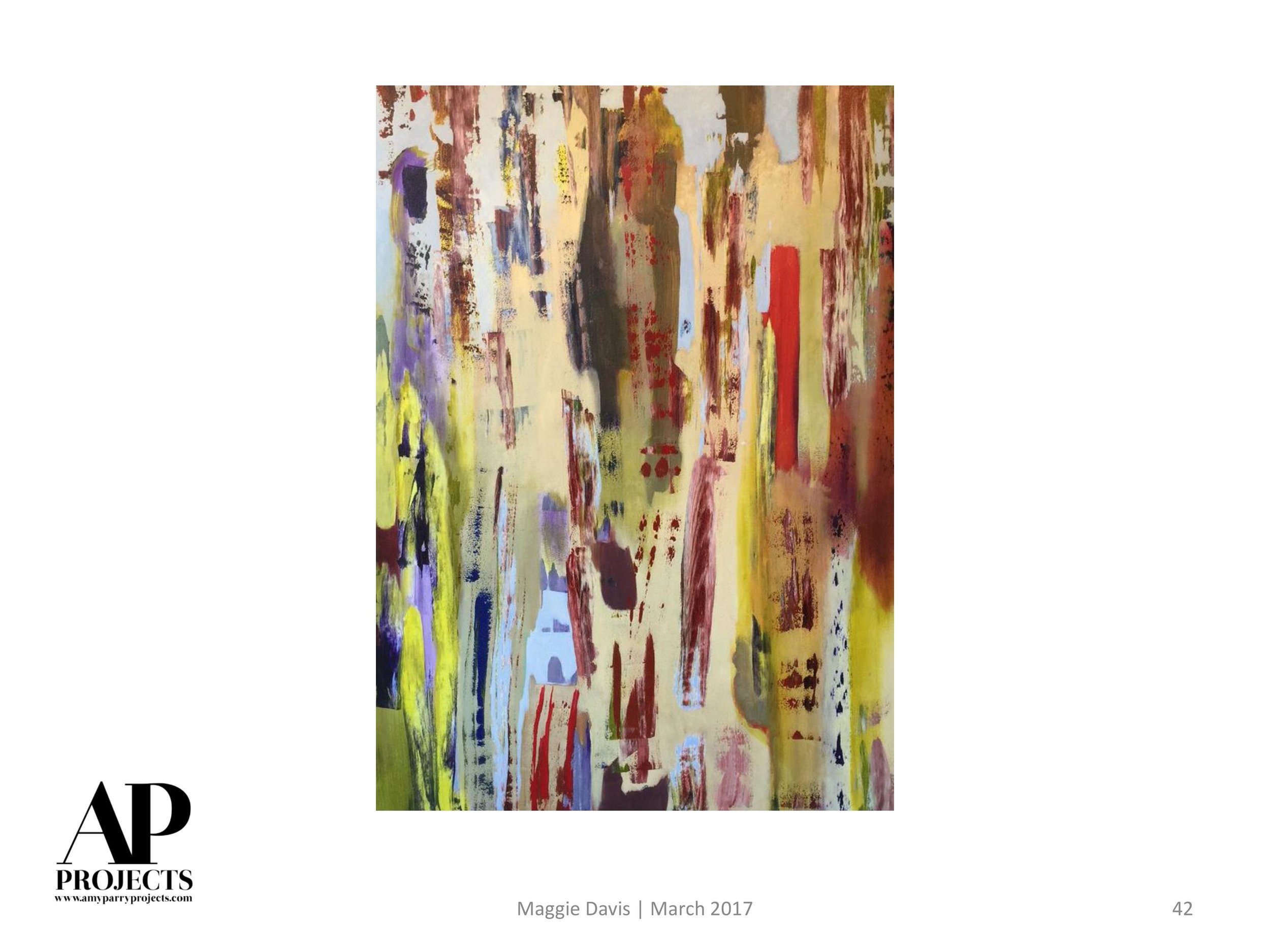
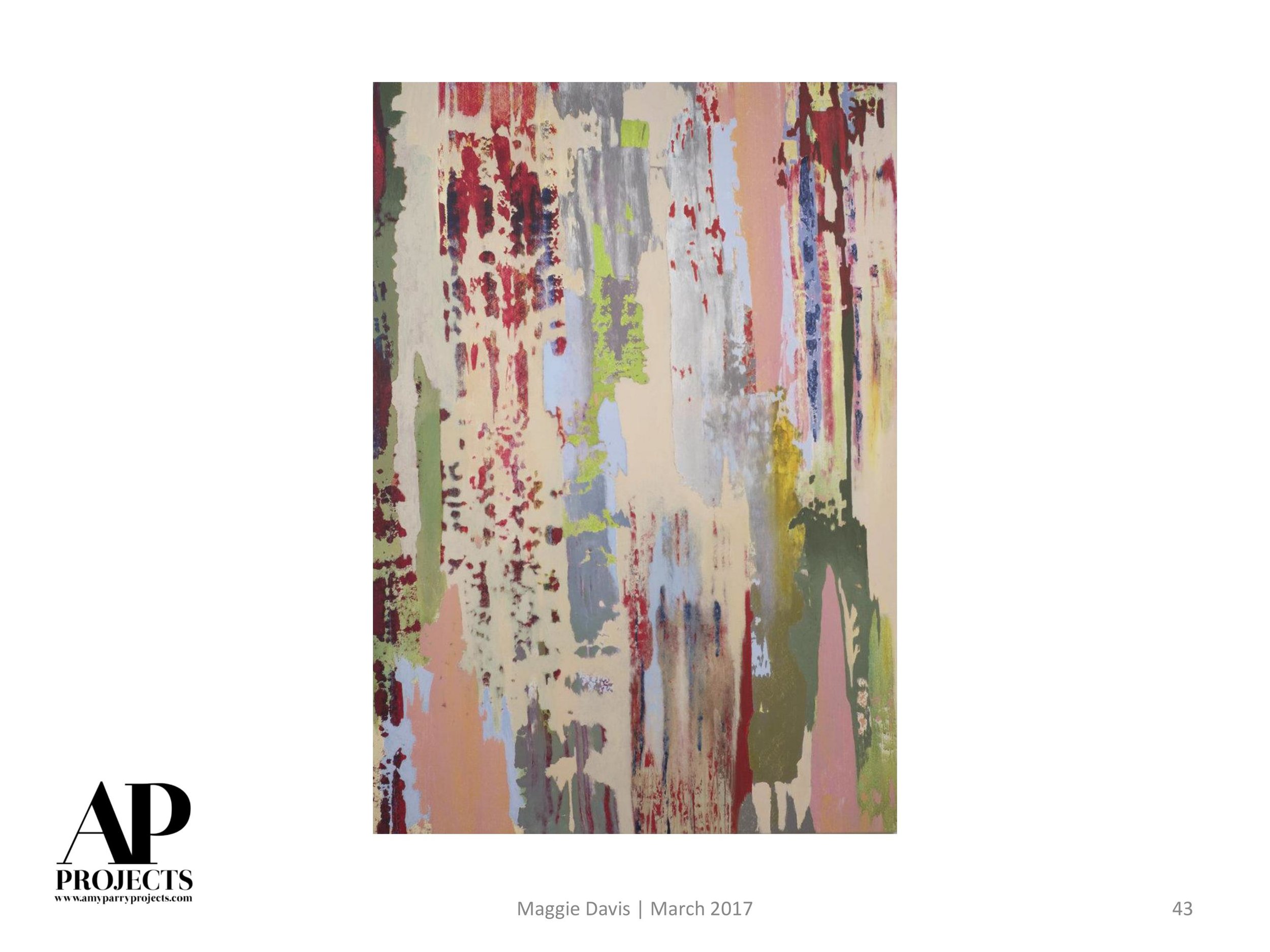
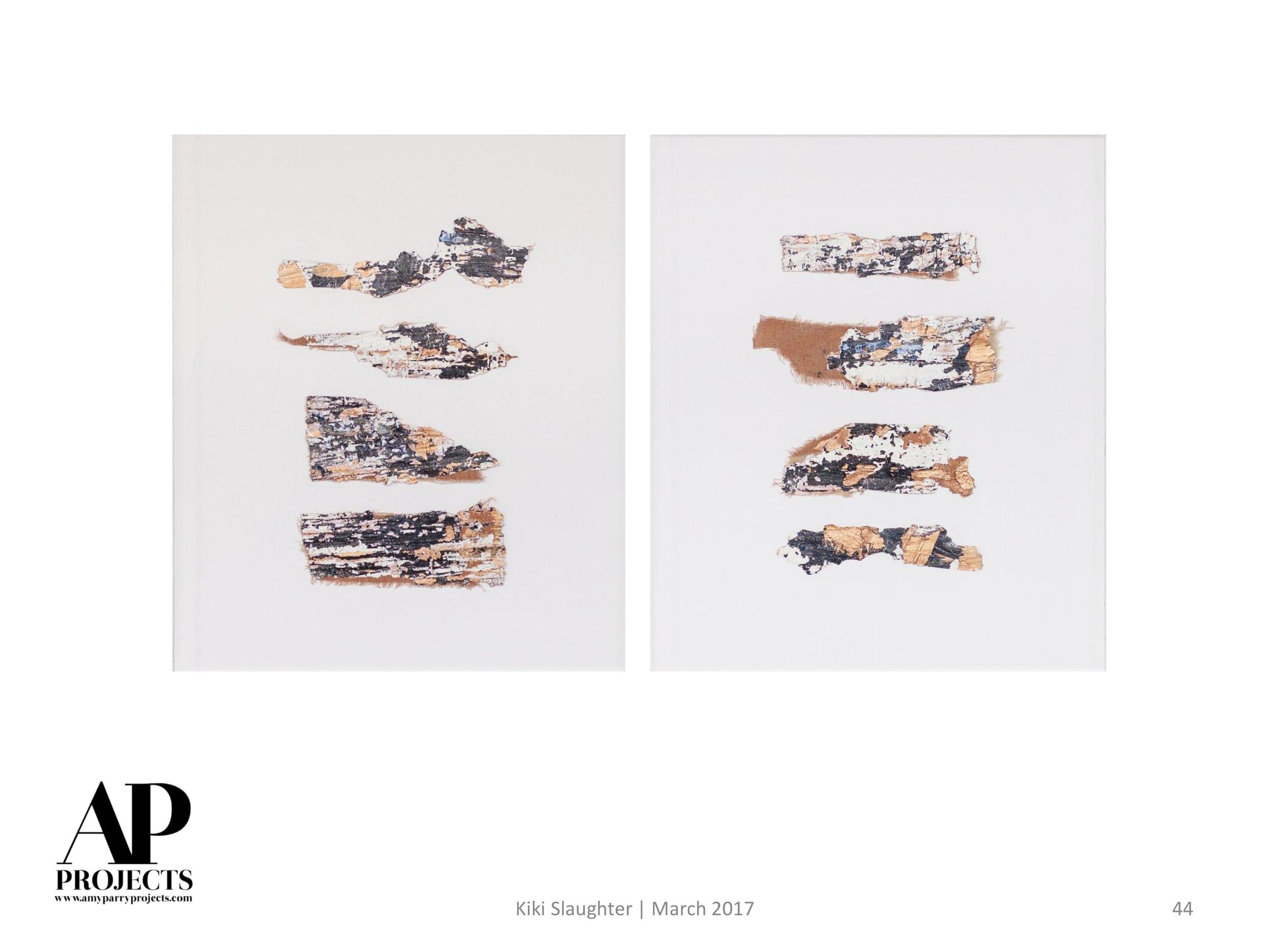
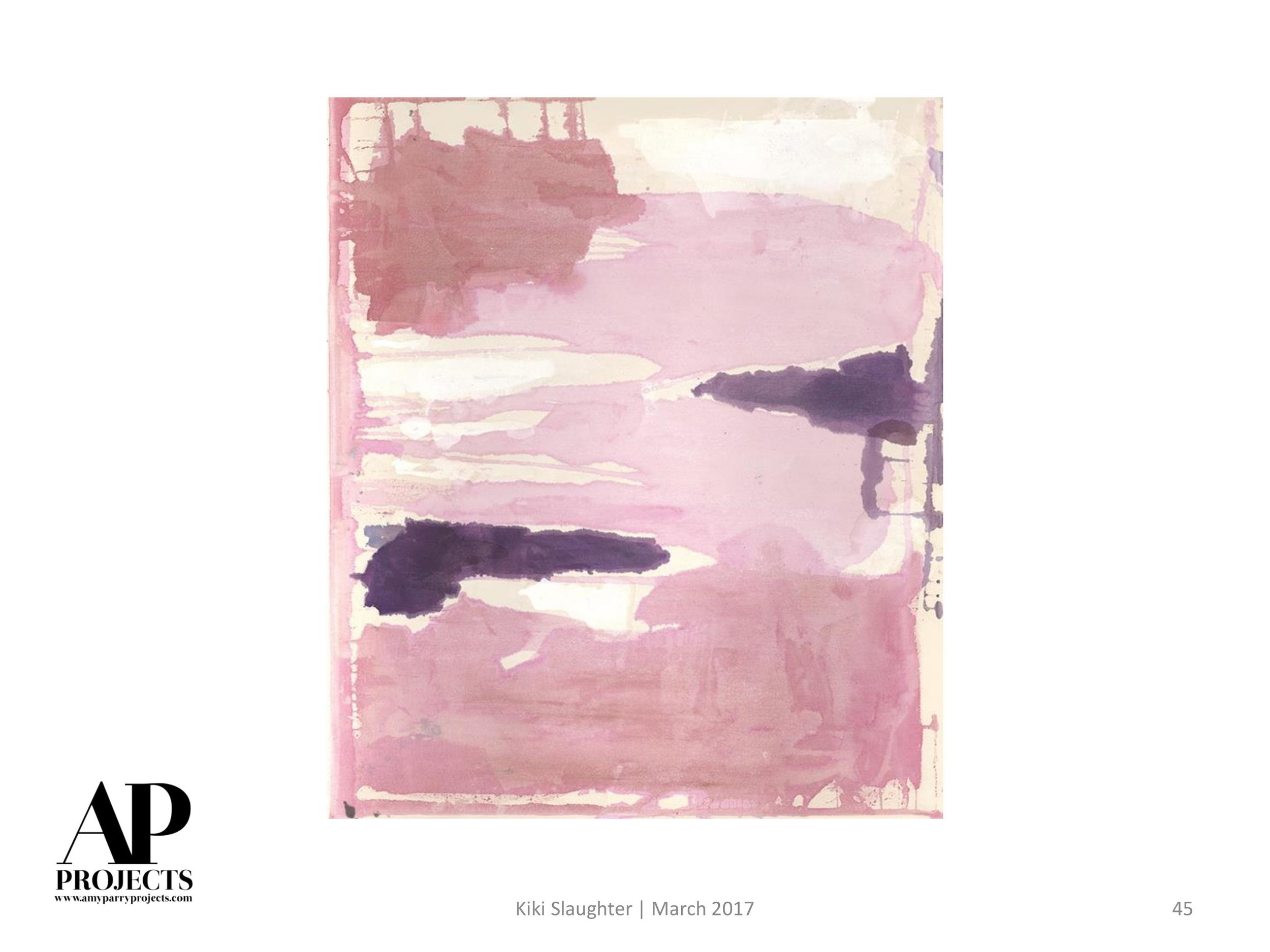
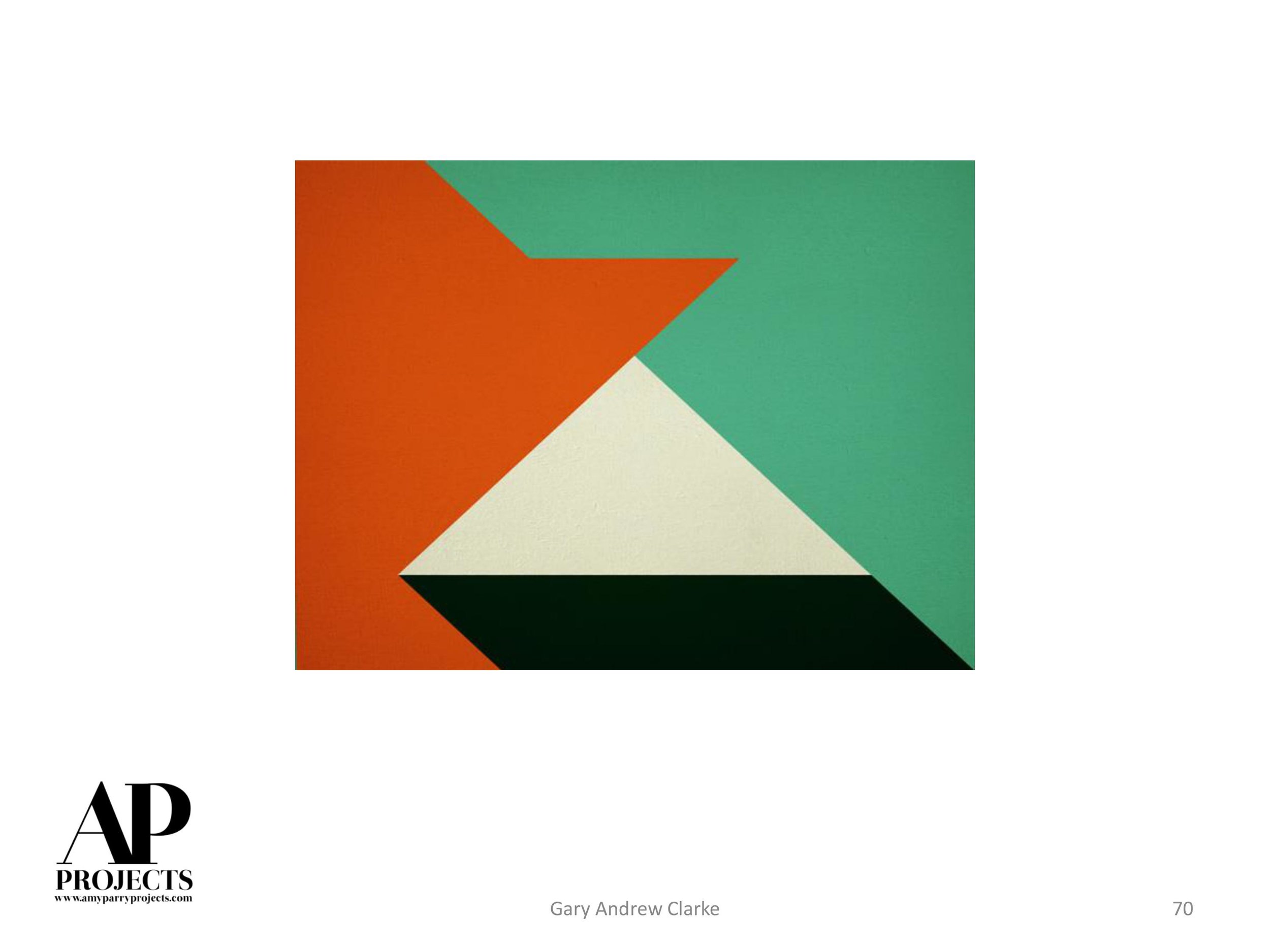
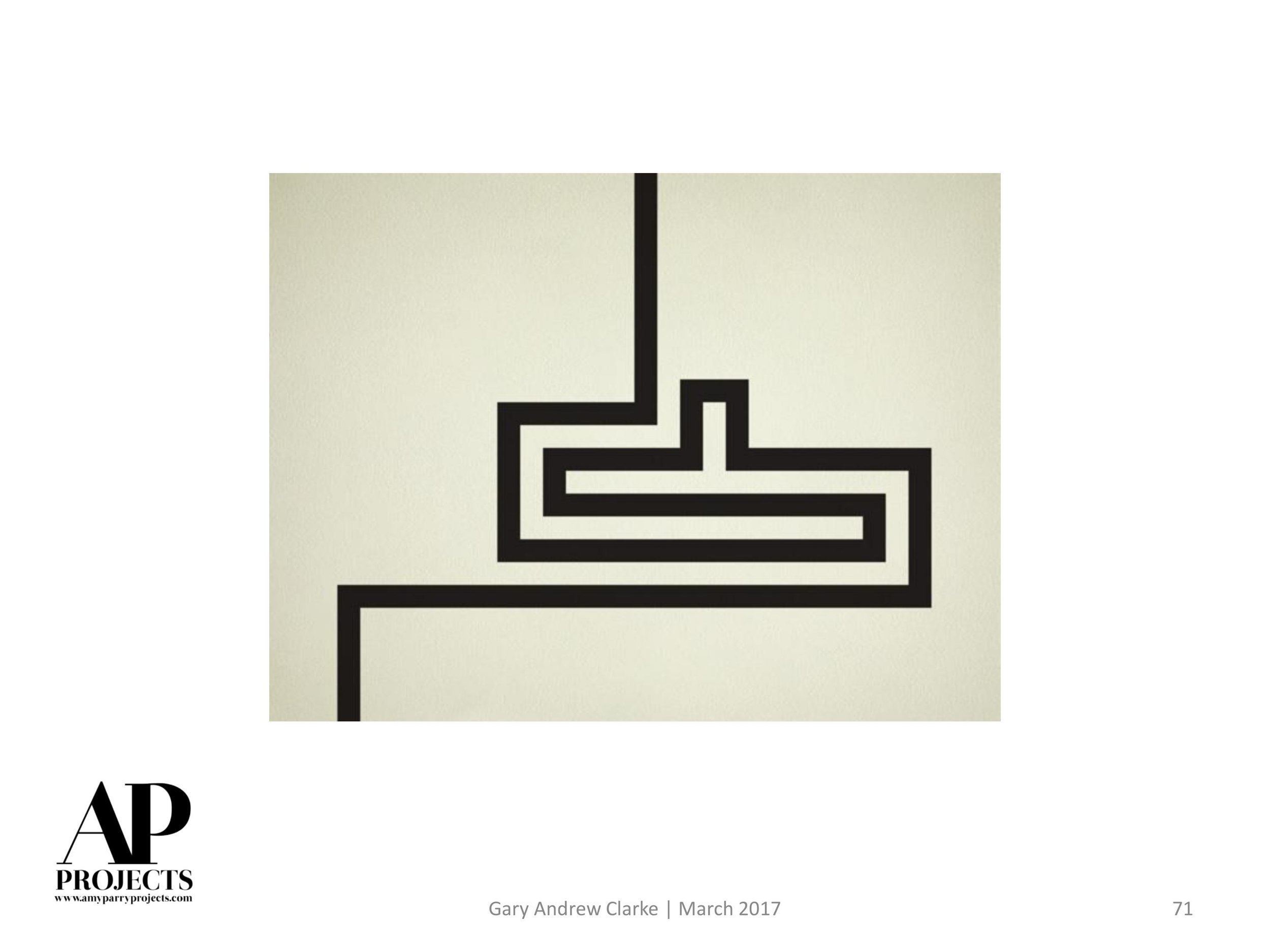
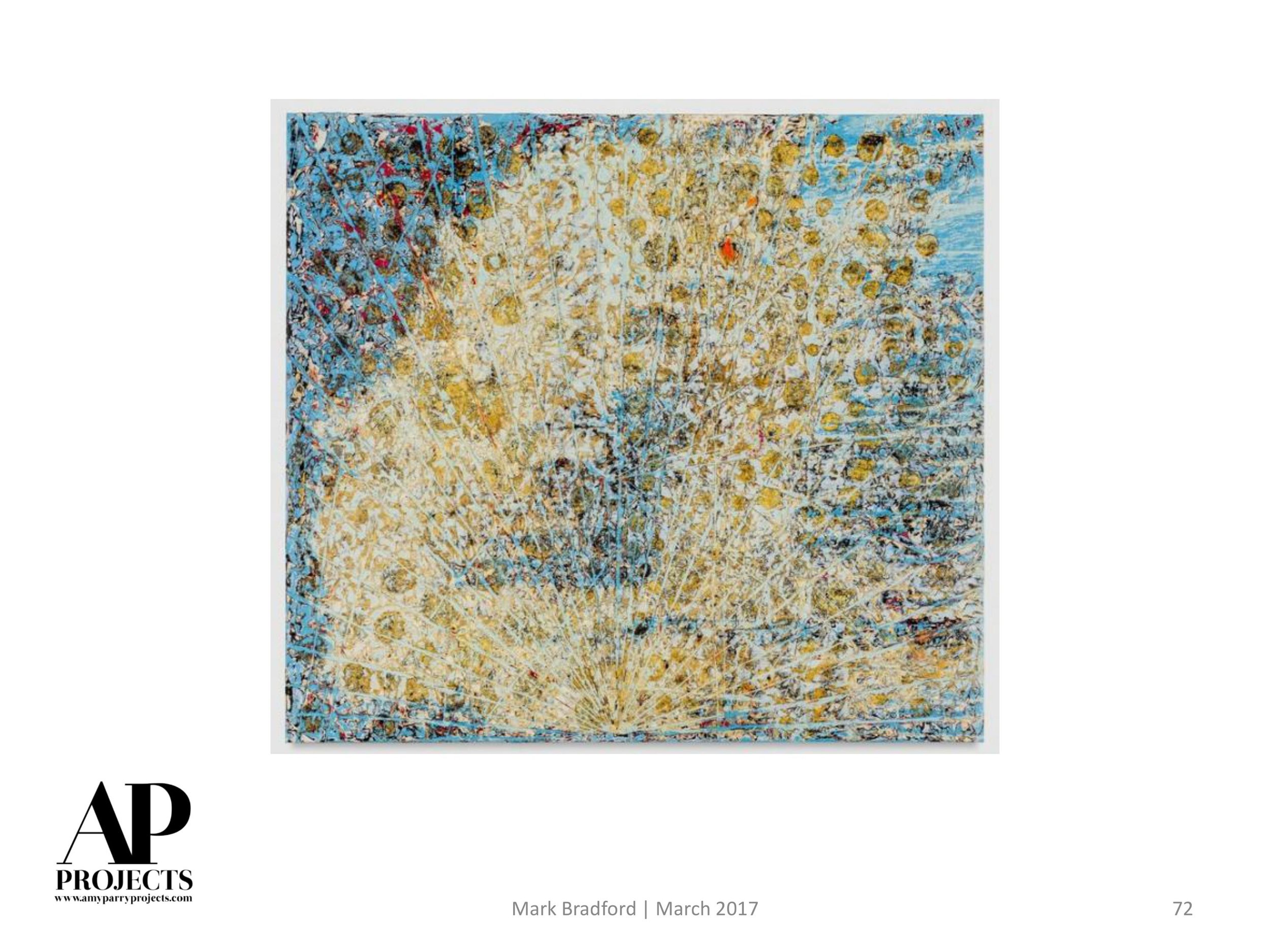
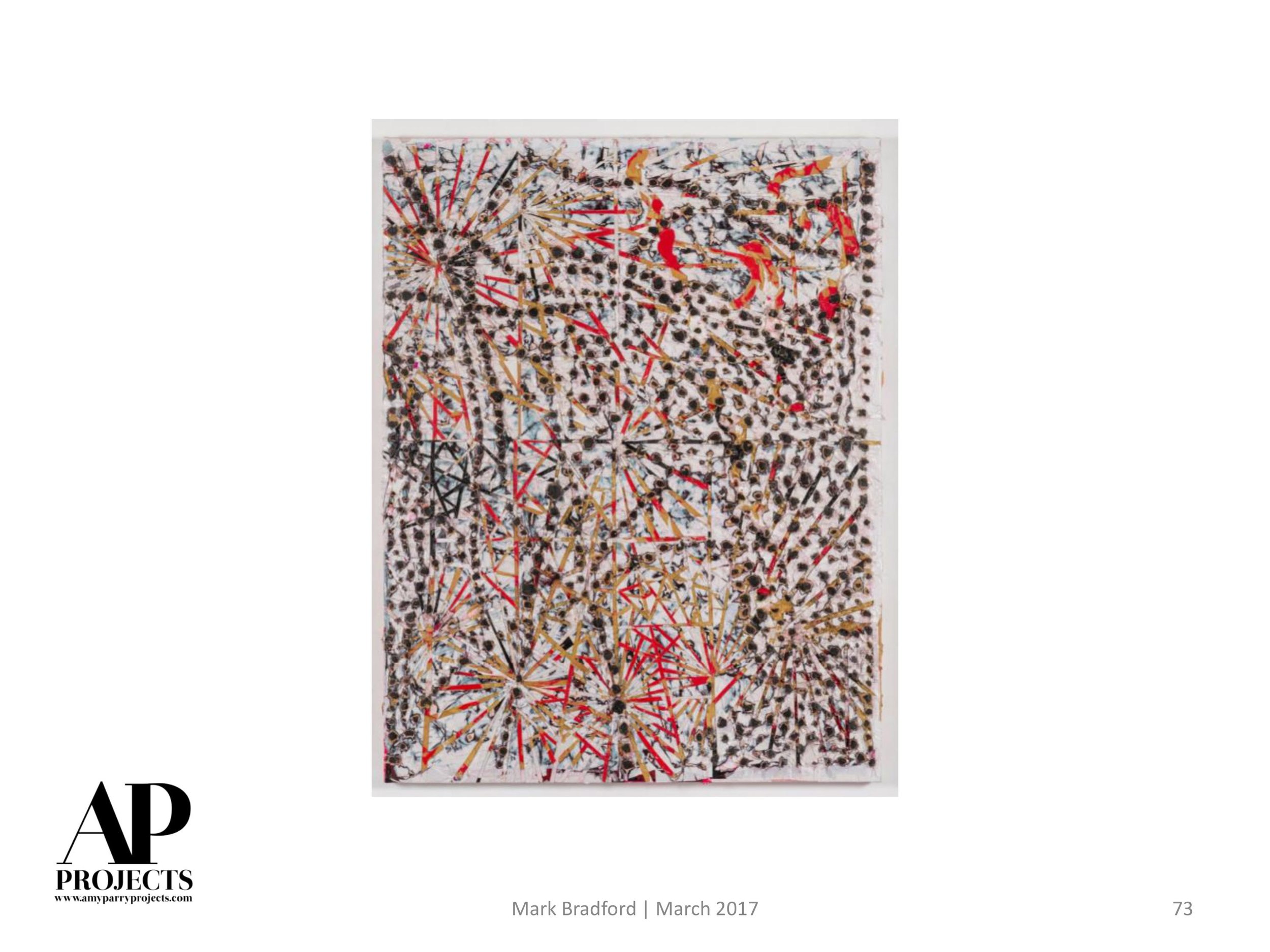
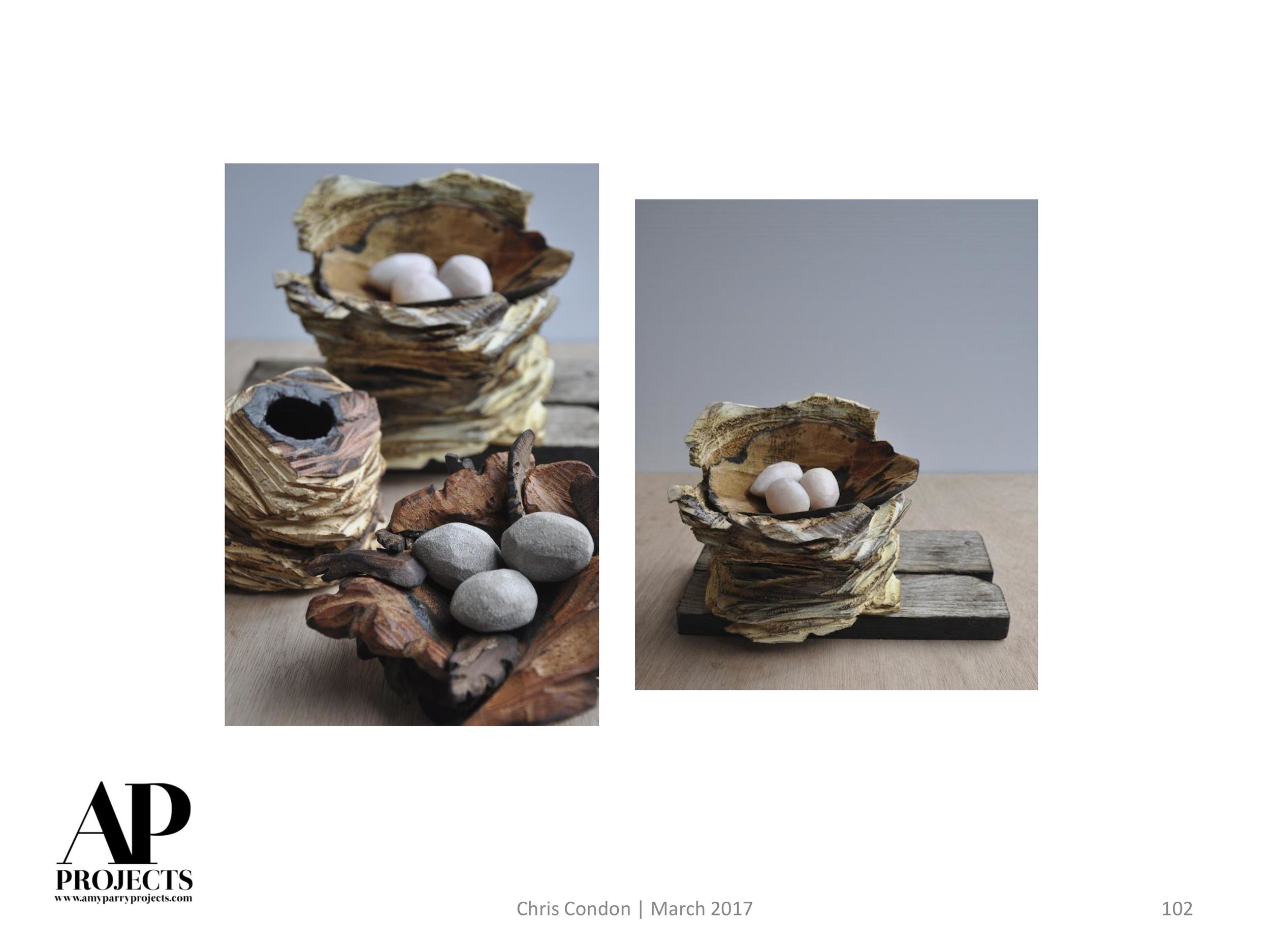
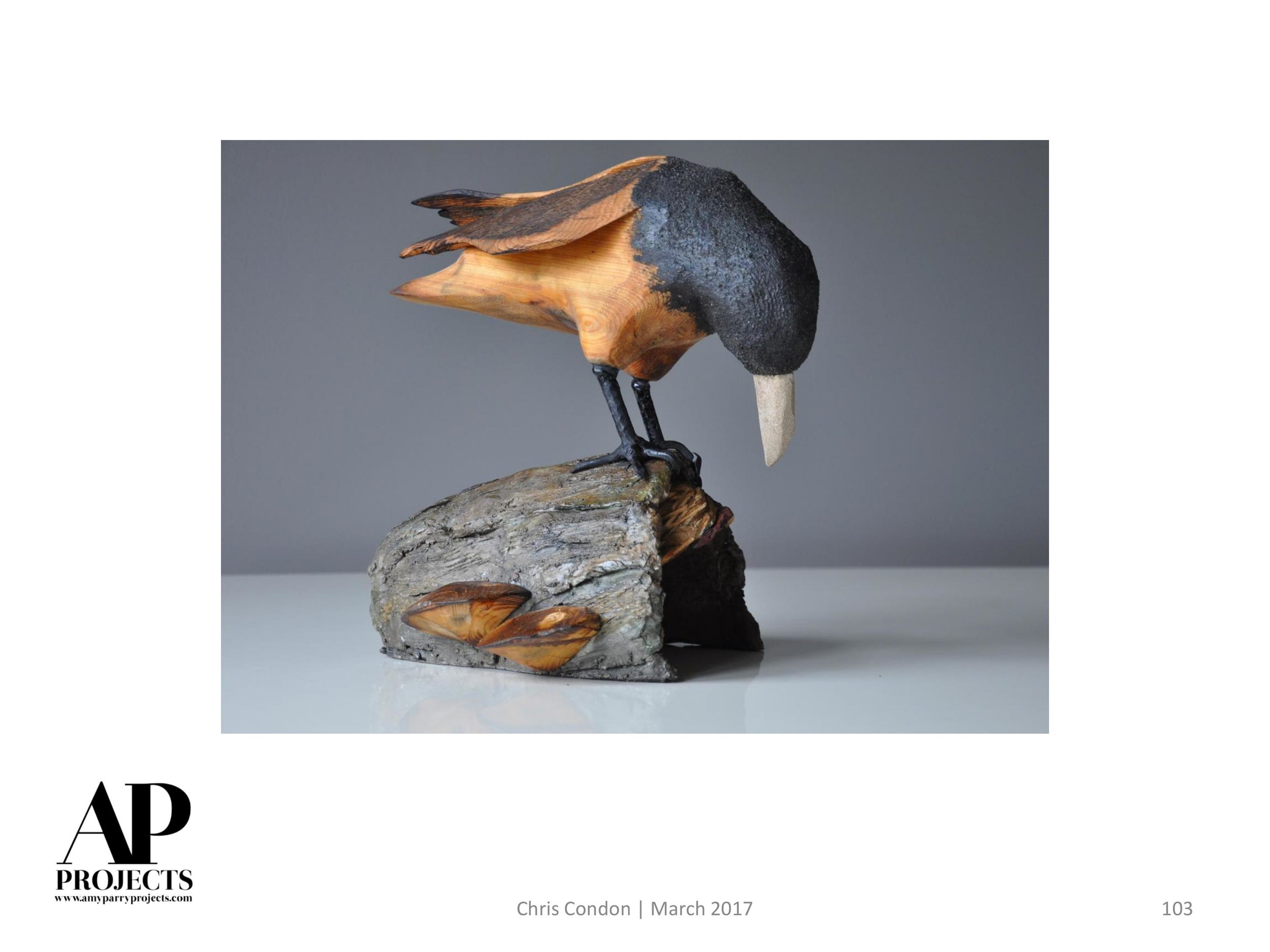
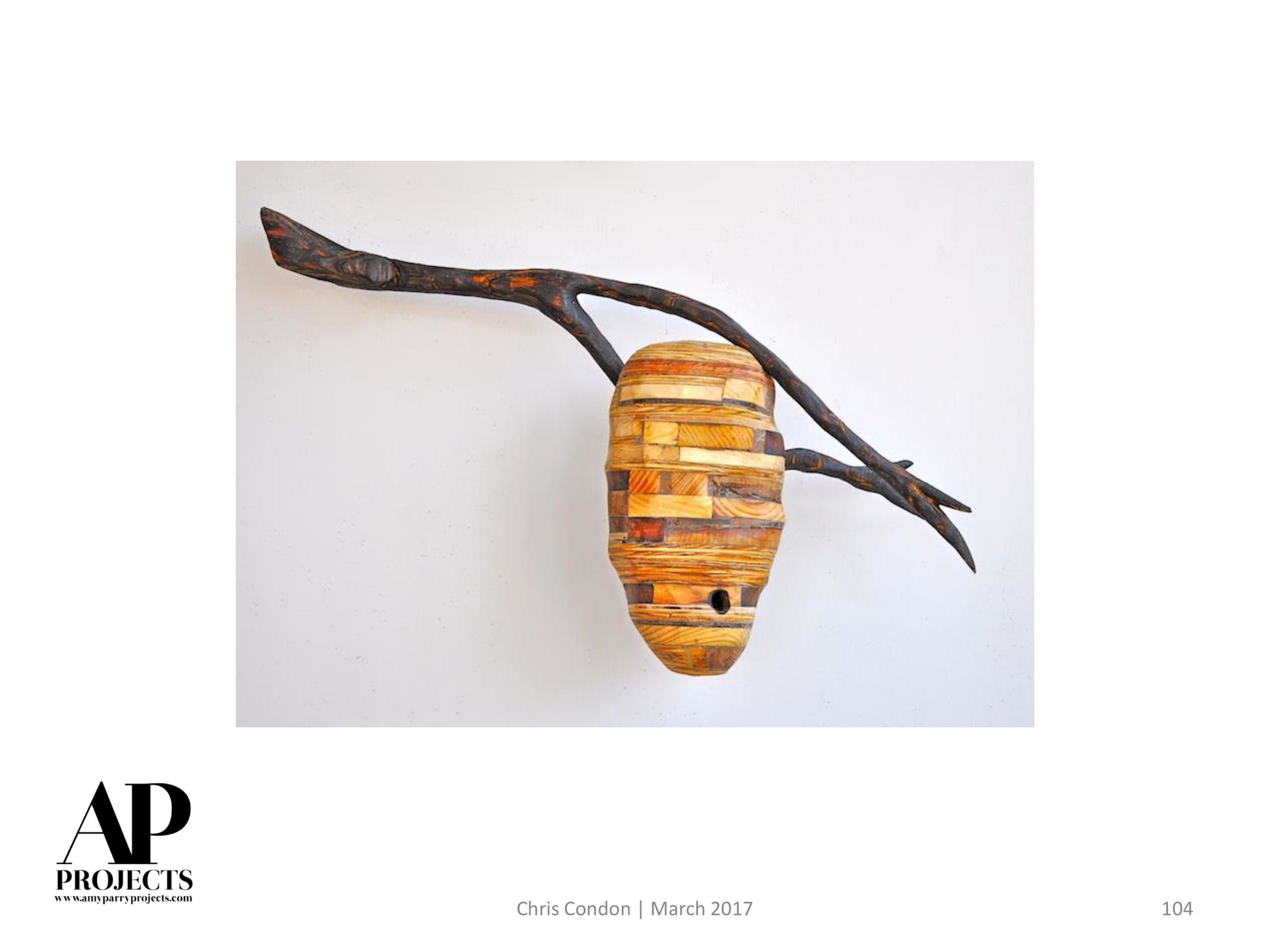
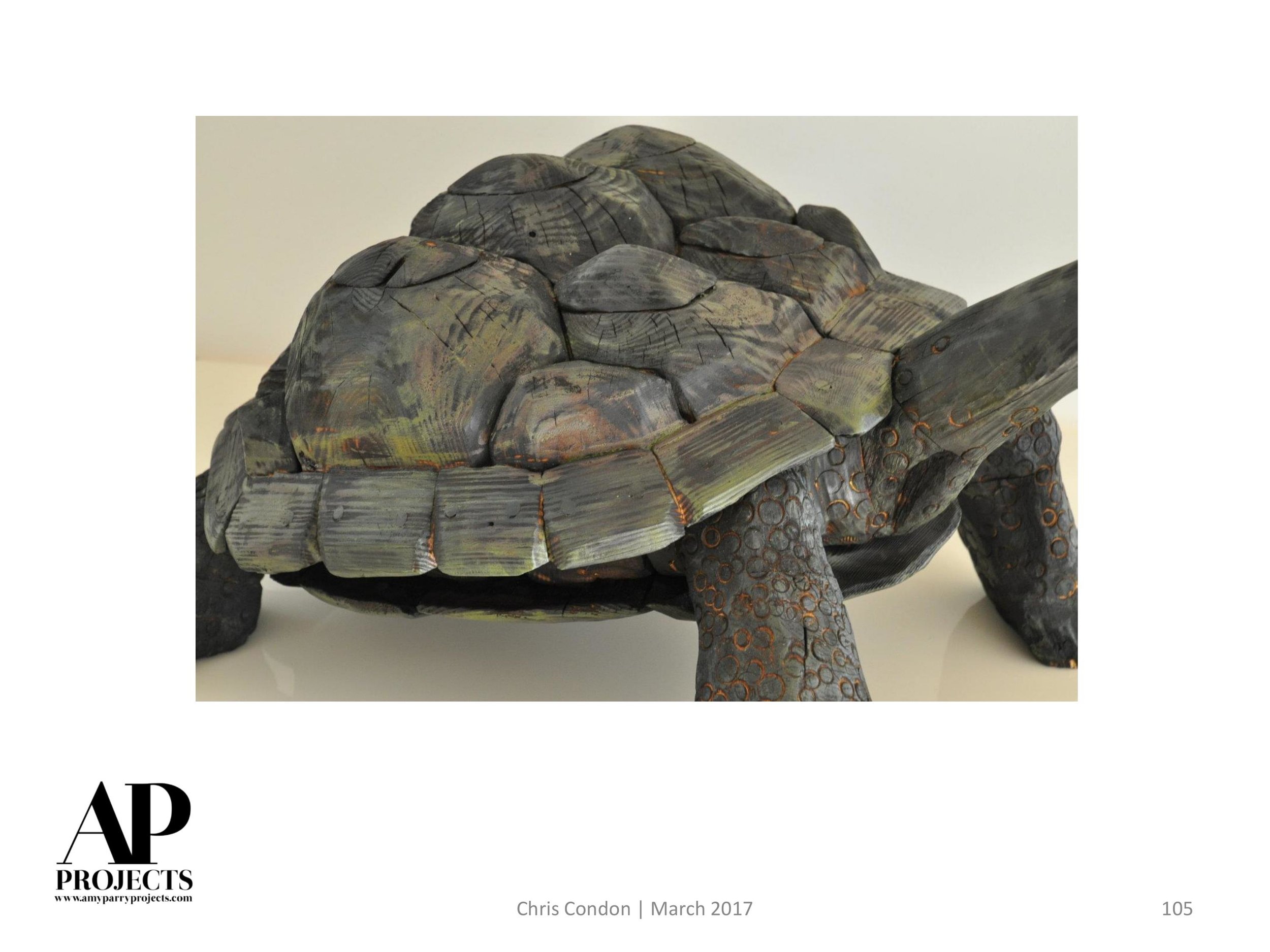
AP Projects had the pleasure of working with experienced Art Consultant Catharine Auger this year.
Please enjoy this latest Inspiration Board, put together exclusively by Catharine.
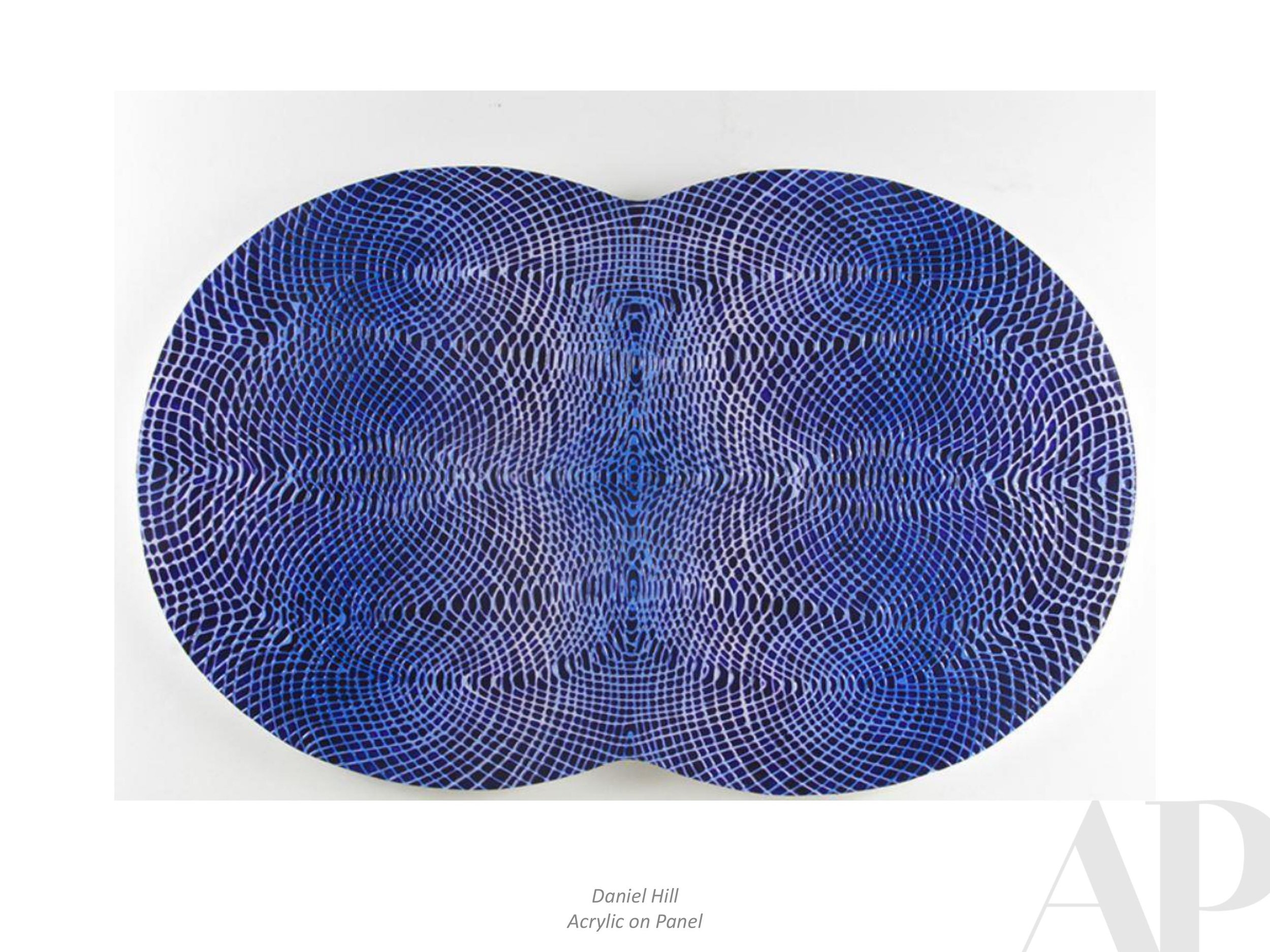
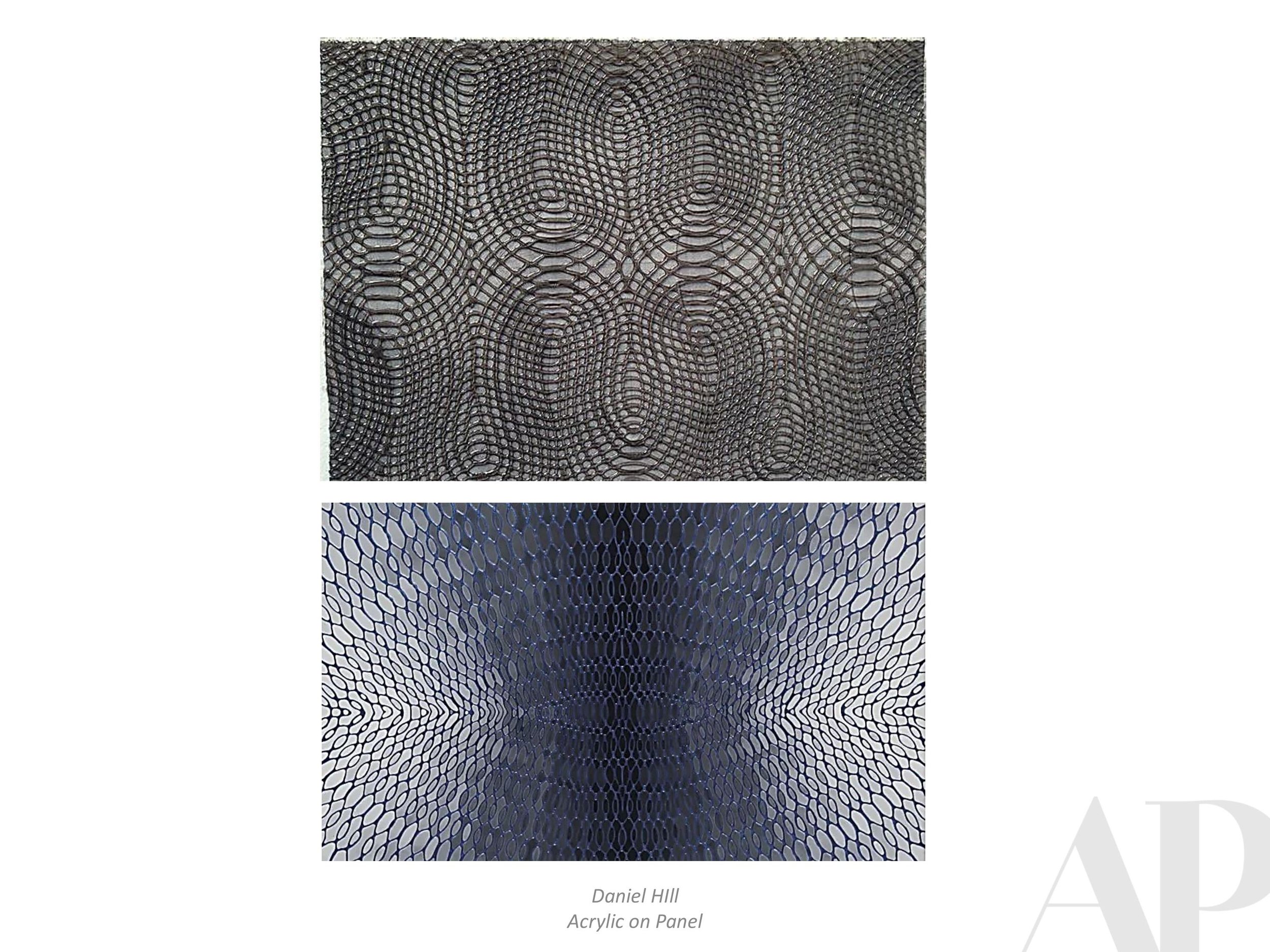
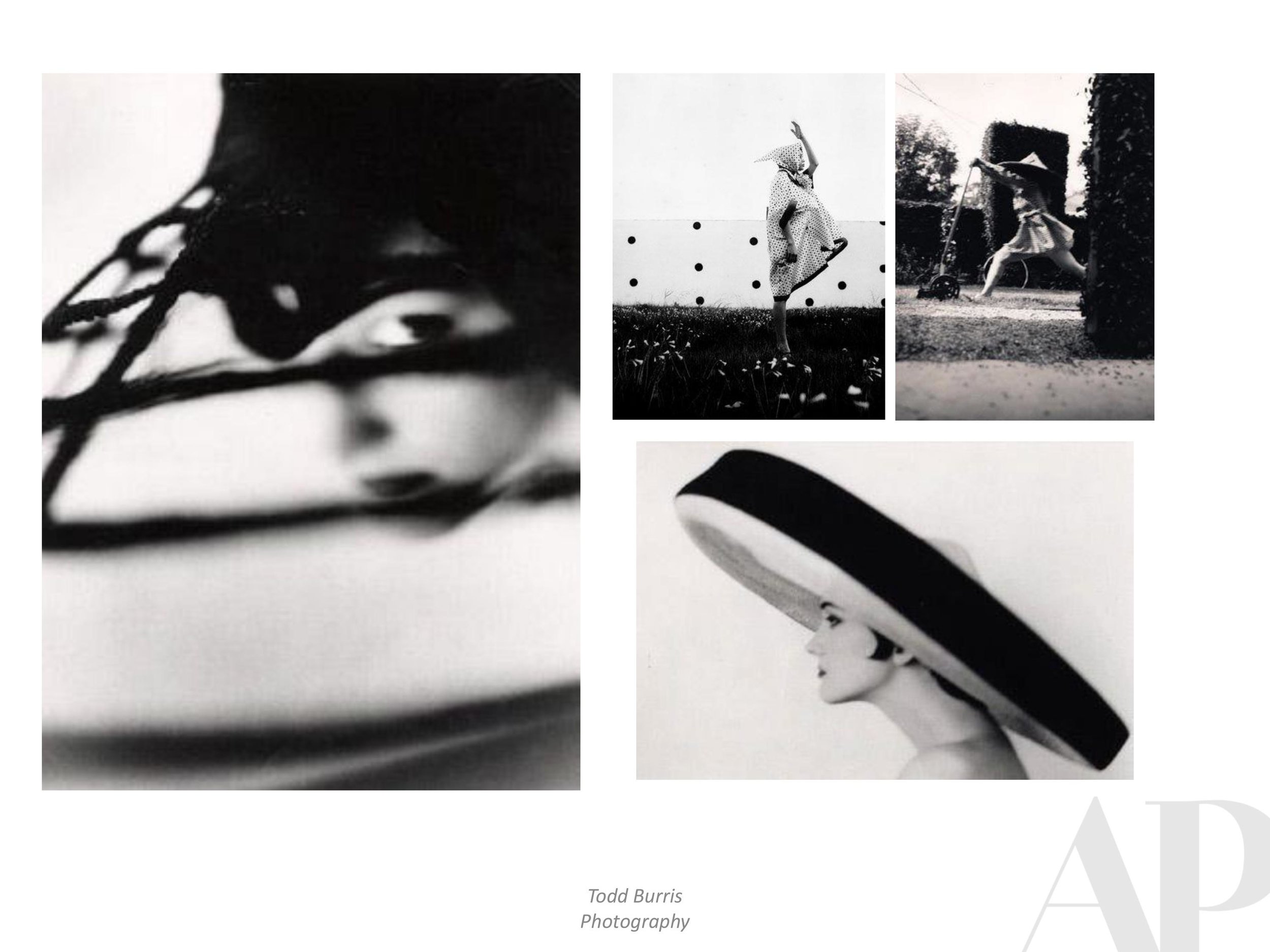
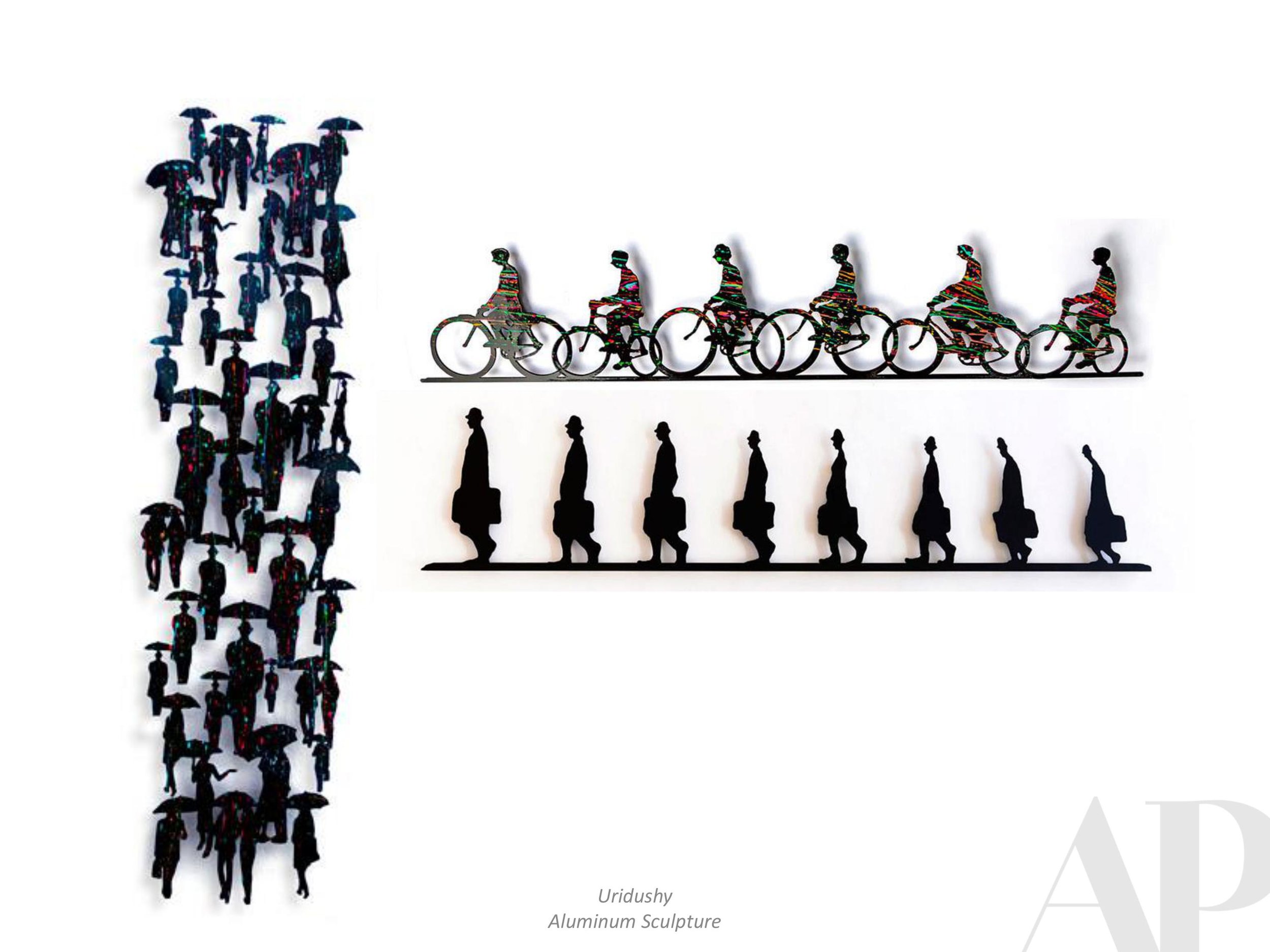

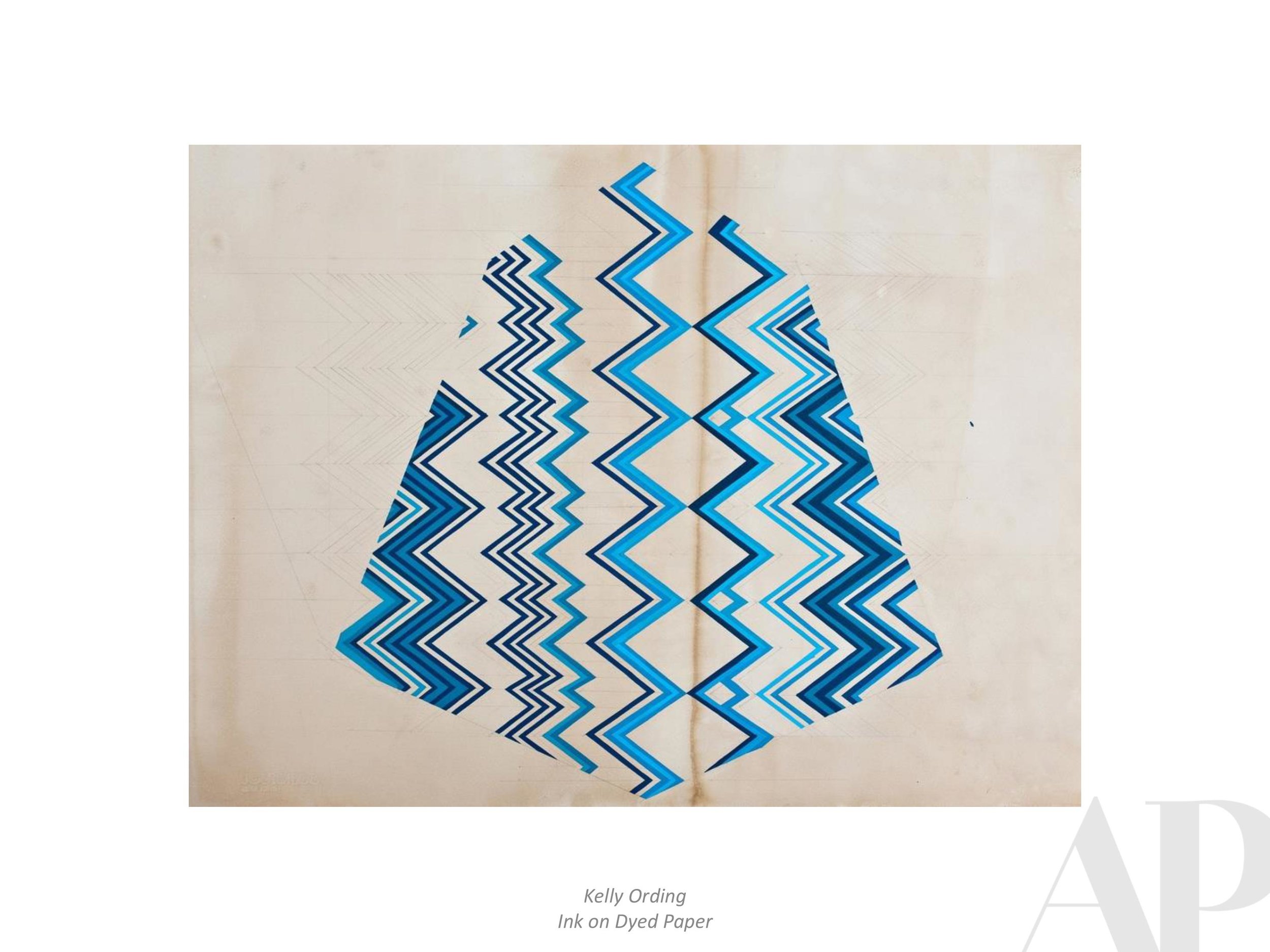
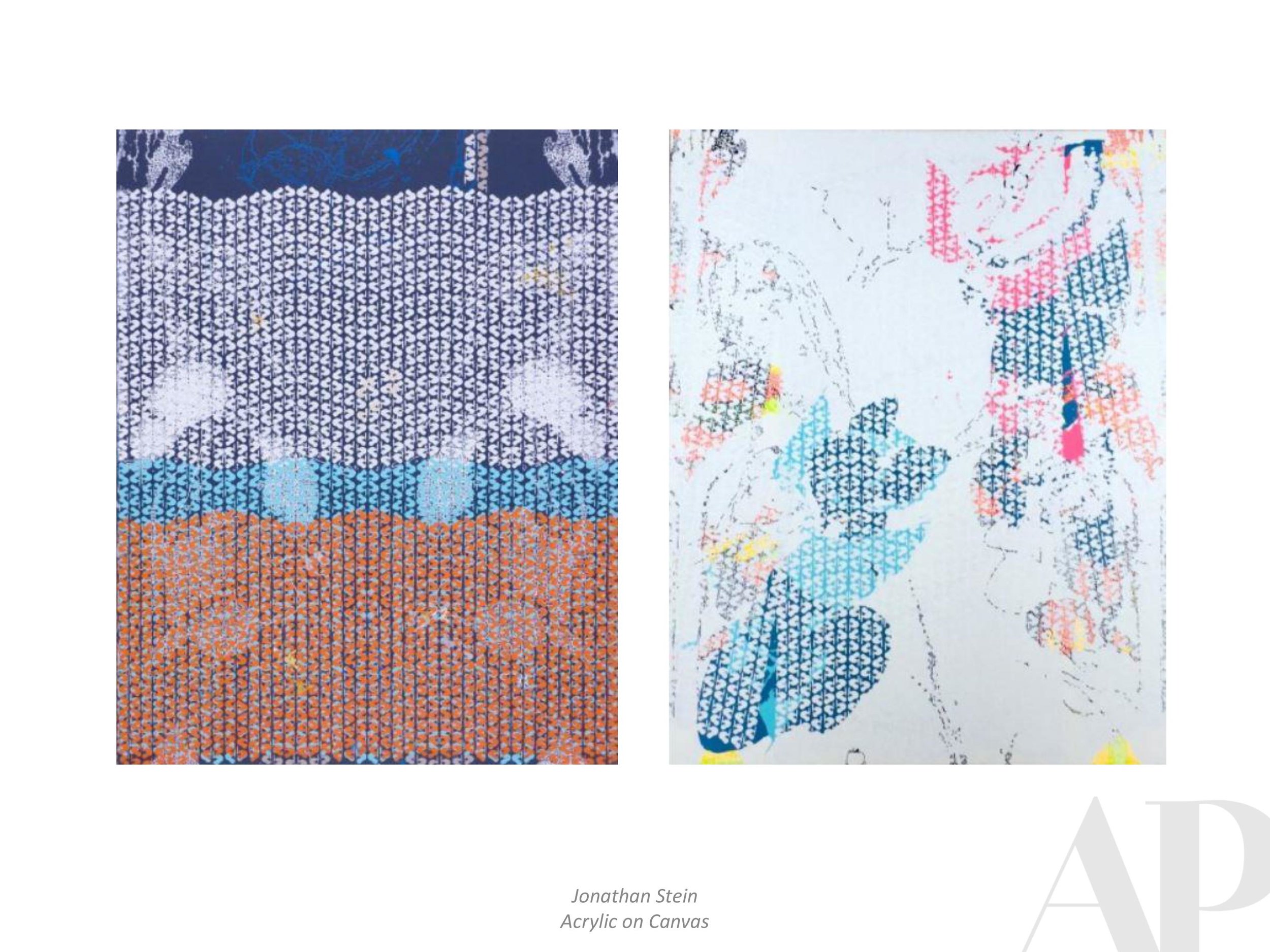
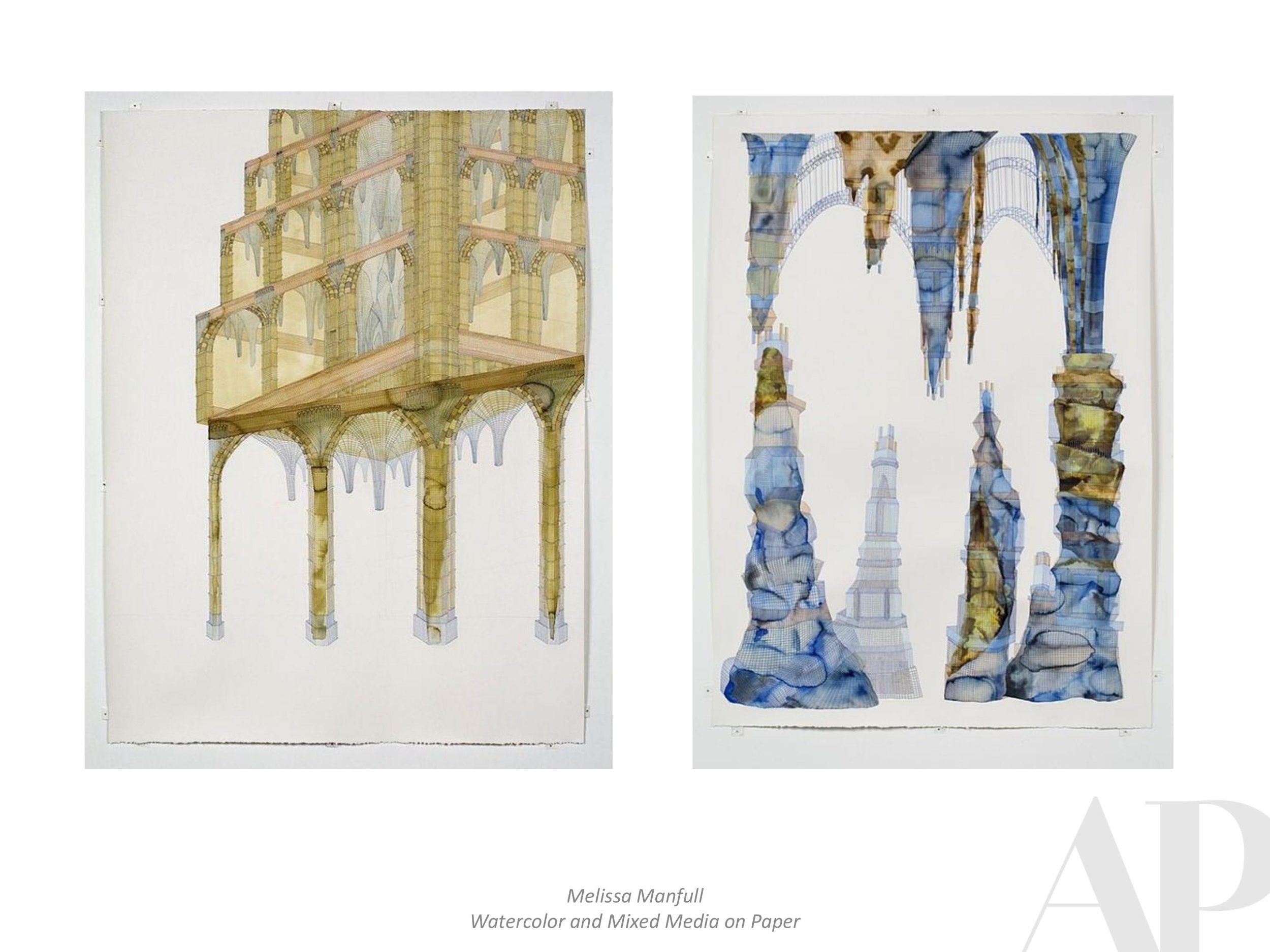

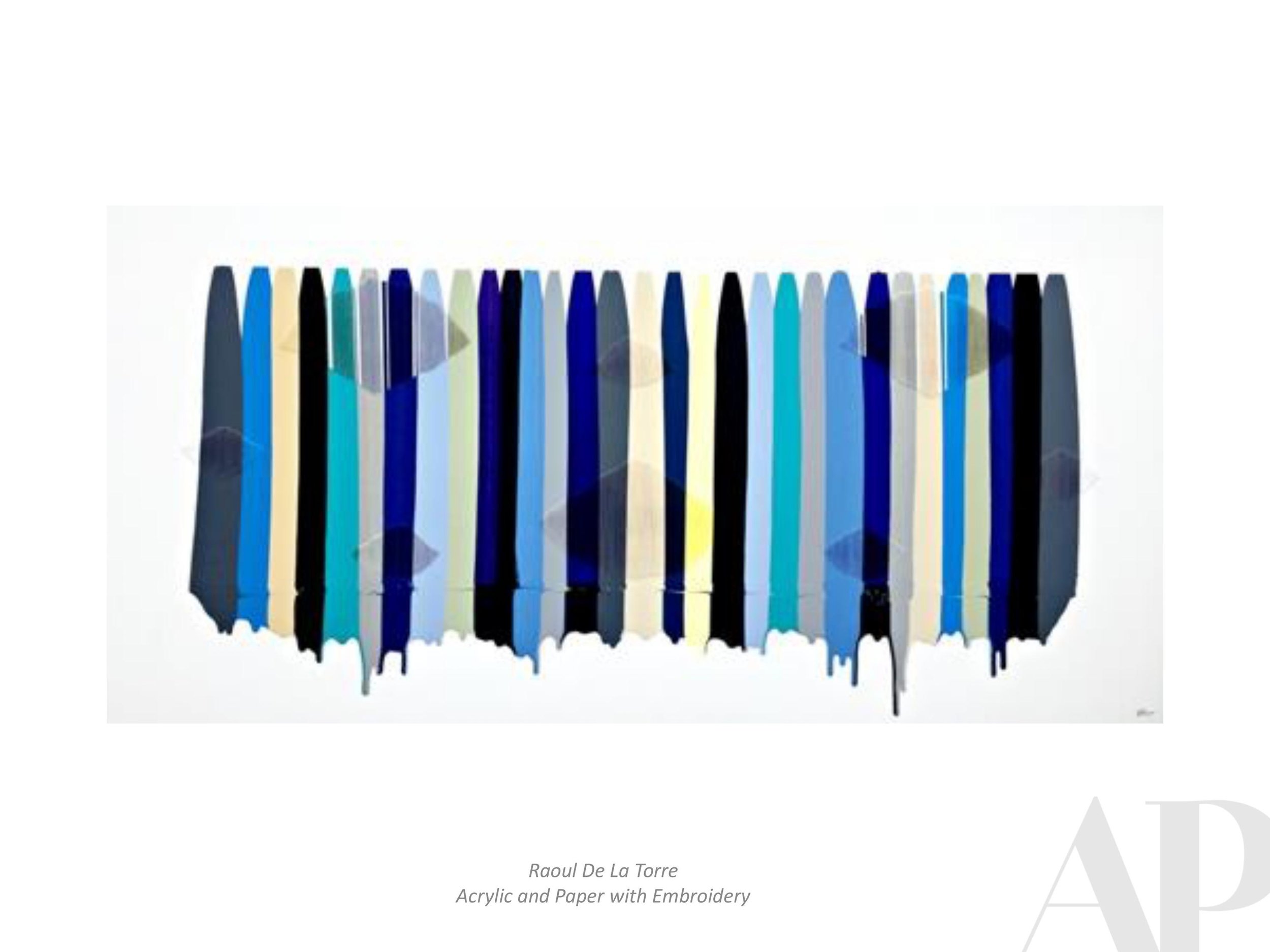

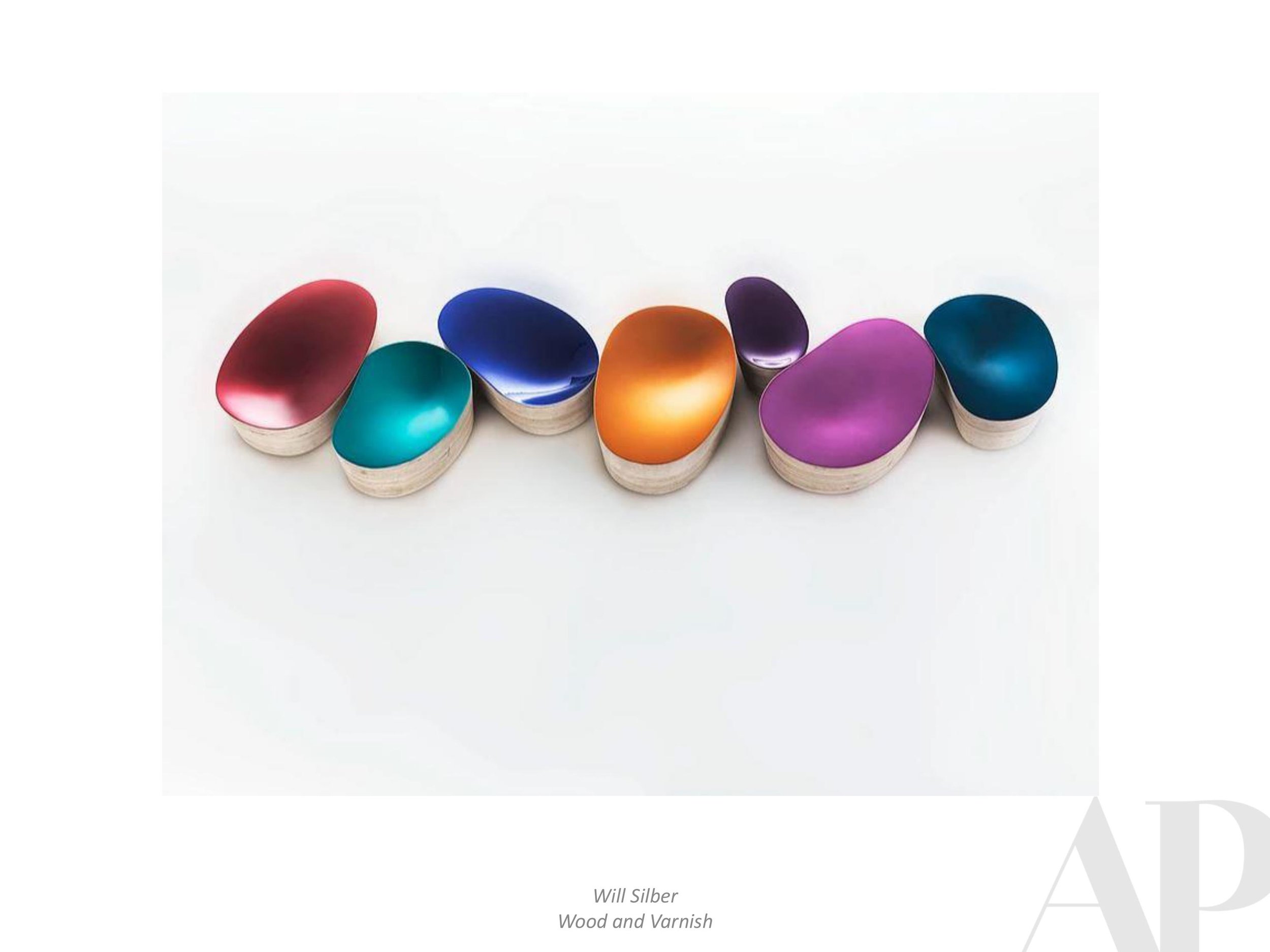
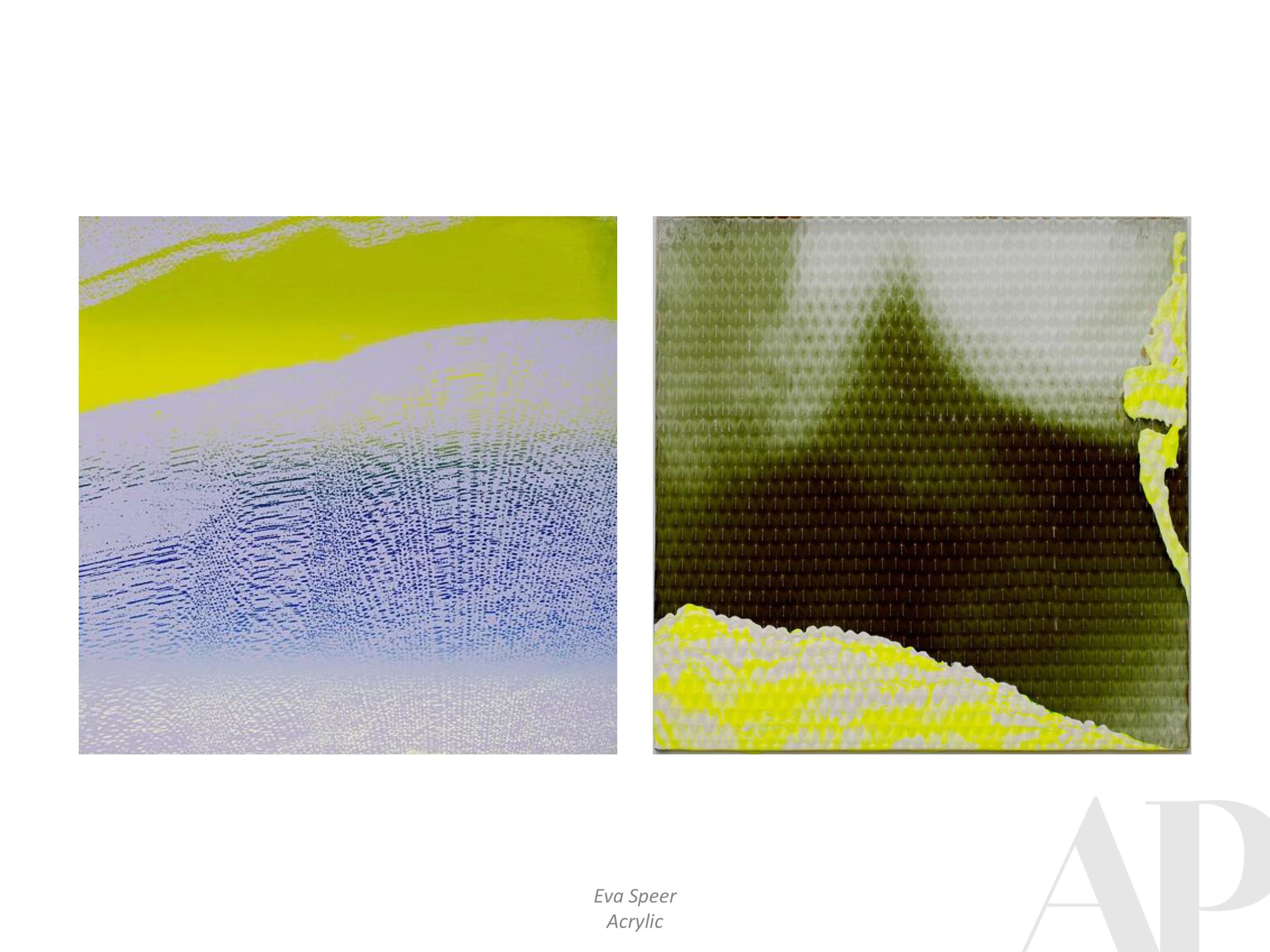
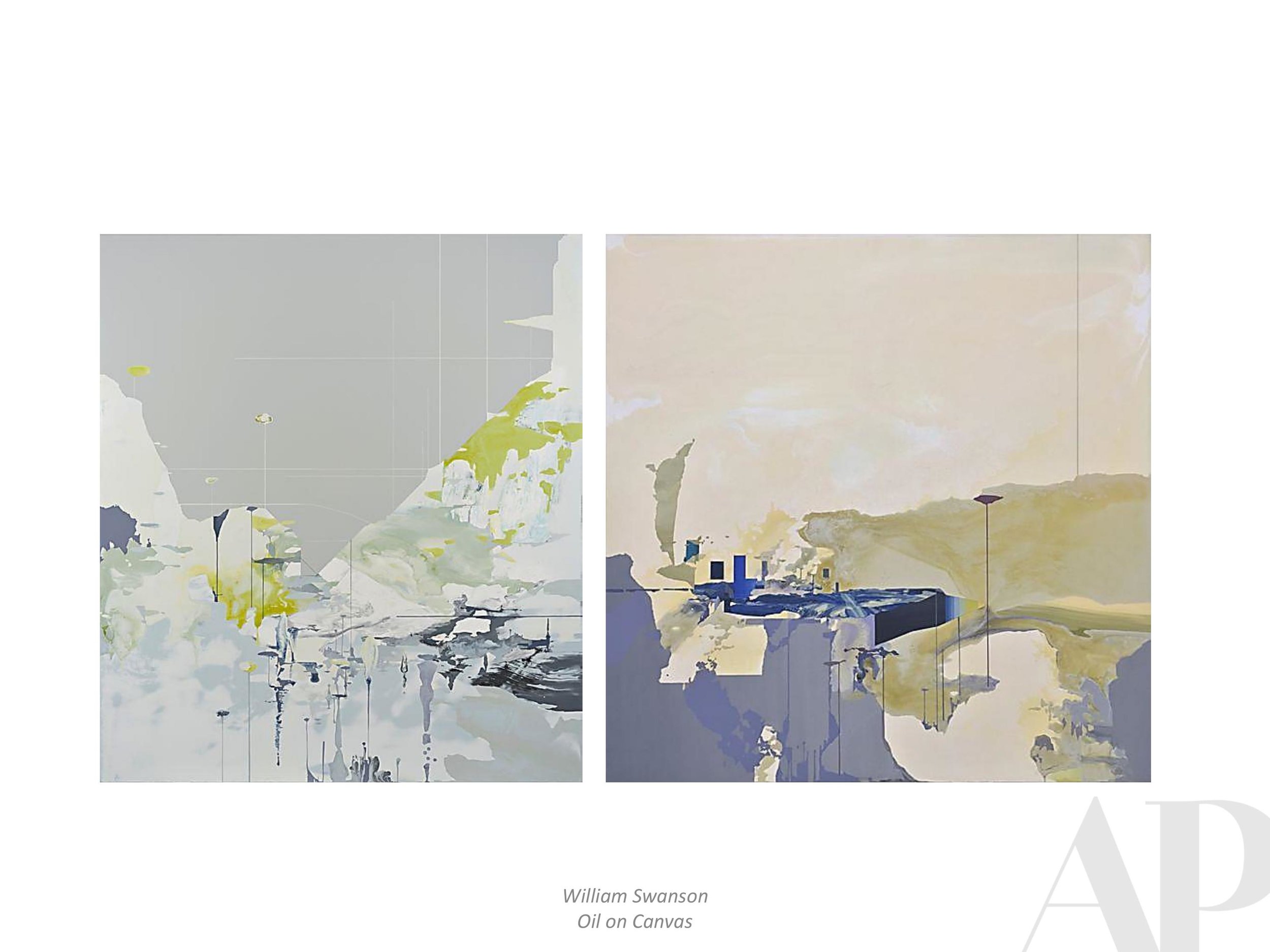
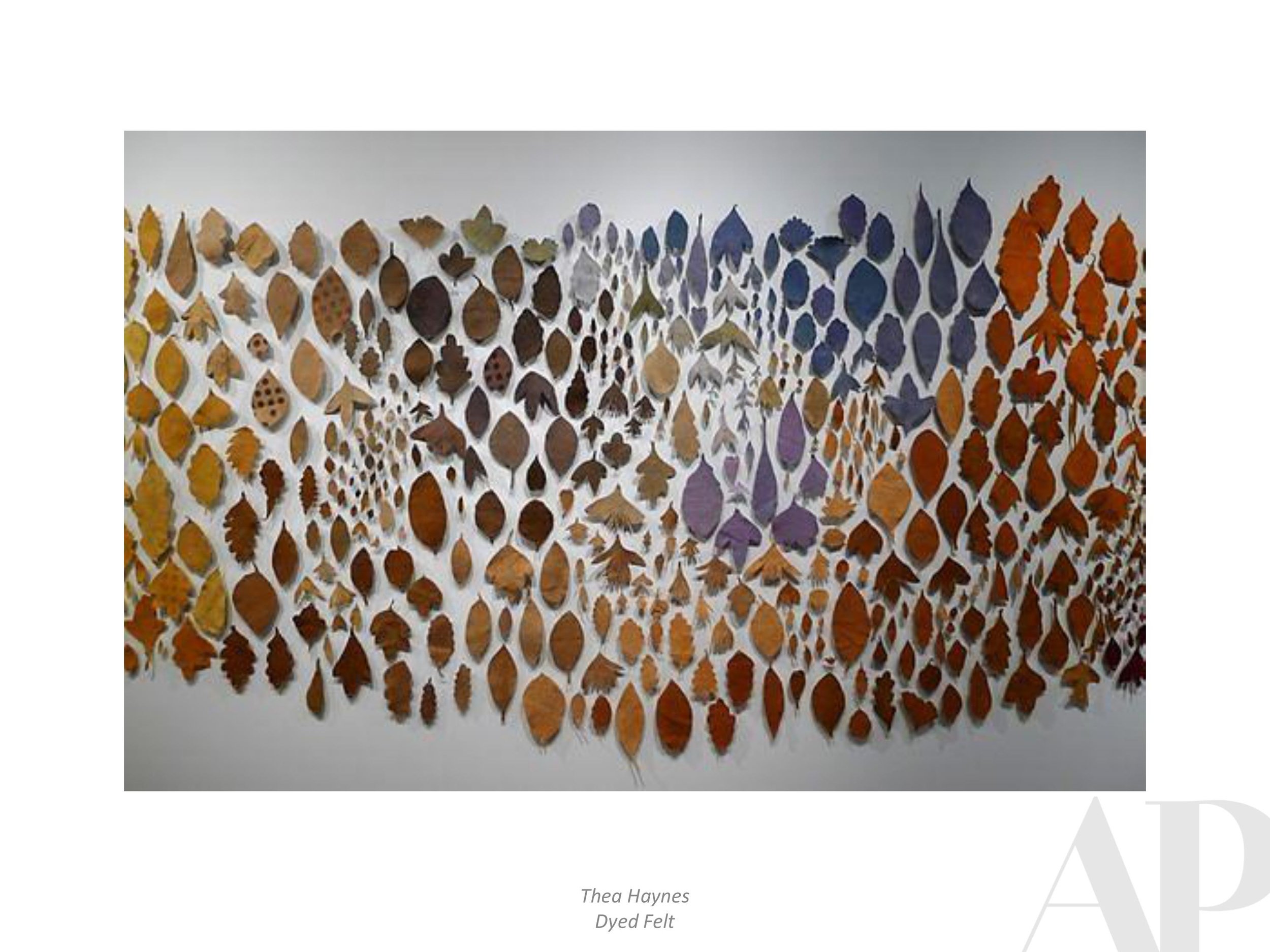
Your Custom Text Here


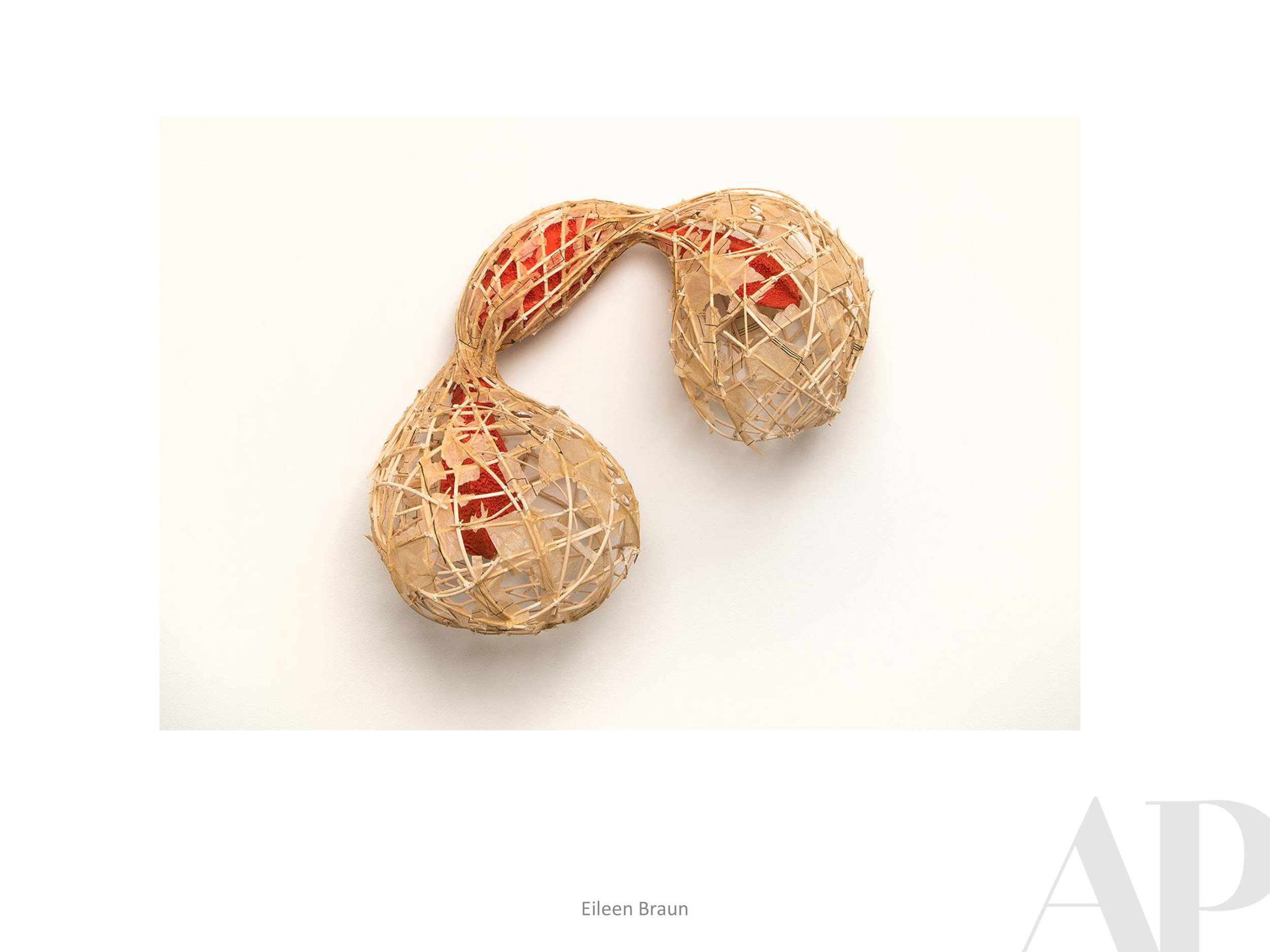
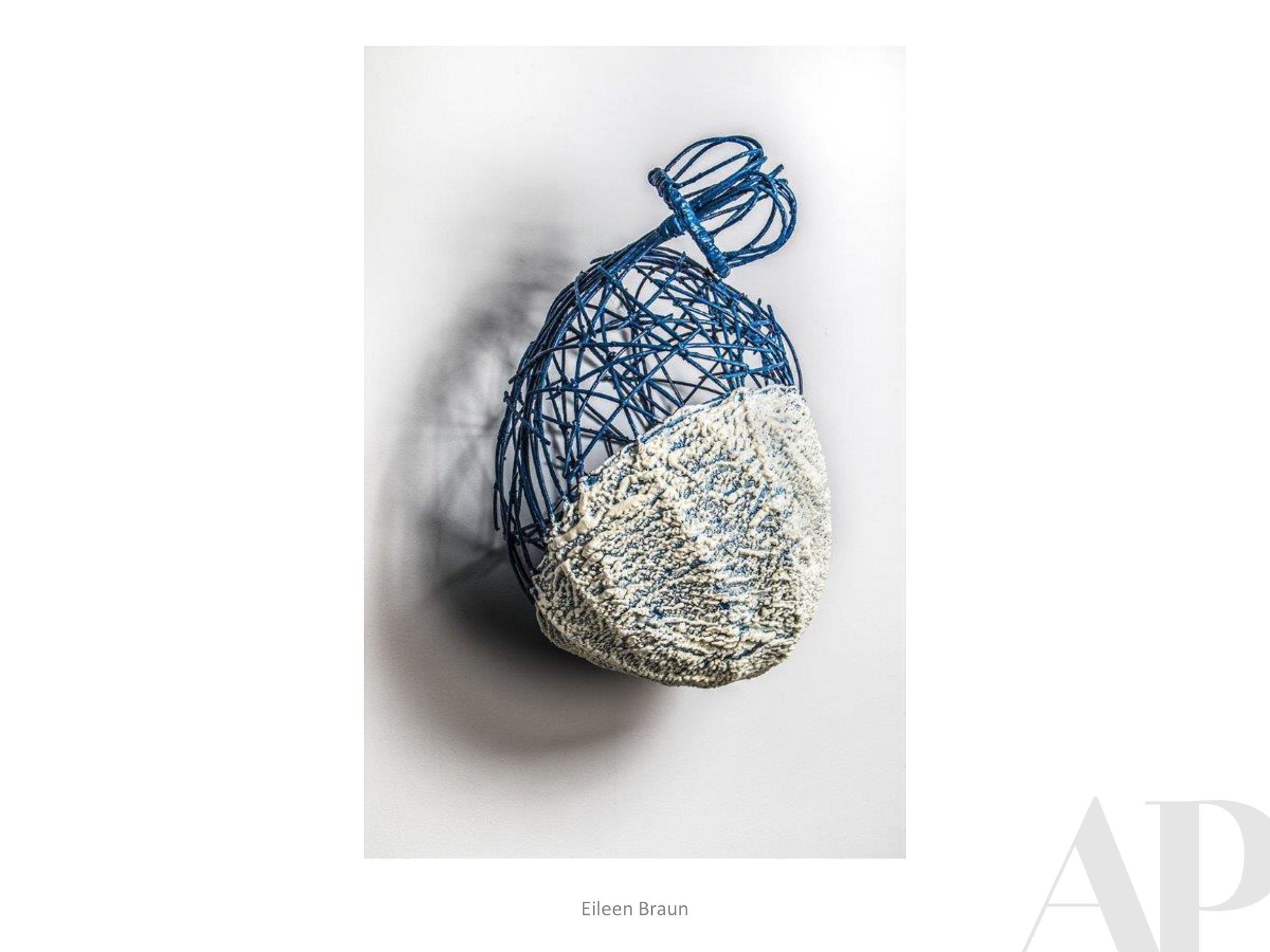
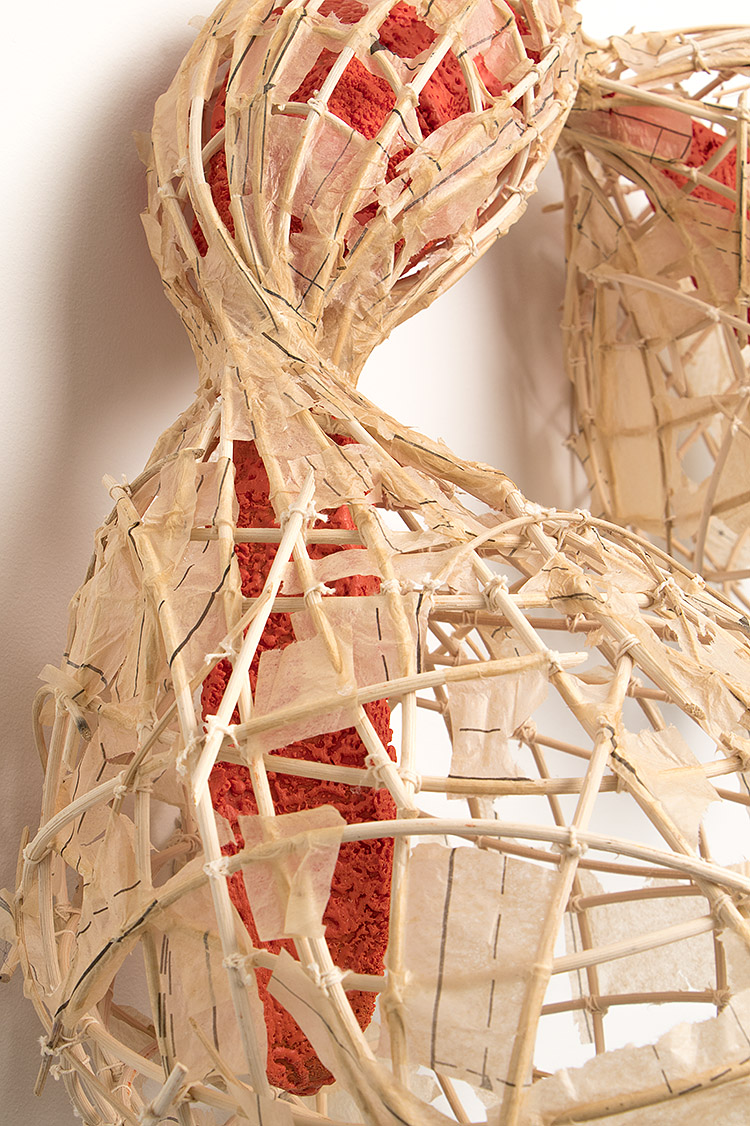
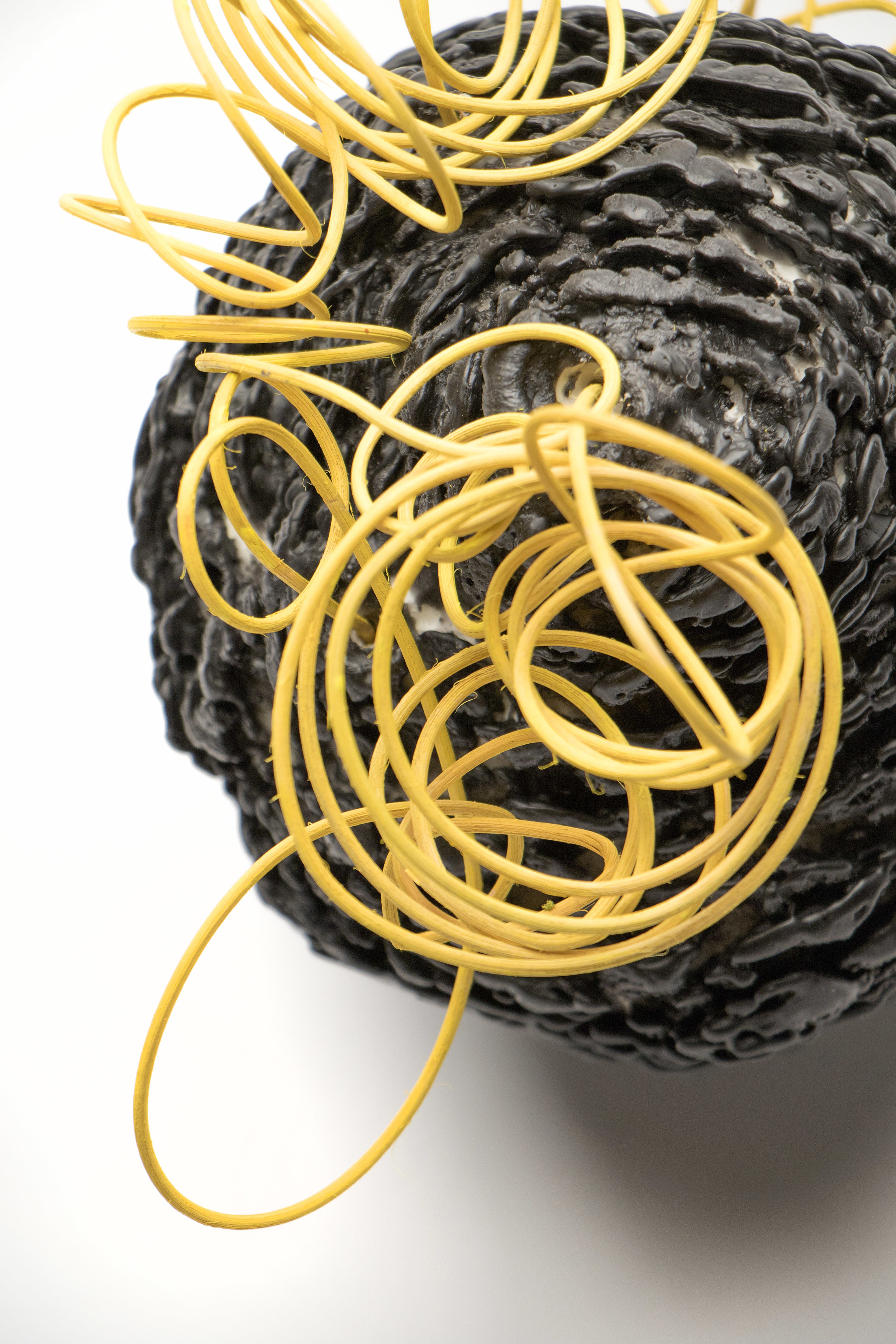
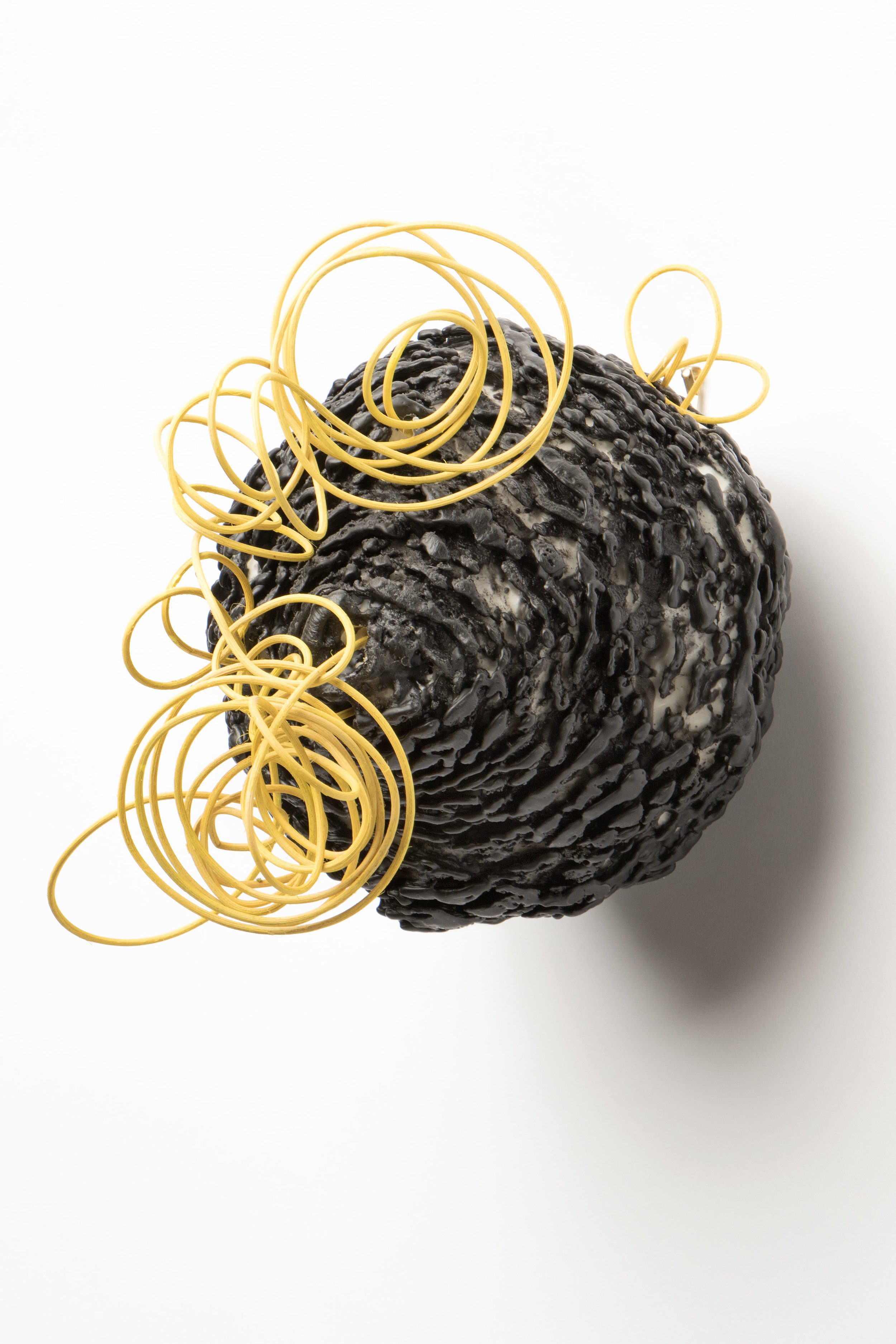
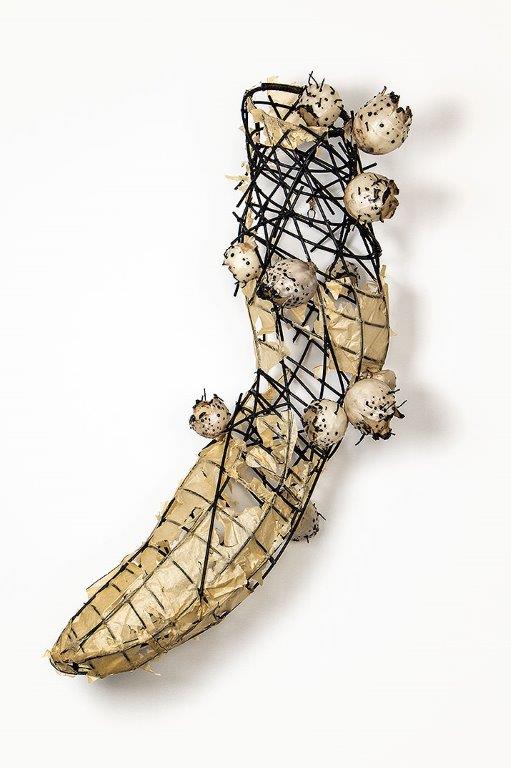
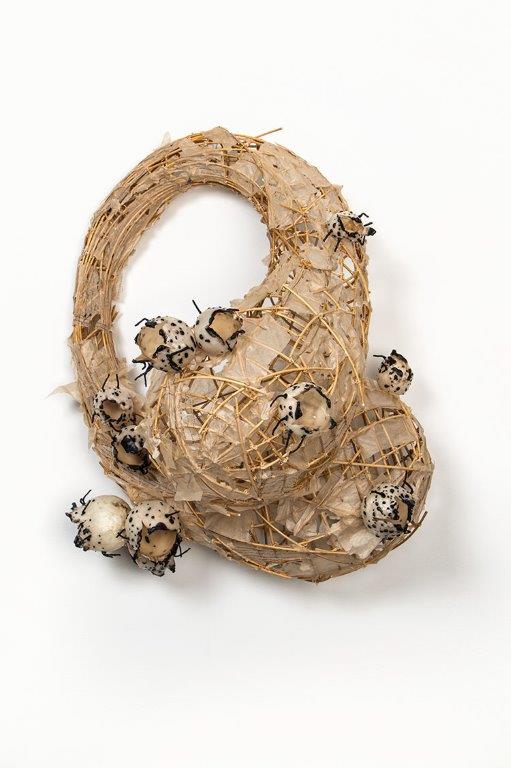
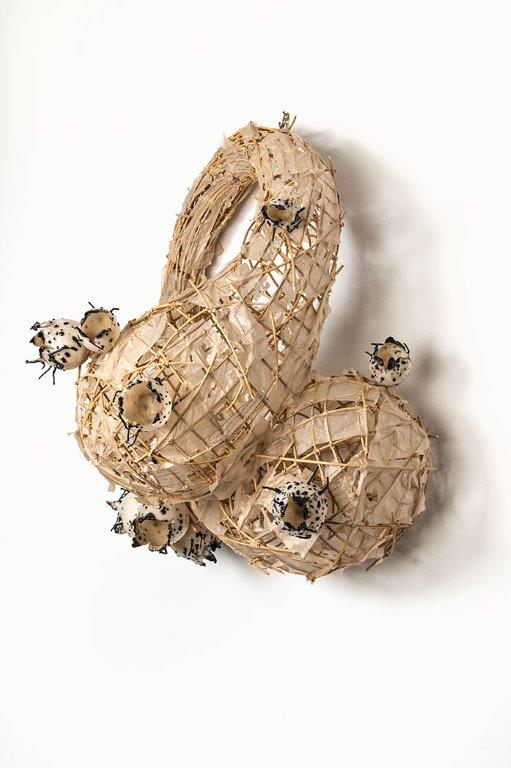
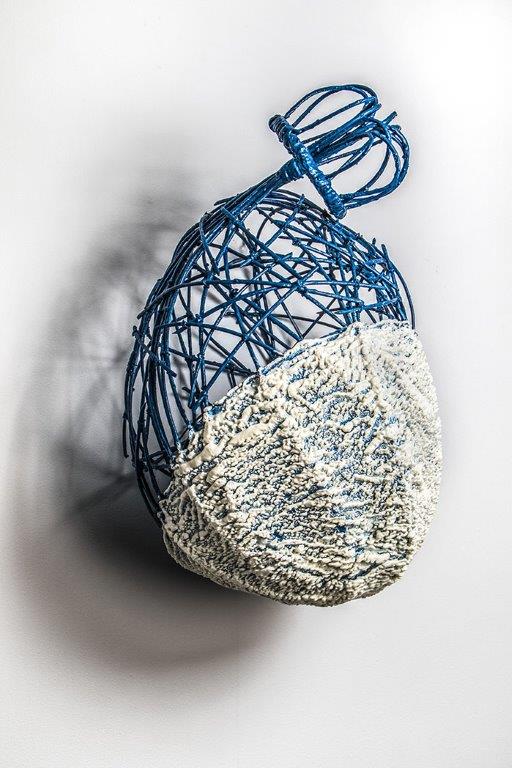
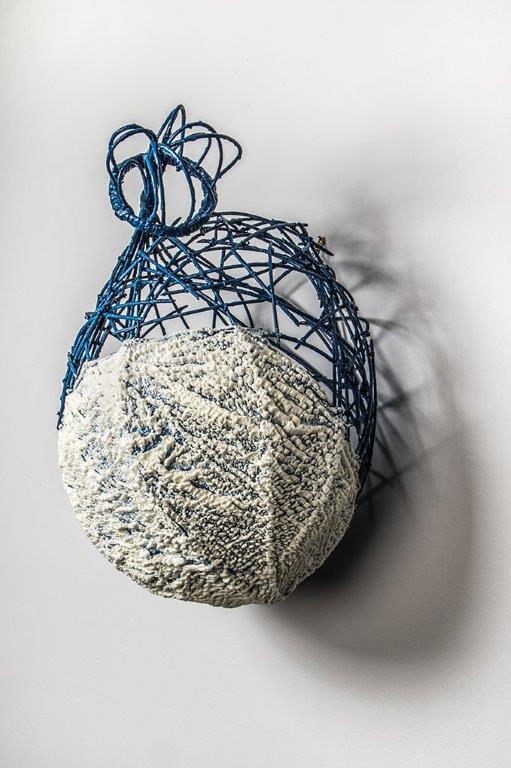
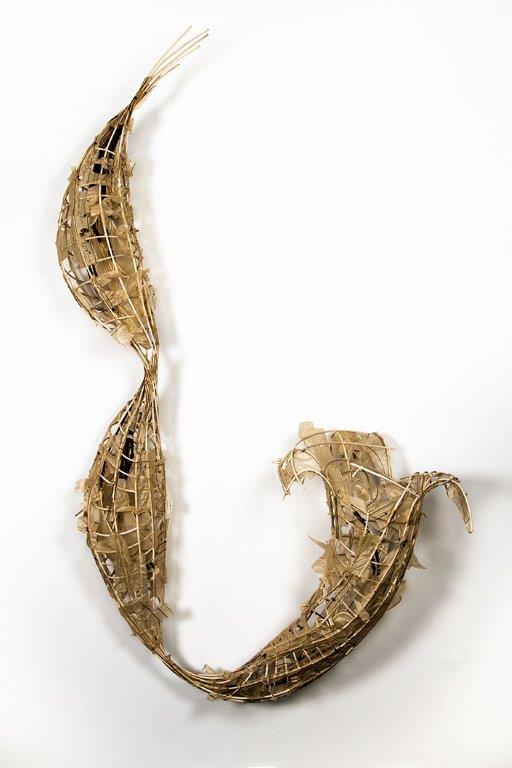
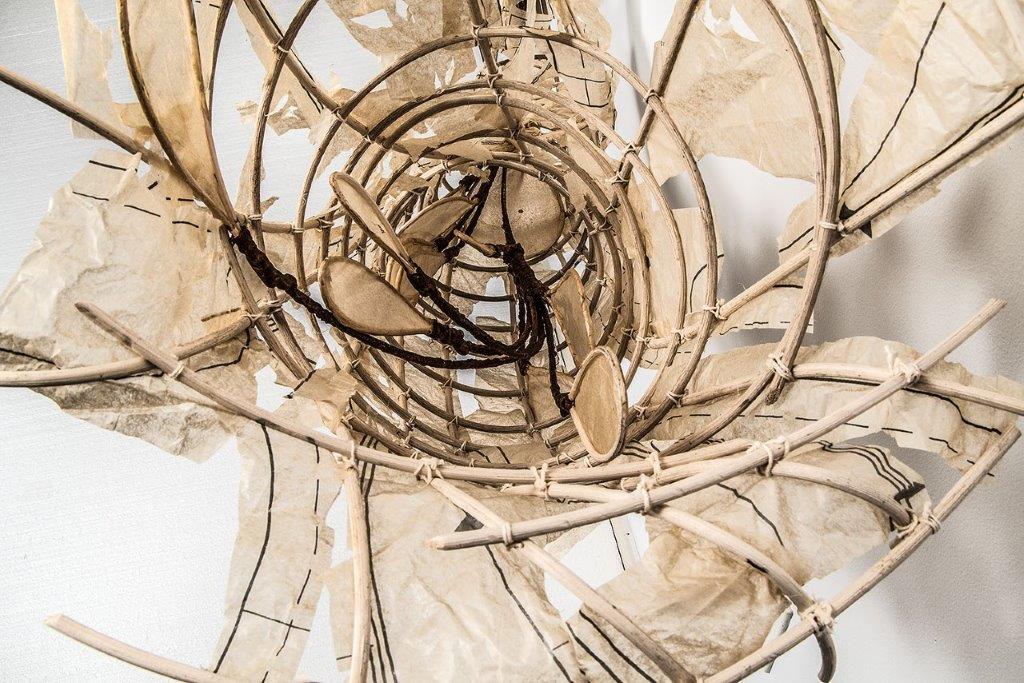
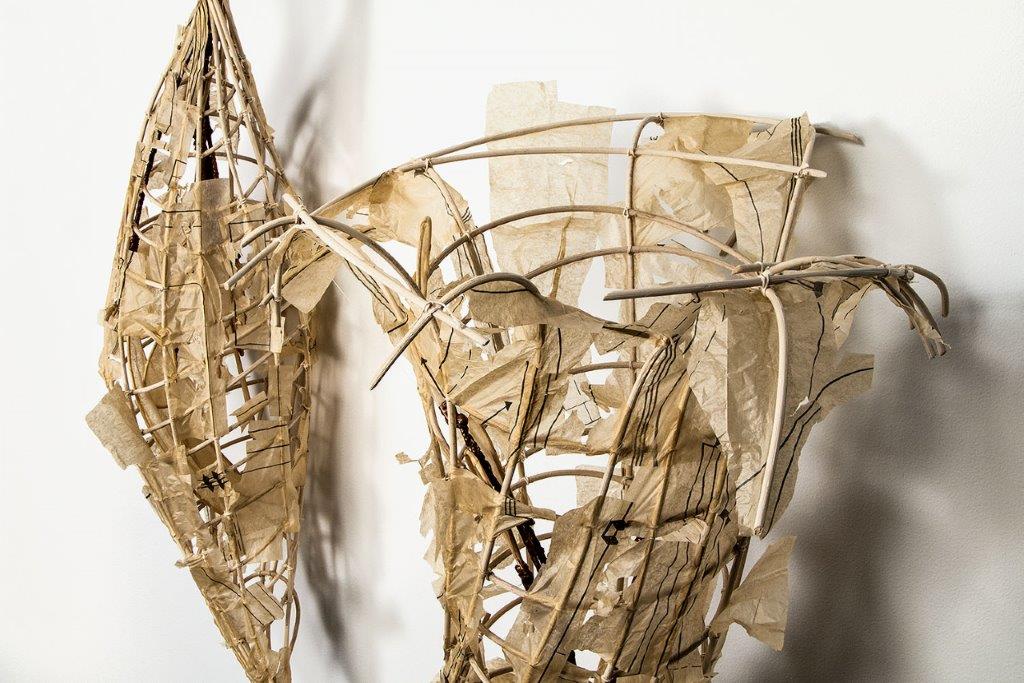
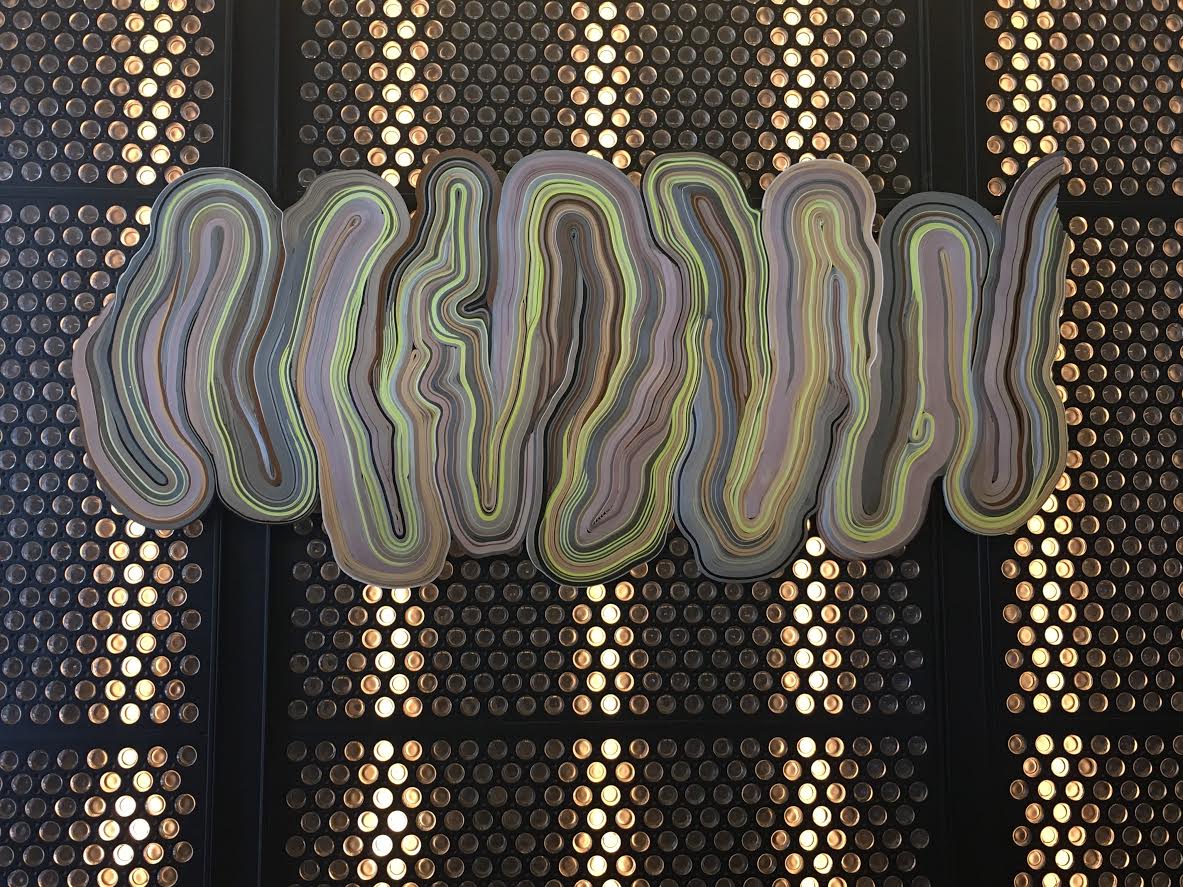
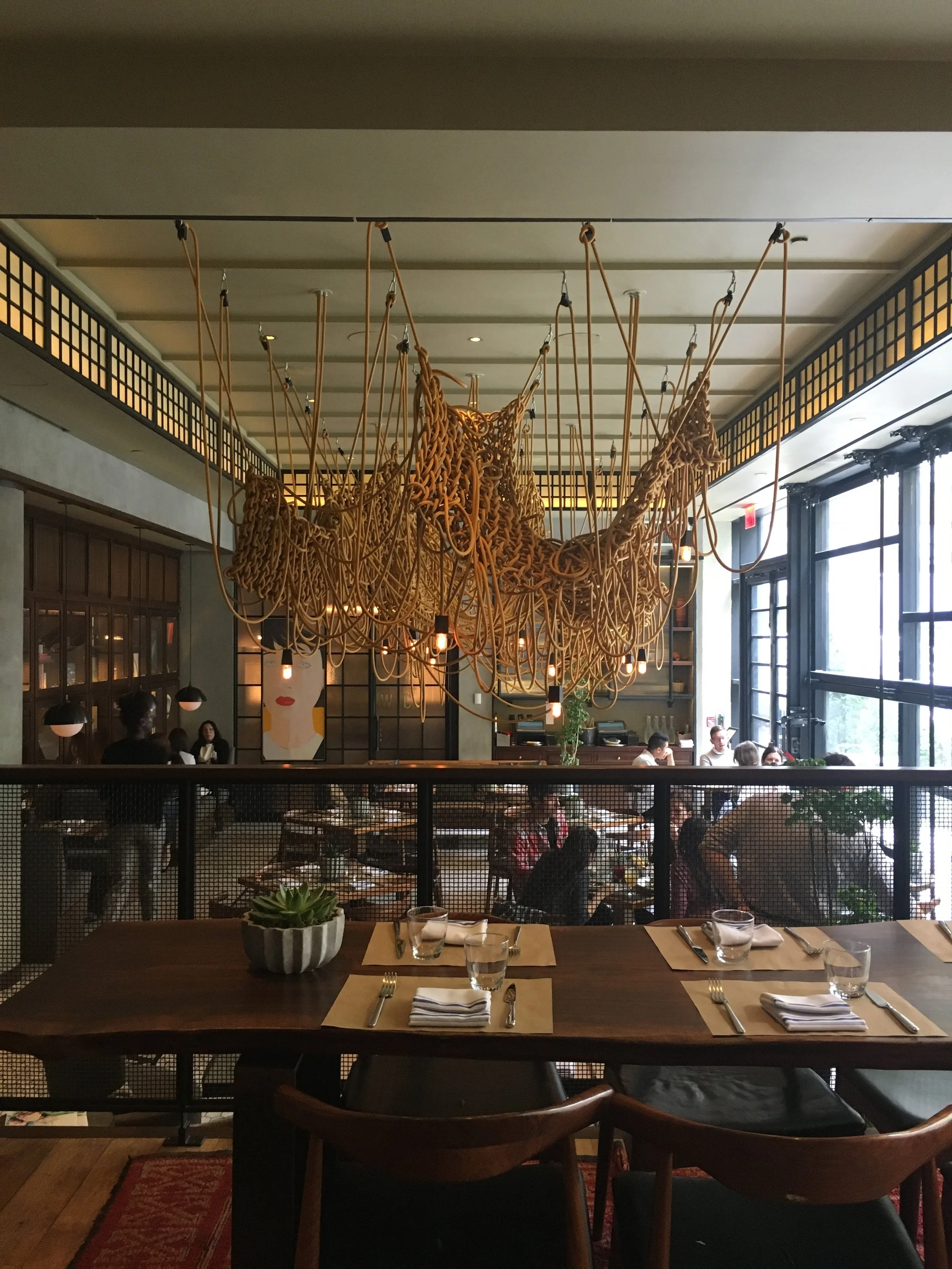
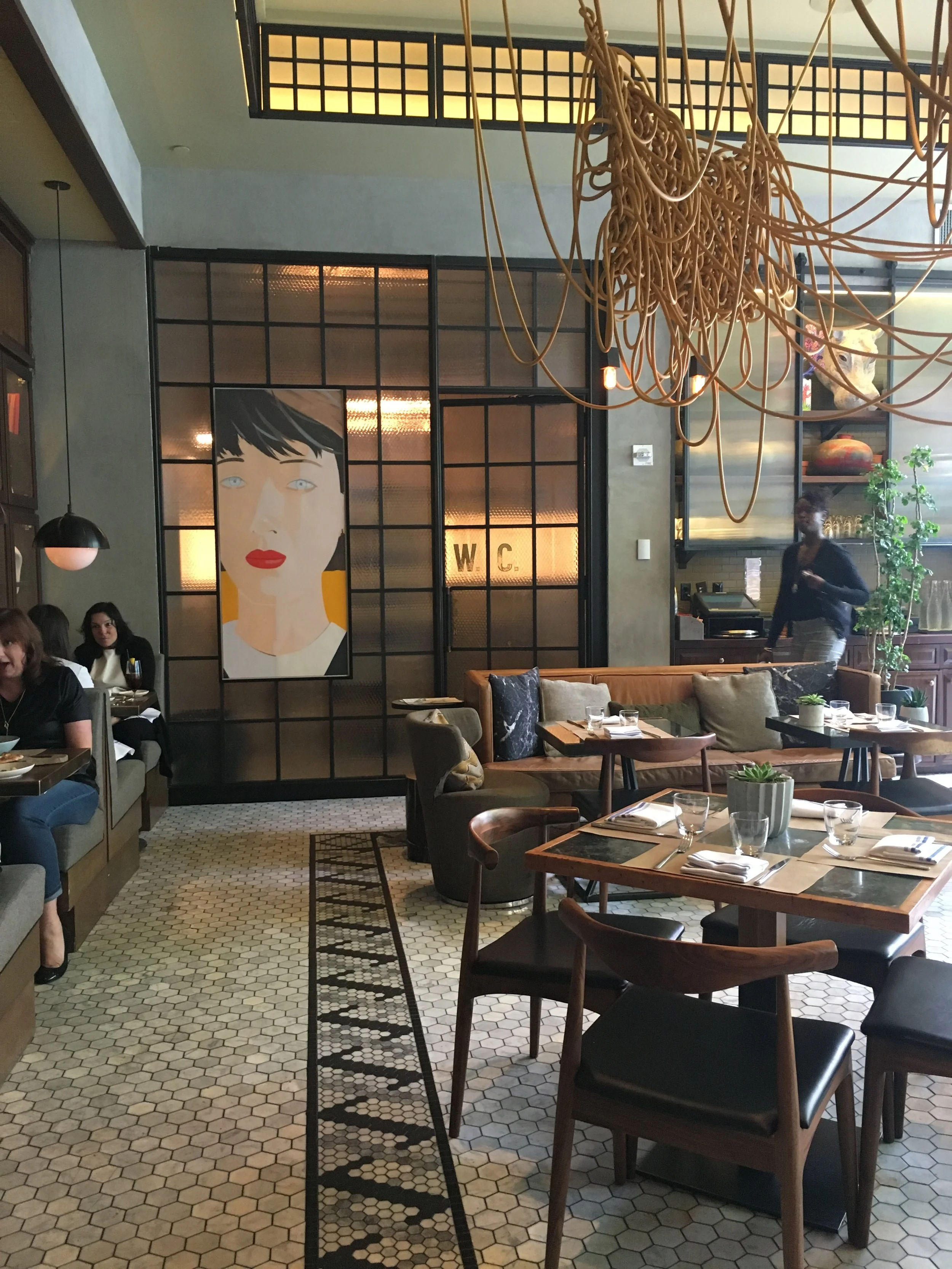
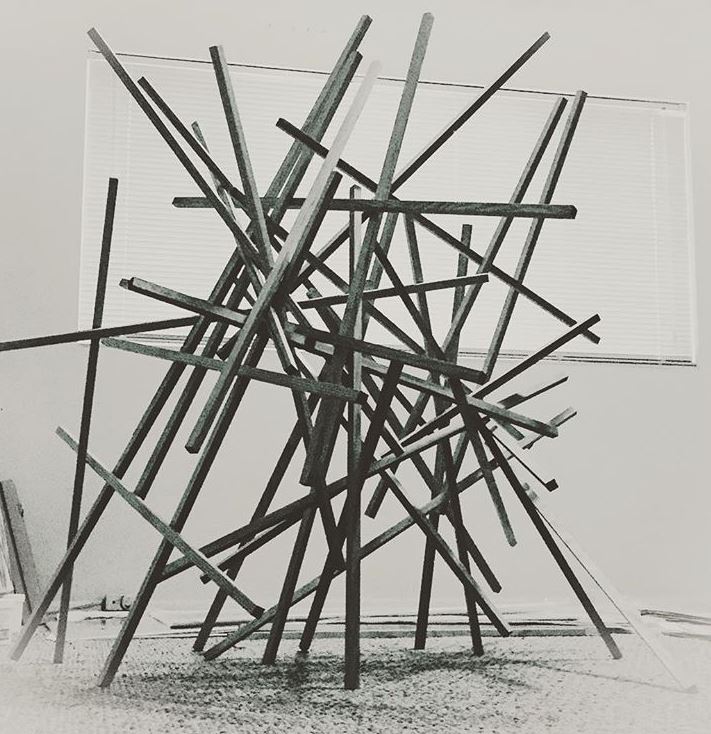
Eileen Braun, Smoke, 2017, rattan reed, wax, pigment and string
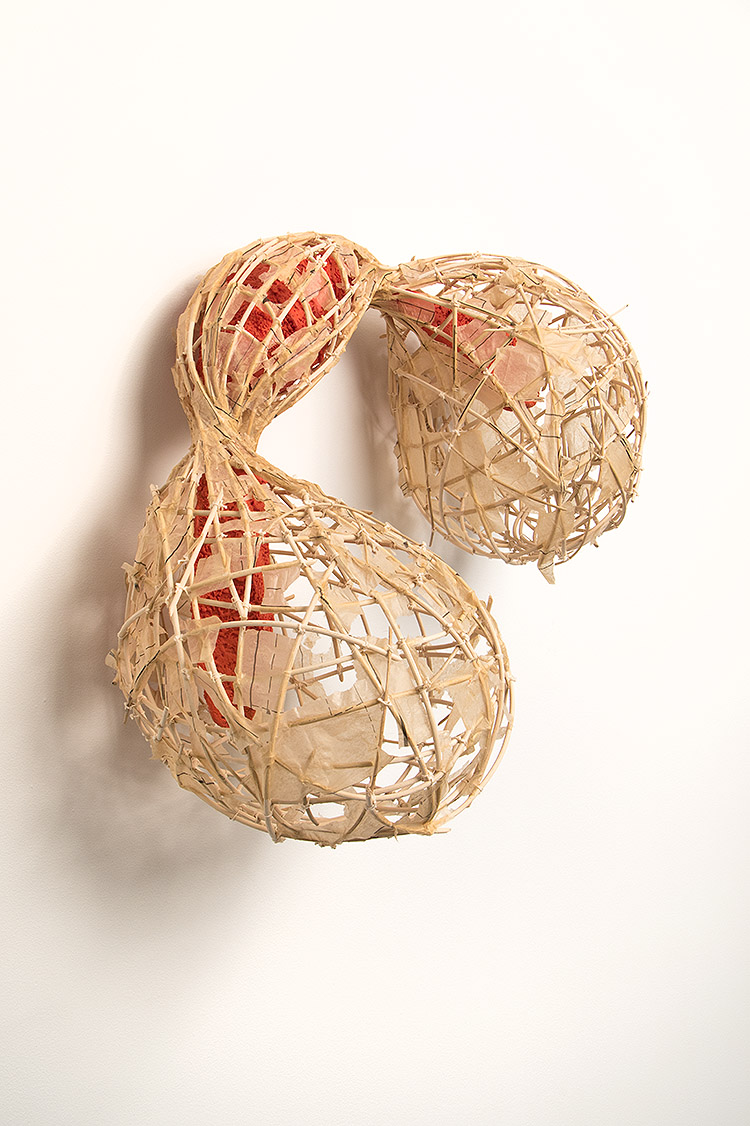

ILLUSTRATION: COURTESY OF PHASE:3 MARKETING AND COMMUNICATIONS
(Garden & Gun Magazine, November 15, 2017)




_______________________________________________________________________

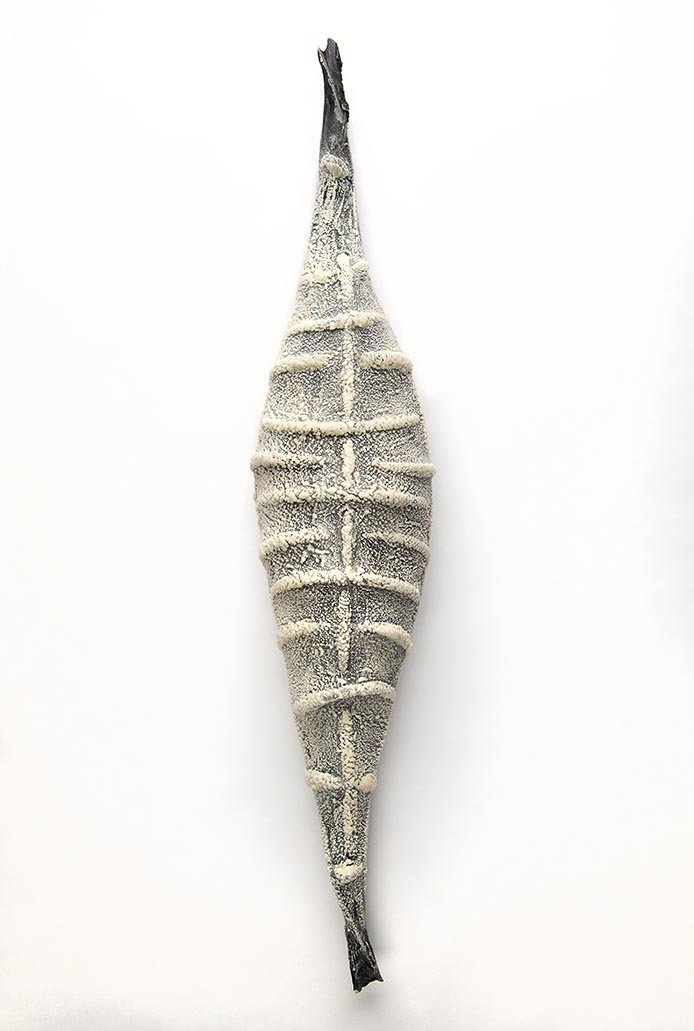
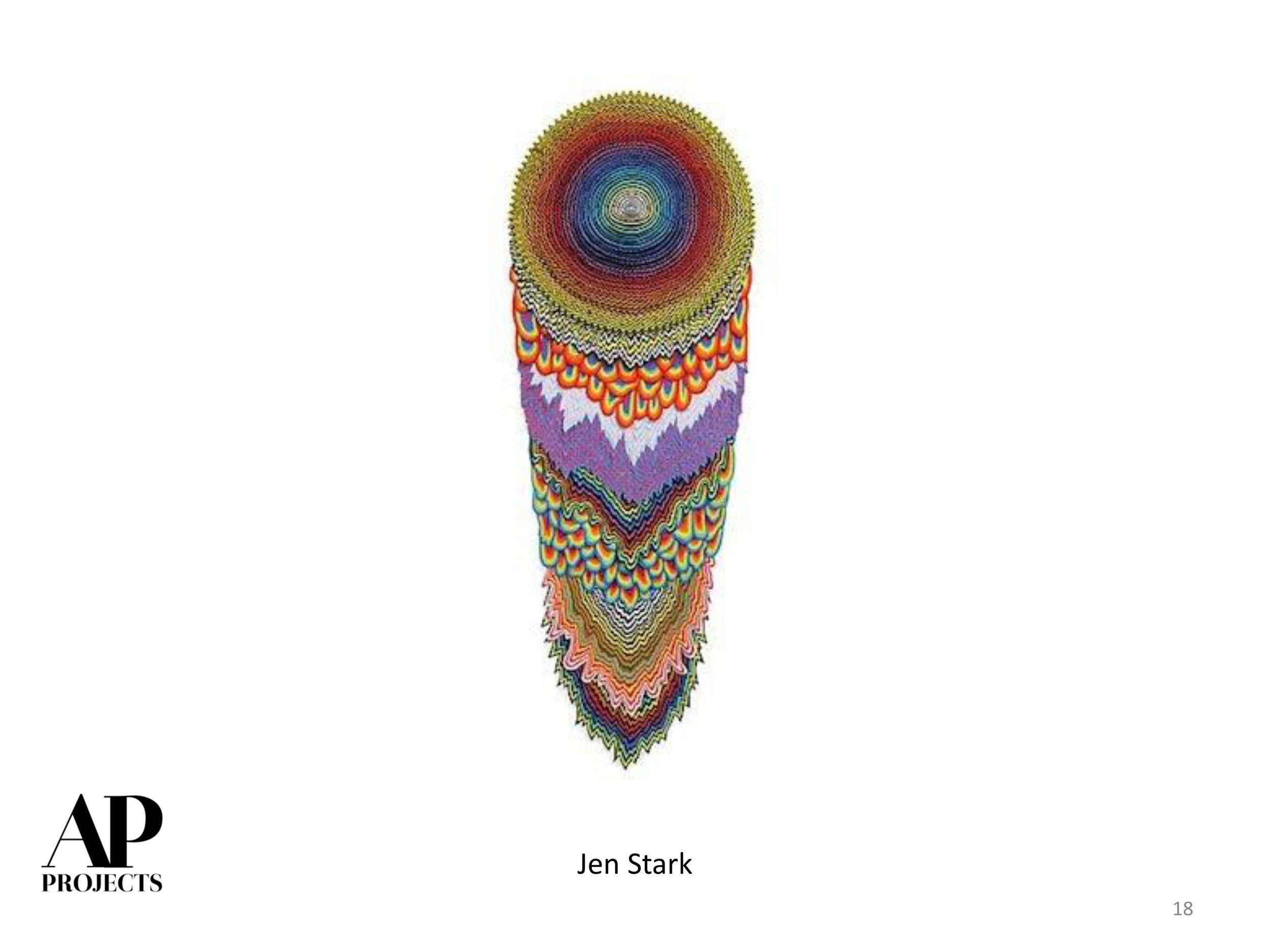
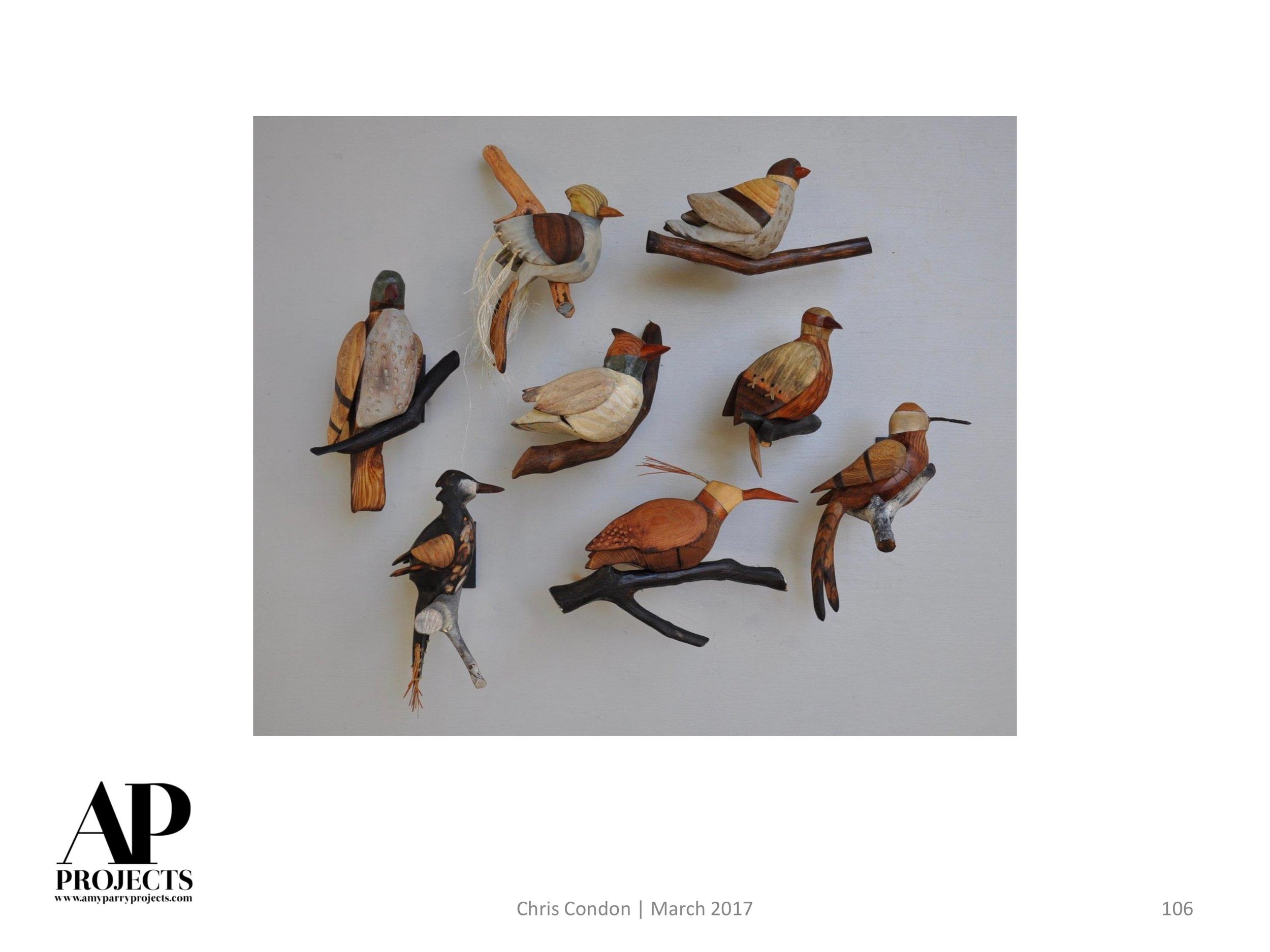
Hawks, 2017, hand-carved feathers, 60.75 x 23 x 2 inches


Please admire the gorgeous mural that was selected for the oval wall above The Dining Room of Chef Linton Hopkins' new ATL Steakhouse, C. Ellet's. The imagery is in reference to the landscape surrounding the Mississippi River where the restaurant's namesake, Charles Ellets Jr. served as an impressive US Army Corps Engineer/Colonel during the Civil War building canals and bridges, managing water flow and planning future river navigation for the US Military.
The 9 x 84 foot mural is mysterious and ethereal, hand-embellished with metallic paints by Seattle-based artist, Maeve Harris.
Learn more about ATL's newest Steakhouse here in a recent article by Eater Atlanta.
And just wait until you see the additional 70 foot mural in the stunning C. Ellet's Club Room!
C. Ellet's was Designed by Square Feet Studio with Art Consulting by Amy Parry Projects
The Beekman Hotel, NYC
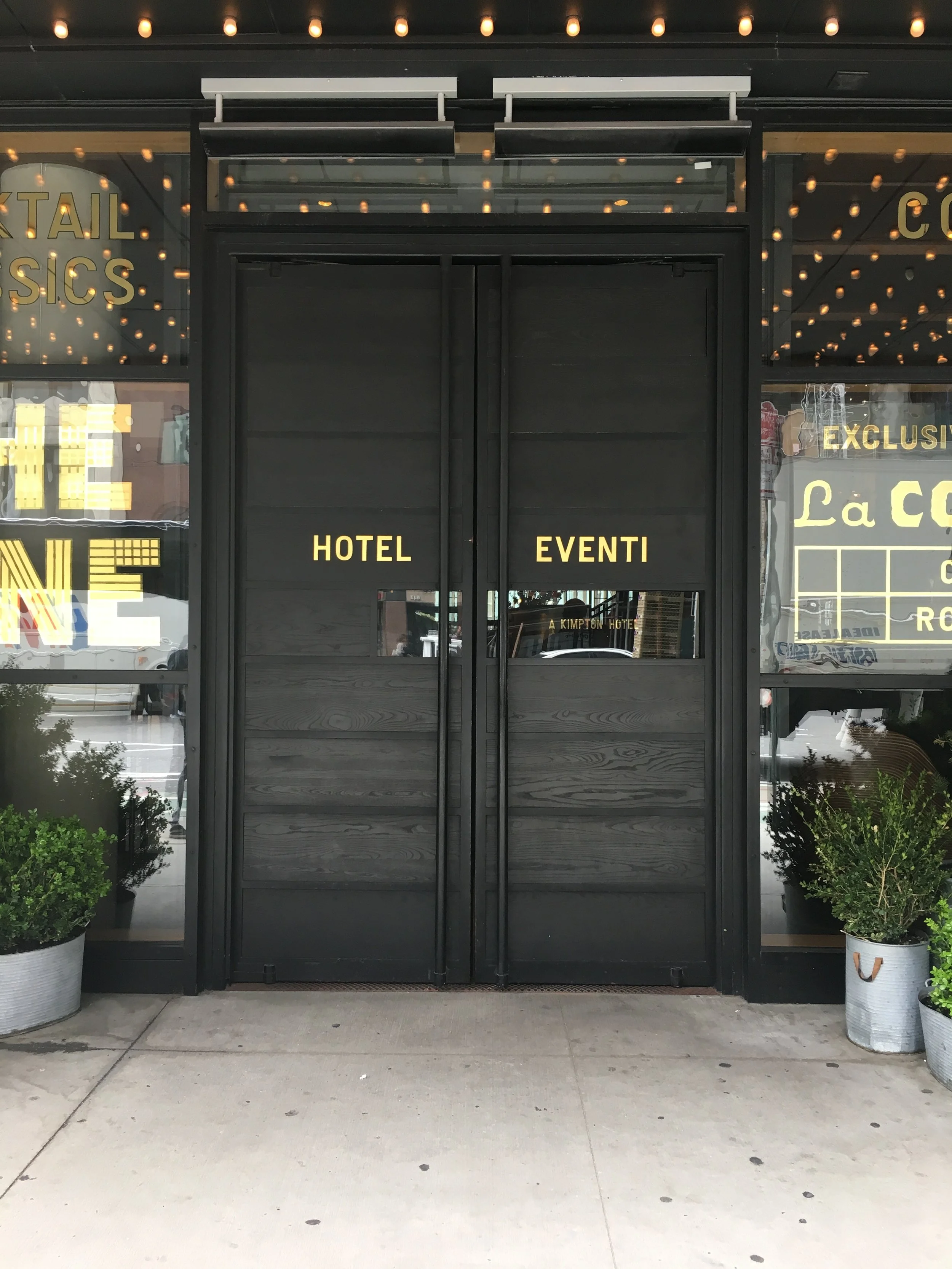
Another inspirational spring trip to NYC means another post about boutique hotel excellence, this time an overview of Hotel Eventi (A Kimpton Hotel) and The Beekman Hotel (a Thompson Hotel). What these two hotels do well is offer a complete immersion into the feel of the NYC neighborhood in which they are situated. They also boast new and incredibly impressive art packages, put together by some of the best curators out there. To snag a tagline from Hotel Eventi, both of these hotels are “redefining hotel art.” And while art is just one aspect of the visual luxuries you will encounter walking into each of these hotels, the quality of the art is what elevates them to the truly high-end.
HOTEL EVENTI
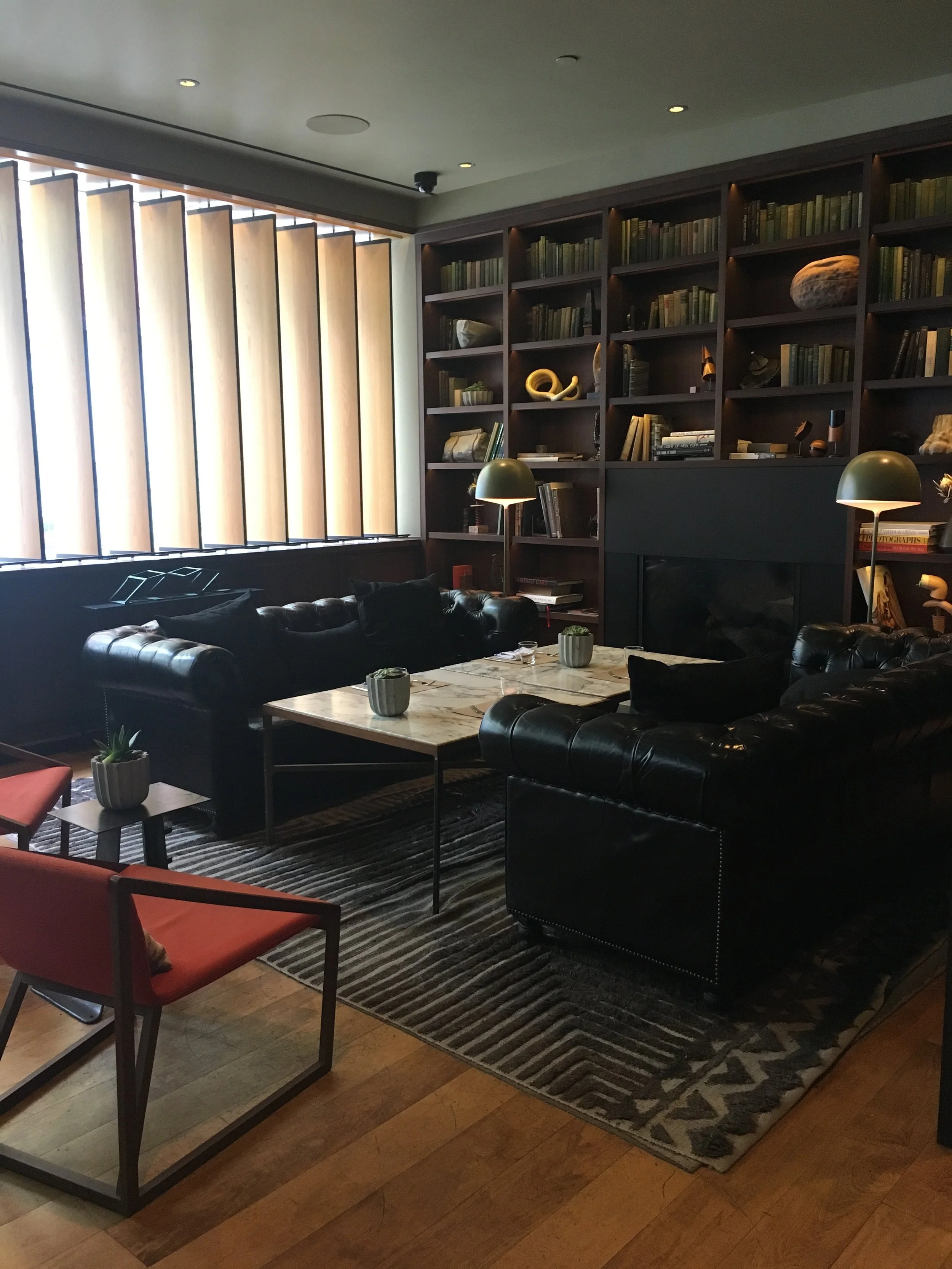
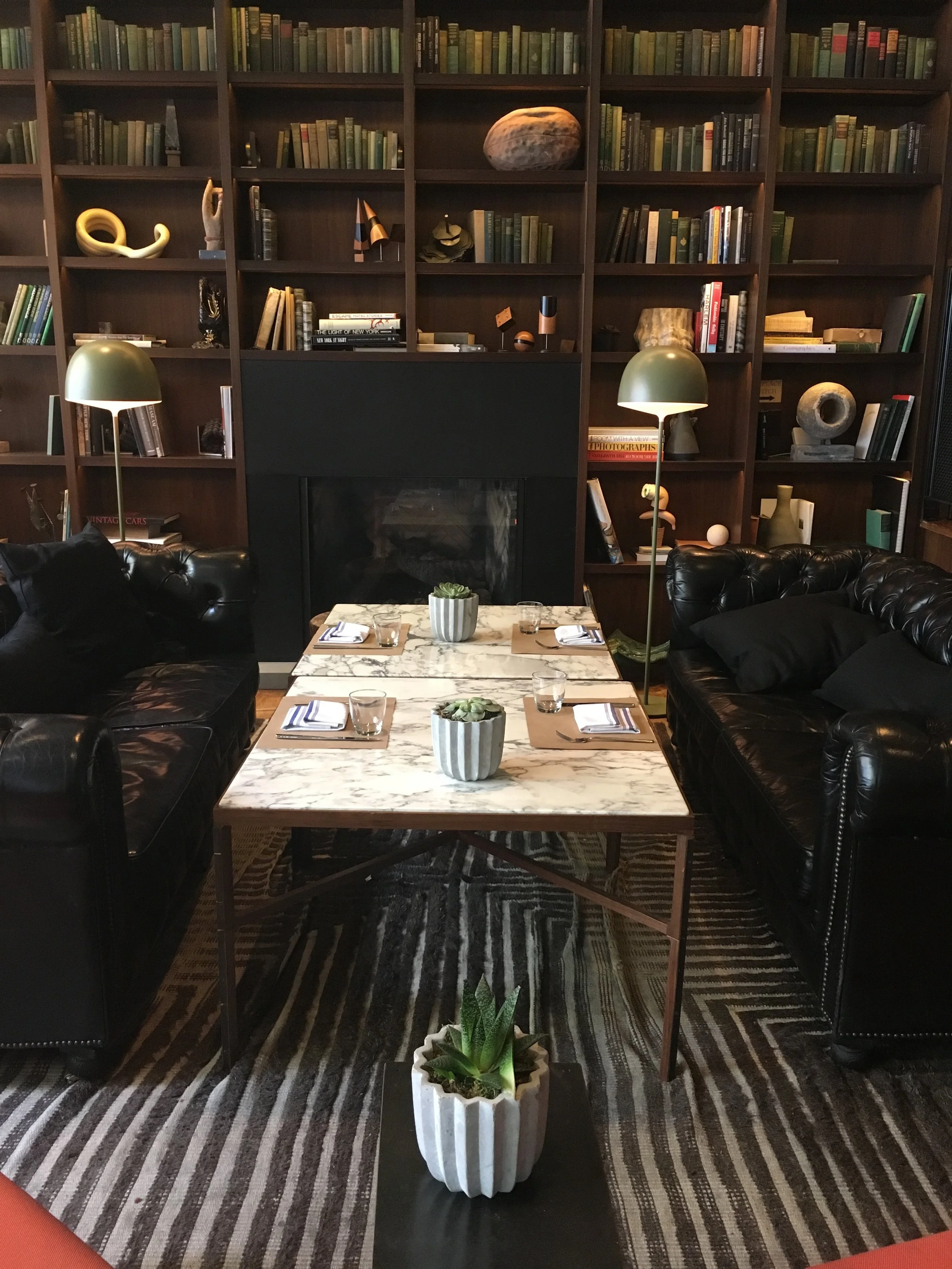
Hotel Eventi is as hip as it gets - it feels very much like you just stepped into a wealthy collector's city apartment. The work is sort of nonchalantly placed around the main level, yet many of the works are instantly recognizable. Eventi's collection is made up of contemporary work, which is fitting since the hotel is right in the heart of Chelsea, arguably one of the most influential, art rich districts in the world. Reunion Goods & Services is who we have to thank for the impressive design, and the art was selected by curator (visionary) Kyle DeWoody. The hotel effortlessly carries an "artful atmosphere" and despite the high caliber of work, it all feels accessible. Just in and around the lobby you will see work by Barbara Nessim, Alex Katz, and Augustus Thompson. Highlights were the incredible hand-altered mirror by Tony Matelli, the commissioned light fixture/sculpture by Kwangho Lee, a gorgeous Lorna Simpson and a powerful photographic abstract by Mariah Robertson. The Ernesto Leal piece behind the reception desk is also very swoon-worthy. All in all the Reunion Team along with DeWoody have created a thought-provoking, comfortable space in a superior art location in the city. The art and city views you will find in the guestrooms are nothing to sneeze at either.
THE BEEKMAN HOTEL
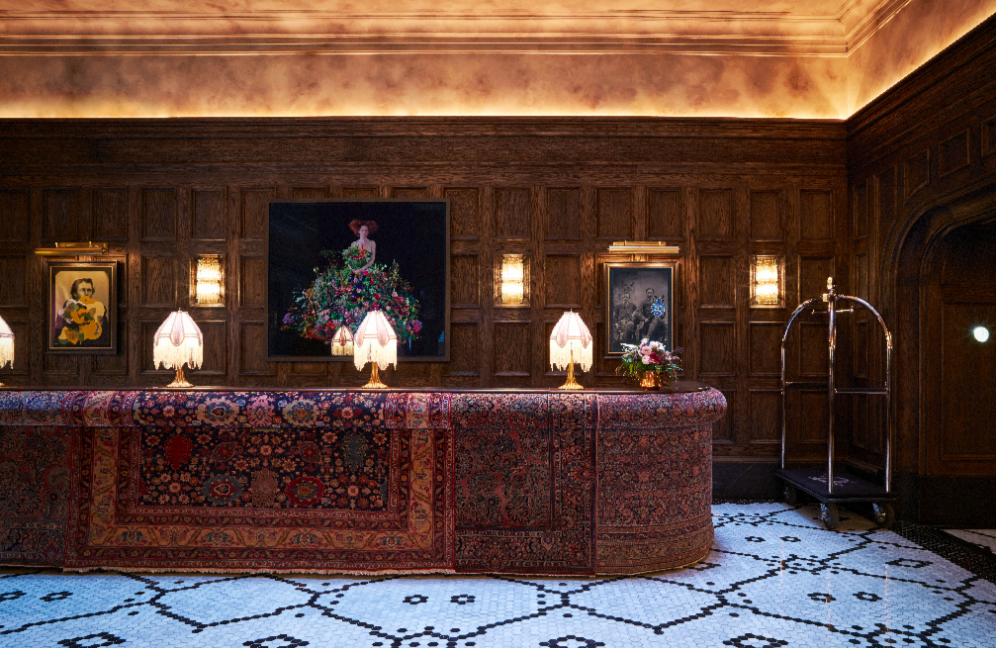
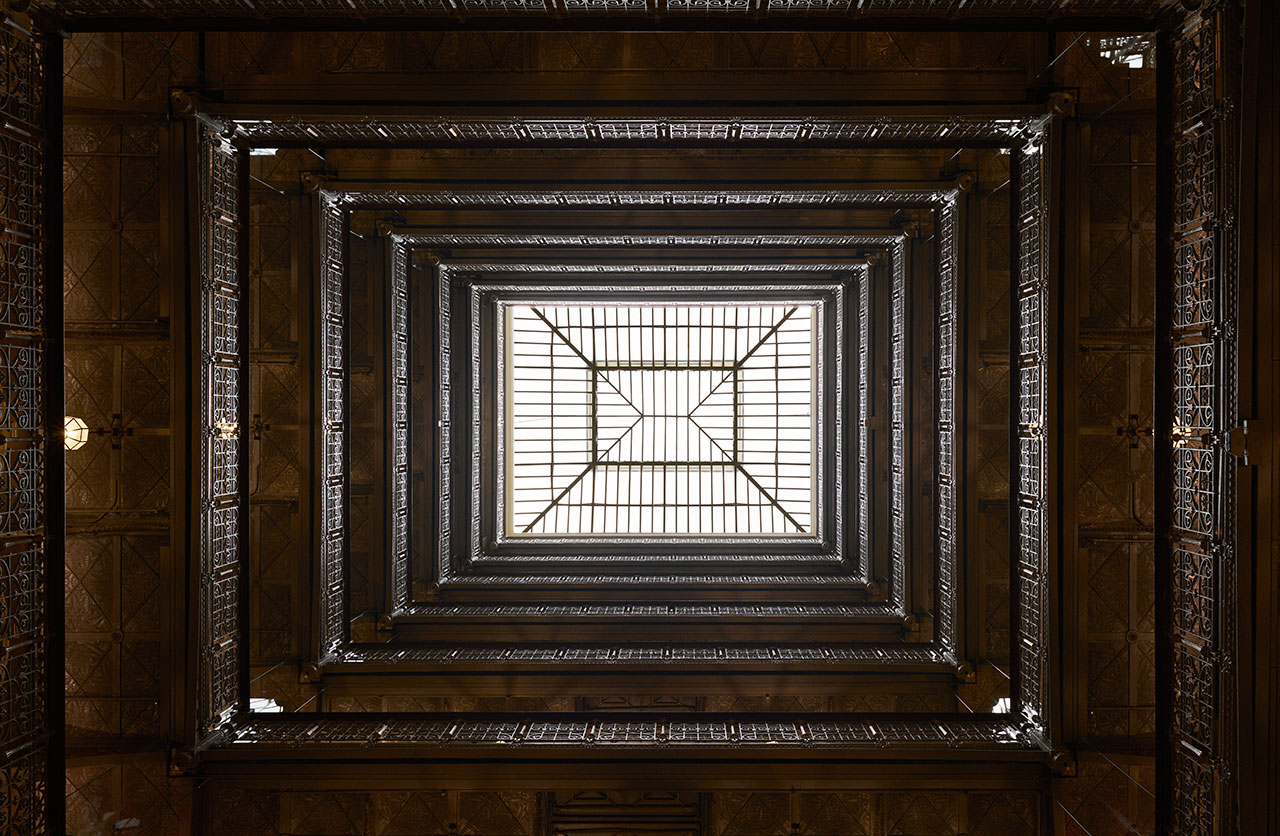
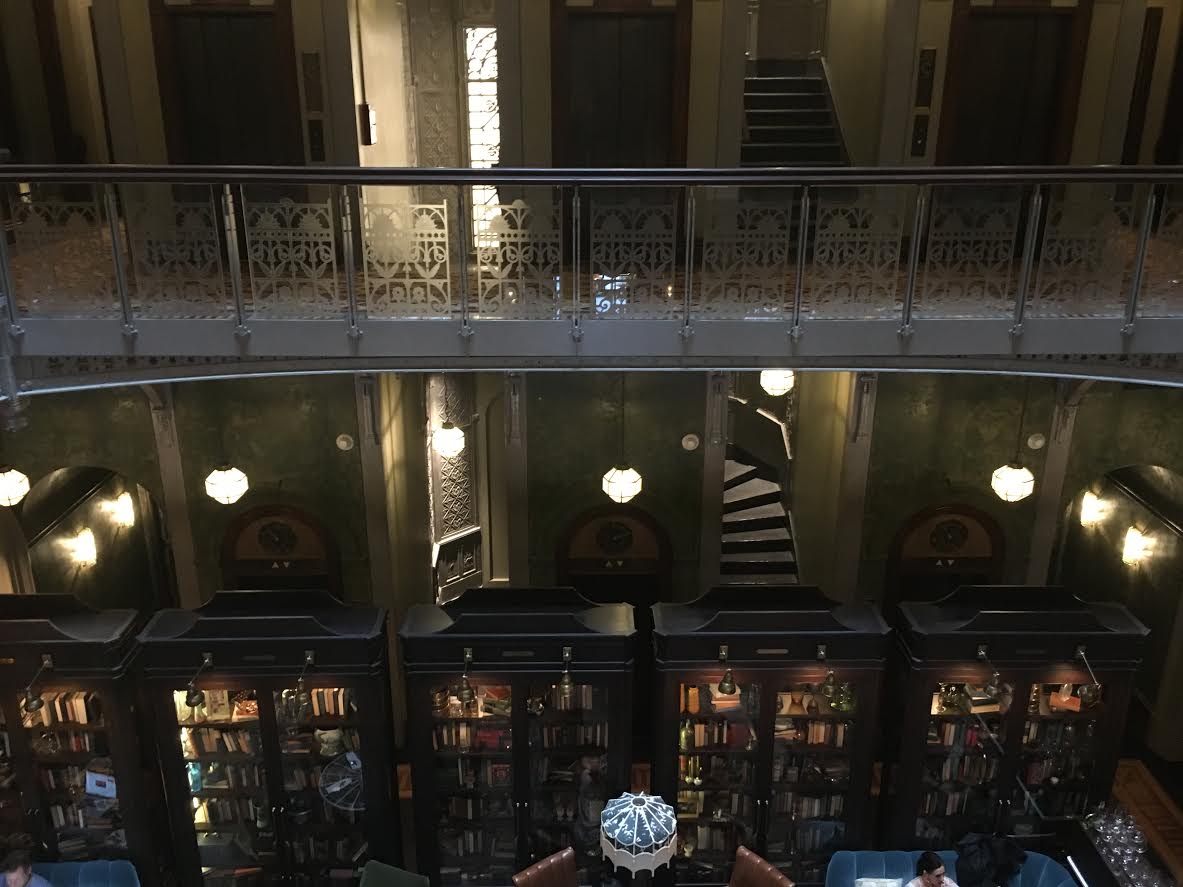
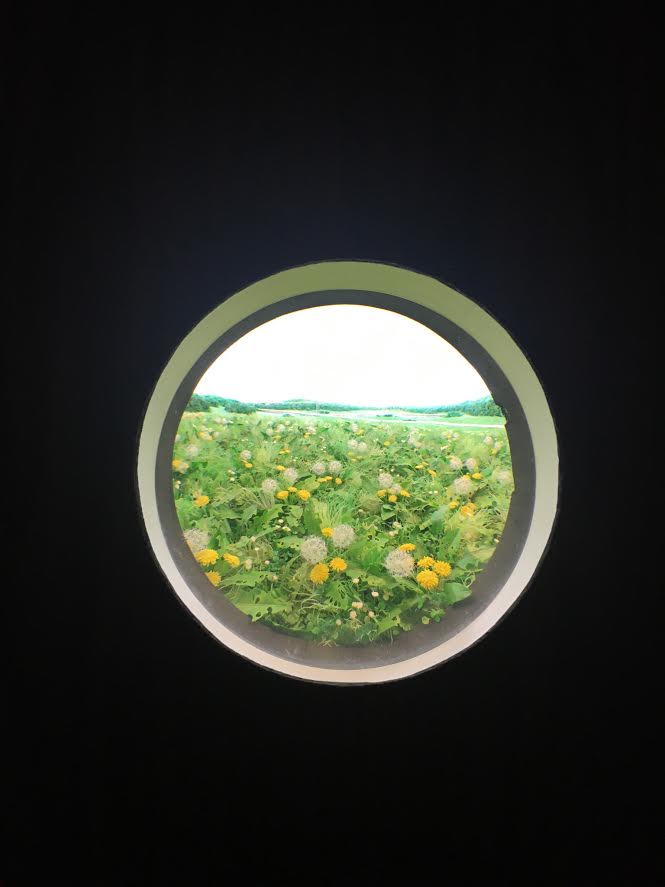
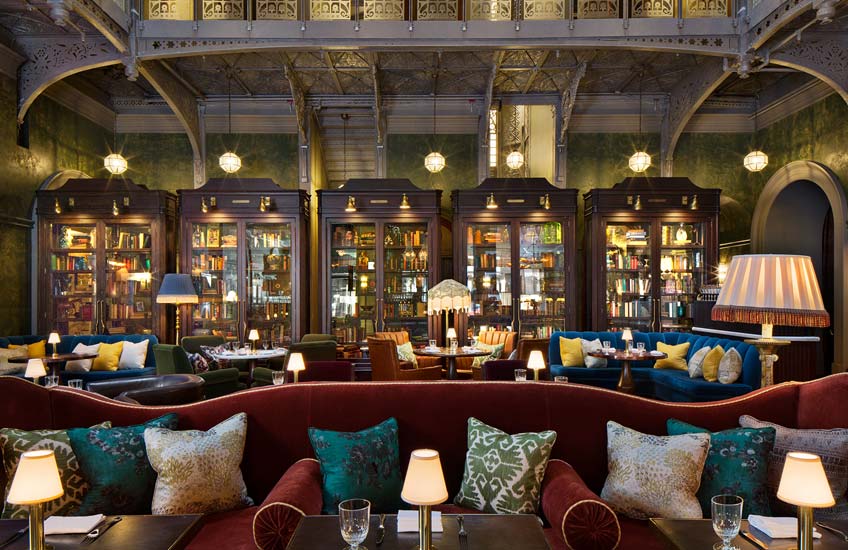
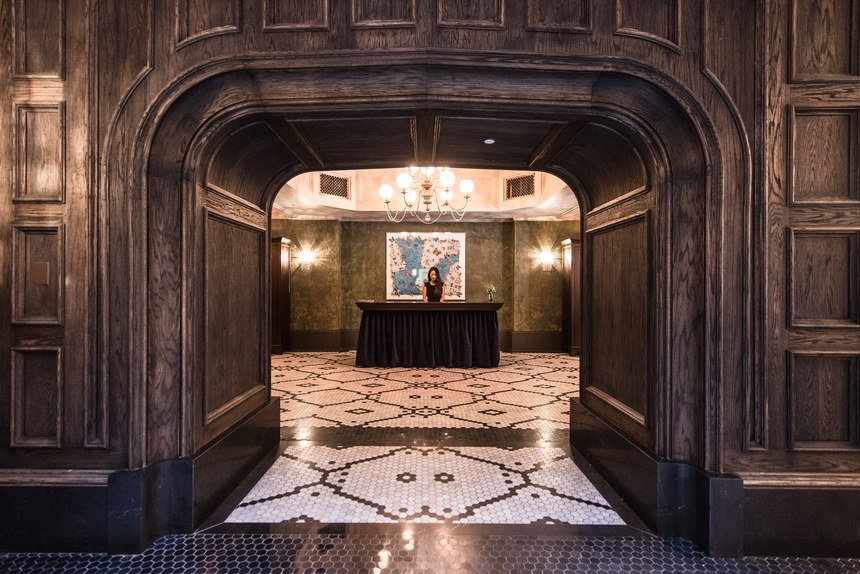
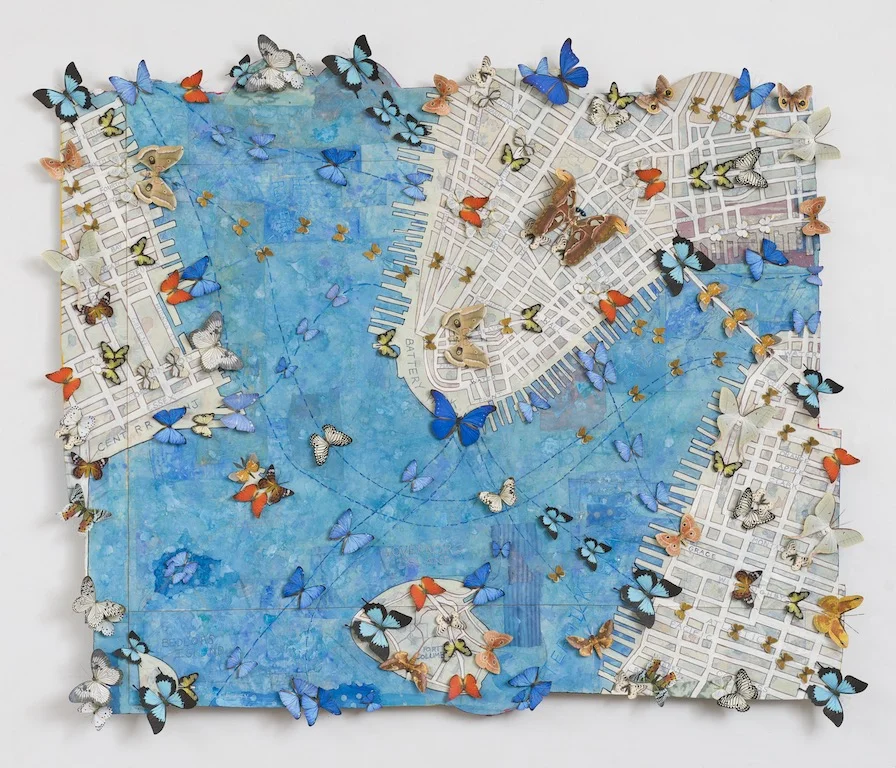
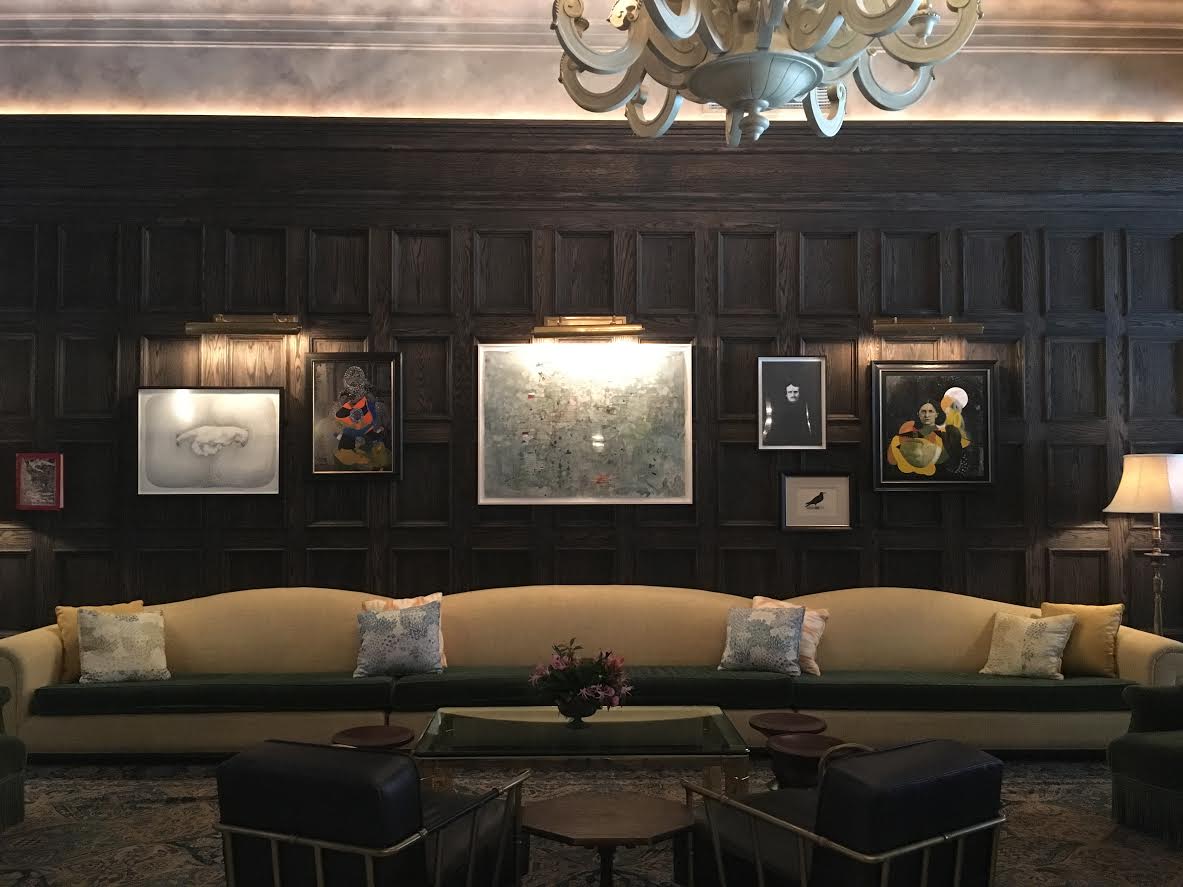
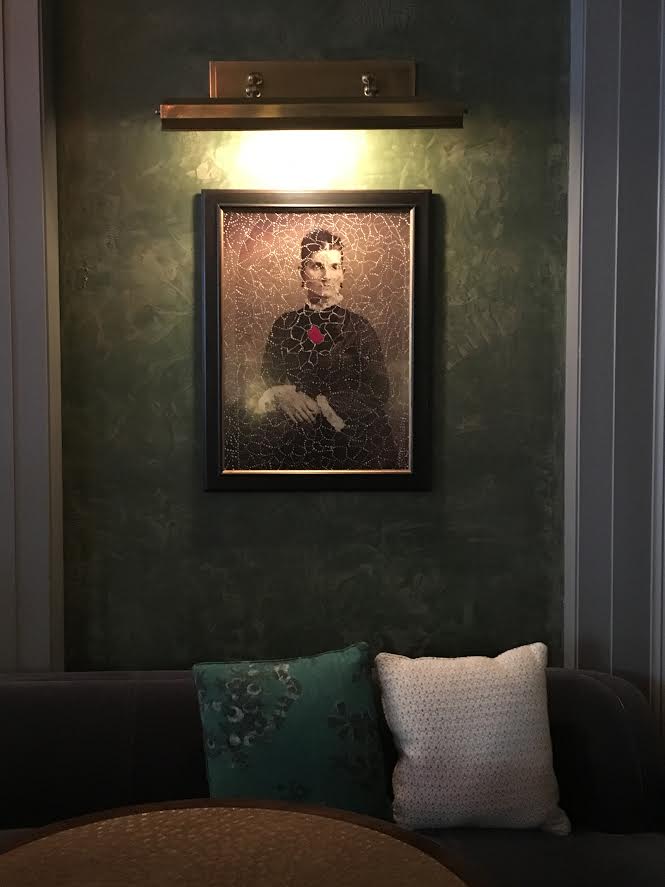
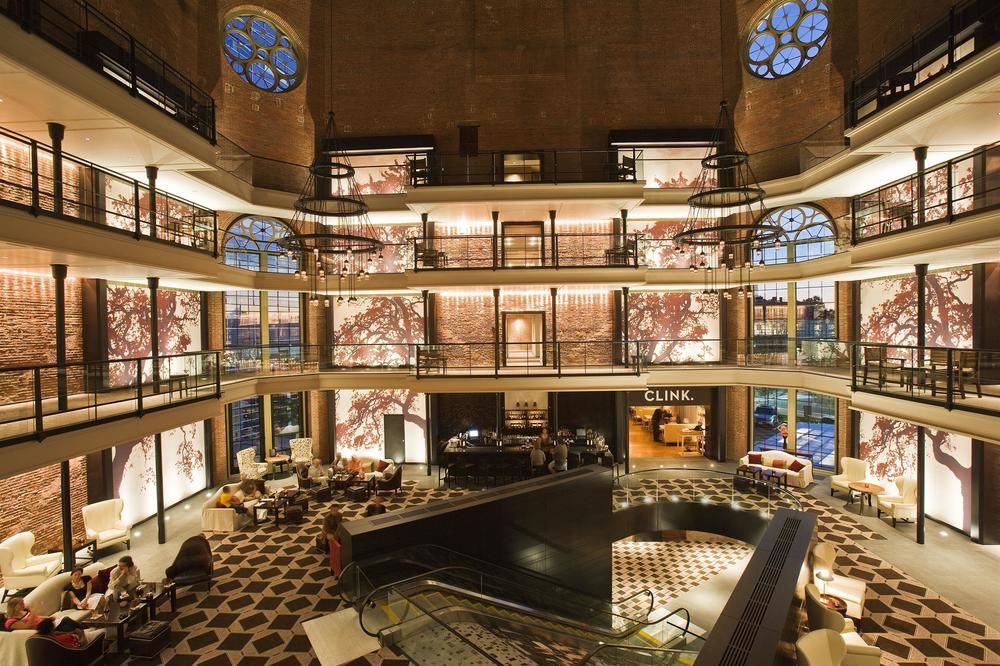
Down in Lower Manhattan, another absolute gem is The Beekman Hotel. Built in 1880, this Queen Anne style building was the first public library in Manhattan; the Mercantile Library Exchange. Recently transformed into an outstanding boutique hotel, great care was taken to preserve some of the original features including a beautiful 9 story atrium. The elevators, staircases, and ironwork transport you back in time. Although the art package is comprised of brand new works, they blend seamlessly with the hotel's classic features and old NY atmosphere. Katherine Gass, Founder of James Company (Contemporary Art Projects) and curator of The Beekman Art Collection says "hotels are community places and art offers an important expression of the community - one that has an innovative, creative and economic return." Each piece was commissioned with the literary history of the building in mind. Works by Jane Hammond, Cathy Cone, Catherine Howe, and Nathalia Edenmont are inspired by an Edgar Allan Poe poem entitled "A Dream Within A Dream" and are installed throughout the elegant lobby and bar areas. Besides the amazing over-painted historical portraits by Cone, another favorite would be two tiny Patrick Jacobs dioramas which are inset in the passageway between the reception and concierge desks. Seen through tiny glass lenses, the imagery is of a field of dandelions and weeds - giving a glimpse of a time before high-rises took over the city. To stop and peer into these lenses is unexpected distraction within an already breath-taking experience.
These two hotels have made a conscious decision to pour time, attention and money into the art they have hanging on their walls. It is inspiring to see so many commissions of local and international artists, and such a thoughtful blend of styles and non-traditional media when that is obviously not the easiest way to go. The Beekman offers a printed booklet for interested guests to read about the collection (and it's printed like an old-timey script) and will host ongoing events and collaborations with art and cultural partners. The employees at Hotel Eventi were able to explain exactly where Ernesto Leal is from and were eager to do so despite the accumulating line of guests wanting to check in or out. Caring so much about the art shows how much these hotels care about the experience of their patrons because to snag another line: "lasting memories are defined by unforgettable moments." No matter how much you travel, you wouldn't mix either of these hotels up with another. You would wake up knowing exactly where in the world you were.
Boutique. Sophisticated. Perfection.


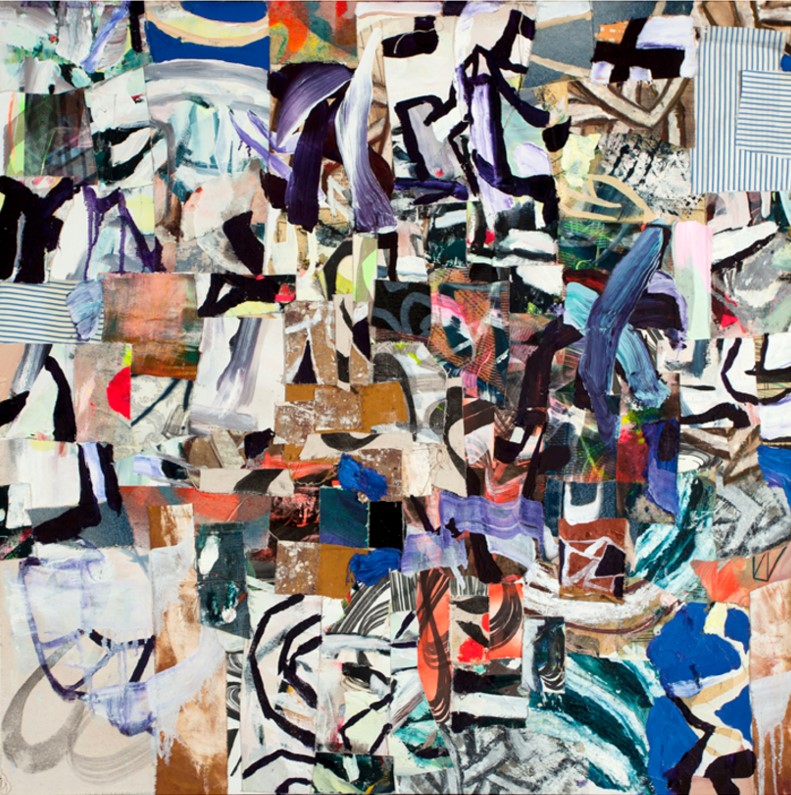
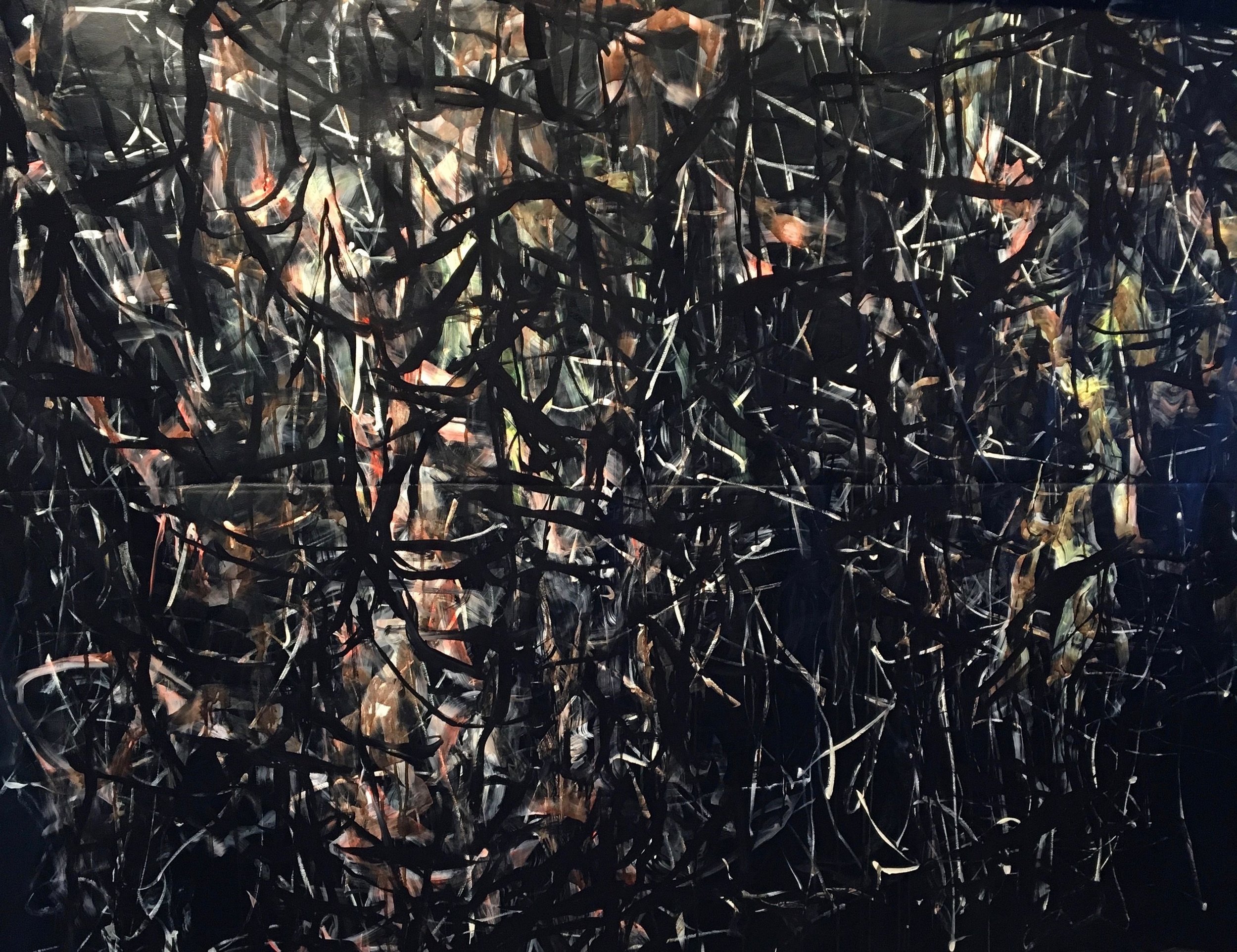

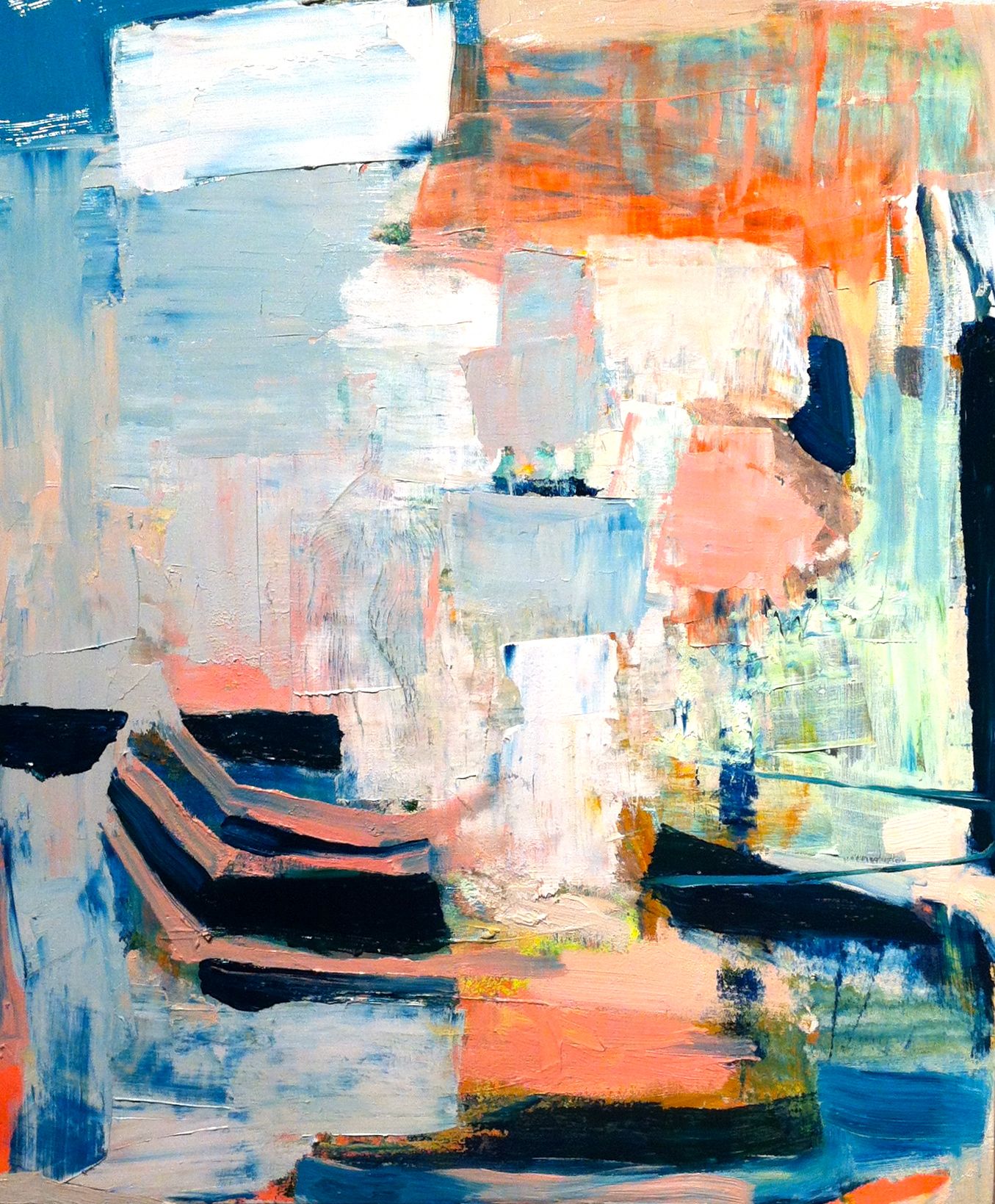
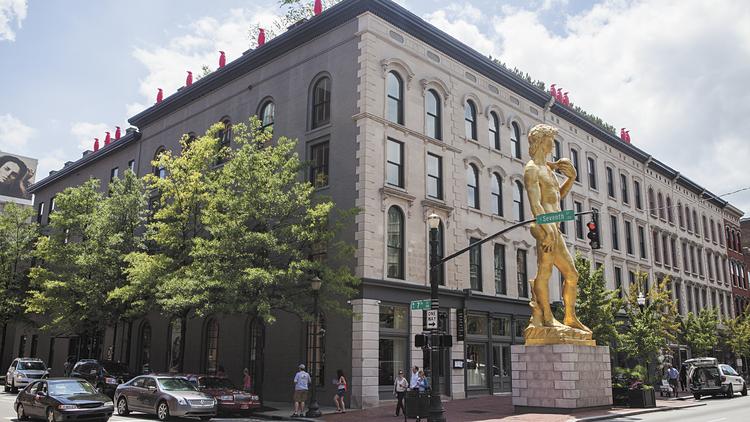
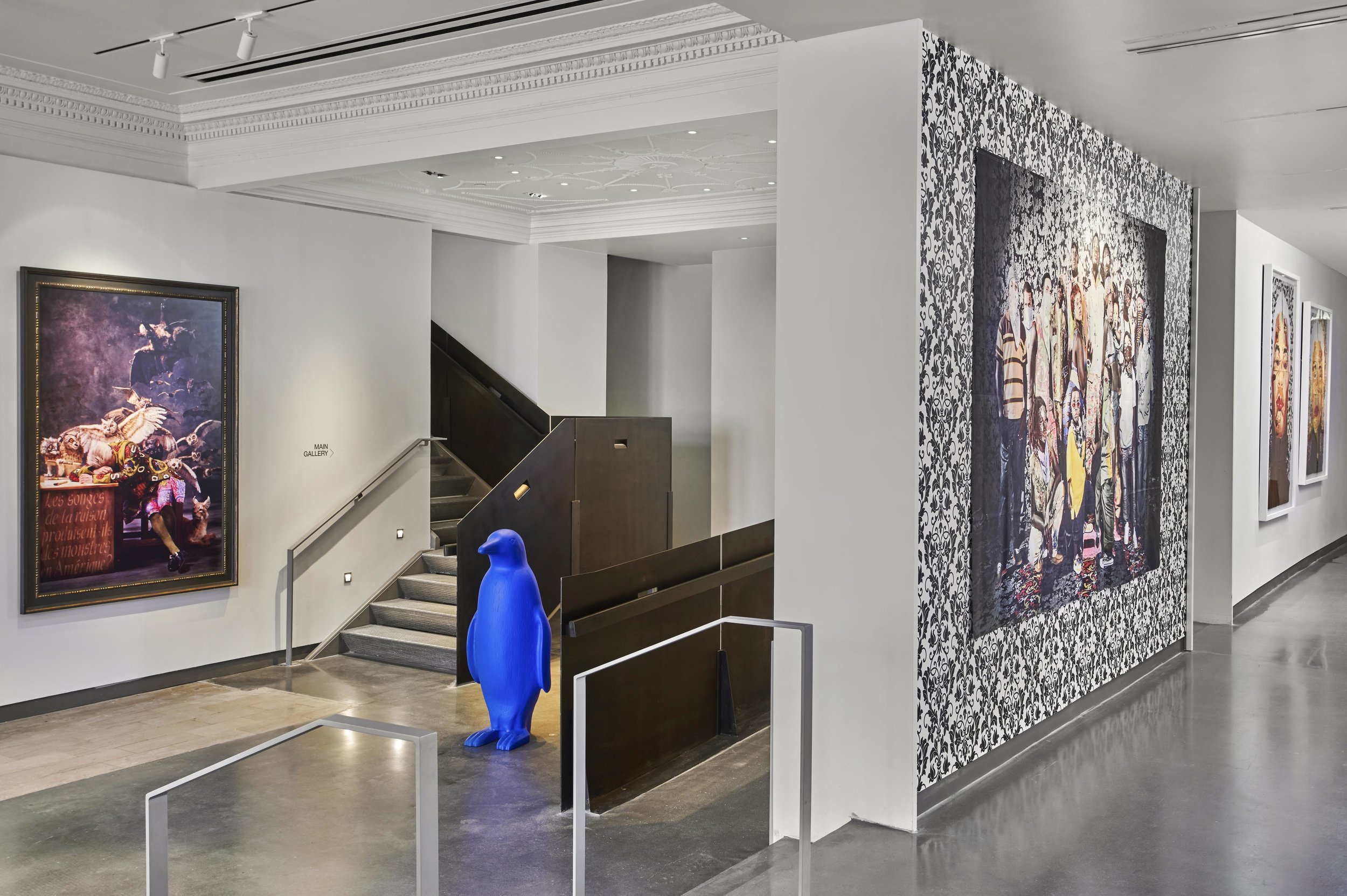
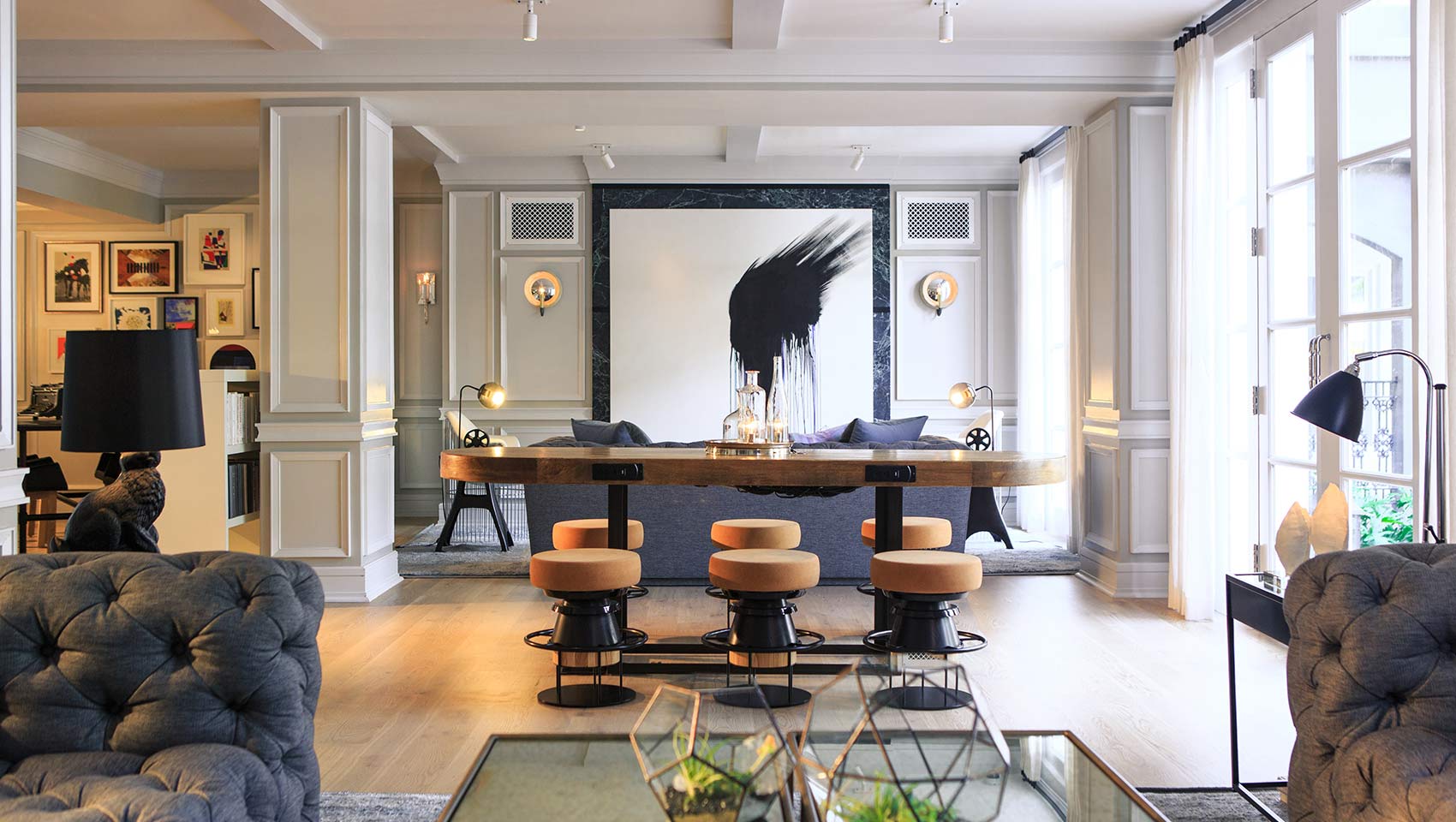
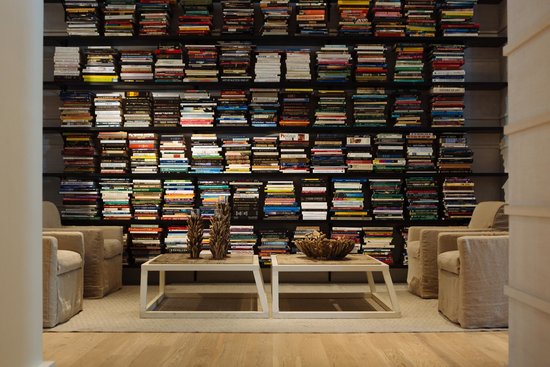
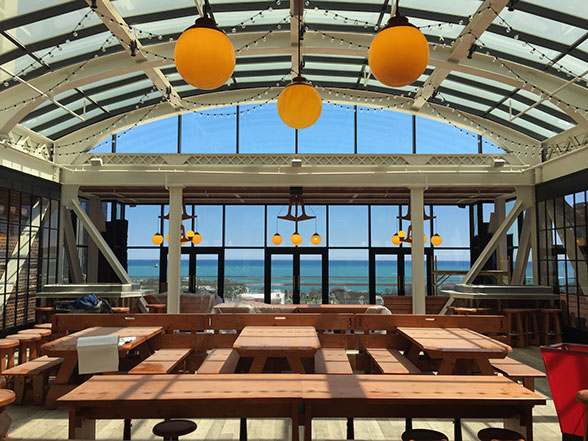
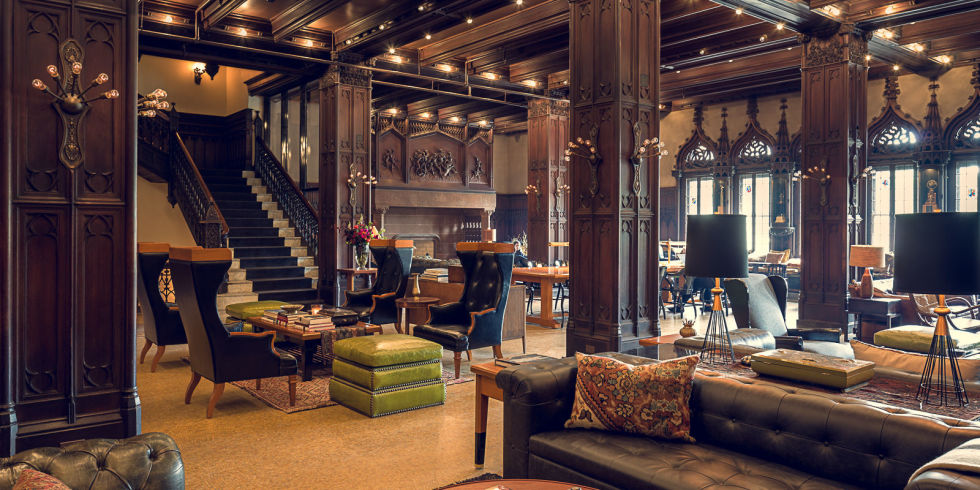
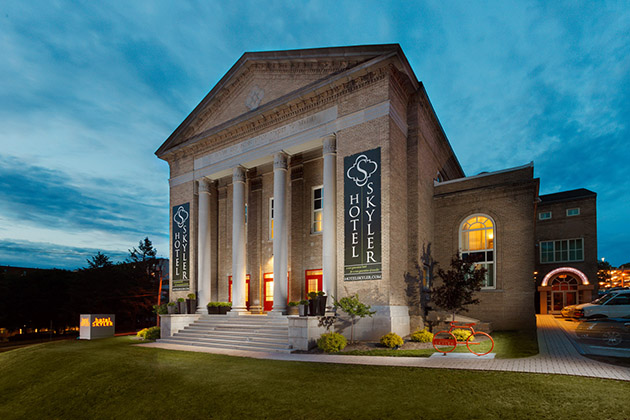
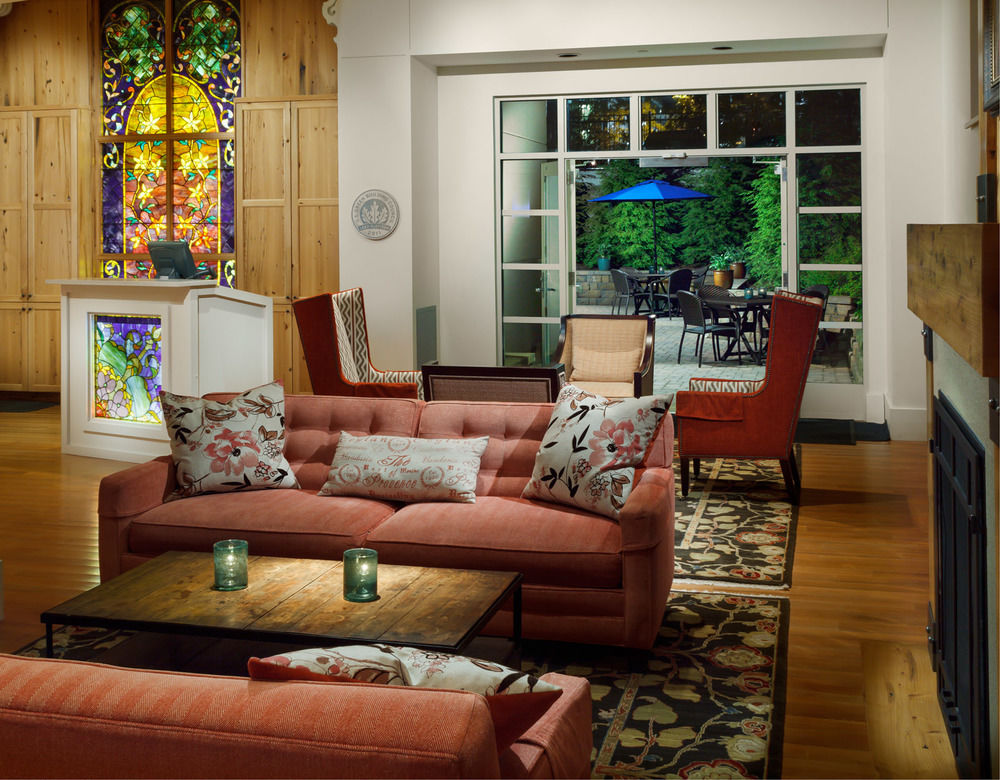
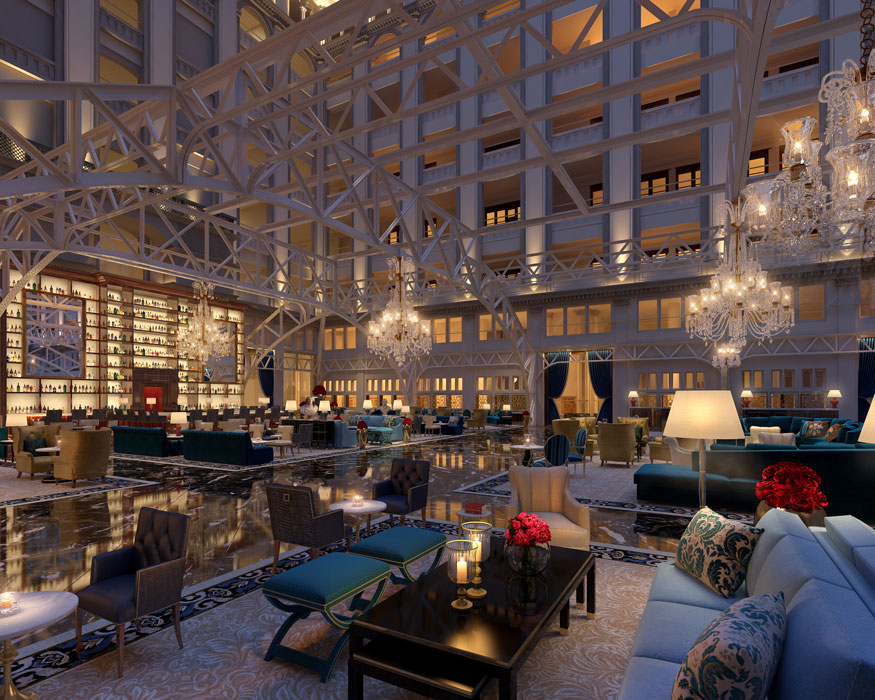
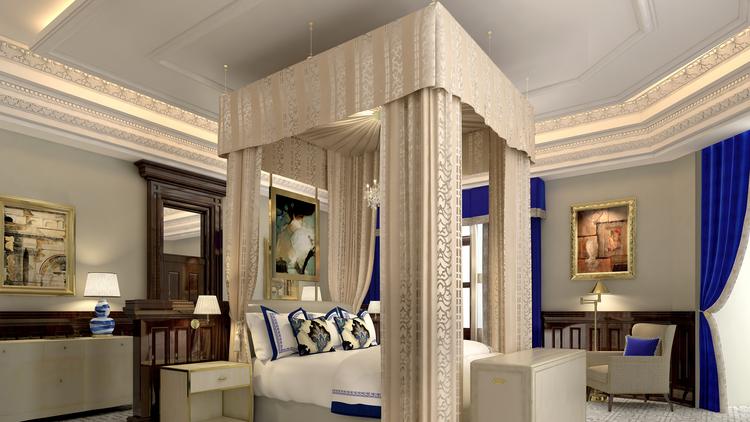
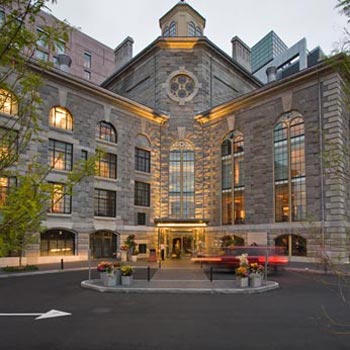
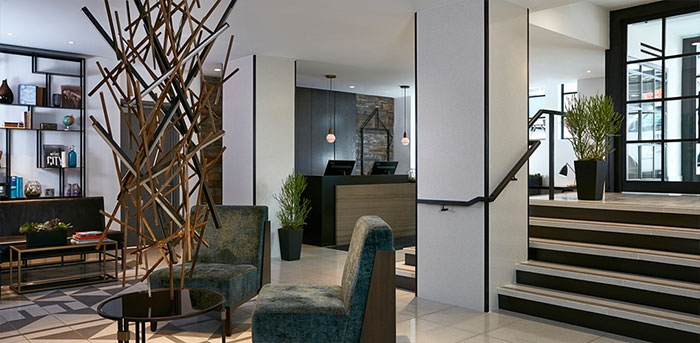
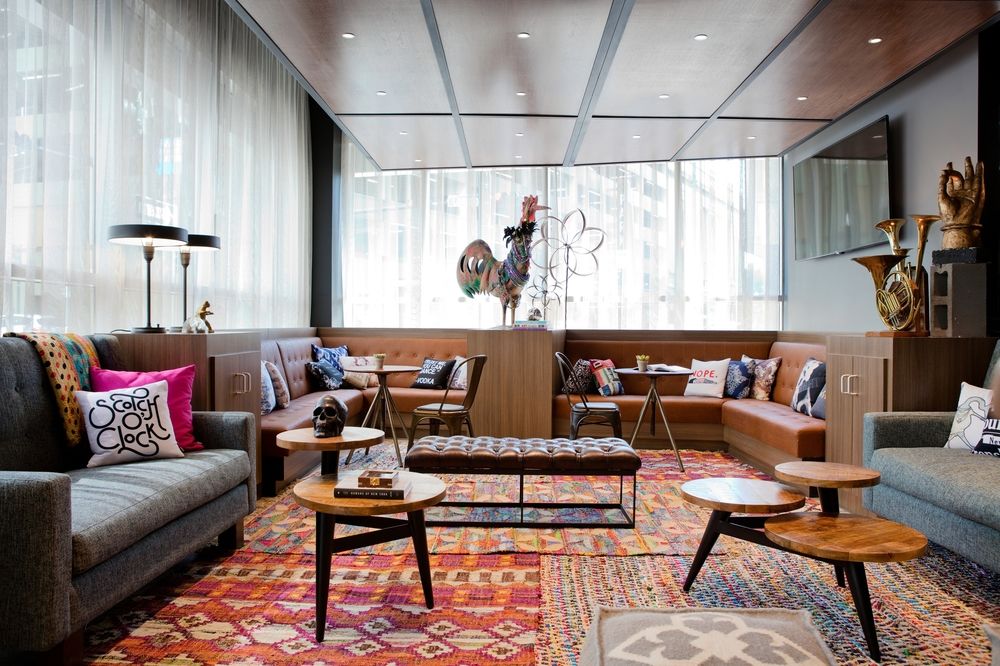
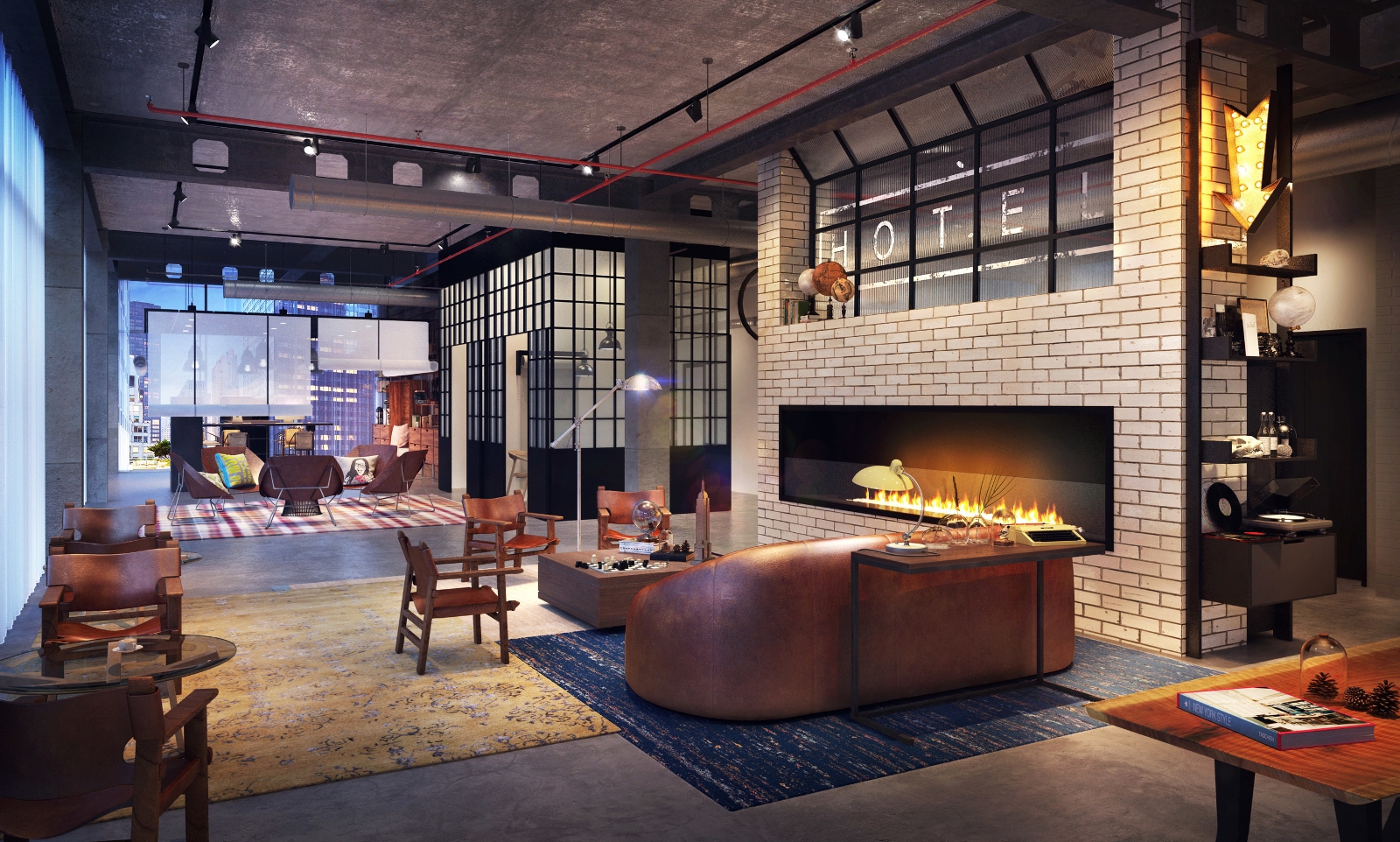
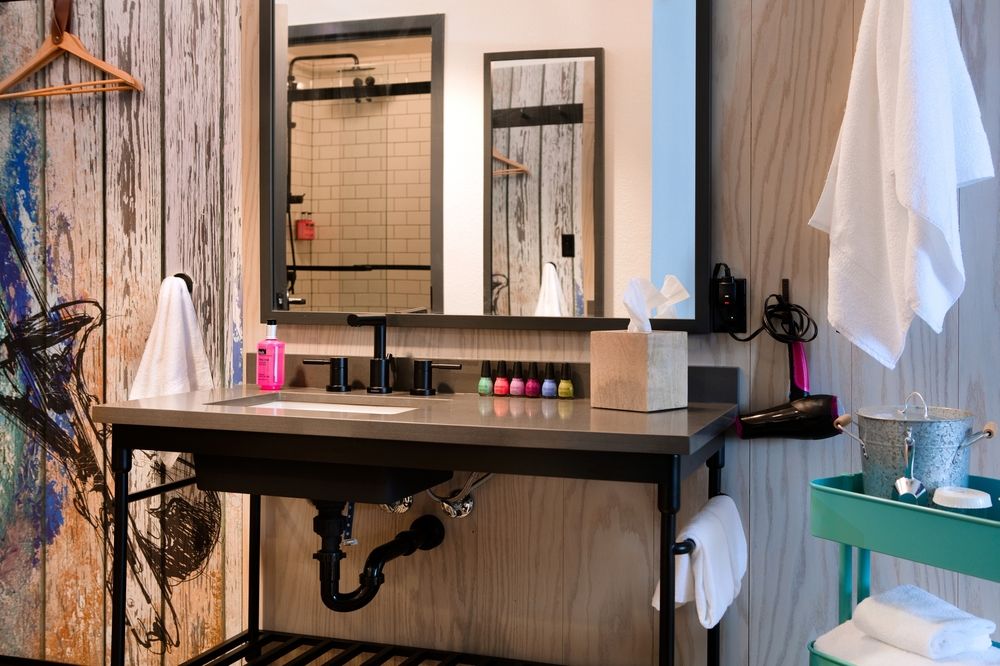
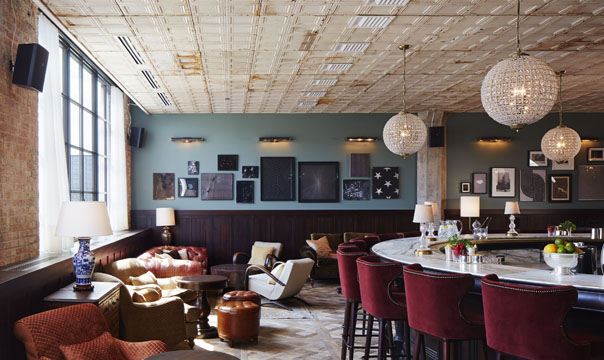
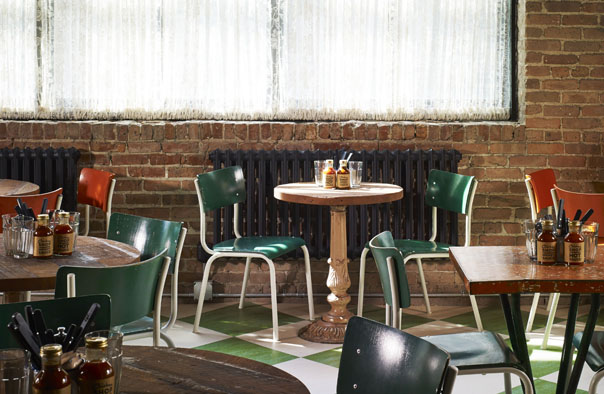
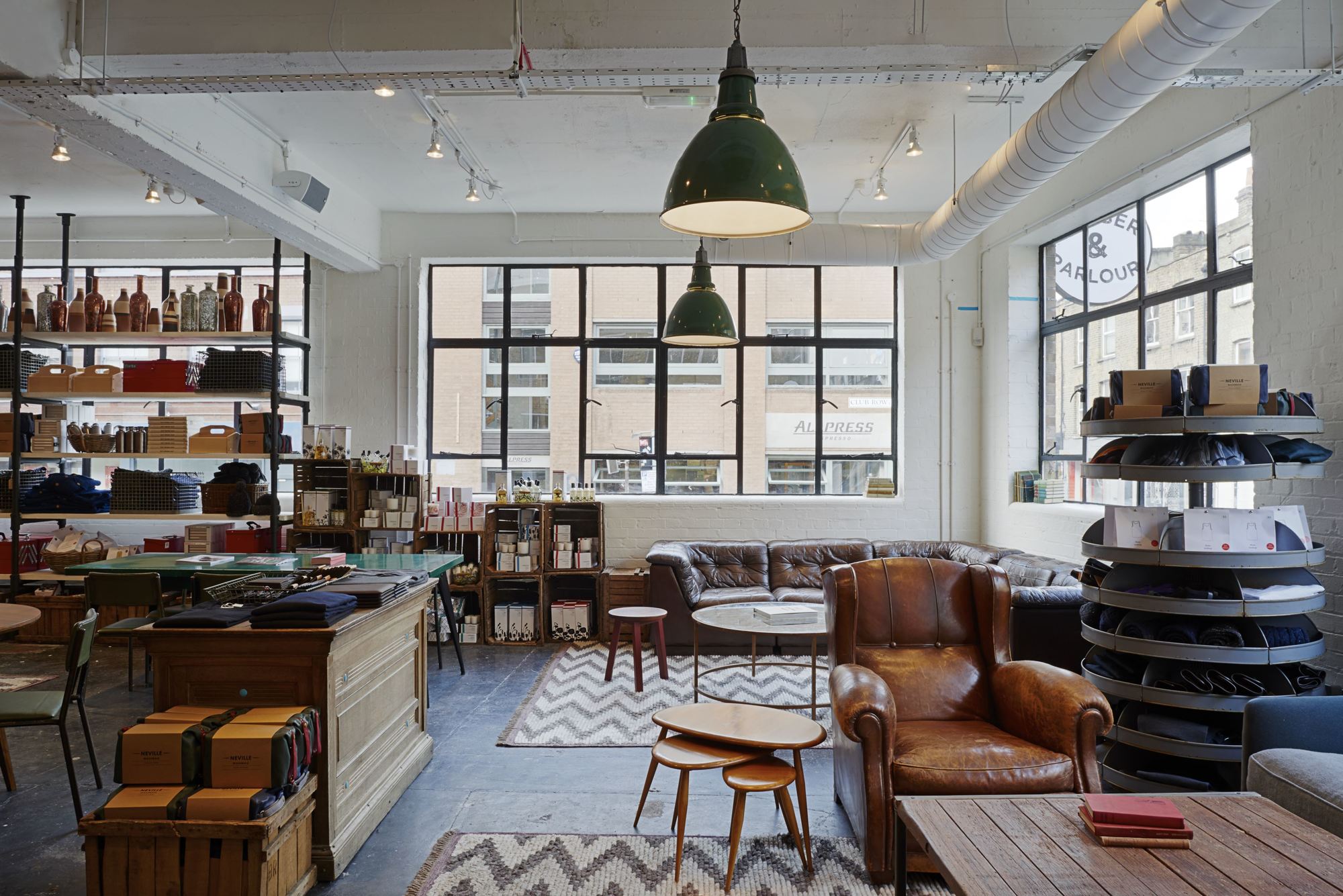
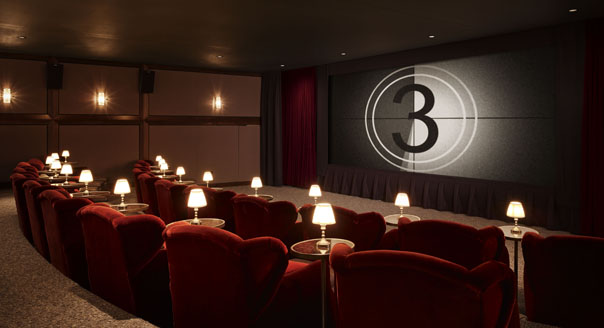
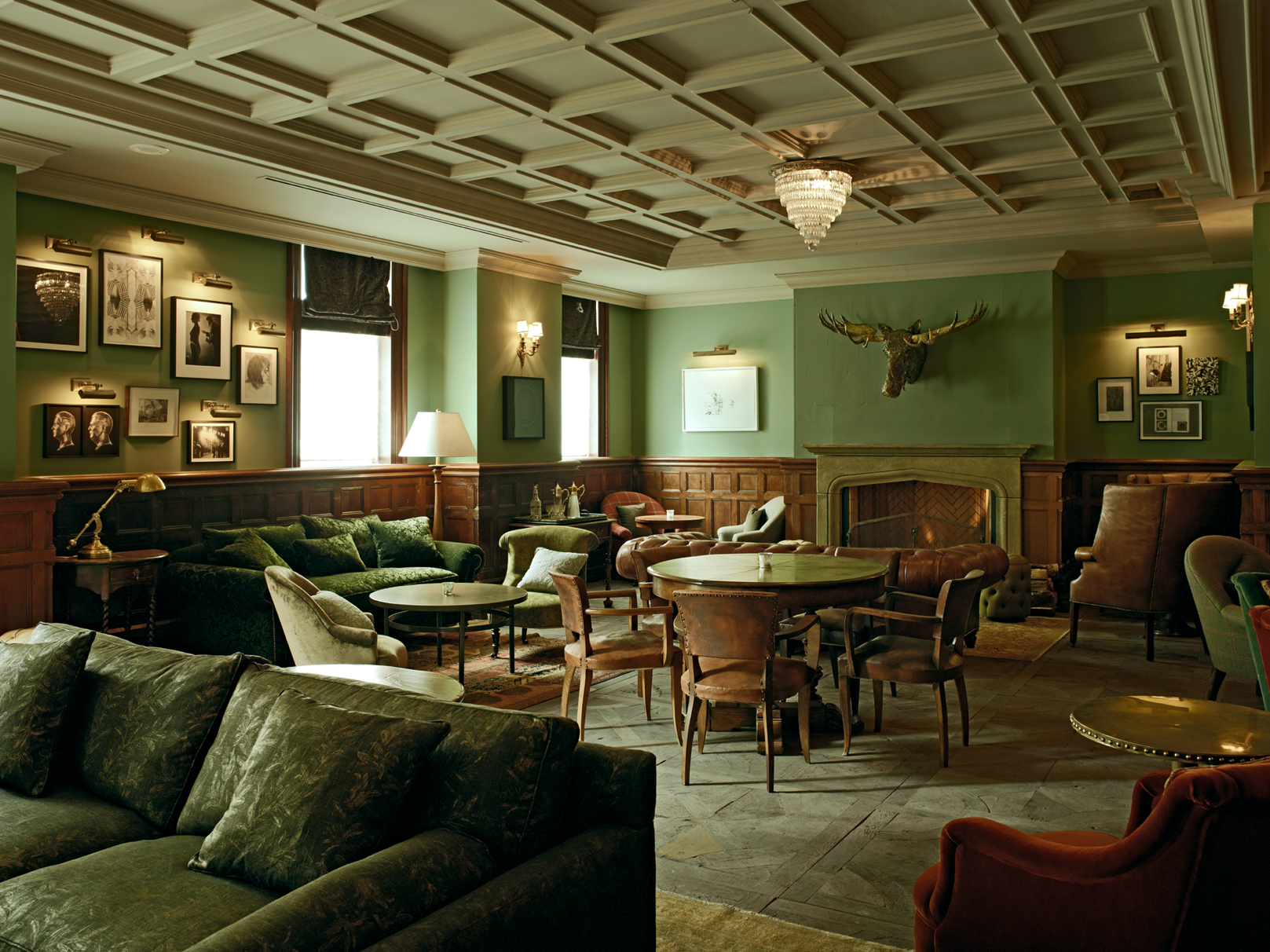
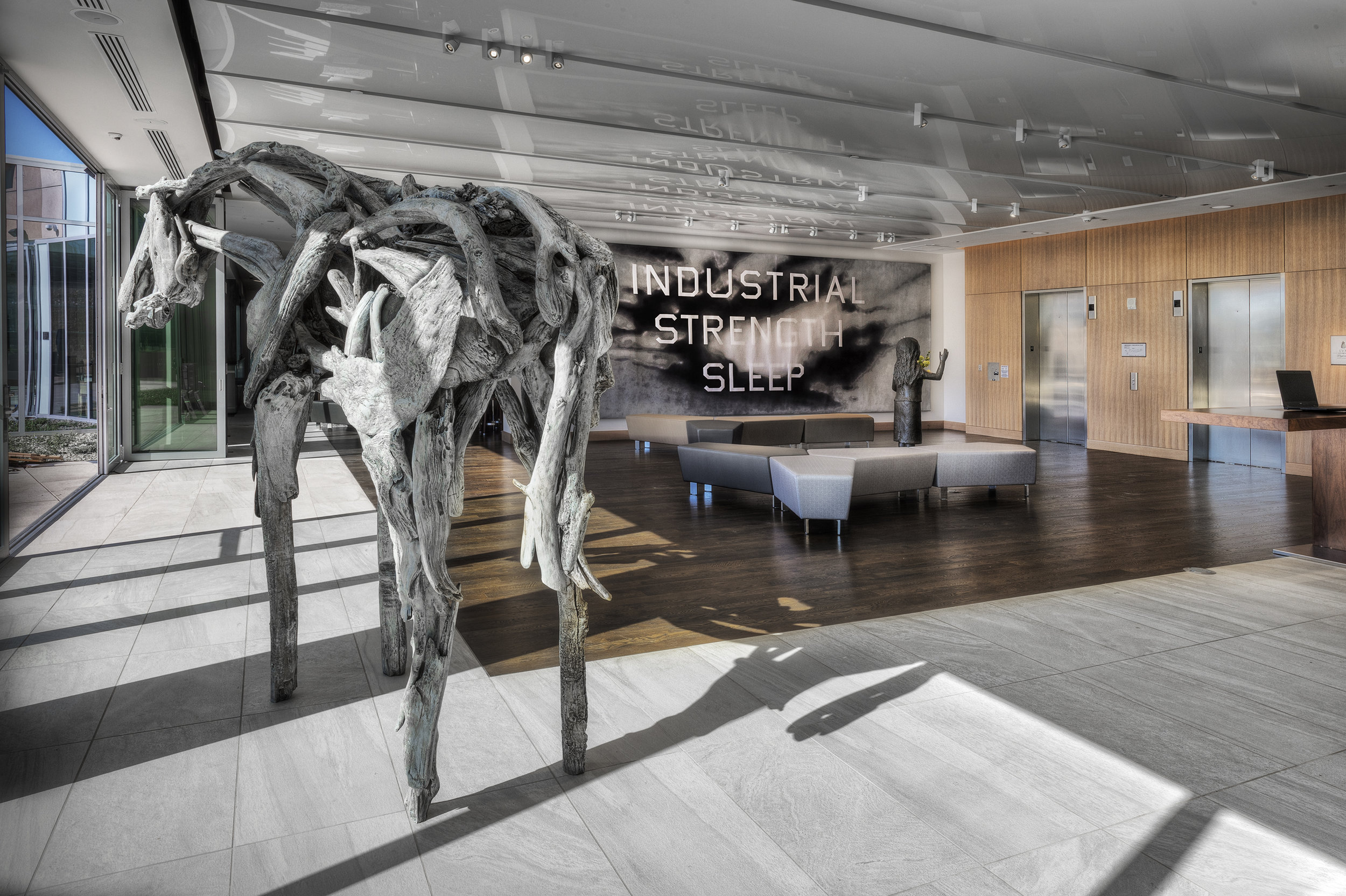
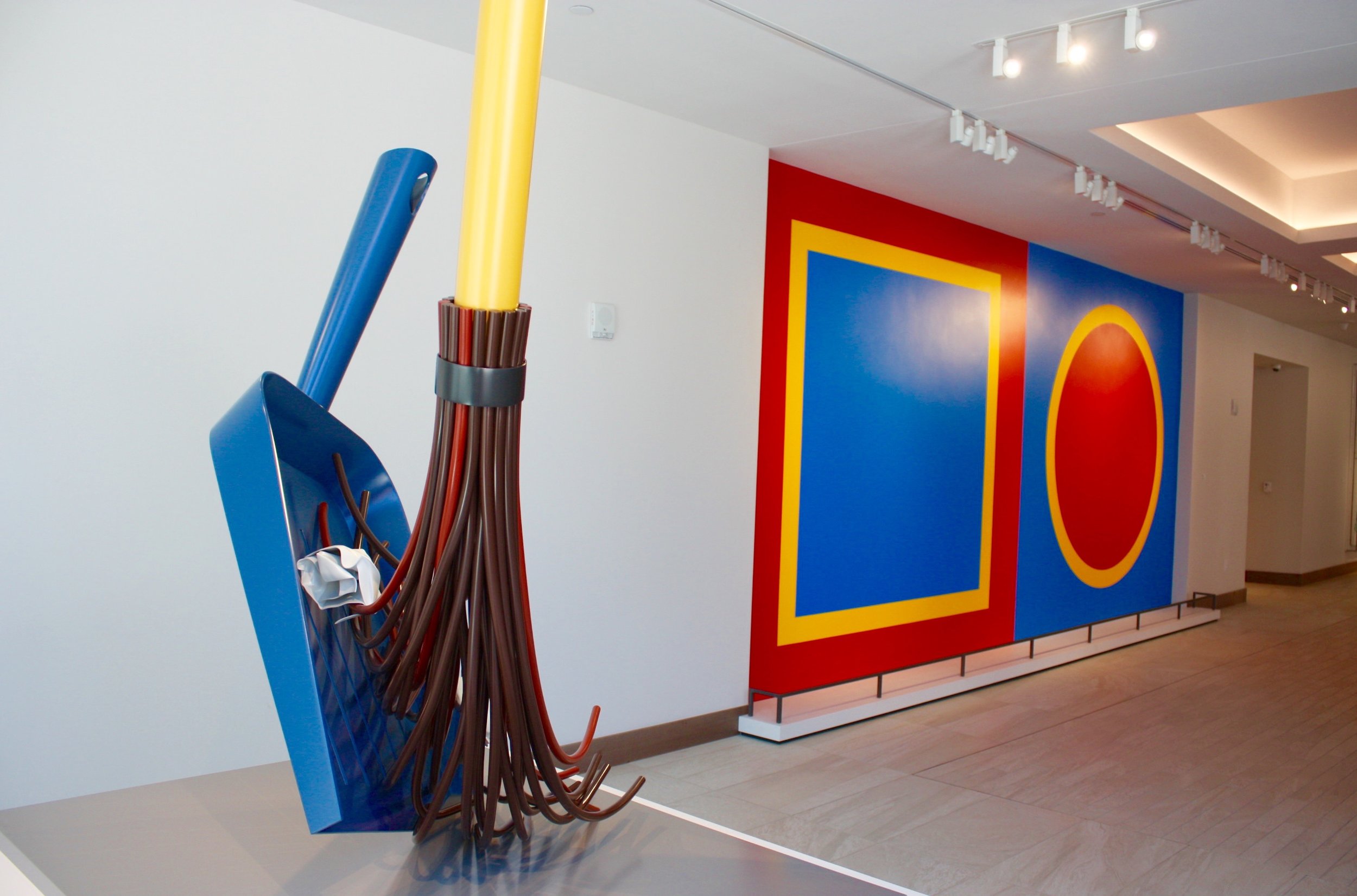
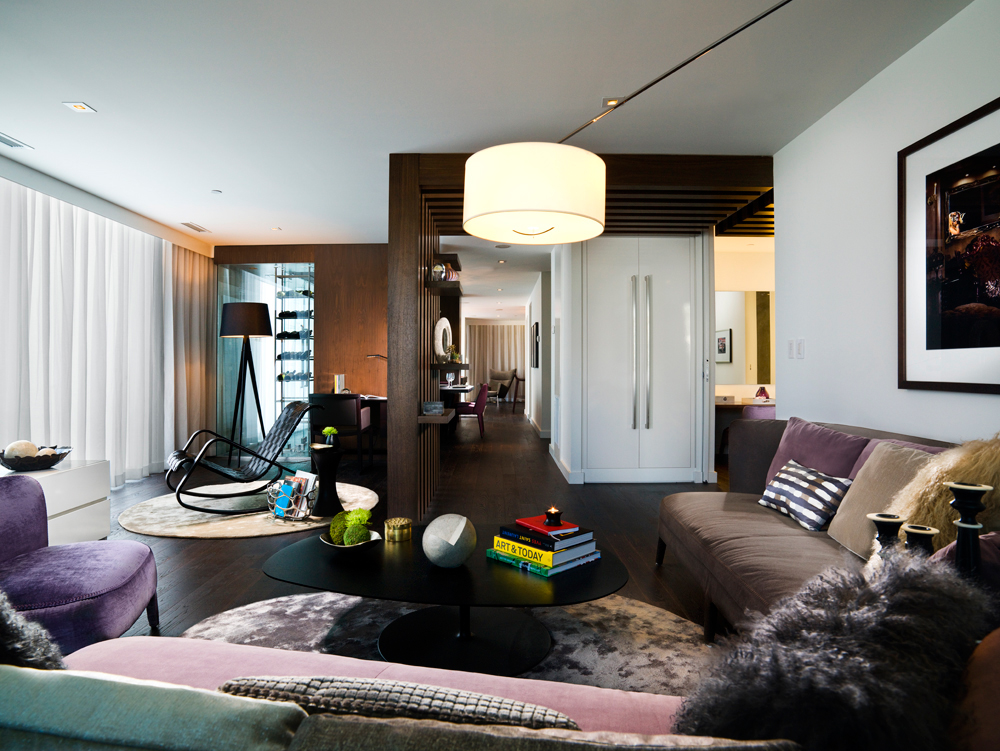
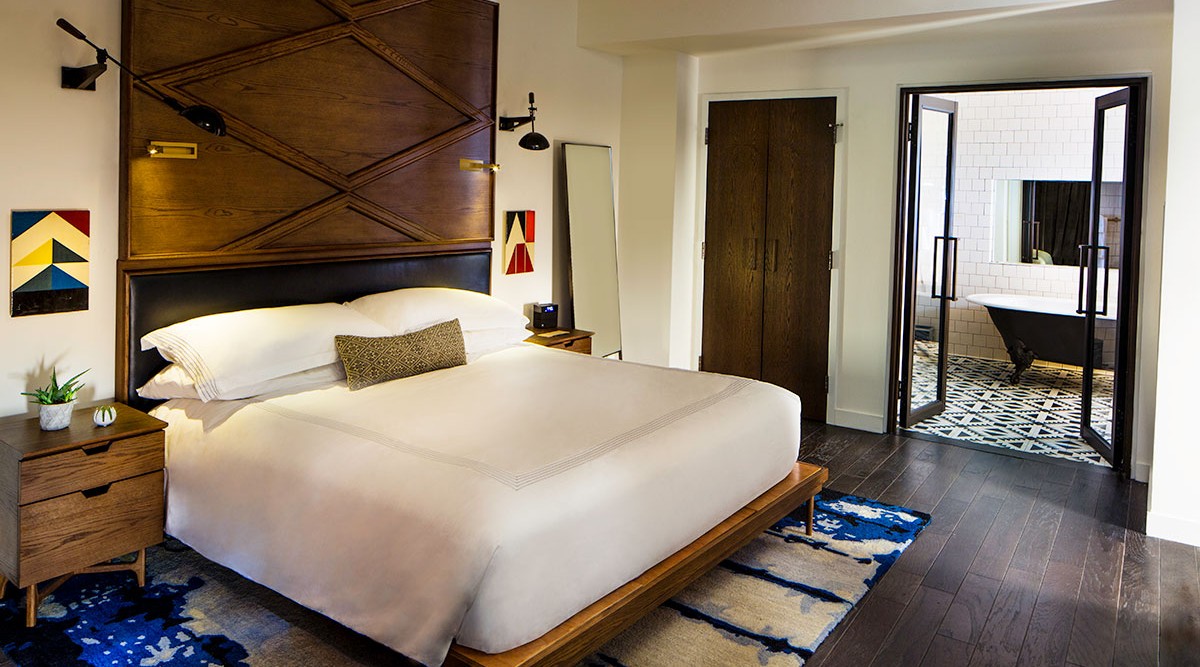
Amy Parry Projects is honored to provide art for boutique hotels.
The entire hospitality experience should be curated to make each stay memorable, comfortable and fun for the guest. Here’s to a great 2017 - we look forward to amplifying each project with awesome, intentional art (like the commissioned Jesus Perea seen below).
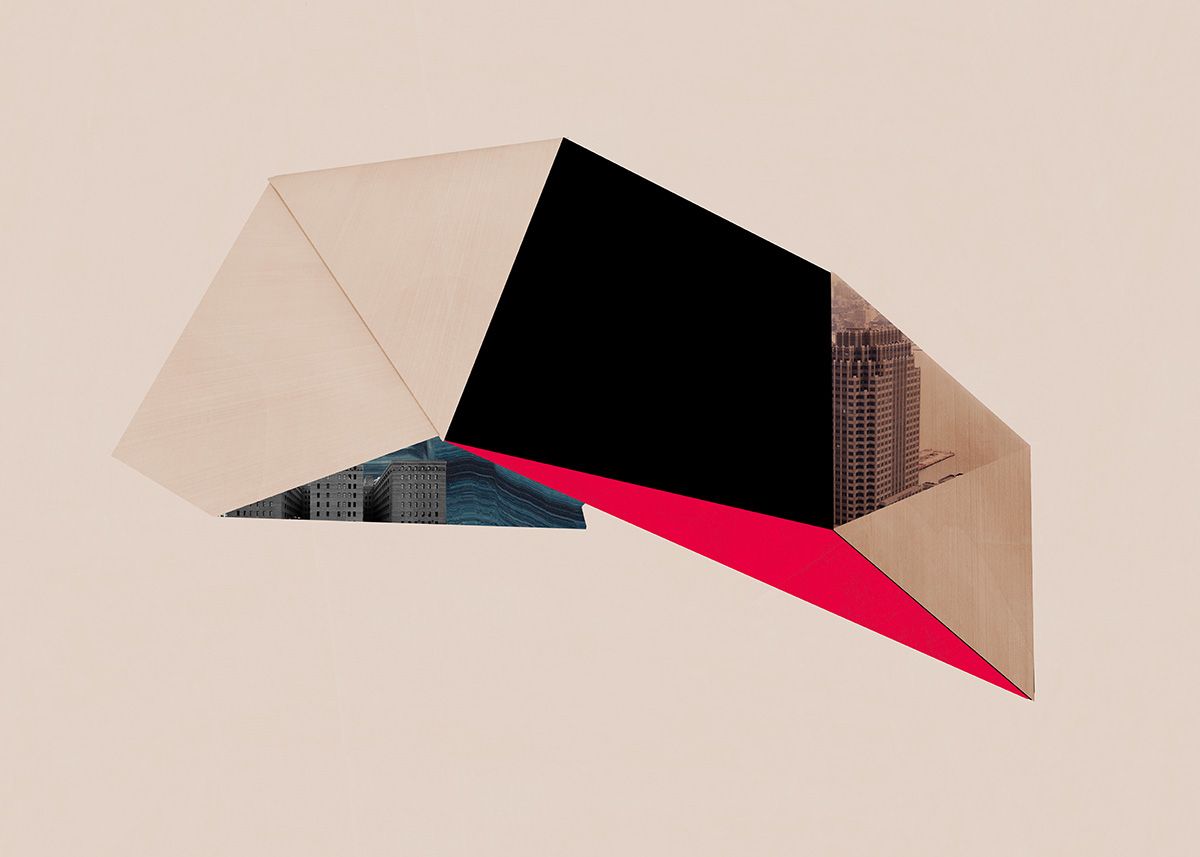
IMAGE 1: Jesus Perea, customized print for upcoming hotel (inserted local imagery)
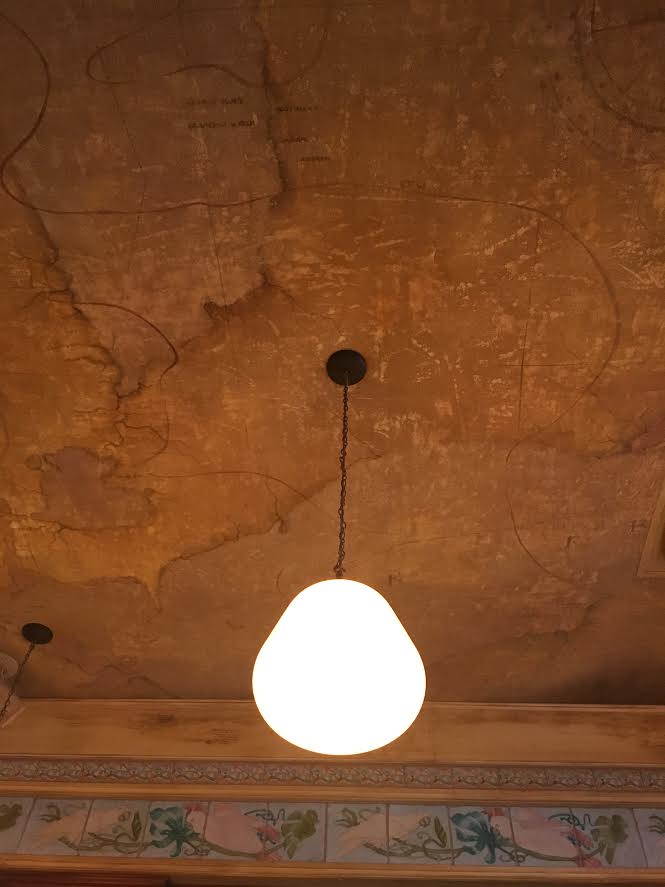
IMAGE 2: AP on Site: "Cloud" being built in the ceiling of a historic boutique hotel designed to cover pipes required to stay through renovation.
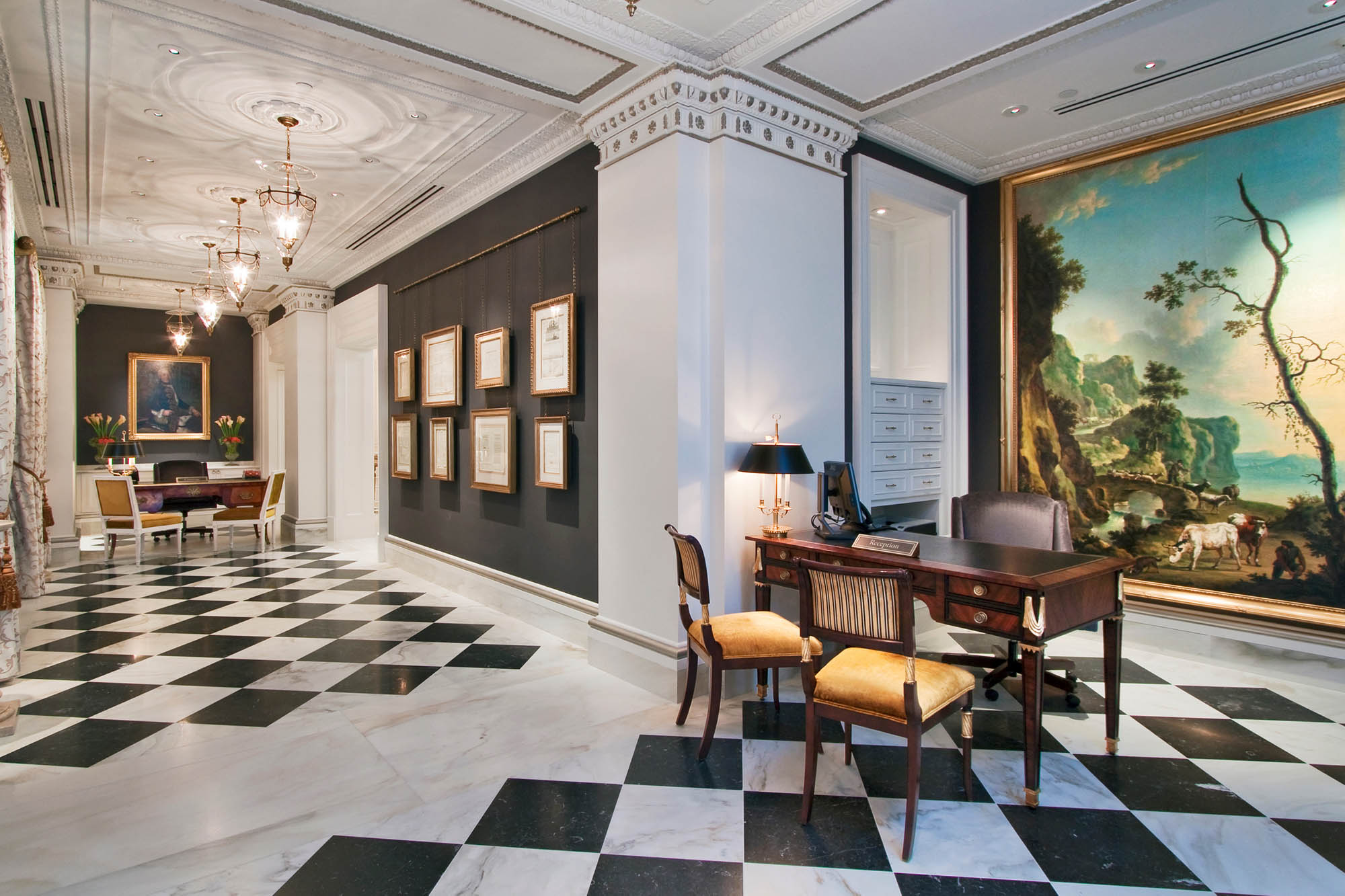
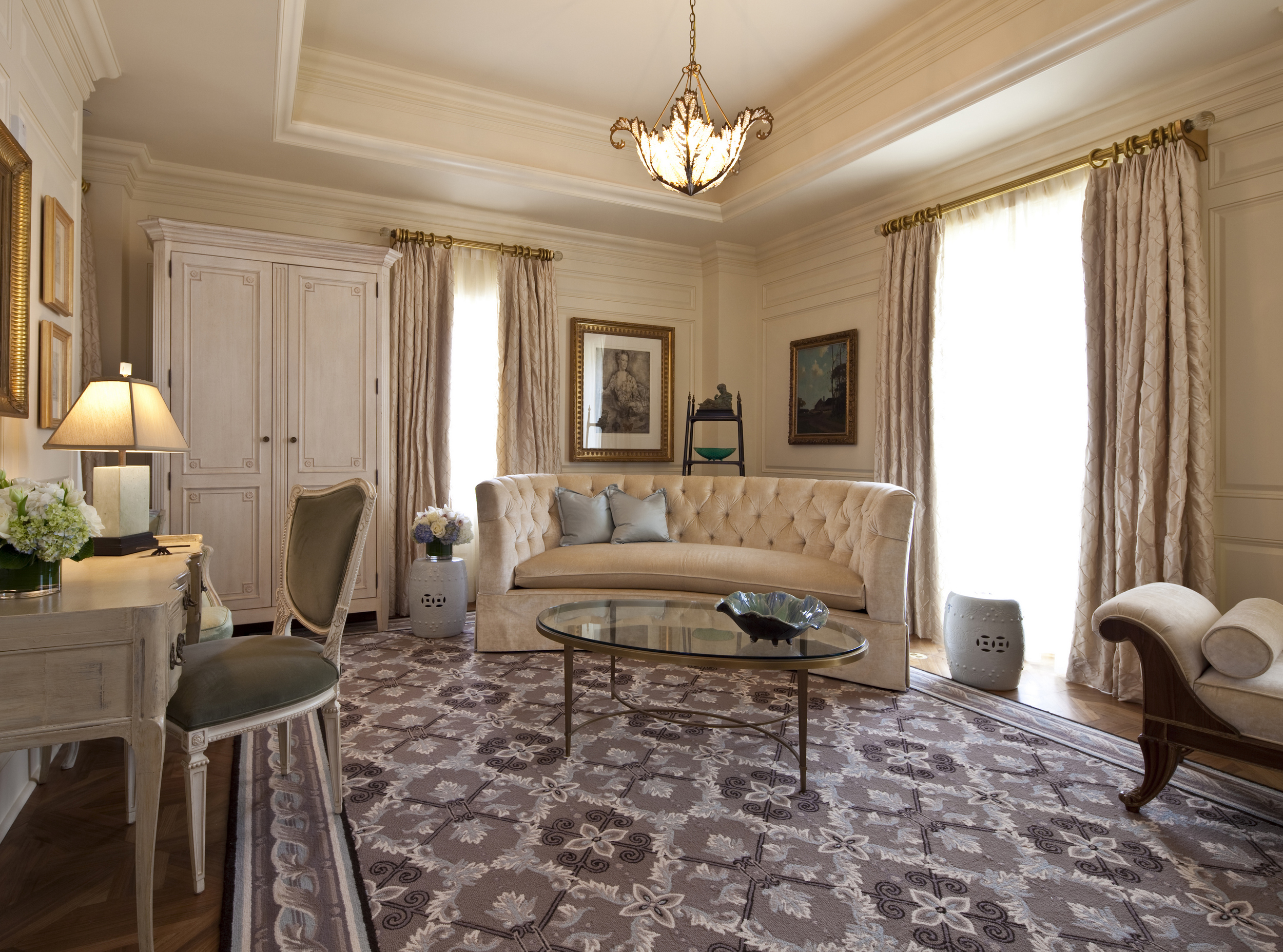
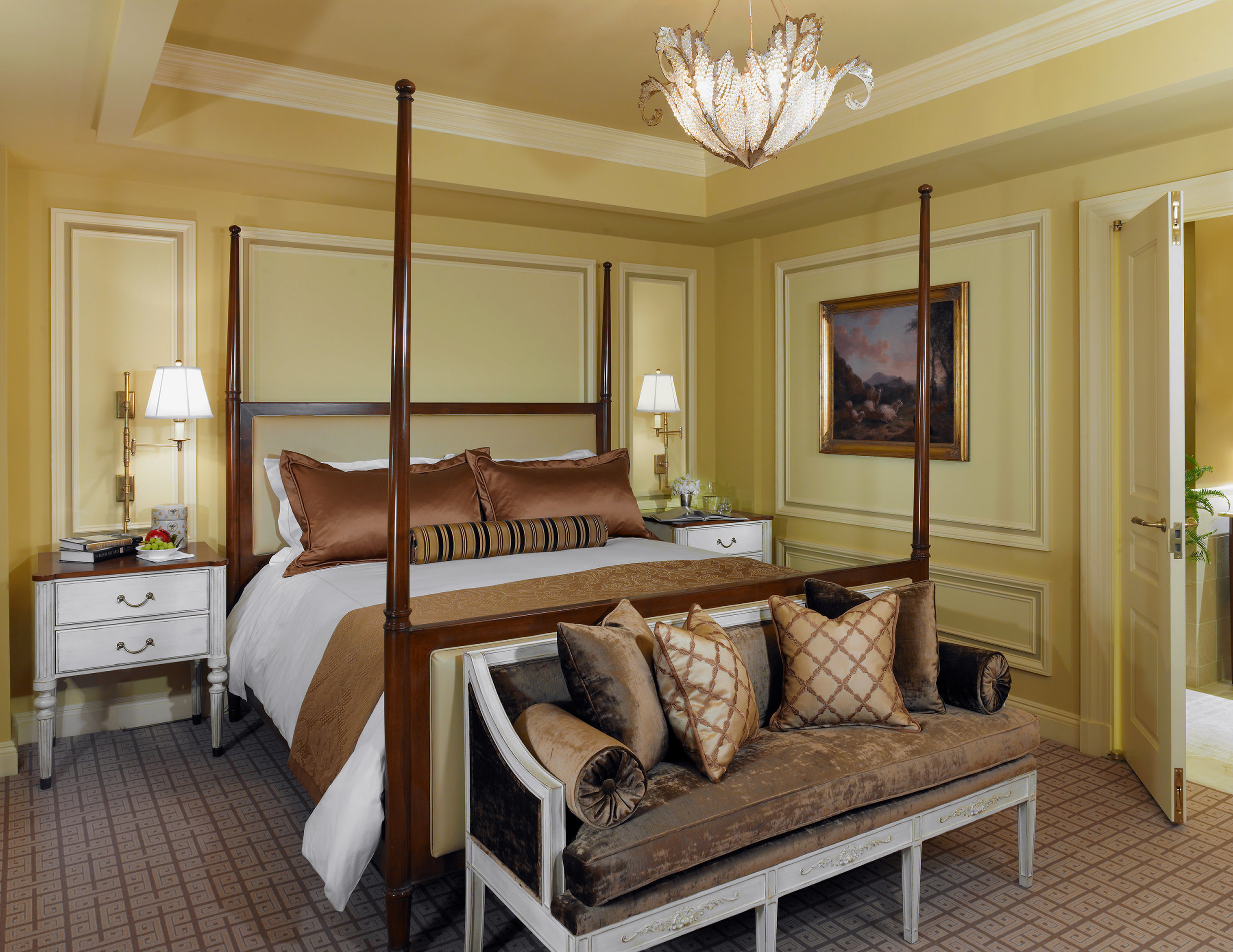
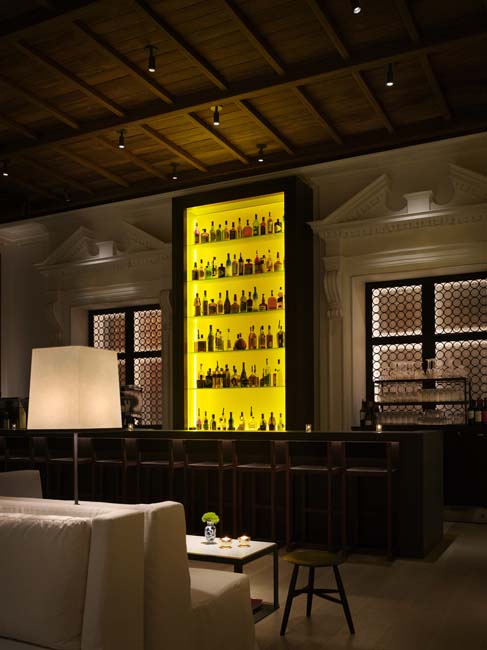
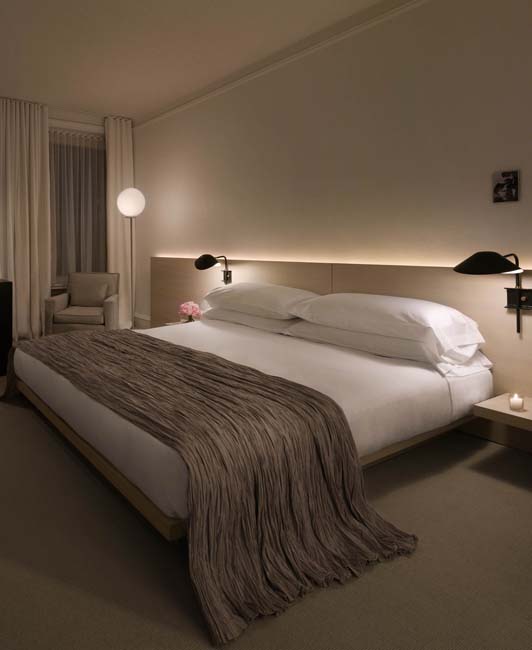
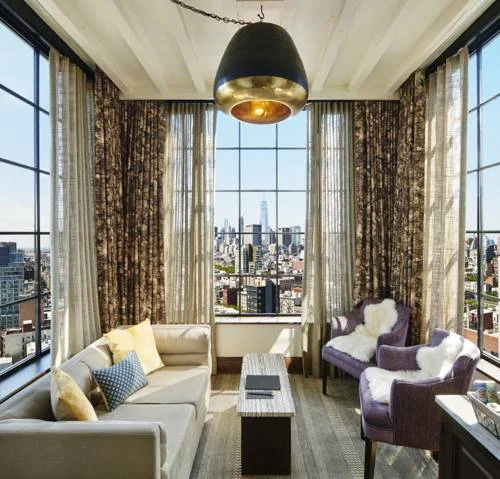
180 degrees of NYC cool
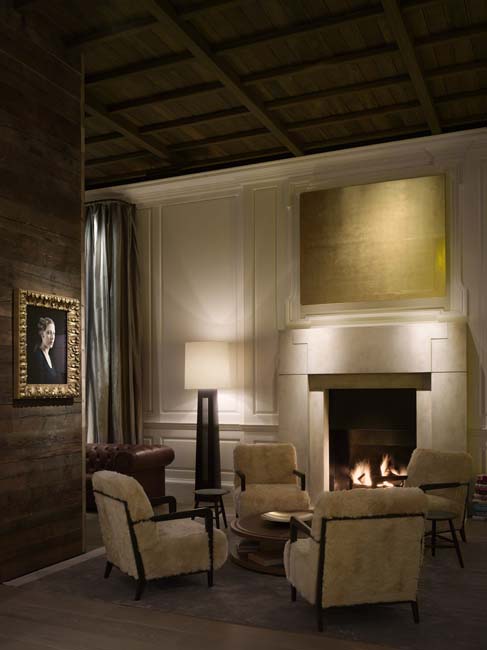
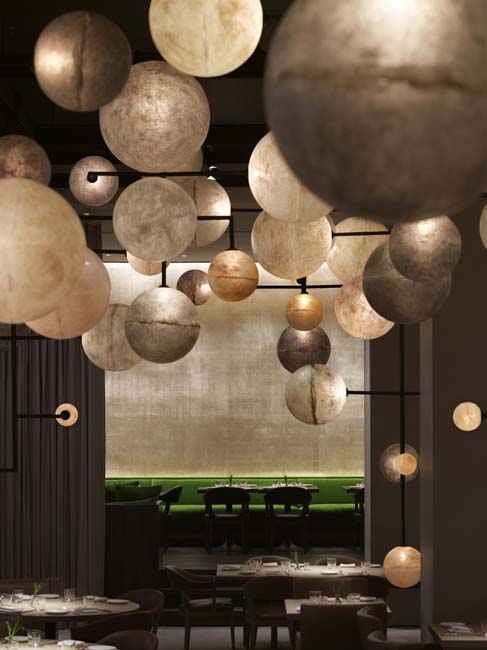
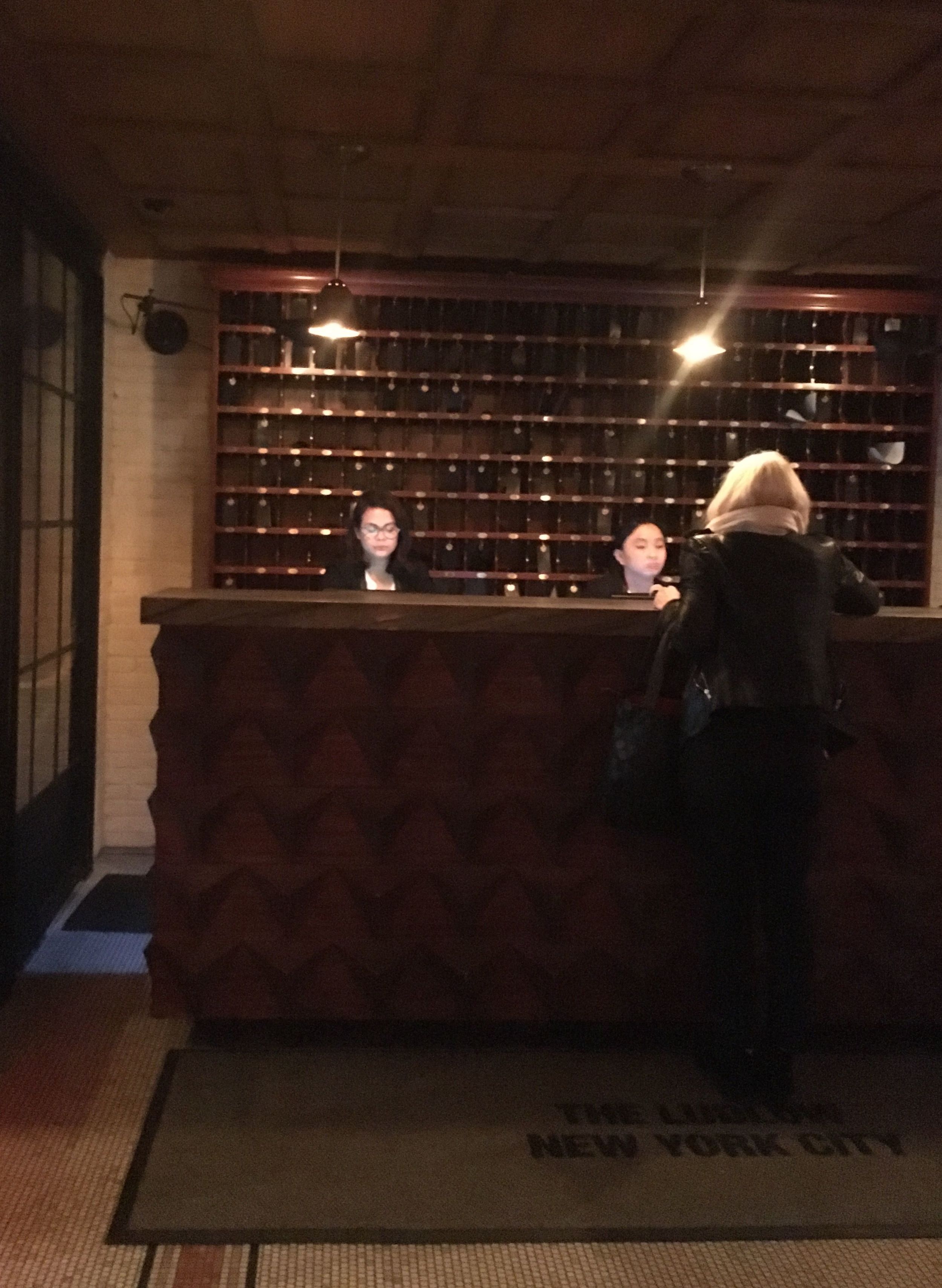
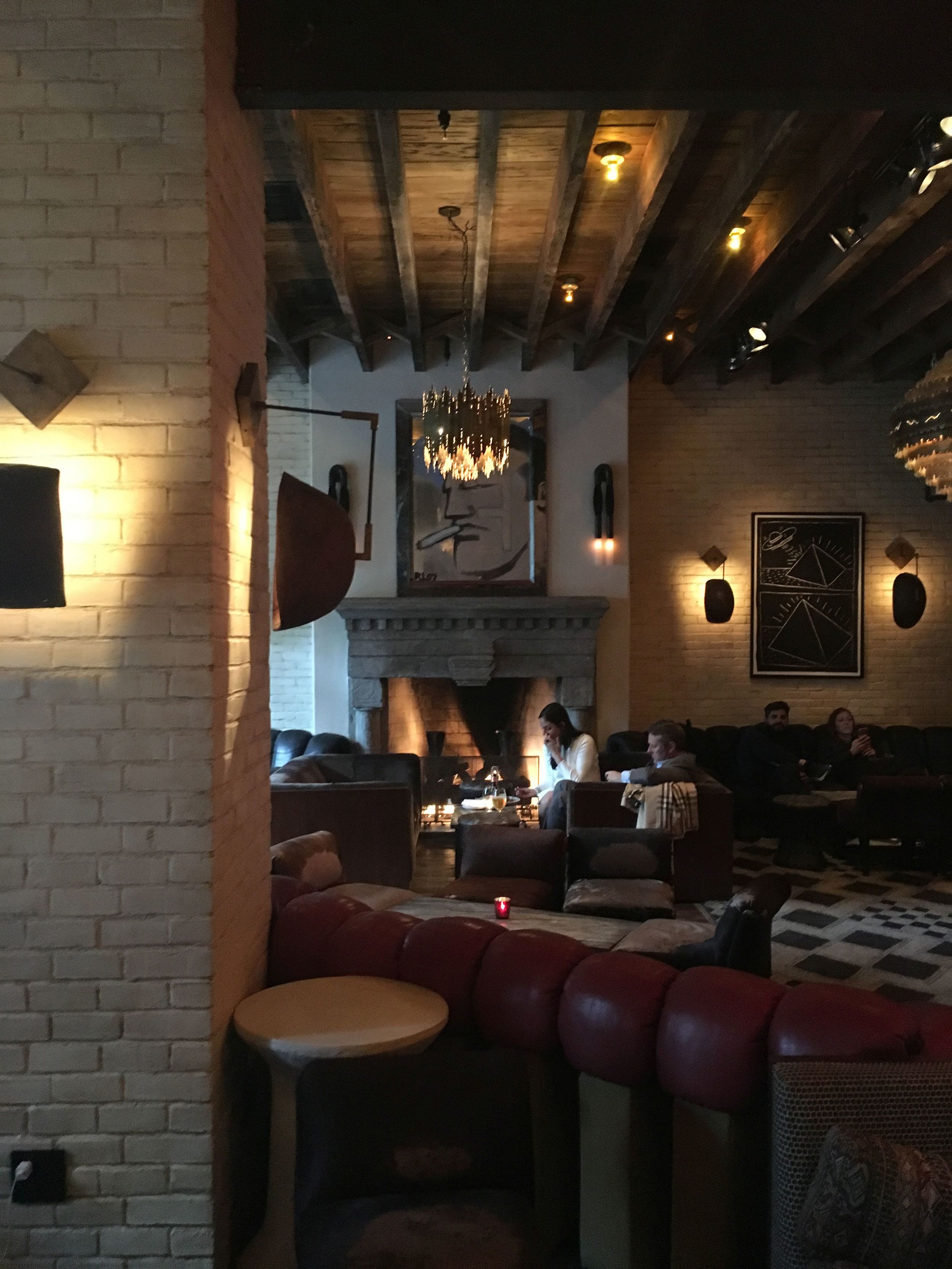
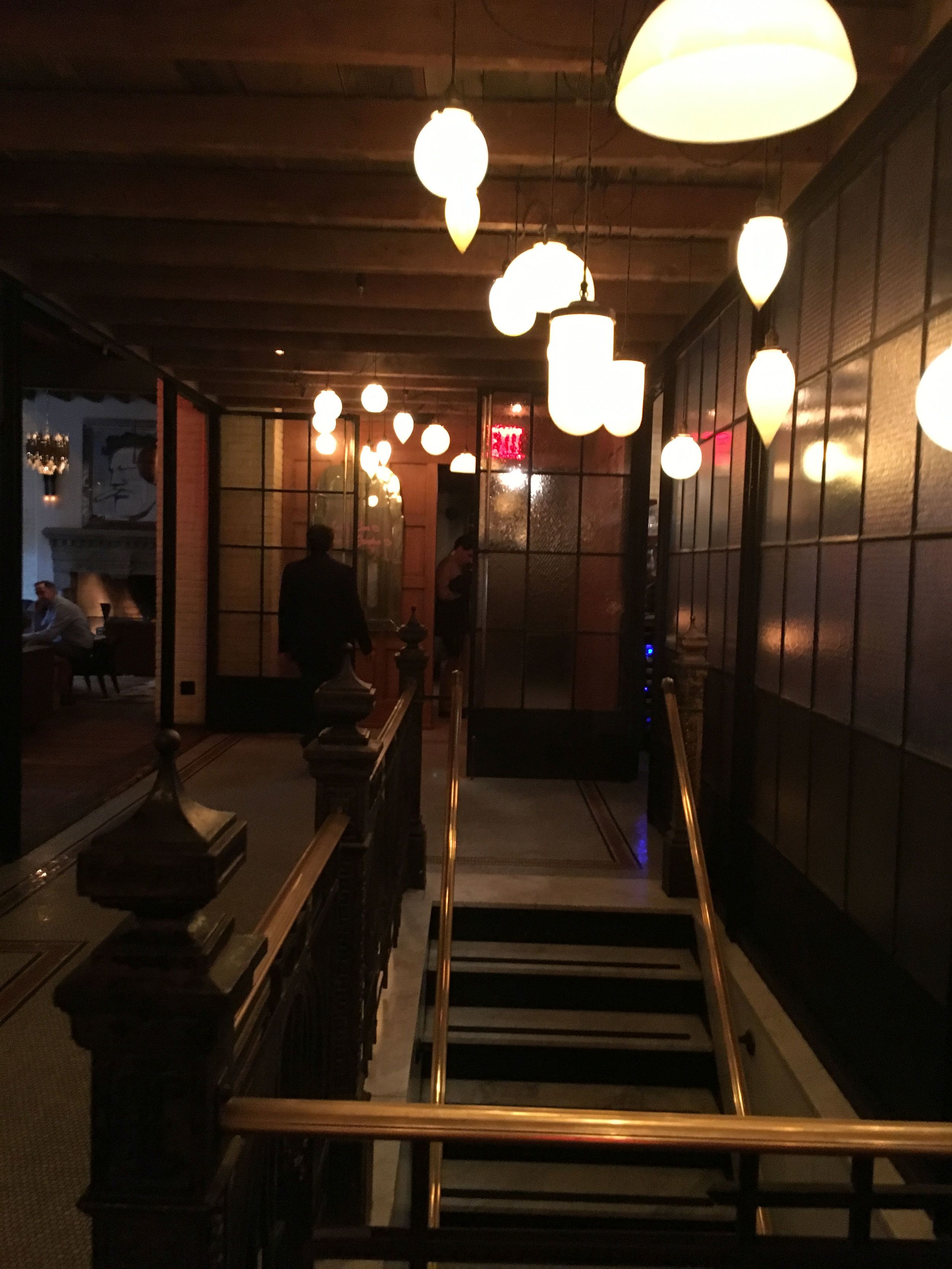
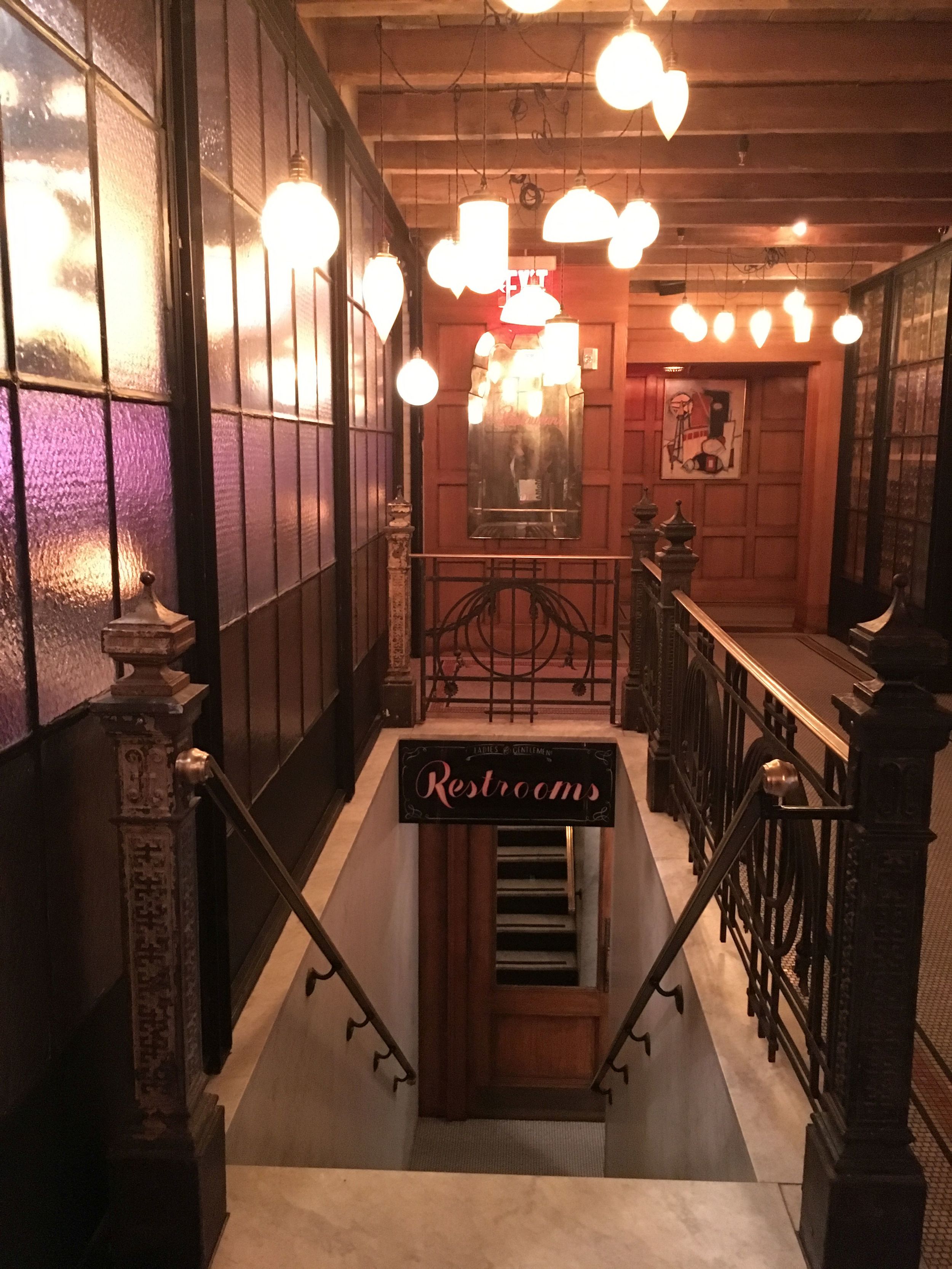
On this most recent NYC visit, we made a stop in the Lower East Side to see this boutique hotel gem which was completed in summer of 2014. Hotelier Sean MacPherson (also known for the Bowery and Maritime Hotels among others) turned an empty, concrete building into an effortlessly cool and comfortable hotel offering 184 rooms in 10 different types. While the spaces of the Ludlow look great, what the entire hotel offers most importantly, is an amazing, whole-picture feel - like you’re staying in NYC as a local. You can really slip into the feel of the neighborhood and MacPherson’s impression of it from the gritty, glory days of the 1980s. In fact, MacPherson has gone on record explaining his wish that the lobby serve over time as a living room for the neighborhood. The mix of new and vintage furniture in mahogany and cognac leathers, printed tweed, purple velvet, animal hides and fur seem inherited down many times from a favorite relative, and no detail (hand-stitched curtains, worn and whimsical tchotchkes, Indian rugs, tiny iridescent tiles) seems the least bit out of place, contrived or curated. It all just works.
What to notice...
1) Check out the custom reception desk and admire the old school drawers behind it.
2) Enjoy the legit, word-burning limestone fireplace, flanked by burnt out brass sconces and Marshall speaker cabinets hanging down from chains. Look around for a Ron Gorchov painting and freak out a little.
3) Try to think of a place in your house you can work in one of the vintage de Sede Snake Non Stop Sofas and how you would ever be able to afford one.
4) Imagine the past life of the recycled factory windows separating the Lobby from the Dirty French restaurant and all the stories they reflect.
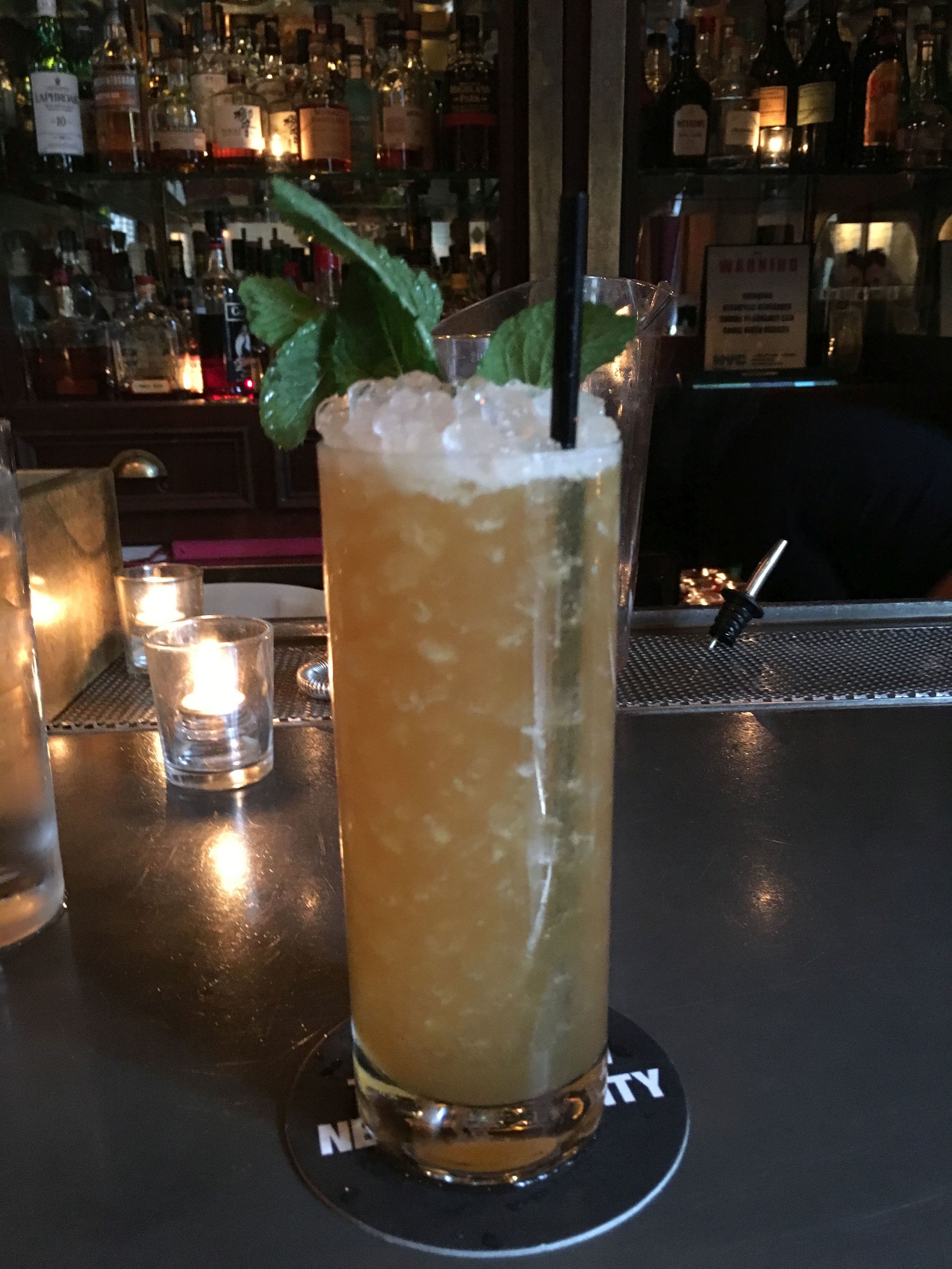
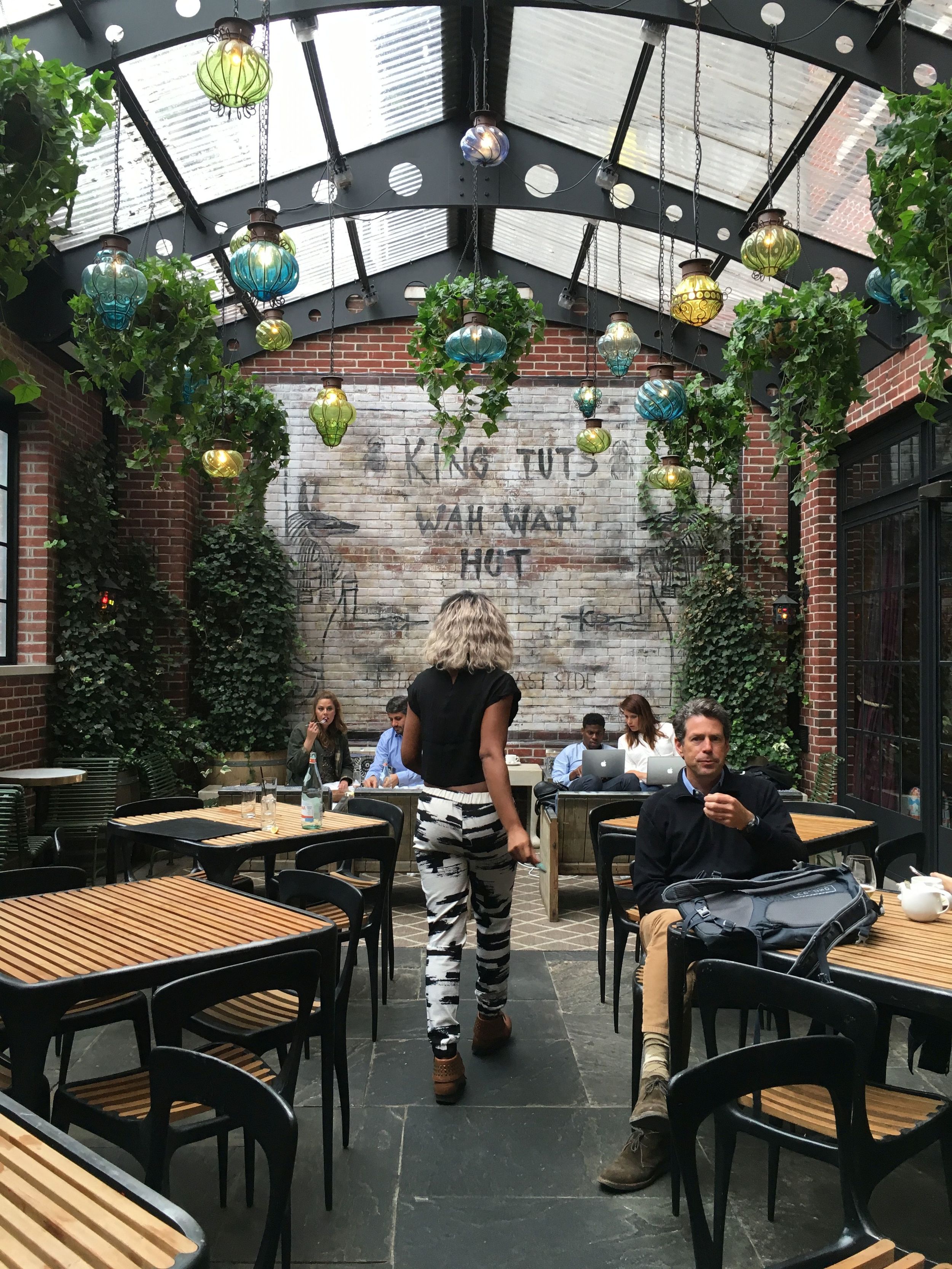
5) Order a $16 Lilikoi cocktail at the zinc coated bar in the corner and enjoy it sitting under the hotel’s greenhouse structure that is apparently pleasant year-round.
6) Covet the black and white brushstroke pants of the cocktail waitress.
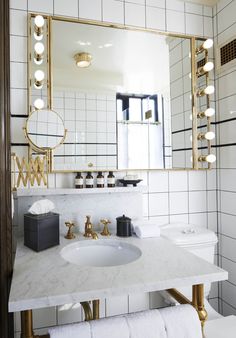
7) If you stay the night, you’ll sleep on a four poster bed from Portugal, surrounded by inserted and white-washed ceiling beams and even more amazing brass fixtures (including Hollywood style vanity lights in the bathrooms).
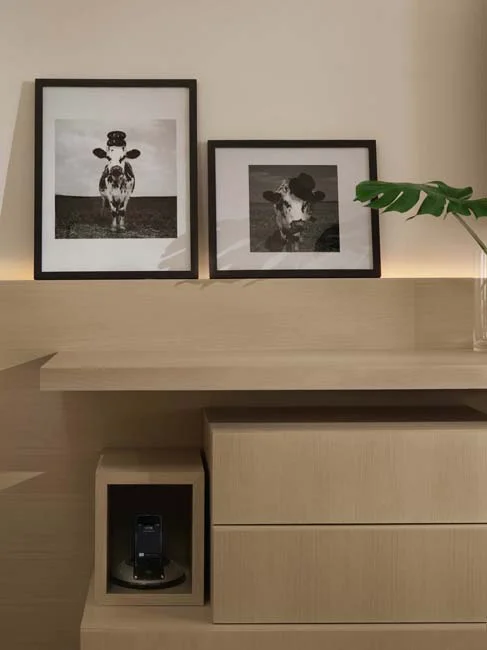
8) Marvel at the museum-quality guestroom art, curated by the NYC magnate, Vito Schnabel.
9) Witness the room literally expand after dark as the city view becomes the centerpiece of the small, simple space.
10) Enjoy the authentic, surprisingly low-key street, capped off by the iconic Katz’s Deli on your way to the F or the 6 and the rest of the great city where unique experiences are the norm.
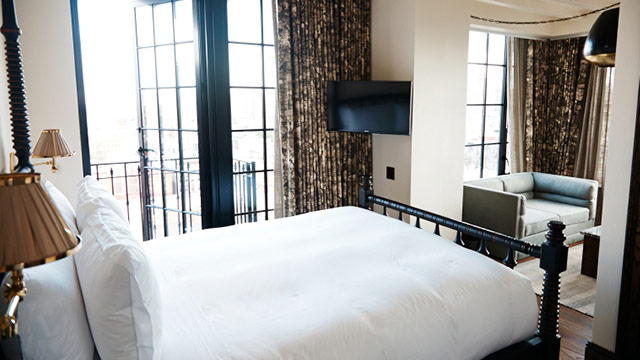

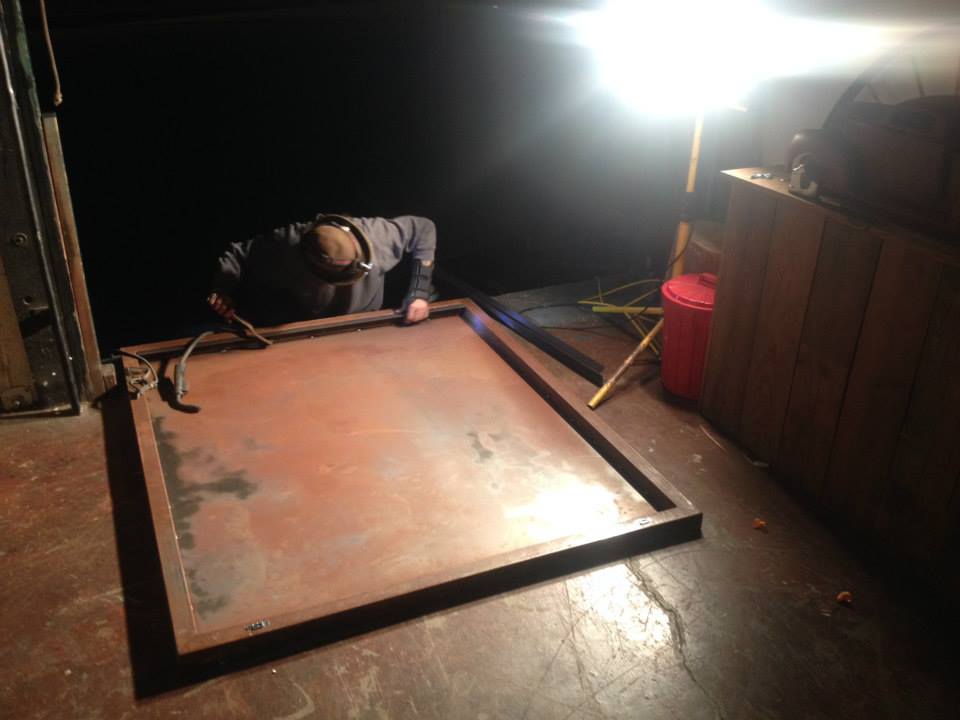
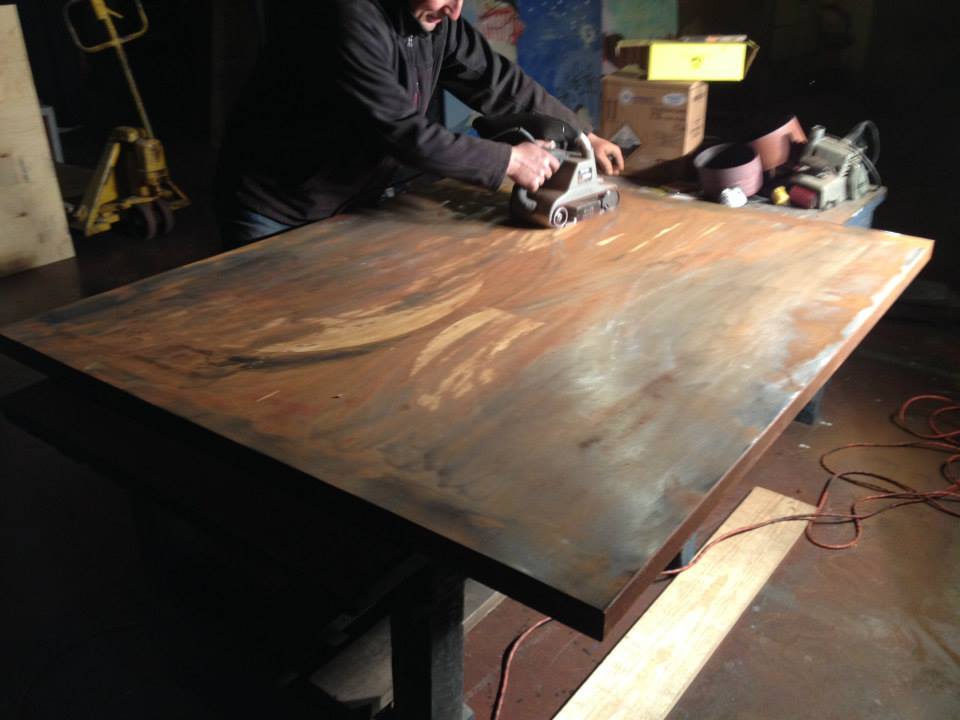
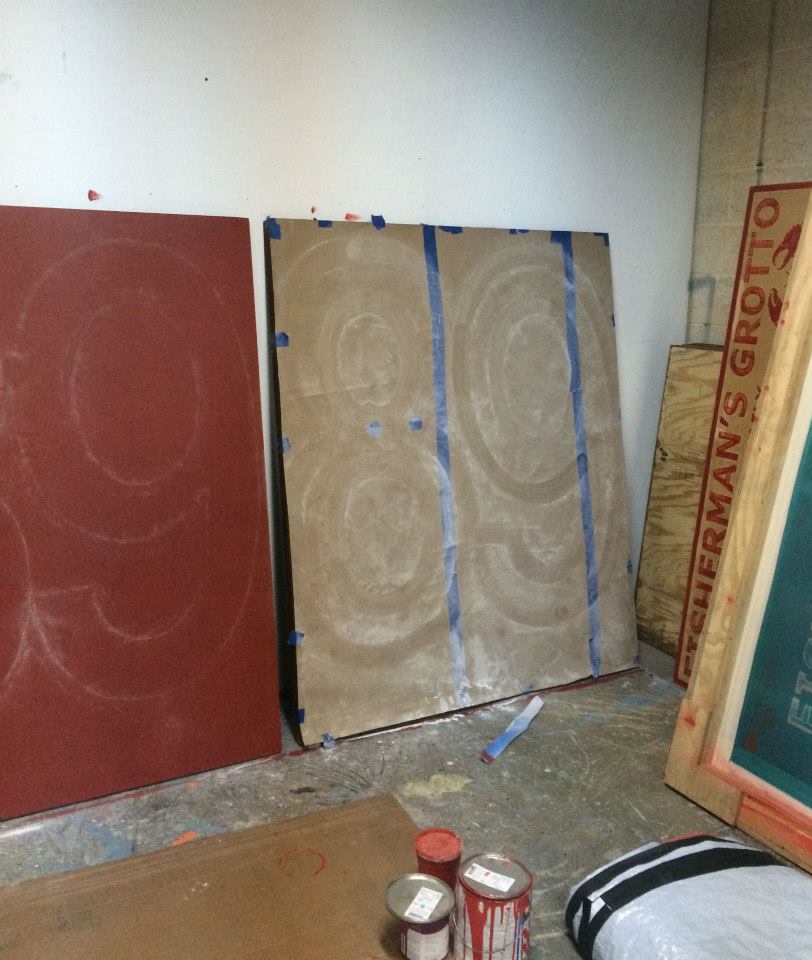
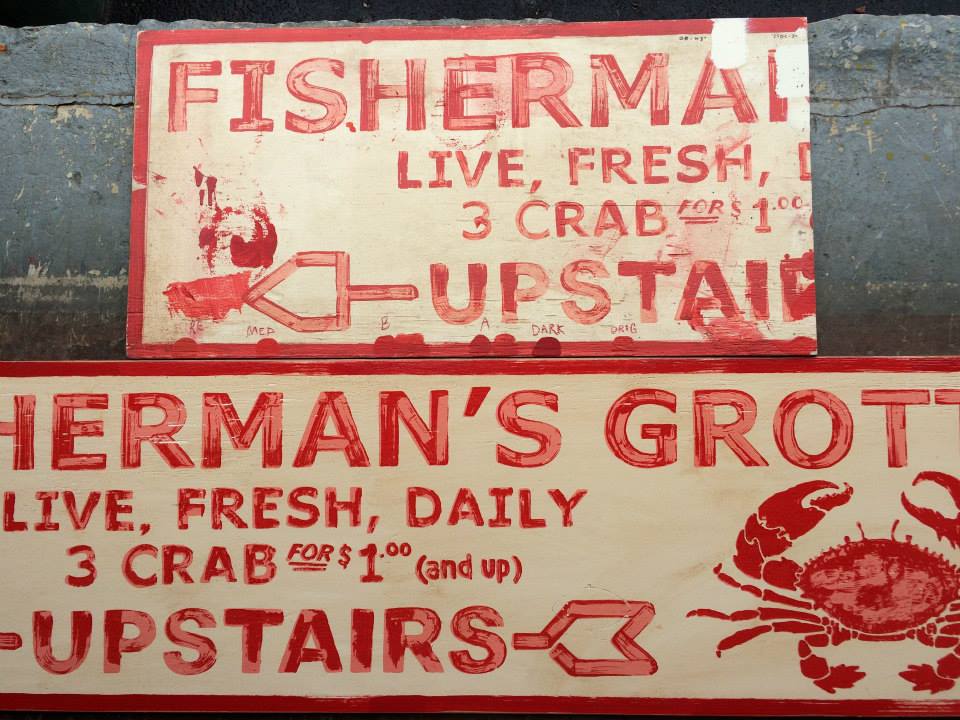
Double Queen Guestroom with Custom "Dock B" metal signage.
APP // SAN FRANCISCO
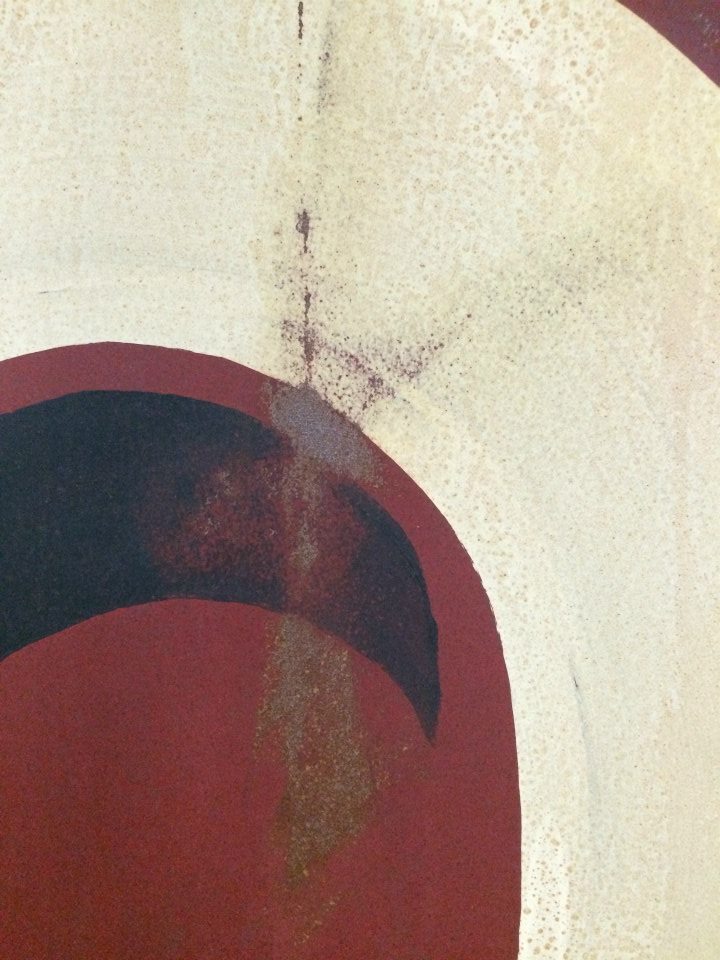
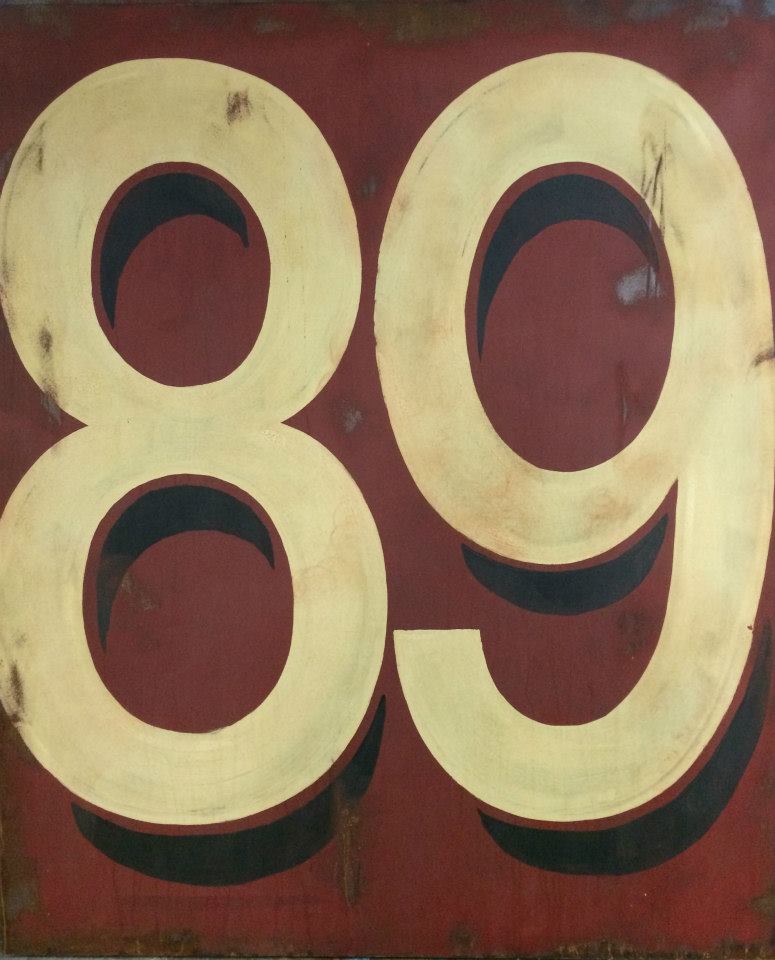
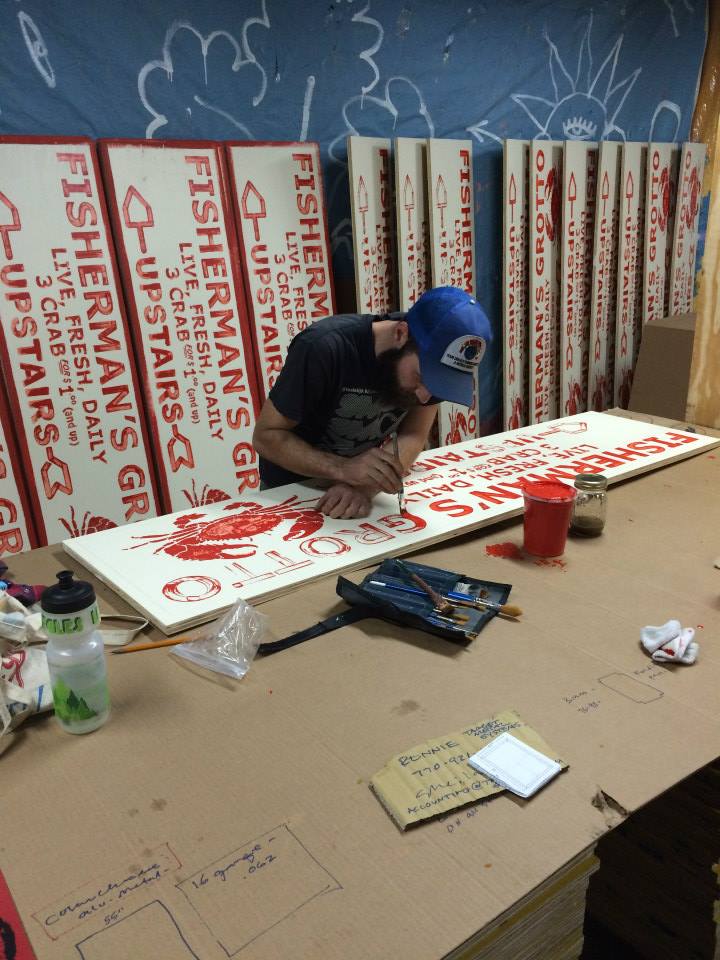
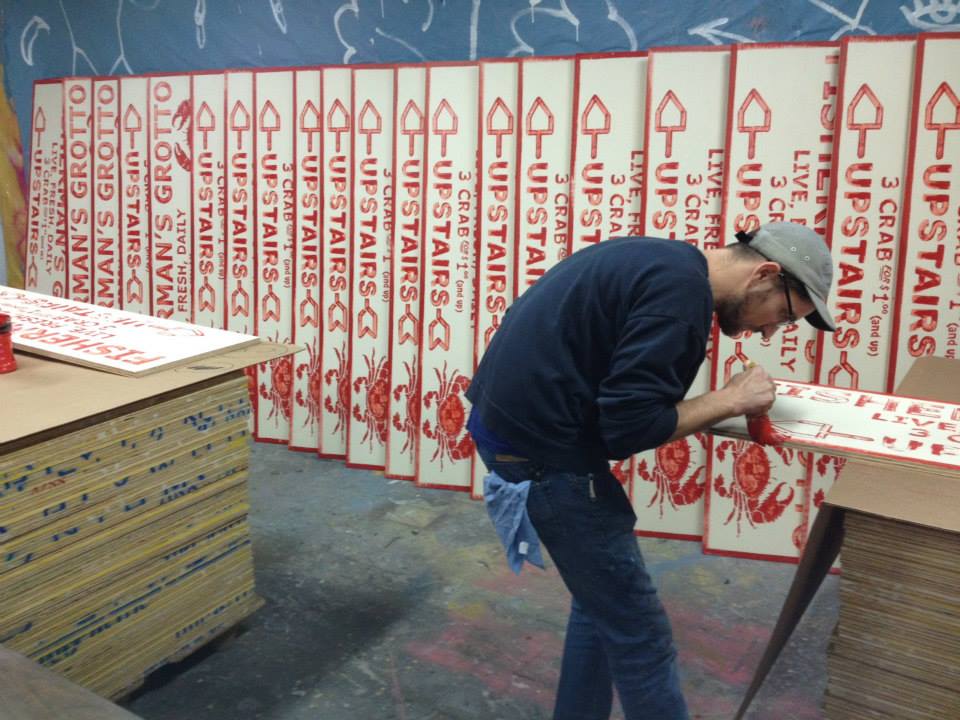
The recent re-branding of Pier 2620 Hotel was featured by Hospitality Design Magazine this week. Amy Parry Projects was selected by the Designers at Anderson/Miller, Ltd. to carry their Fisherman's Wharf concept through in the art for 233 guestrooms. Start to finish, we thrive on creating these one-of-a-kind art packages.
Please check out our photos of the evolution of these custom, hand-painted (and weathered) signs after you read the article about the project.