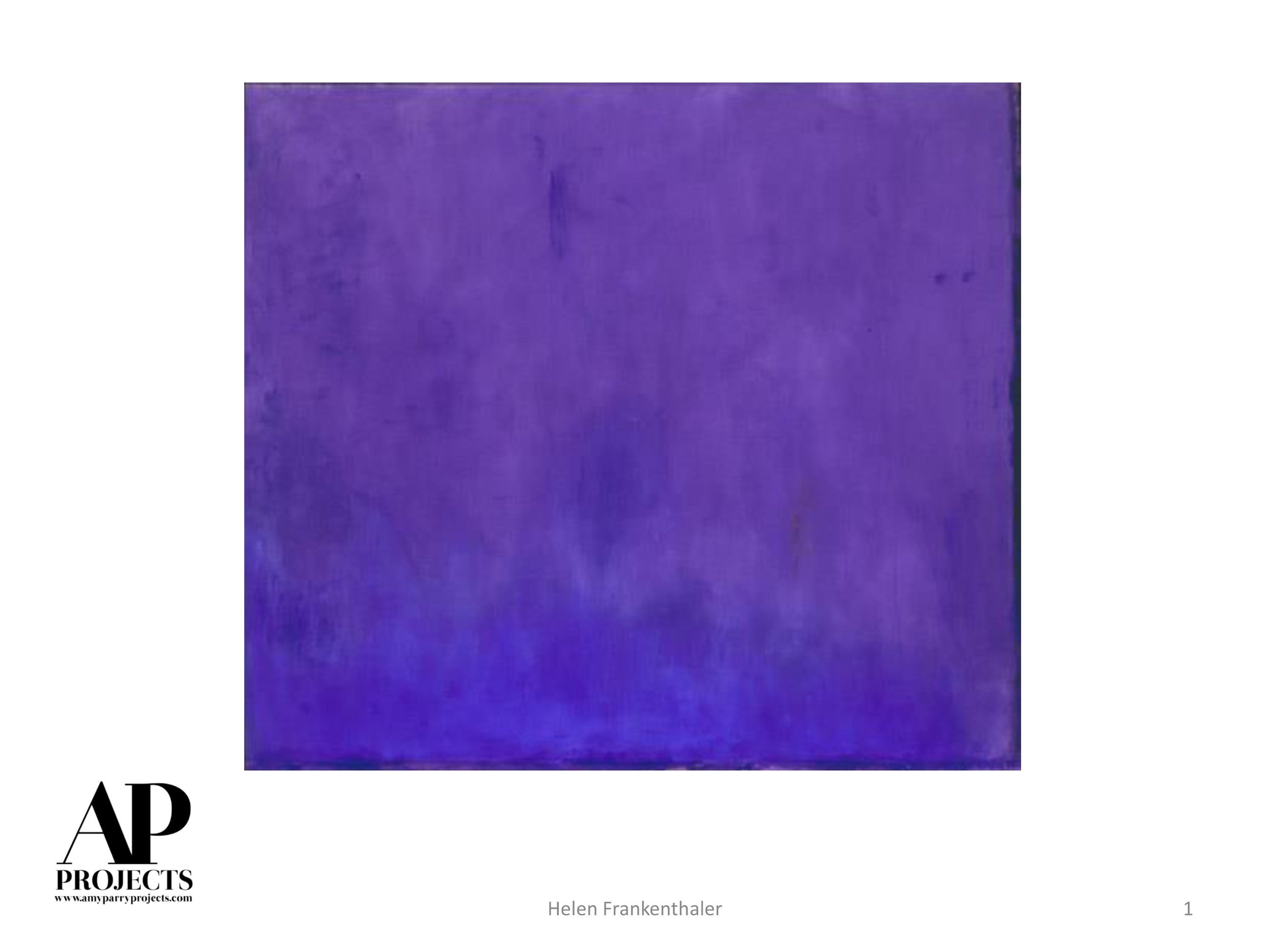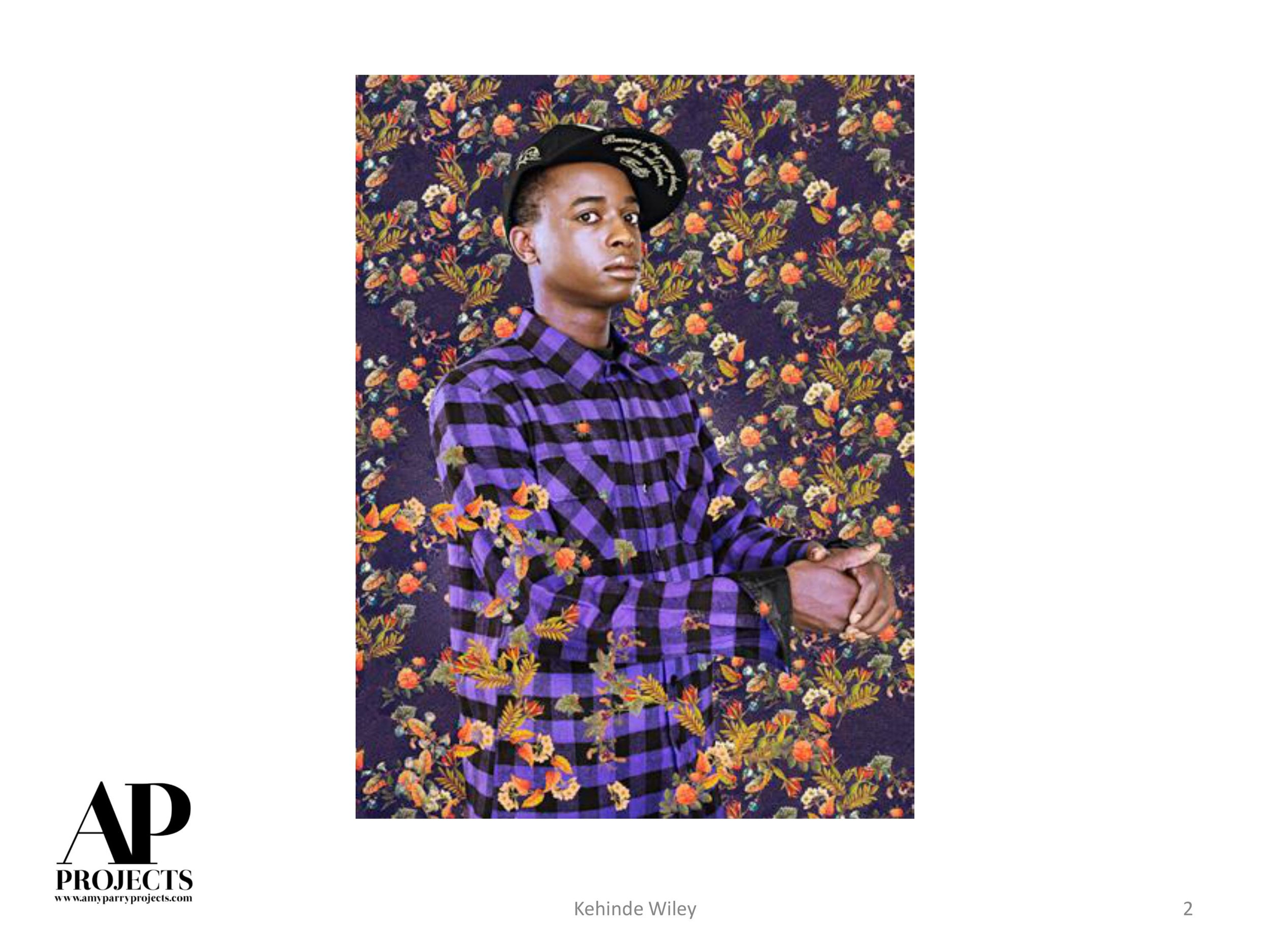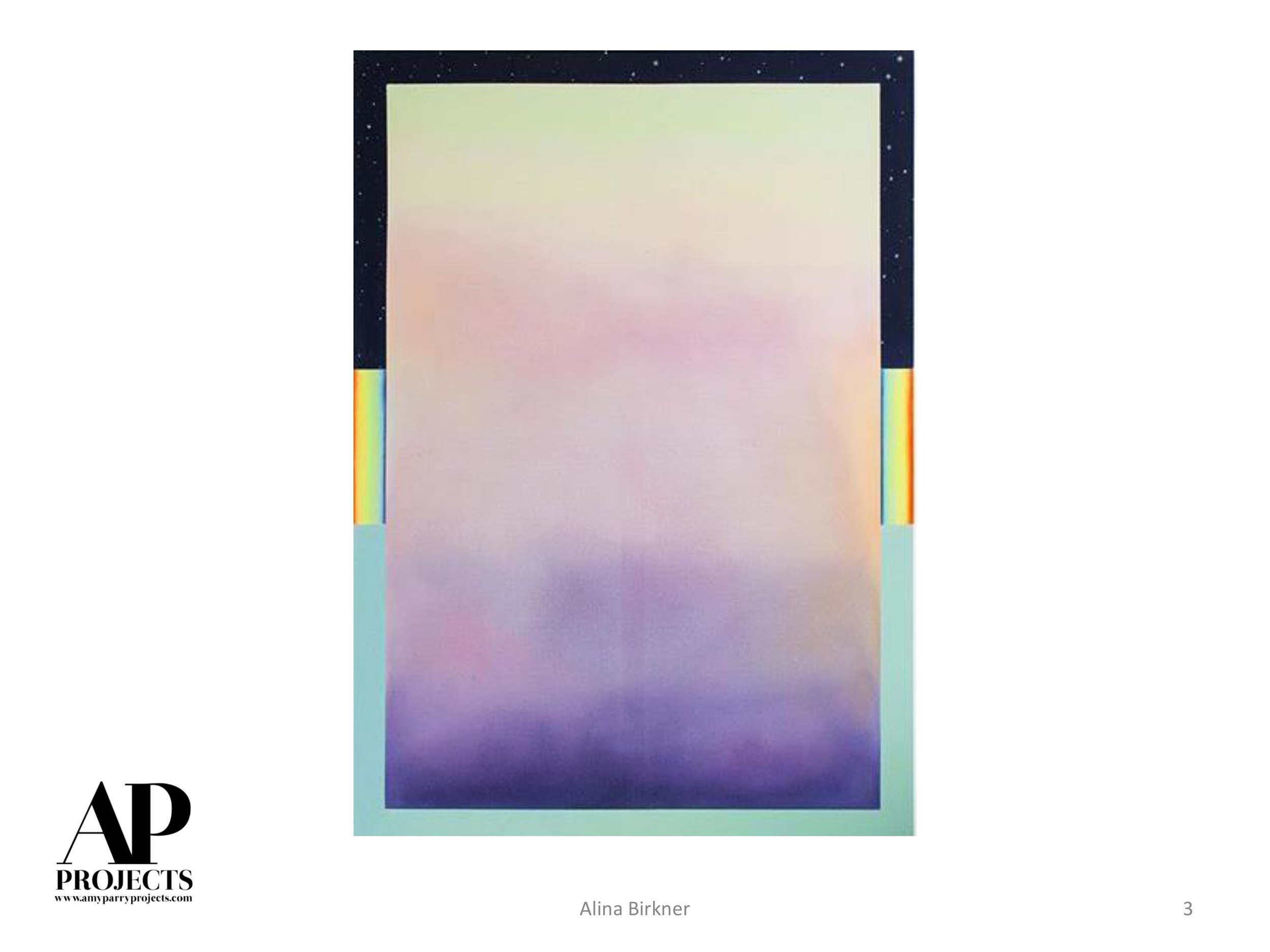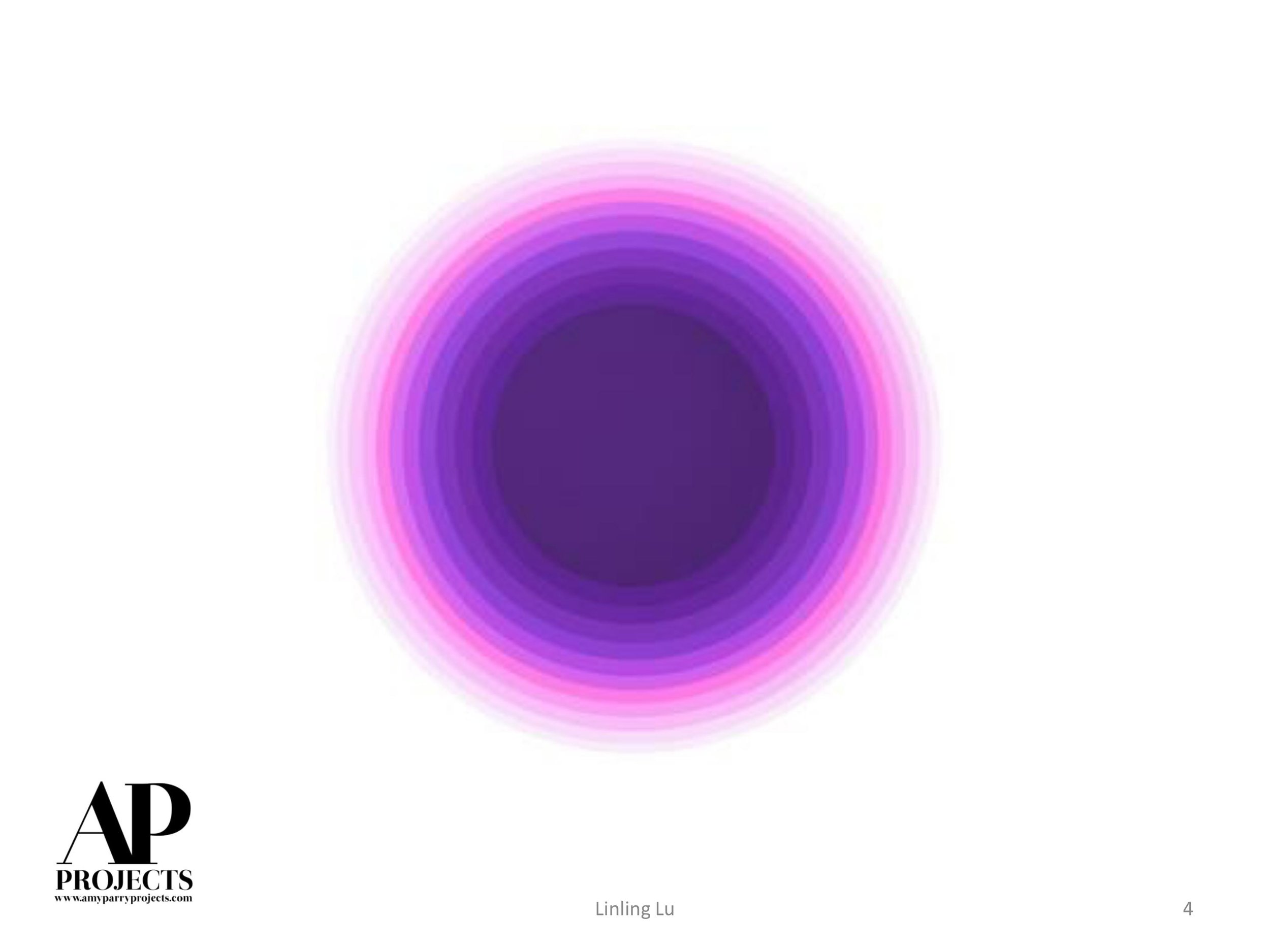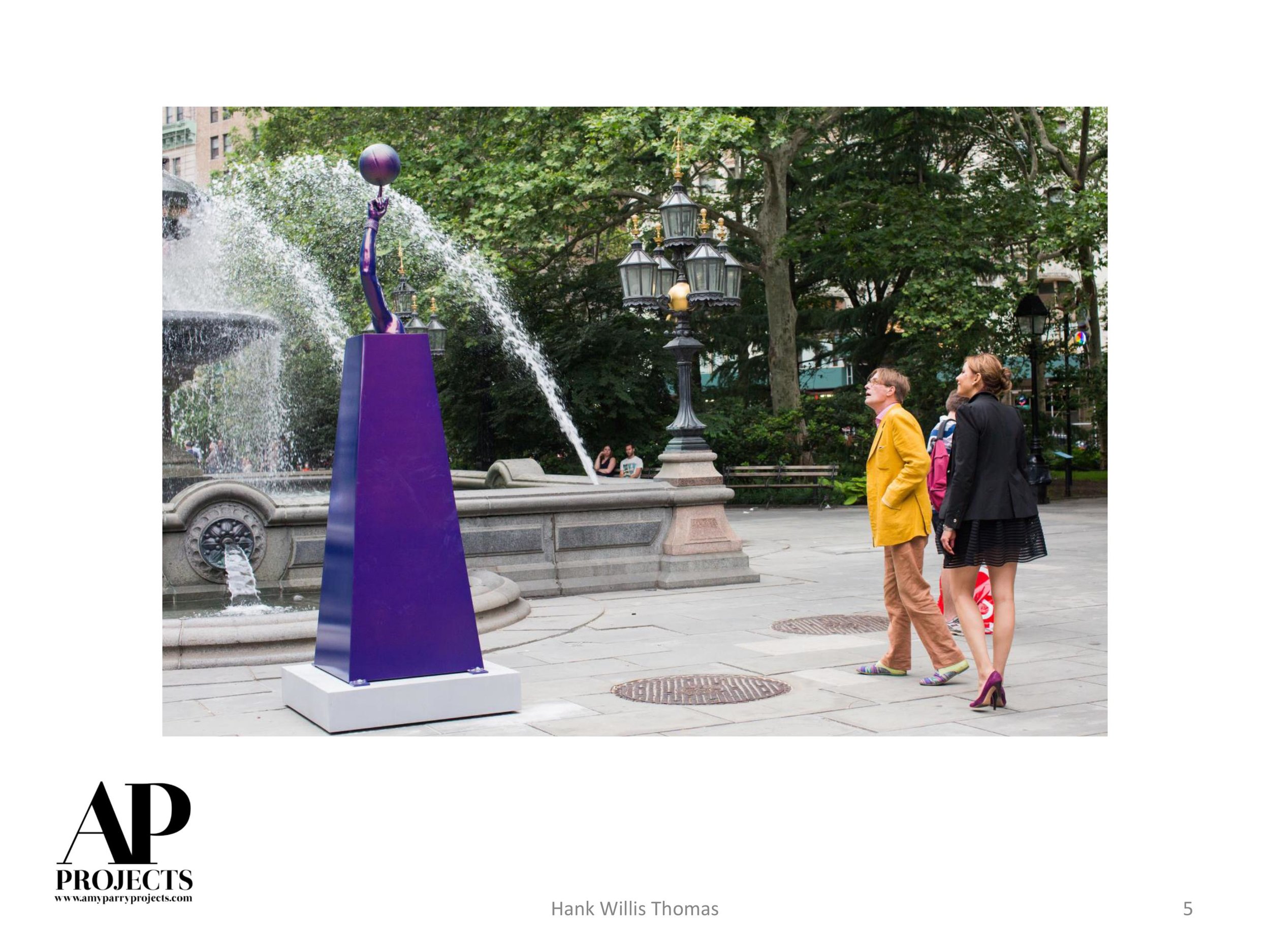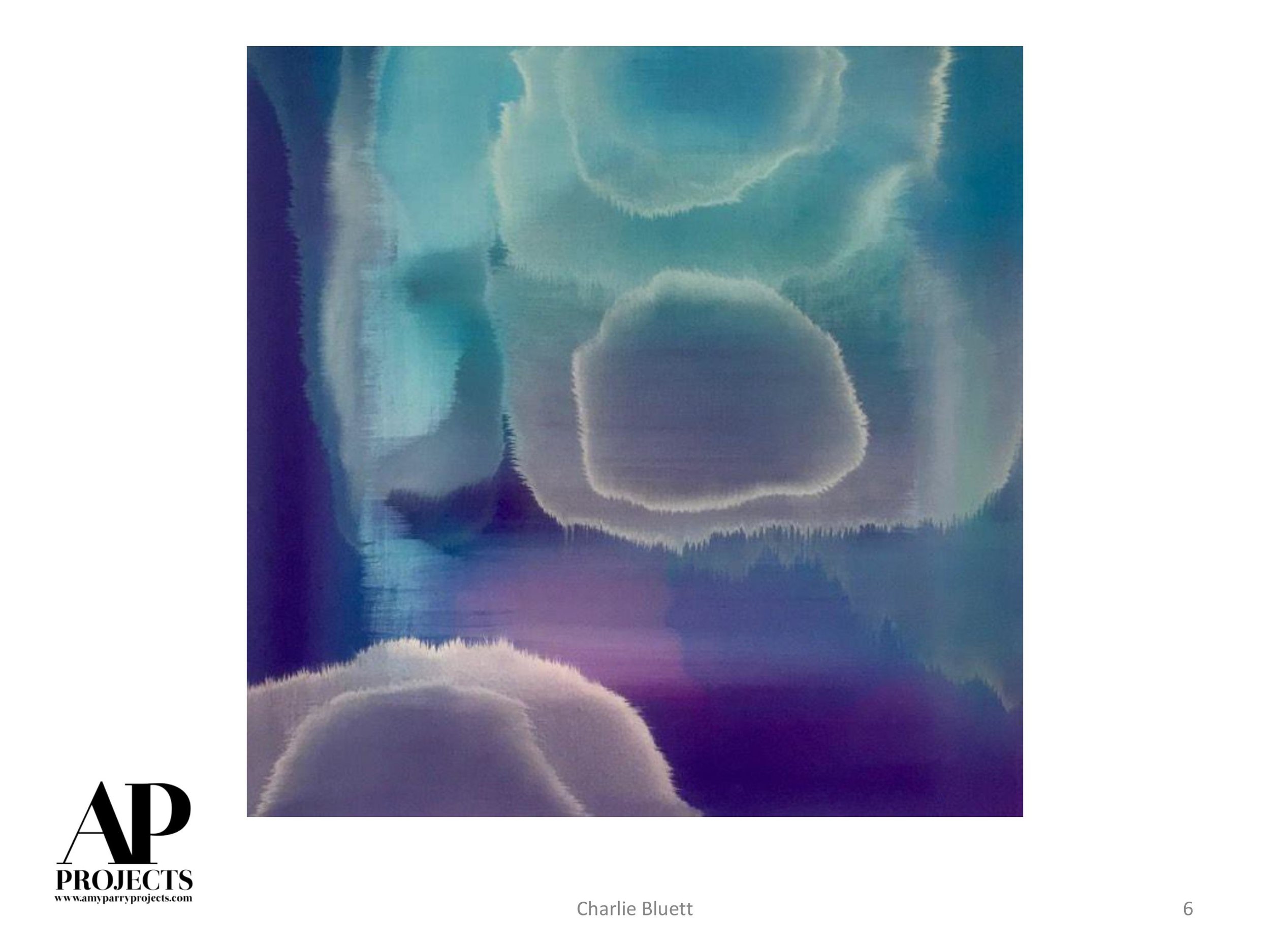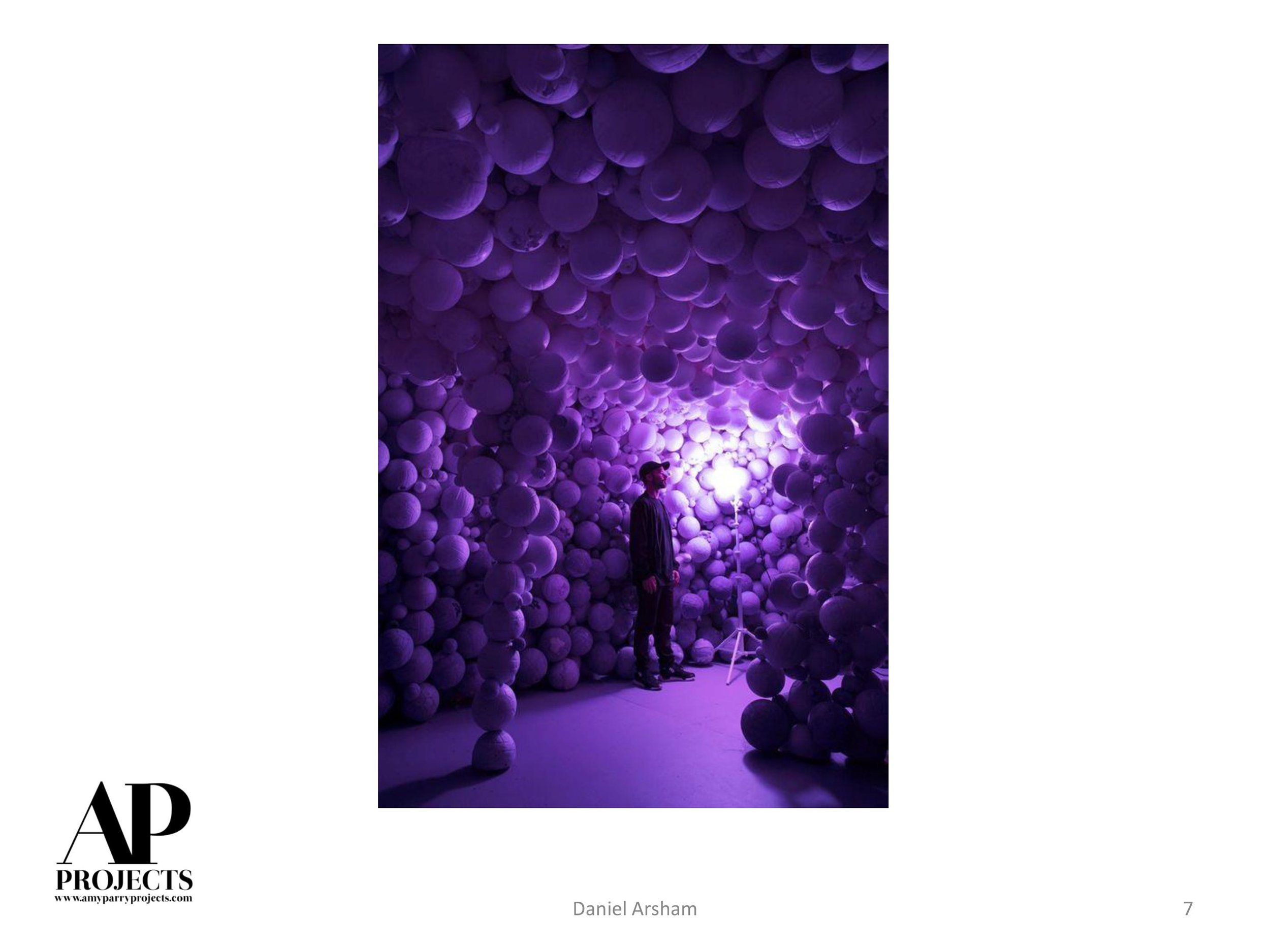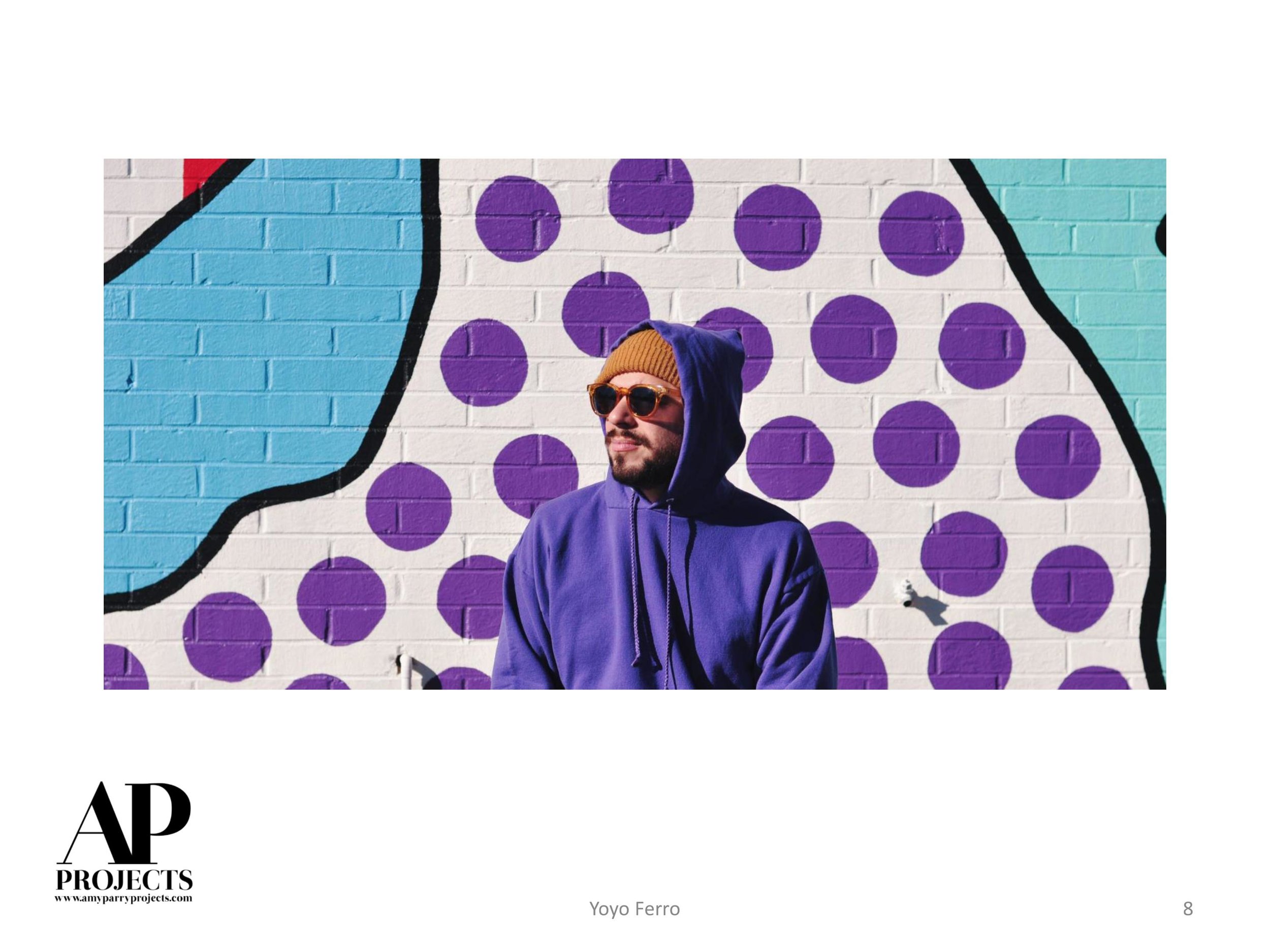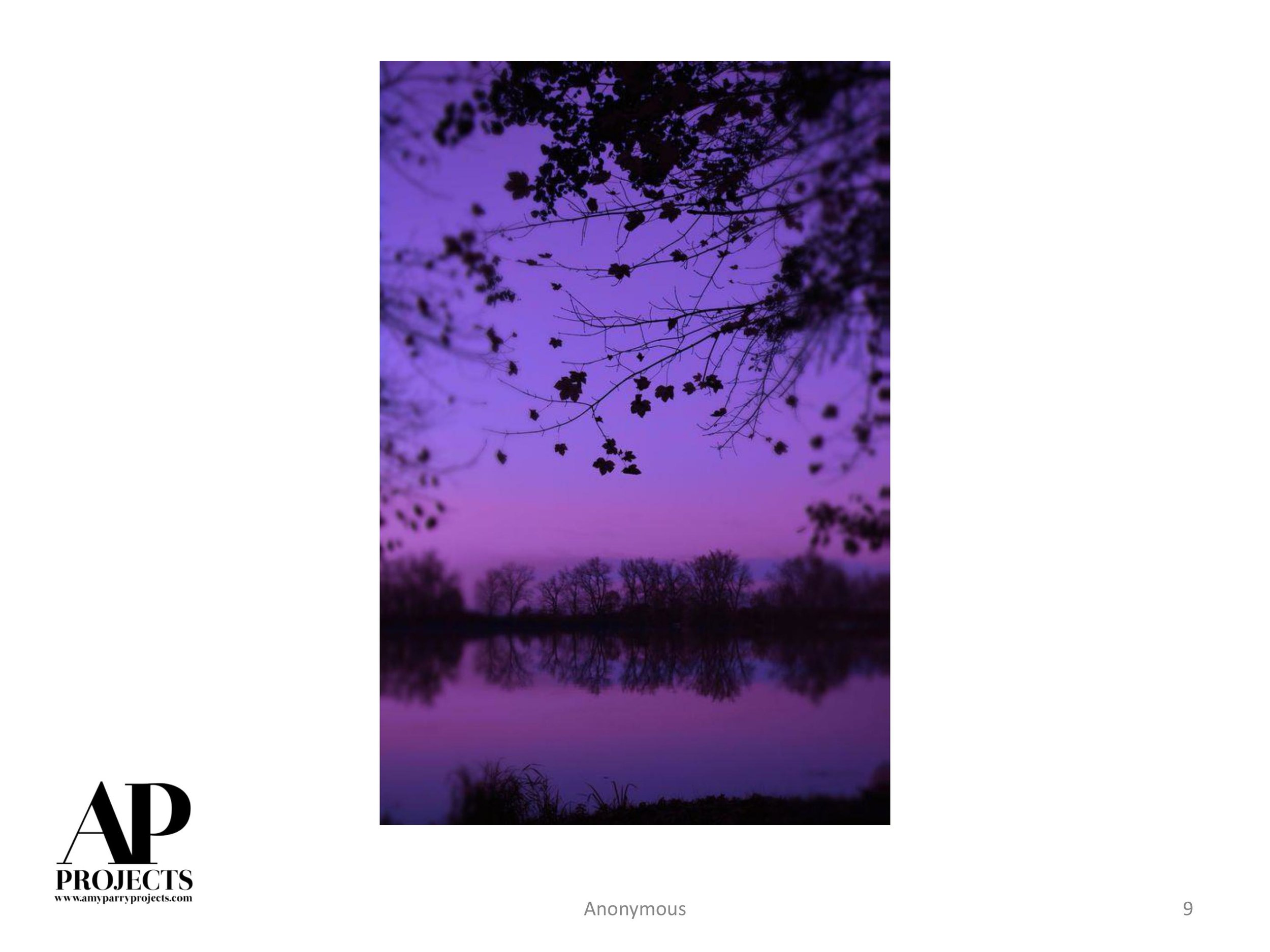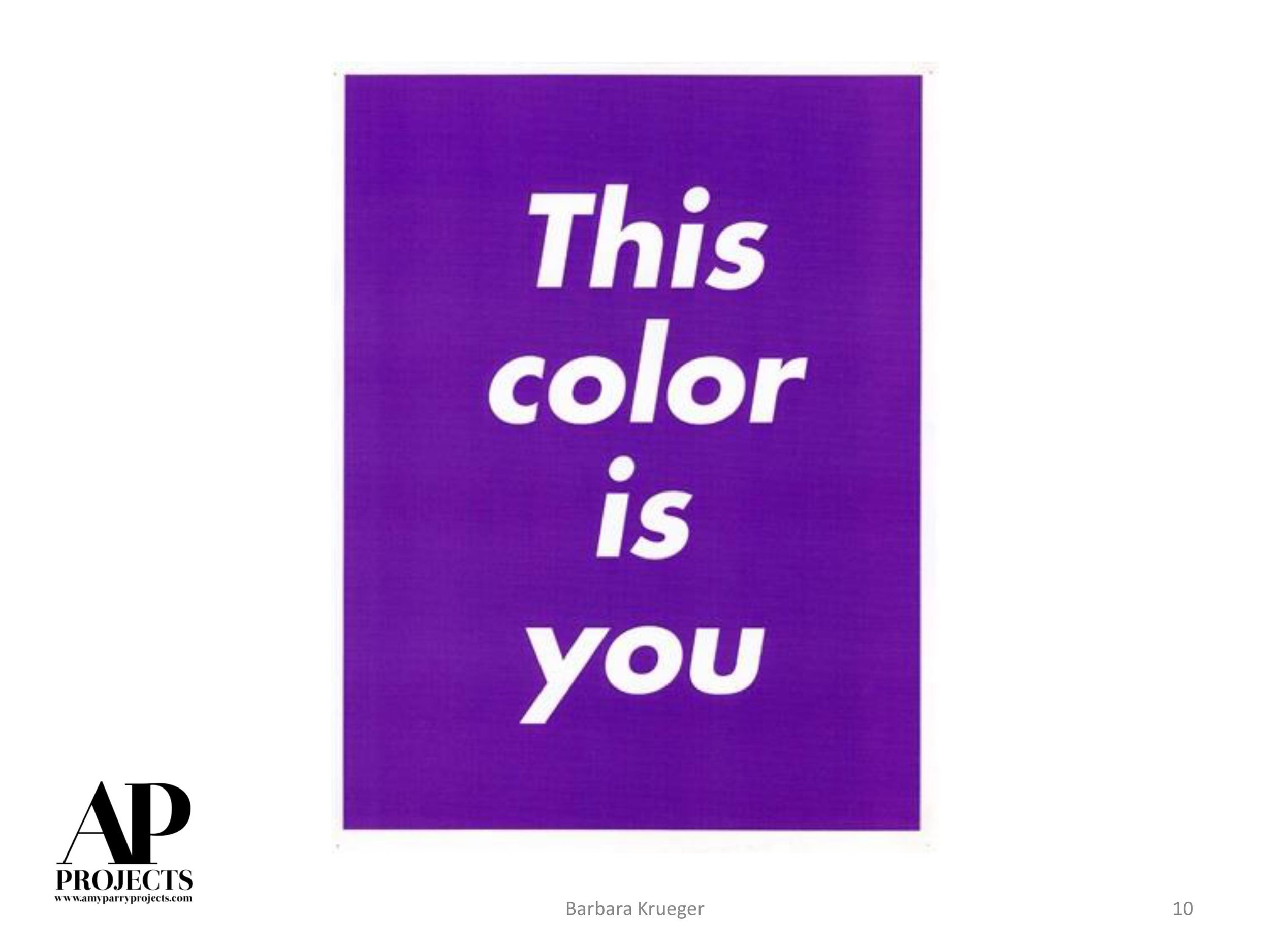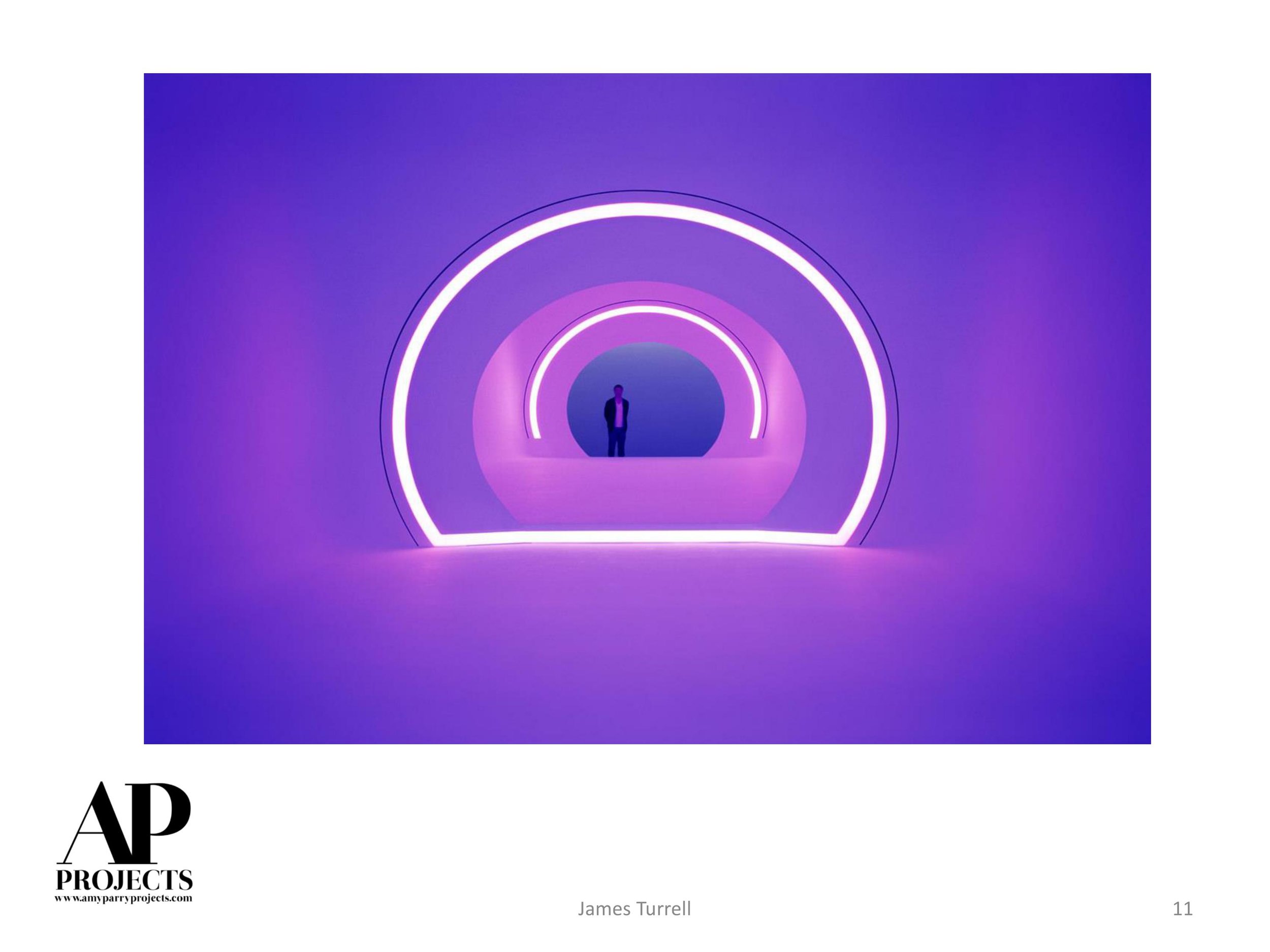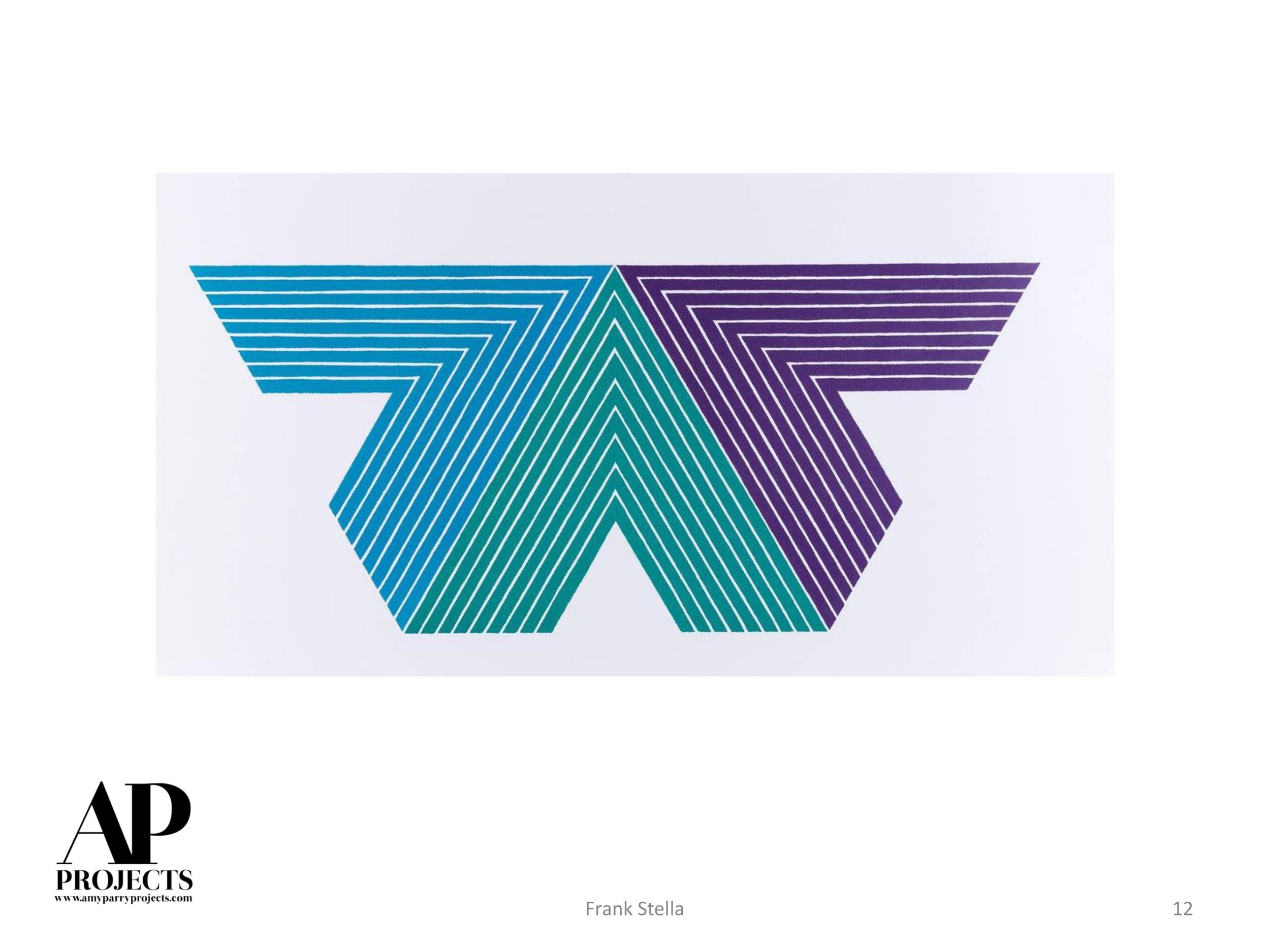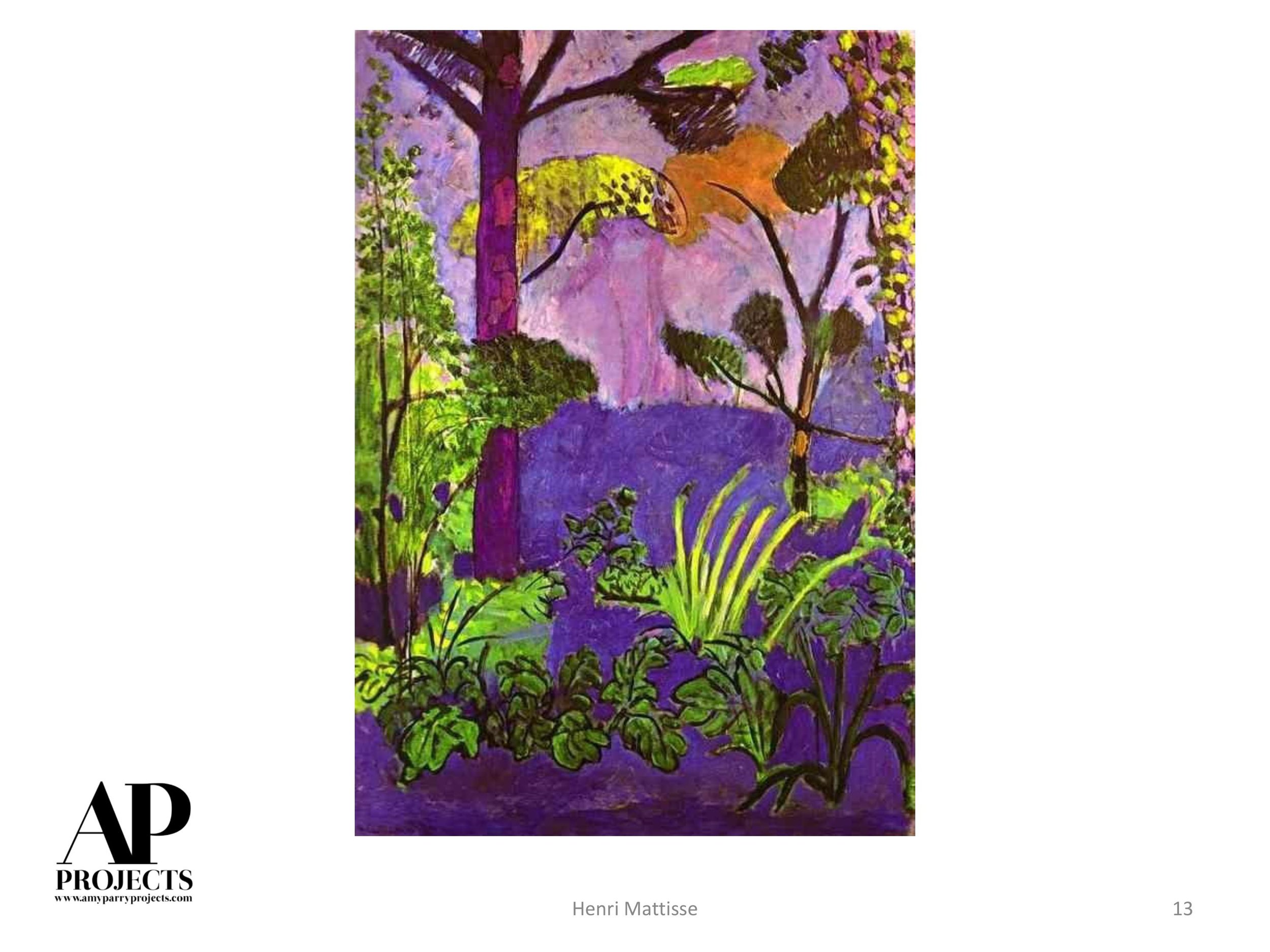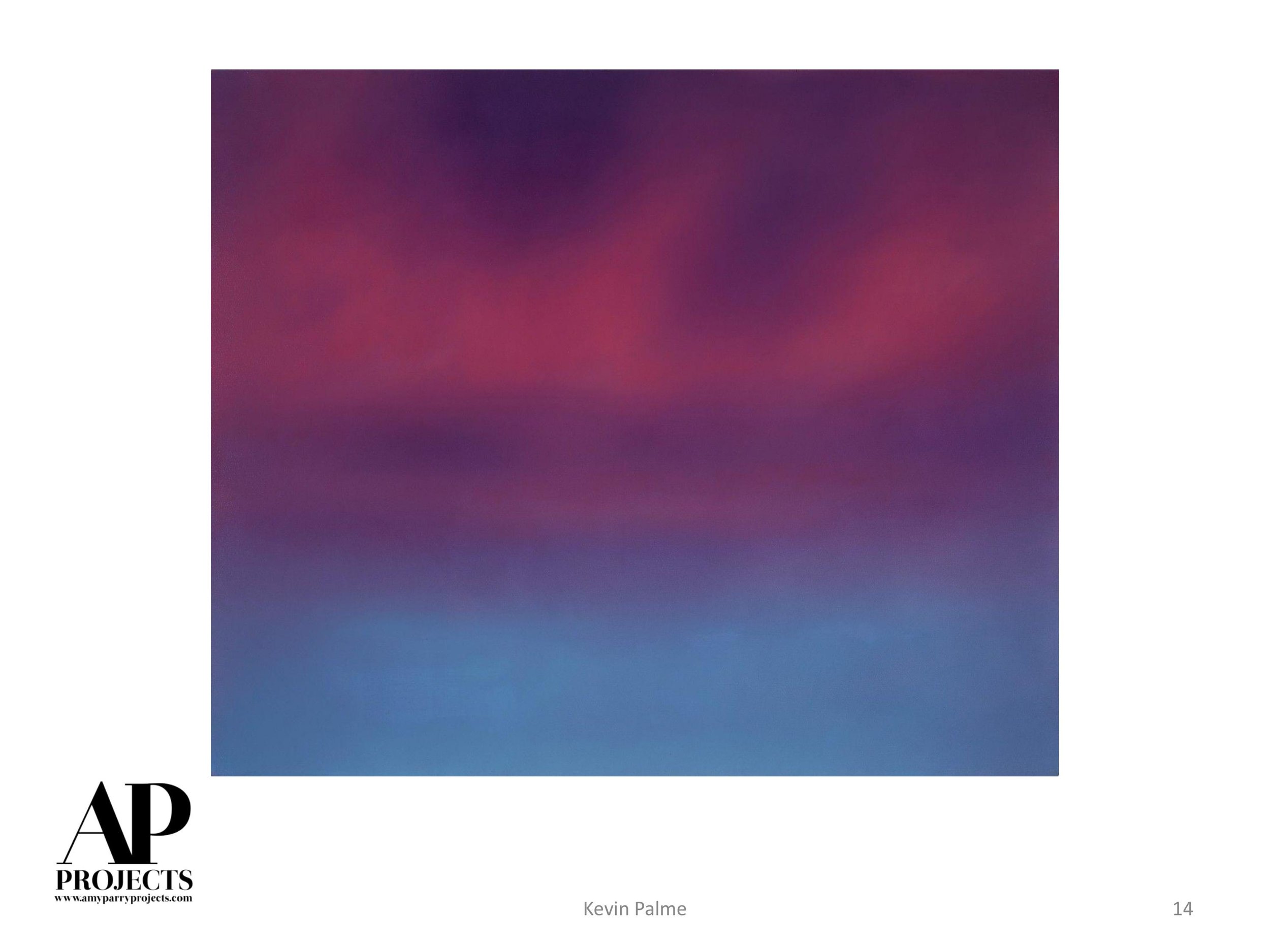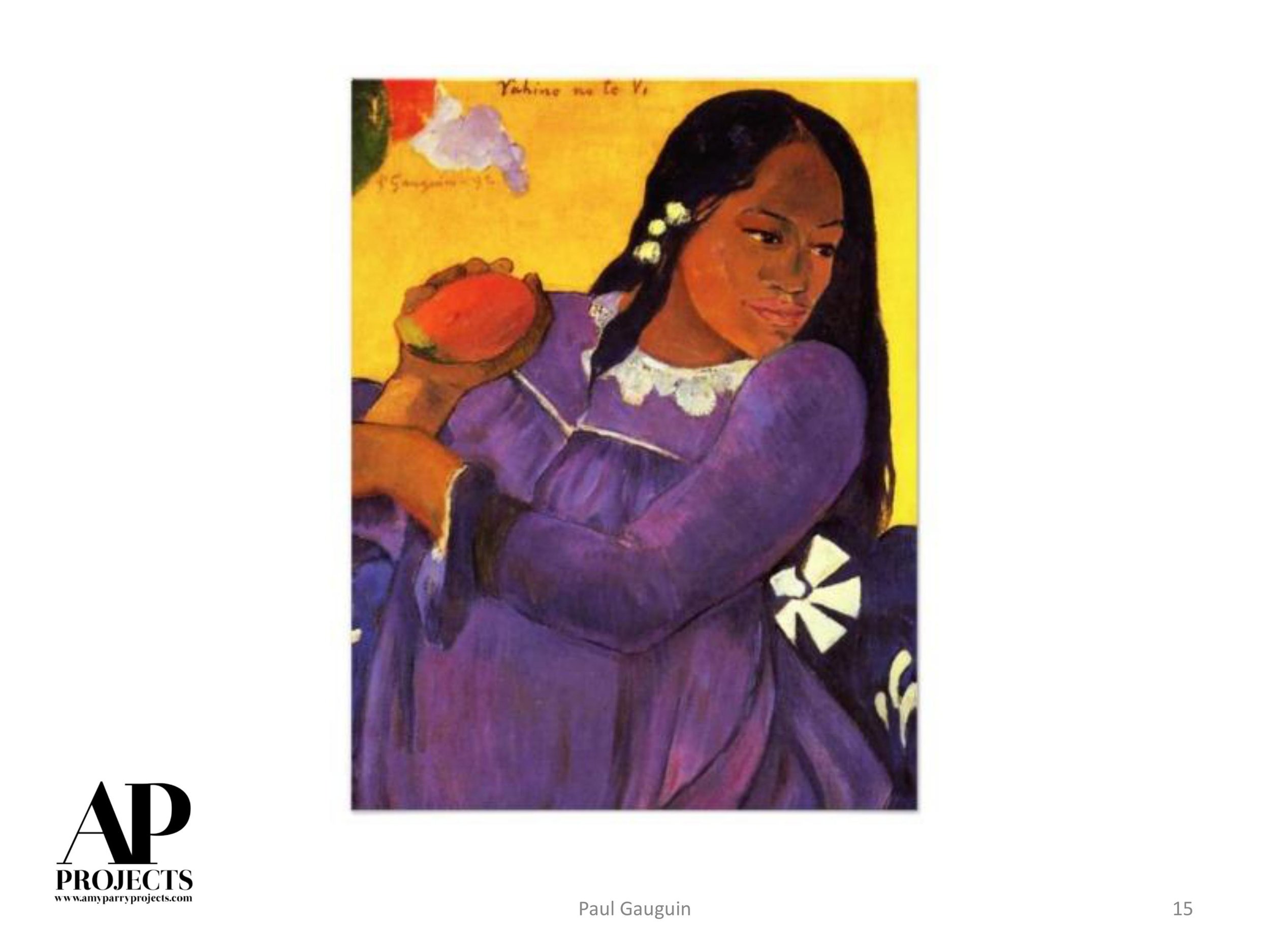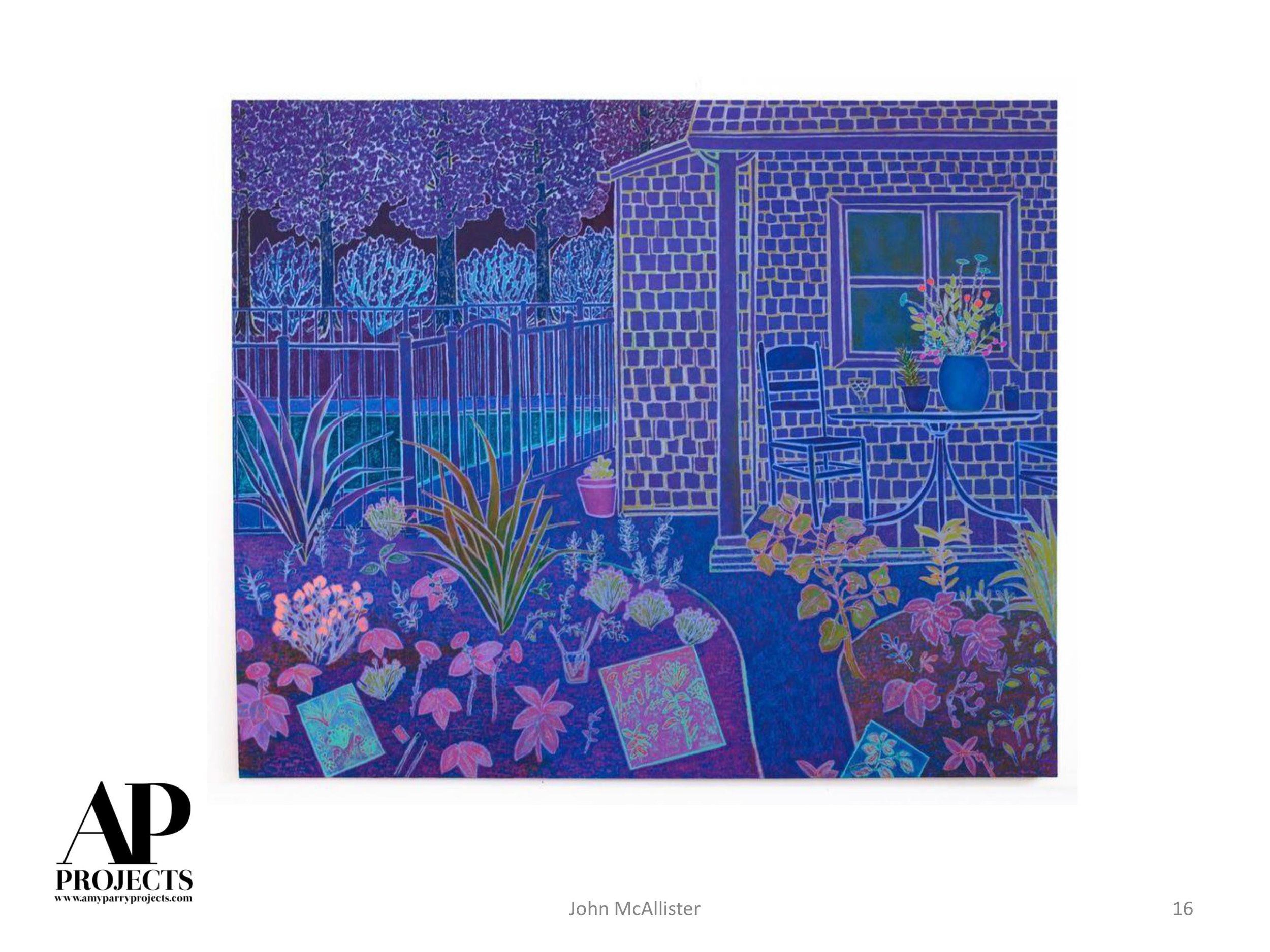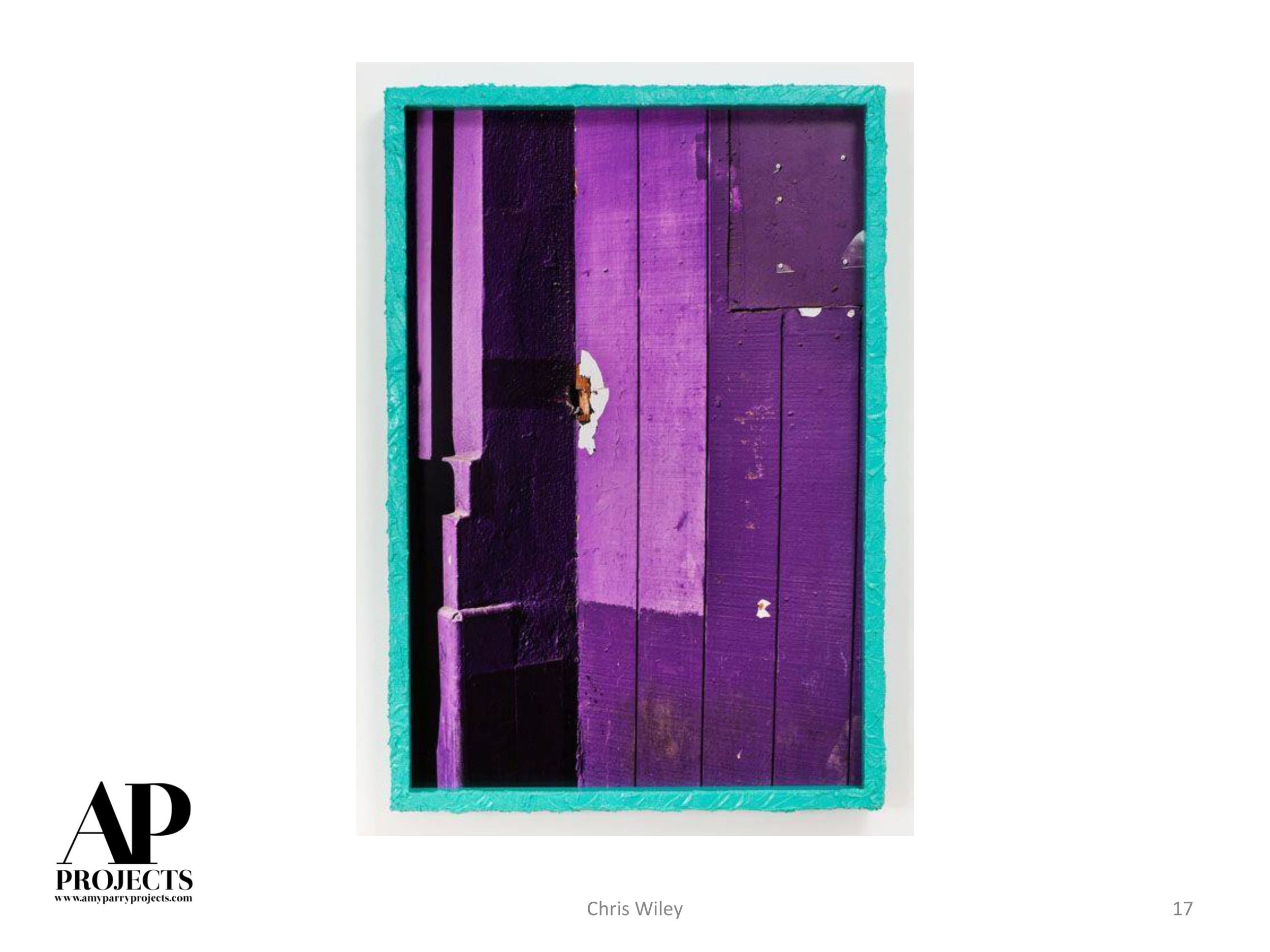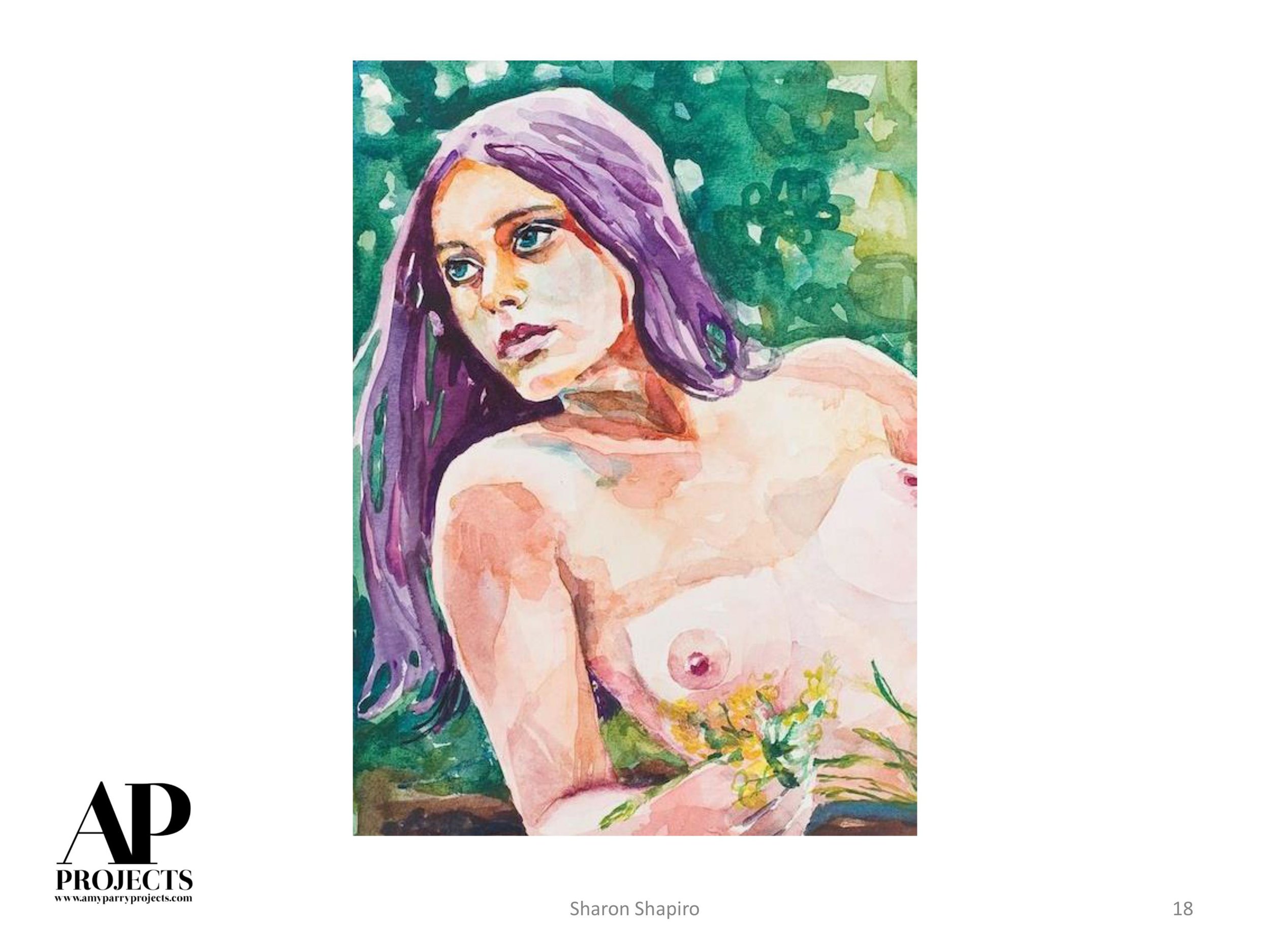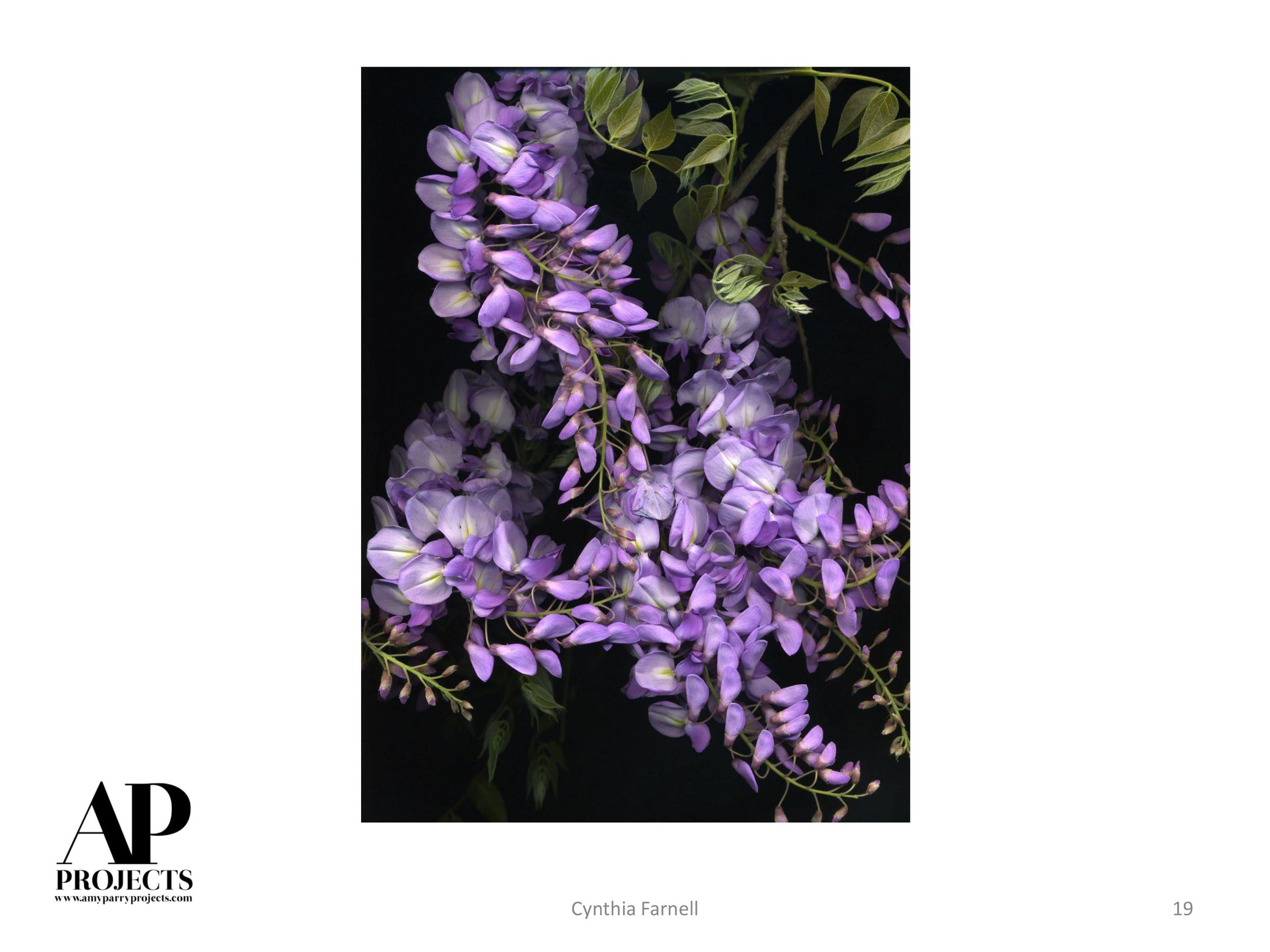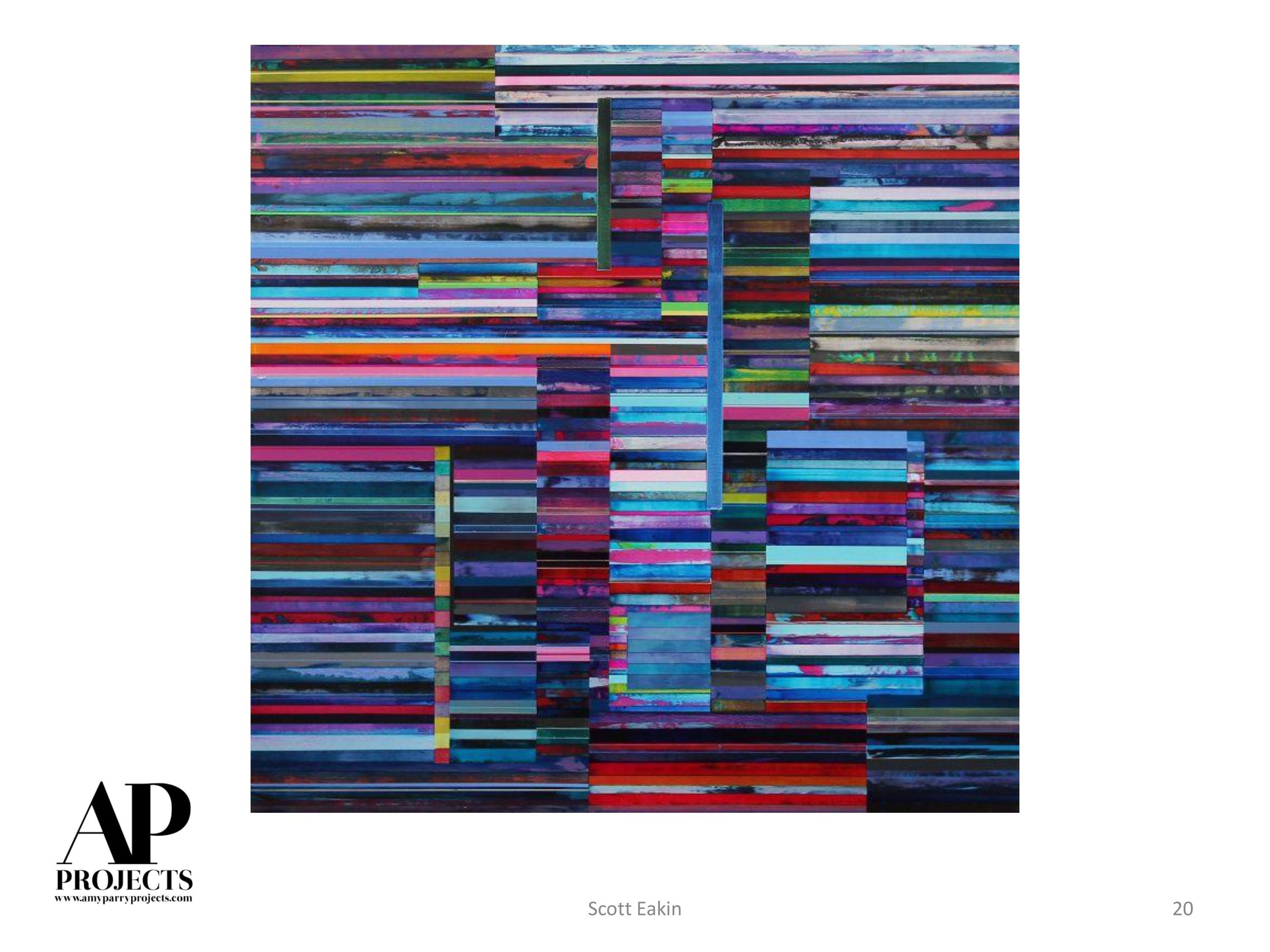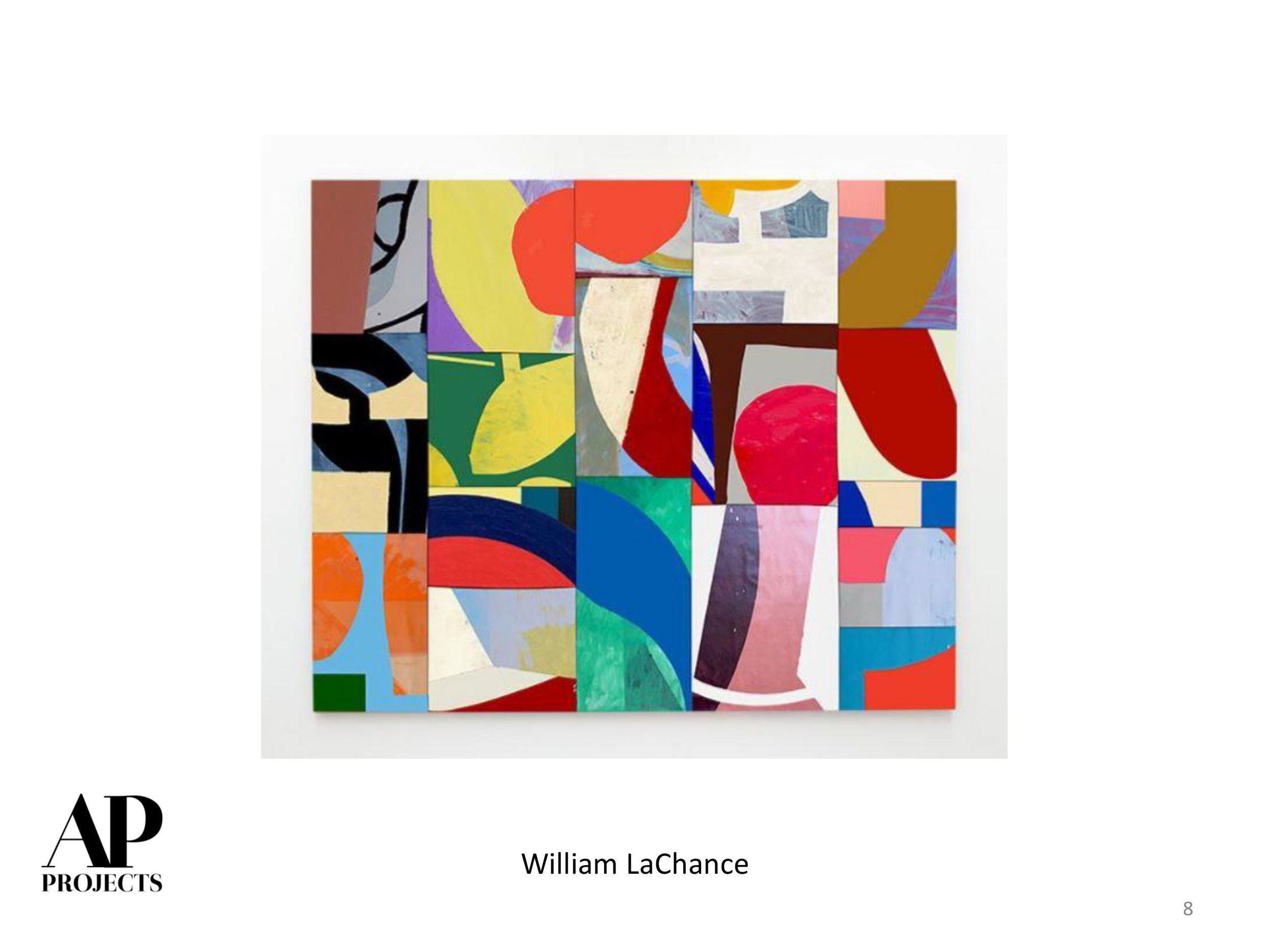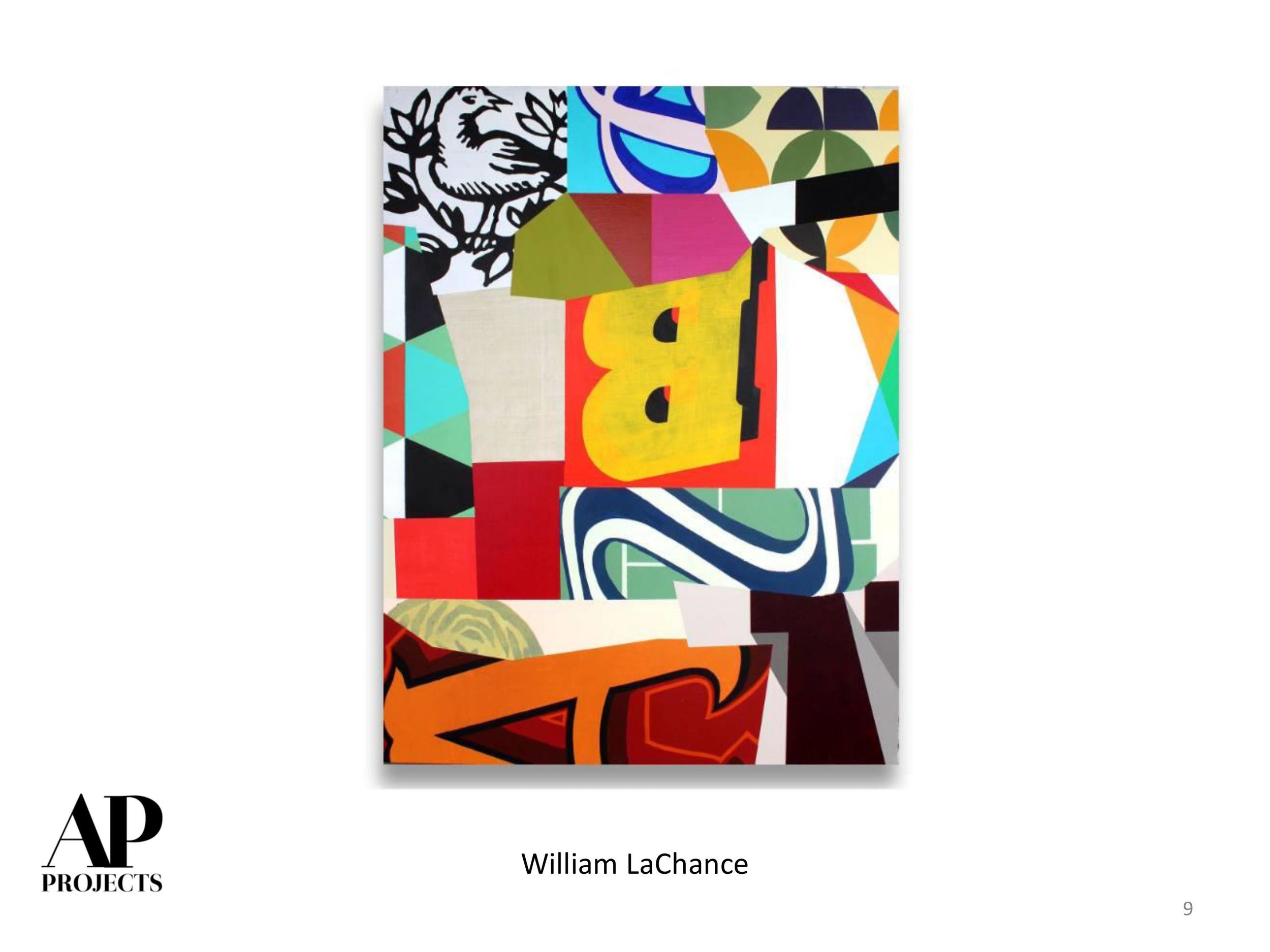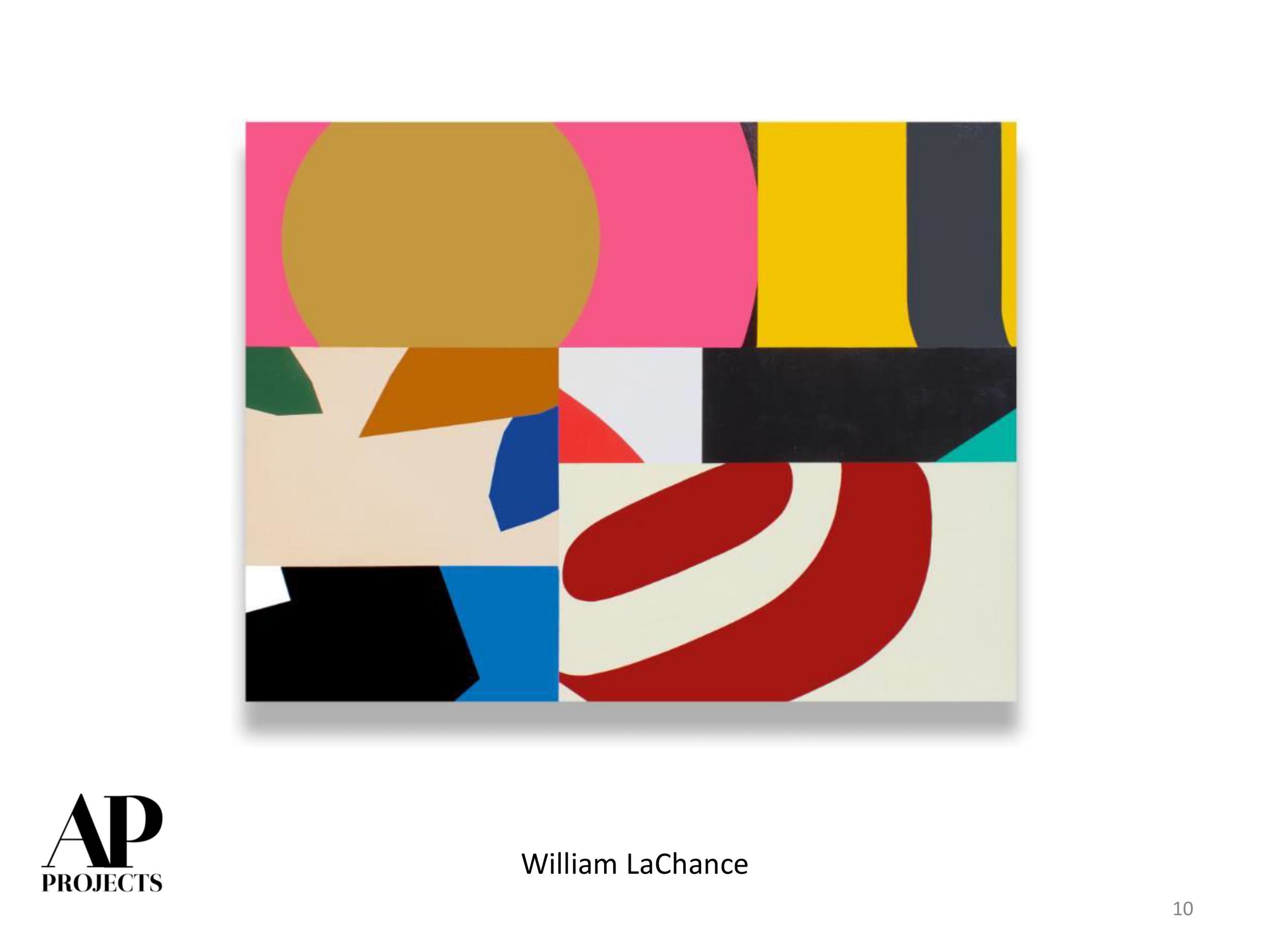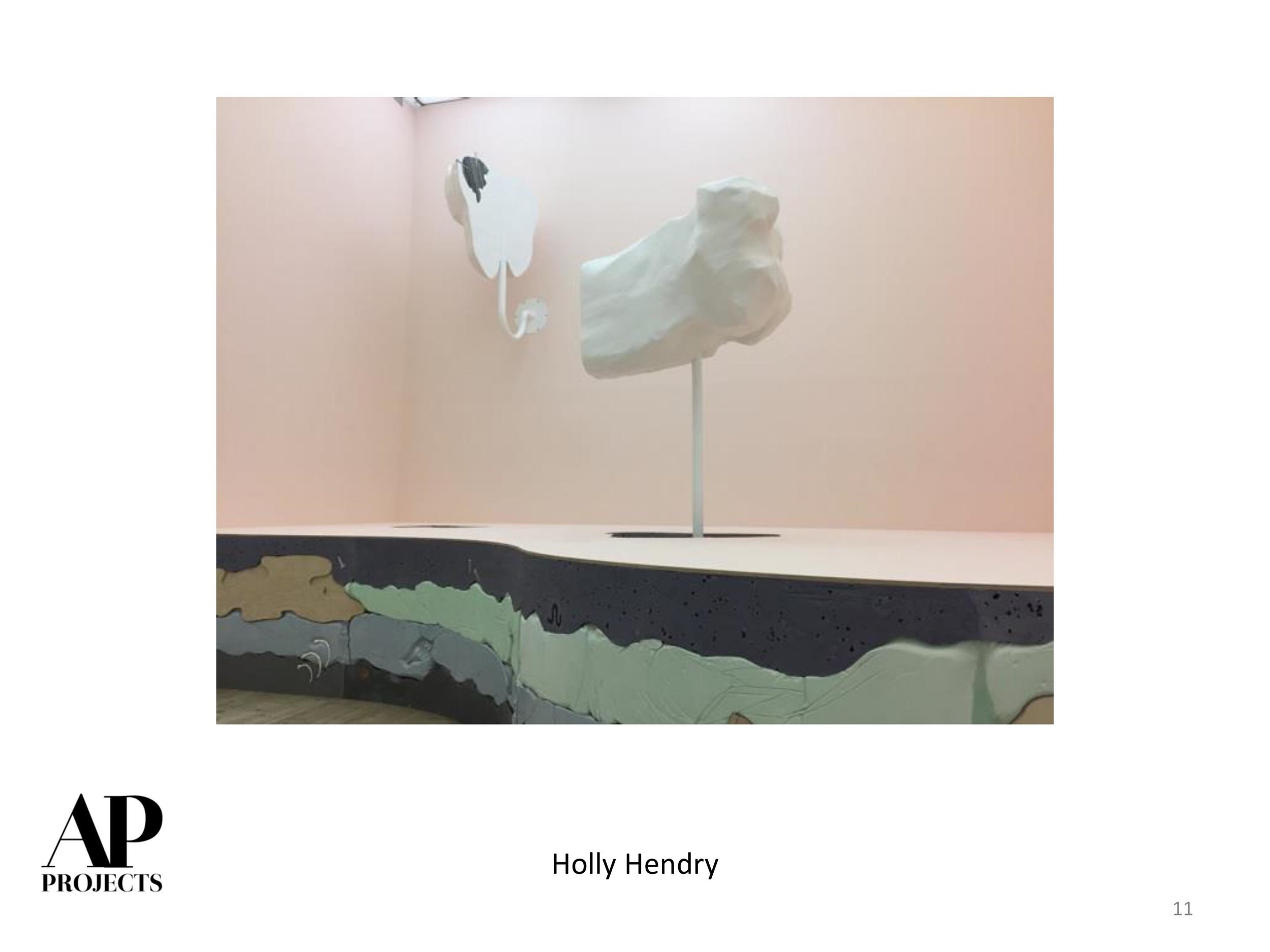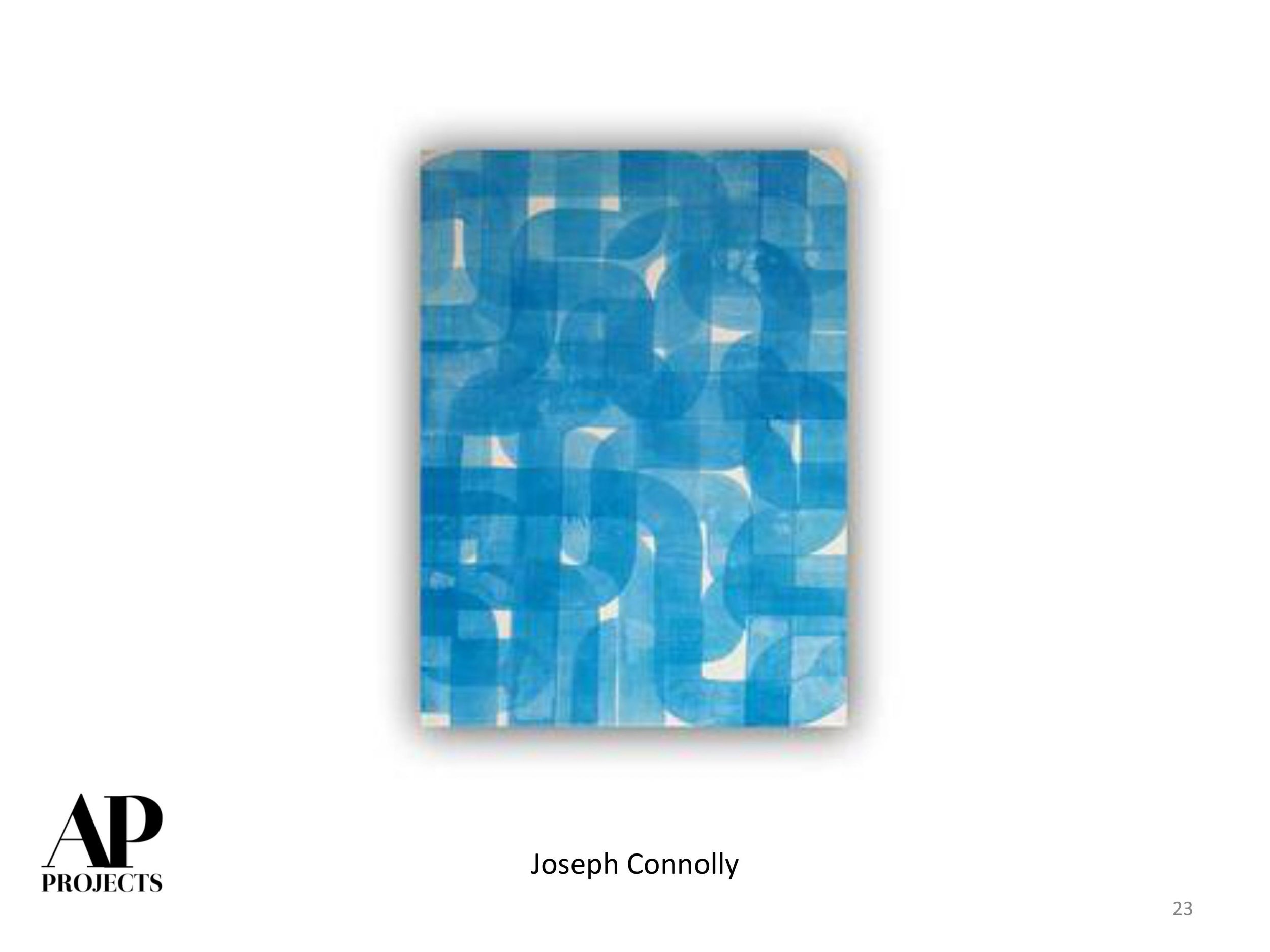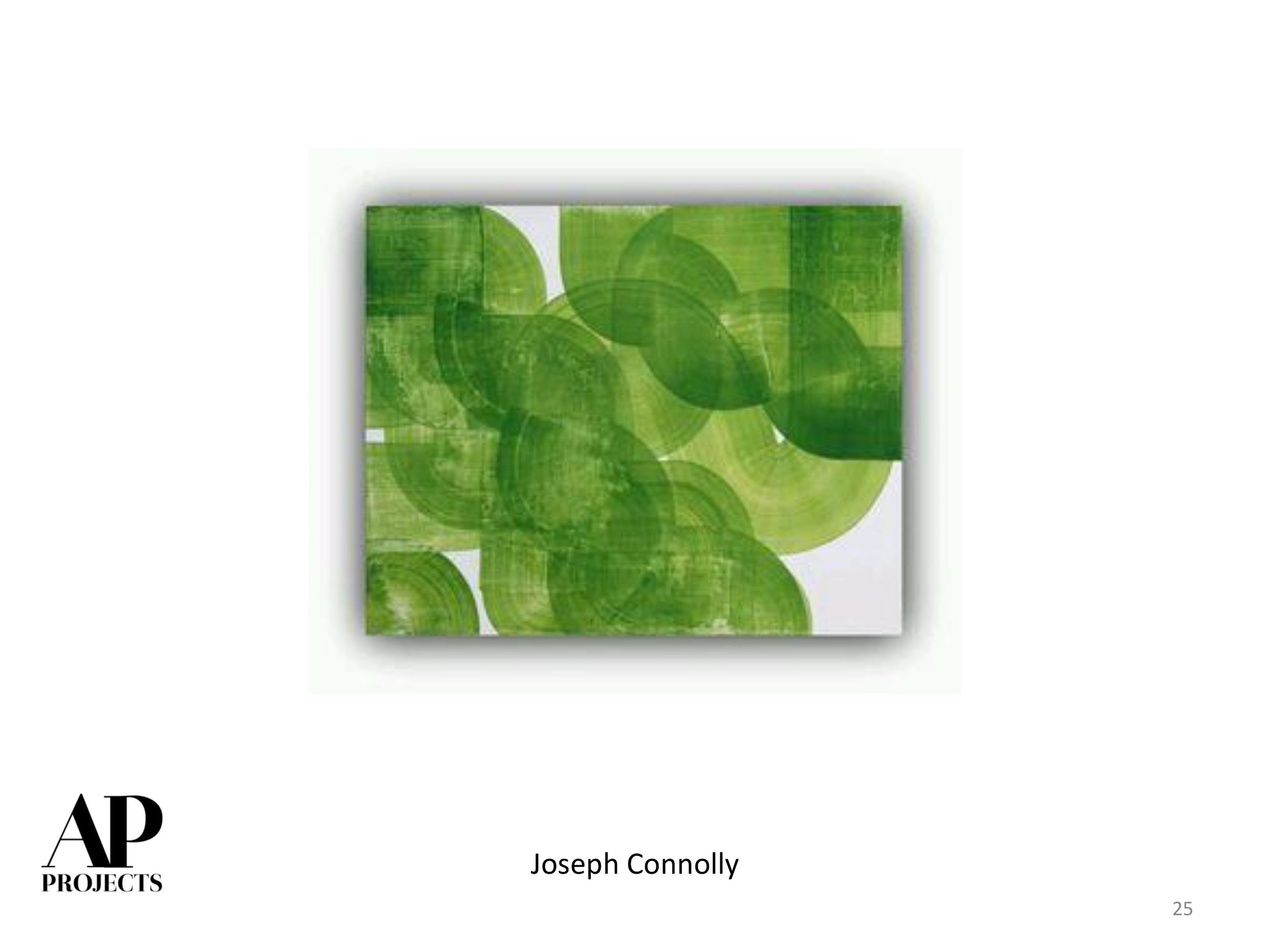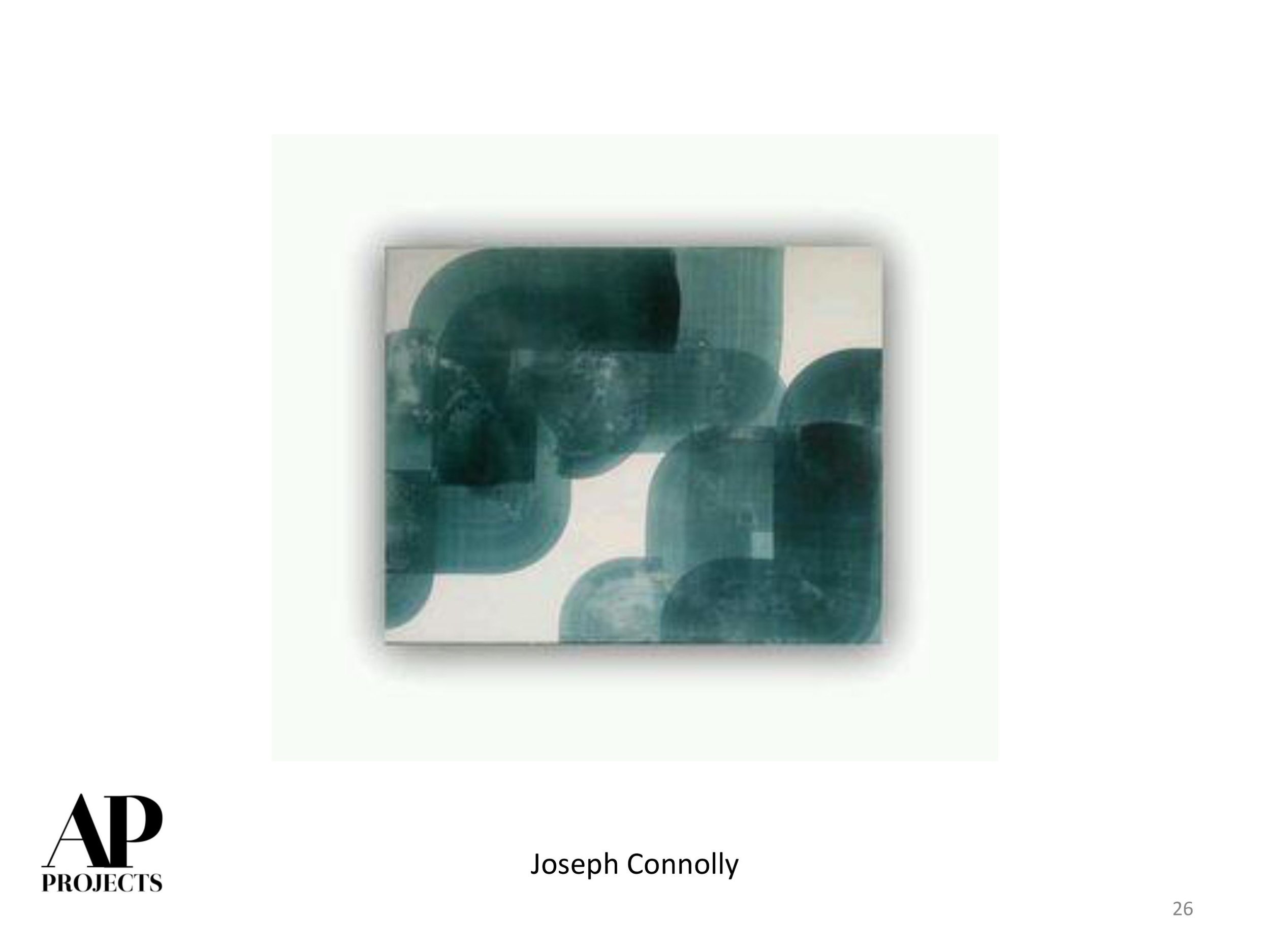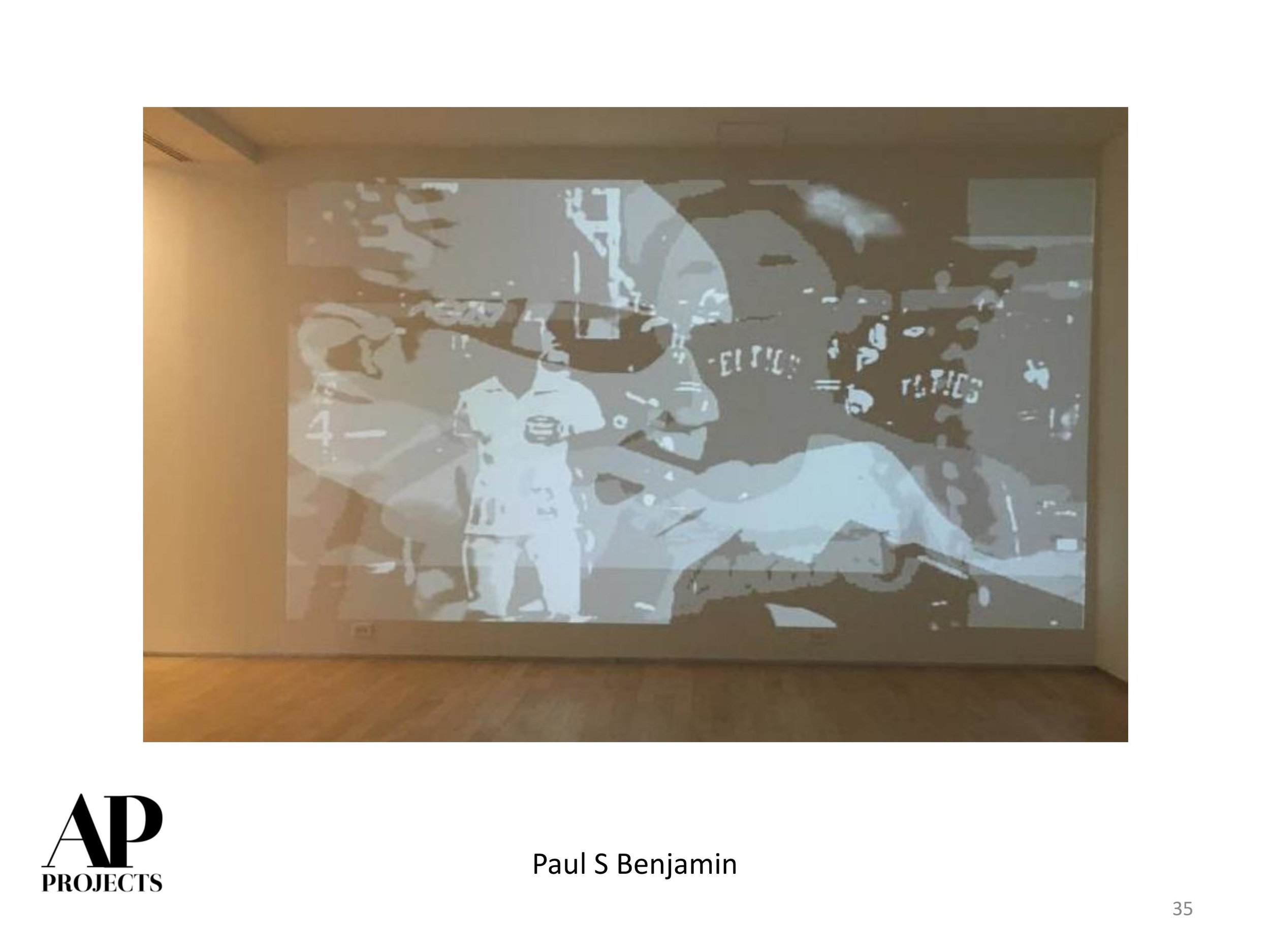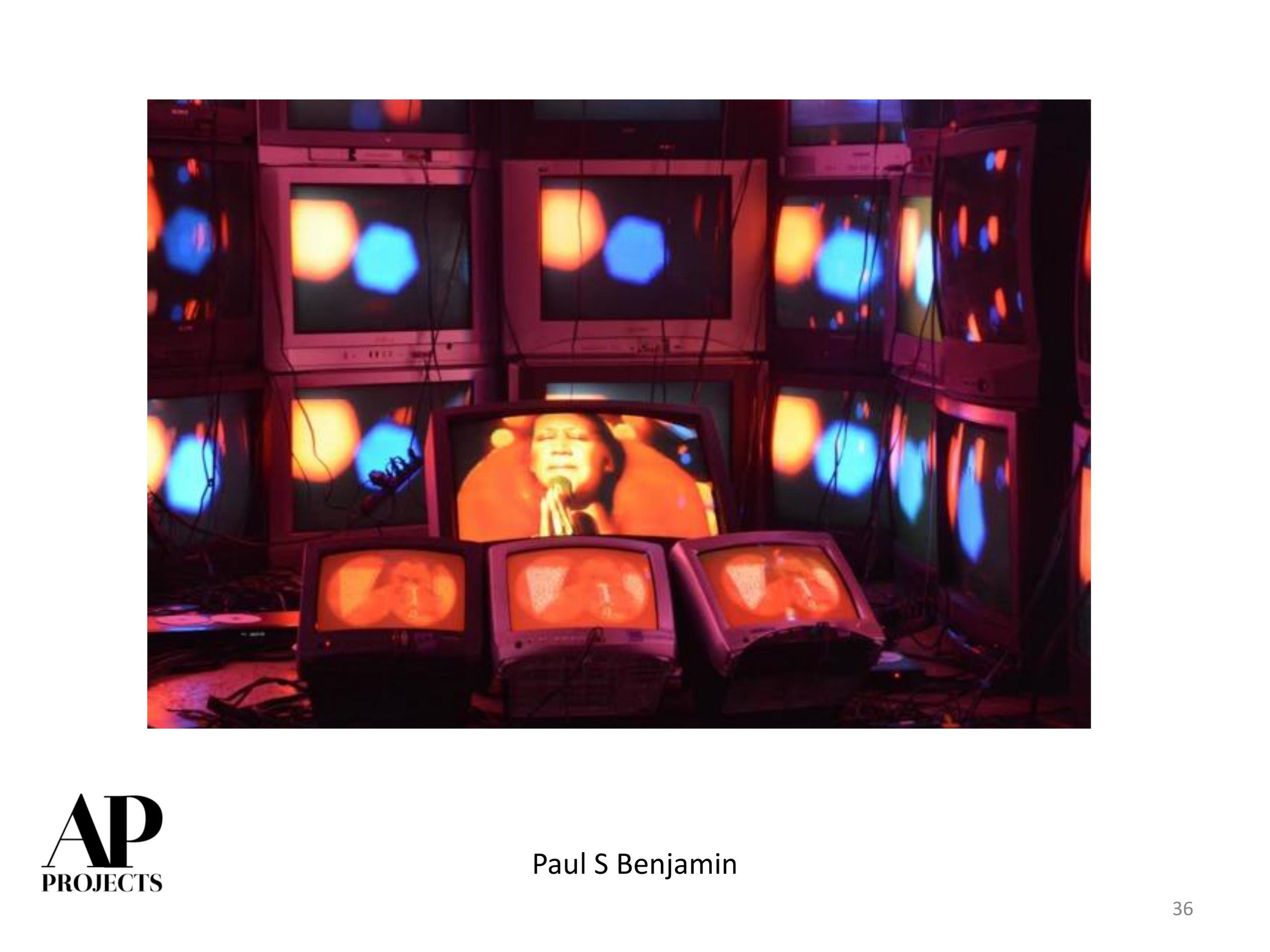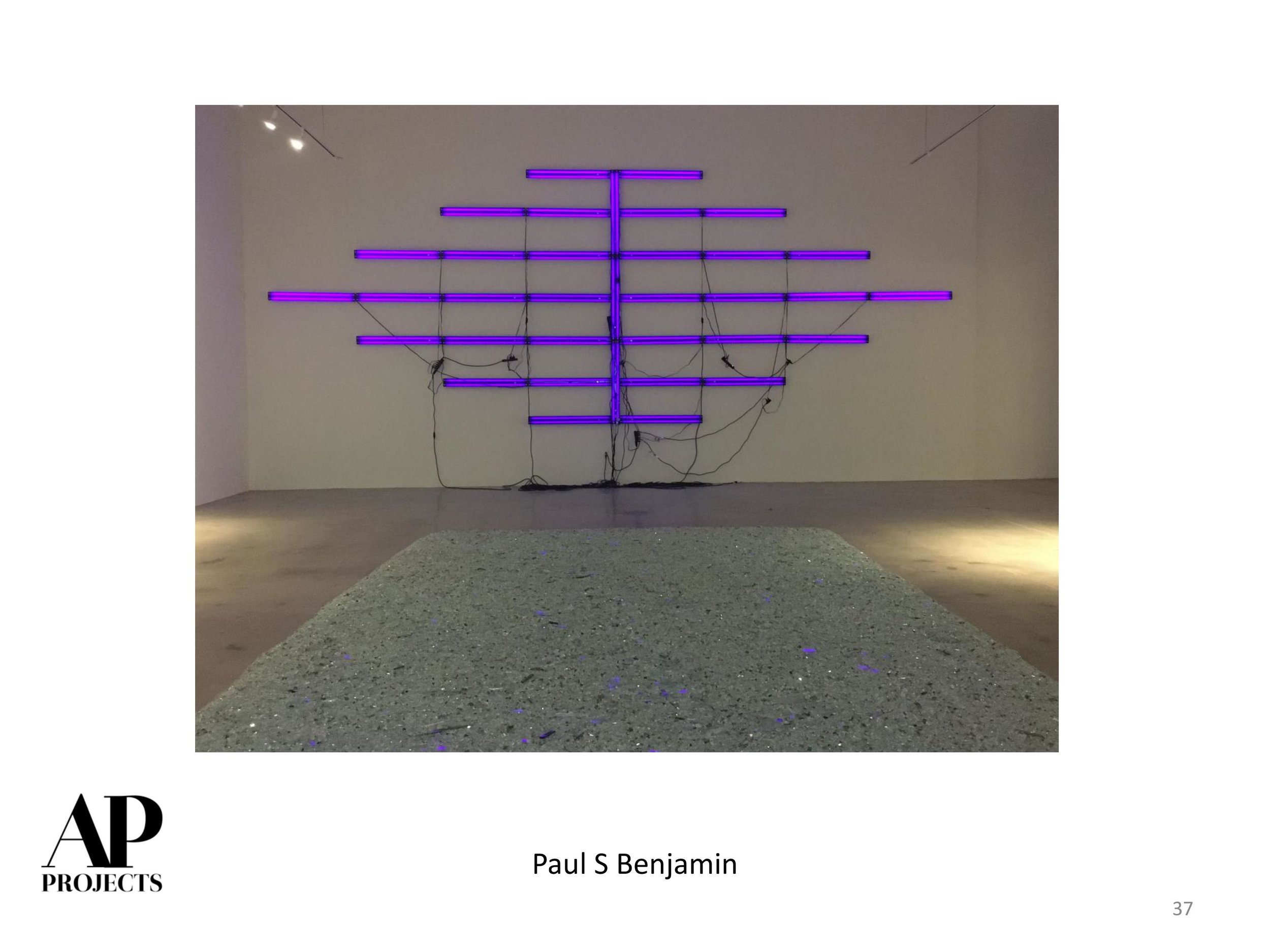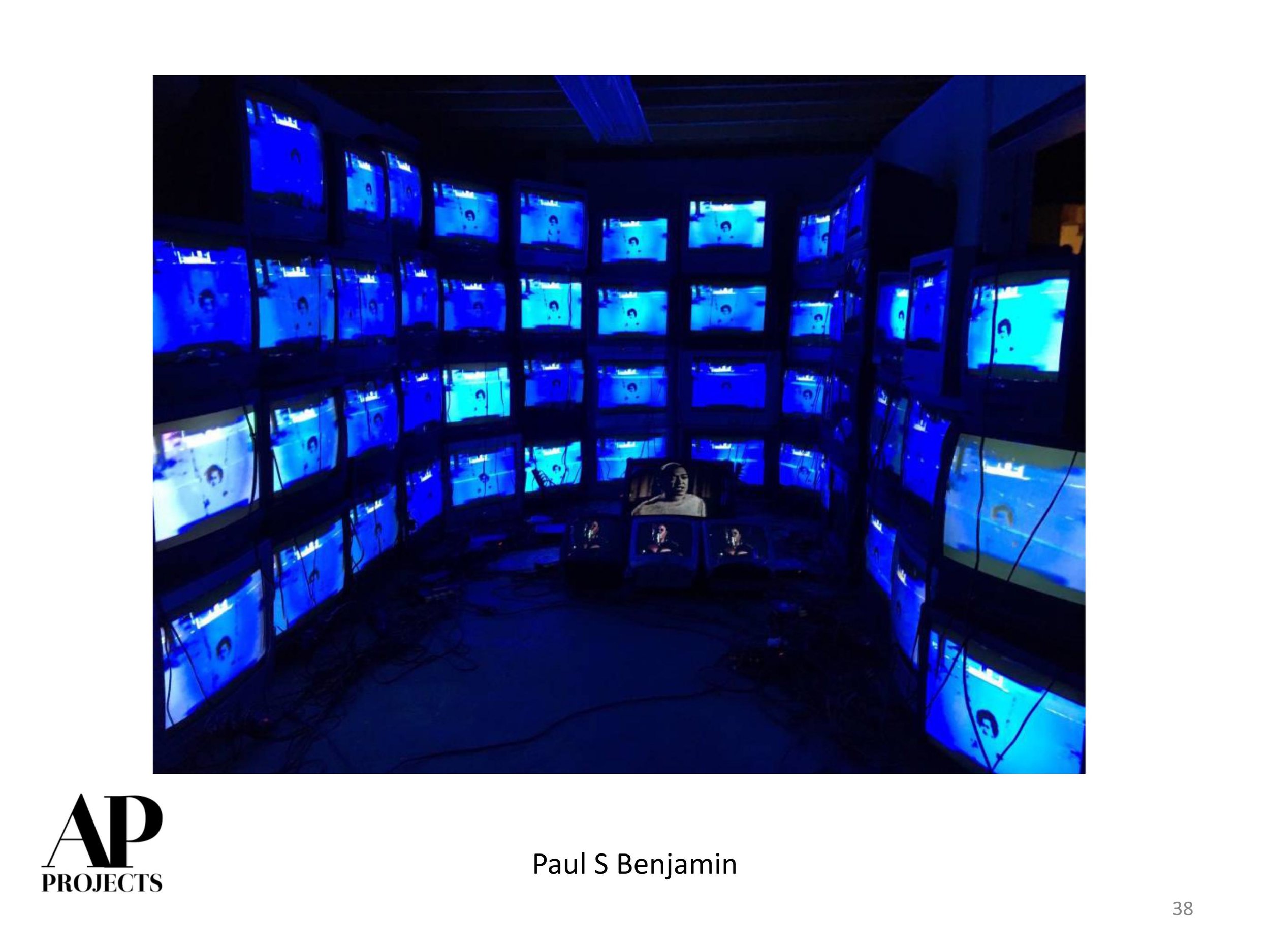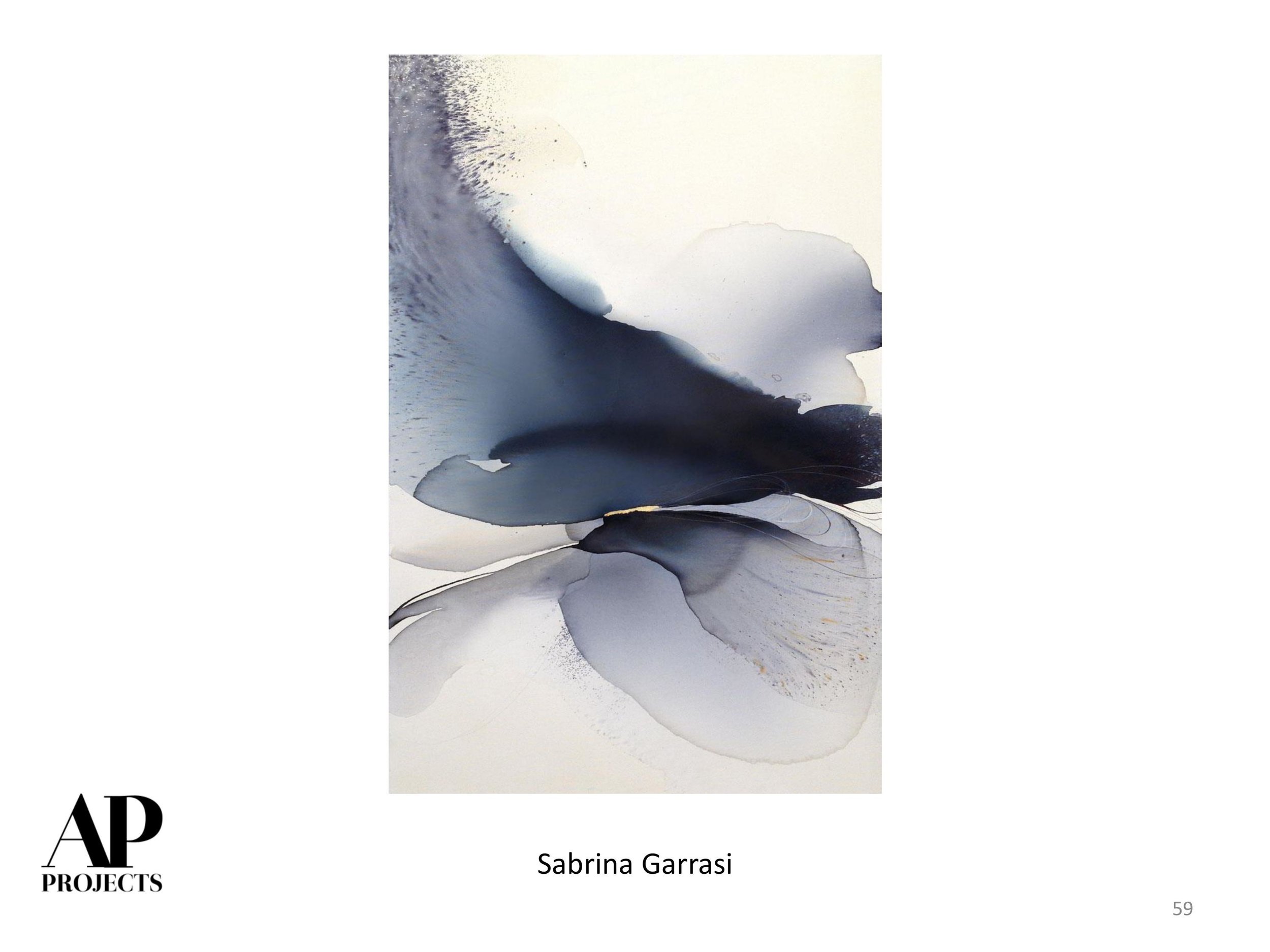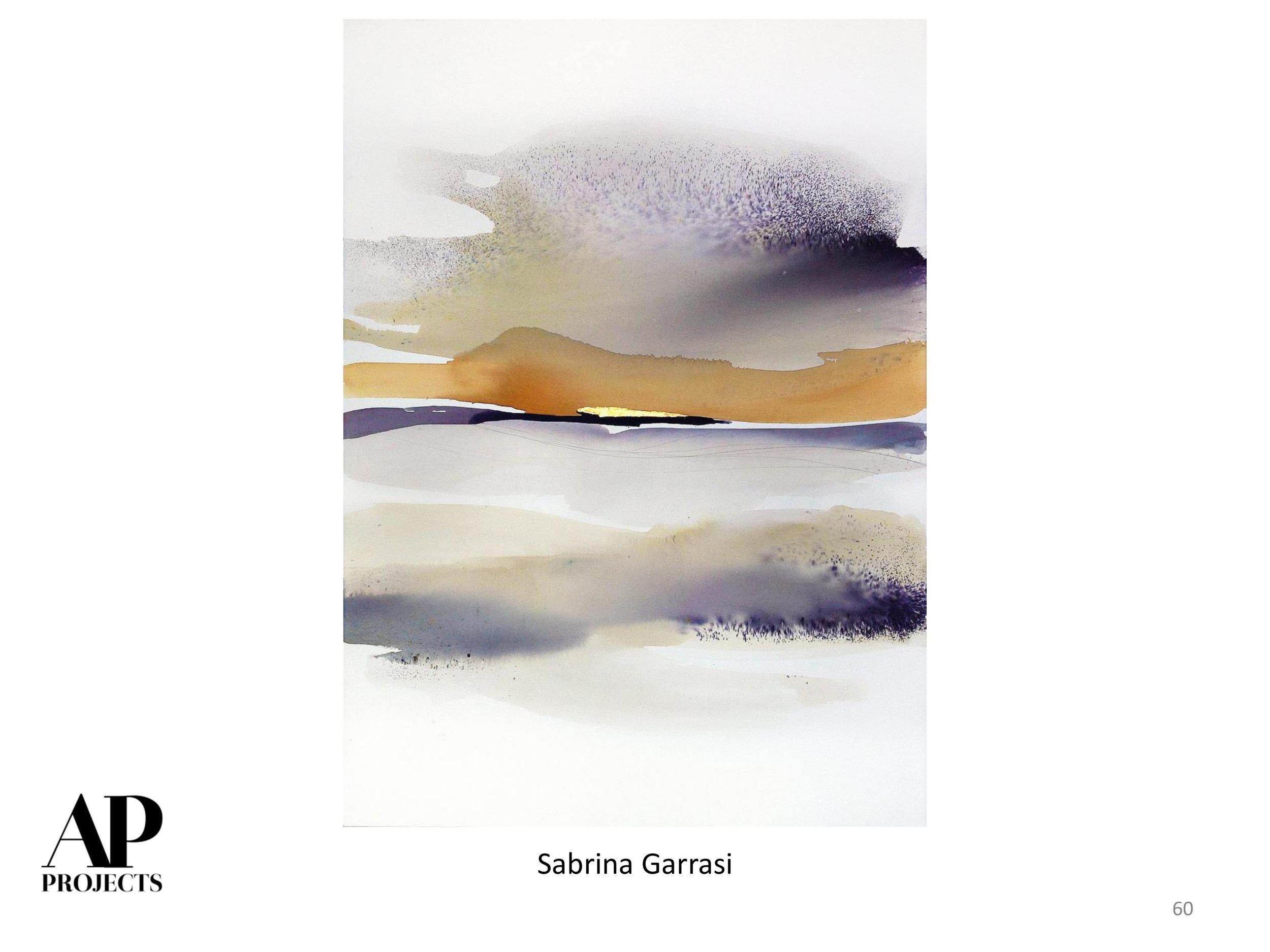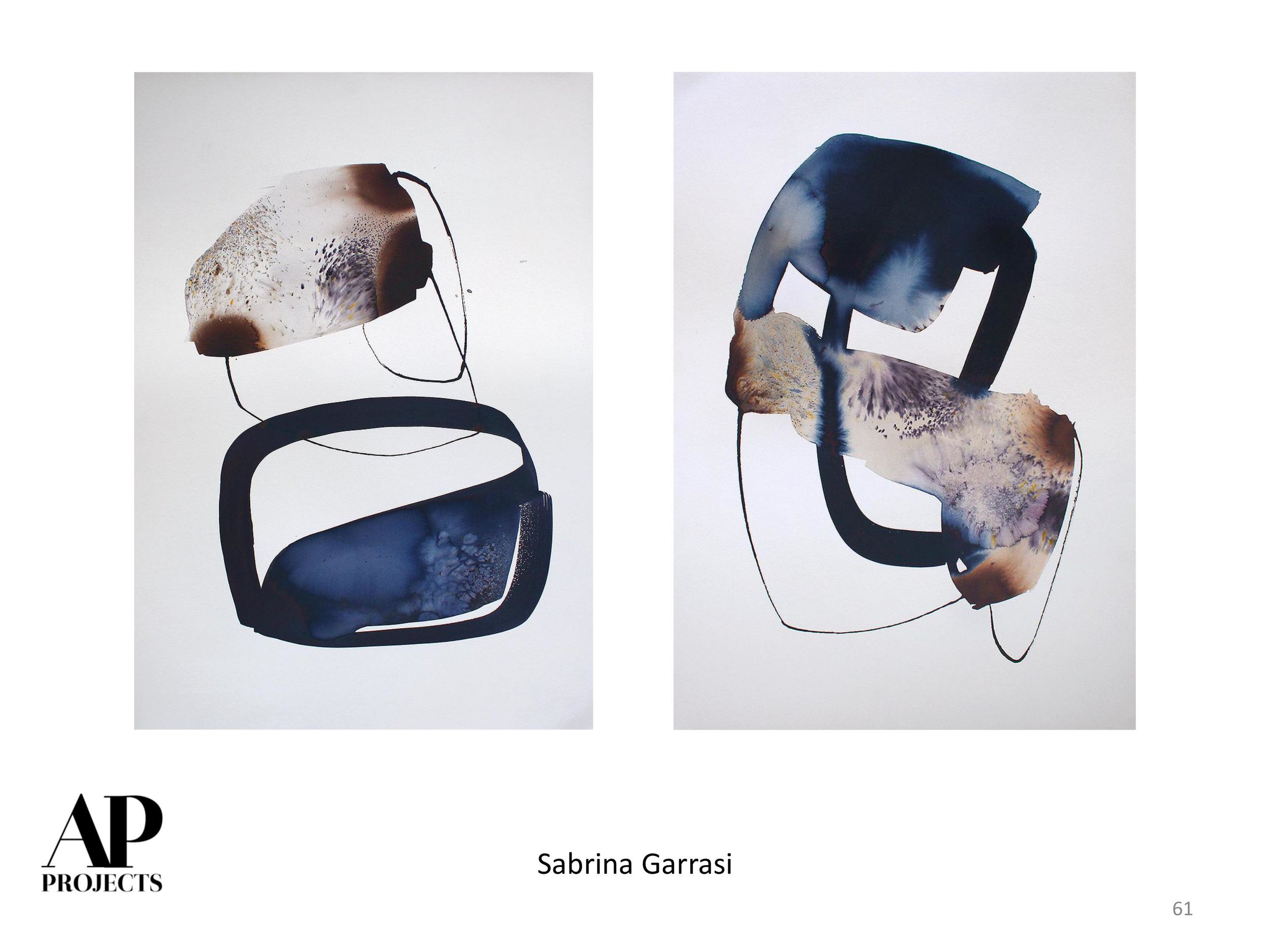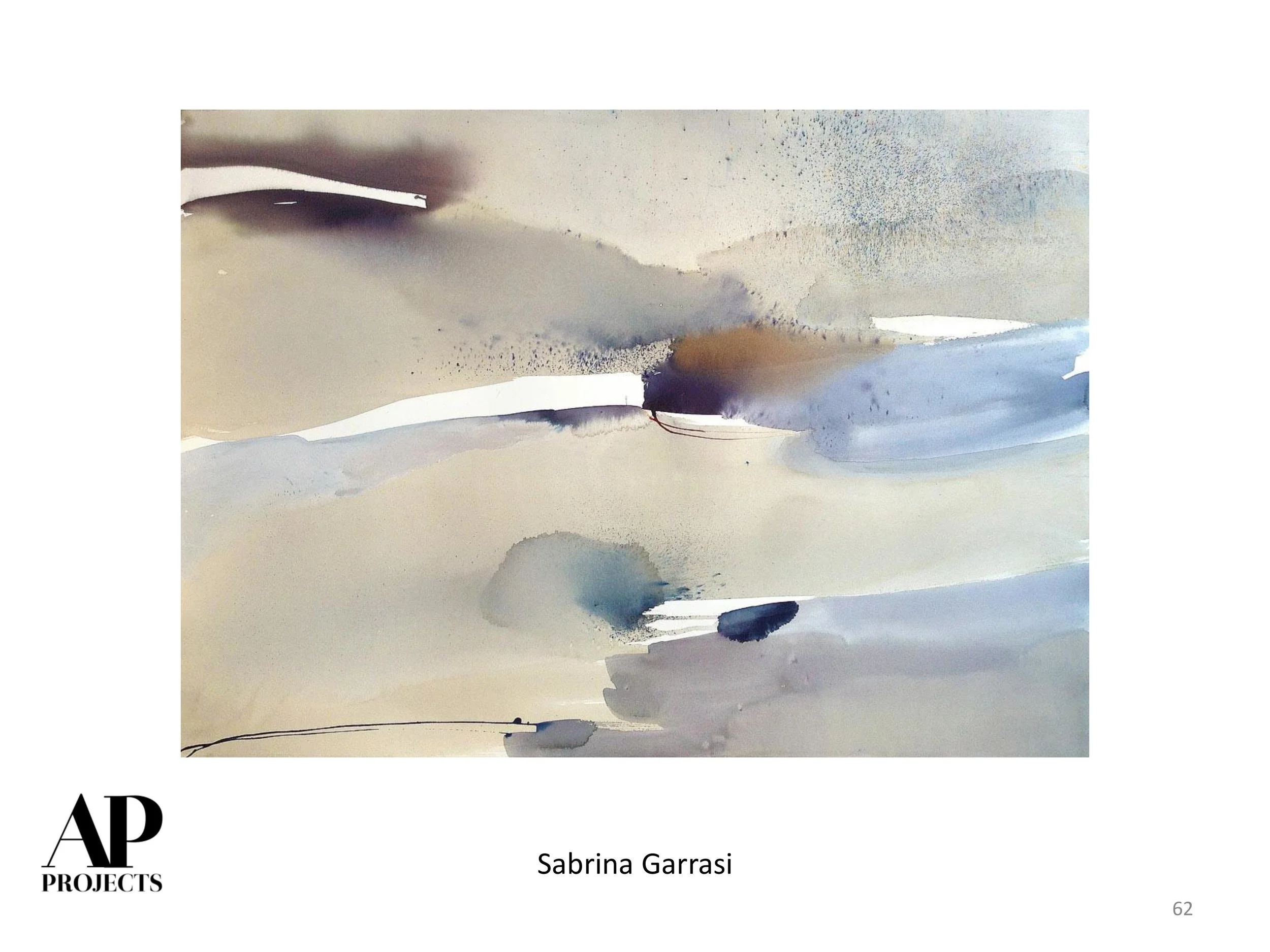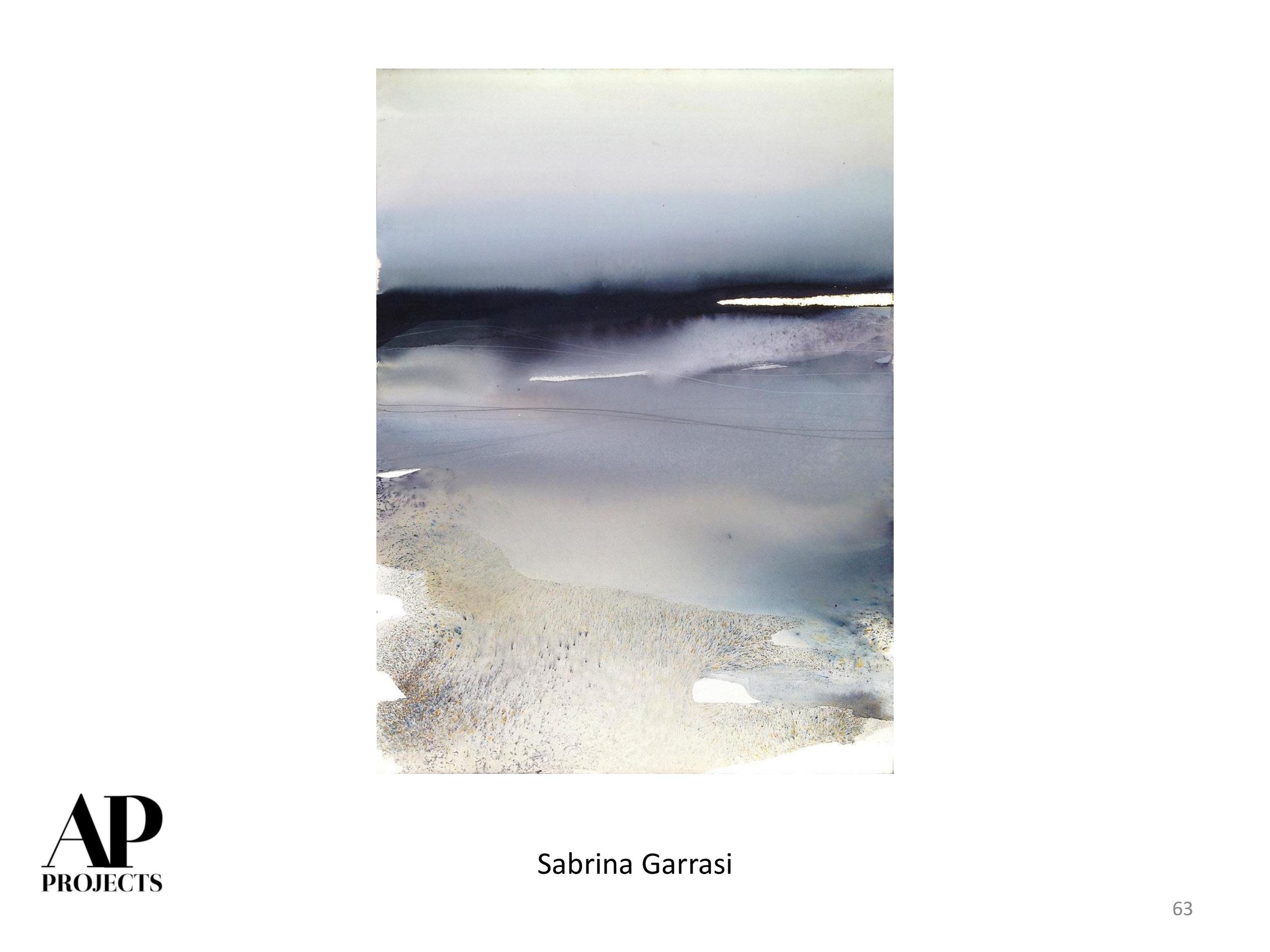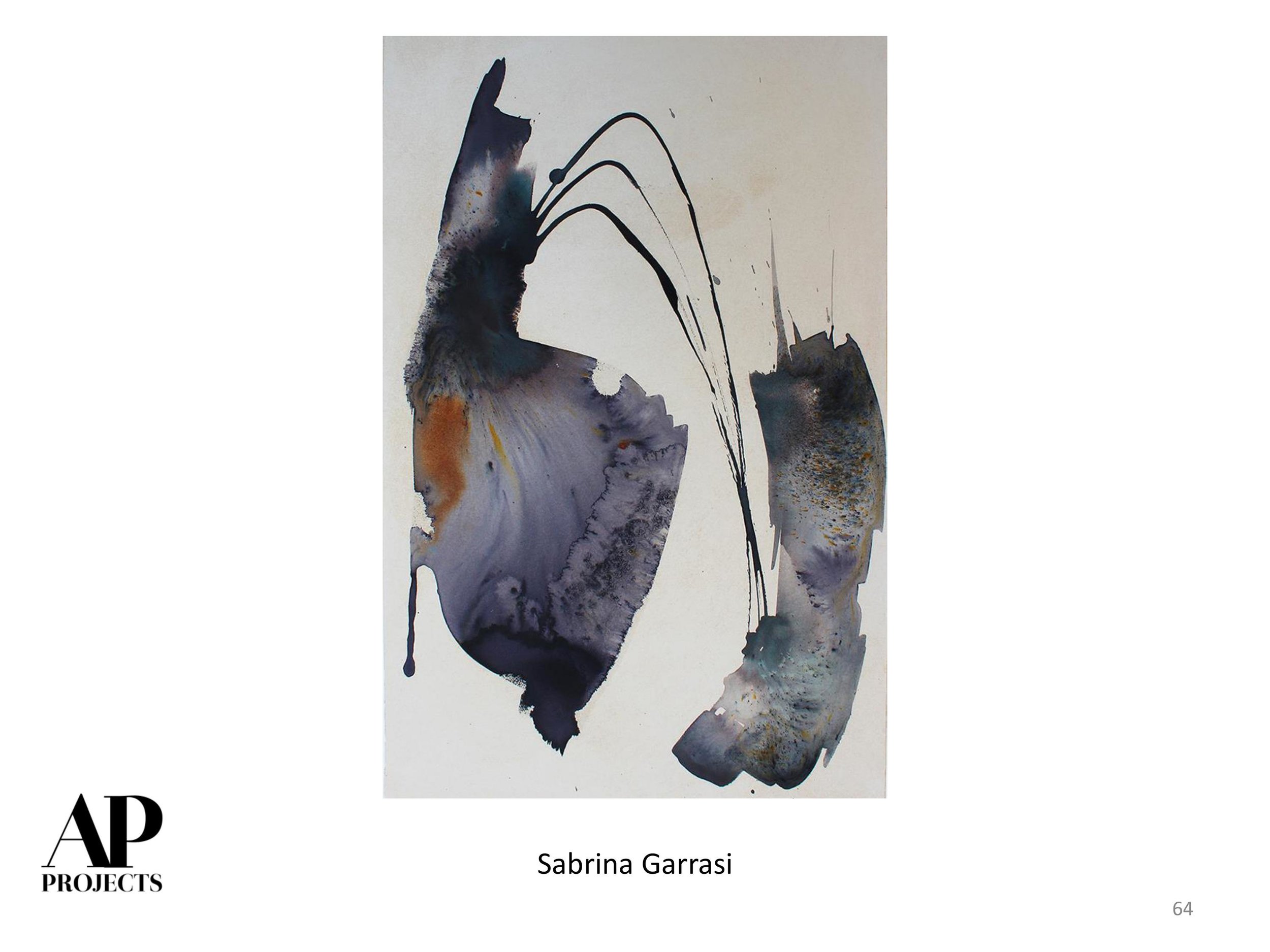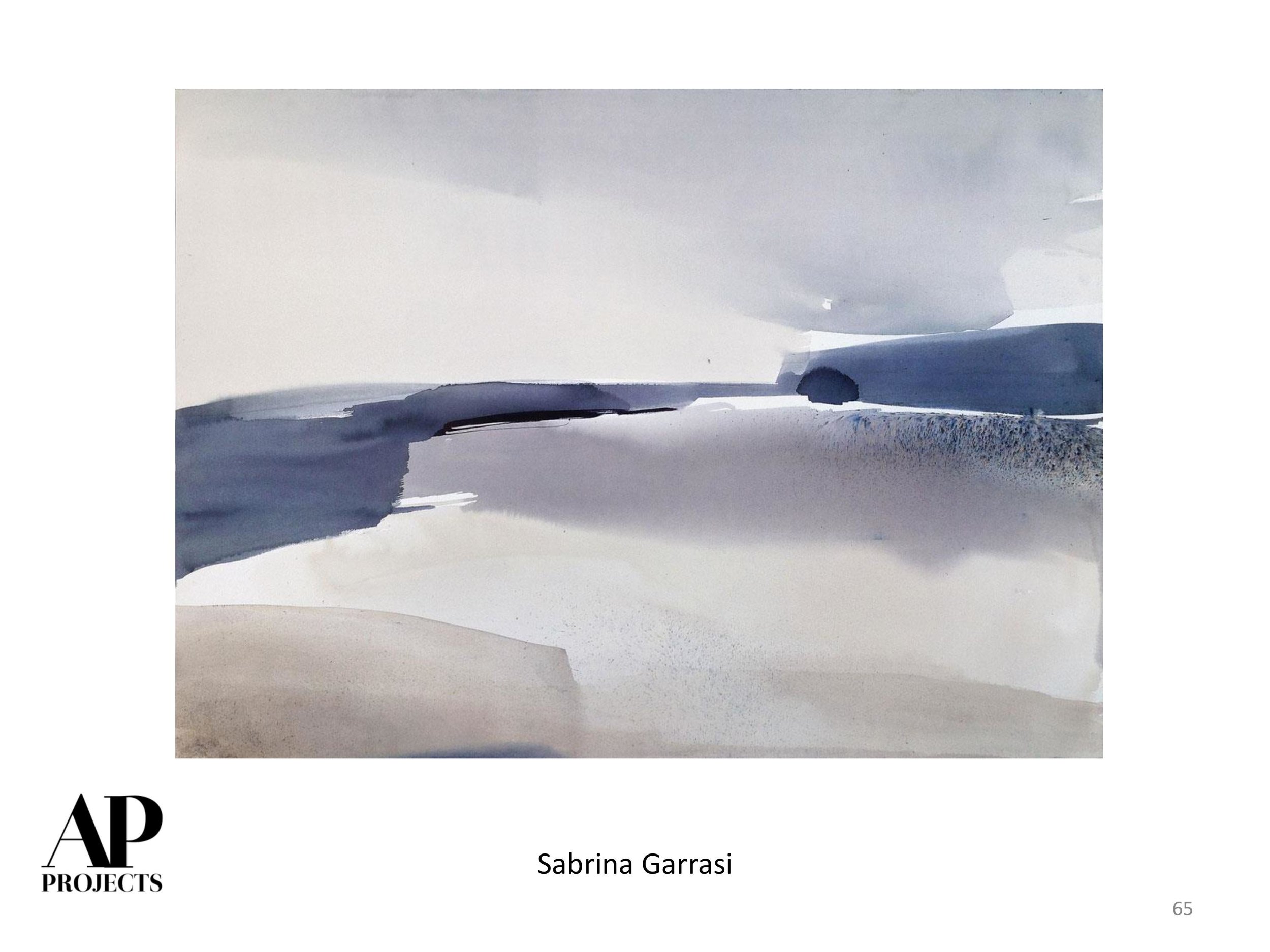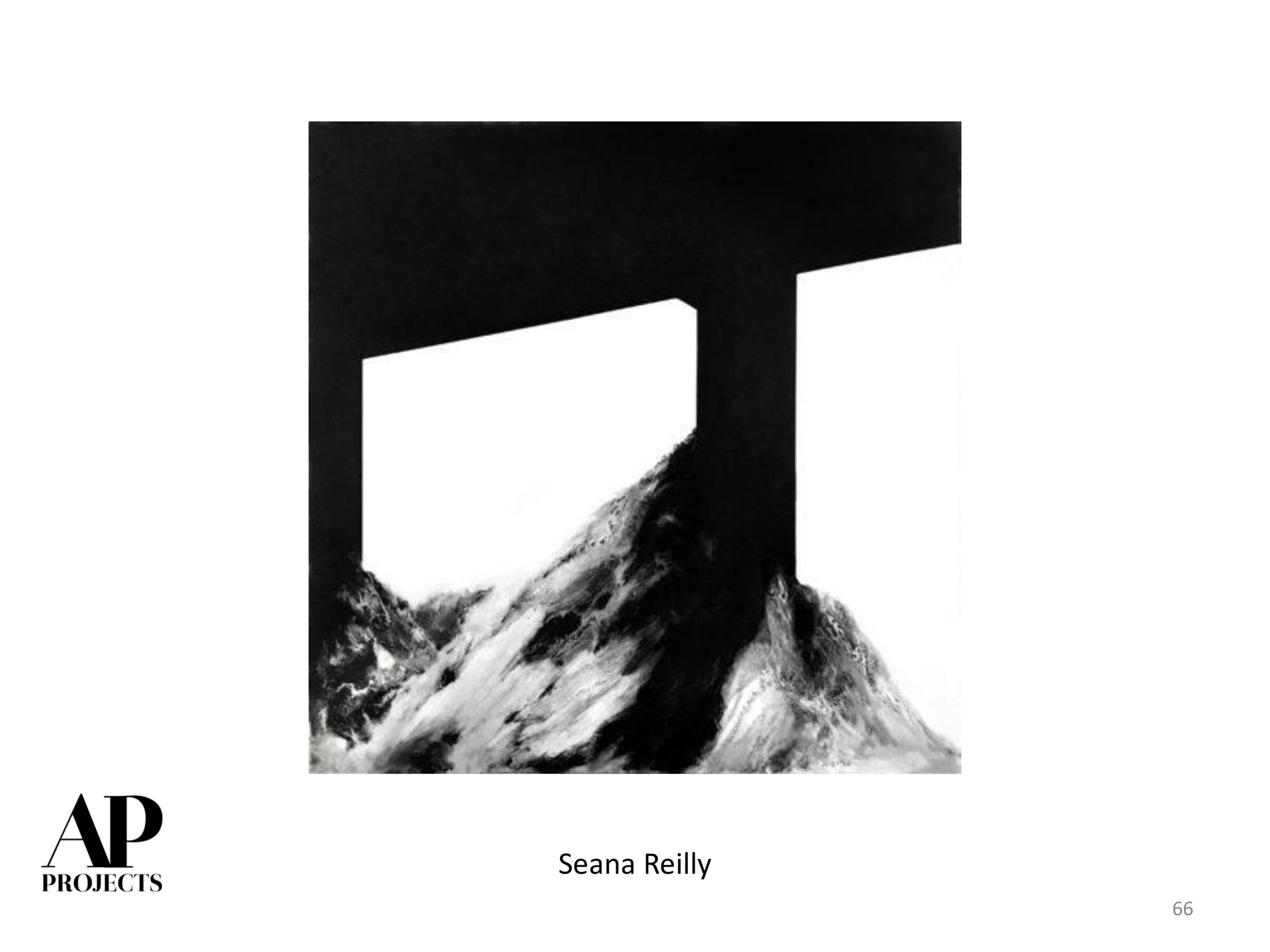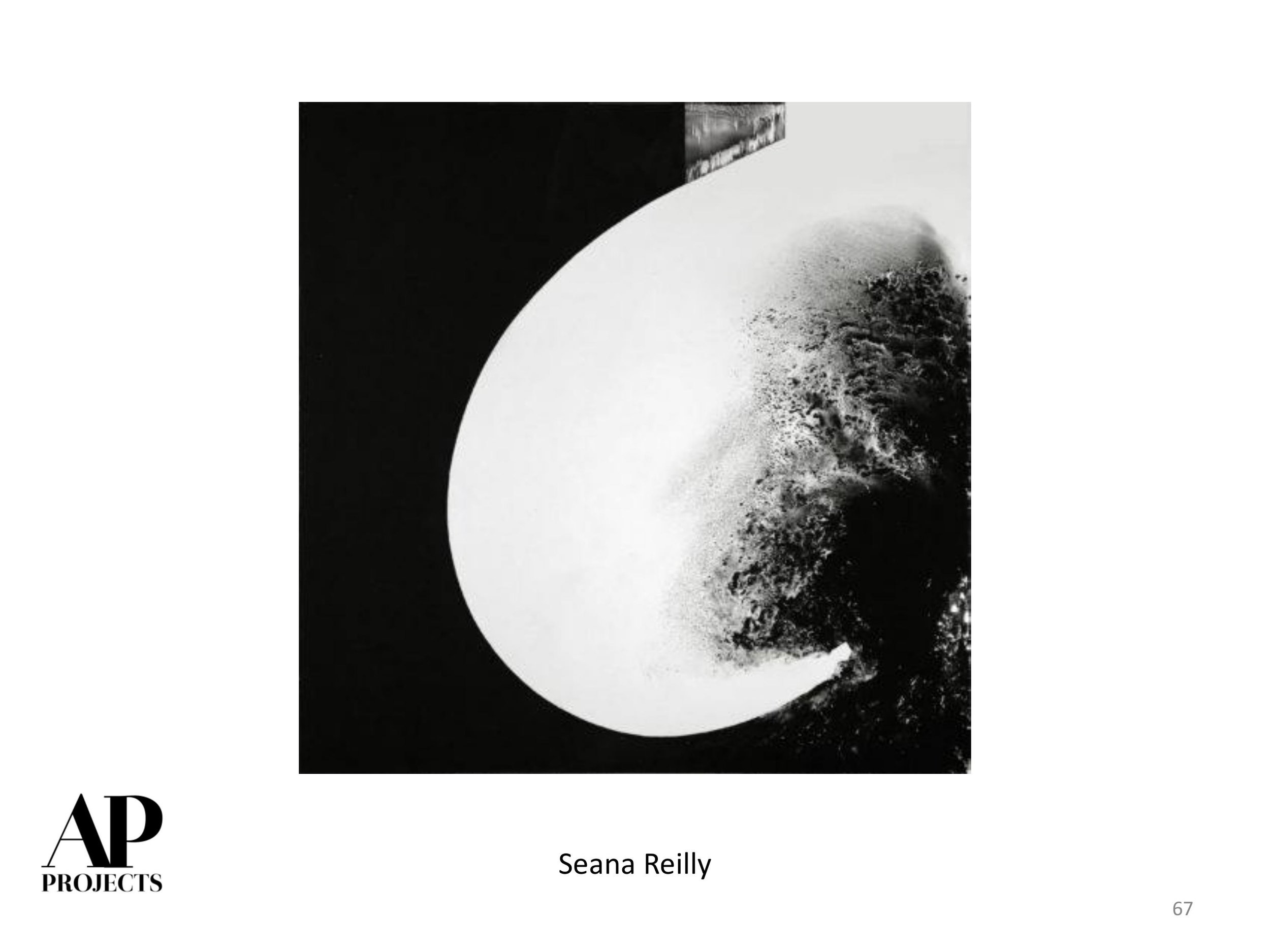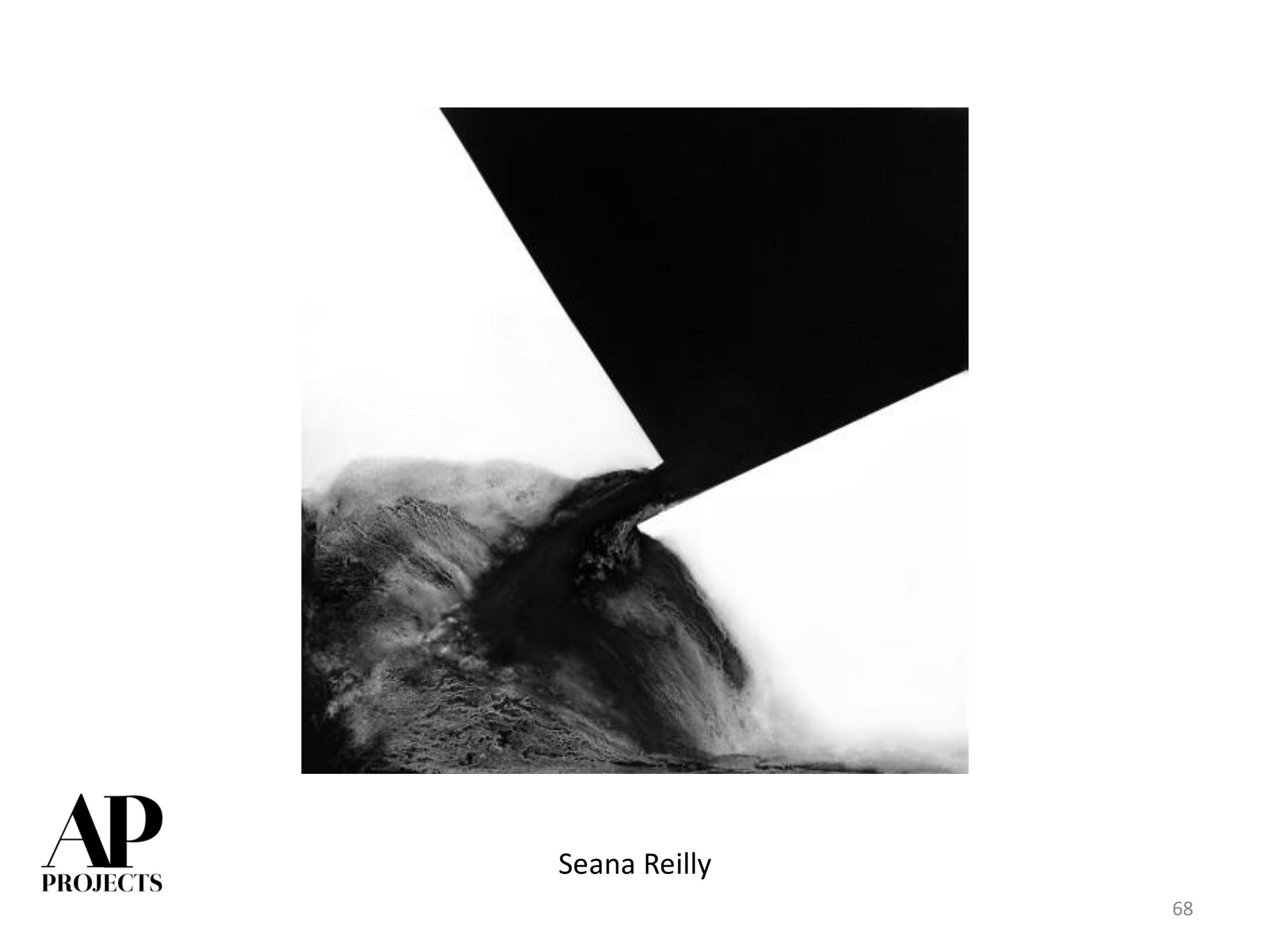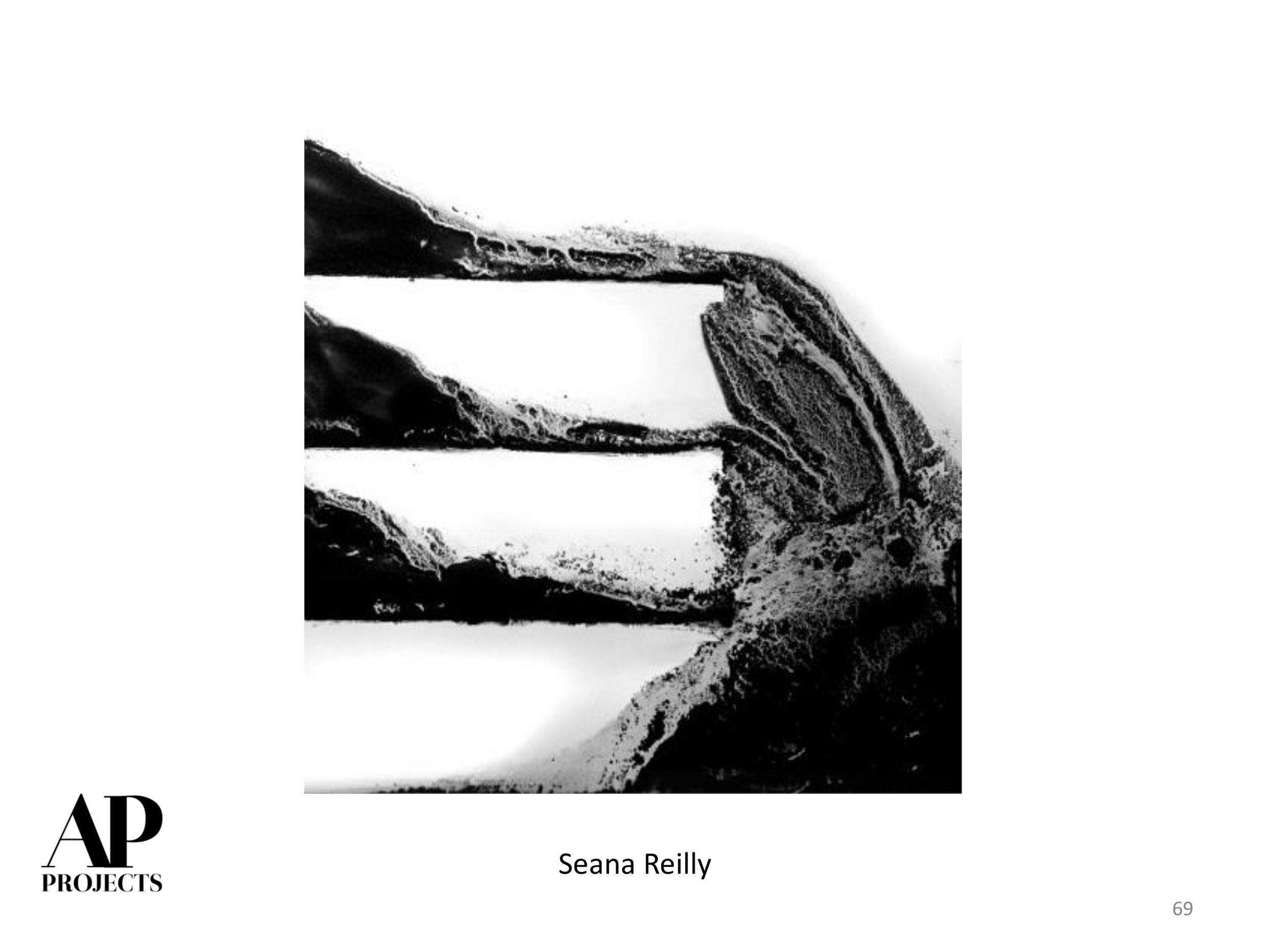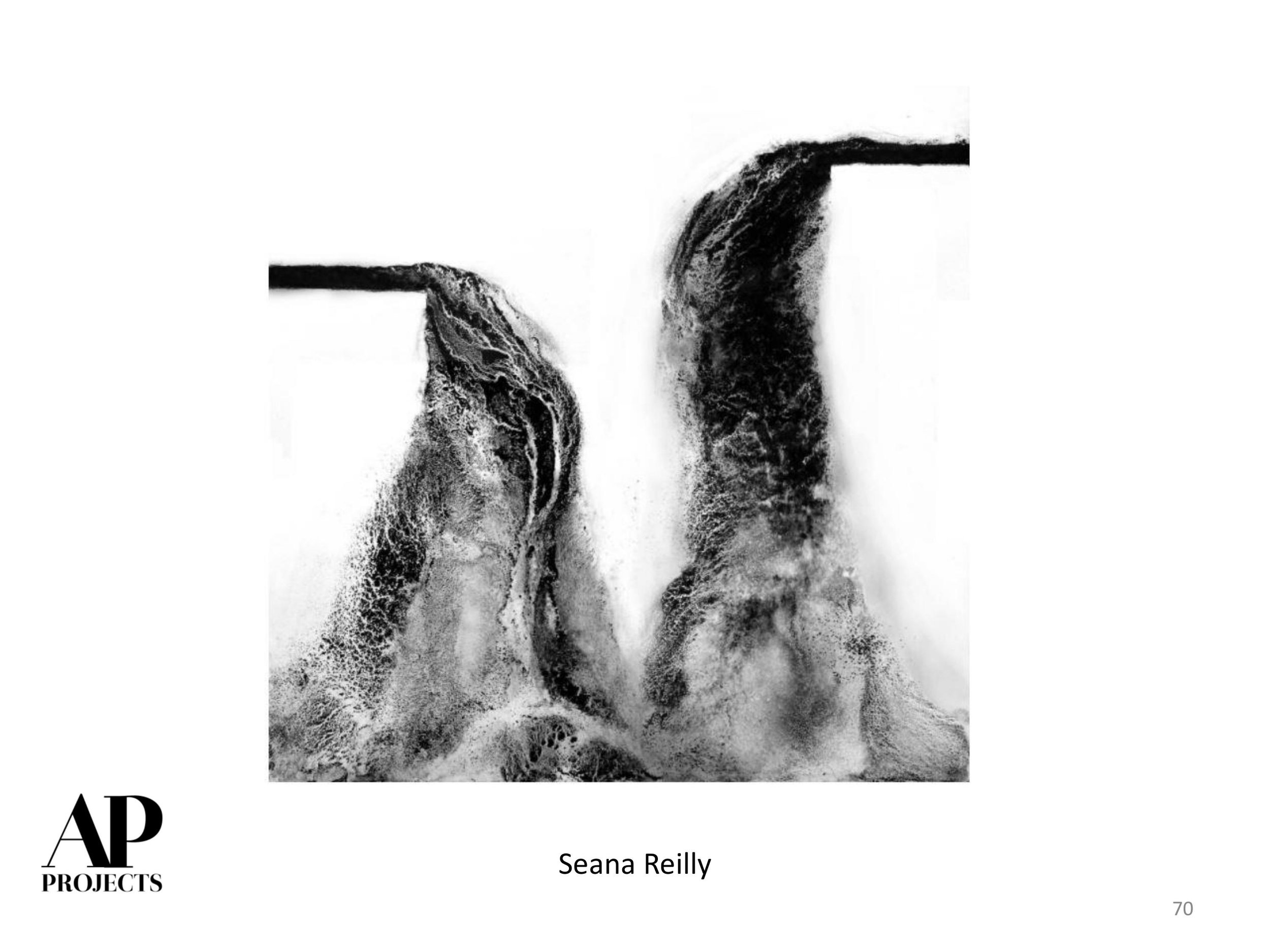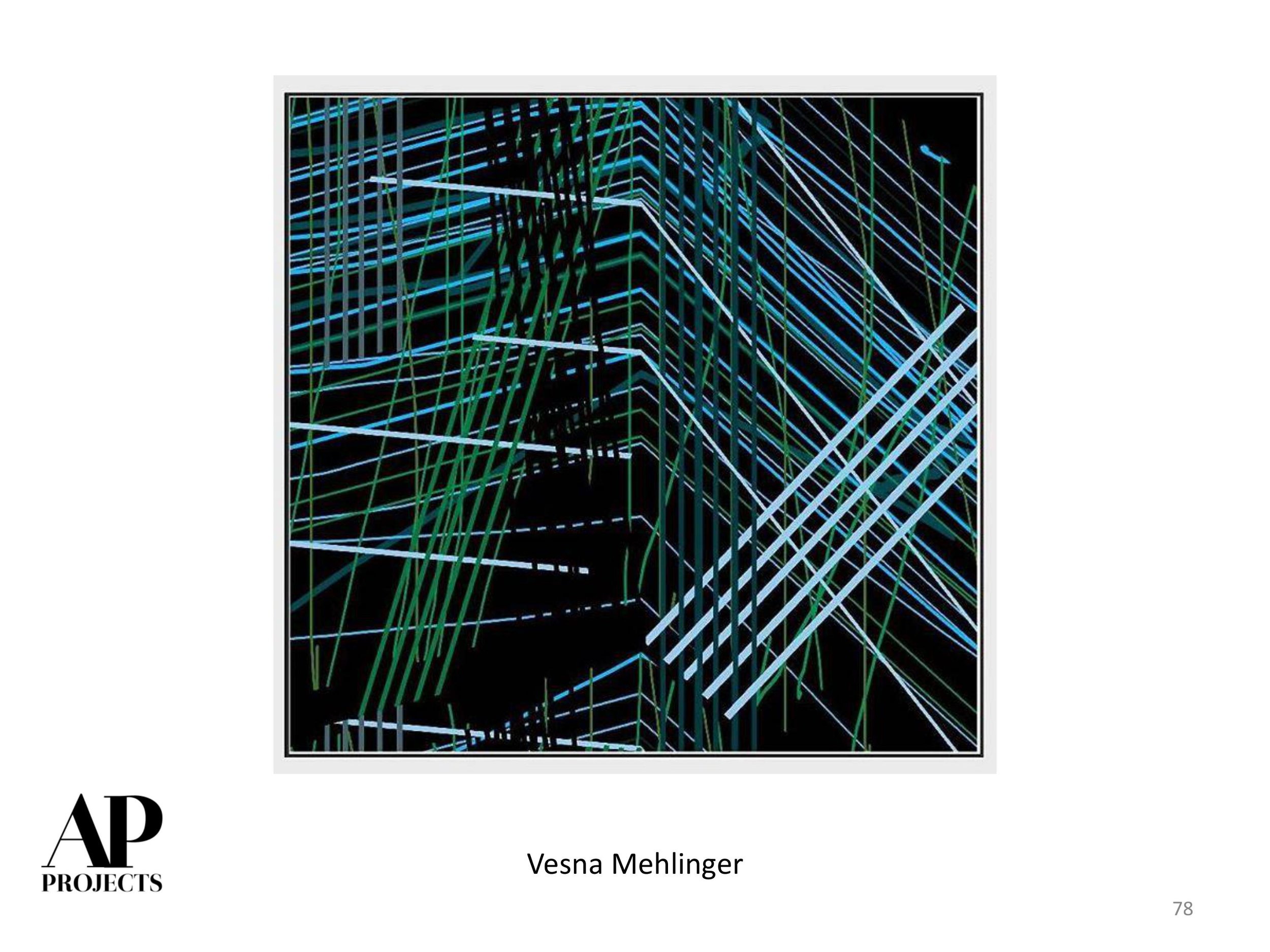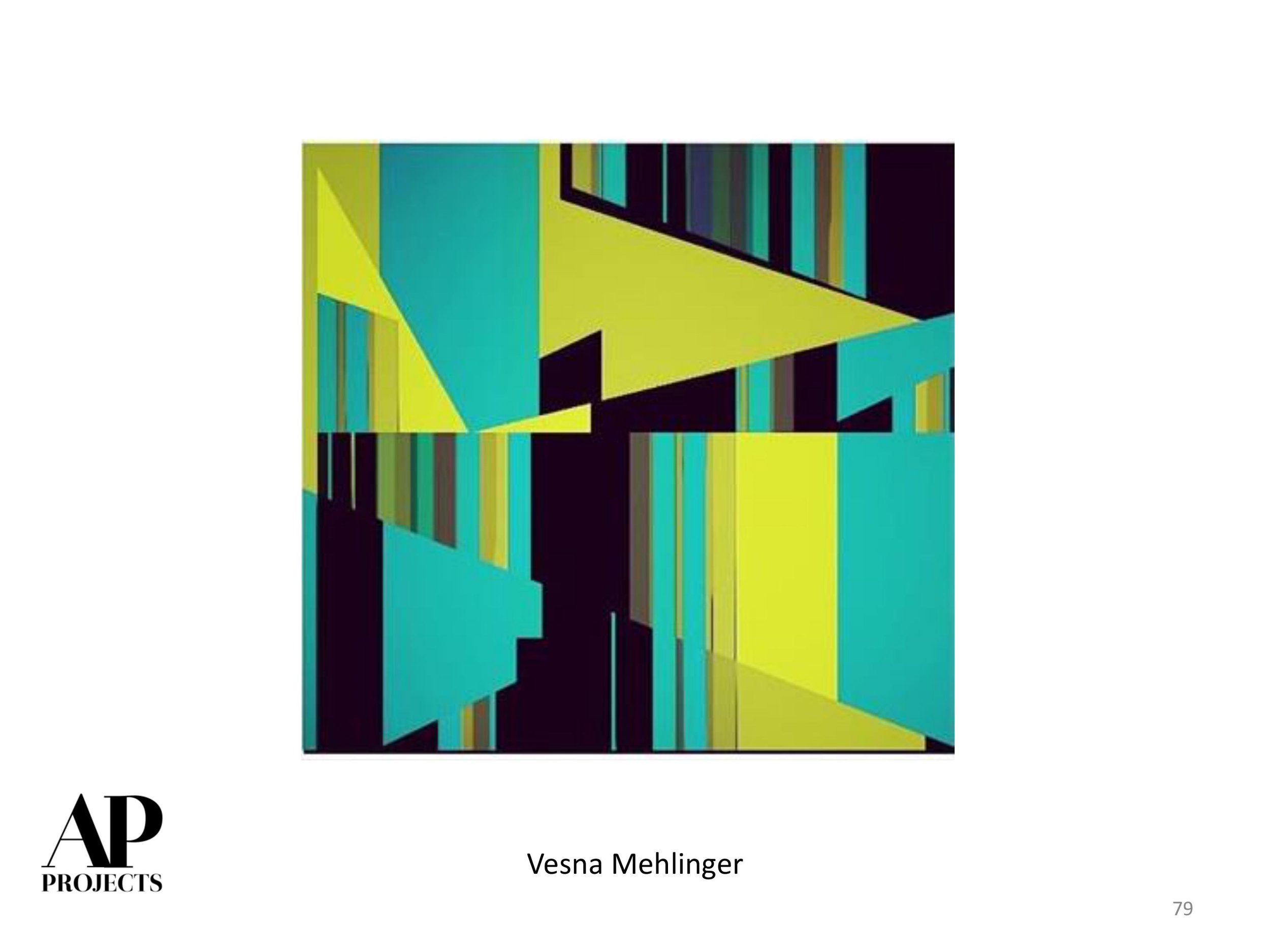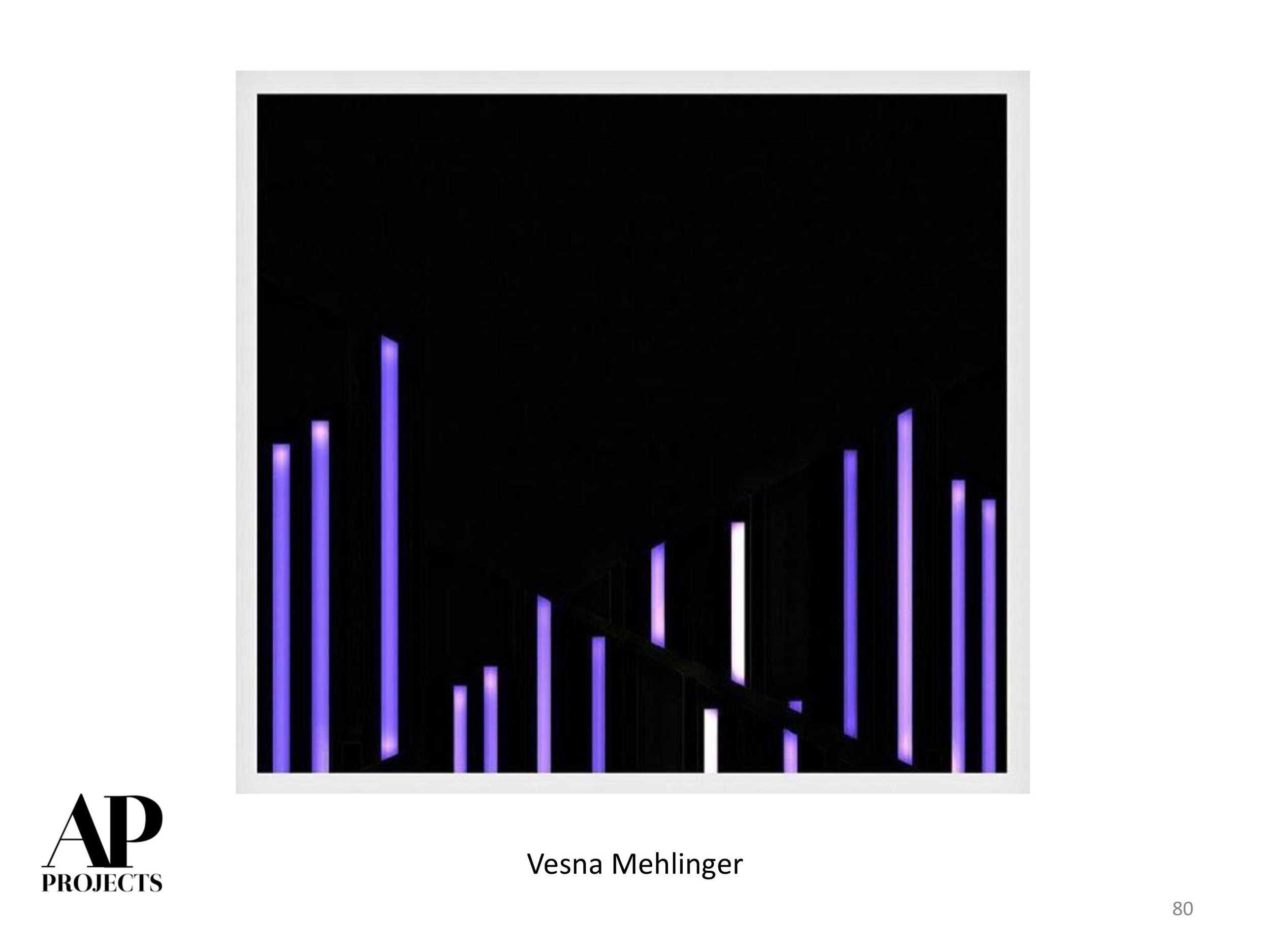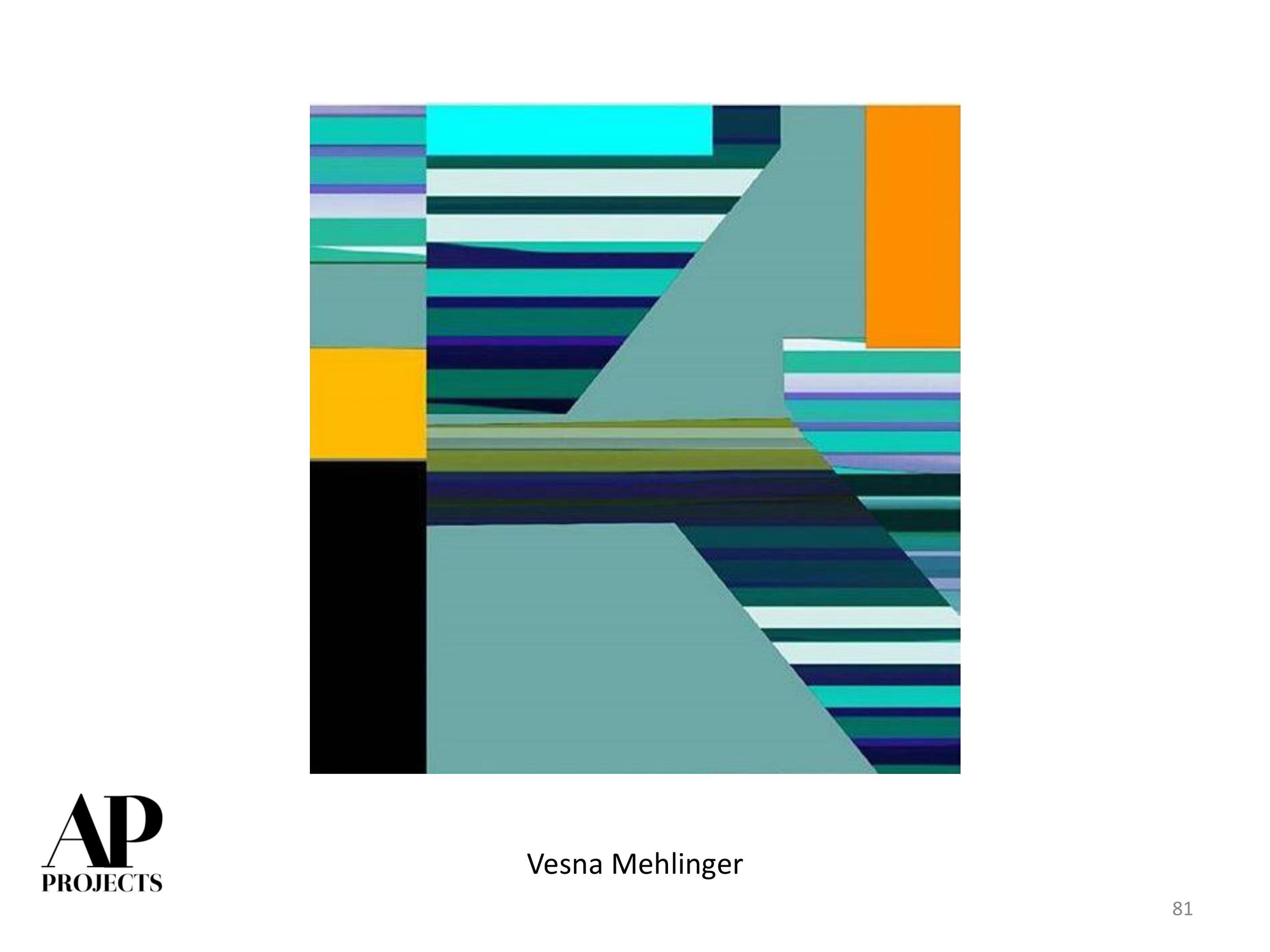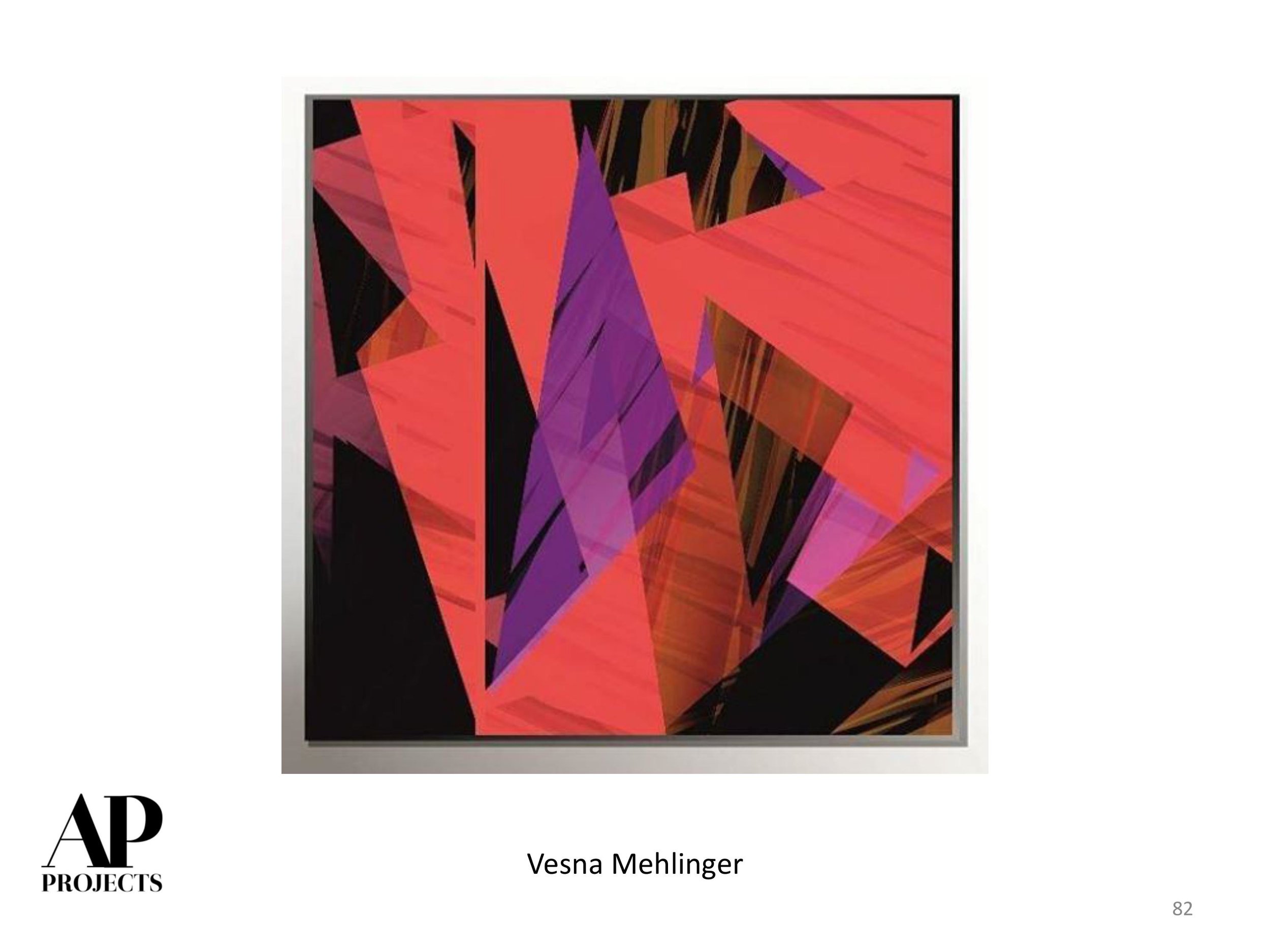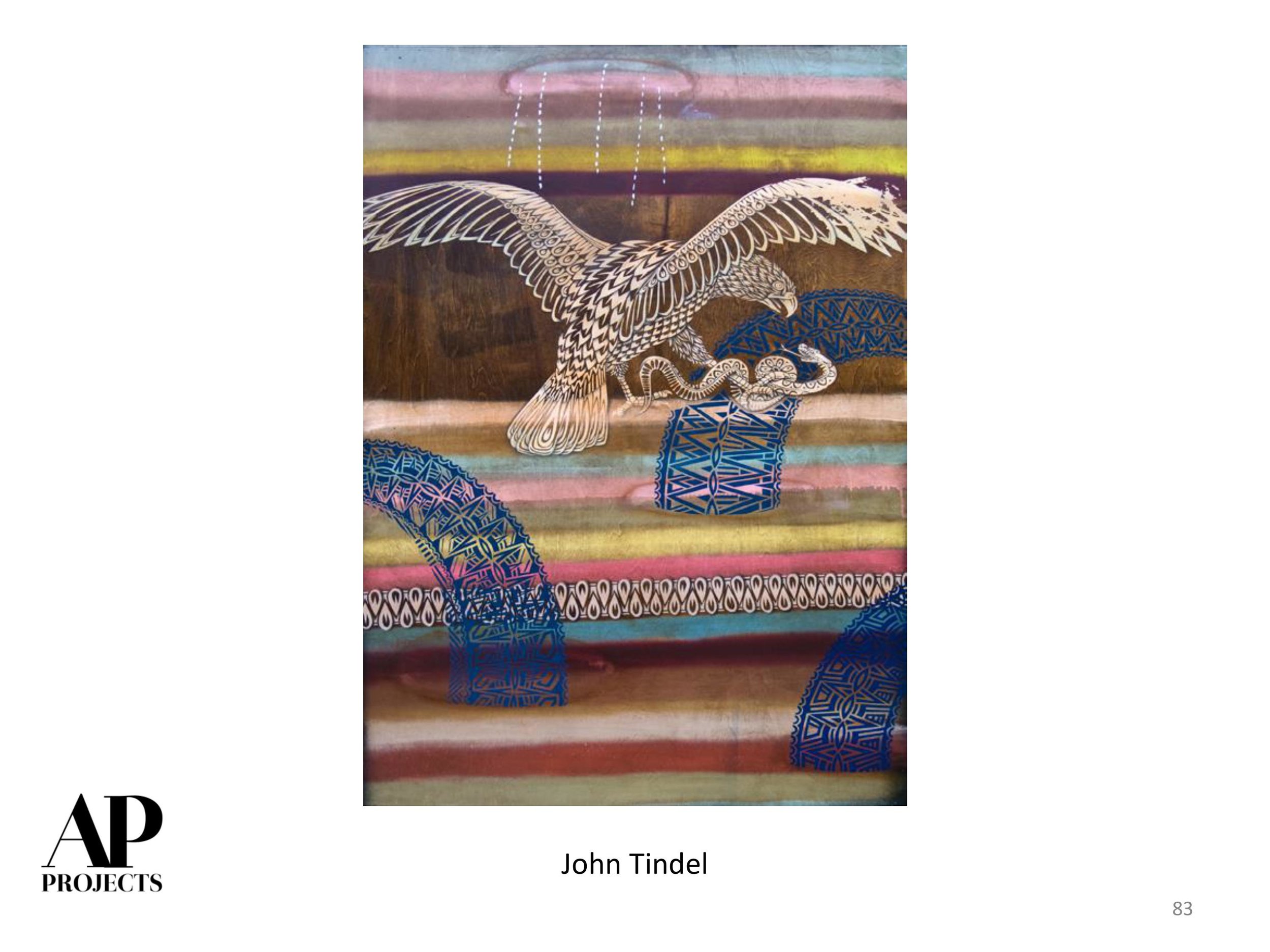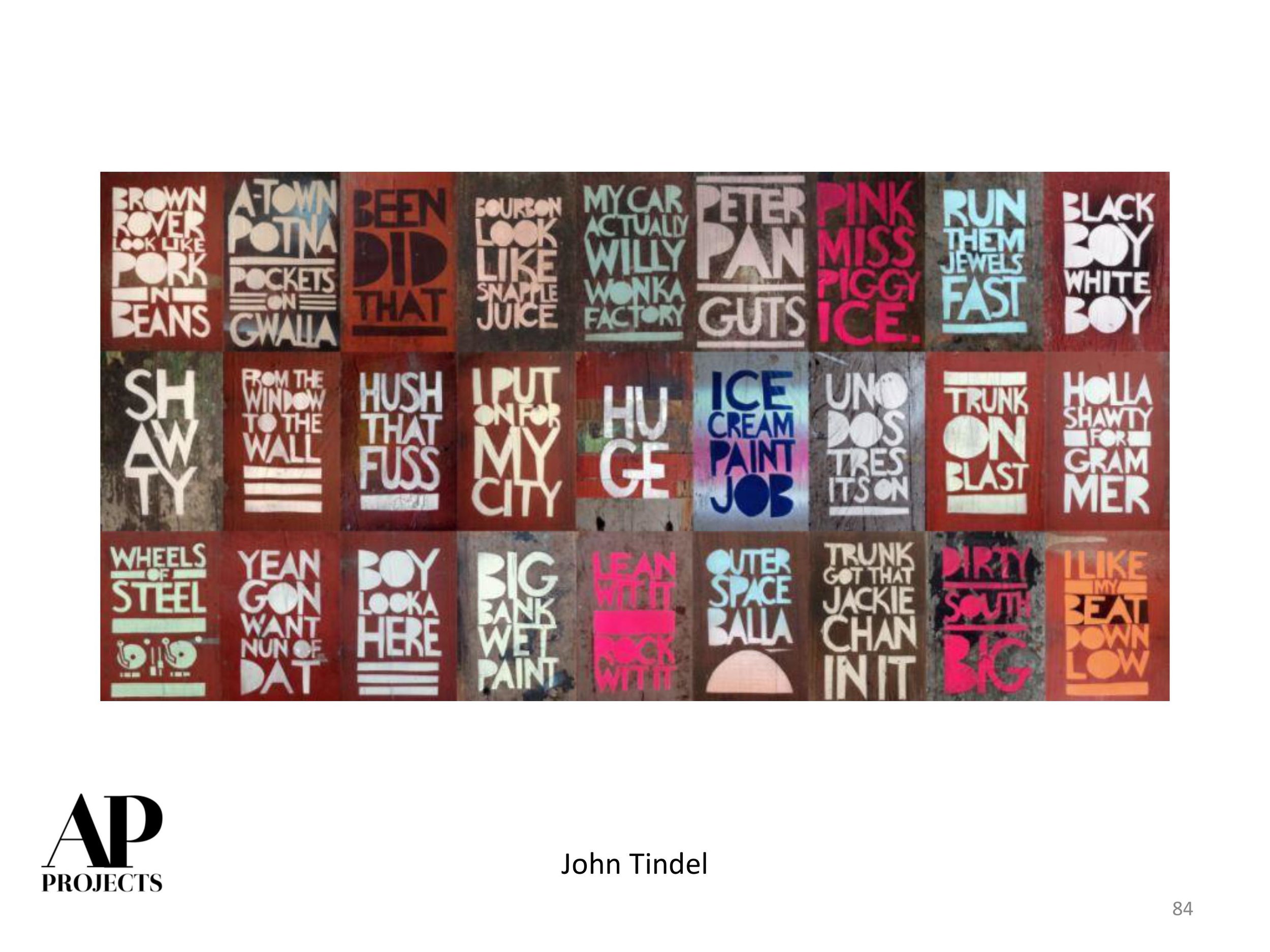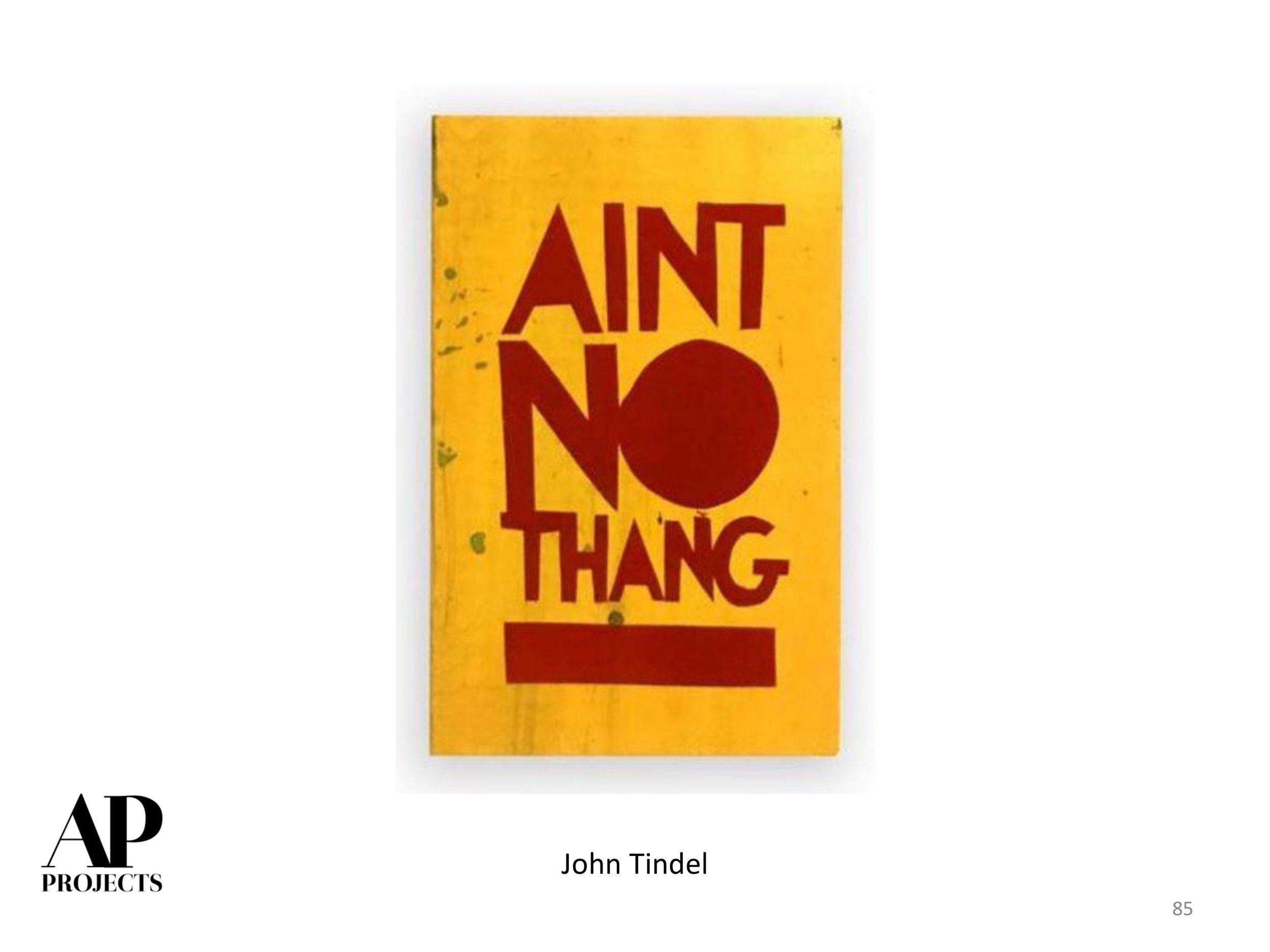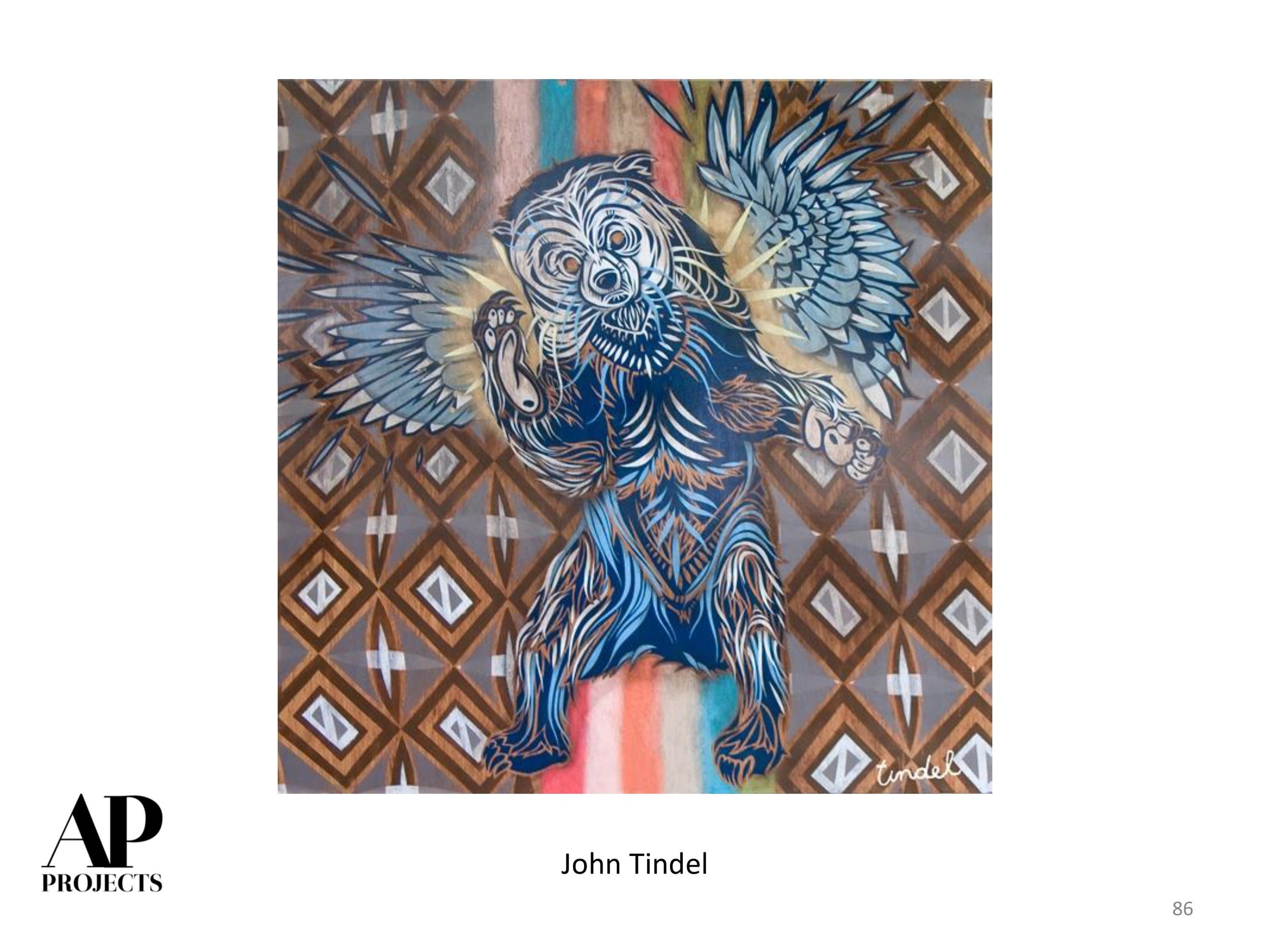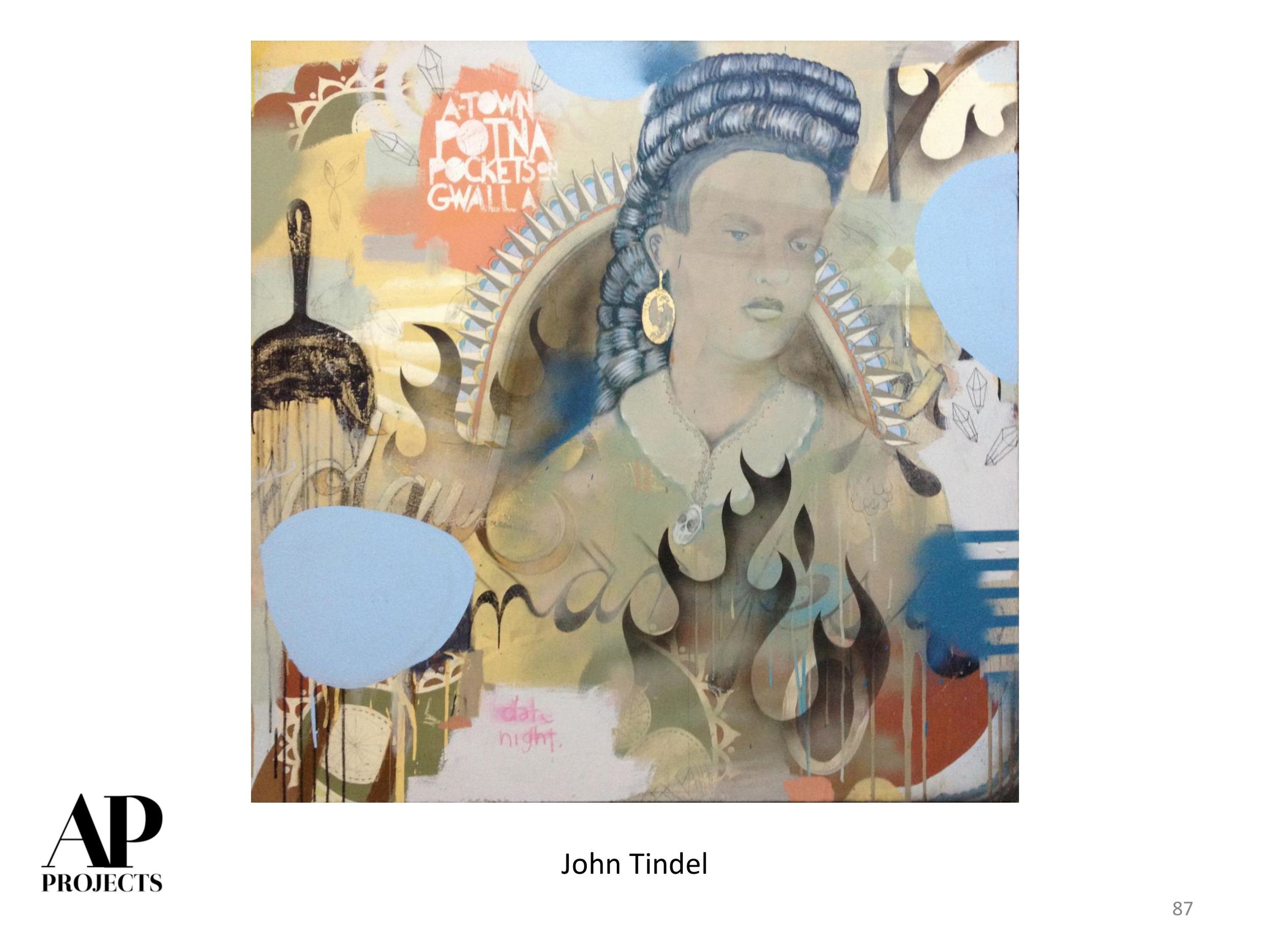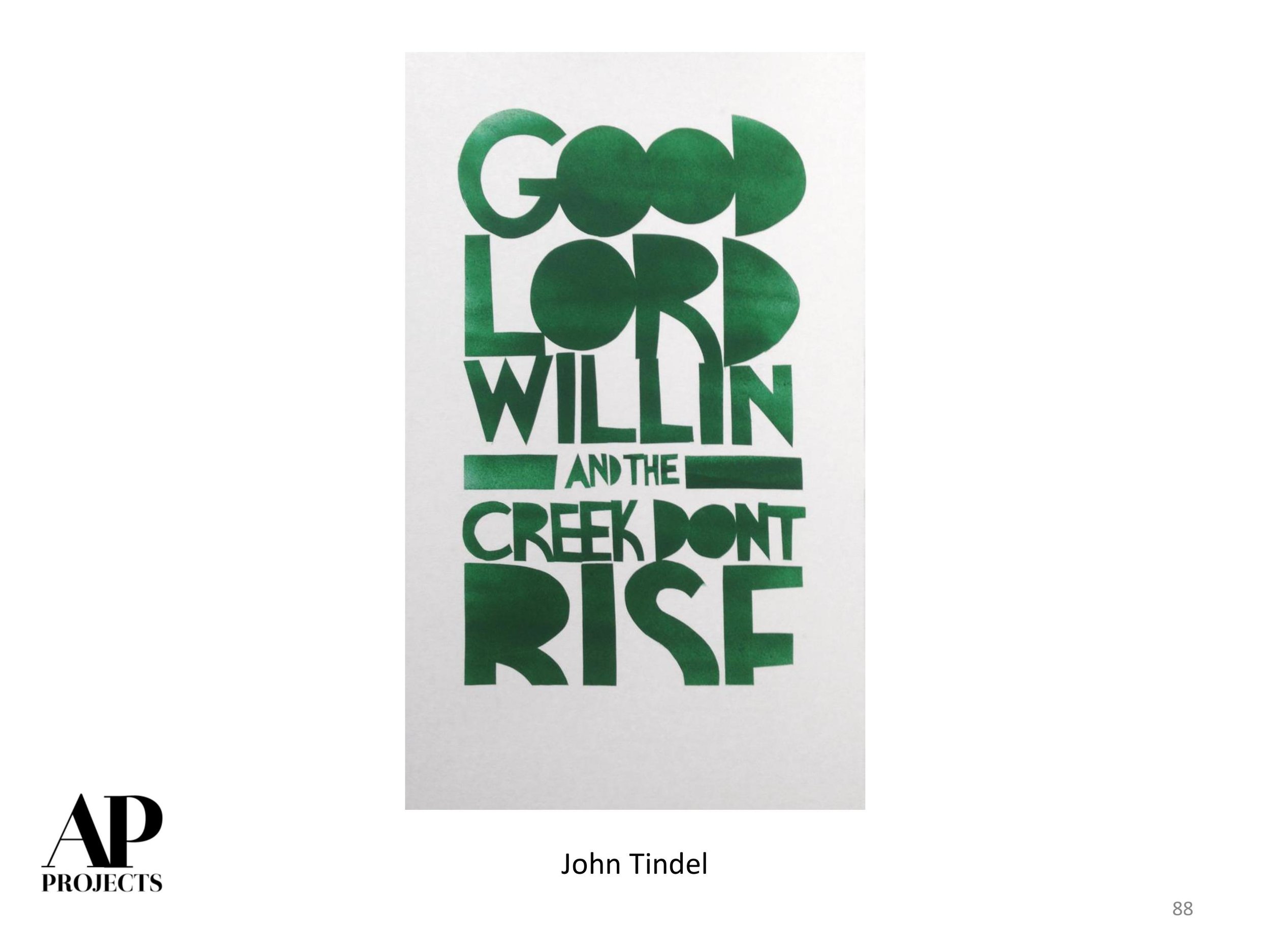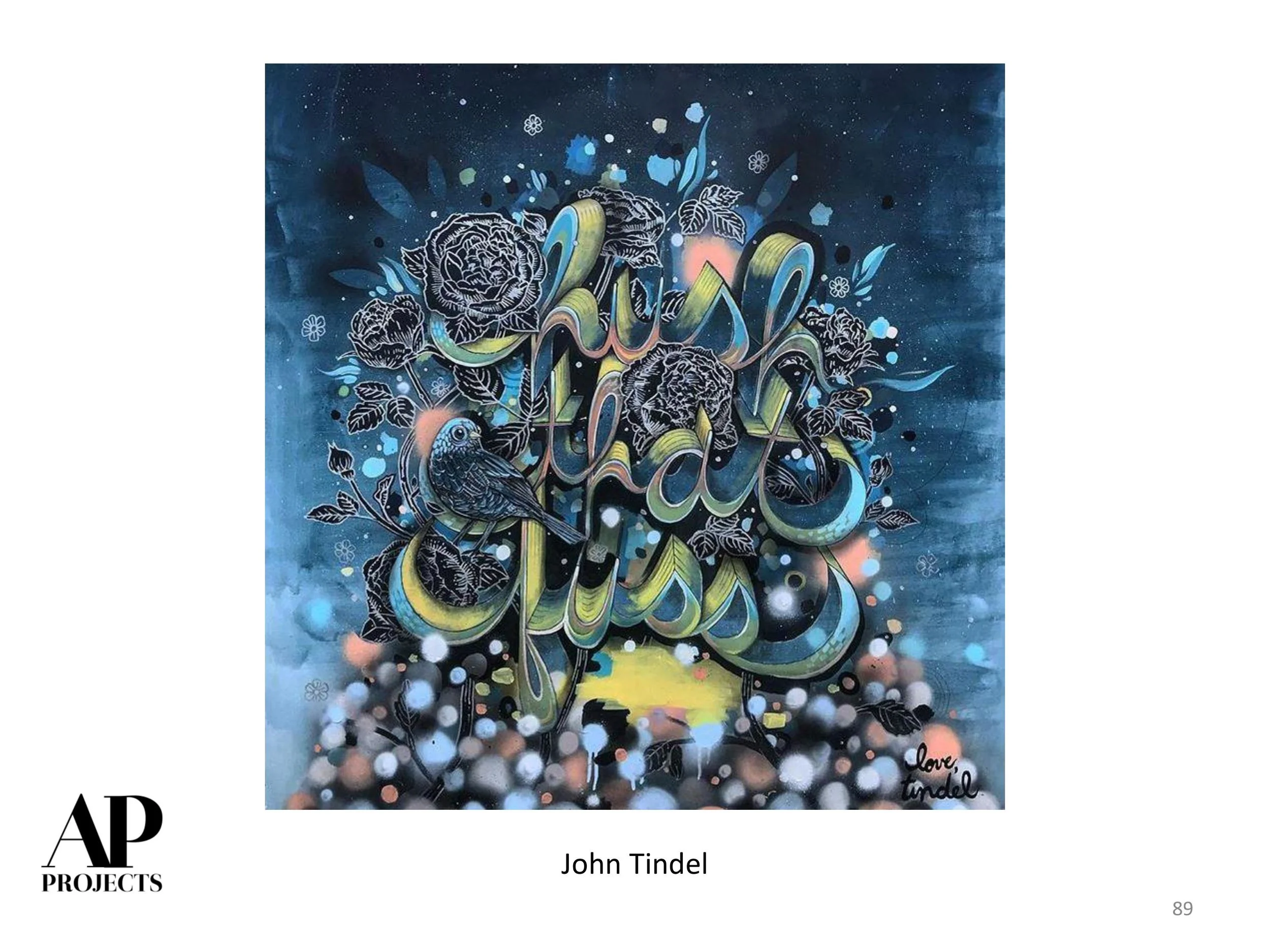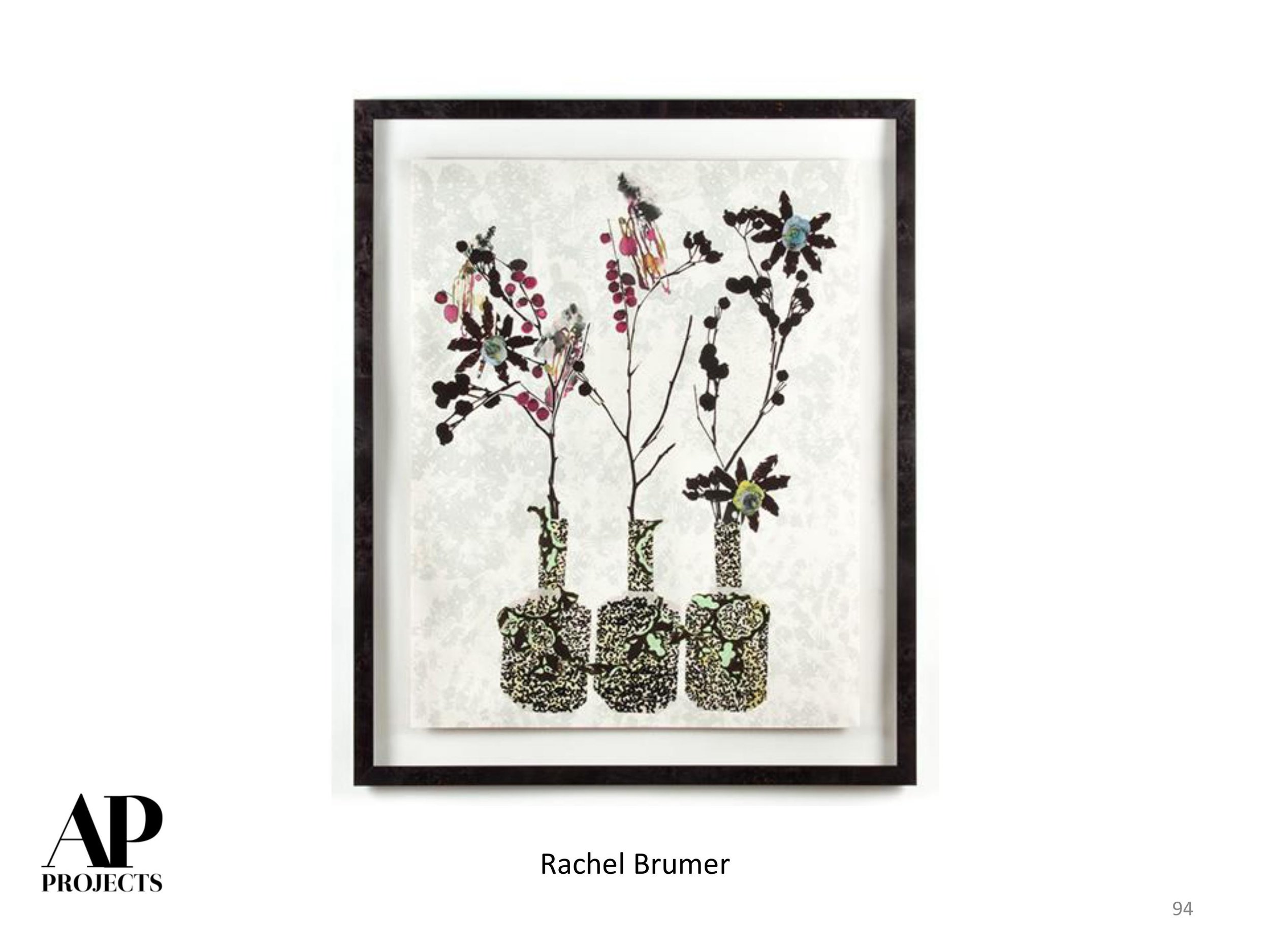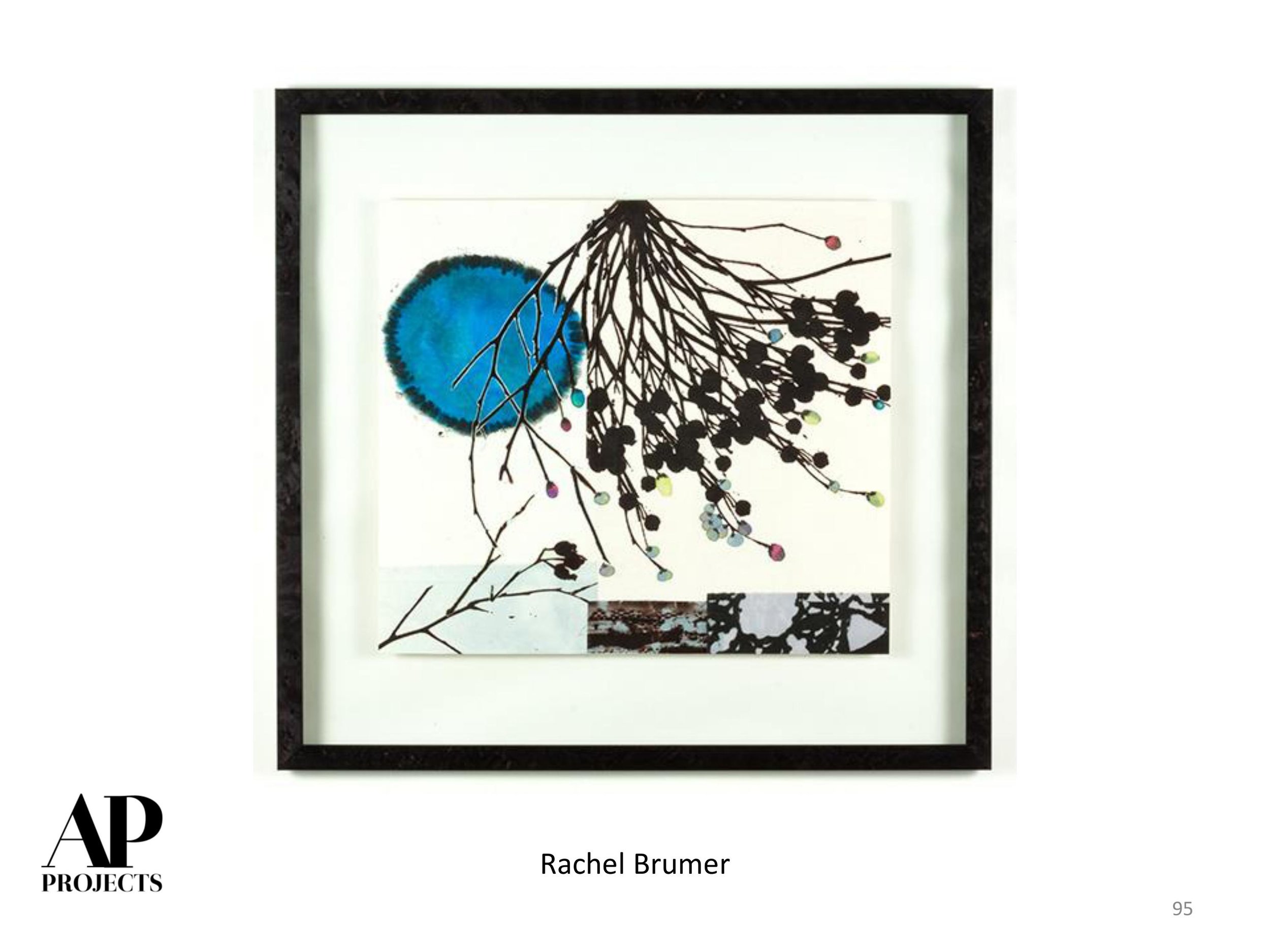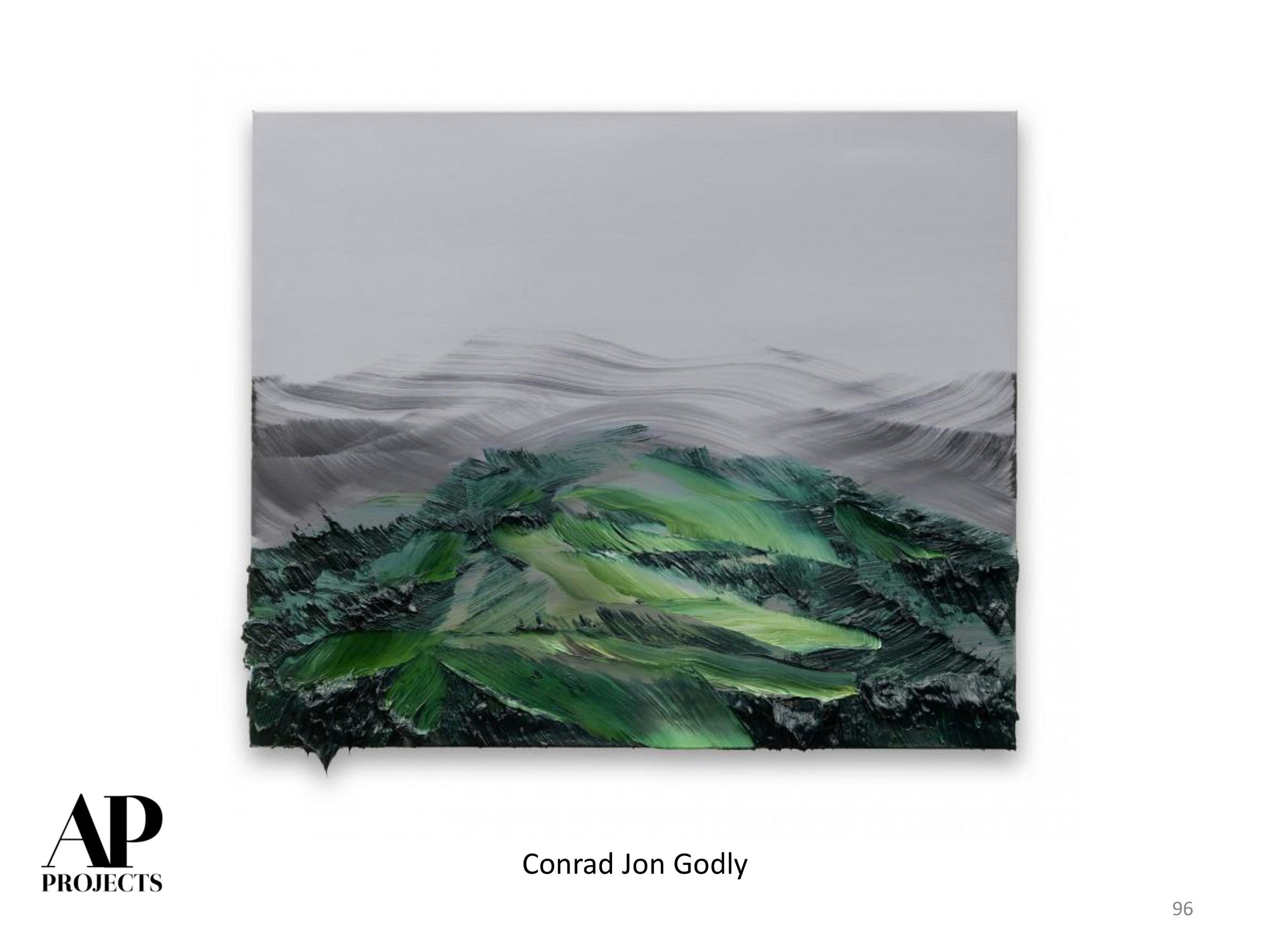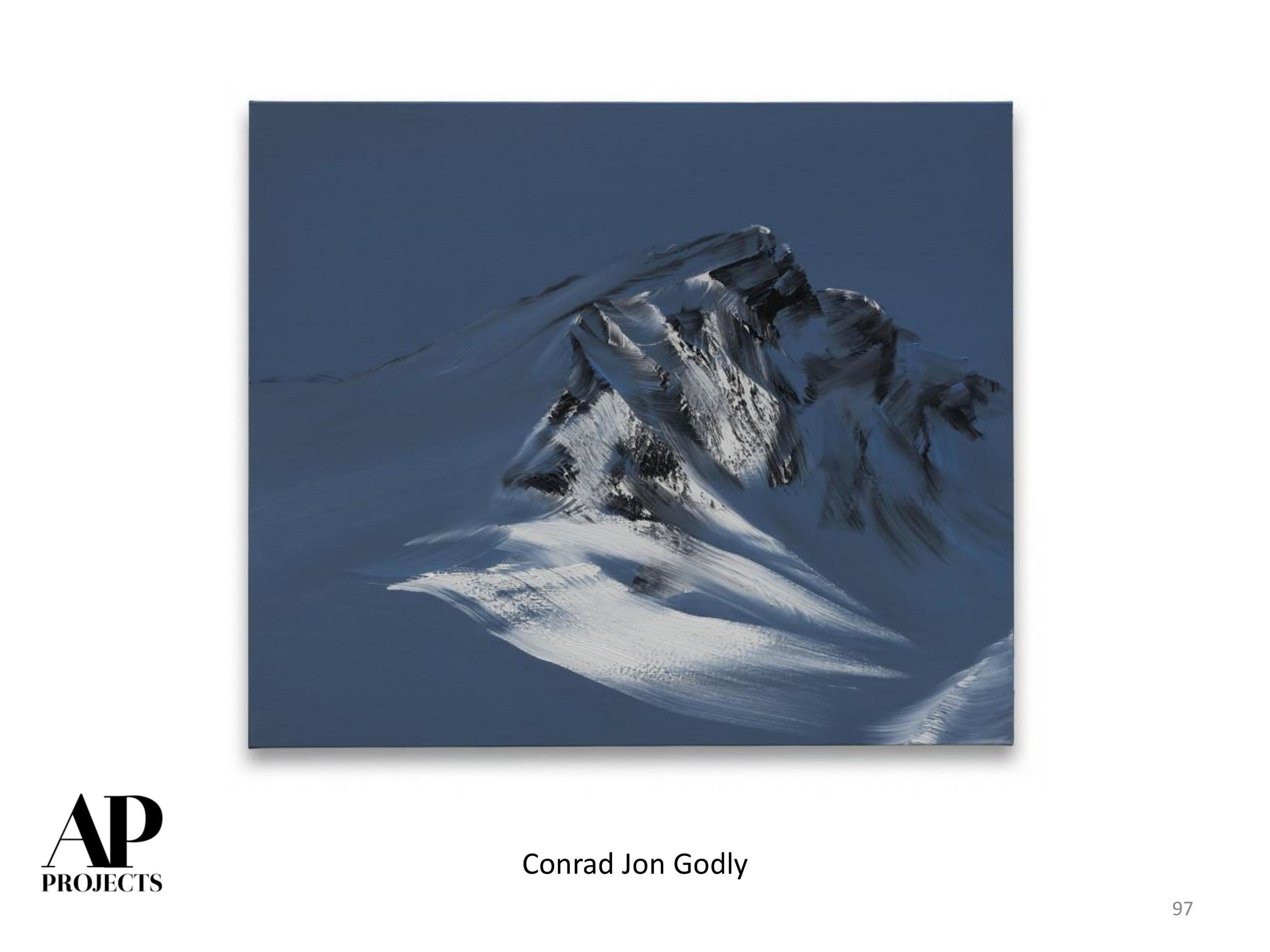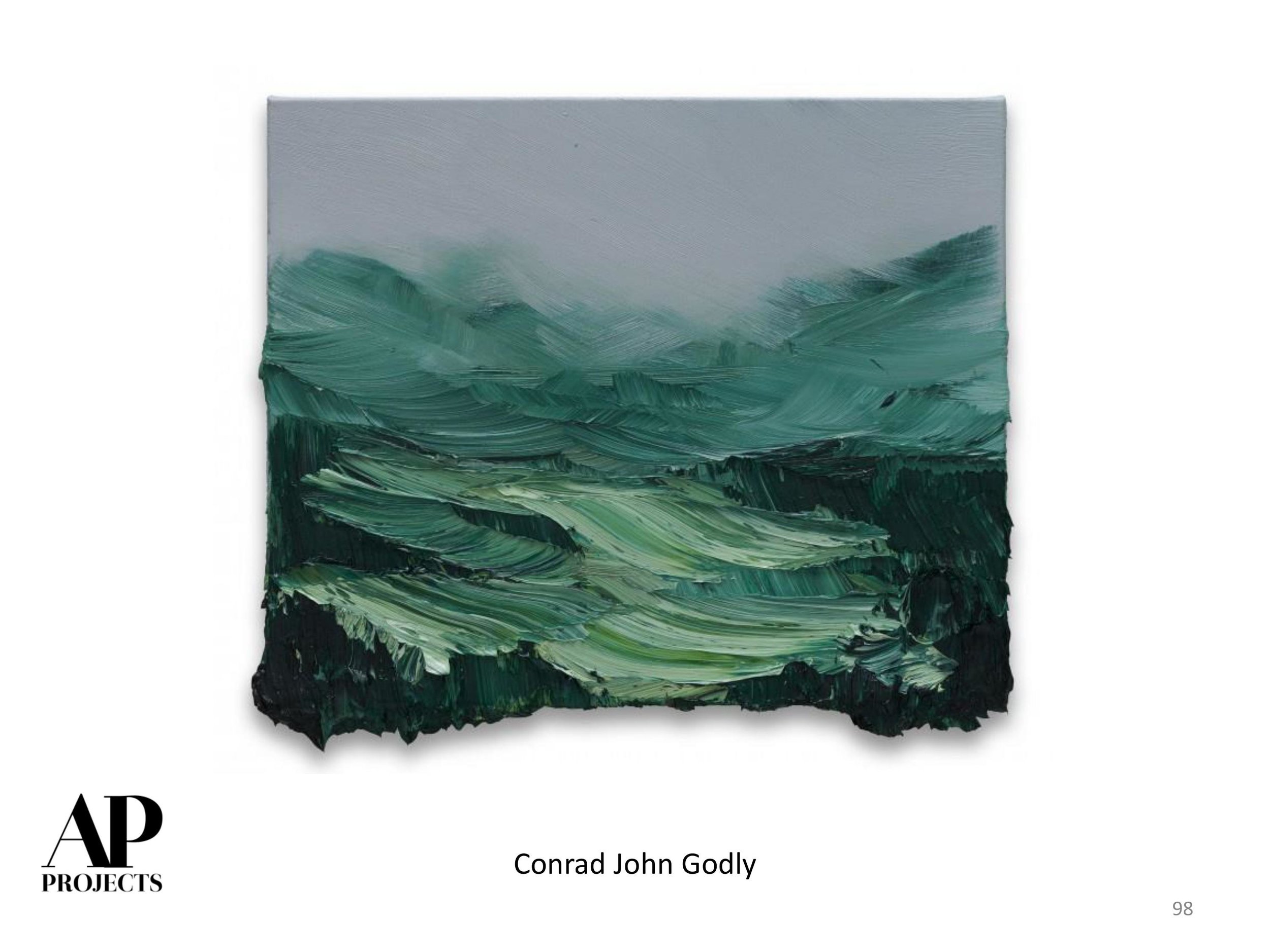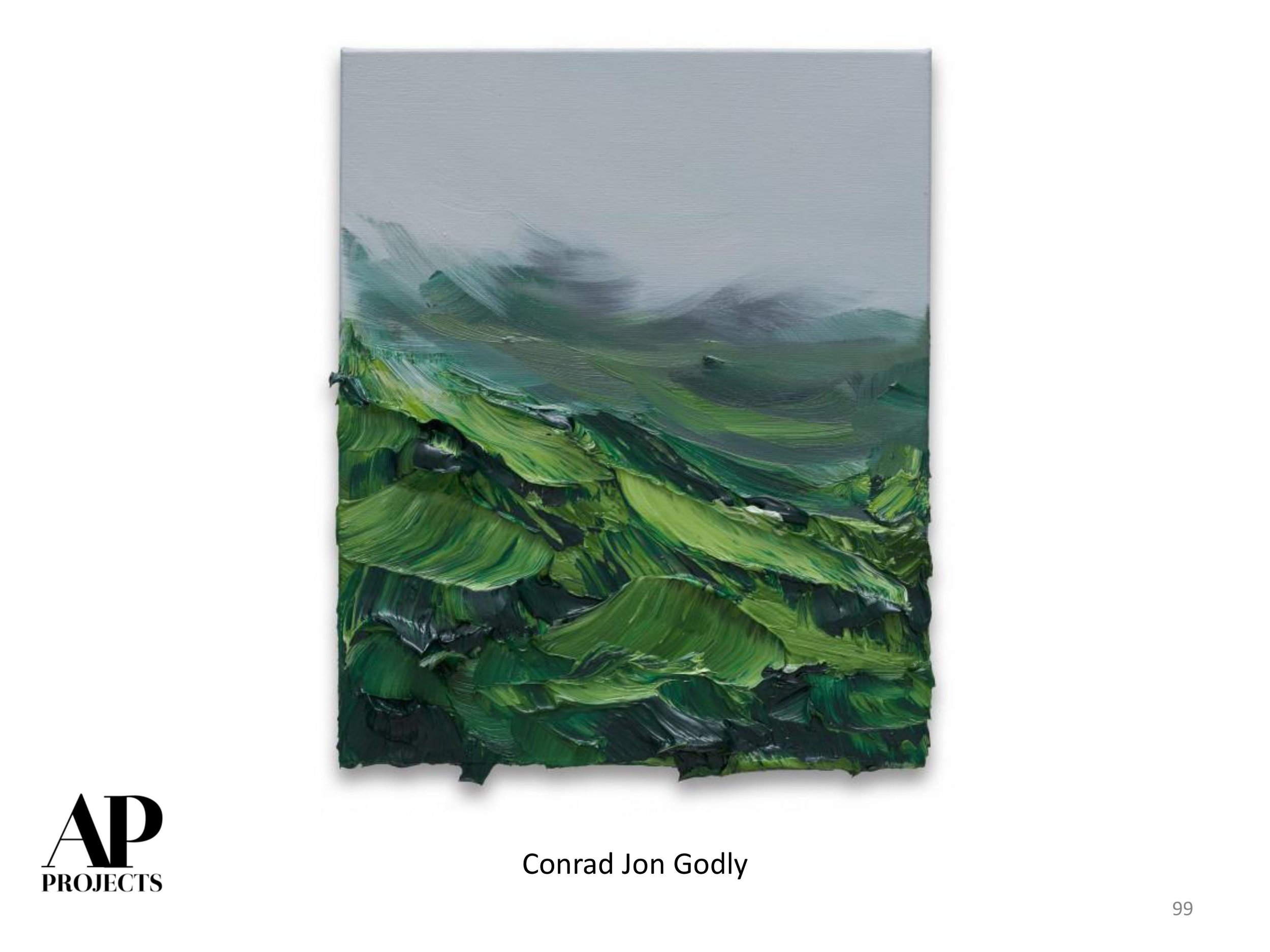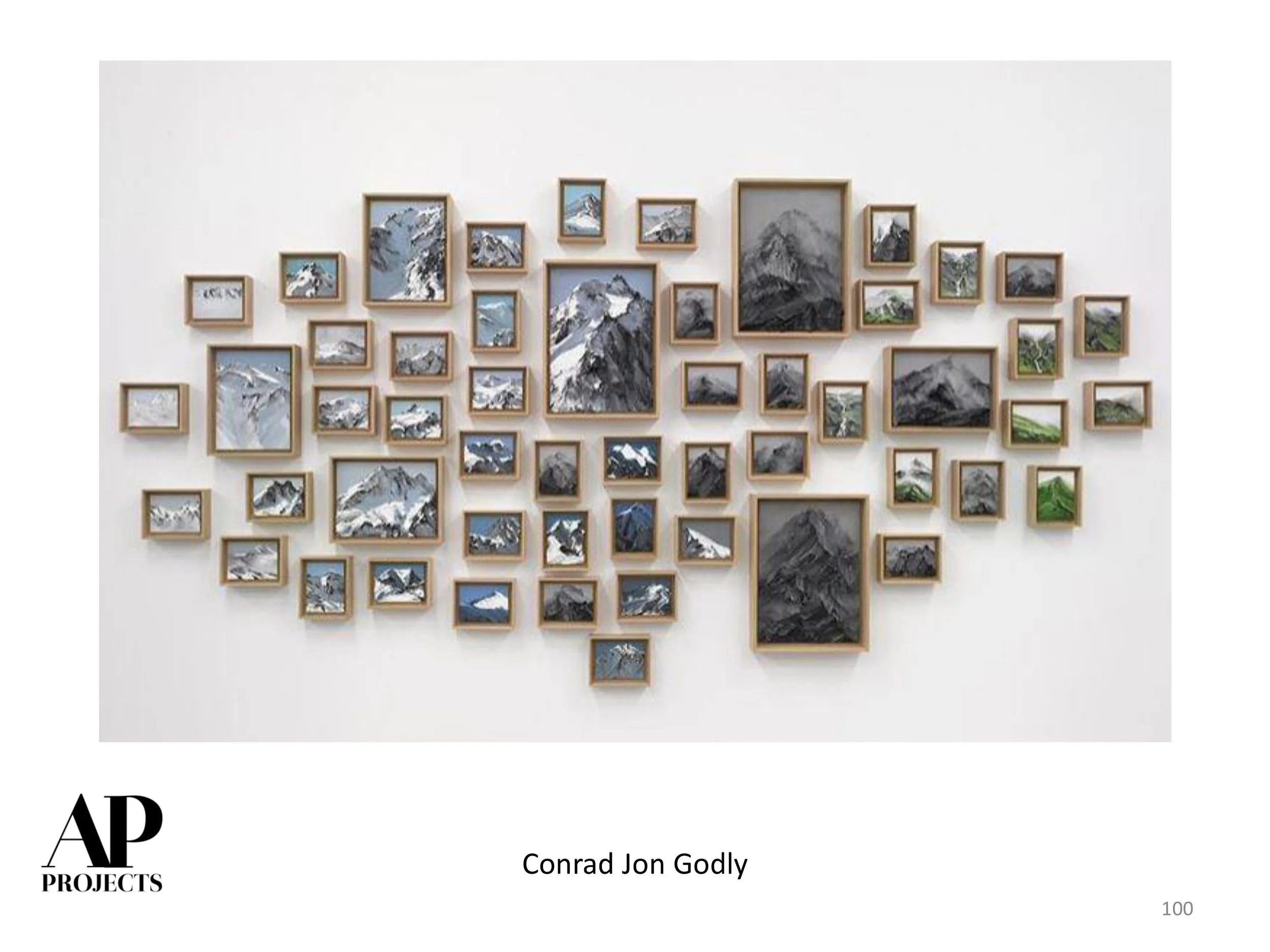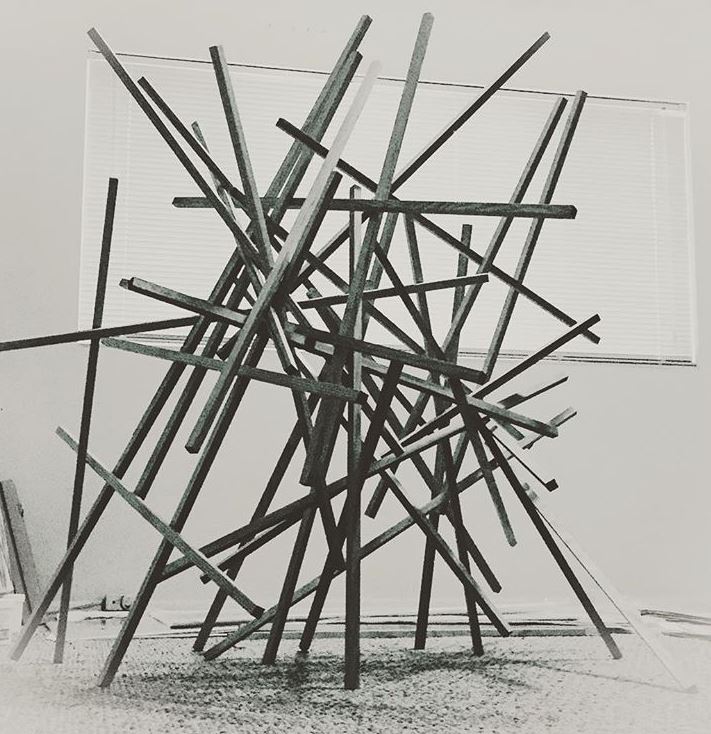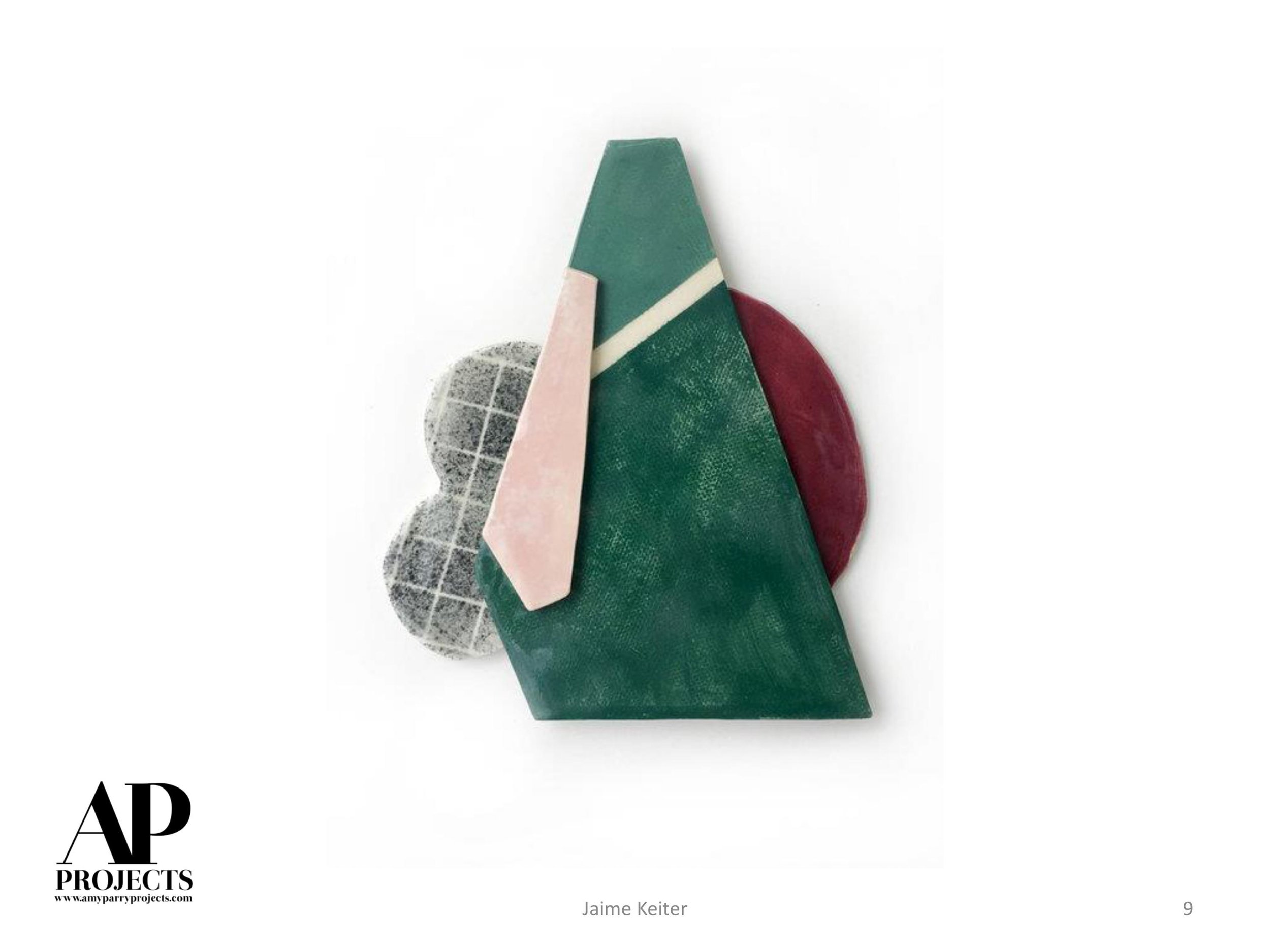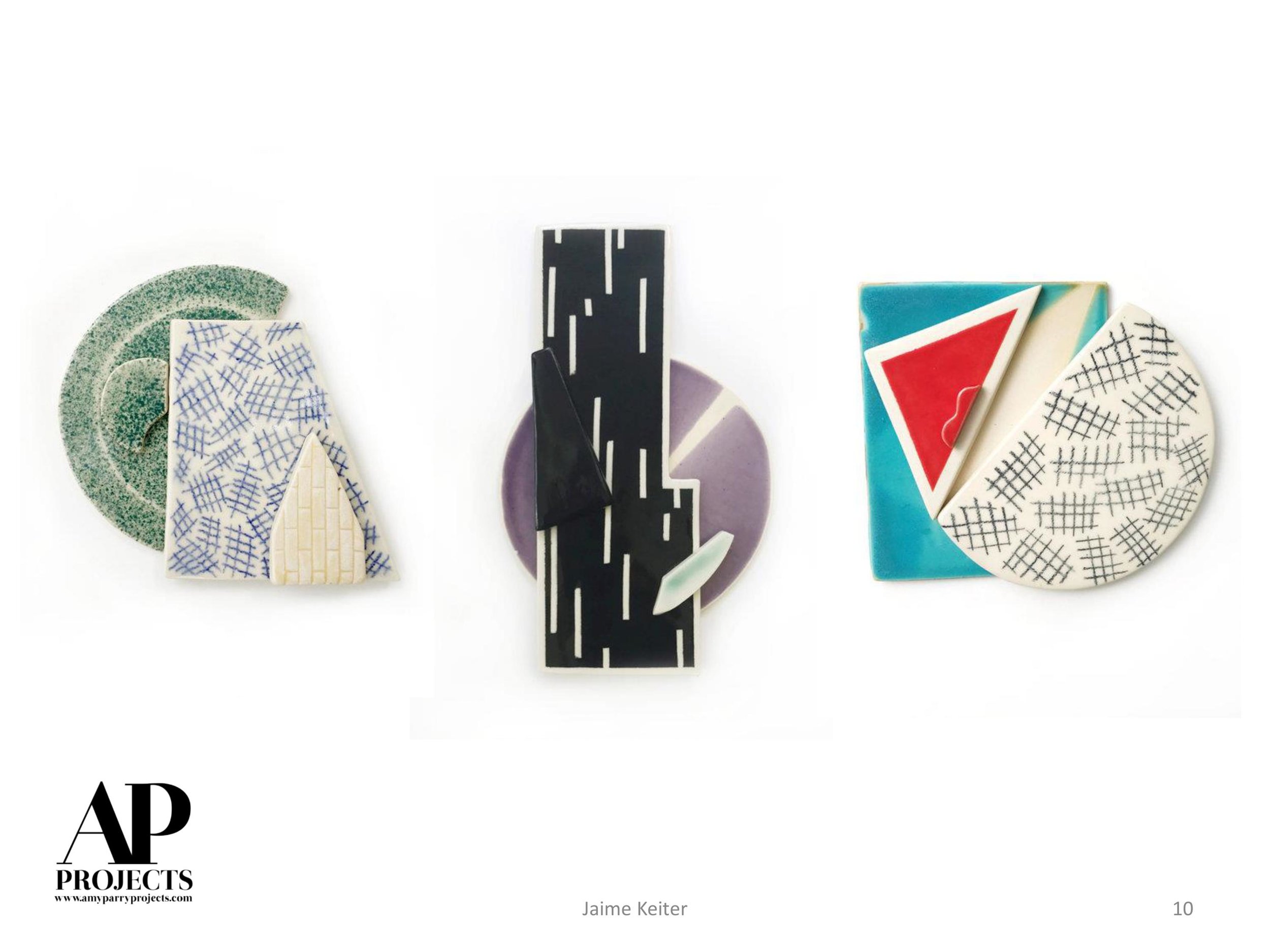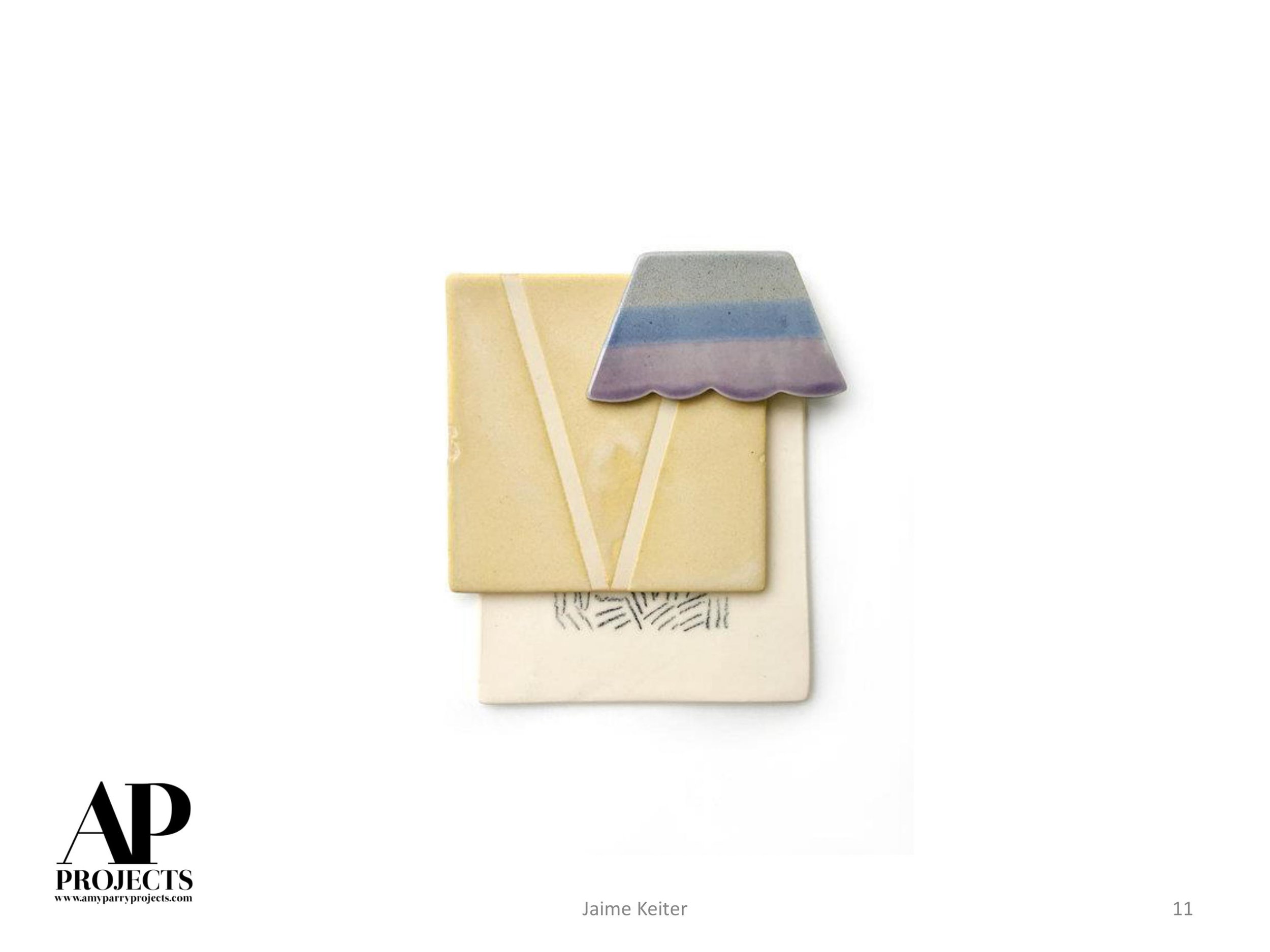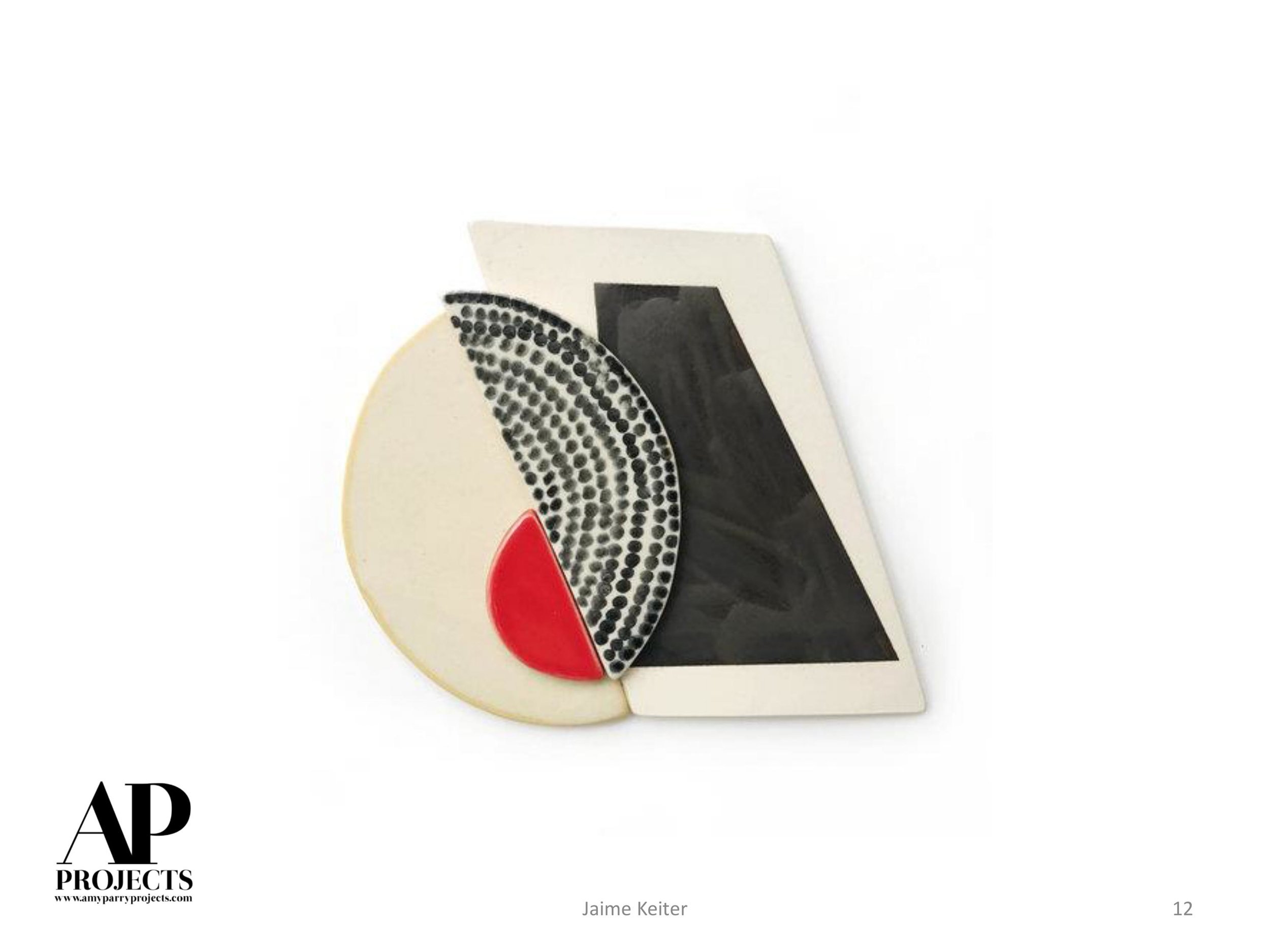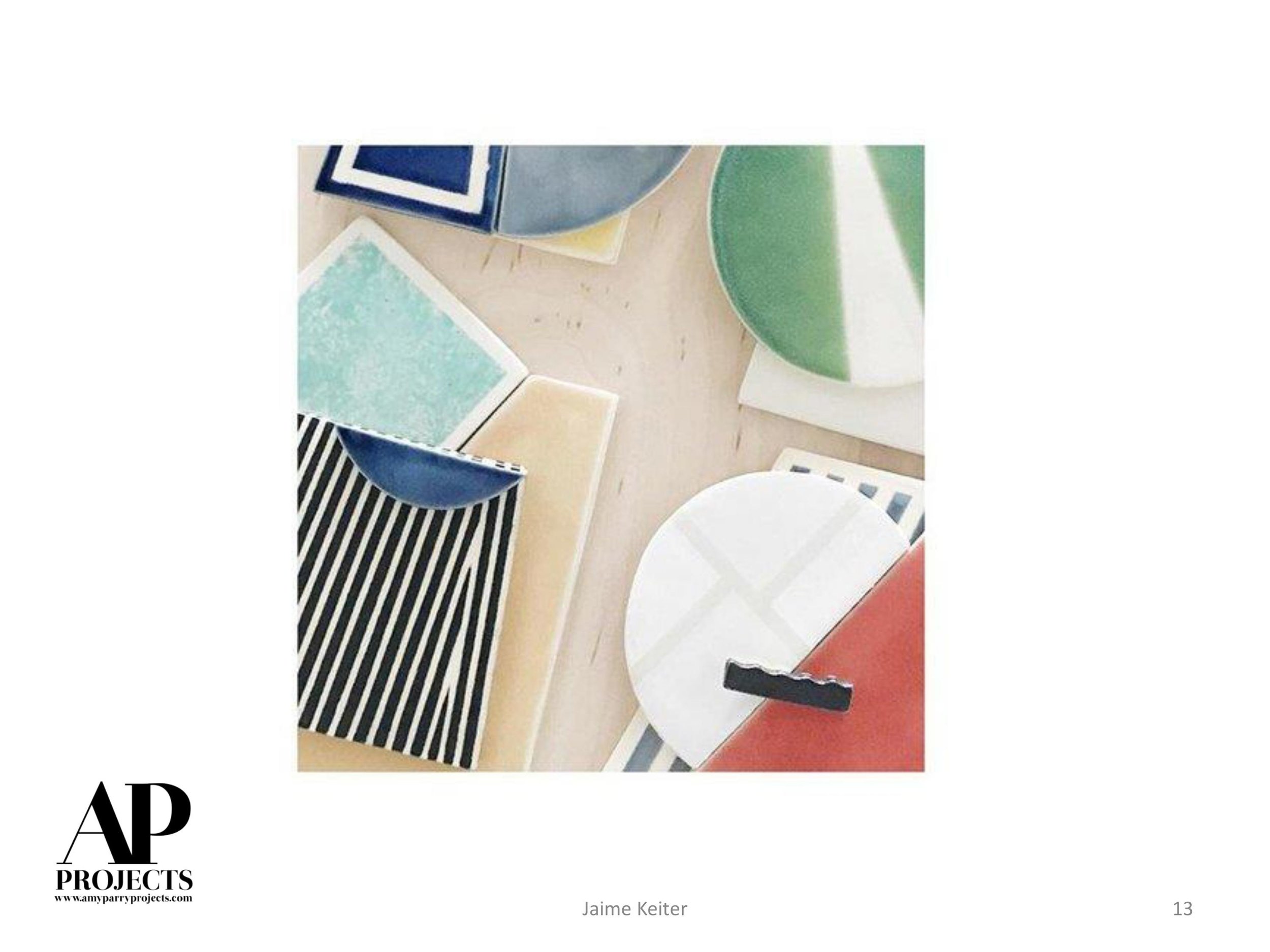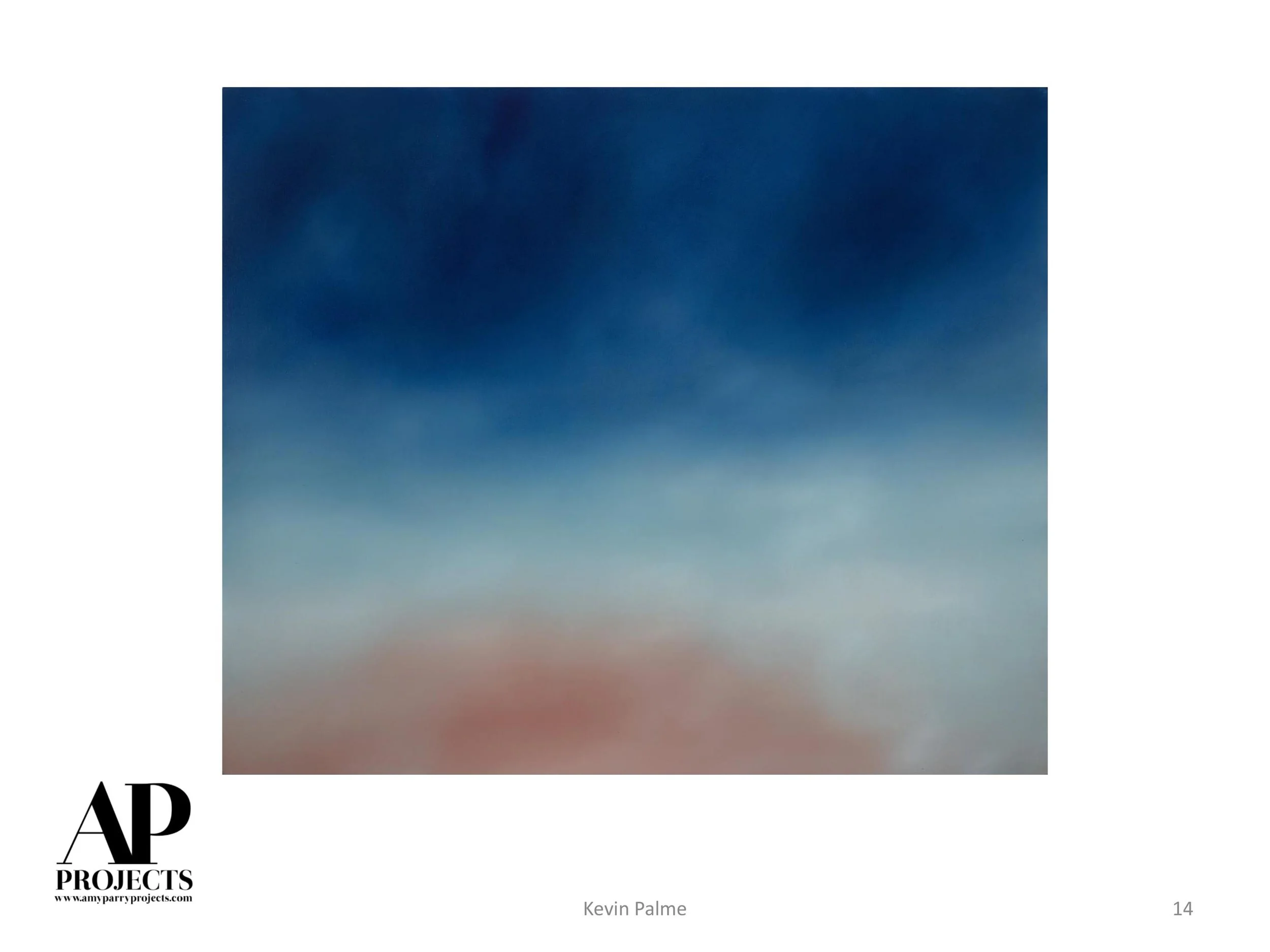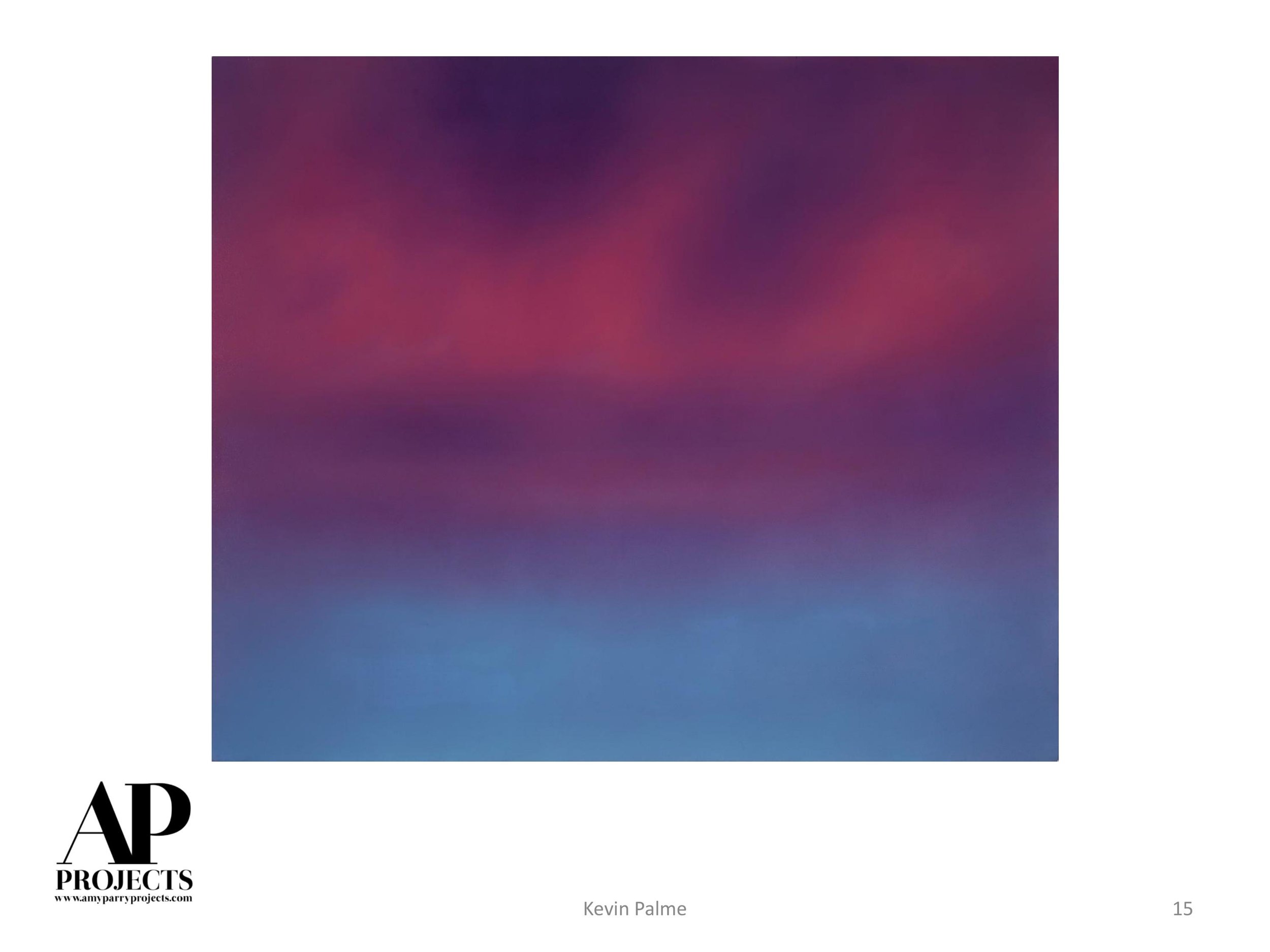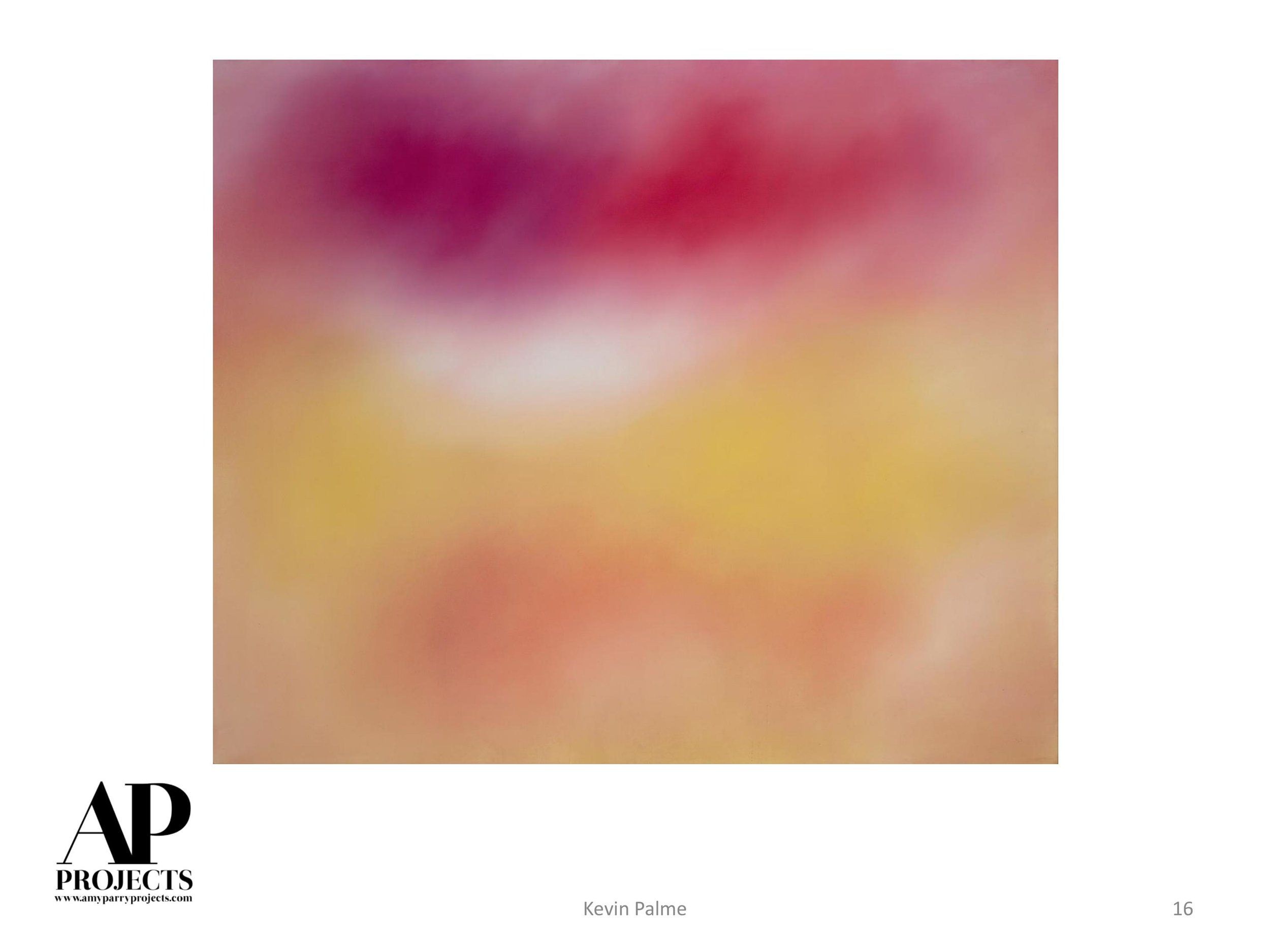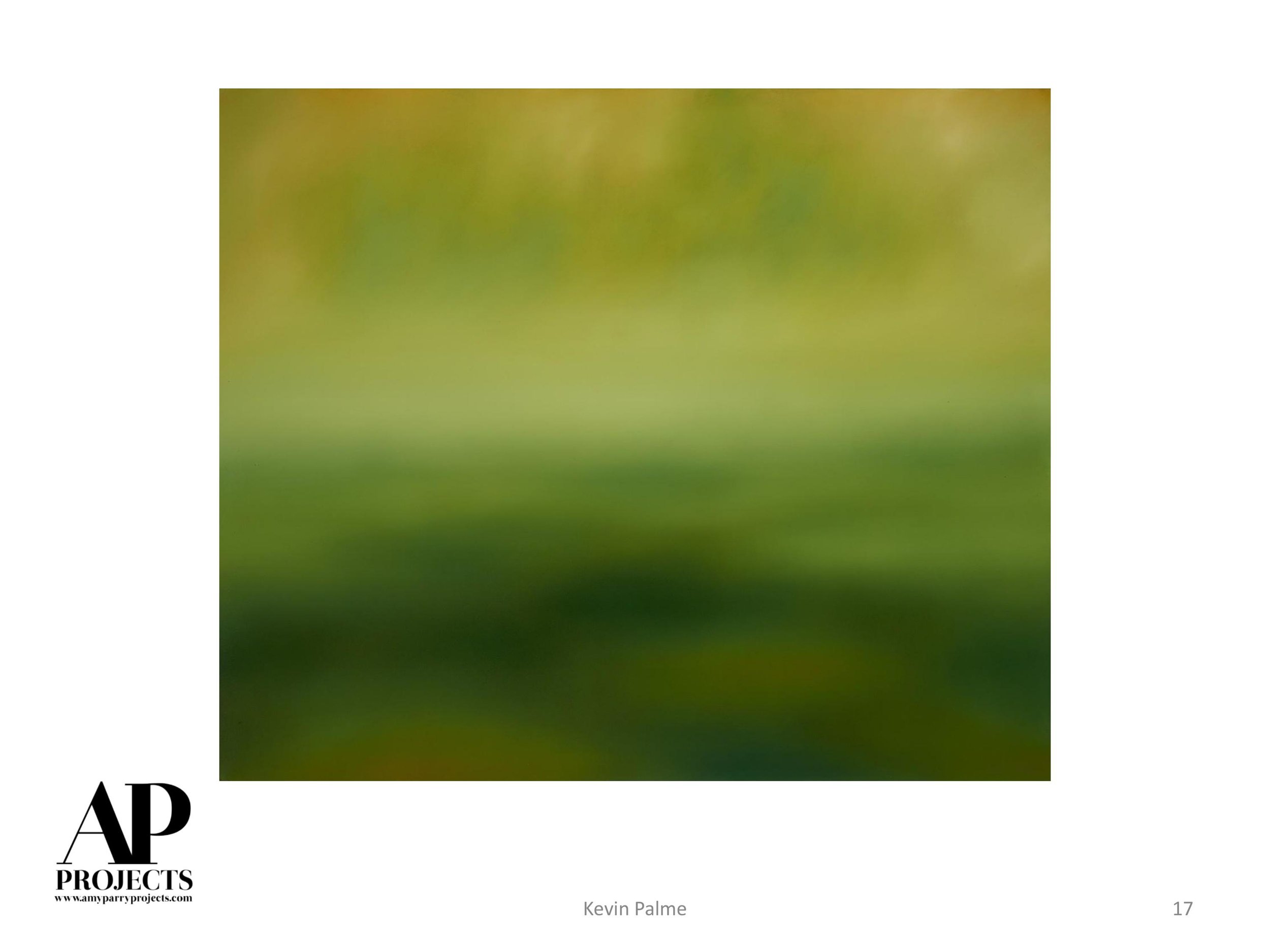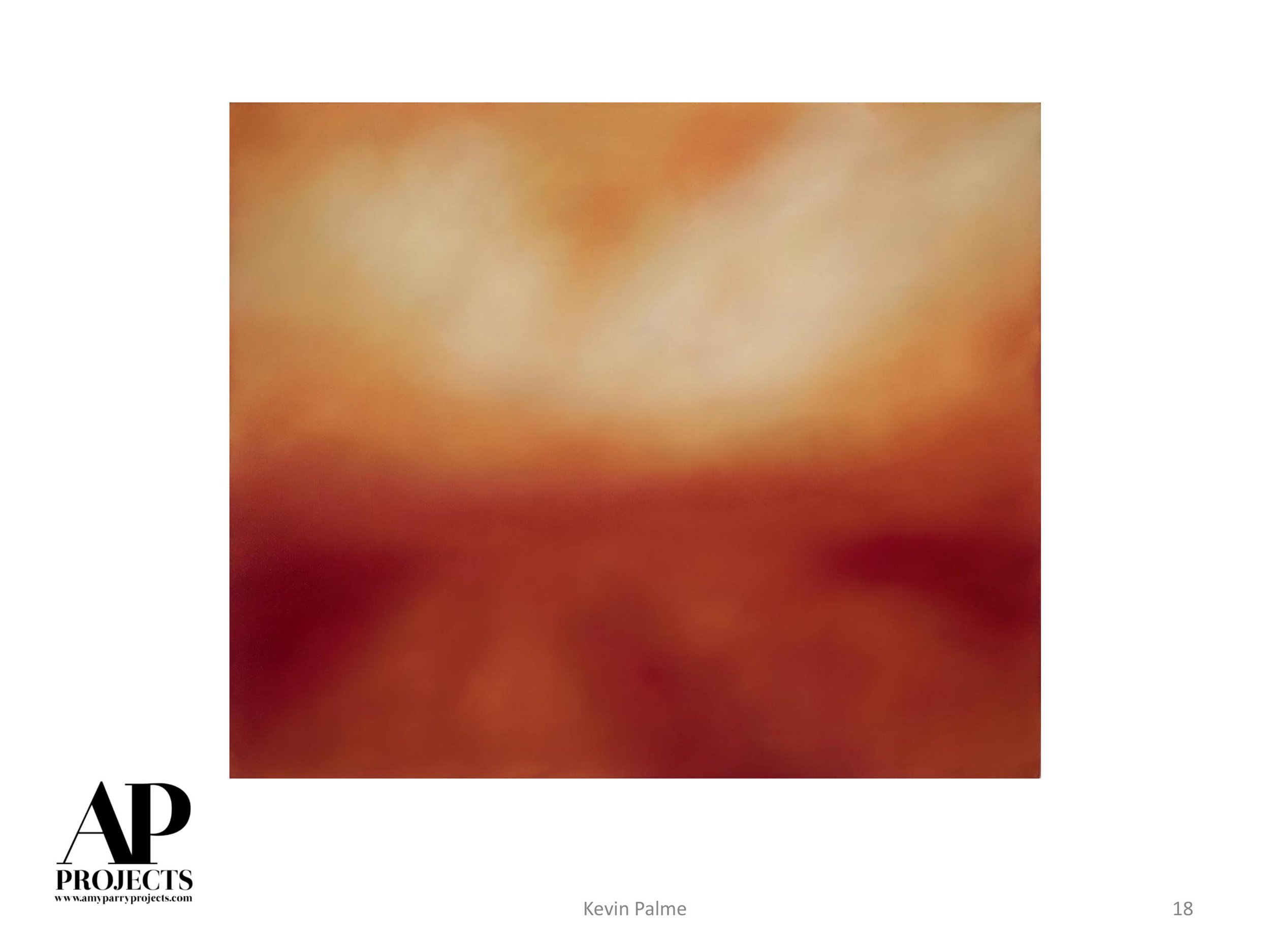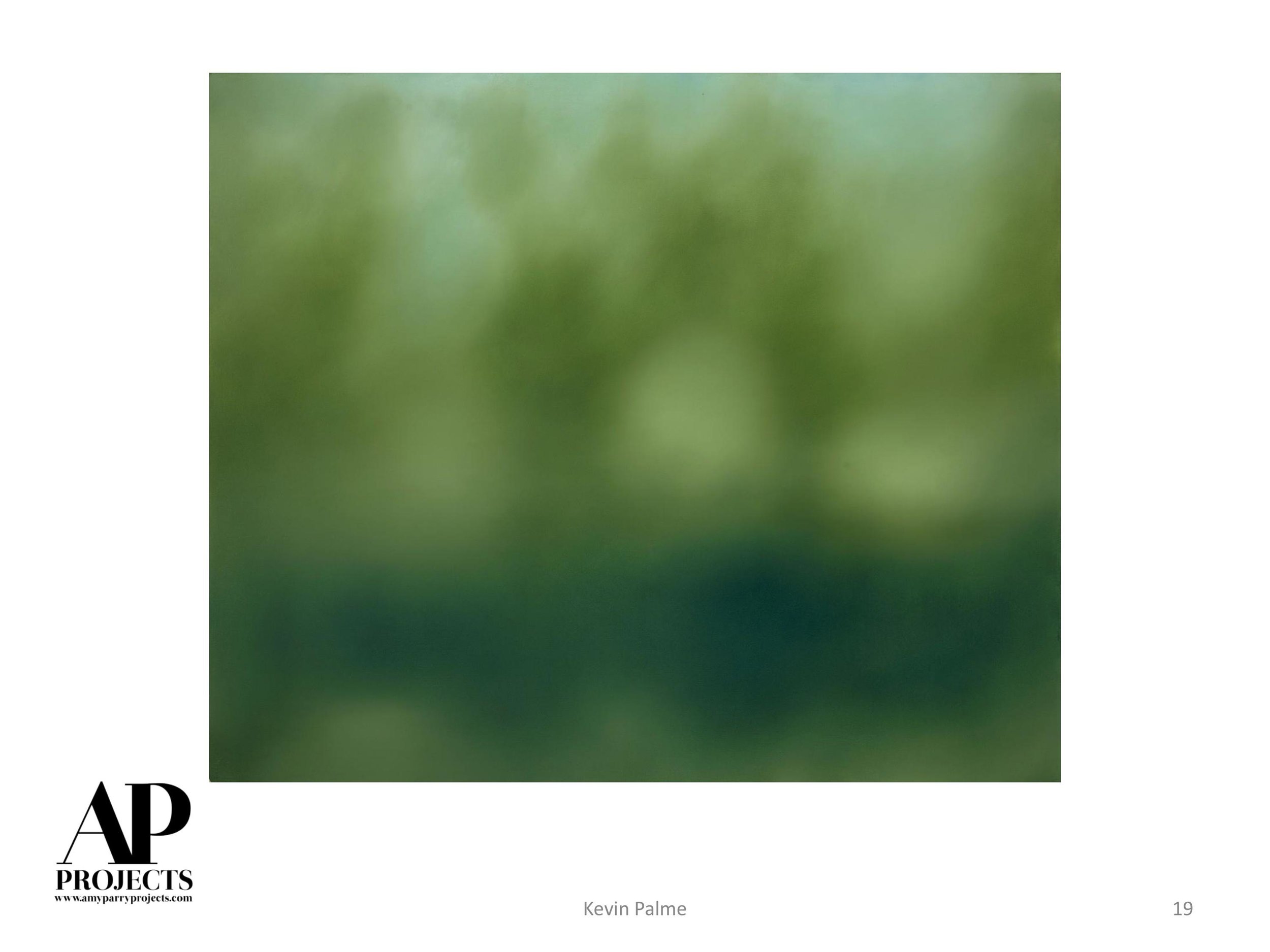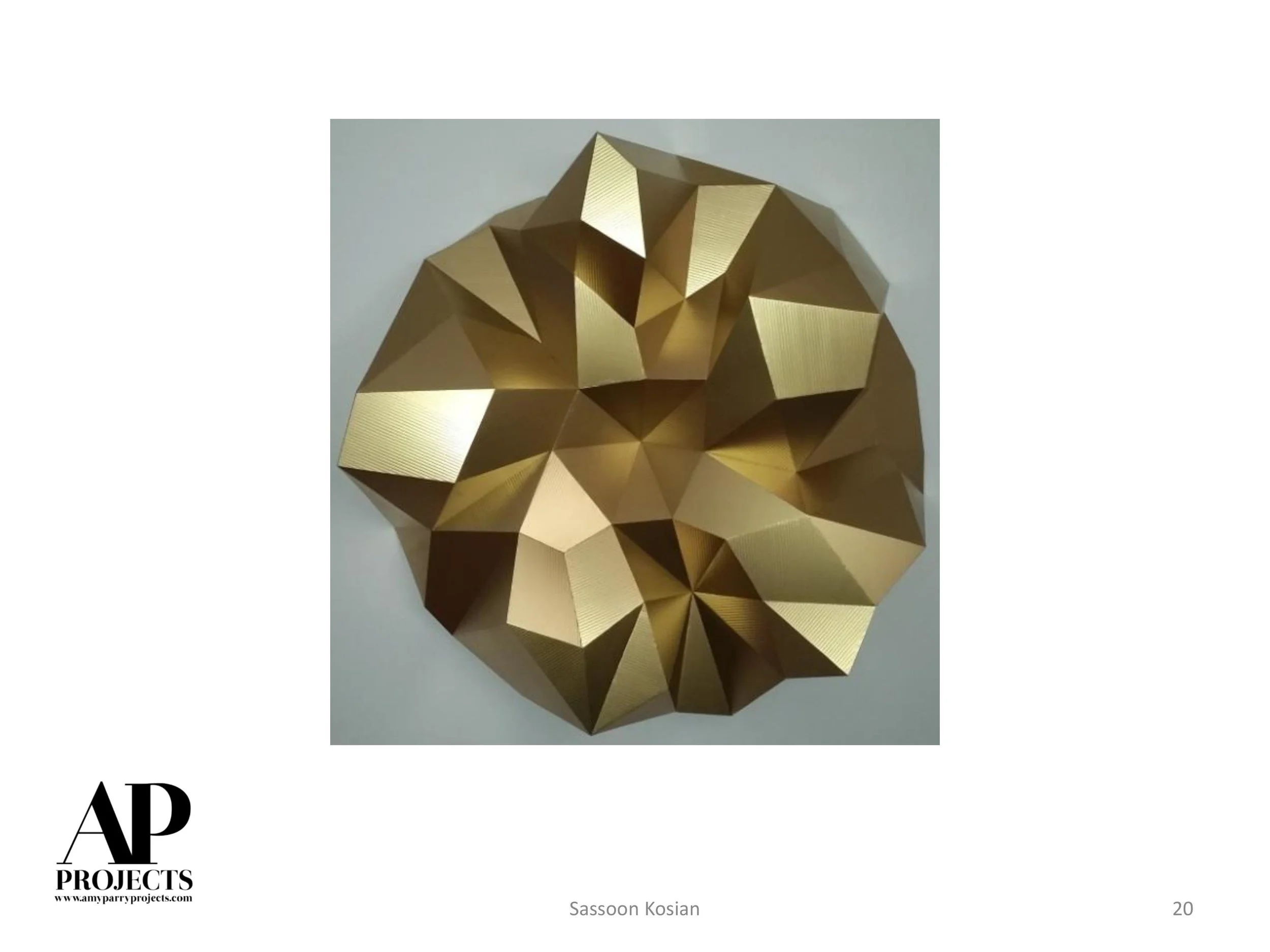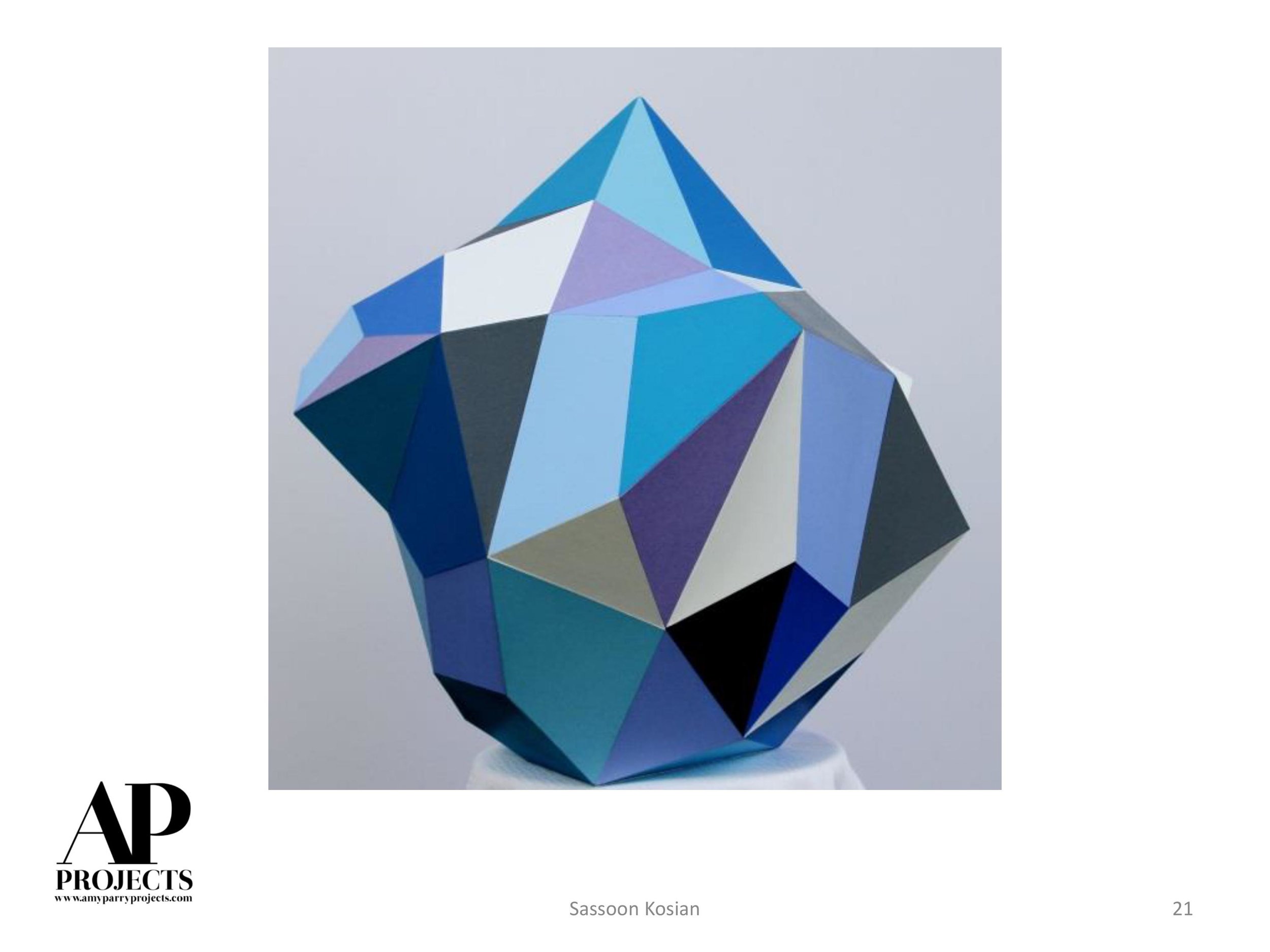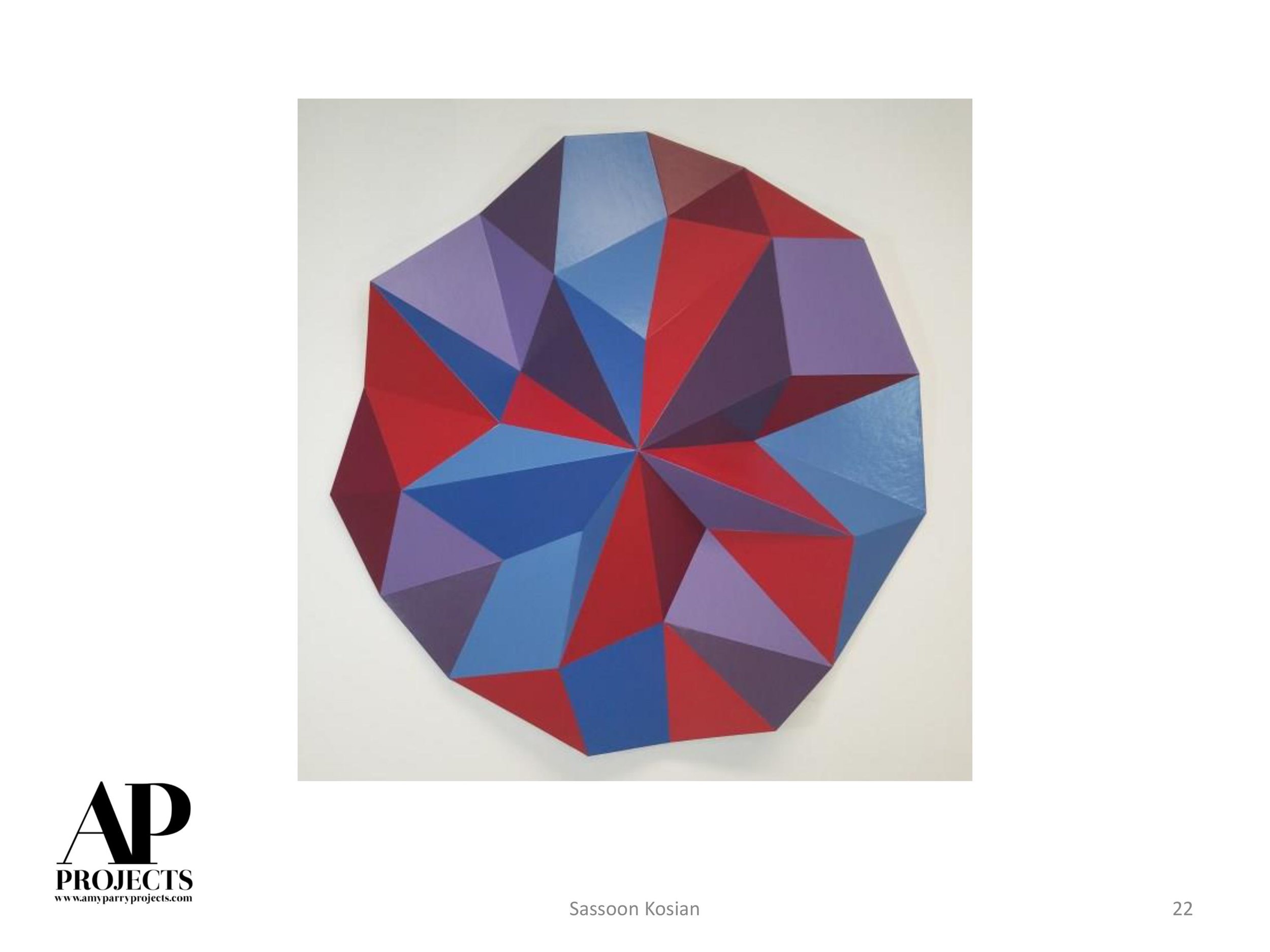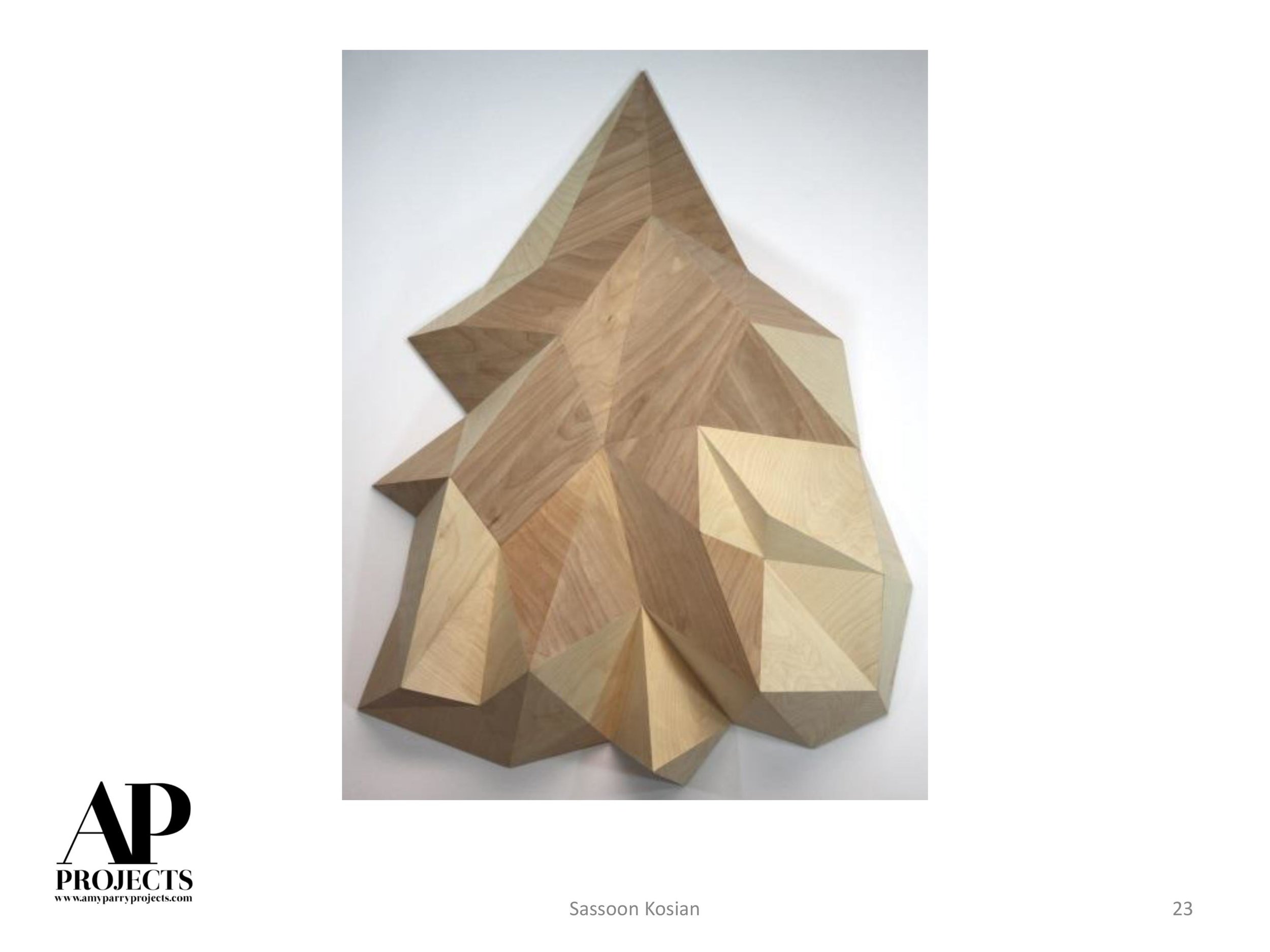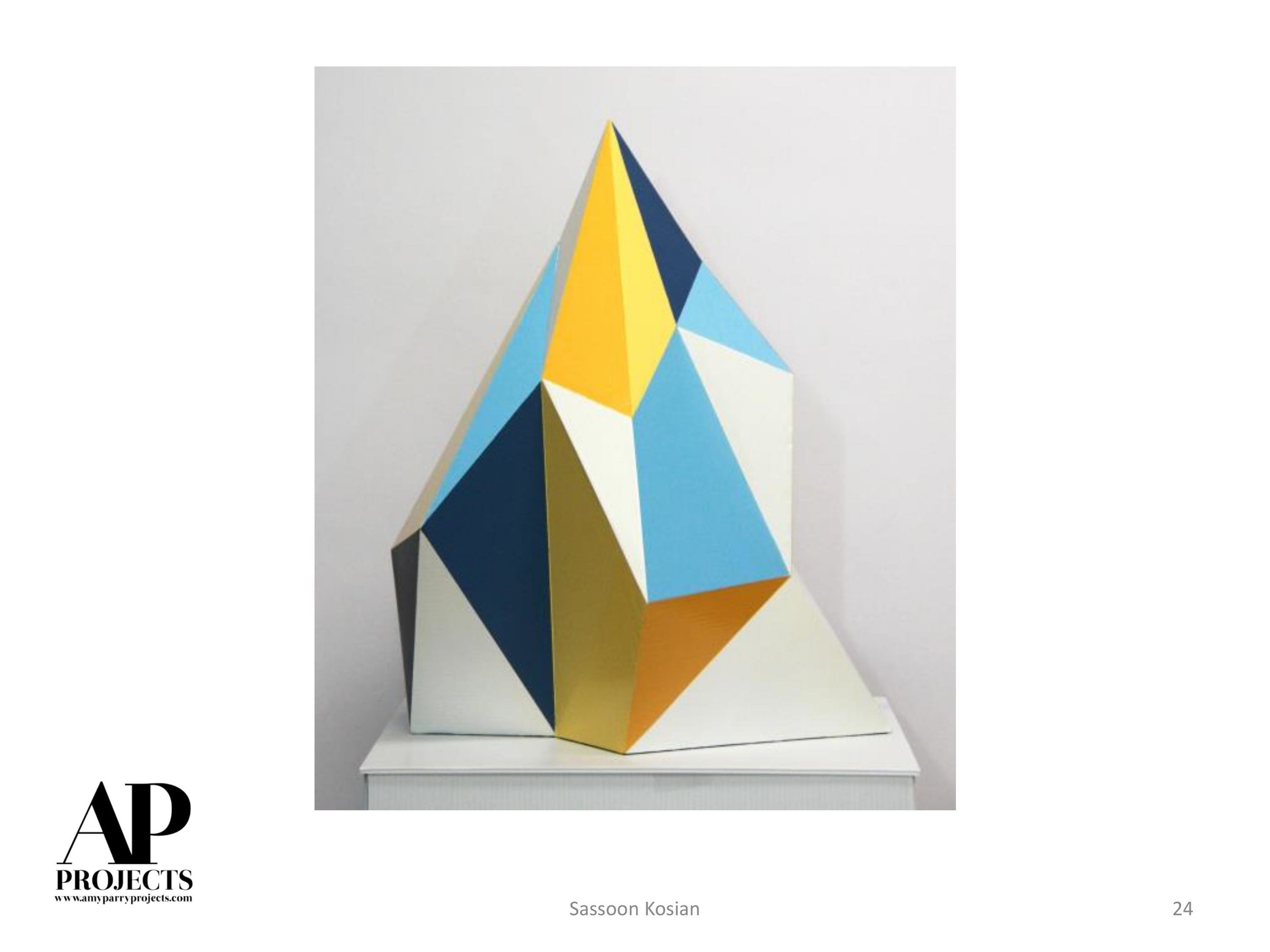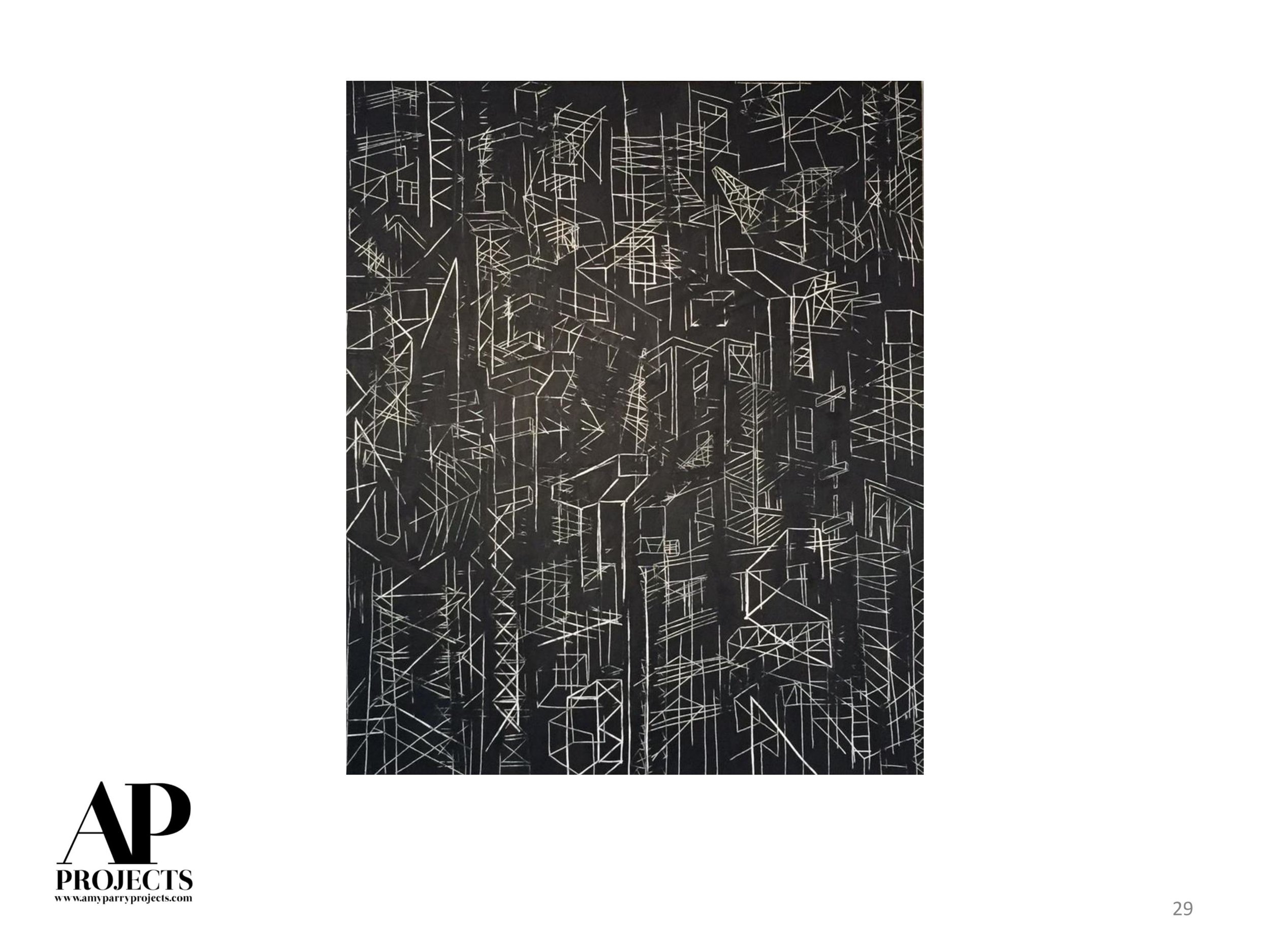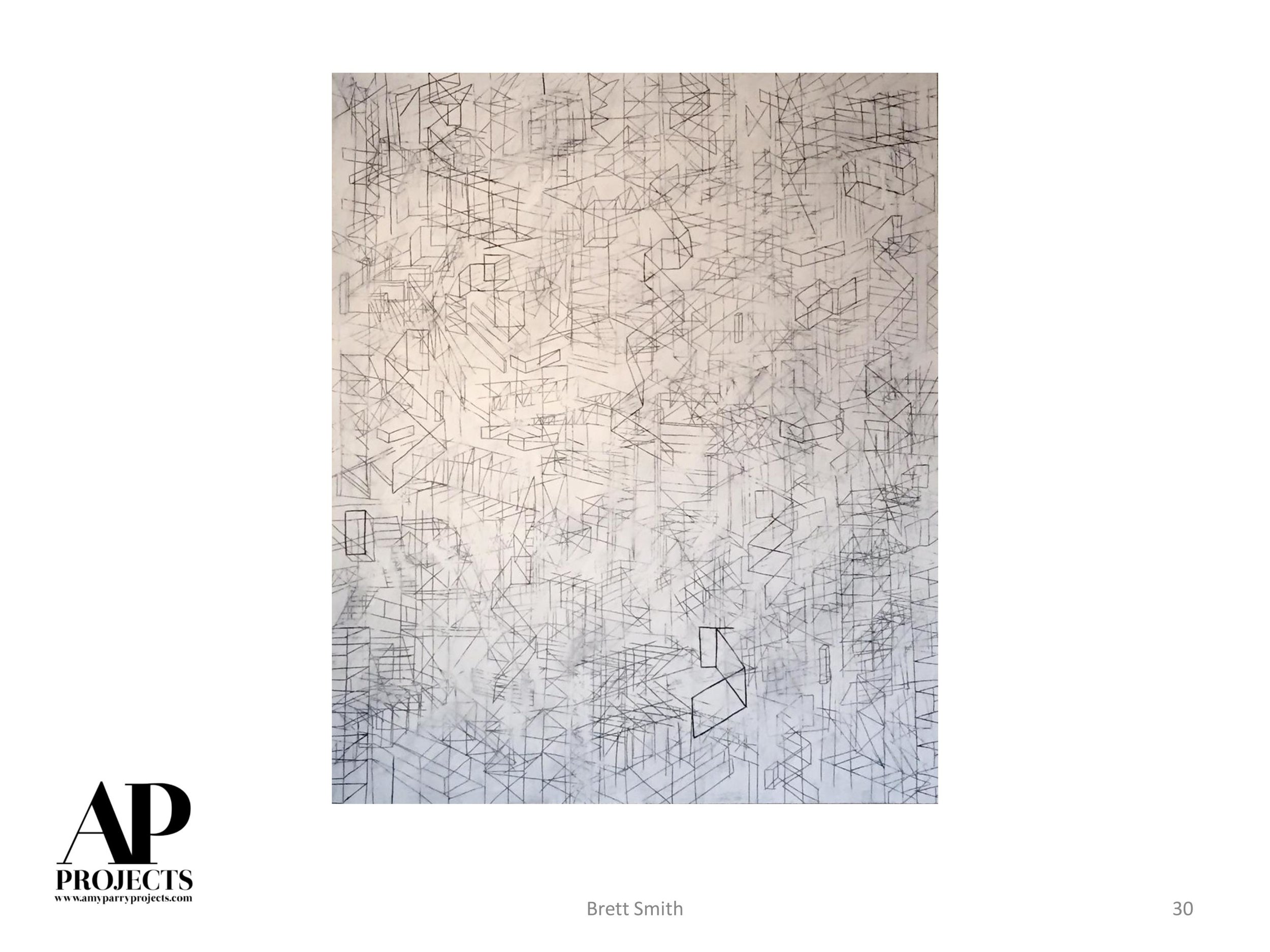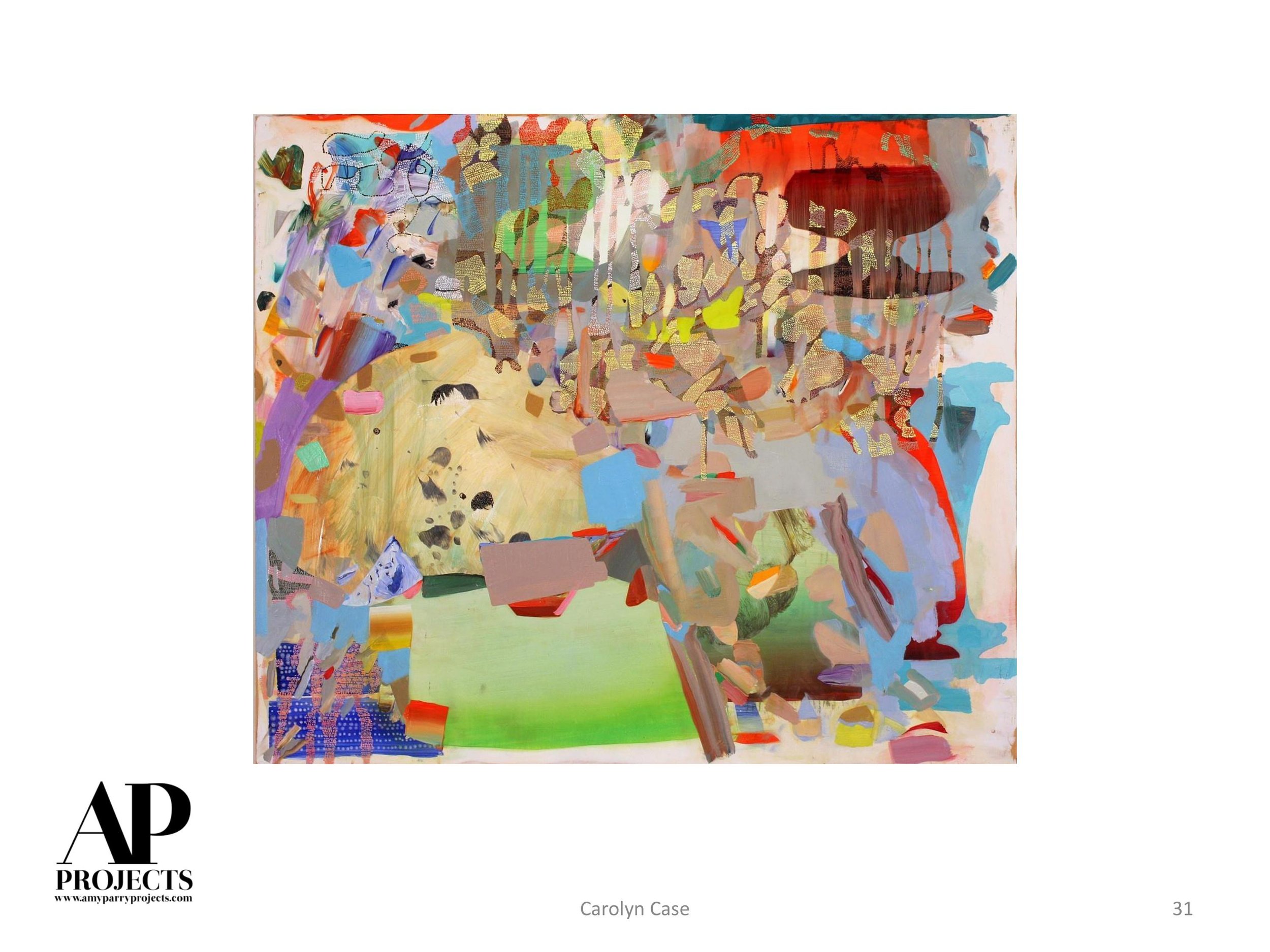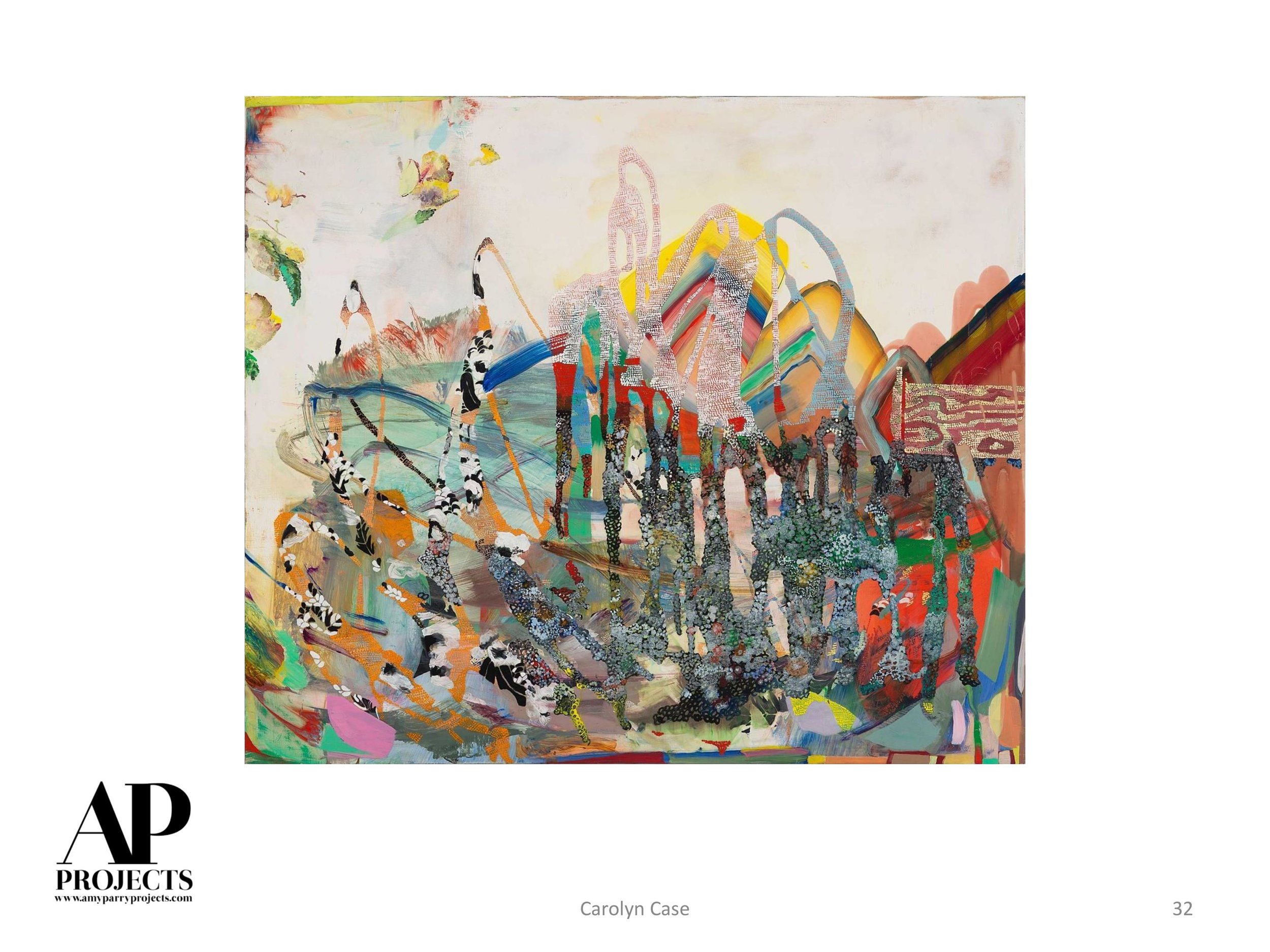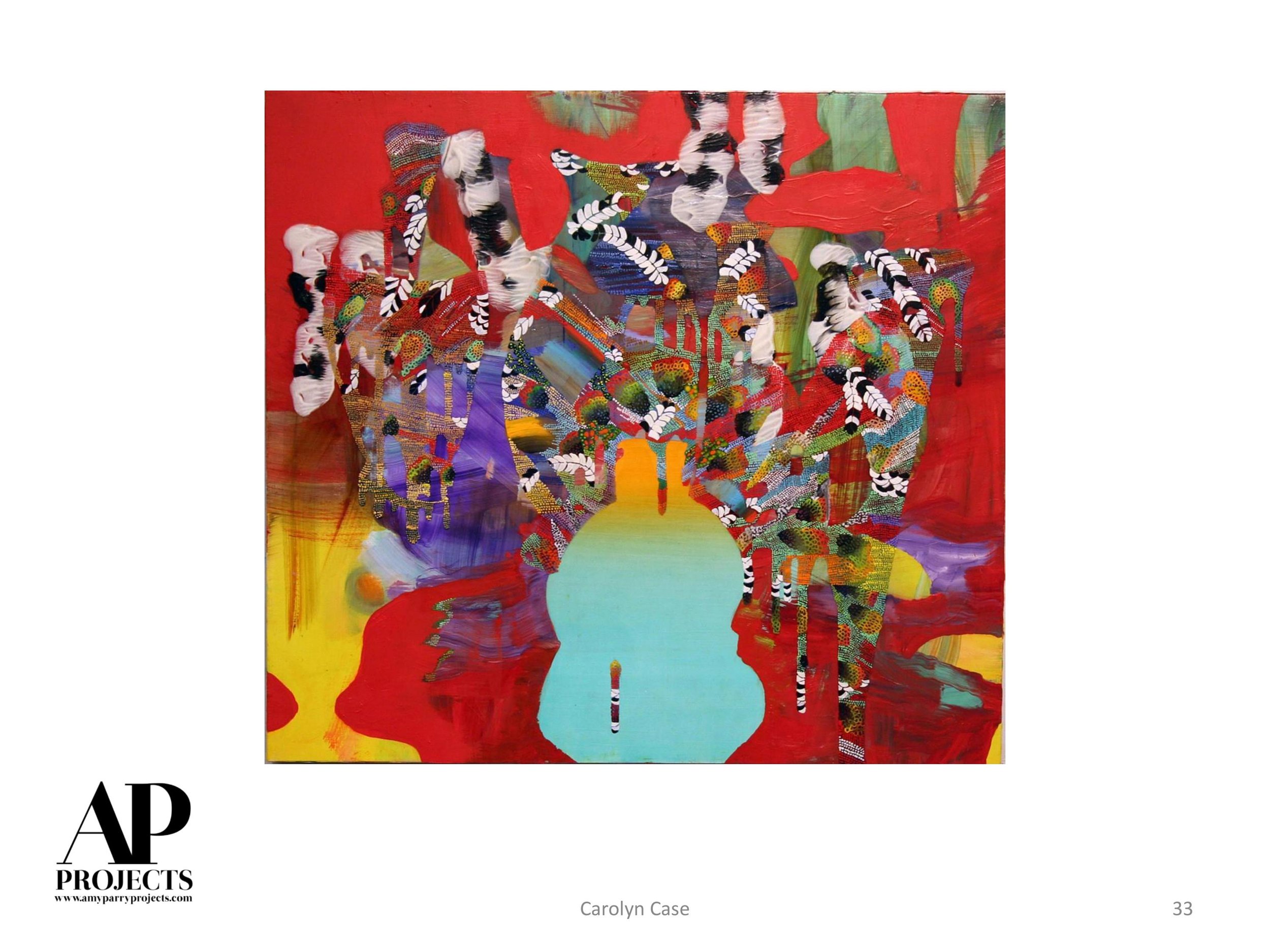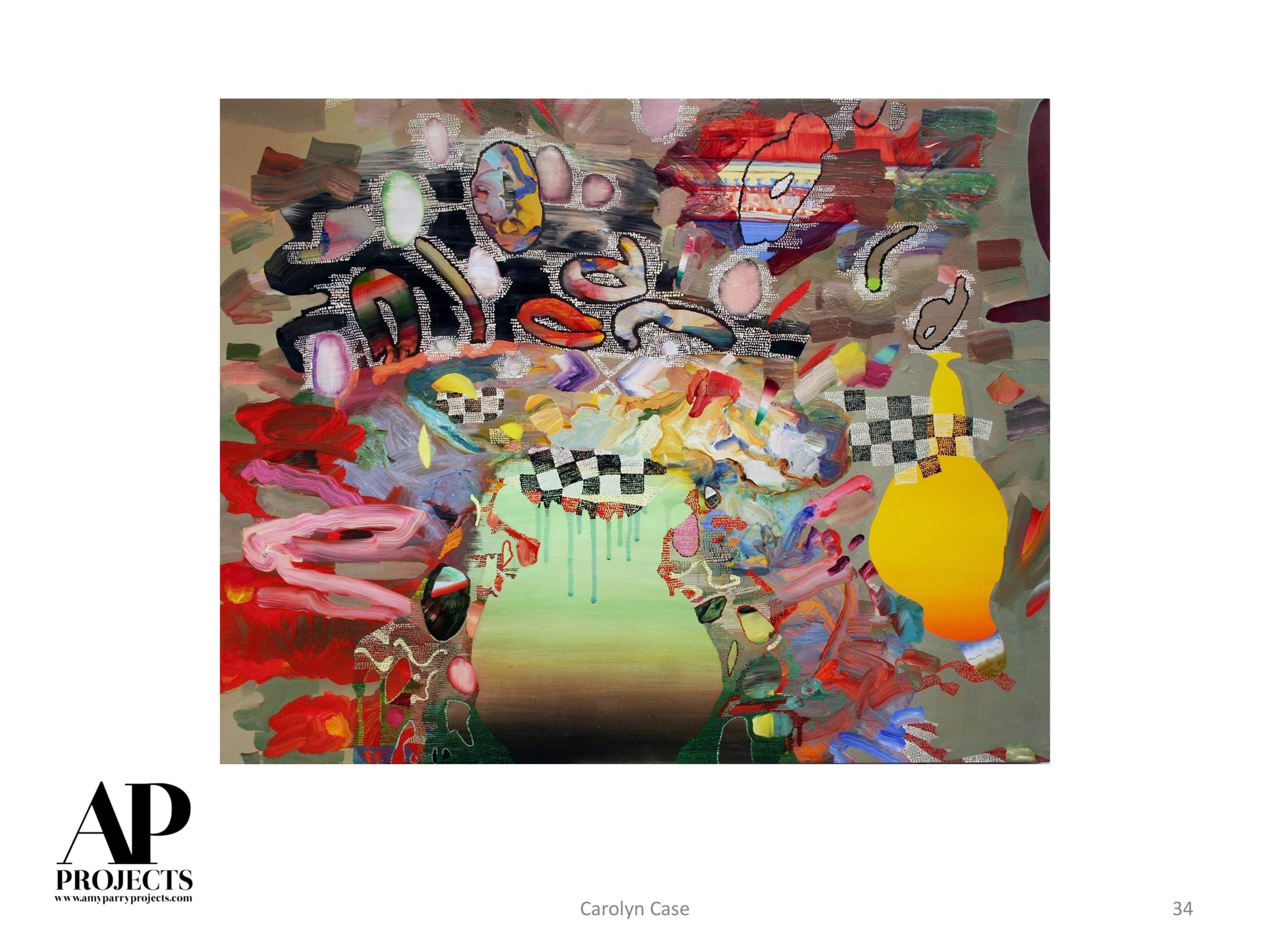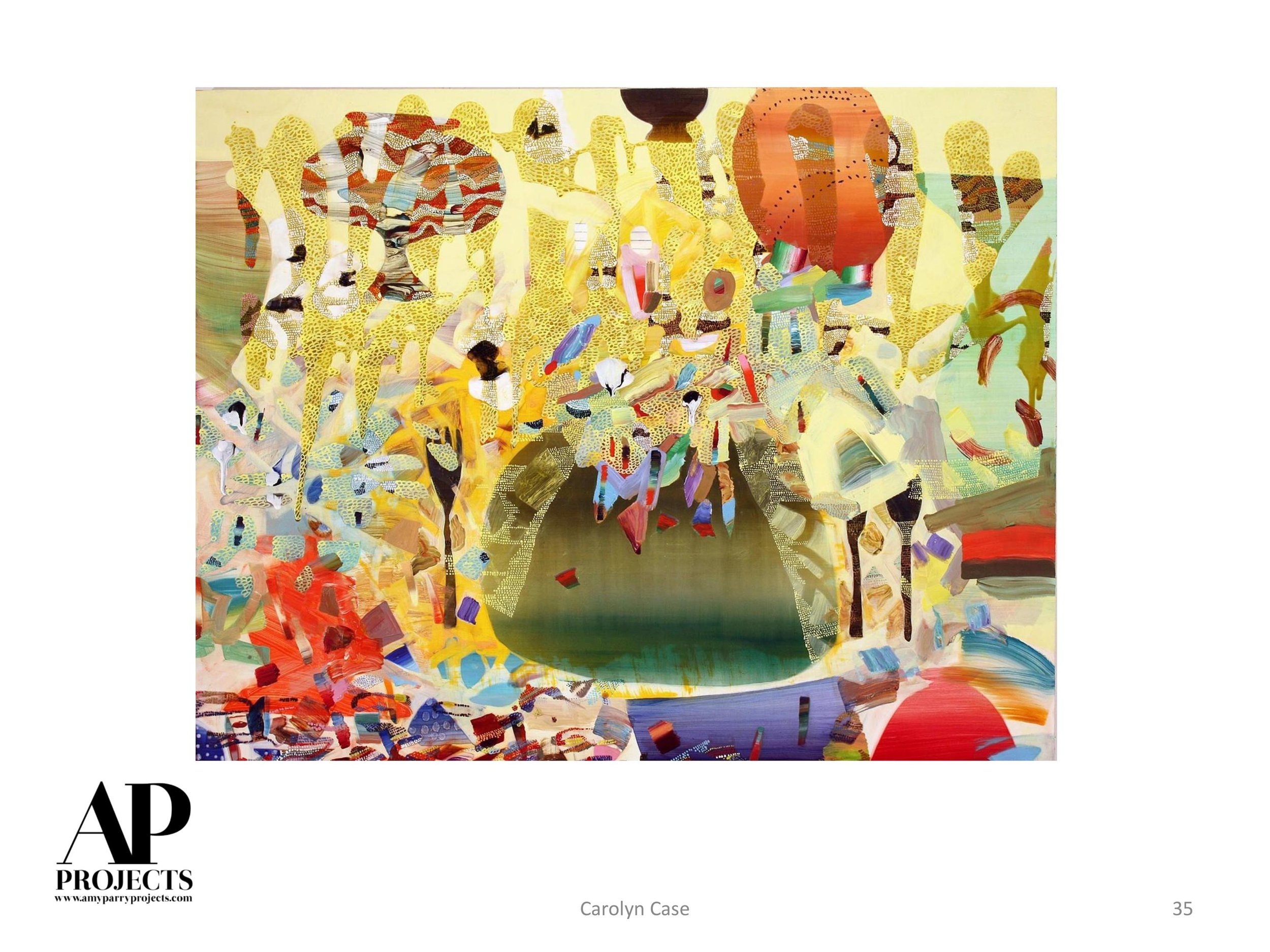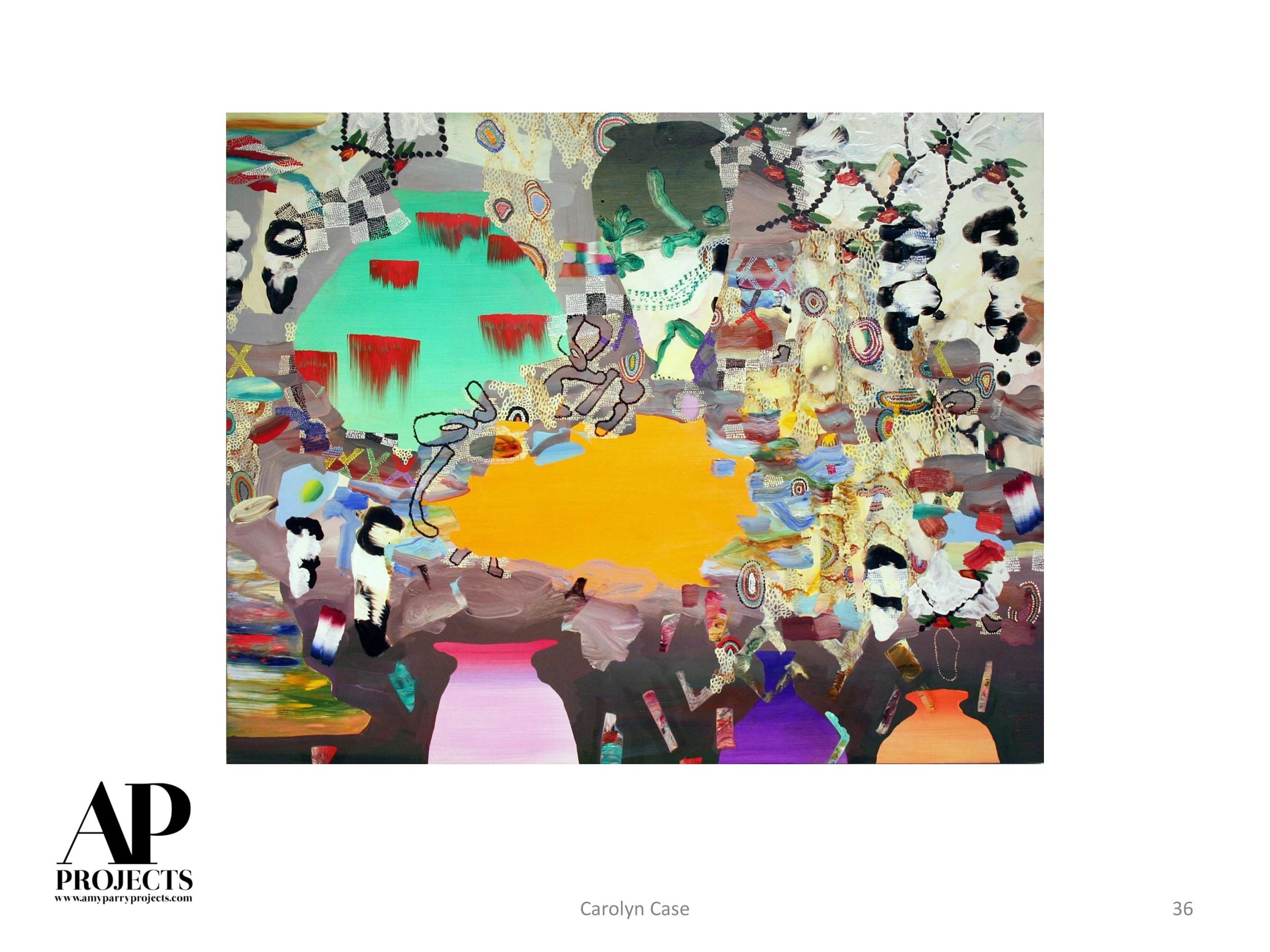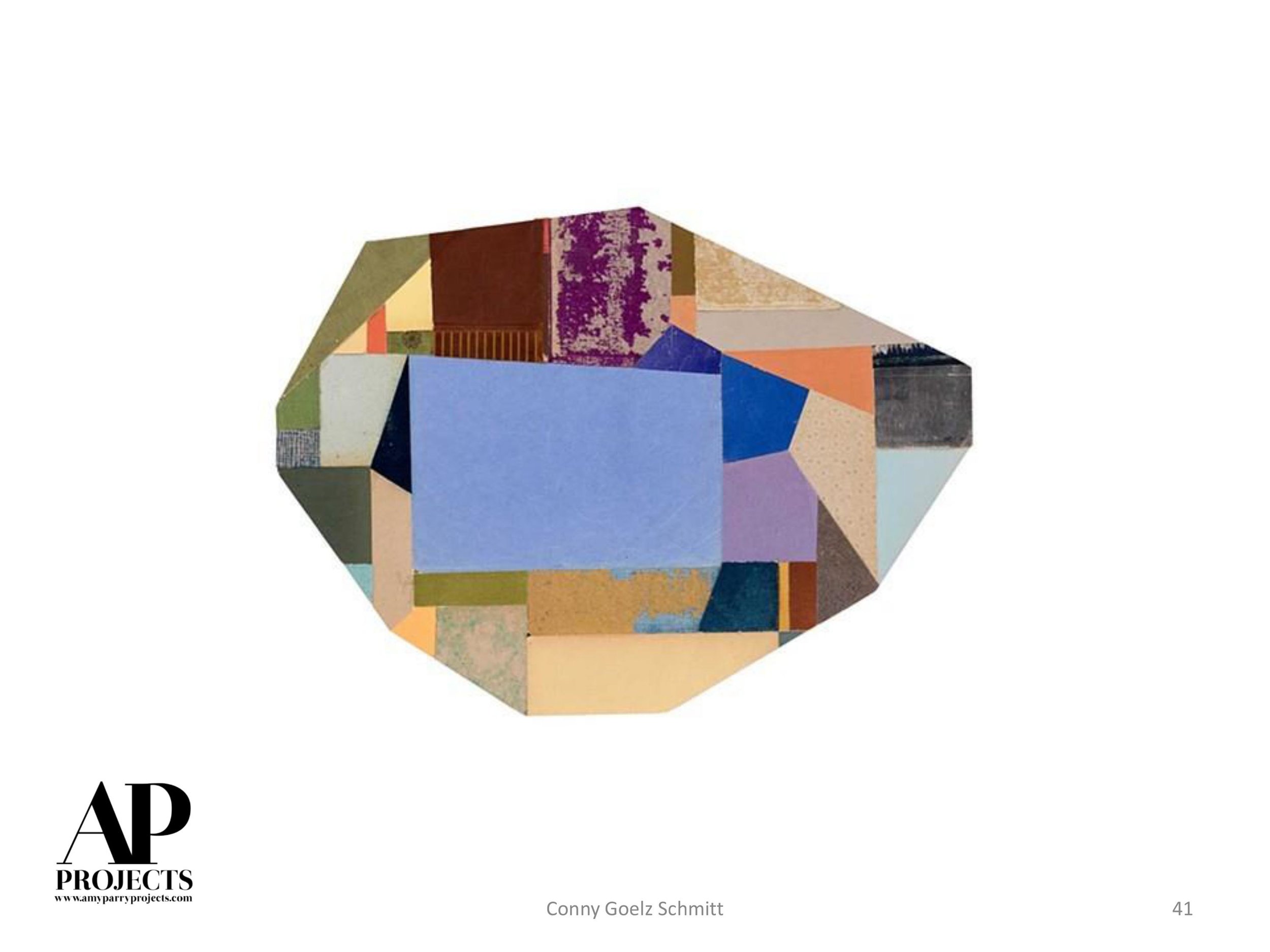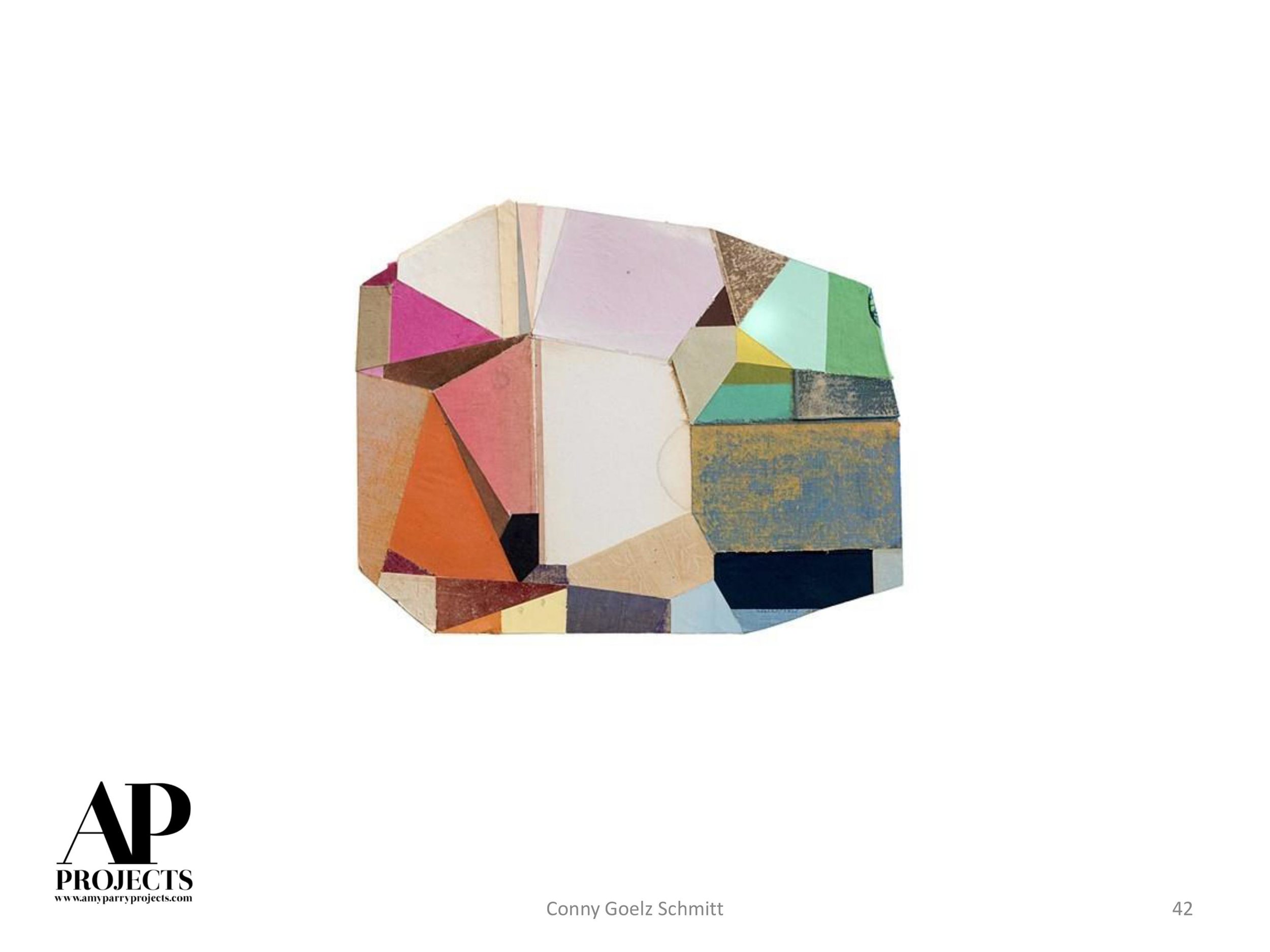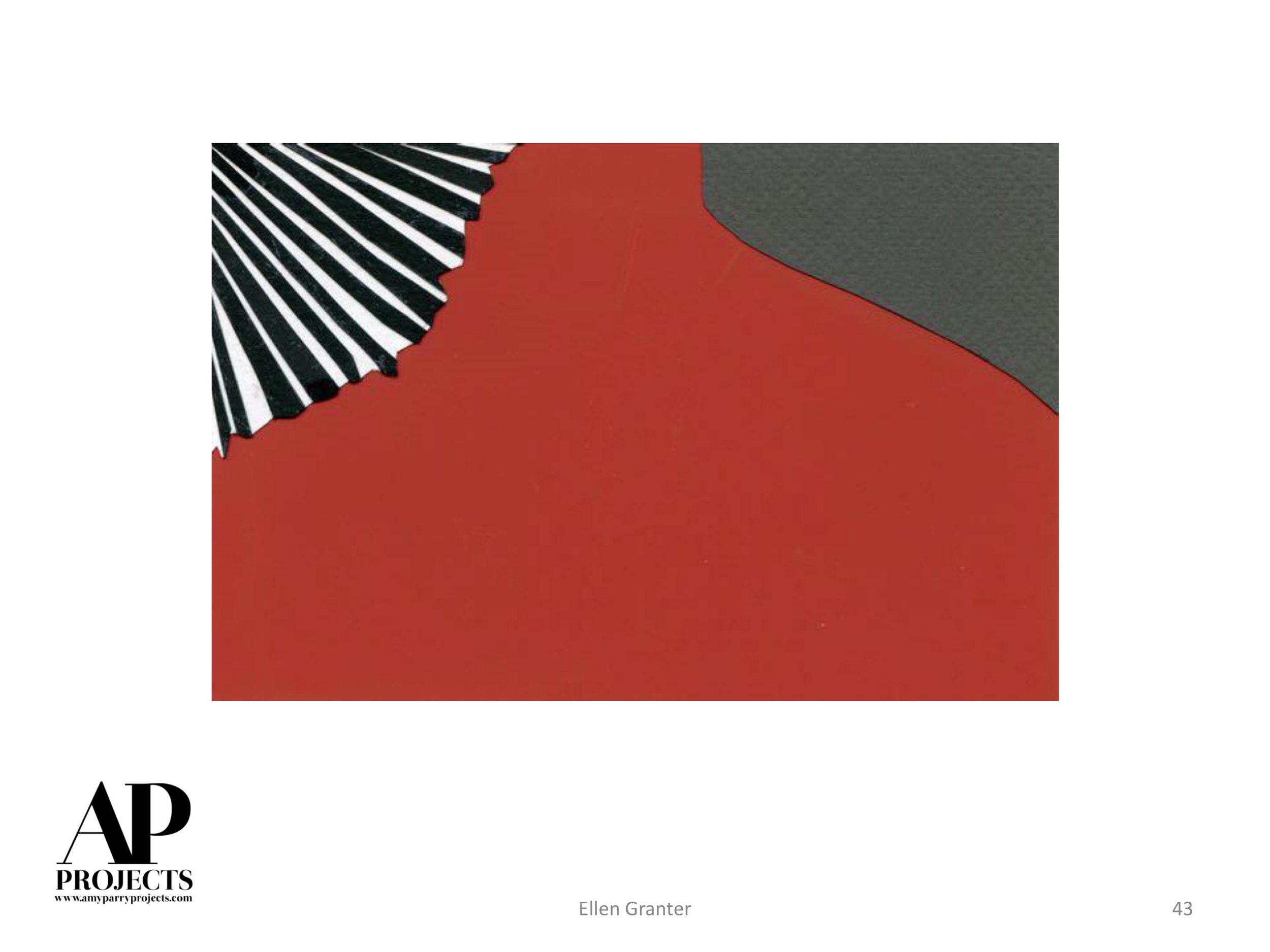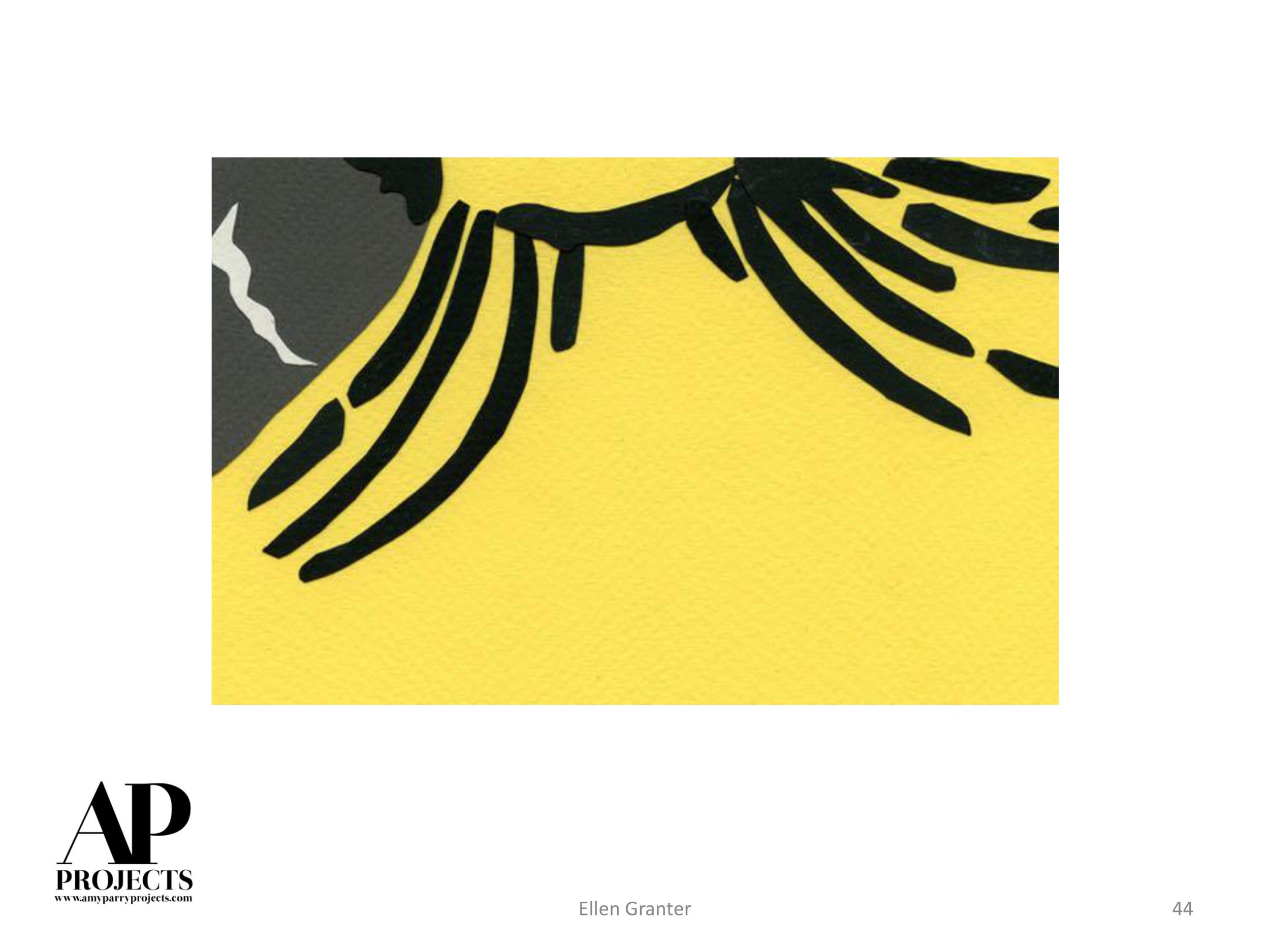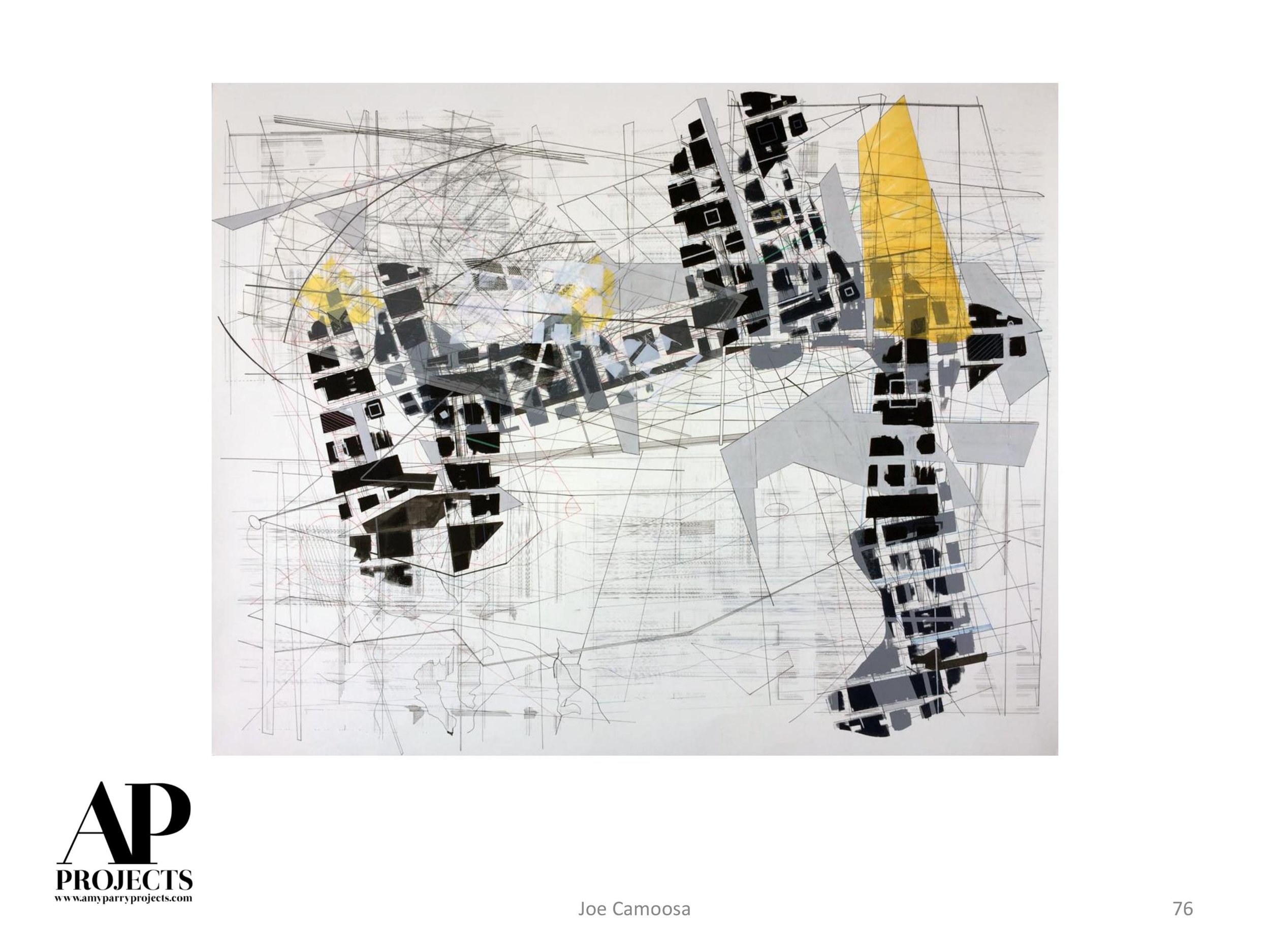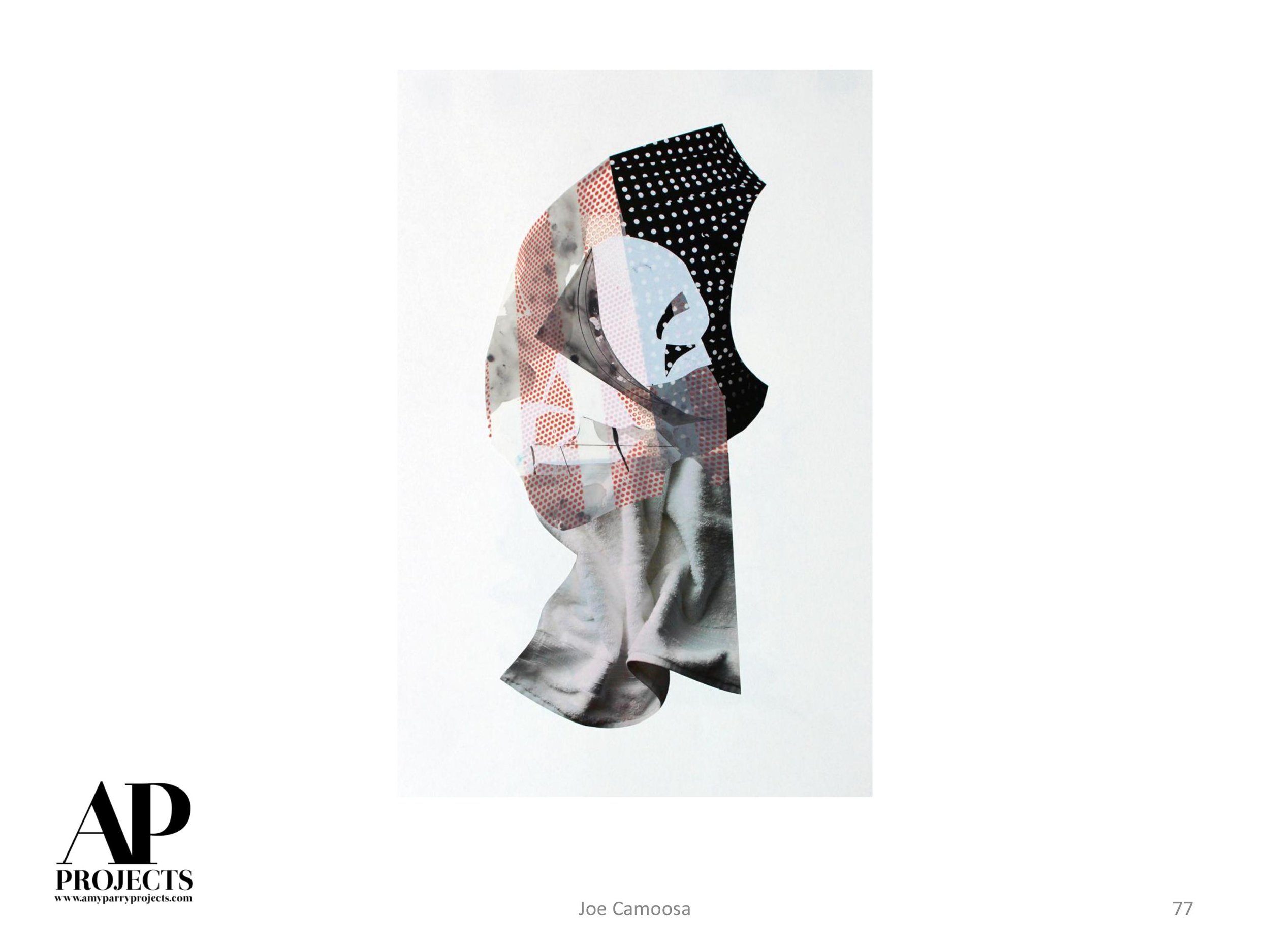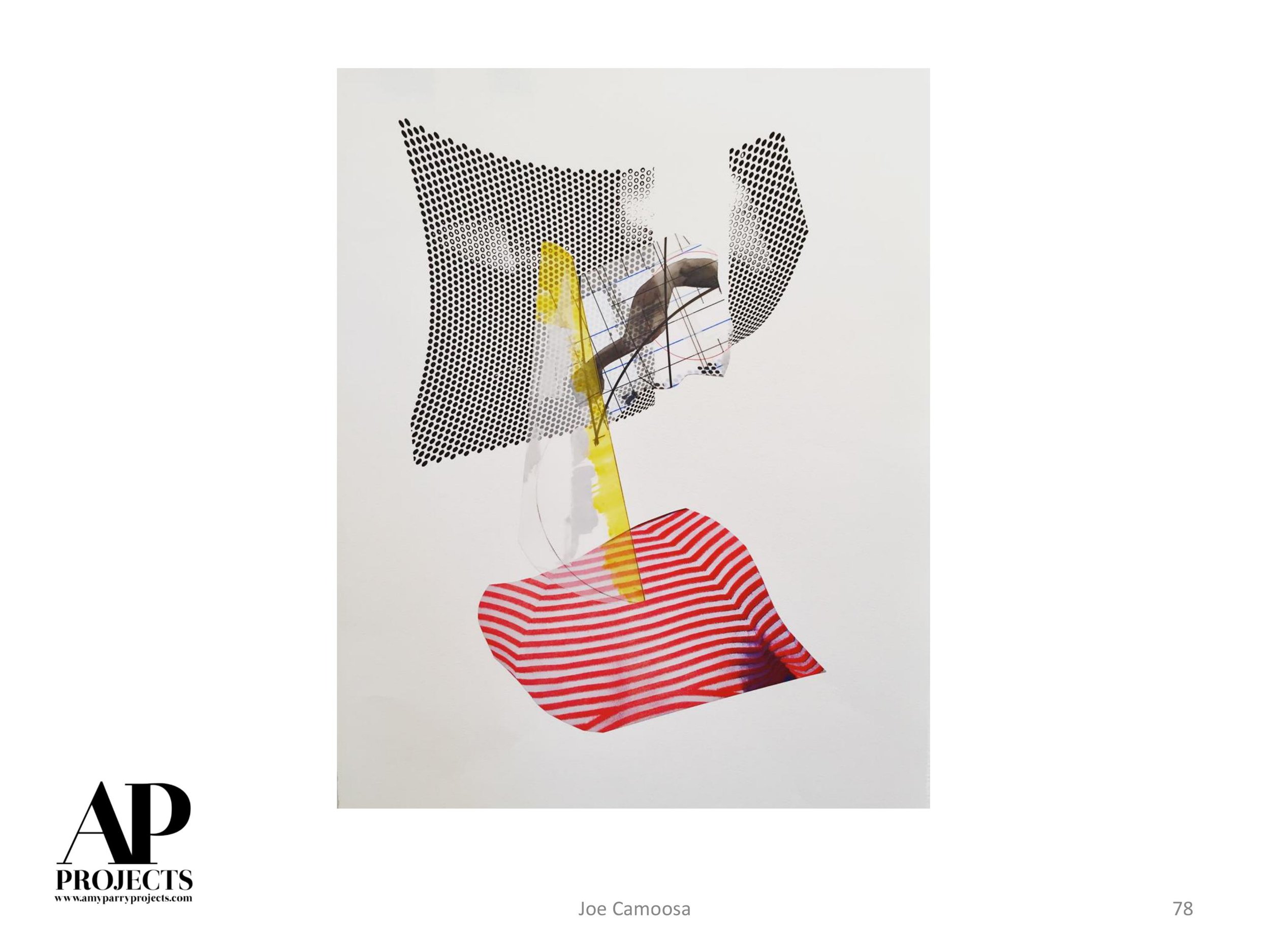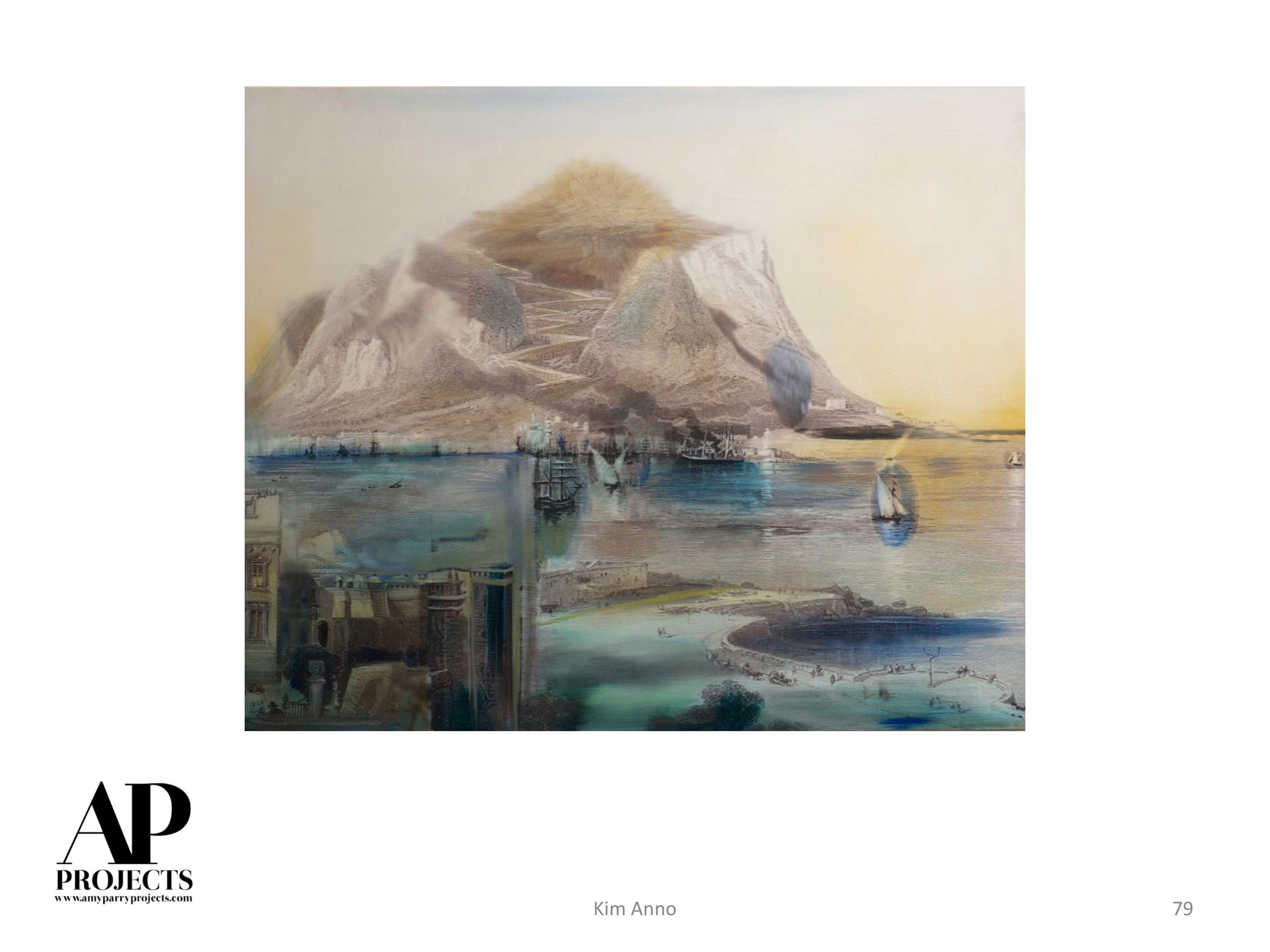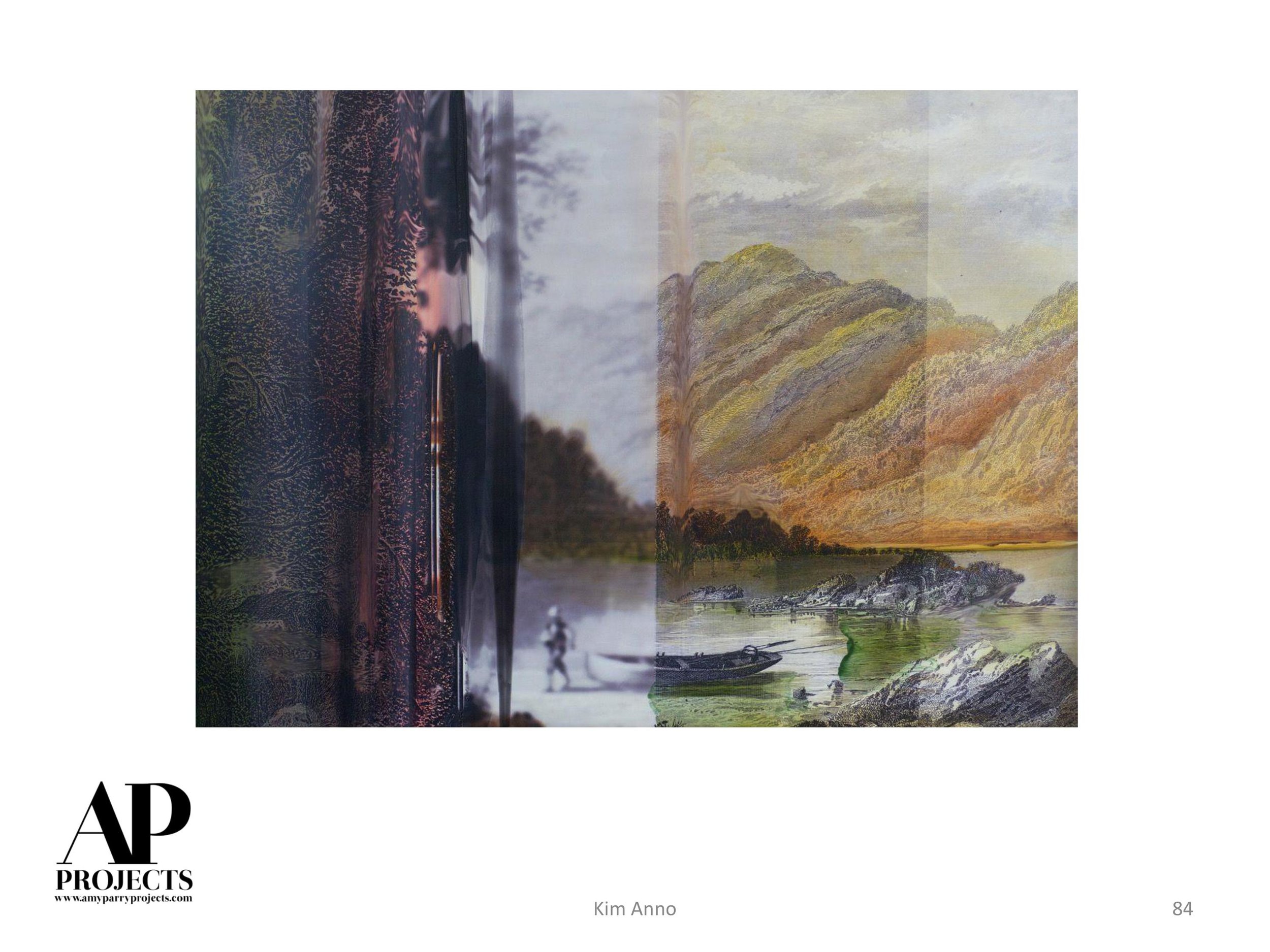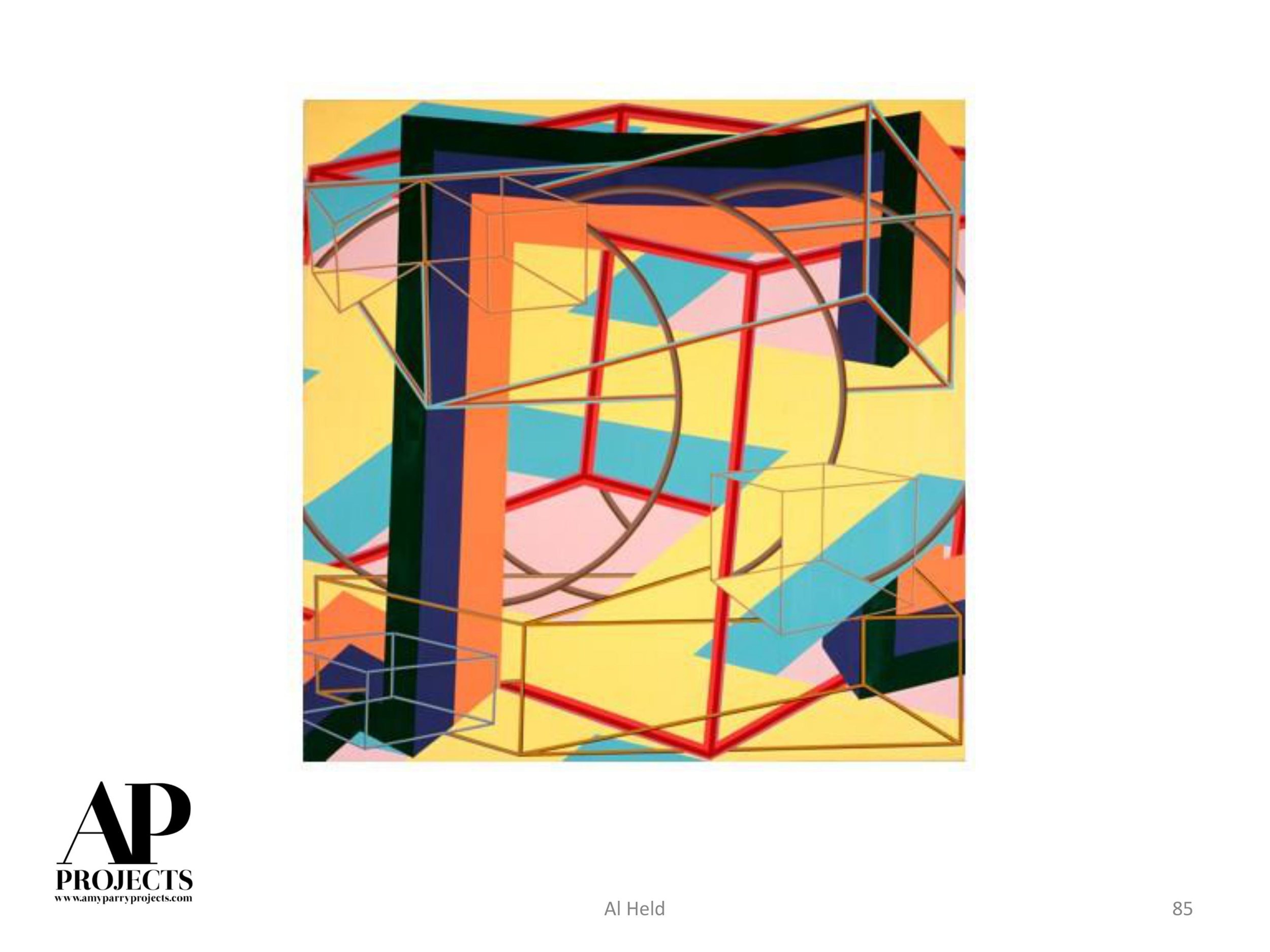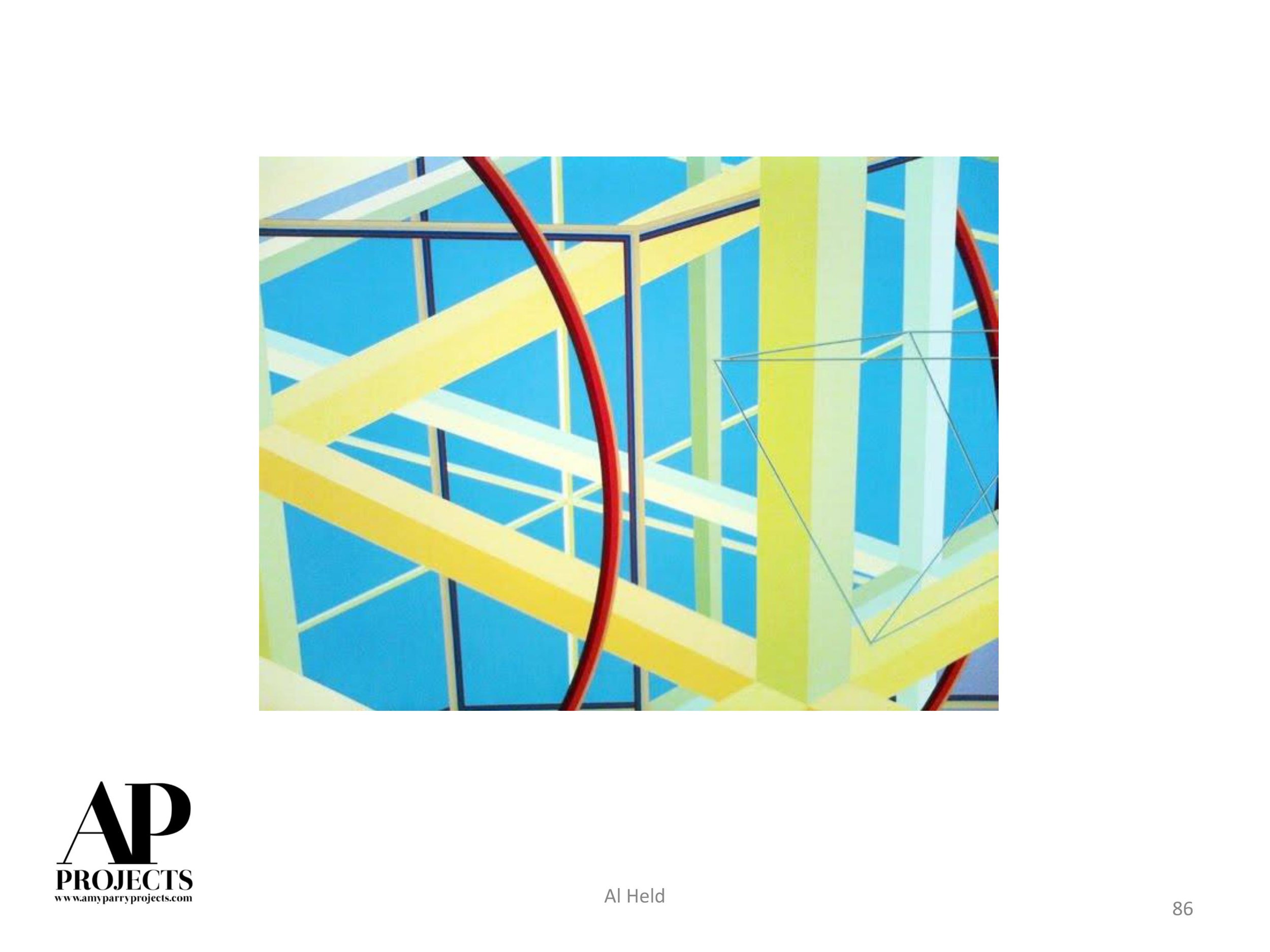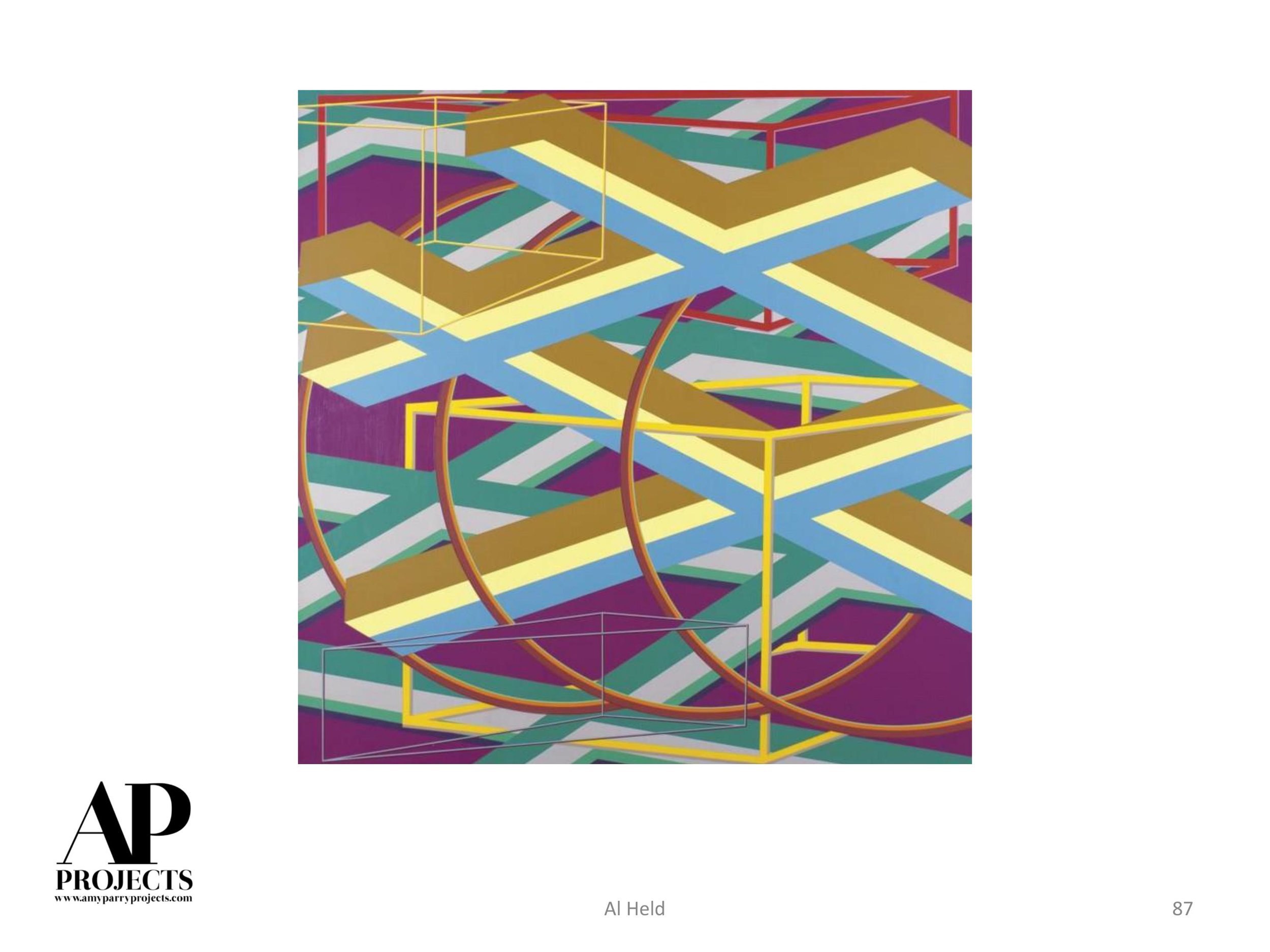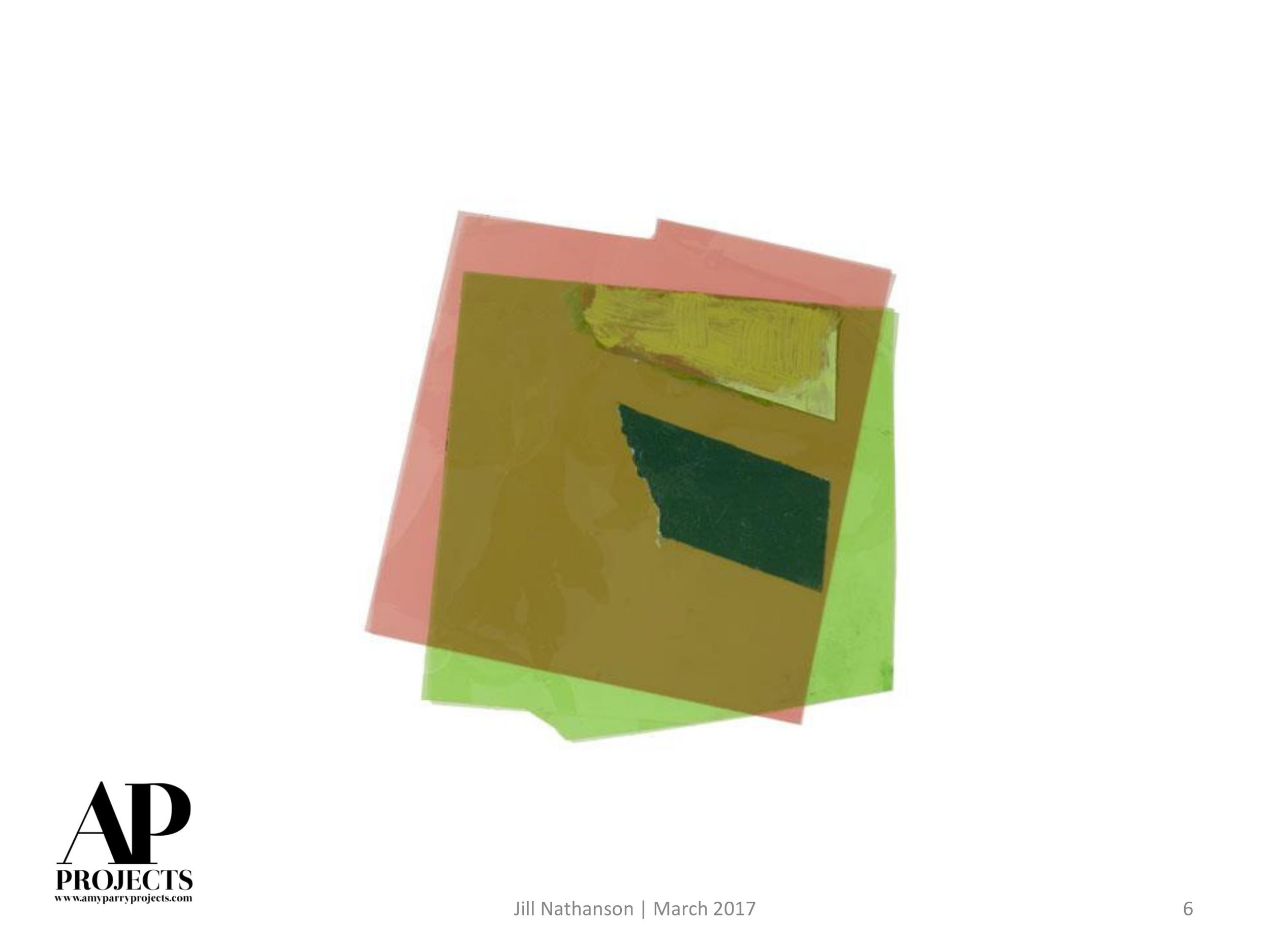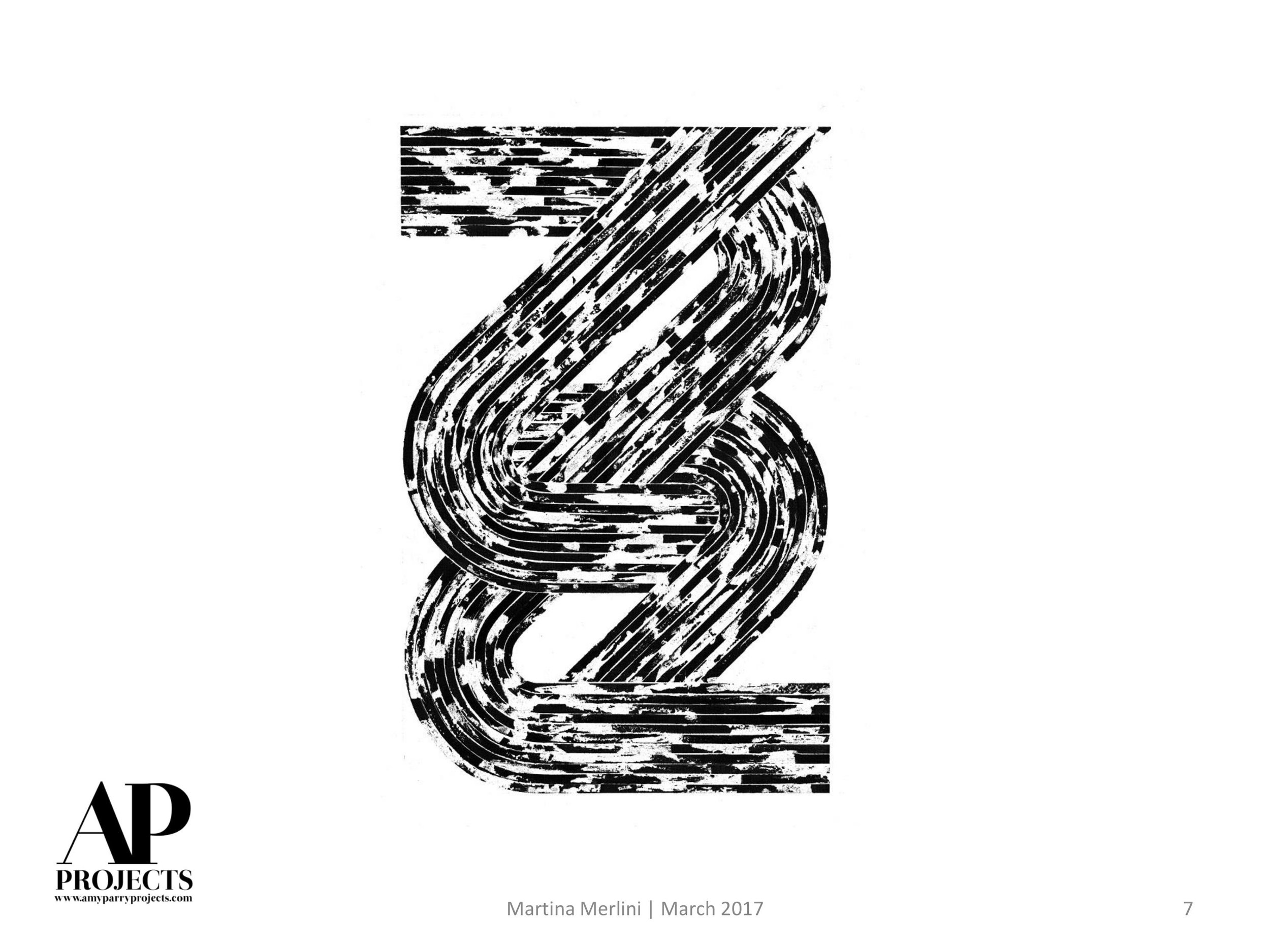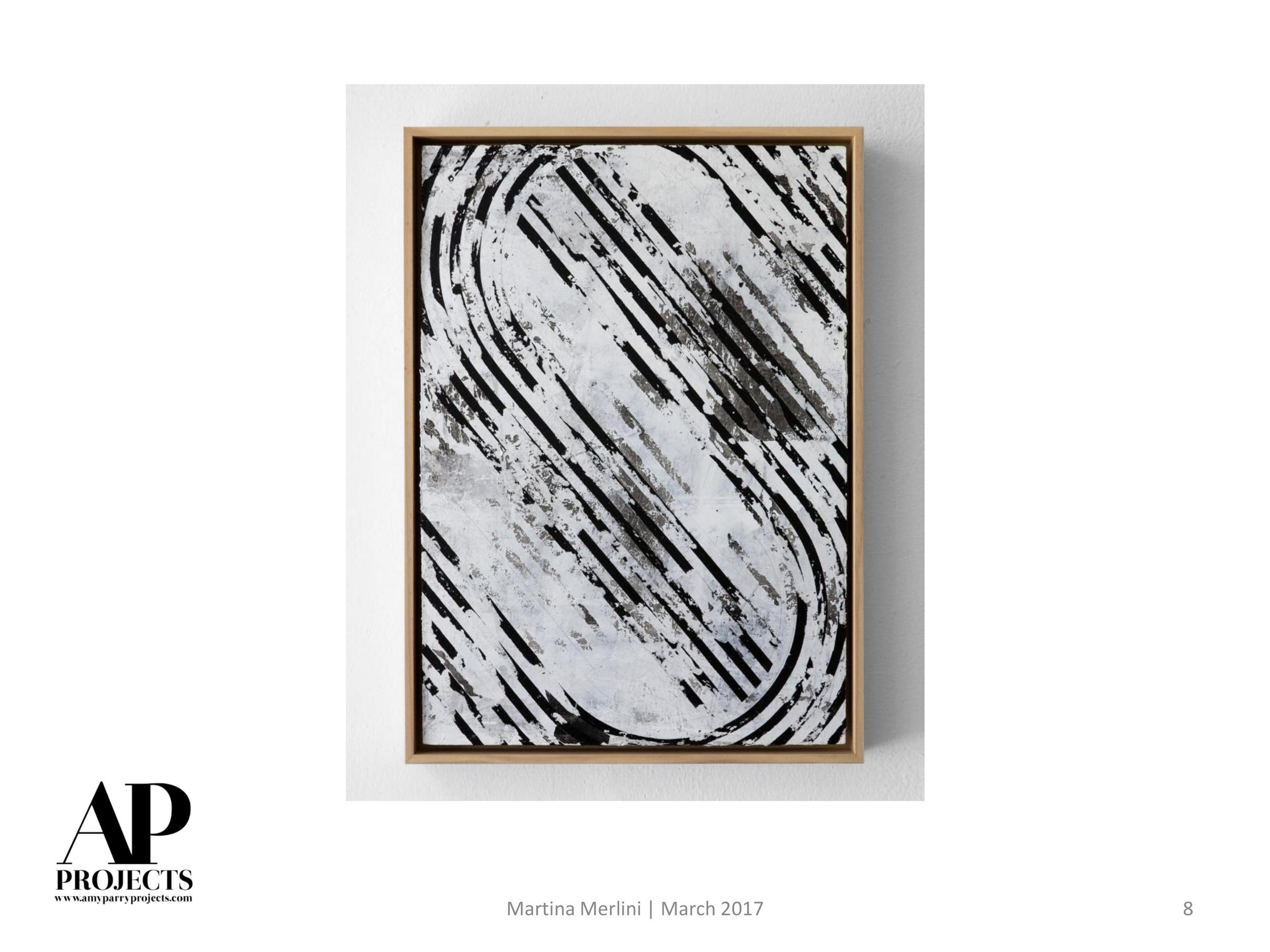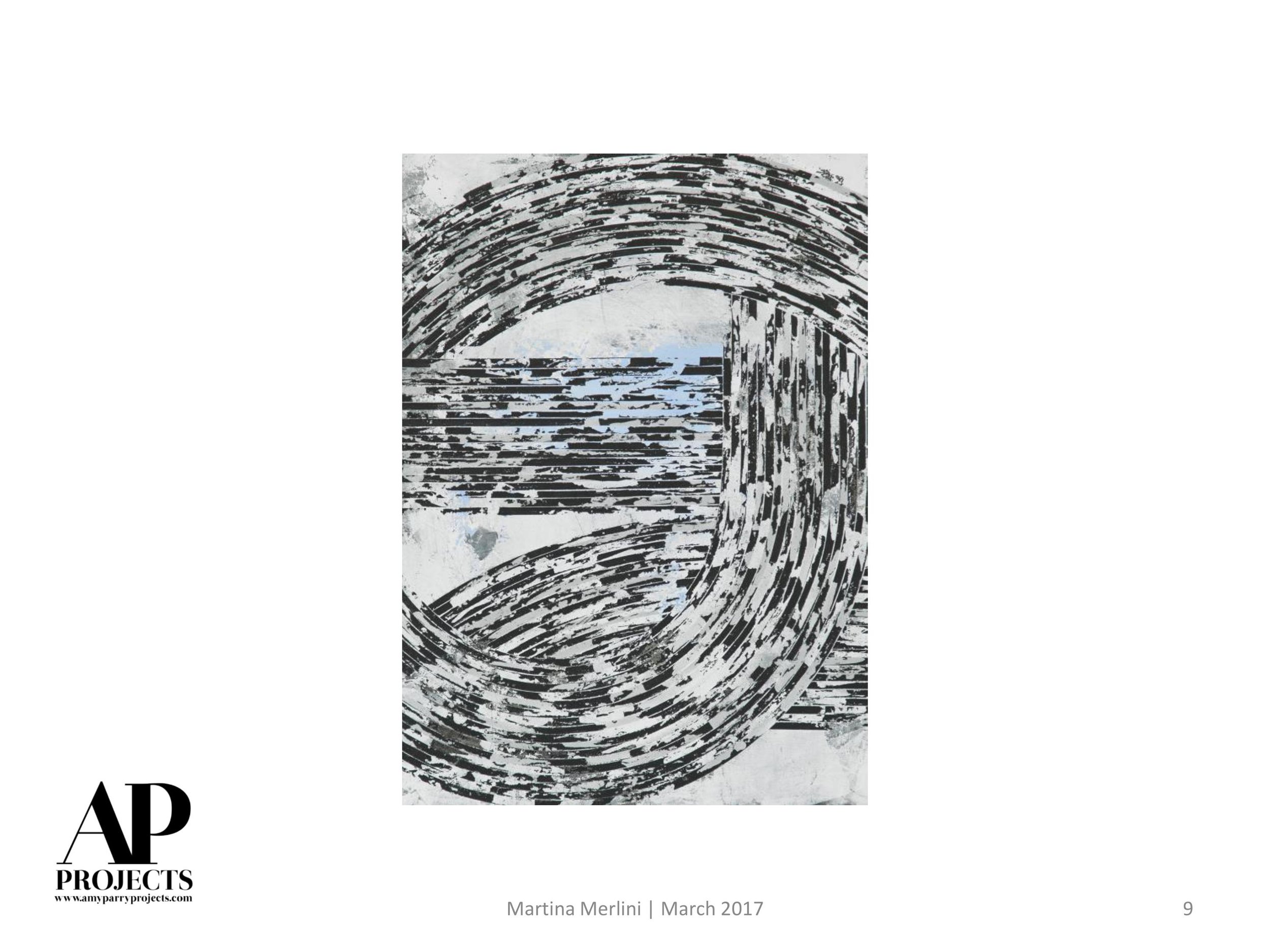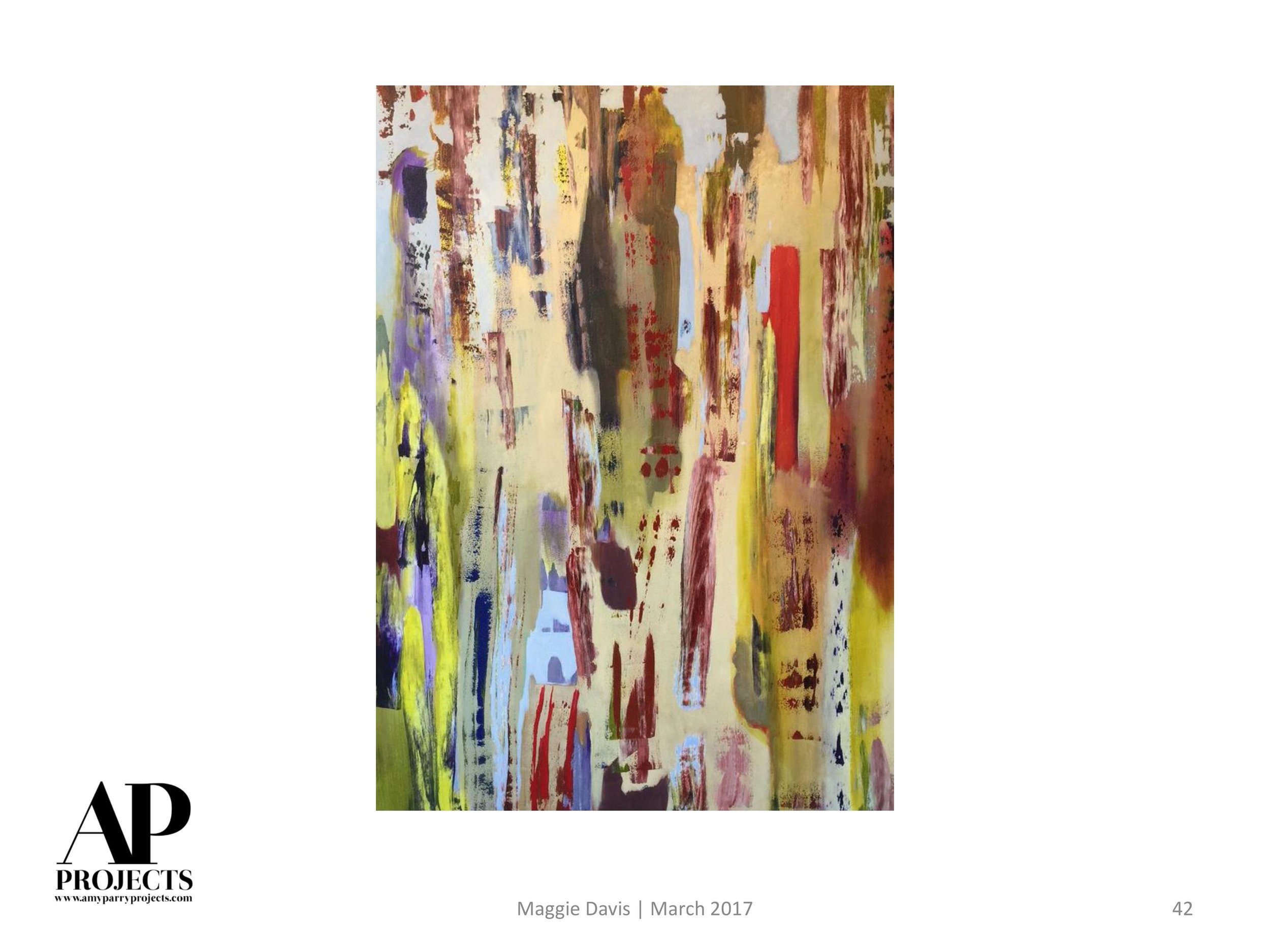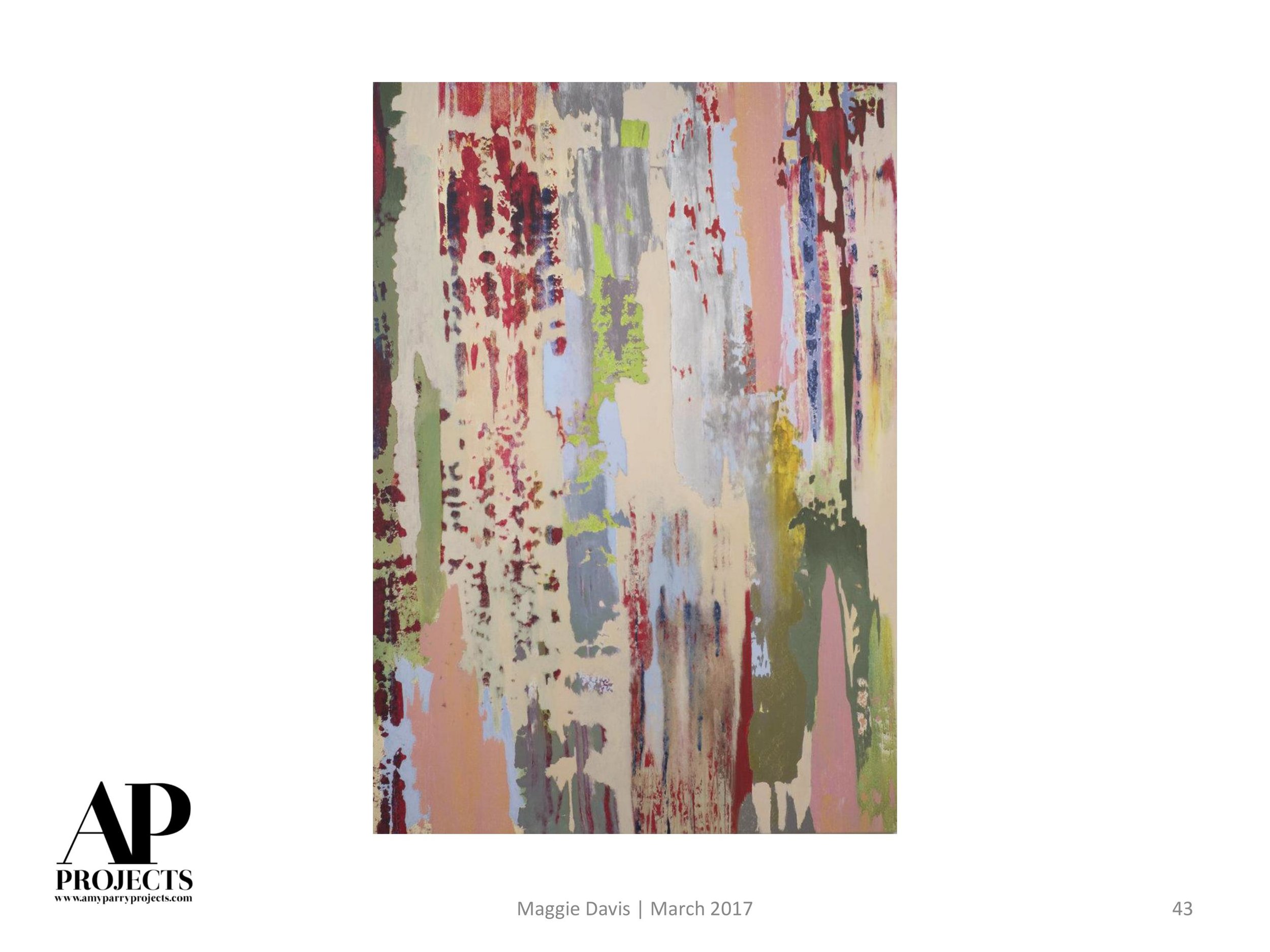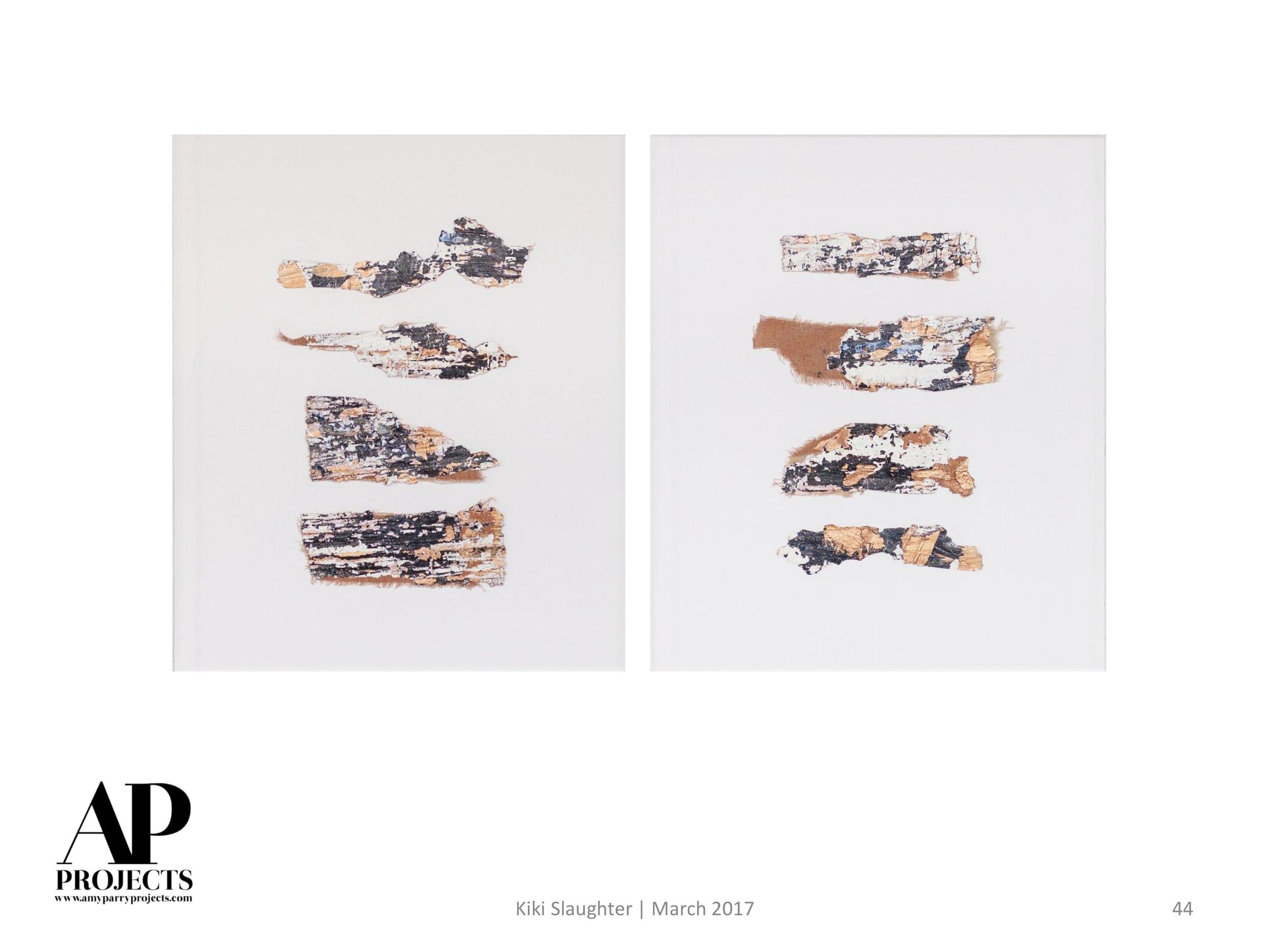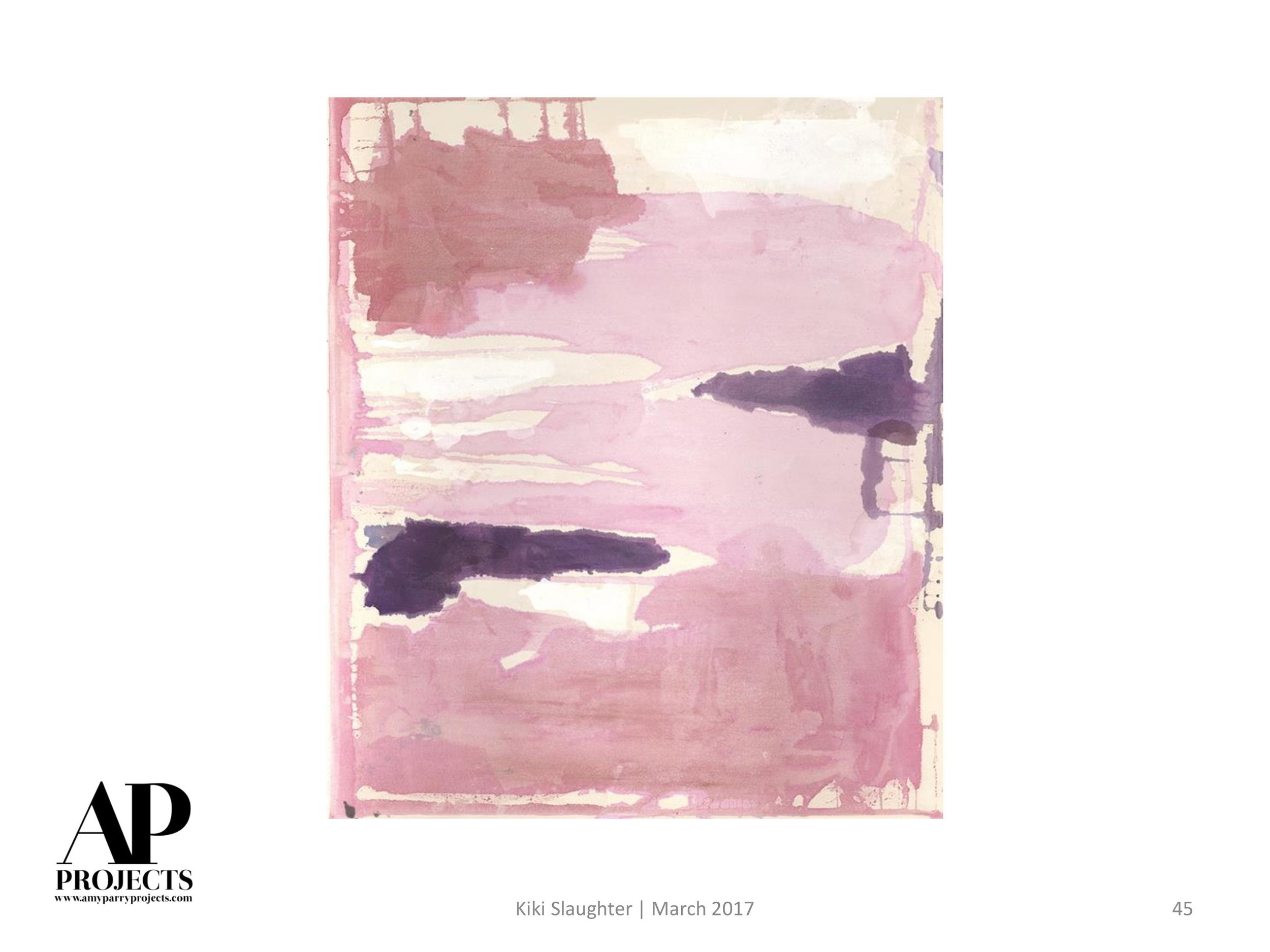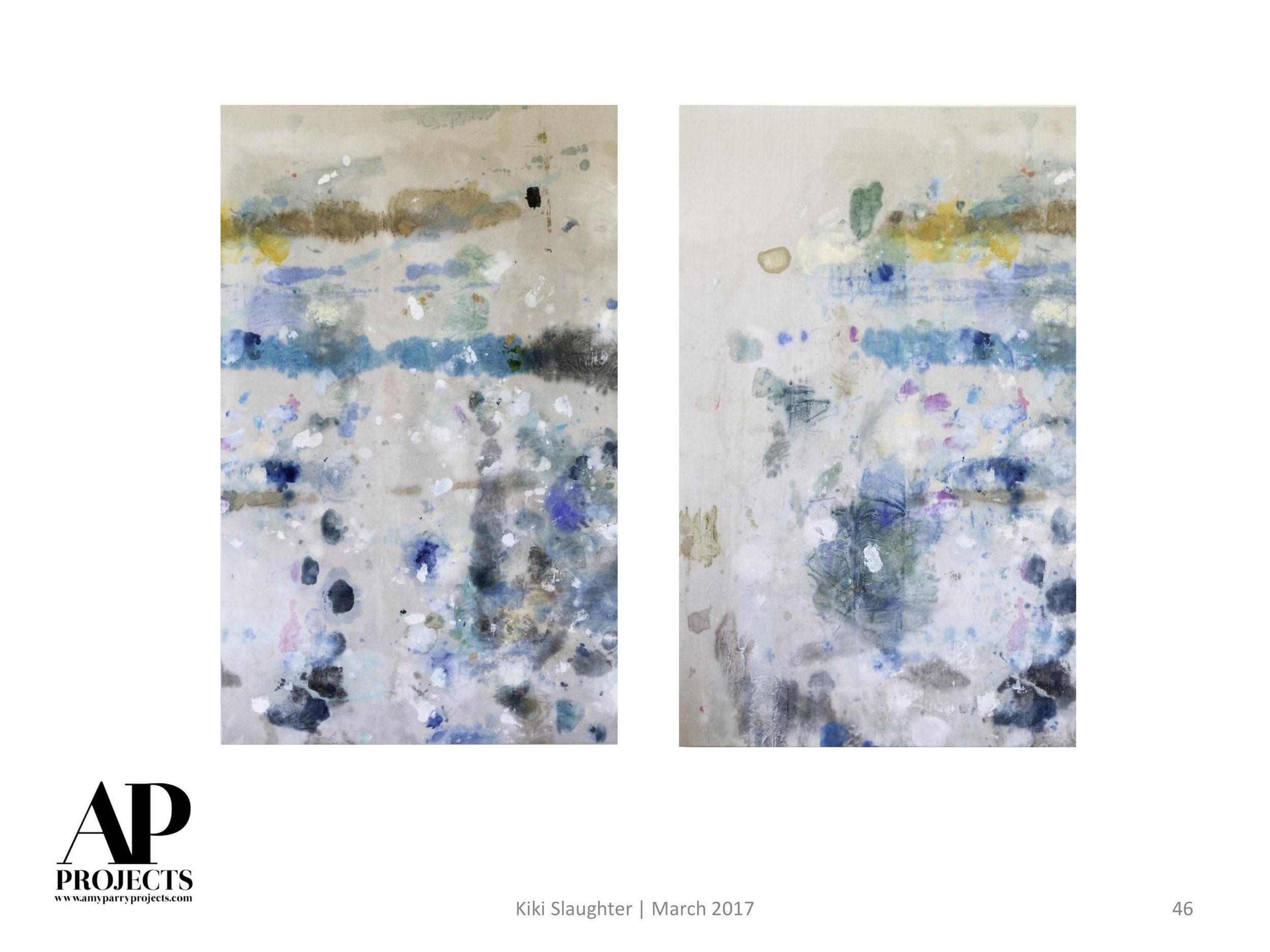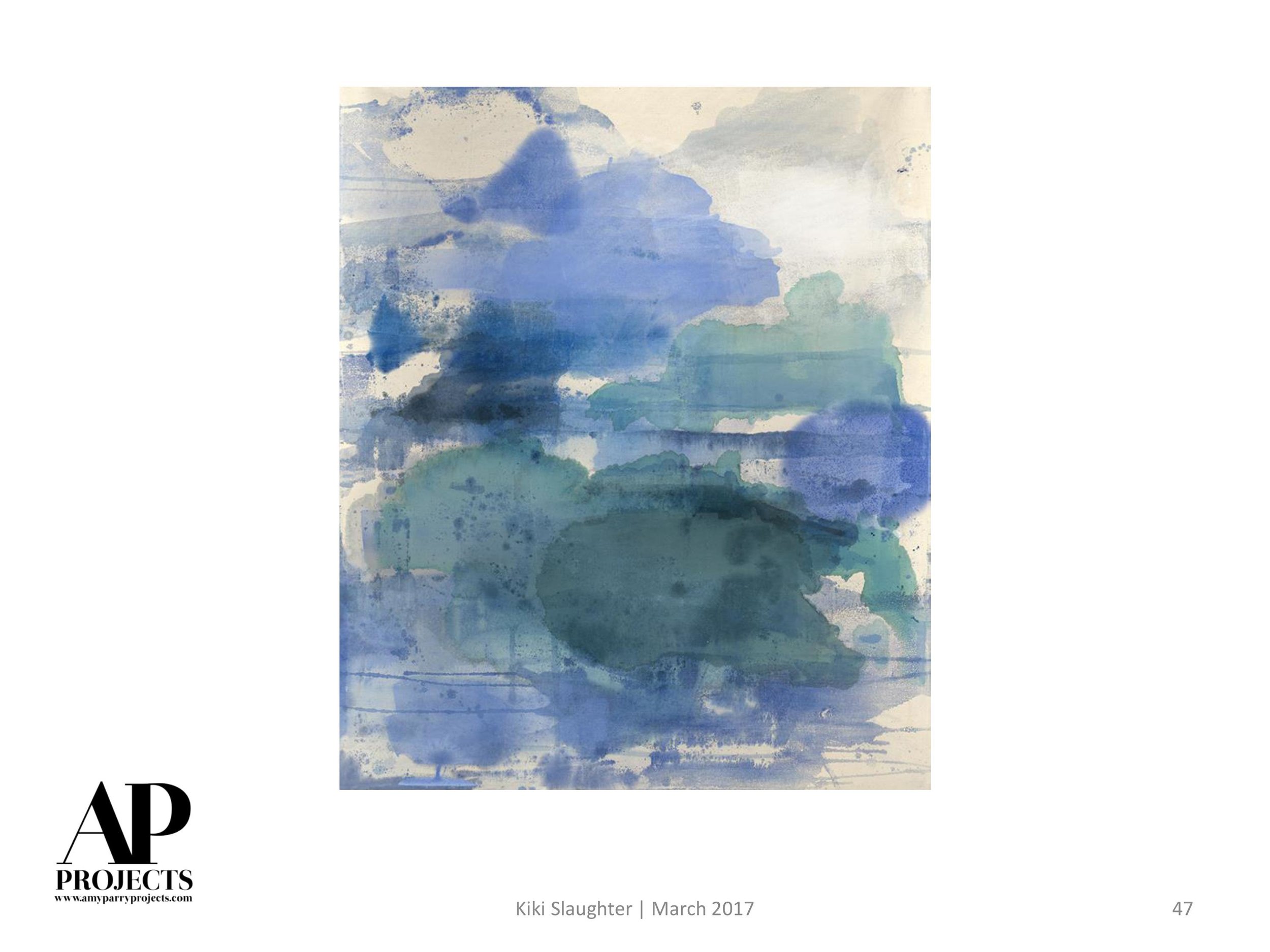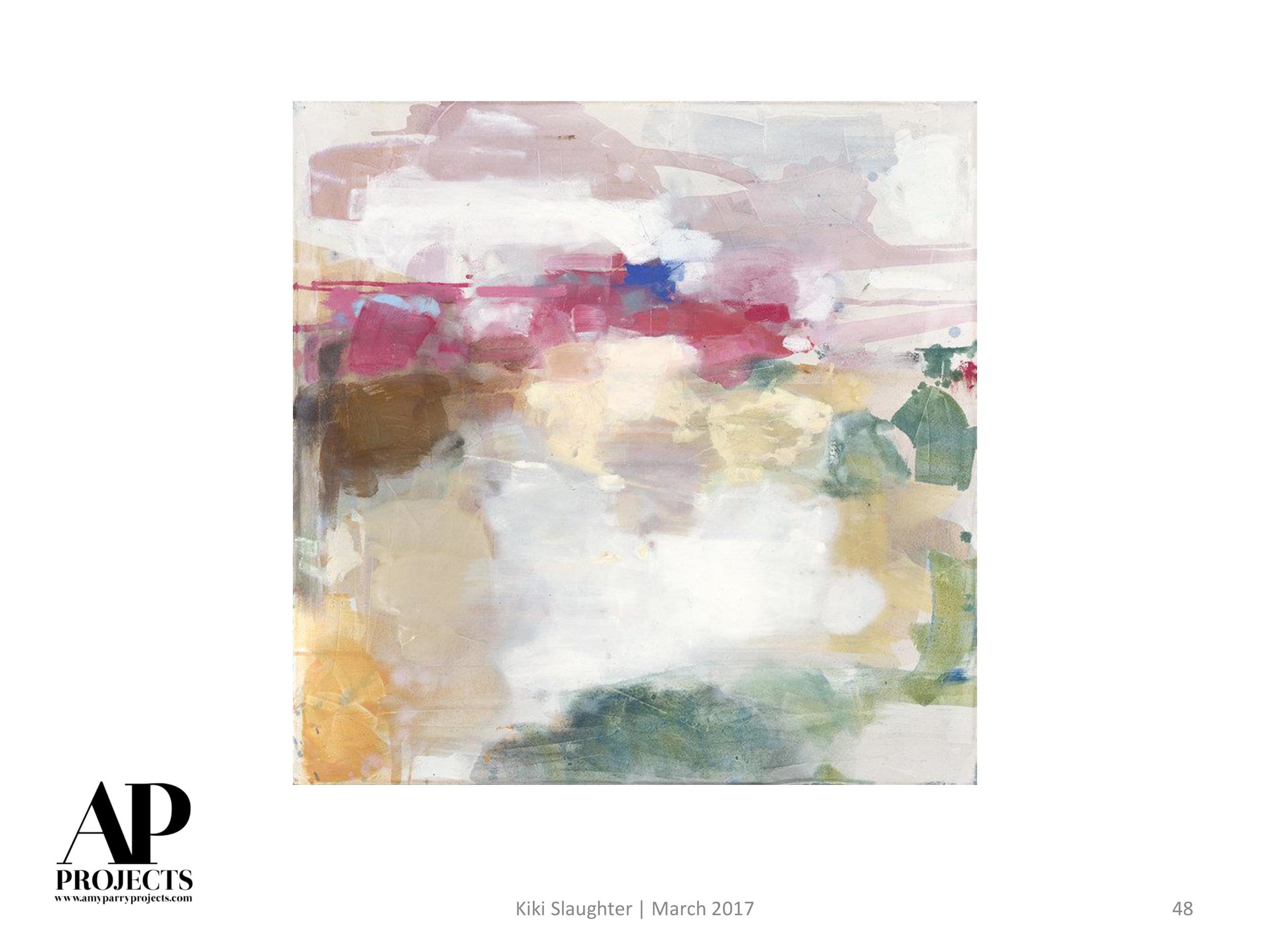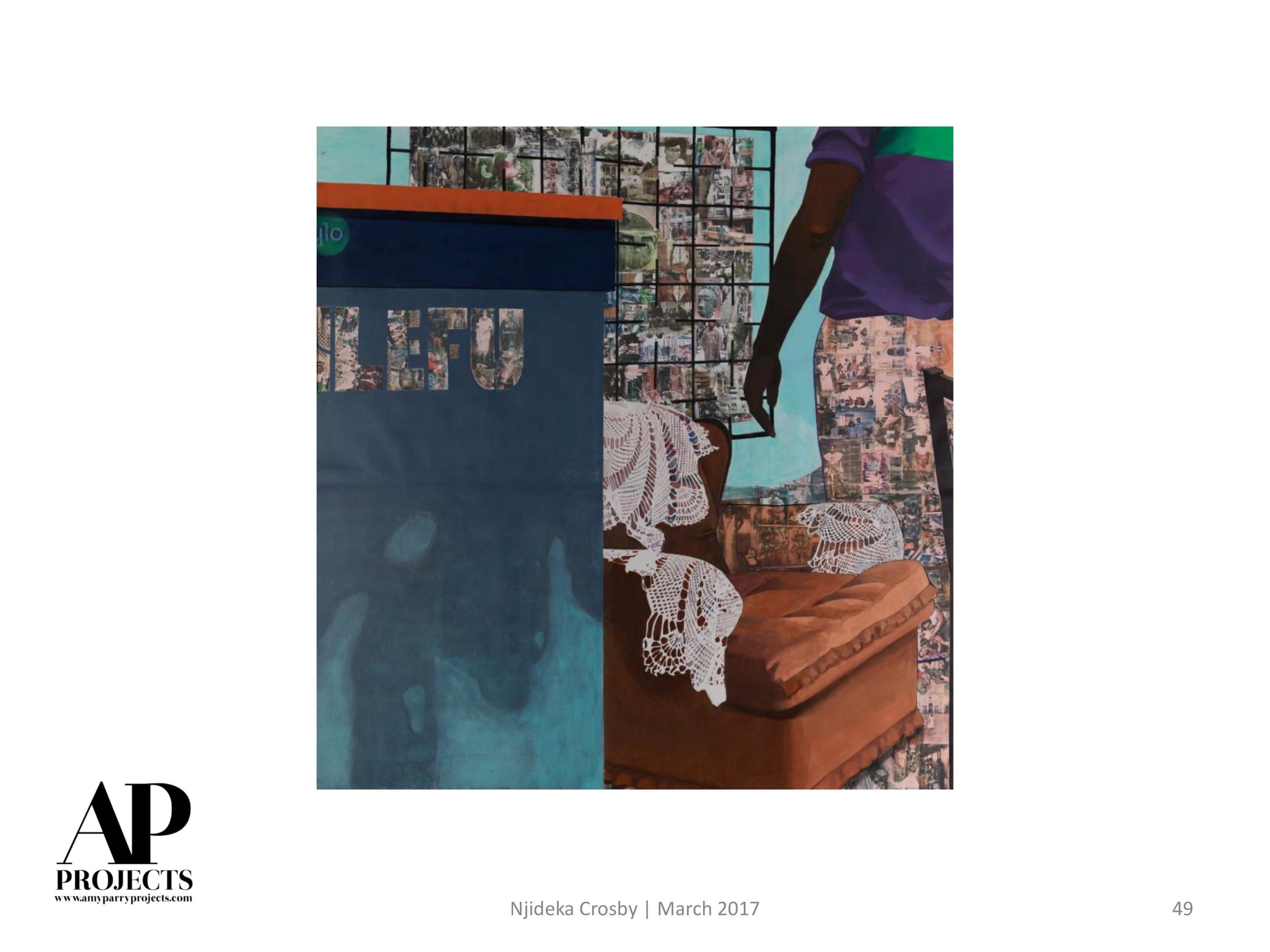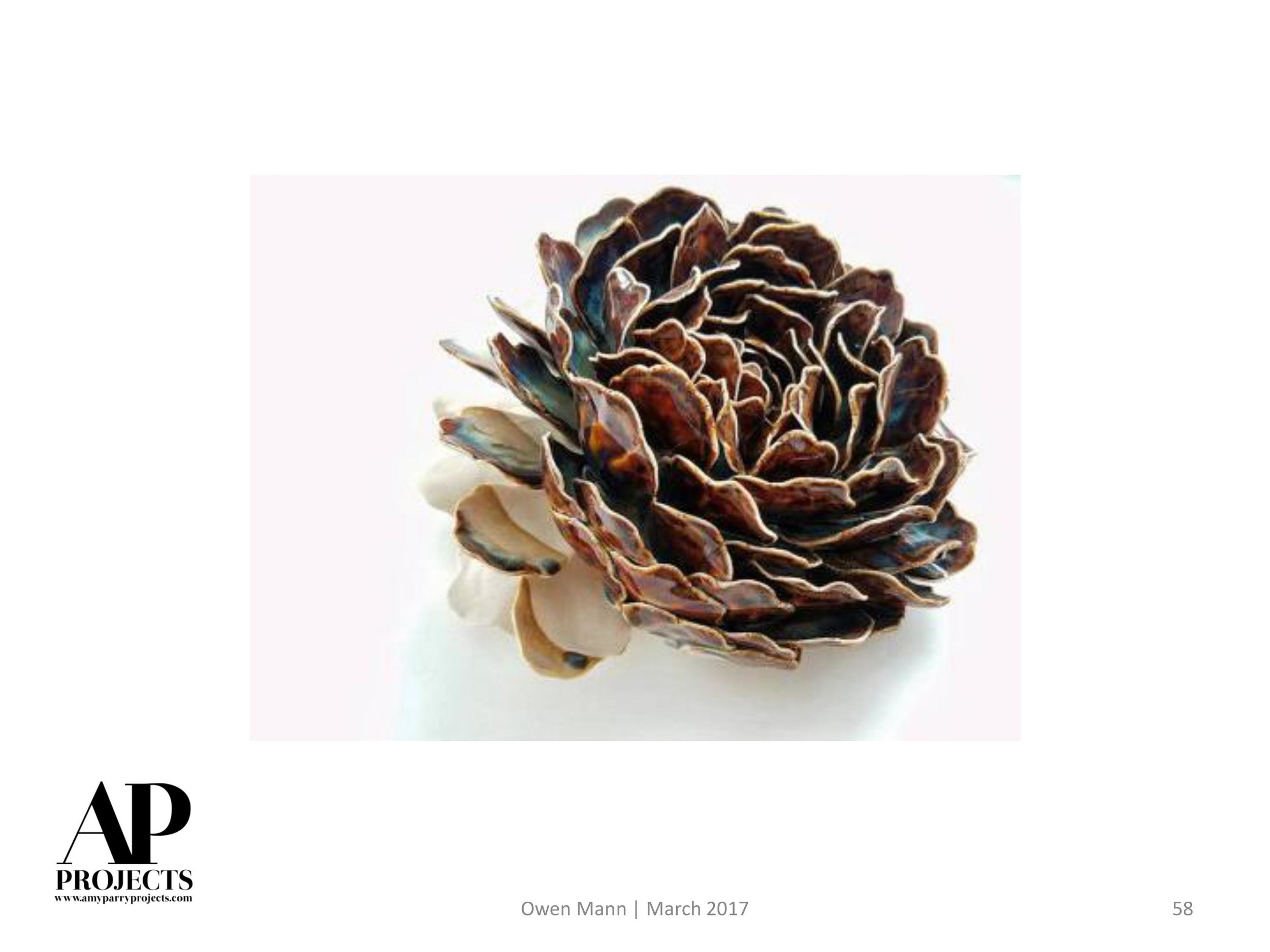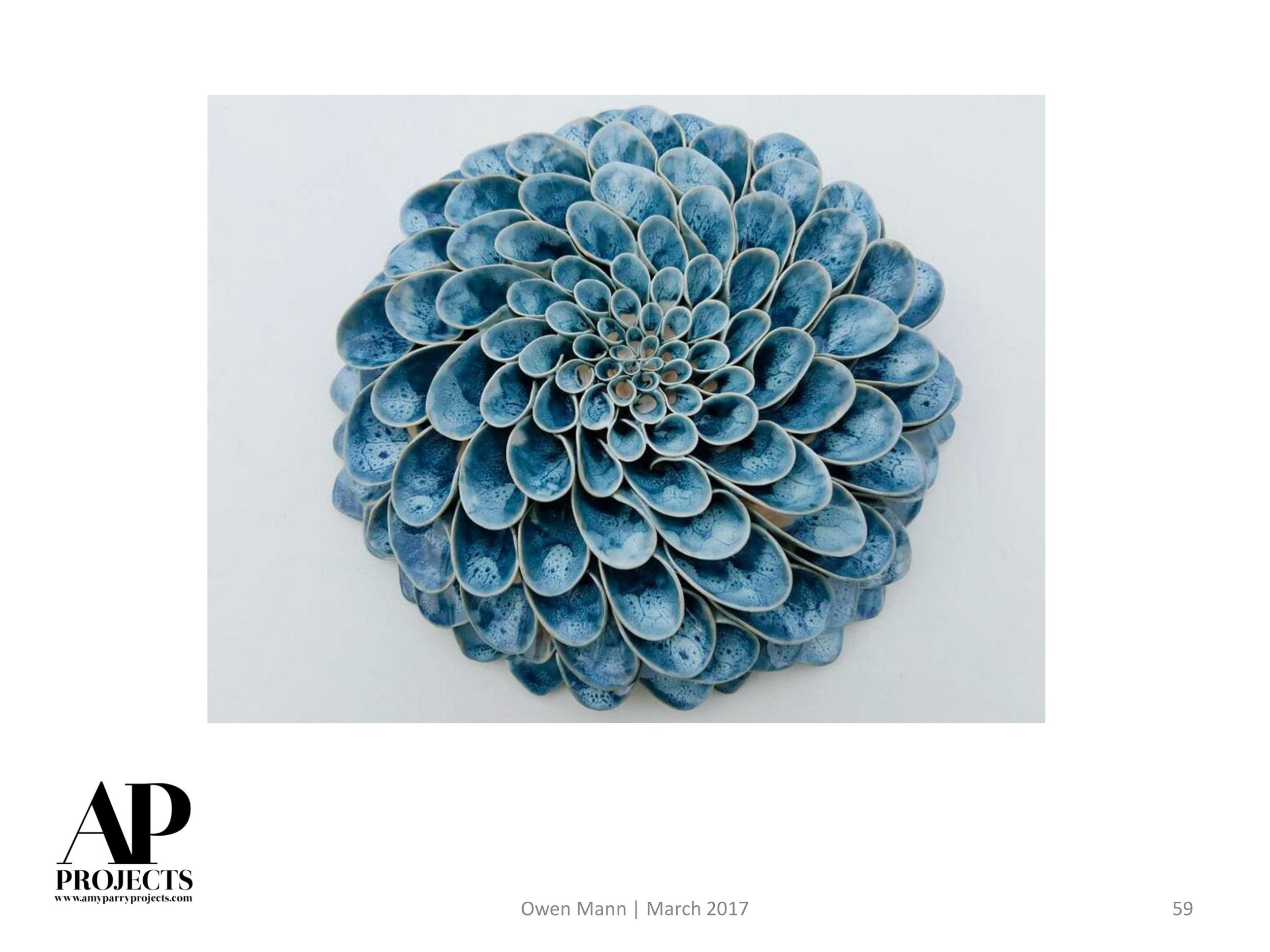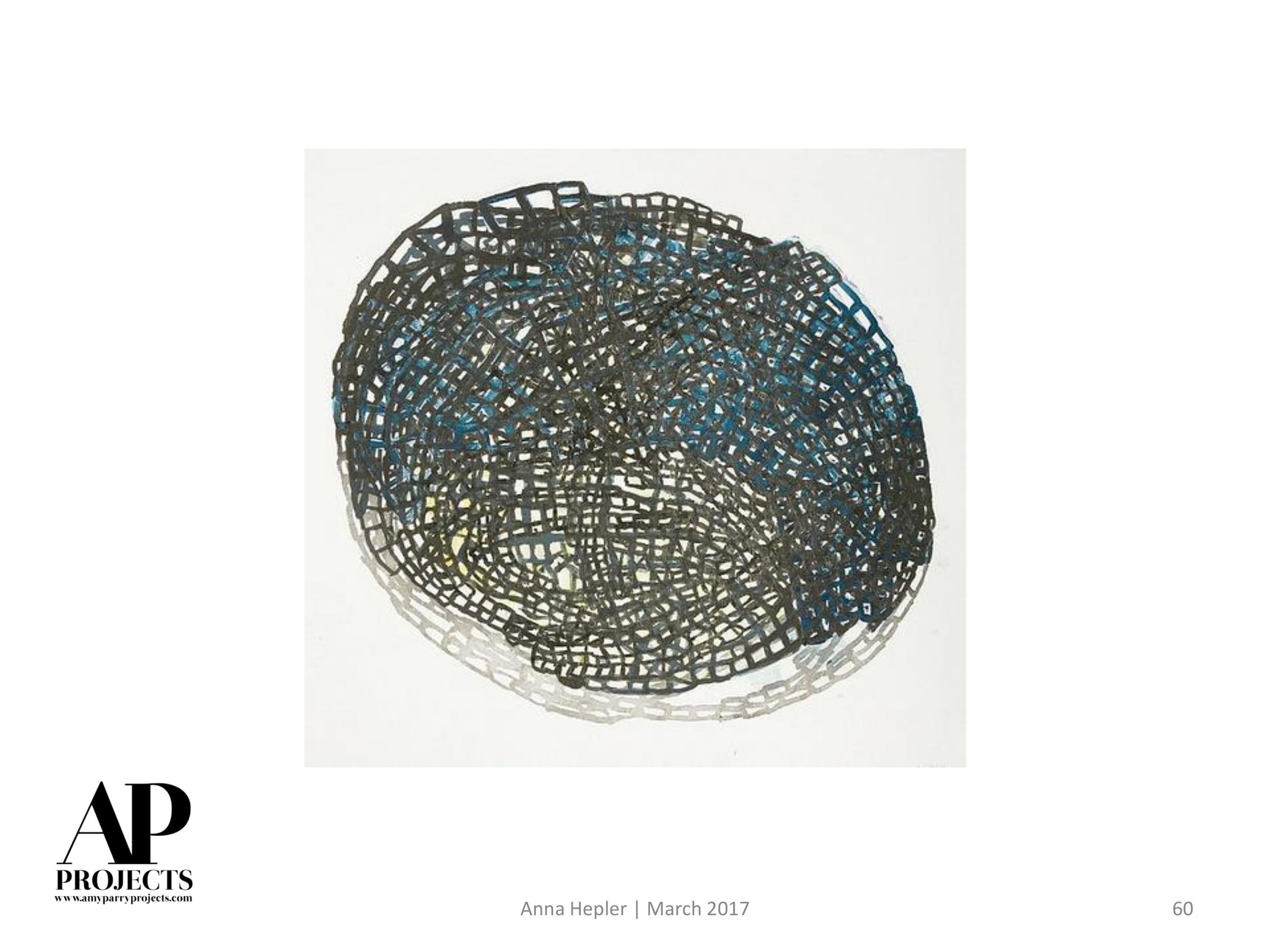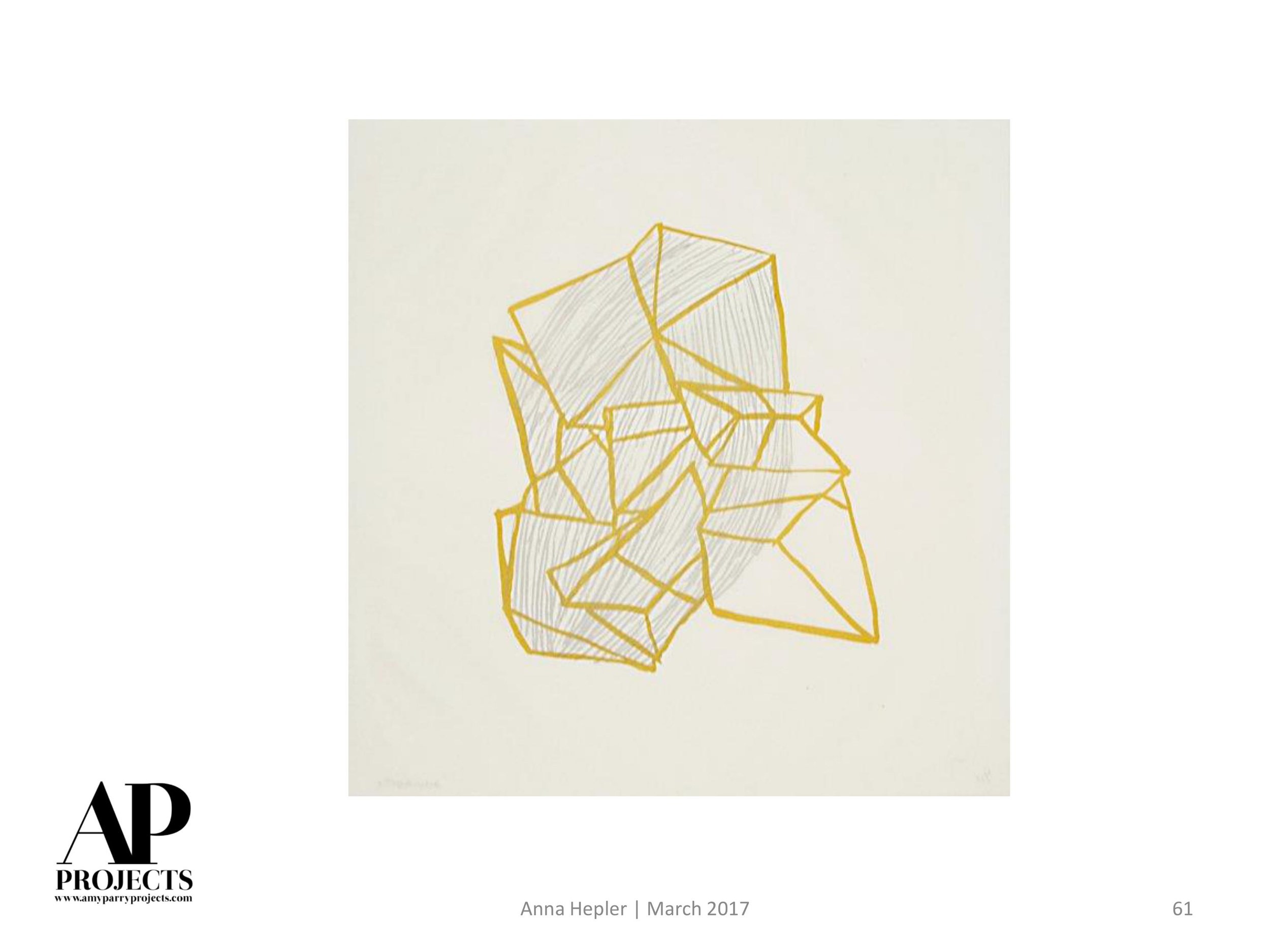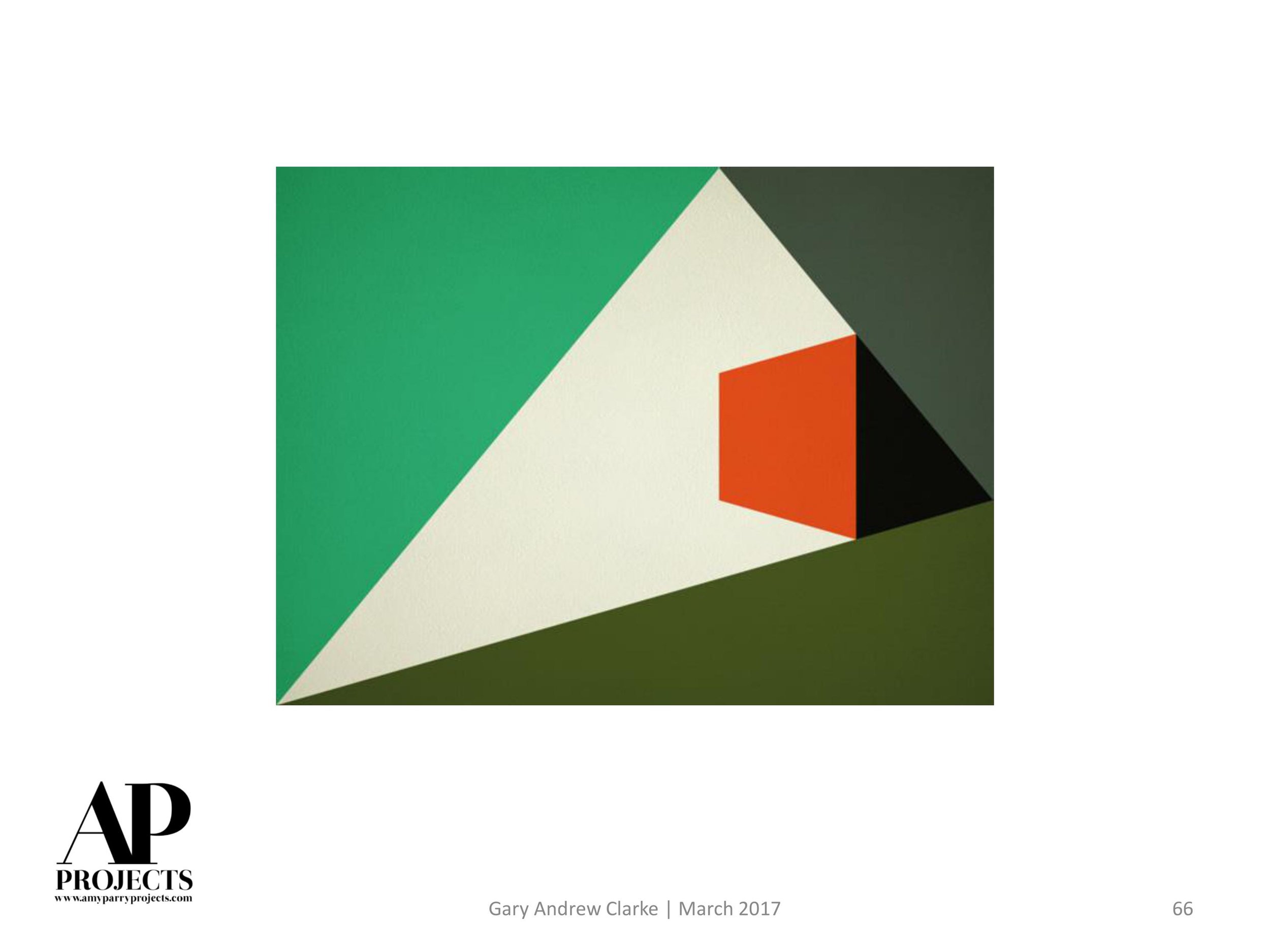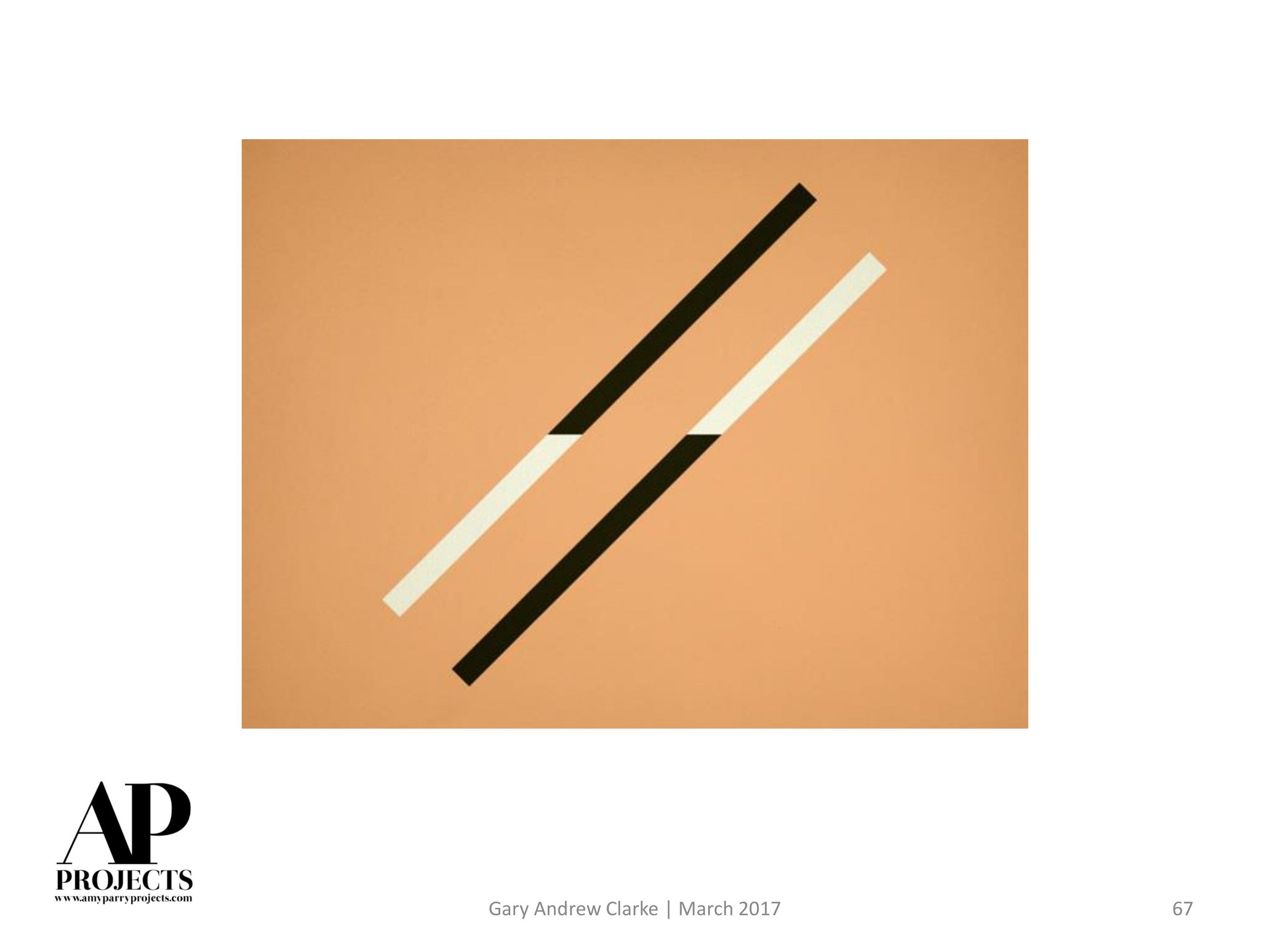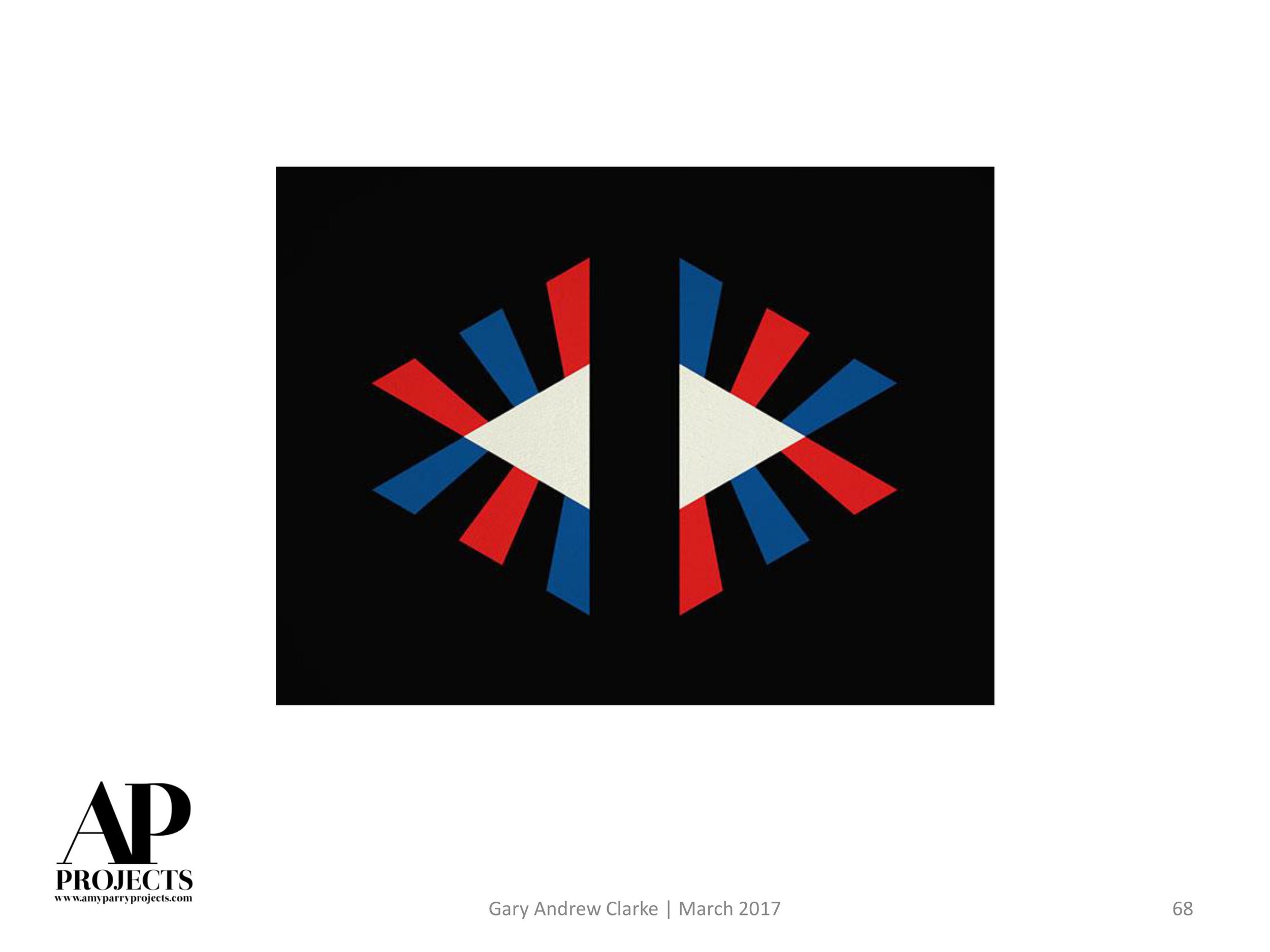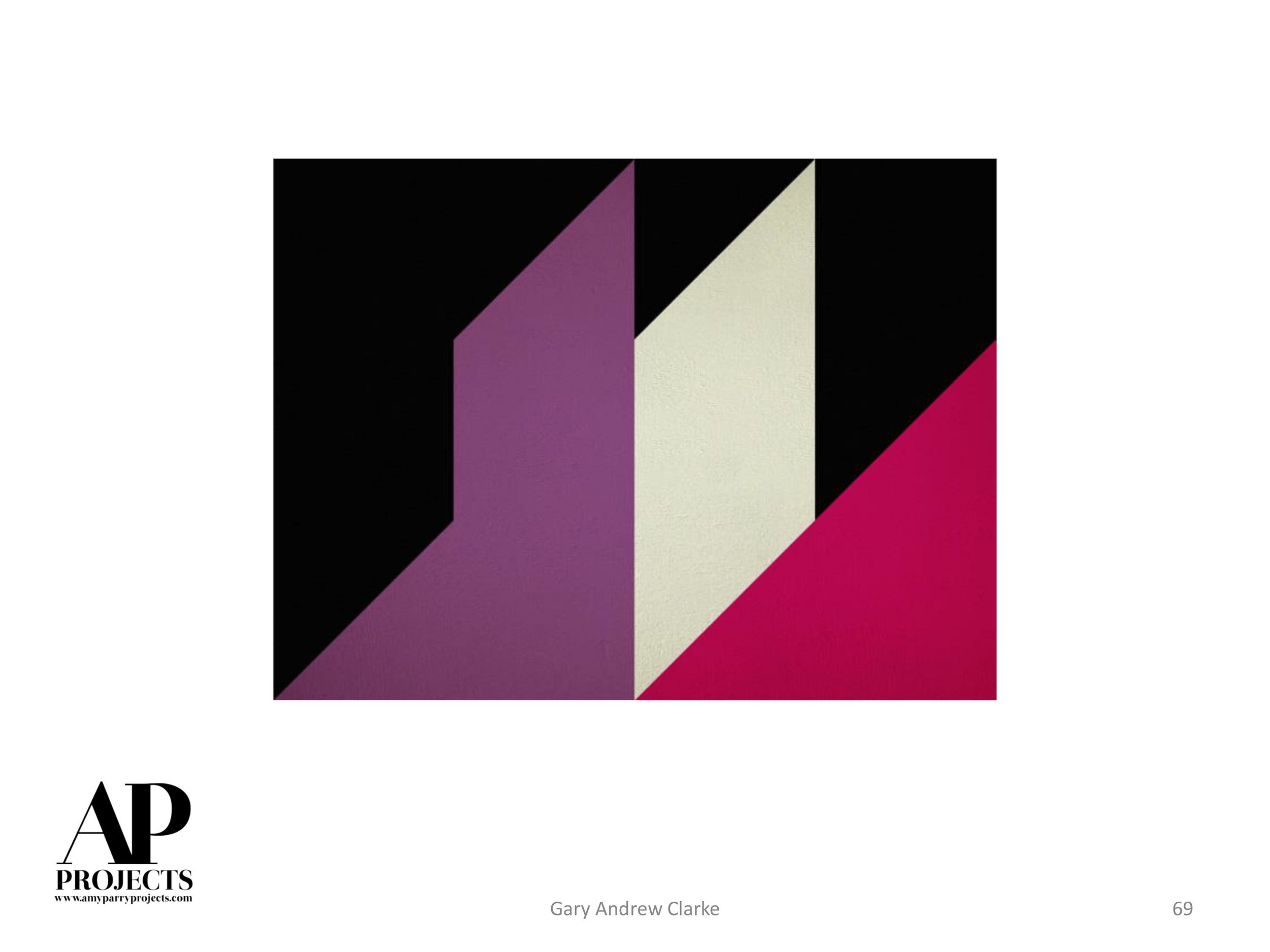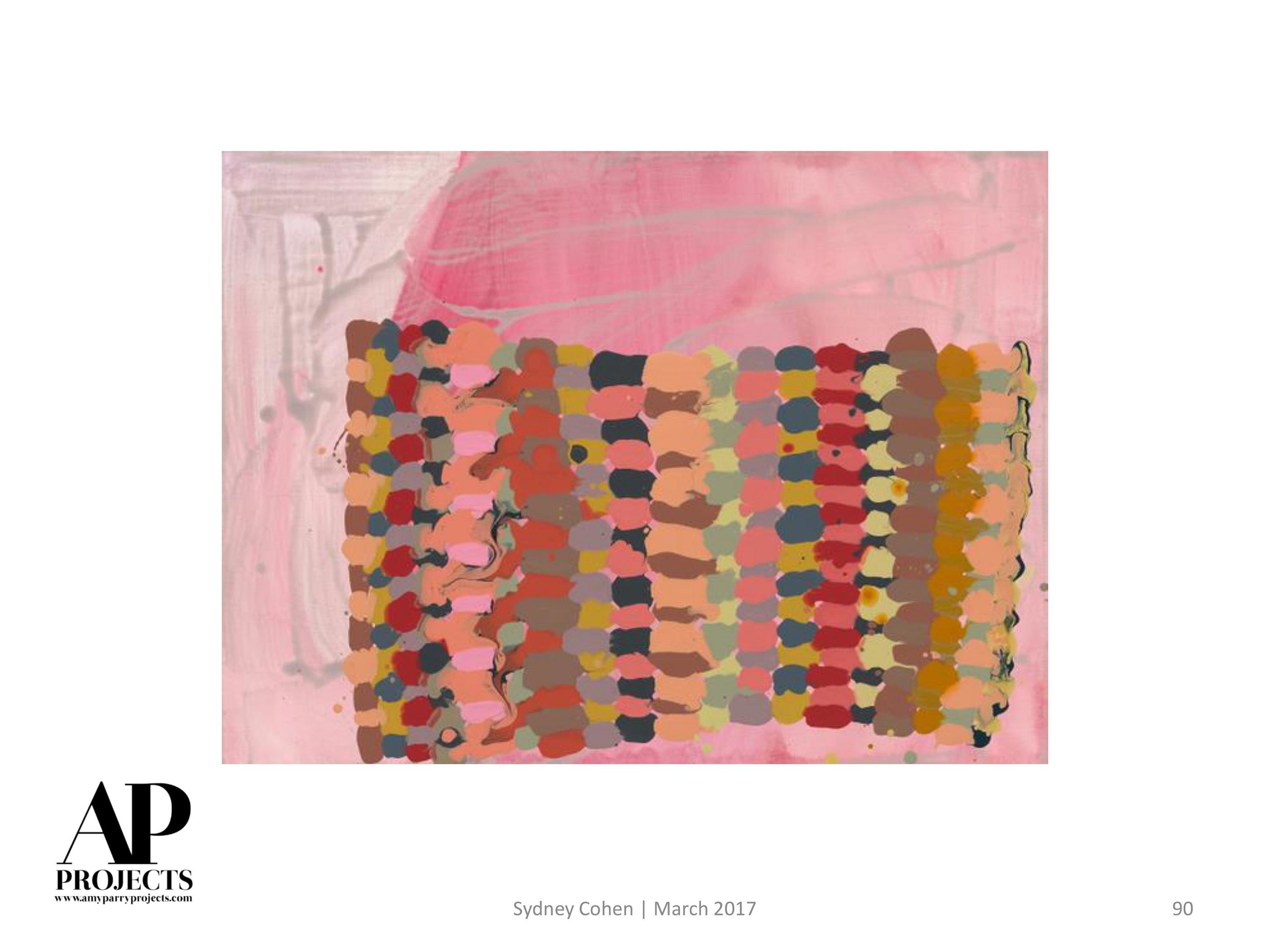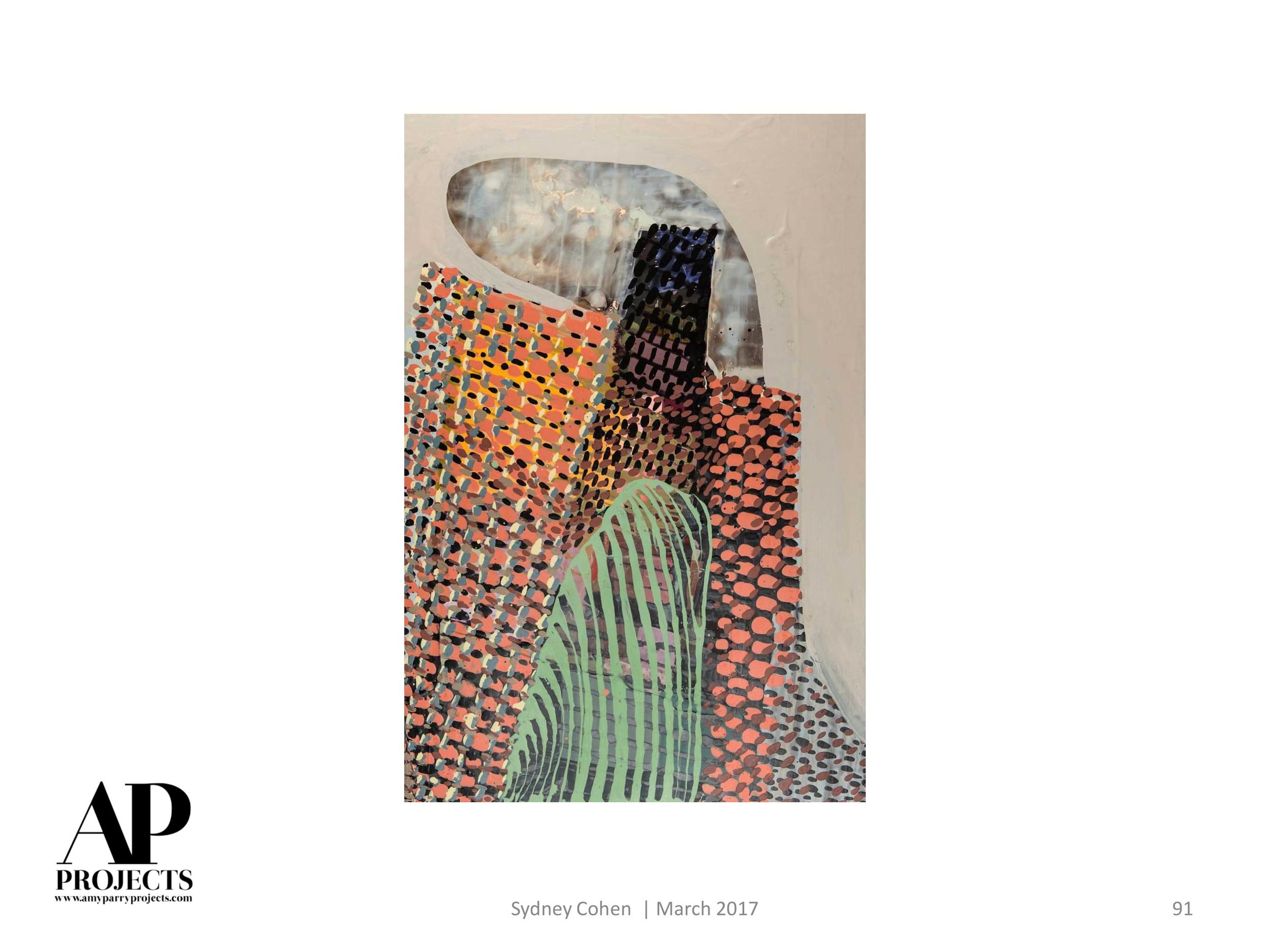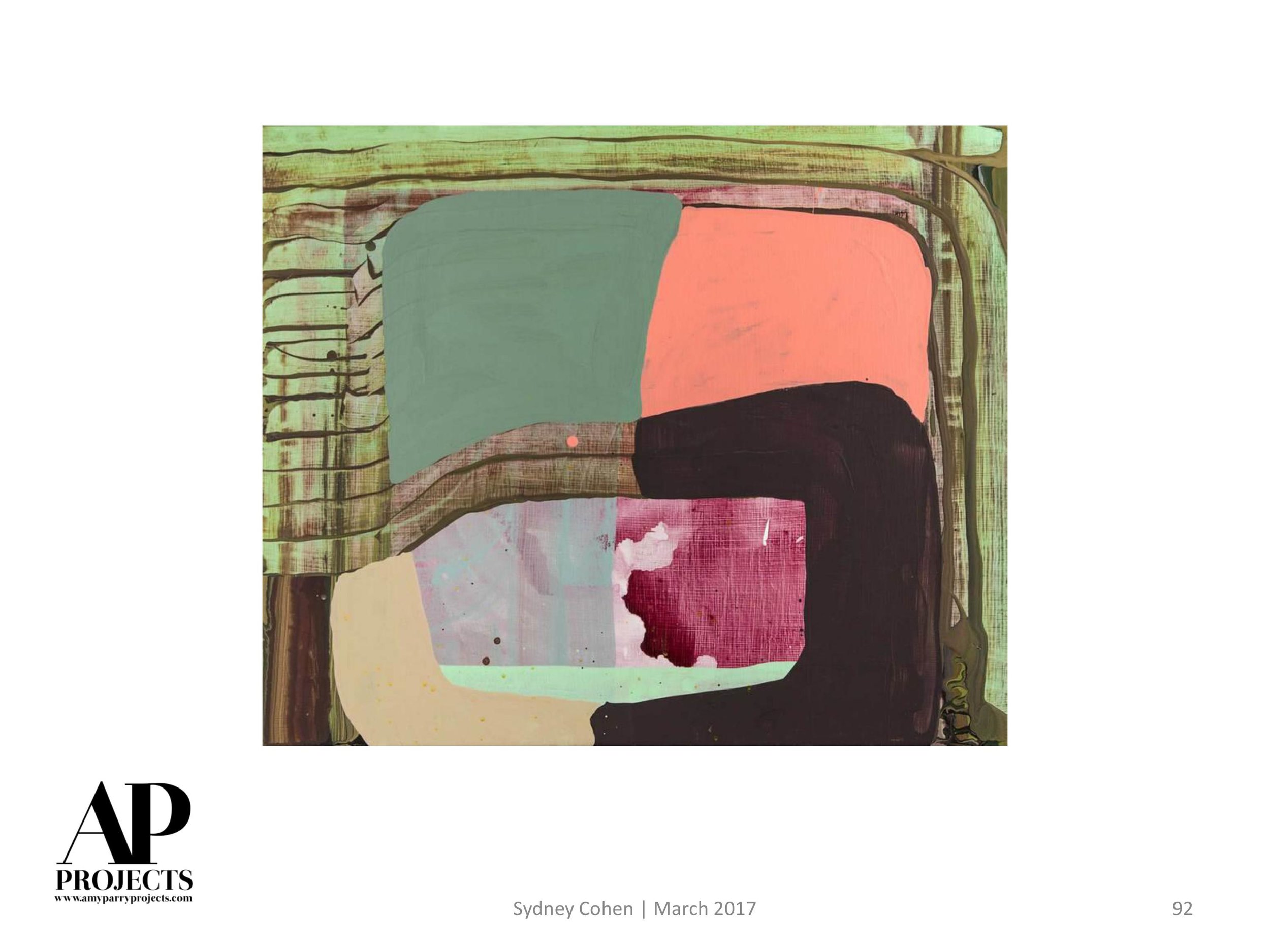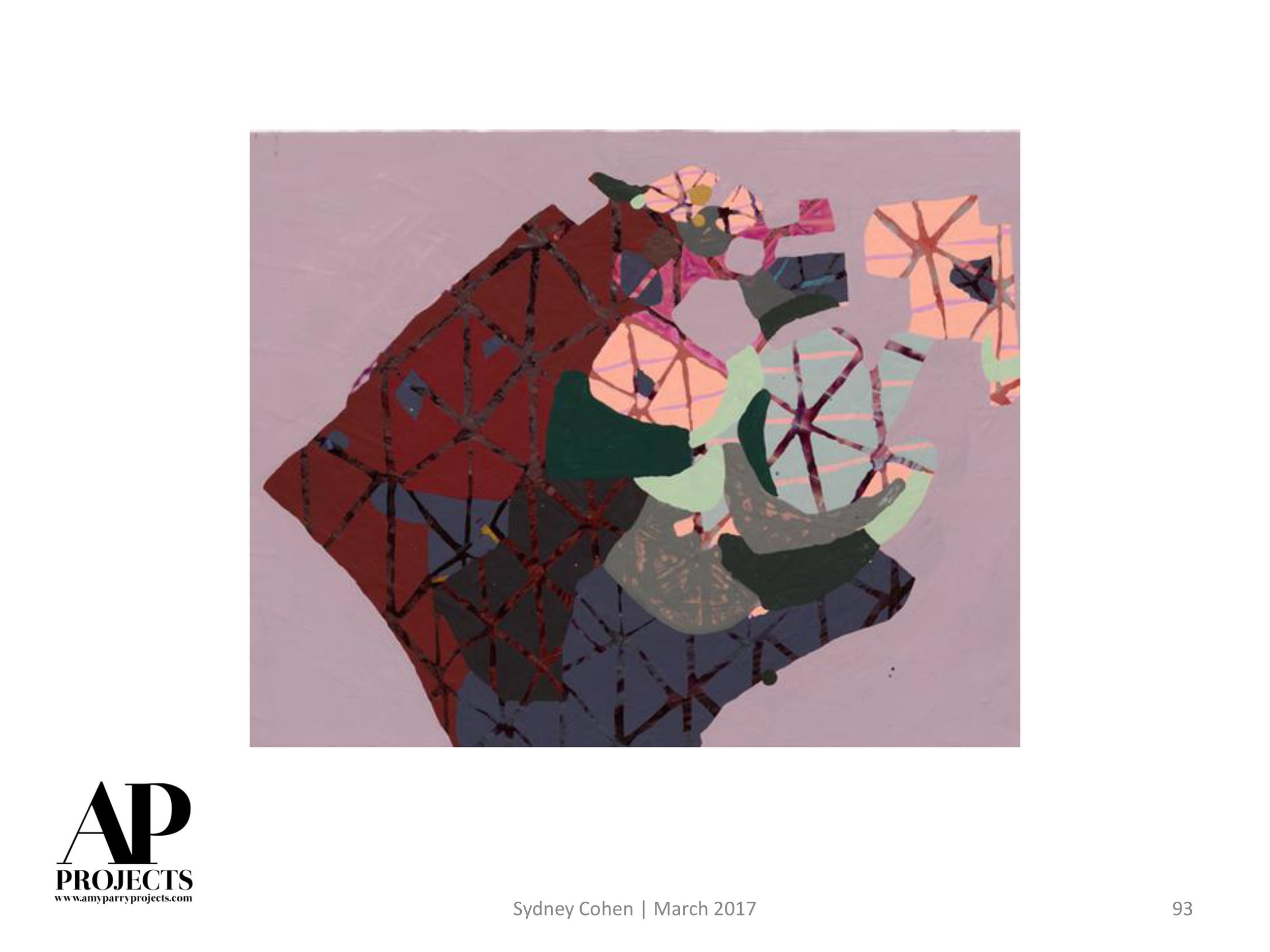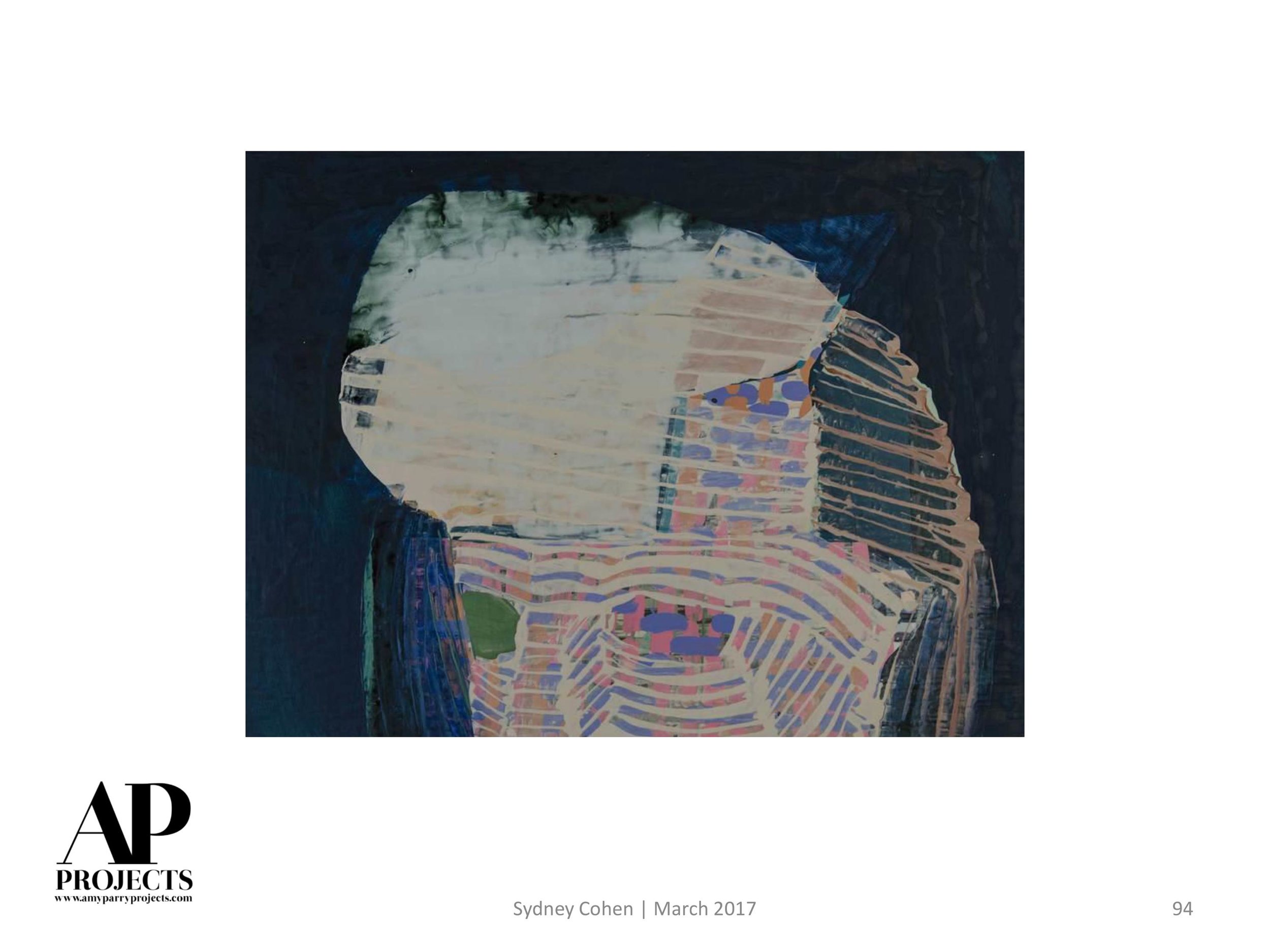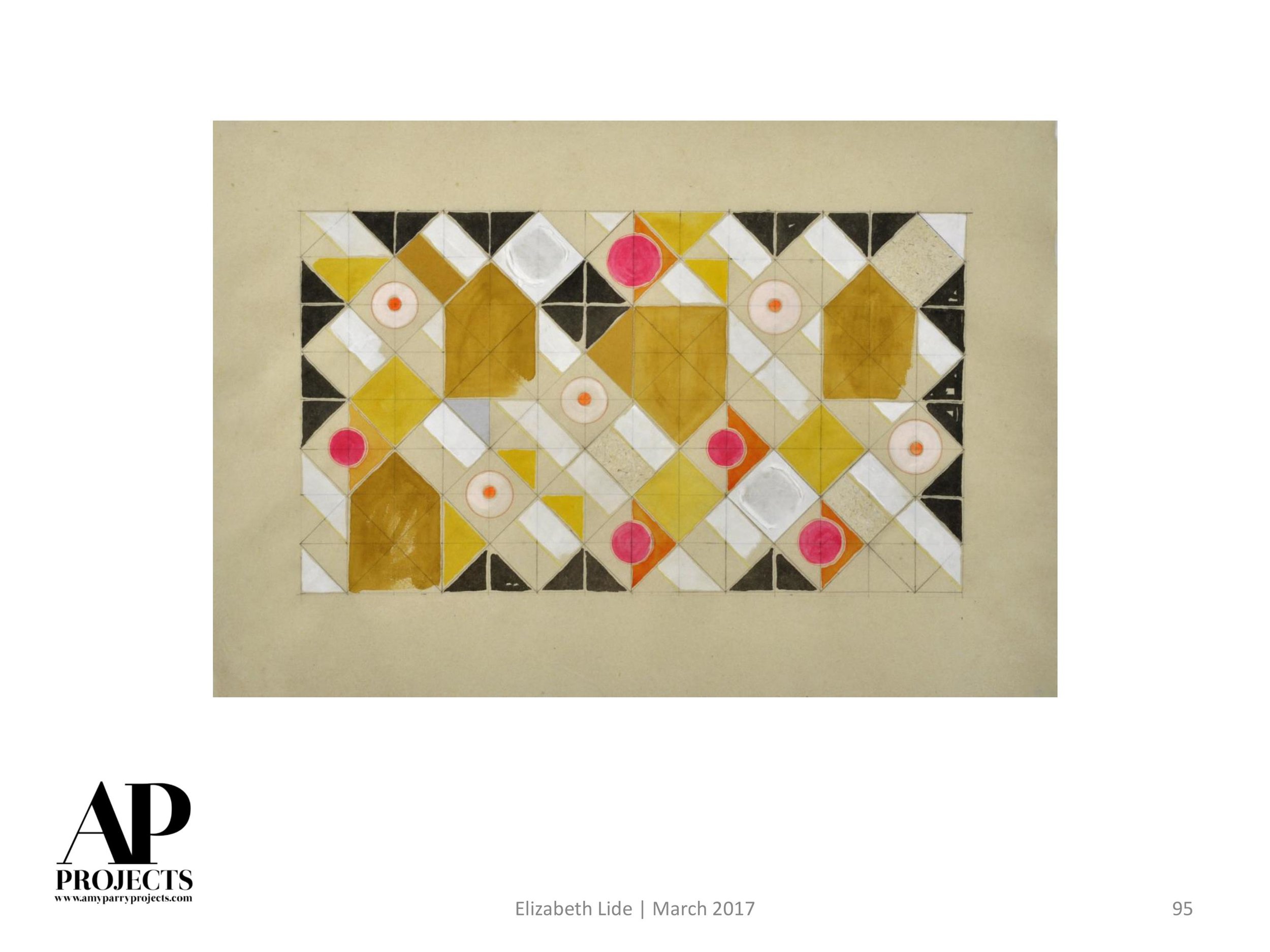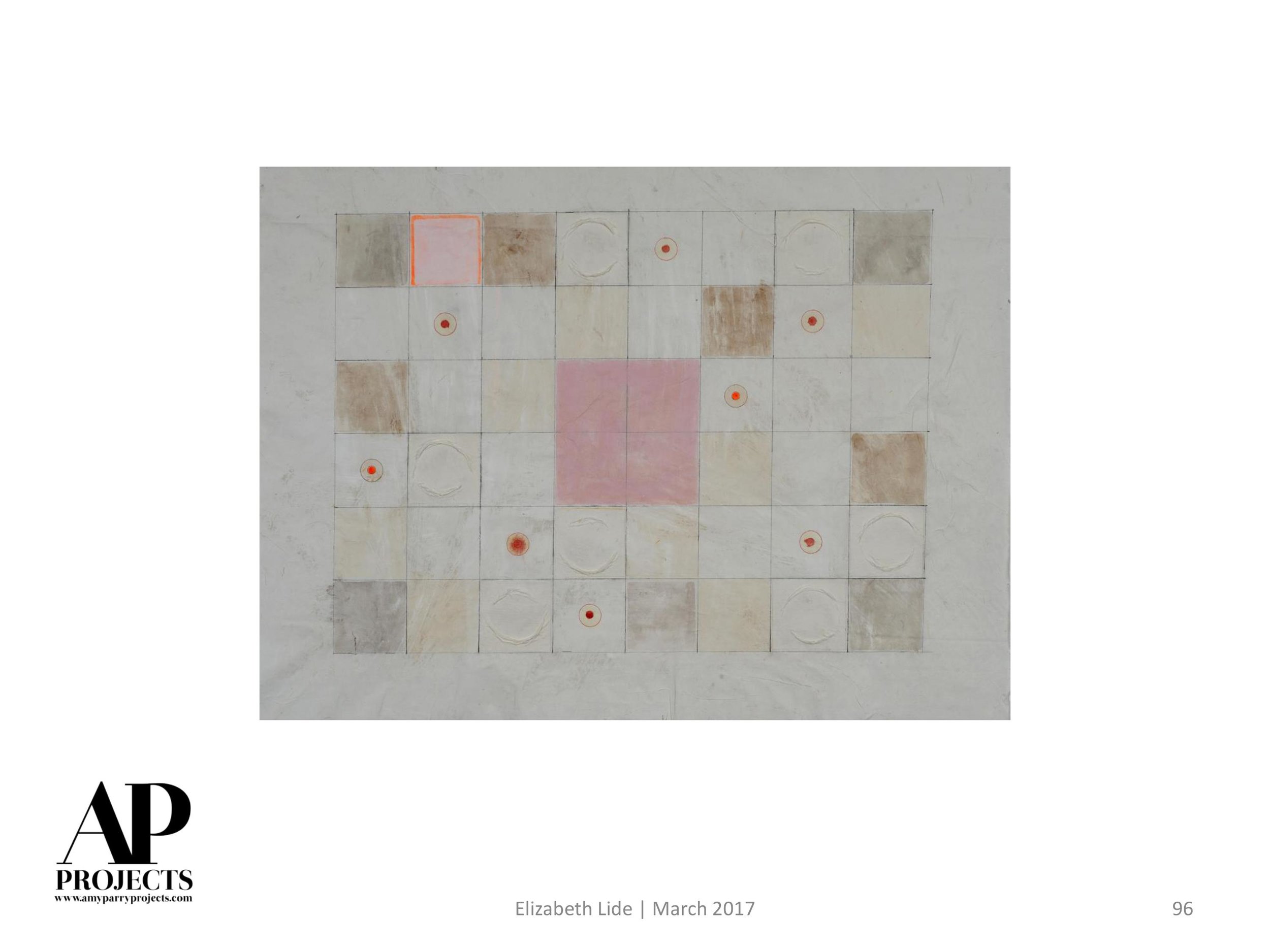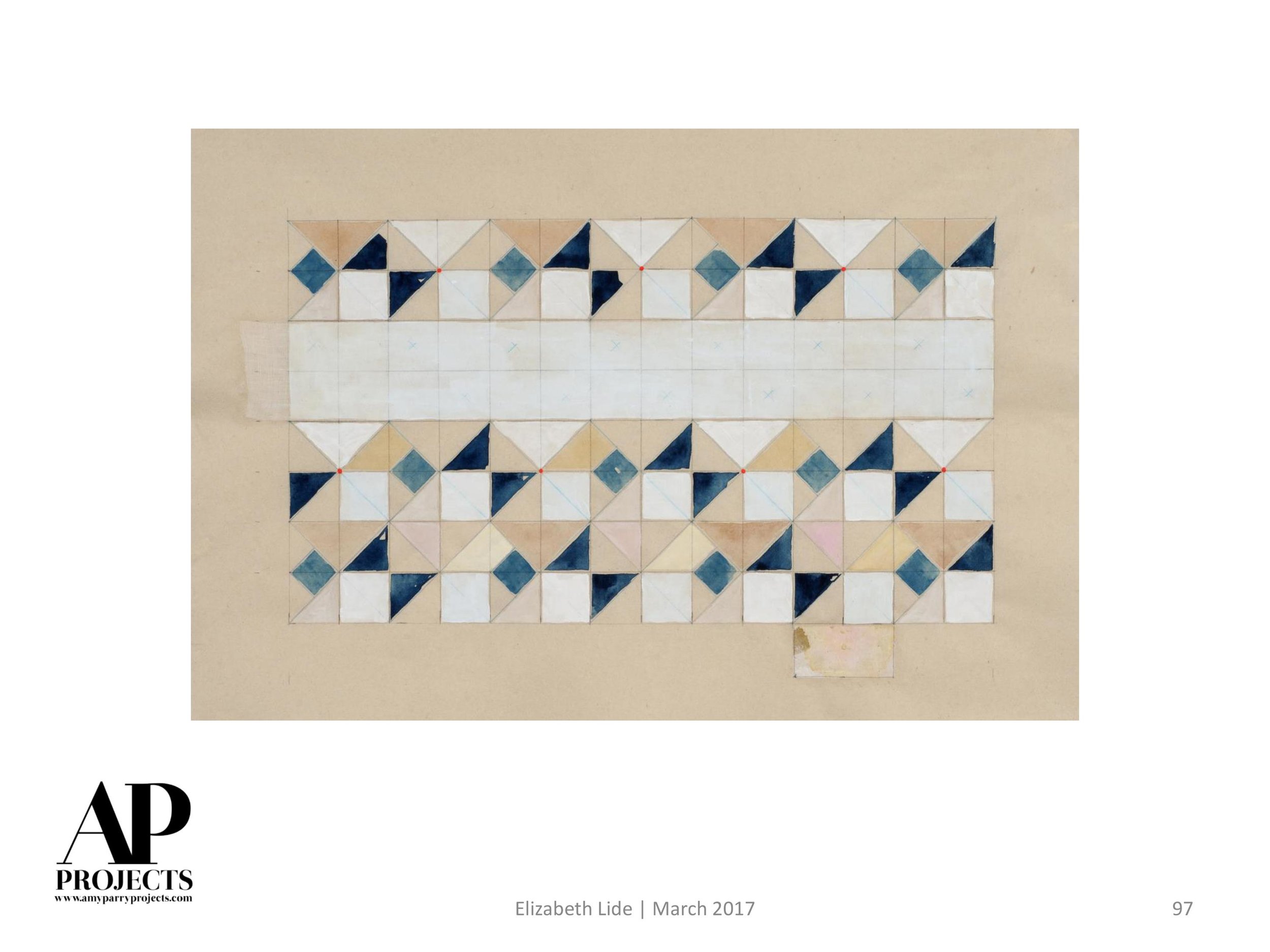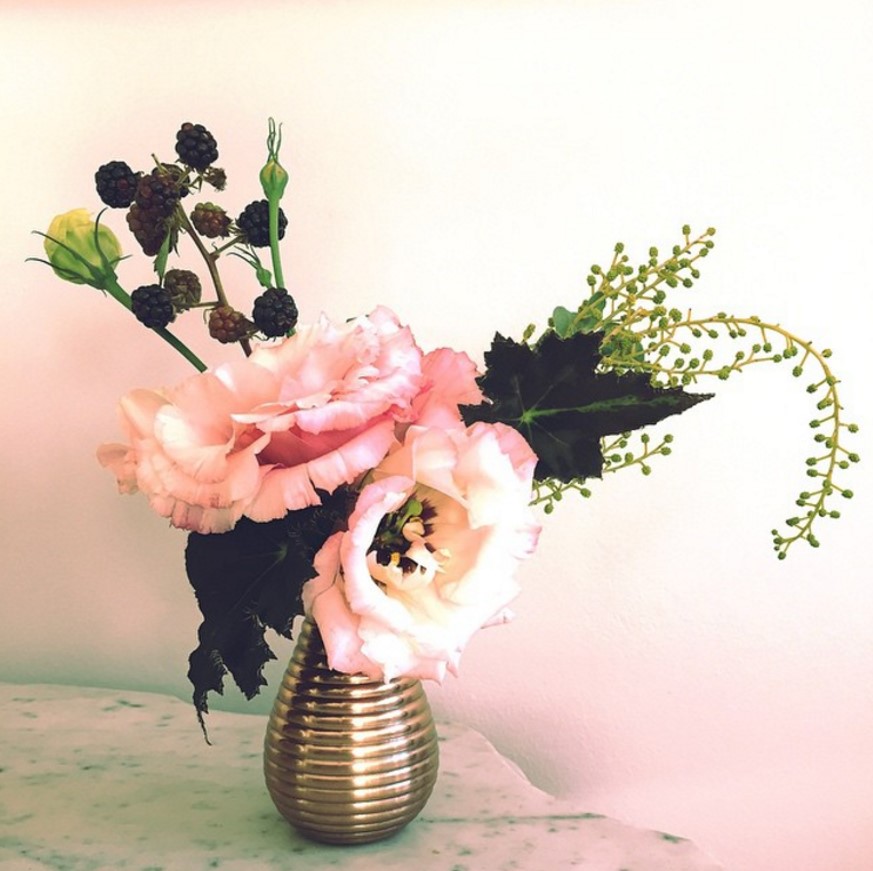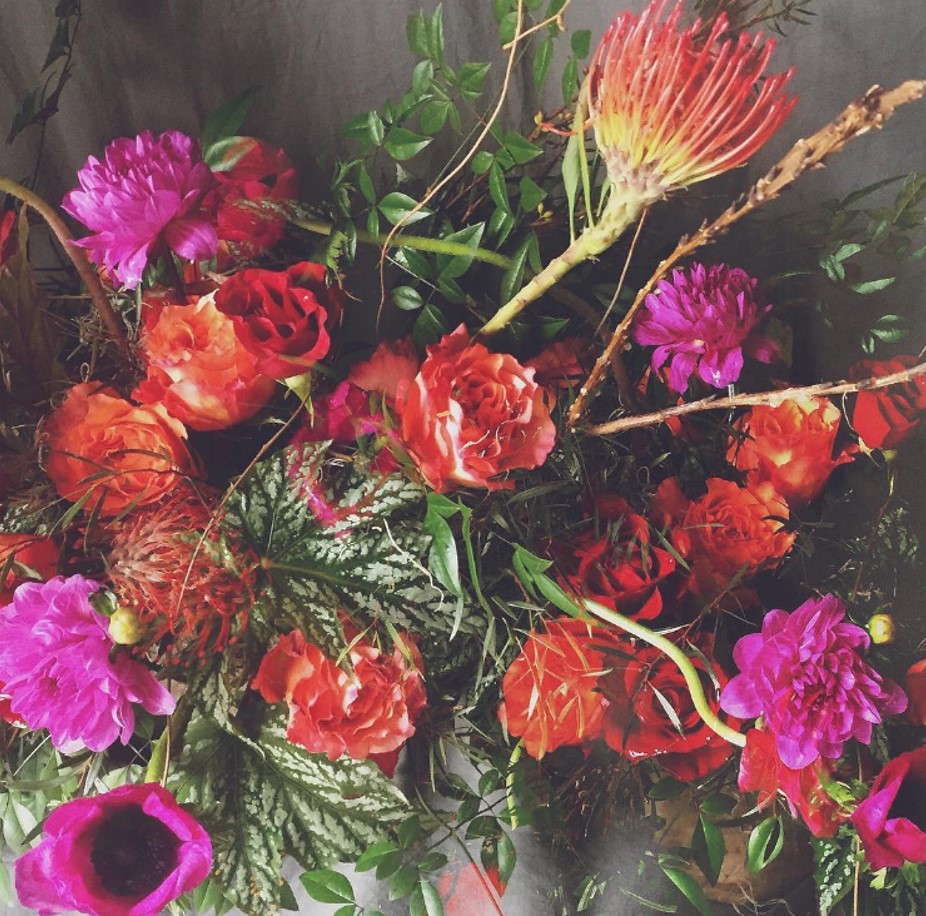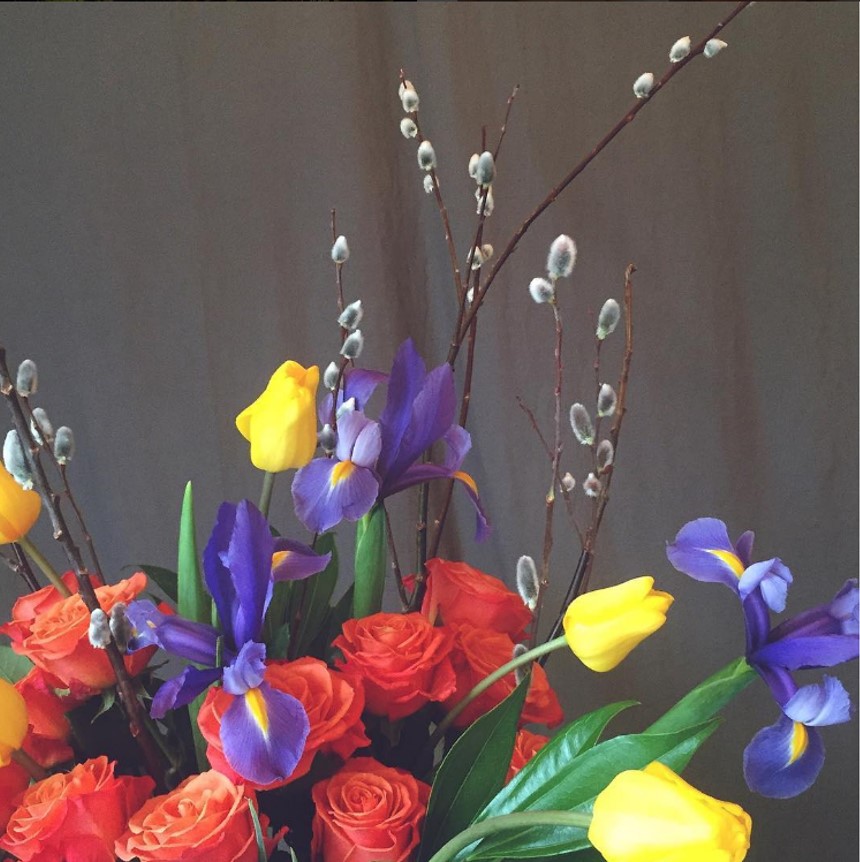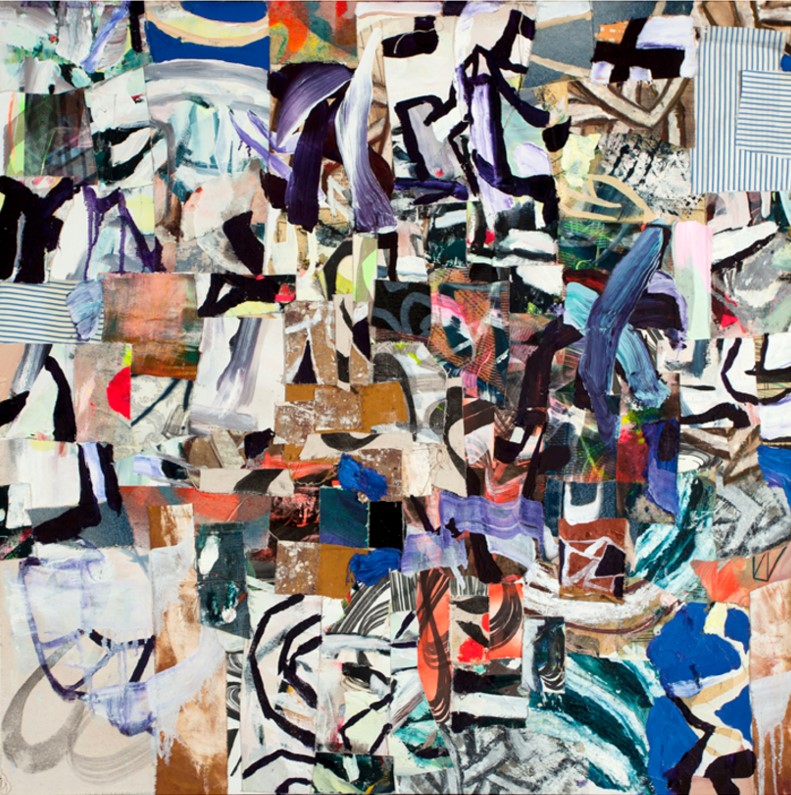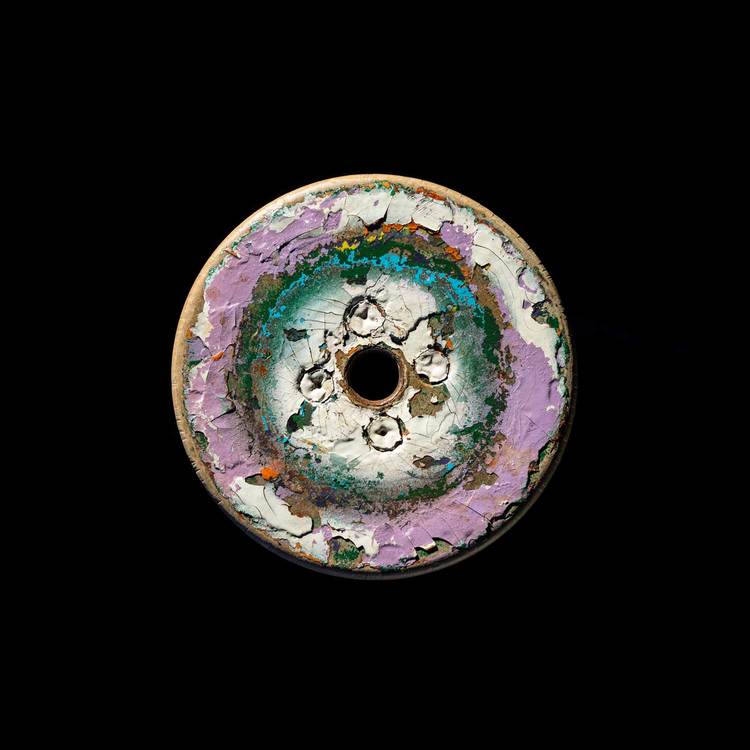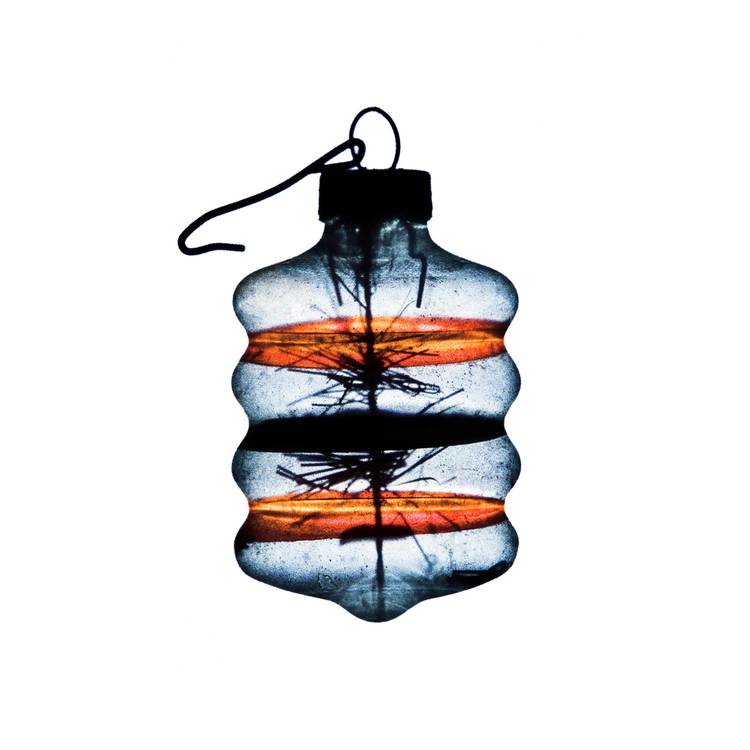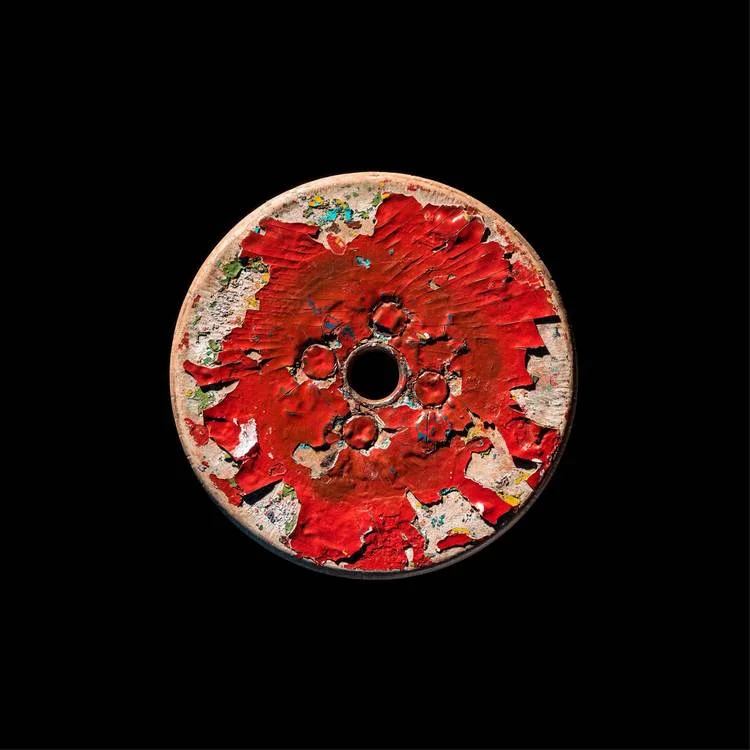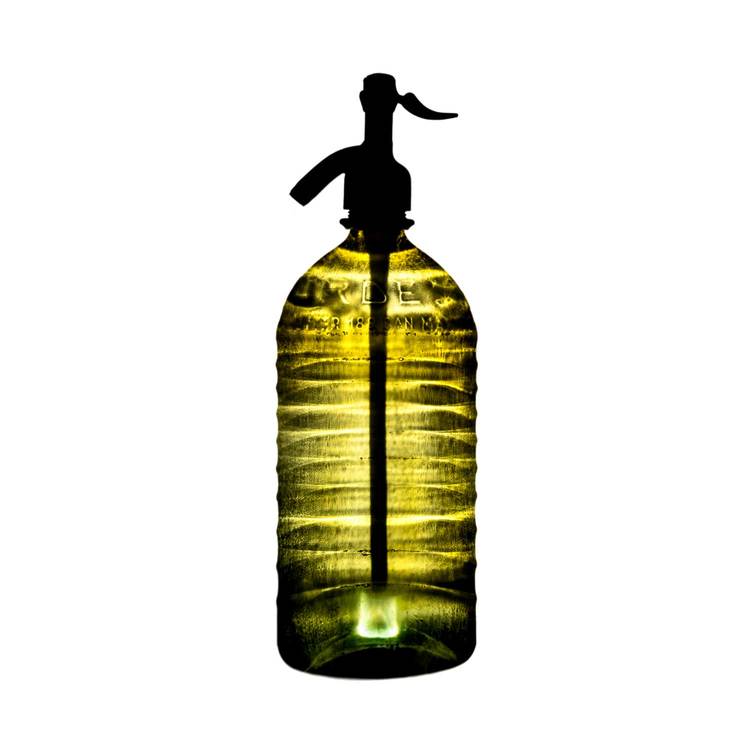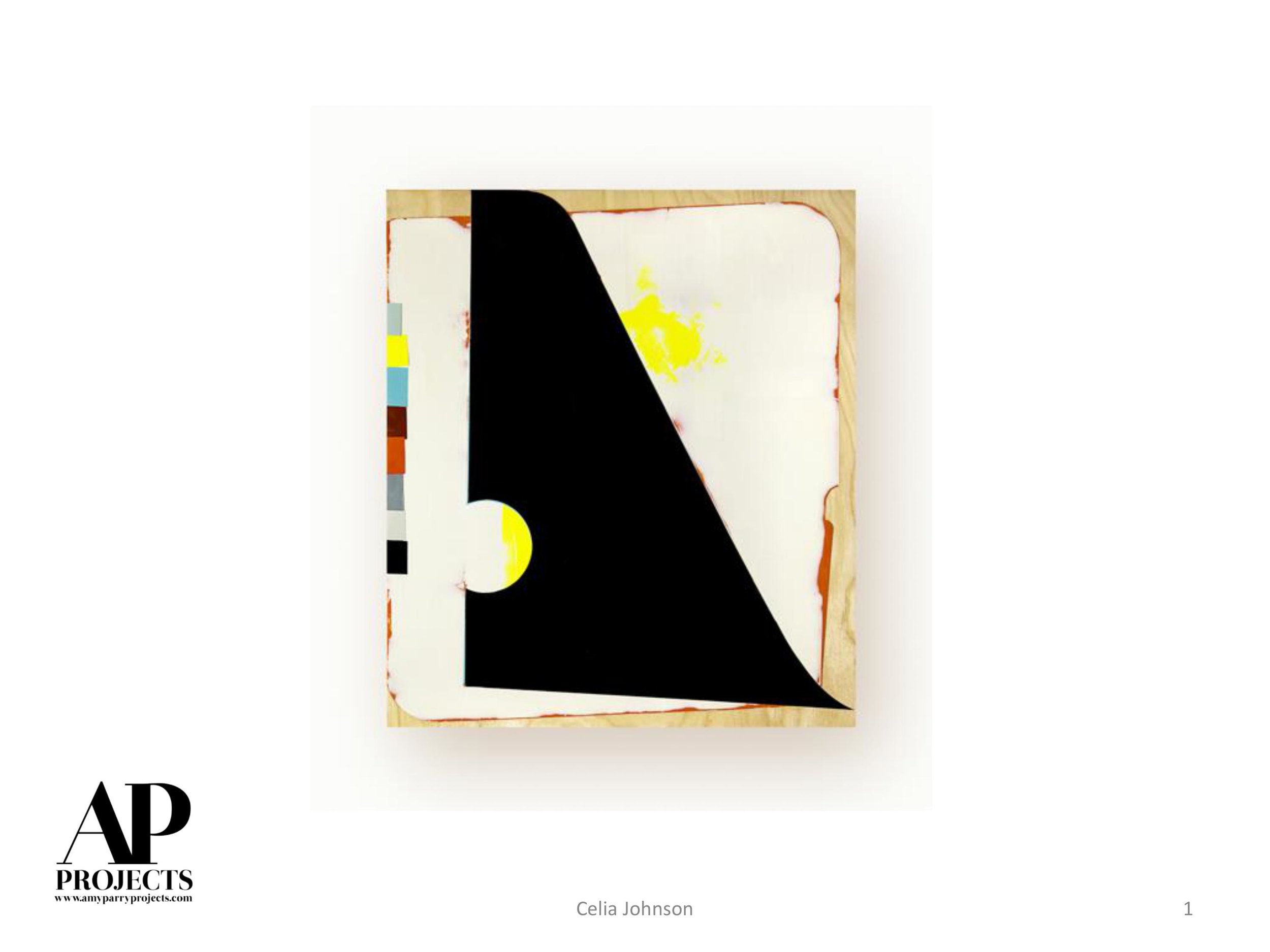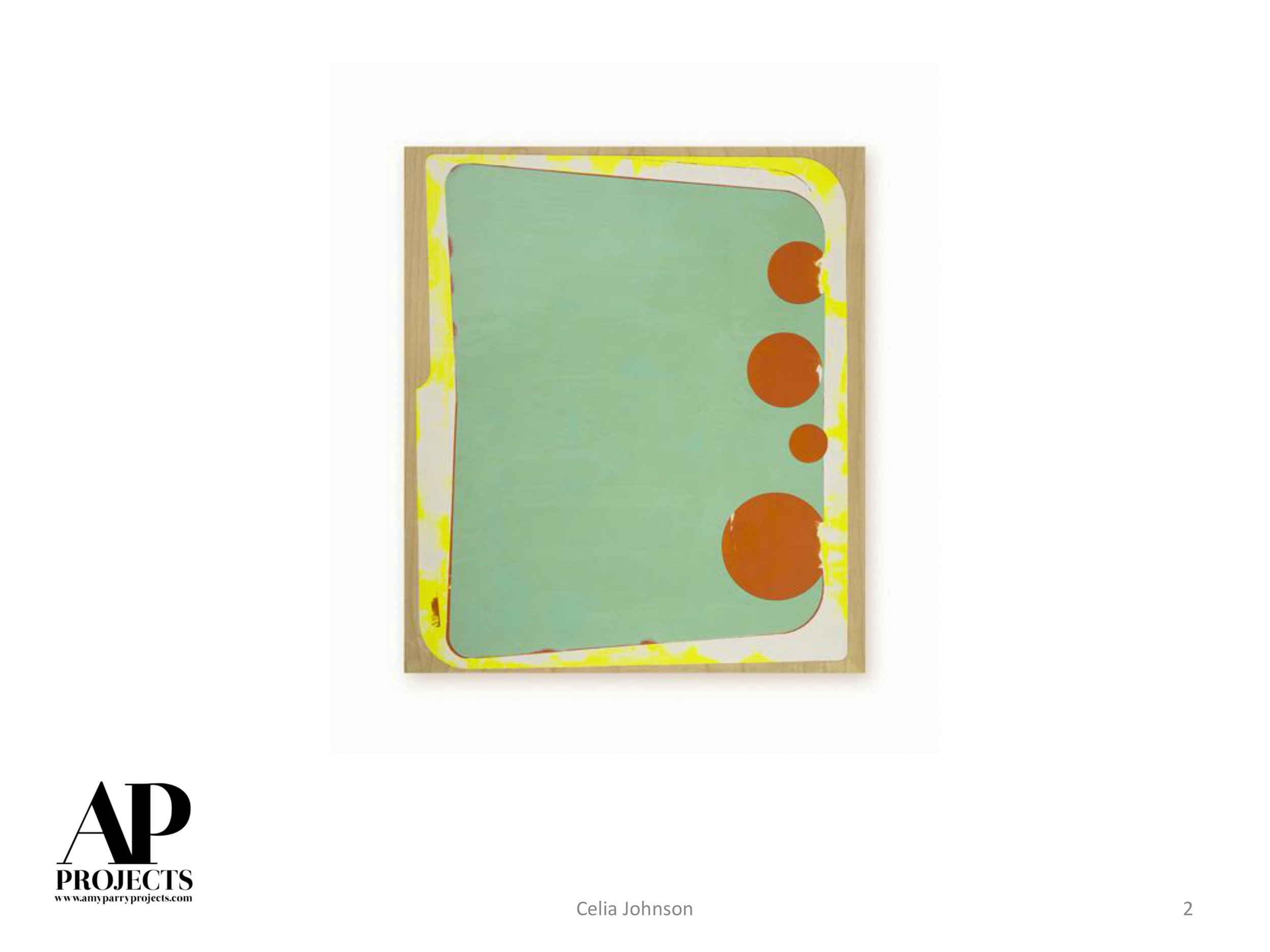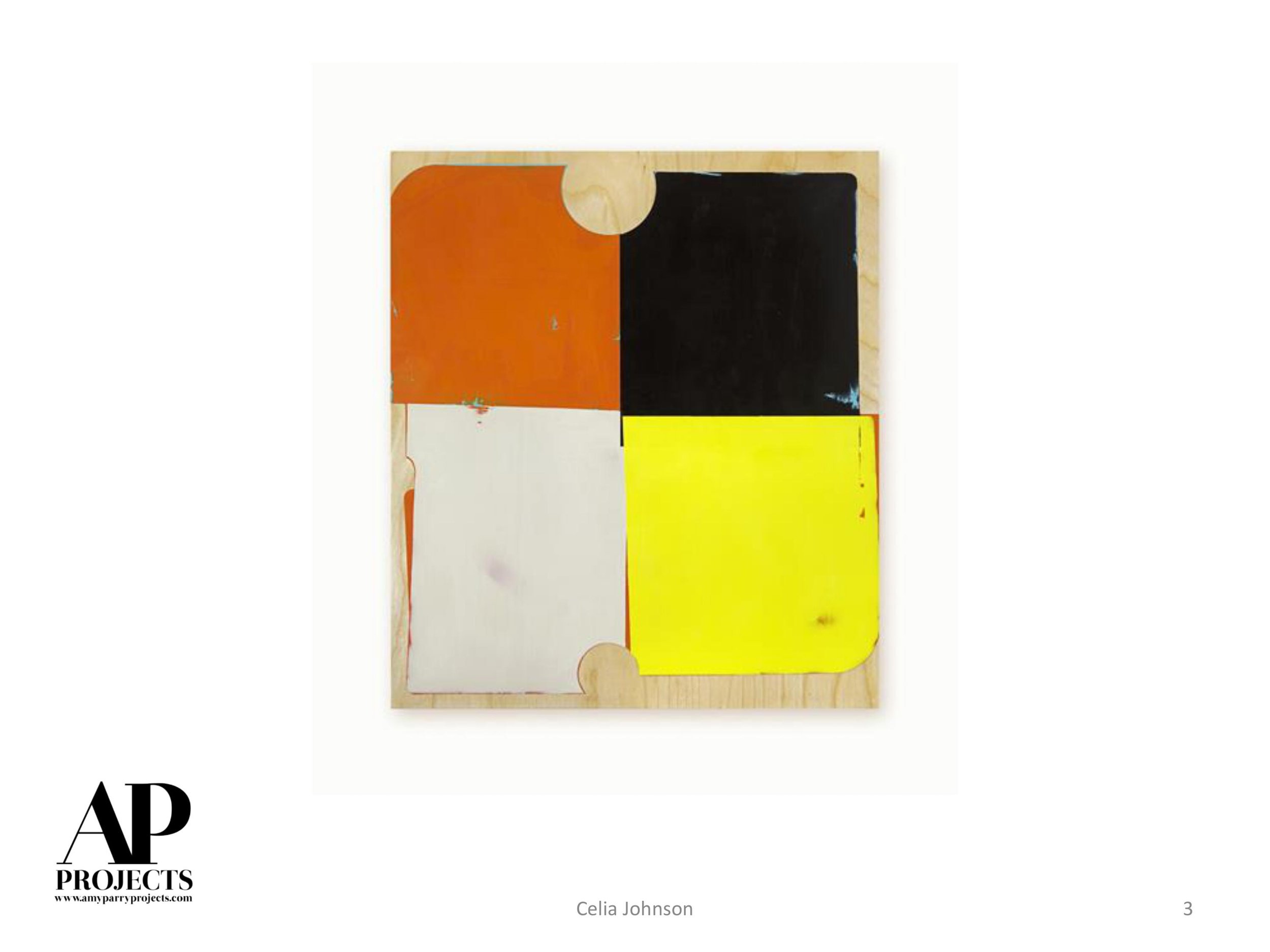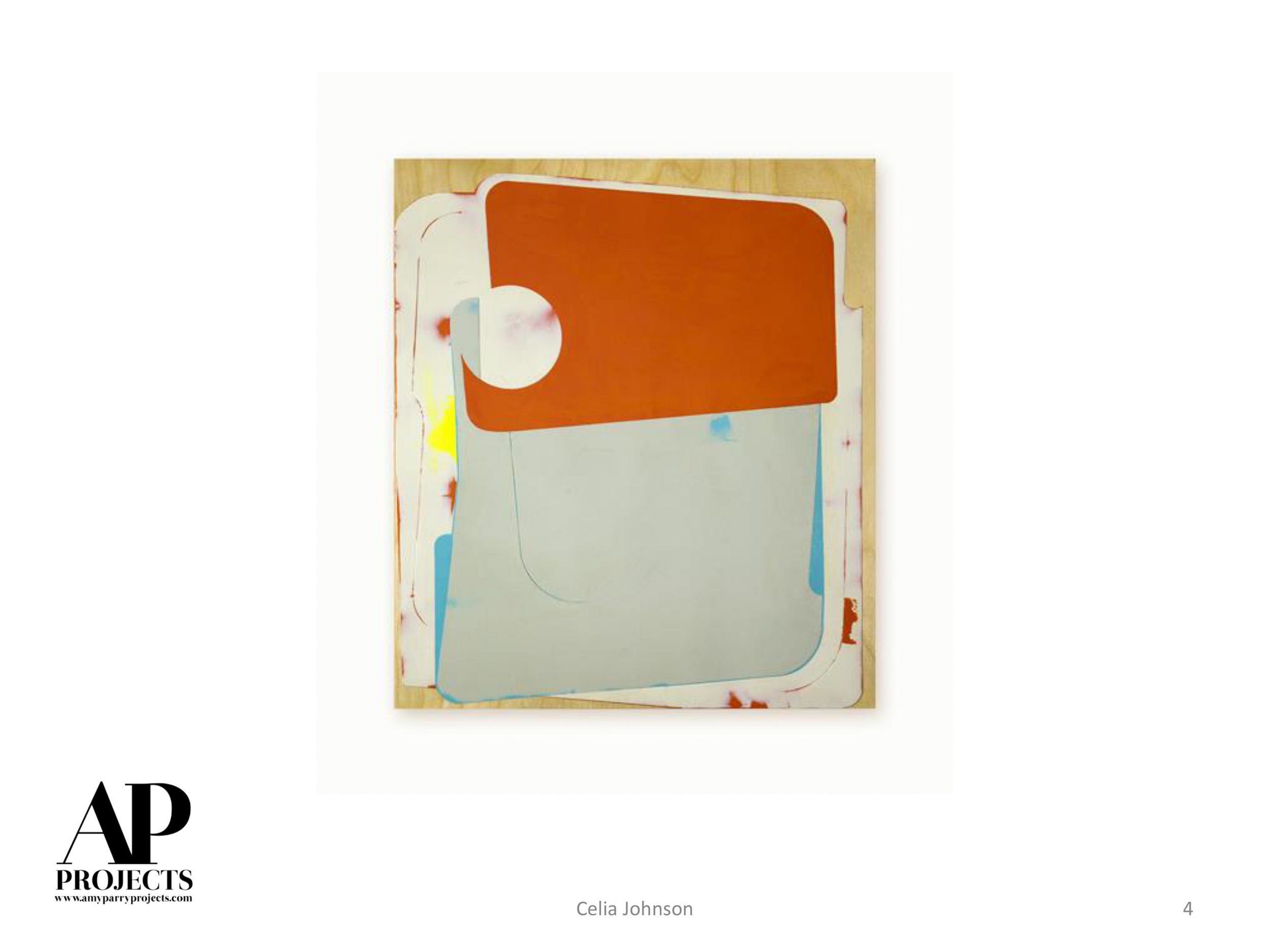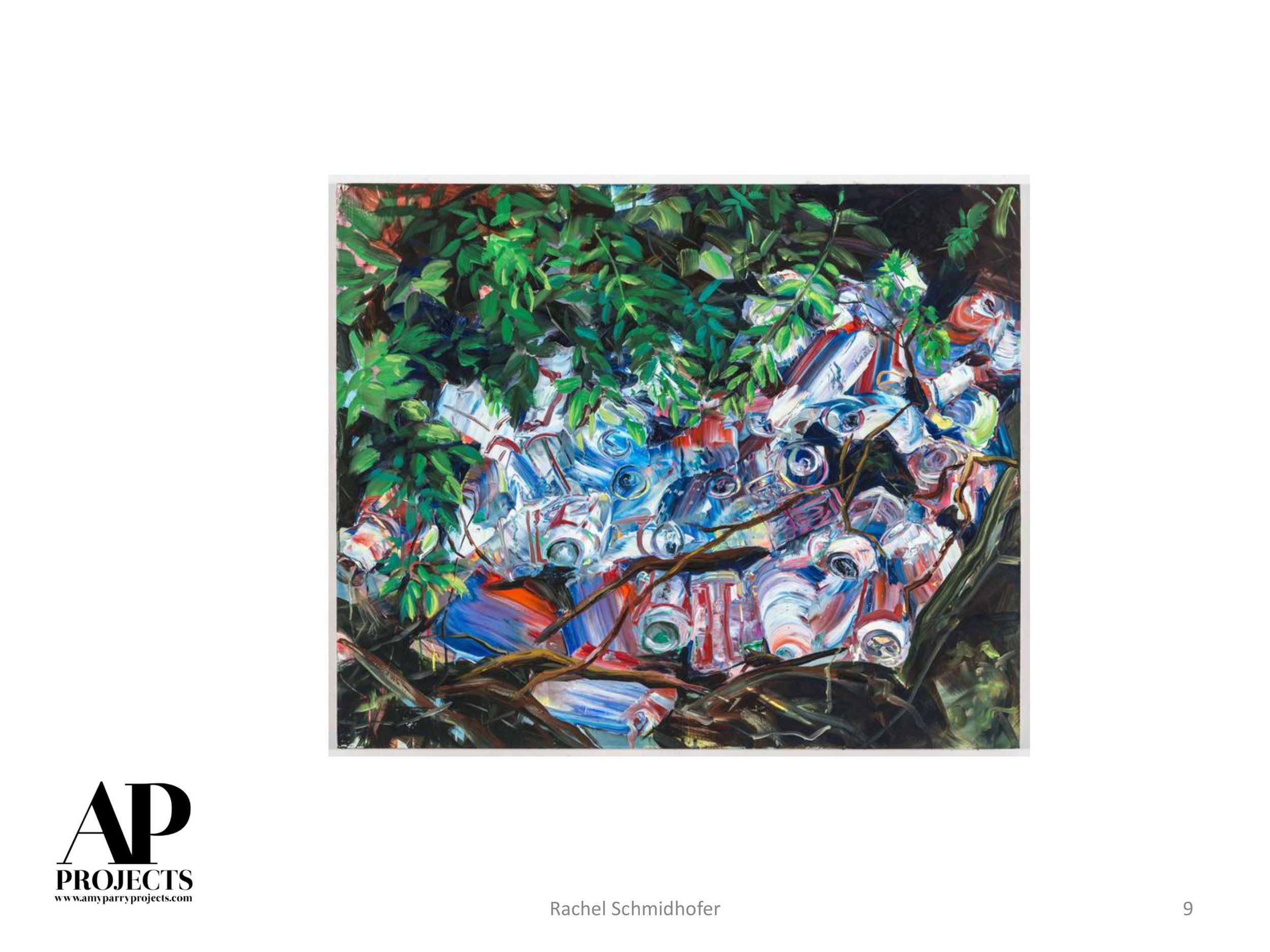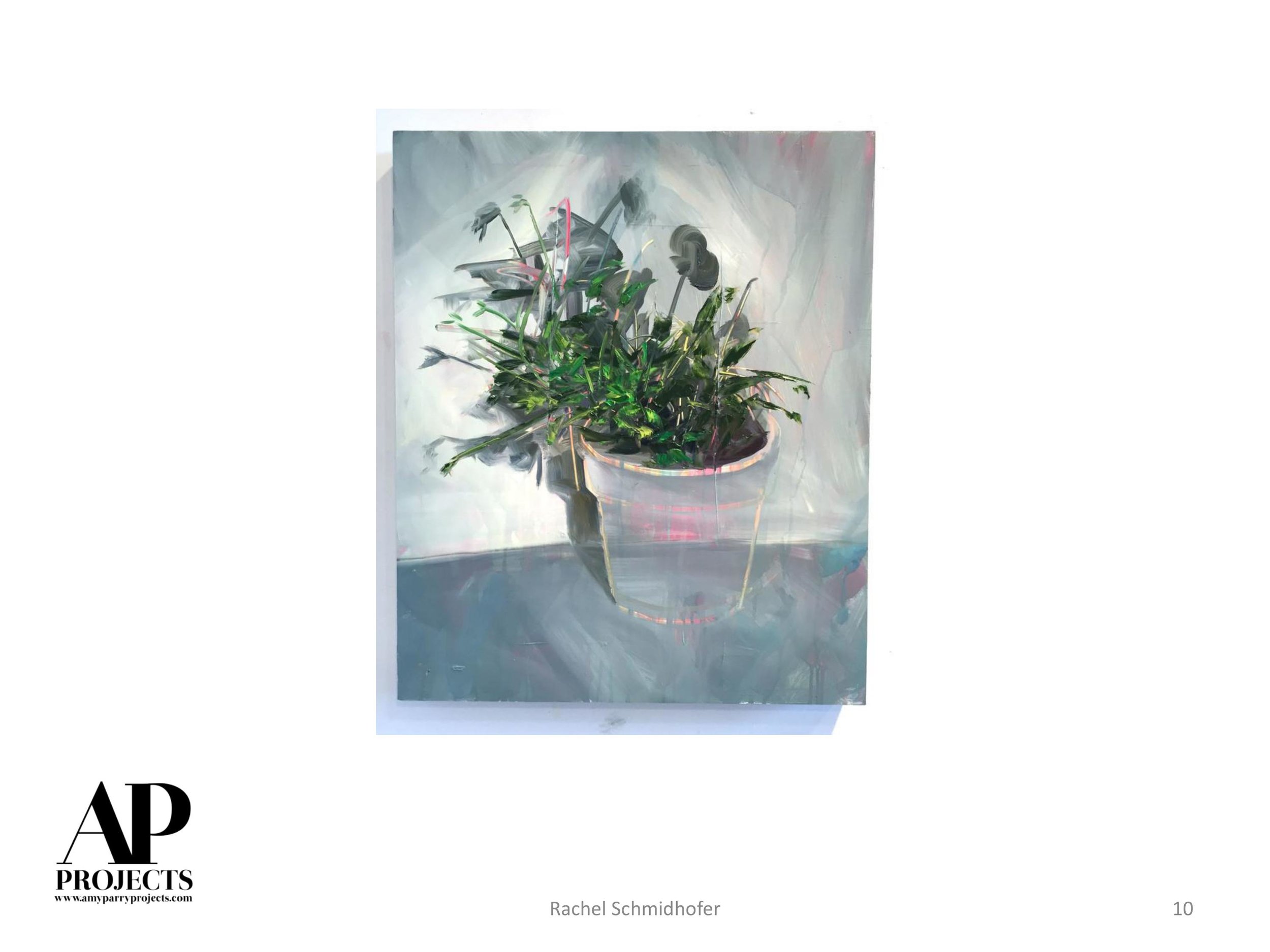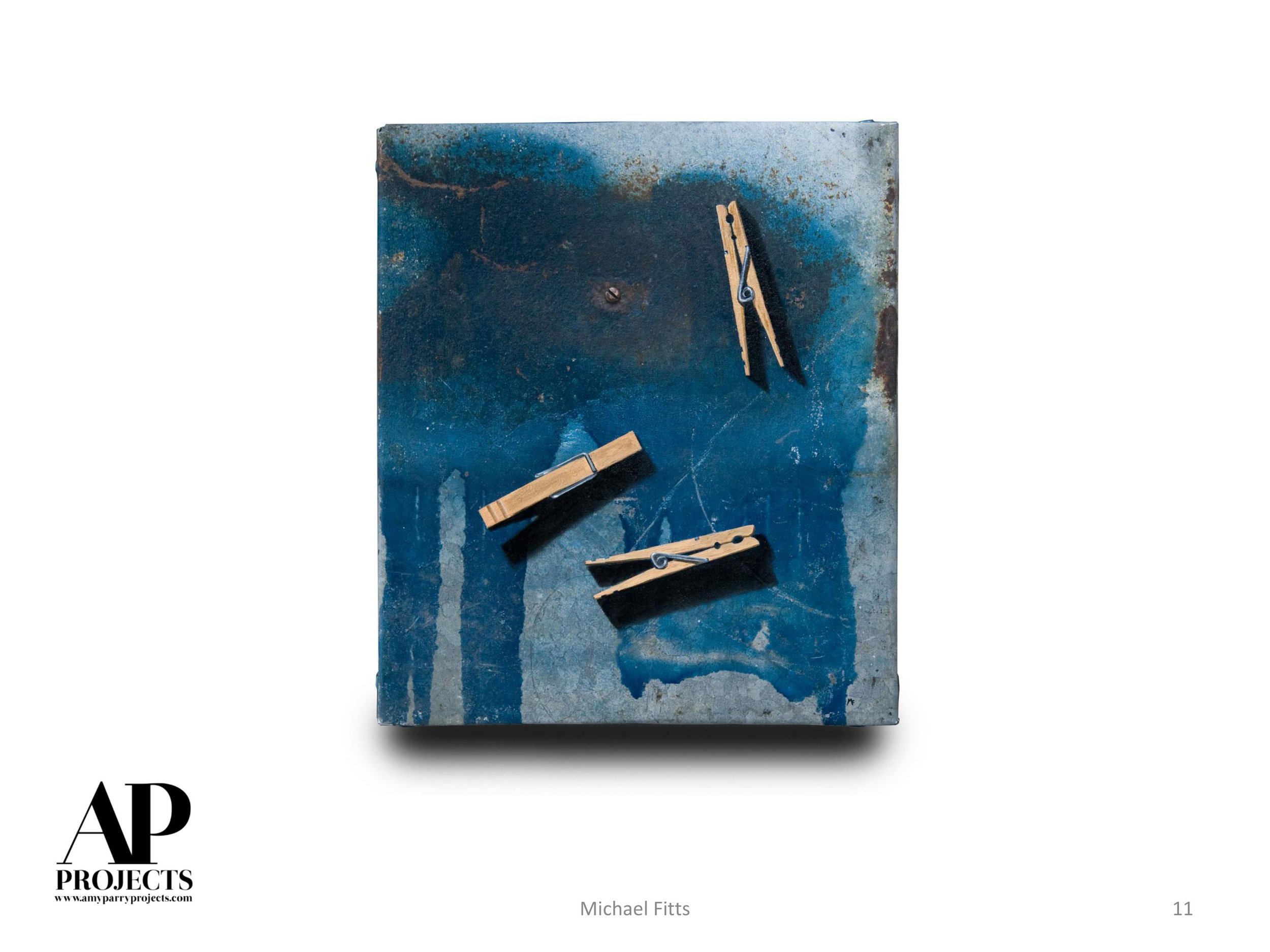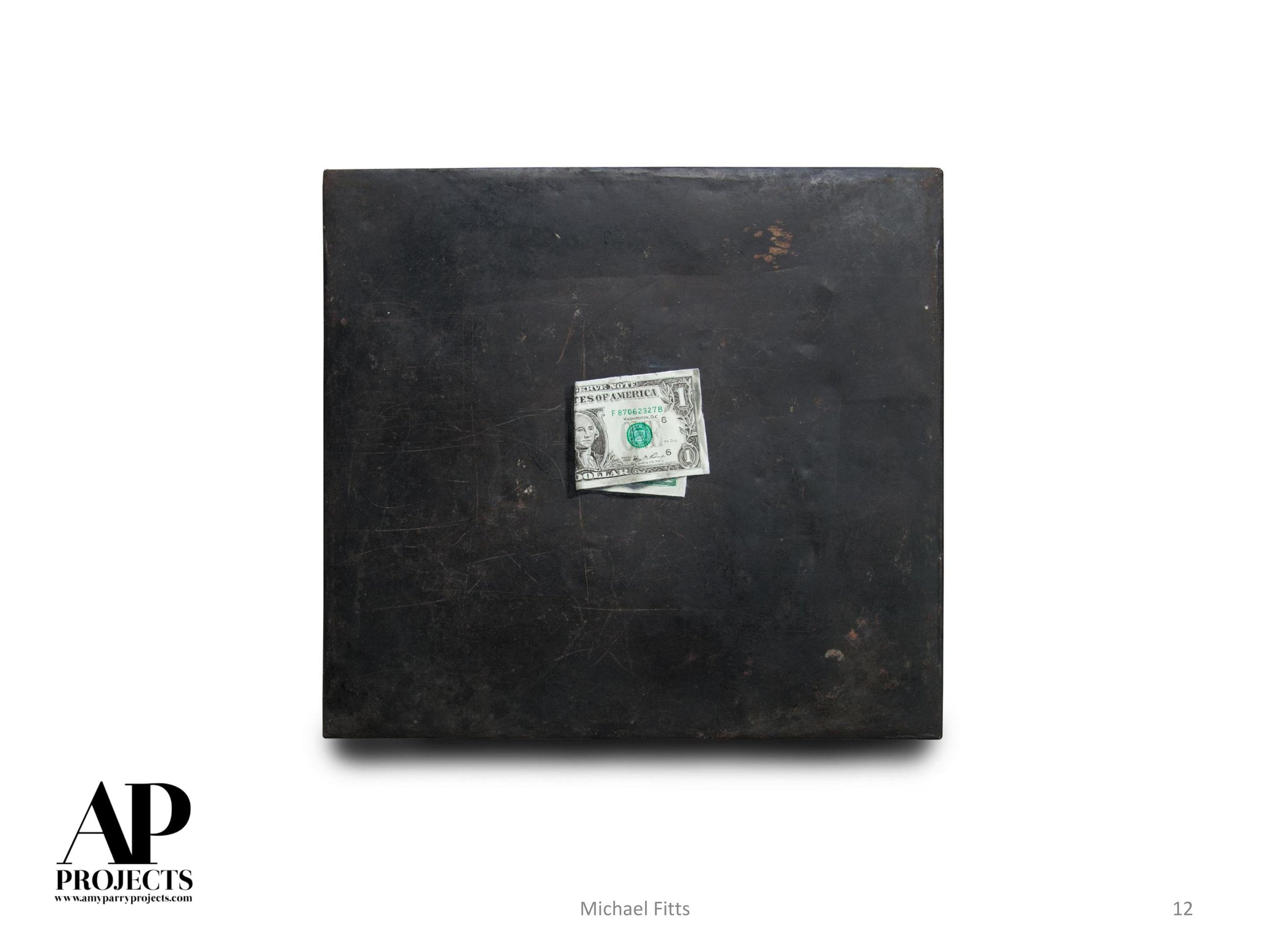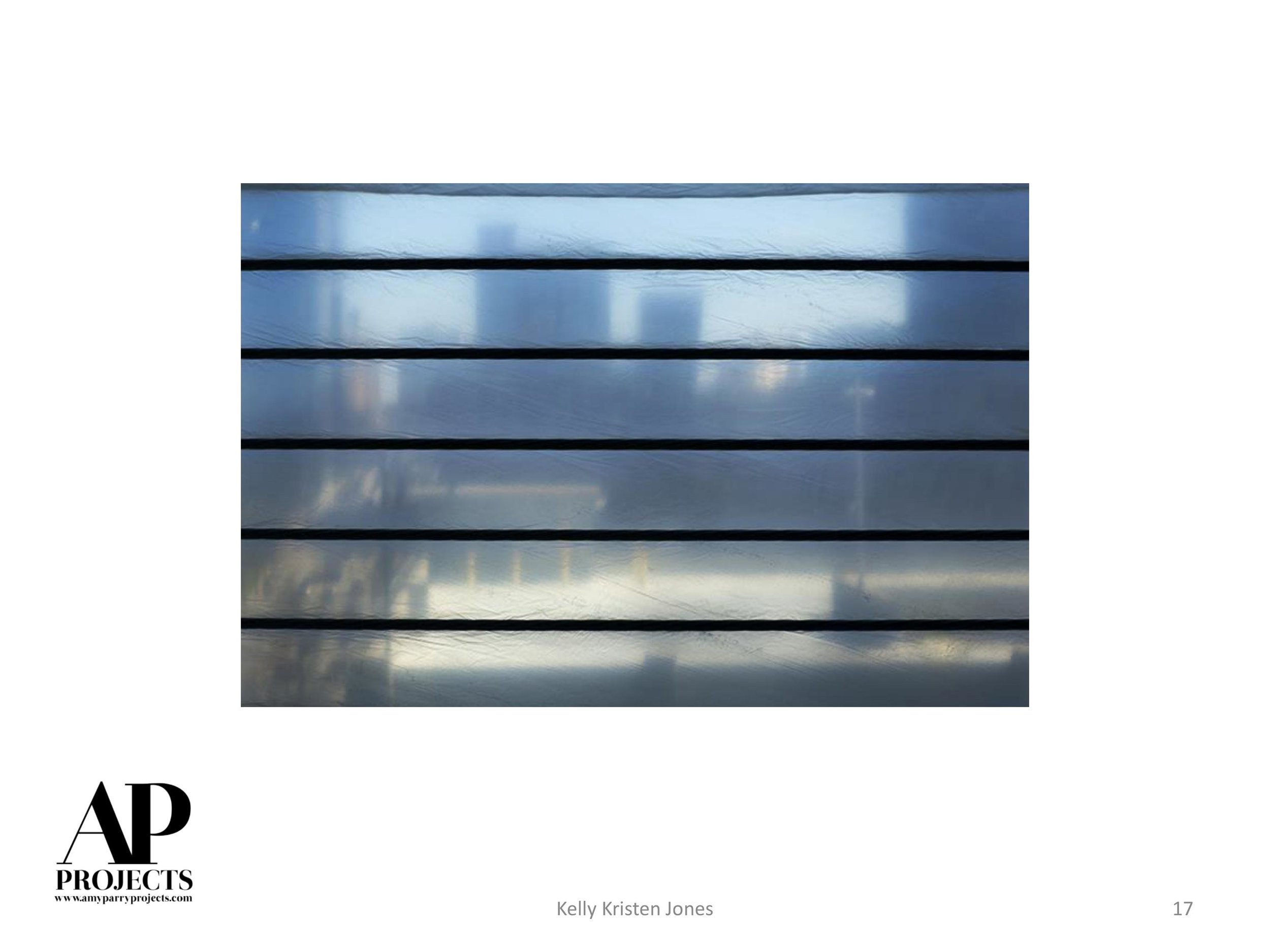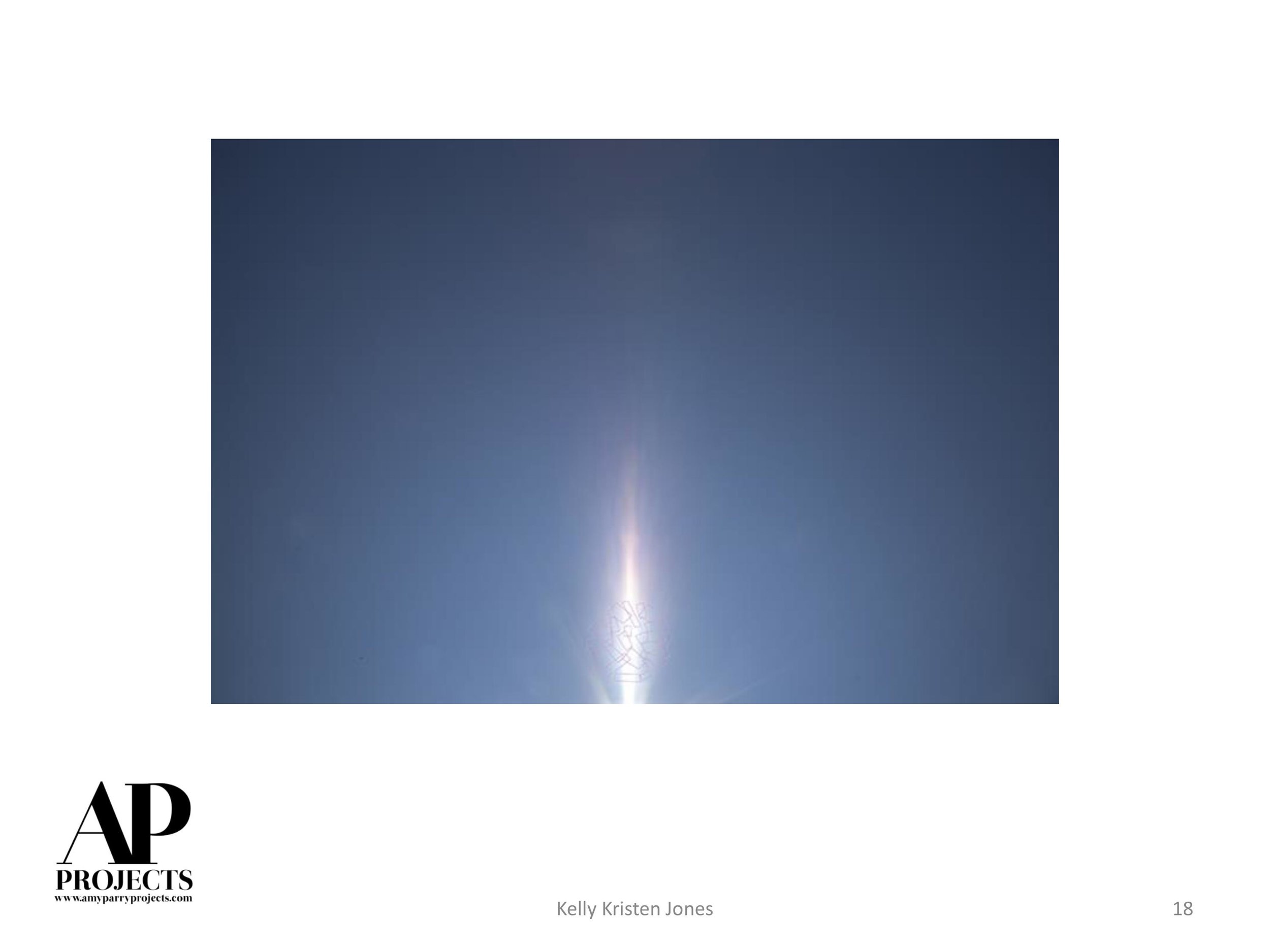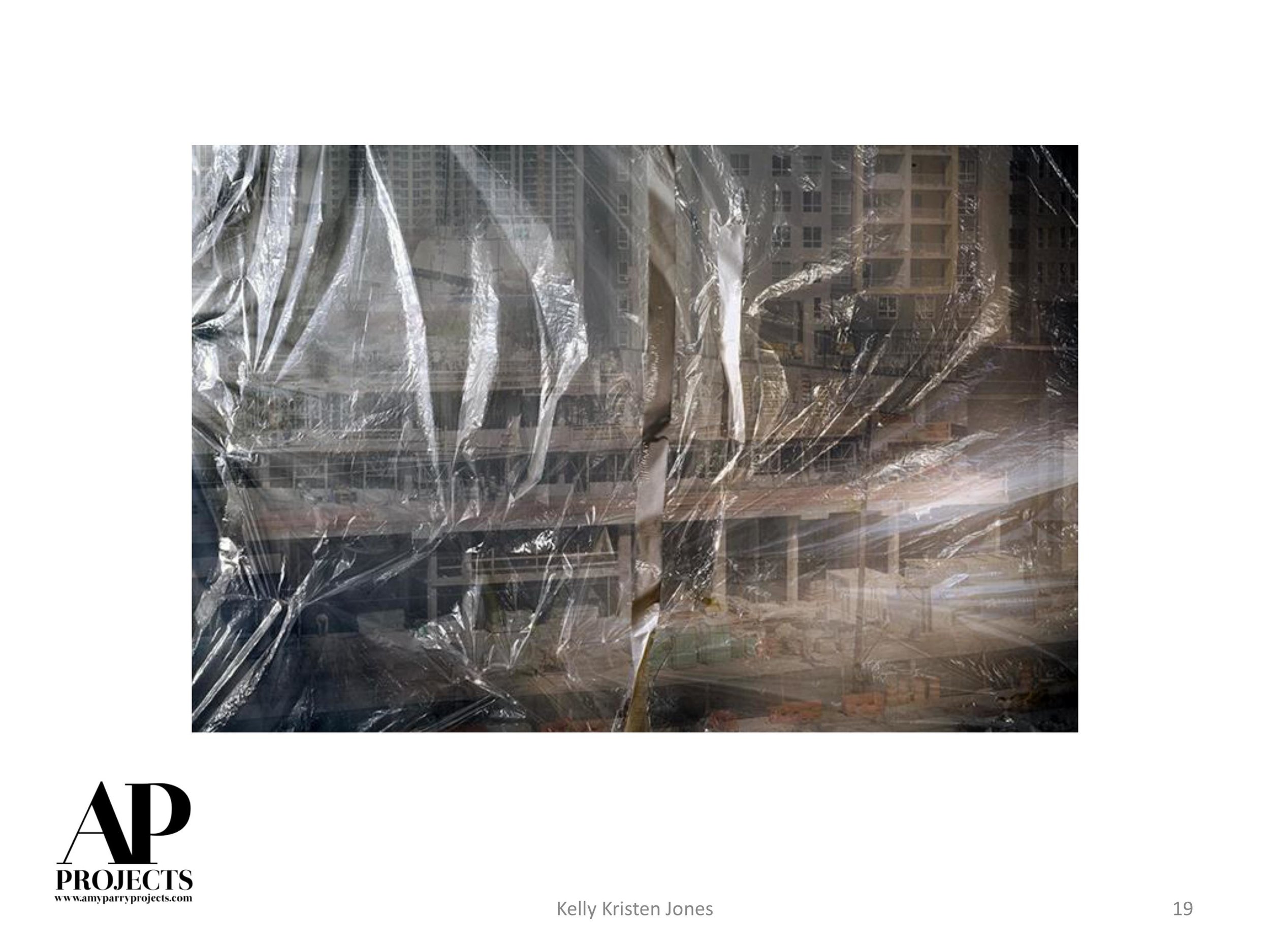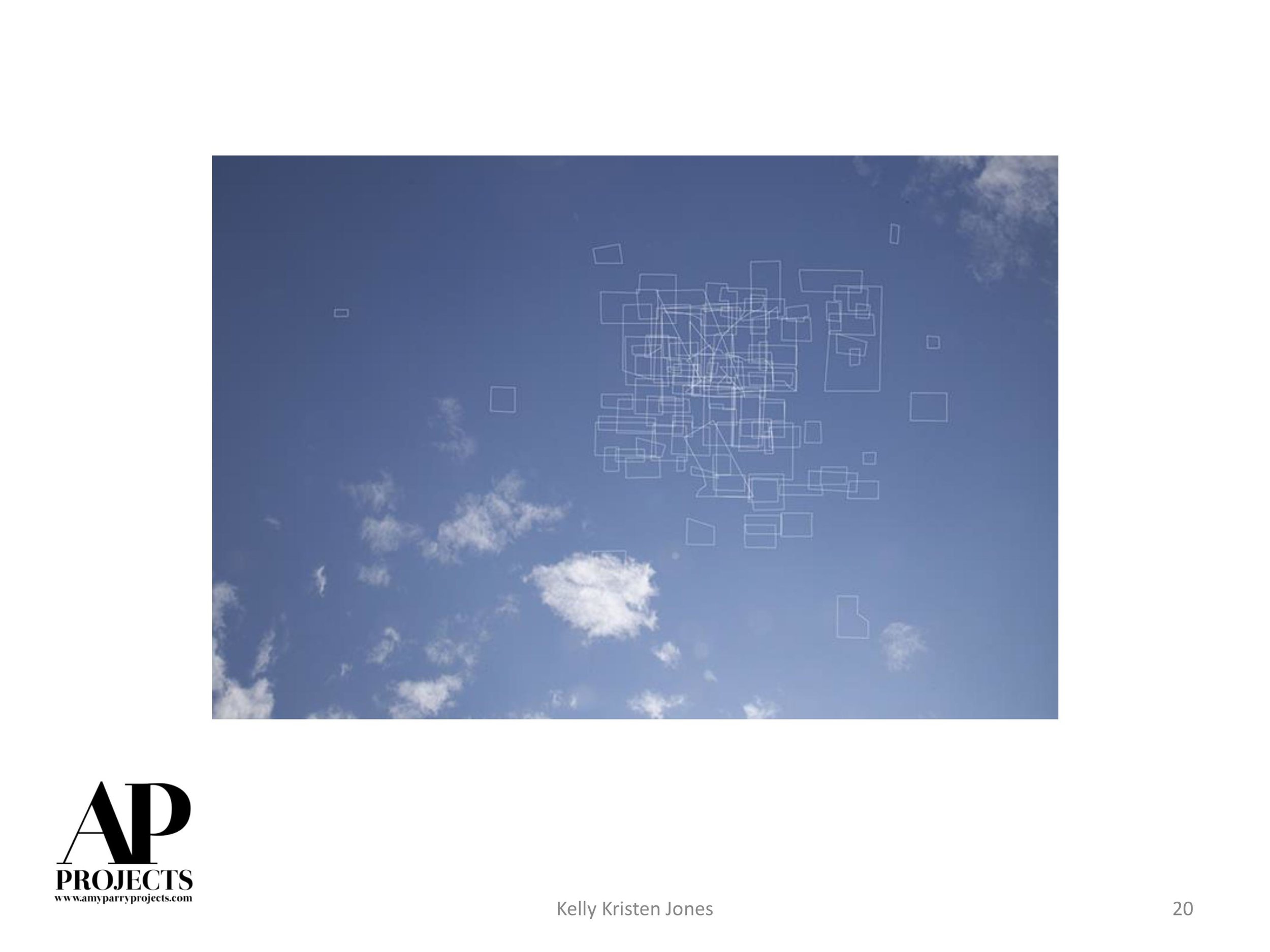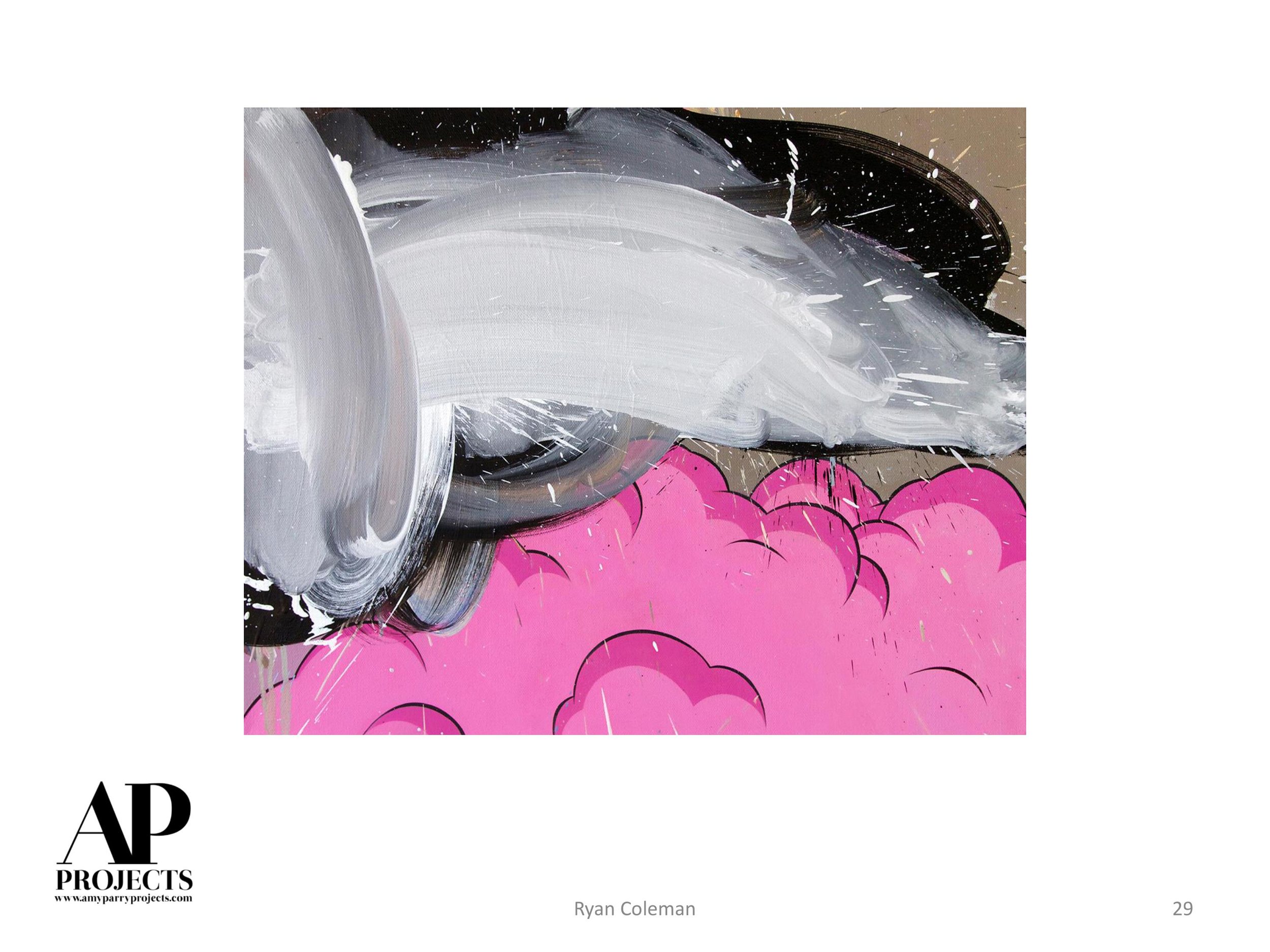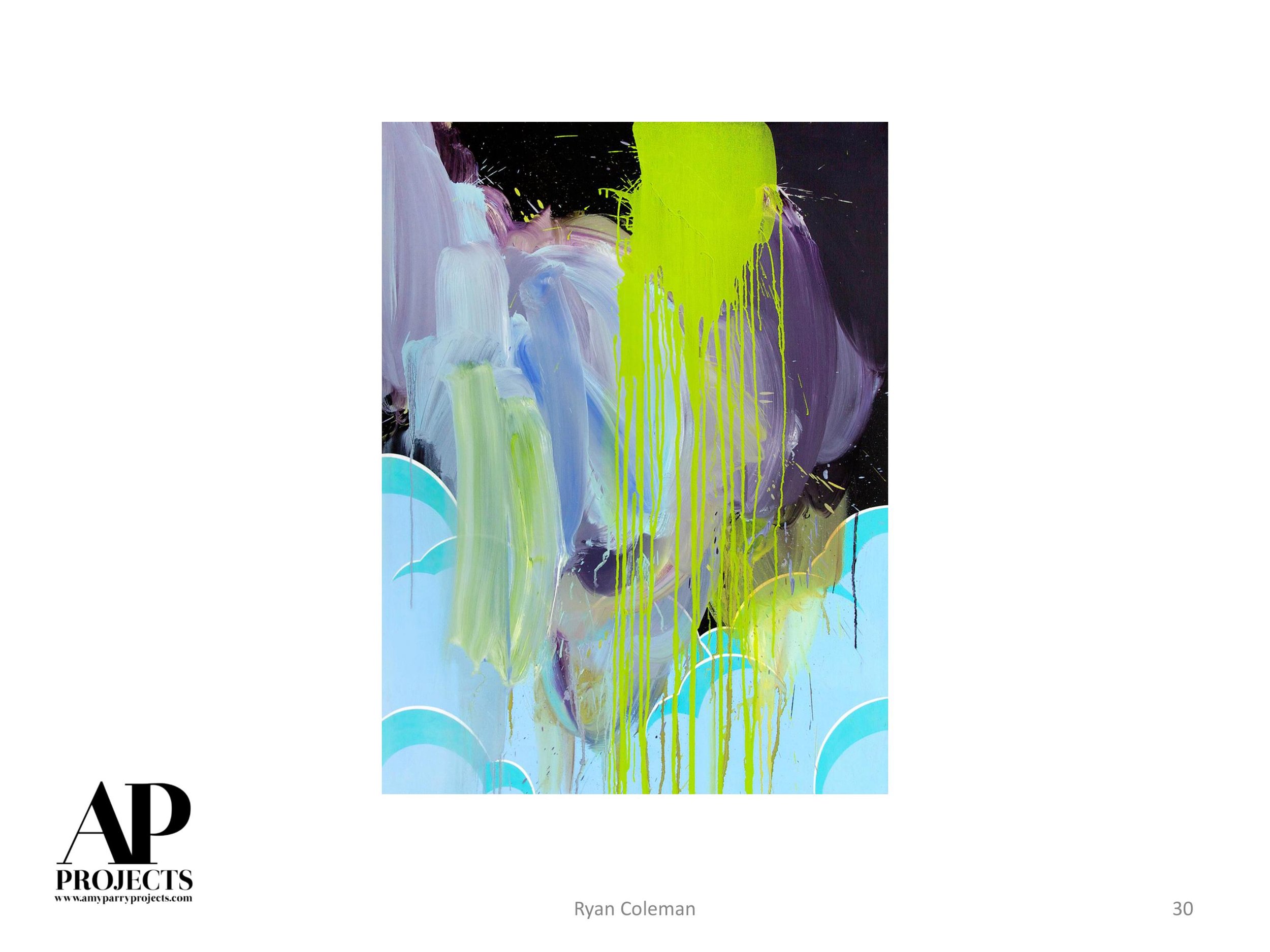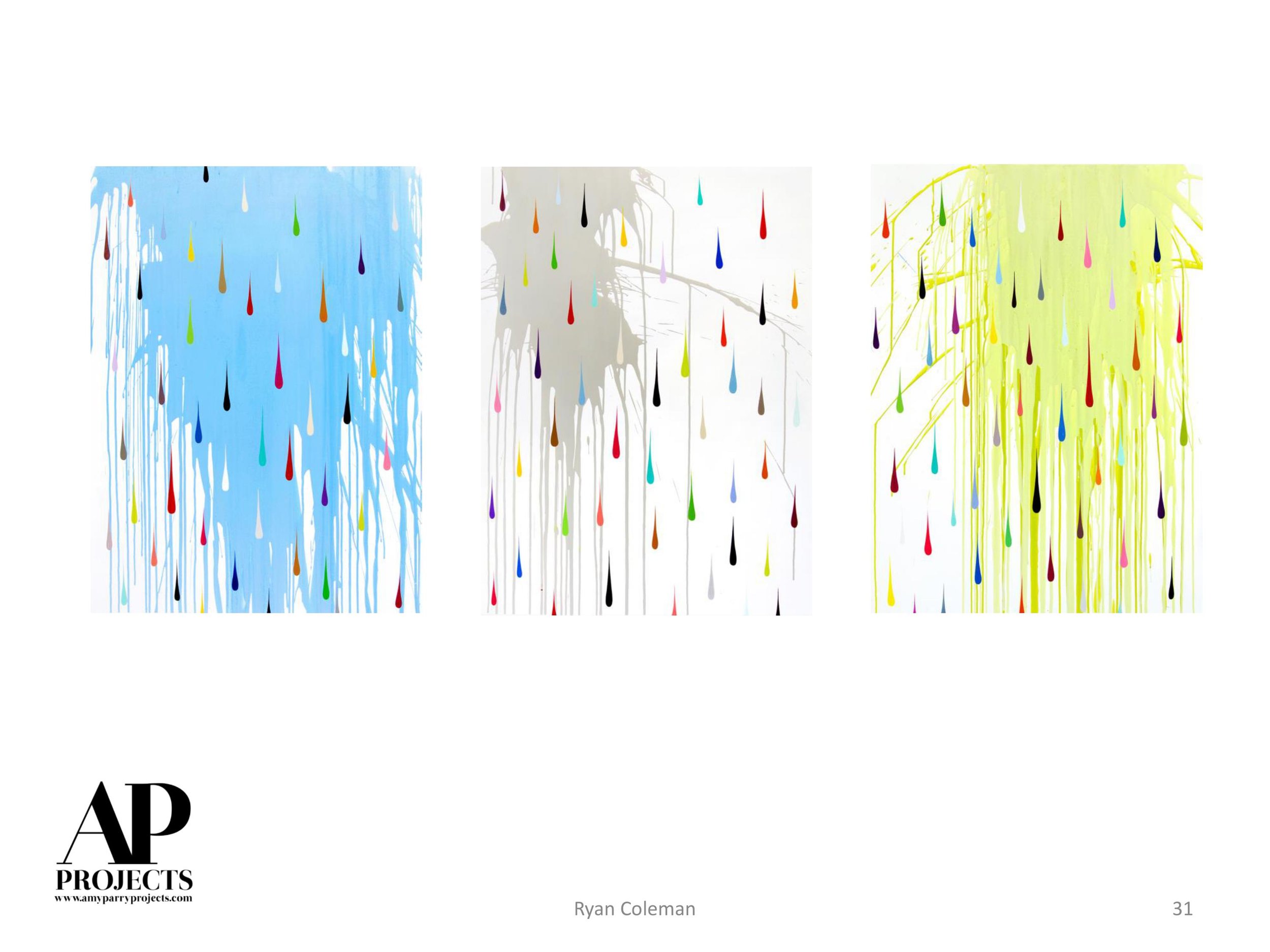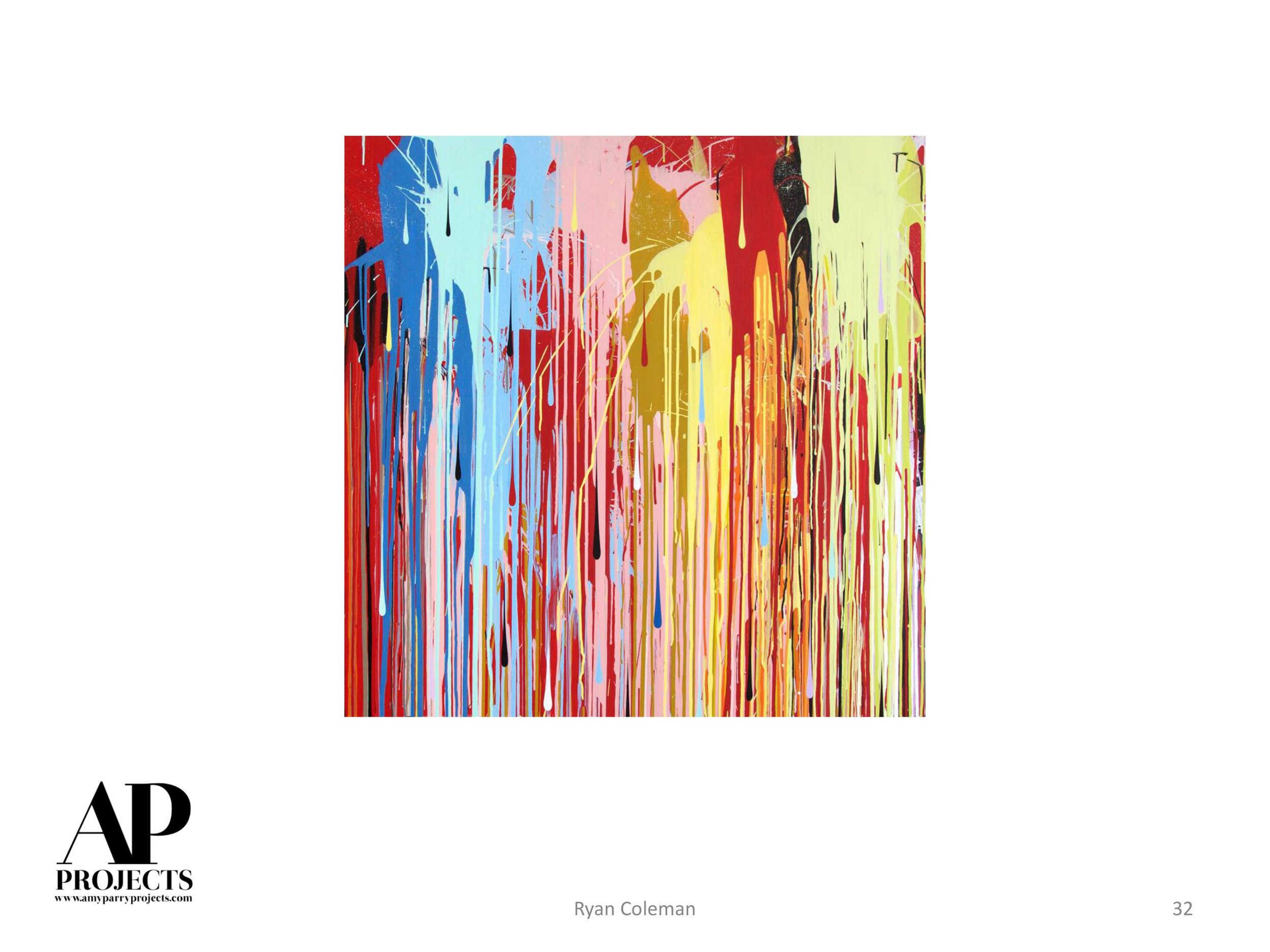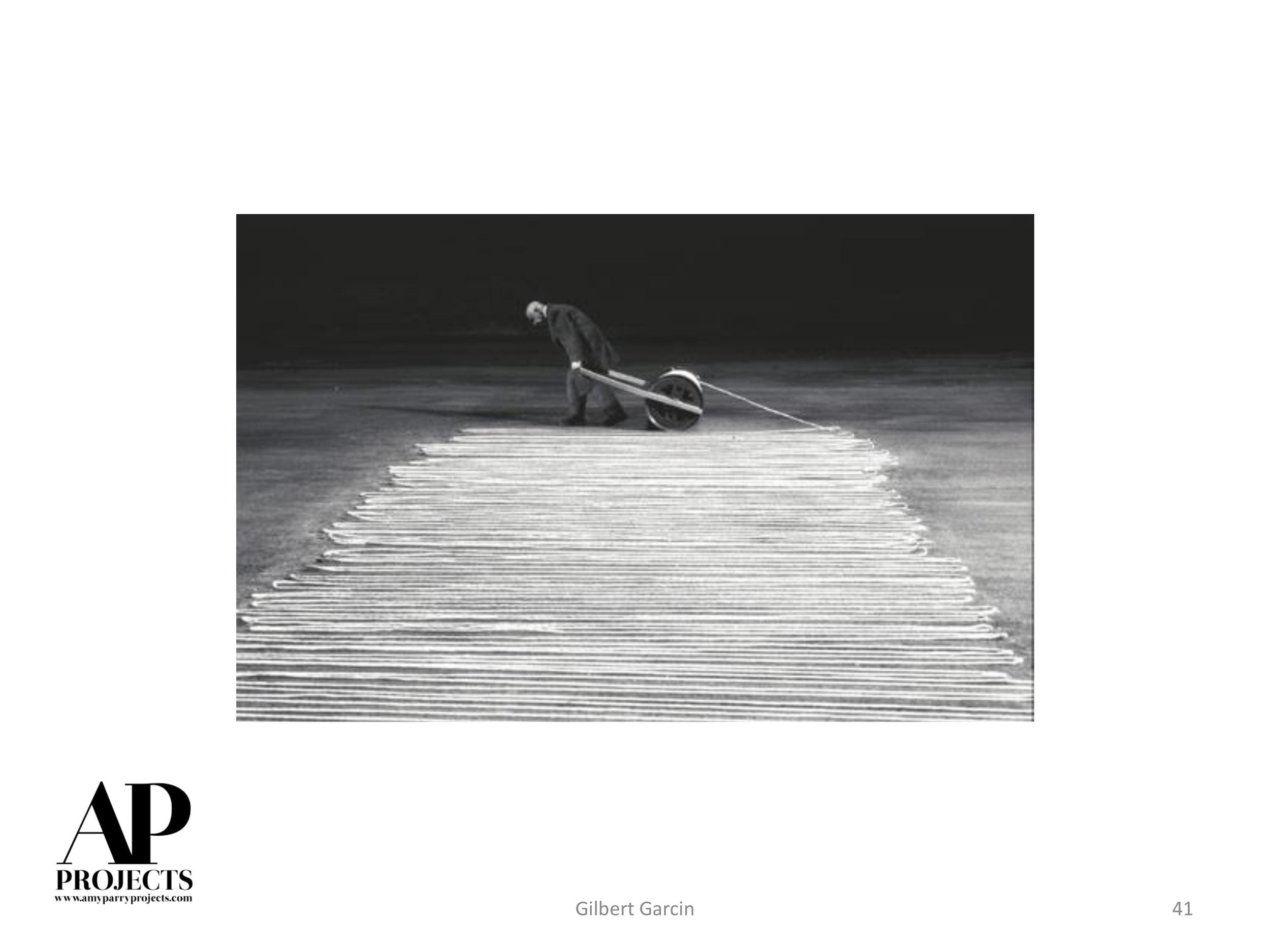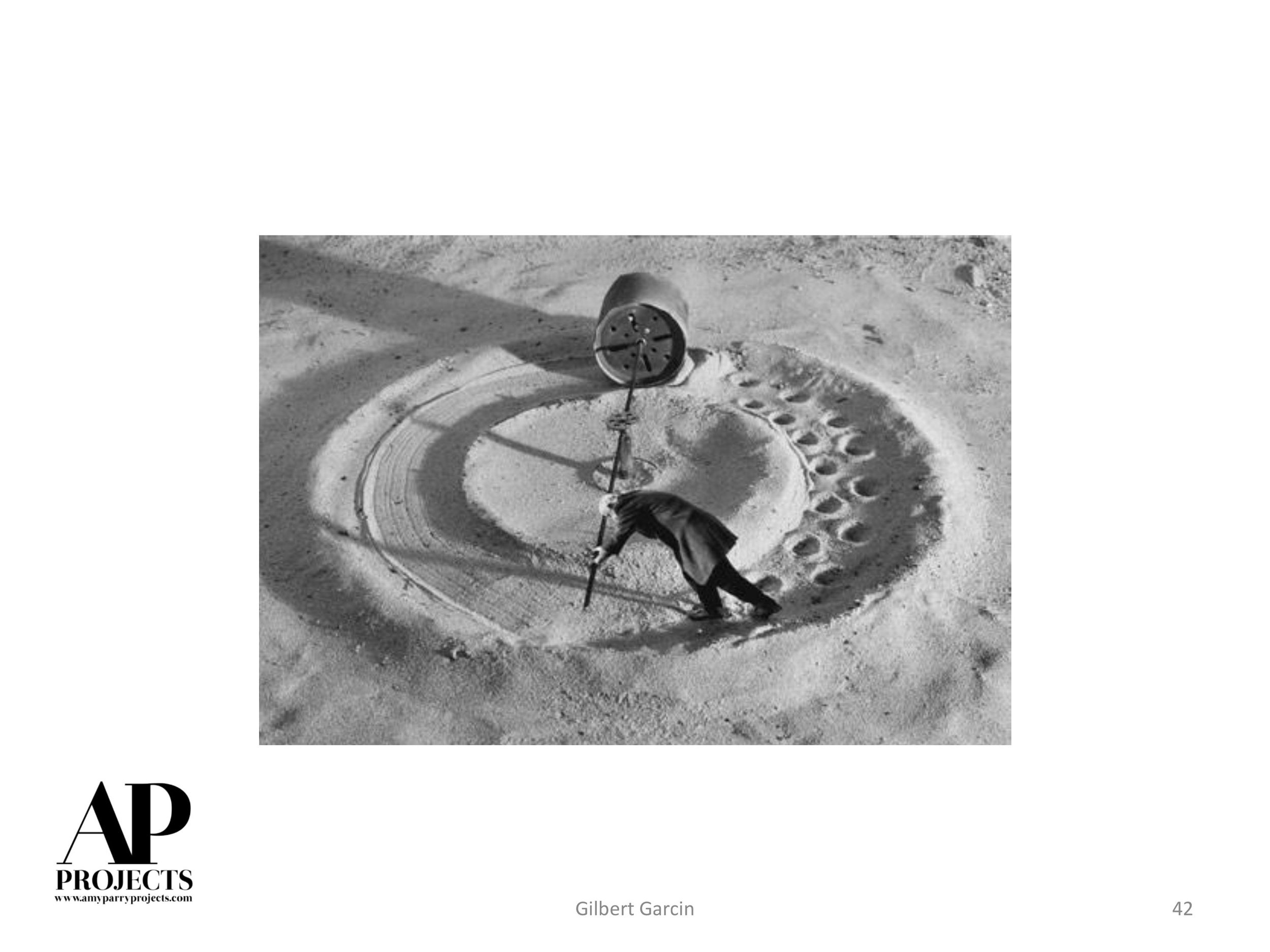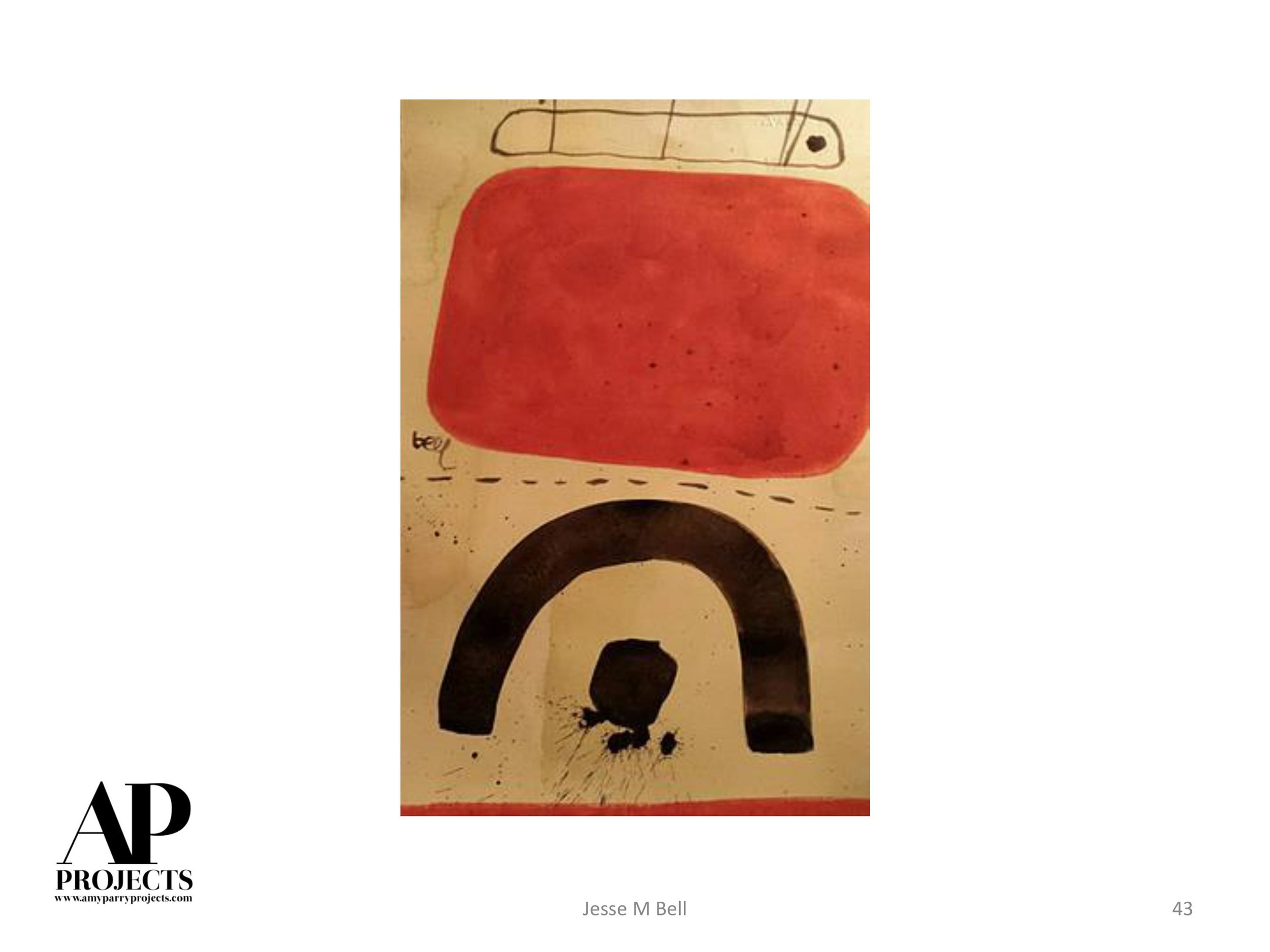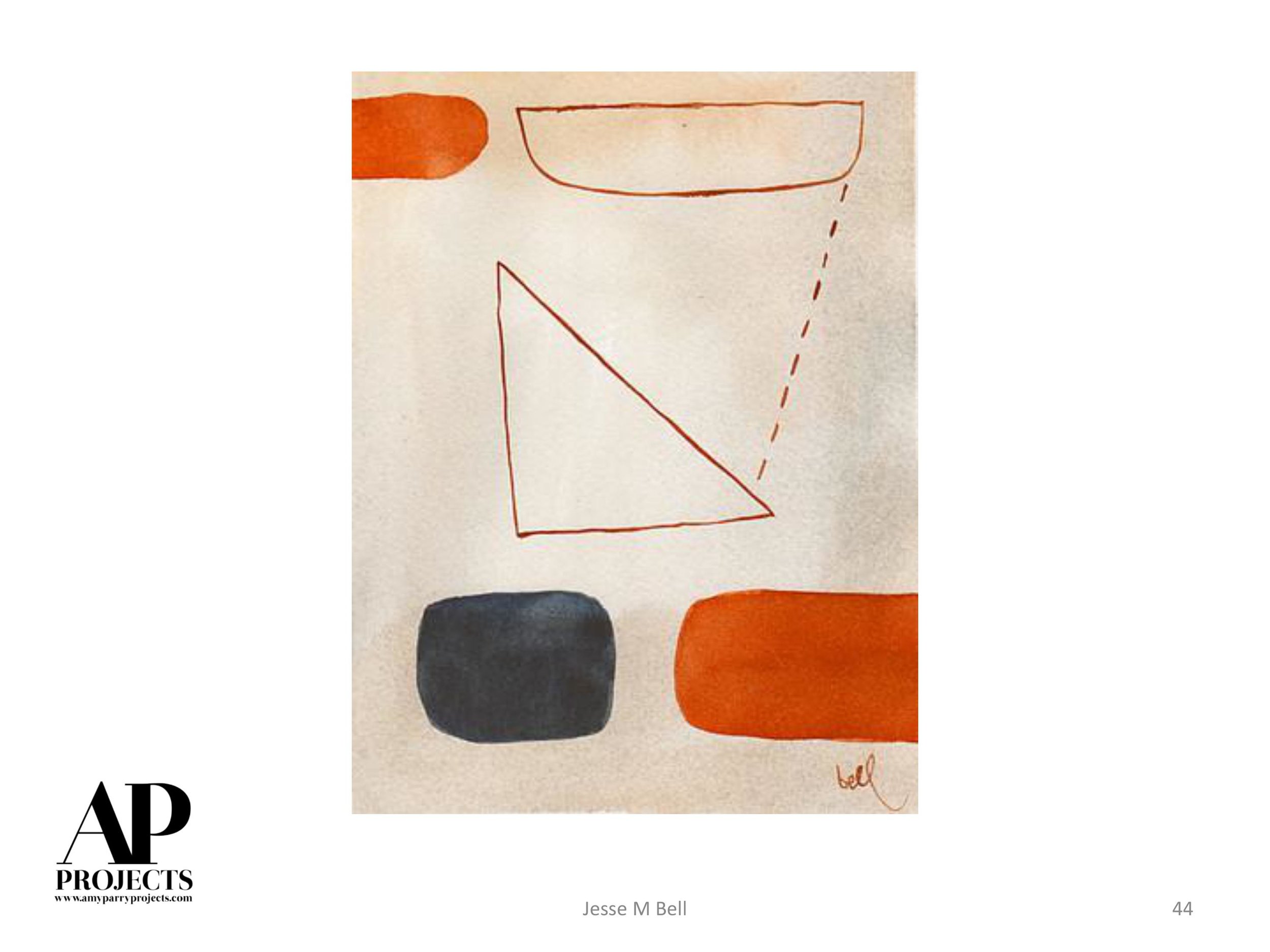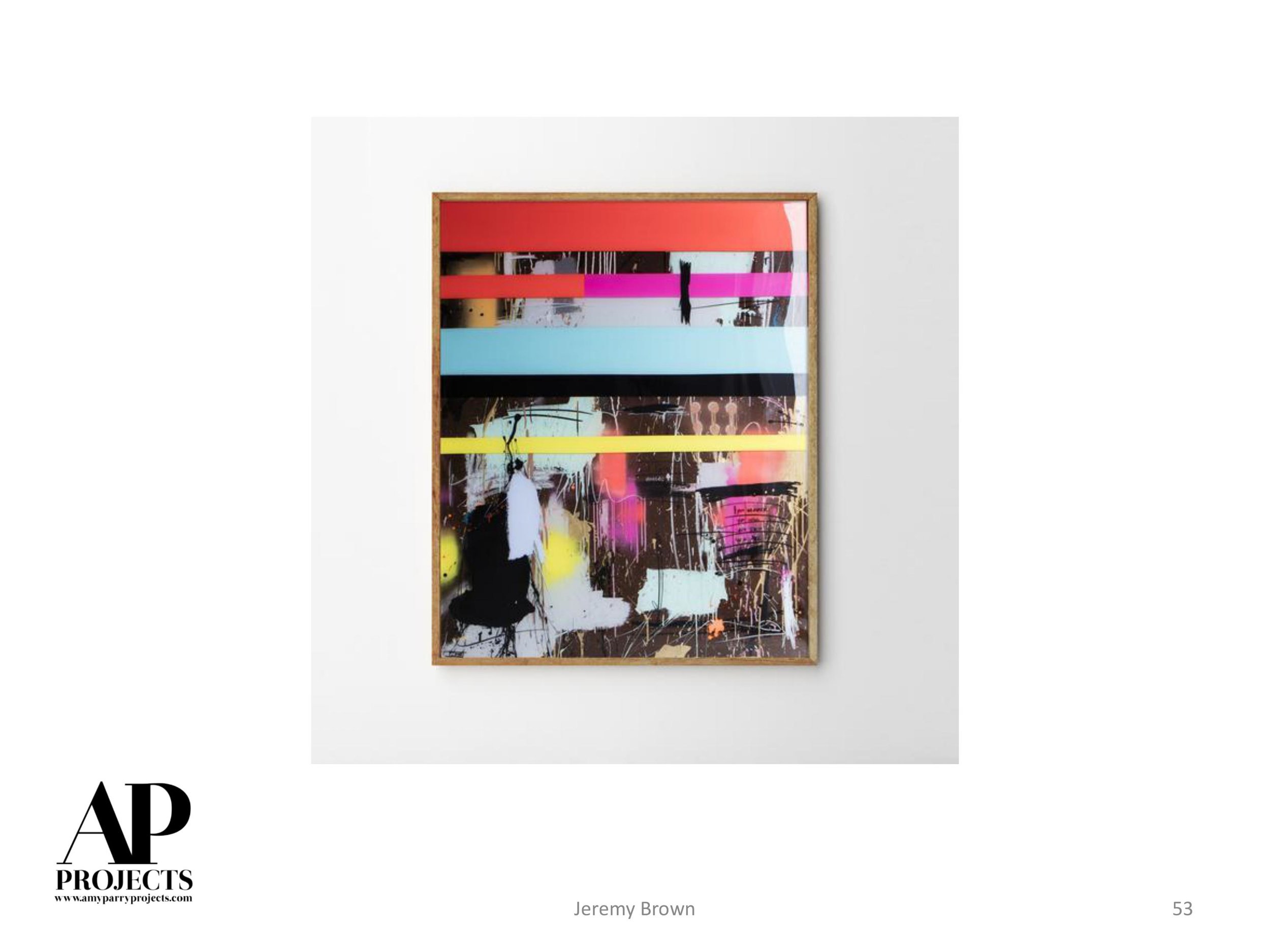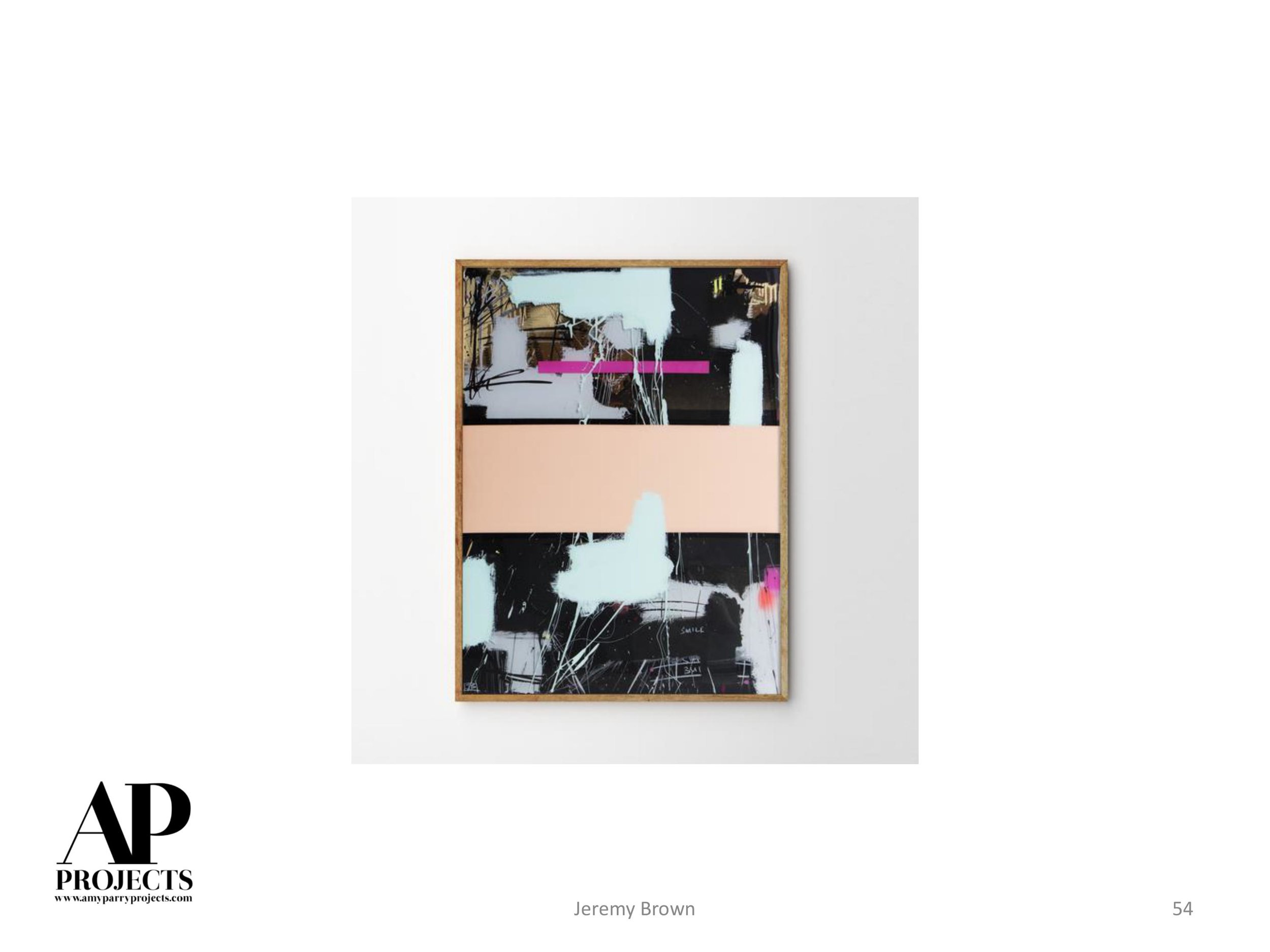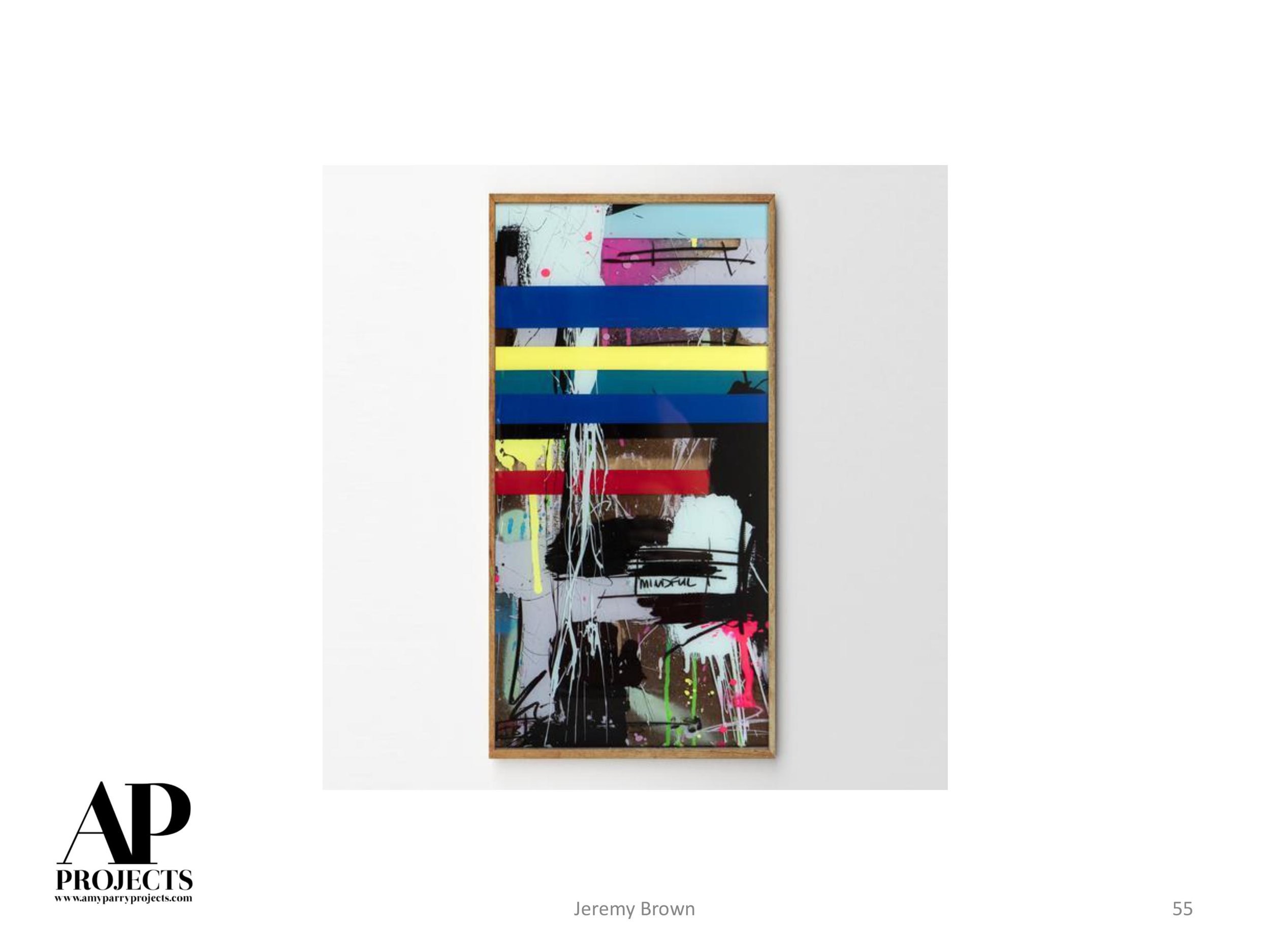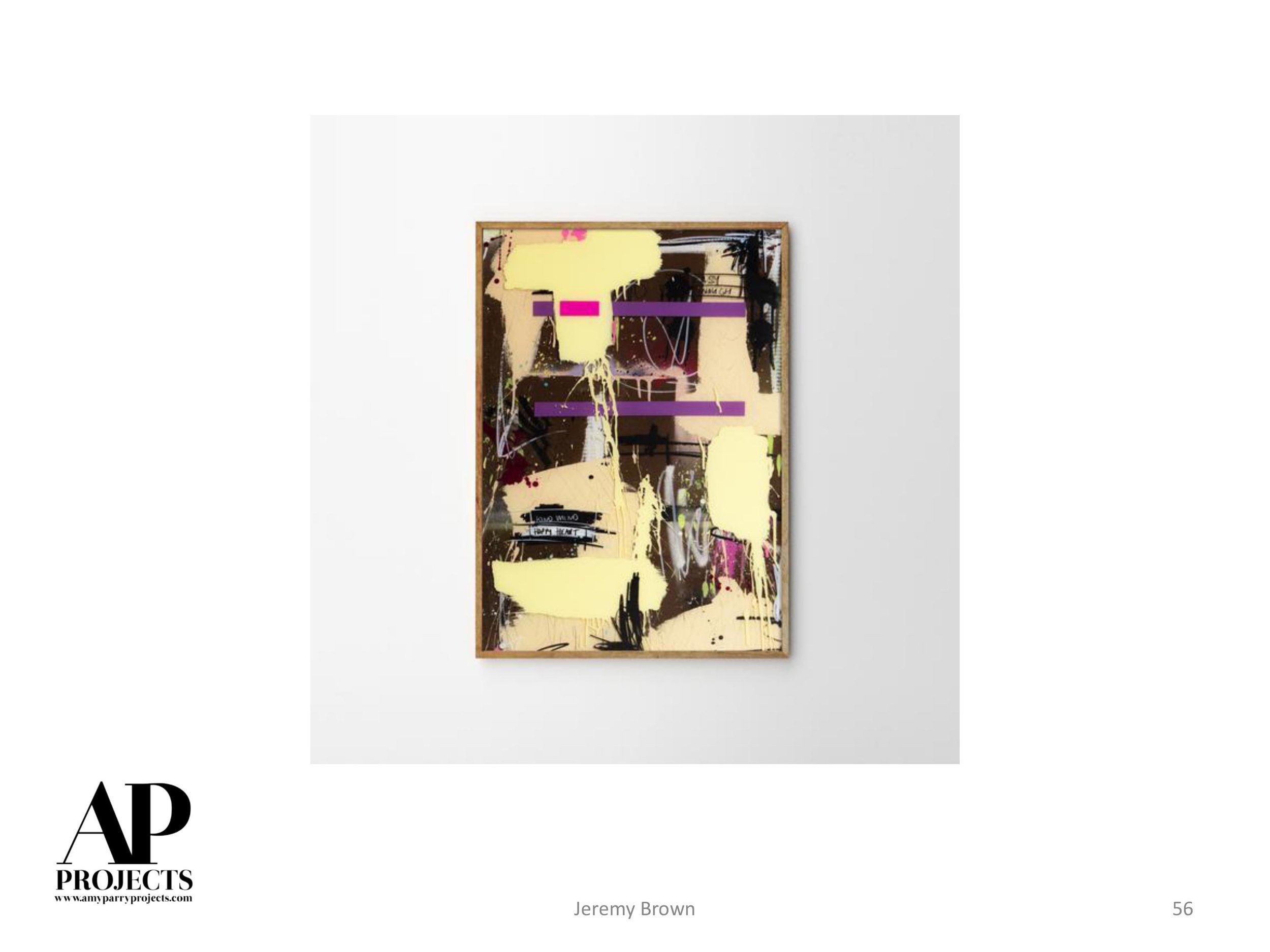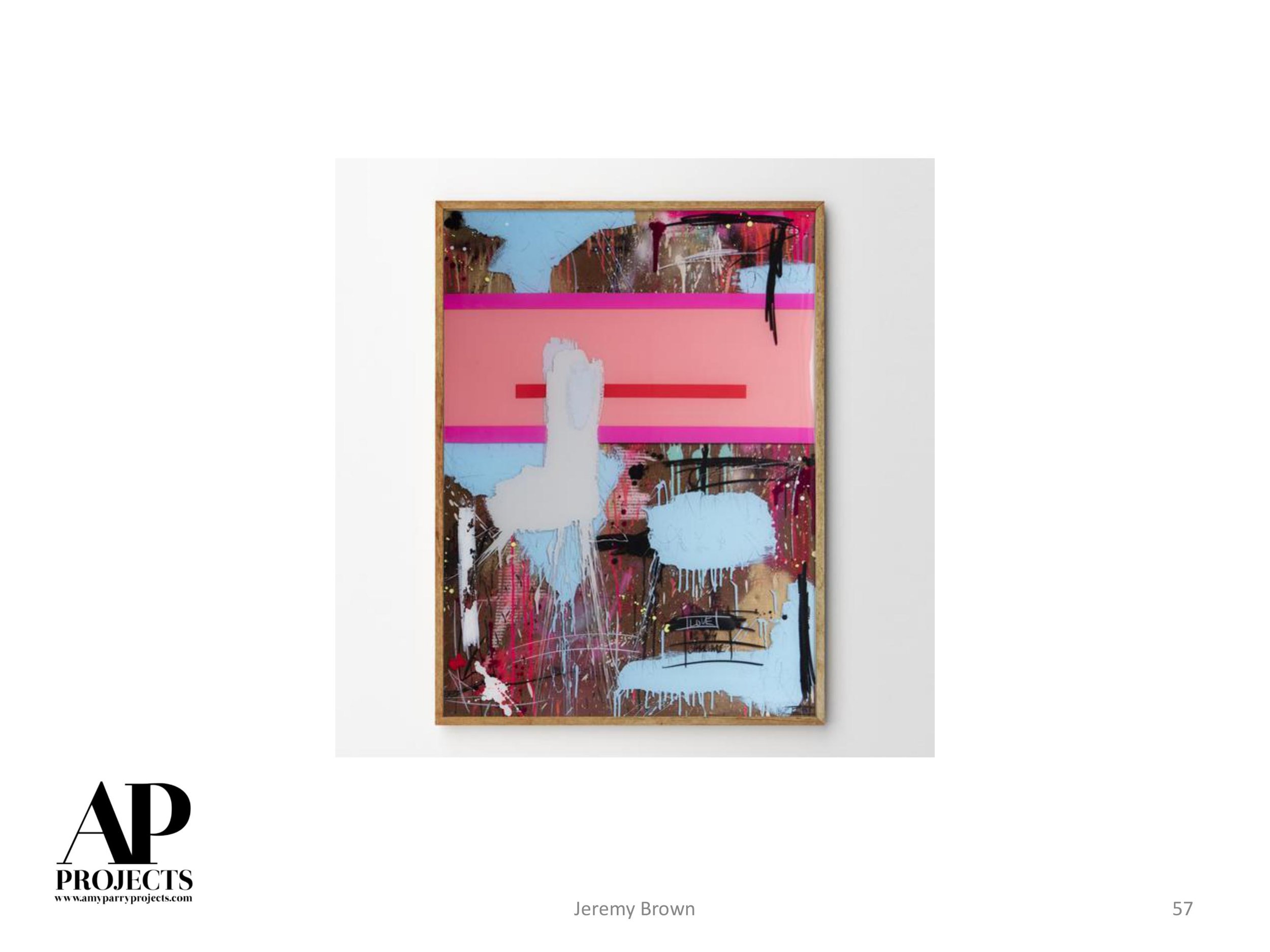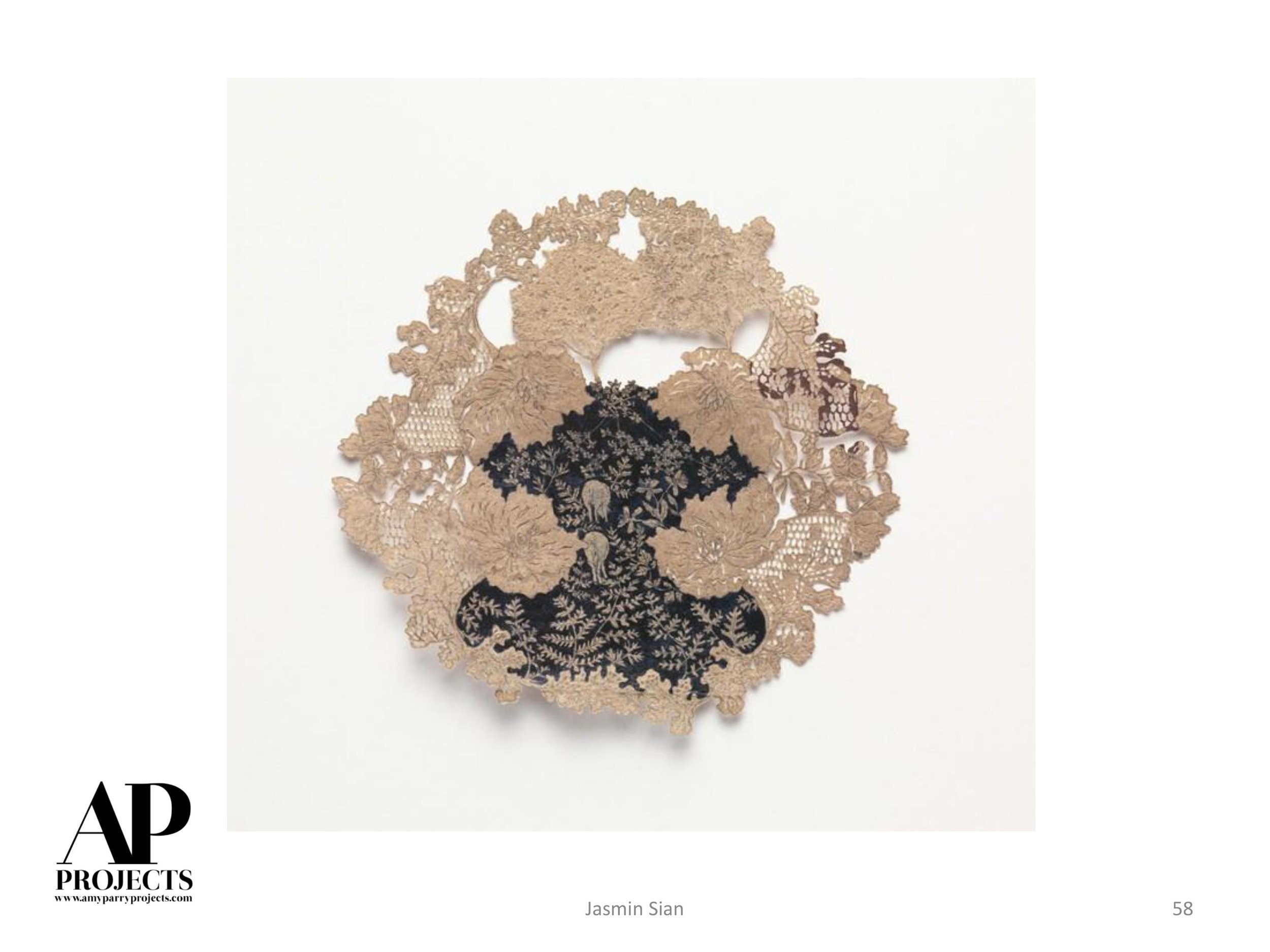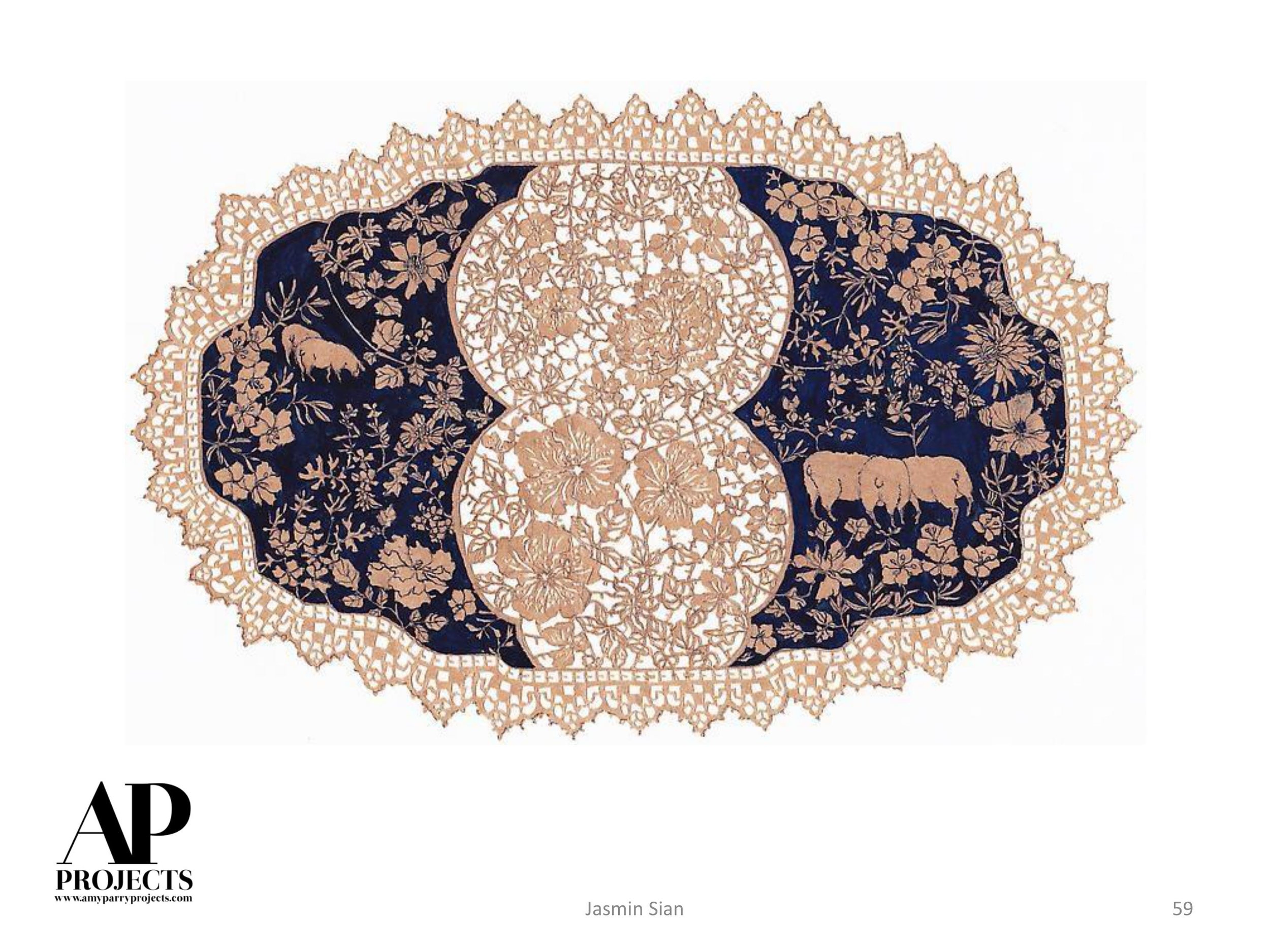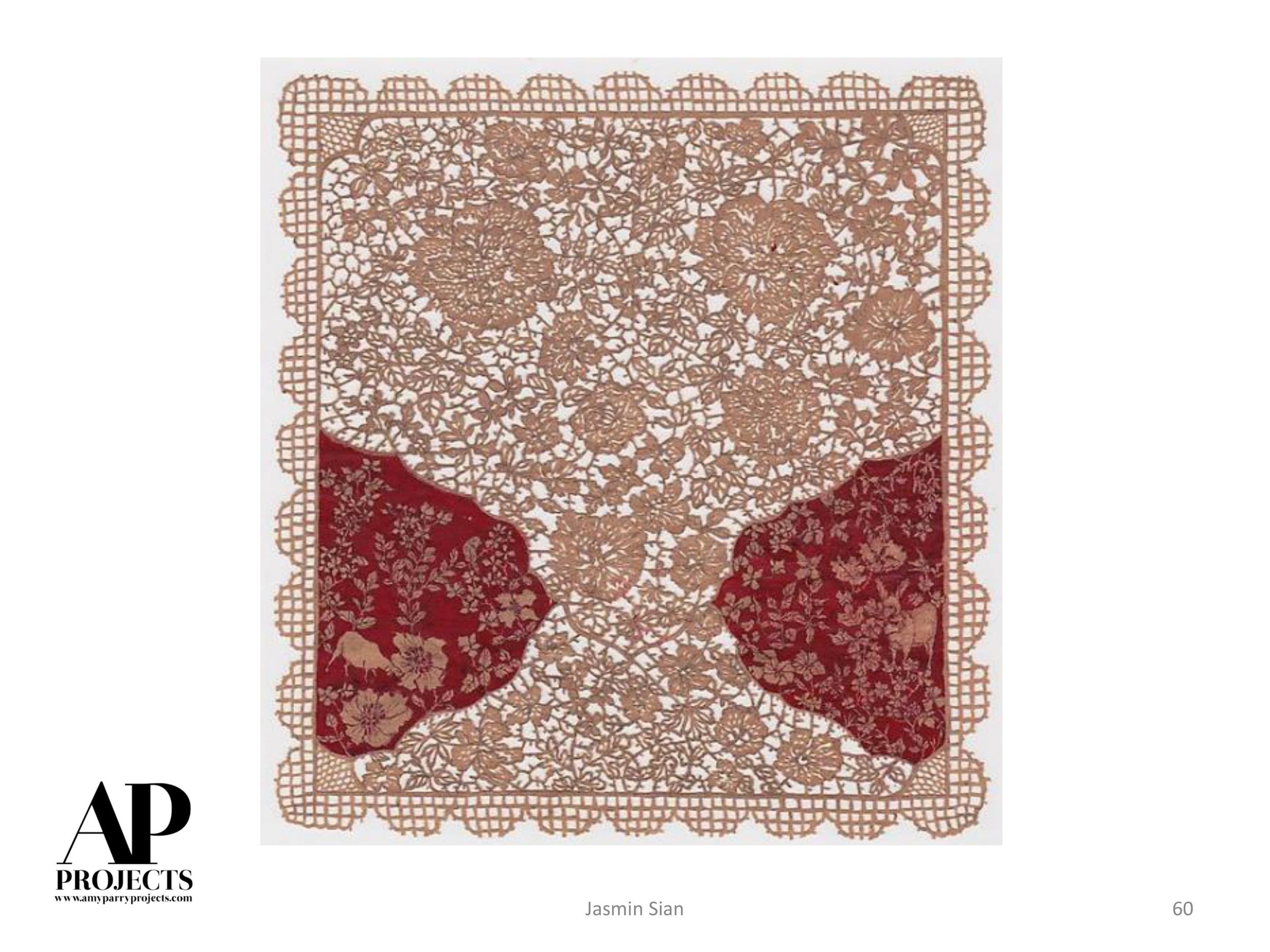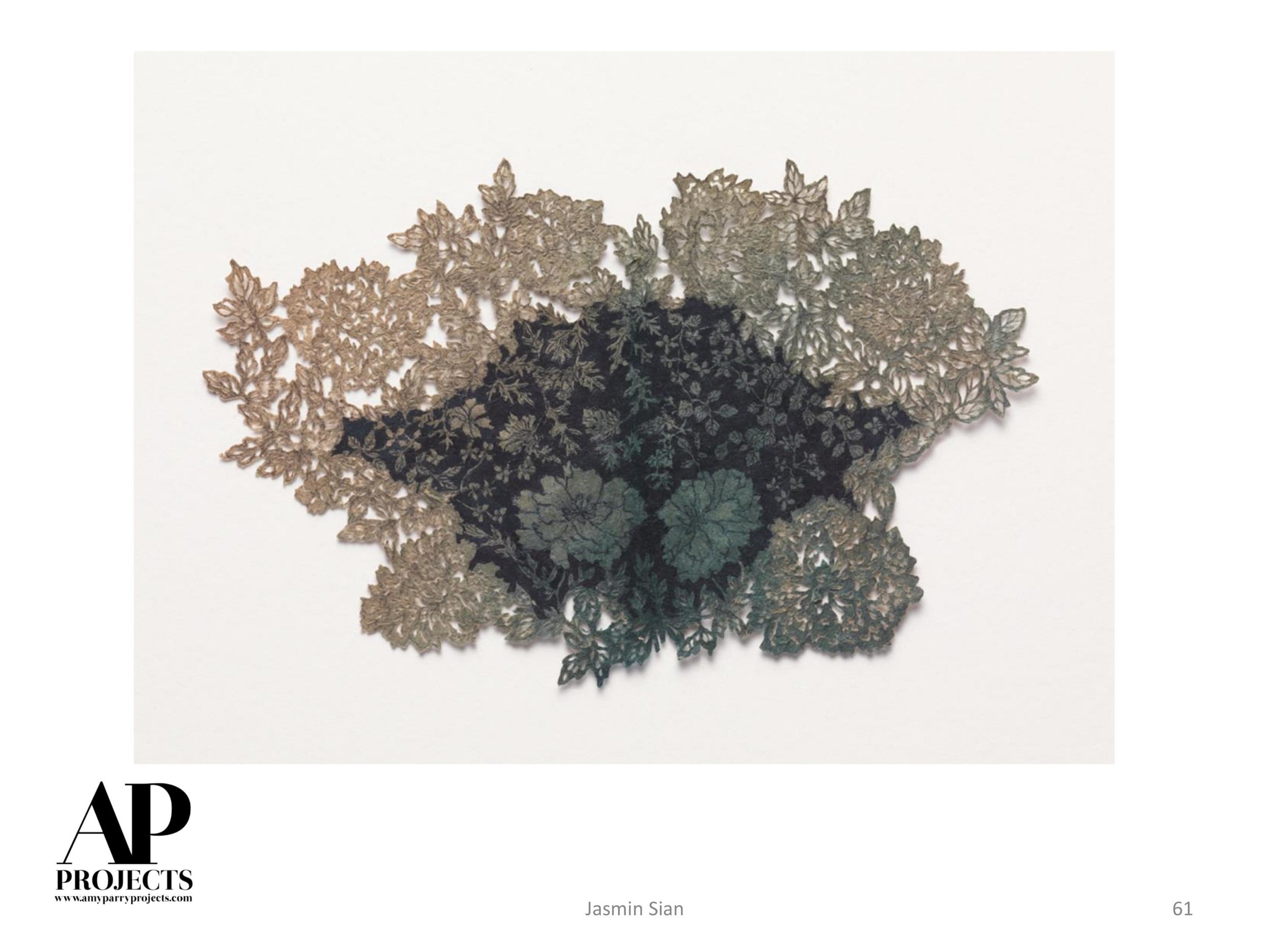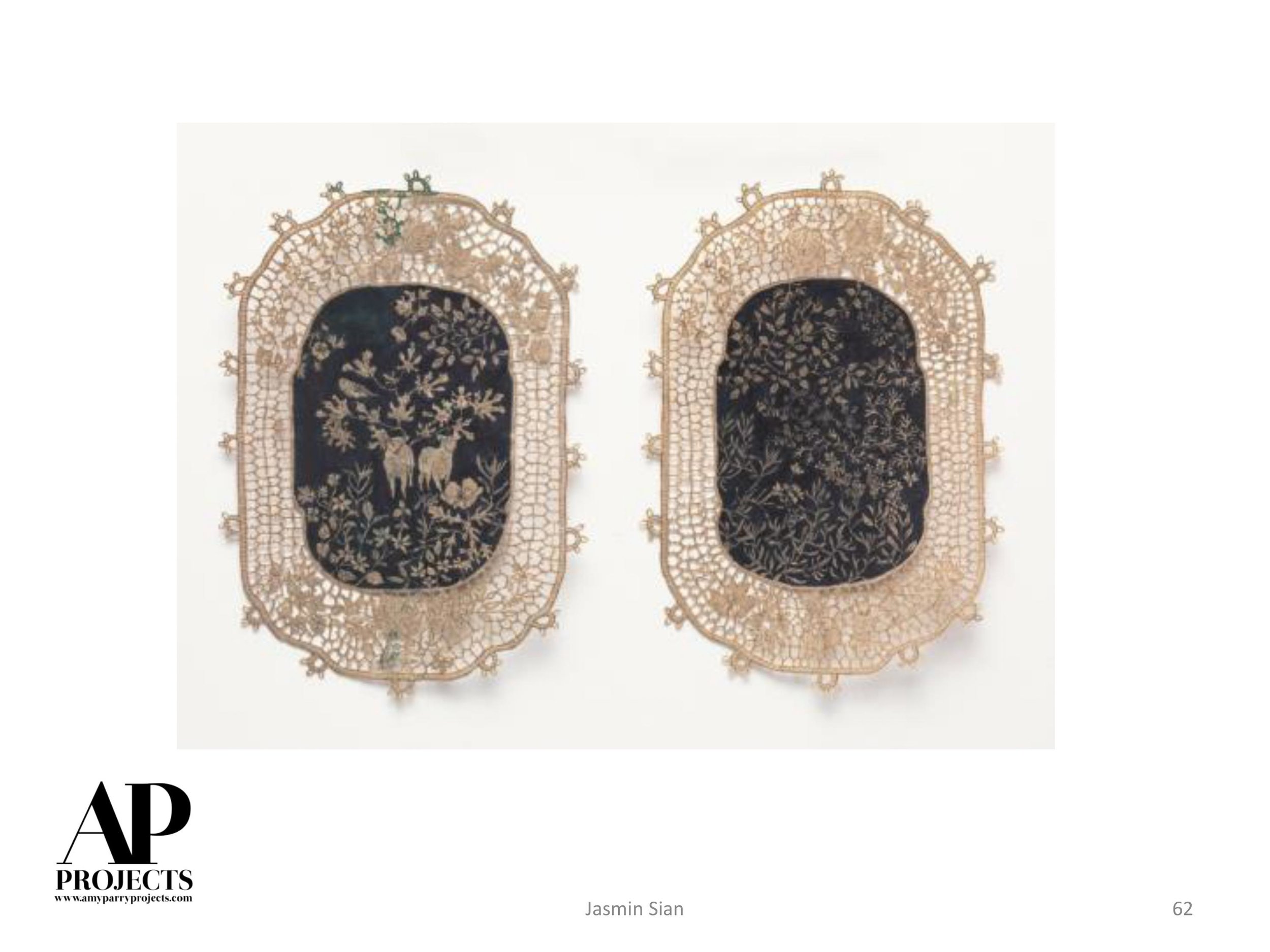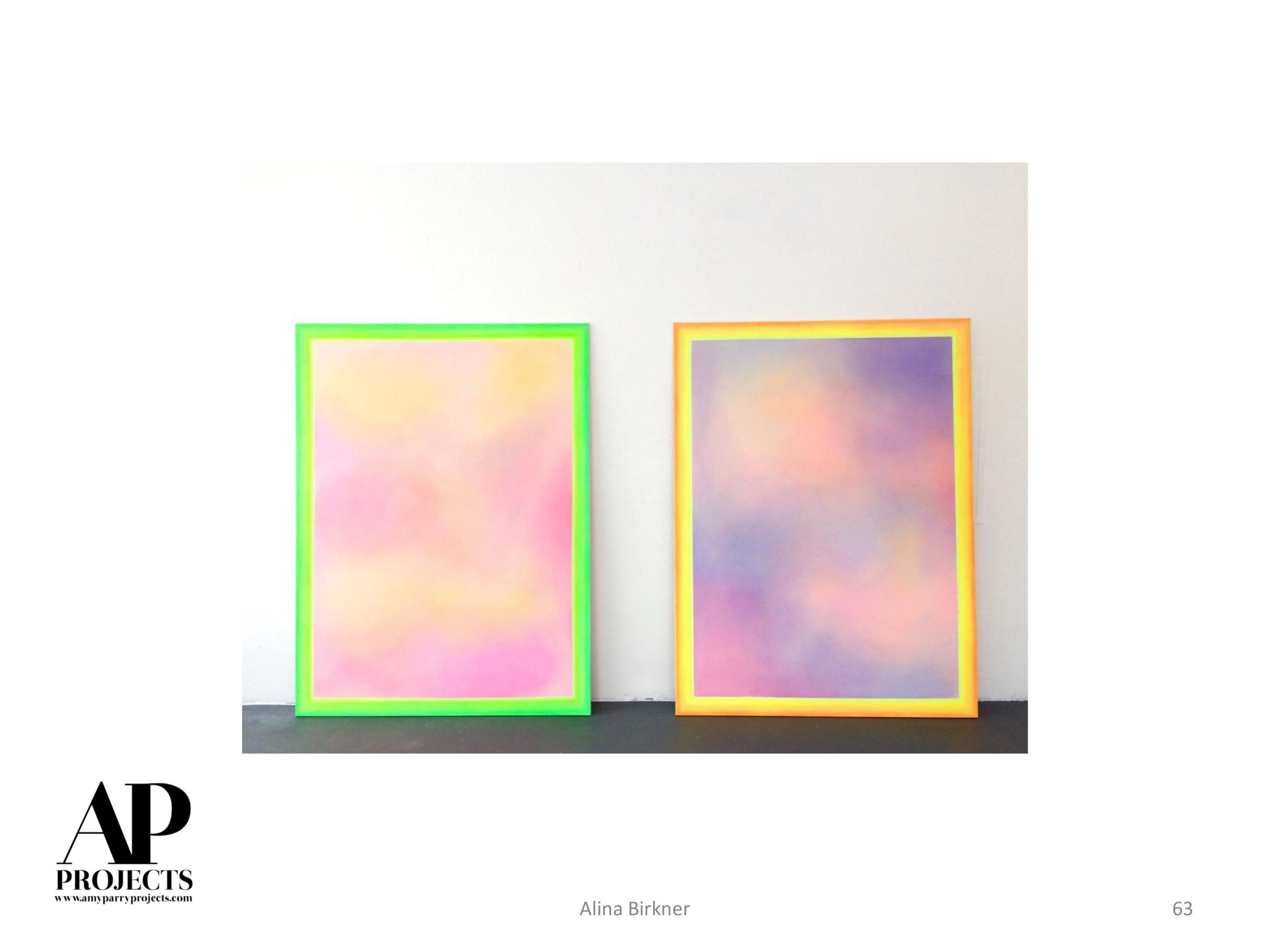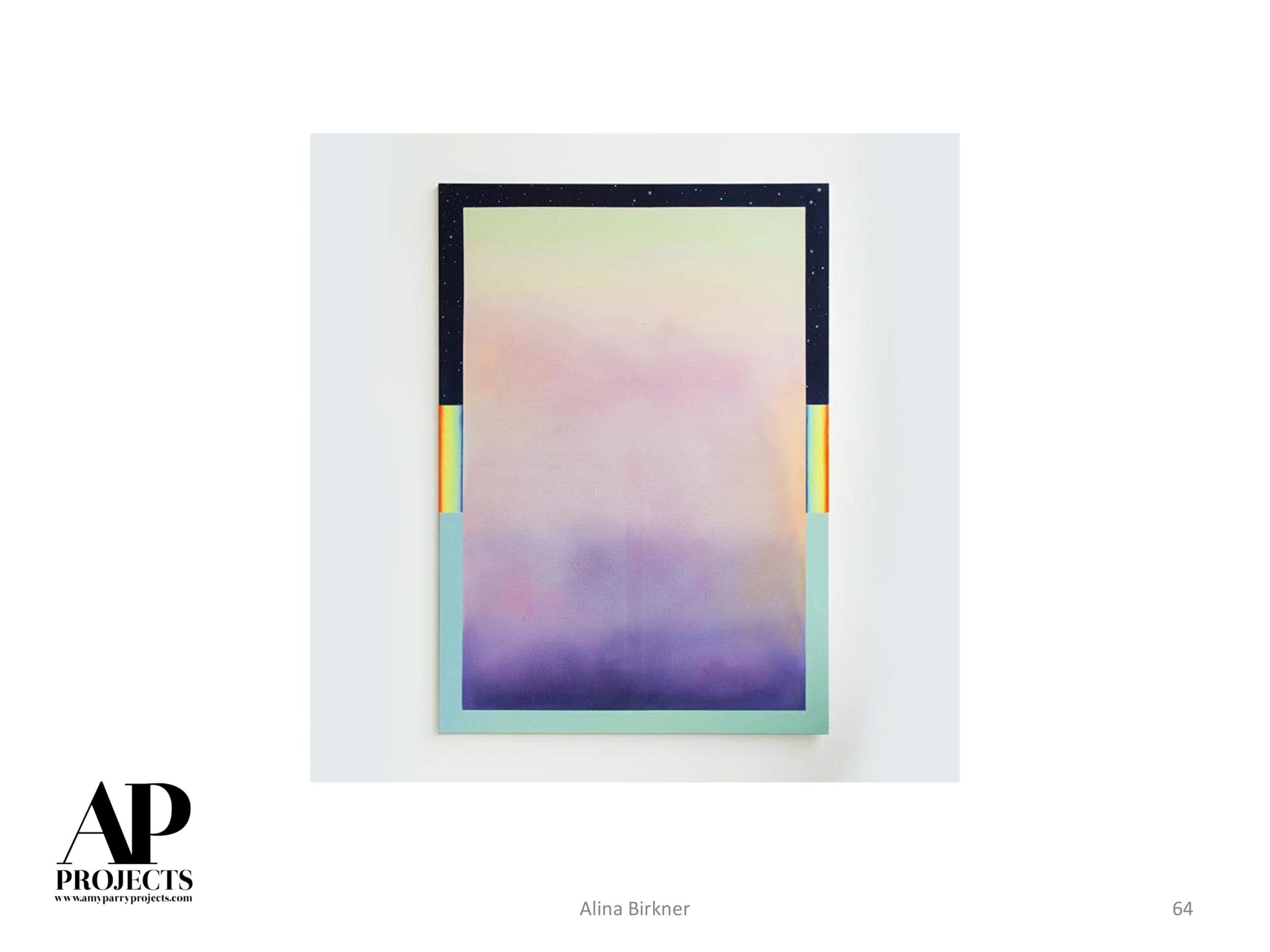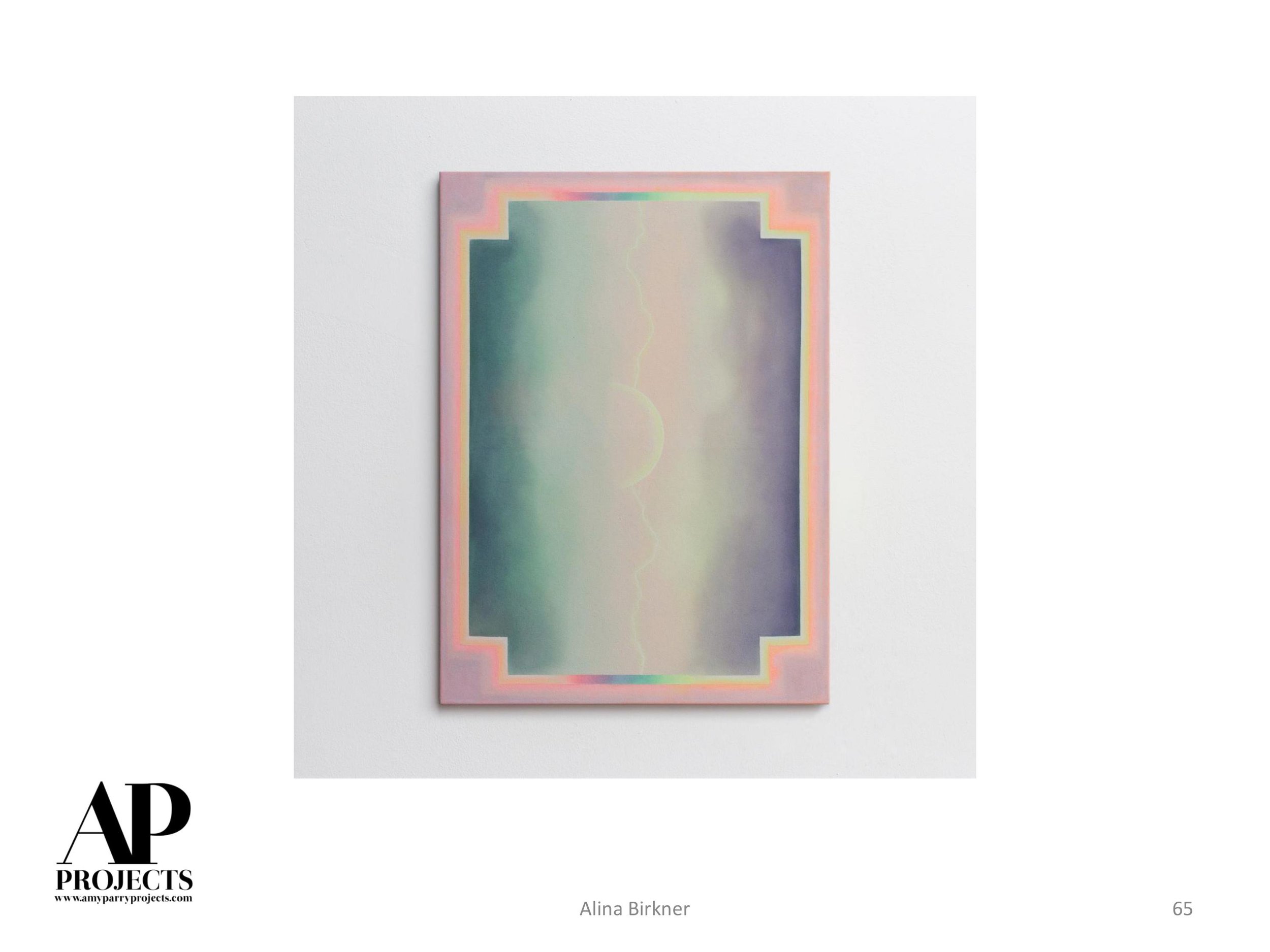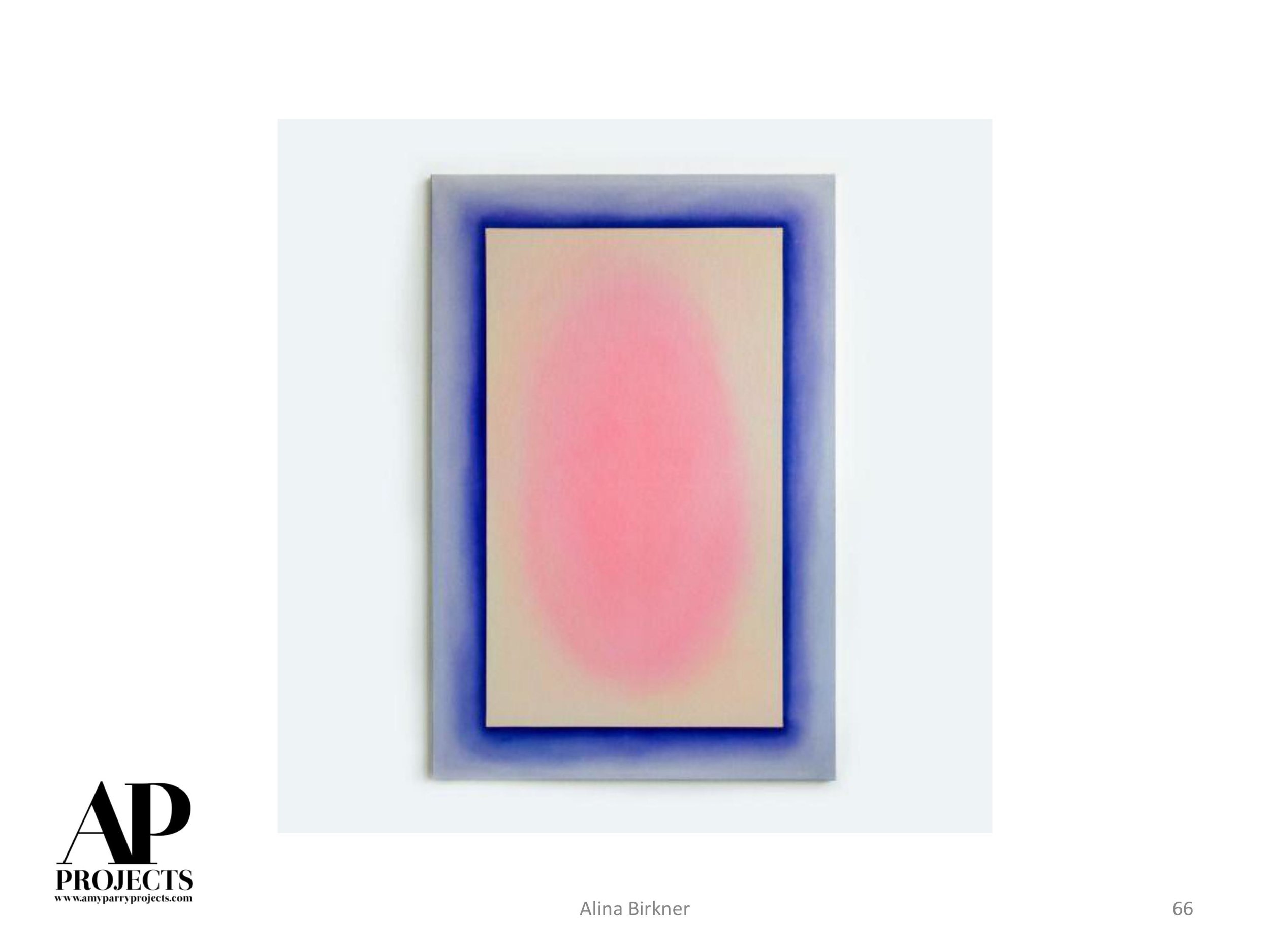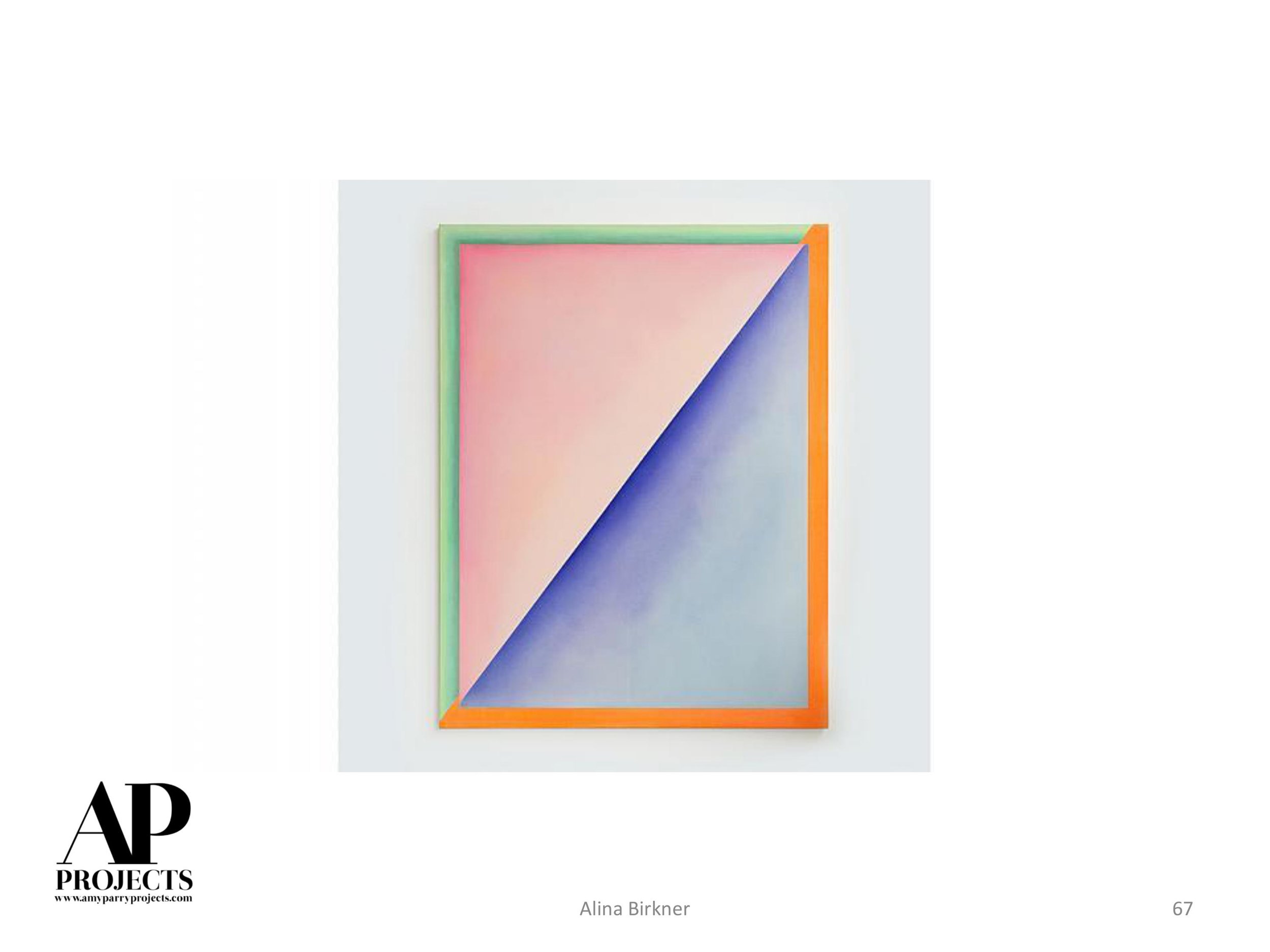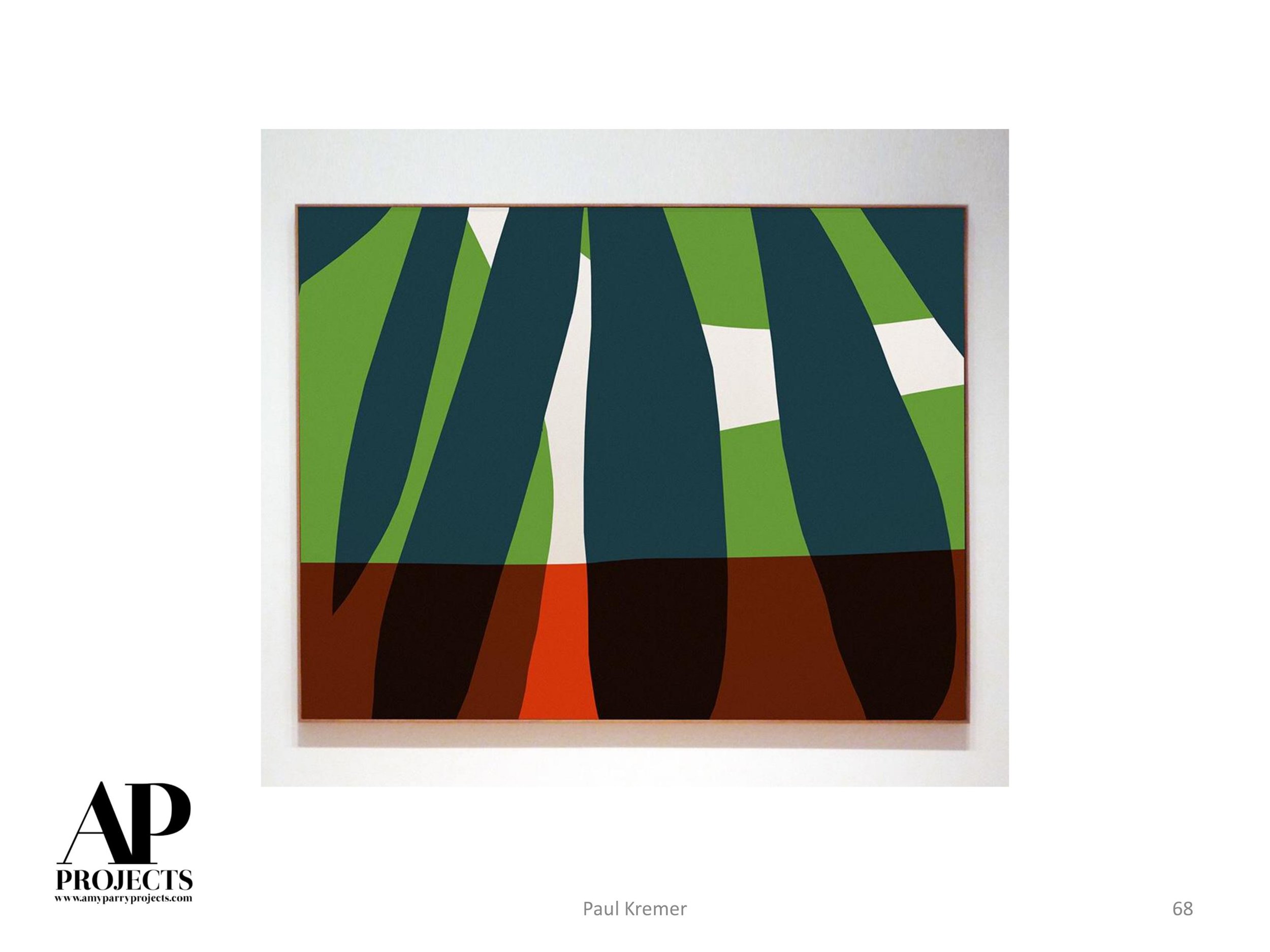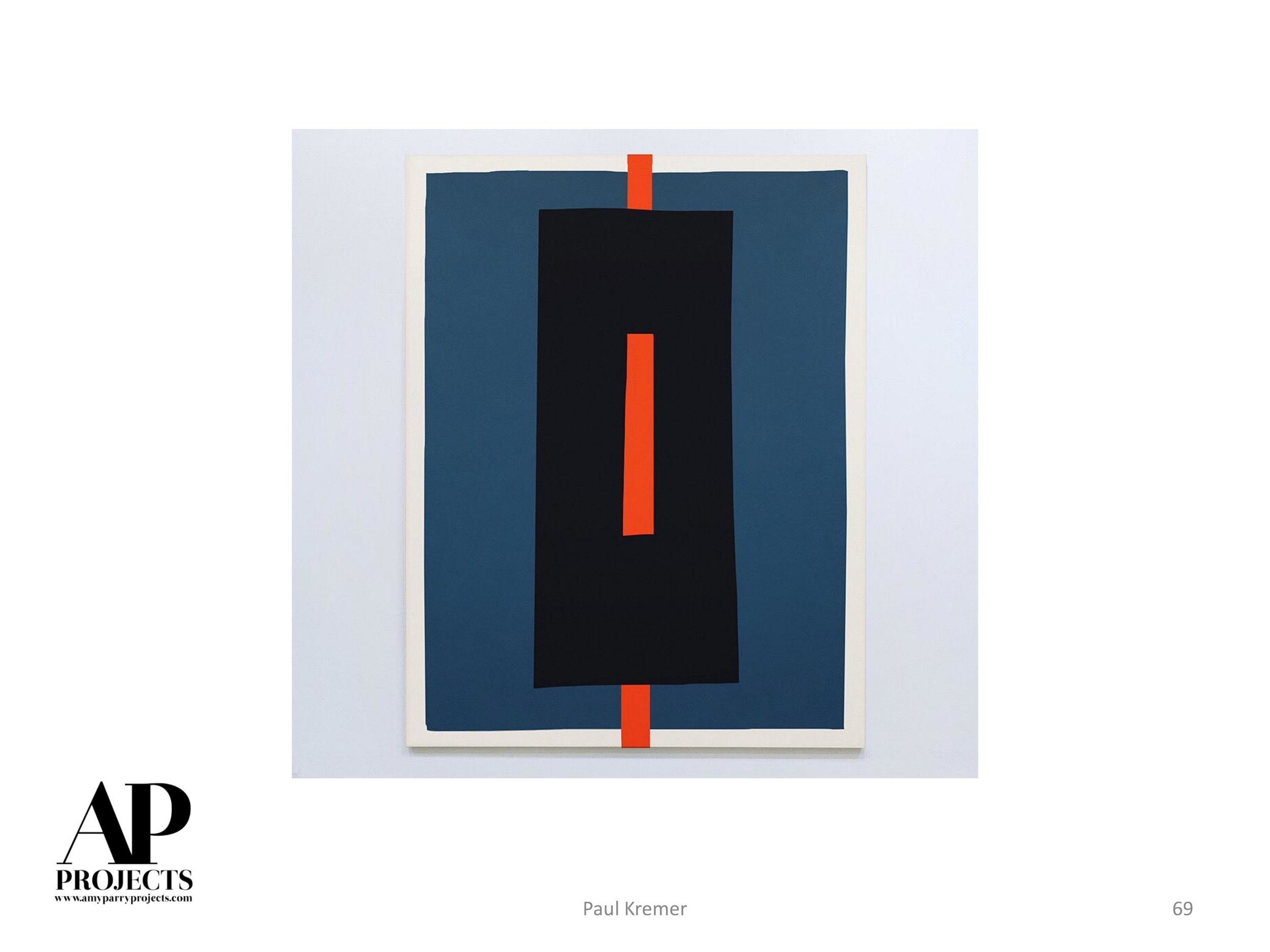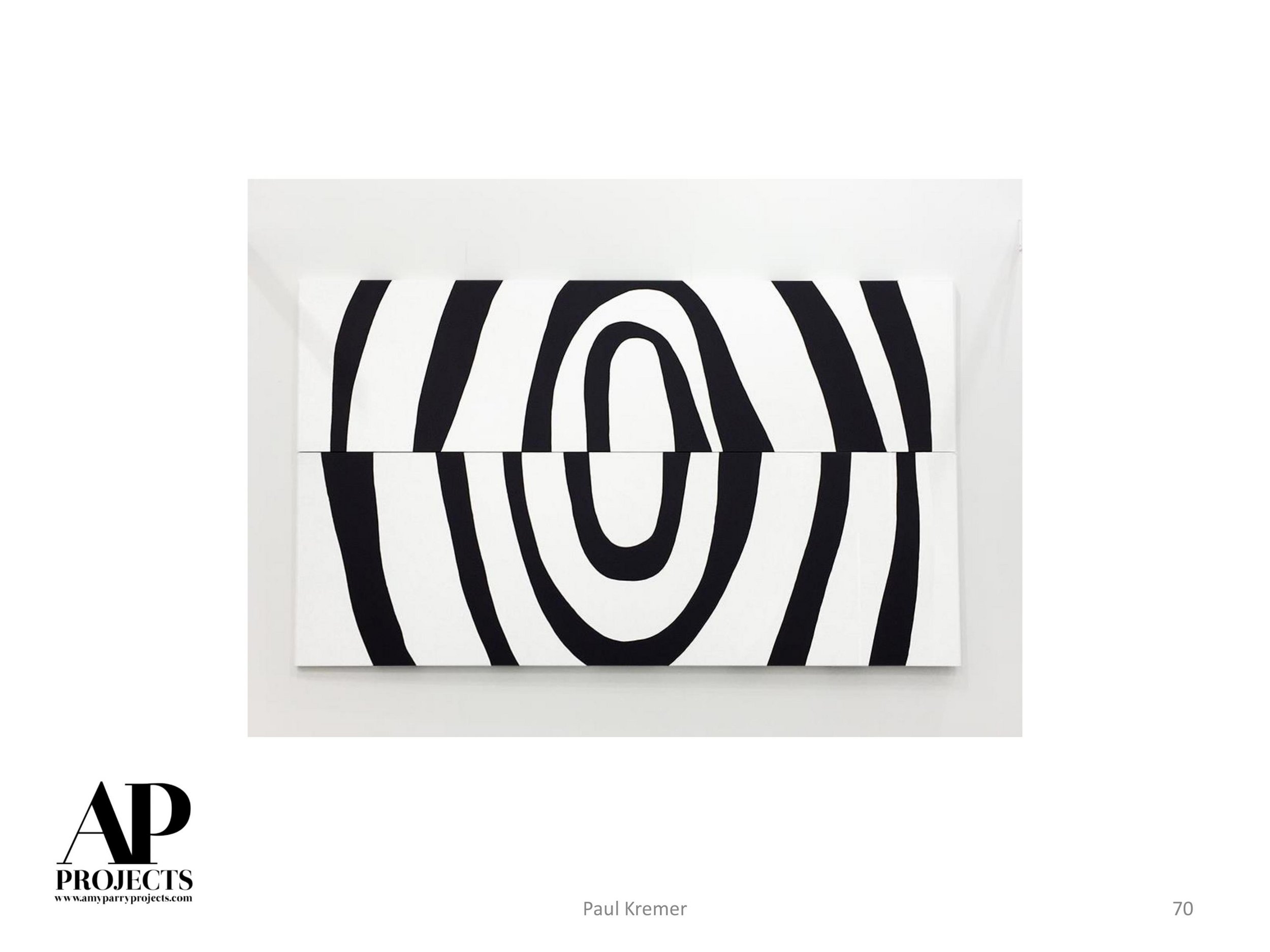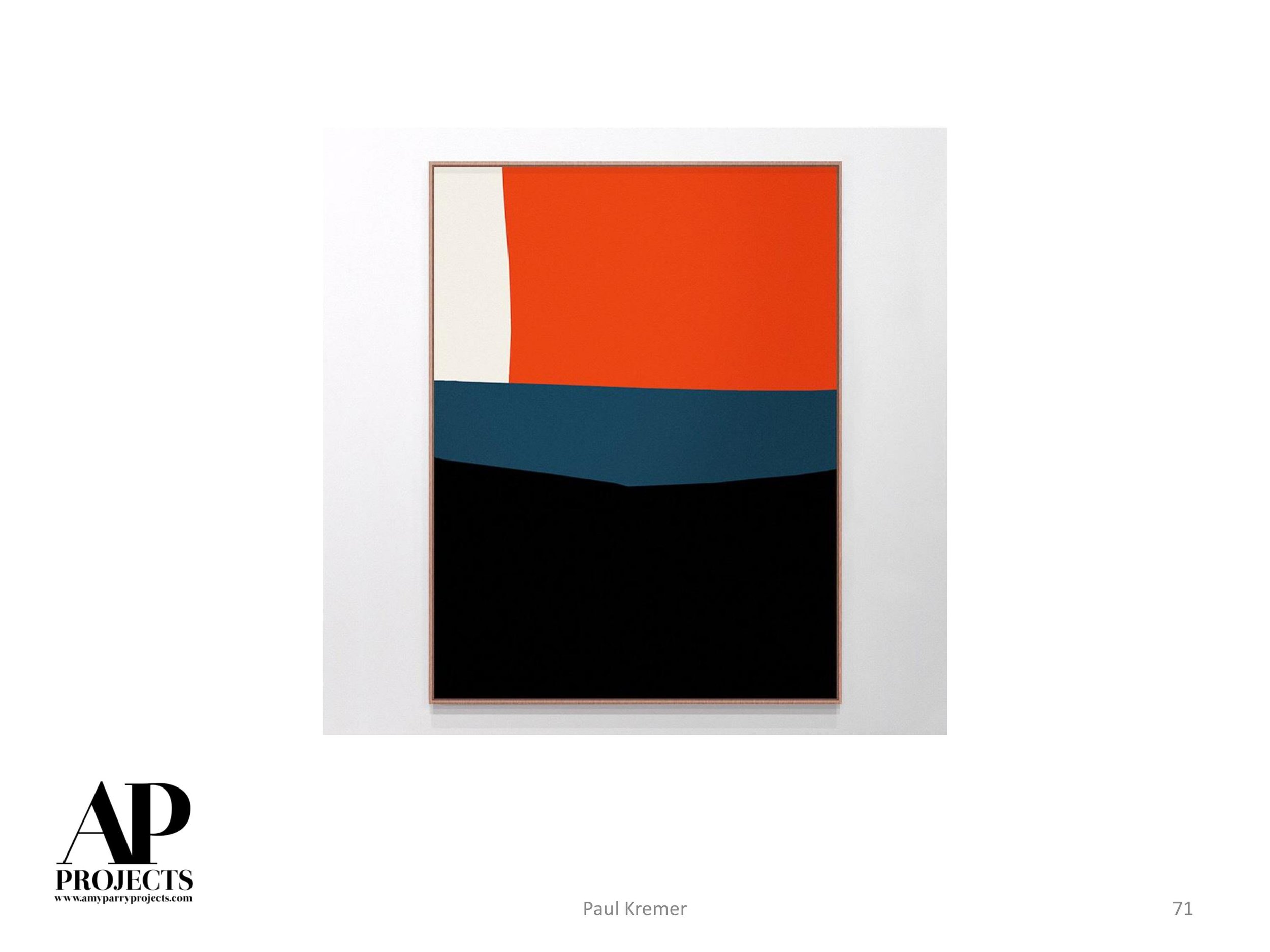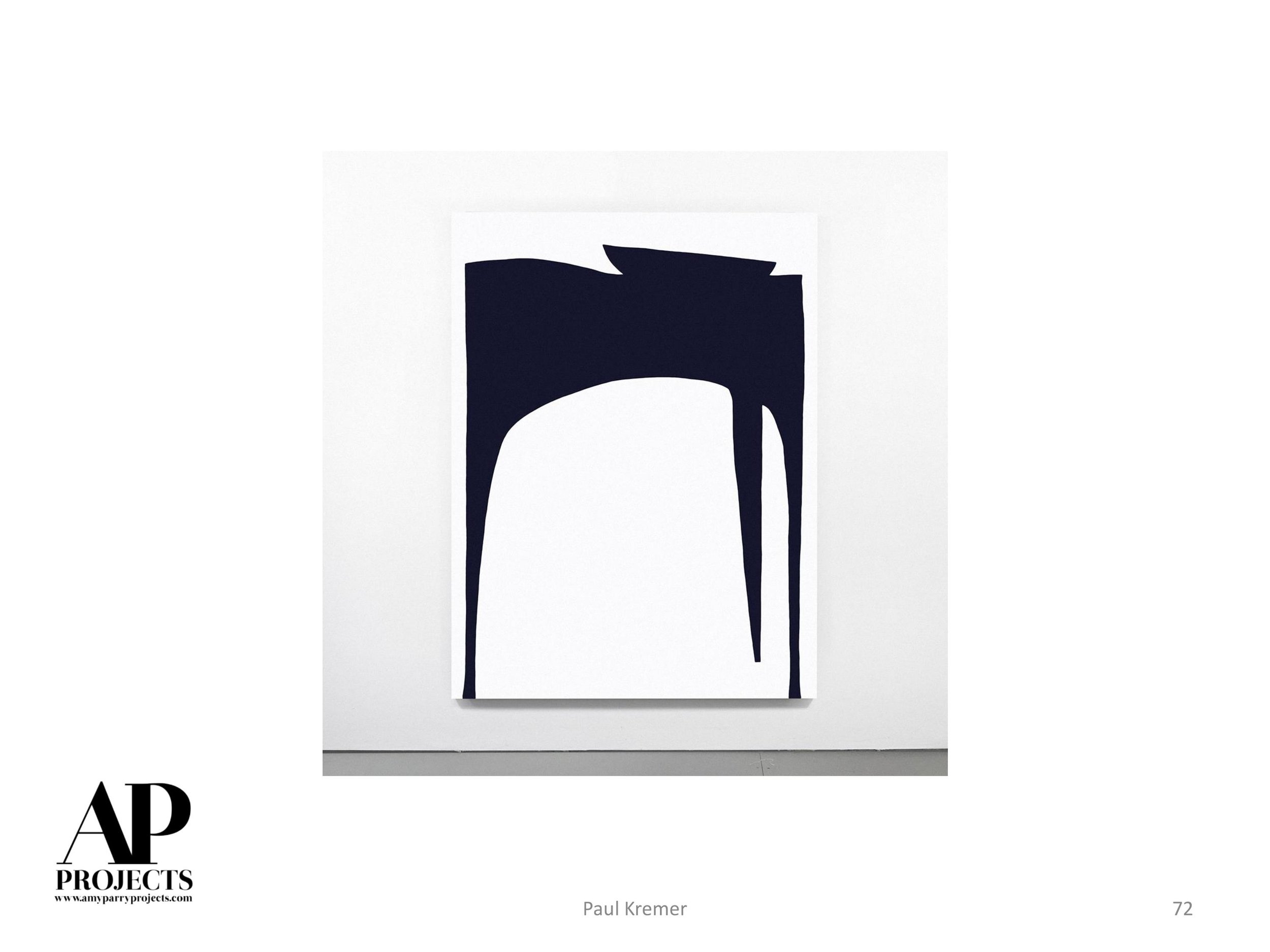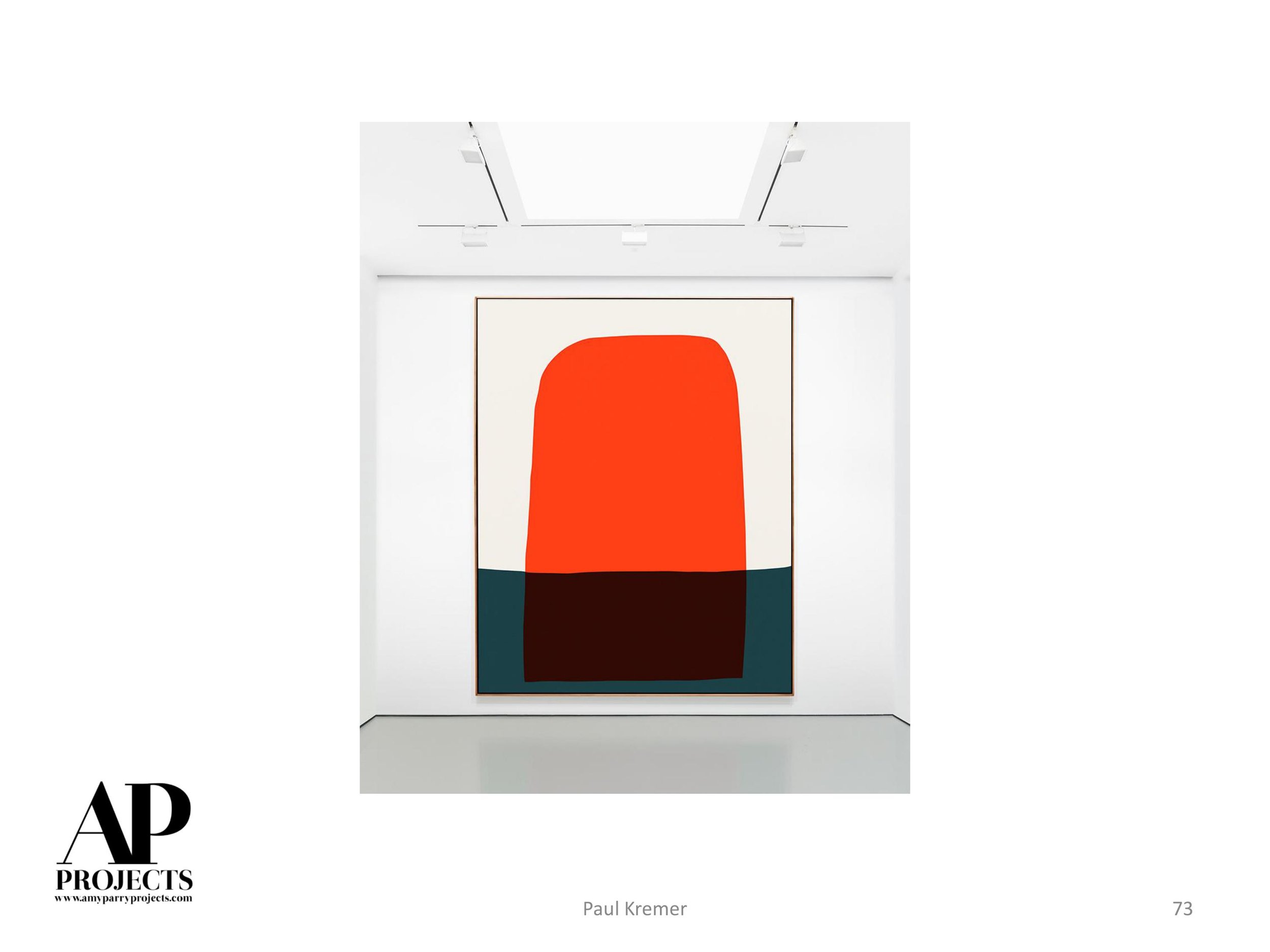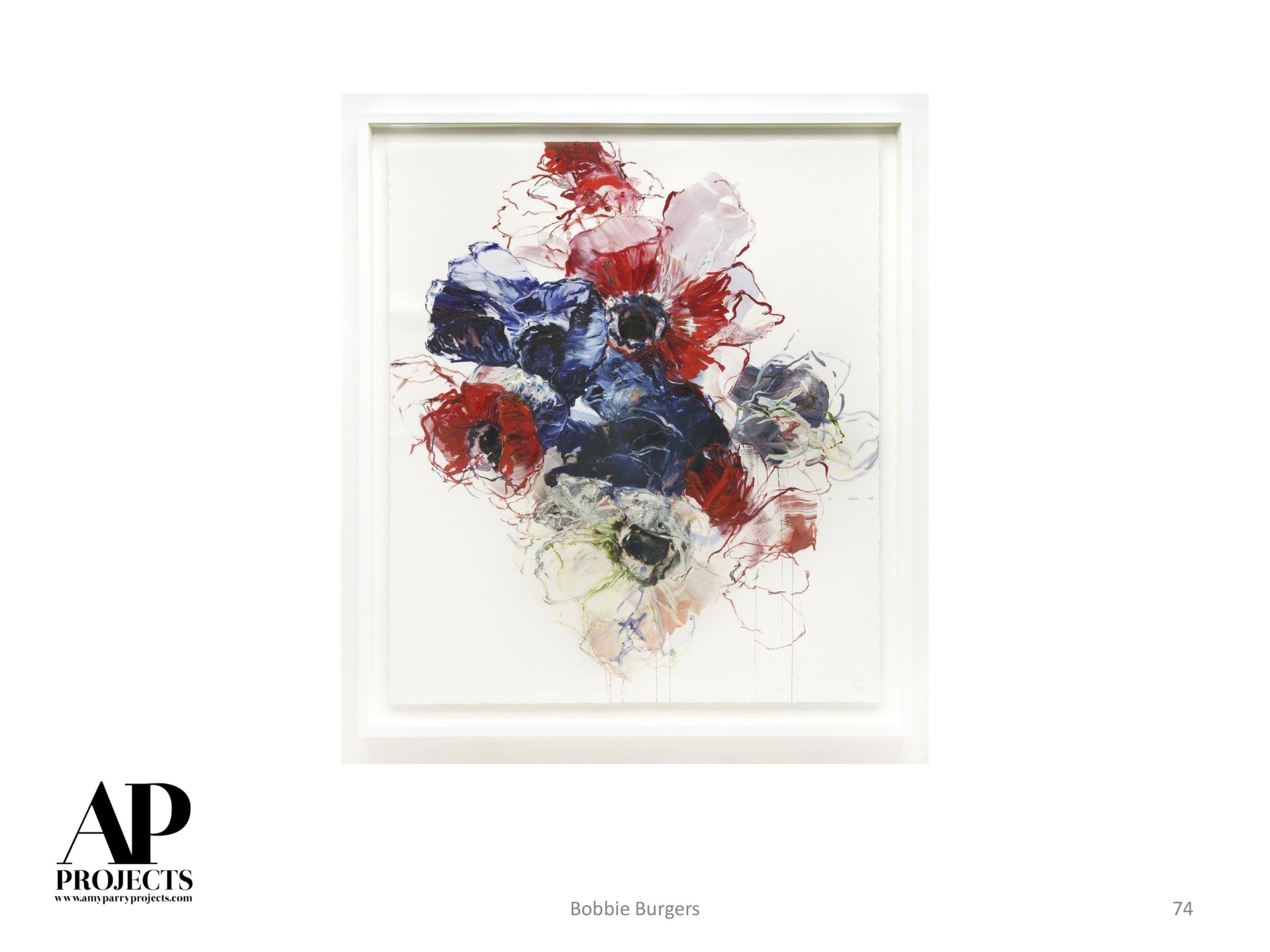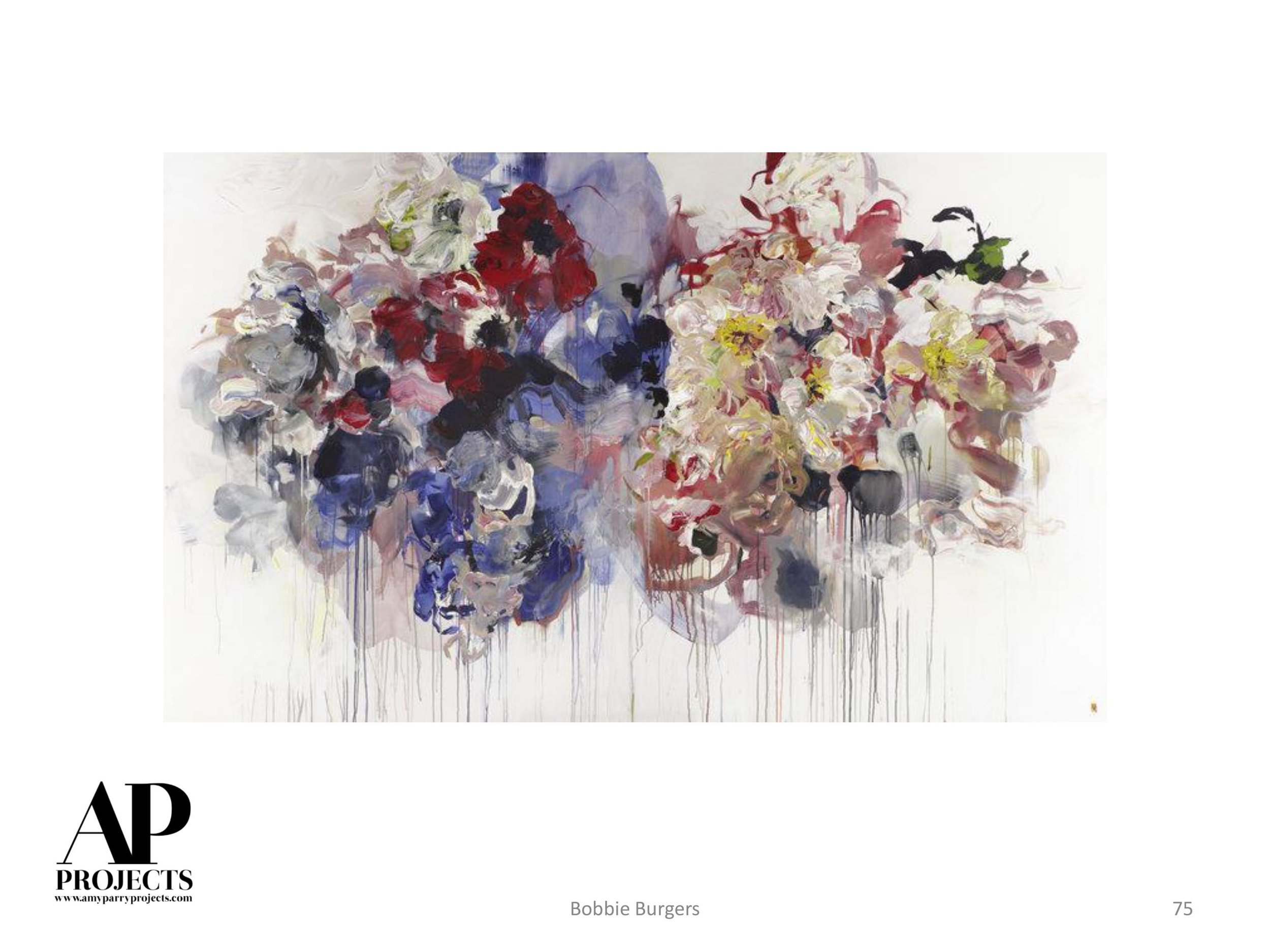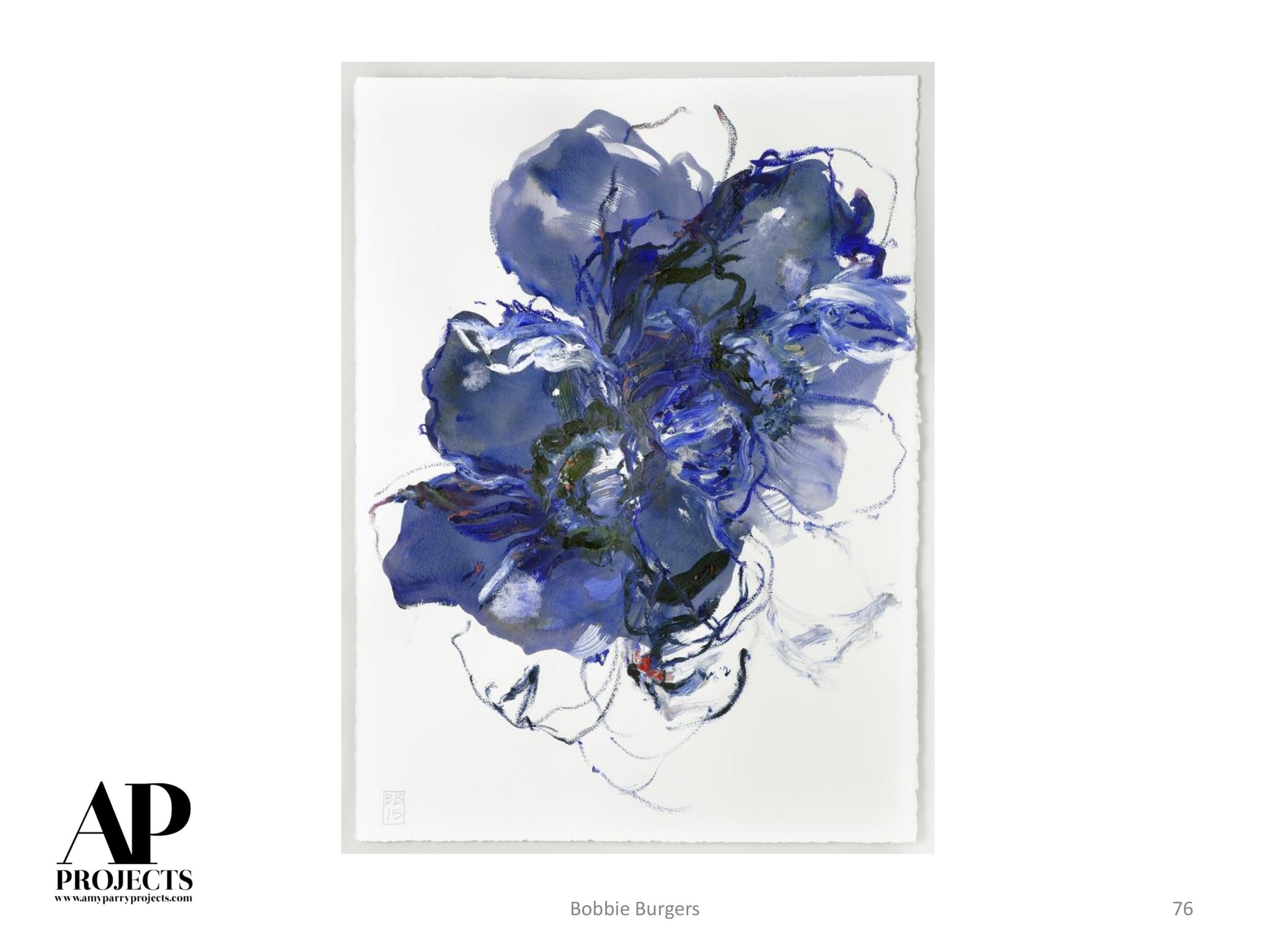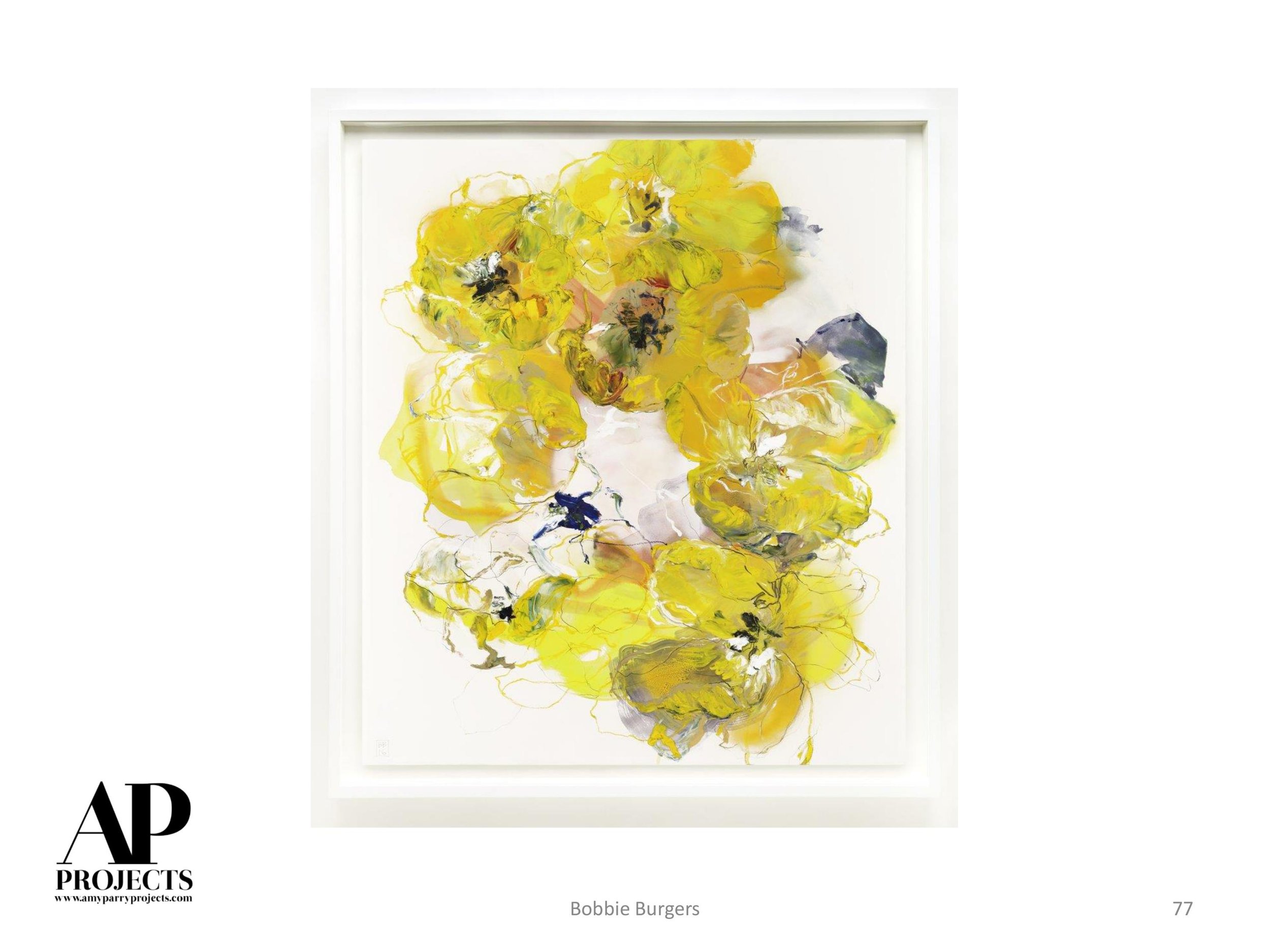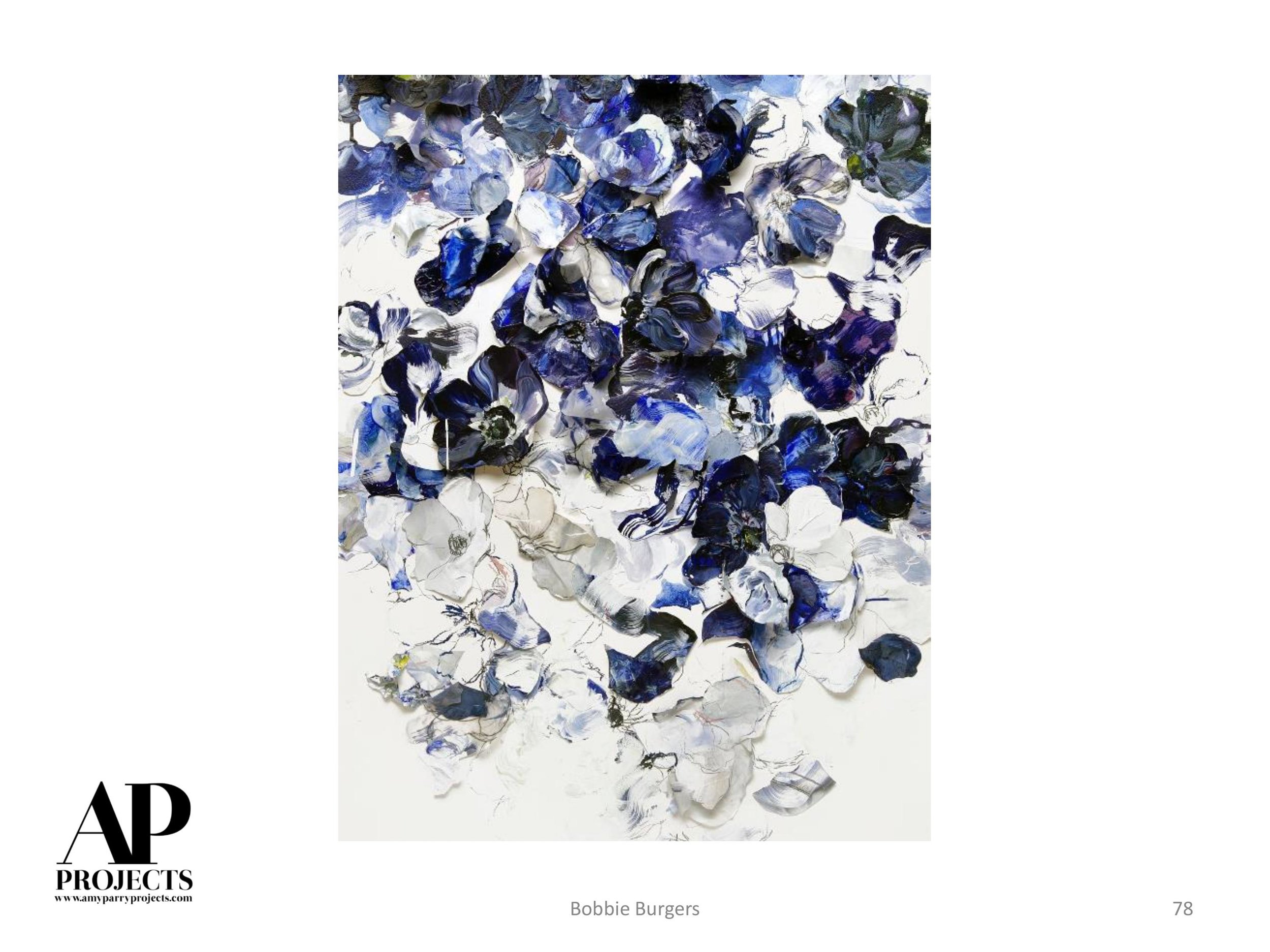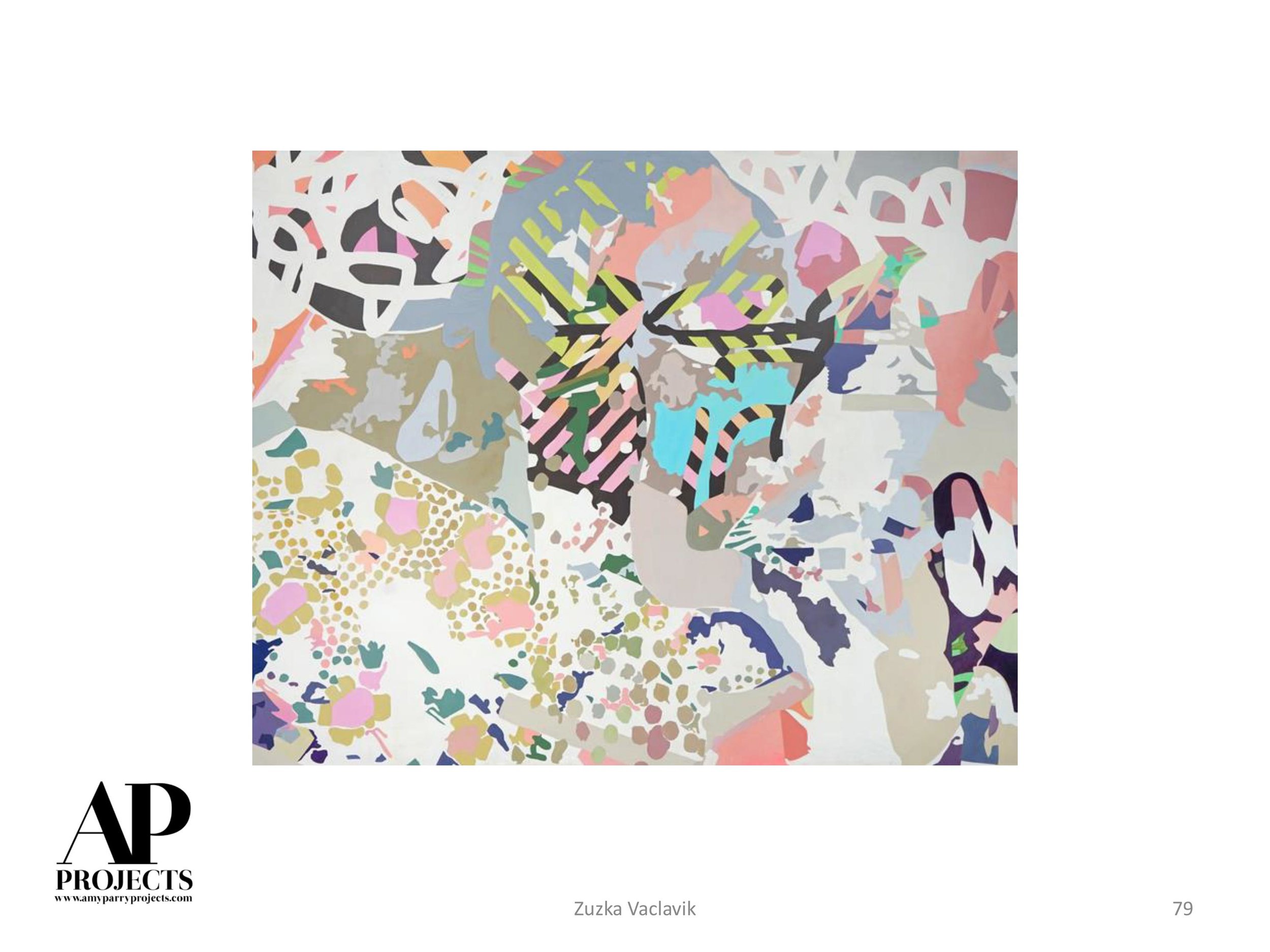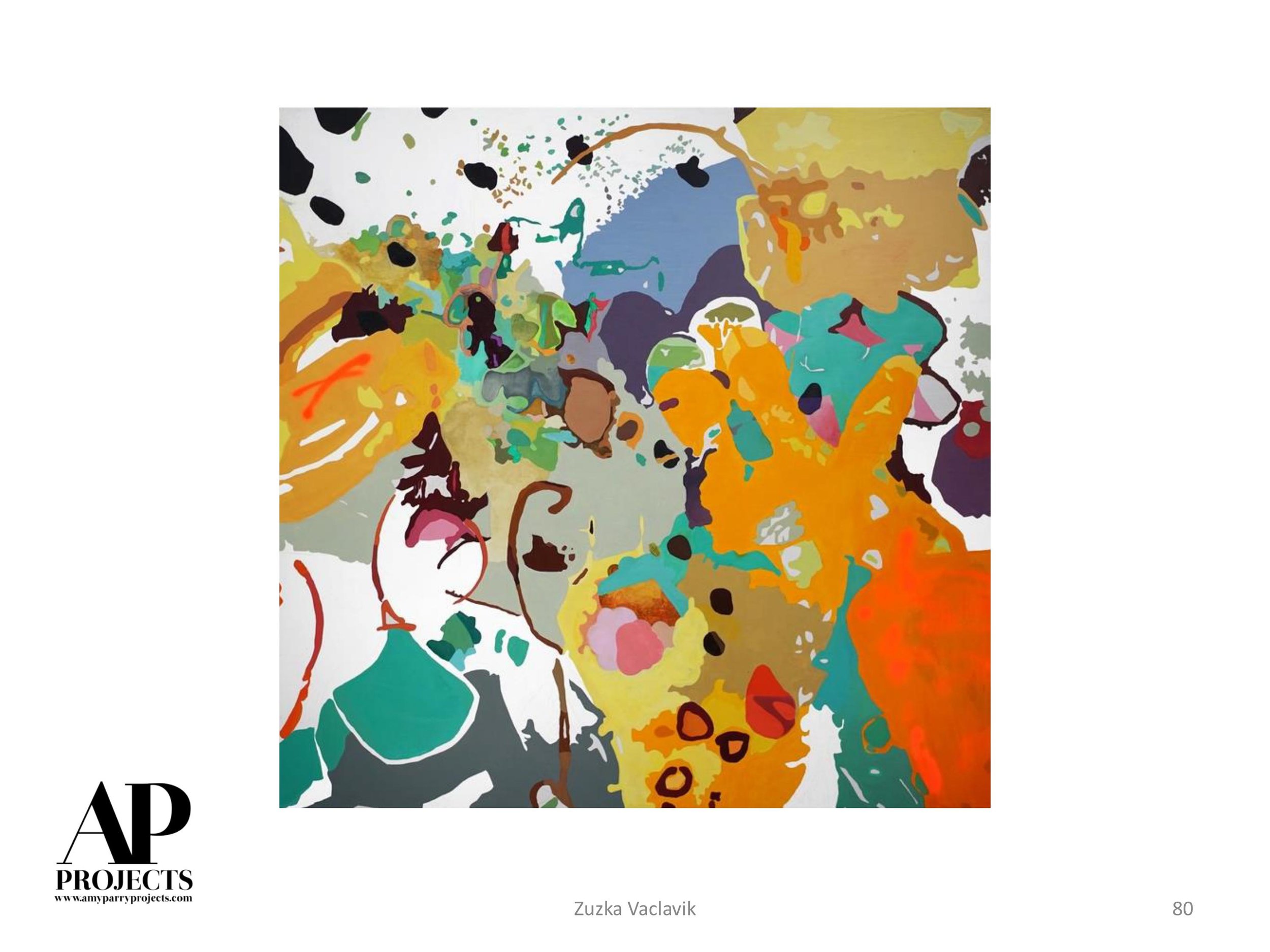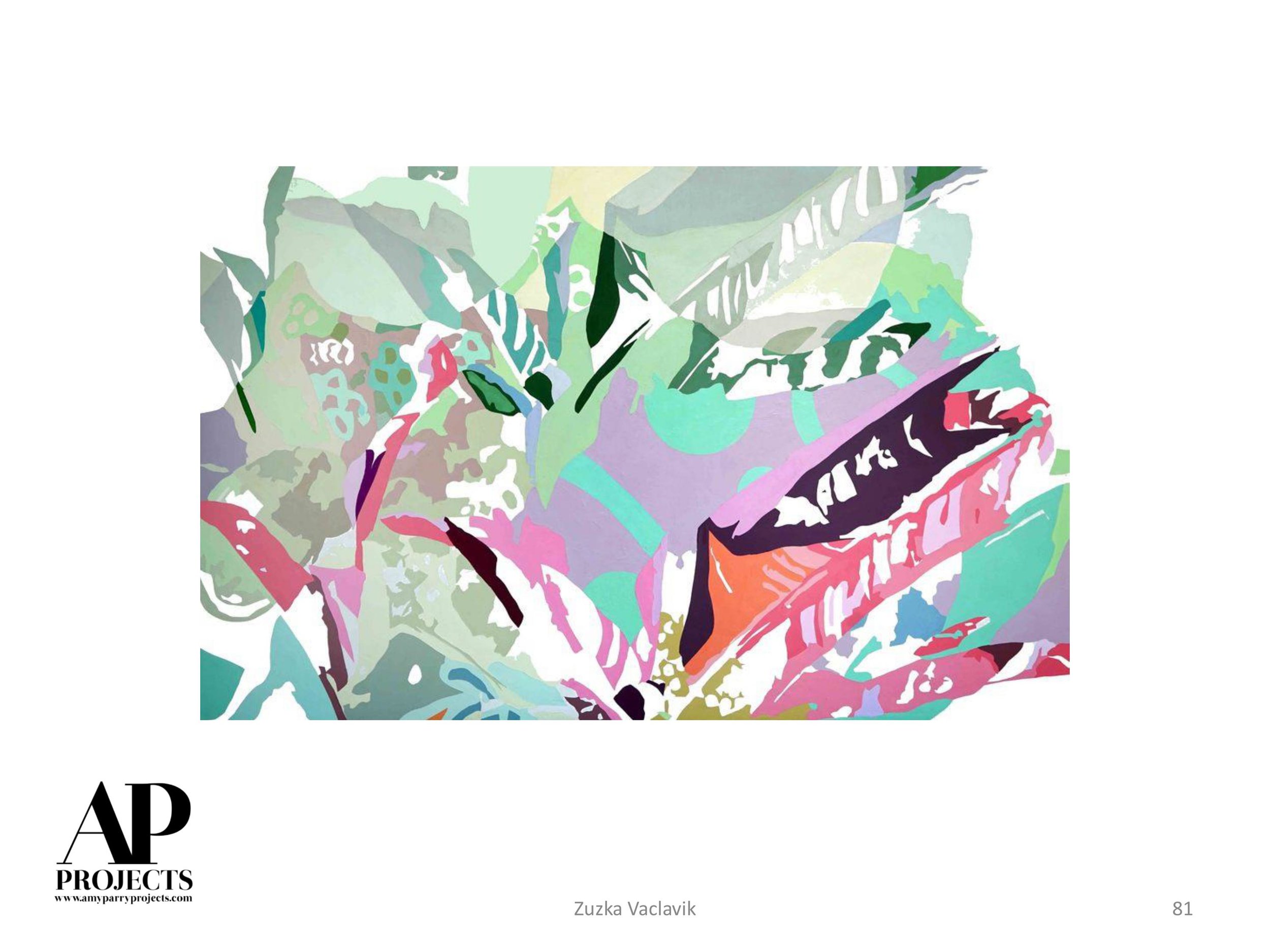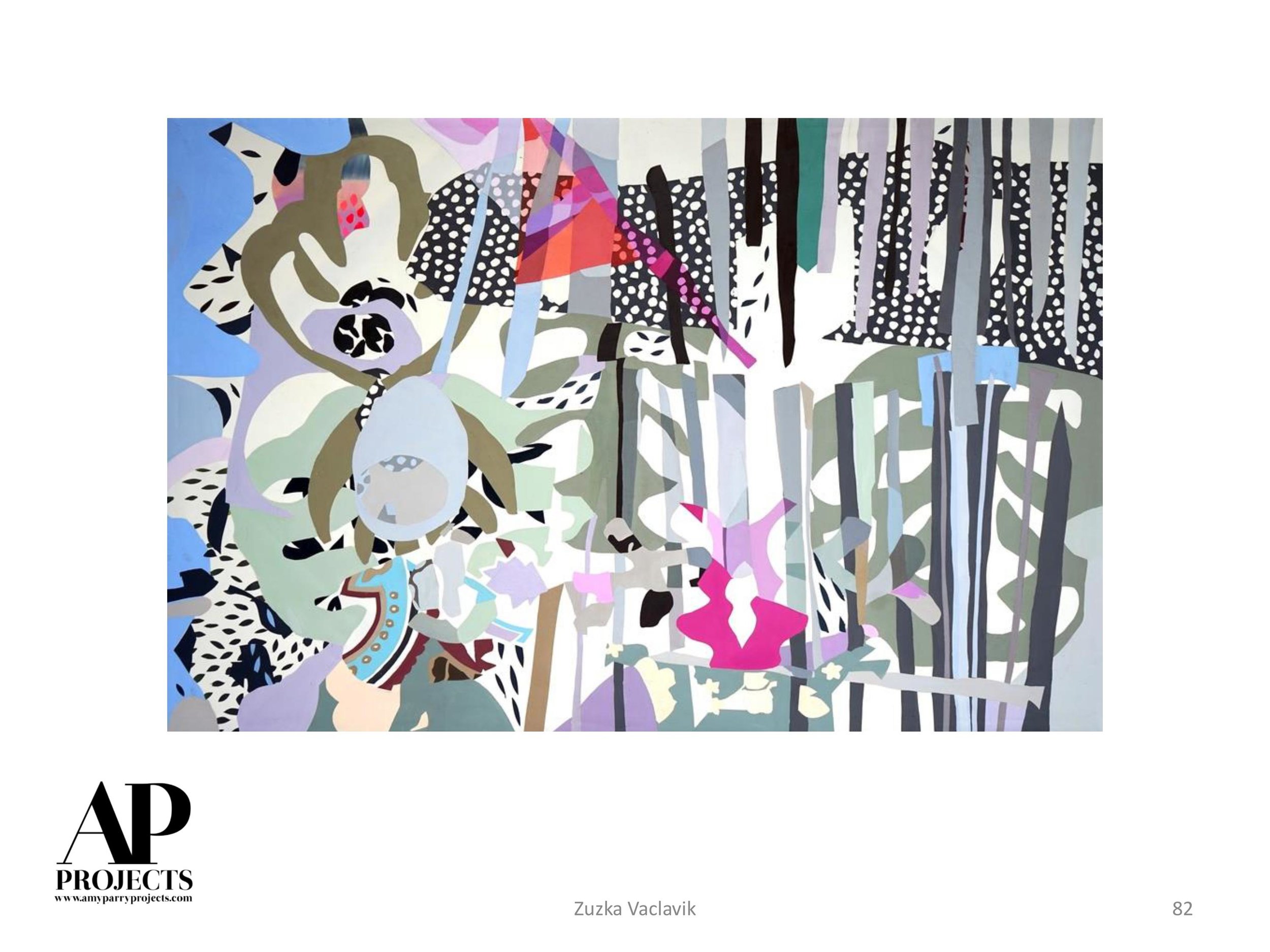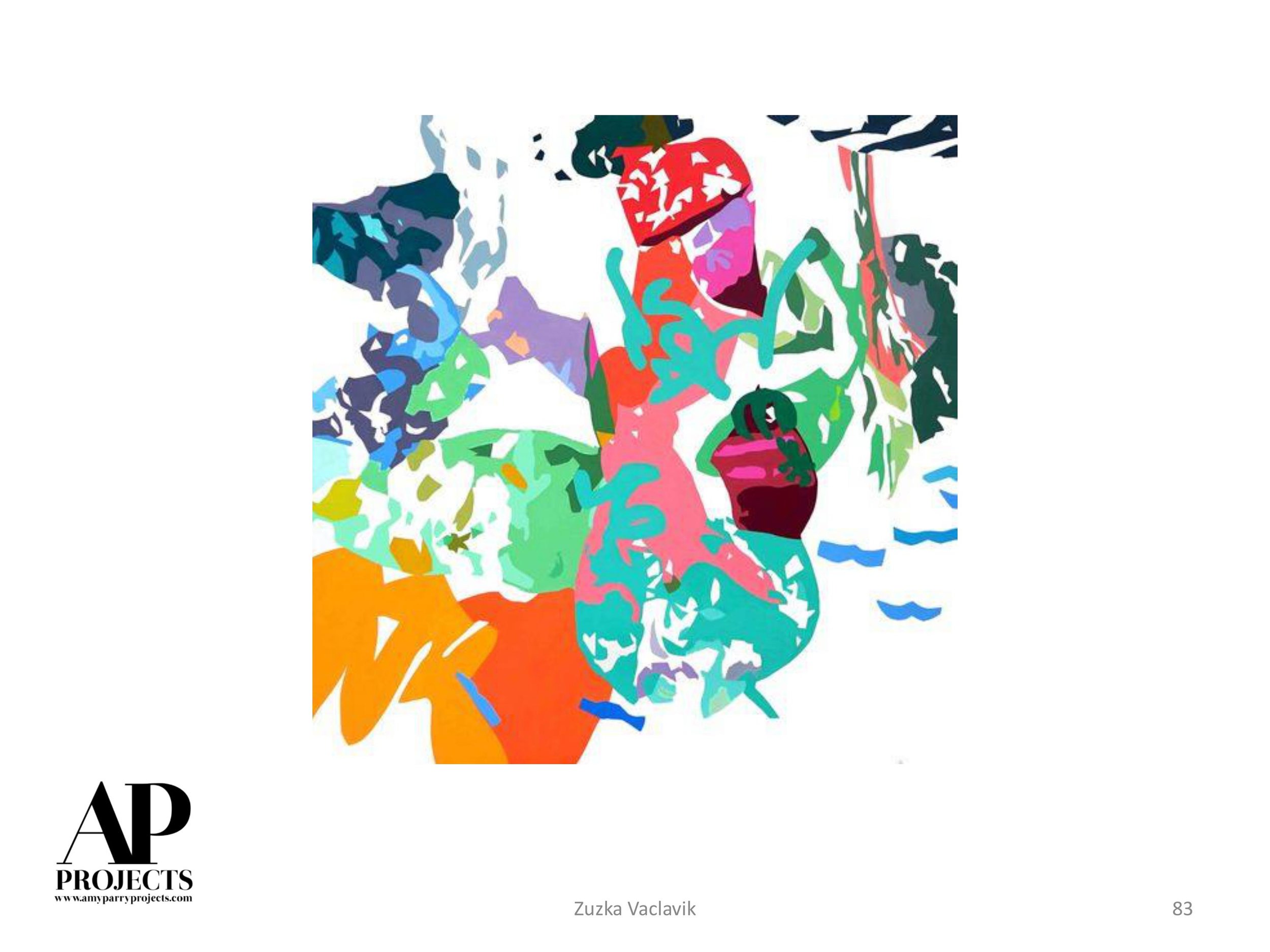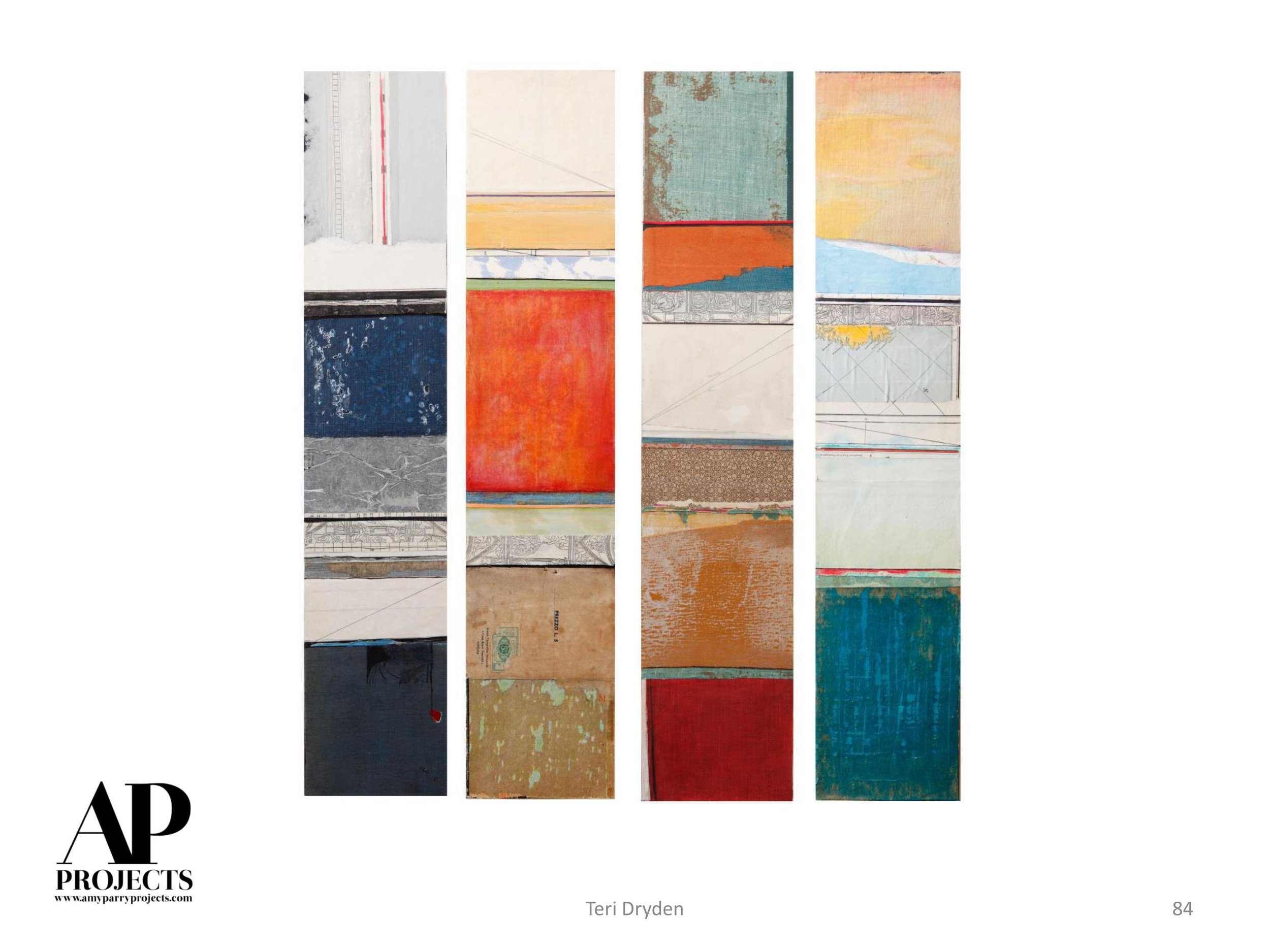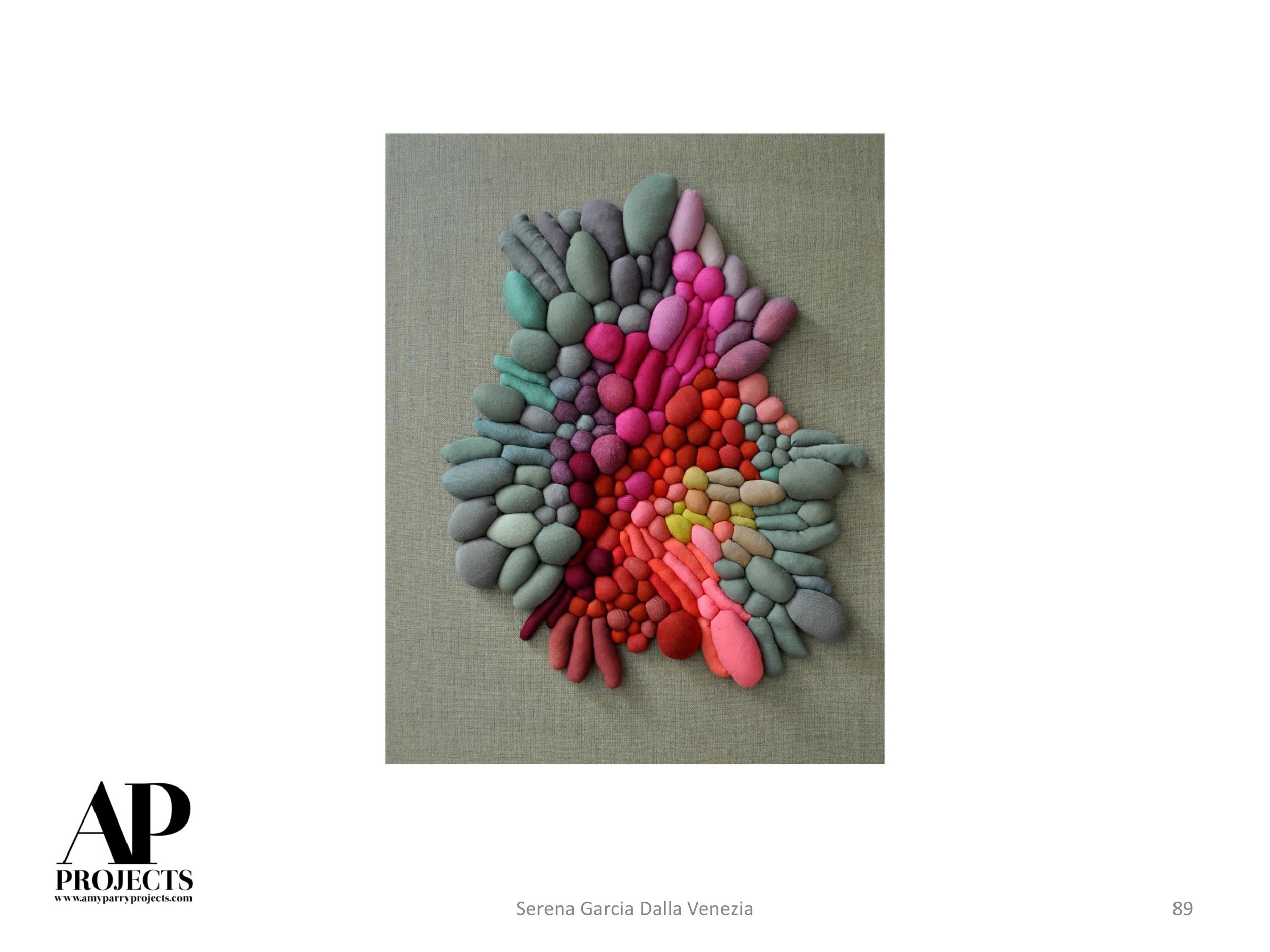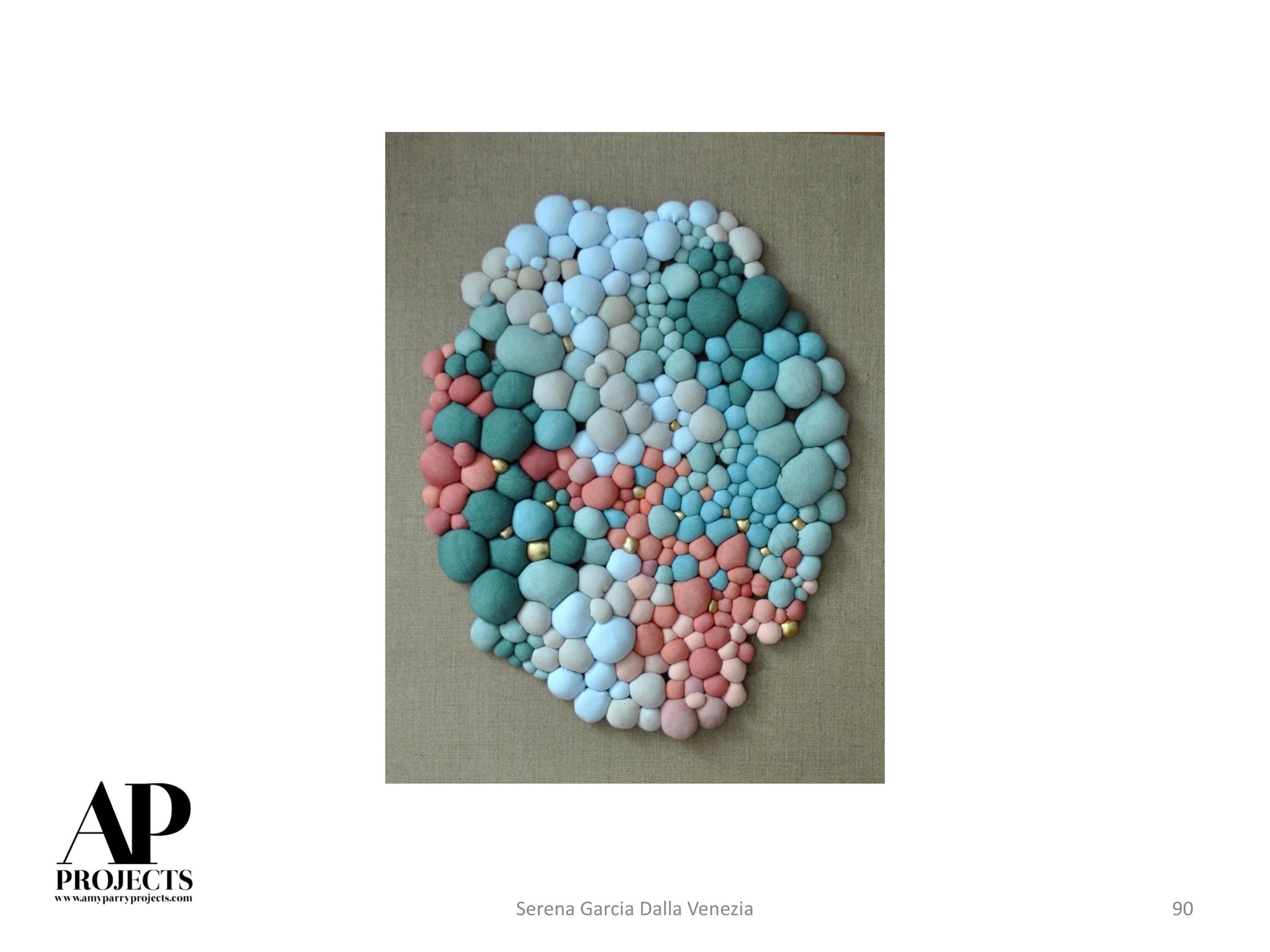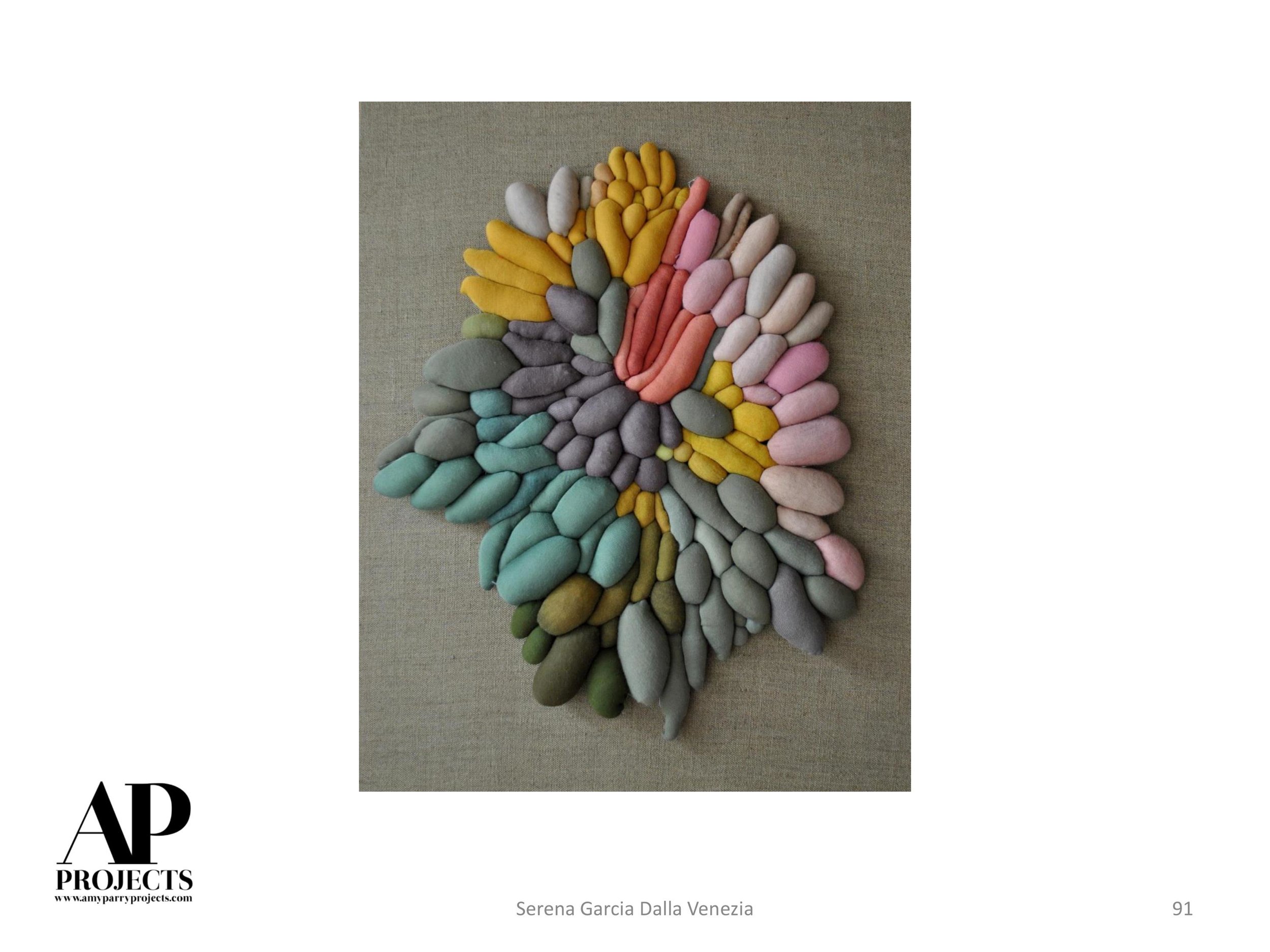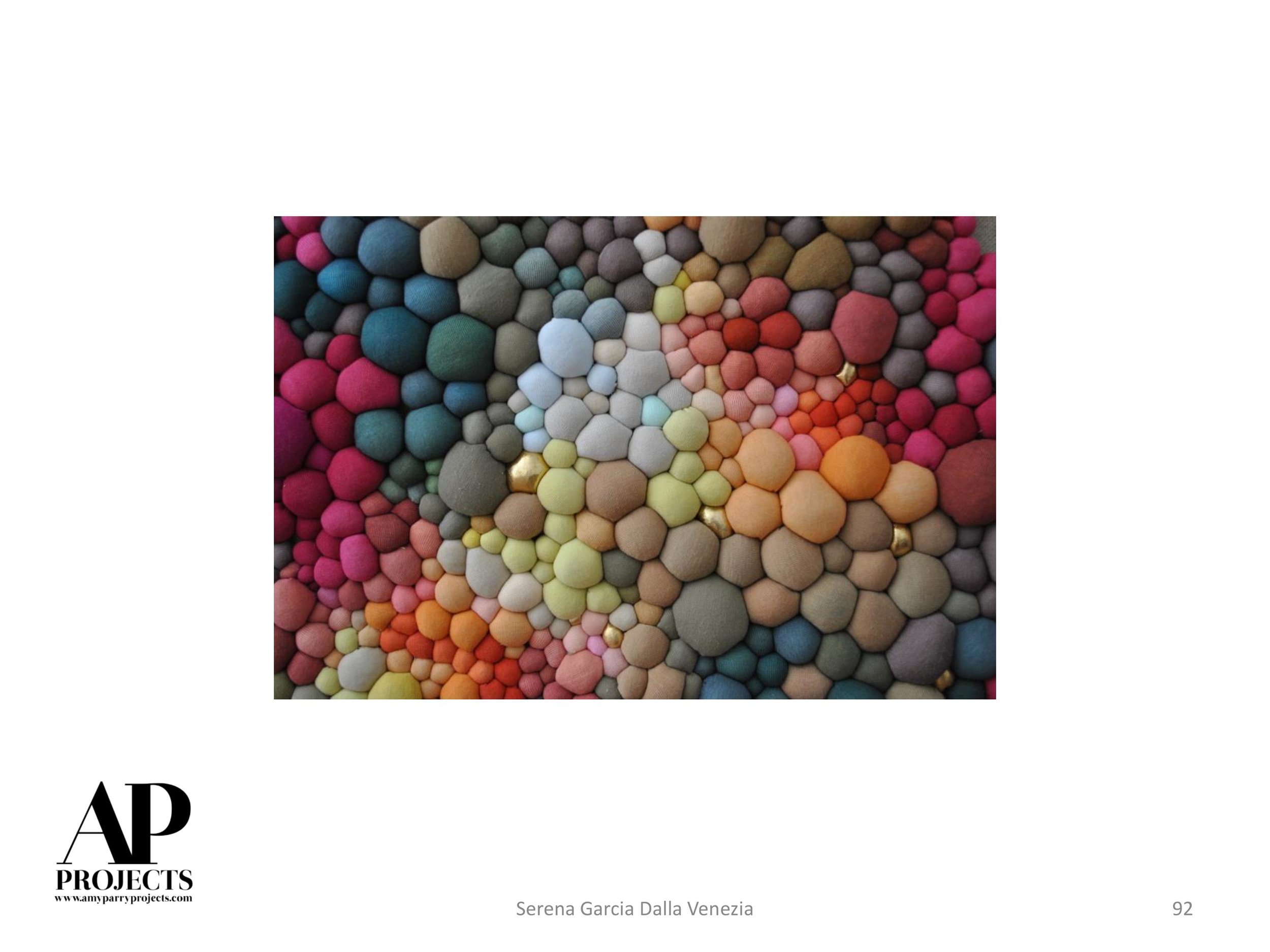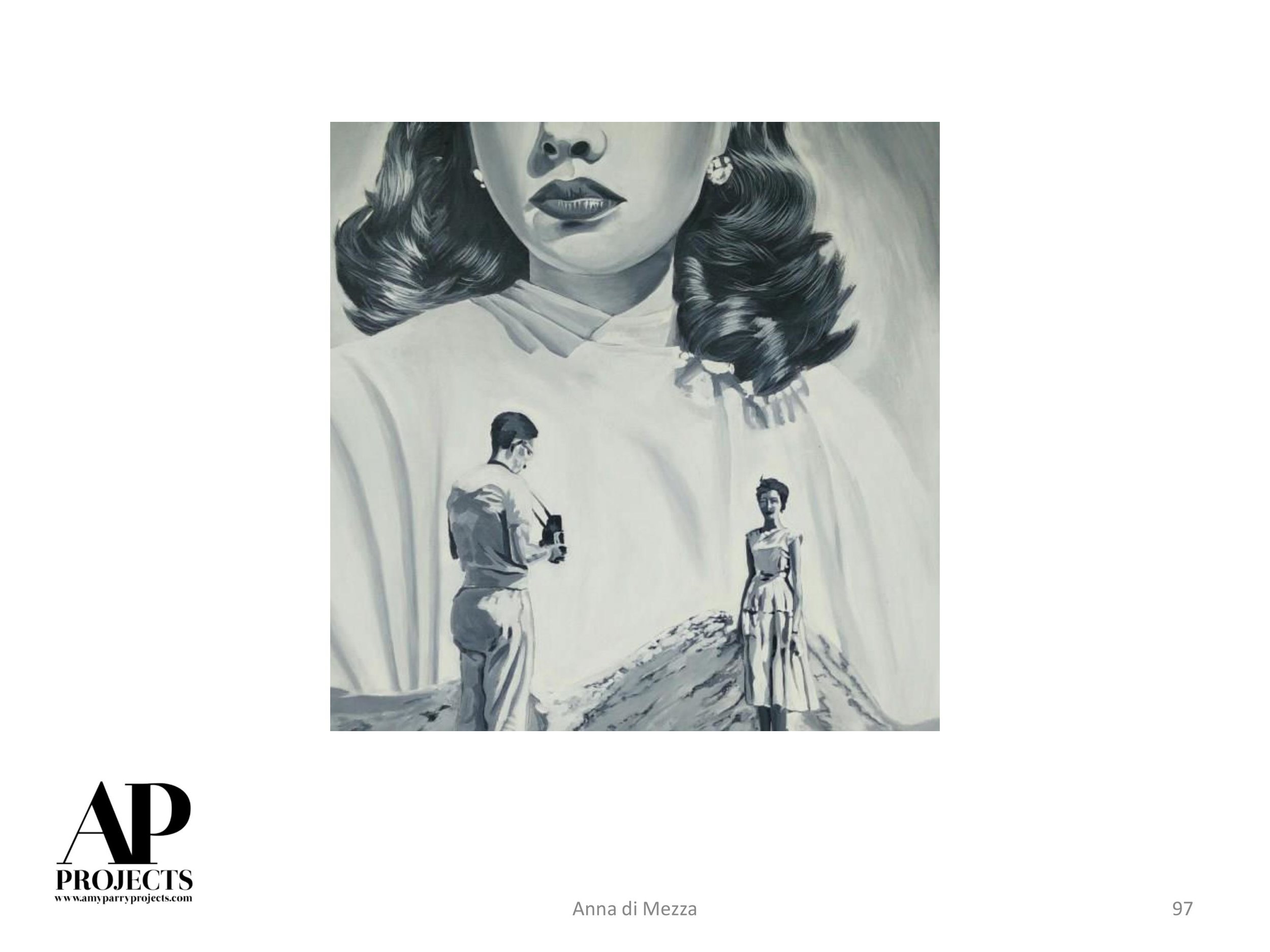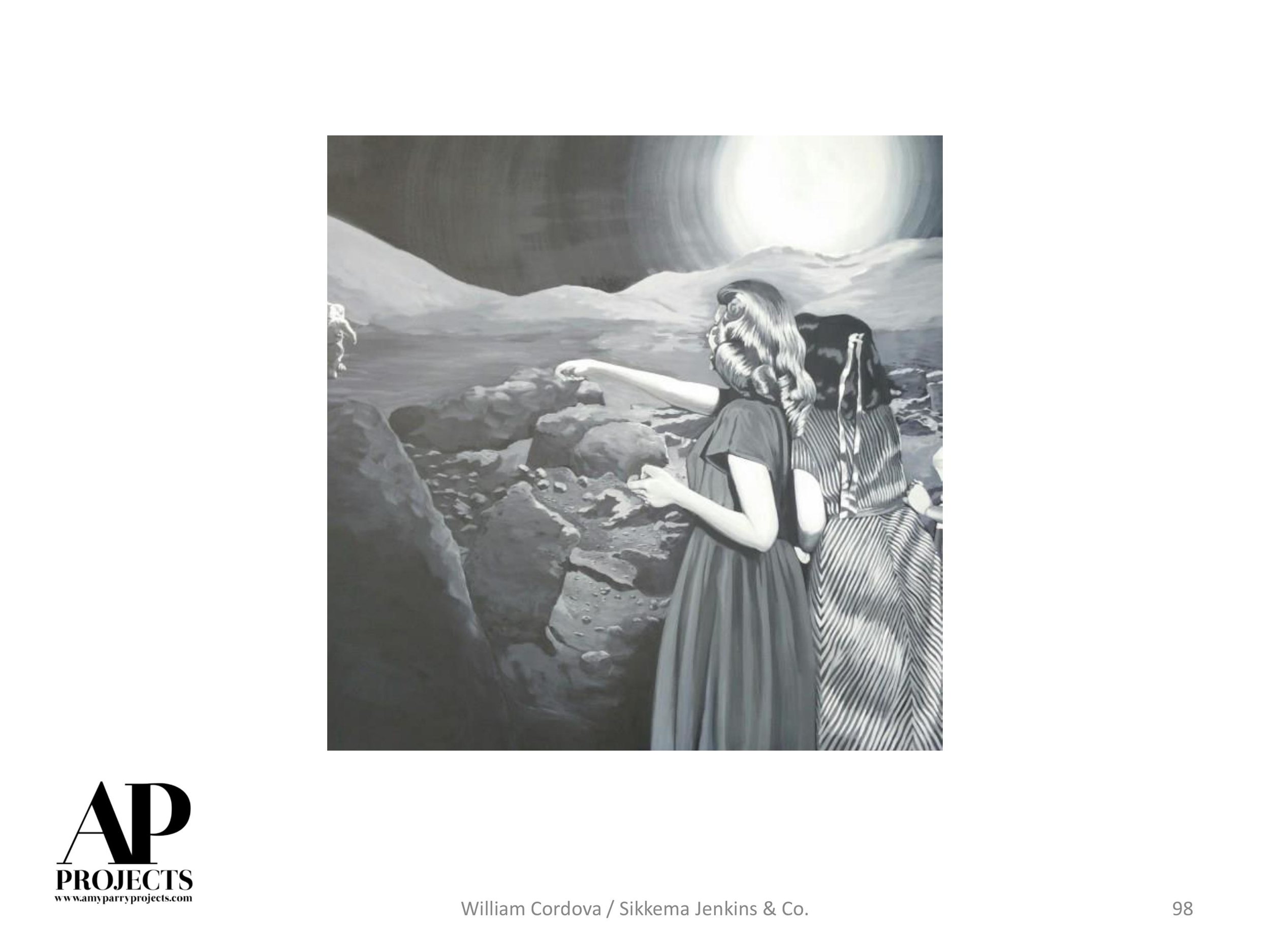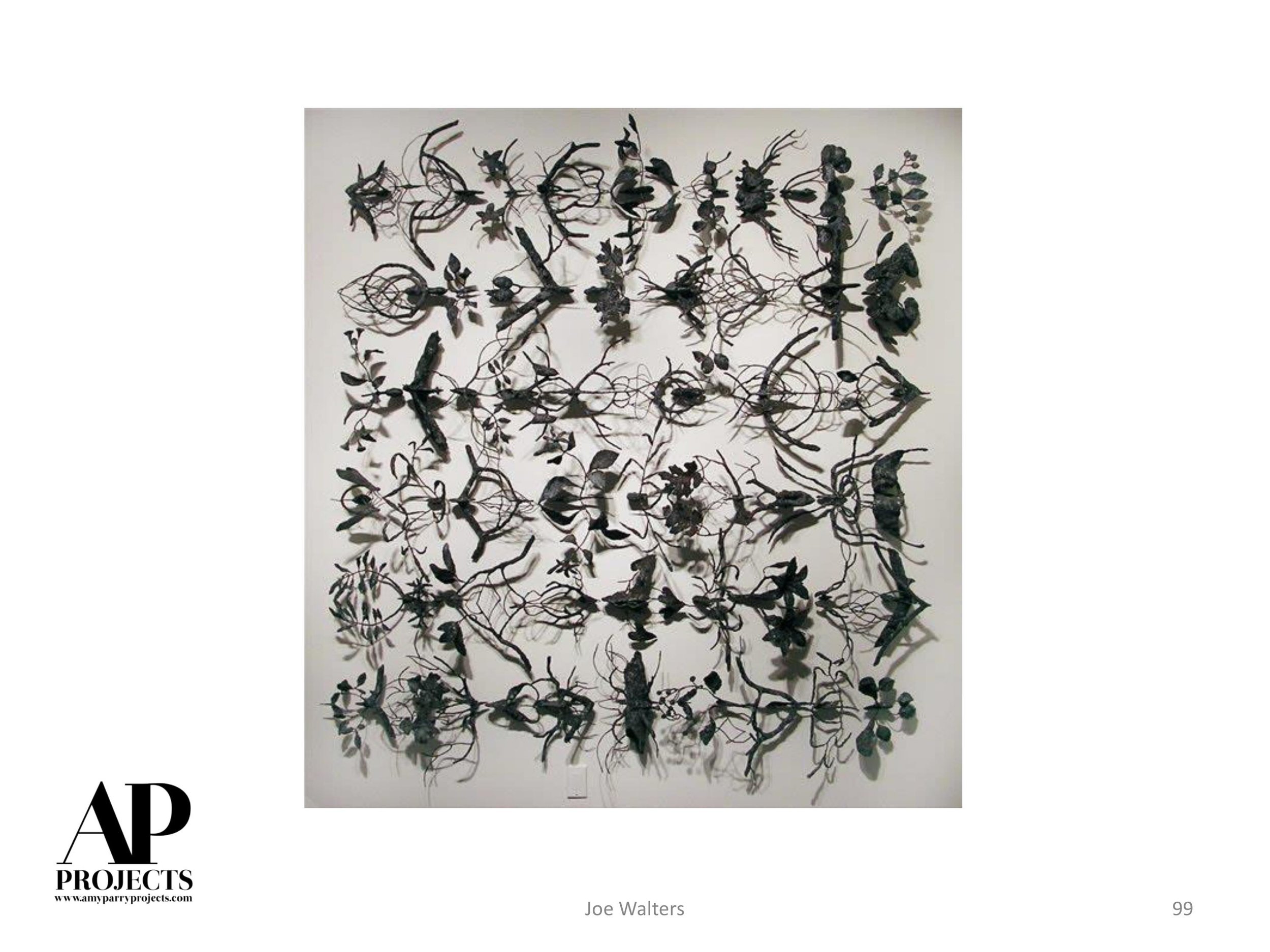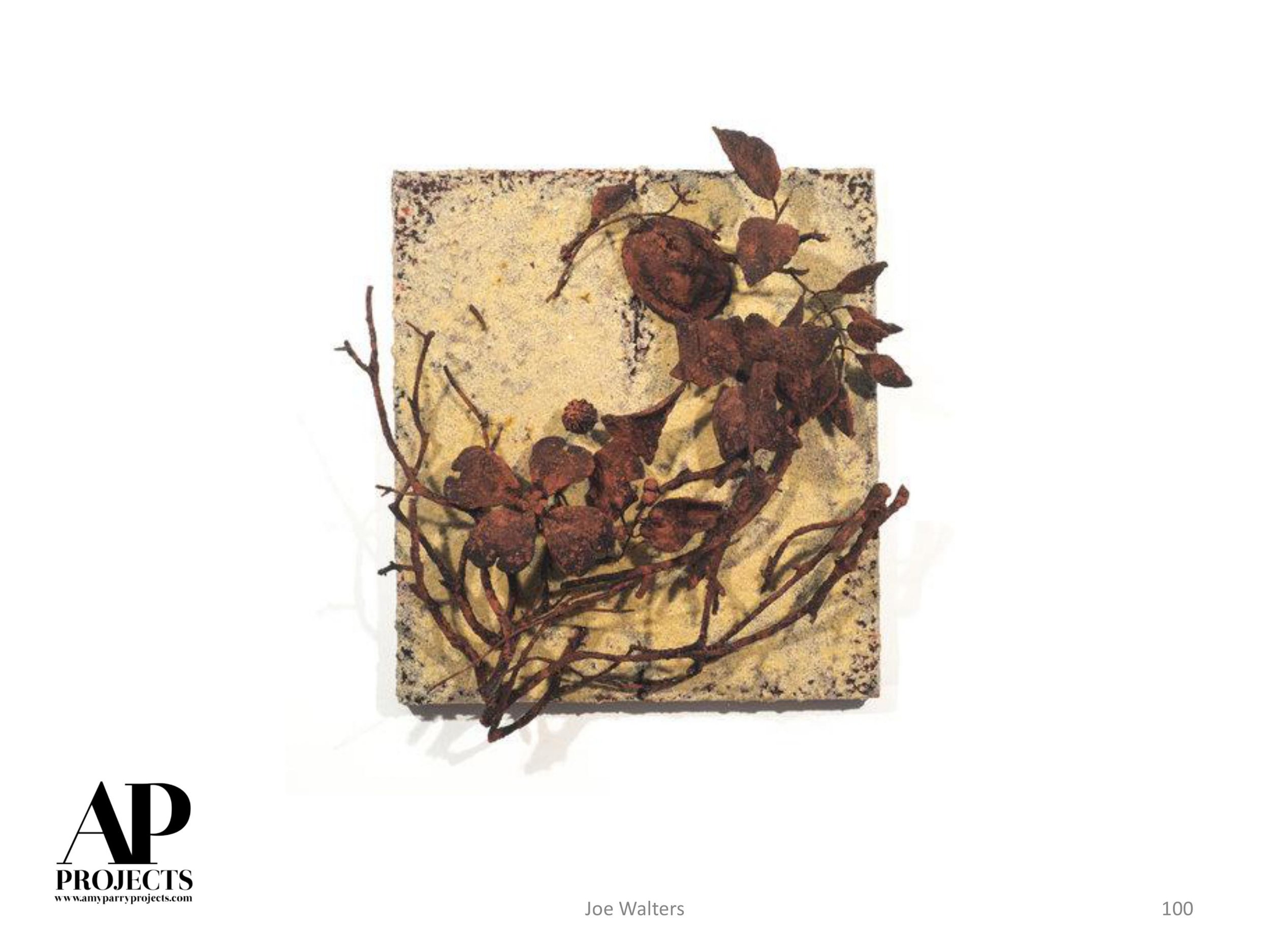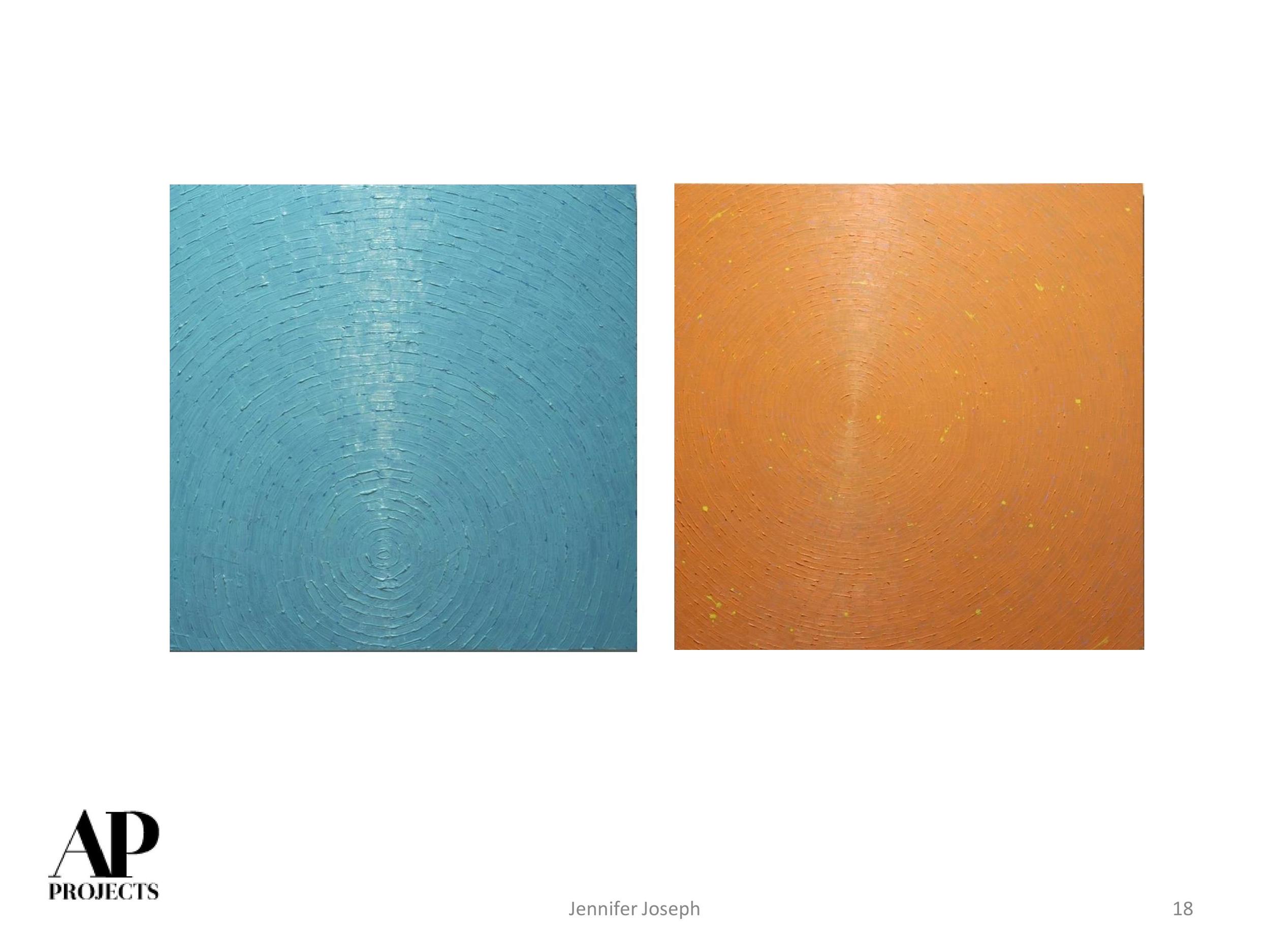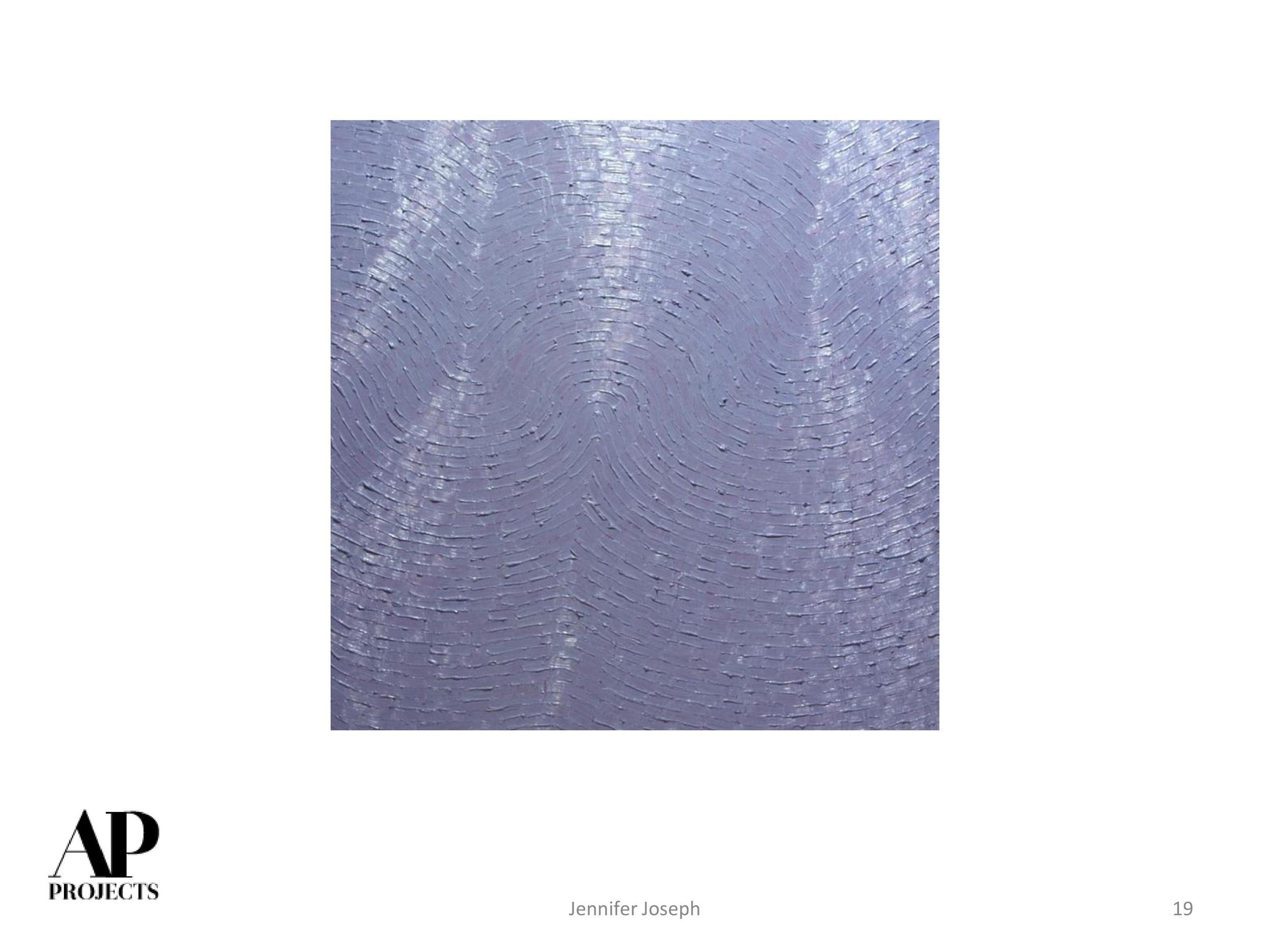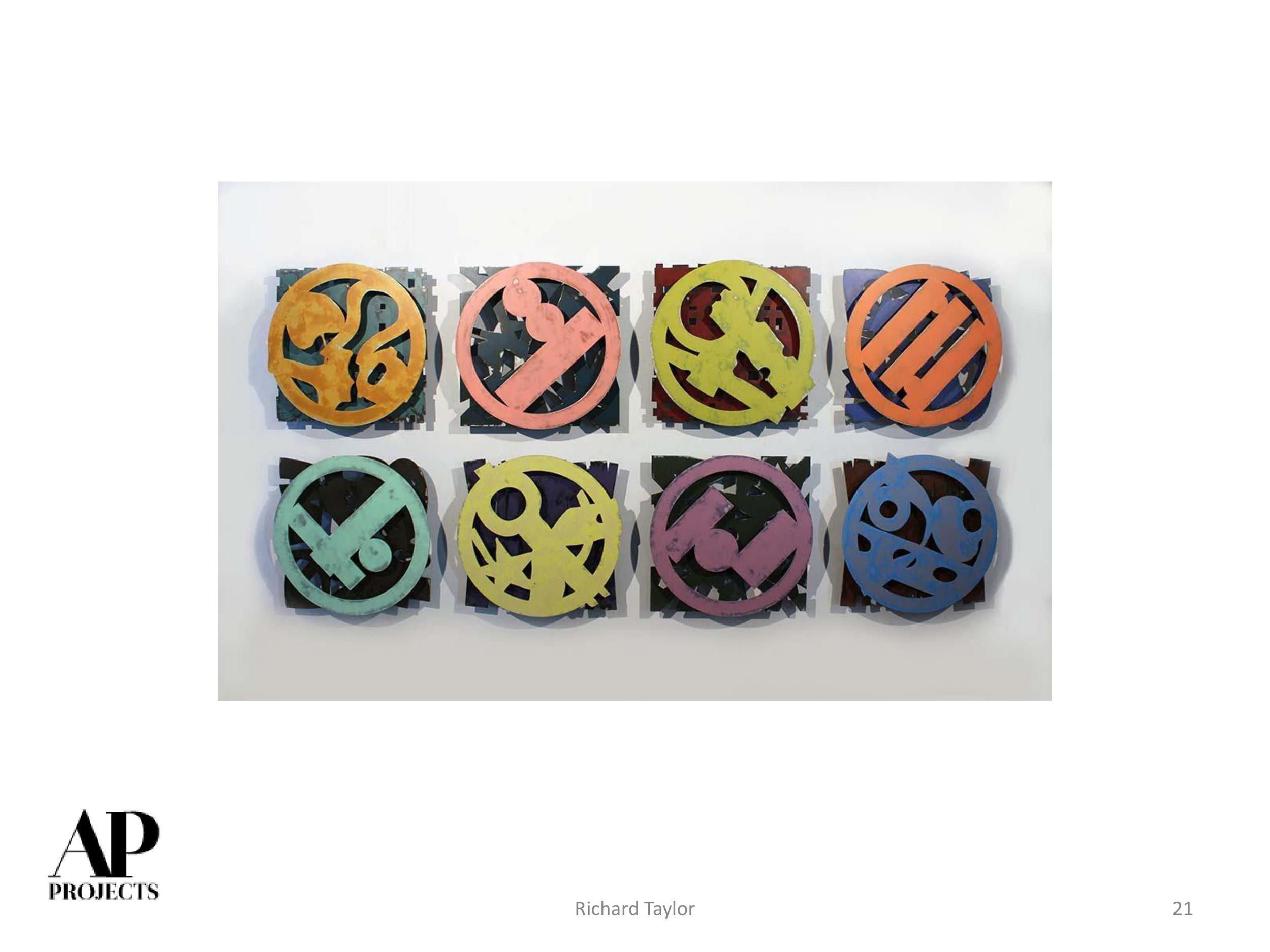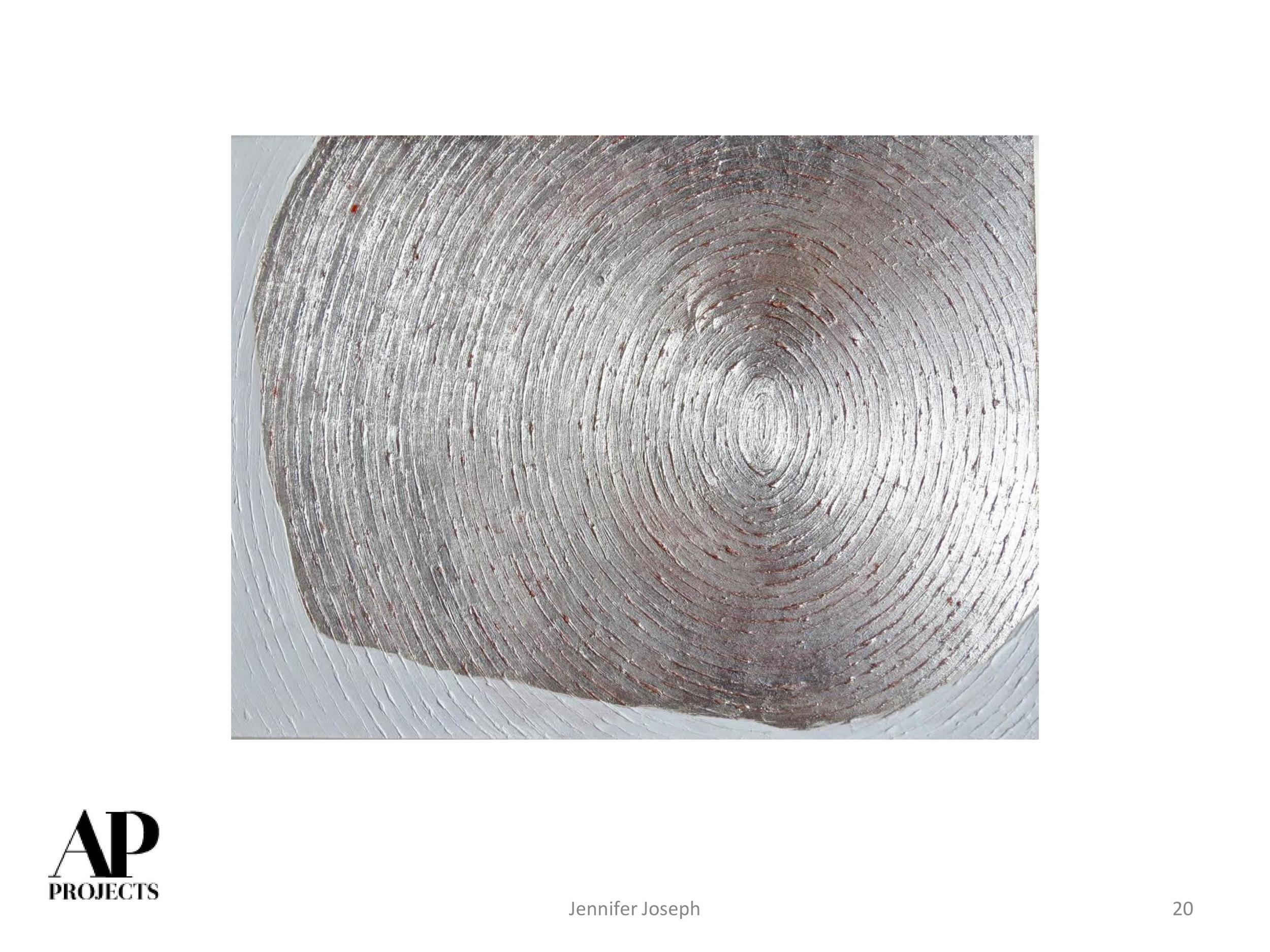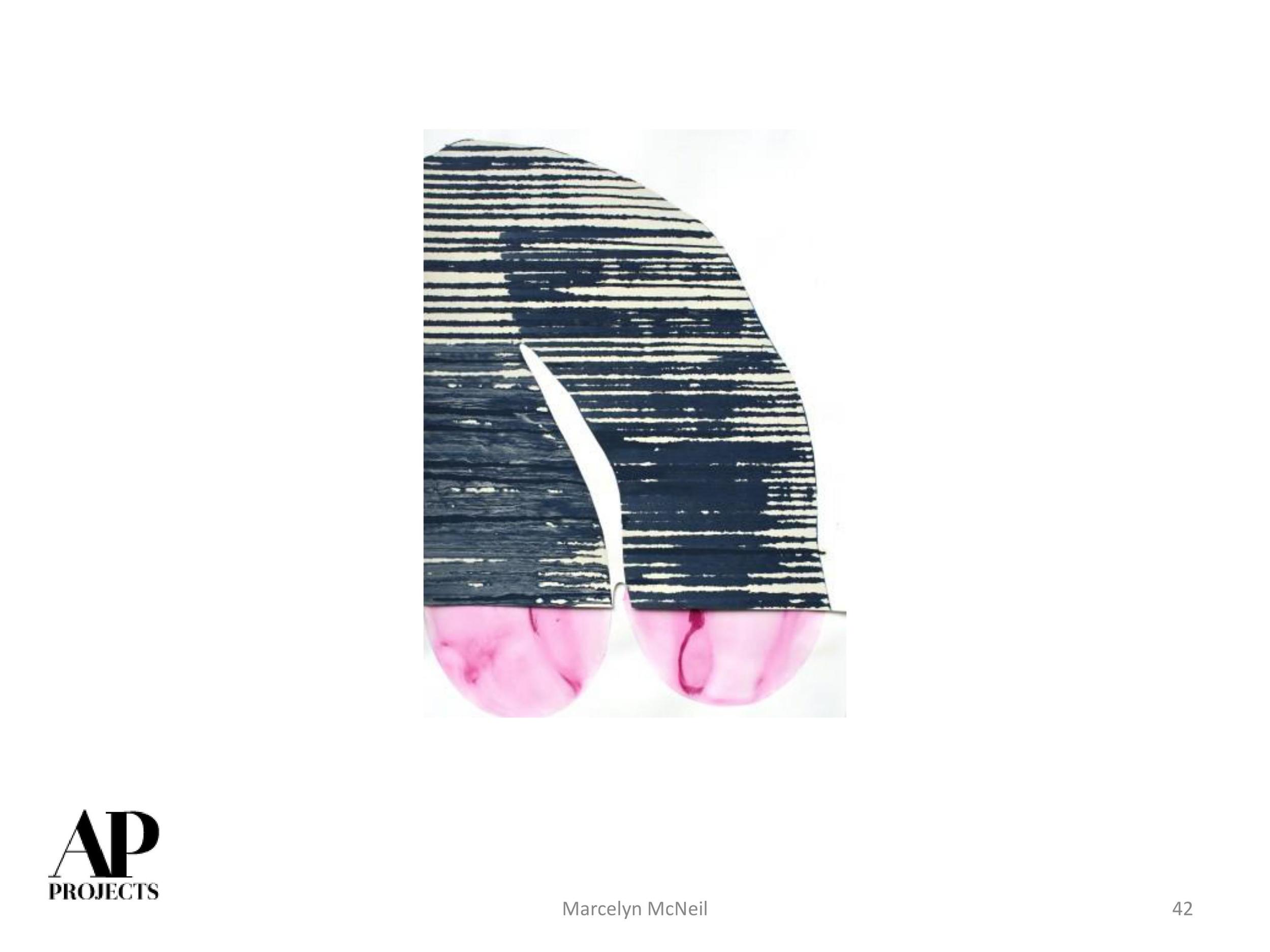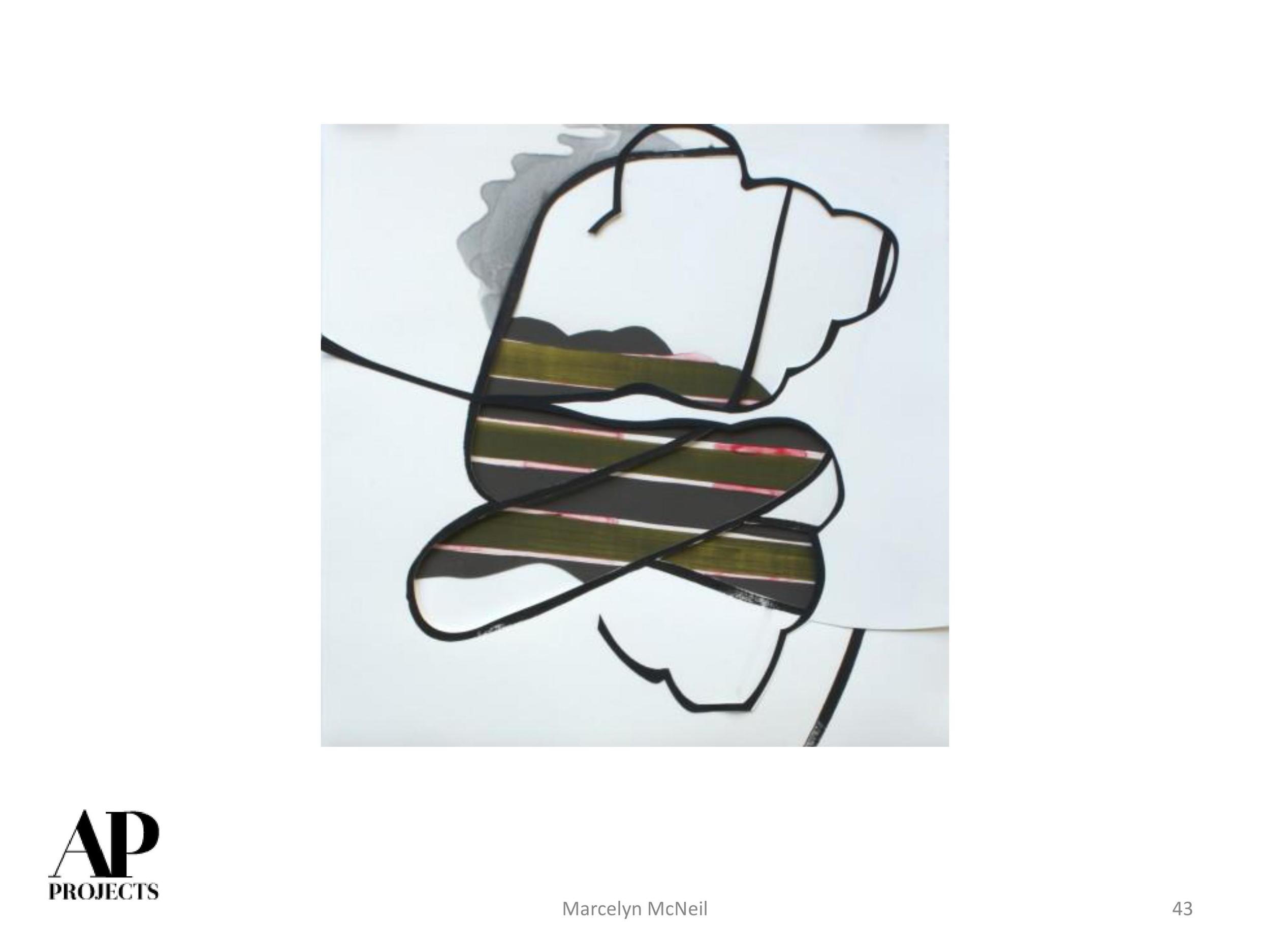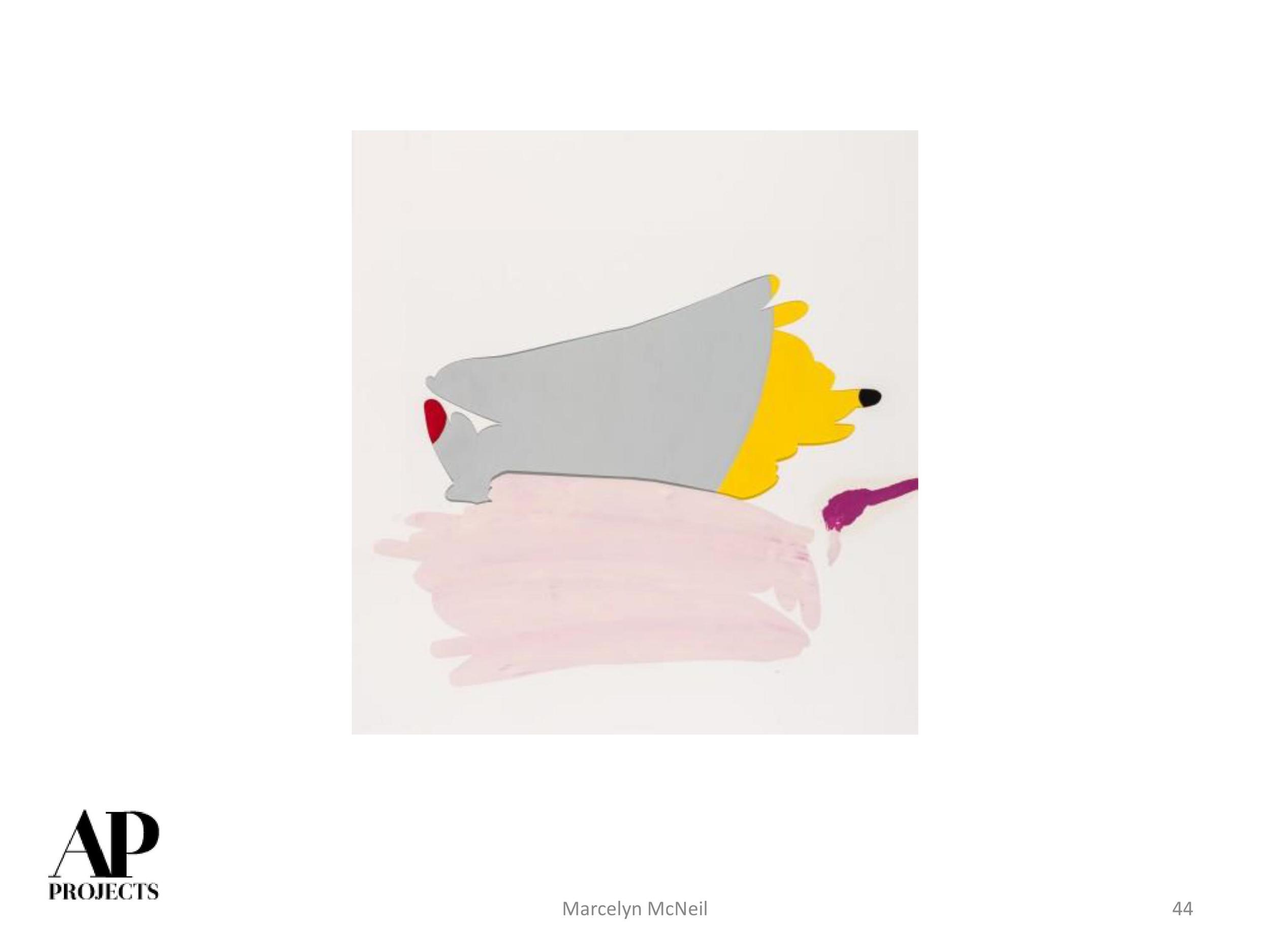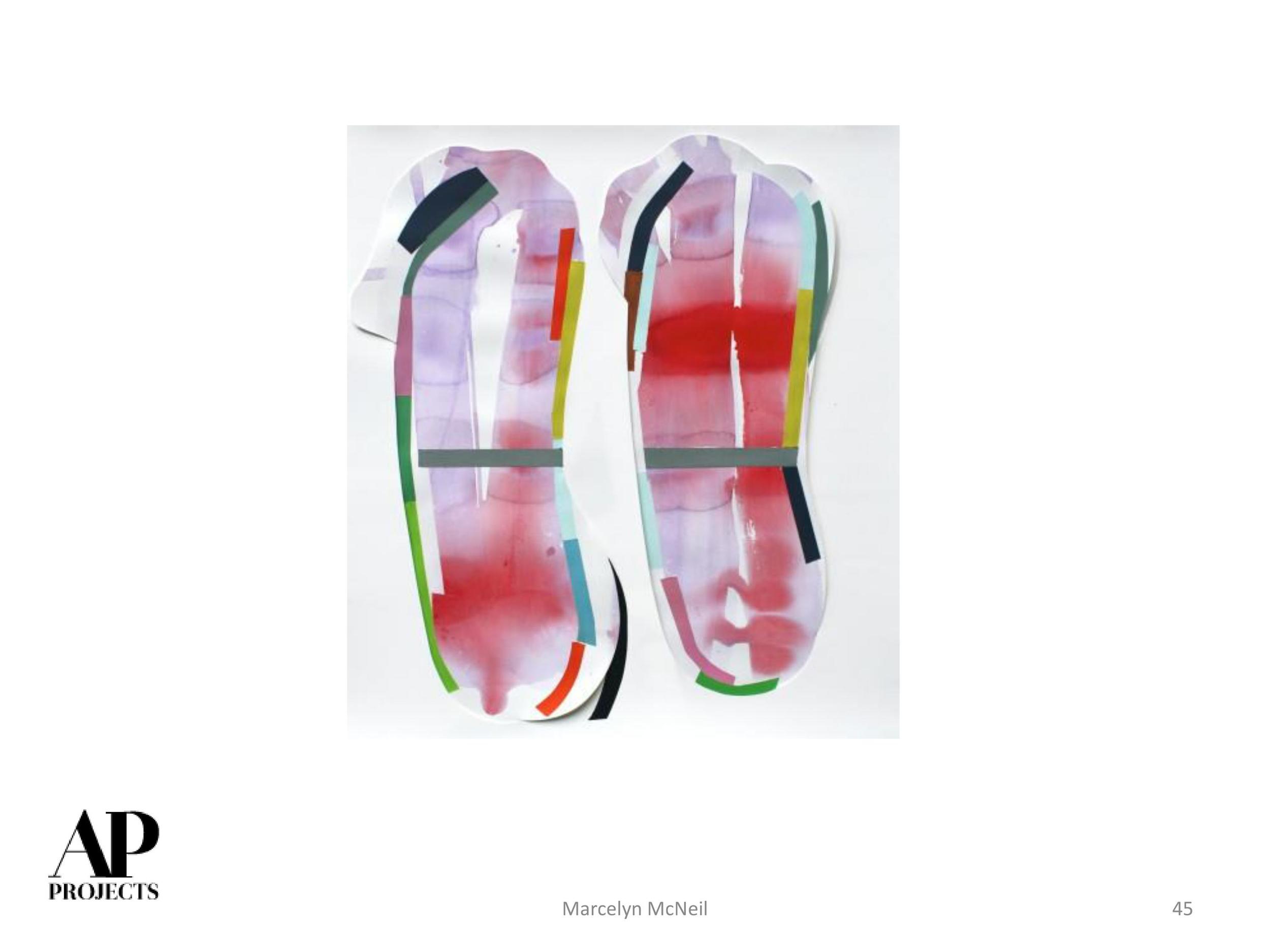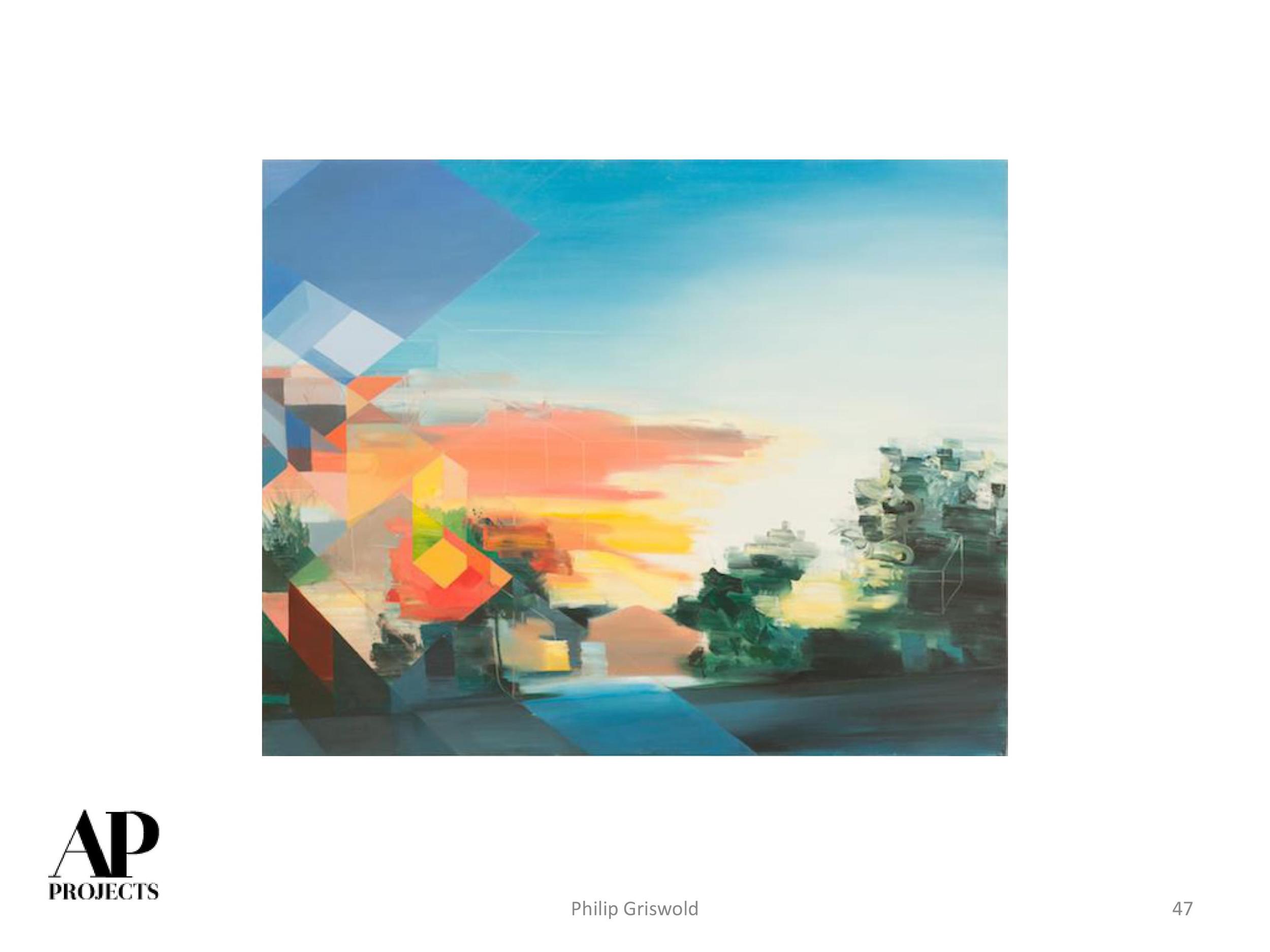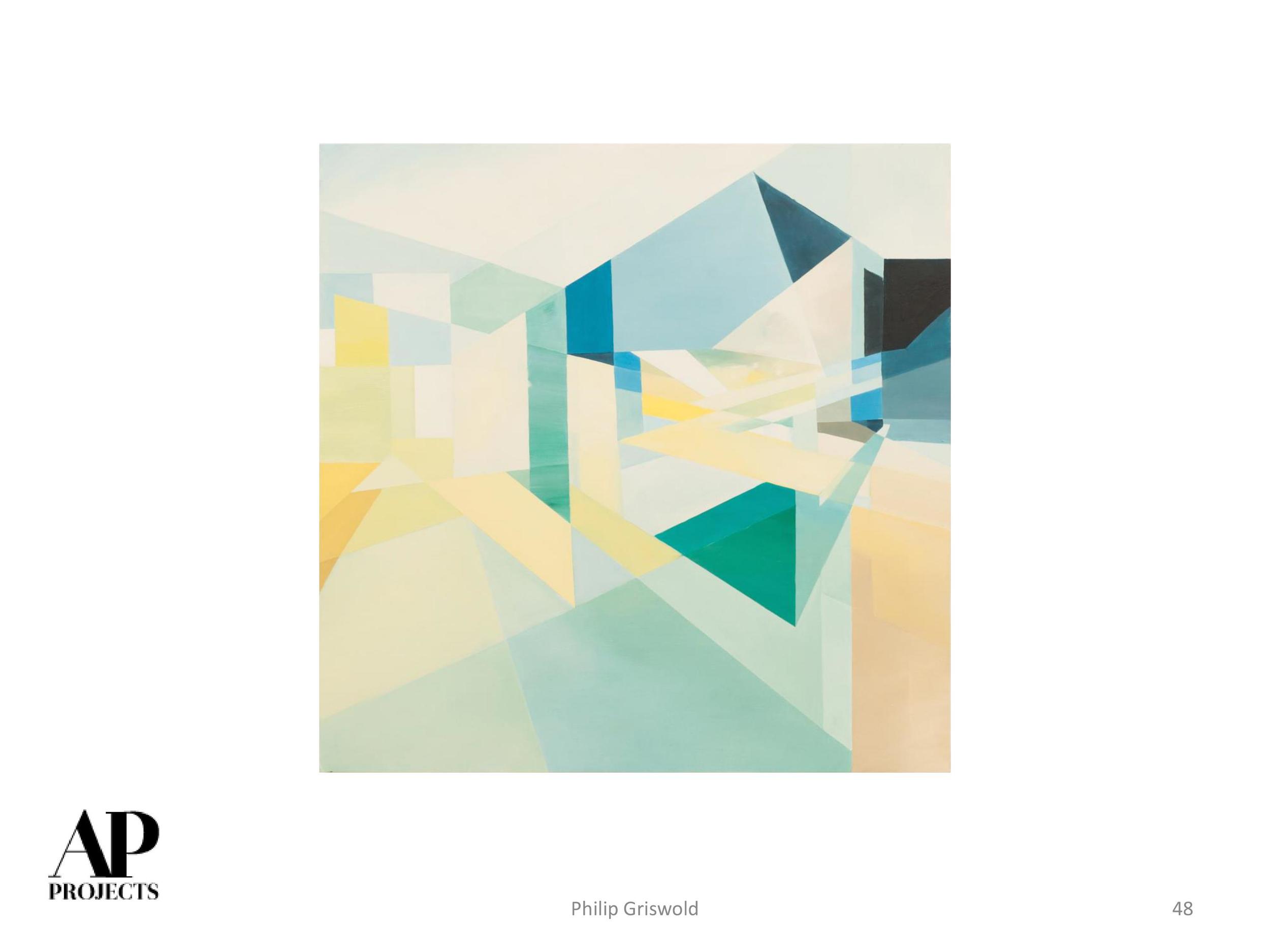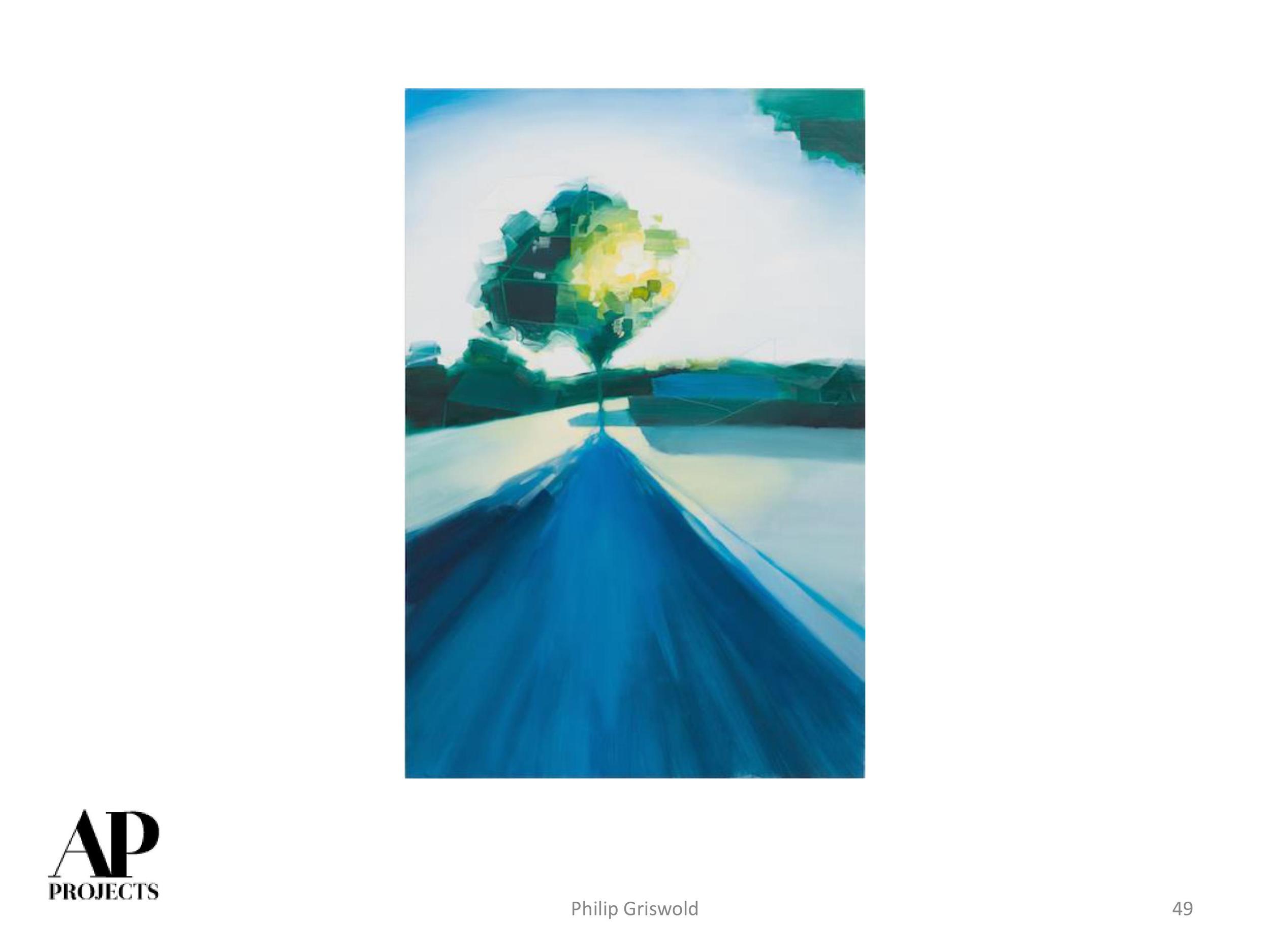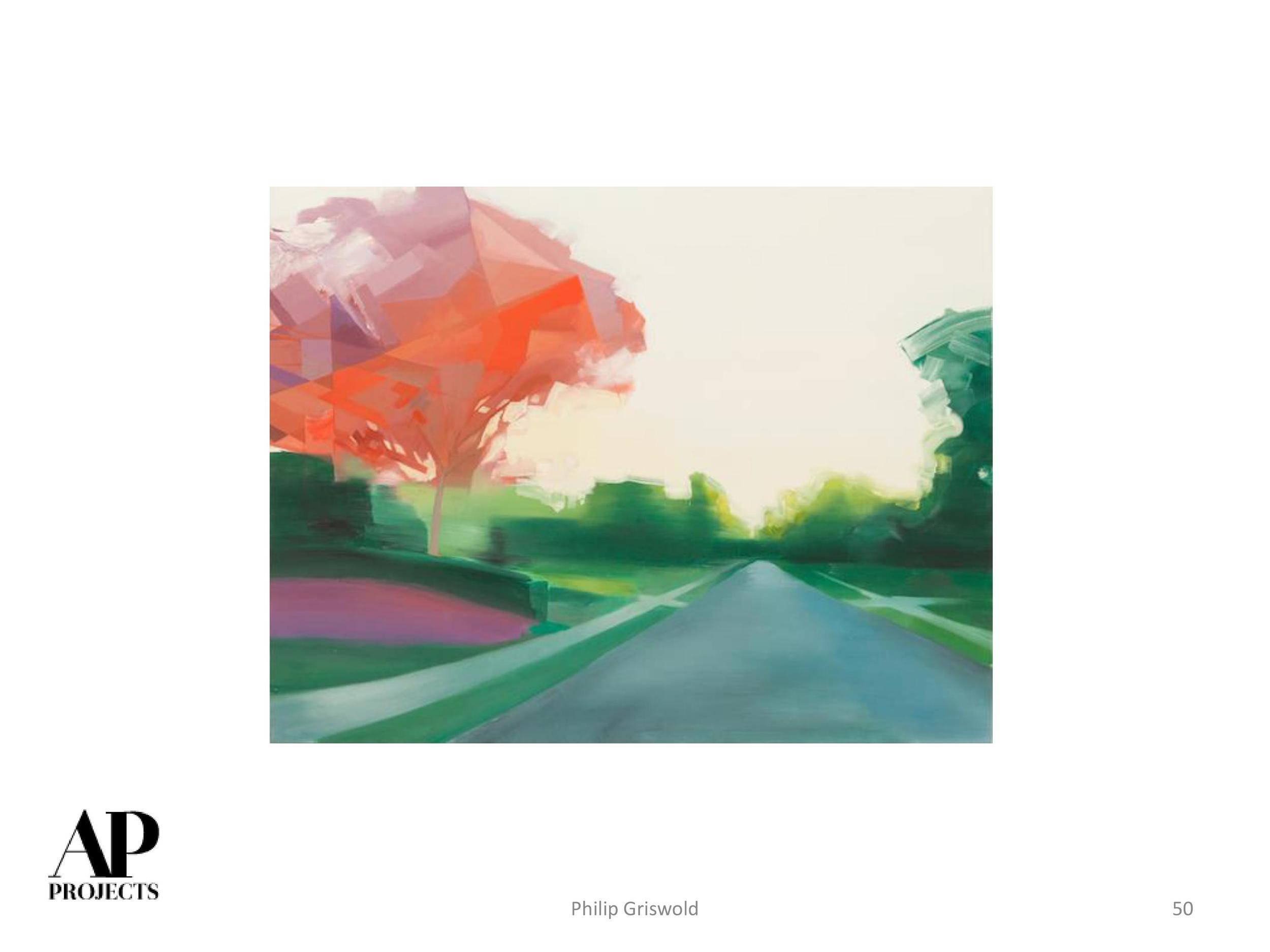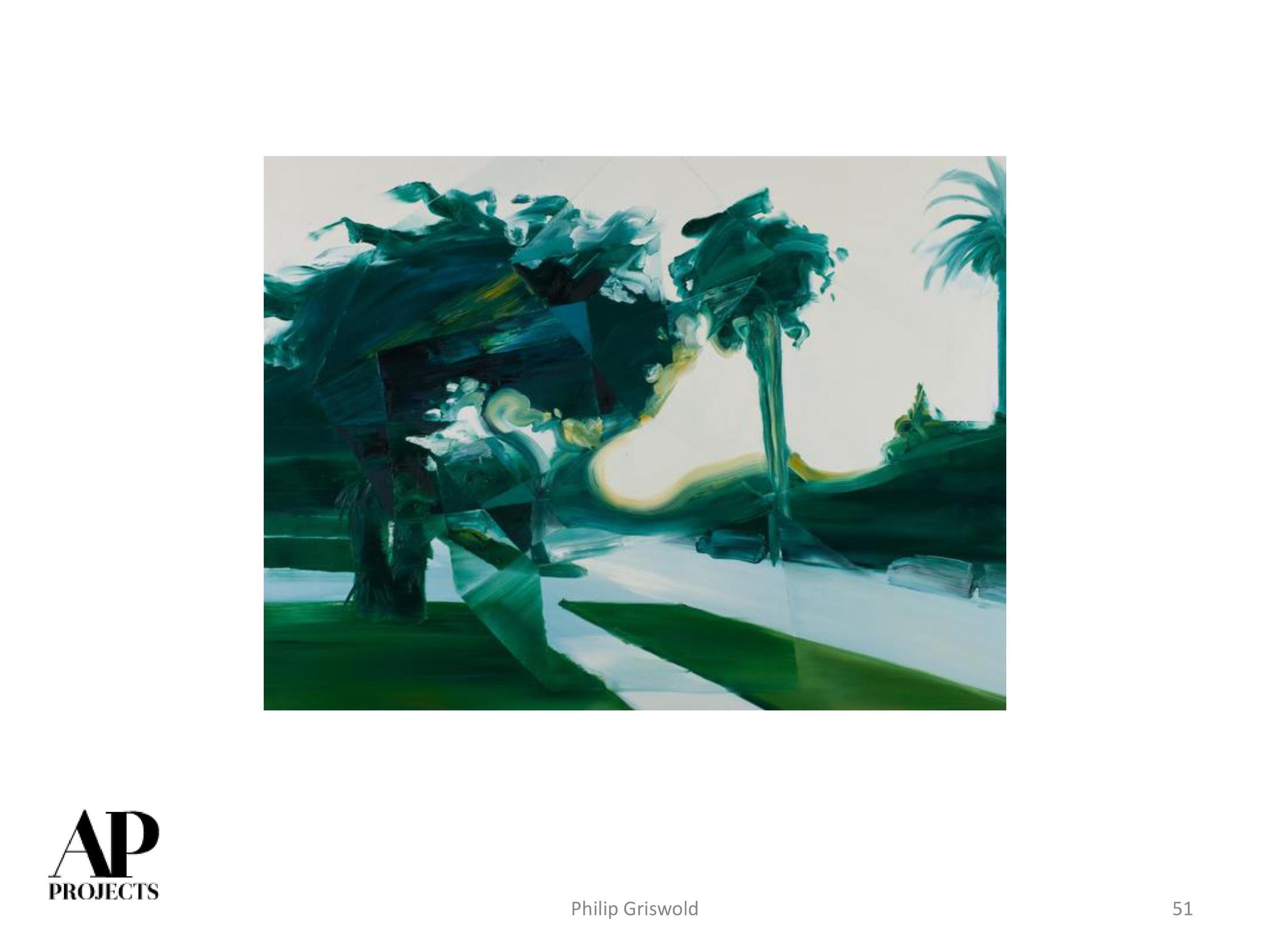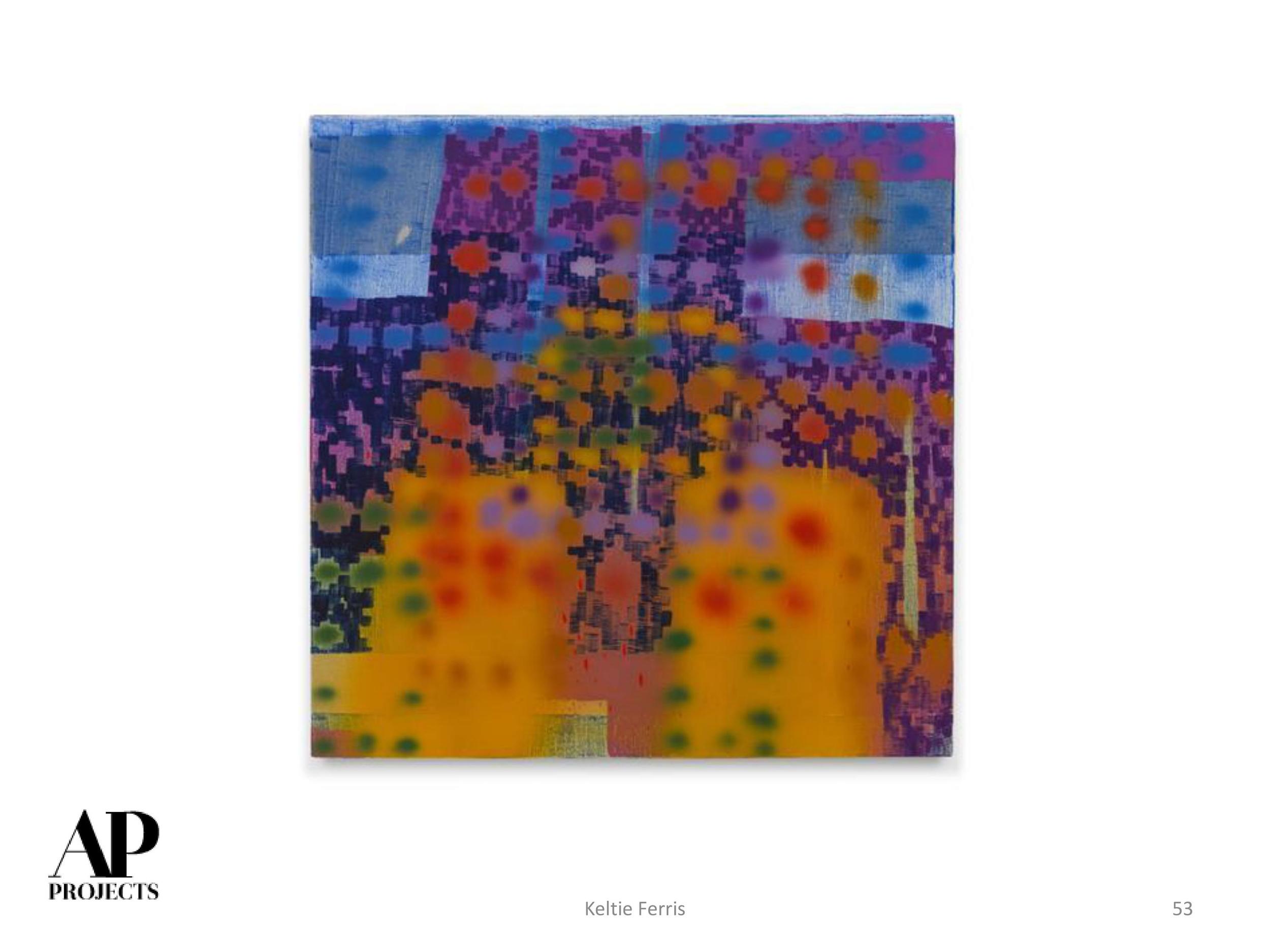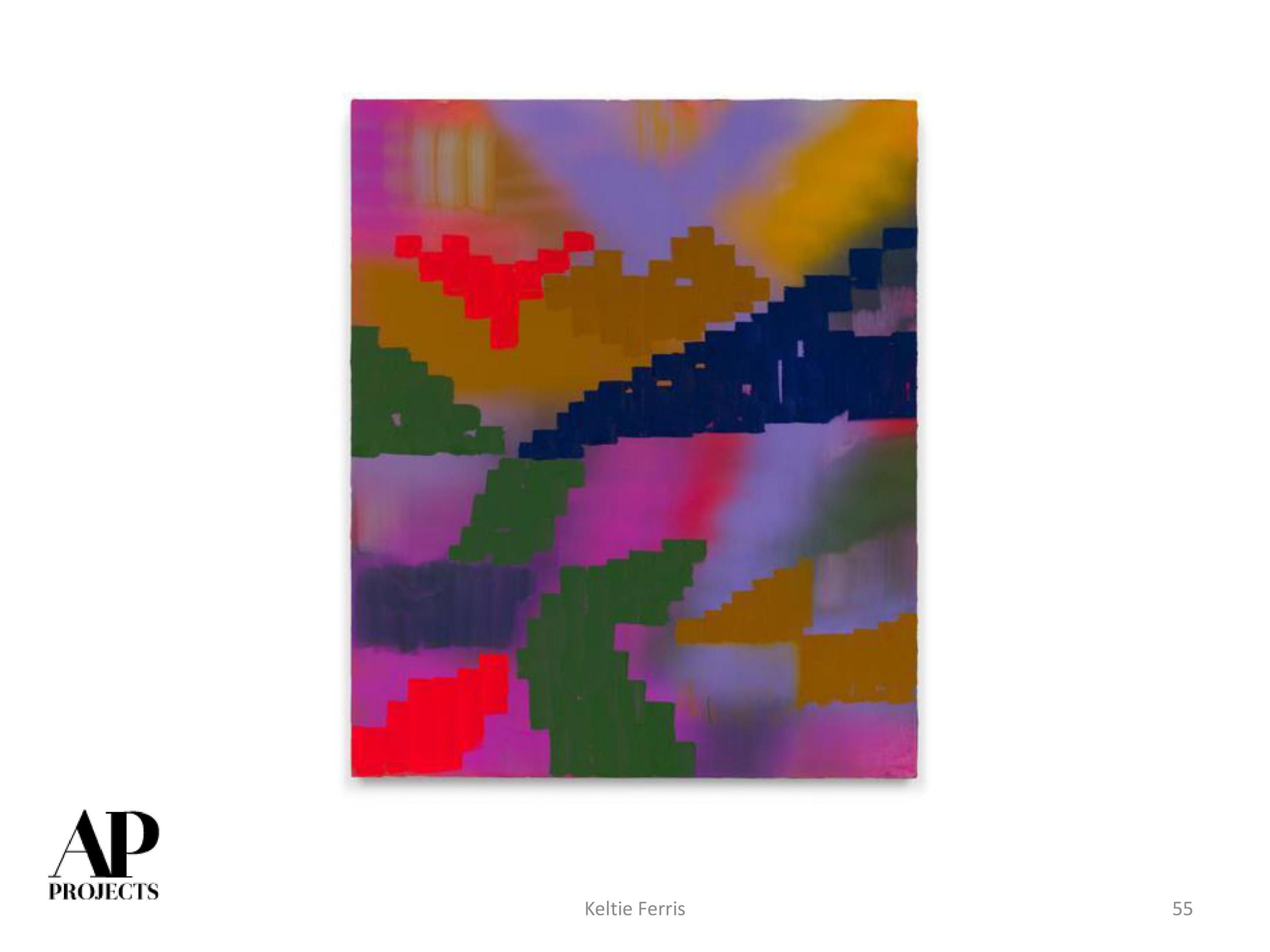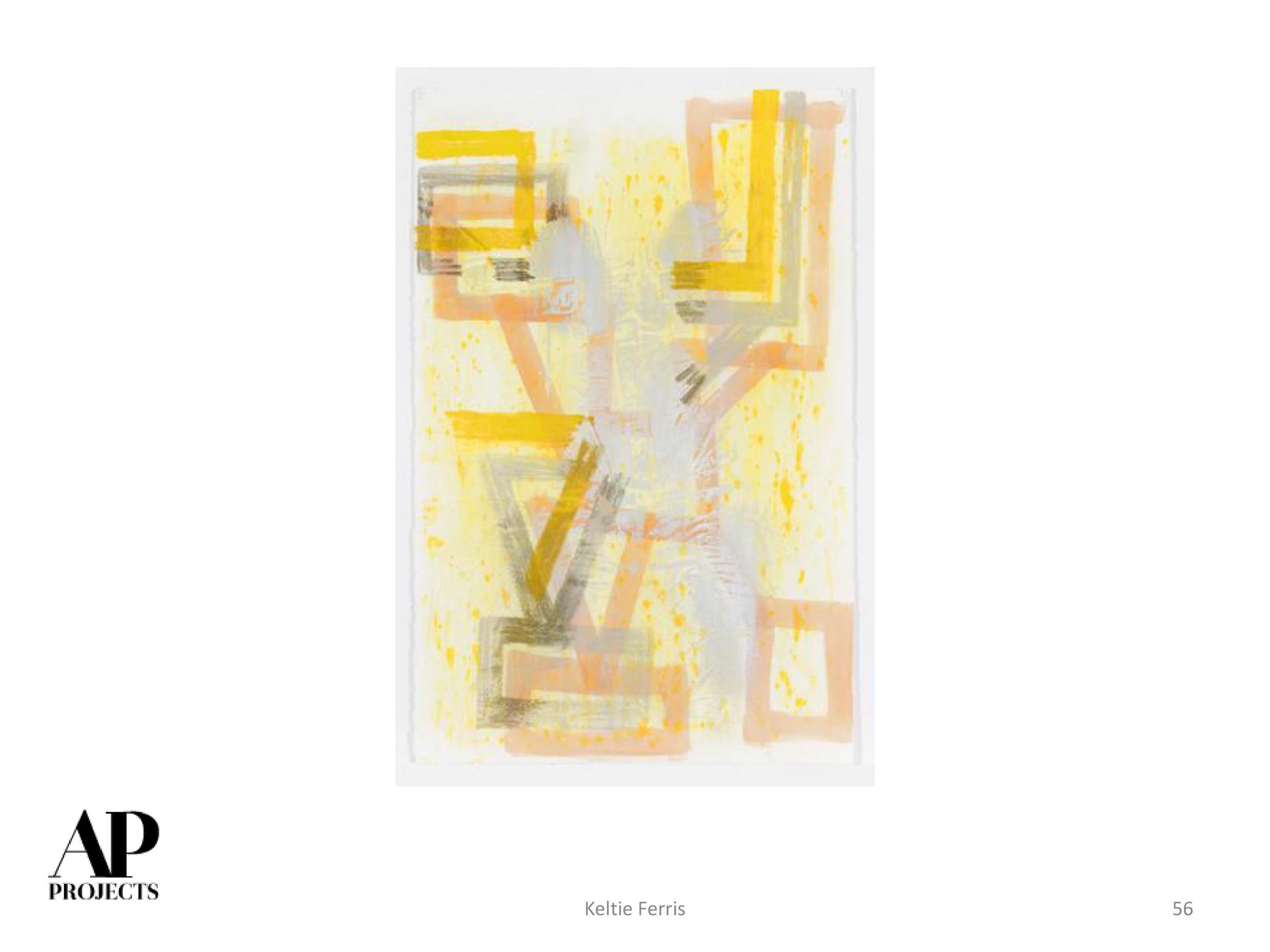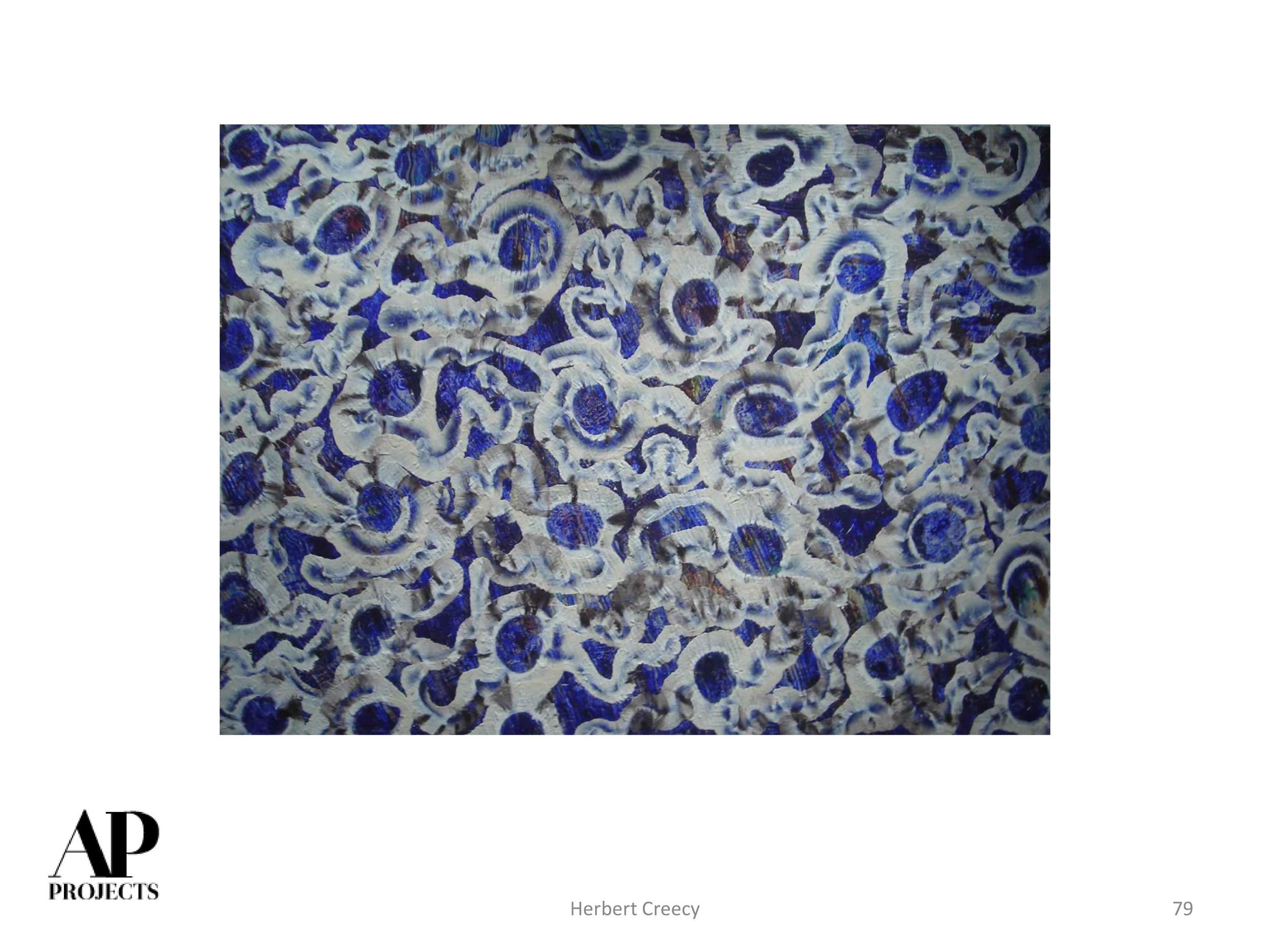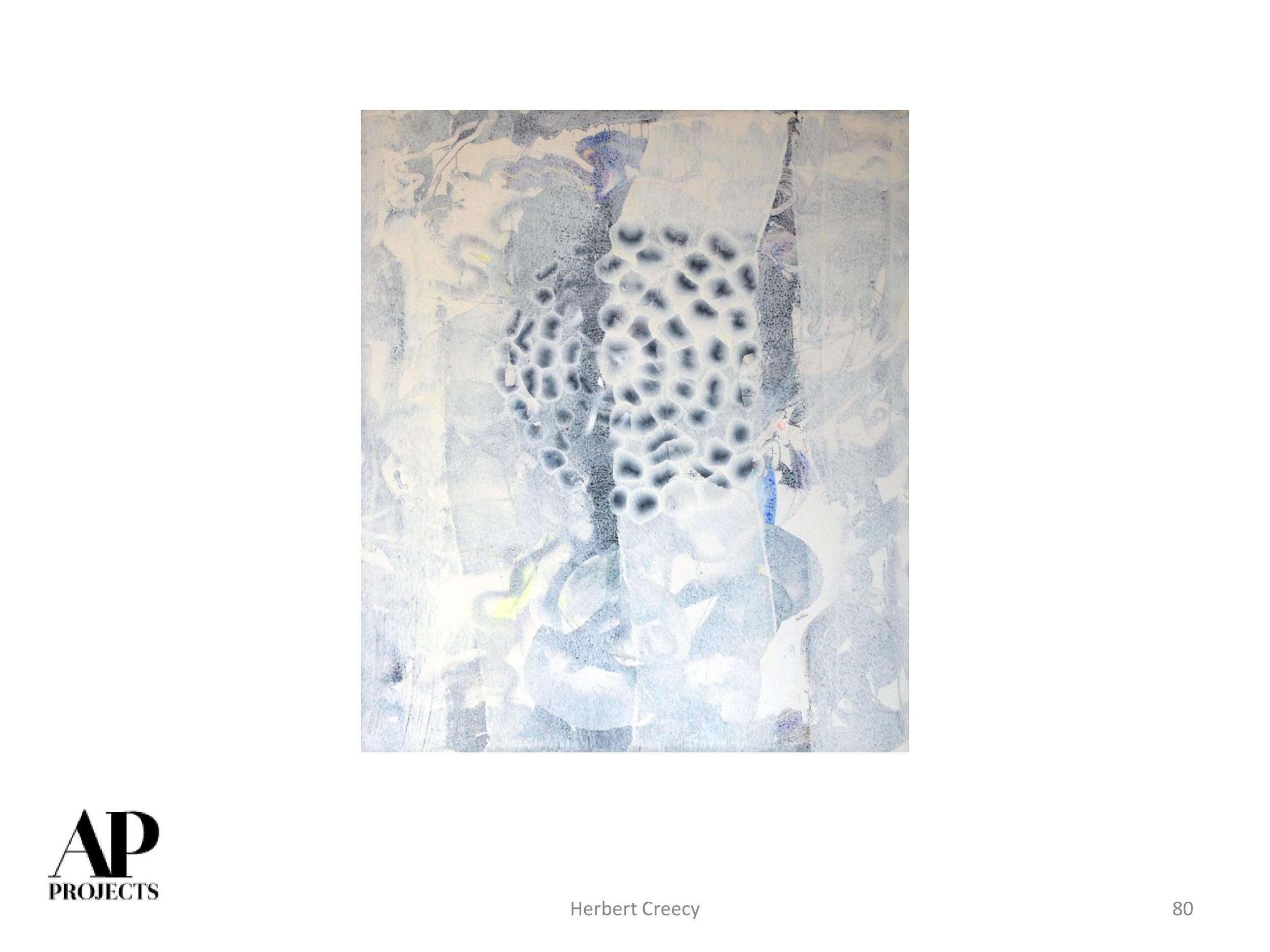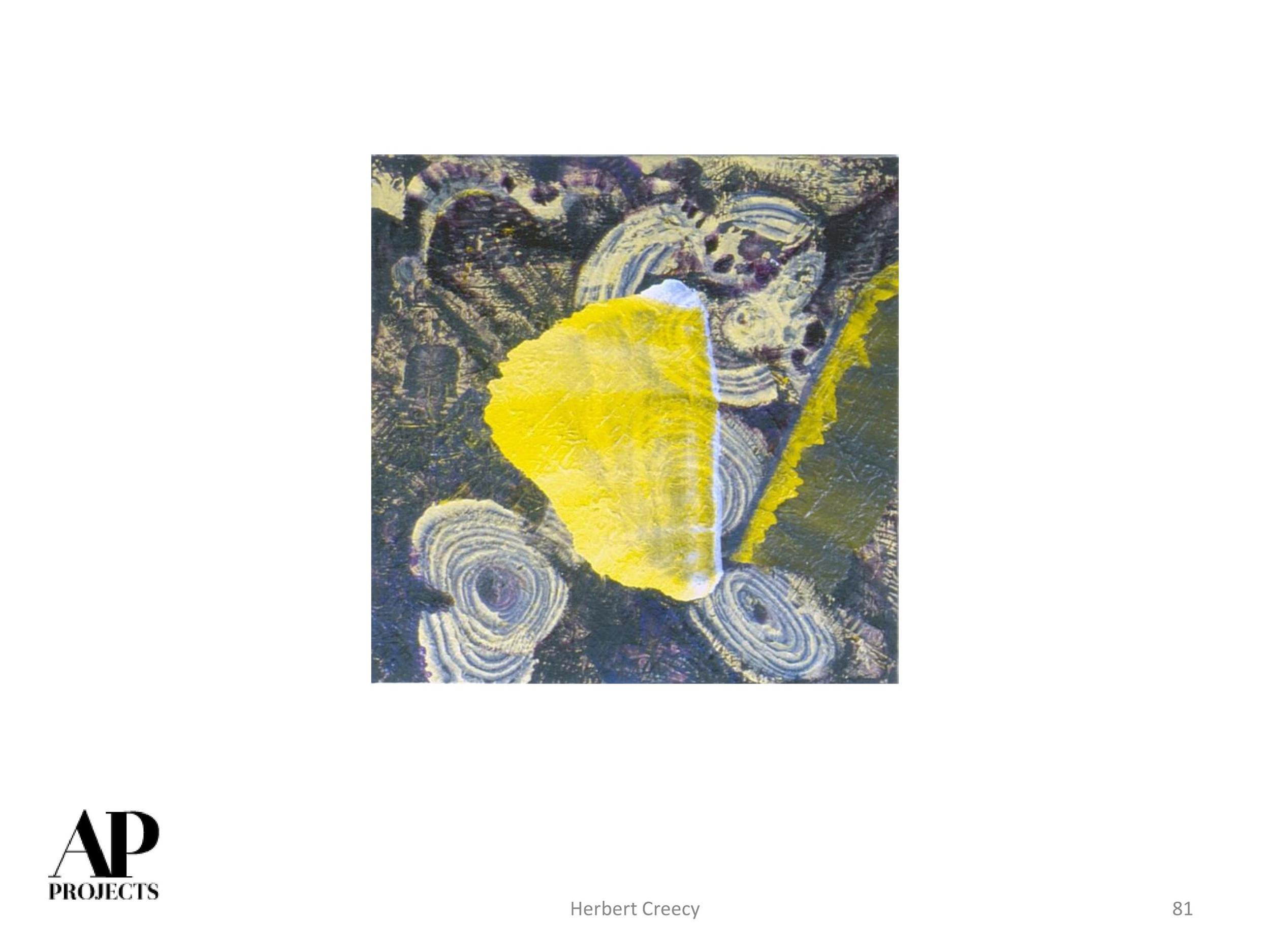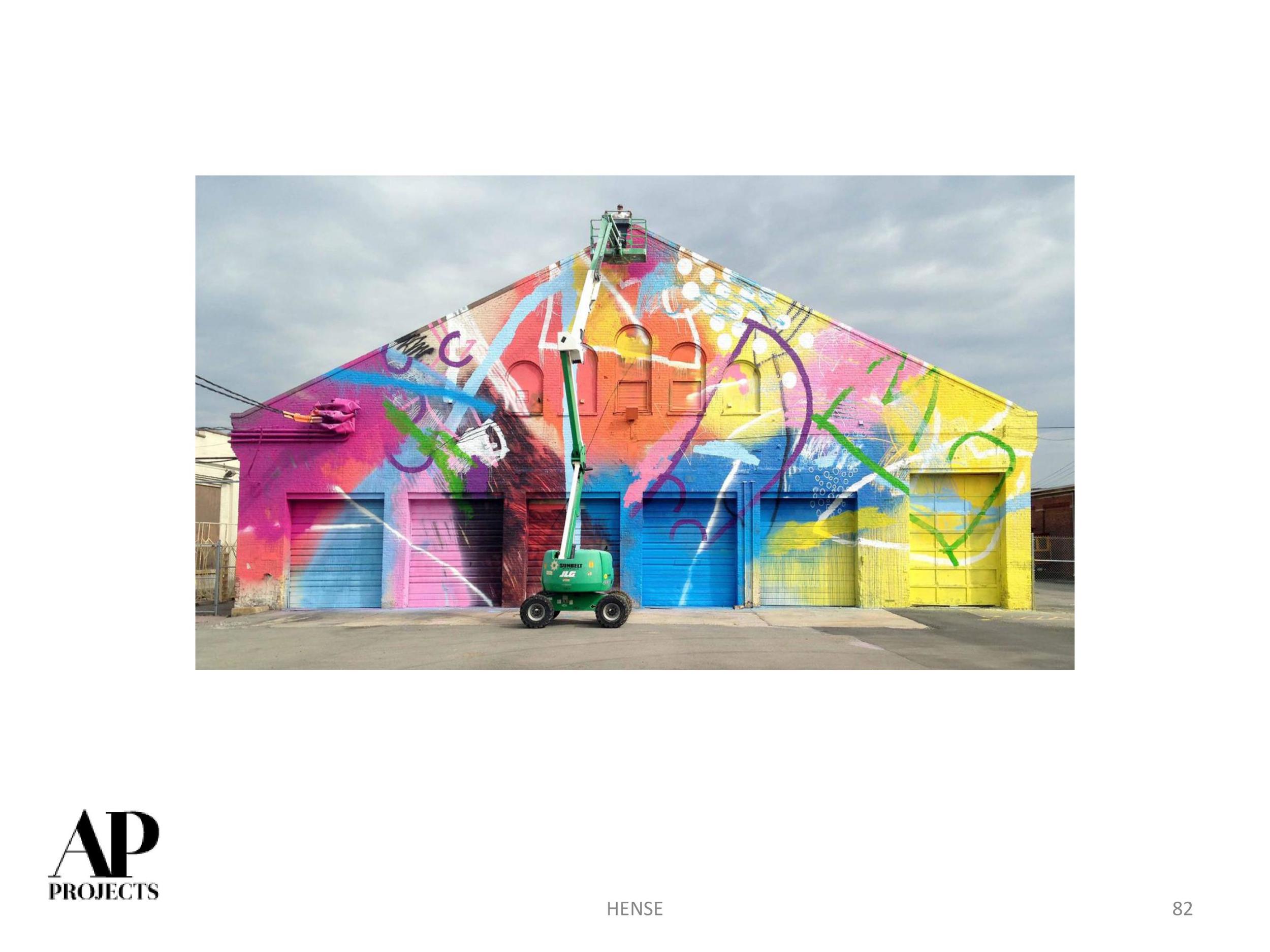
Ultra Violet | PANTONE'S 2018 Color of the Year

“We’re in a complex time; this is a complex color.”
- Lee Eiseman, Executive Director of the Pantone Color Institute

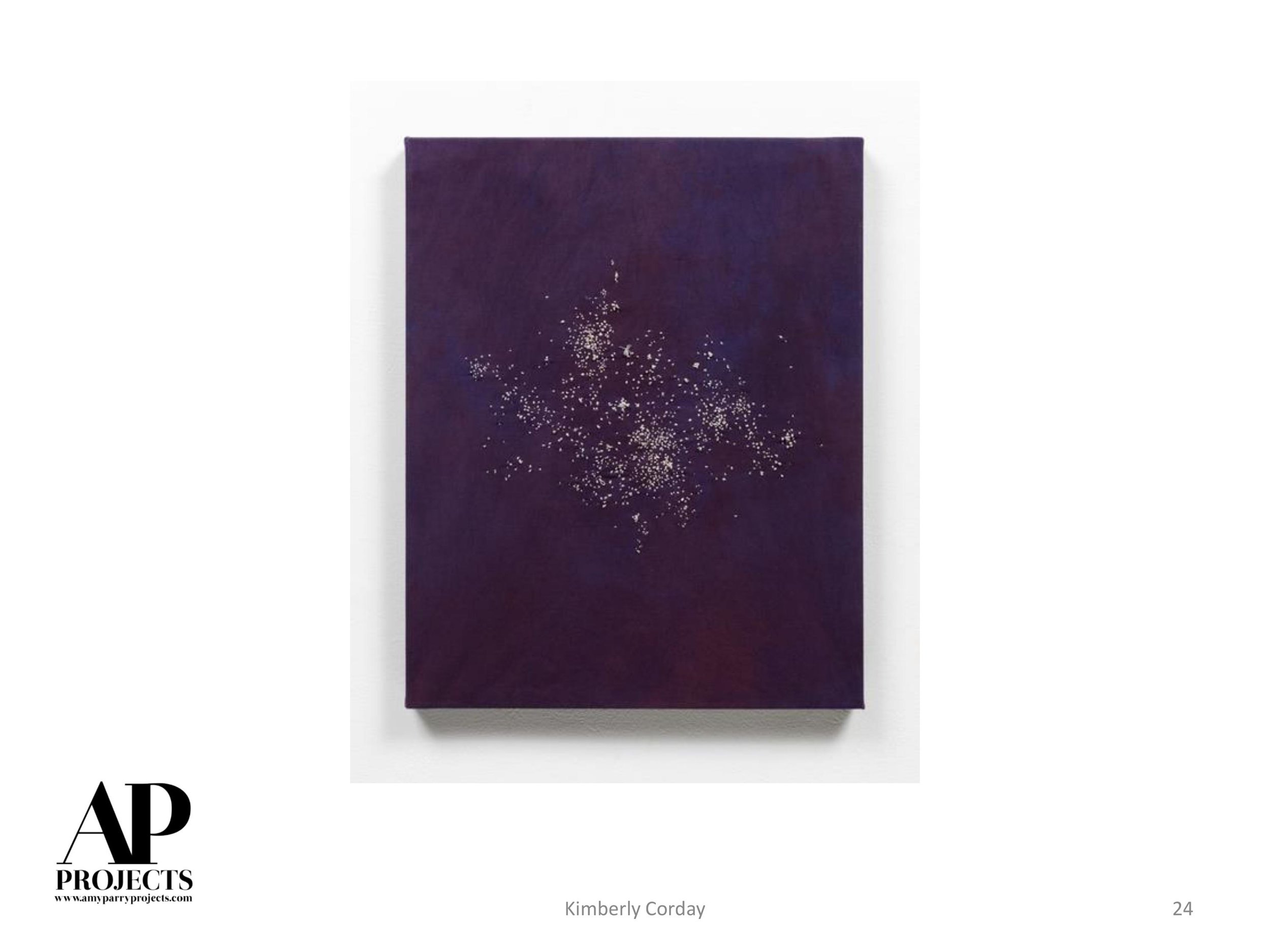
With their announcement, Pantone explains: "[Ultra Violet] is a very provocative shade, but it’s also a thoughtful color–it sounds like a bit of an oxymoron,” Eiseman says. “This is the kind of color attached, historically, to originality, ingenuity, and visionary thinking. These are the elements we need to create a meaningful future. Inventiveness and imagination is something we seek in our personal lives and business worlds. People are looking for that ‘magic bullet,’ and this shade is the perfect shade to lead right into it . . . It’s intriguing, fascinating, and magical.”


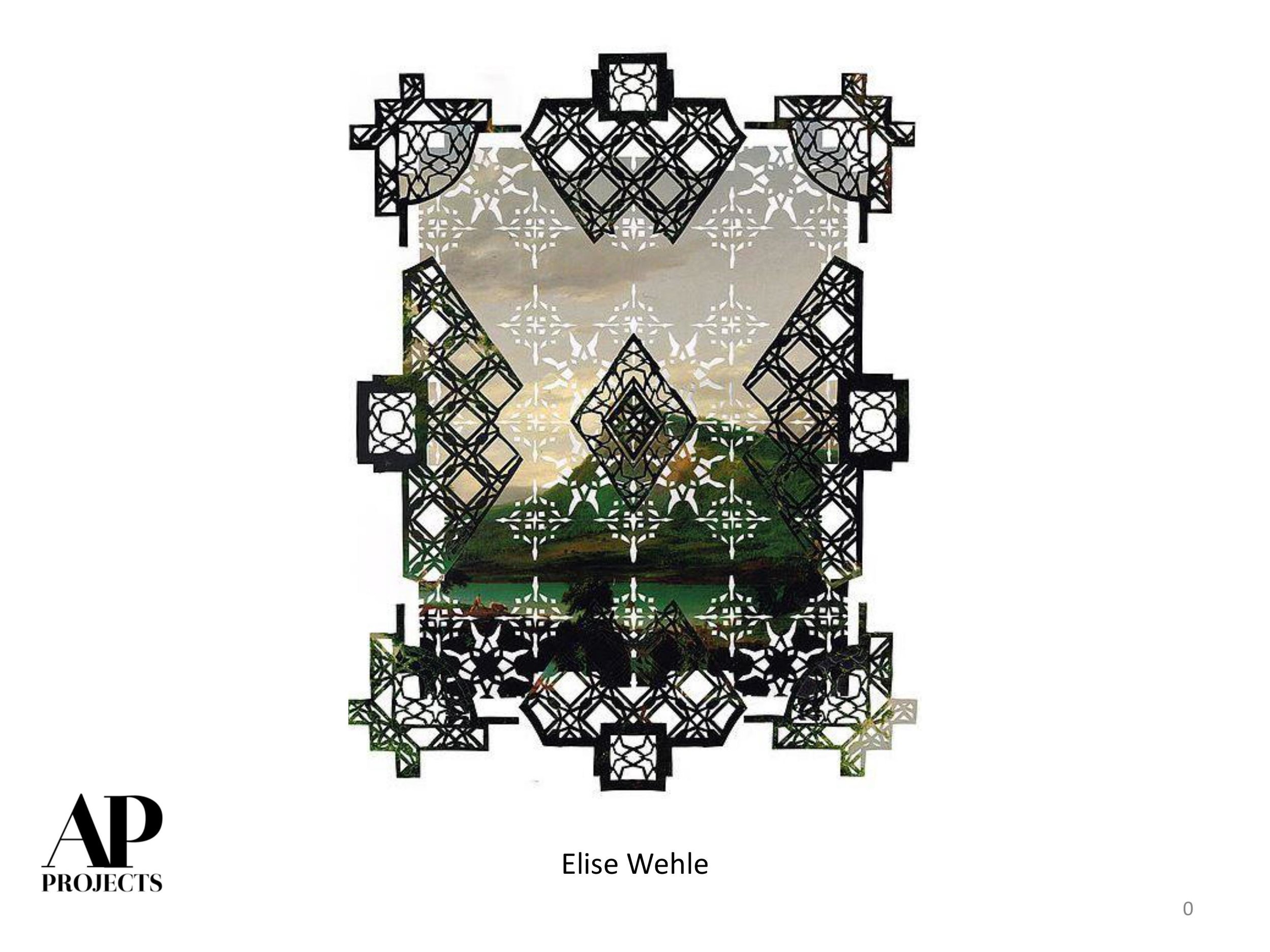
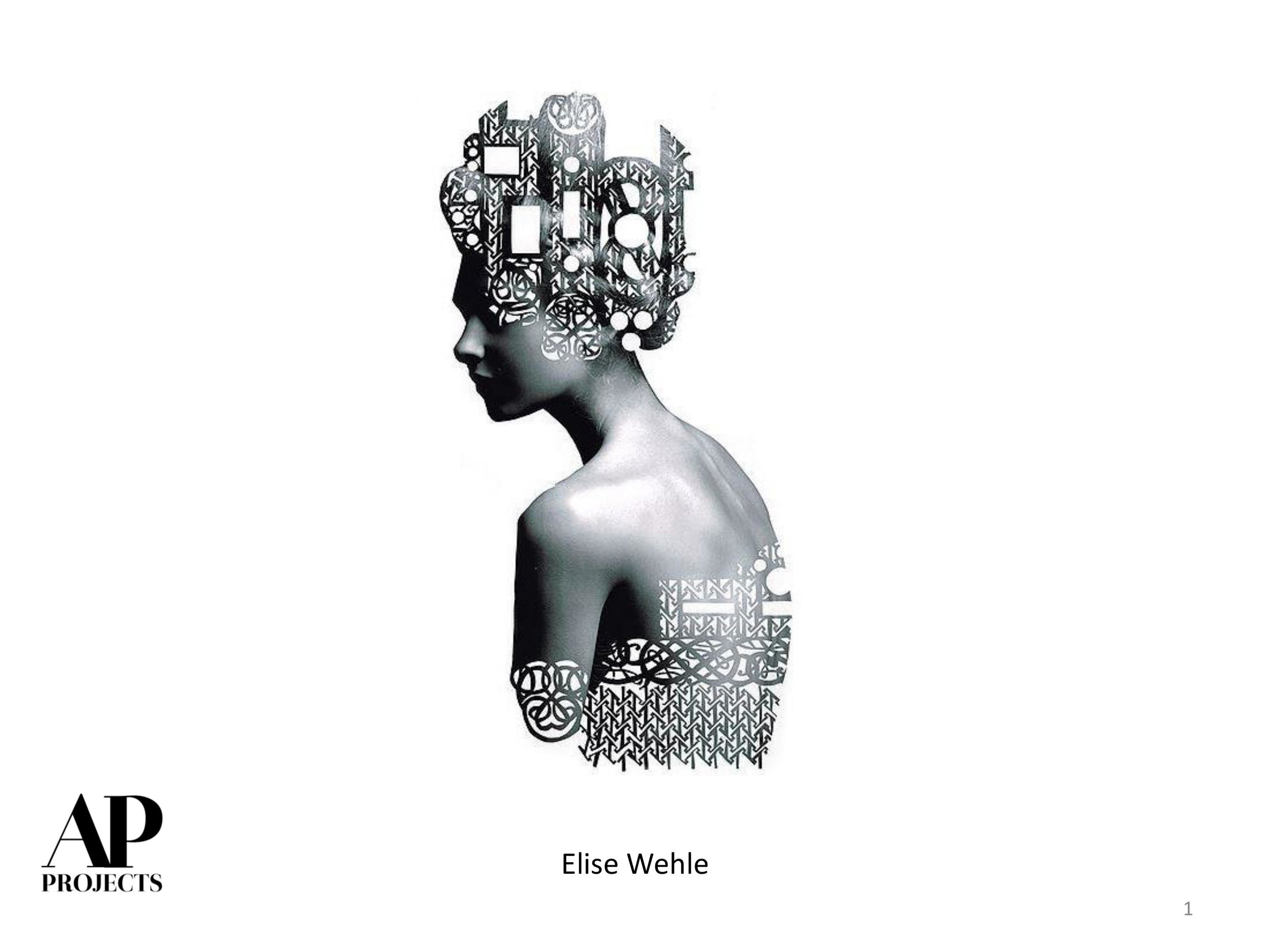
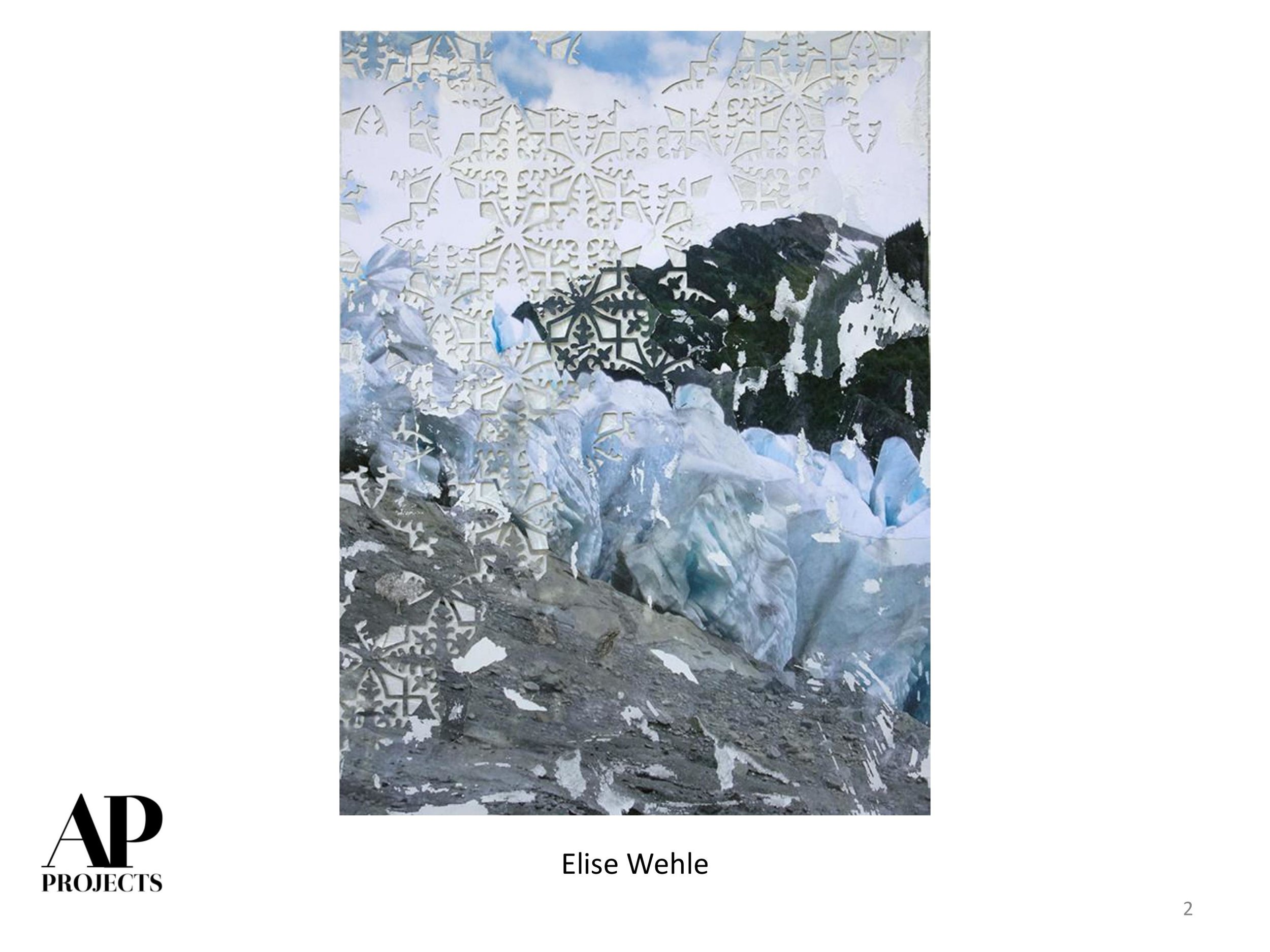
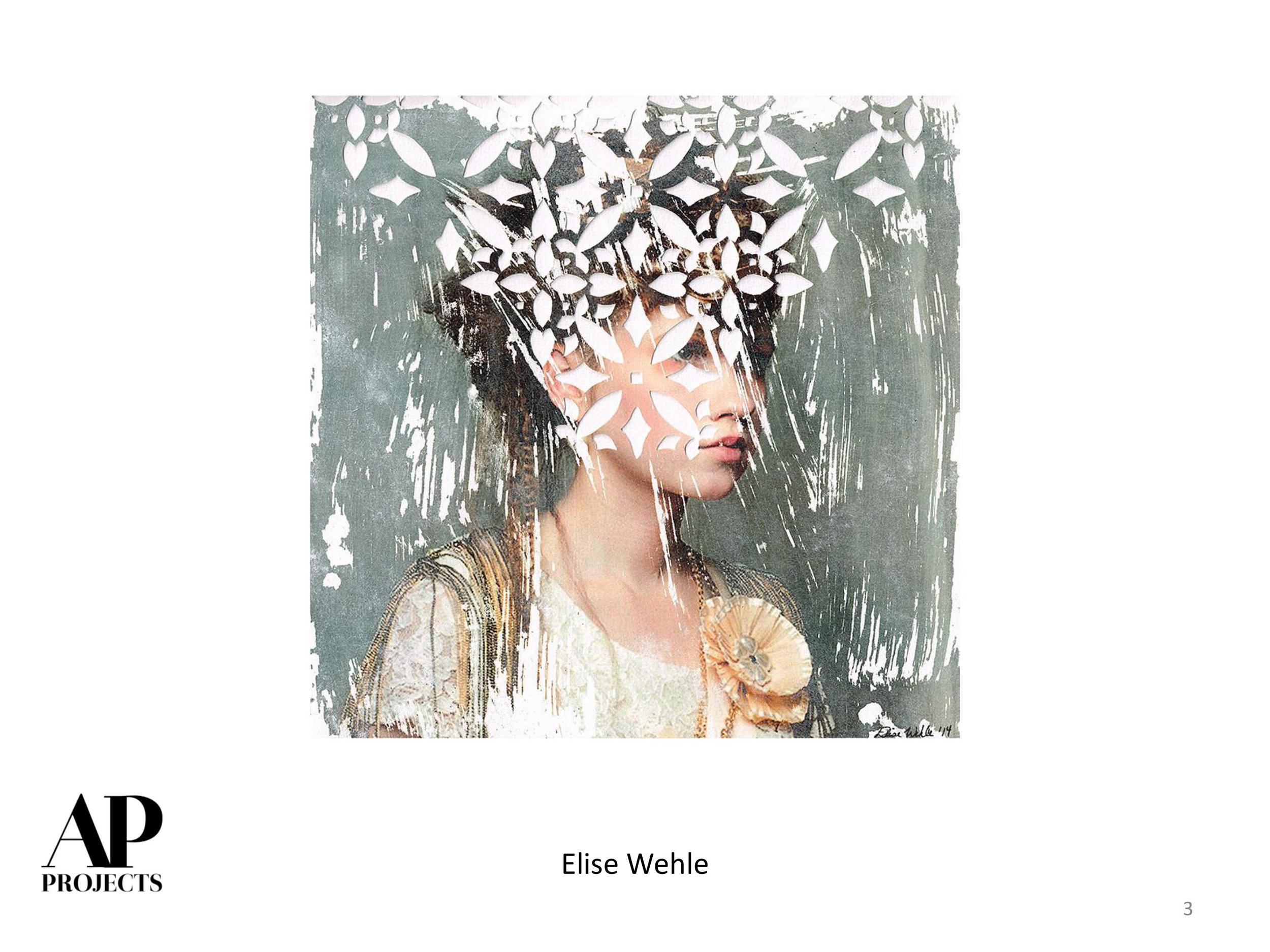
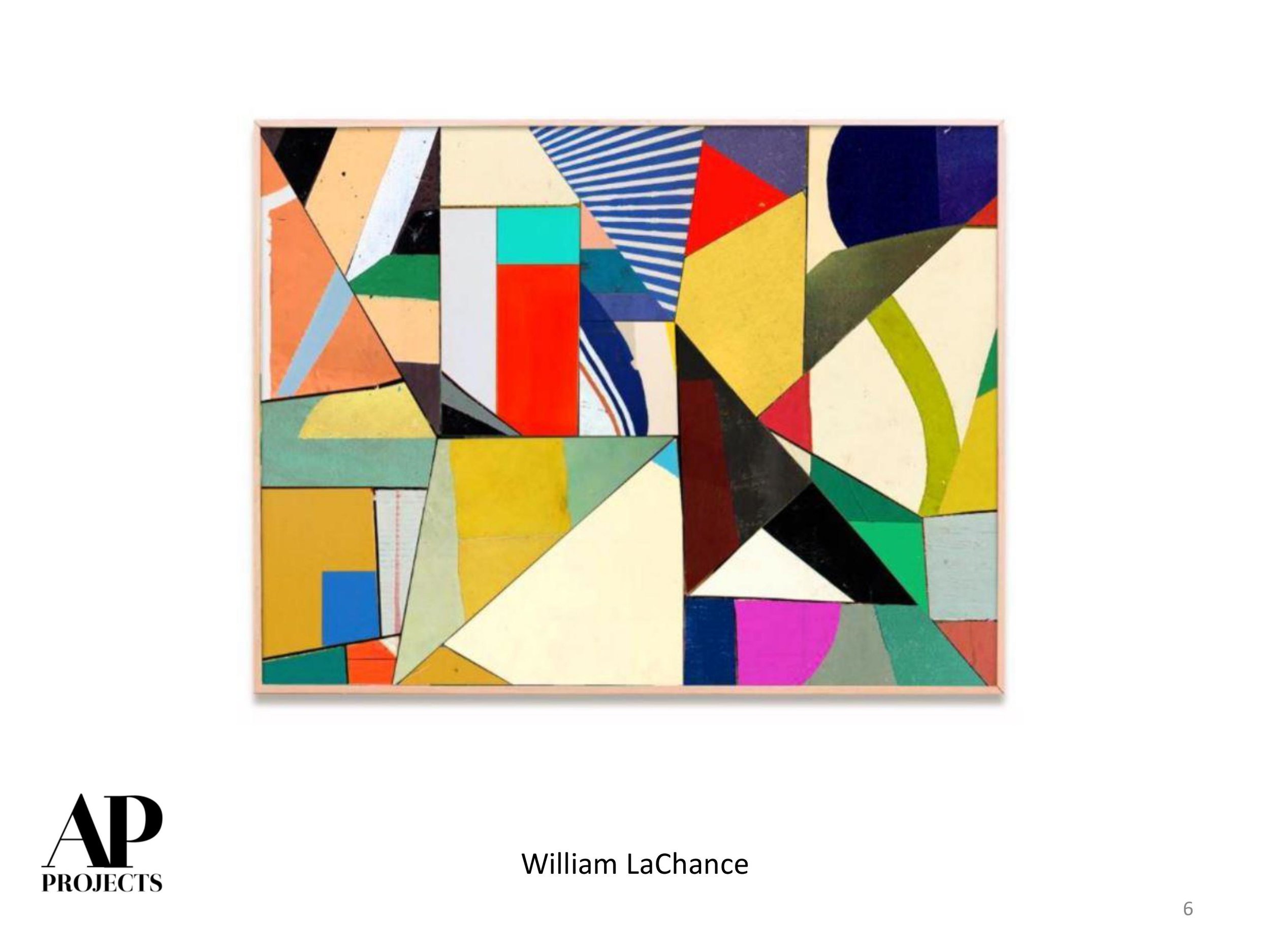
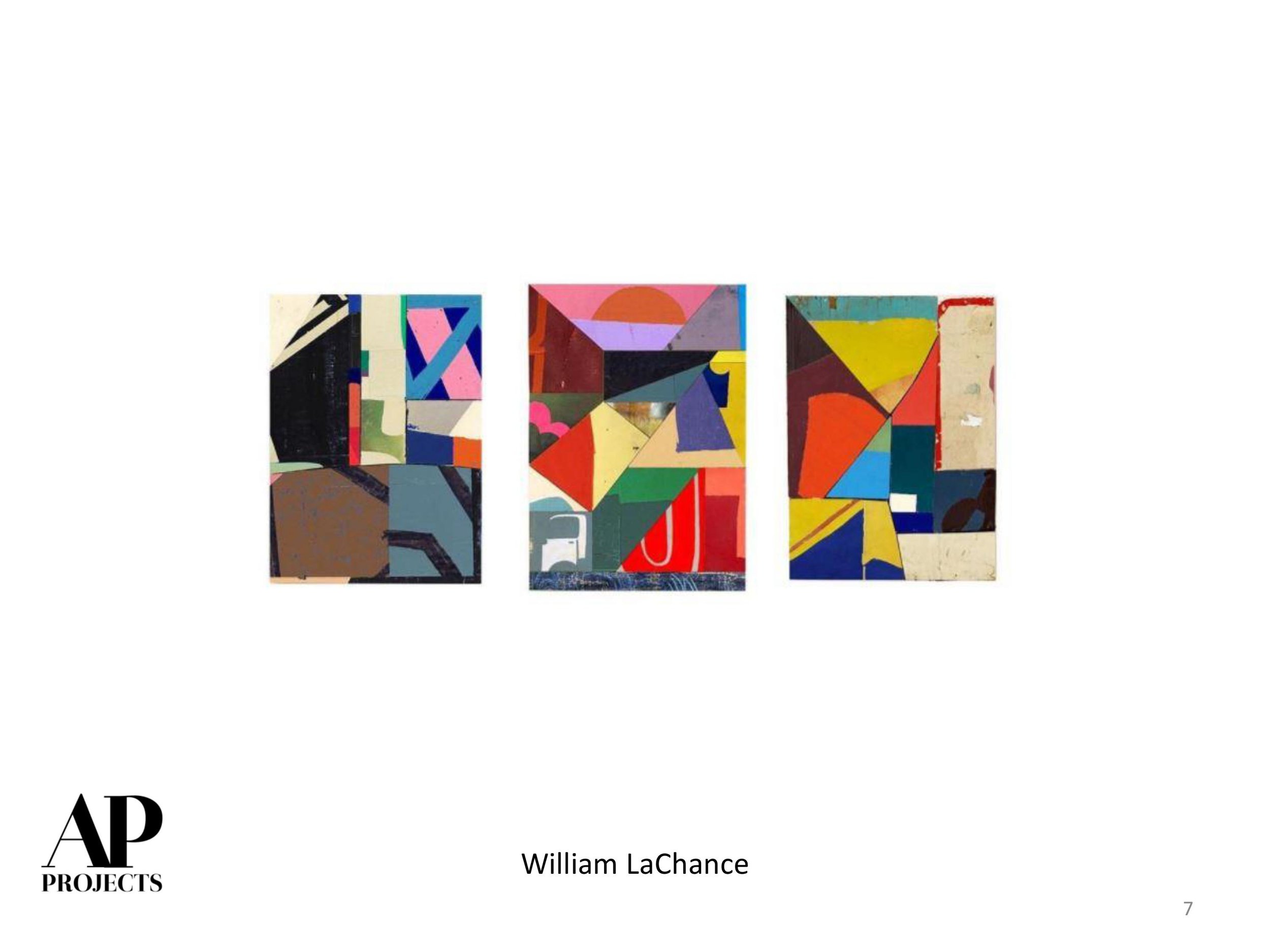
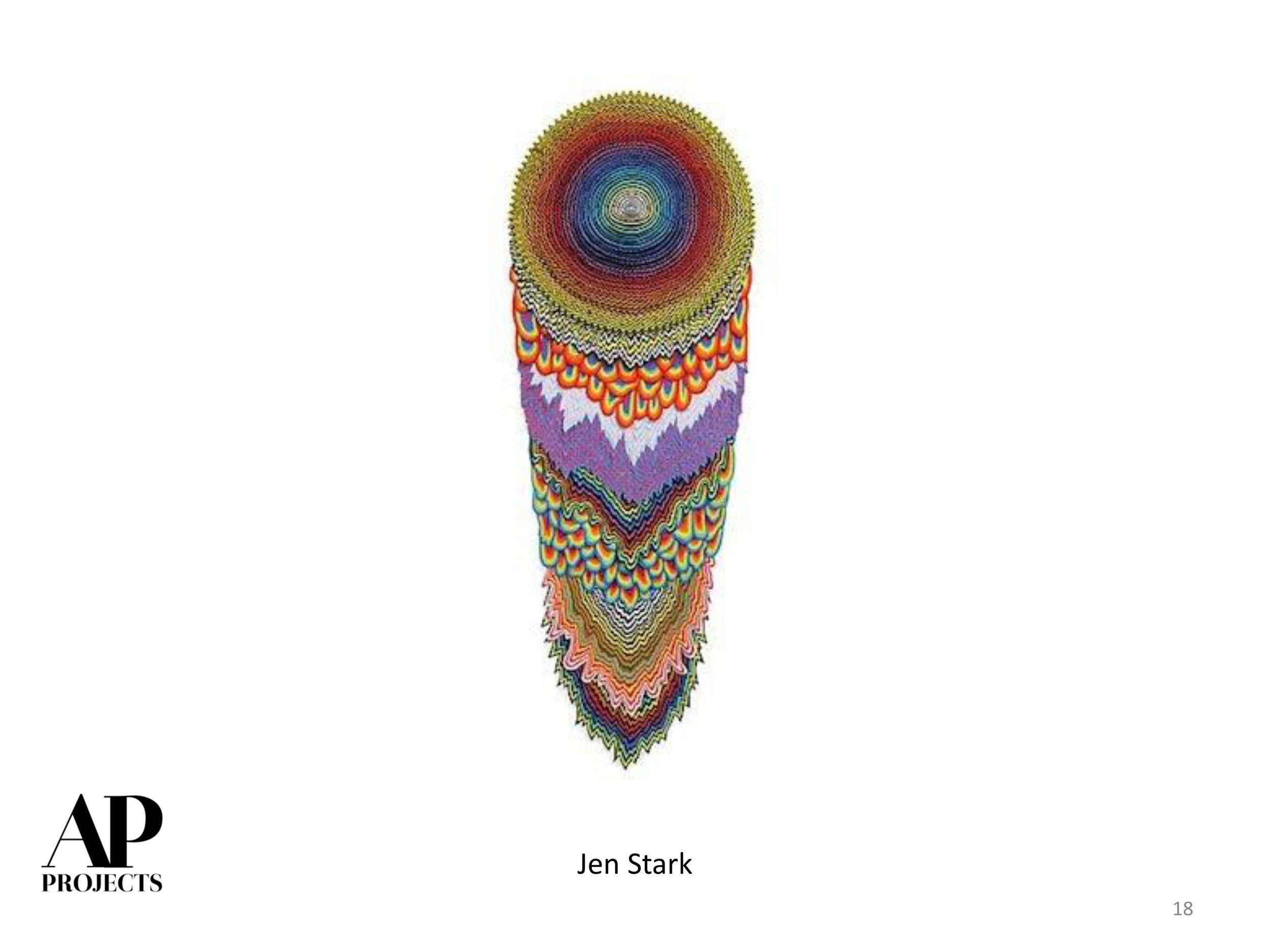
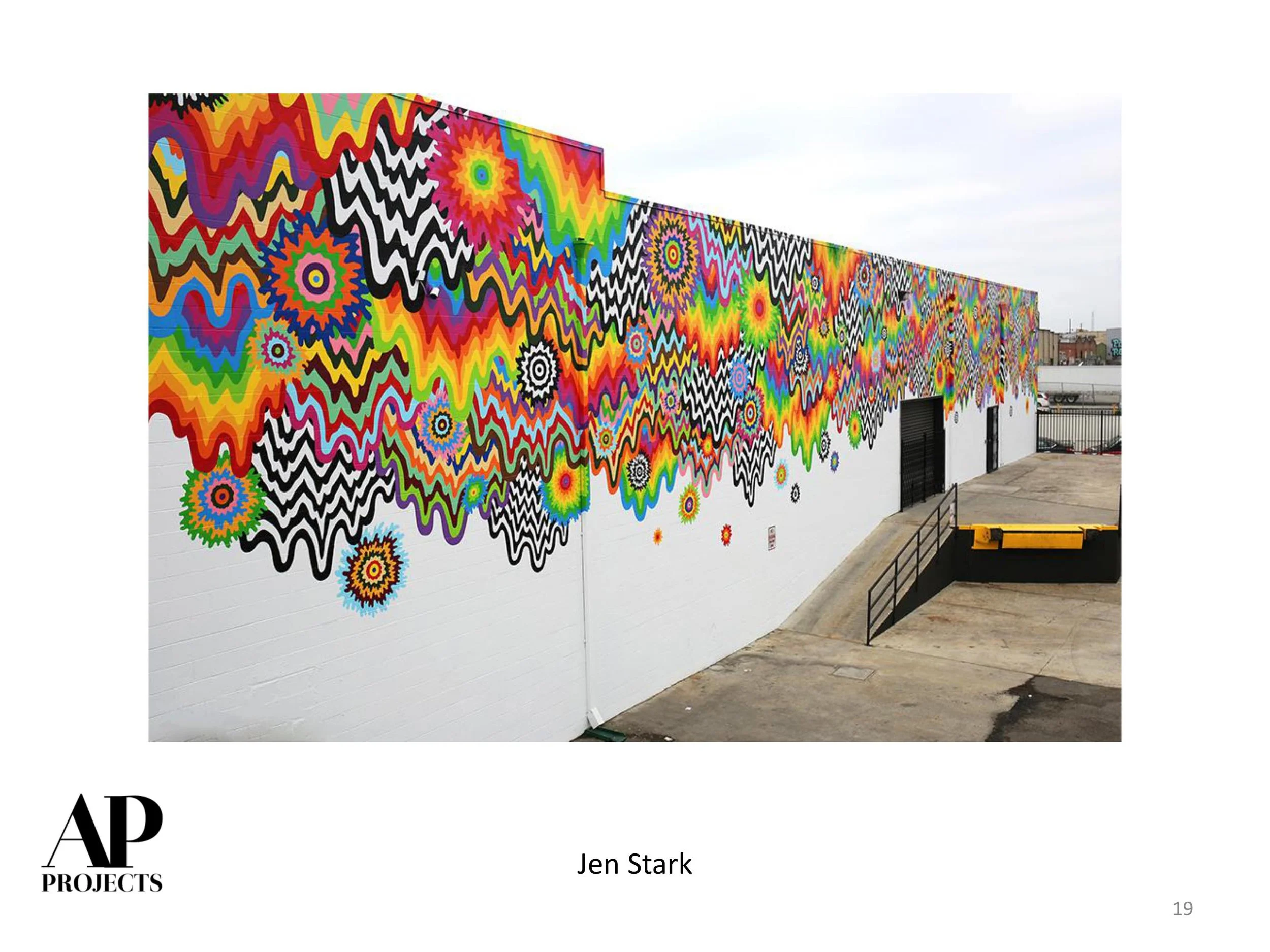
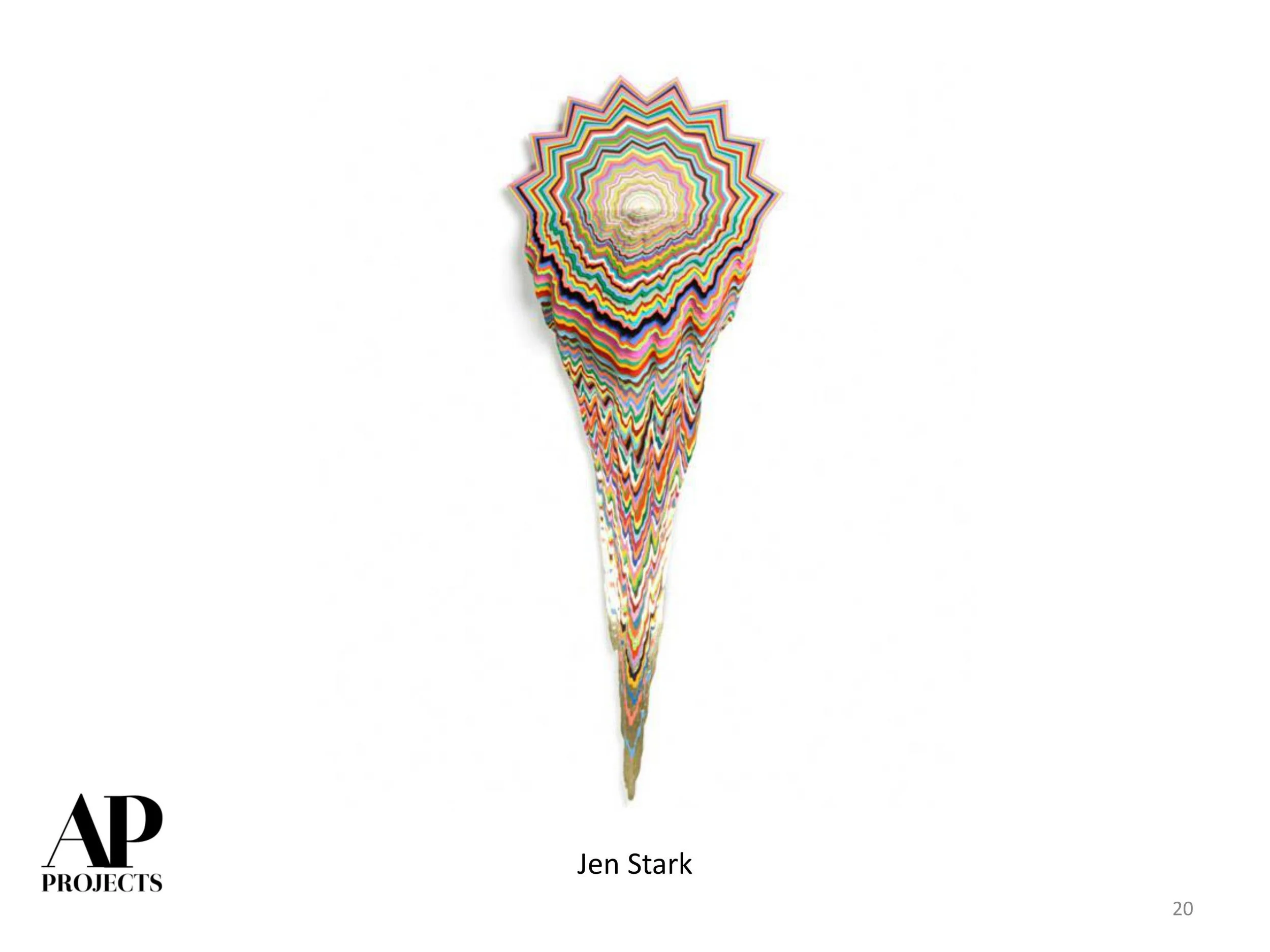
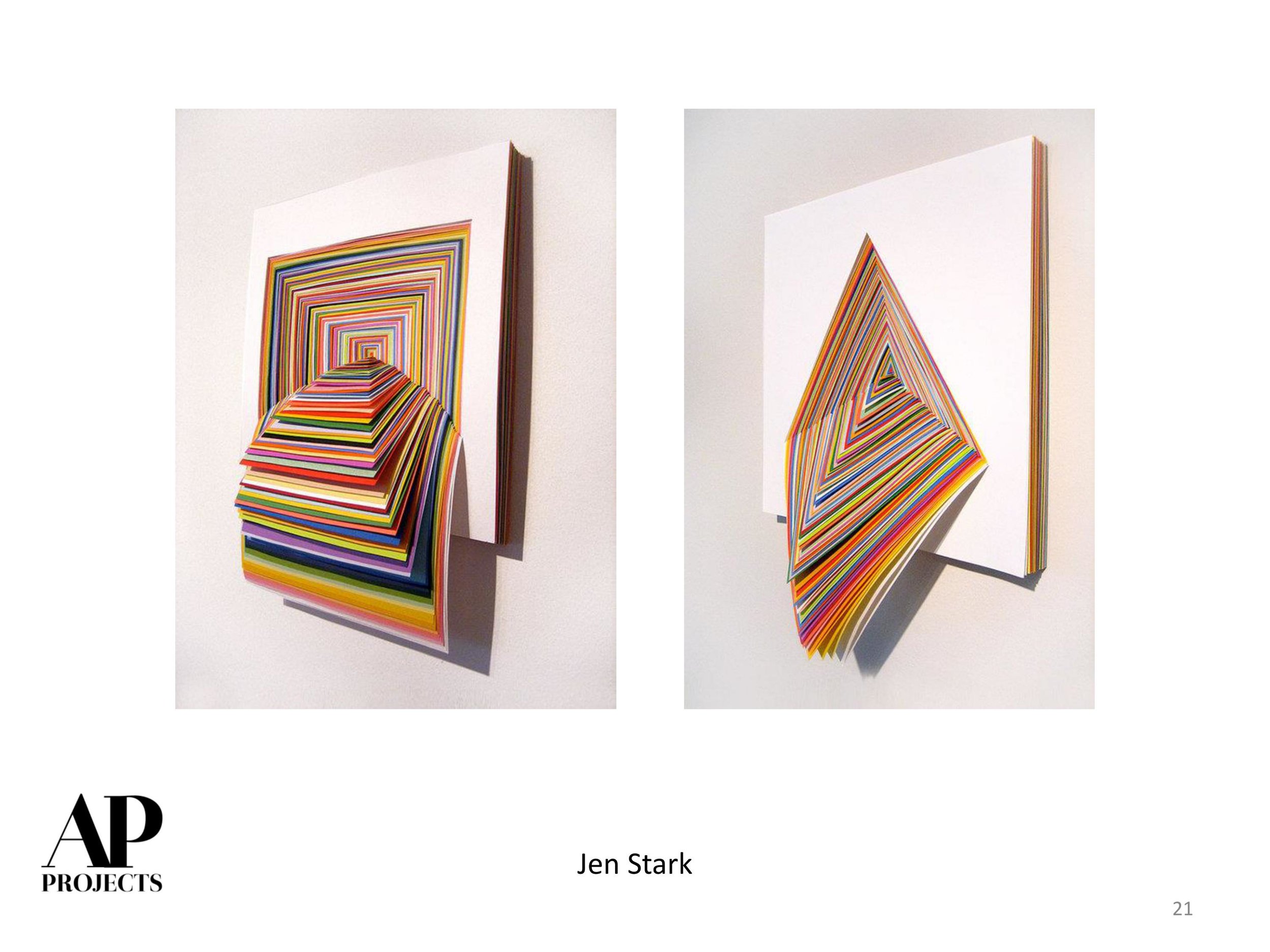
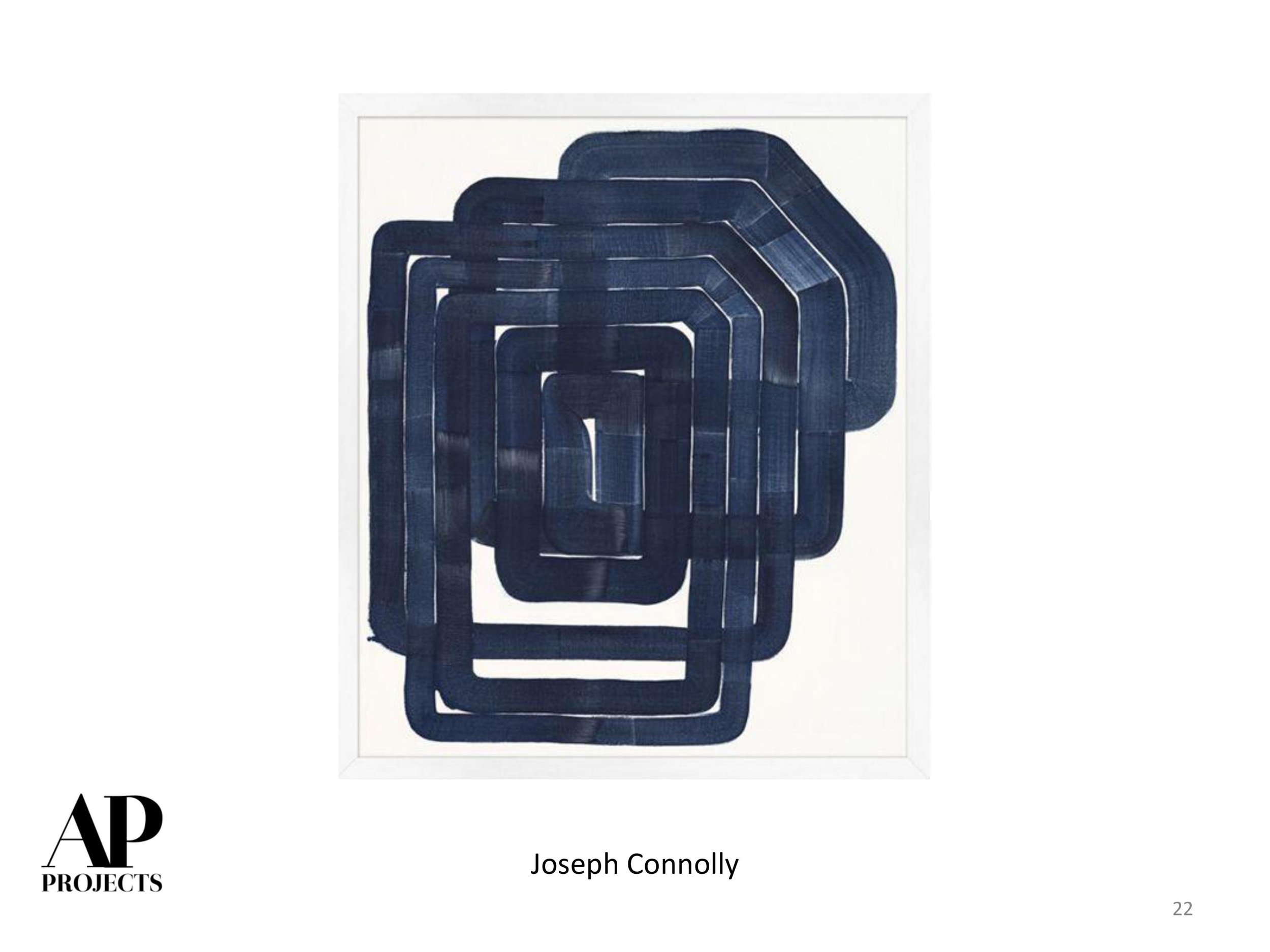
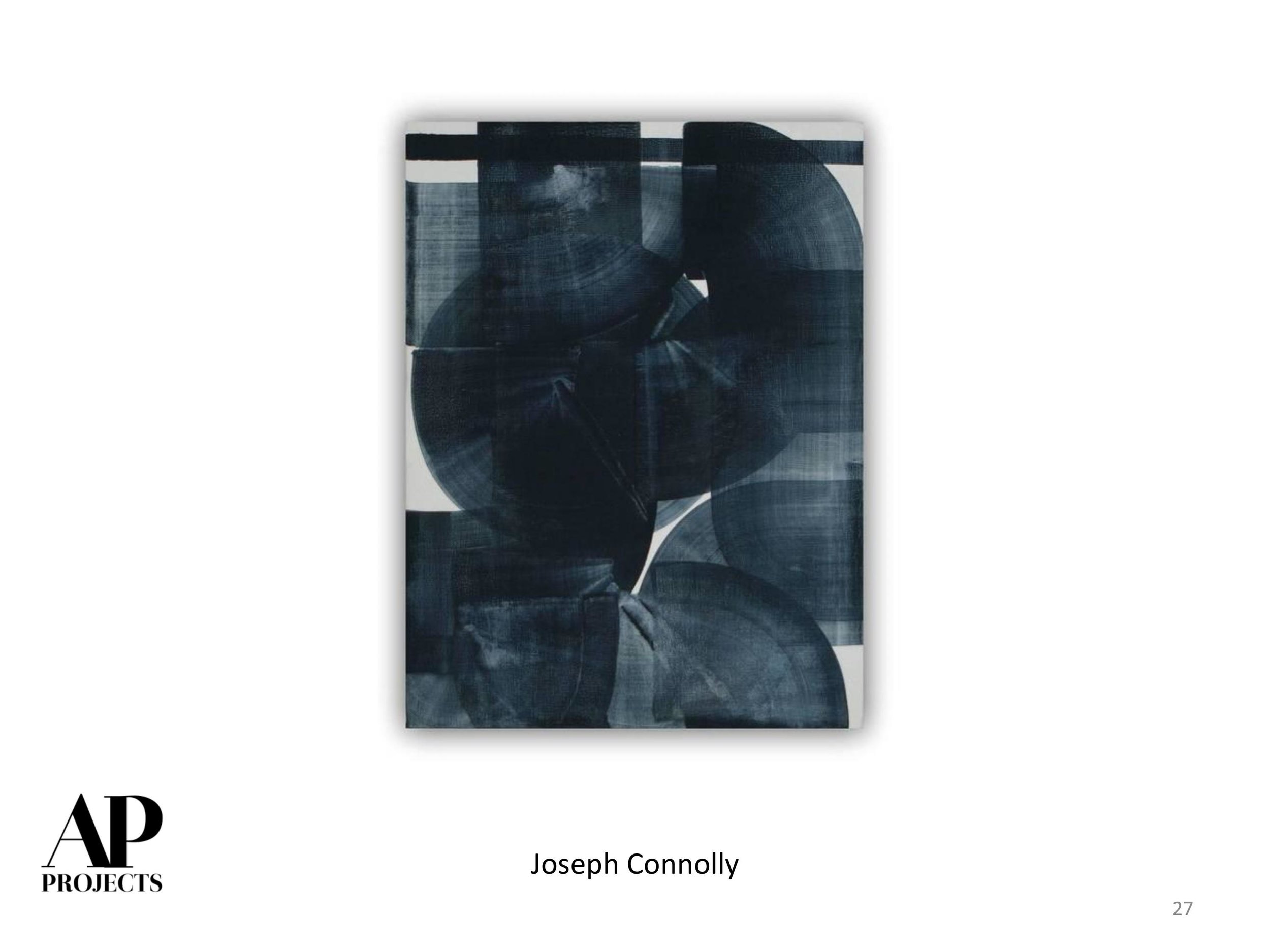
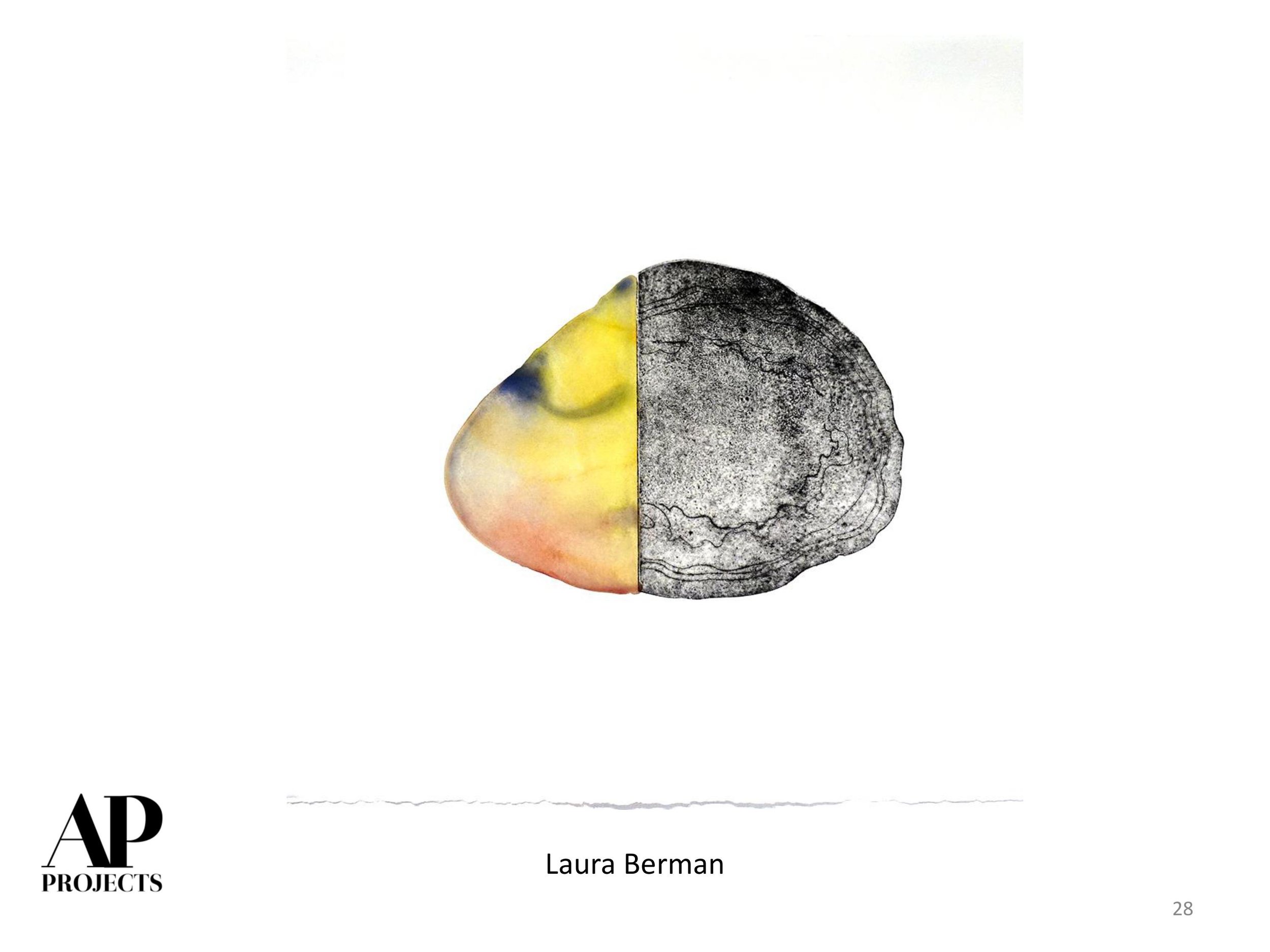
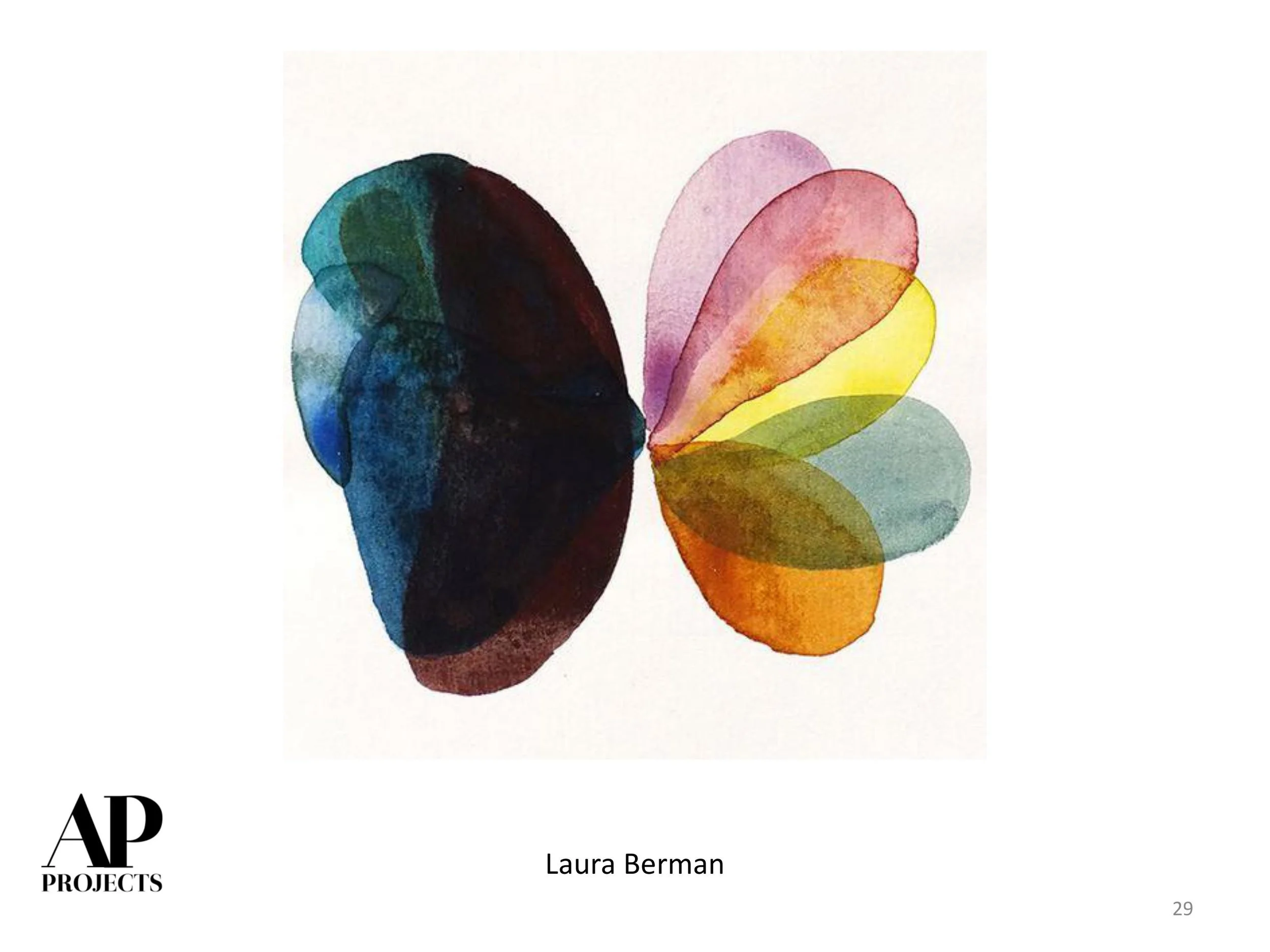
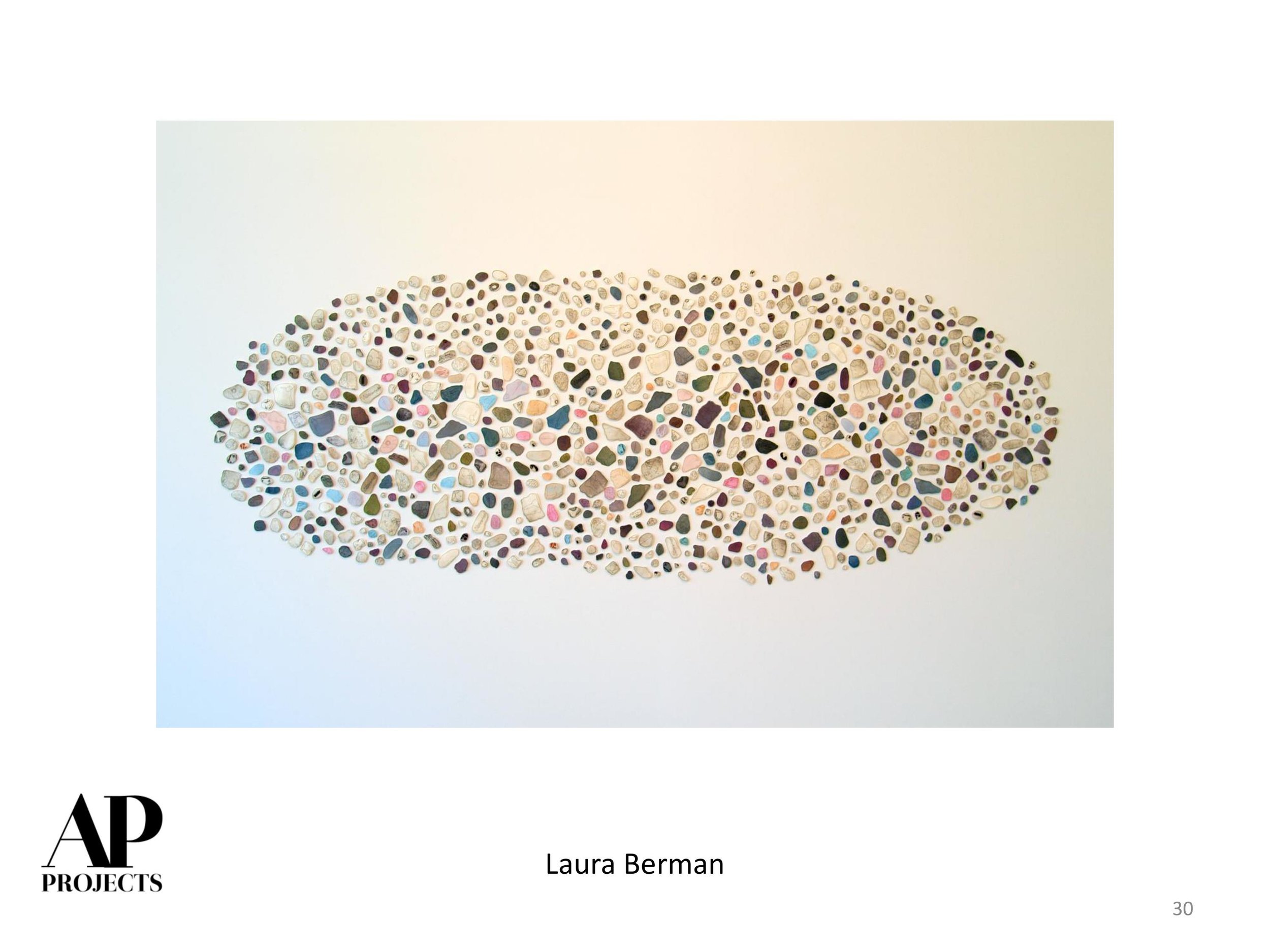
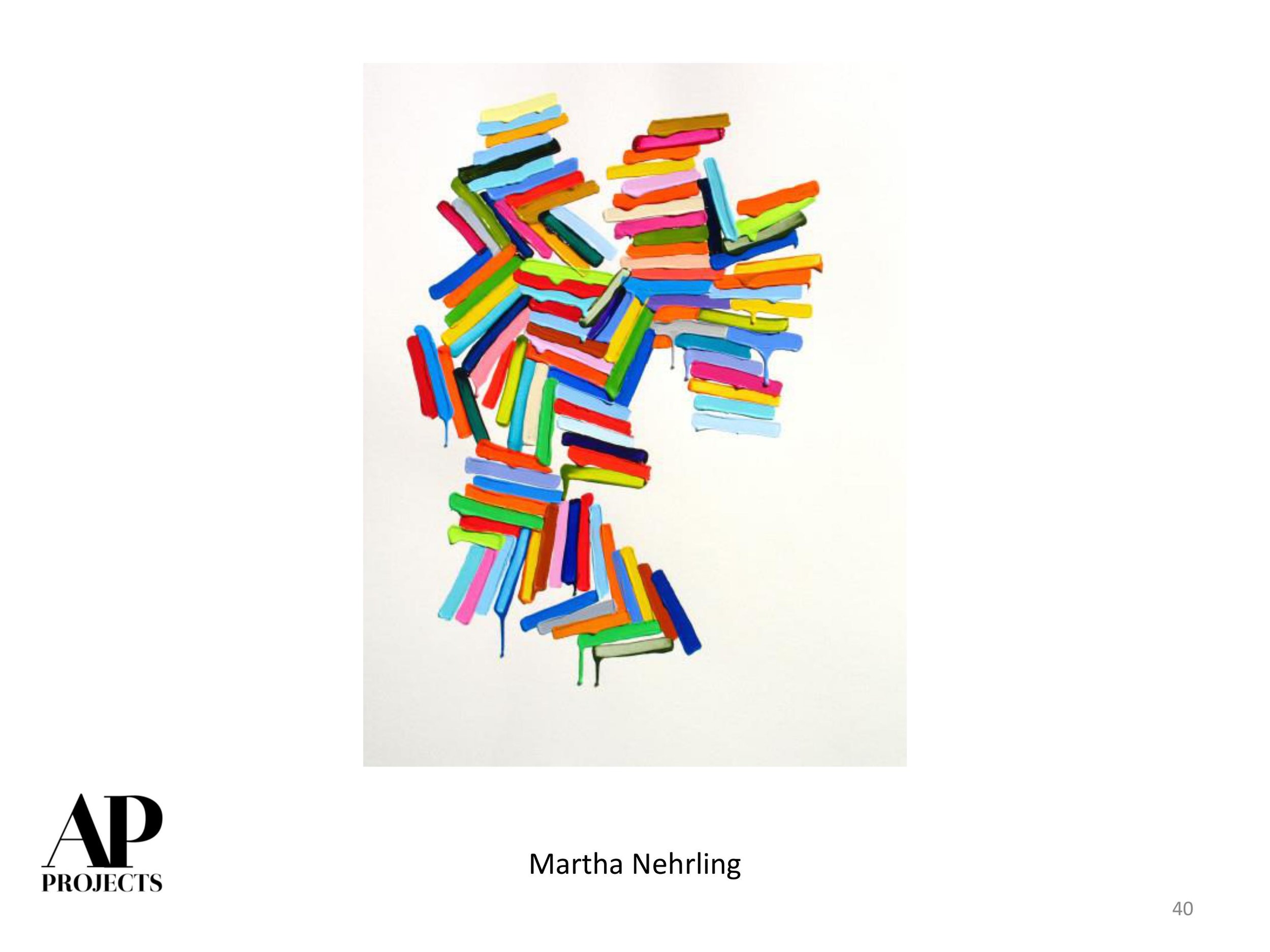
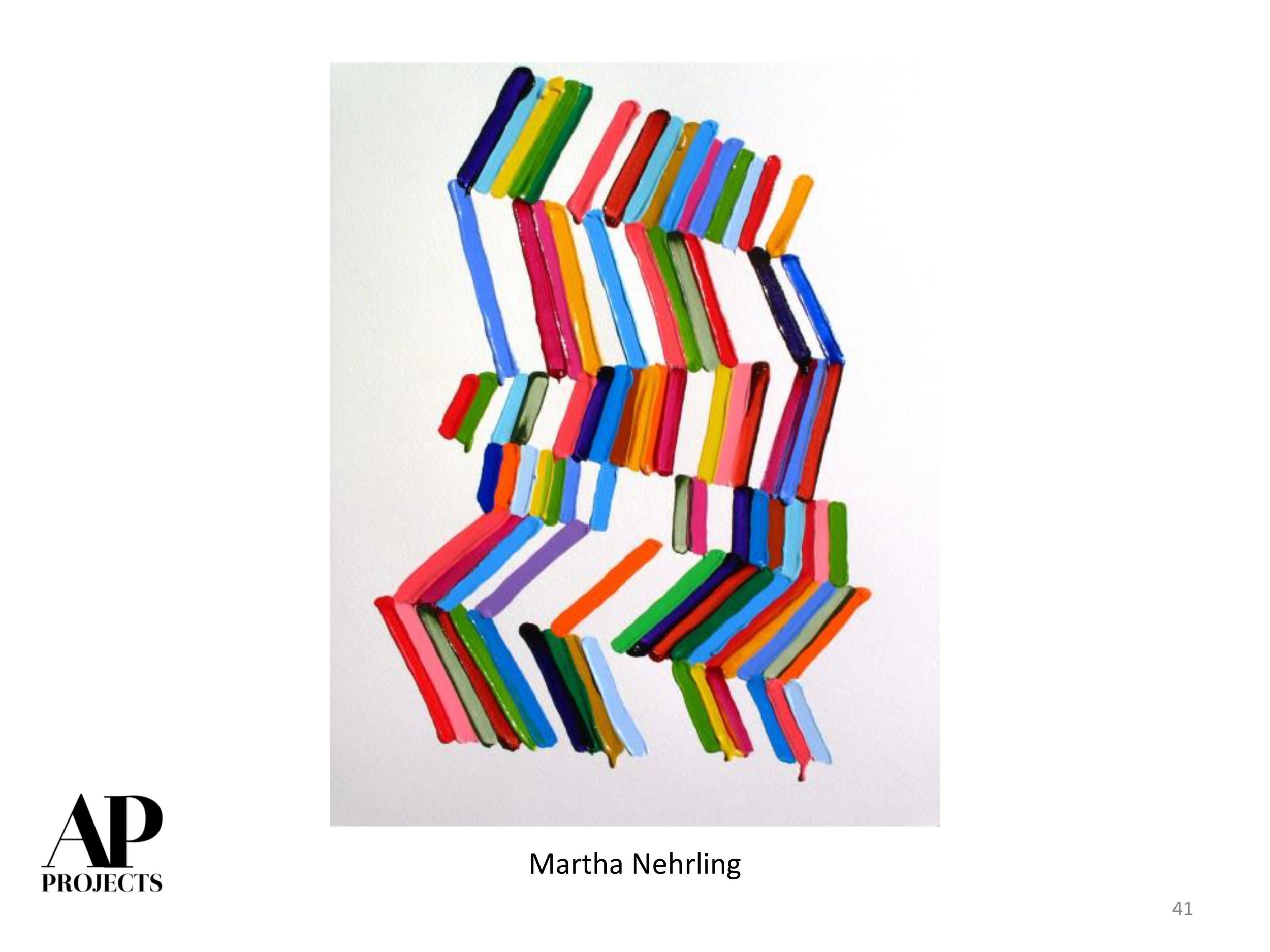
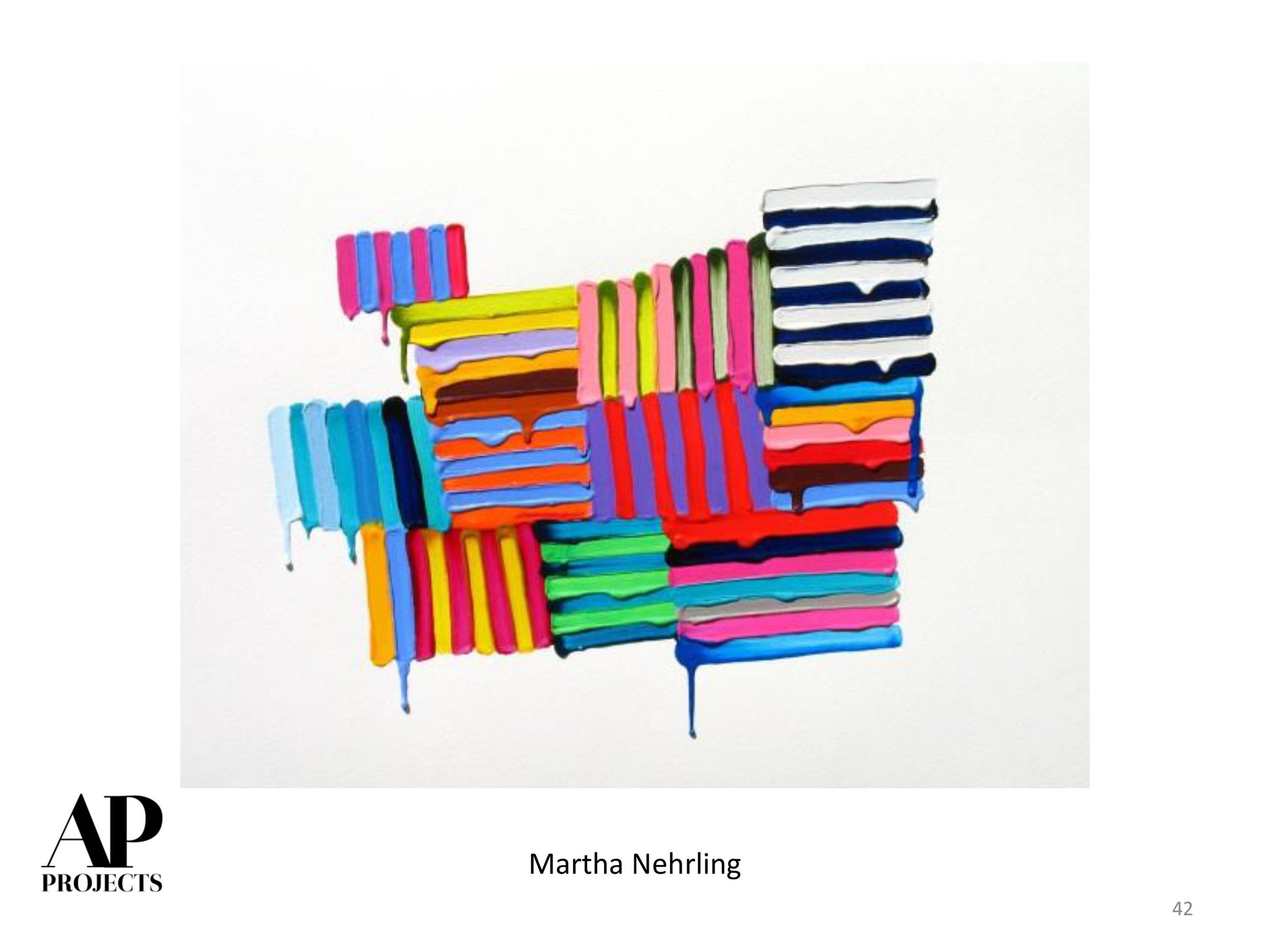
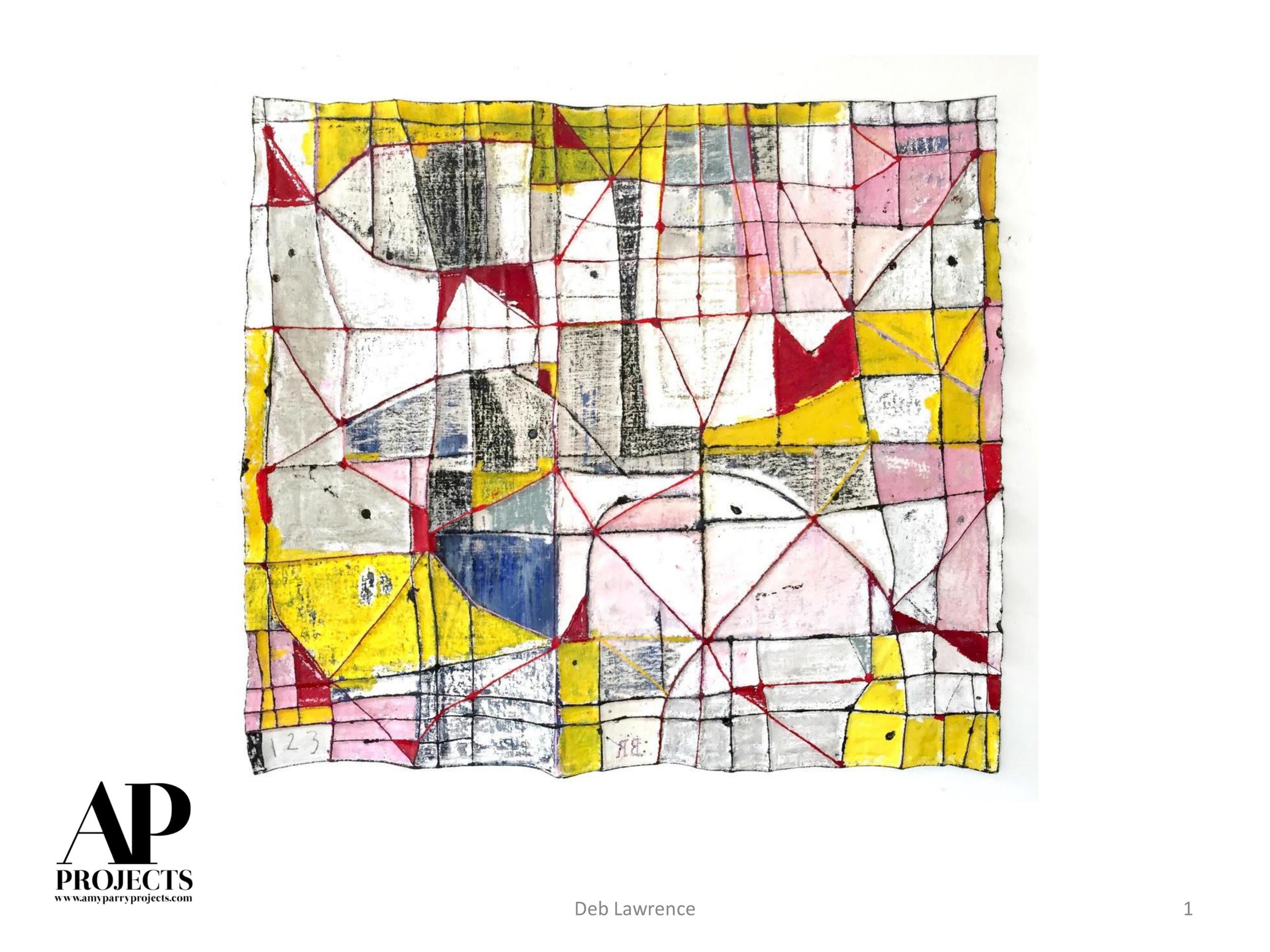
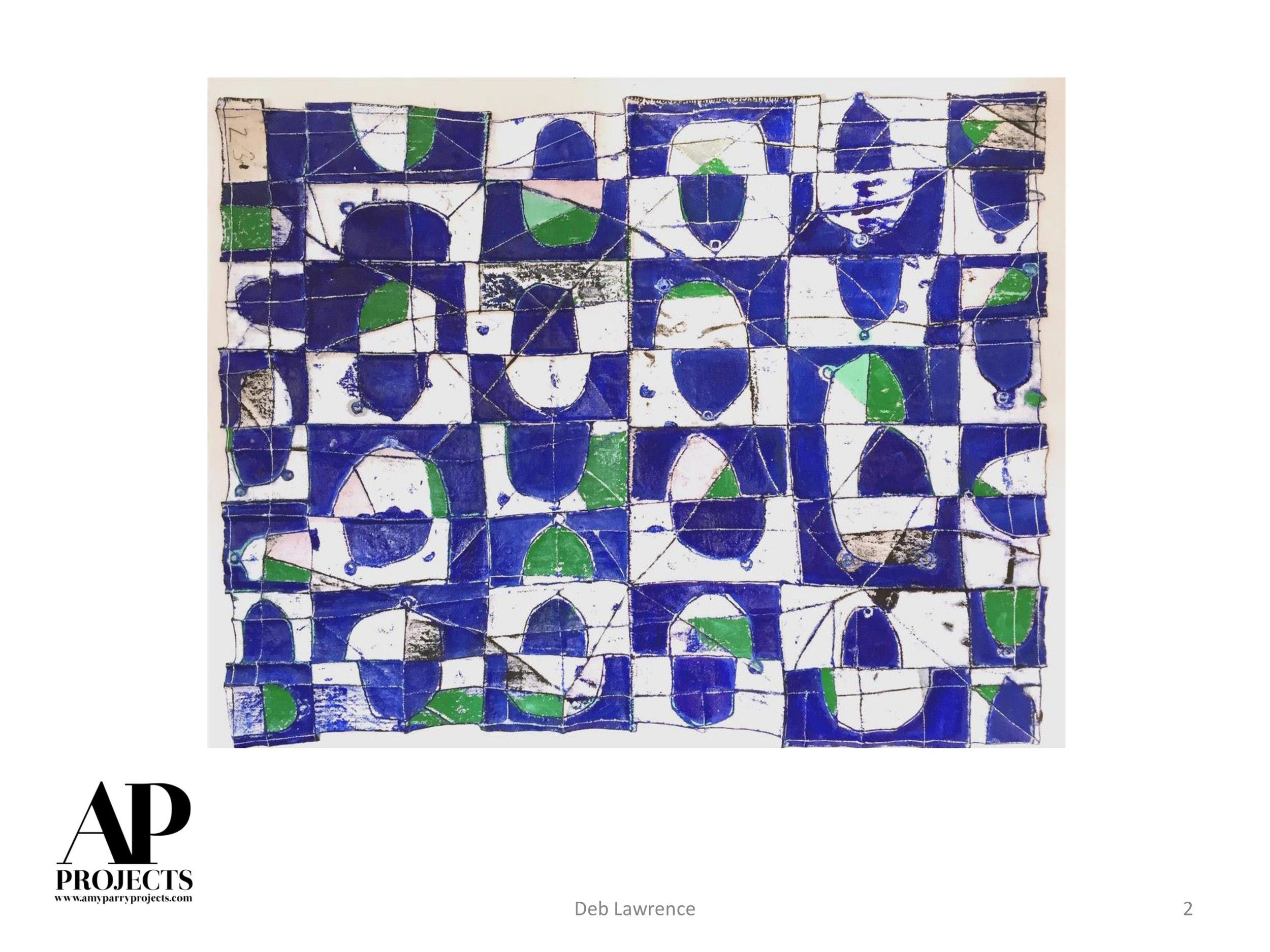
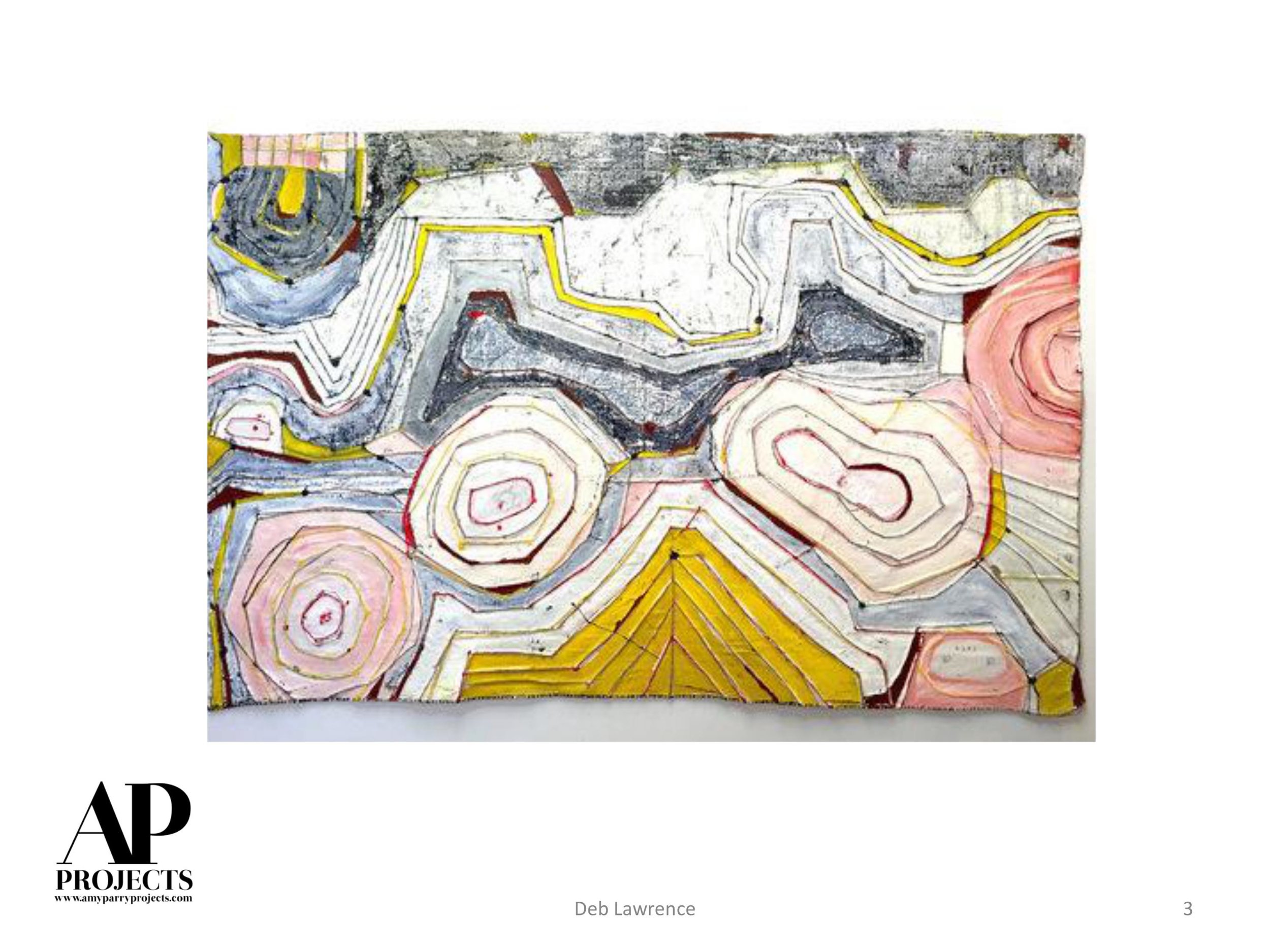
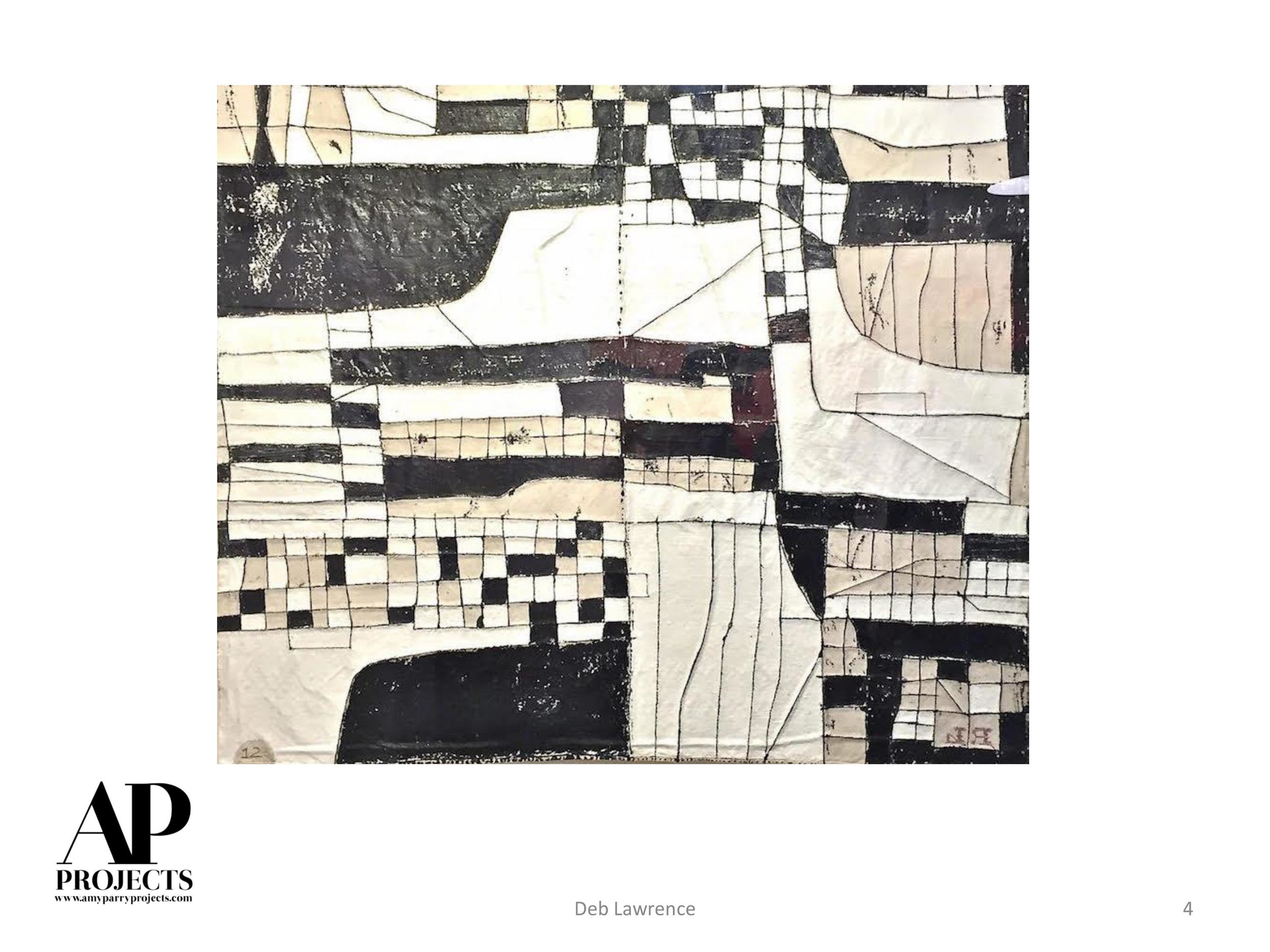
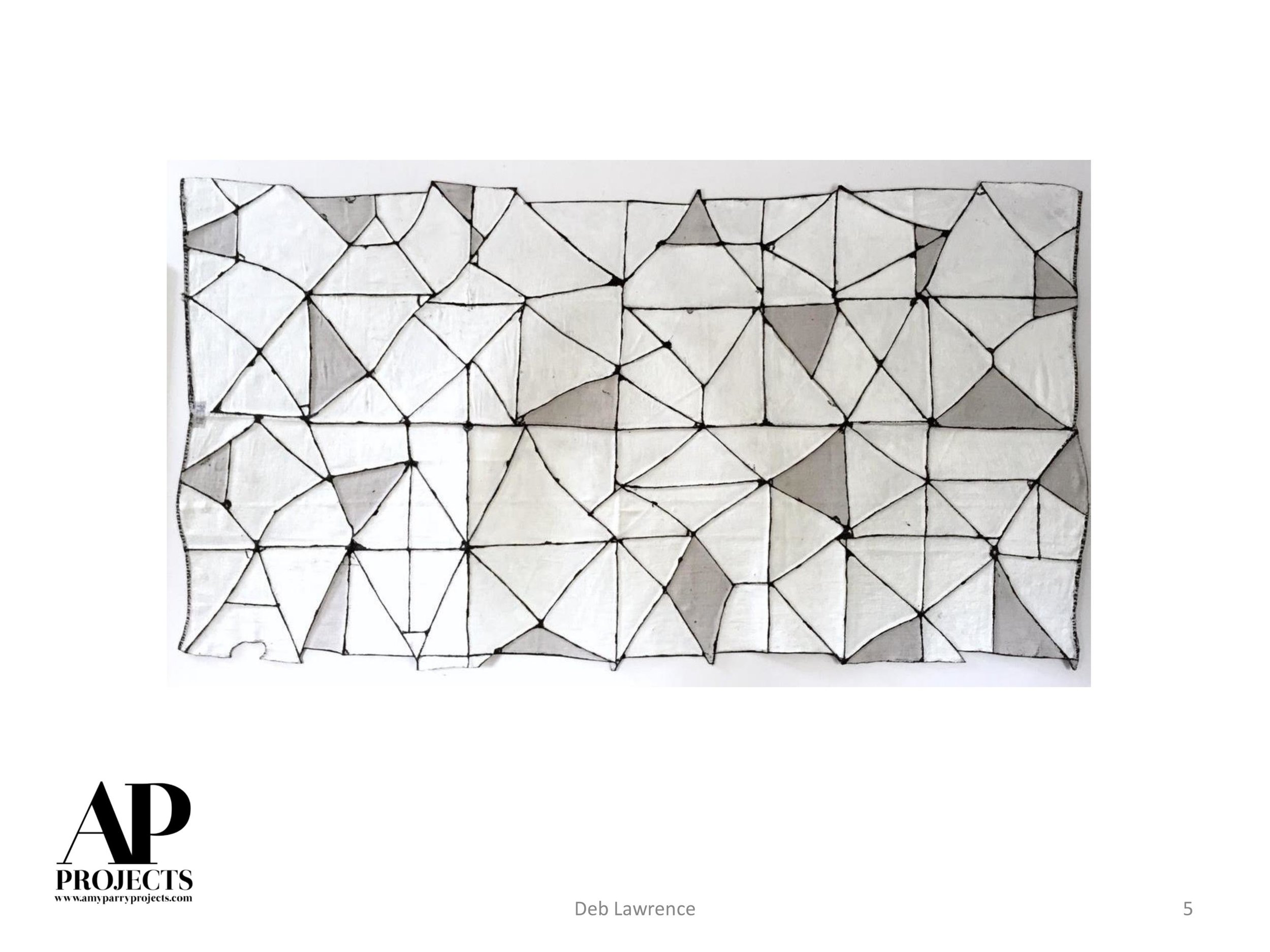
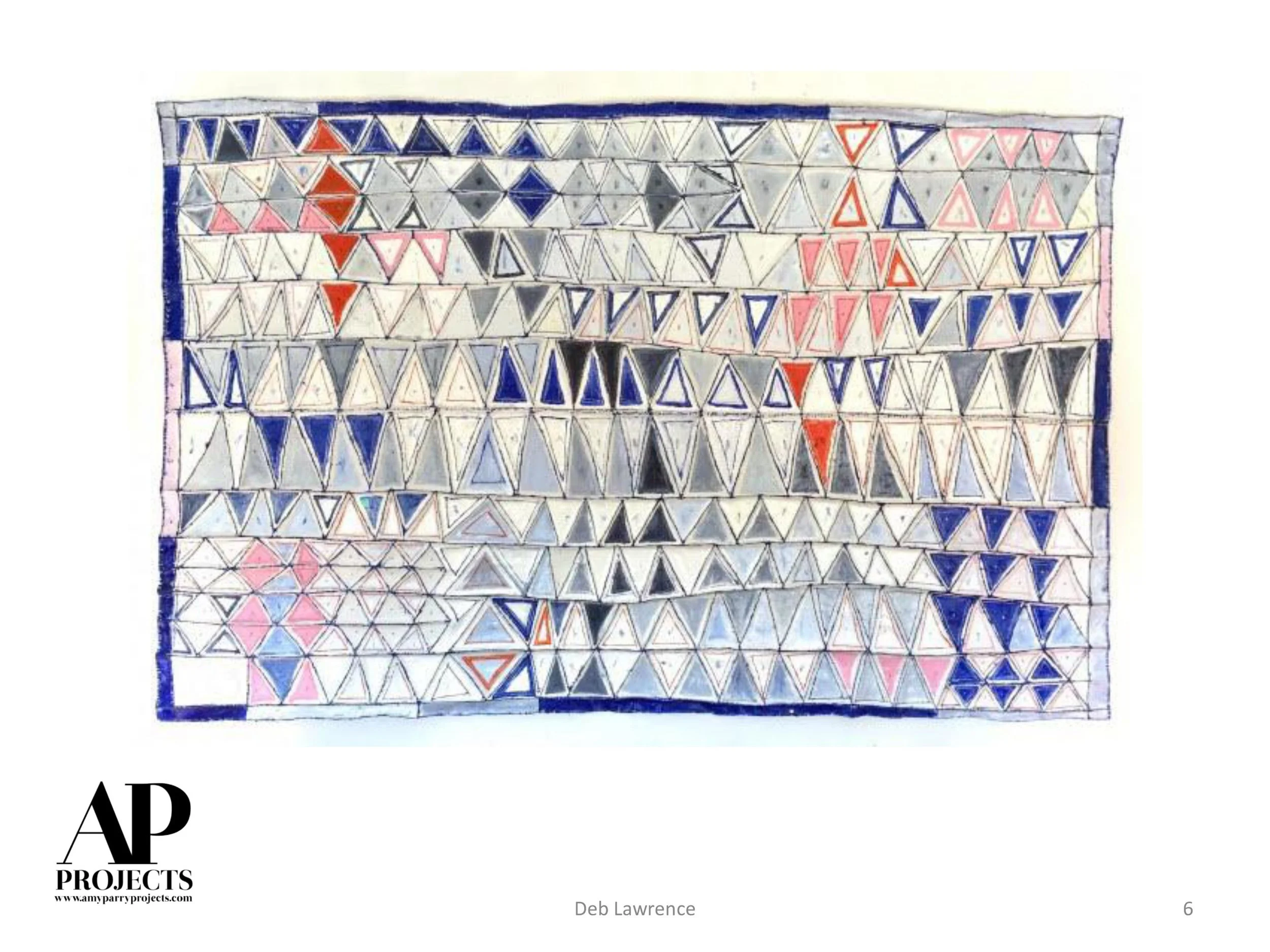
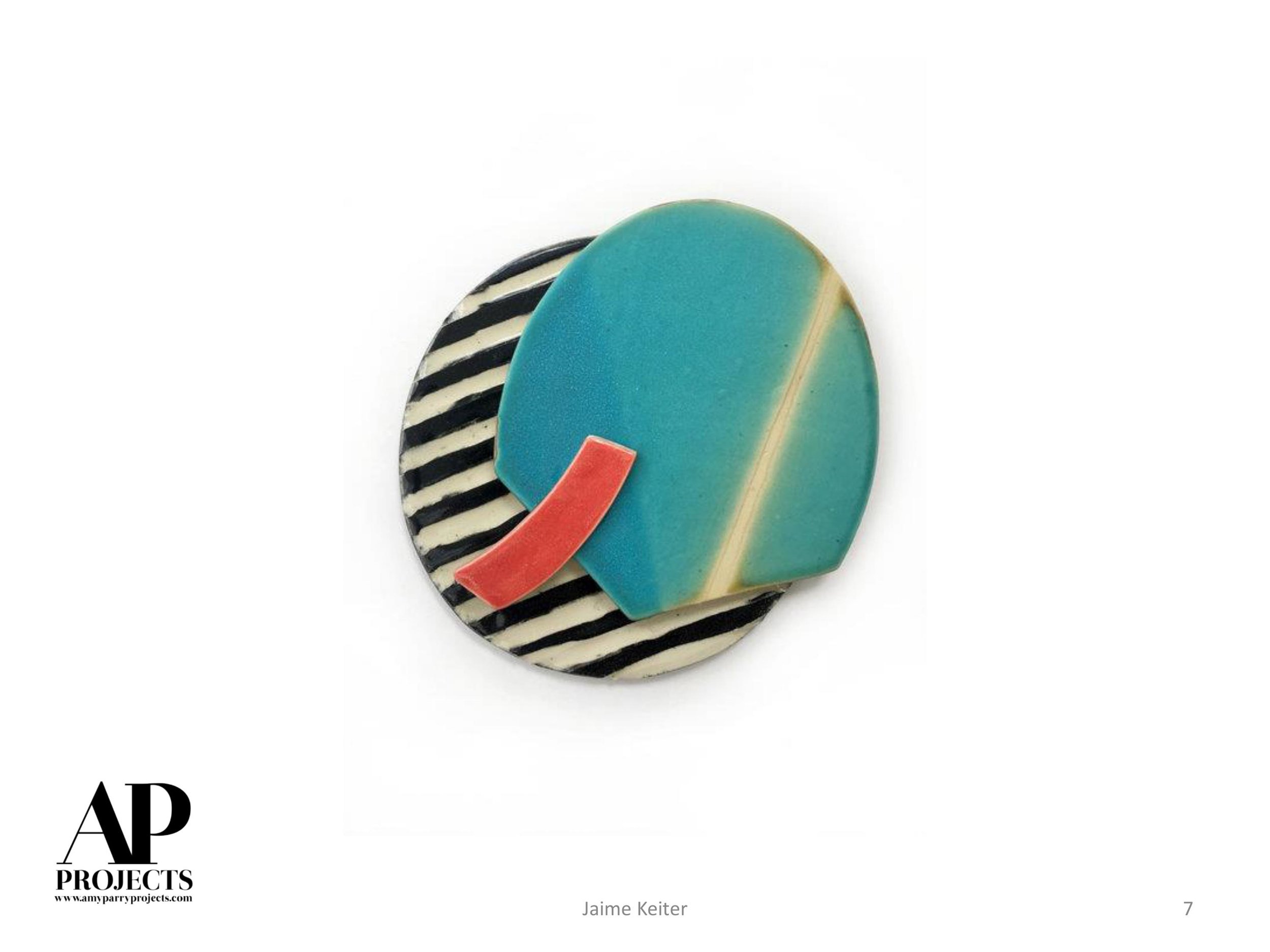
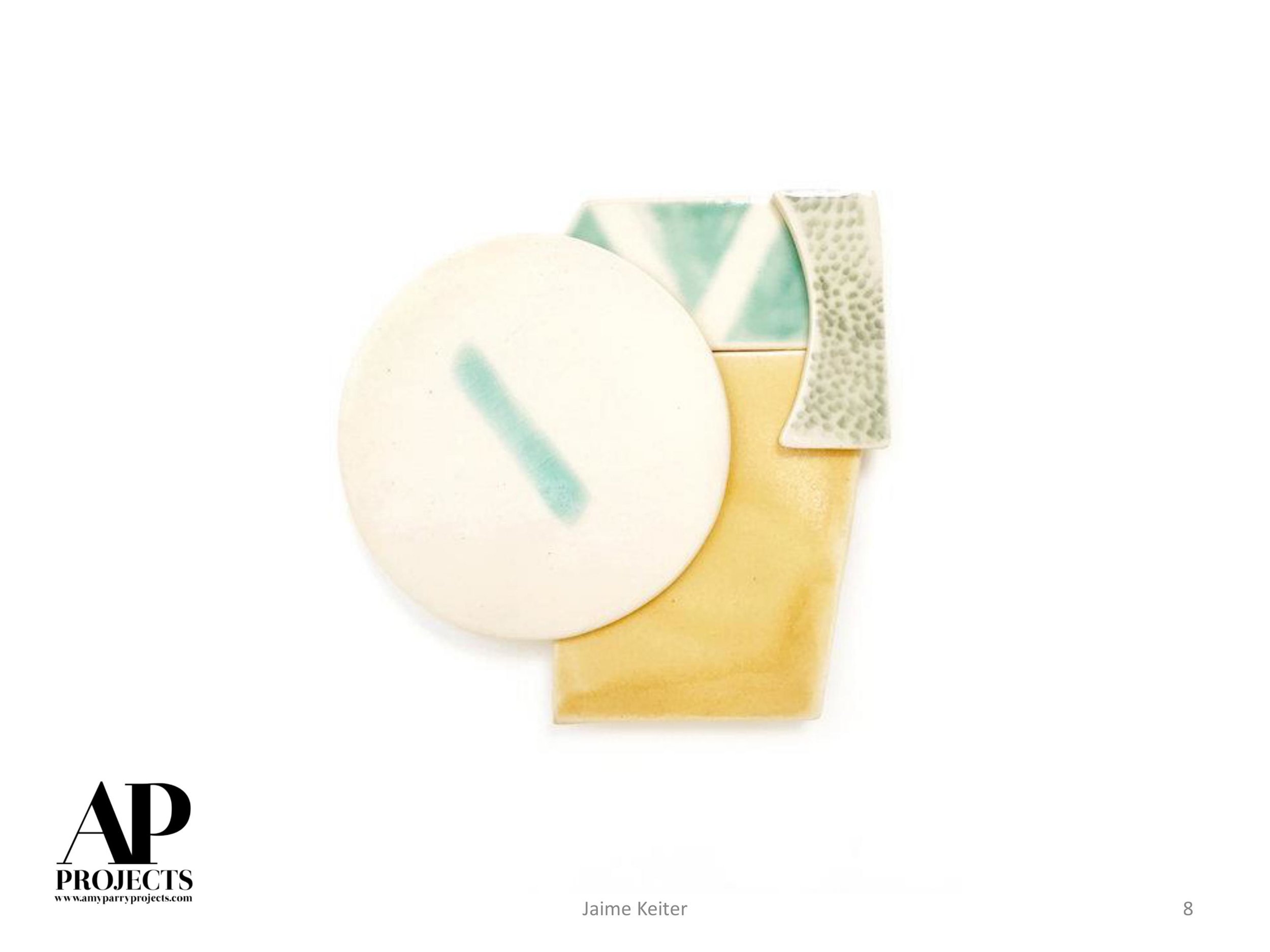
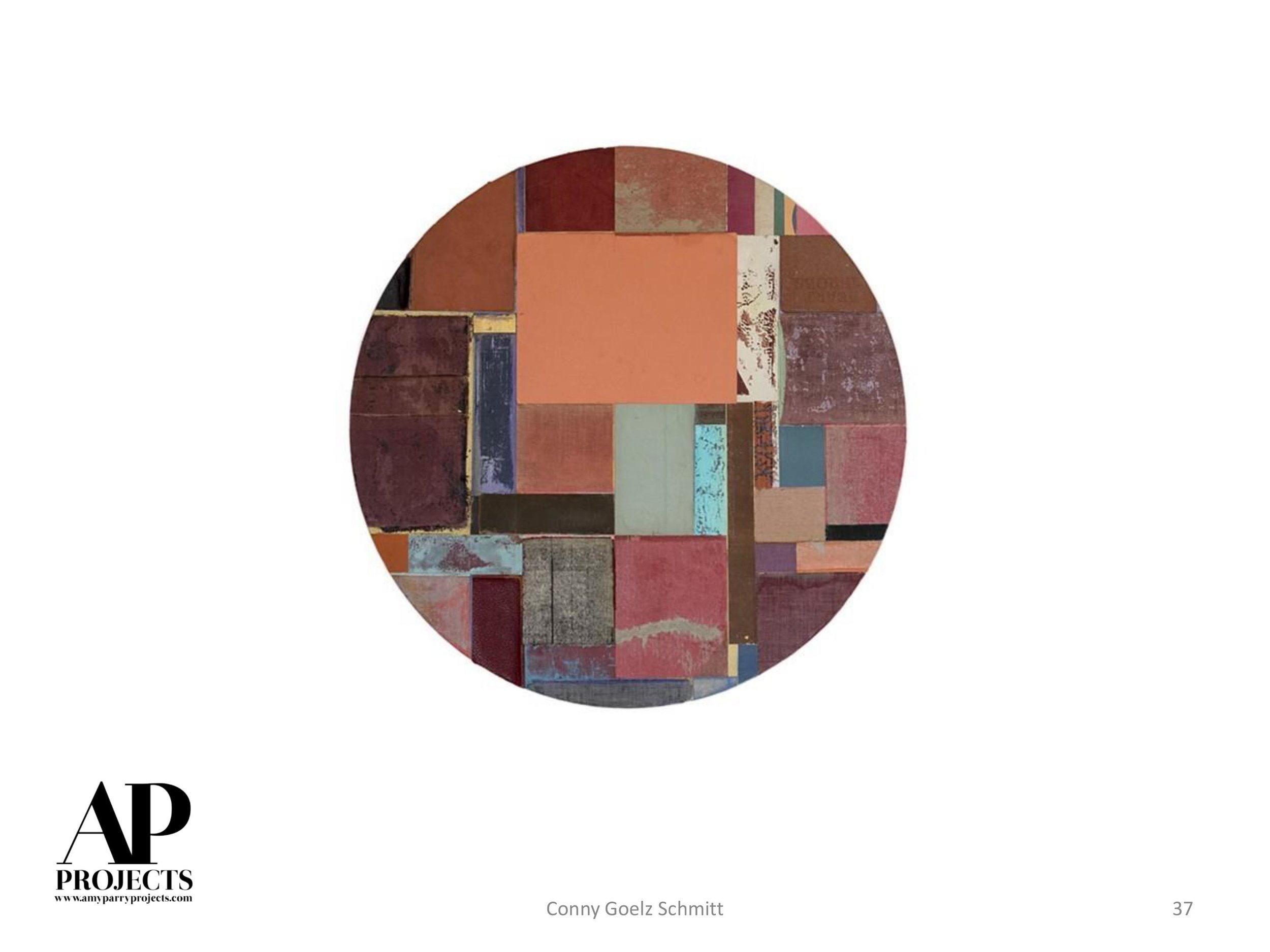
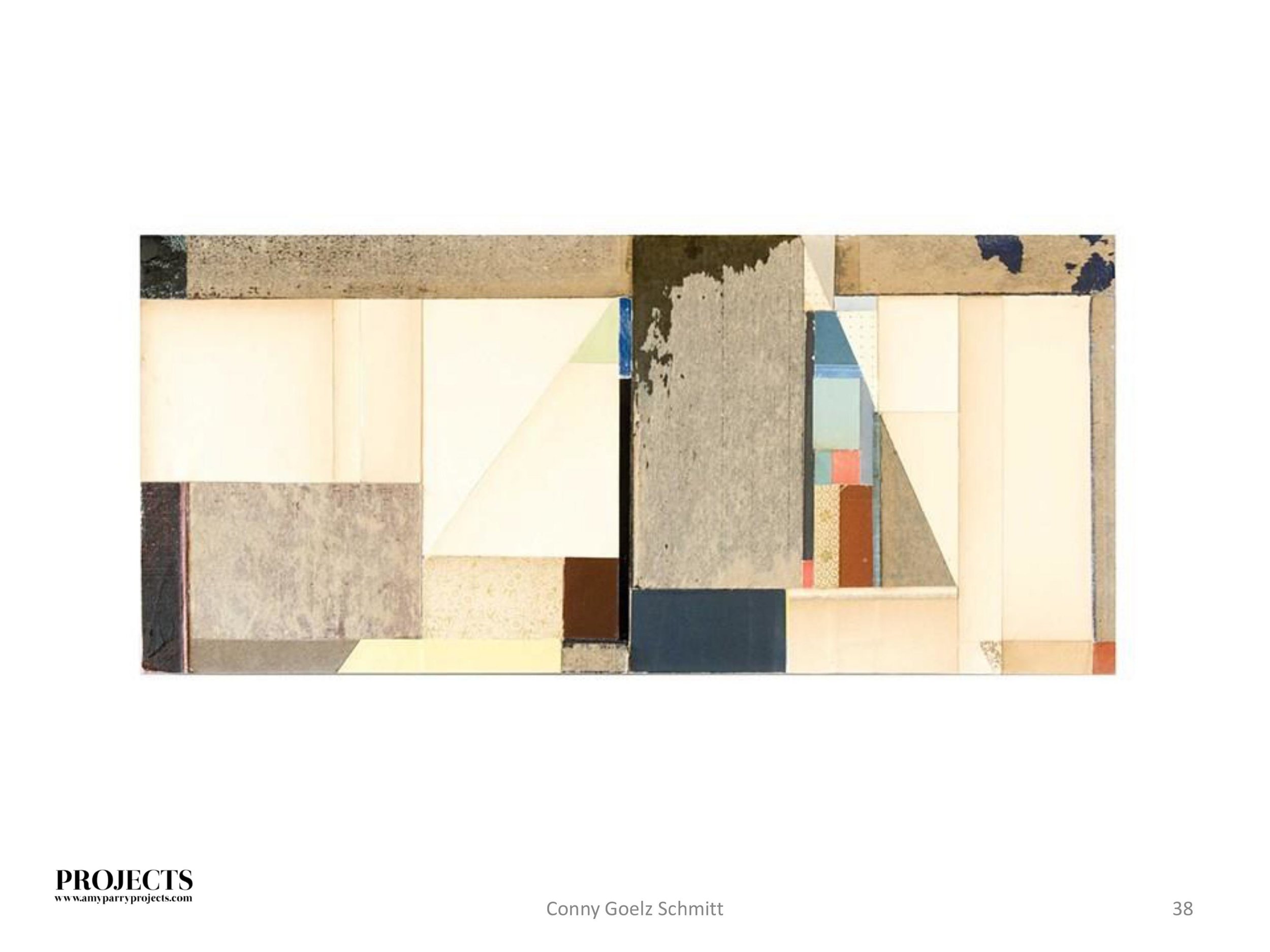
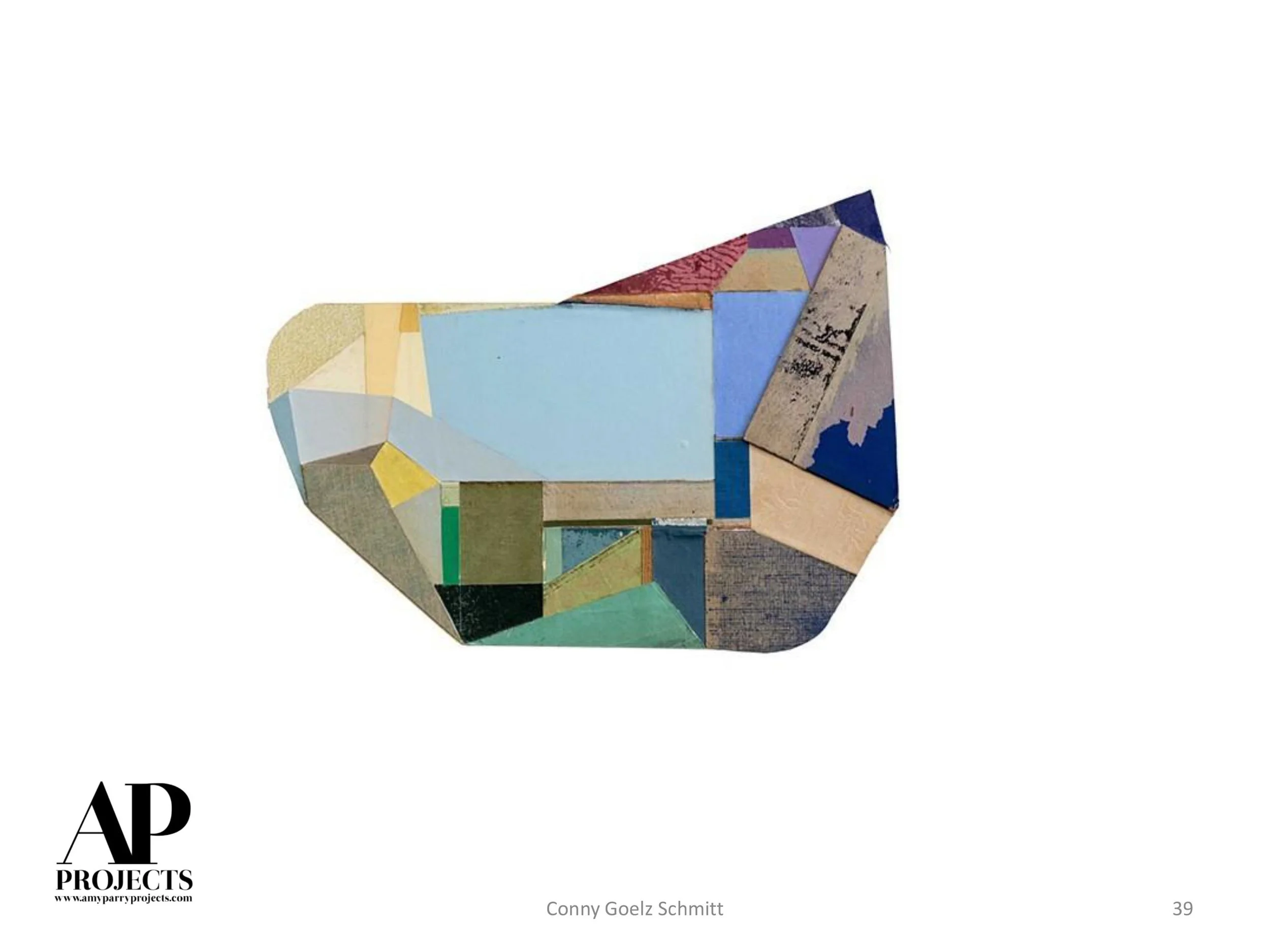
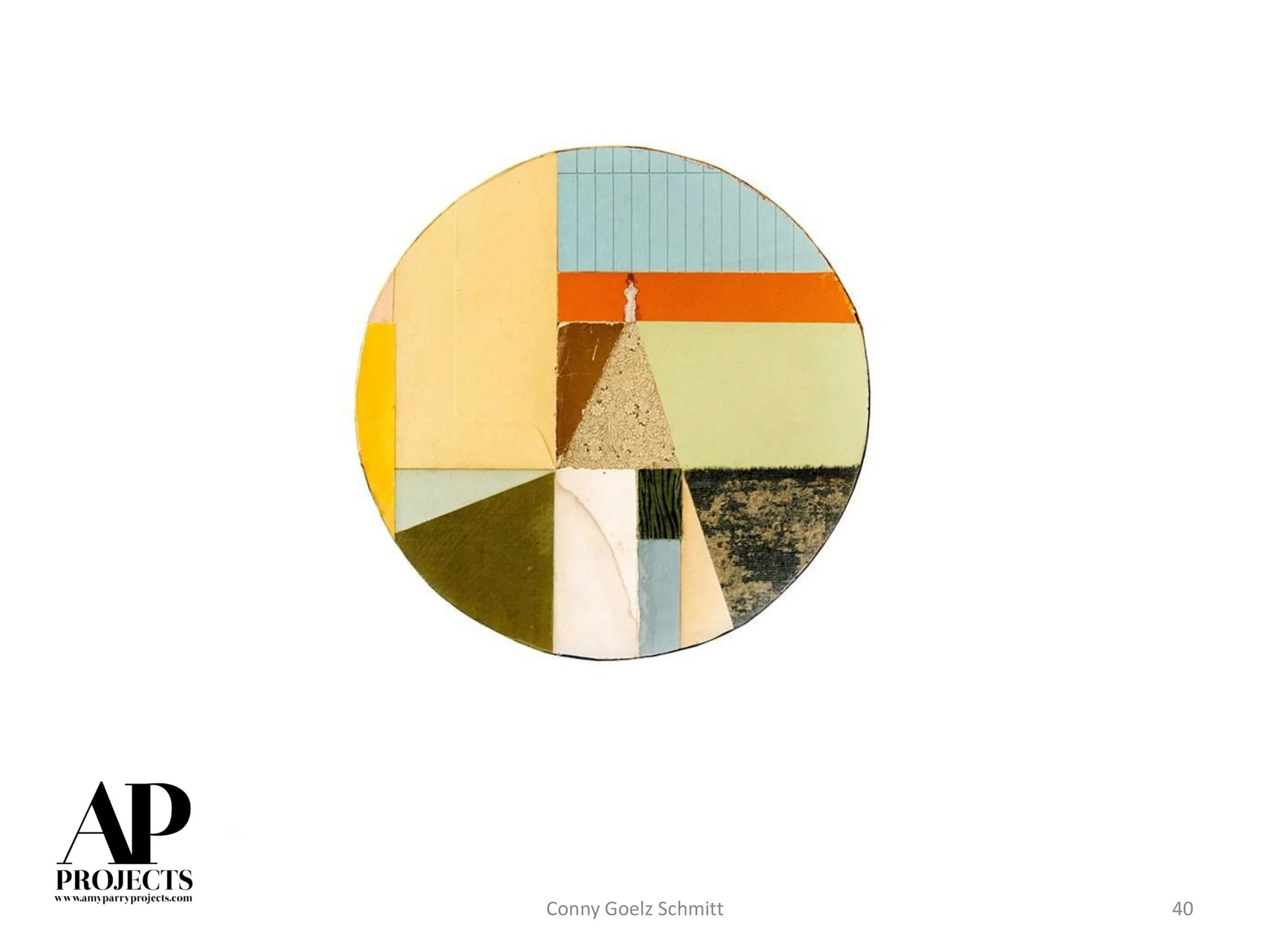
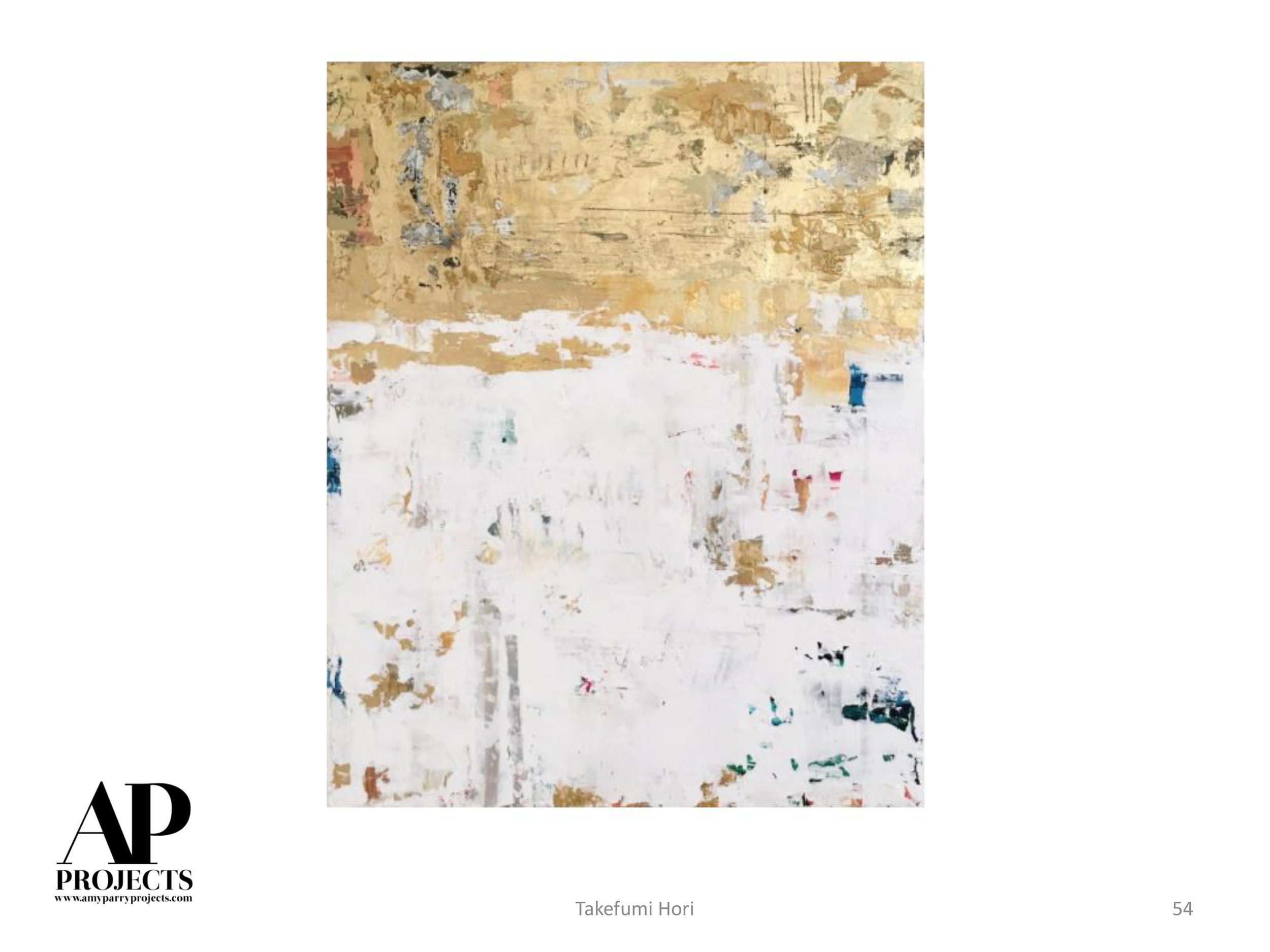
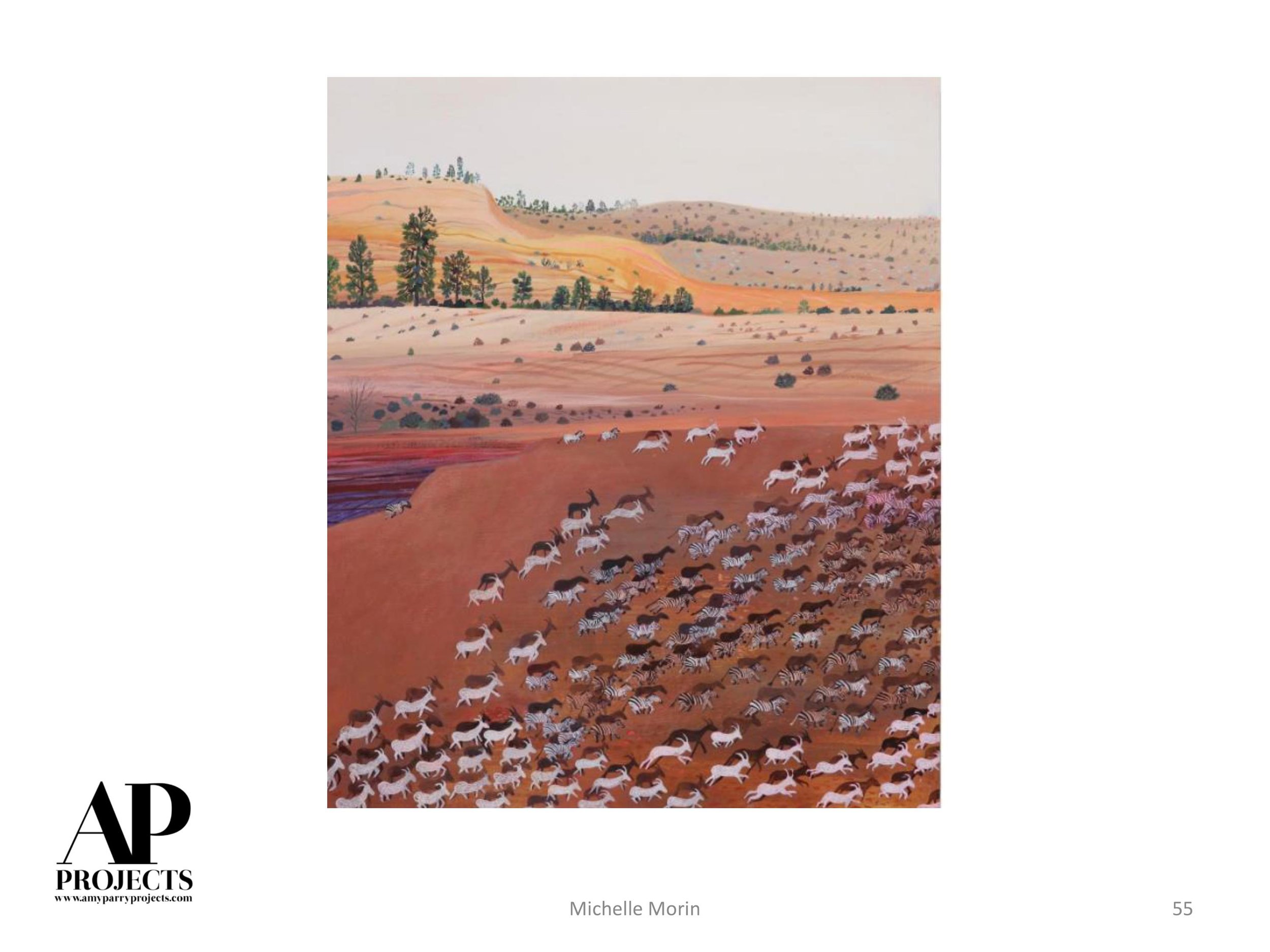
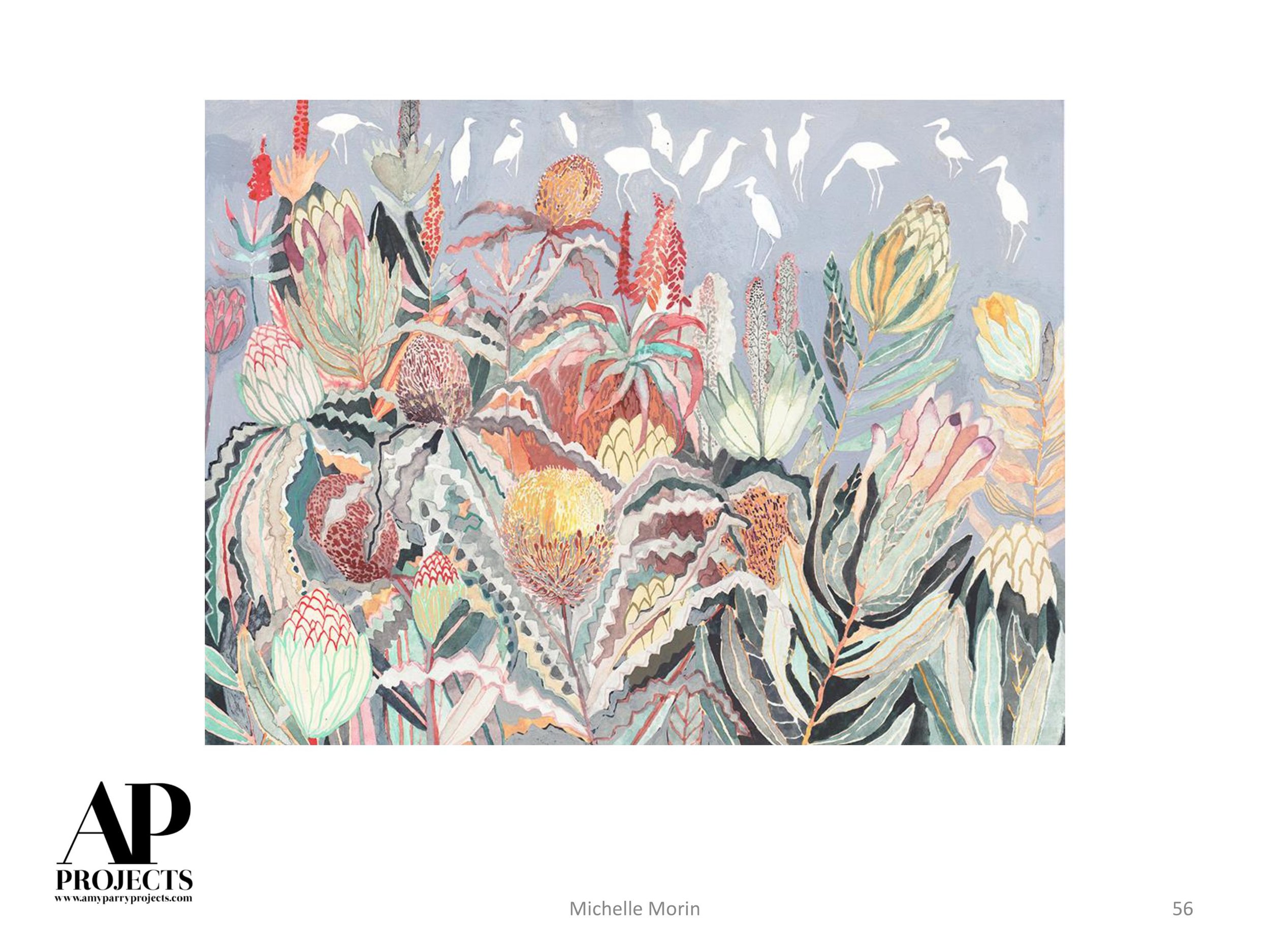
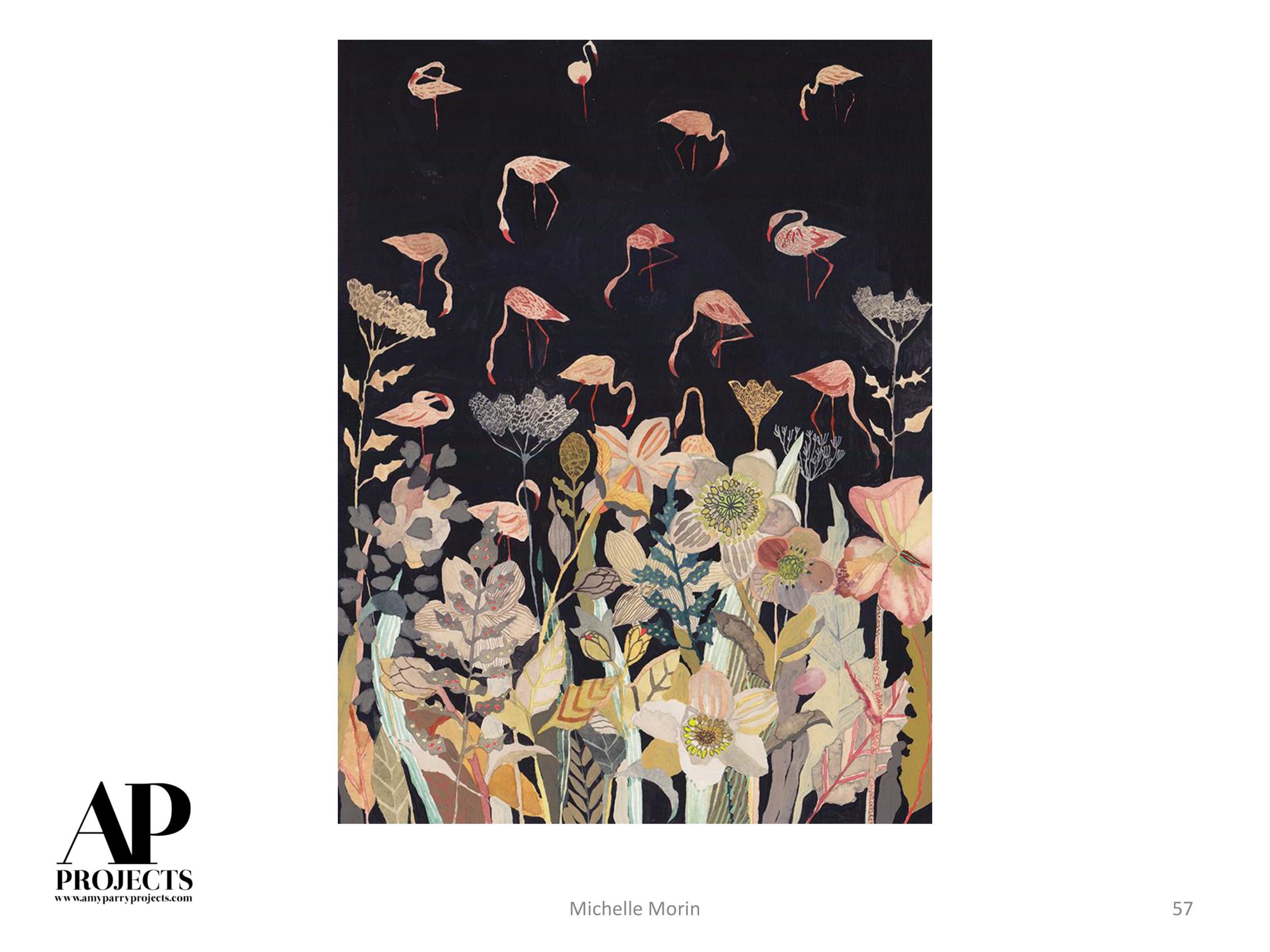
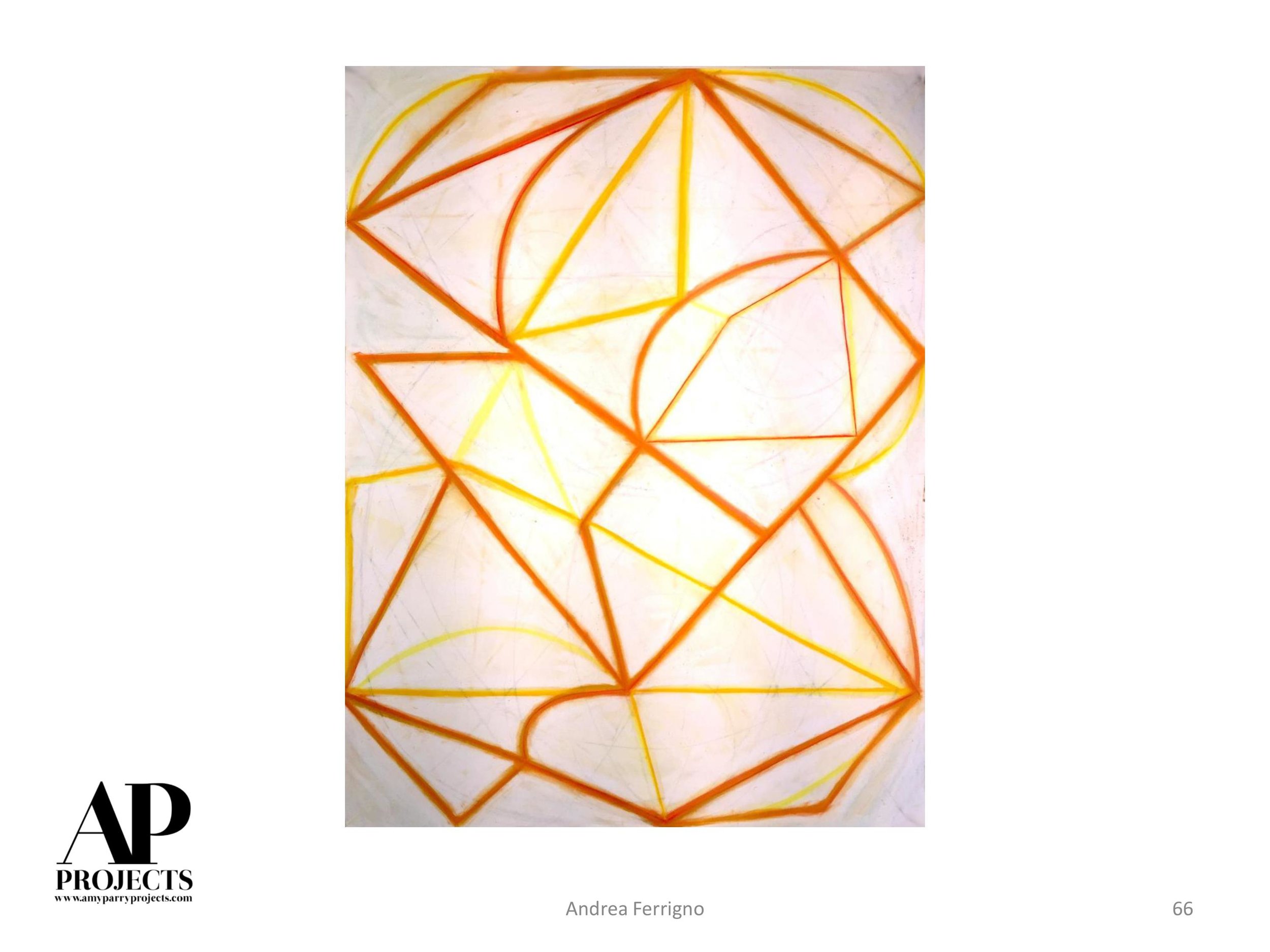
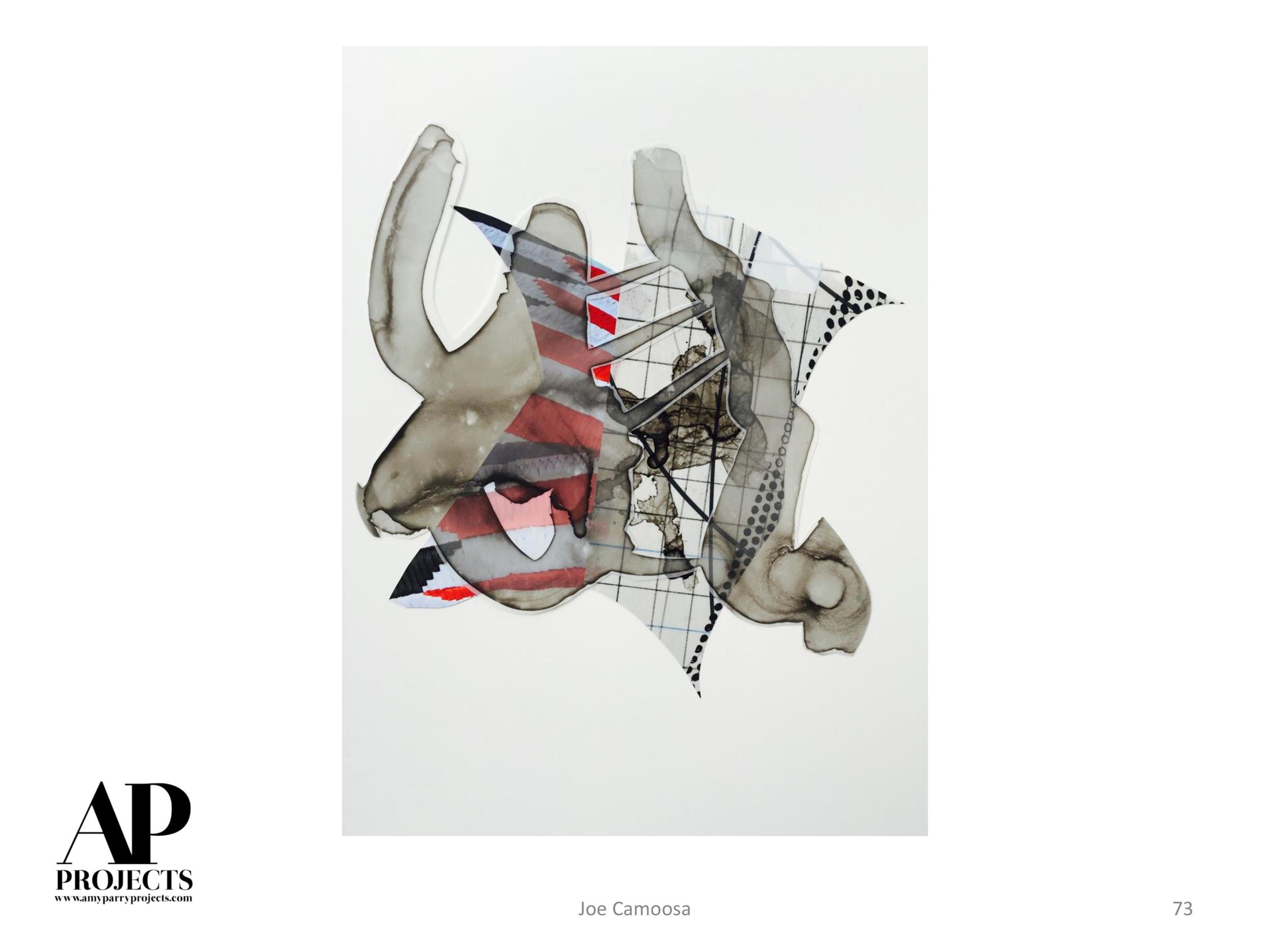
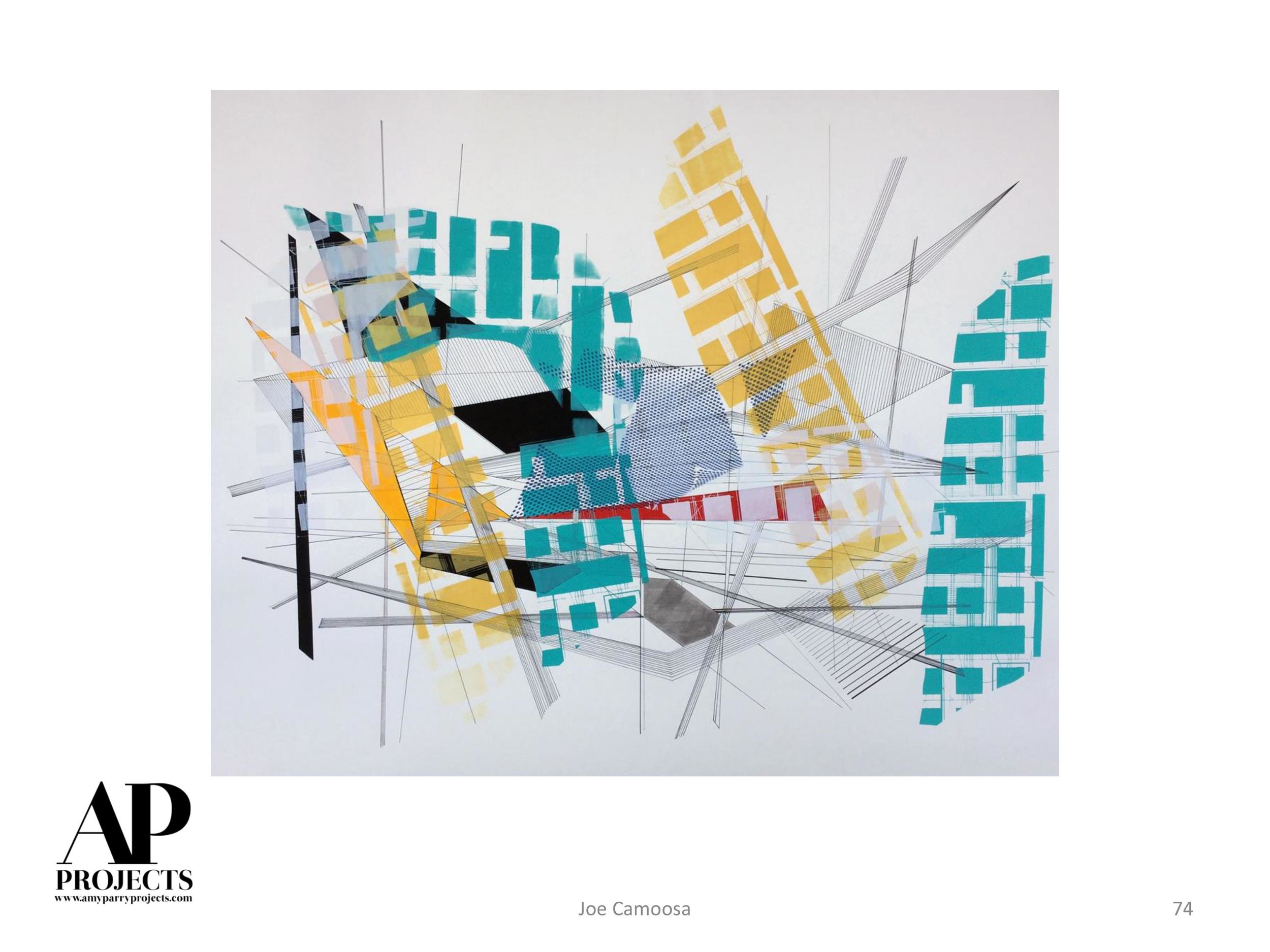
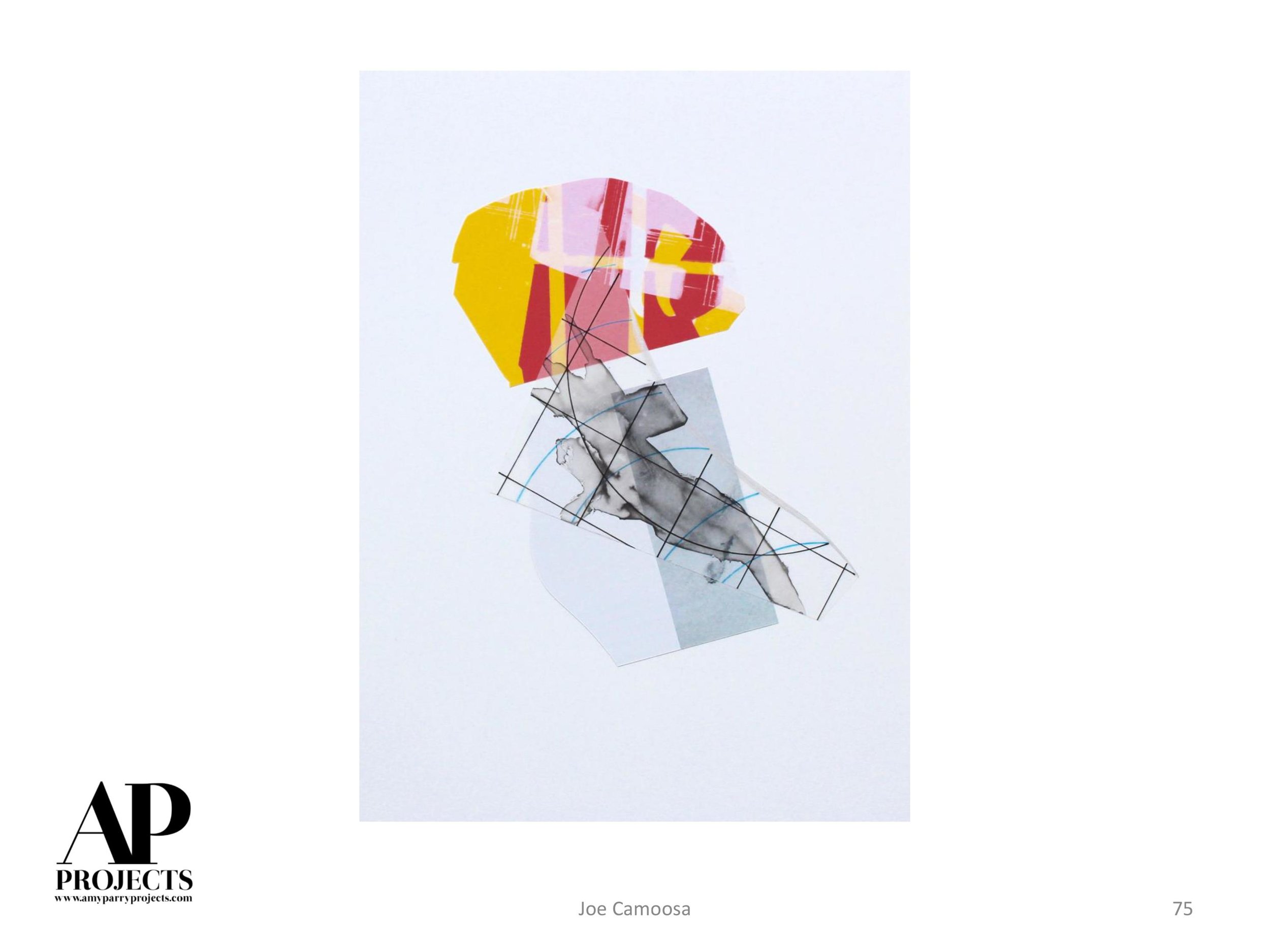
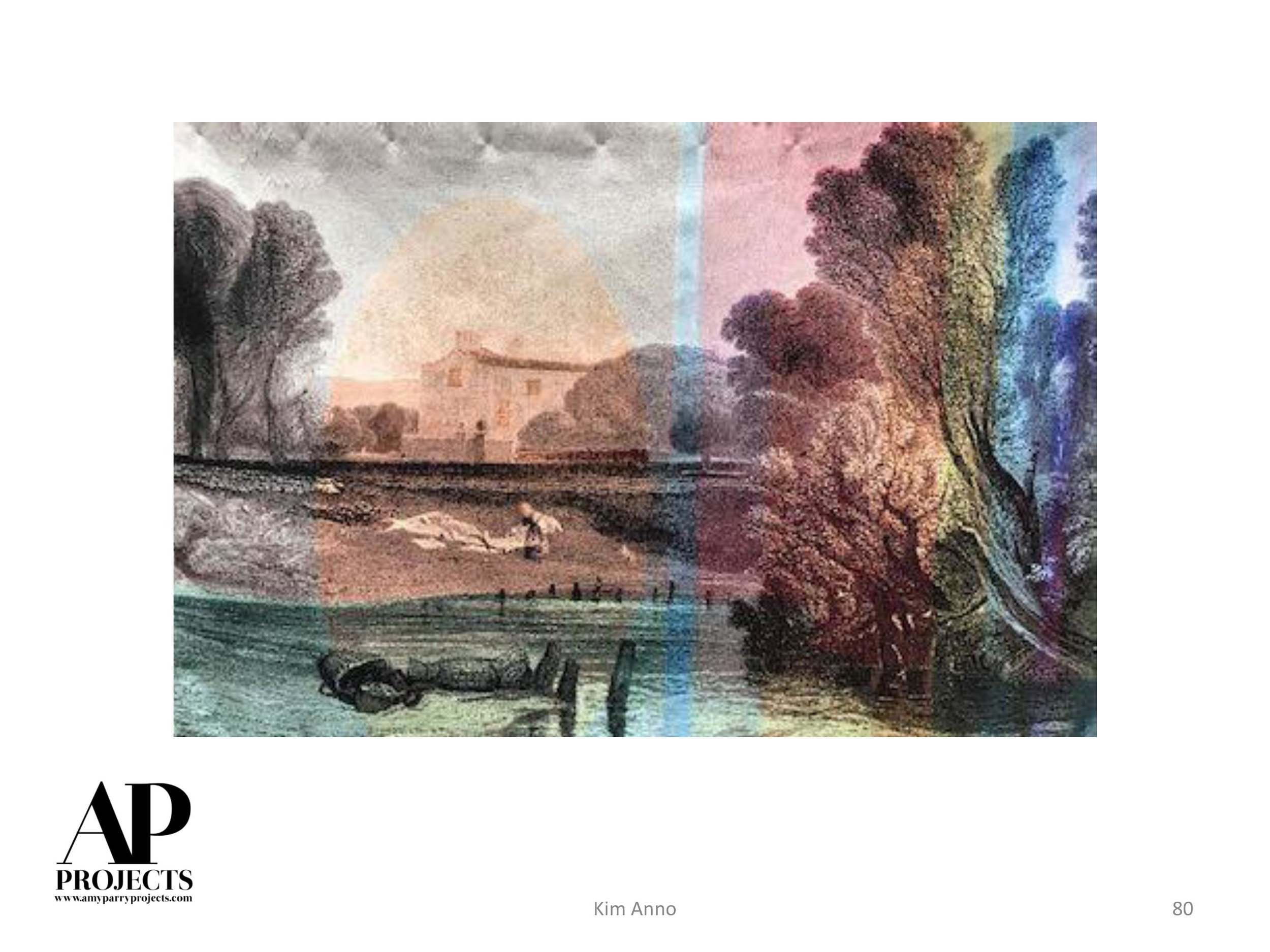
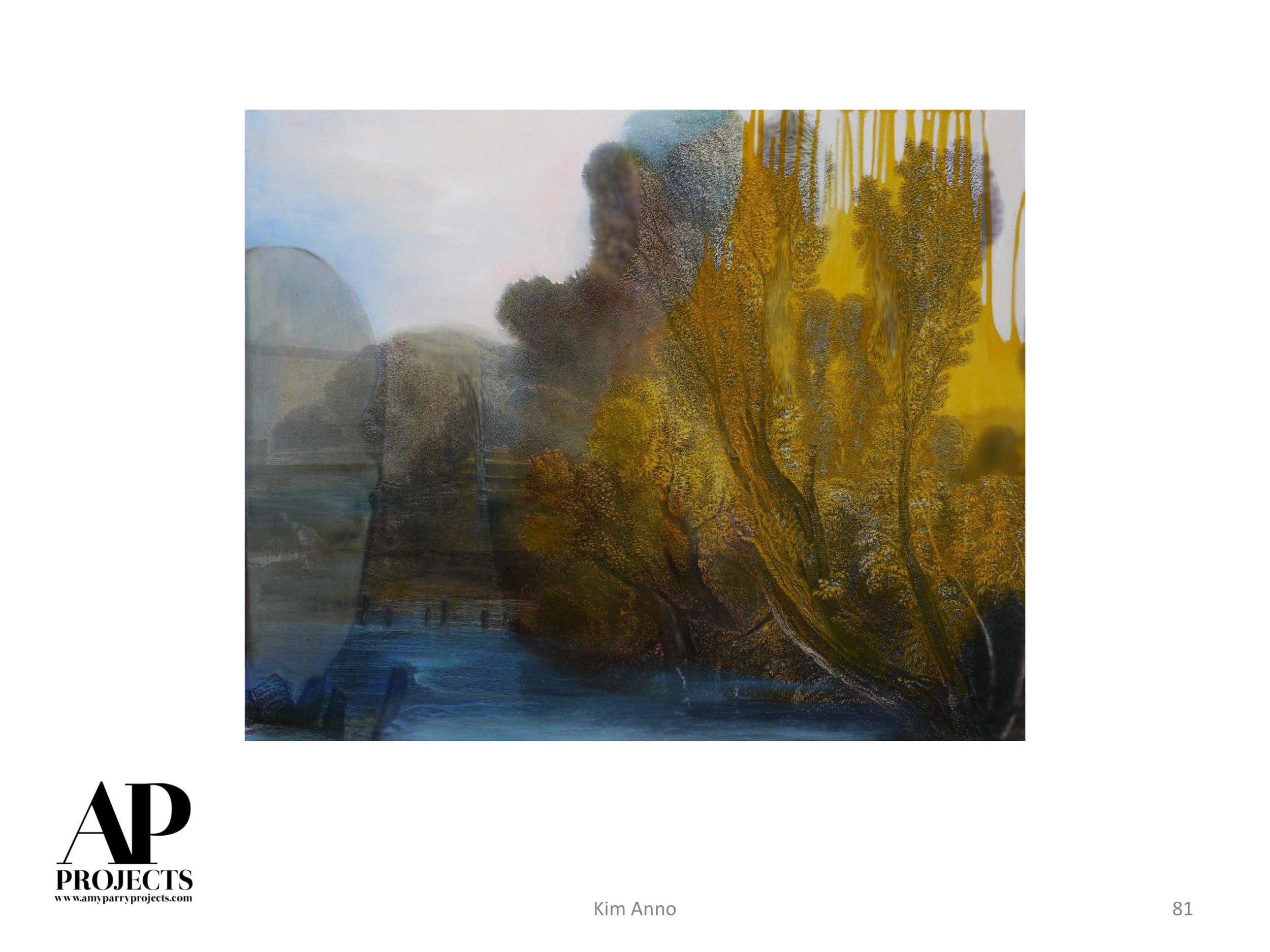
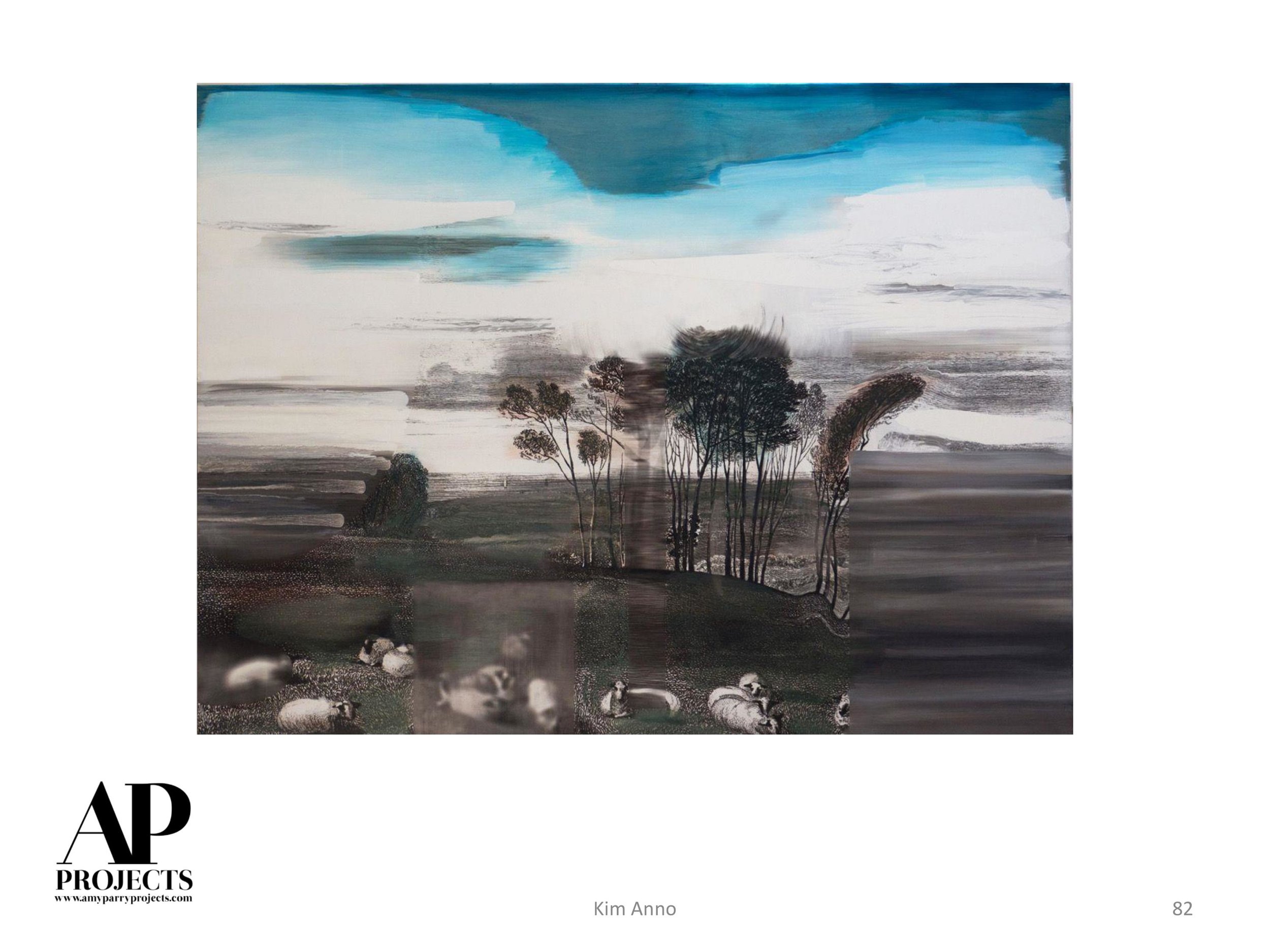
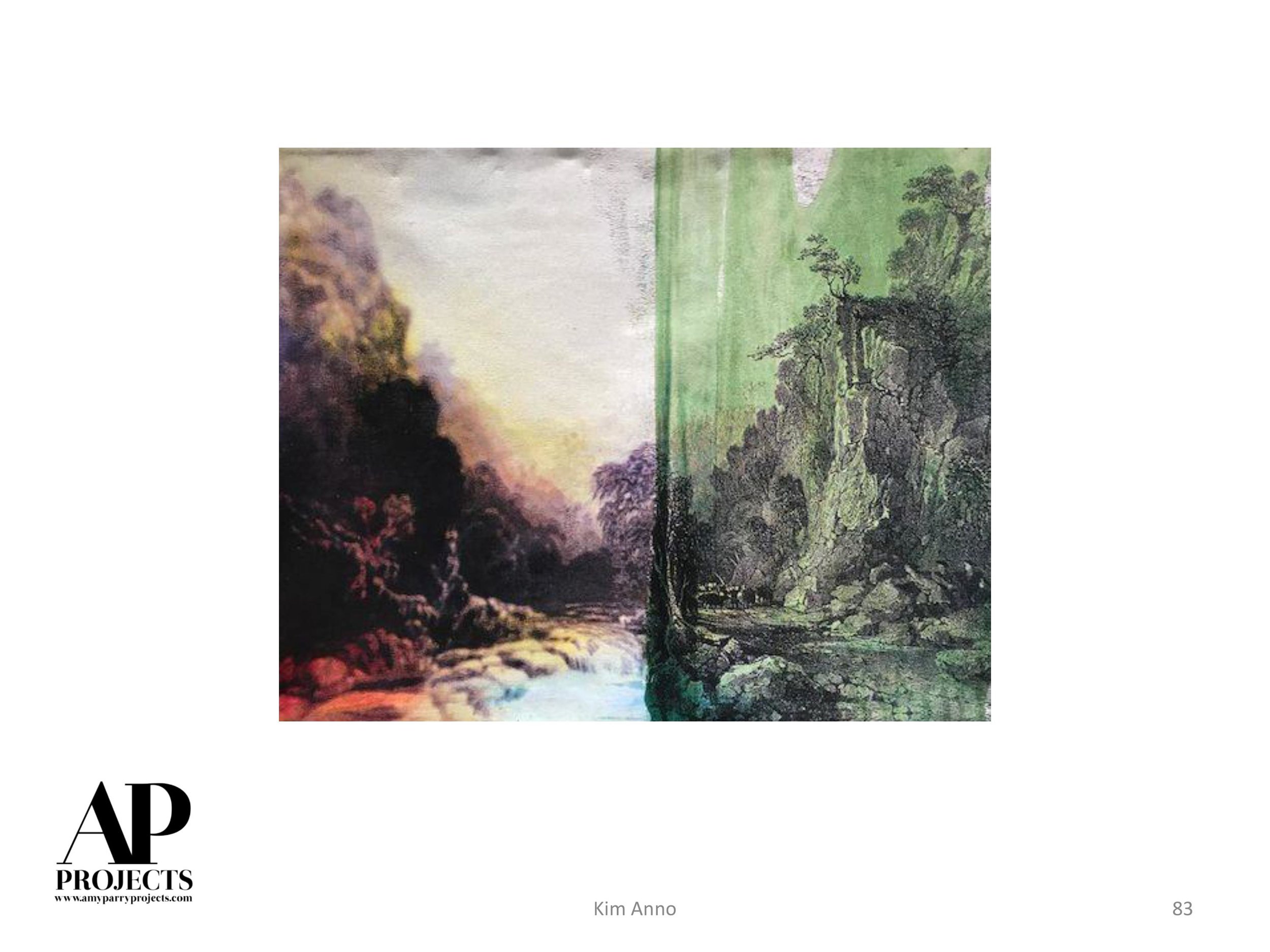
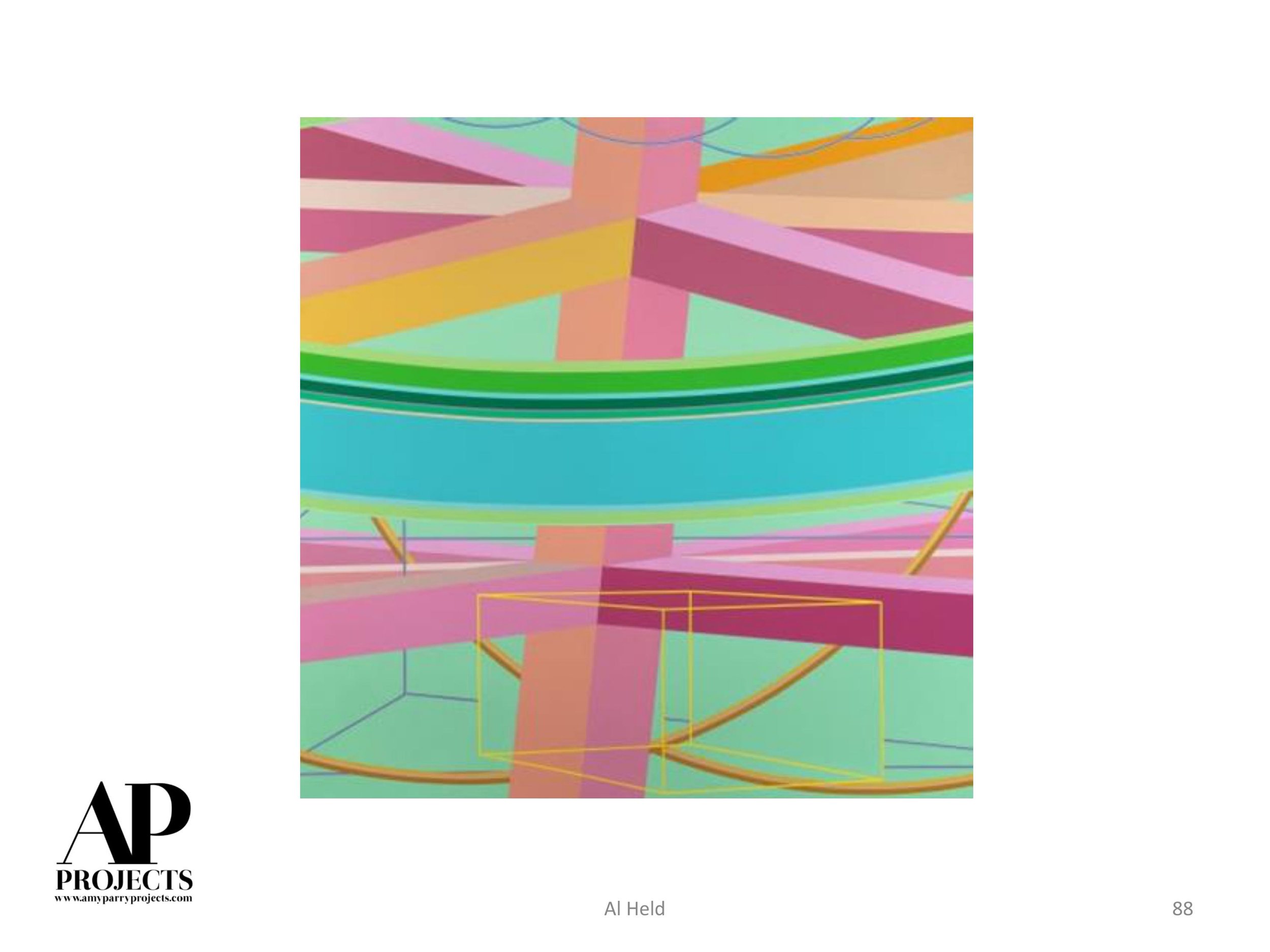
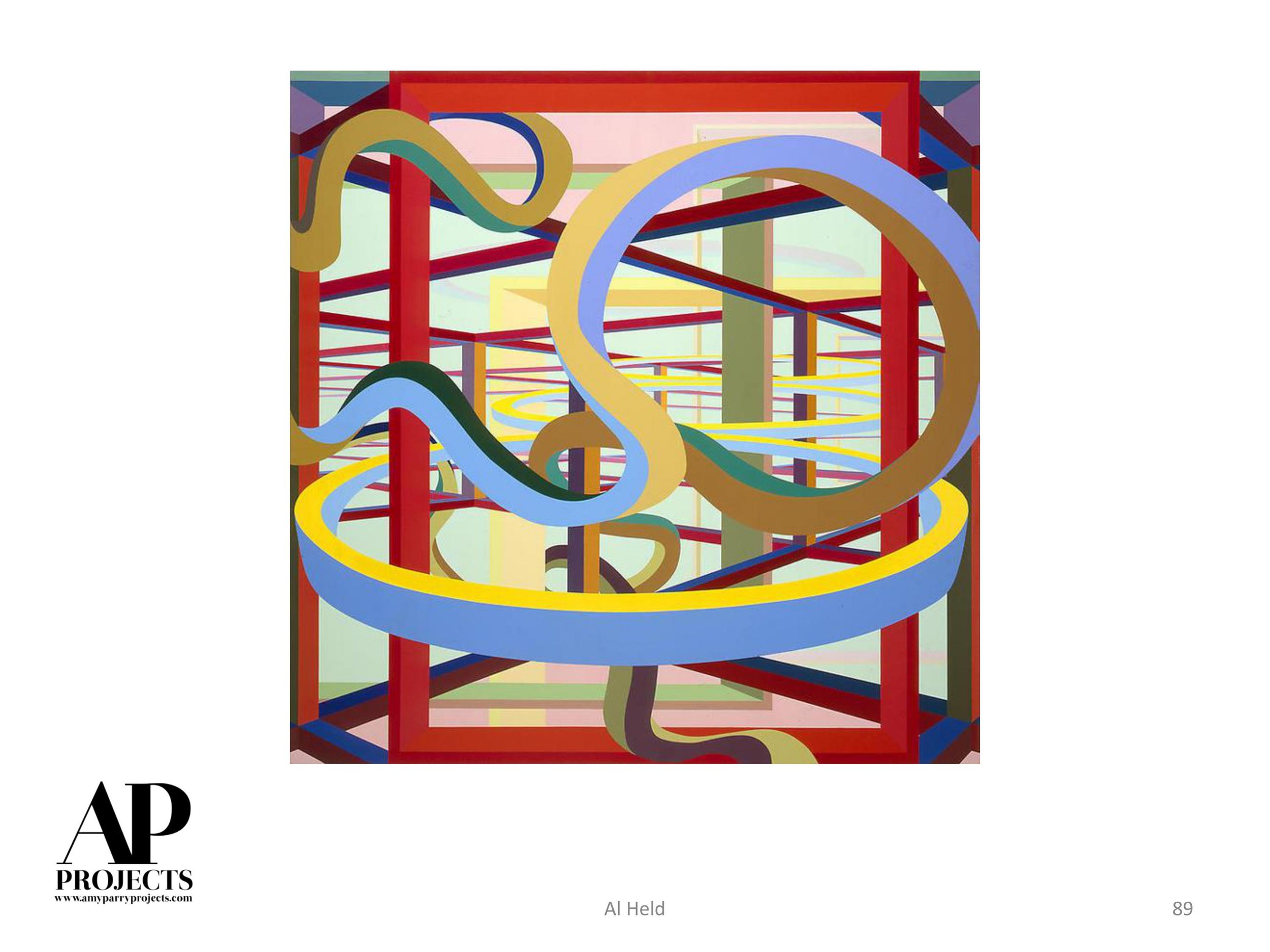
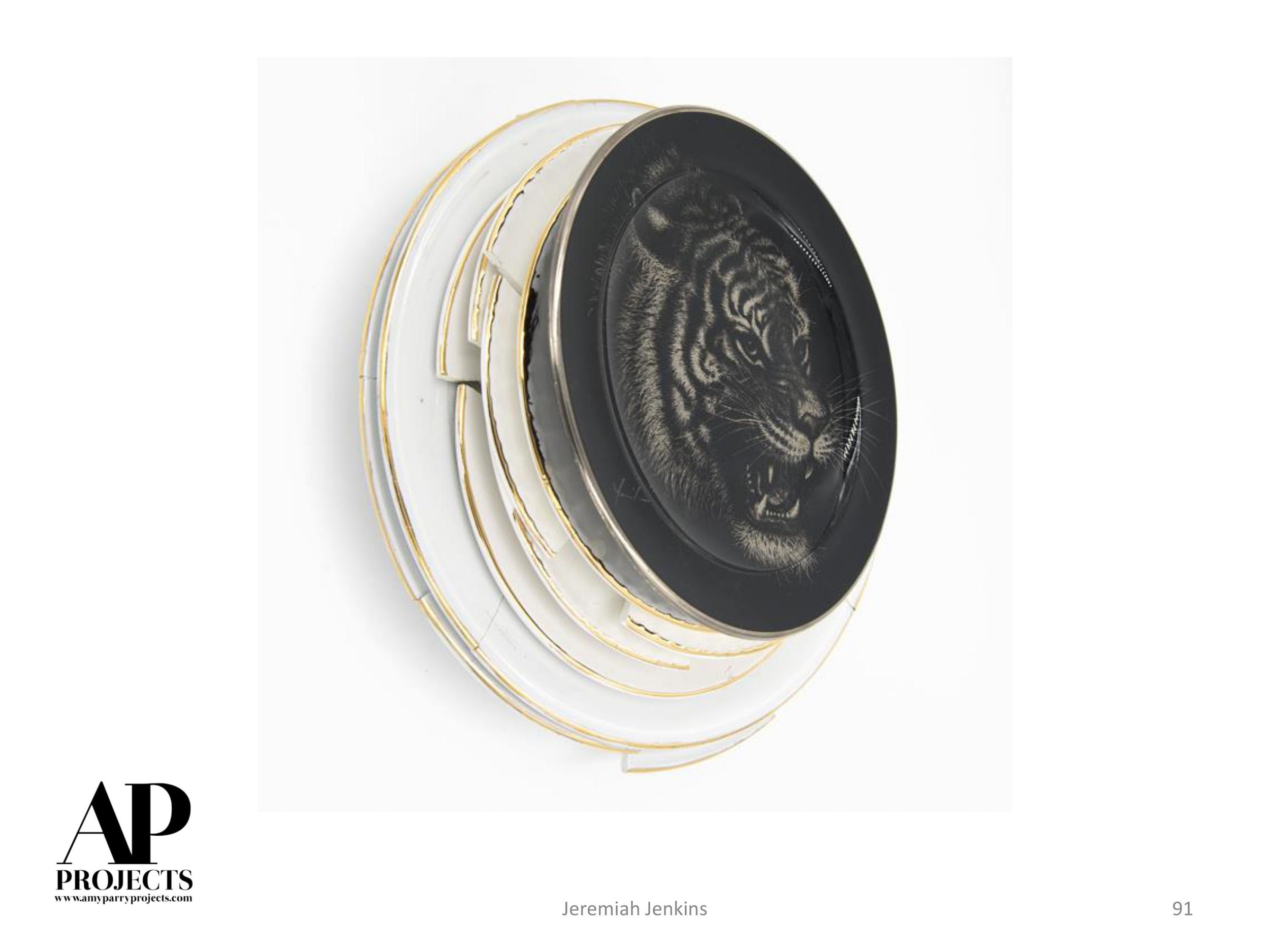
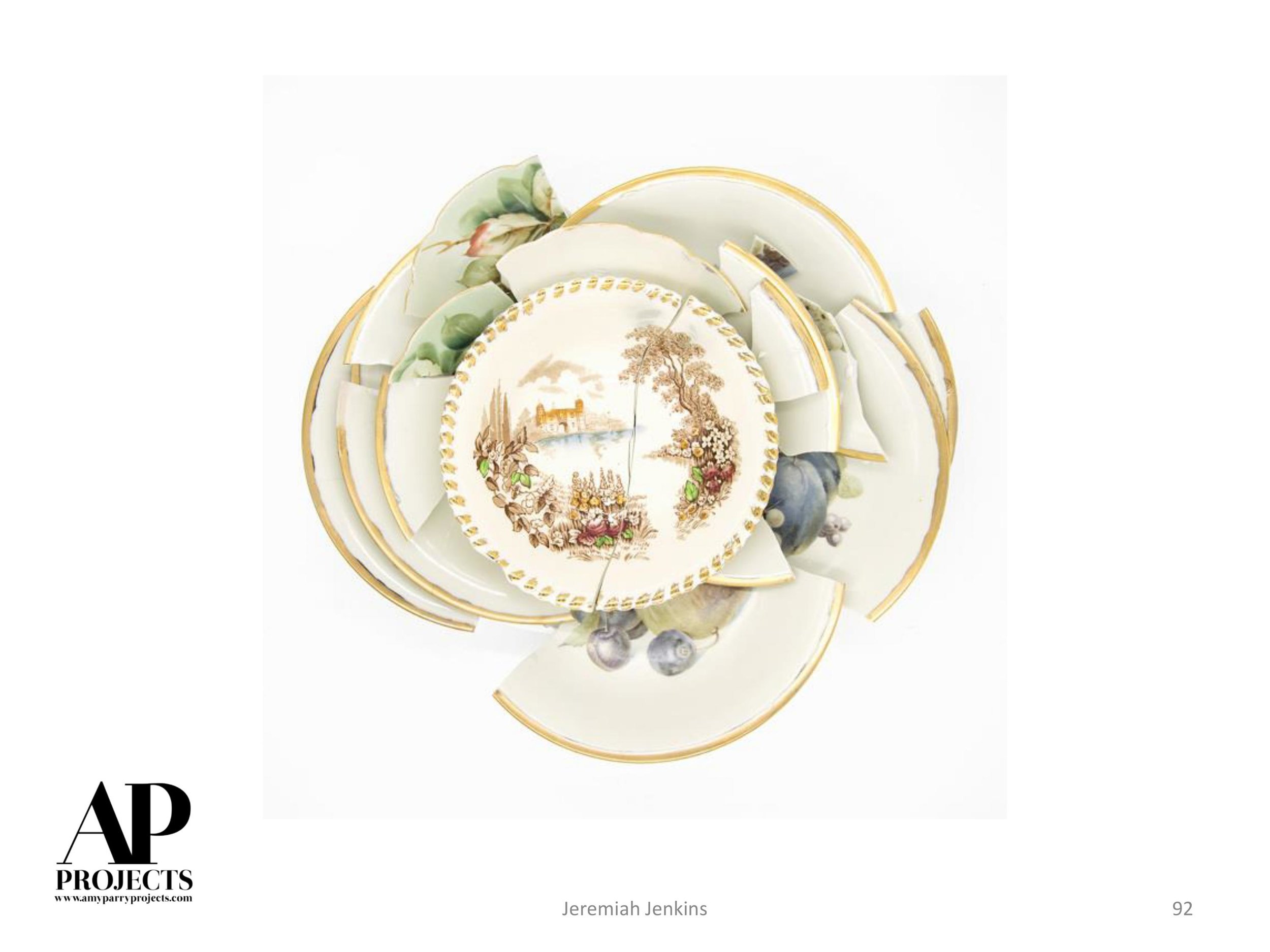
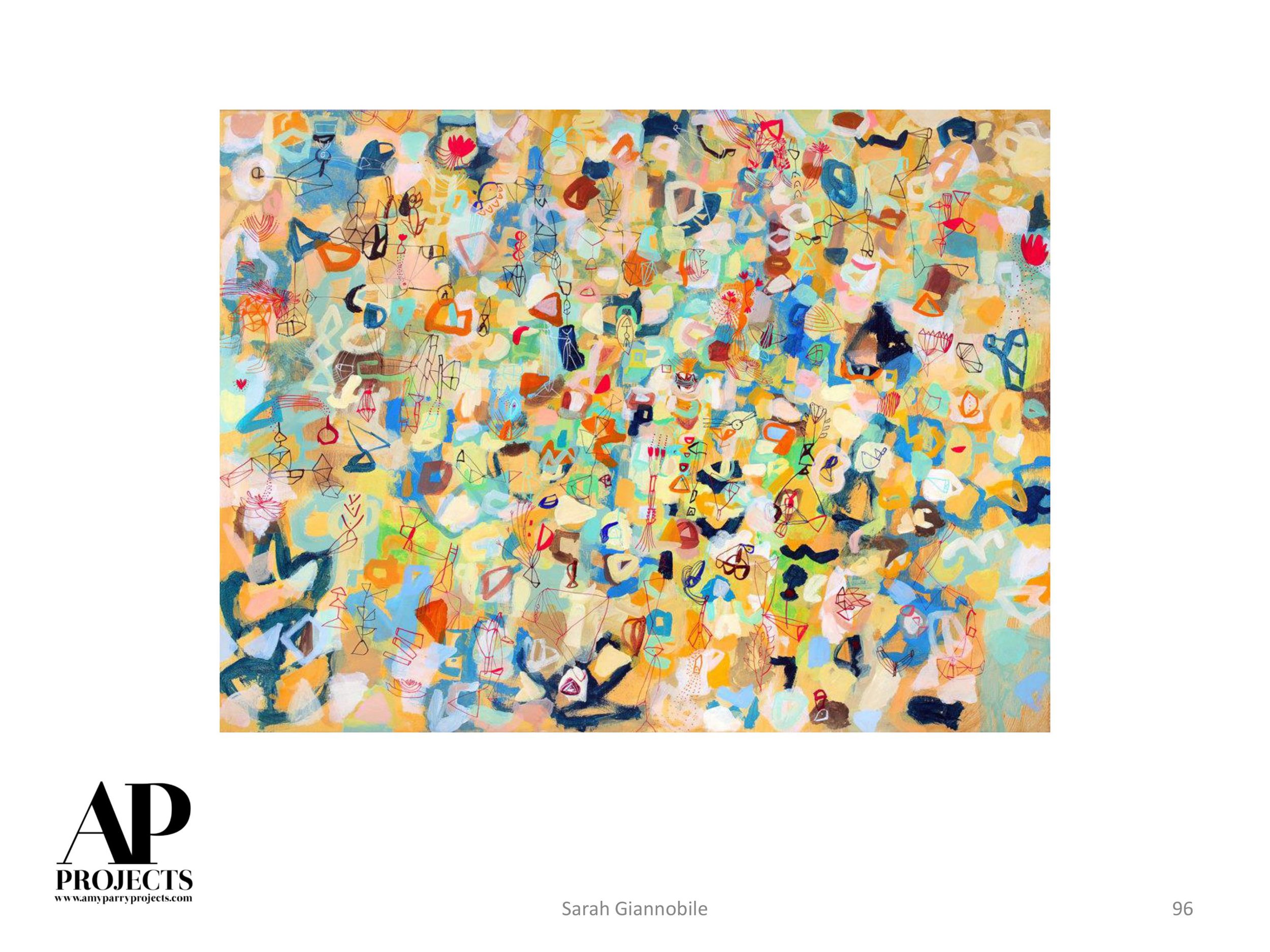
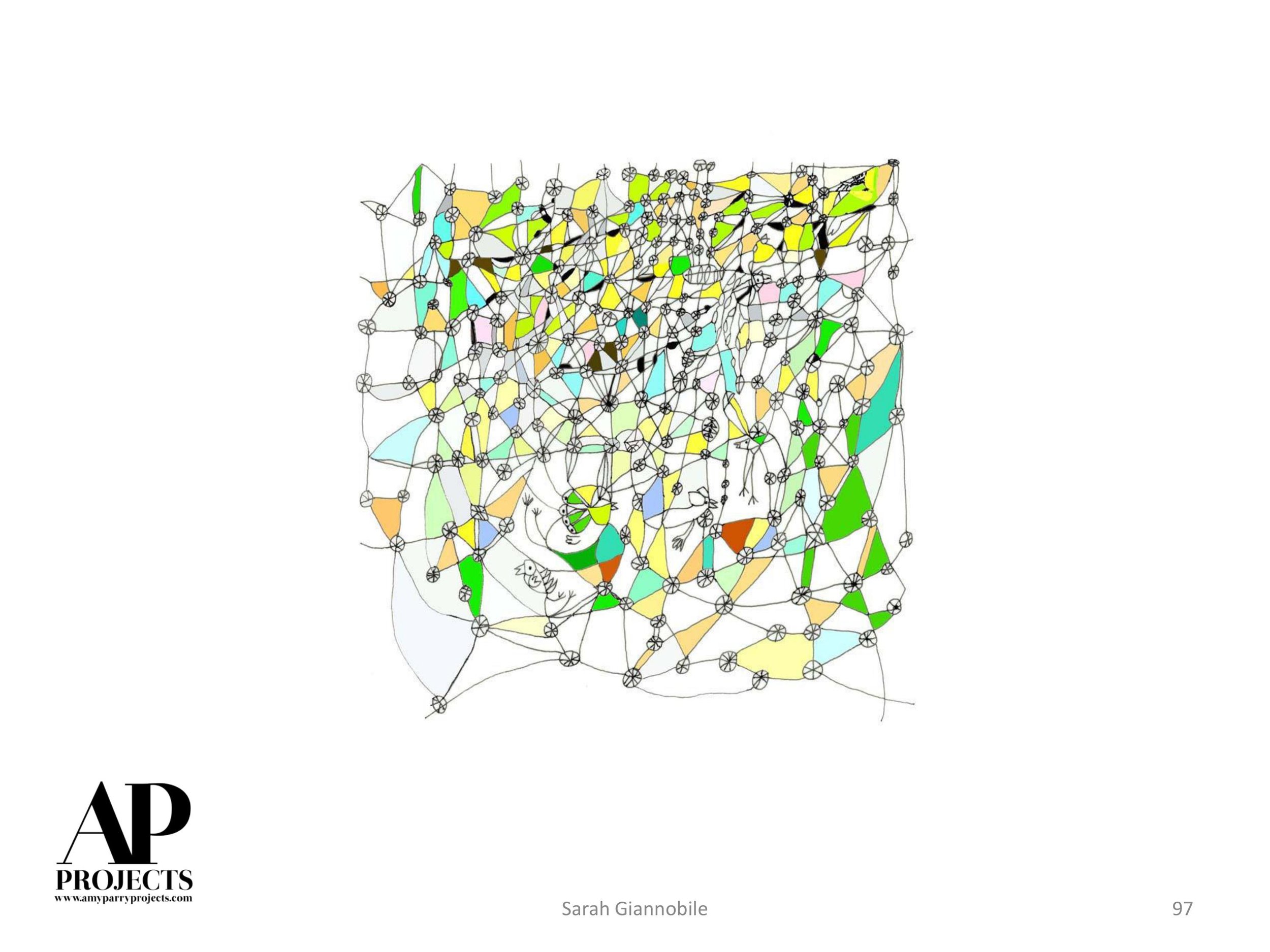
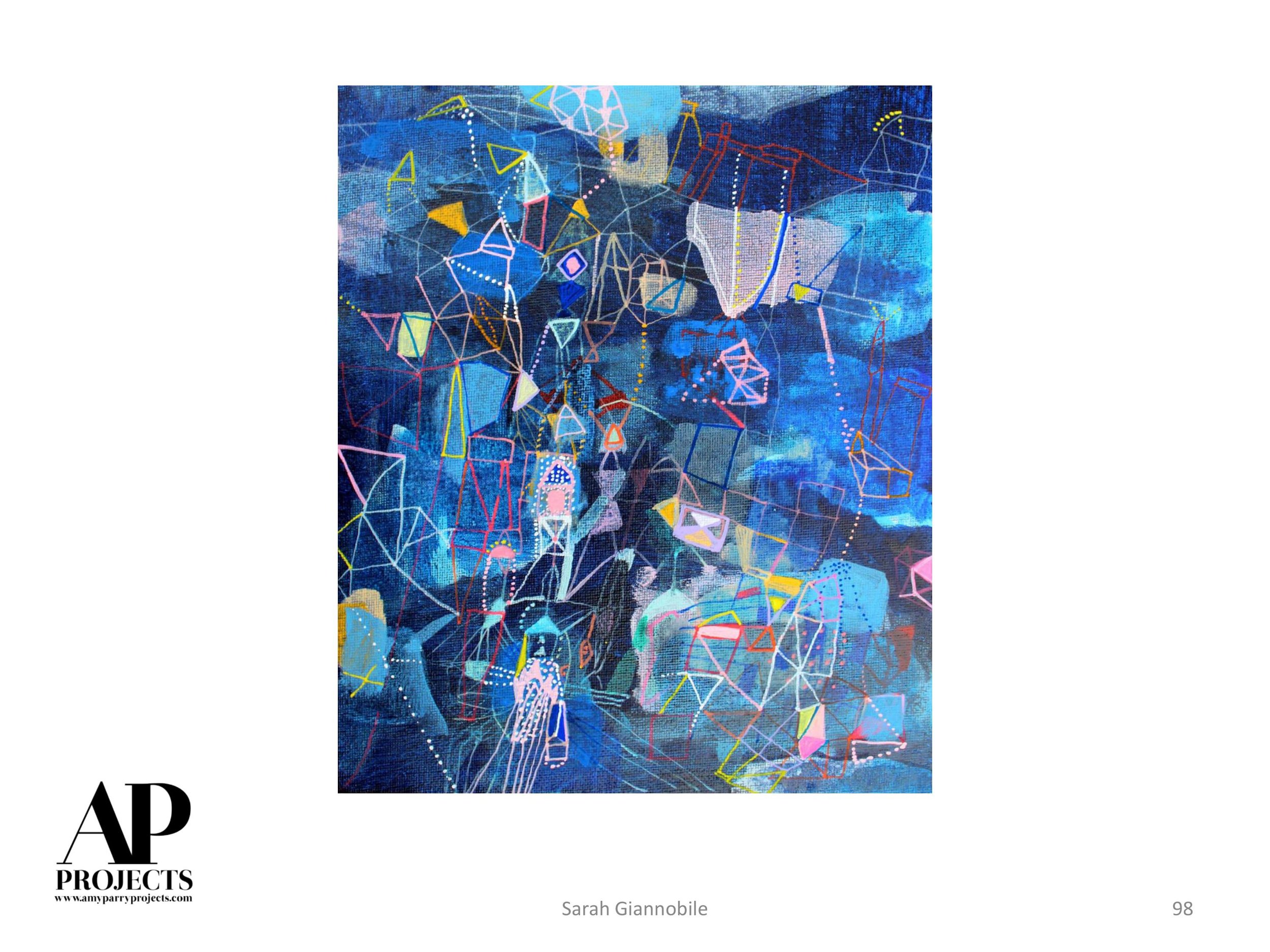
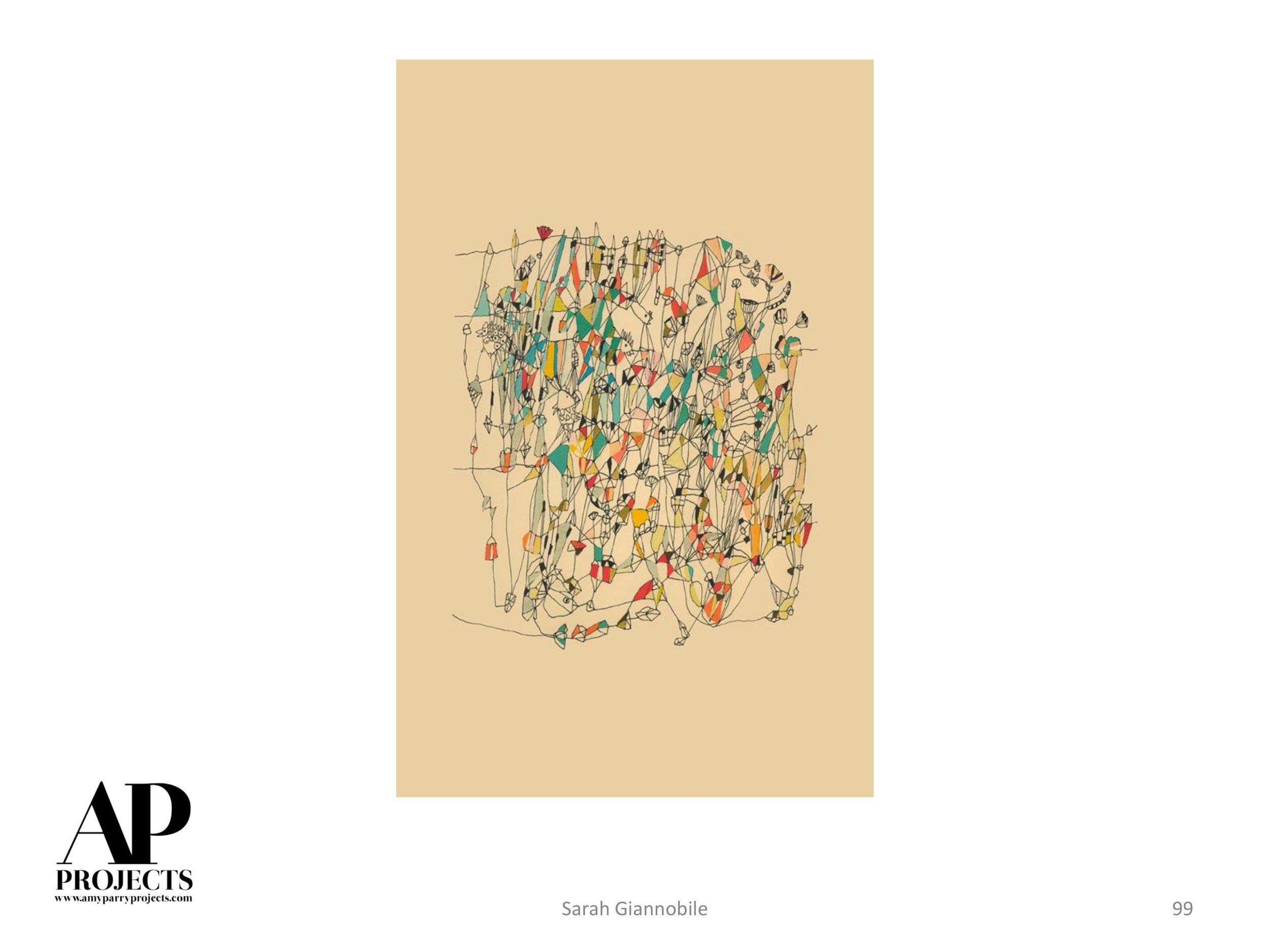
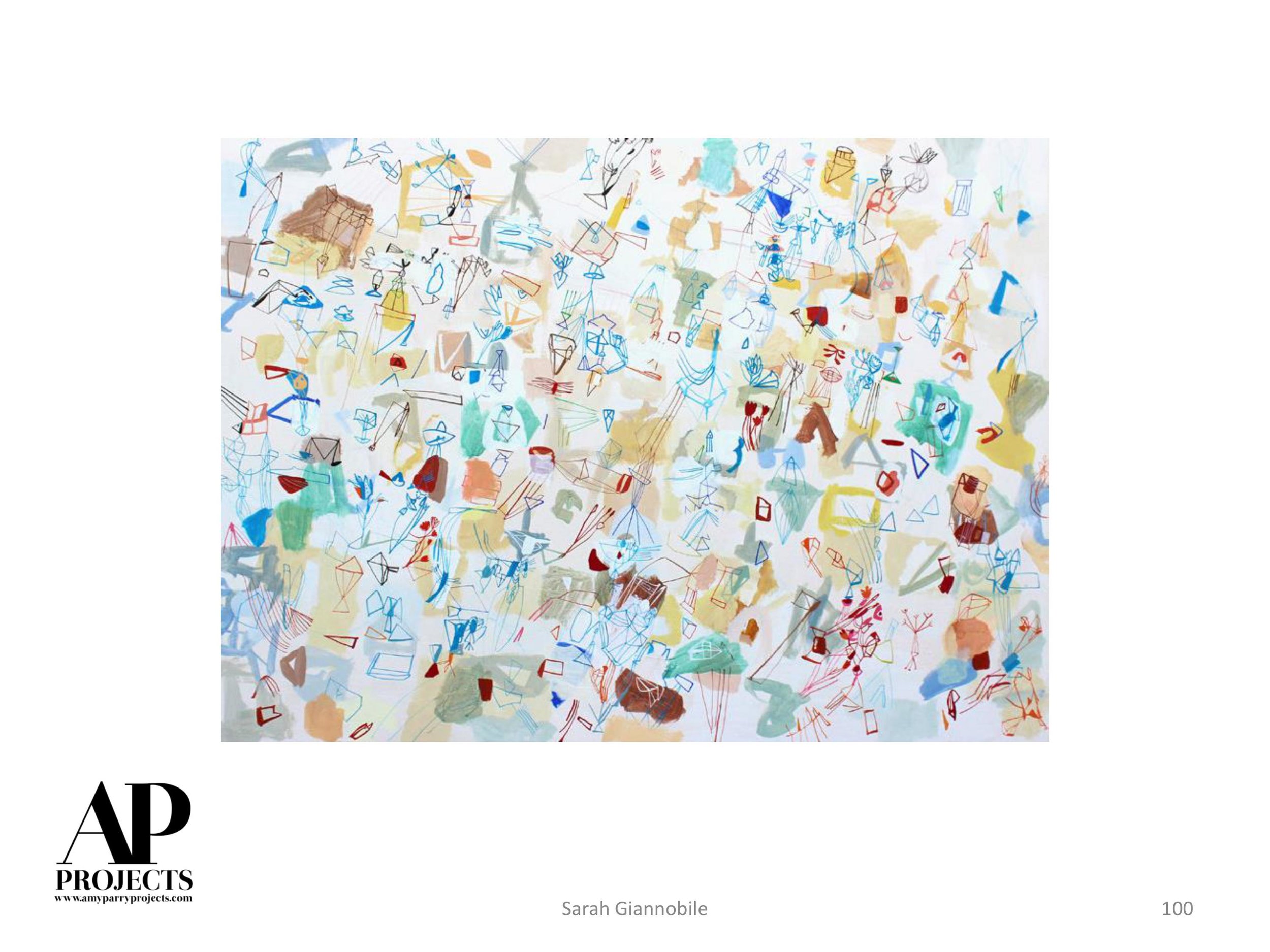
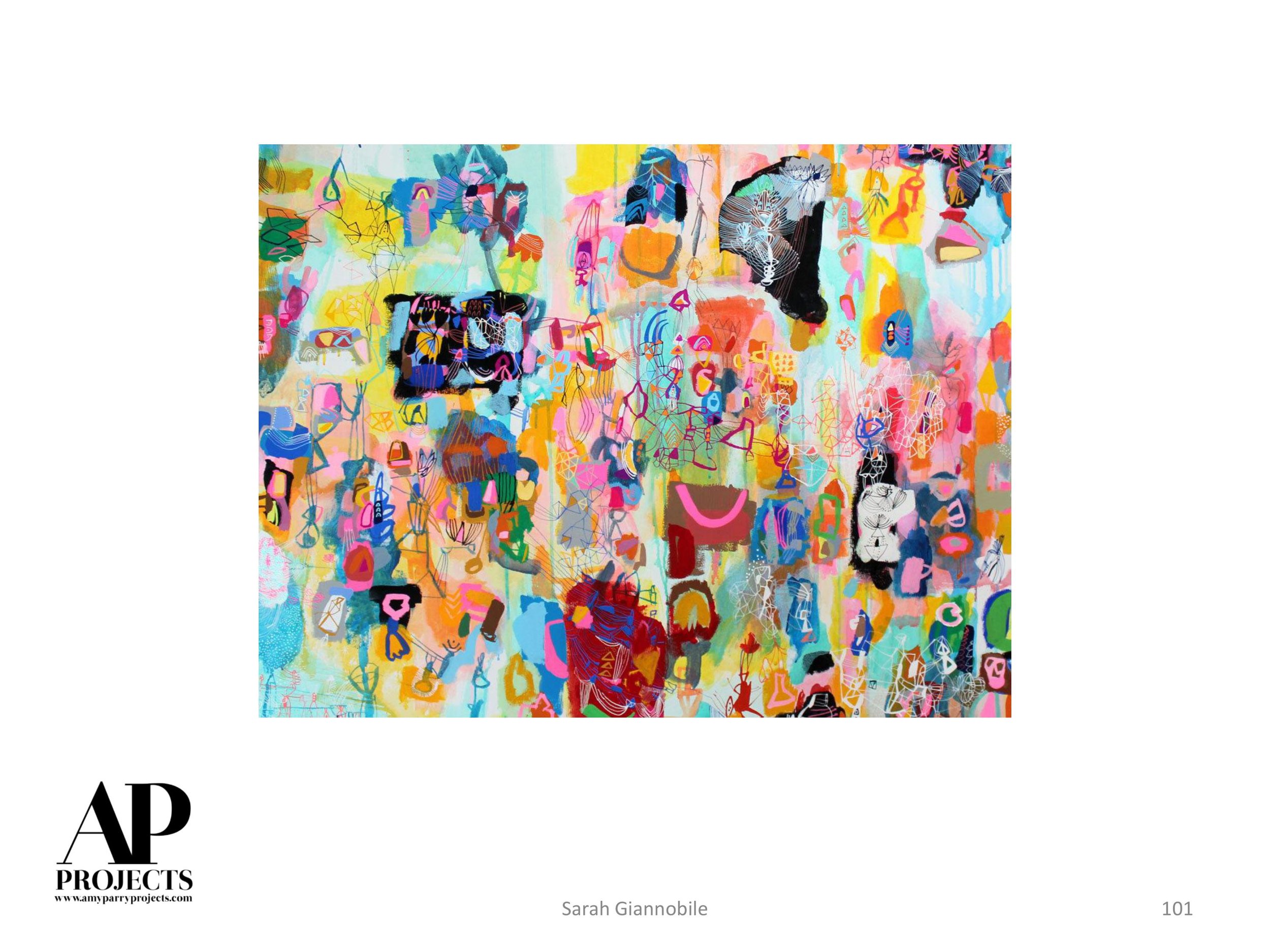
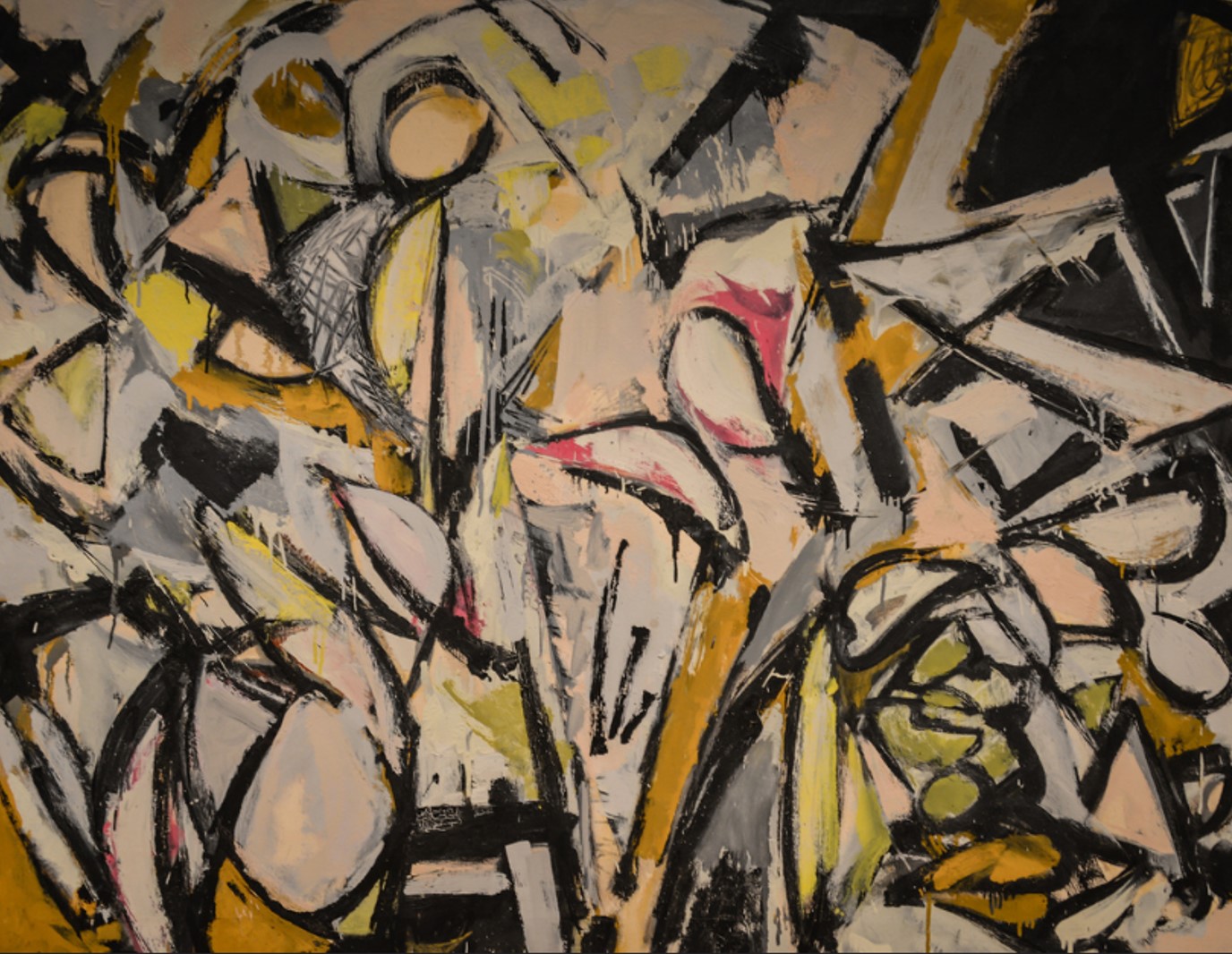
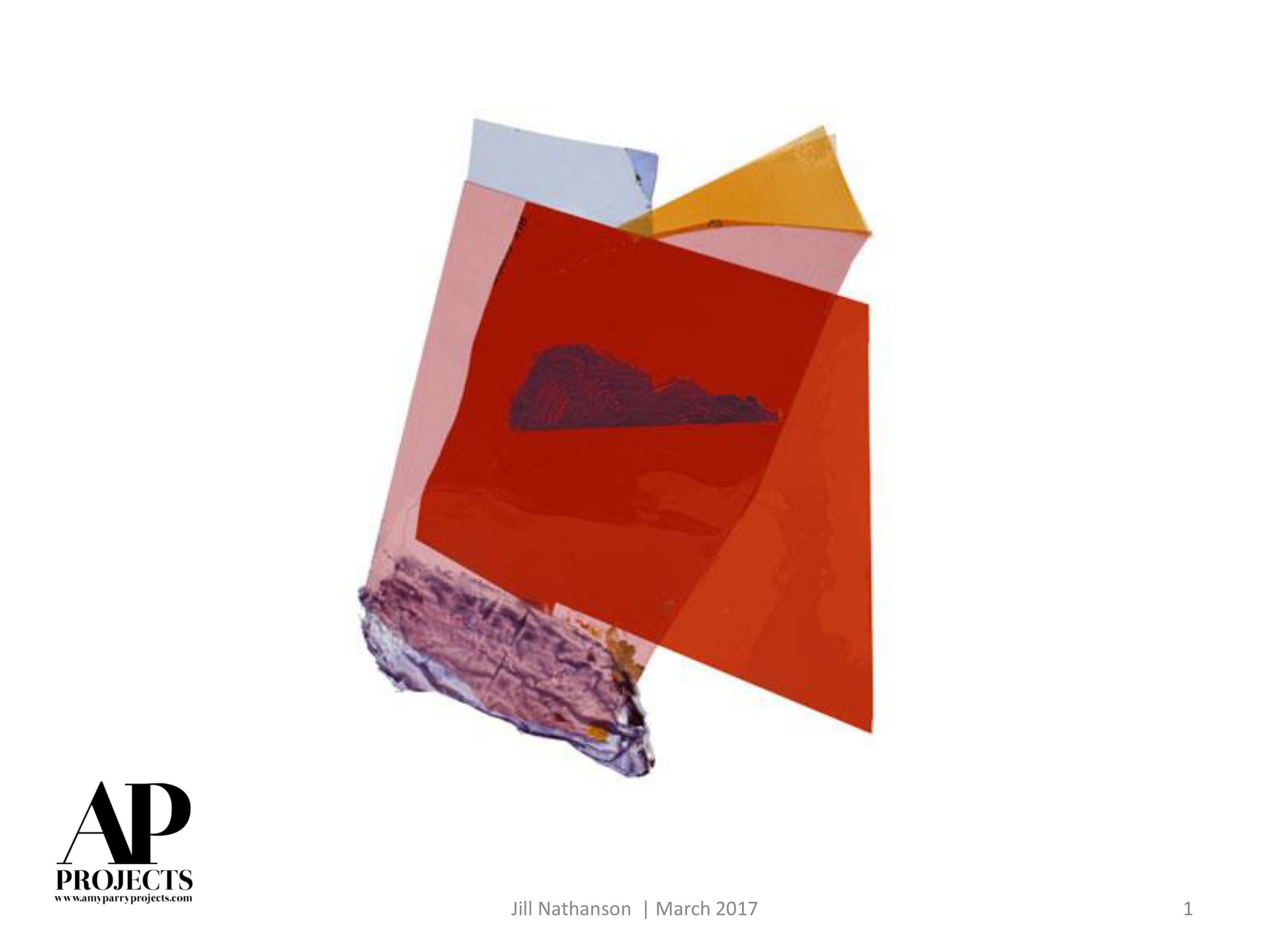
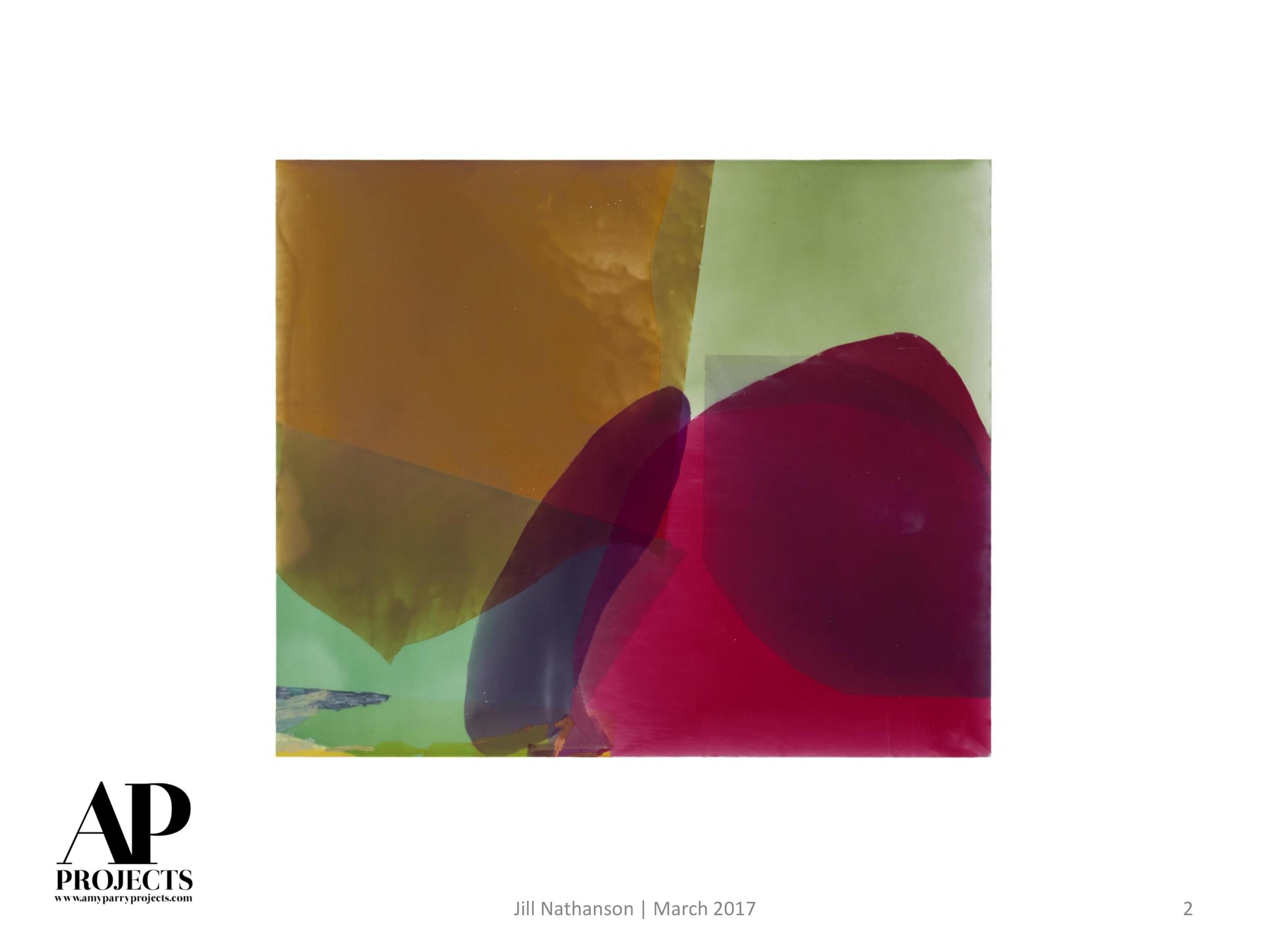
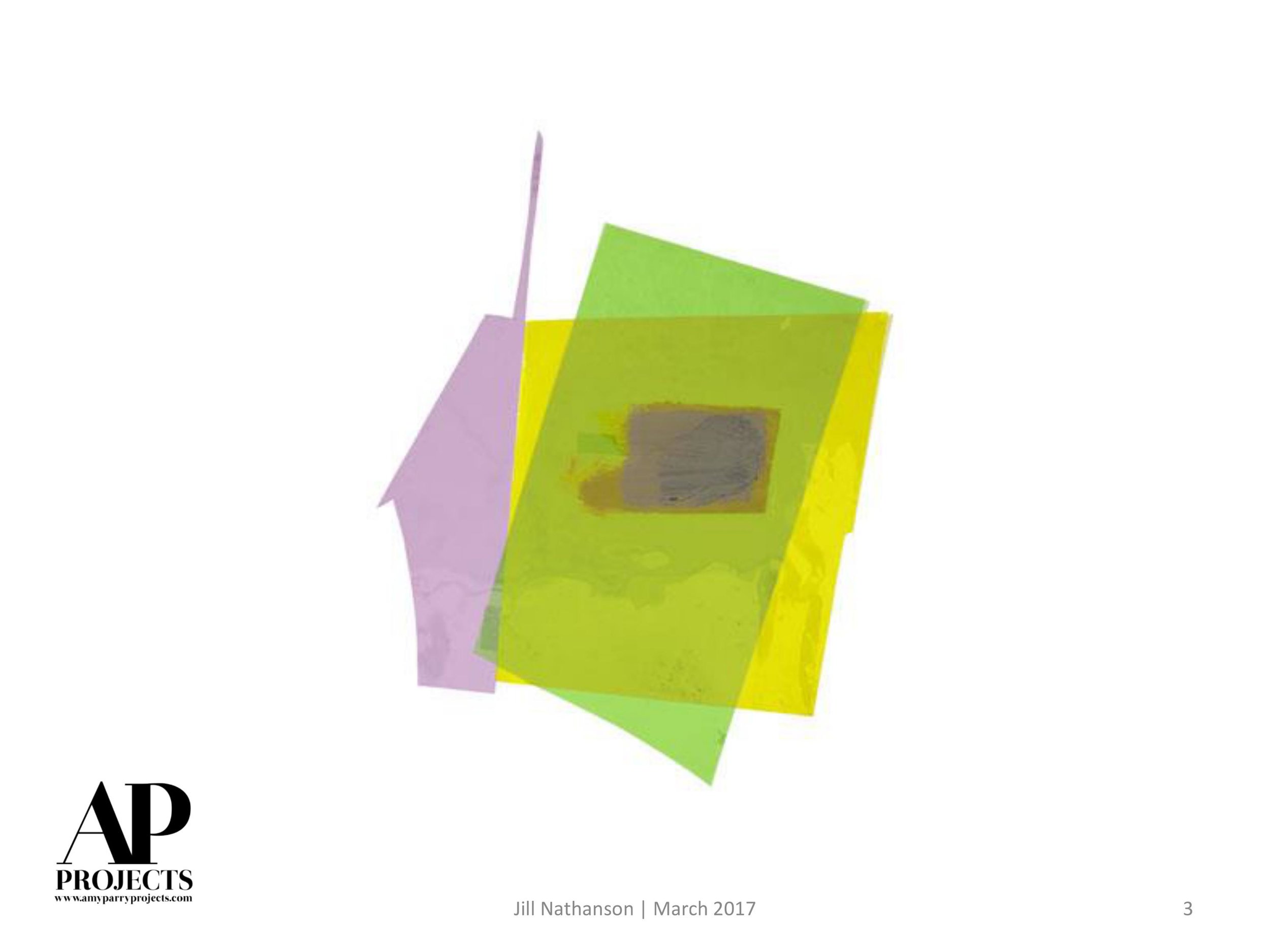
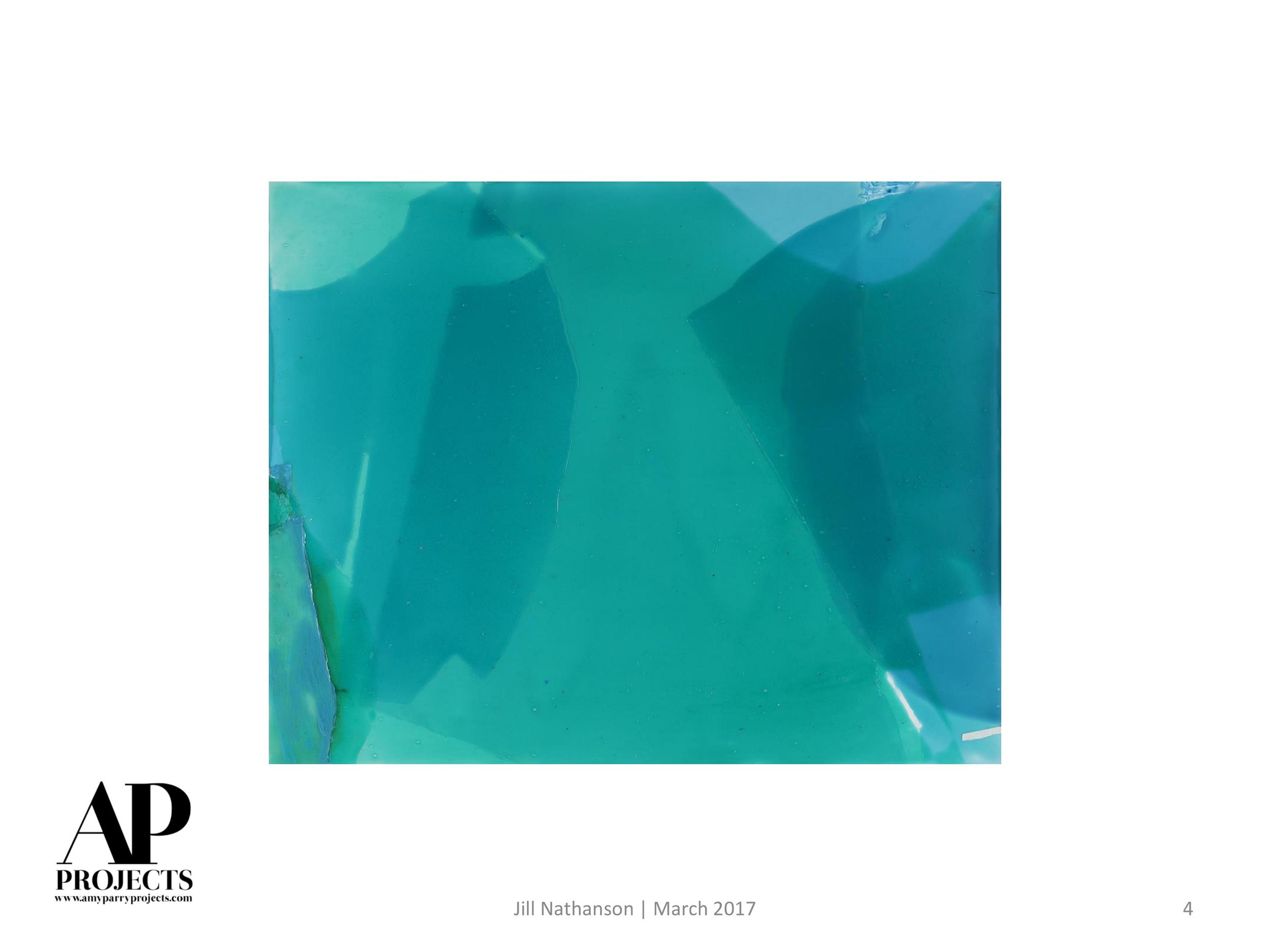
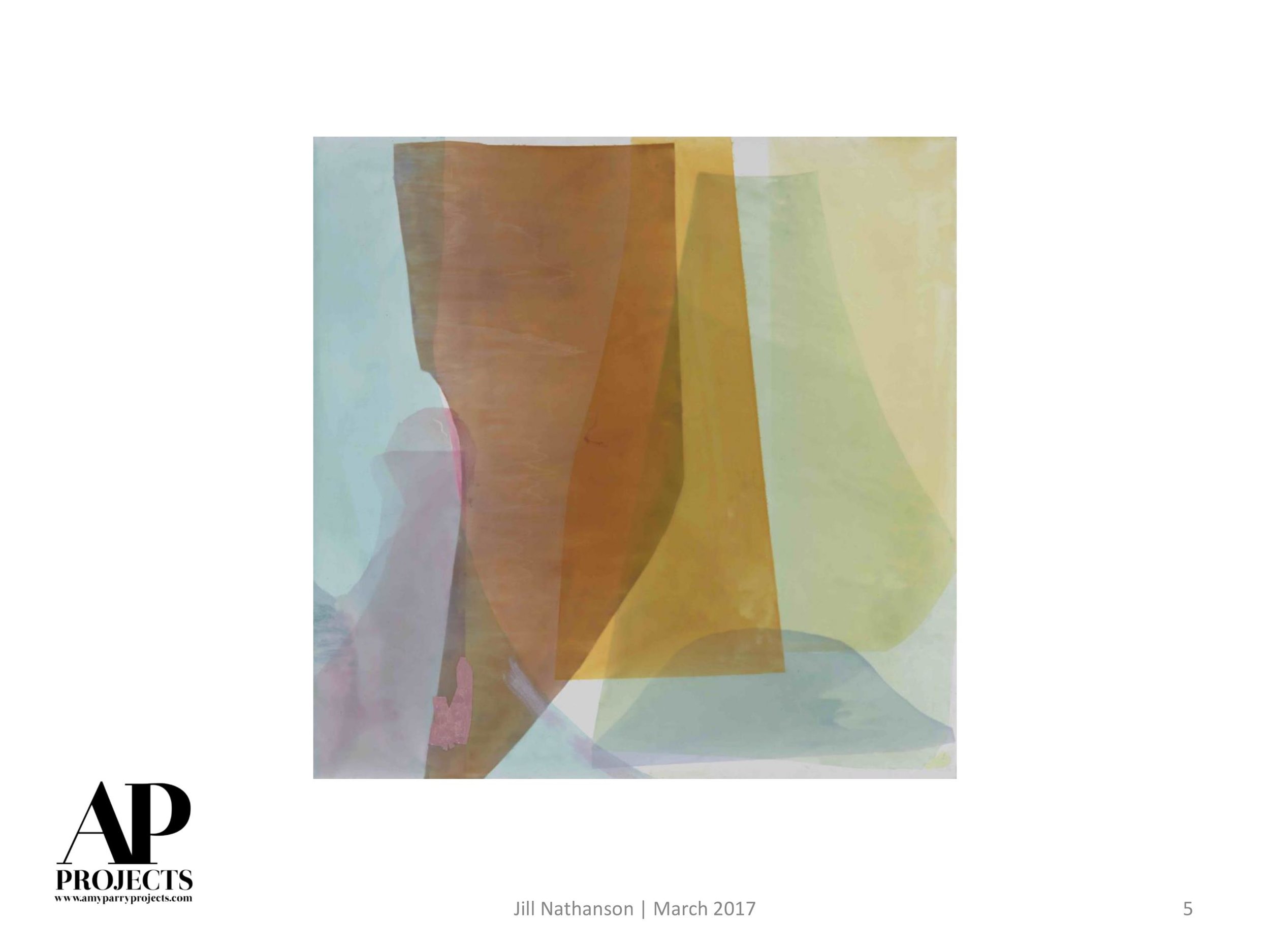
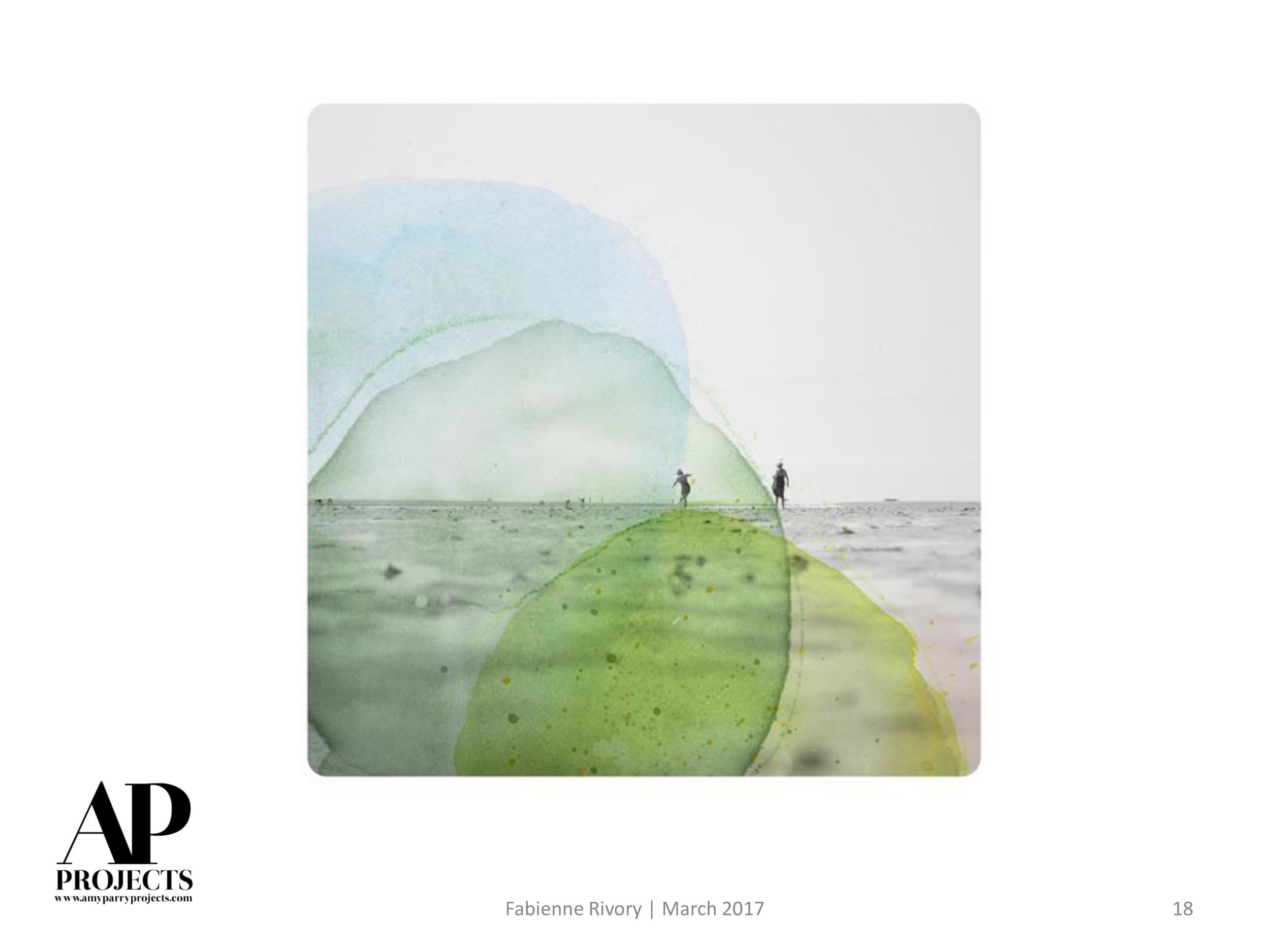
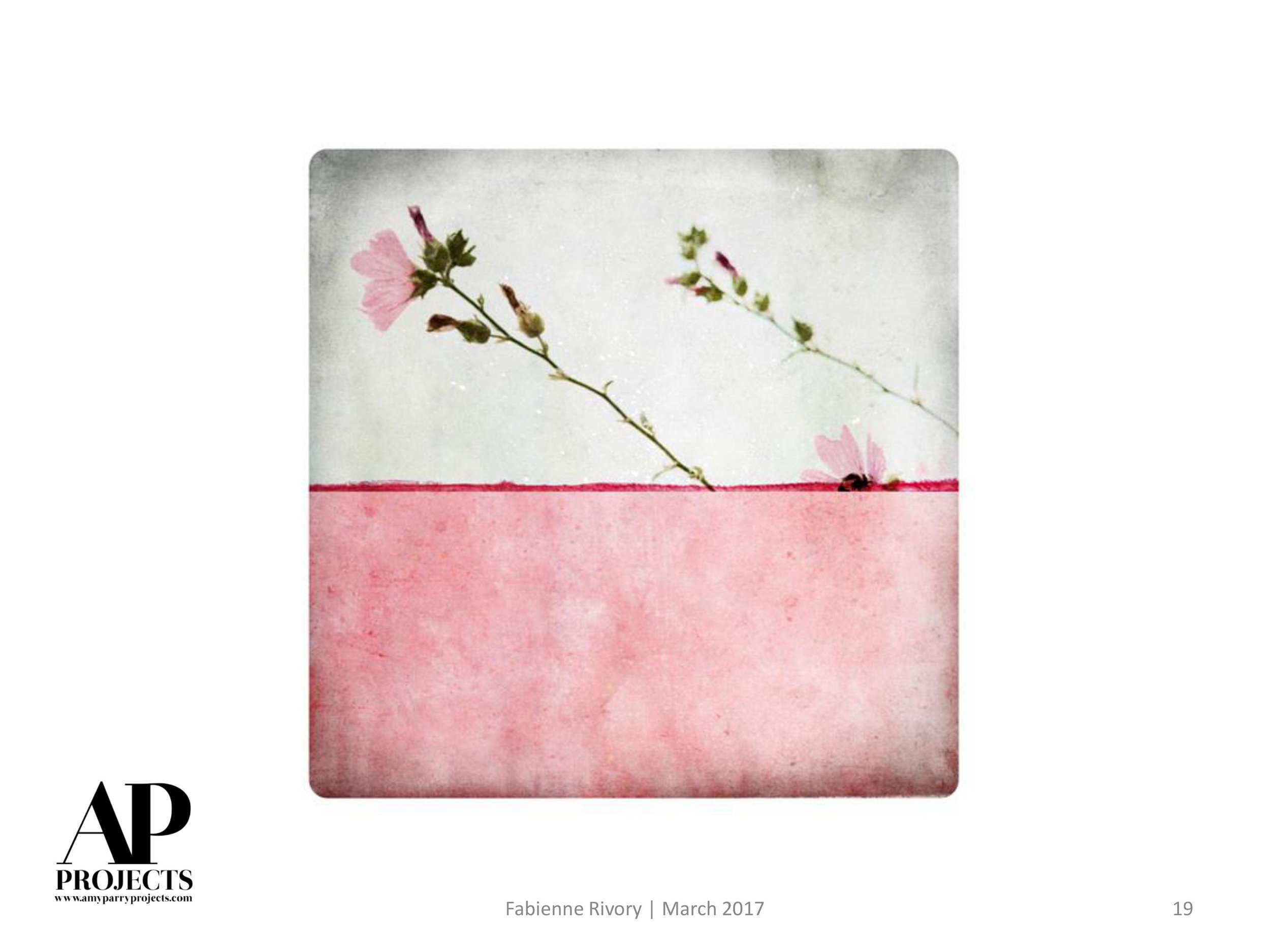
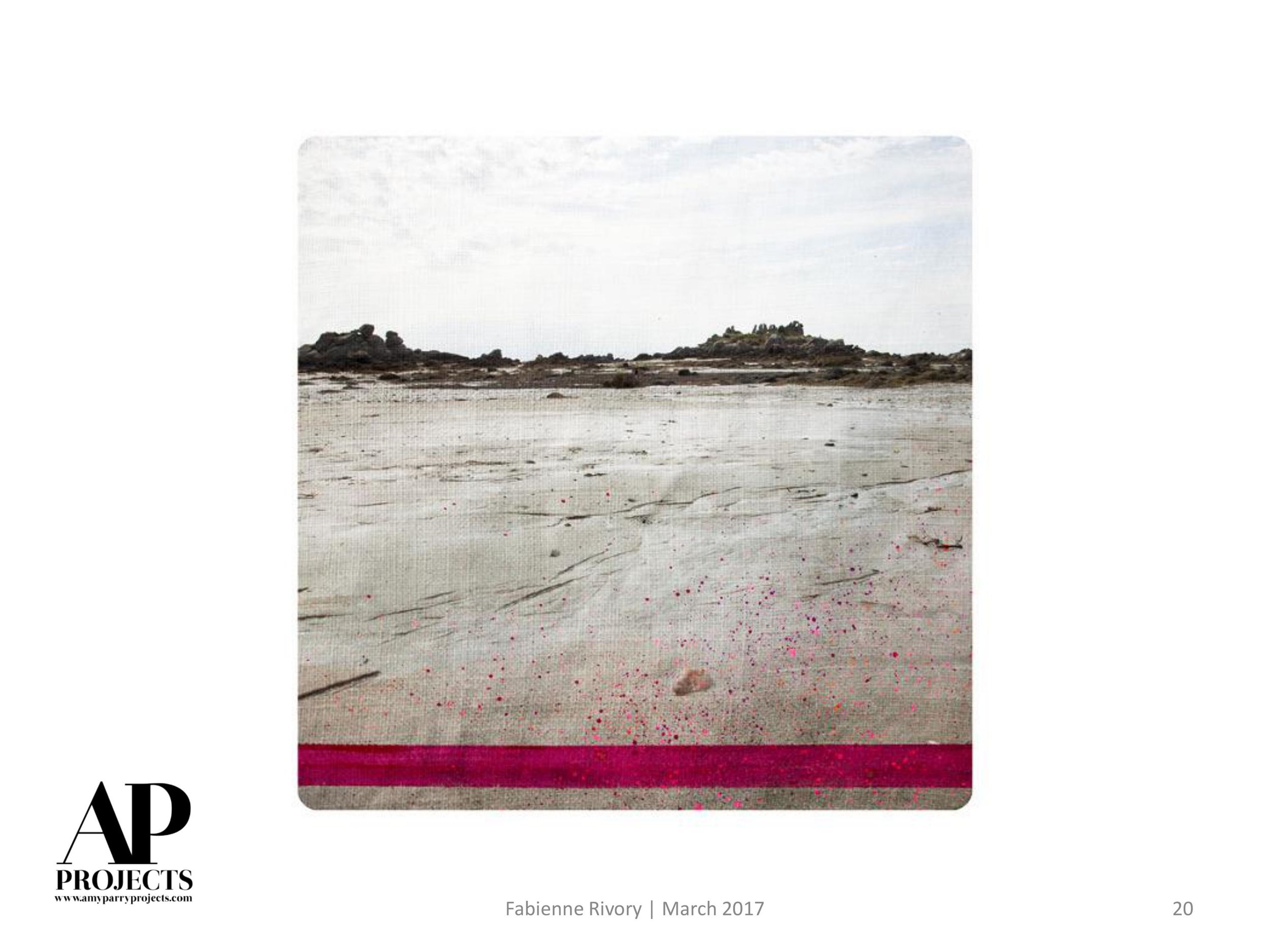
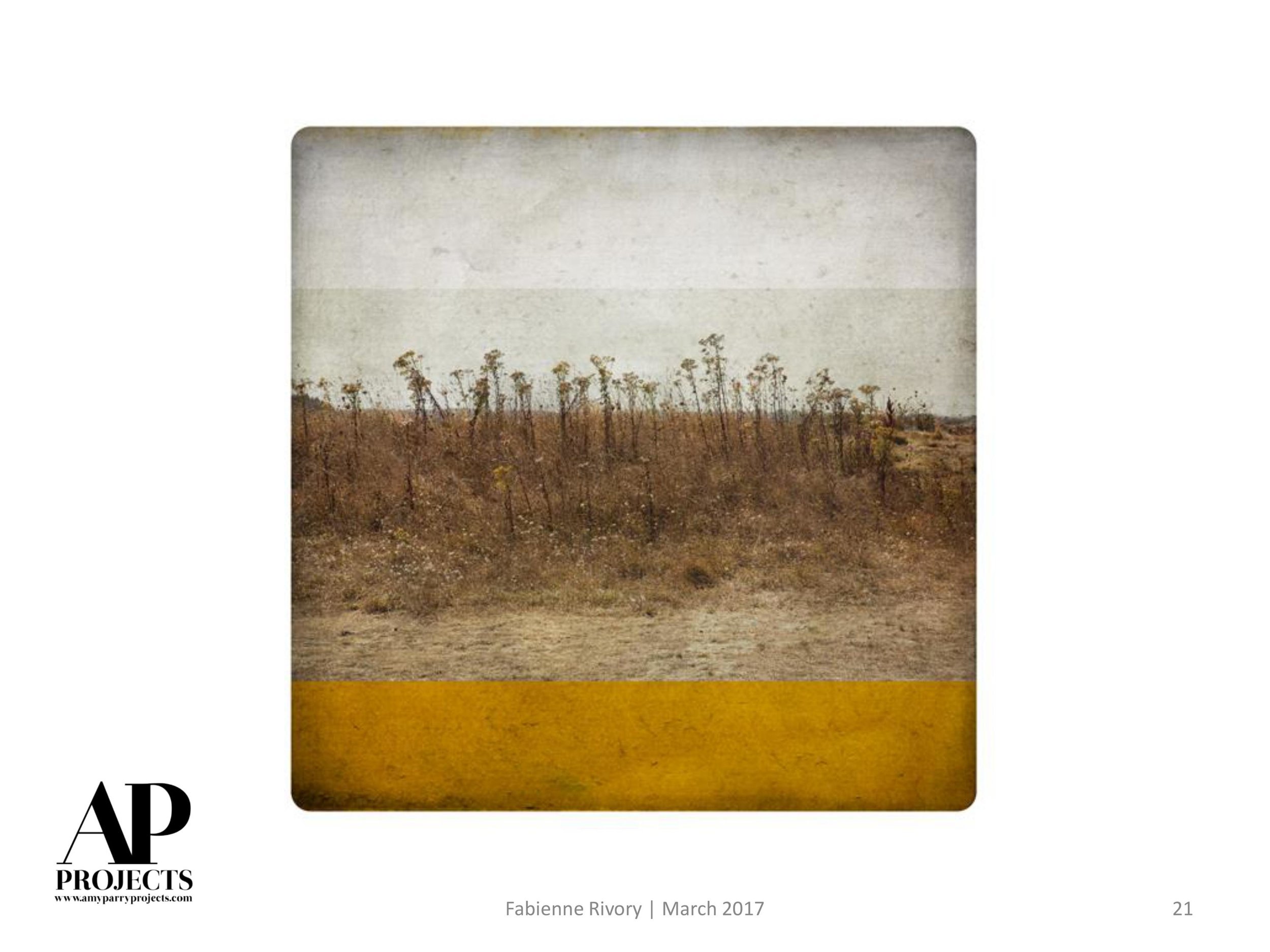
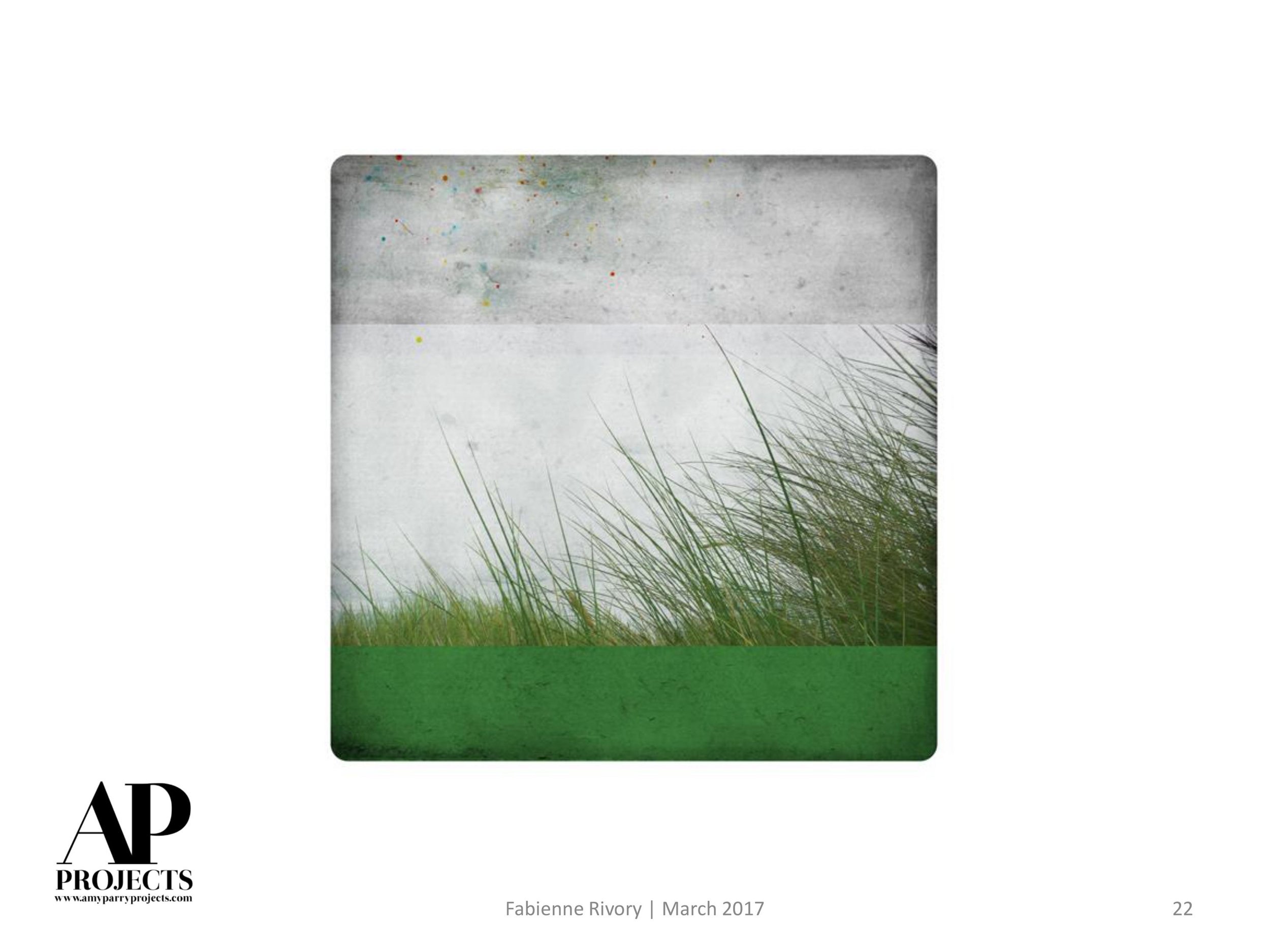
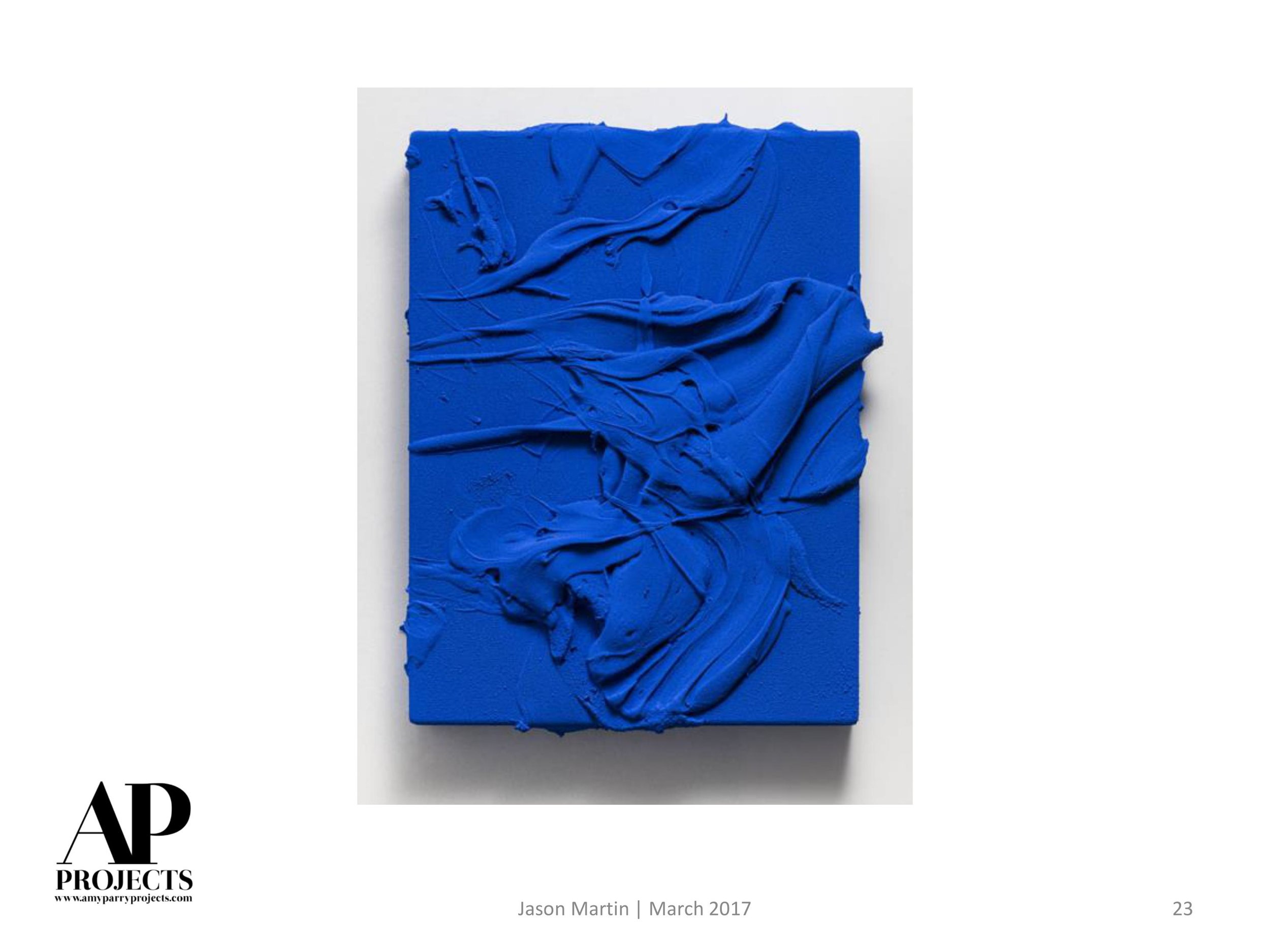
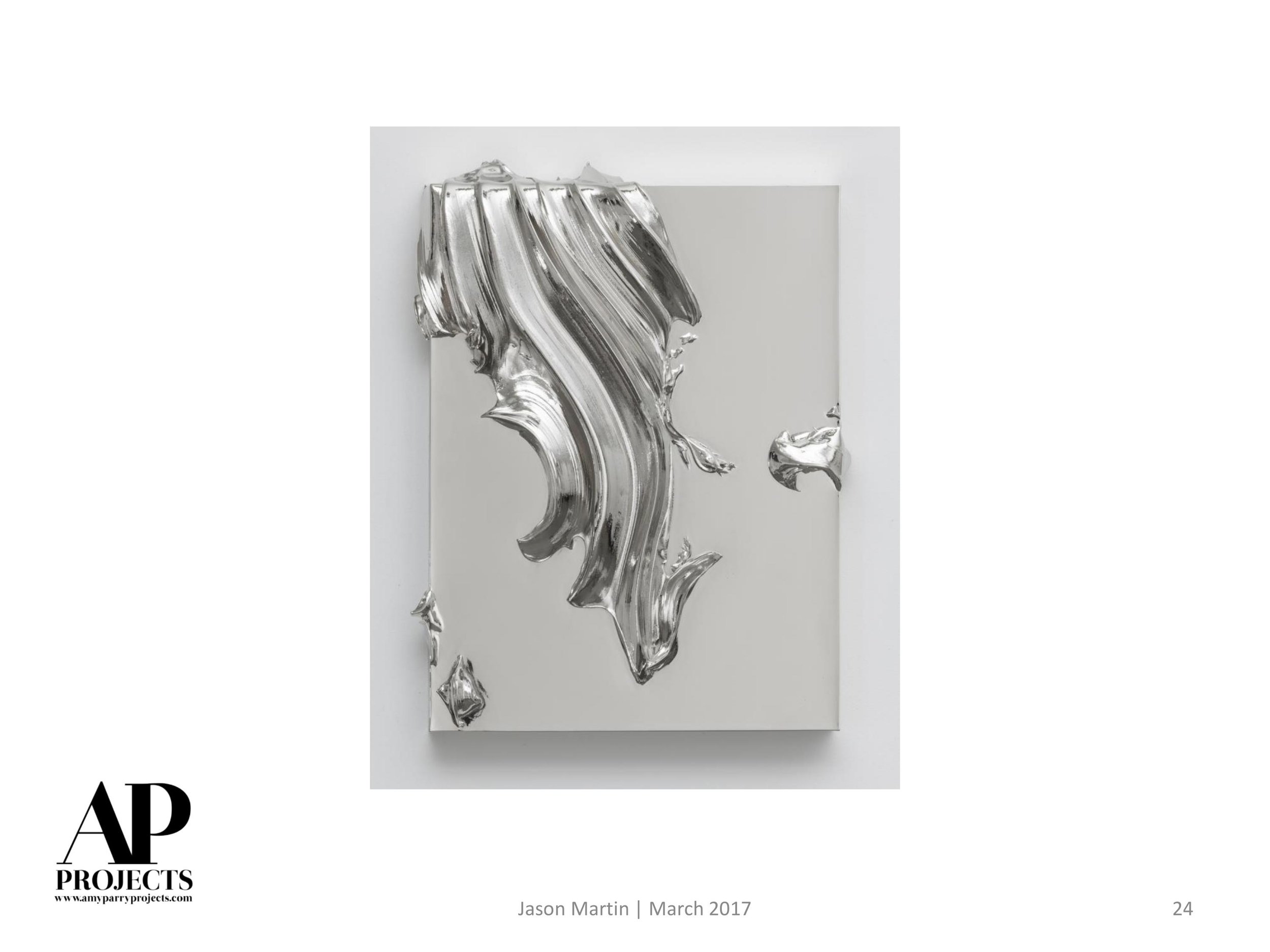
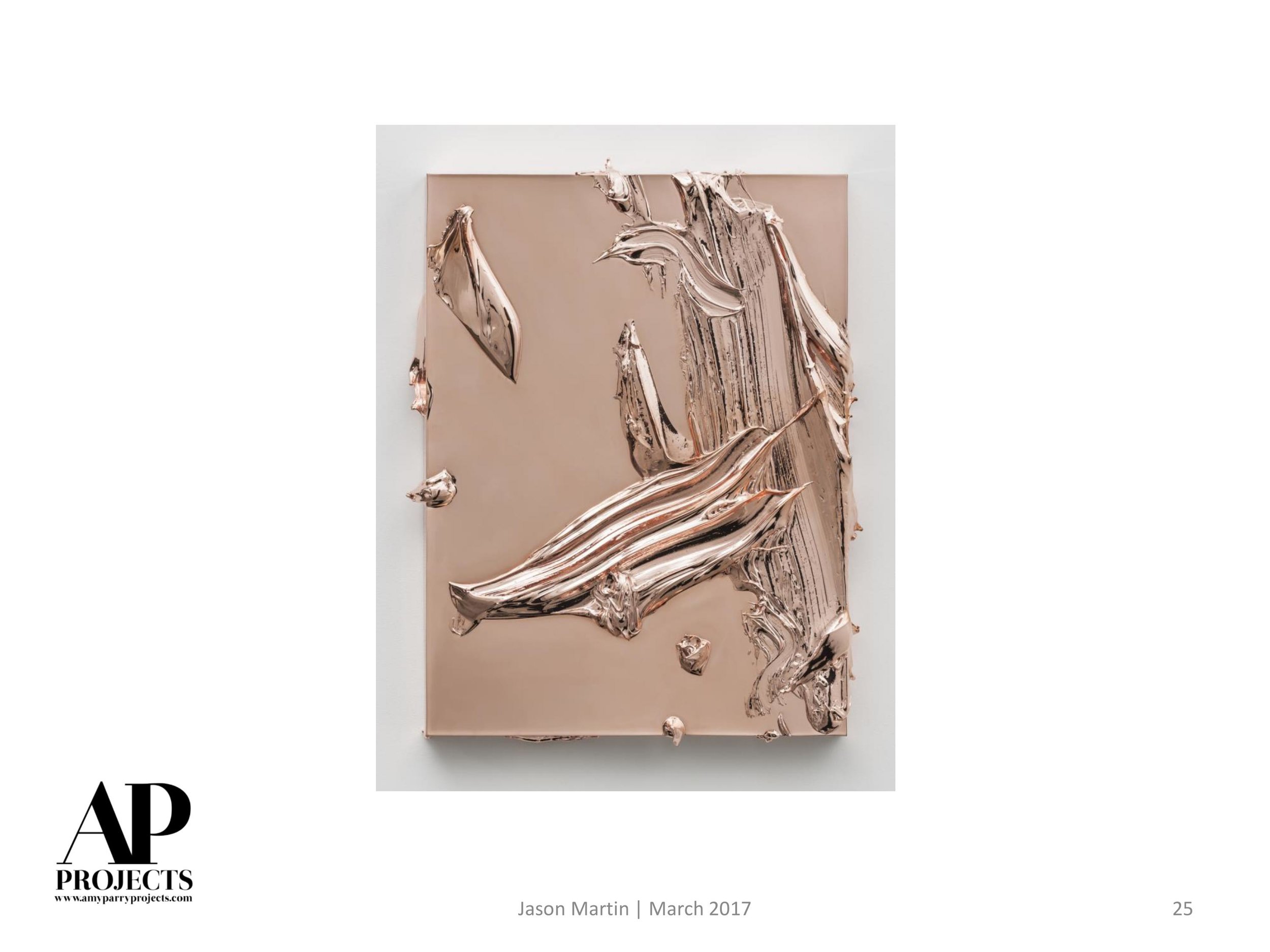
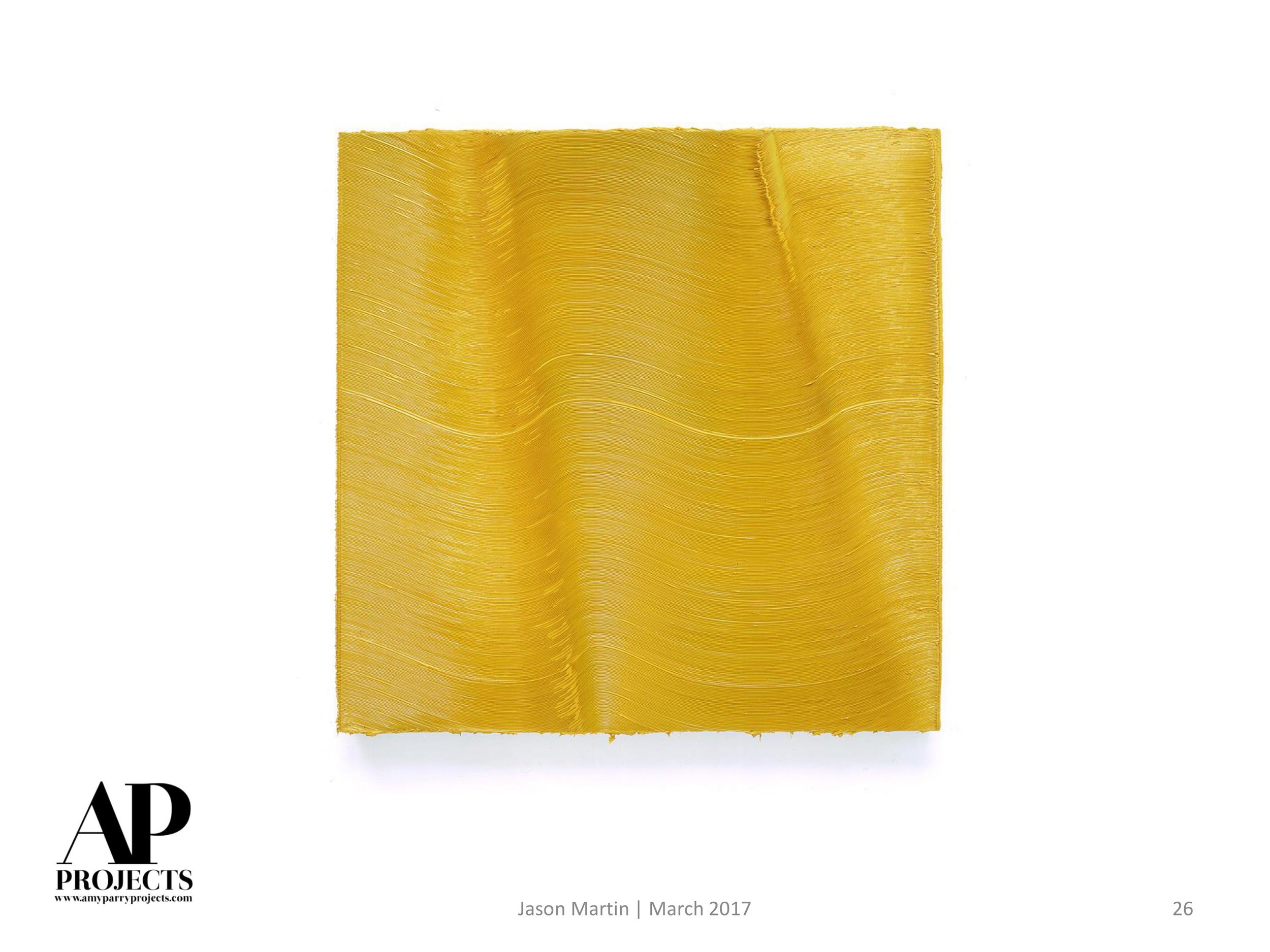
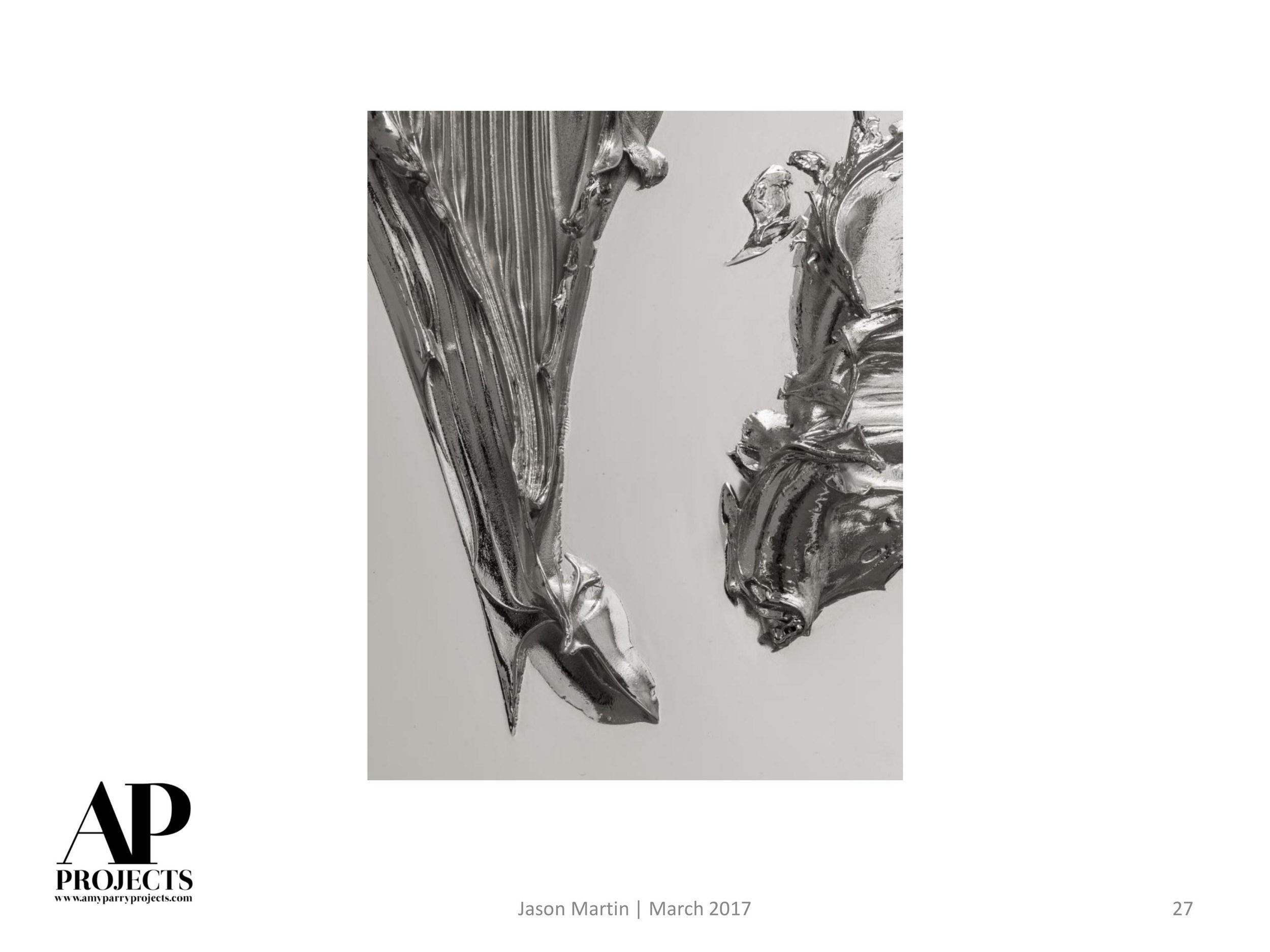
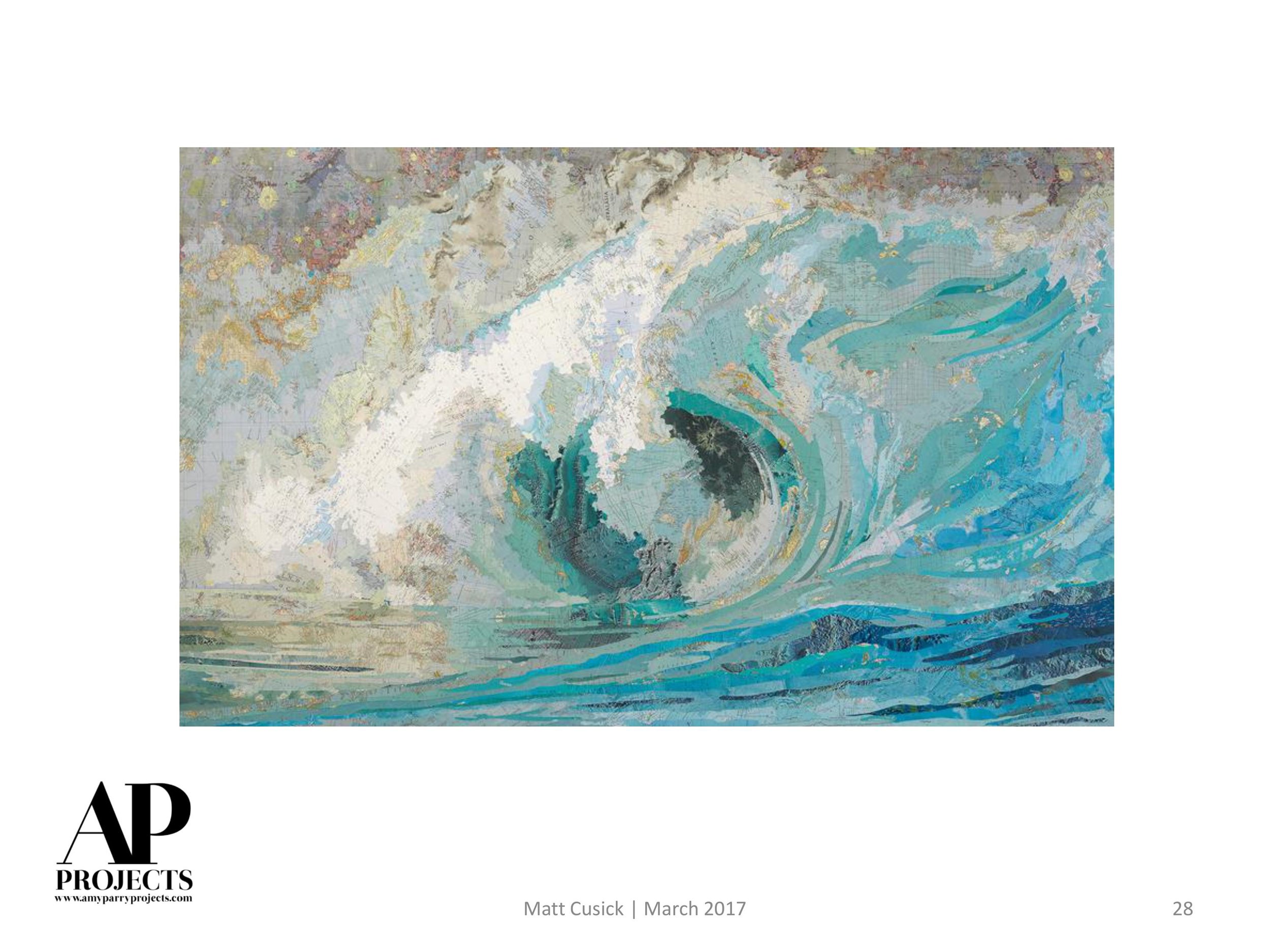
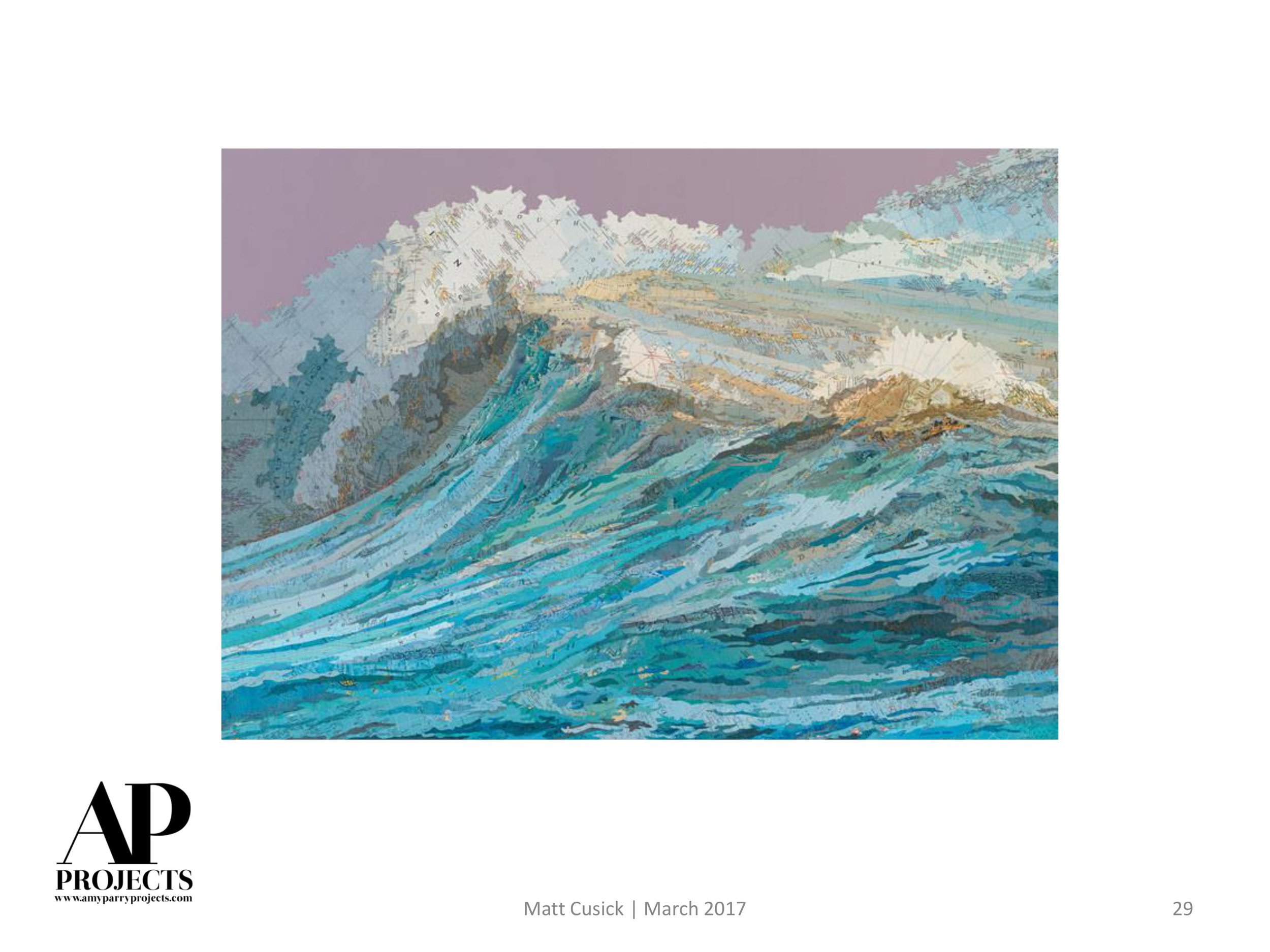
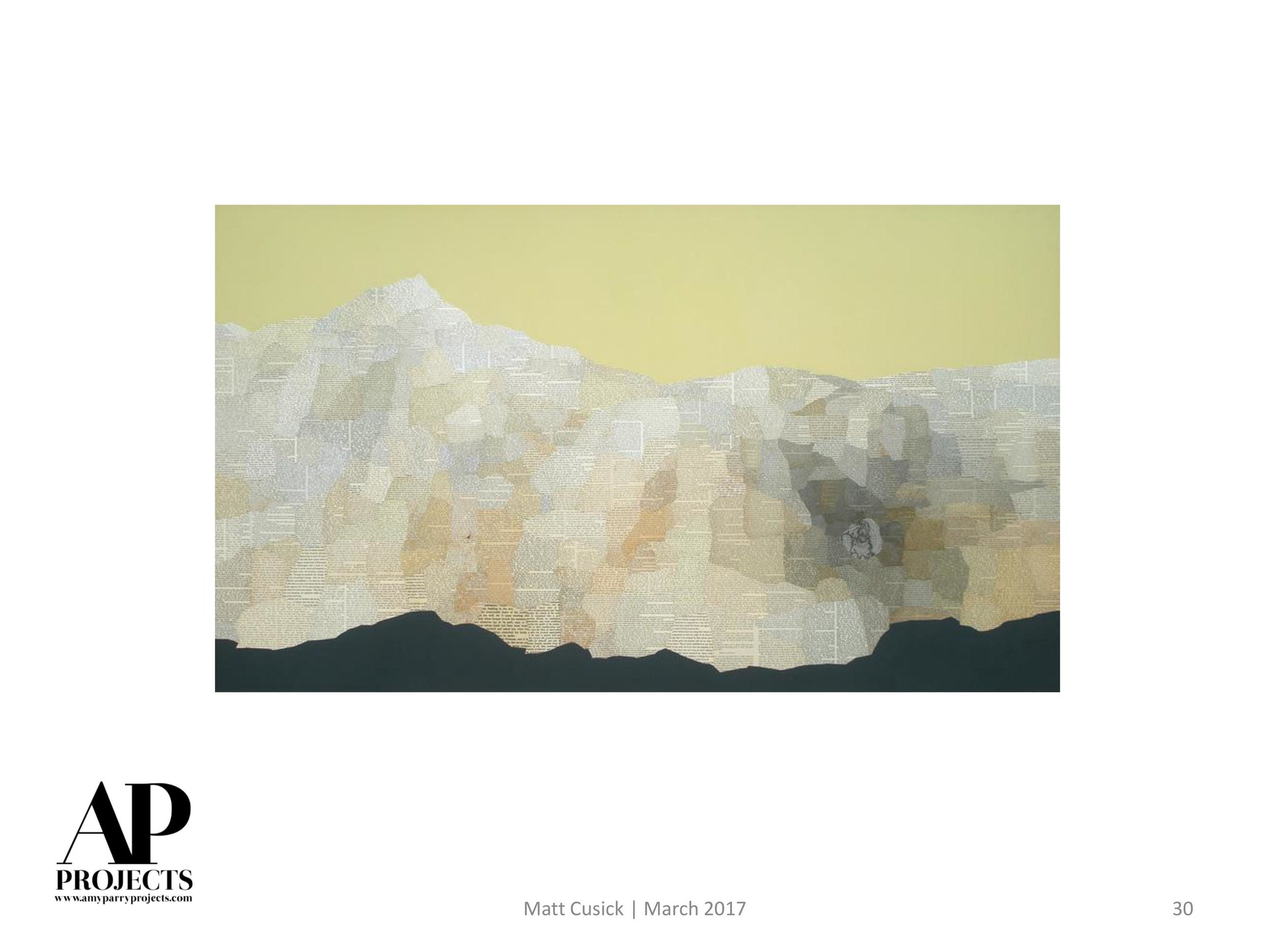
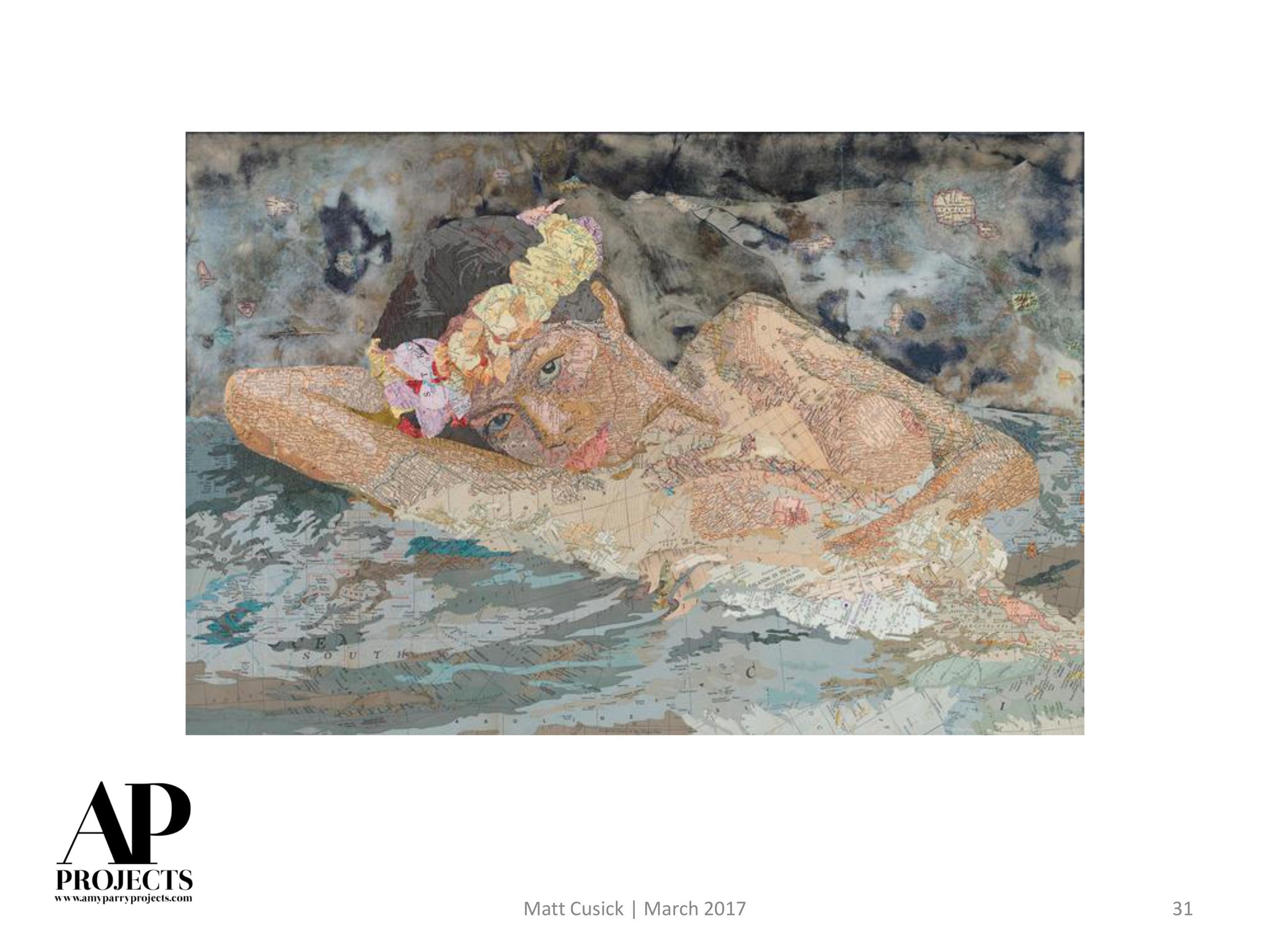
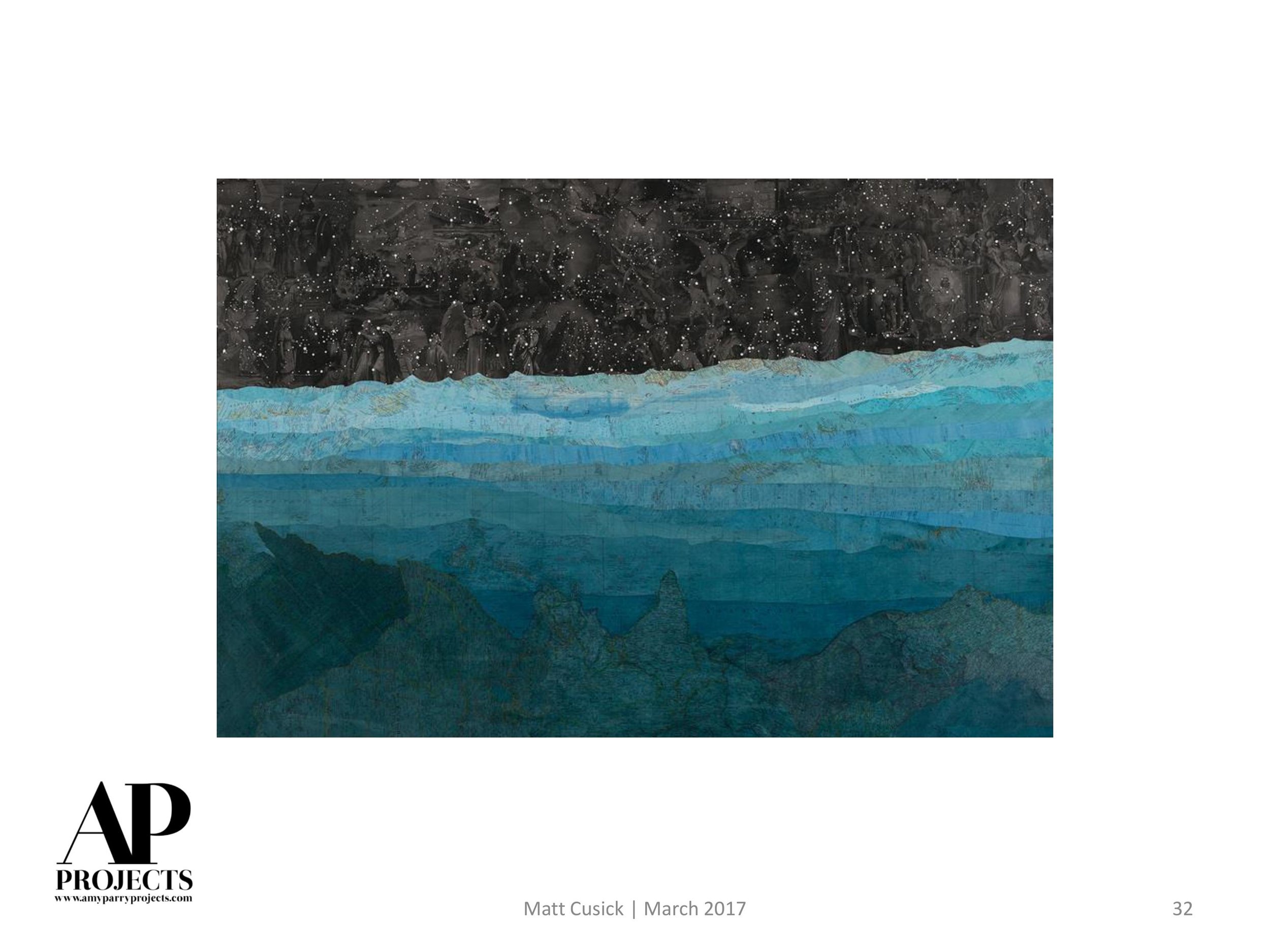
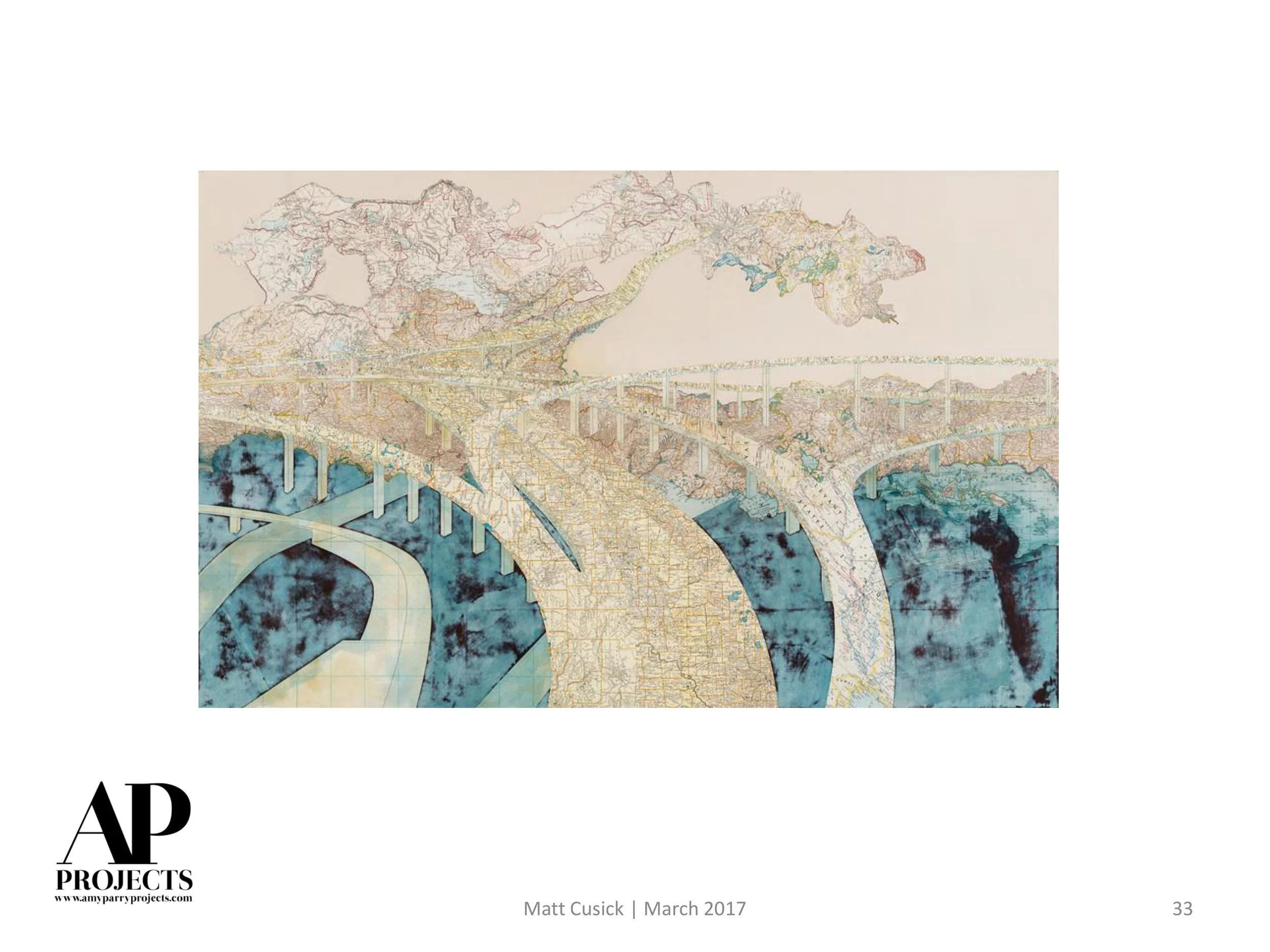
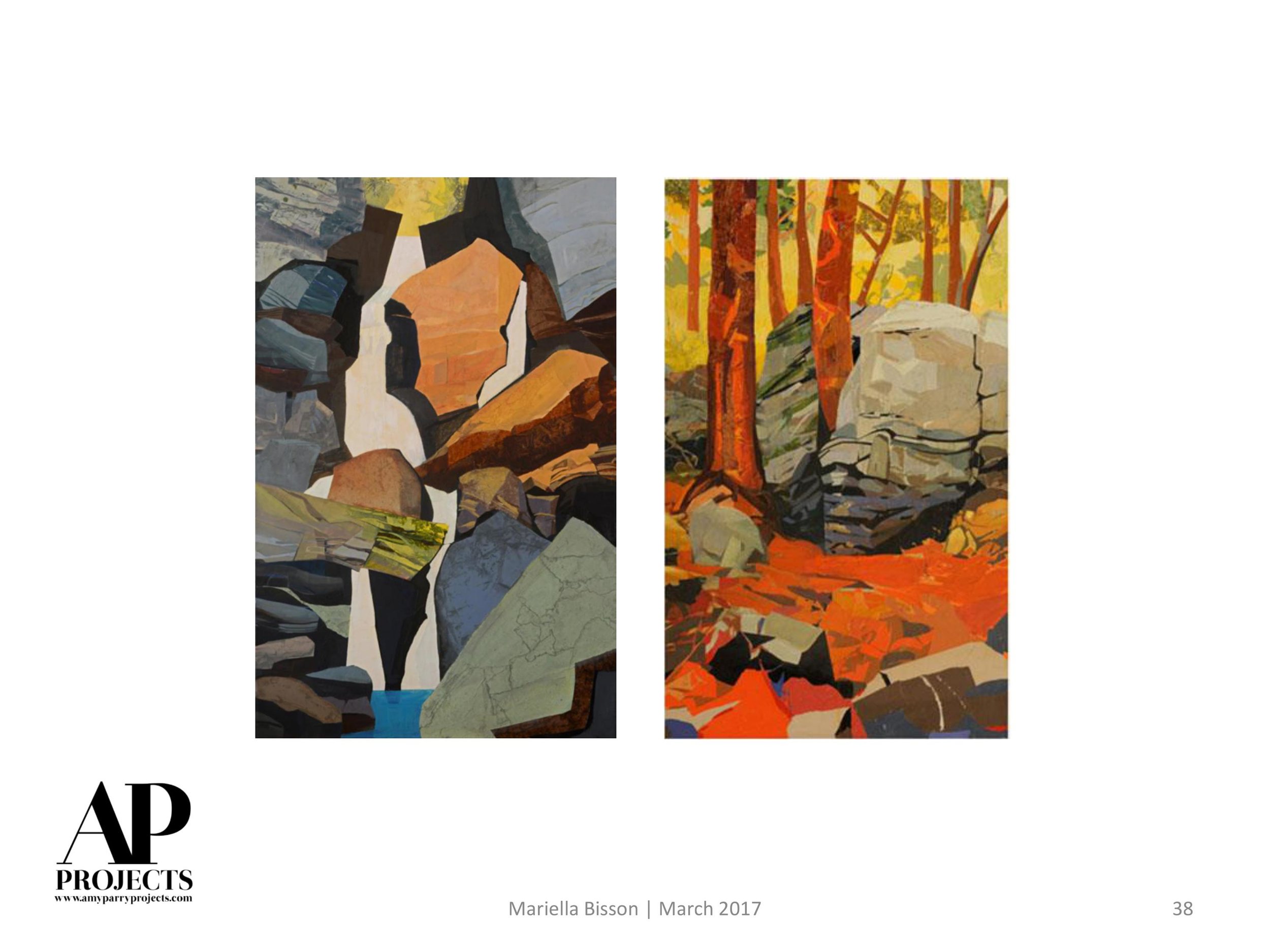
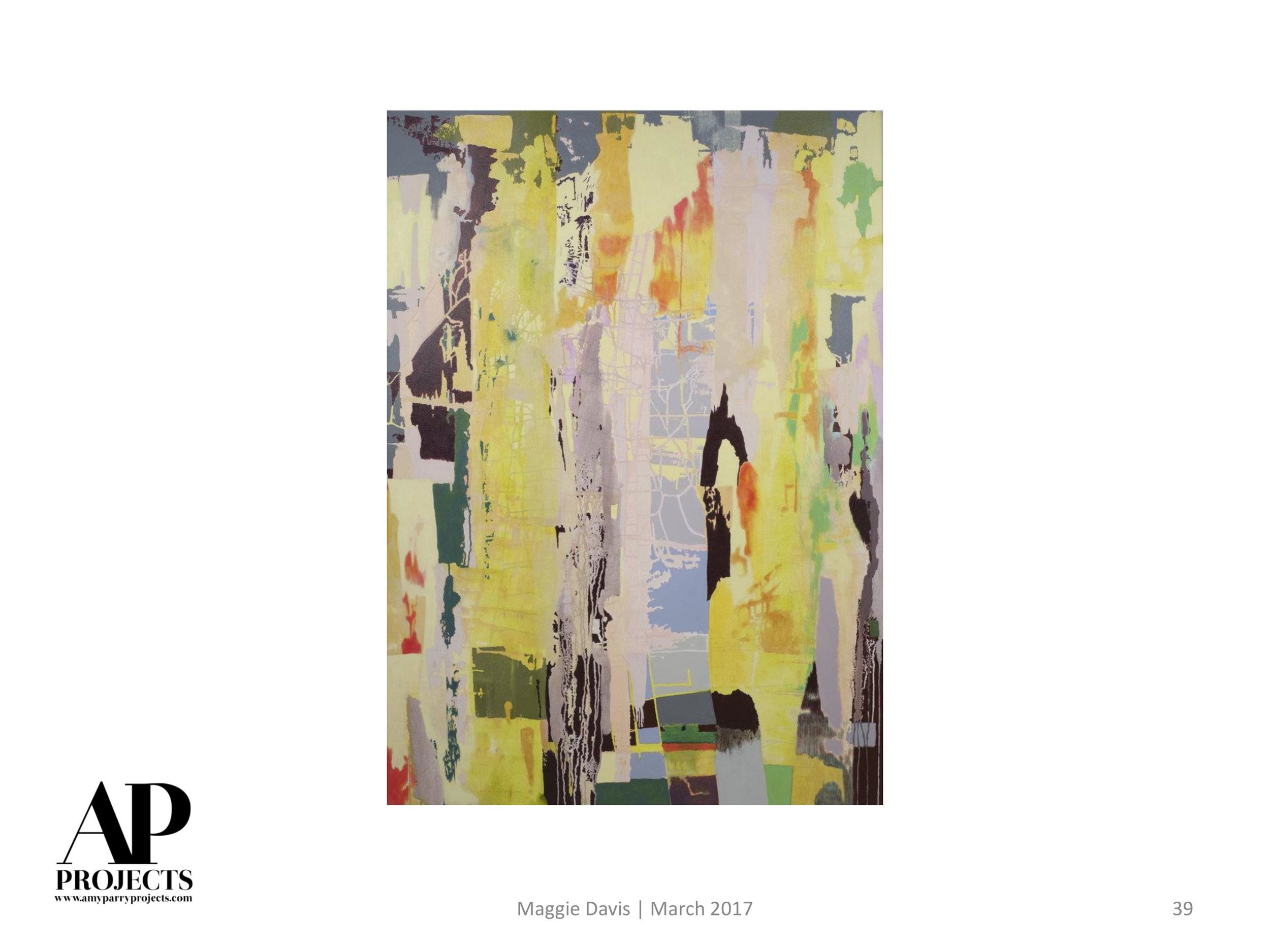
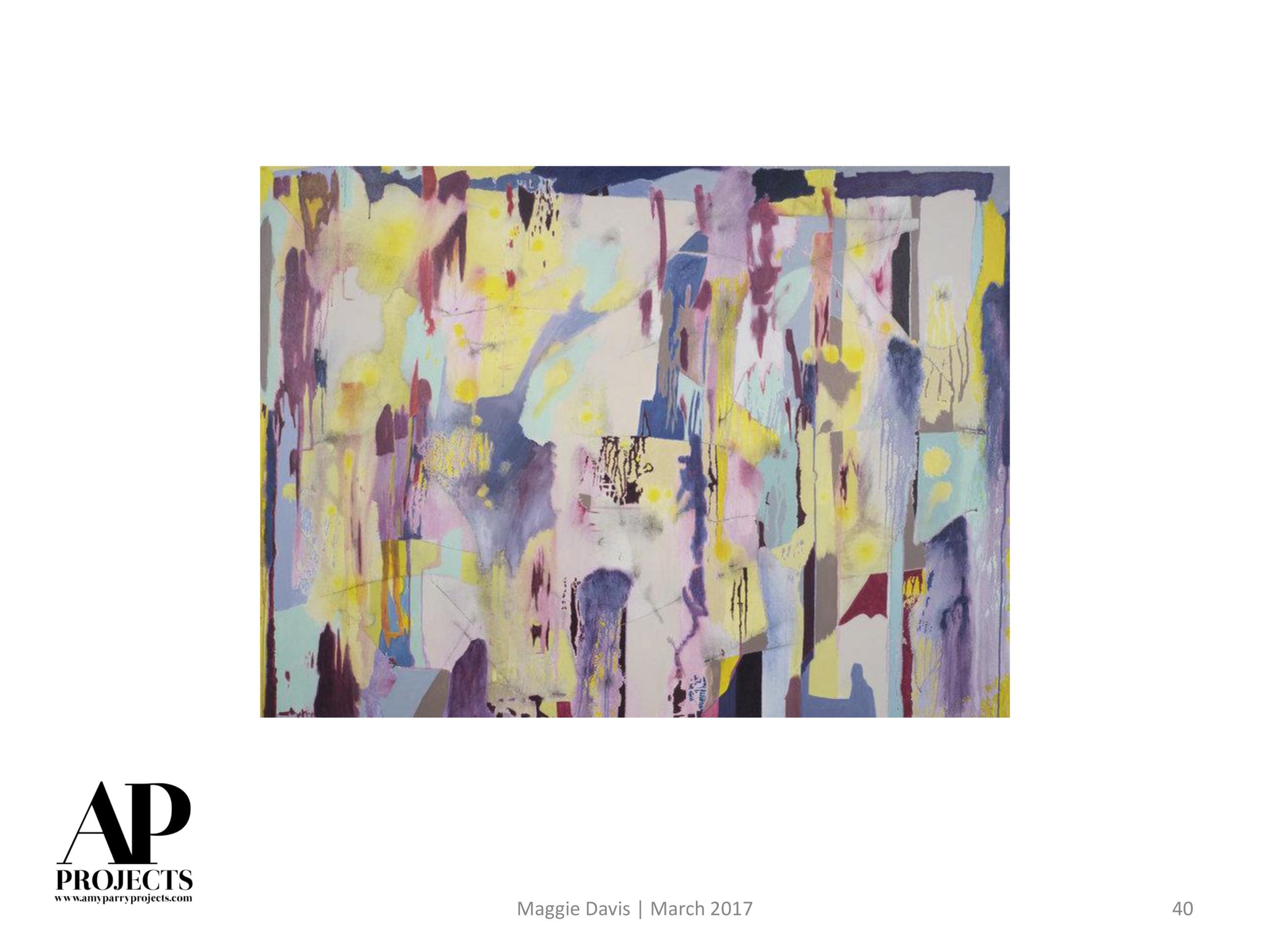
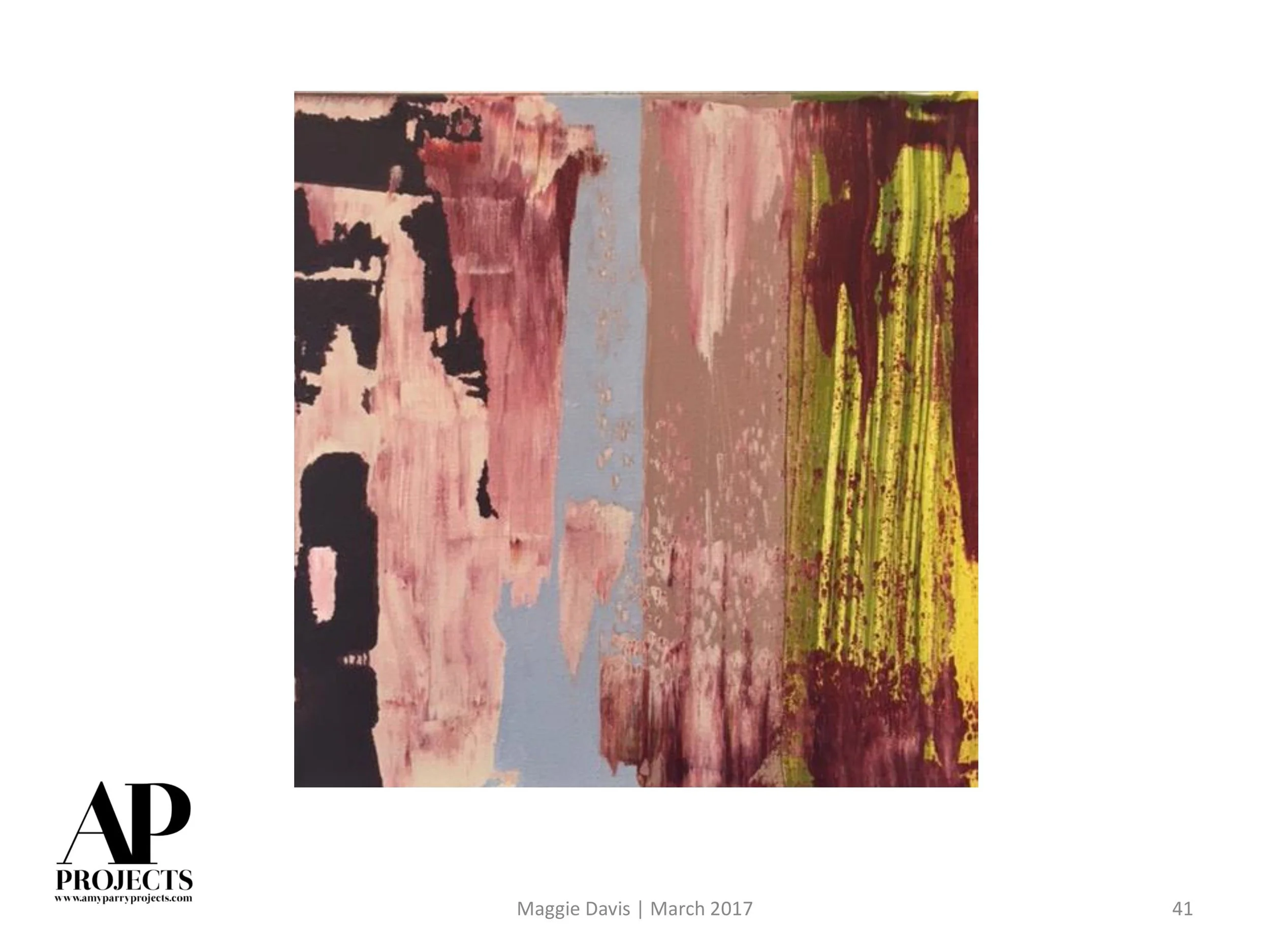
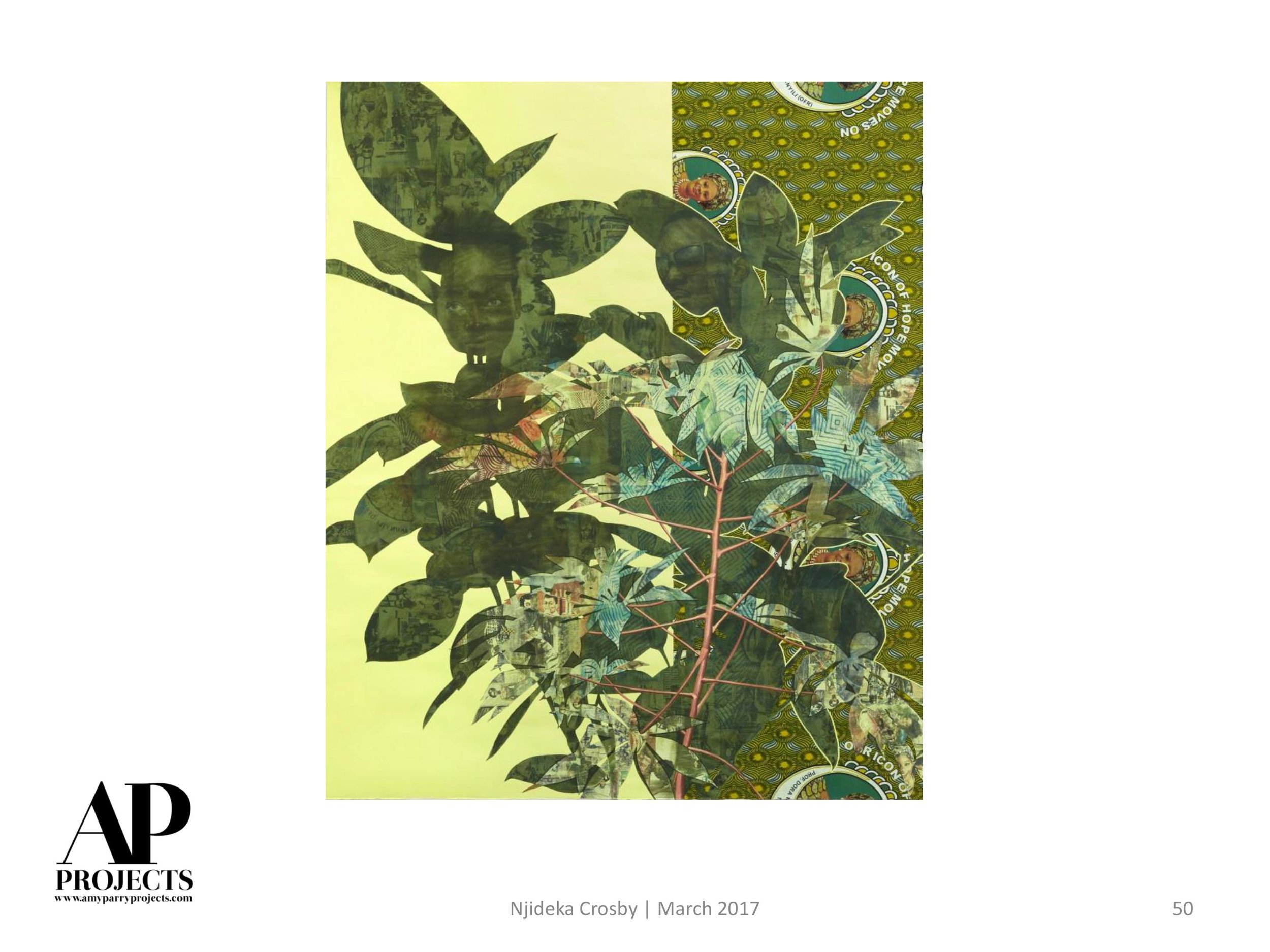
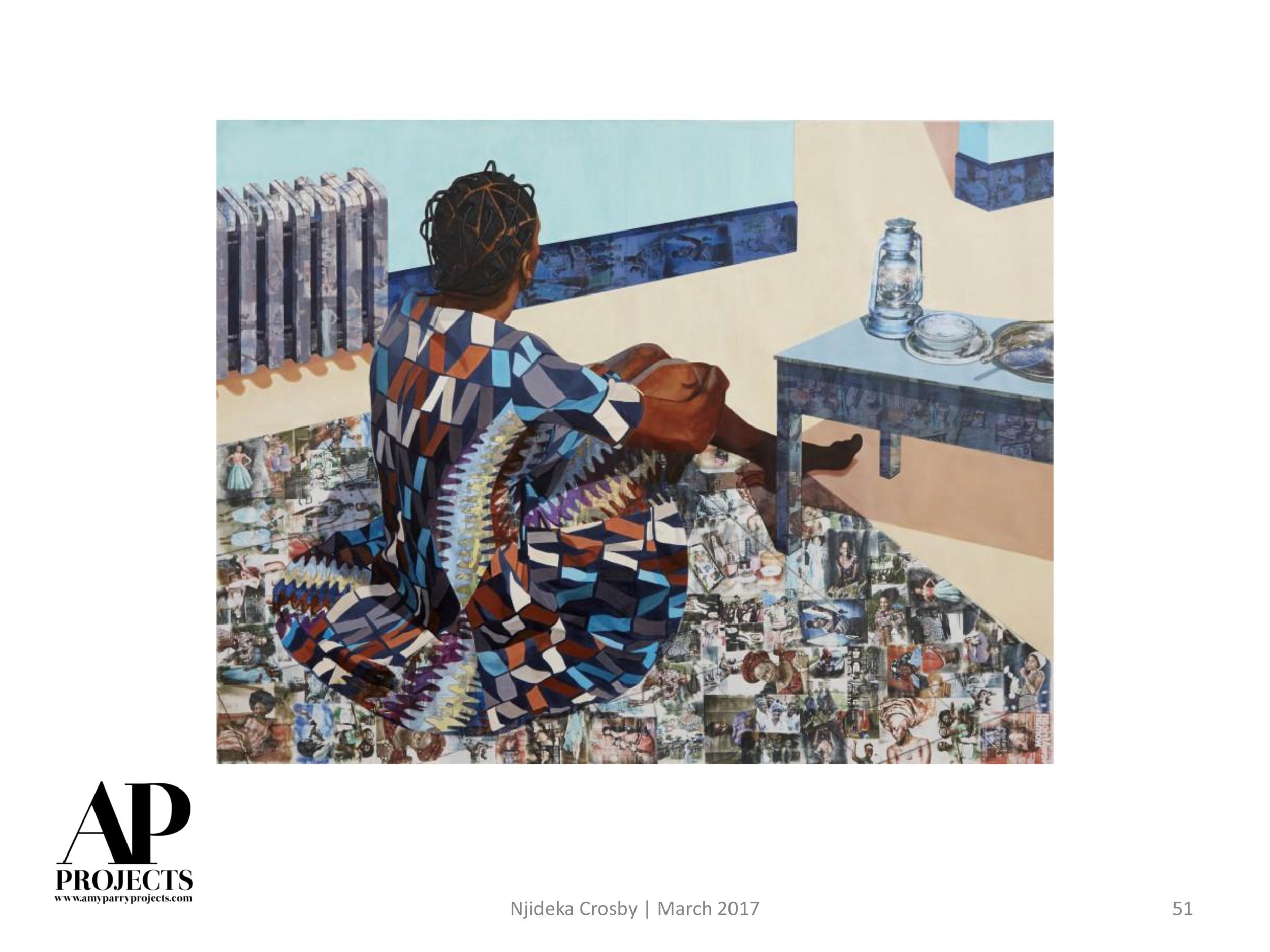
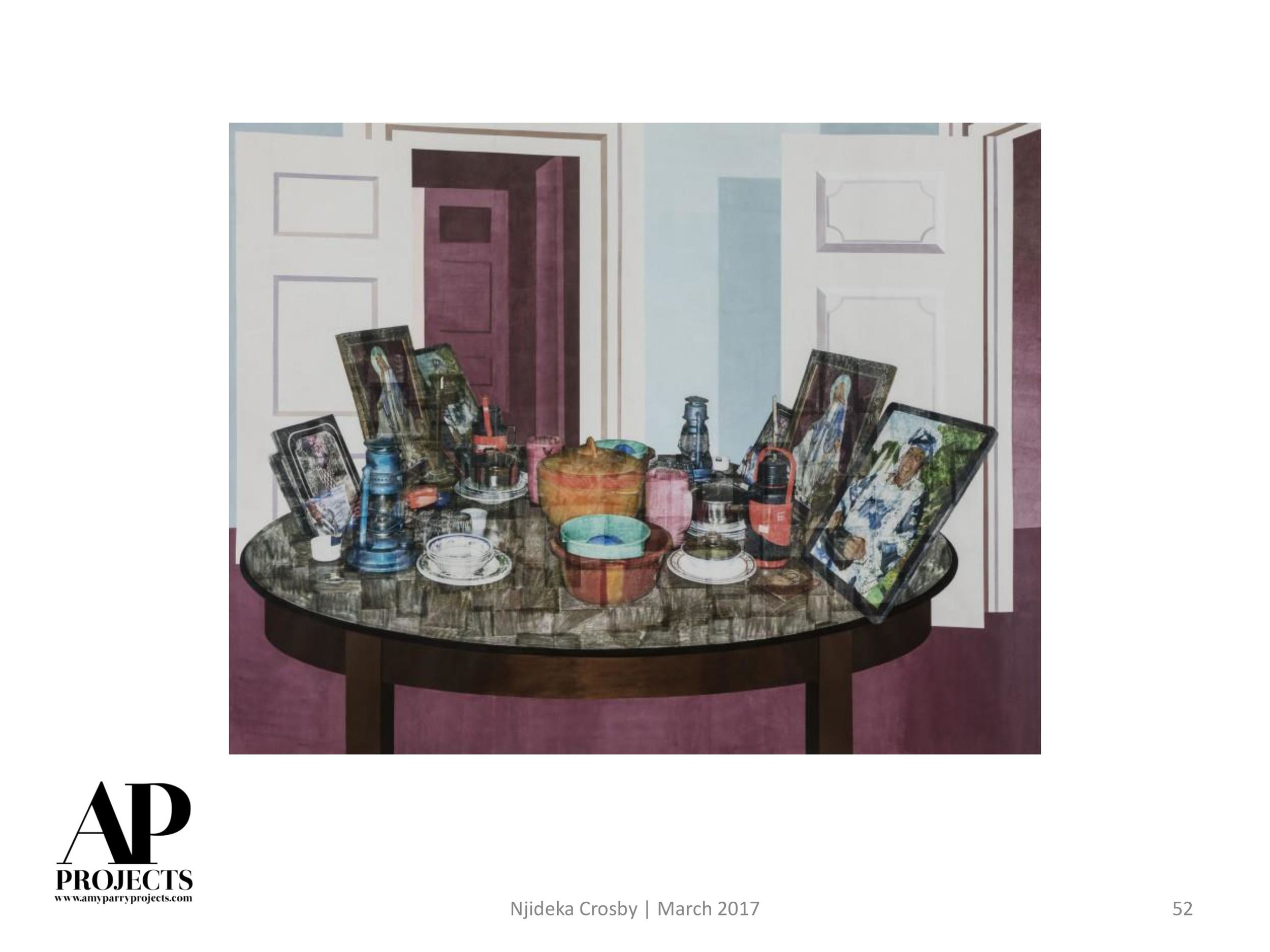
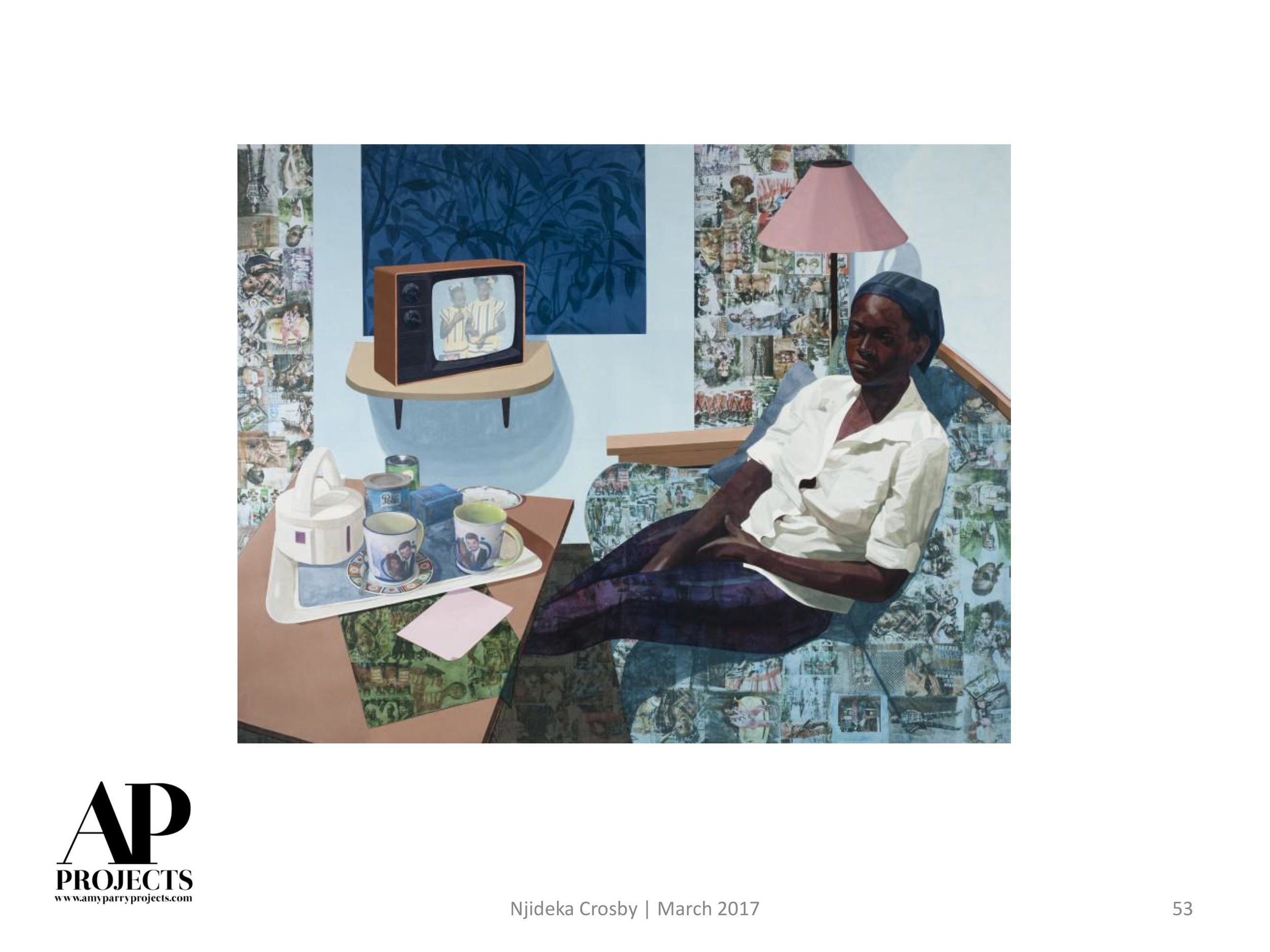
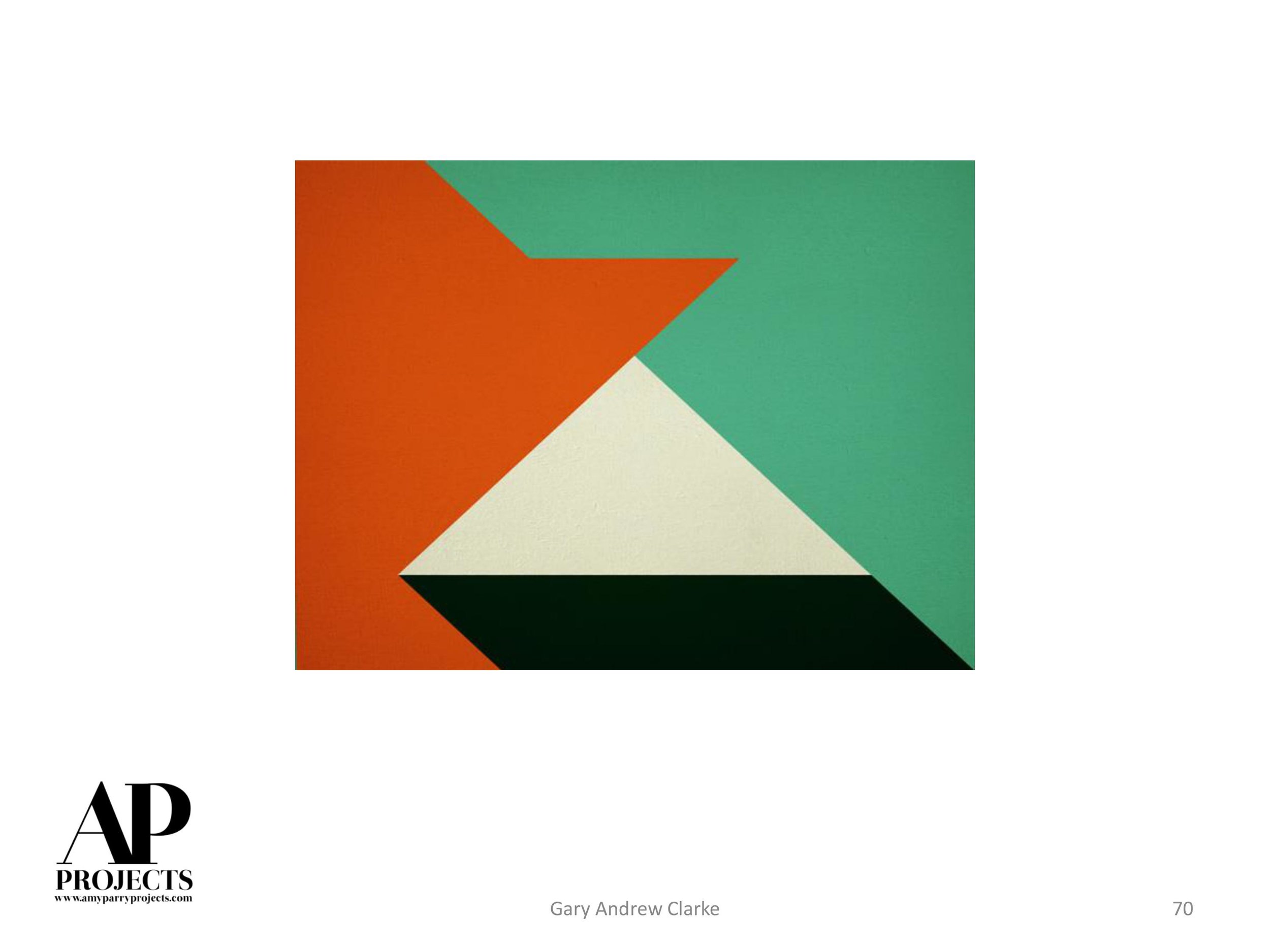
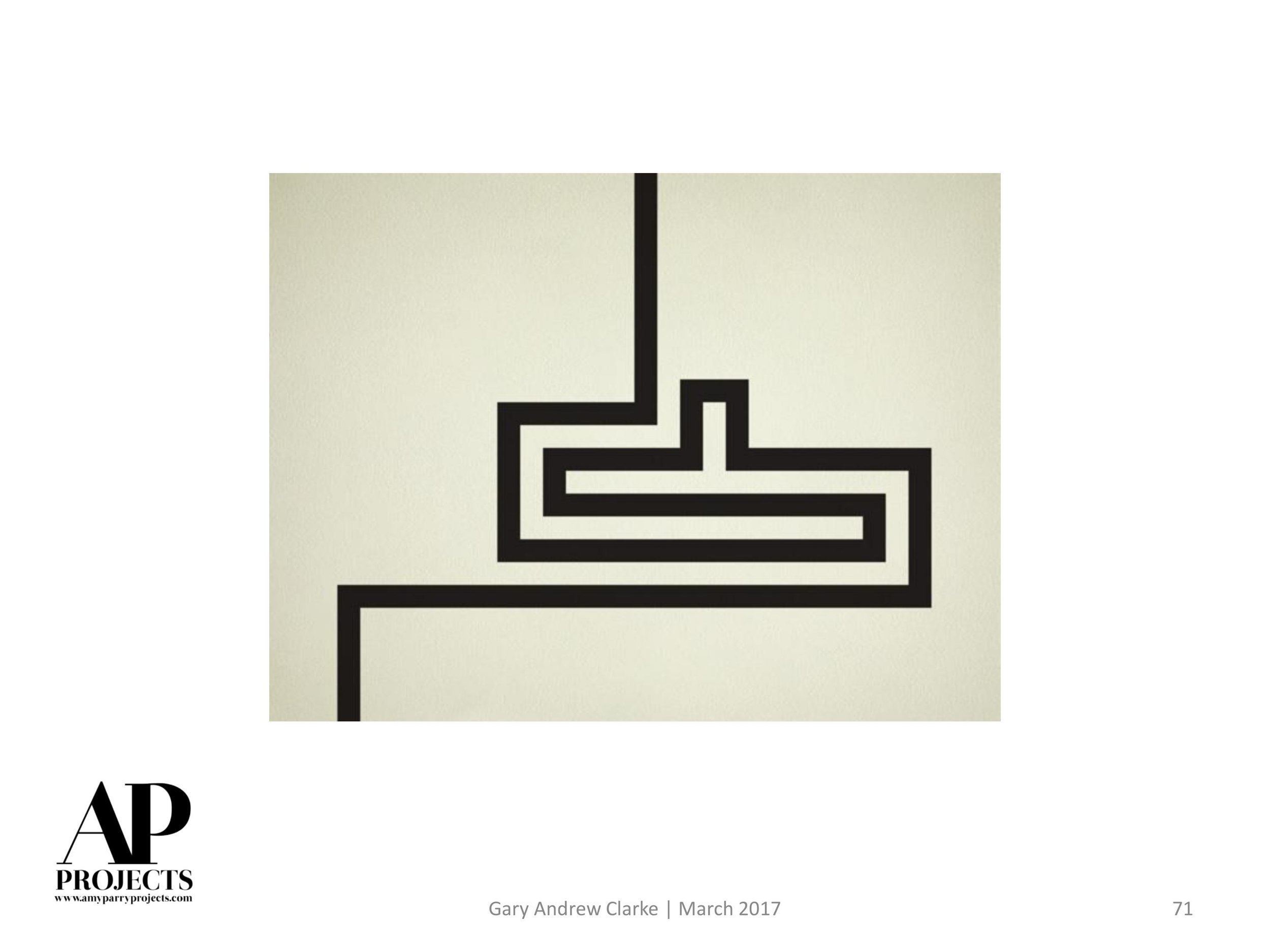
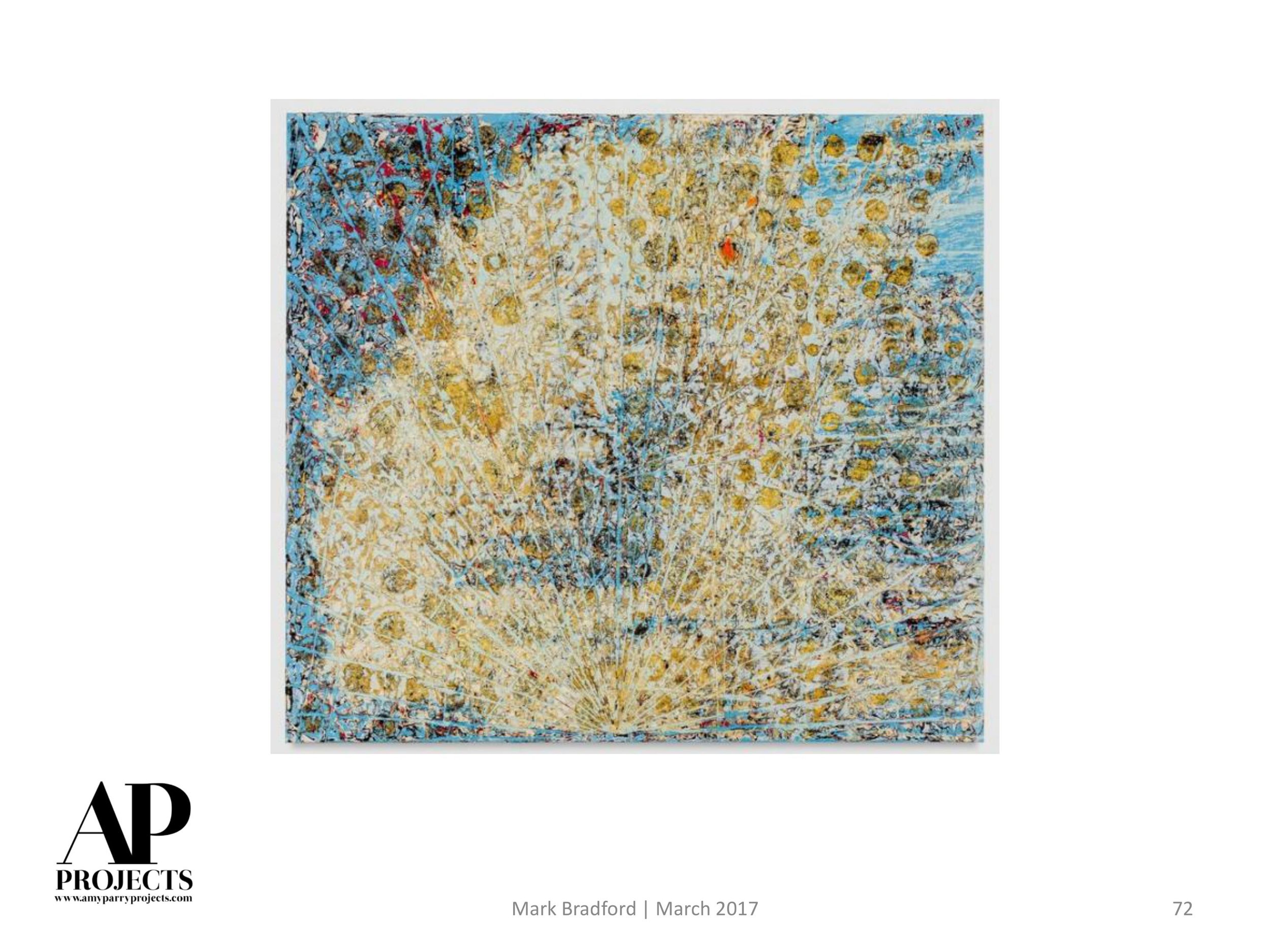
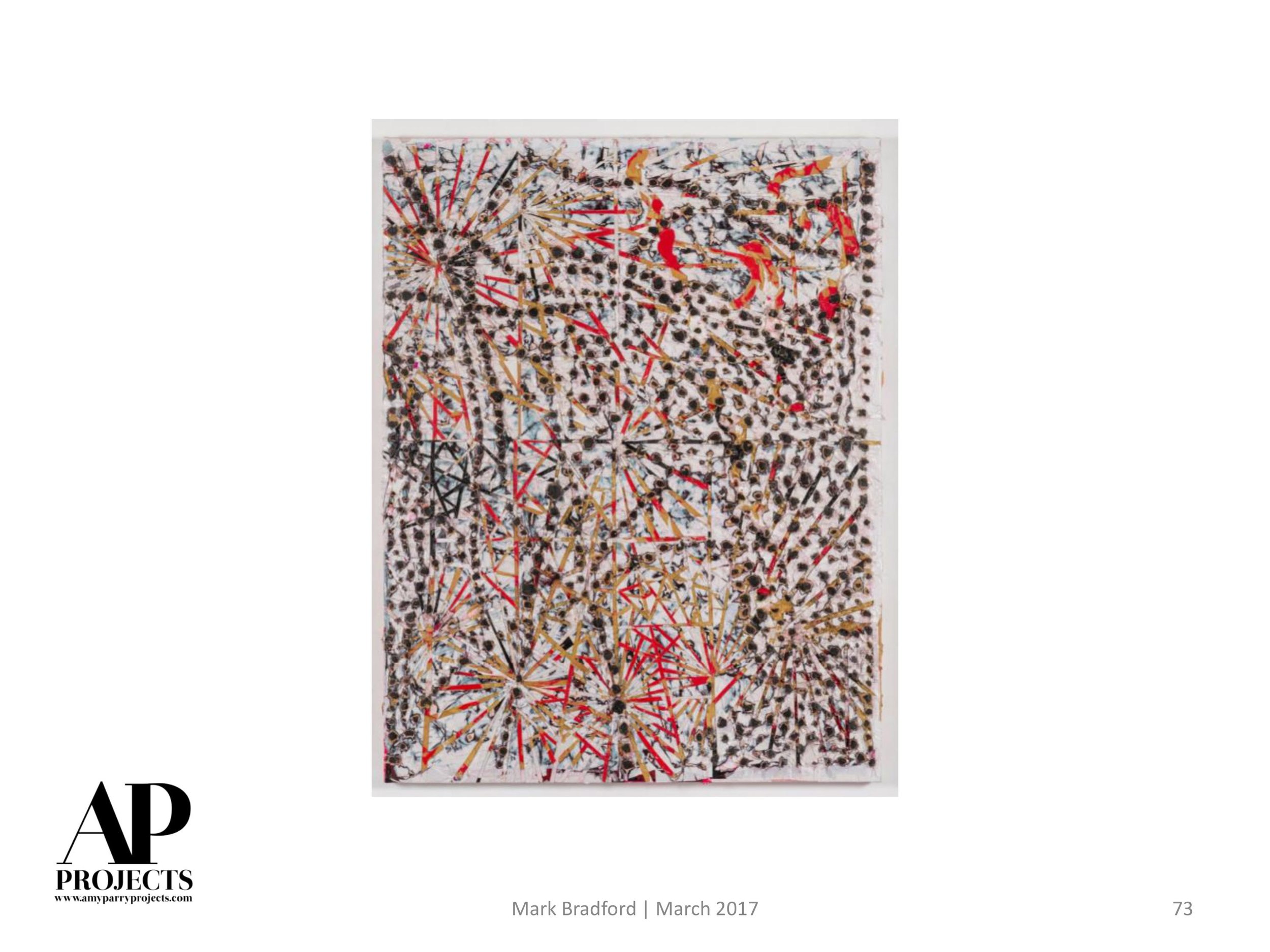
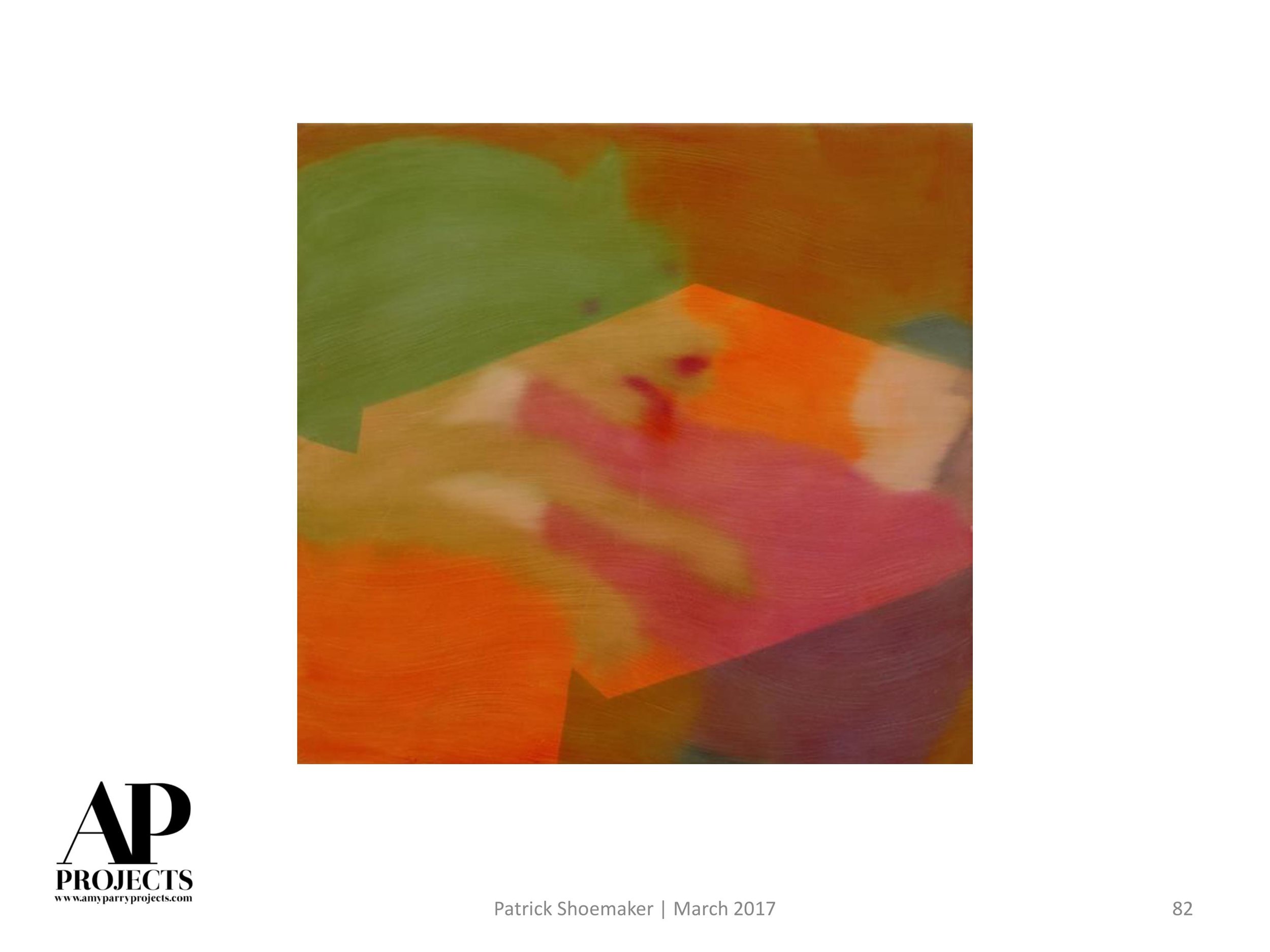
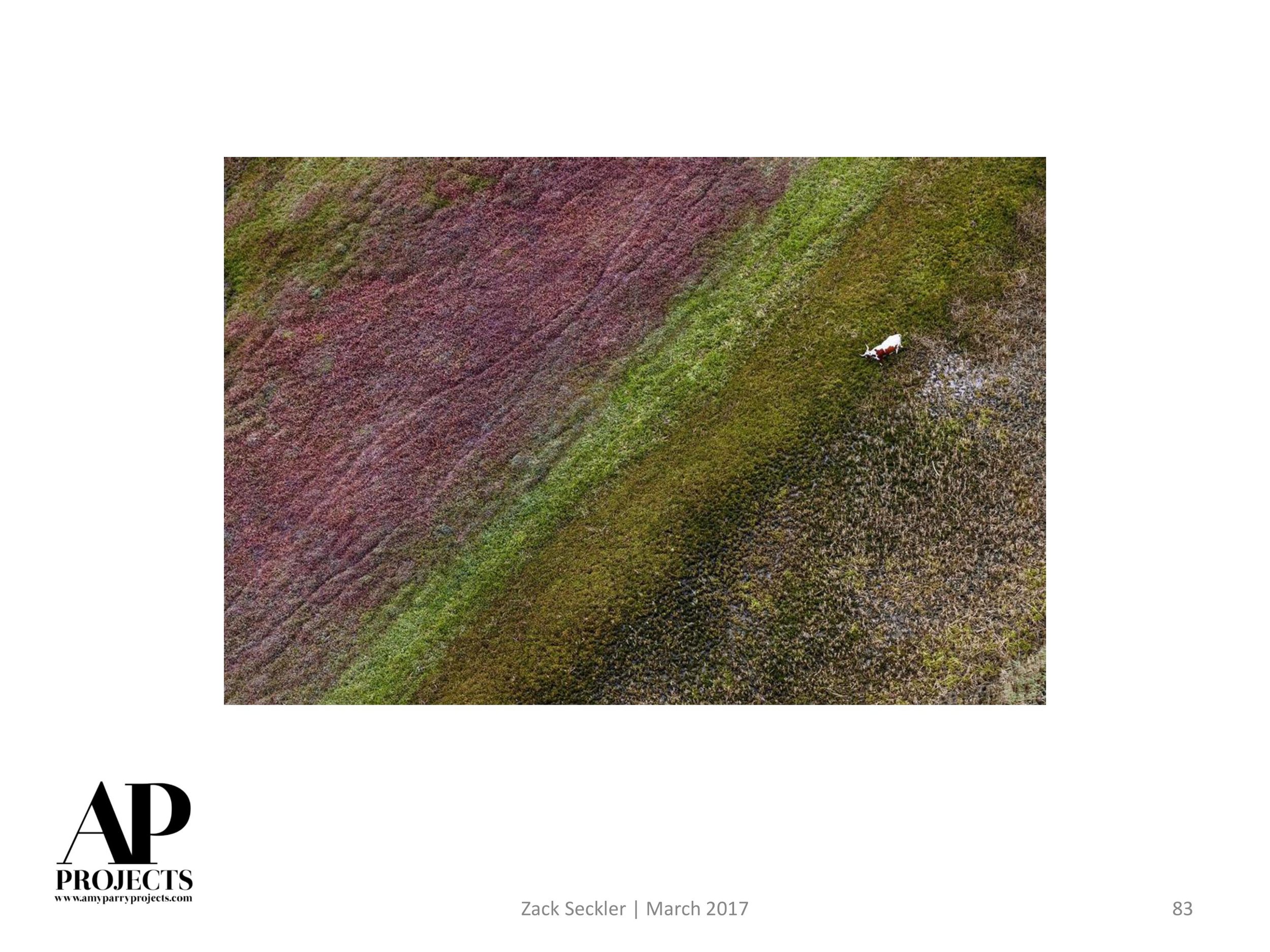
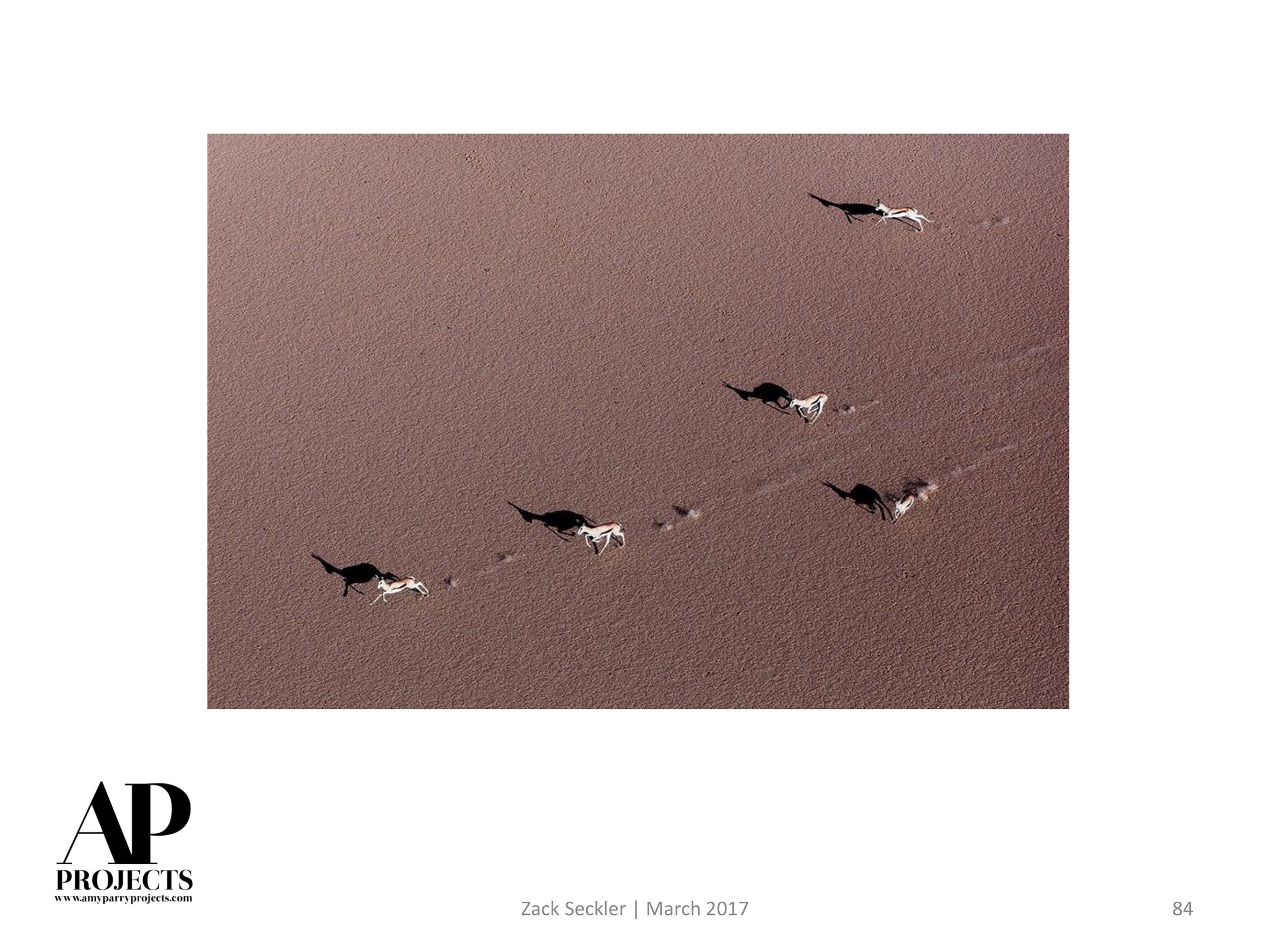
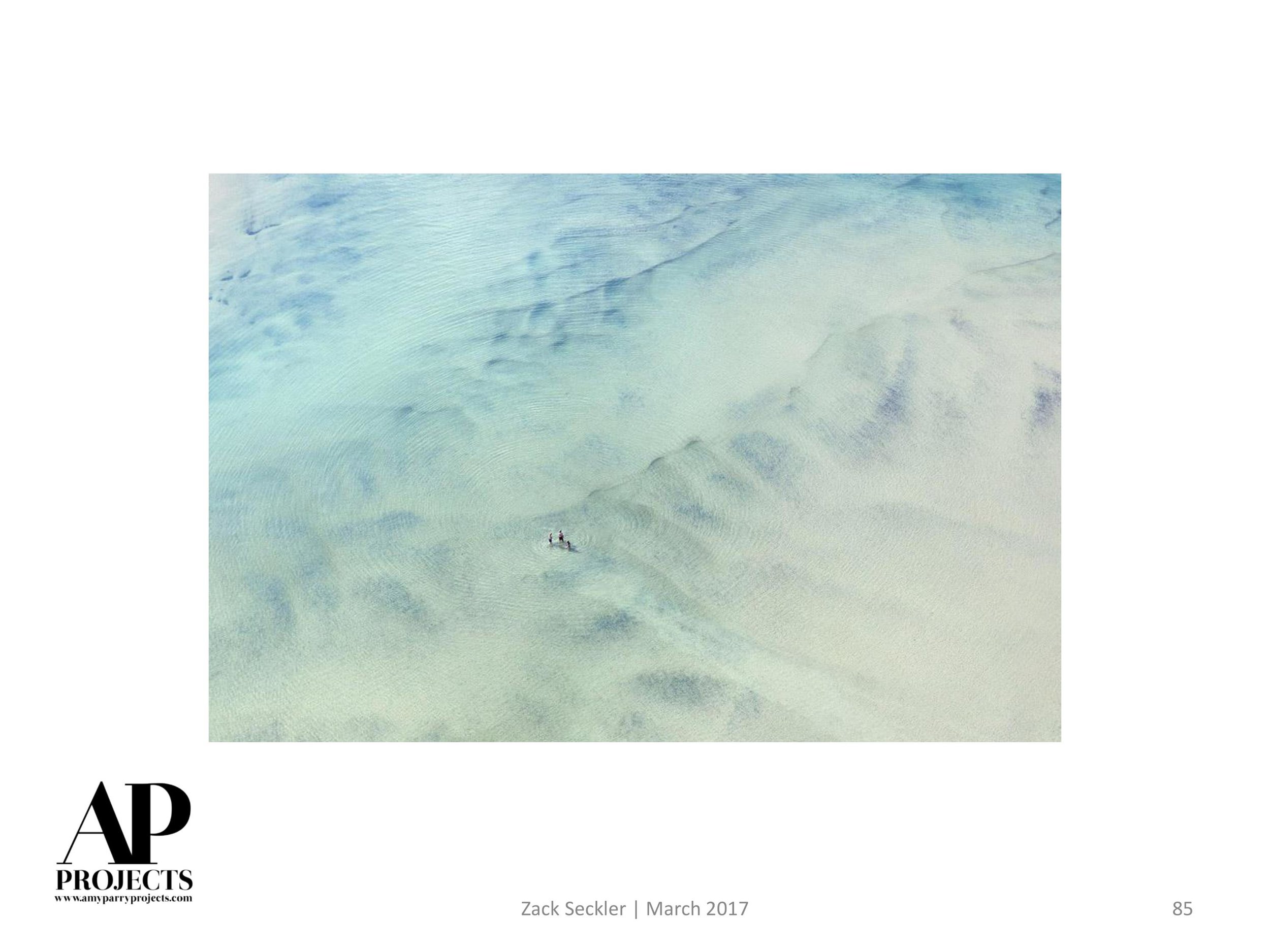
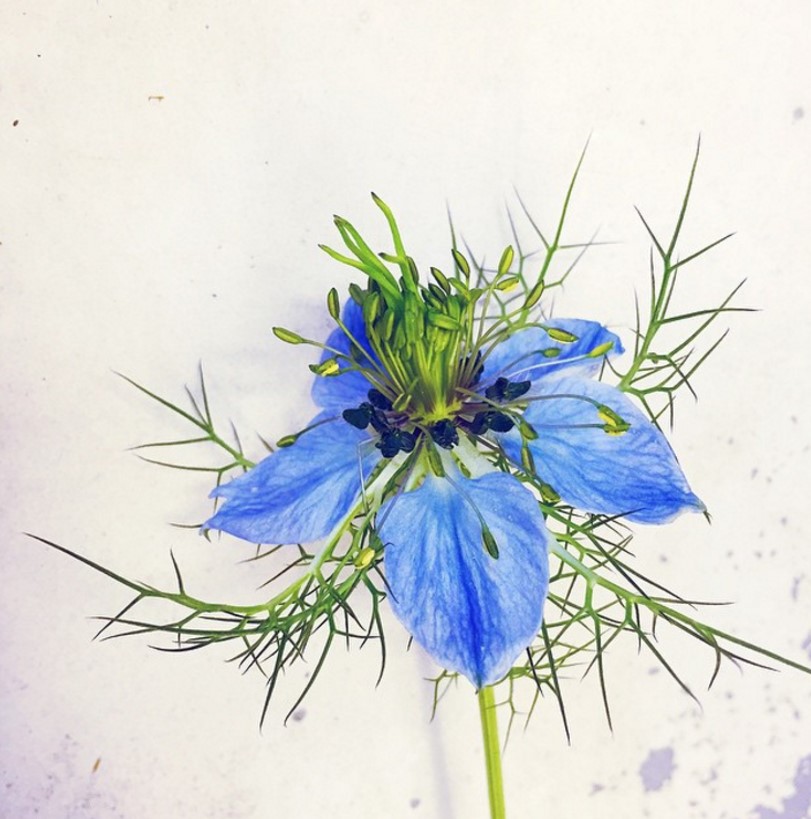
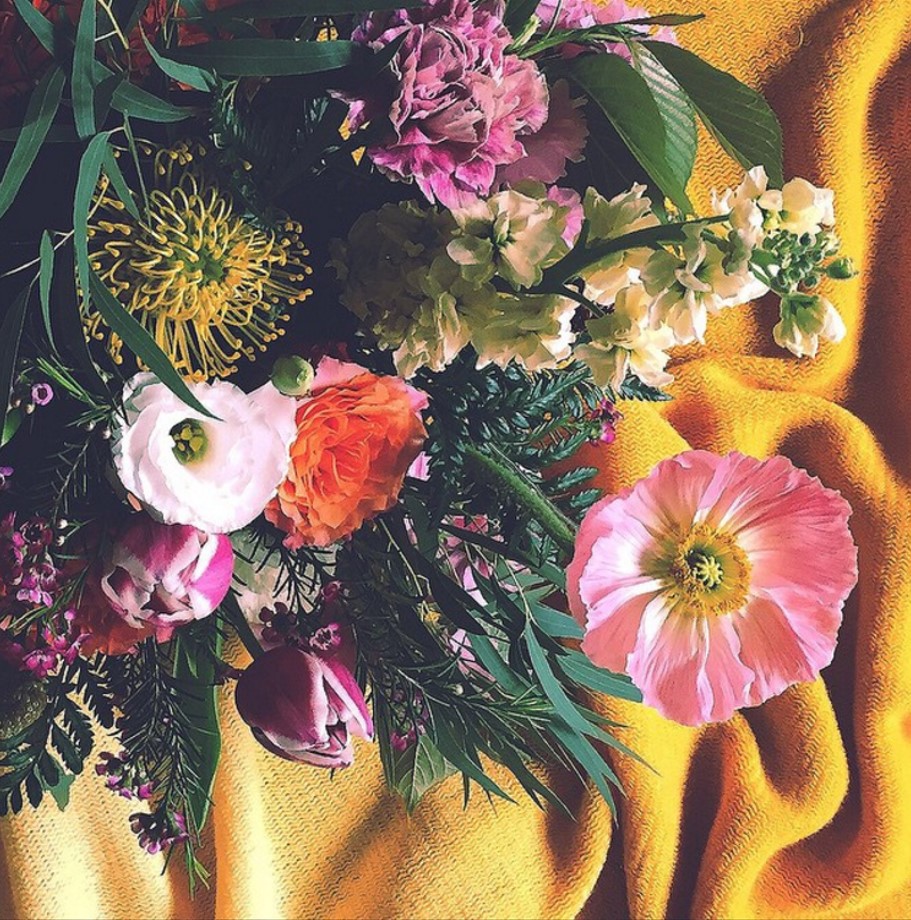
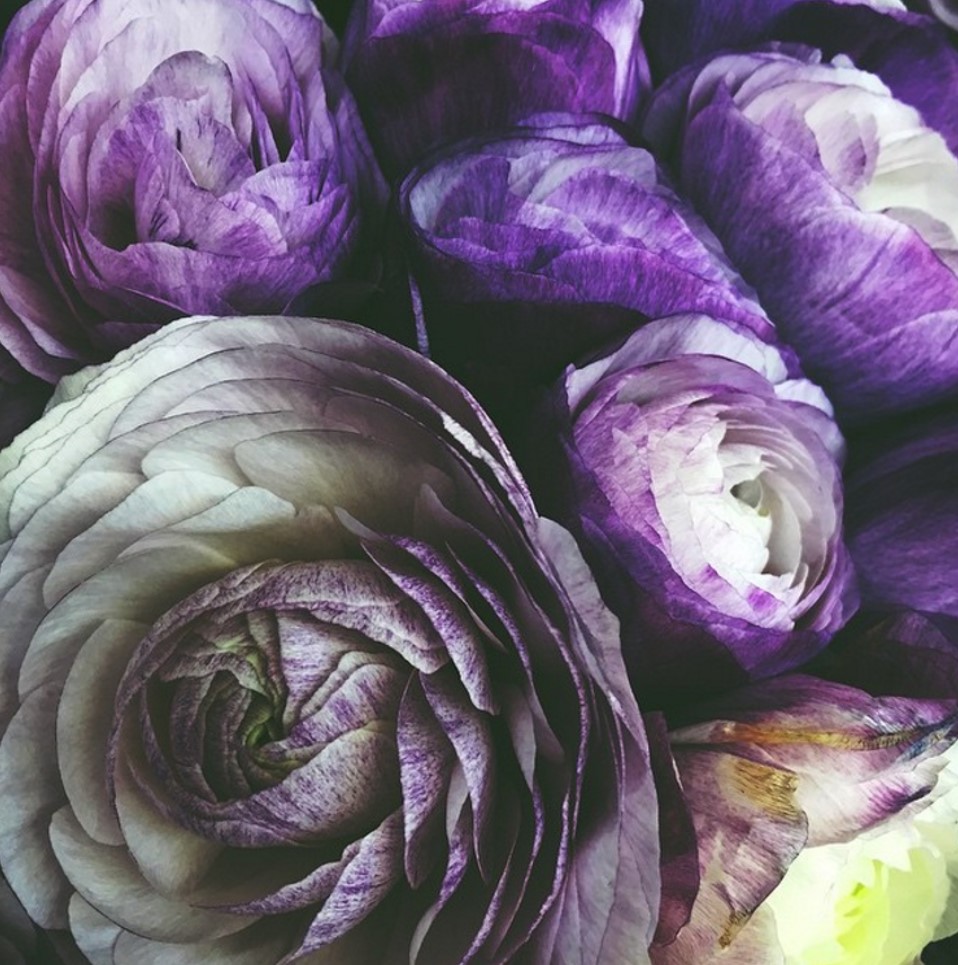
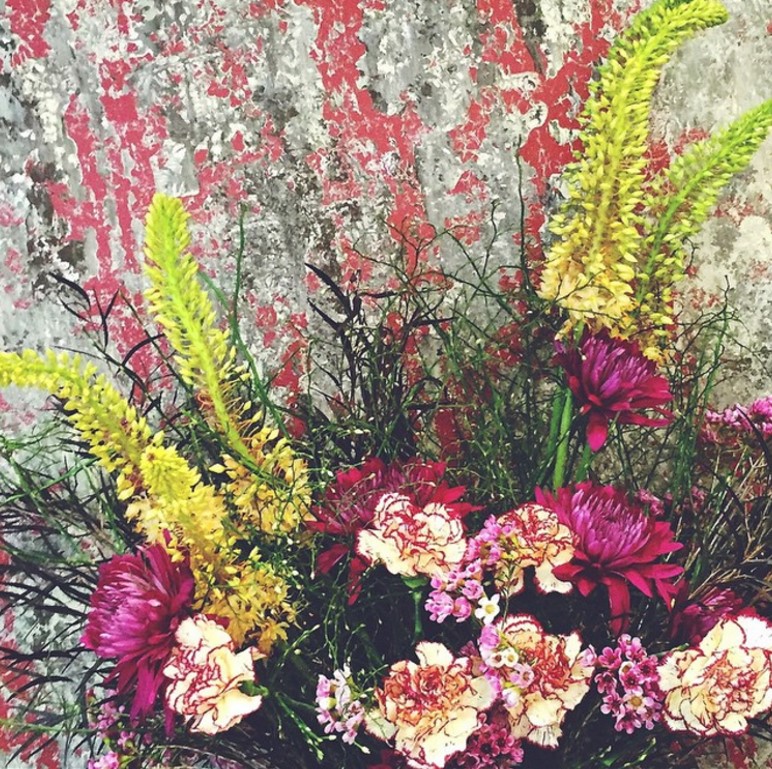
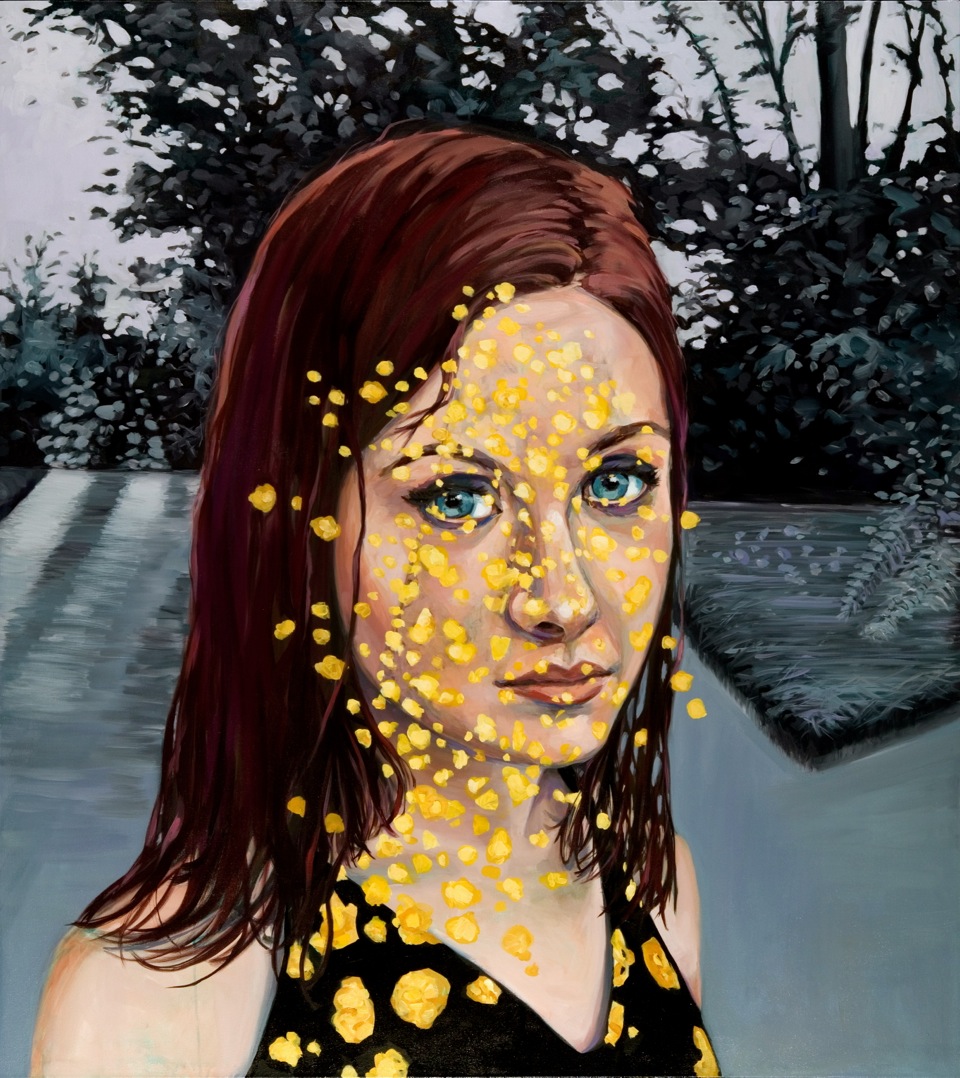
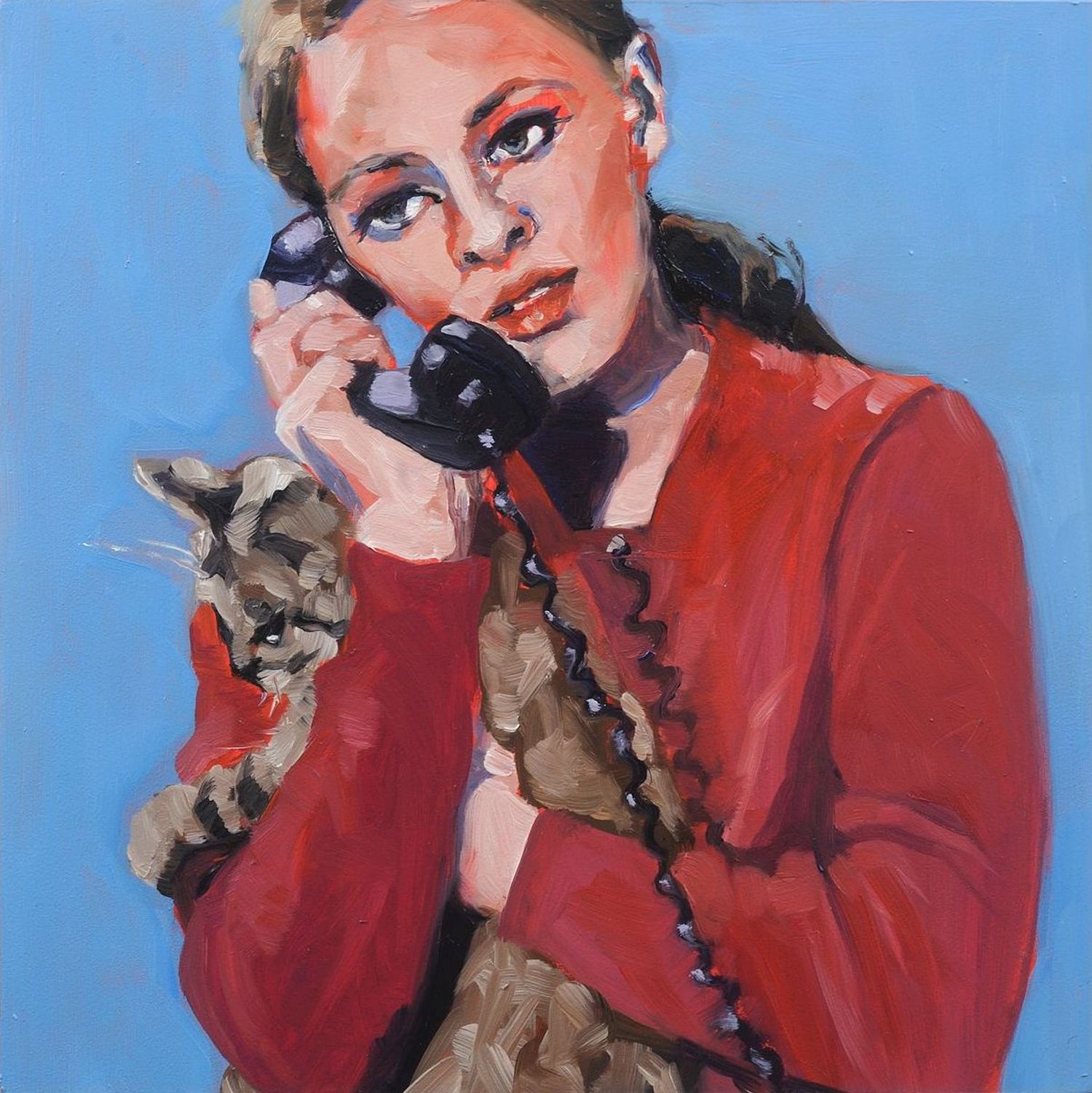
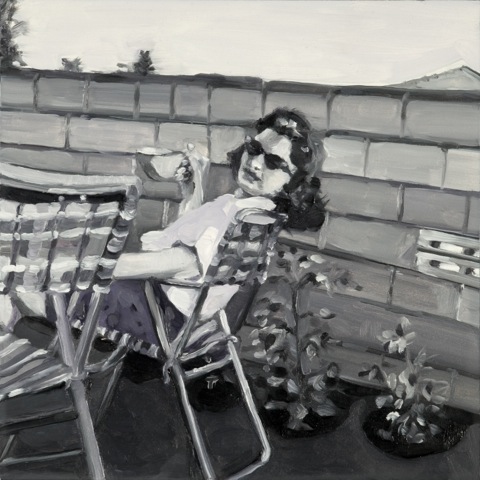
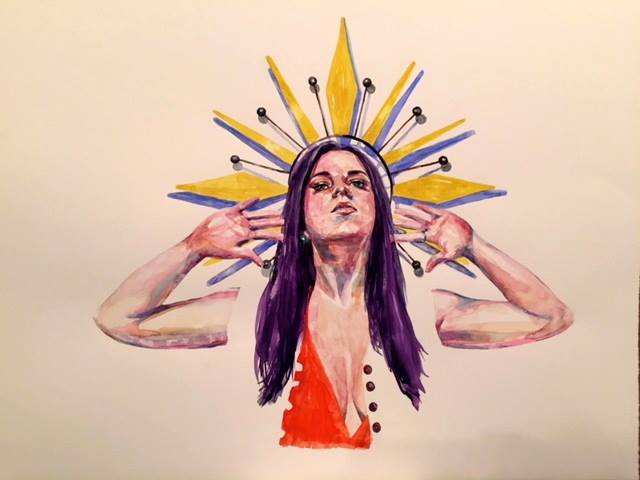
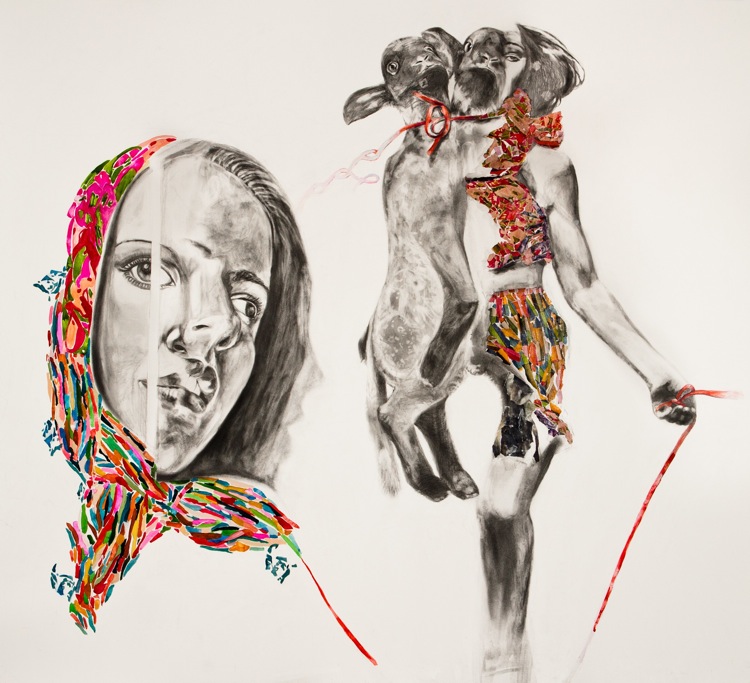
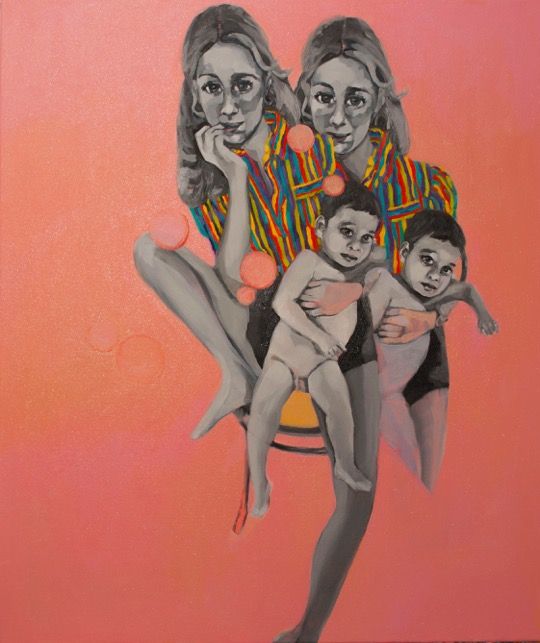
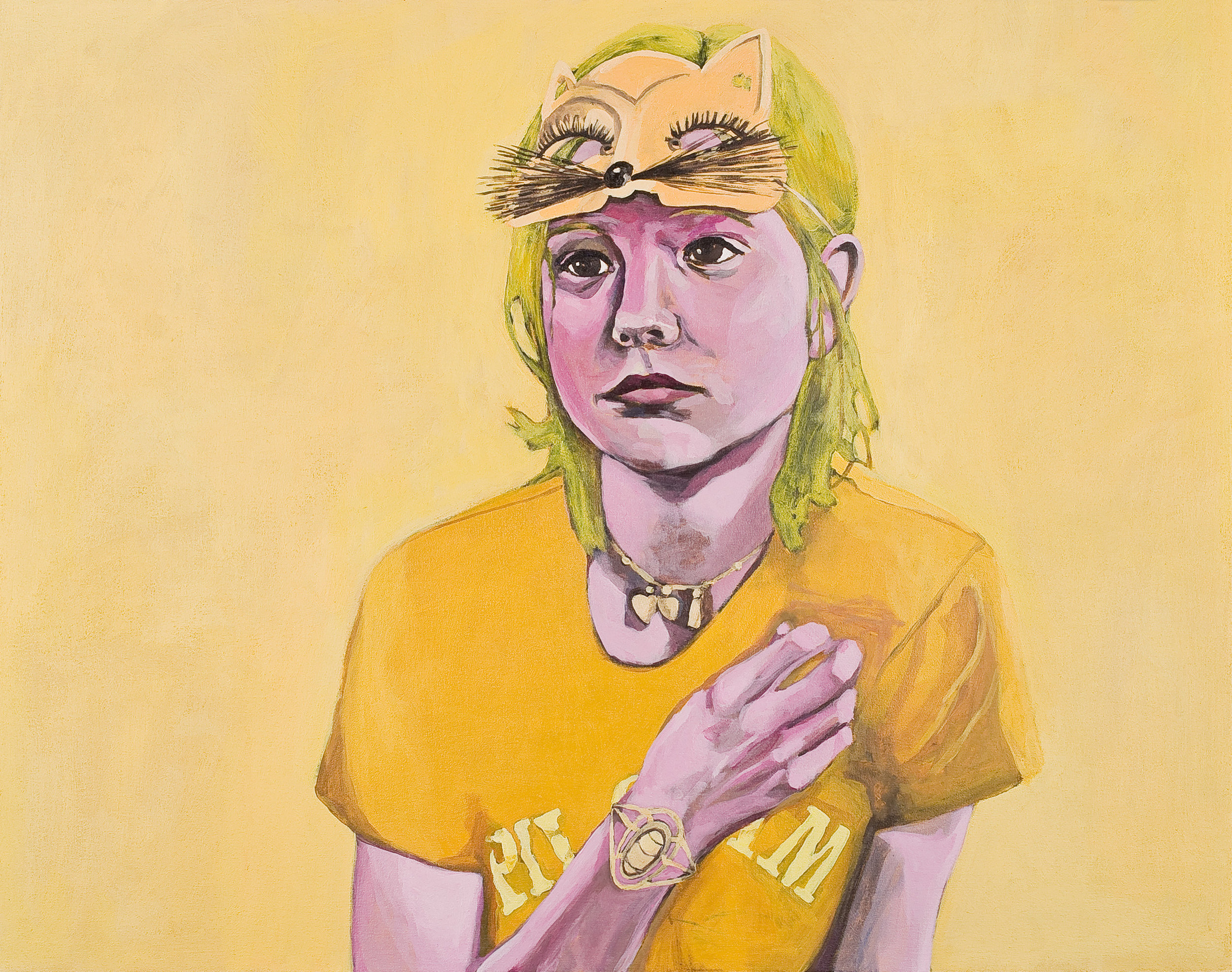
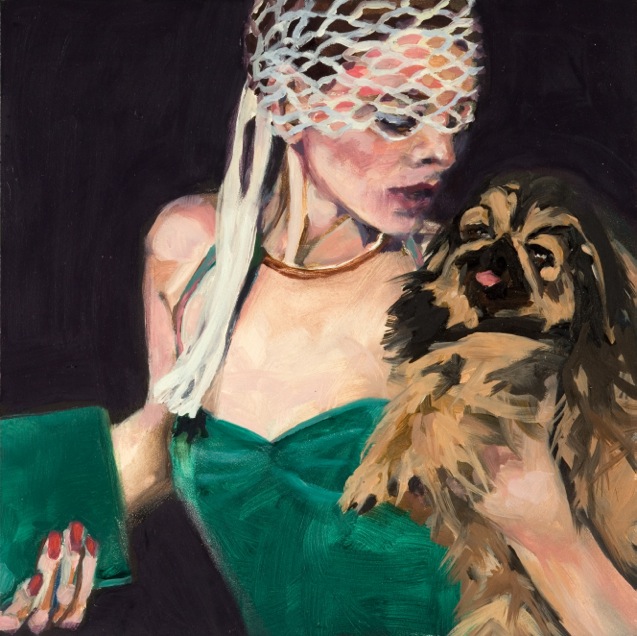
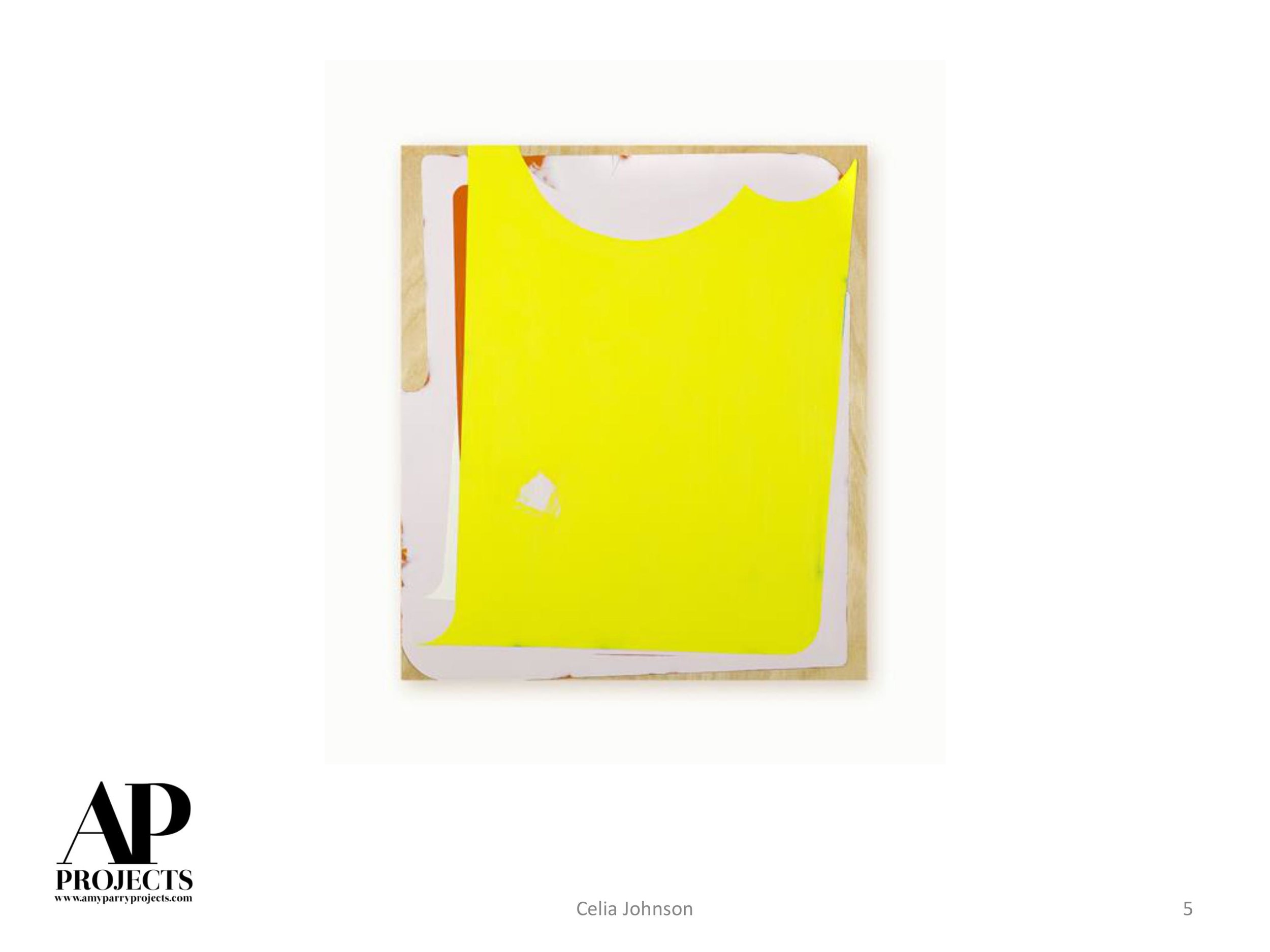
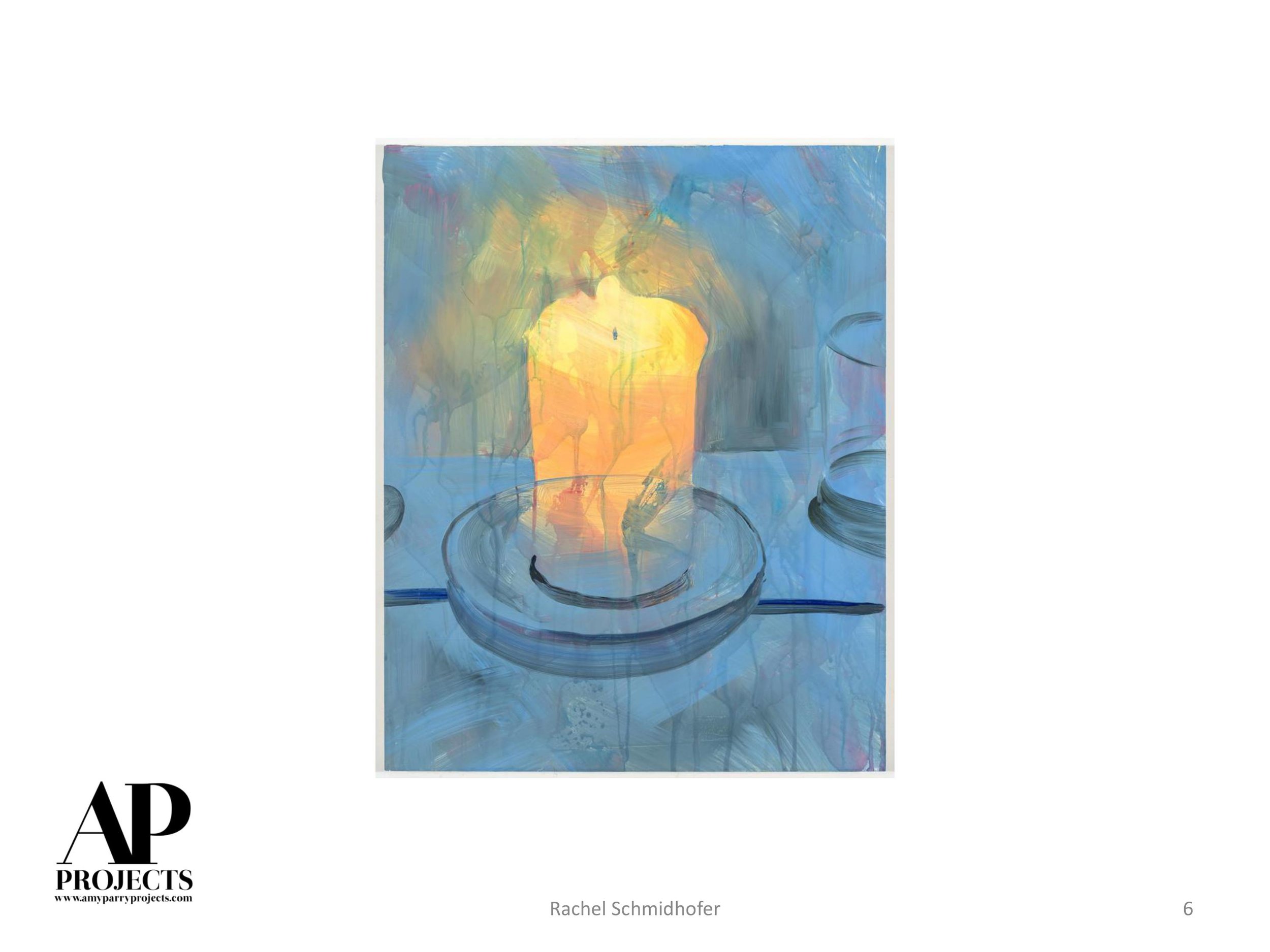
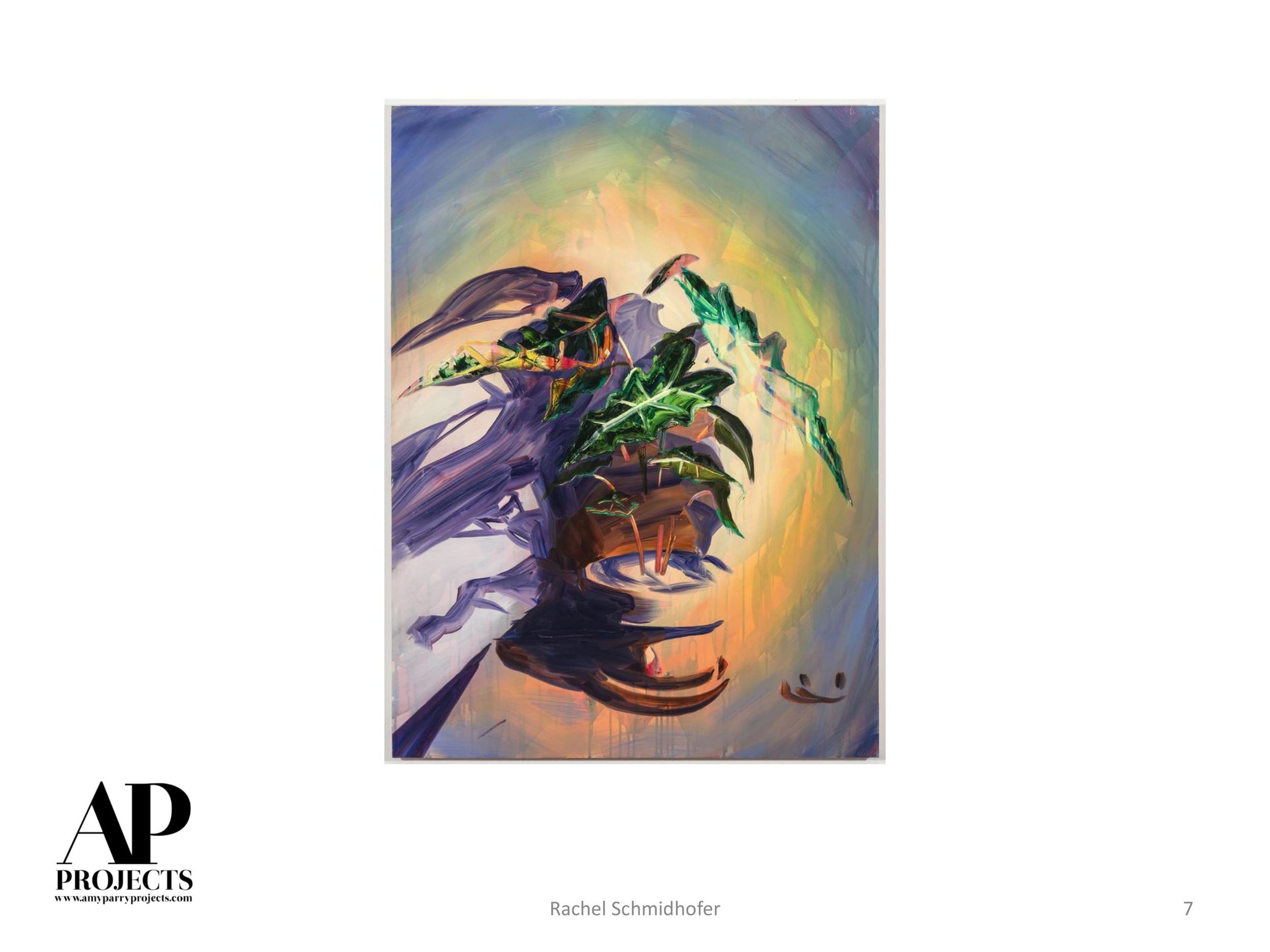
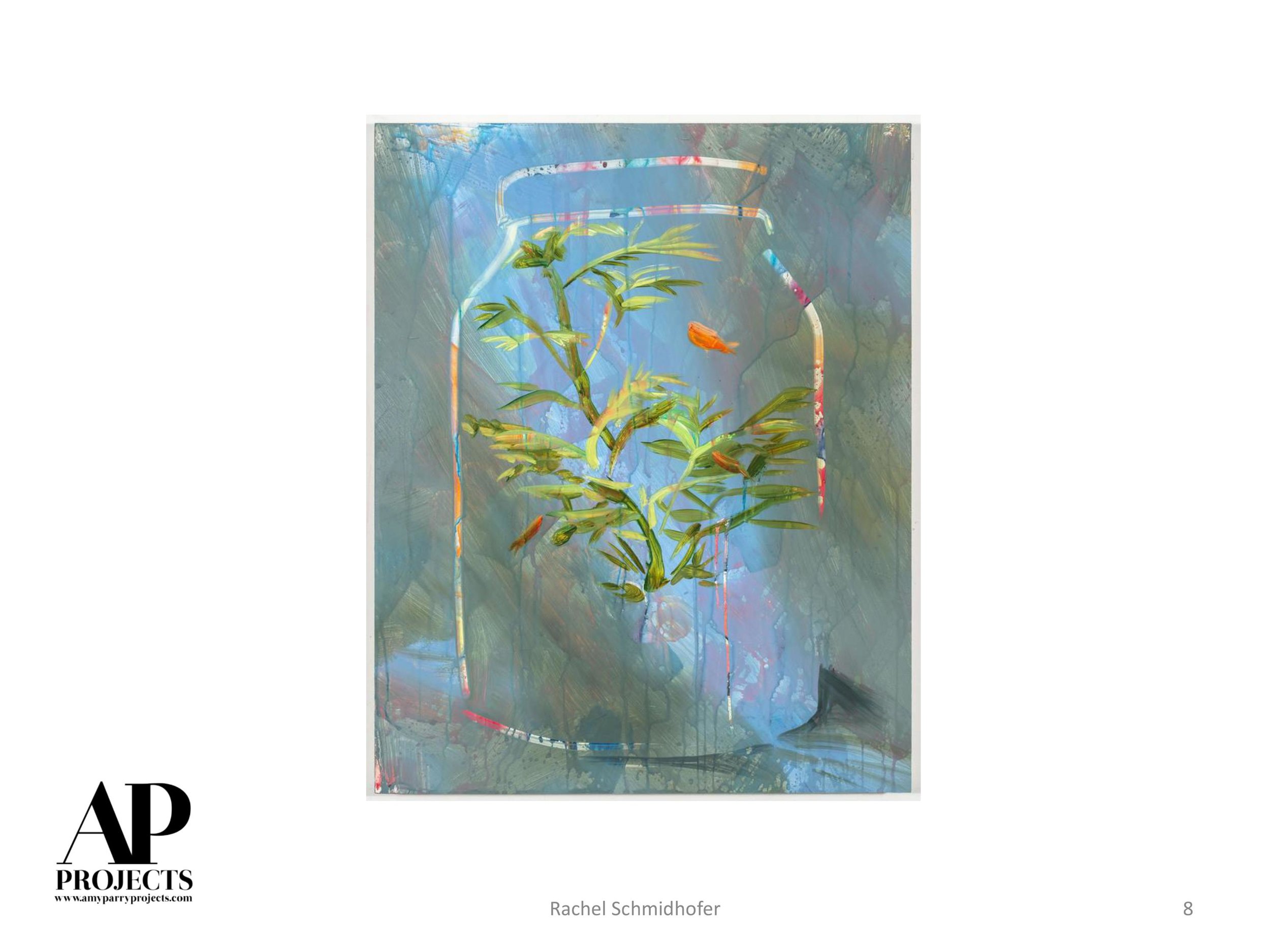
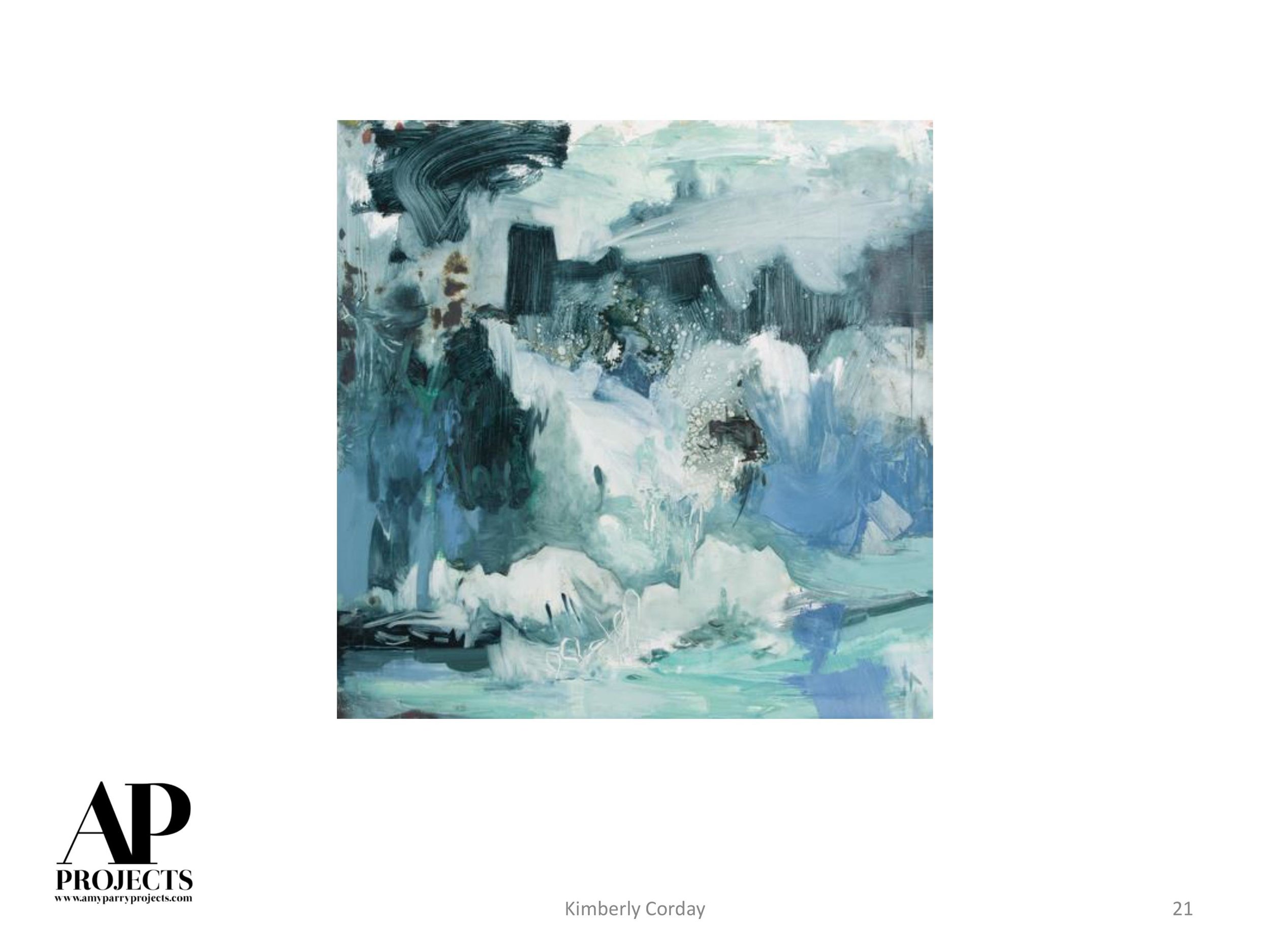
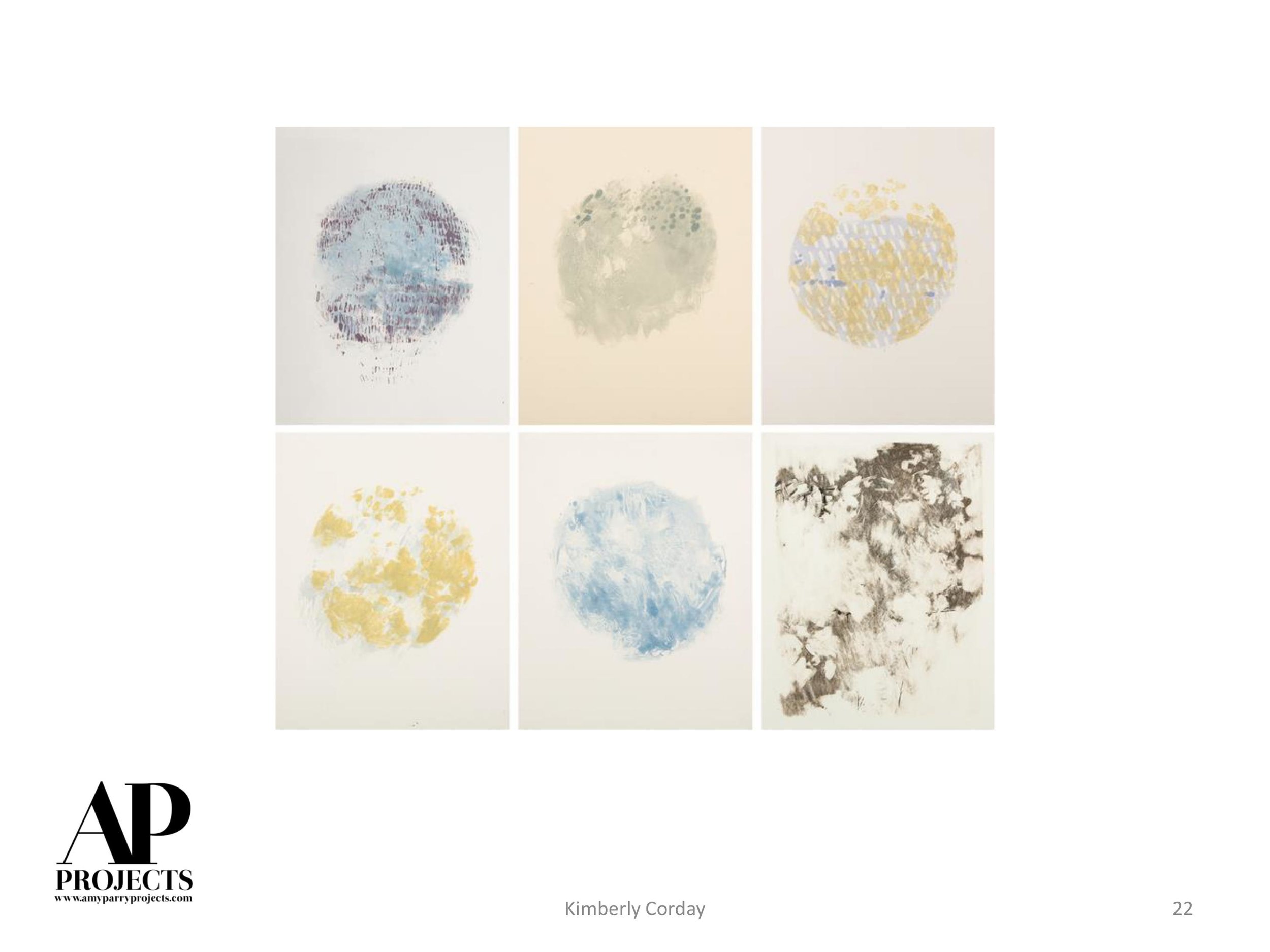
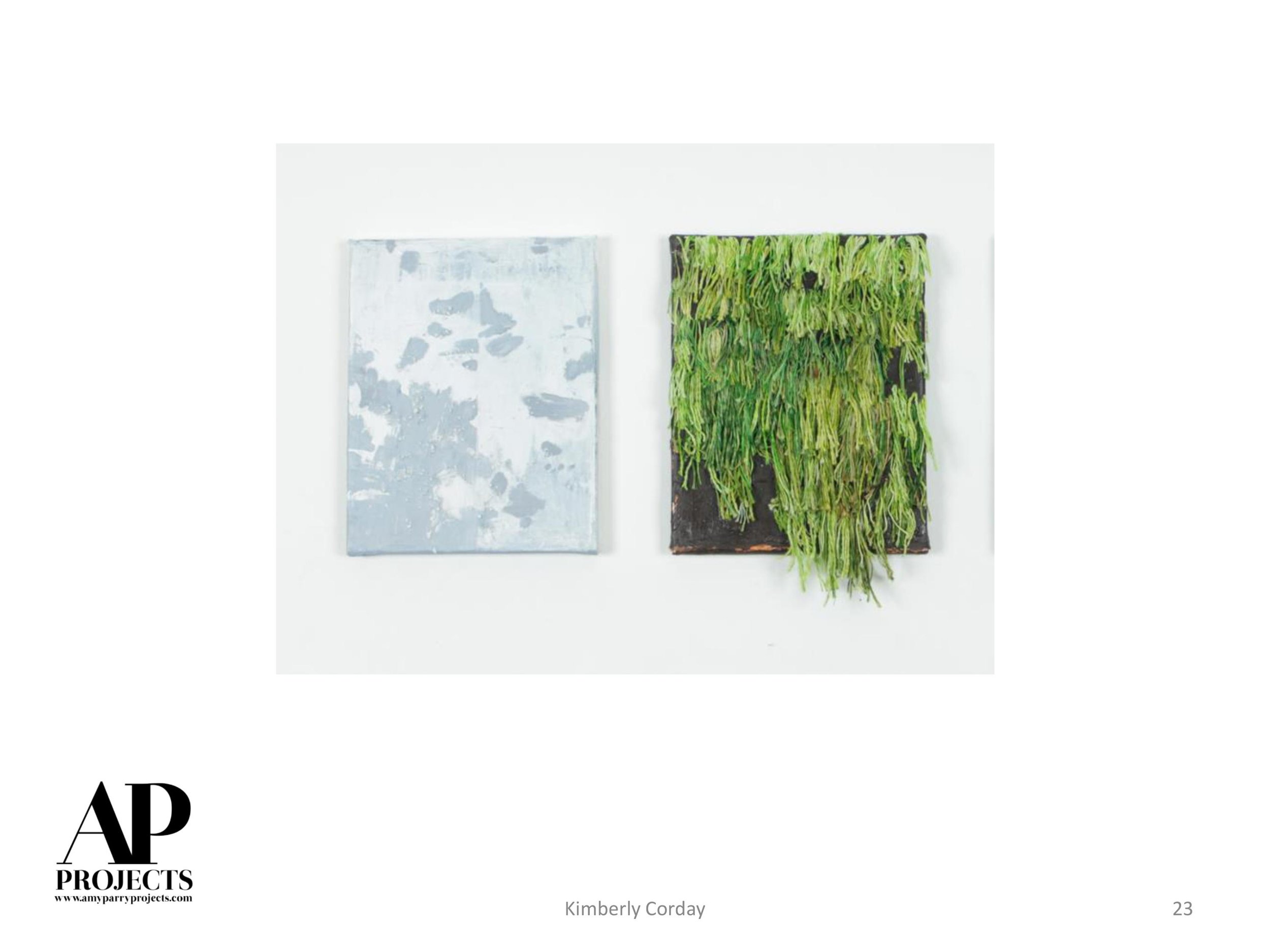
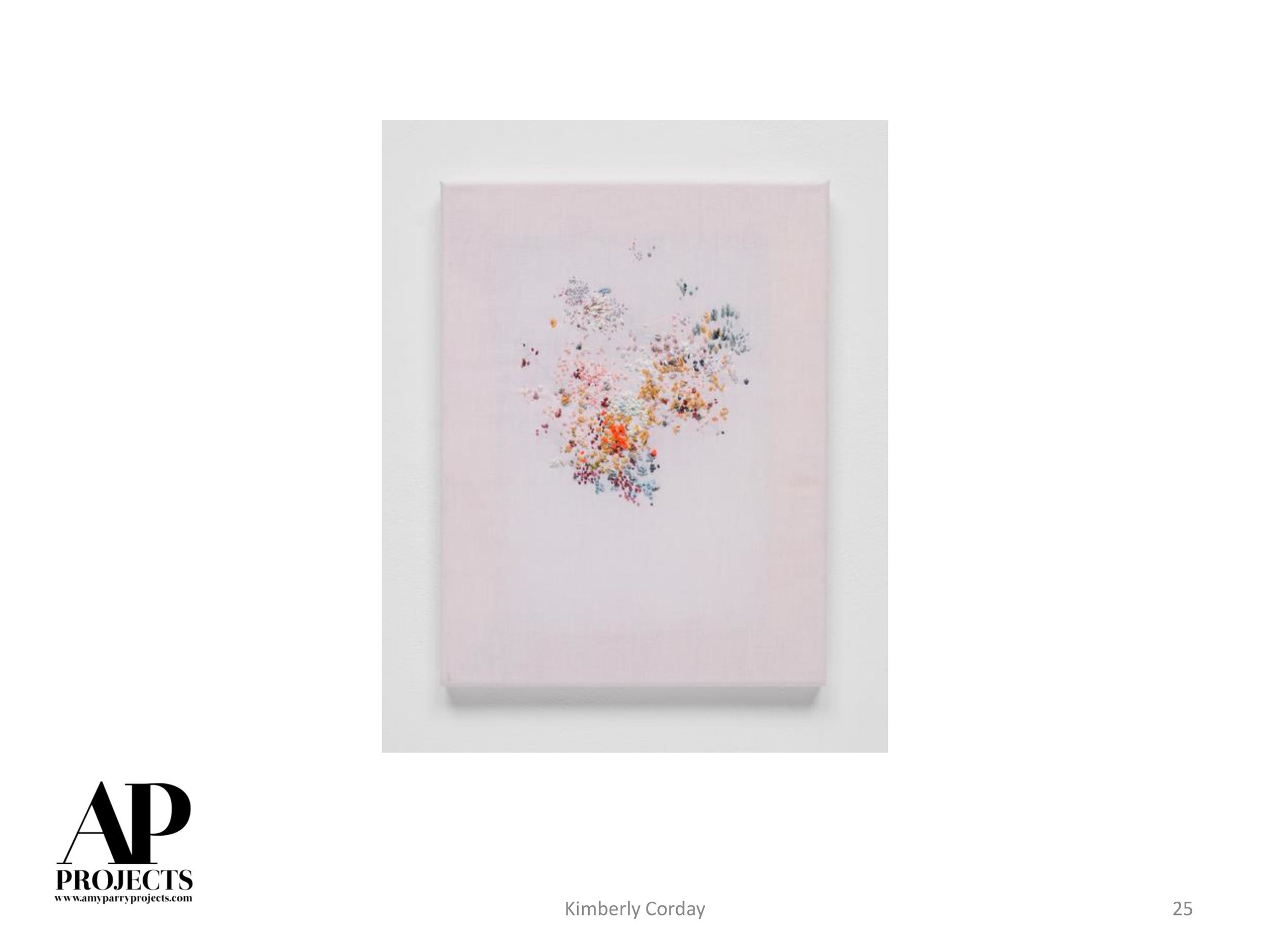
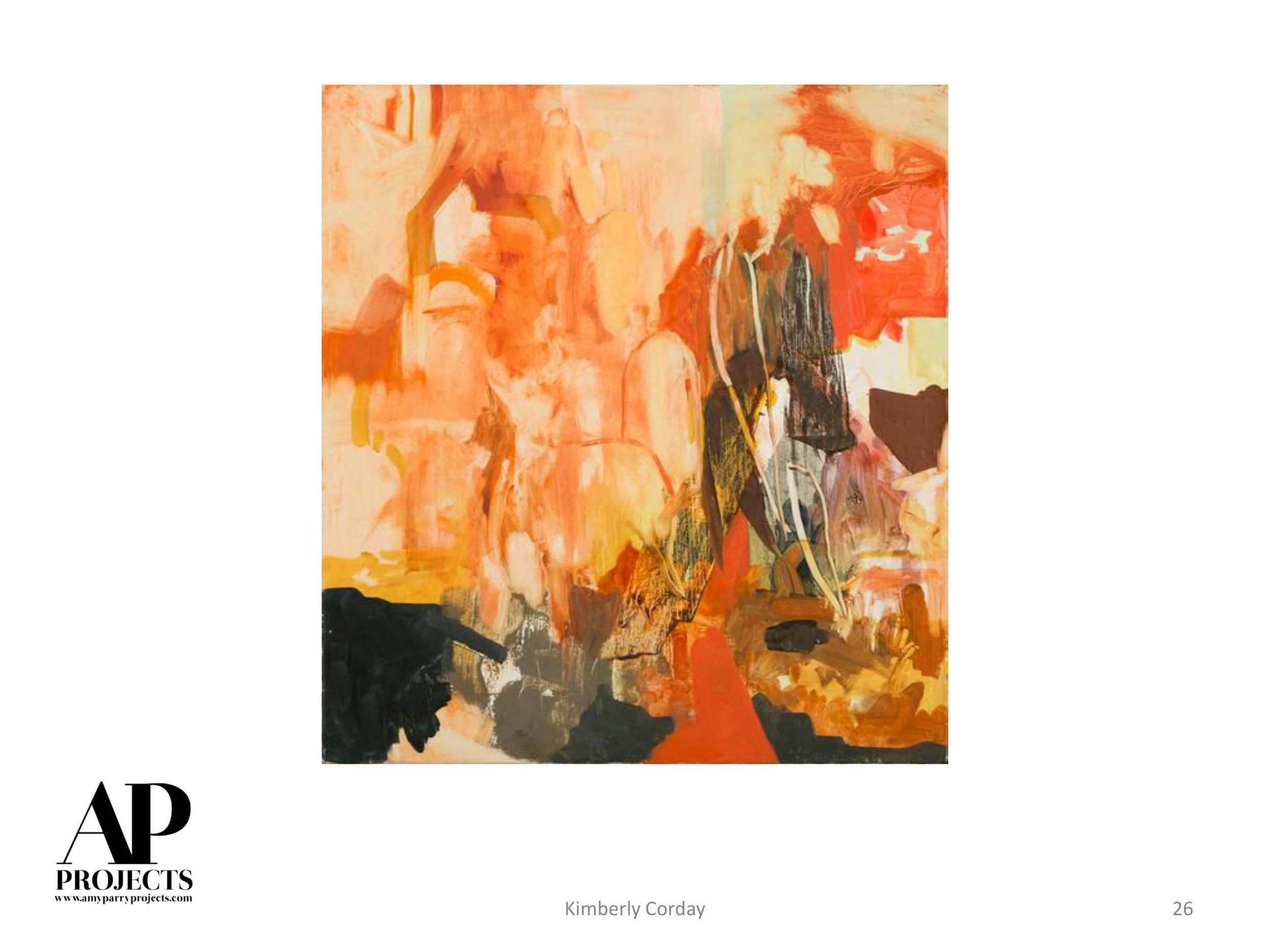
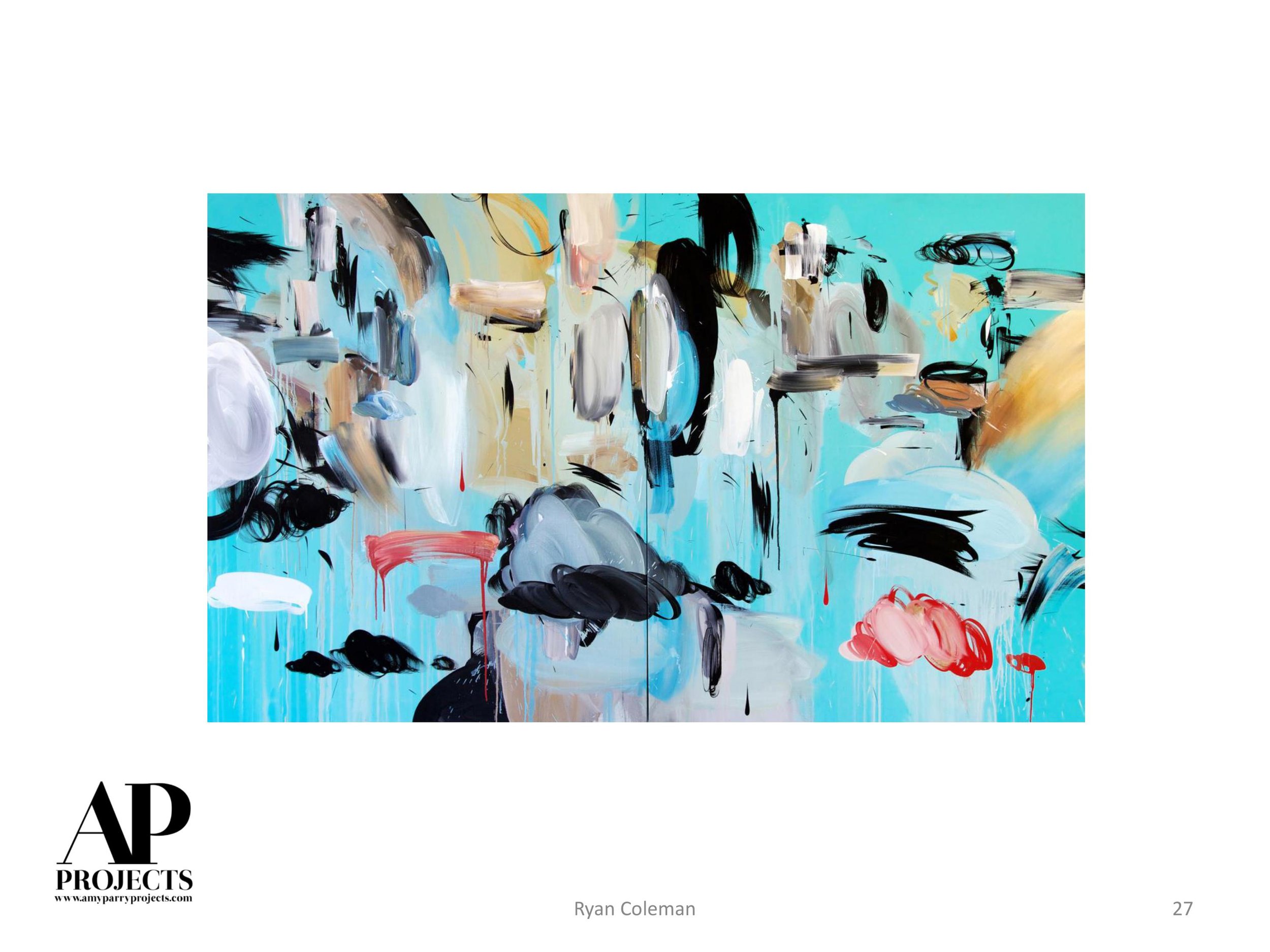
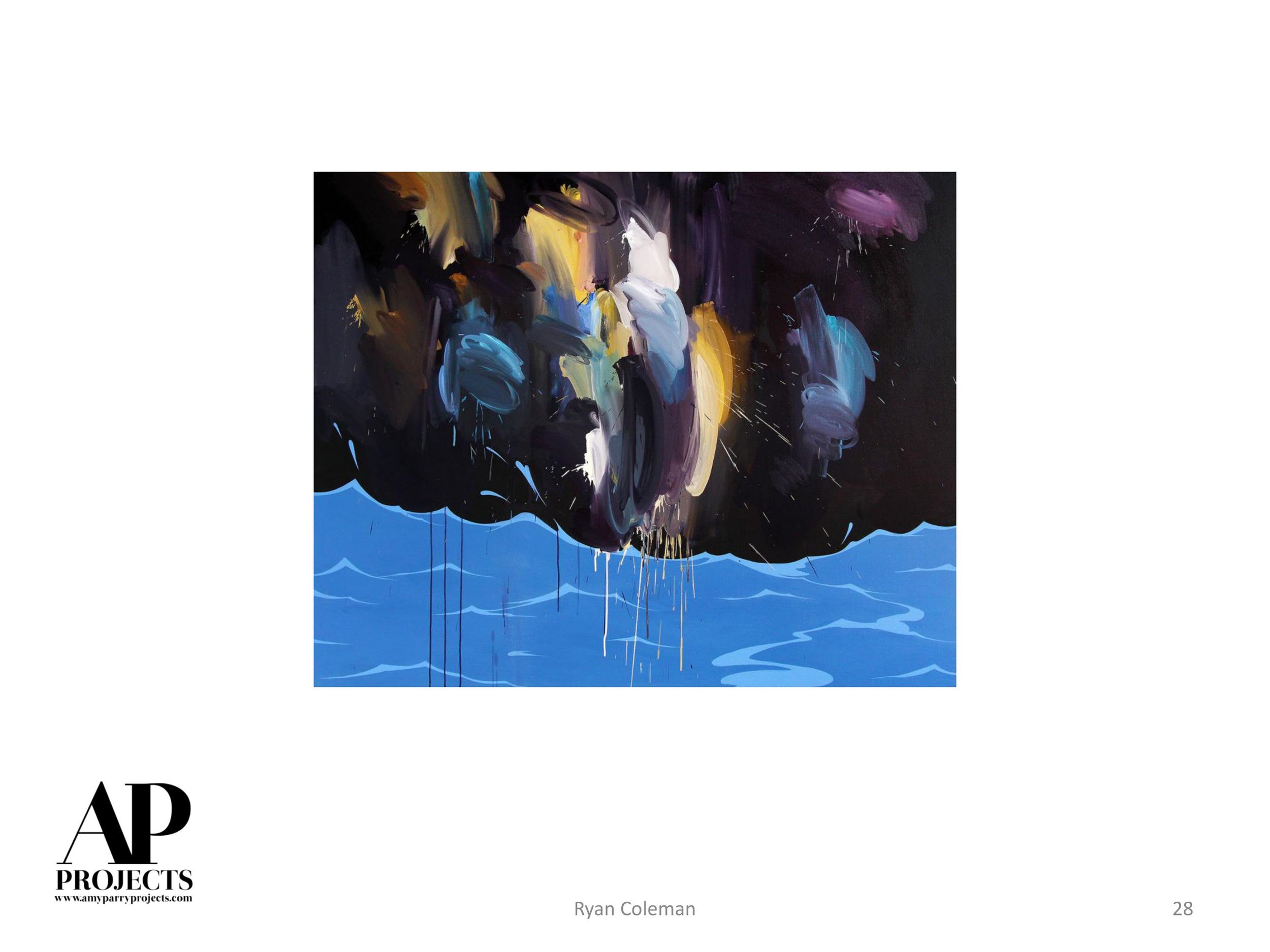
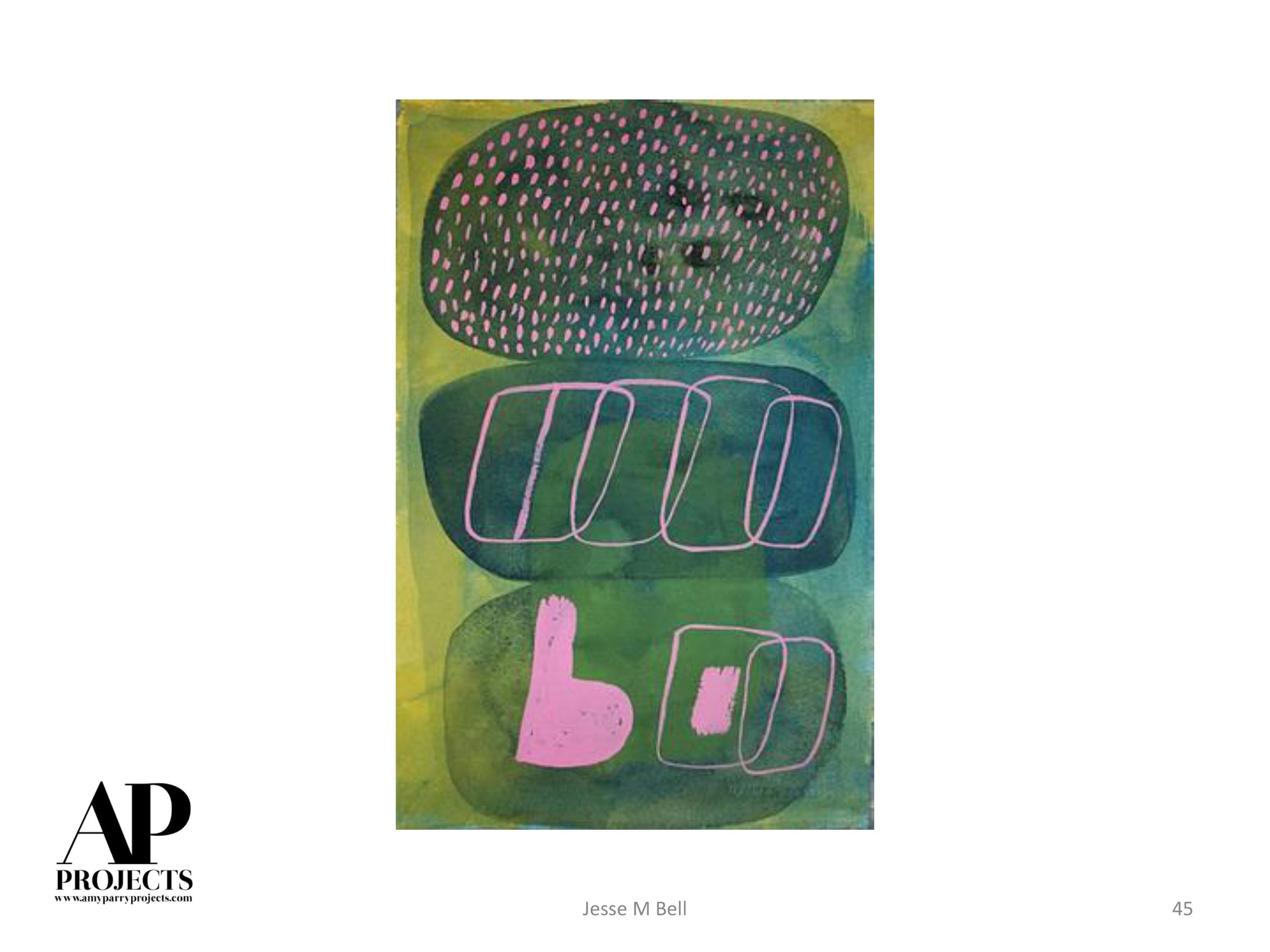
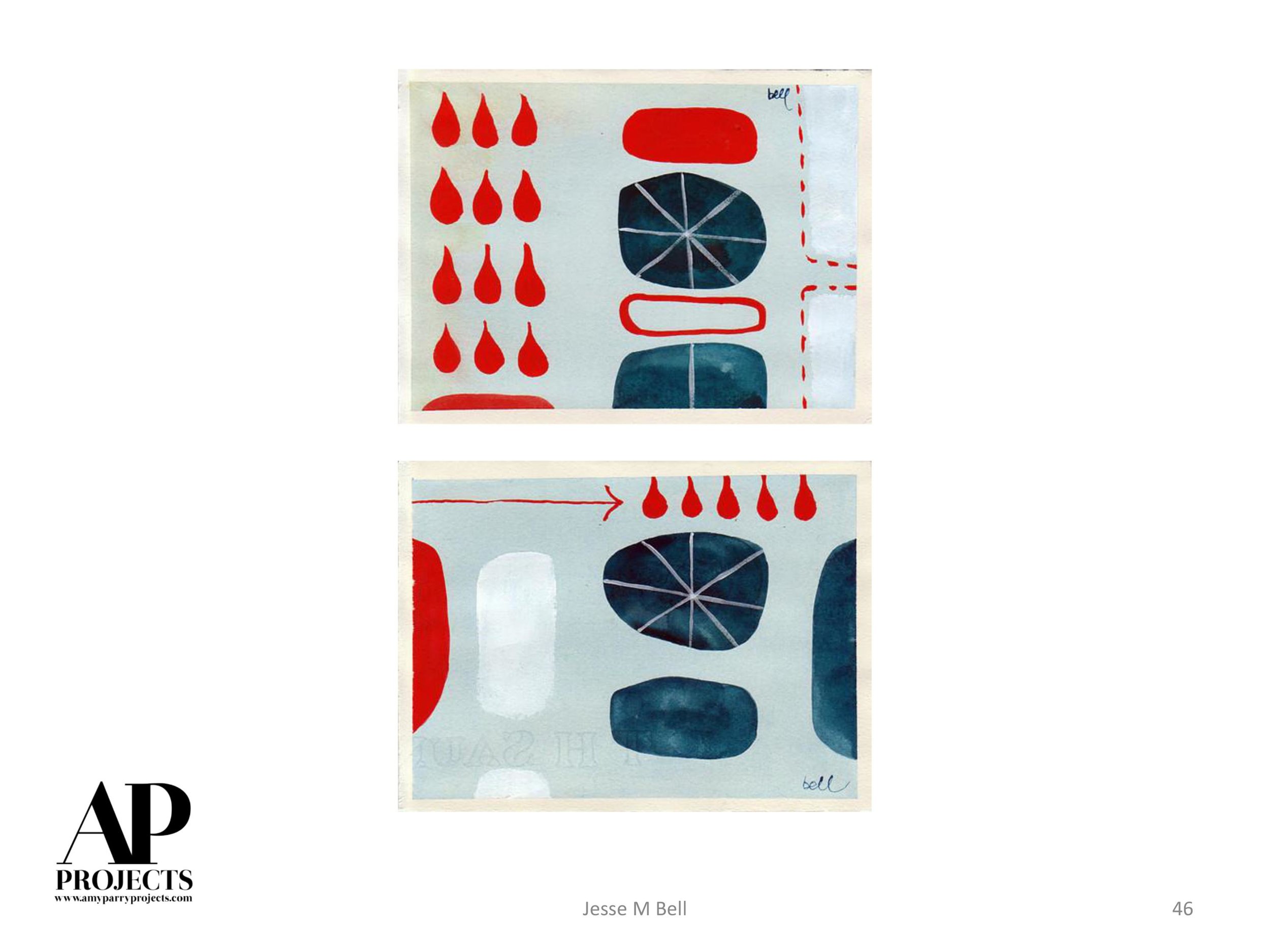
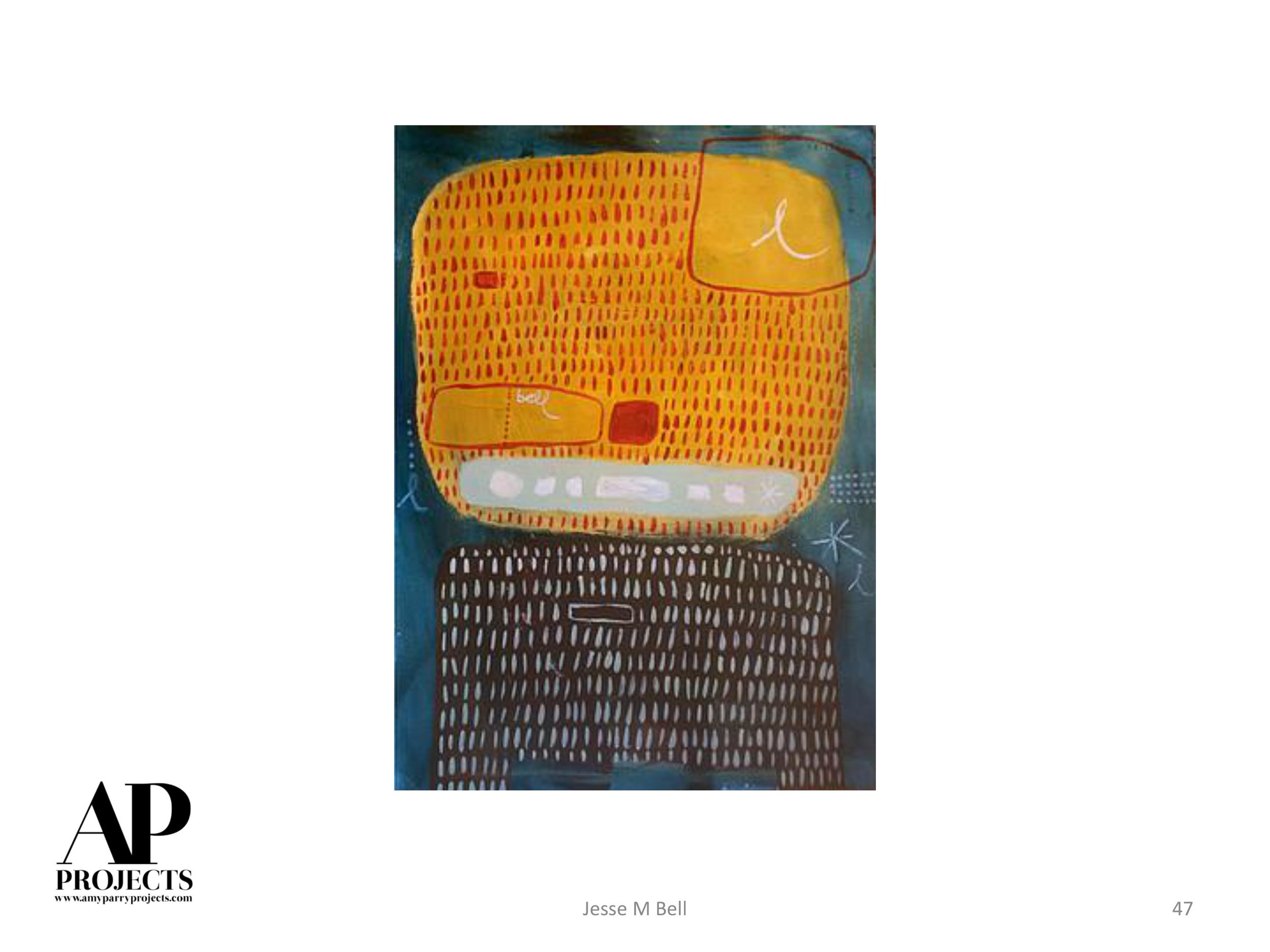
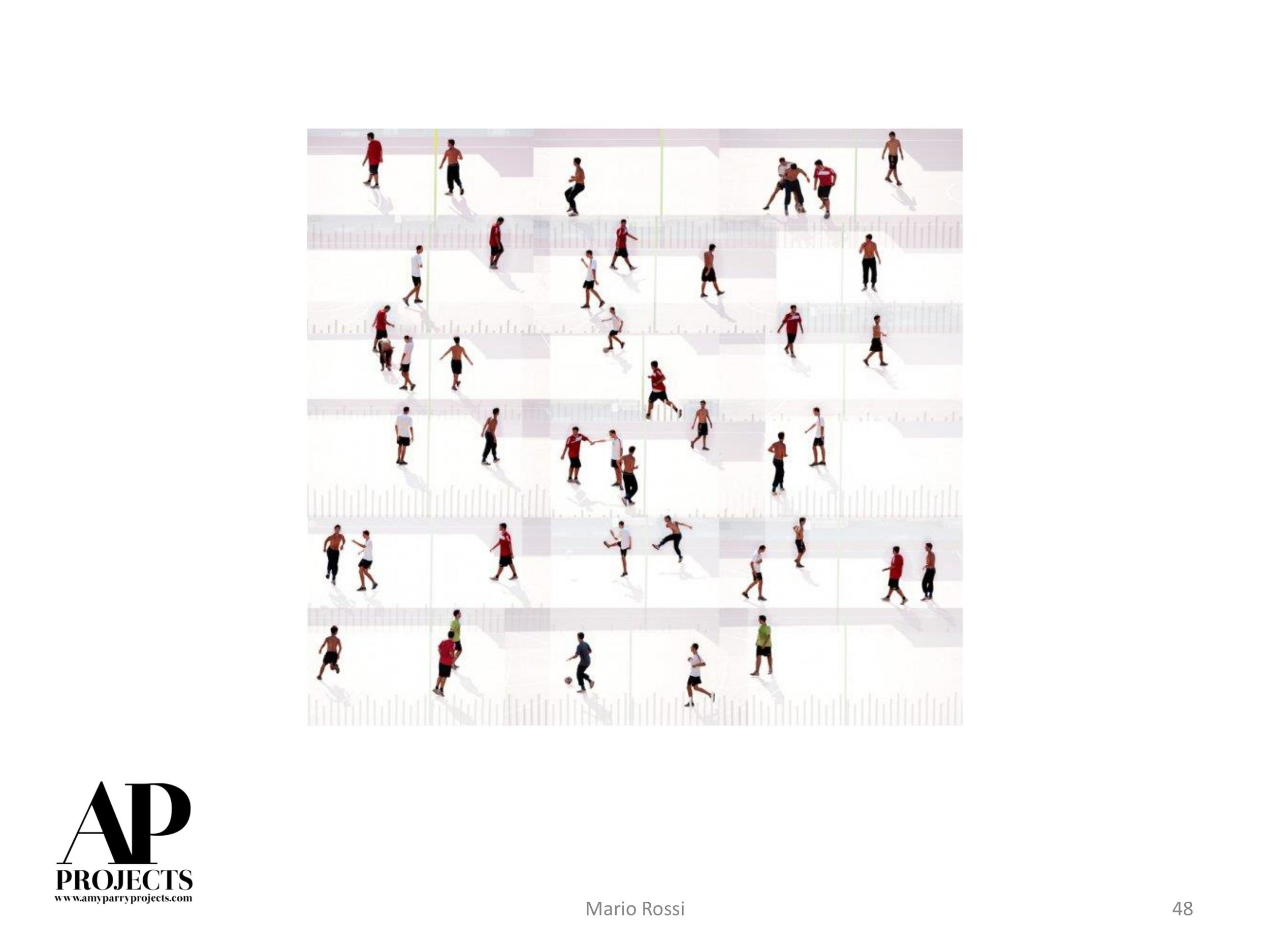
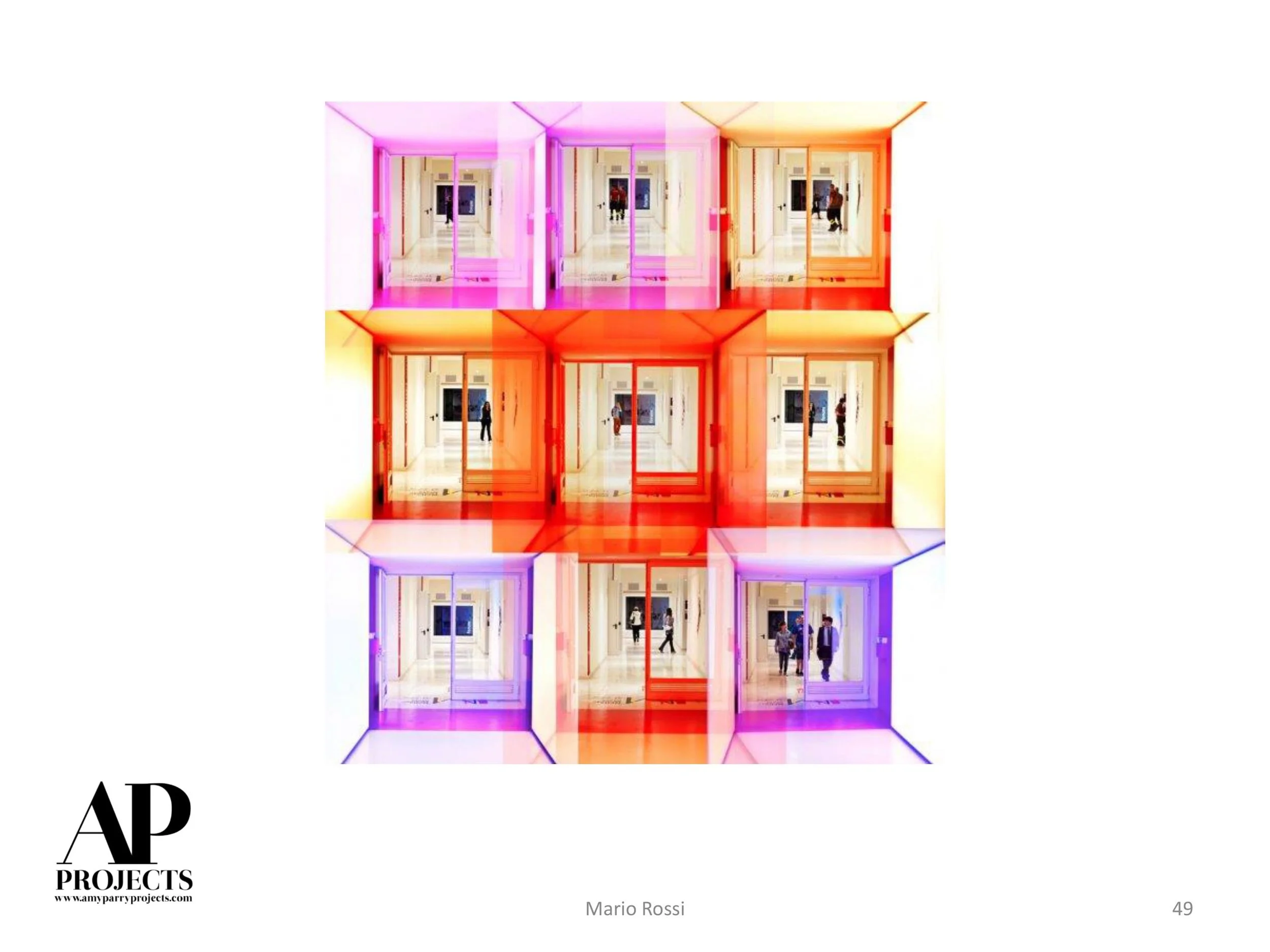
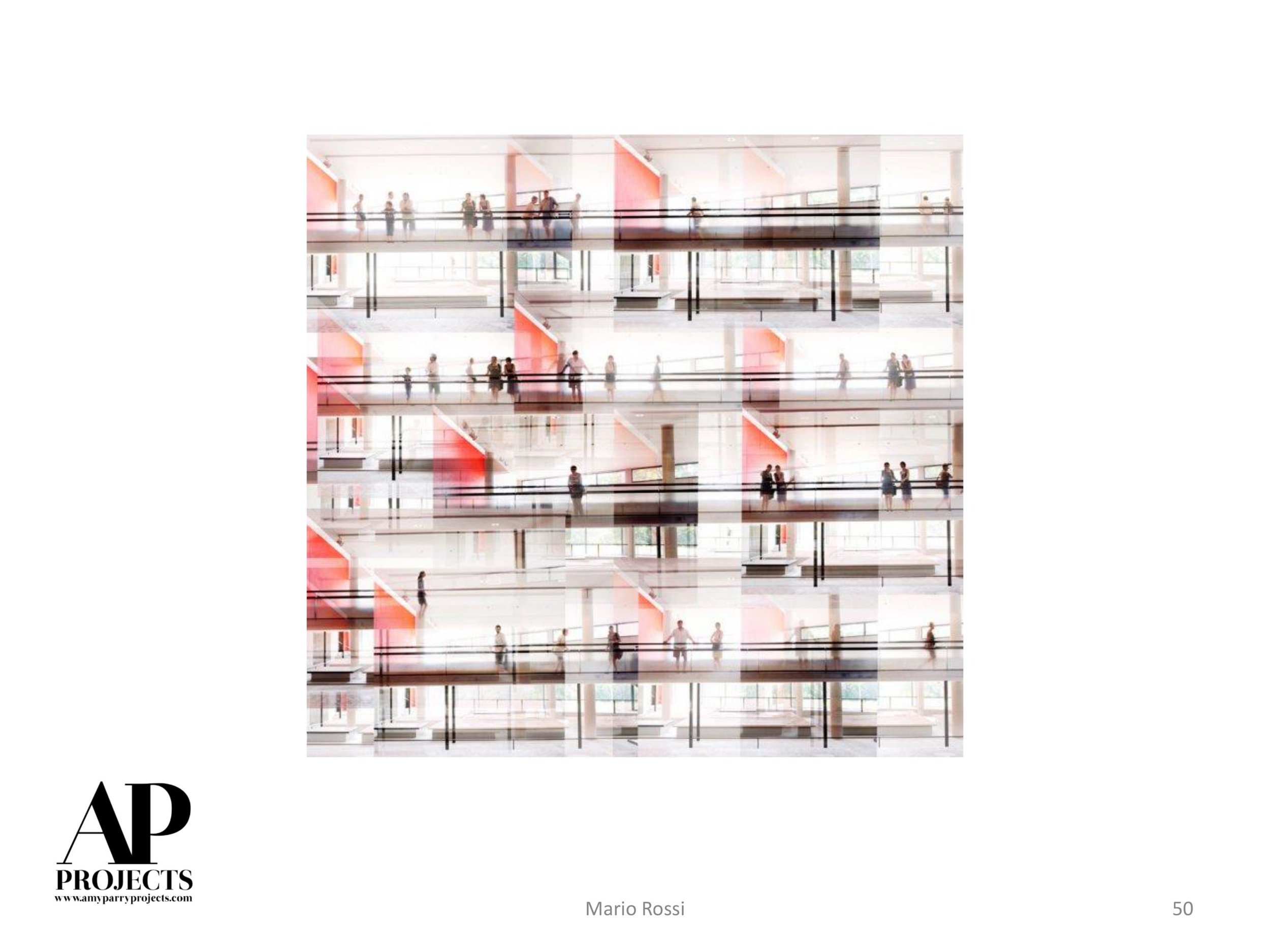
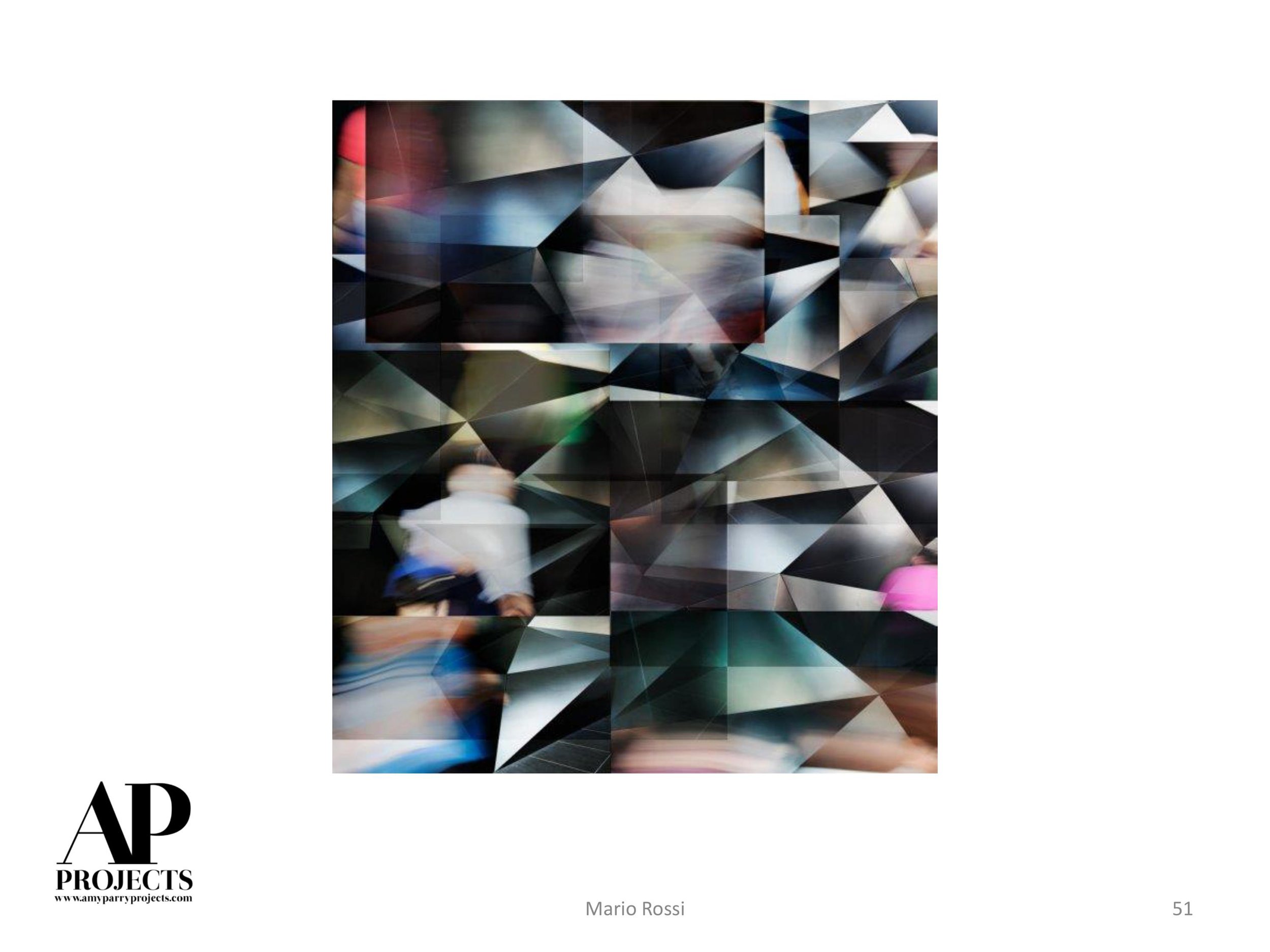
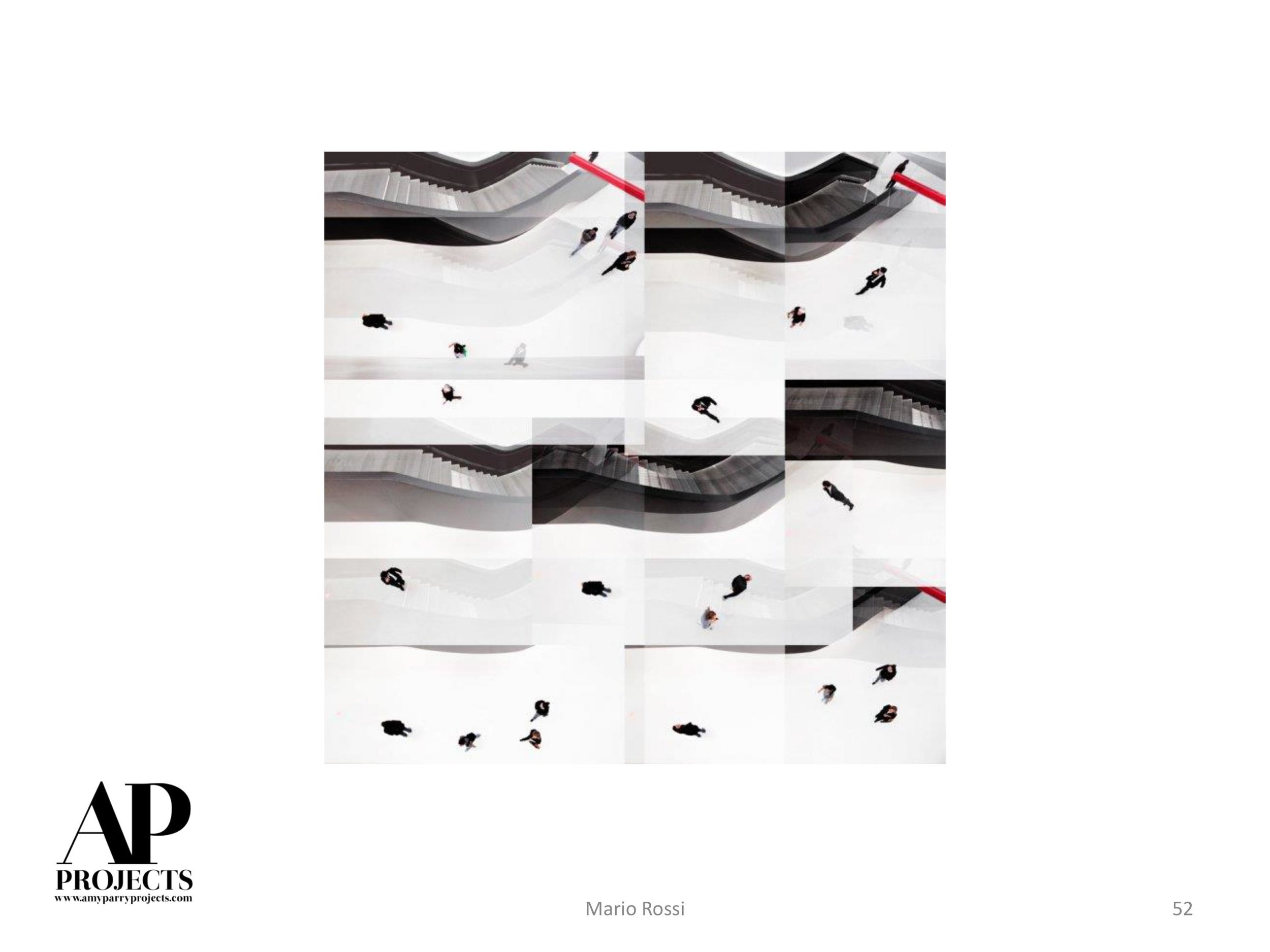
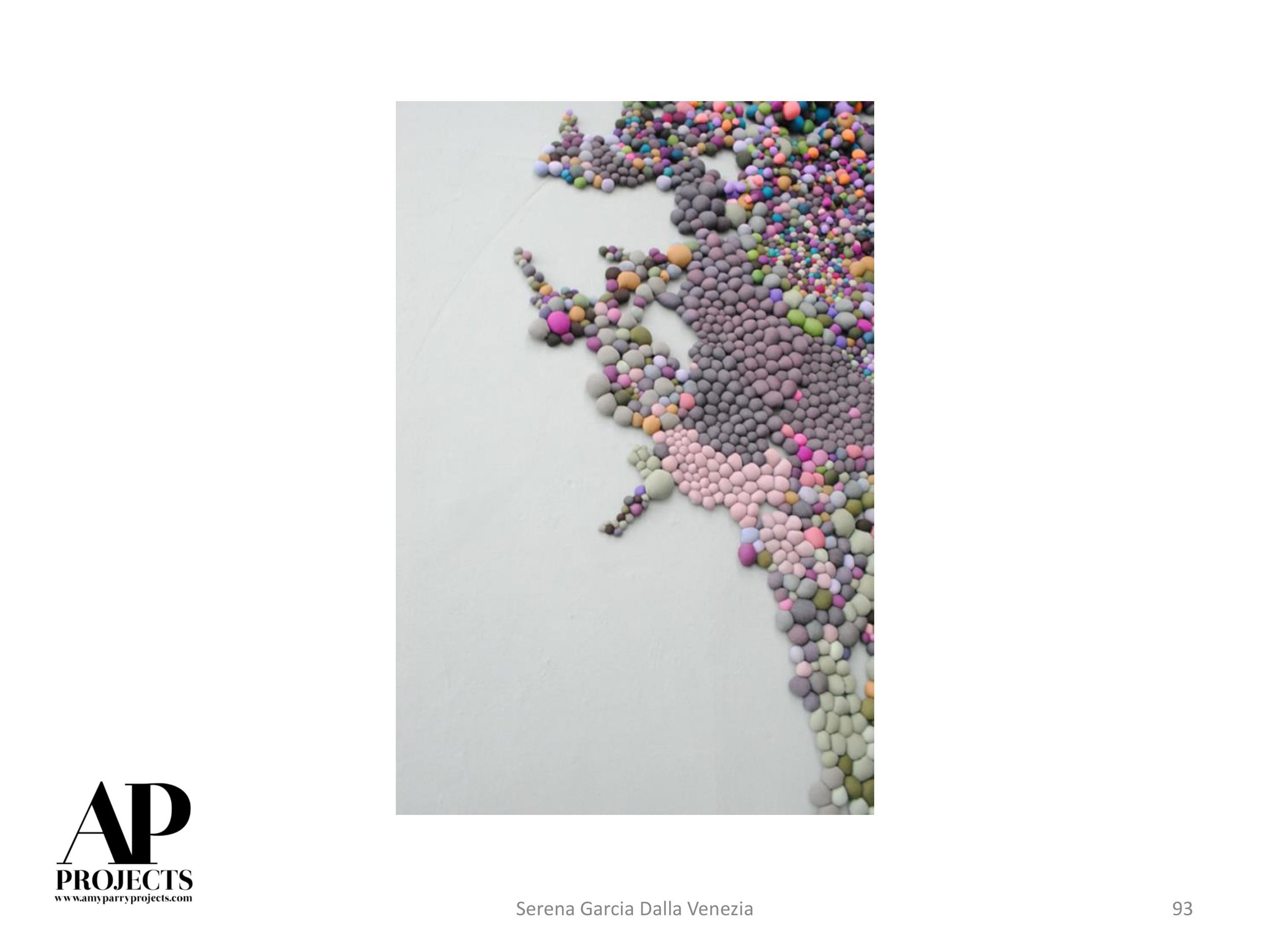
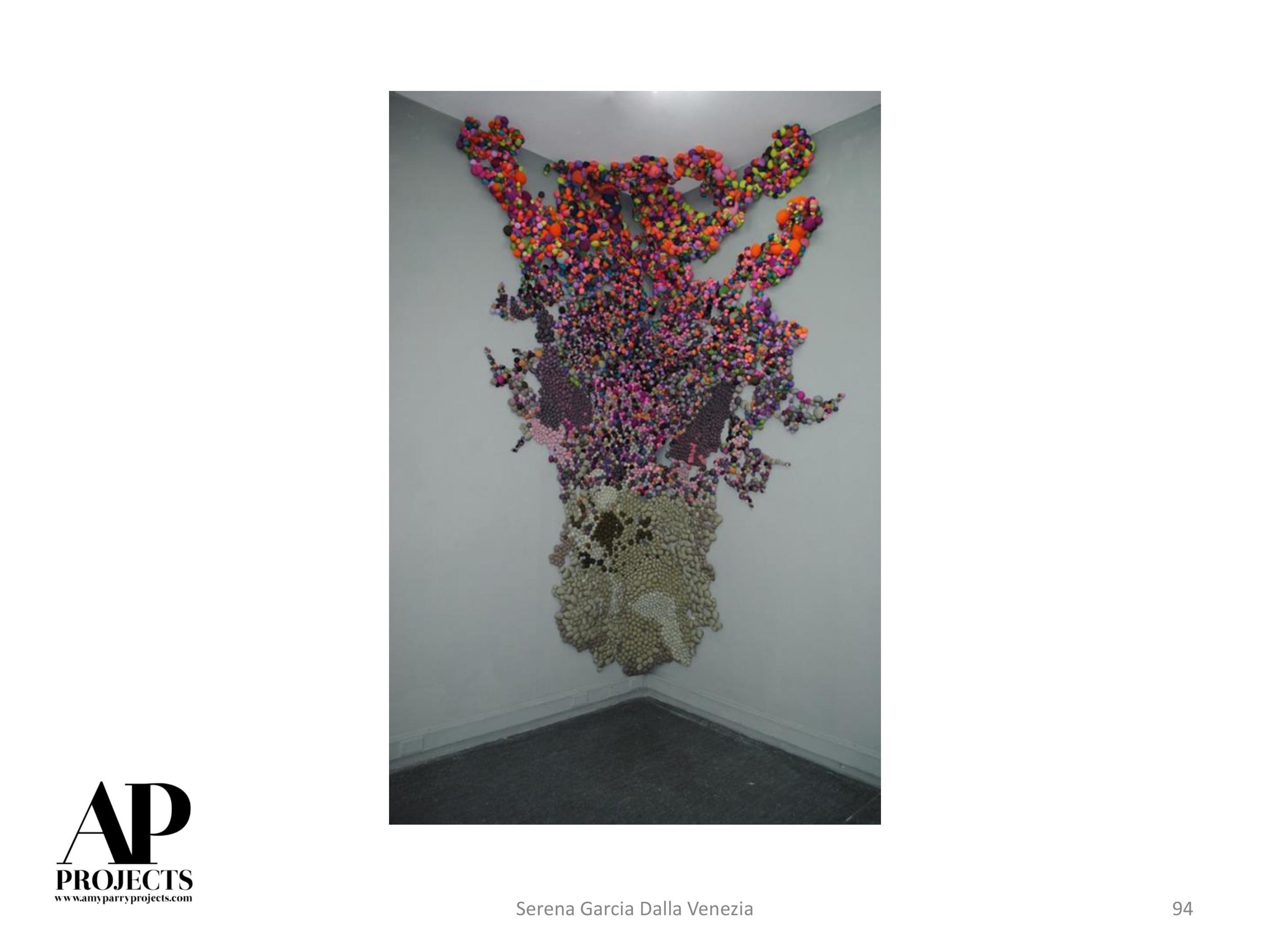
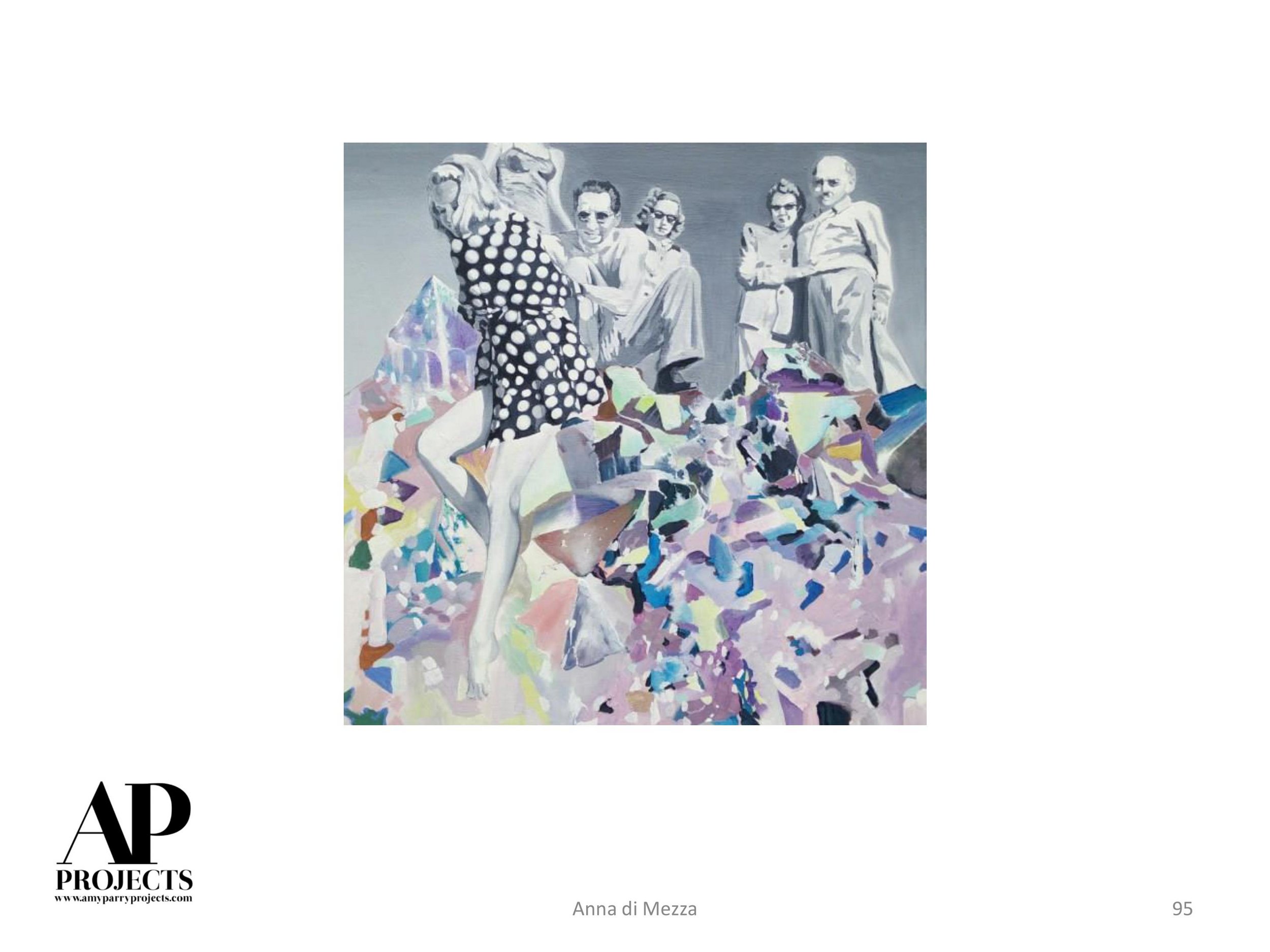
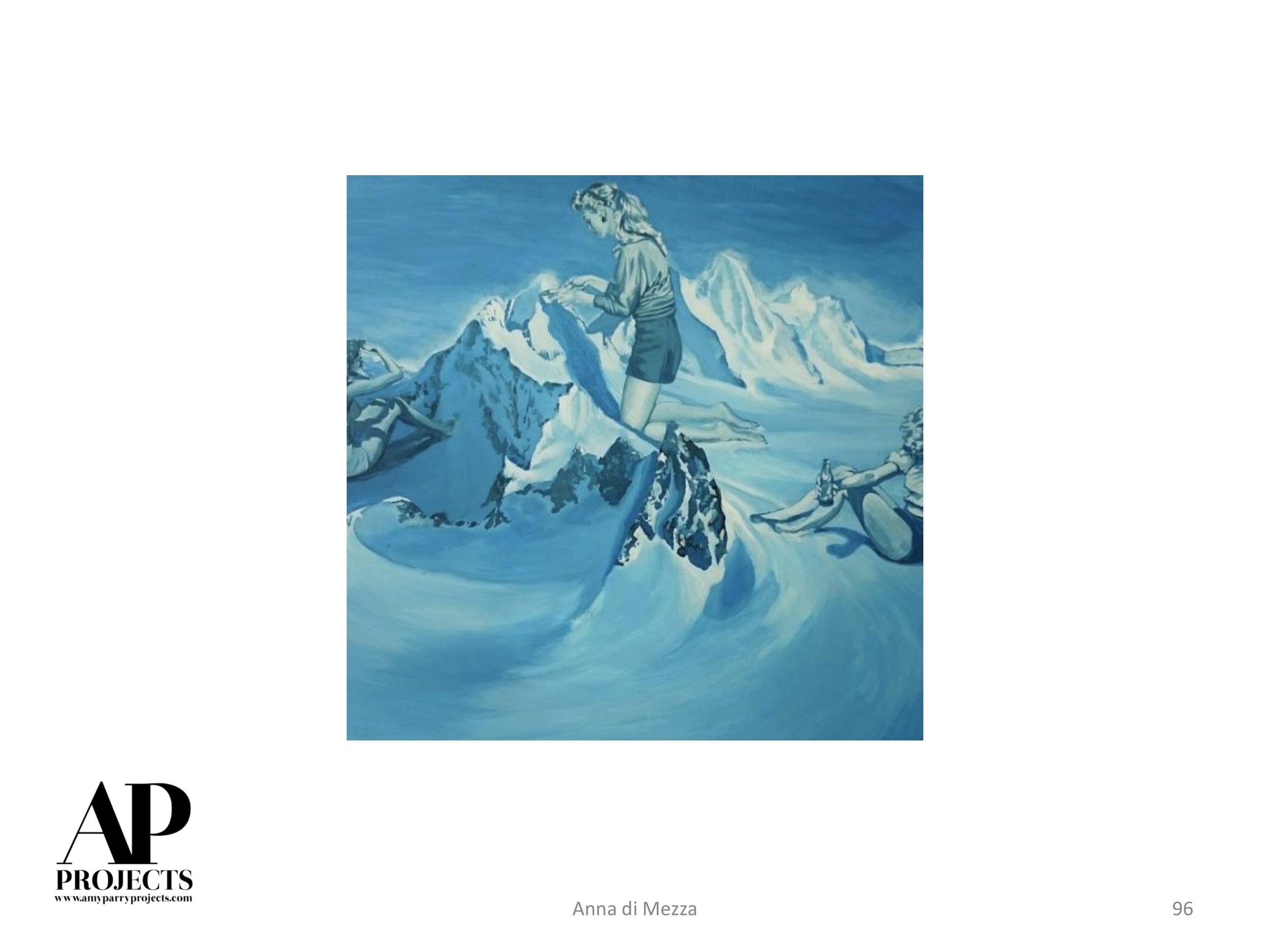
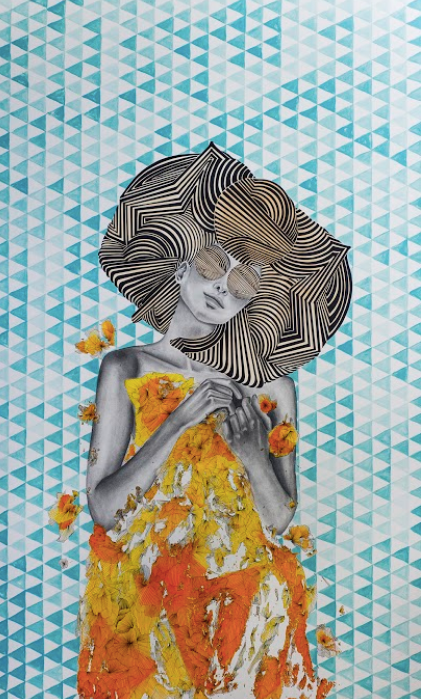
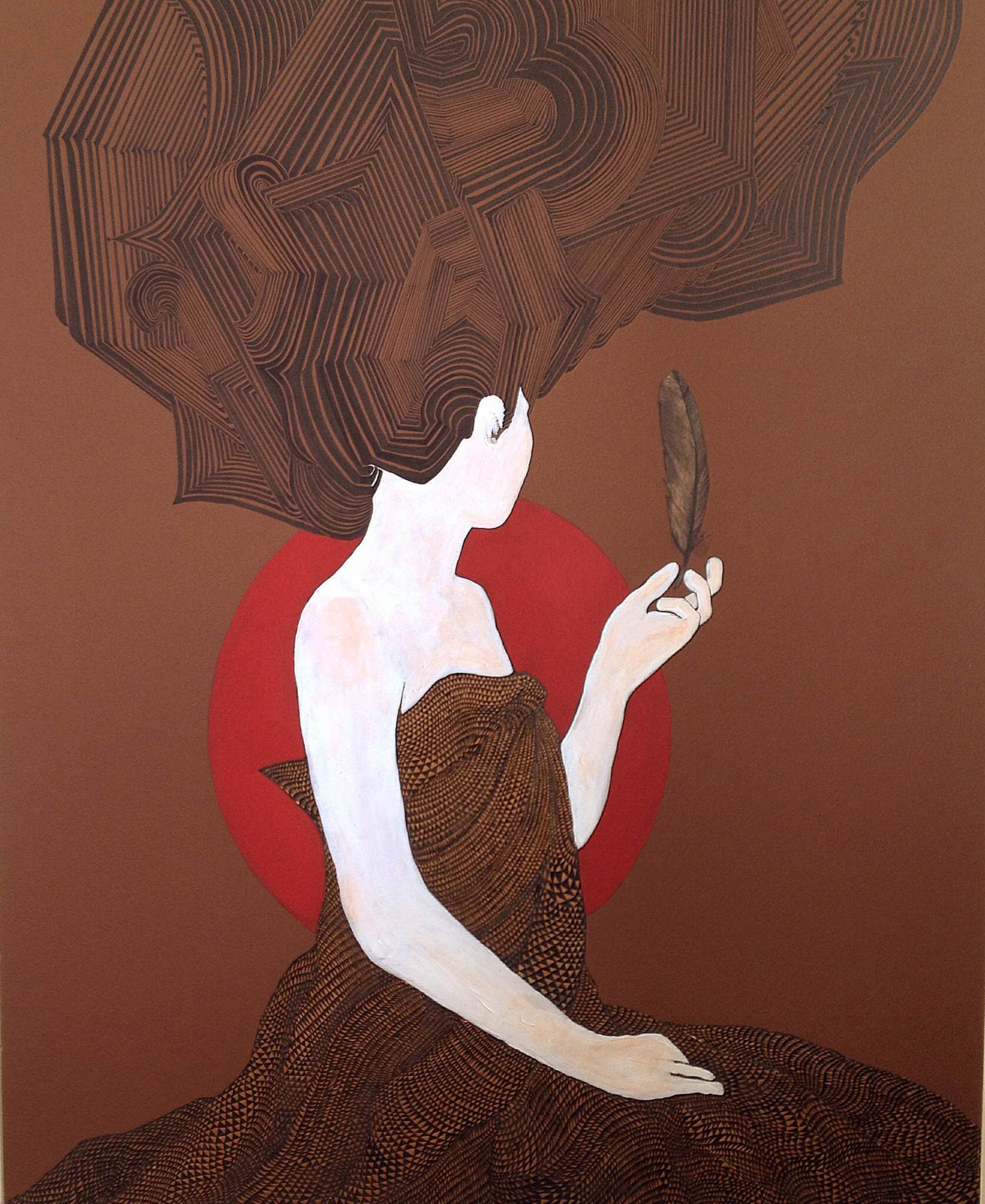
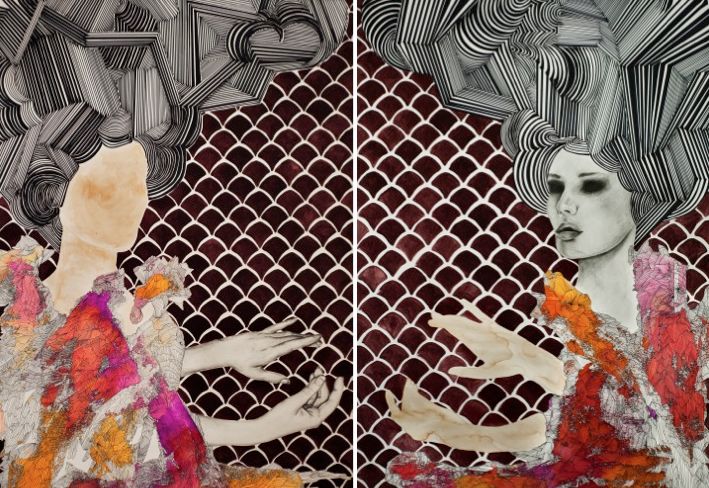
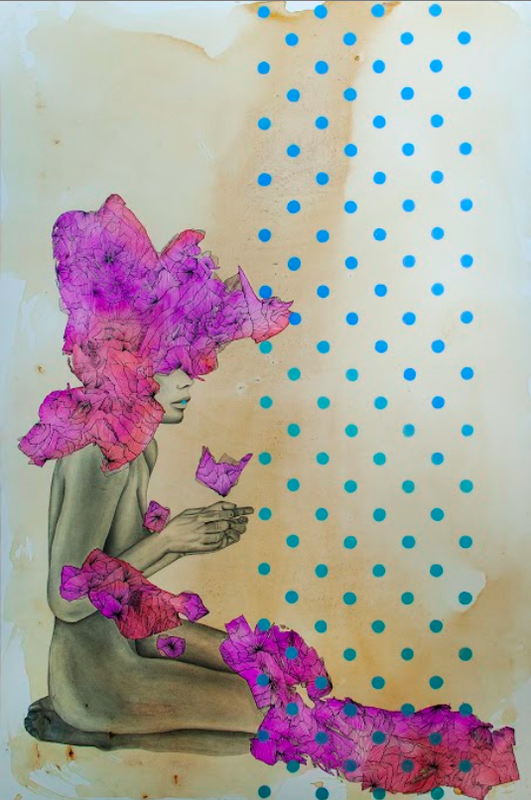
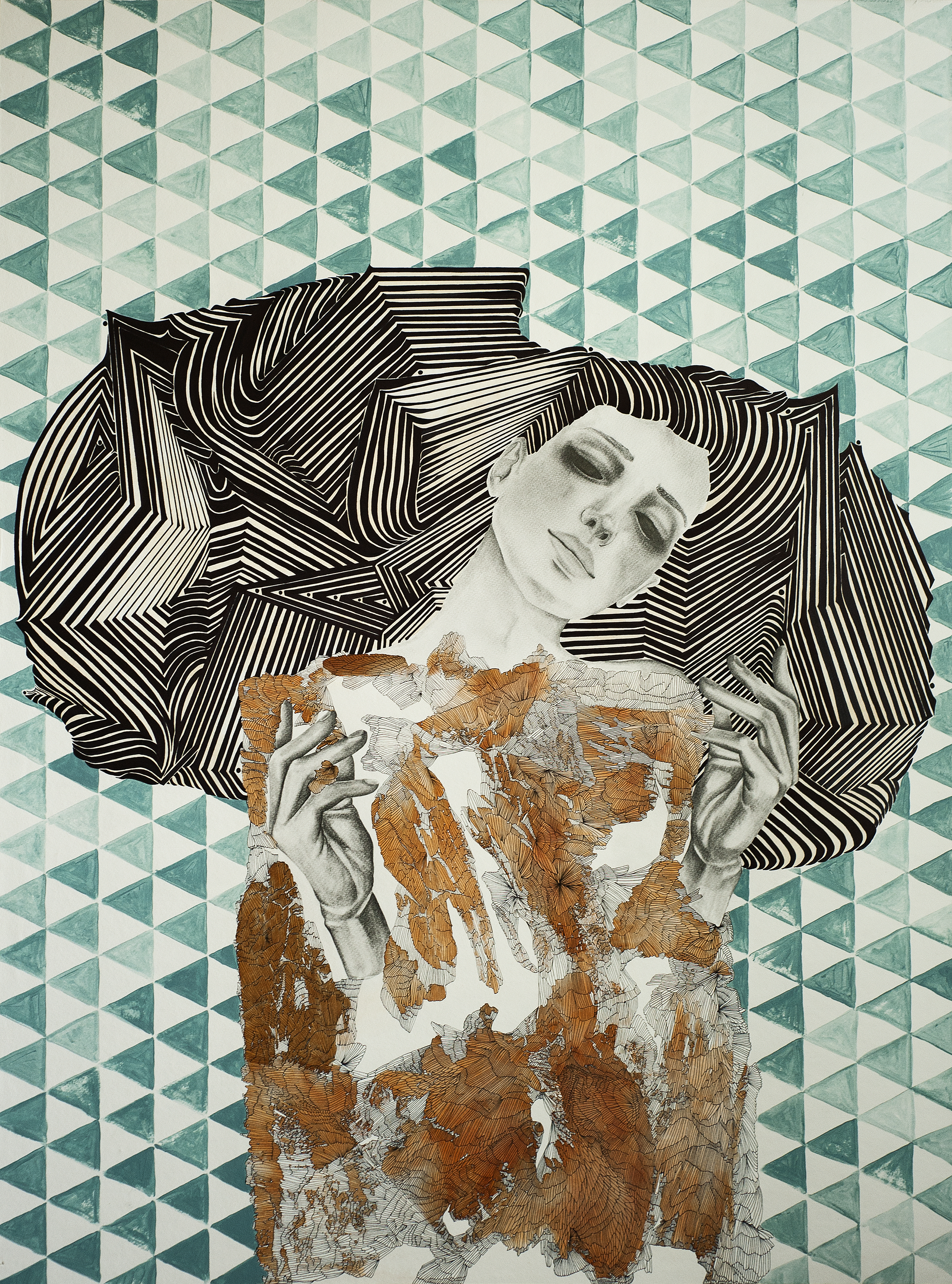
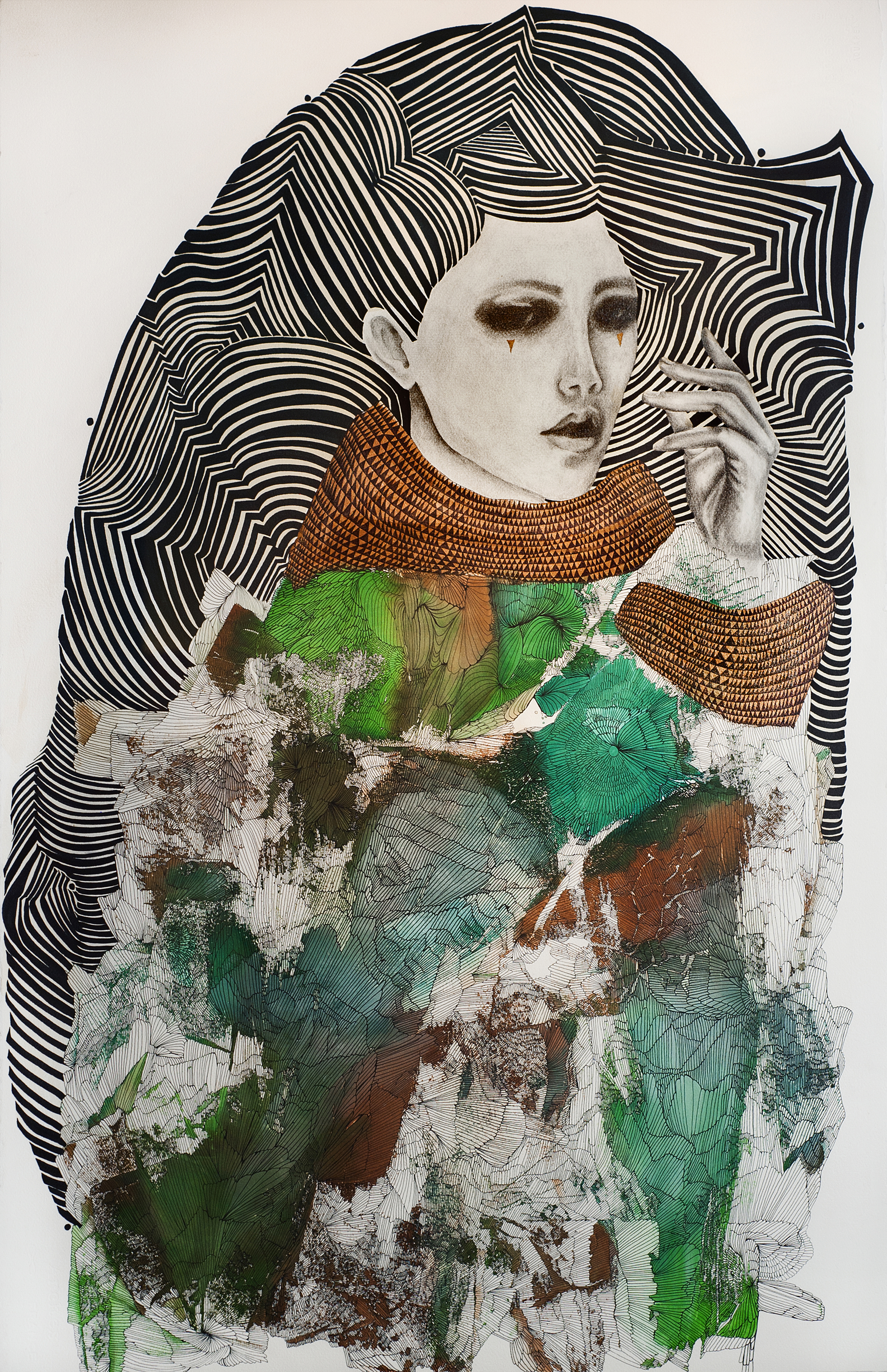
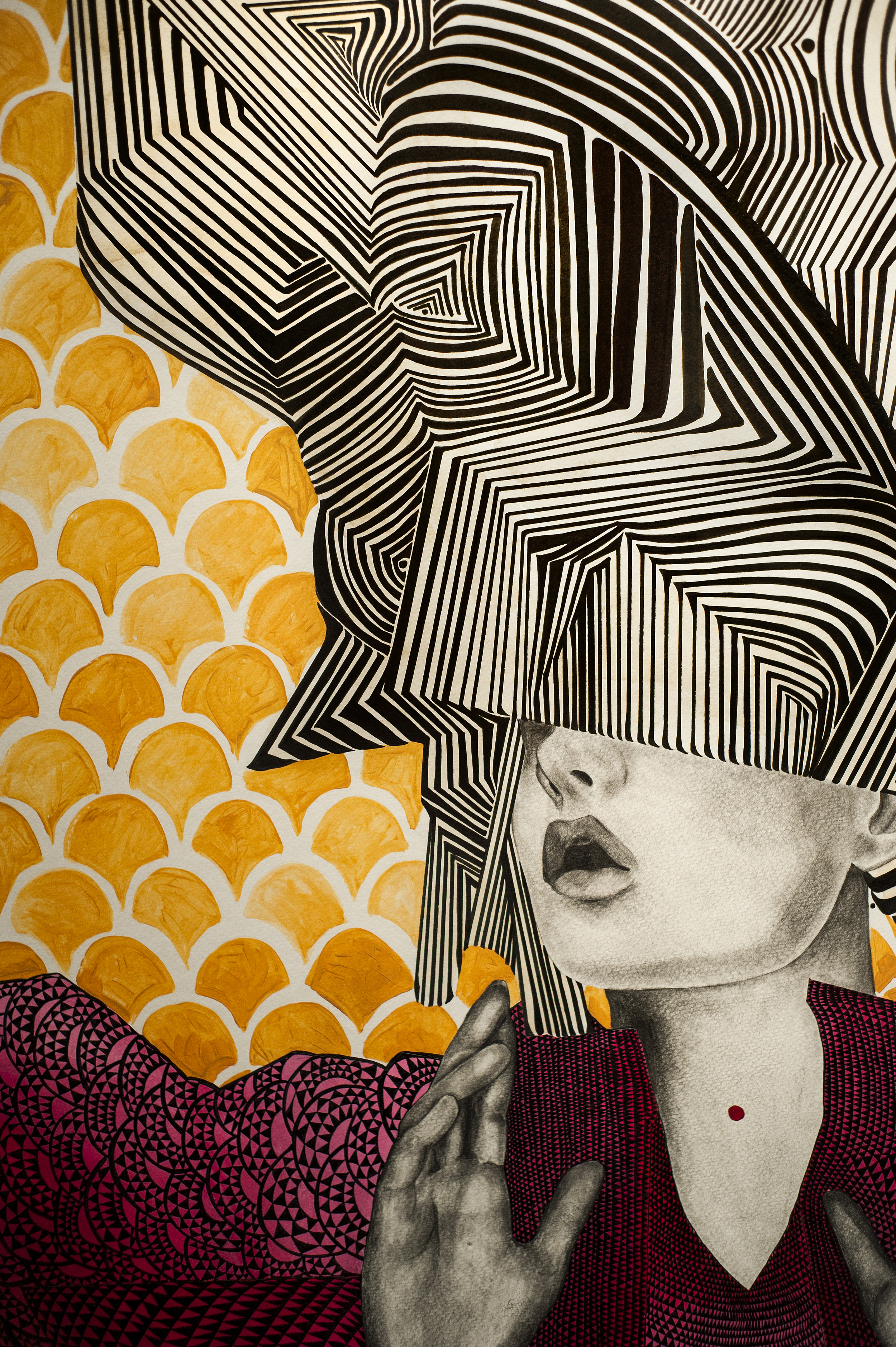
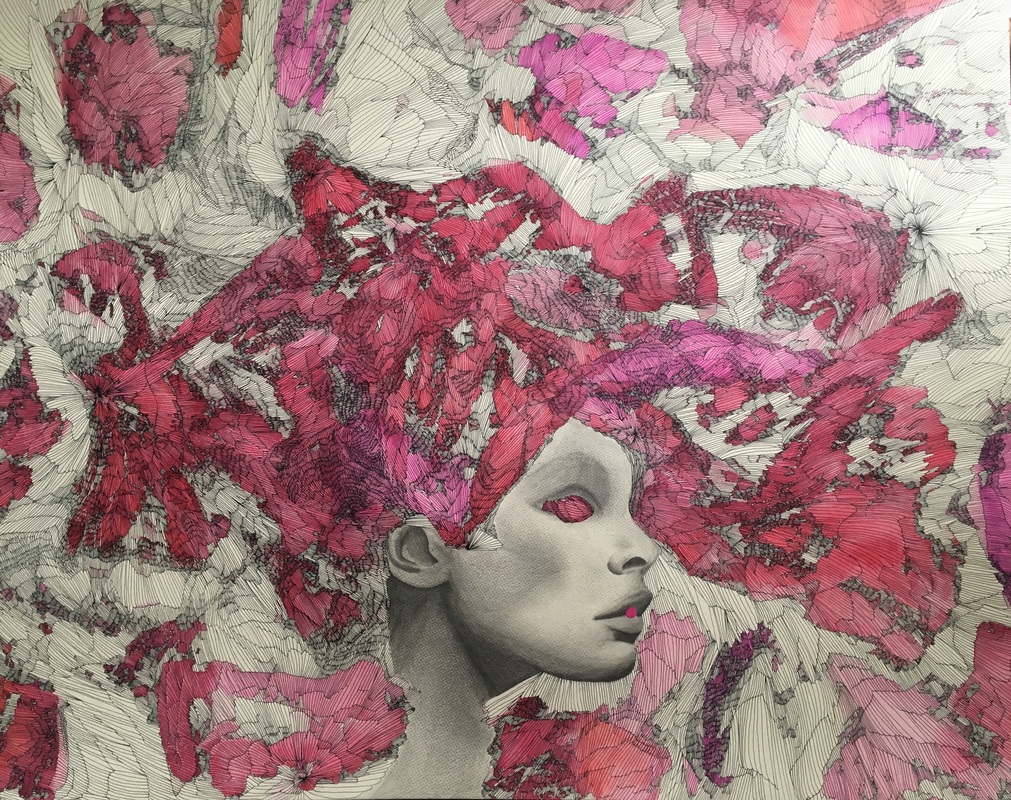
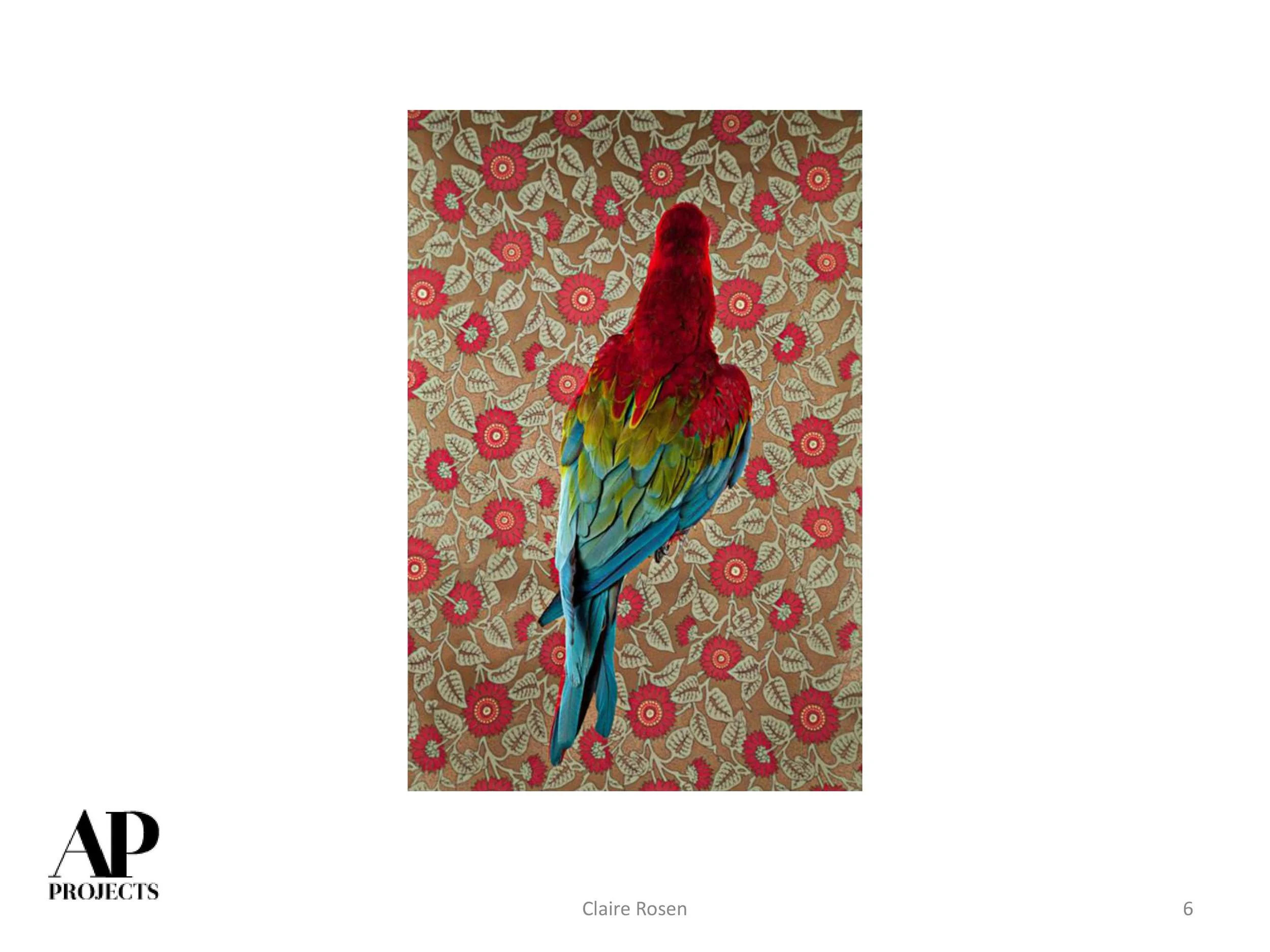
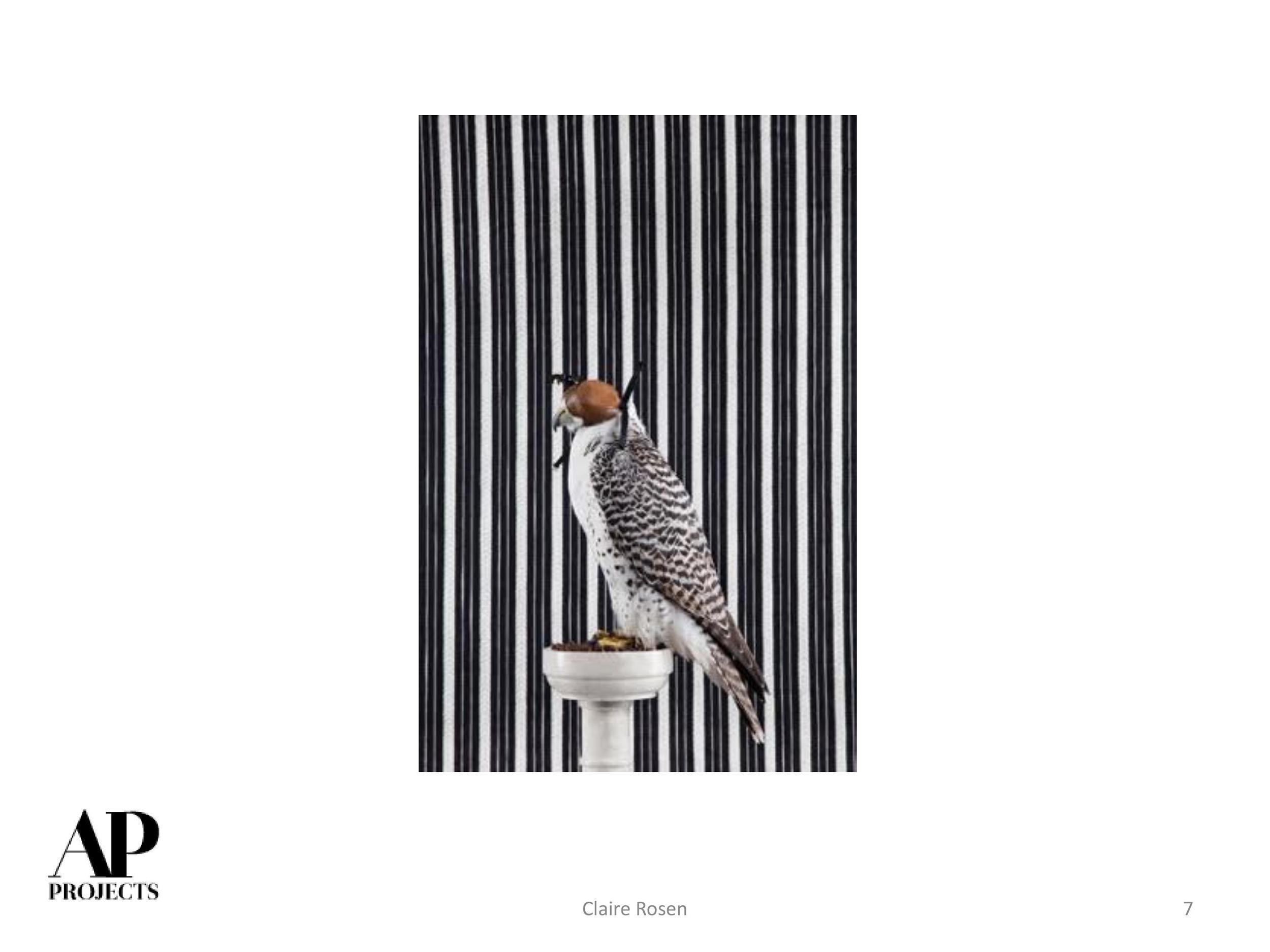
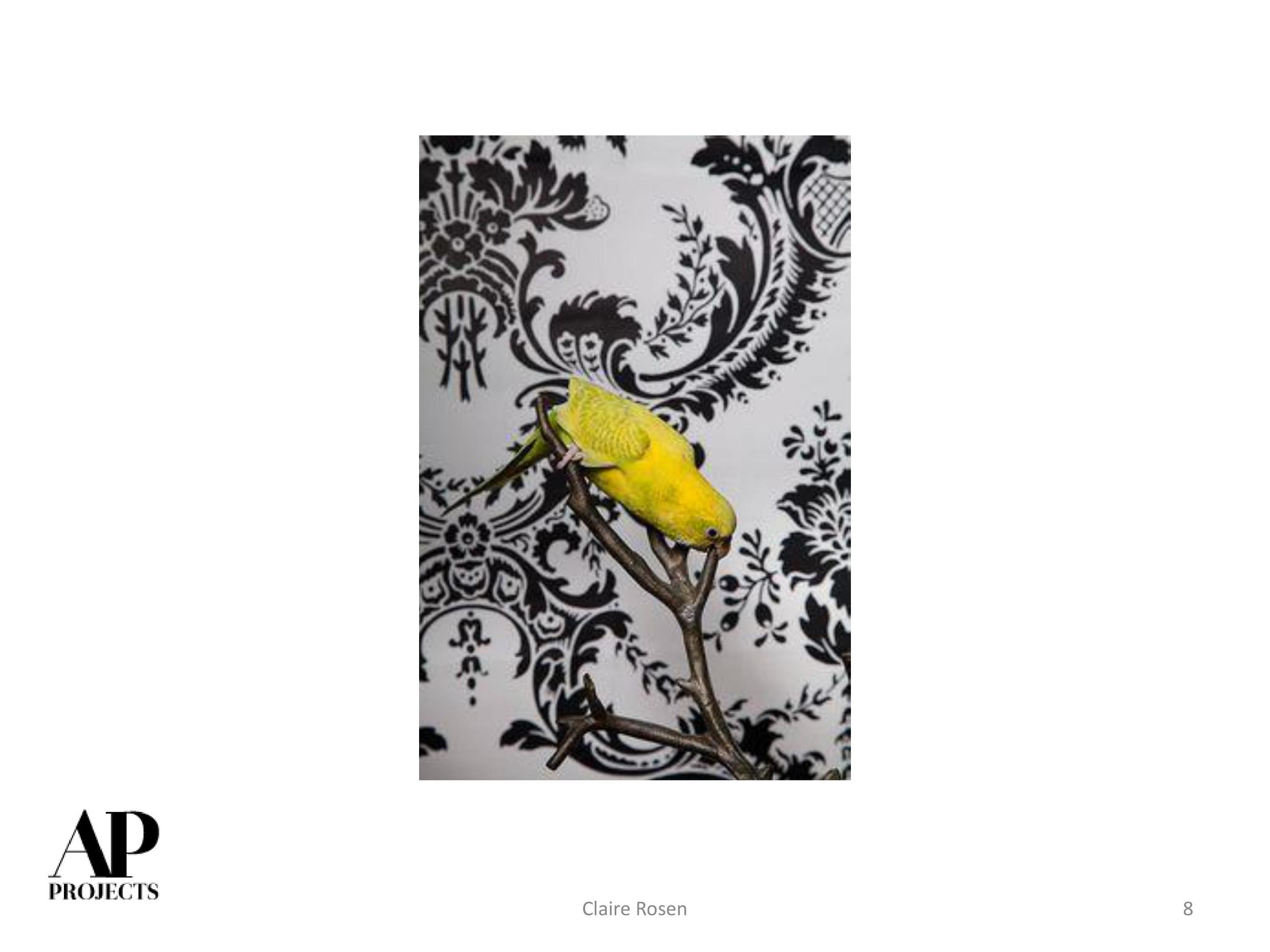
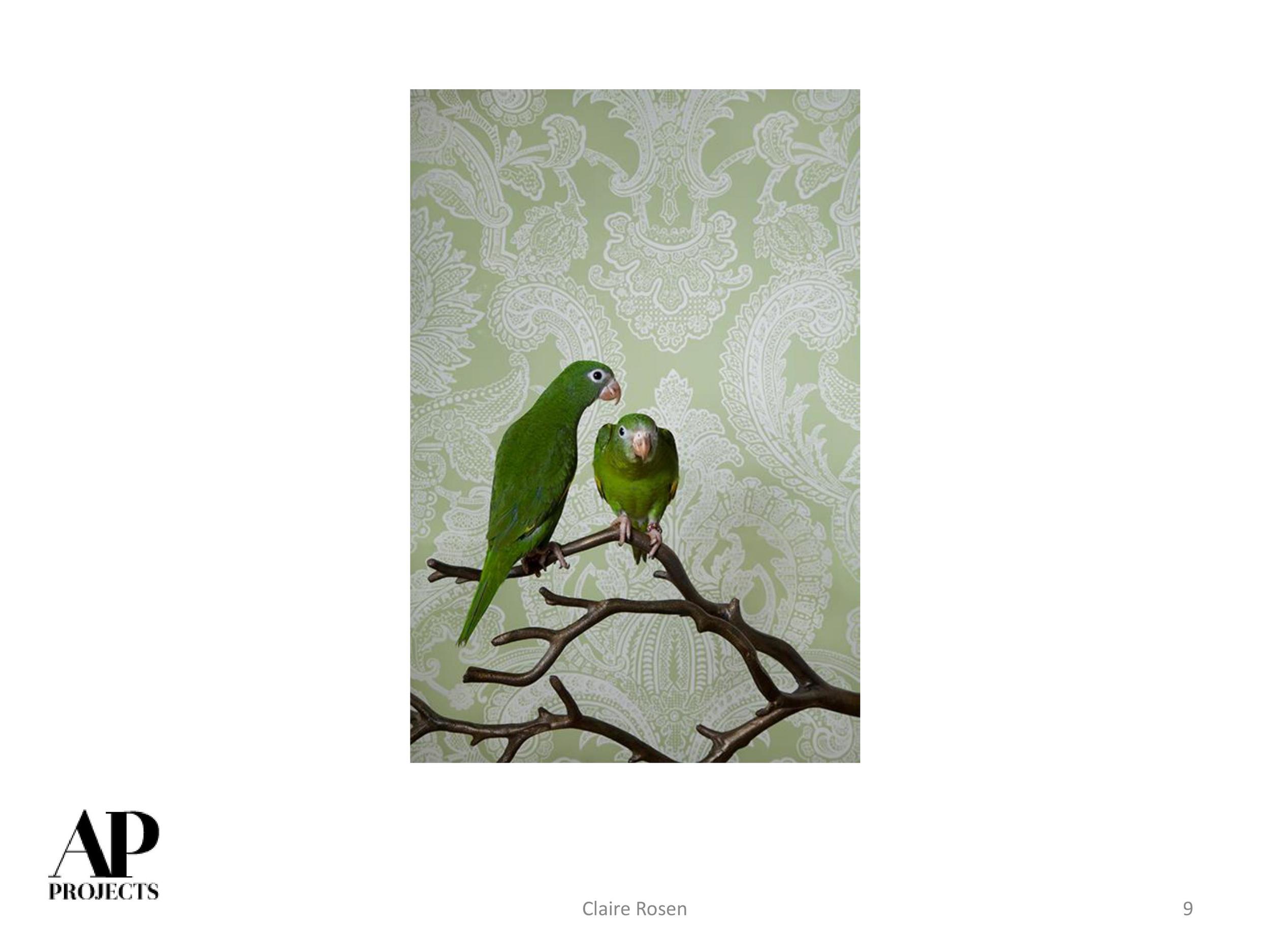
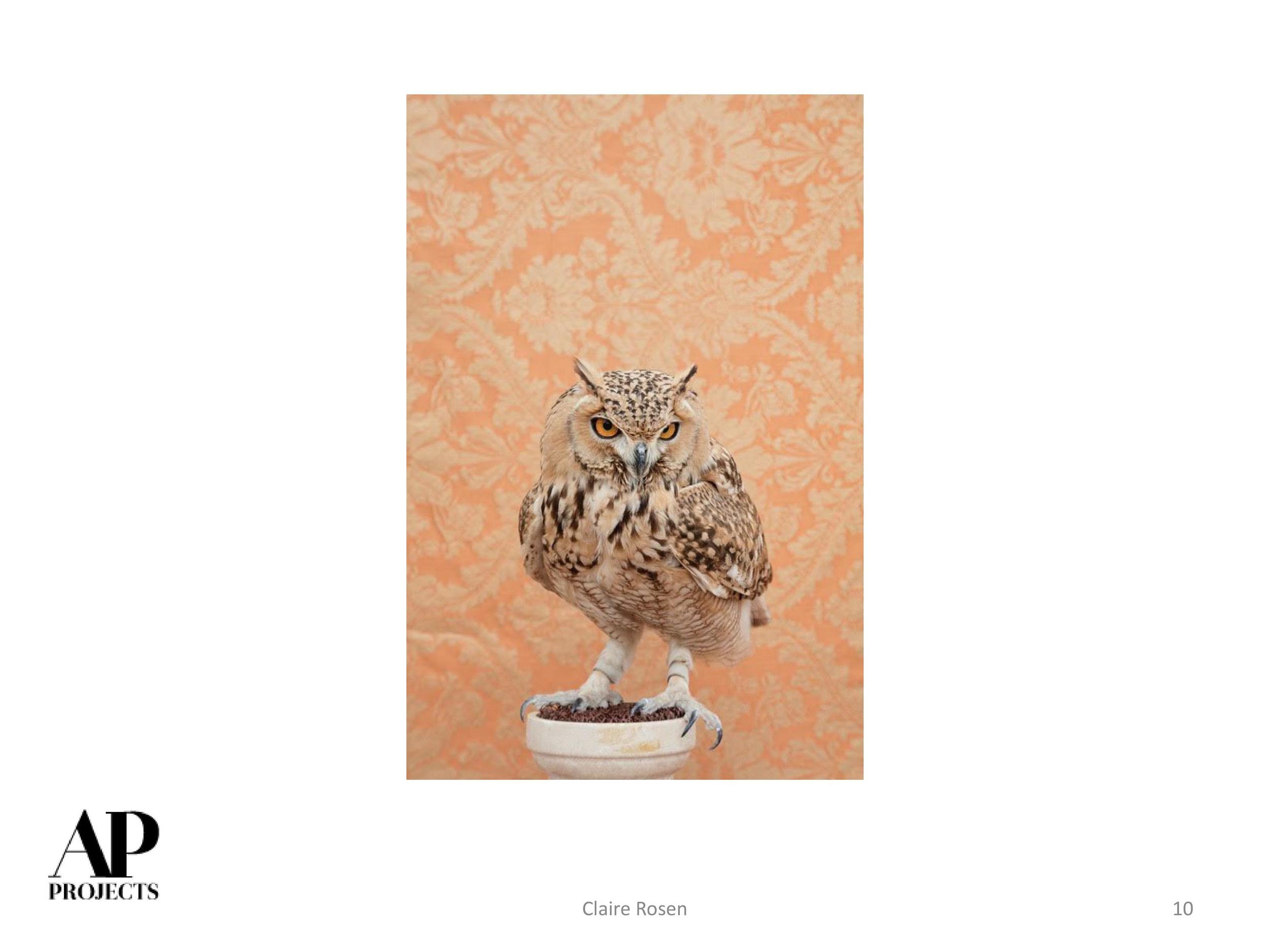
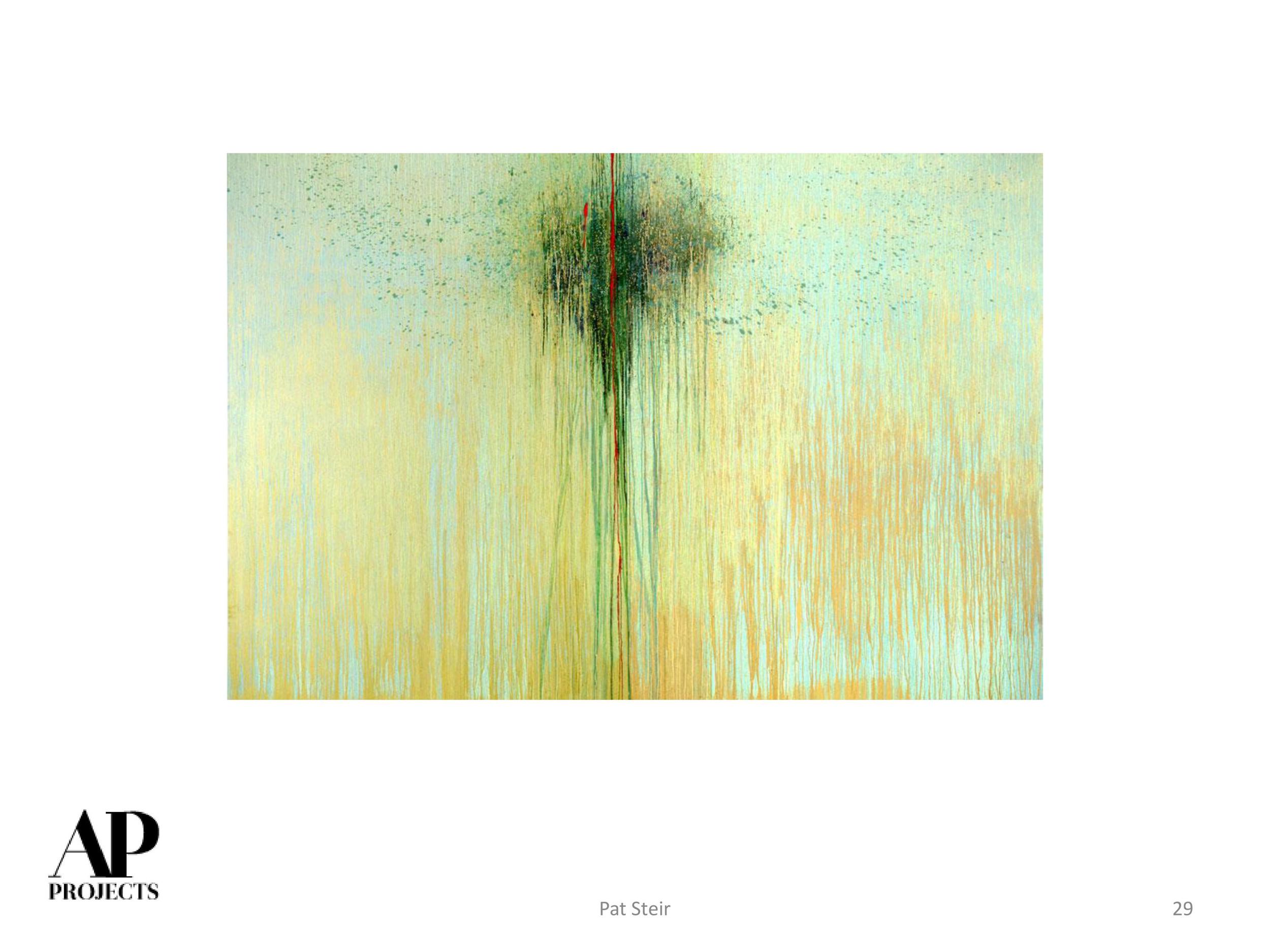
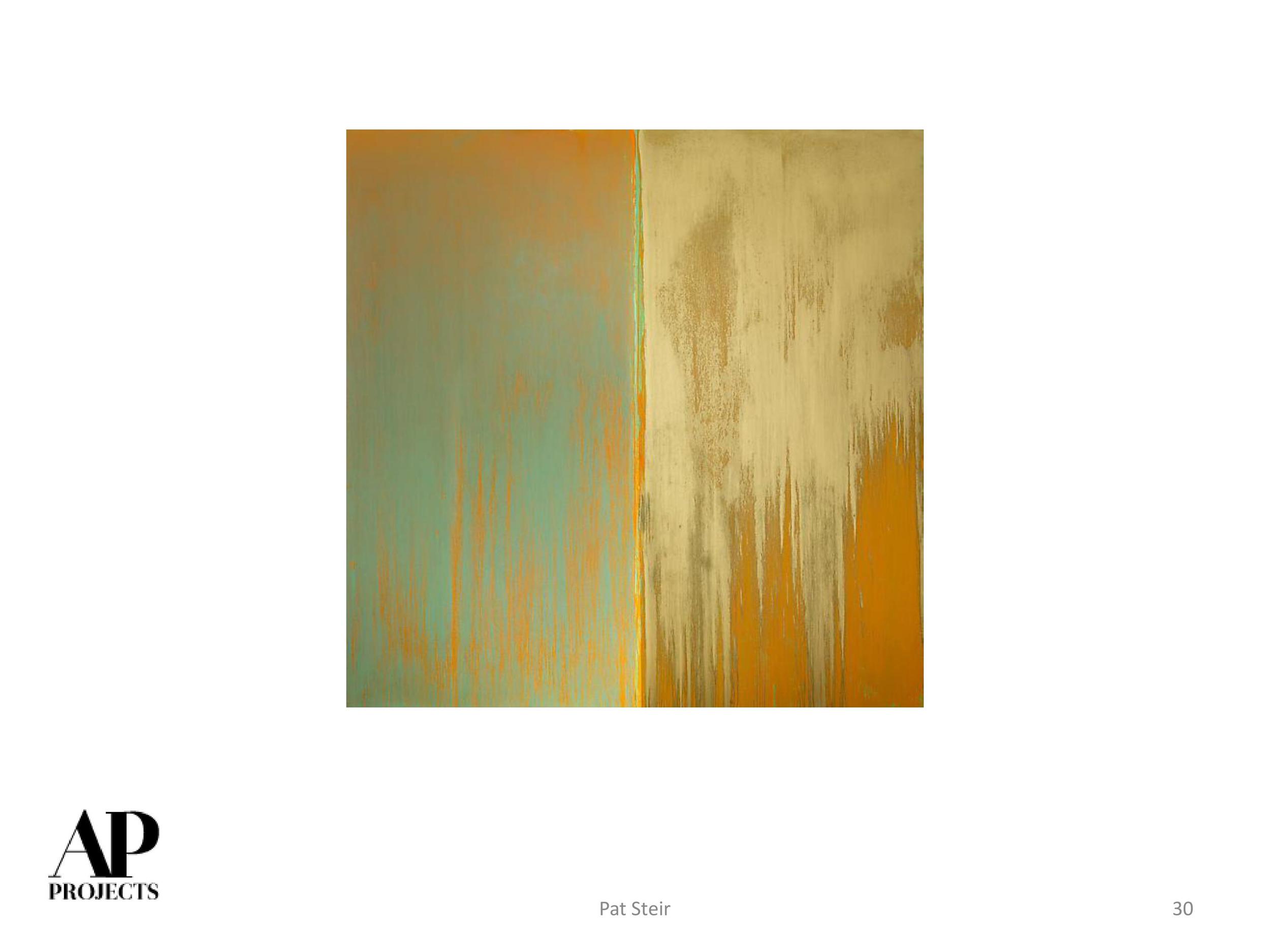
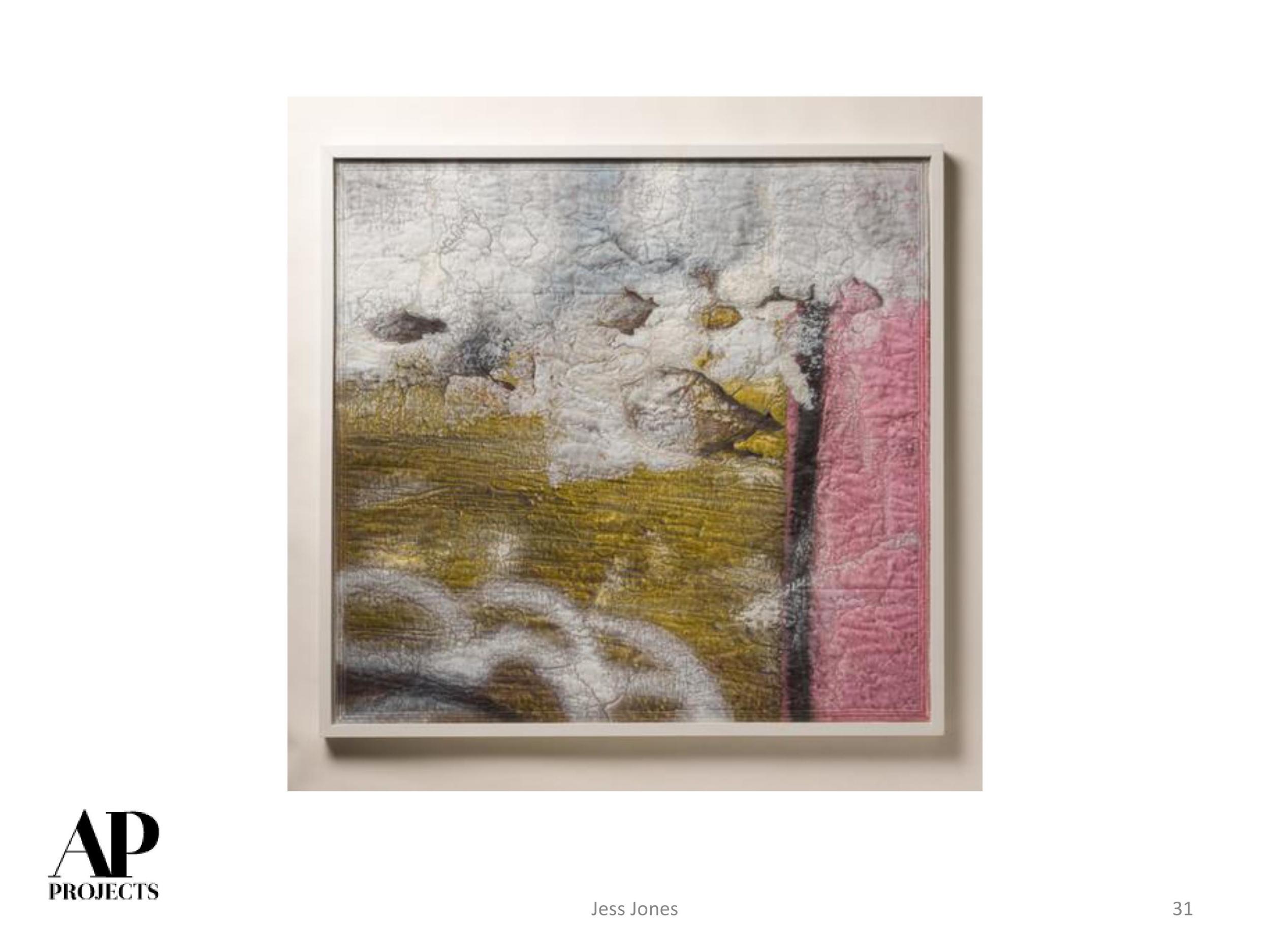
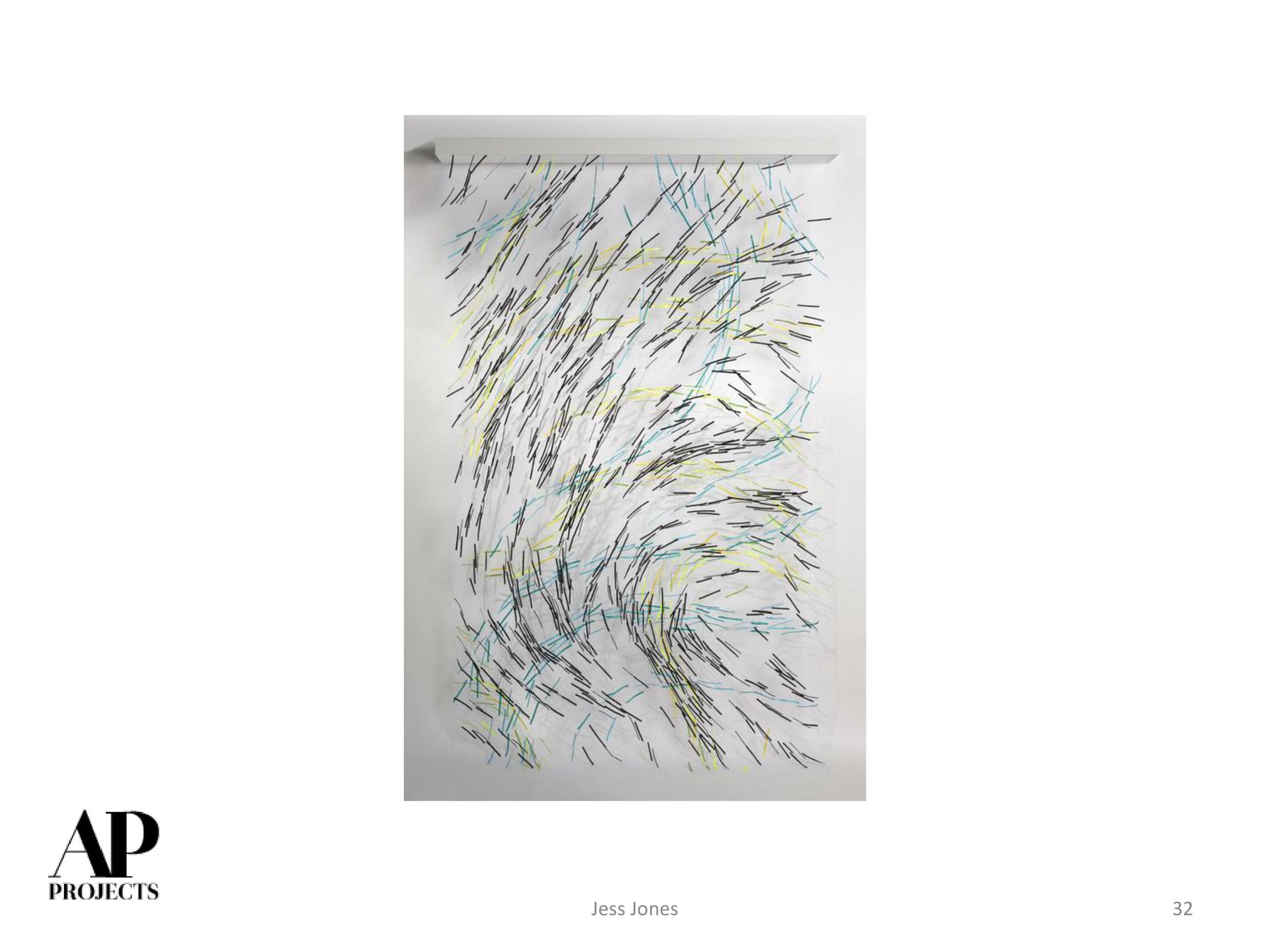
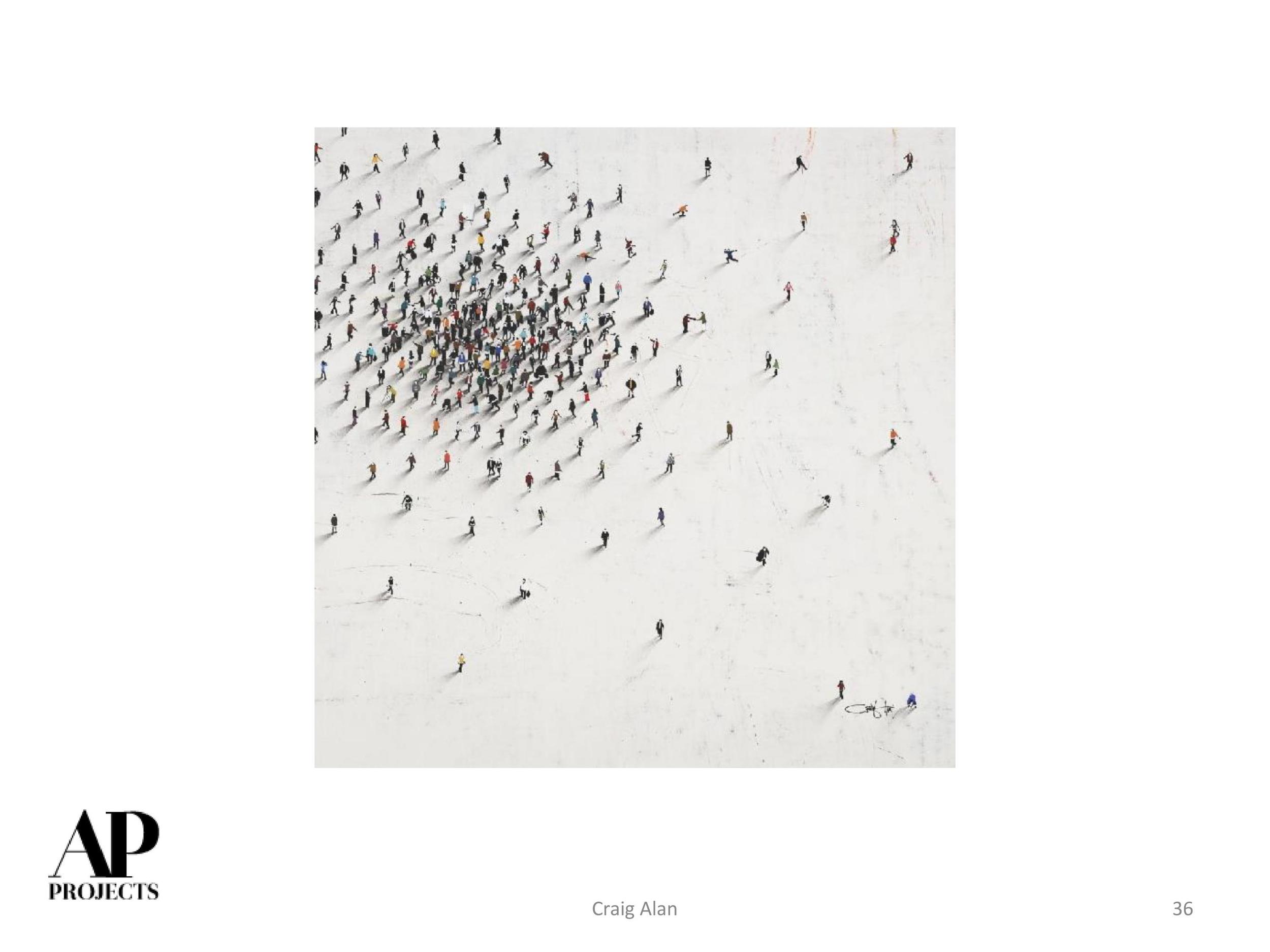
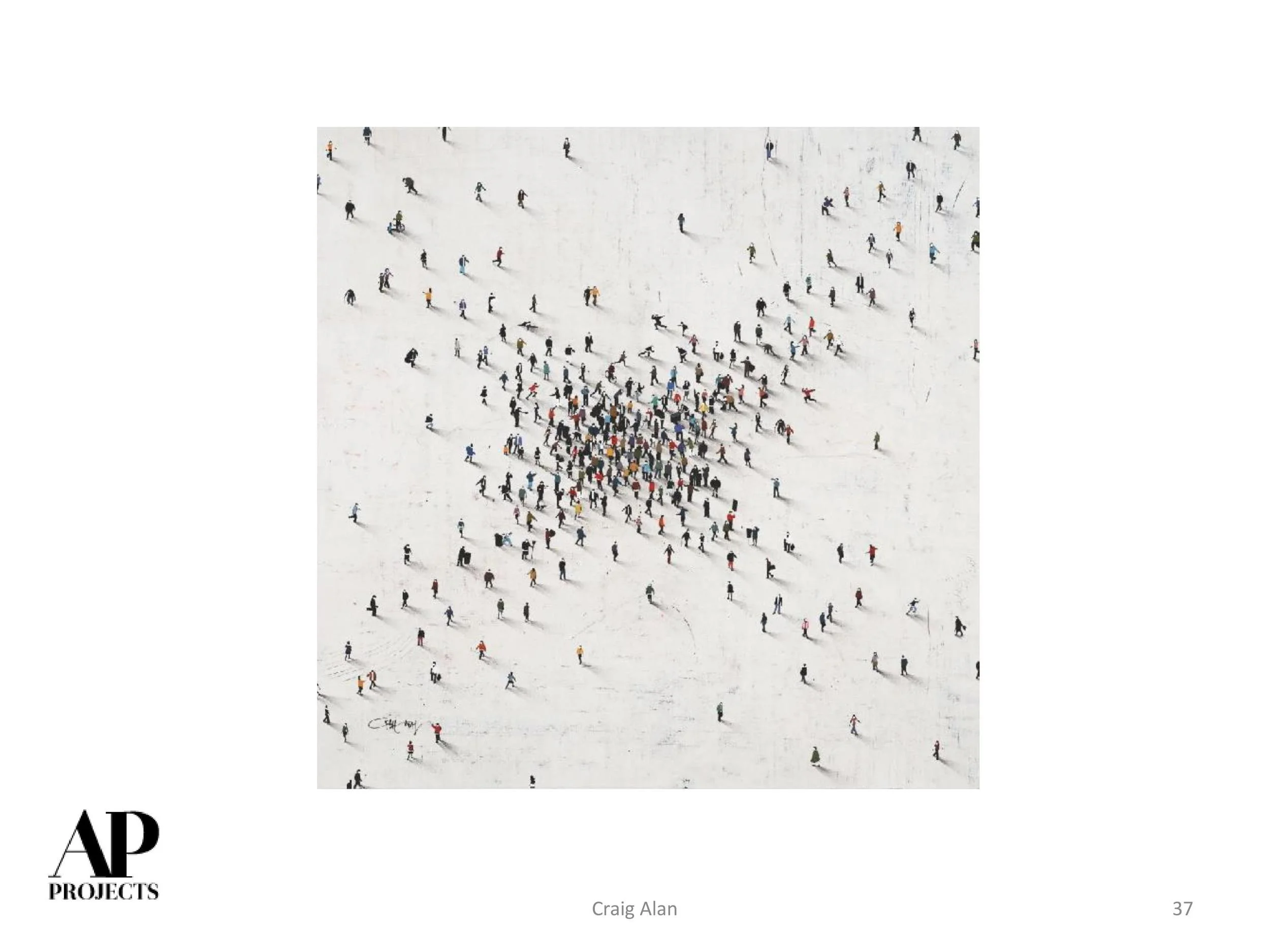
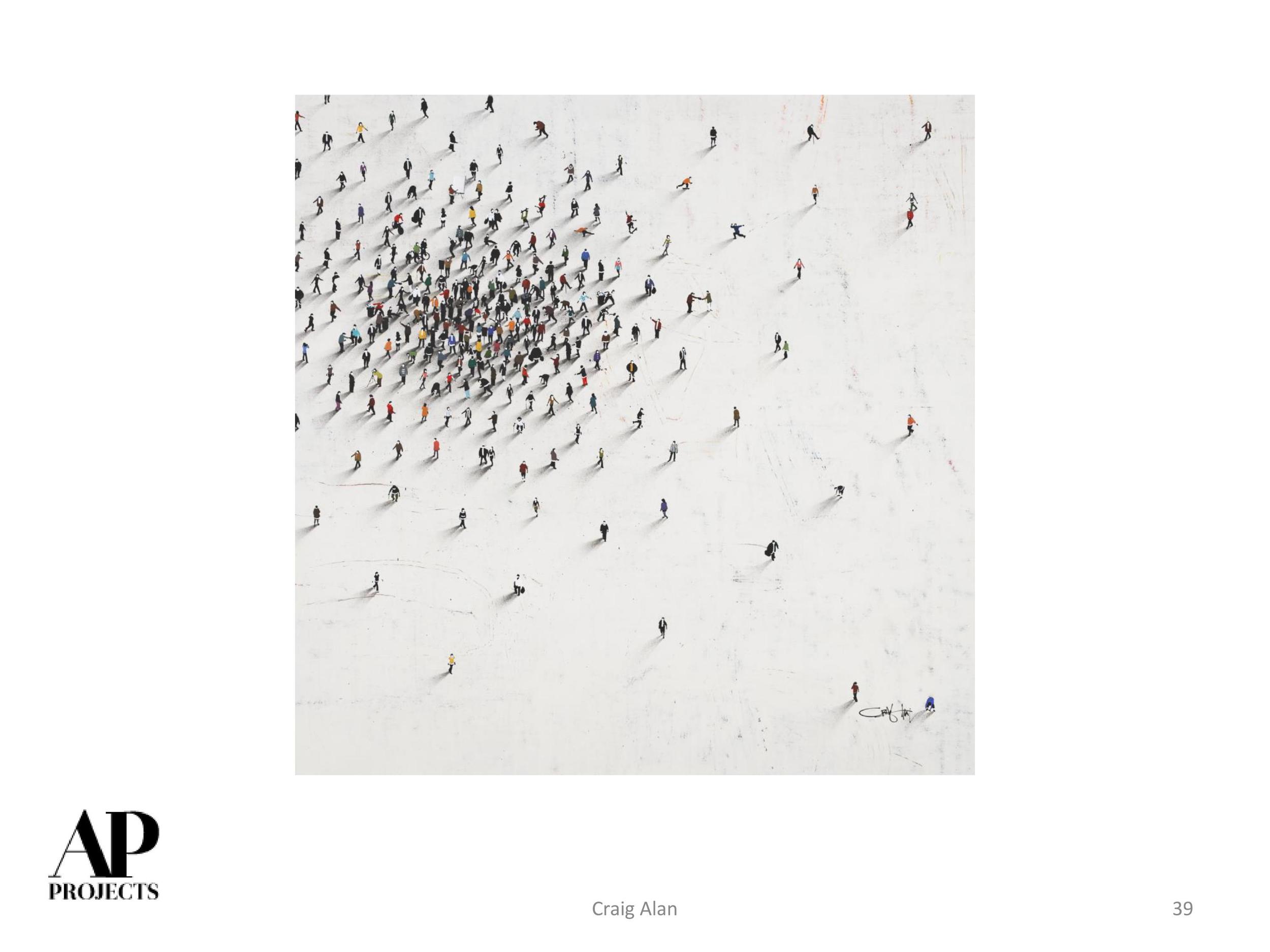
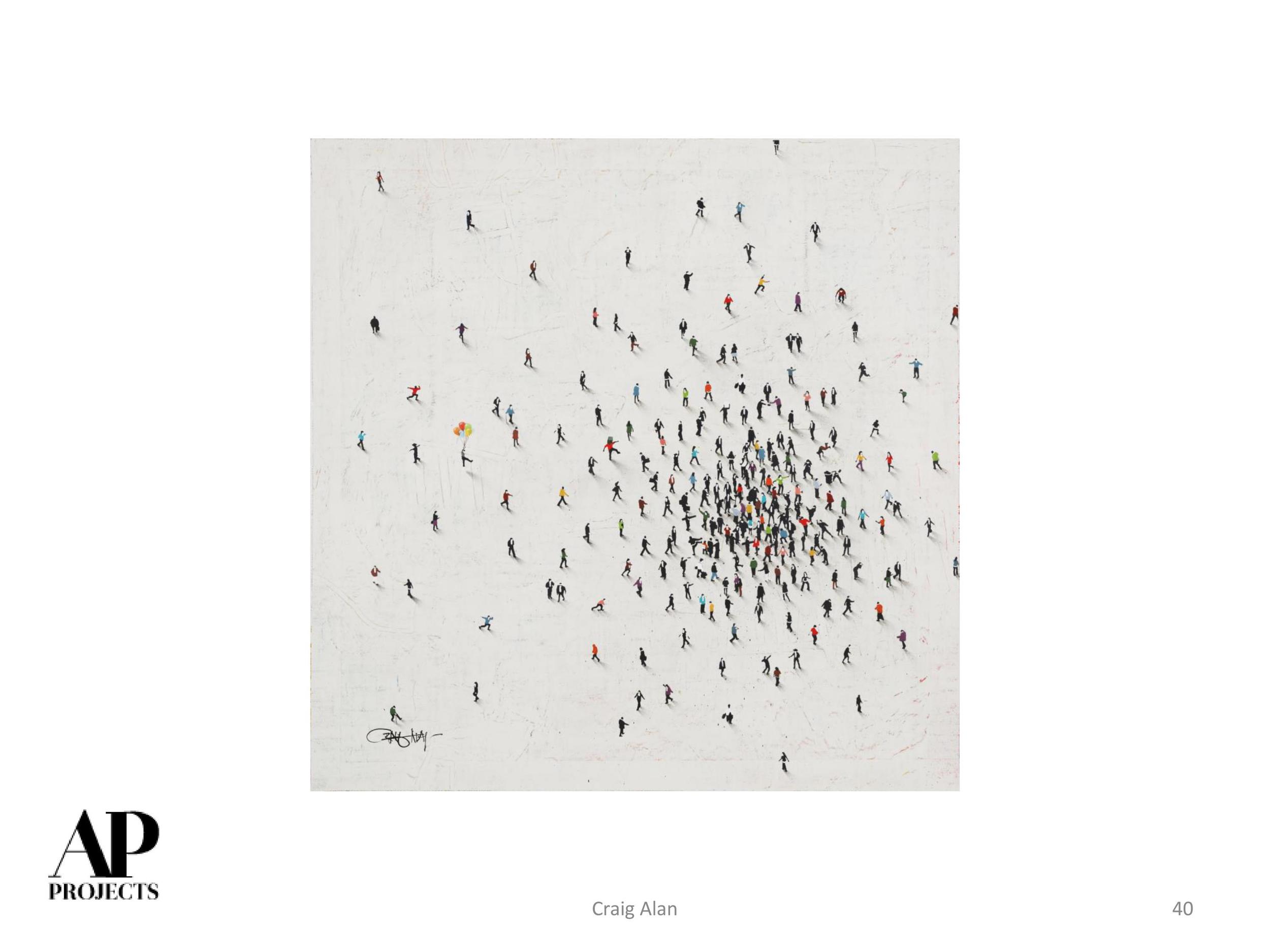
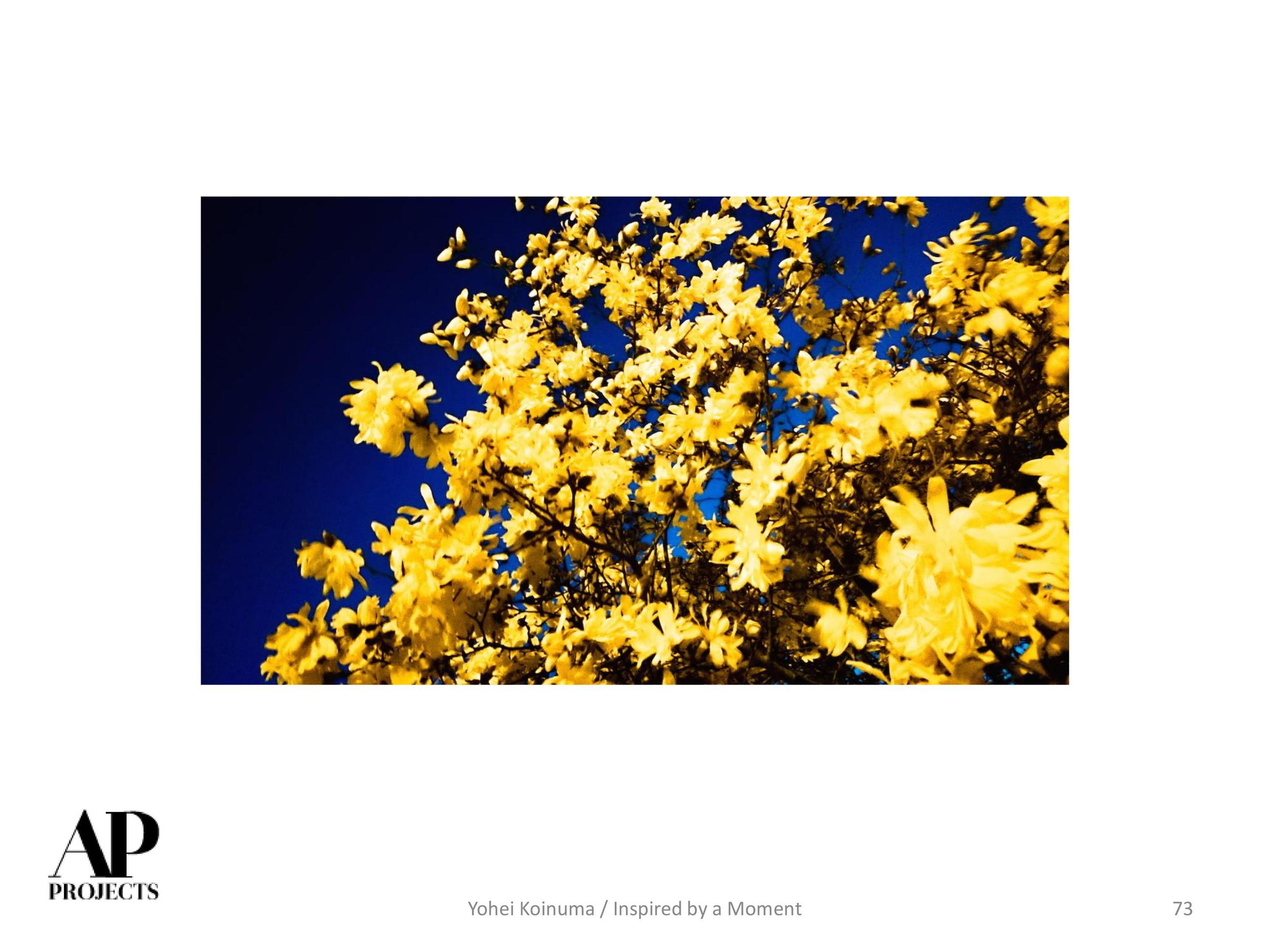
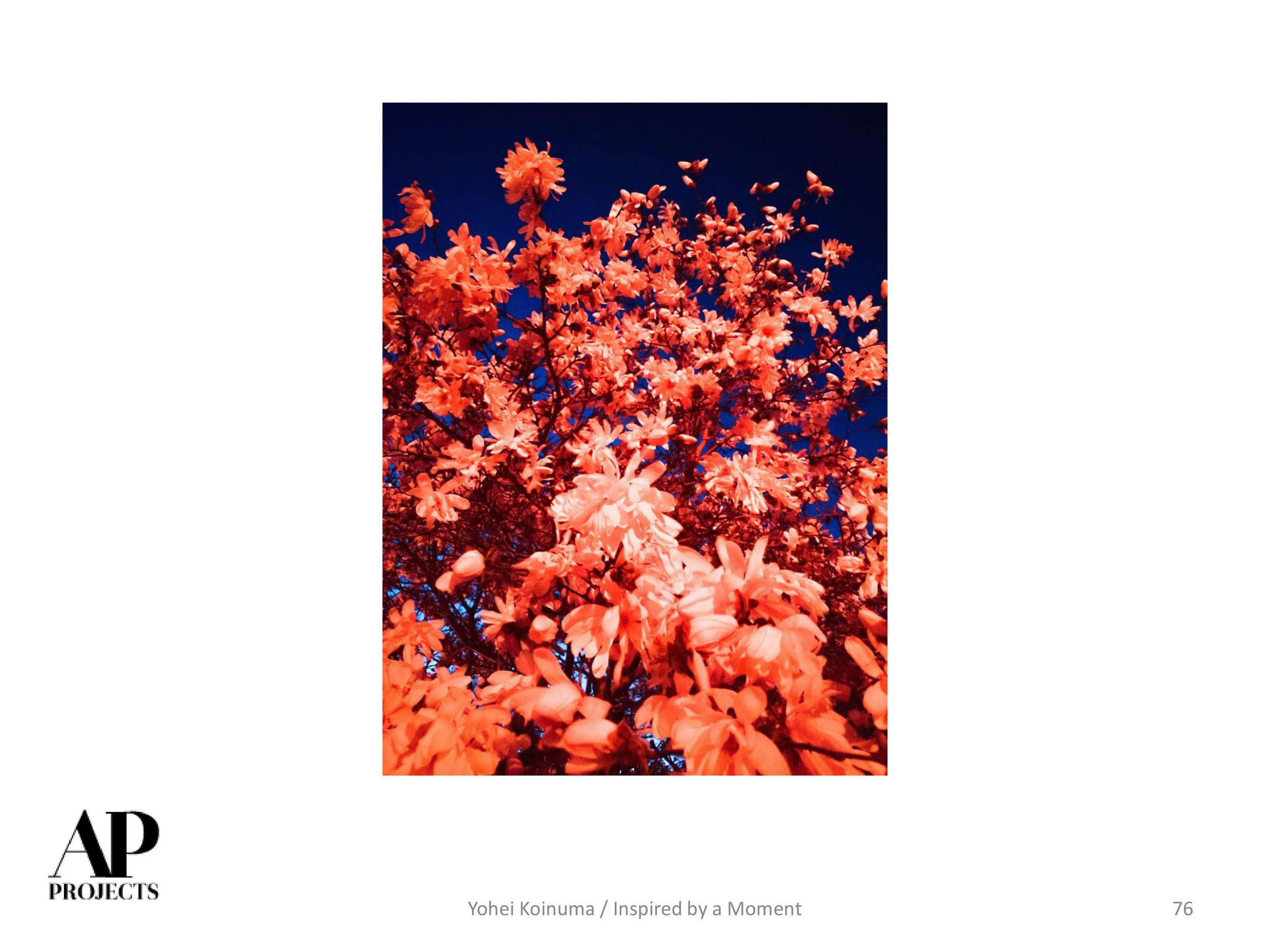
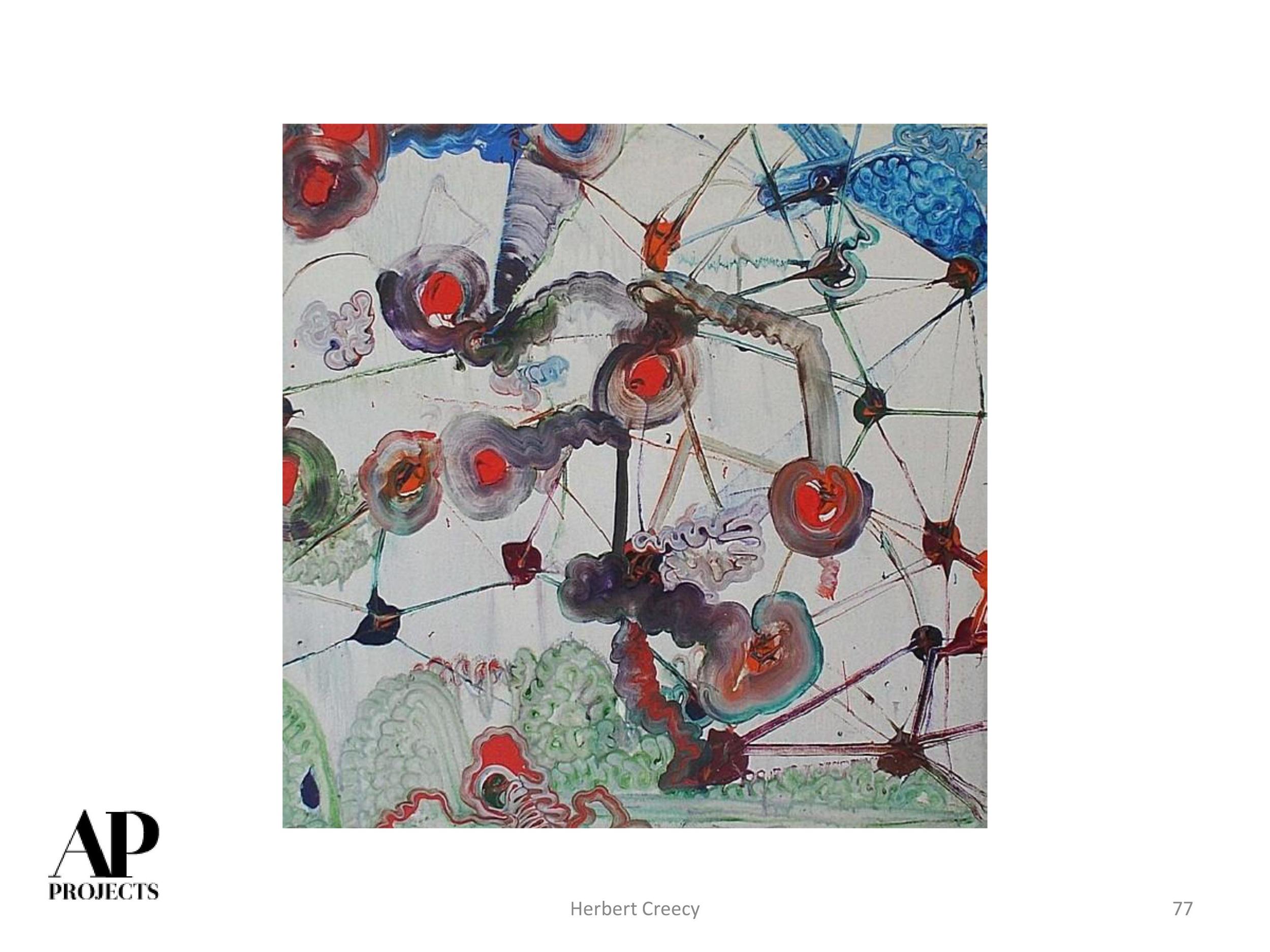
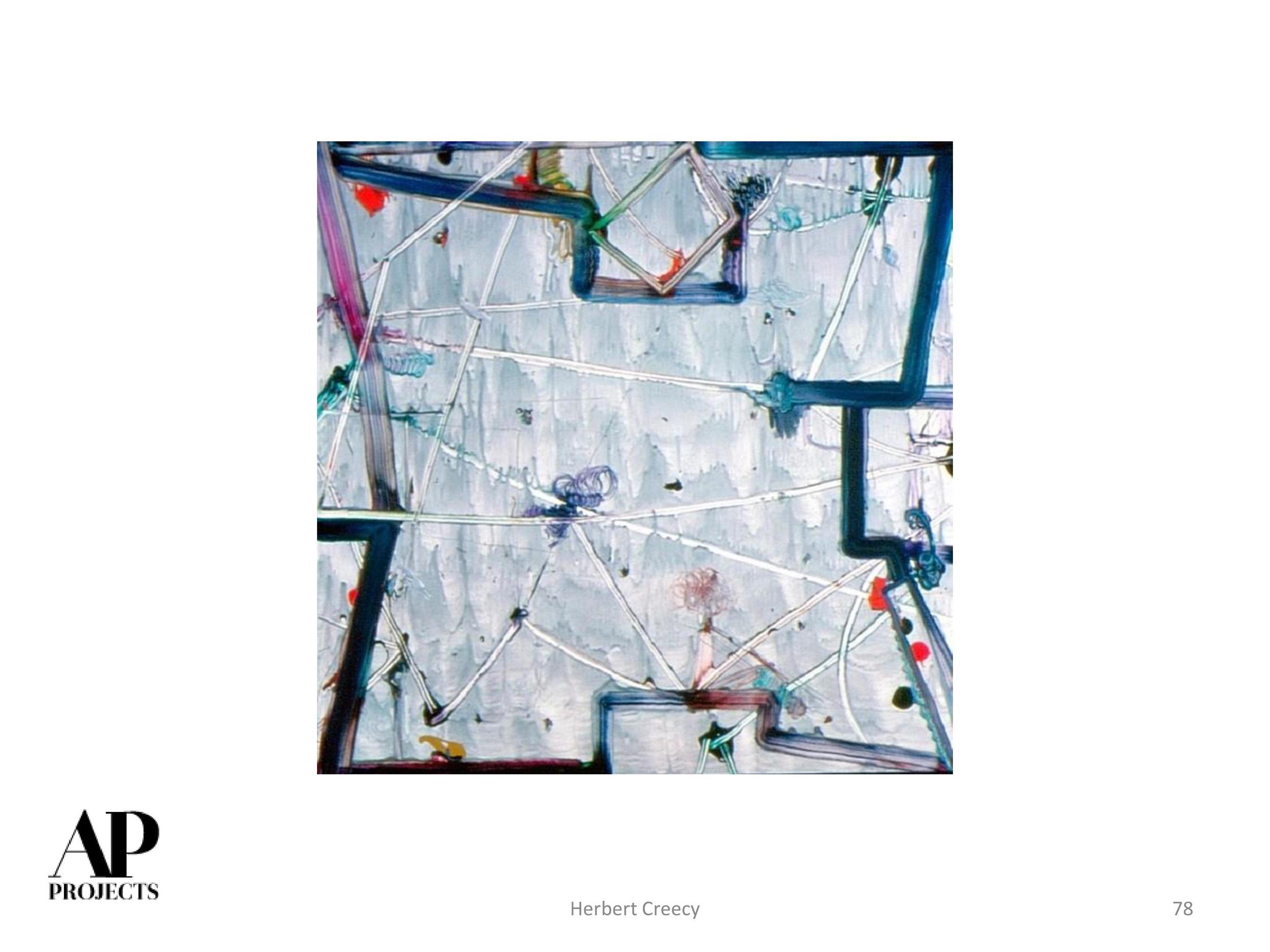
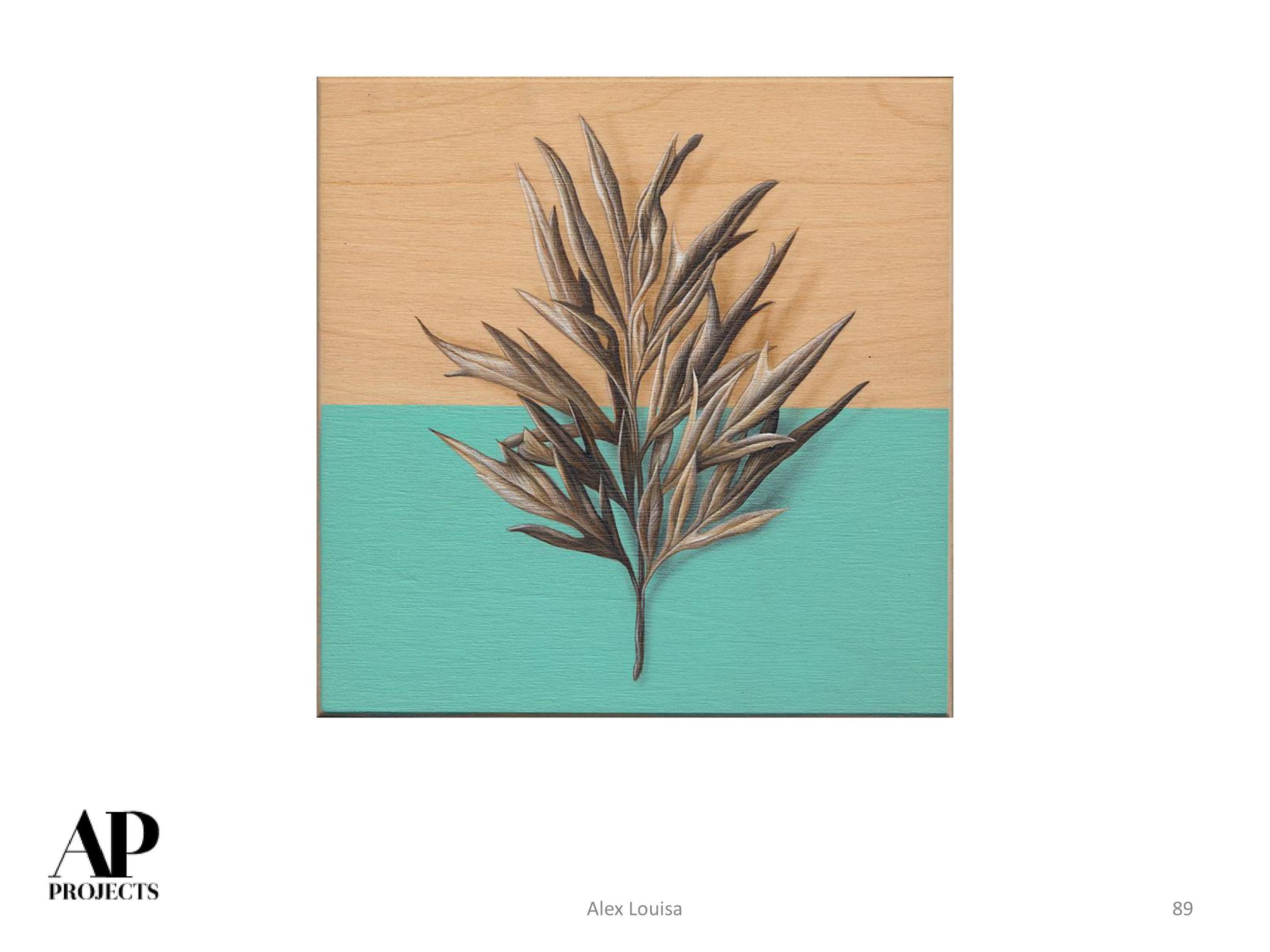
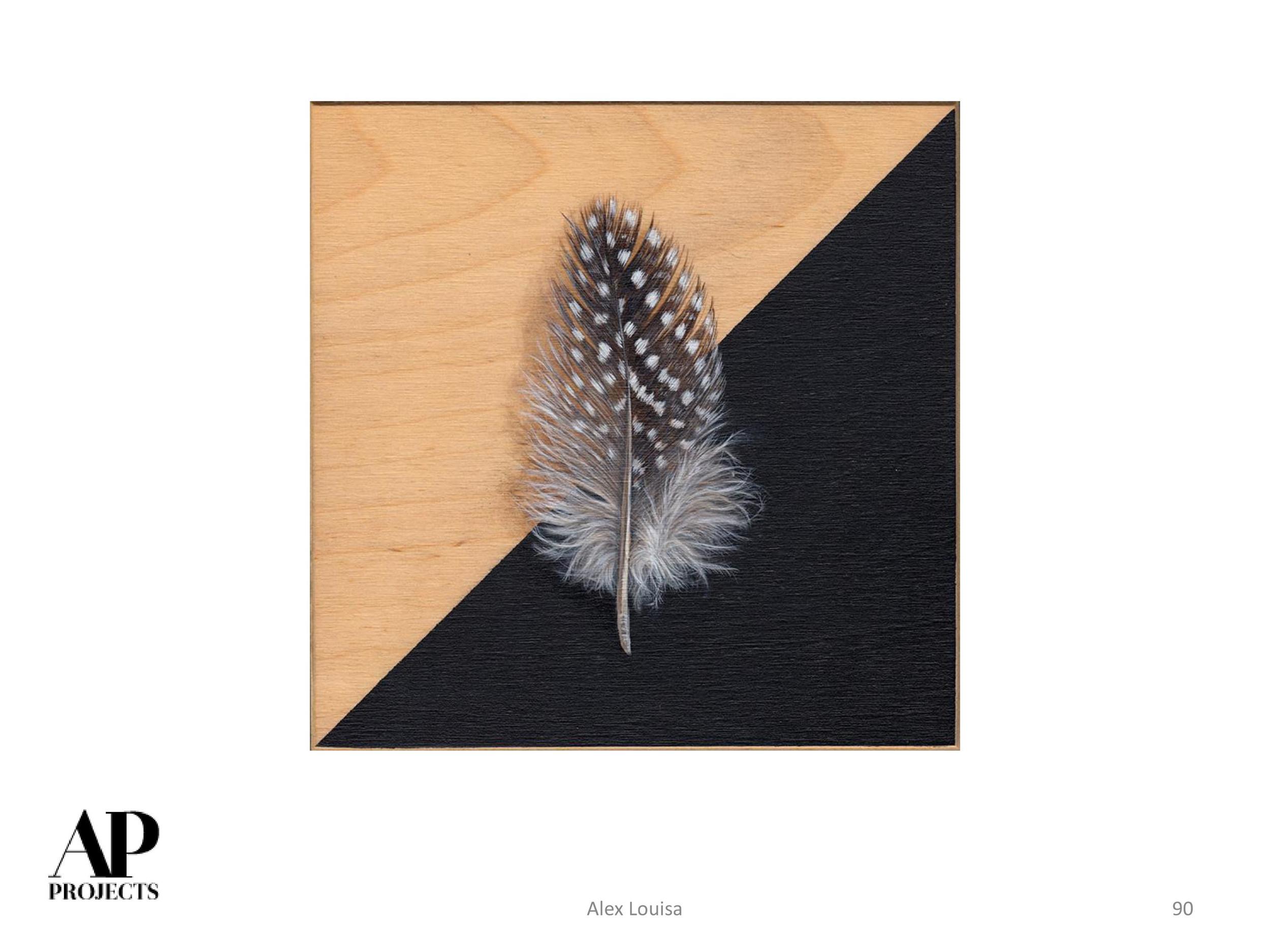
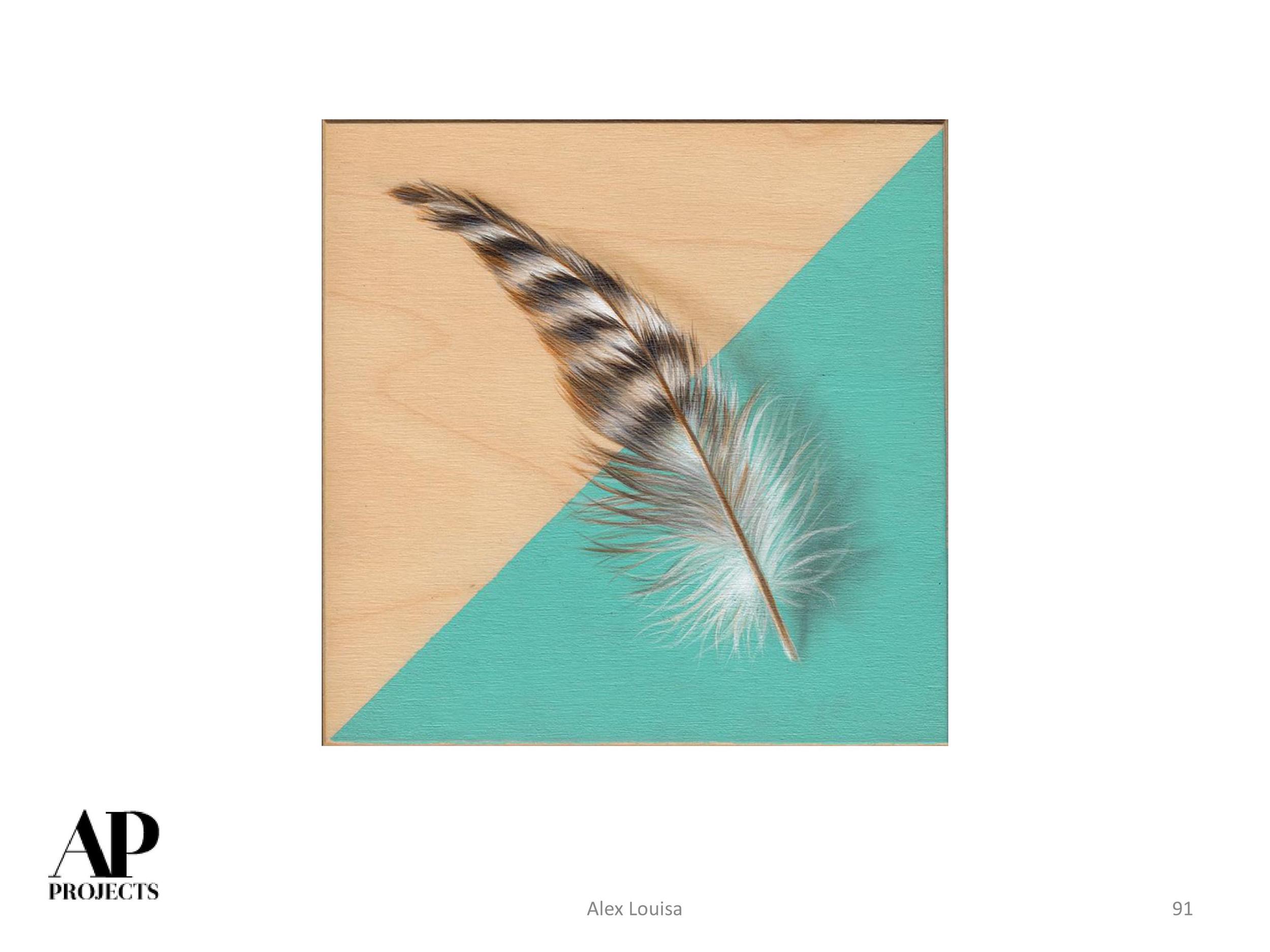
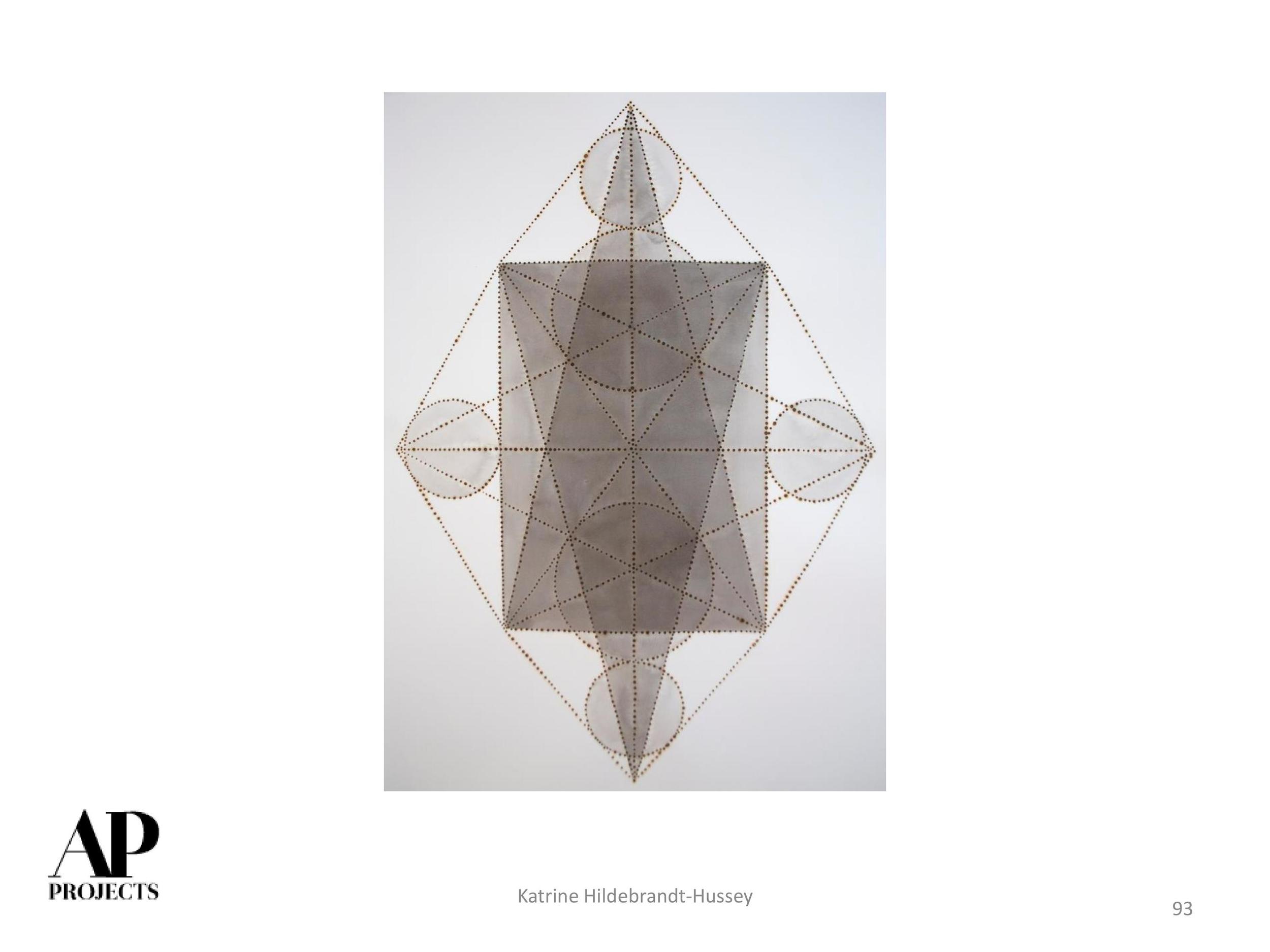
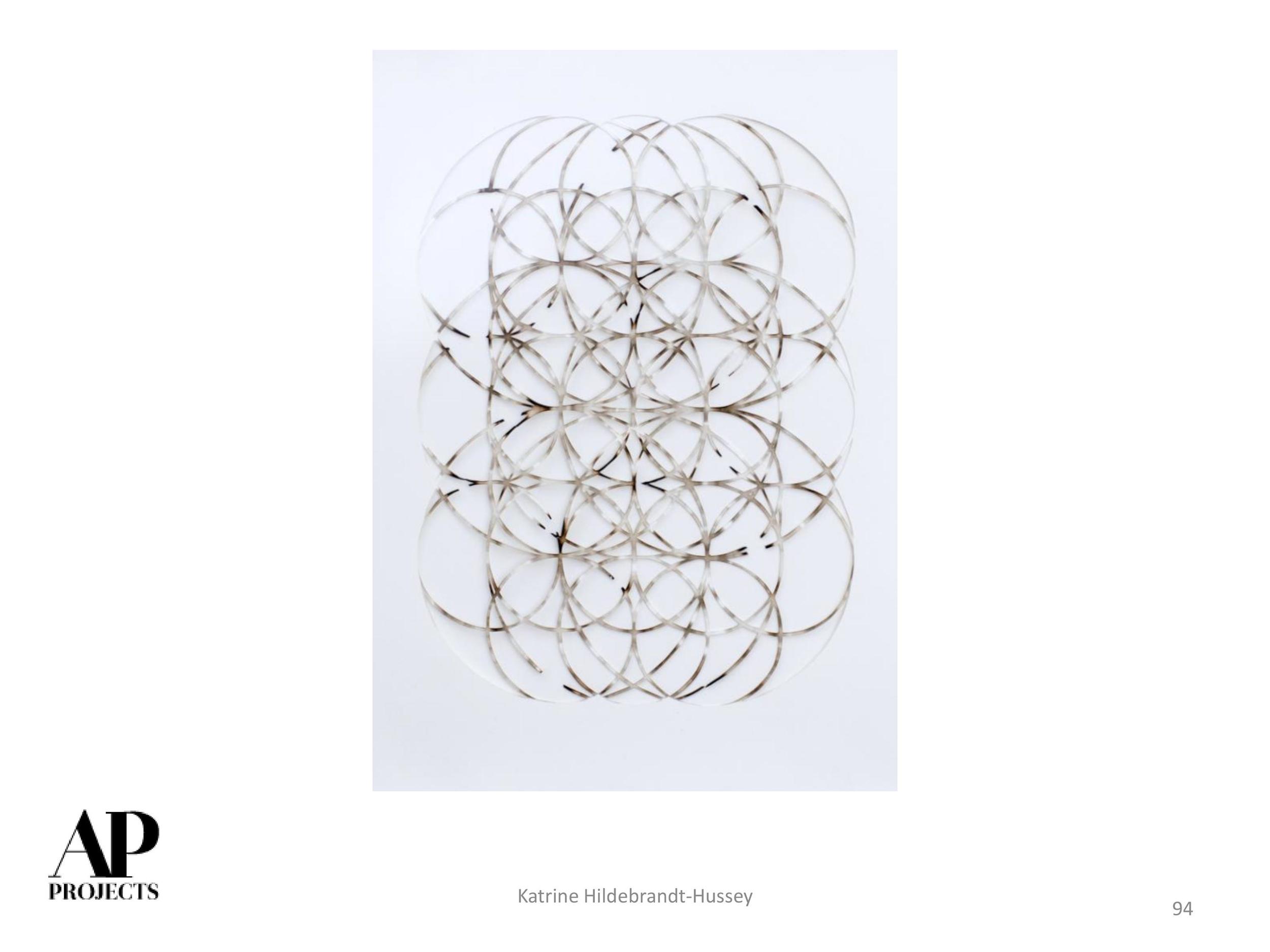
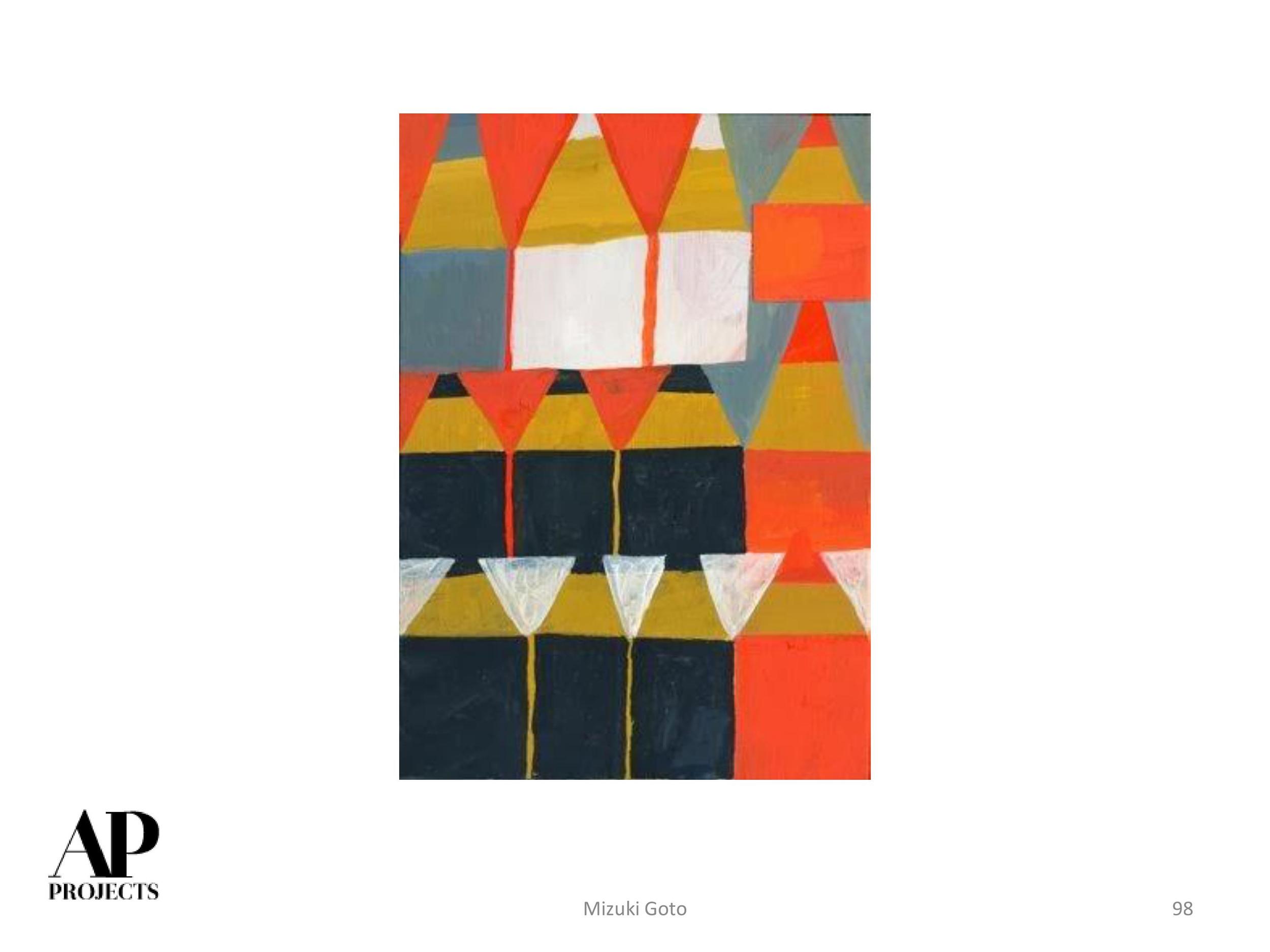
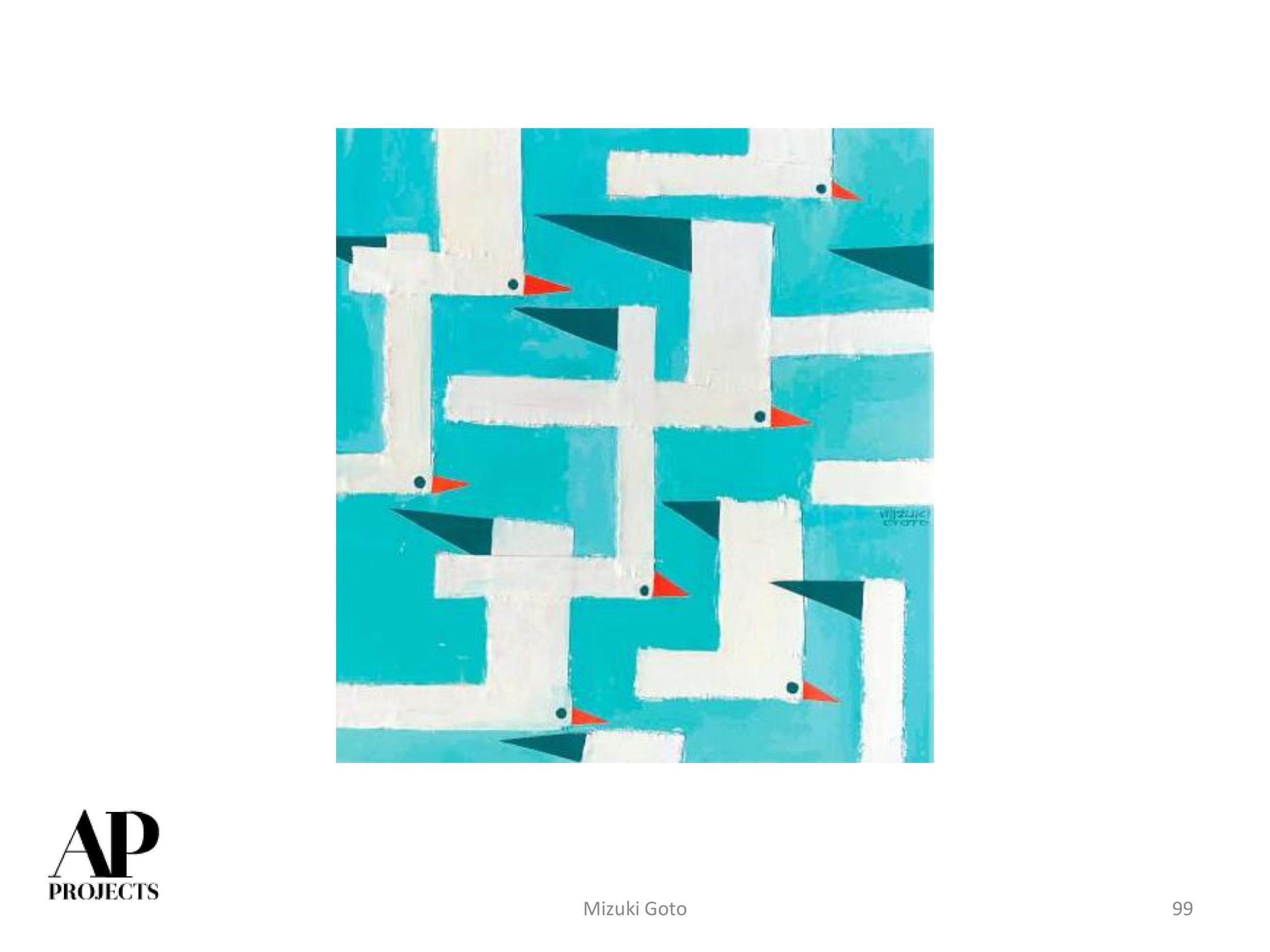
Please enjoy 20 images inspired by the color Ultra Violet...

First Look | Atlanta Hawk's Owners Club | Chris Maynard

Hawks, 2017, hand-carved feathers, 60.75 x 23 x 2 inches

Feast you eyes on this image of the first piece of artwork completed for the newly renovated Atlanta Hawk's Owner's Club at Philips Arena. Created by Olympia, WA artist Chris Maynard, the work is made by carving miniature hawks out of actual feathers with a very small scalpel. With a background in biology and a clear passion for this medium, the work is precise and visually arresting.

It is also three-dimensional; by setting them off the background with tiny pins, the pieces create shadows which is integral to the work. This piece, created for the Owner's Club which will open this month, is about flight and ascension, alluding to the drive of the team's athletes toward the goal.

The Owner's Club is designed by Smith Hanes Studio and will also feature work by Atlanta artists Larry Jens Anderson and David Landis. Stay tuned for more images. This is just the beginning of the transformation of the Philips Arena Art Collection.


To learn more about Chris Maynard and his incredible, beautiful practice, please visit his website:

www.featherfolio.com

Hurricane Symbolism | Elyse Defoor

Earlier this month, prior to the devastation of Hurricane Harvey, we had a great studio visit with ATL Artist Elyse Defoor. Her new space allows her to have many of her past works on display.

This piece, By The X, is from her X.U.ME series - a response to the visual symbolism of the X in the immediate aftermath of Hurricane Katrina. With our thoughts on the people of Houston, we share this poignant past project.


Elyse Defoor, By the X, mixed media on muslin, 108" x 90"

Watch the PBA30 video spotlight on X.U.ME Project here


Learn more about Elyse here: www.elysedefoor.com

The Floral Art of Holly Bryan

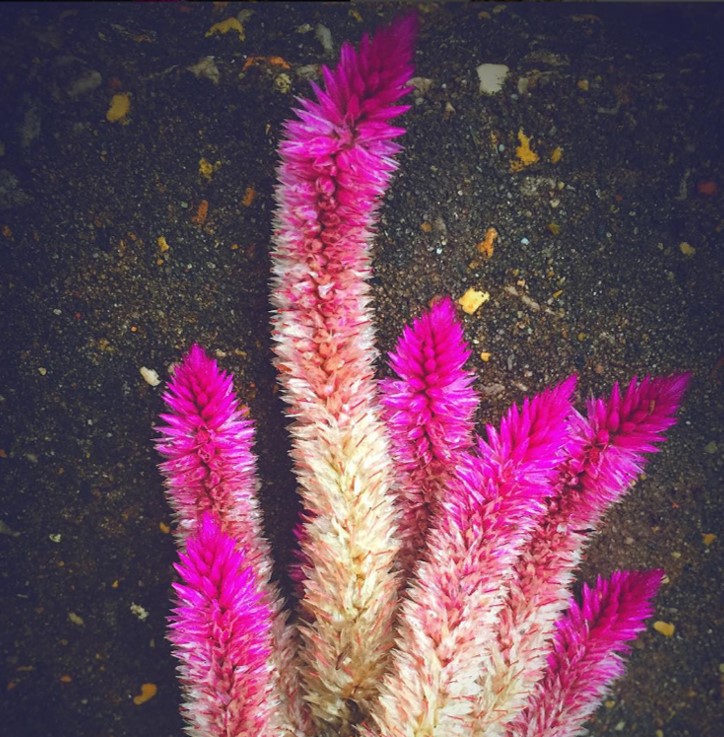
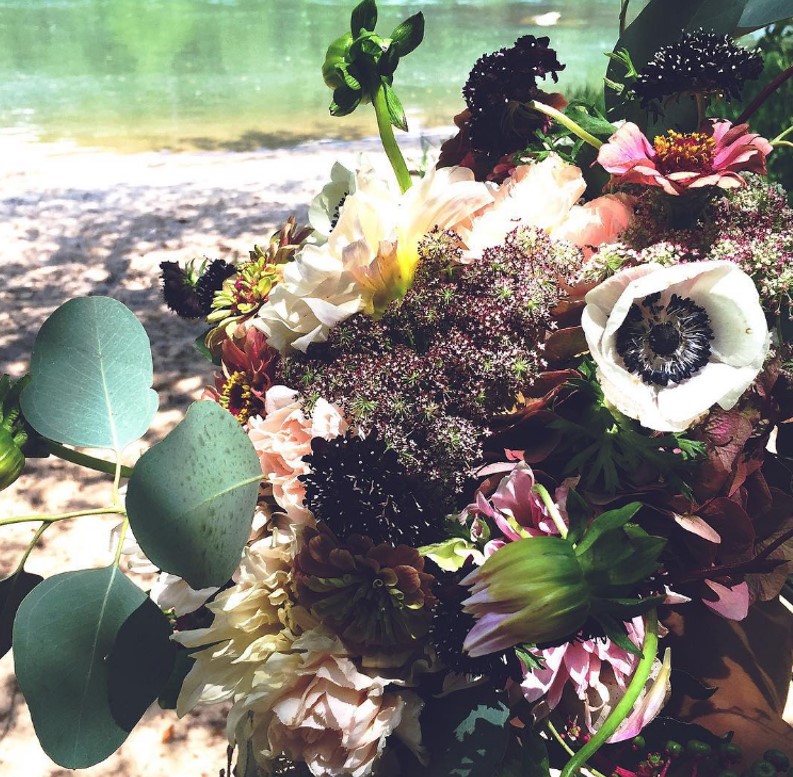
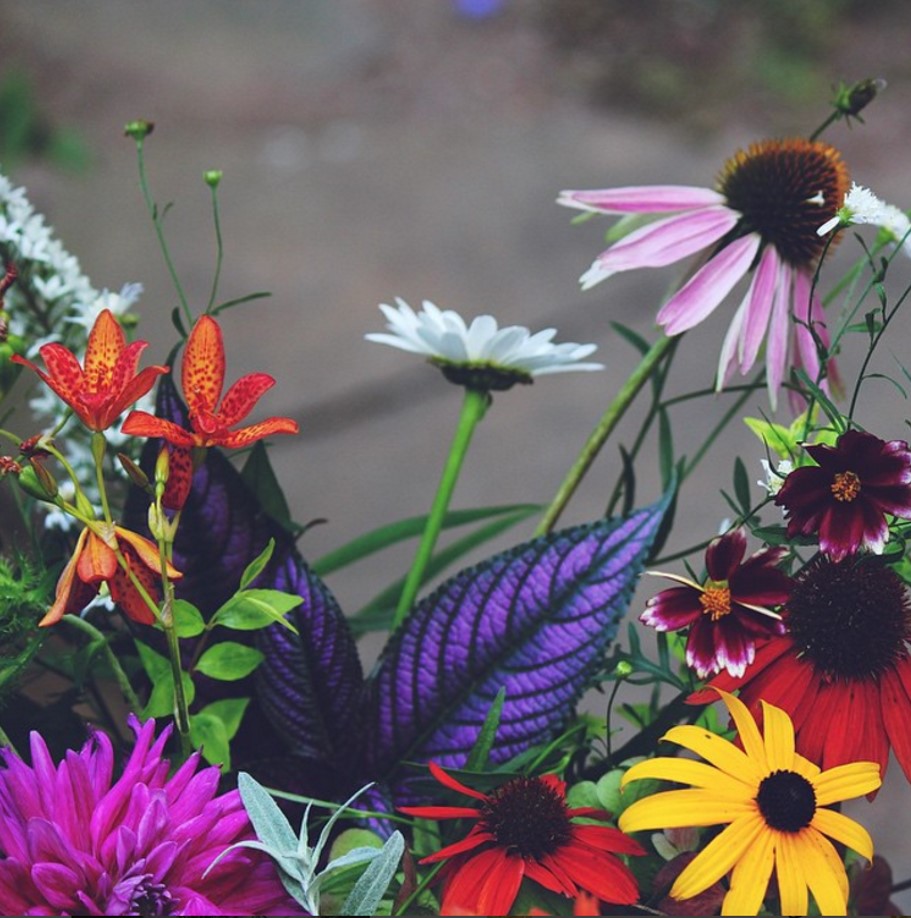
Art can come in many forms. Like a visual artist creating a masterpiece simply by putting pencil to paper, our friend Holly Bryan makes stunning works of art by simply combining and arranging different varieties of flowers and plants. Her designs allow for a fresh rotation of art, enhancing any environment.

Please take a moment to appreciate this sampling of her work. The artistry is so evident.

ART - the expression or application of human creative skill and imagination, producing works to be appreciated primarily for their beauty or emotional power.
Source: http://www.hollybryandesign.com/

APP Words with Friends - Galen Cheney

Galen Cheney is a Vermont-based artist that APP has felt a strong gravitation to lately. Cheney's work is so expressive and complex, yet seems to fit within a multitude of environments. We look forward to placing her work. In the meantime, a conversation...


APP: Galen, we just love your work and have to give a nod to the abstract expressionists that came before you. We are huge fans of Clyfford Still, Betty Parsons, Helen Frankenthaler and Cy Twombly. Want to tell us about some of your favs?

GC: Yes, the Abstract Expressionists are my painting heroes, generally.  Their art was their life and vice-versa.  My favorites among them are Joan Mitchell and DeKooning. They had a willingness — perhaps even a compulsion — to risk everything in a painting in order to create something meaningful, something new. I admire and aspire to that degree of artistic bravery.  Like you, I am also a big Twombly fan, as well as Guston and Diebenkorn.  And there are so many good painters working today: Mark Bradford is at the top of my list; I relate to the physicality of his work, his manipulation of non-traditional materials in the service of sublime beauty.  A few other contemporary favorites are Cecily Brown, Susan Rothenberg, Leonardo Drew, Julie Mehretu, Bill Jensen, and John Walker.  There are really too many to name.
 

APP: Agree completely. How do you see the changes in your life reflected in your work, particularly in where you have lived? I know you were born in LA and spent time in both MD and MA before settling in Vermont. In terms of street art, and referencing layered urban mark-making, where does this come from?

GC: I have spent a lot of time in Italy, and my first visits there when I was 14 and 15 had an enormous impact on me.  Yes, the art that I saw was part of it, particularly ancient frescoes in Pompeii and frescoes in Florence by Giotto and Masaccio, but just as affecting was the ancient history that suffused everything.  Witnessing noisy, contemporary life, including the day’s graffiti, within that ancient context affected me deeply. 

I am drawn to the enduring human need for visual self-expression.  Graffiti, ancient and contemporary, is a rich example of that.  These days I spend a lot of time in New York, and even its walls covered in layers of torn-off posters are a turn-on for me.  I often employ a similar kind of process in my own work — laying paint on, scraping it off; gluing paper or fabric on, pulling it off.  It’s not a planned technique in order to achieve a particular effect, rather it is just a process of working.  All those changes of direction in the making of a painting amount to rich and varied surfaces that are a record of the process.


APP: And in 2015 you were a fellow at the Da Wang Culture Highland in China. How lasting of an effect did the residency have on you? I know you took just a brush, ink and a marker, so it seems you were already open to the calligraphic and to using papers more common there. Can you give an example of something gleaned in Shenzhen that inspired a significant influence within your practice?

GC: My time in China continues to strongly inform my work. When I was there I began really focusing on collage as a method for making work.  I love scavenging, and I did that, gathering cast-off papers, hand-written notes, paper trash, basically.  I combined those with special Chinese papers and passages of ink brush paintings that I was working on.  I was energized by the process that I began there and I am continuing to work in that way today, though with painted textiles more often than paper. I love paper, but I am sensitive to the needs of framing paper pieces and wanted to explore more durable materials.


APP: Do you sew outside of using that technique as a manipulation in your work? Can you comment on any feminist concerns you have as an artist? What your work says or ignores? 

GC: No, I do not sew!  I didn’t grow up in a sewing household, though I recently inherited a friend’s old sewing machine and I am determined to learn the basics.  Hand-stitching is such a slow process, and though I like the look of it, the speed of it is at odds with my preferred way of working.  And then there’s the feminine association that seems to inevitably arise with stitching.  That said, more and more artists — both women and men — are working with thread in various ways and it feels like it is losing that strict association with the feminine or feminist. I am a feminist, though my work is not overtly about that.  I just try to make strong paintings.


APP: And you succeed. When did you make your series of "War Paintings?" Are you anticipating more work in this vein given the current turmoil in our world/our own country?

GC: The War Paintings were a response to the bombing of Beirut in 2006. Sadly, since then there have been and continue to be other wars that might have inspired that work.  My work is abstract, though I think it has everything to do with the world we are living in. It will never be a narrative of current events.  While it embodies the complexities of contemporary life, my work, if successful will rise above the noise.  This is the promise of art, to enrich us, engage us, to help us make sense of being human.


APP: You've really shown your work everywhere. Was there a particular place or group of people that you felt just "got" your work?

GC: Mostly it has been other painters that have most appreciated my work. Though now, after many years of tenacious and uncompromising painting, things are beginning to shift and my work is gaining broader recognition and appeal. I am always pushing myself to become a better painter with every painting I make. For me, that struggle, that process of discovery is the whole point.  And just maybe the stars are beginning to align.


APP: What is a typical winter day for you?

GC: Coffee first, followed by hauling wood for the wood stove and filling the bird-feeder.  If there is time, I’ll do a little reading (right now I am reading the Underground Railroad by Colson Whitehead), painting, hiking in the back woods with my dog, Viggo, answering emails, looking online for artist opportunities. There are always chores to do, but I get into my studio (which is in my house) just about every day.  I often paint at night, which comes early during winter in Vermont.


To learn more about Galen, please visit her website.

Source: http://galencheney.com/

In Transition / Take Action

"It's a mixed up, muddled up, shook up world..."

ATL Artist Anita Arliss created this protest image because in her words: "We may never know the USA we grew up in again. Things look dangerously unstable." She has made the image available for public use via Hair on Fire. Click the flag to download if you feel so inclined. 

Even though it feels as if the sky is truly falling, we must fight through this discomfort
and uncertainty
and take action. 


Learn more about the Artist: www.anitaarliss.com
Quote taken from "Lola" by The Kinks. Listen here.
 

Source: www.haironfire.org

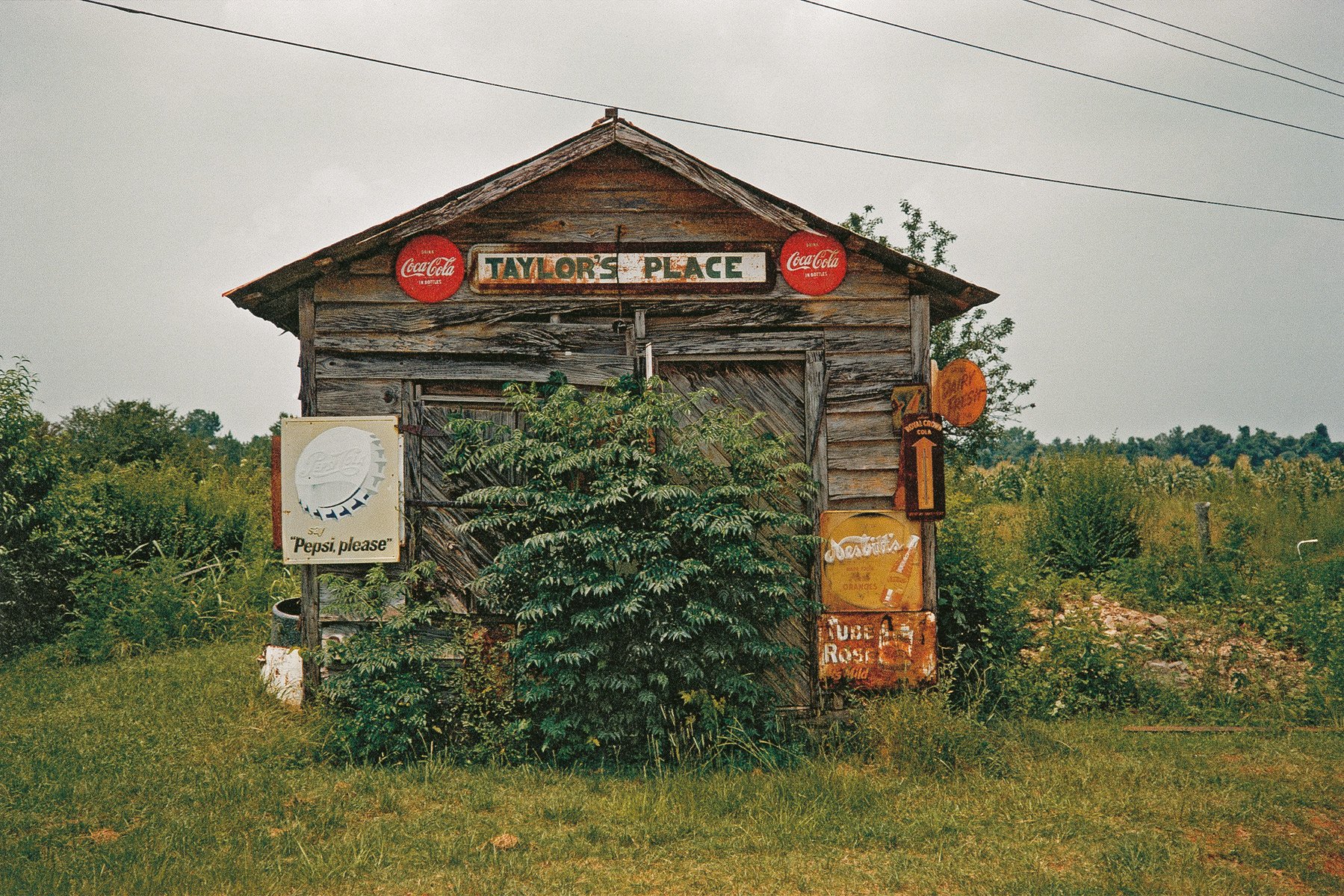
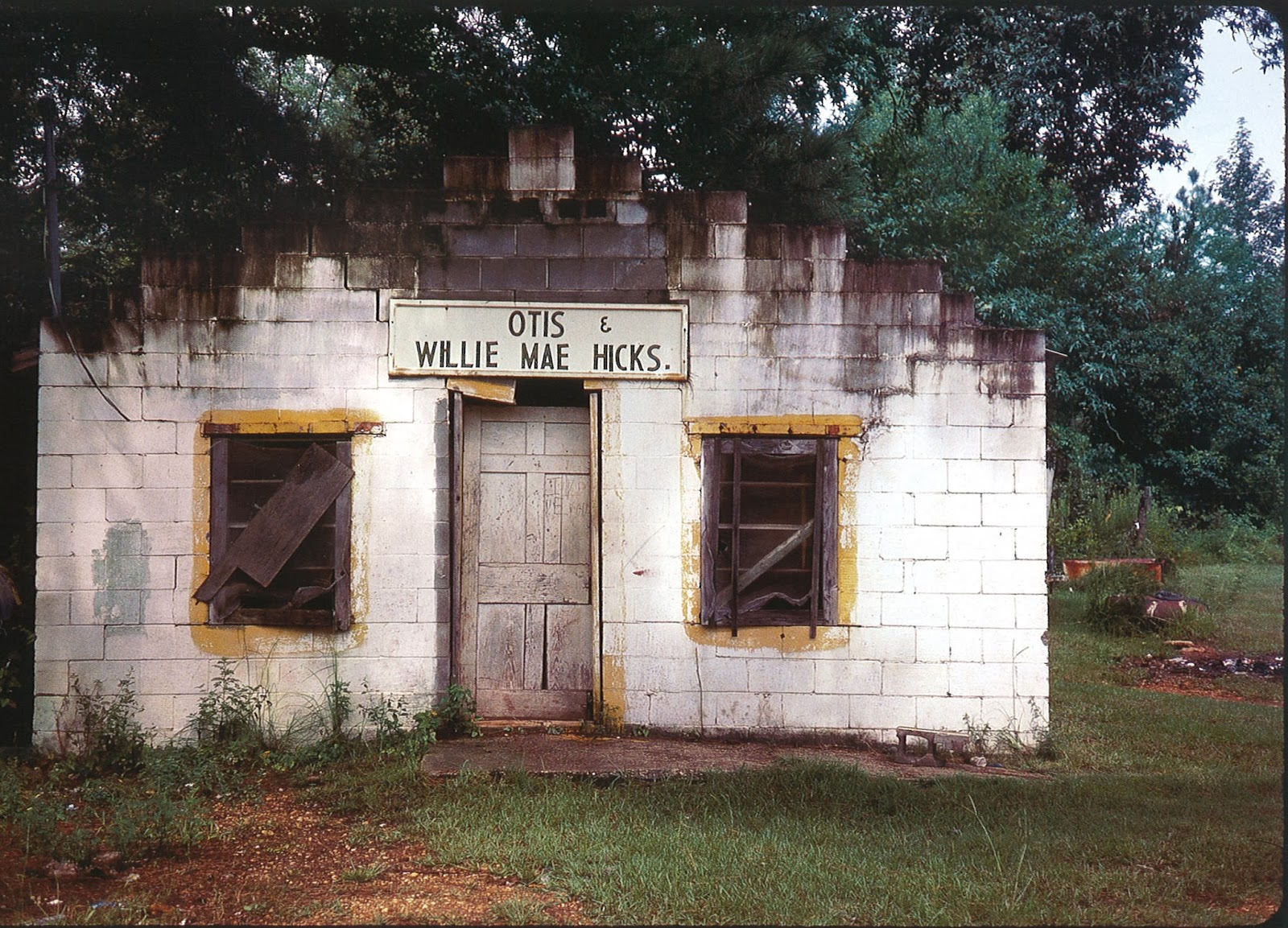
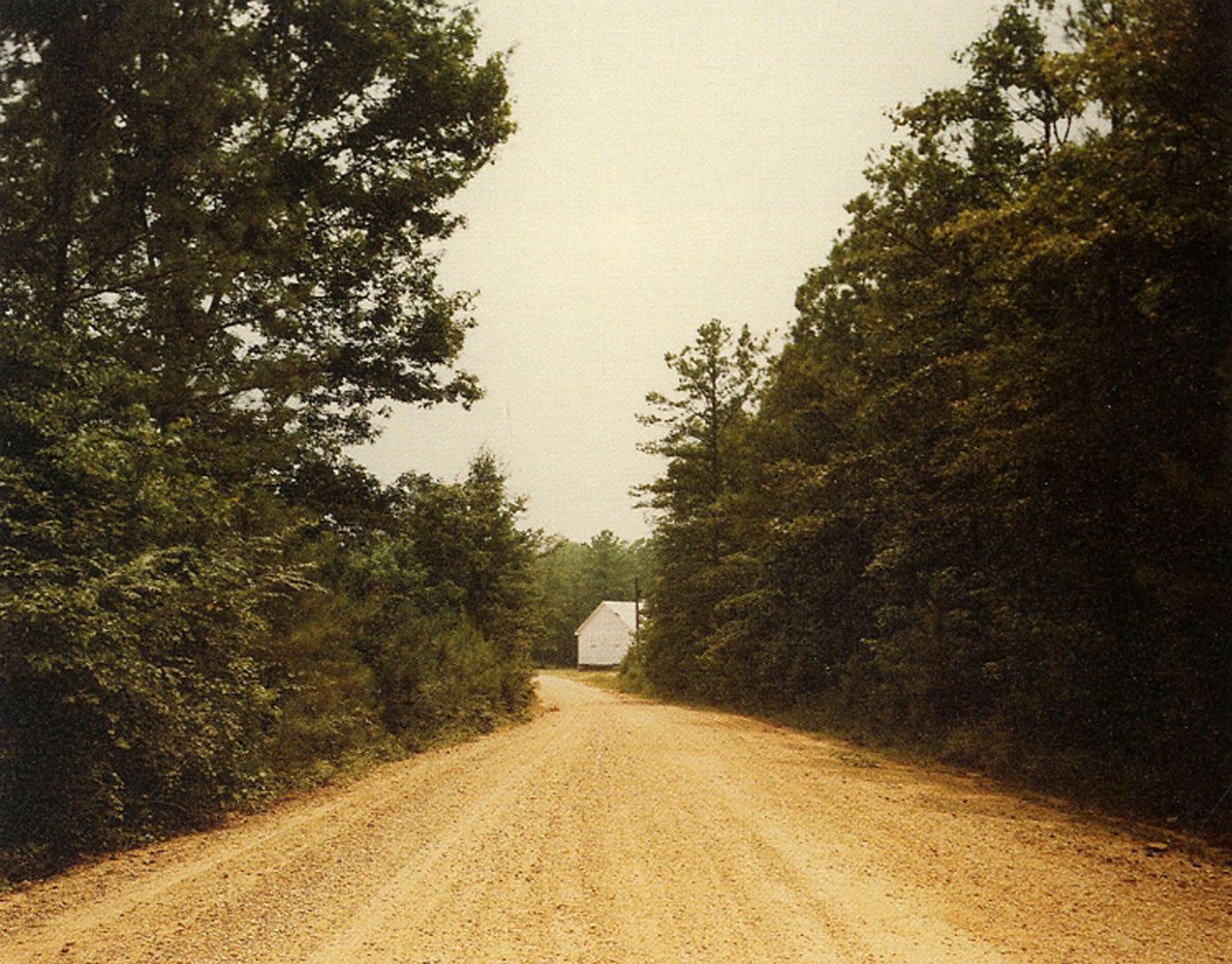
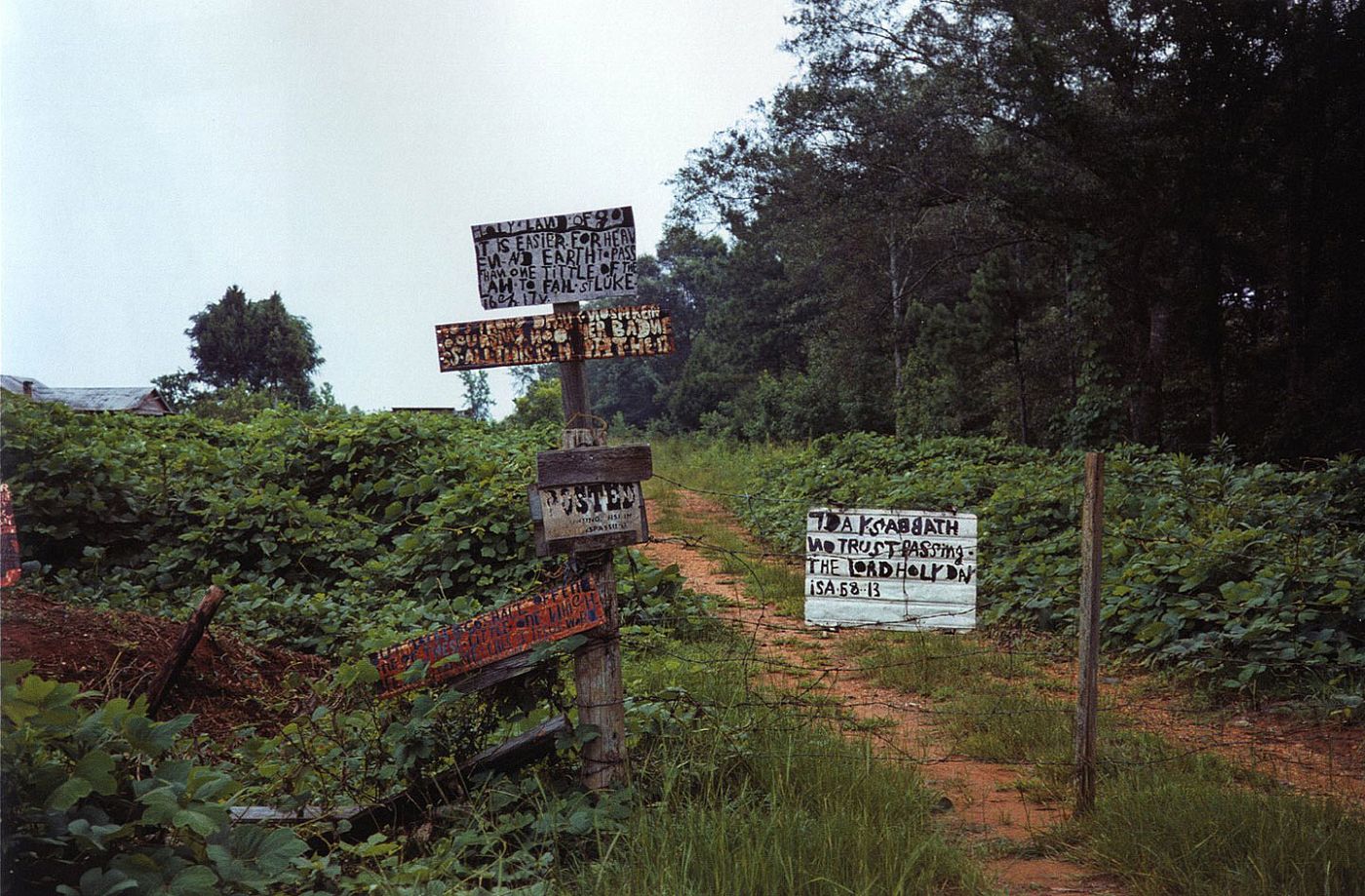
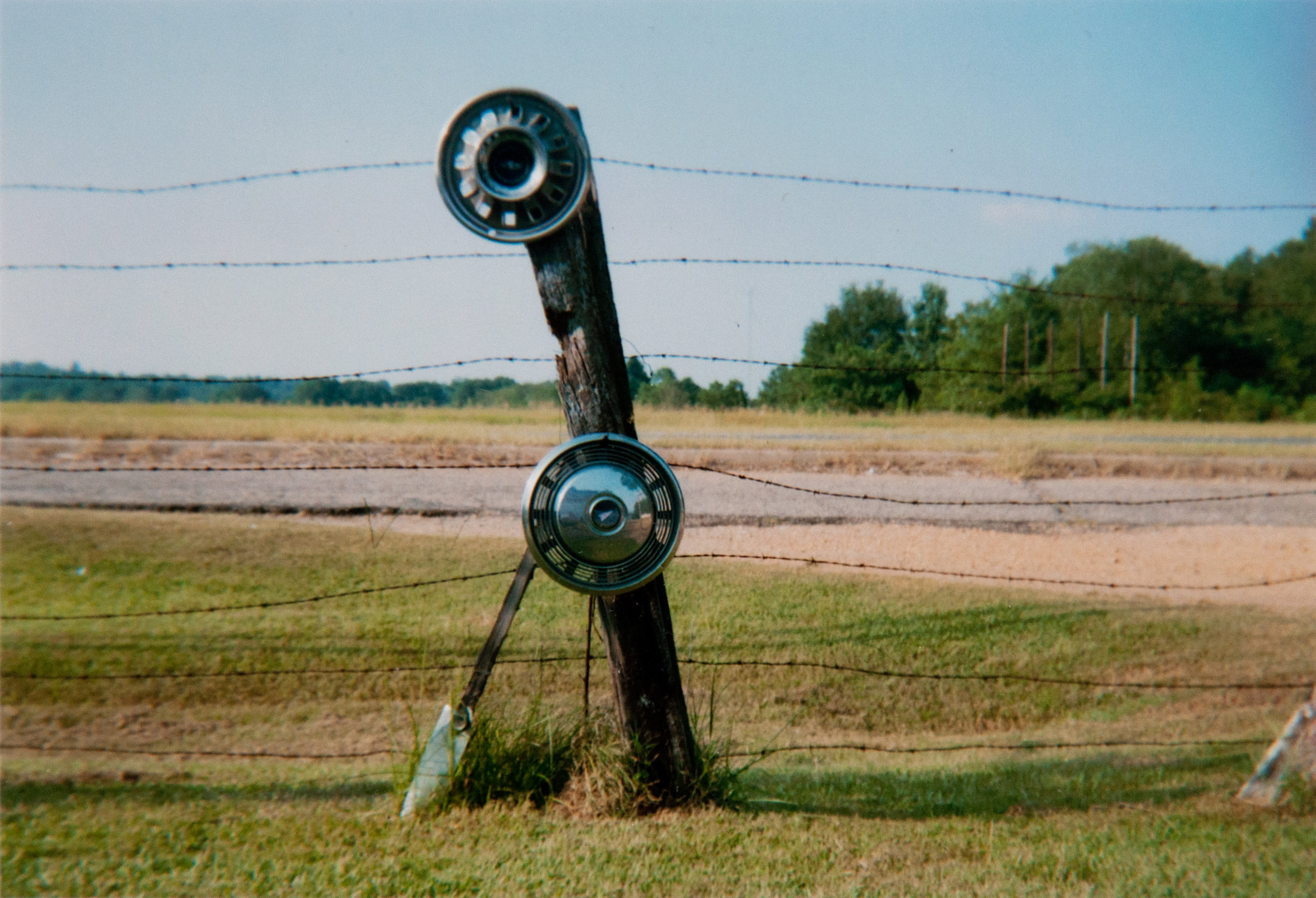
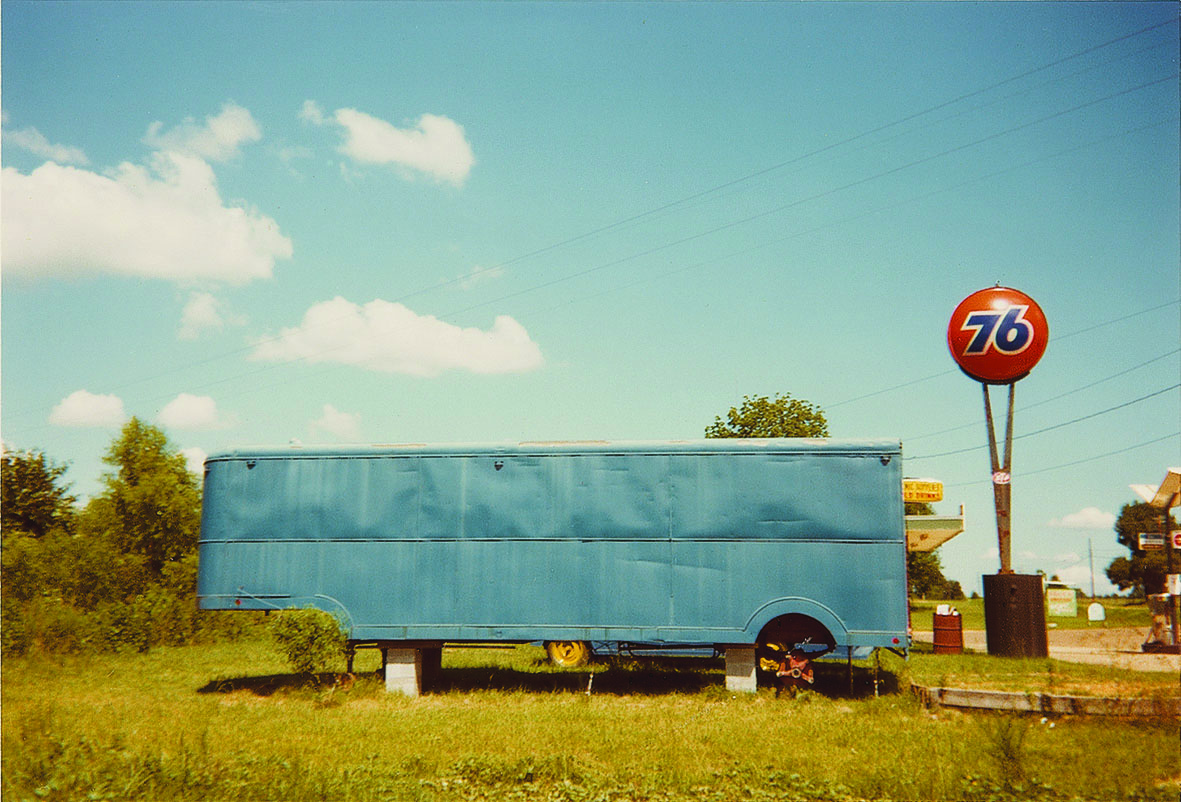
Rest in Praise, Mr. Christenberry

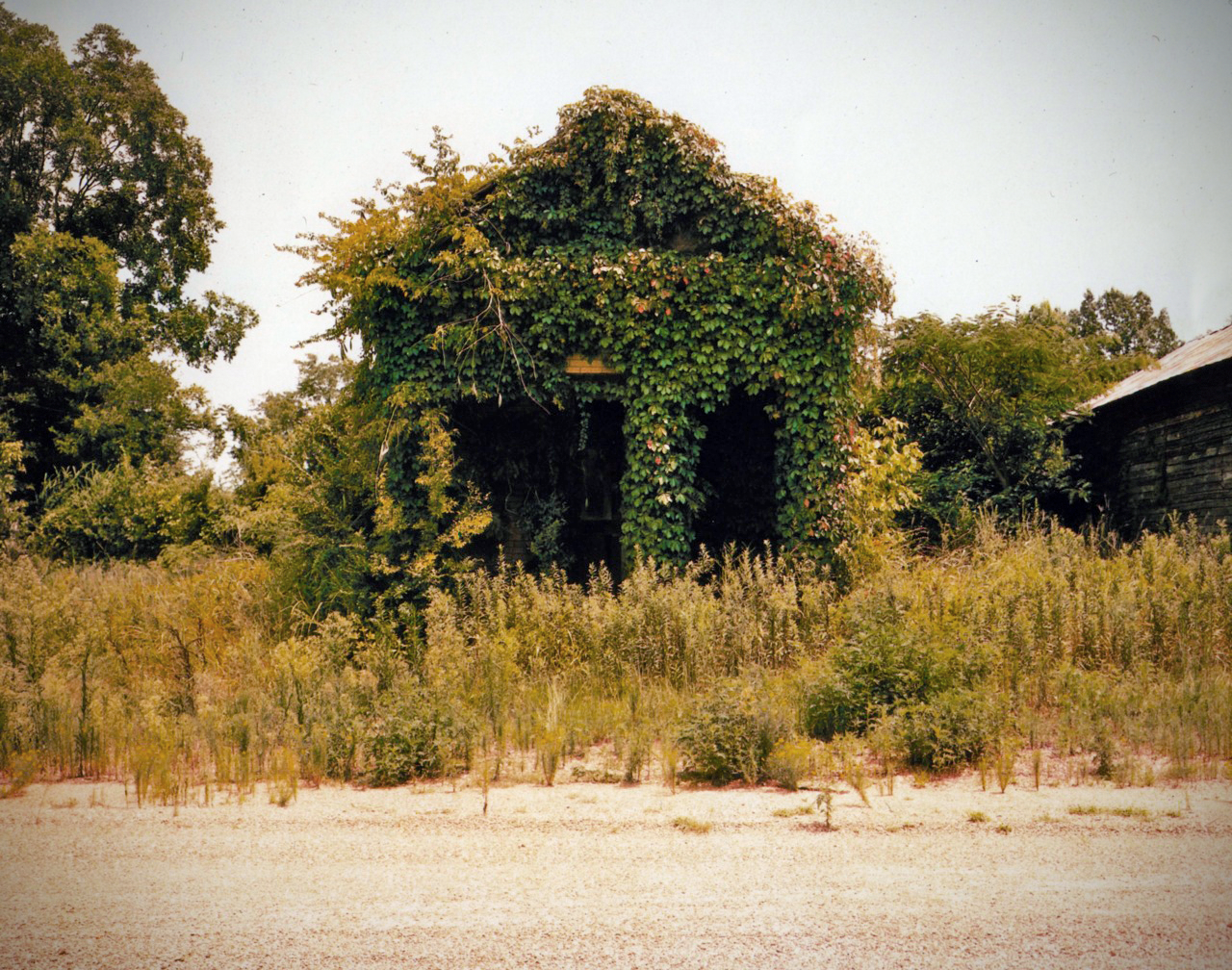
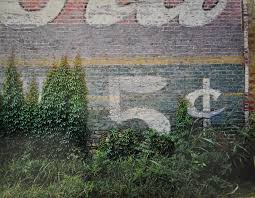
Renowned Southern artist, William Christenberry passed away Monday, November 28th. His photographs of the dilapidated buildings and vanishing landscapes of Alabama have as lasting endurance as the writing of Faulkner or the music of Ray Charles. Christenberry epitomizes the great identity within Southern culture that was written about in Heritage of the South: "a loyalty to a place where habits are strong and memories are long. If those memories could speak, they would tell stories of a region powerfully shaped by it's history and determined to pass it on to future generations."

We remain grateful for his eye and the Kodak Brownie that captured his images. Rest in praise, Mr. Christenberry.


Source: https://www.washingtonpost.com/entertainme...

Sharon Shapiro / In Defense of Figurative Art

Artists since the beginning of time have attempted to capture their social realities in their work, mimicking their sights and surroundings and offering impressions of the people and places that are important to them. As artists became more experimental and photography emerged as an available method to capture the real, figurative work has often taken a backseat to abstract and conceptual art particularly on display in the world’s museums and galleries.
 
Alice Neel, Lucien Freud, Chuck Close, Kehinde Wiley, Eric Fischl, Fairfield Porter, Marlene Dumas, Wayne Thiebaud, Amy Cutler and Sharon Shapiro, an artist Amy Parry Projects is very fond of, all offer proof that figurative work is still so impactful and significant when done well.

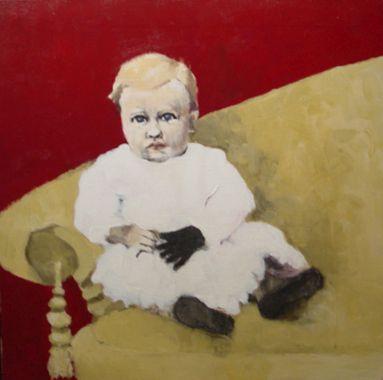
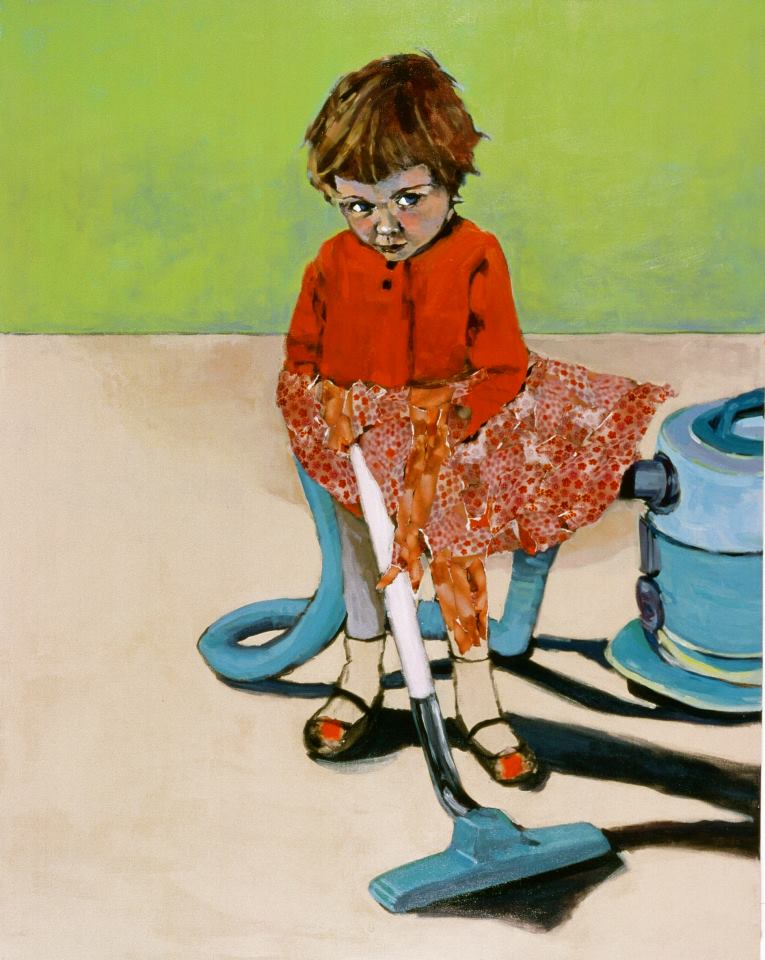
Long Shadow, 1994, acrylic on canvas, 23 x 24 inches
Collection of The Museum of Contemporary Art of Georgia (MOCA GA)

The first painting of Sharon’s I ever saw was Longshadow (above), a very odd little piece featuring a serious baby wearing a black glove. It was reminiscent of a portrait a wealthy family would commission of a child of great birthright, but what the heck was that glove all about? The thoughts that this painting provoked and the enduring uncertainty it offers is what I love most about Sharon’s work.

Amy Parry Projects is currently working with Sharon on a trio of layered, framed artworks for the guestrooms of a historic Atlanta hotel being renovated. In defense of figurative painting, and to attempt to explain why it can often be more interesting than a beautifully painted landscape, here are some words from some of Sharon’s collectors.

Please enjoy the thoughts and figures and let us know if we can connect you with Sharon!


I think for art to be serious and important, the kind that asks people to linger before it and really look at it, it has to have some kind of content. Abstract art, if it is more than decoration, makes an argument — i.e. has content — in its purely formal expression. But people can perhaps more easily overlook abstract art, and that is what makes it a safe choice for interiors. It is harder to walk past a face without engaging.
 
Figurative art demands attention because it opens a dialogue with viewers; it compels questions like who is she? What is she doing? What is she feeling? Where is she? but it doesn’t offer easy answers.

Pilgrimage 4, acrylic on canvas, 56 x 50 inches, Collection of Karen Goodchild

My experience is that people, whether or not they think of themselves as art-lovers or connoisseurs, are eager to enter into these conversations with paintings. They see a work and try out different narratives and meanings for the piece. These possible meanings make them look closely, asking question of the work that ideally will cause them to engage with the work’s formal qualities (how has the artist created the gleam in the figure’s eye? Why do the background trees seem threatening?). These questions will not always be answered, but I don’t find that viewers are upset at the open-endedness of their interaction.
 
Humans are narrative machines; we produce stories endlessly from the material of own experience, and figurative art offers an intense visual prompt to this story telling. Ultimately, living with Sharon’s work, has helped me see how deeply satisfying it is for people to encounter important art. Even though we are surrounded by endless images of people, a painted or drawn image carries a weight of creative intention through the effort of its facture that is satisfying on so many levels.


- Karen Goodchild, Chair of Art + Art History Departments, Wofford College

_______


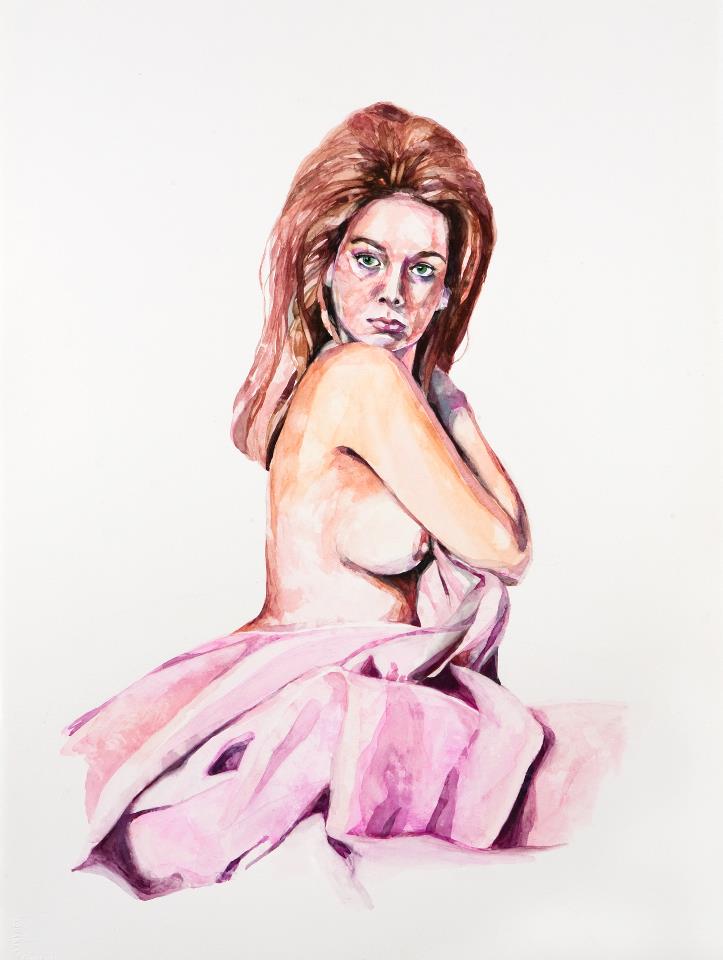
The watercolor I have by Sharon Shapiro, titled 'Heaven,' is one of my most treasured works of art. Based on a vintage photograph, it depicts a topless pin-up girl in a swimming pool with one arm raised in a greeting. Lush greenery surrounds her. It's a charming and funny picture, really. I have it hanging in my dining room in view of another nude painting from the 60s that my aunt painted. 
I think most people are a little alarmed when they encounter it in such a prominent spot: I entertain a lot so guests are frequently confronted with it.

Heaven, 2011, watercolor on paper, 30 x 22 inches, Collection of Robin Bernat

After a while, and in context to the other works in my dining and living rooms, I think they are better able to settle into their enjoyment of the work and whatever initial uneasiness about what might be provocative melts away. Sharon's deft handling of the watercolor is irresistible in my opinion.
 
- Robin Bernat, Owner/Curator of {Poem88} Gallery


_______
 

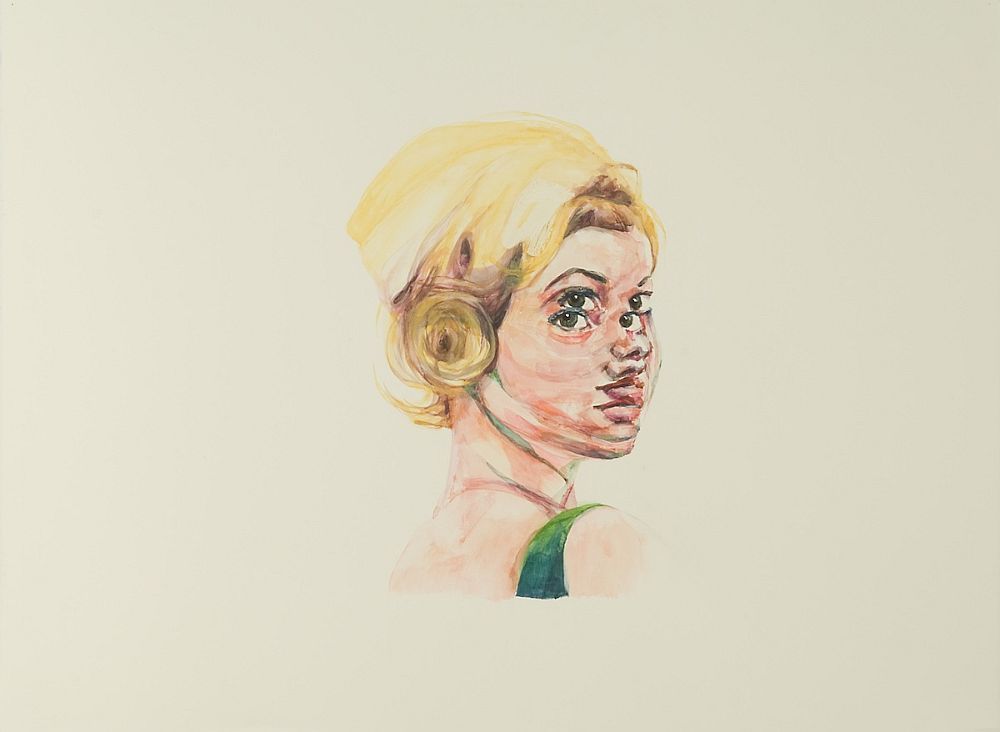
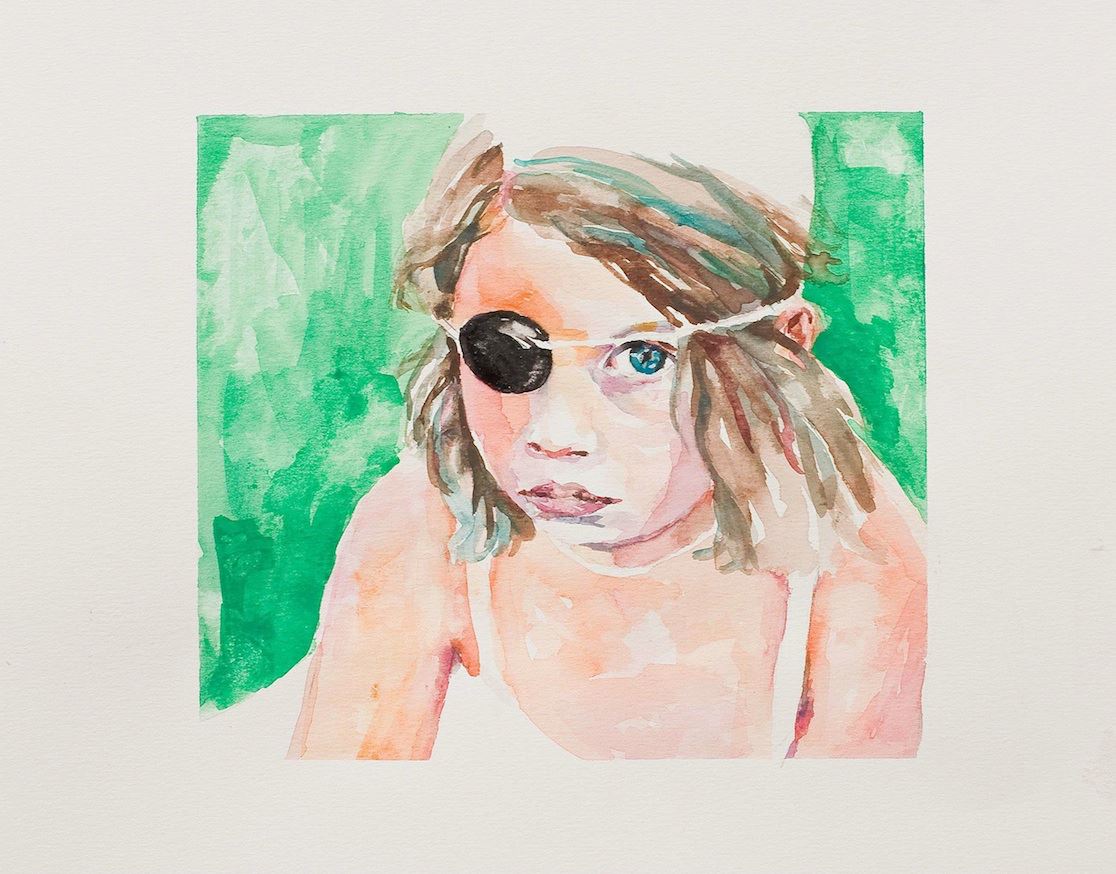
In 2014 I bought the painting 'Seam Splitter' and it has brought me so much joy. Every time I pass it, I notice something new and wonder what this woman is thinking. On top of being really beautiful, it's light and airy and mysterious and intense at the same time.

Seam Splitter, 2013, watercolor on paper, 22 x 30 inches, Collection of Joanne LaMotte

I get positive feedback and comments on this painting a lot. People always ask me who she is and who the painter is. Most of the comments center around the painting being, delicate, beautiful, and intriguing. People wonder what she's thinking. She seems to be a throwback to another era which I like. I've also moved her around several times in my house and she works in every room. She's part of the family now! Folks always stop and pause to look at her, whereas they don't really notice or do that with my abstract art.

- Joanne LaMotte, Jewelry Designer

_______

  
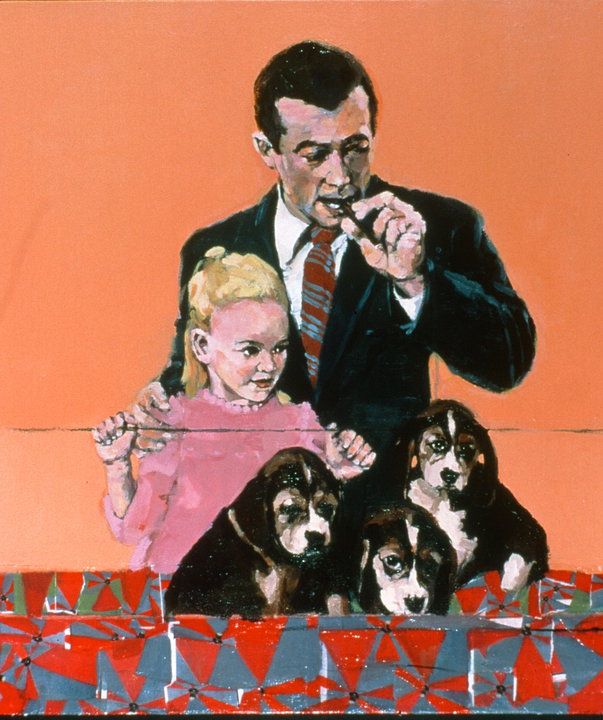
Sharon’s painting 'Burn' has has been in place in my living room for ten years now and has inspired endless reactions and comments as guests have flowed through our home. It has an immediacy that is hard to ignore, and it is actually more than figurative.  The geometry of the ovals and stripes gives it a modern feel I think, and during part of the day, sunlight gives the illusion that the woman has temporary wings.

Burn, 2005, acrylic on canvas, 48 x 60 inches, Collection of Wyn Owens

It by far attracts more attention than the large William Albert Allard Montana landscape photo I have in the same room or the Alex Webb photo of school boys, although both are superb pieces in my judgement.
 
In my experience, Sharon’s works have a way of riveting bystanders. There is some magic there that I’m personally poorly equipped to articulate, but I witness the magic’s effect on people all the time.


- Wyn Owens, Investment Manager / Founding Partner of New Generation Advisors

_______


More of our favorite works by Sharon Shapiro...


Lela Brunet / ATL is Hot

We visited ATL artist Lela Brunet recently - what a treat. We were interested in meeting her to learn more about her striking, figurative work. We left with a new friend and a feeling of excitement about the groundswell of creative energy that can be felt in ATL these days. Lela and her friends are artists who are bridging the gap between street art and fine art, doing their own thing and finding great opportunities for support to continue to do so. Lela spent as much time talking about her people as she did her own work, so as a nod to each of them, their links are shared below.

Video courtesy of Mutiny Artwrx

A recent graduate of Kennesaw State University (College of the Arts) Lela just moved into a new studio space in Mutiny Artwrx, which was developed and founded by JP McChesney, an artist himself. You may also know him from his other endeavors over at Paris on Ponce where Mutiny artists are offered a space to show their work. Lela's studio mate is another artist we have been following, Megan Mosholder, who sounds like she is having an incredibly busy/successful year. We also met Ray Geier, who dropped by the studio during our visit and told us all about the street painting he had completed around East Atlanta Village. He led us through all the great things happening with Elizabeth Jarrett's performance space Downtown Players Club and collaborative entity Deer Bear Wolf, as well as with Notch8 Gallery which opened last year in South Atlanta.

Although we were largely in the dark about most of those, Lela exhibits her work at Kai Lin Gallery and Kibbee Gallery, two venues we know and love. She was very gracious in speaking about Yu Kai and Ben Goldman, respective curators of those spaces and their support and encouragement of her as an artist. Prior to becoming her gallerist, she explained that Kai recommended her to Orpheus Brewing and she has since designed imagery for their labels, painted on site, etc.

In addition to her studio practice and pushing forward into a new body of work, Lela has done murals with Moreland Avenue Mural ProjectForward WarriorPhoenix Fest and Living Walls.

What is she working on now? She just collaborated with several other ATL artists to coat the exterior walls of Hodge Podge Coffeehouse & Gallery in art and it looks great. She is also preparing to work on a mural for the new Mailchimp offices within Ponce City Market.

Basically, pretty soon you won't be able to drive around ATL without seeing Lela's work. In the meantime, here is a sampling of our favorite figurative works (available through Kai Lin Gallery).

Go, Lela!
www.lelabrunet.com

Happy Independence Day from Amy Parry Projects!

This painting is a perfect expression of James Abbott McNeil Whistler's intent to create art for art's sake. Some of life's experiences are best depicted through nuance and implication. 
 

James Abbott McNeil Whistler, Nocturne in Black and Gold: The Falling Rocket, ca. 1875, oil on canvas, 24 x 18 inches, Detroit Institute of Arts


Whistler had given to literally flinging paint at the canvas and had become quite masterful at it by the time he created this Nocturne series. This city scene expresses very well the intangible moment that a burst of fireworks can imprint in spectators' minds. 


May you create memories and feel spectacular this holiday weekend.


Cheers!


Amy Parry Projects